Slideshow · Technology
20 Retro Gadgets That Once Ruled Every Desk and Living Room
Before smartphones absorbed everything, twenty standalone machines filled living rooms, backpacks, and office desks. From 1950s rotary telephones to 1990s handhelds, this countdown traces how everyday electronics changed work and play, based on Smithsonian, Computer History Museum, and manufacturer records.
By Most Viral Today
29 min agoradar-lead:c099e4dd-5ca3-417a-8096-01bd187dcc8d

Classic home and office hardware from rotary phones to early MP3 players 
20. Tamagotchi Virtual Pet 
19. Iomega Zip 100 Drive 
18. Palm M125 Handheld PDA - AdvertisementSwipe or tap ▶ to continue countdown

17. Motorola StarTAC Flip Phone 
16. BlackBerry Keyboard Smartphone 
15. Texas Instruments TI-83 Plus 
14. Kodak Carousel Slide Projector - AdvertisementSwipe or tap ▶ to continue countdown

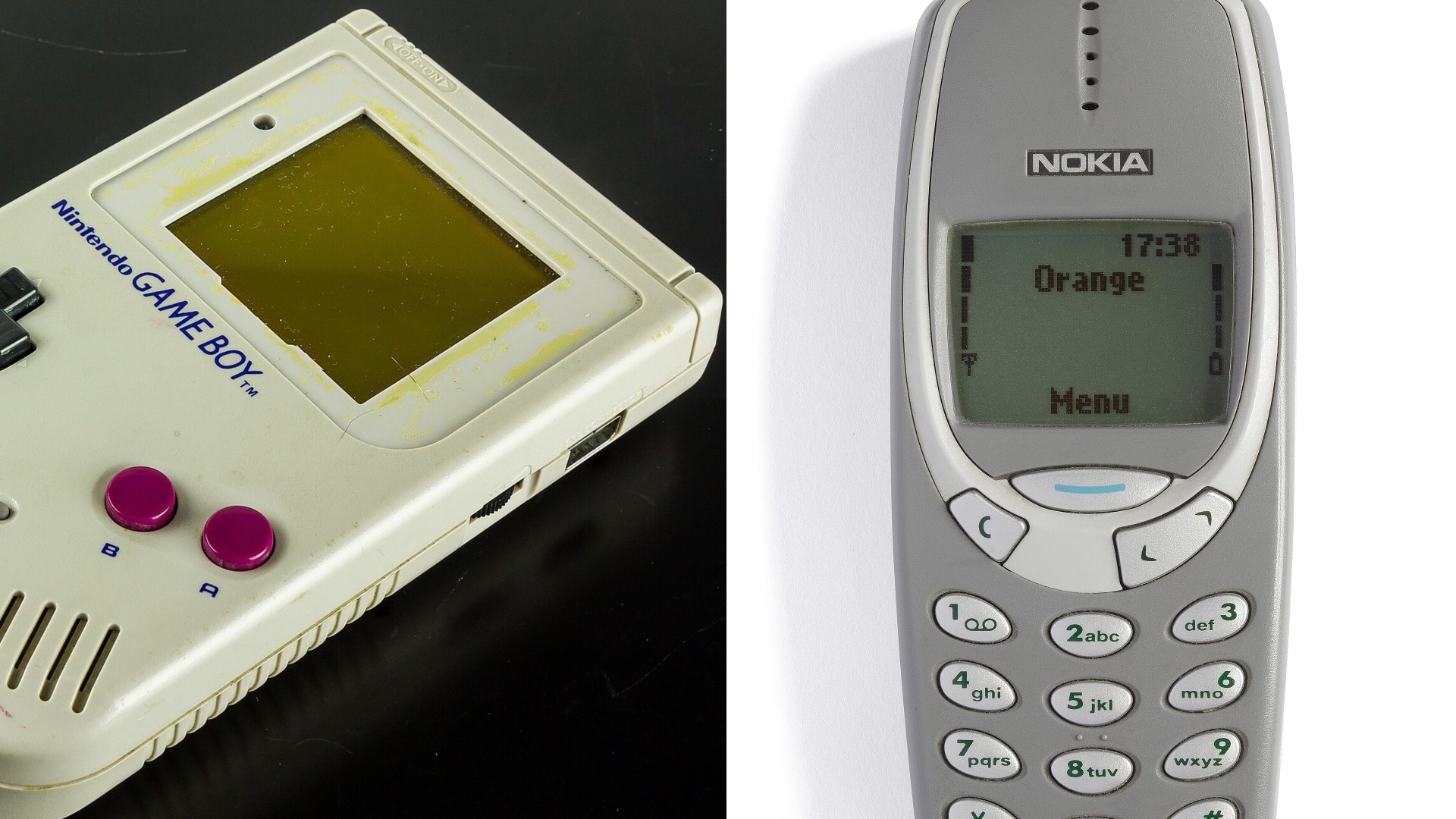
13. Nokia 3310 Mobile Phone 
12. Nintendo Game Boy (1989) 
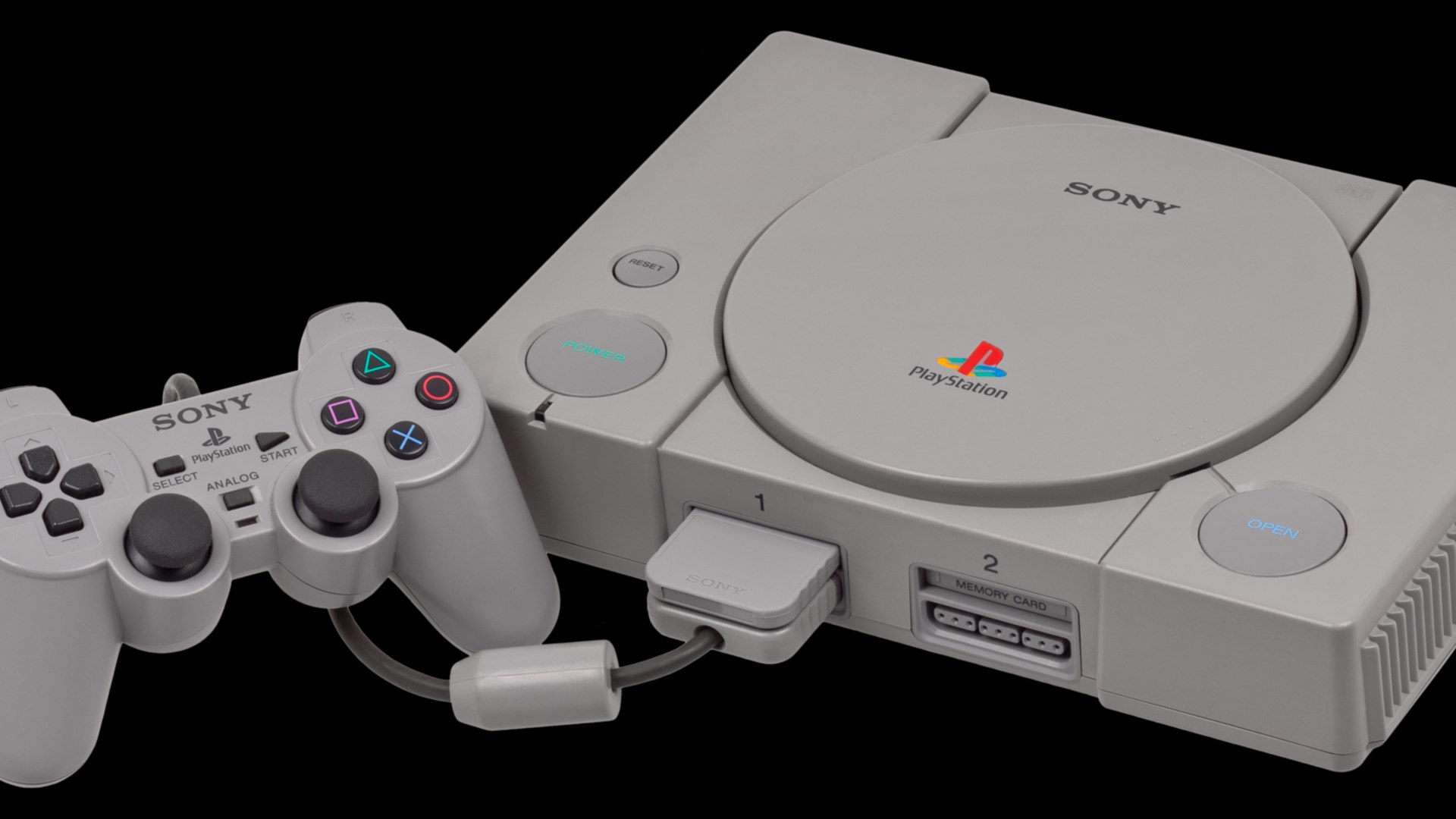
11. Sony PlayStation (1994) 
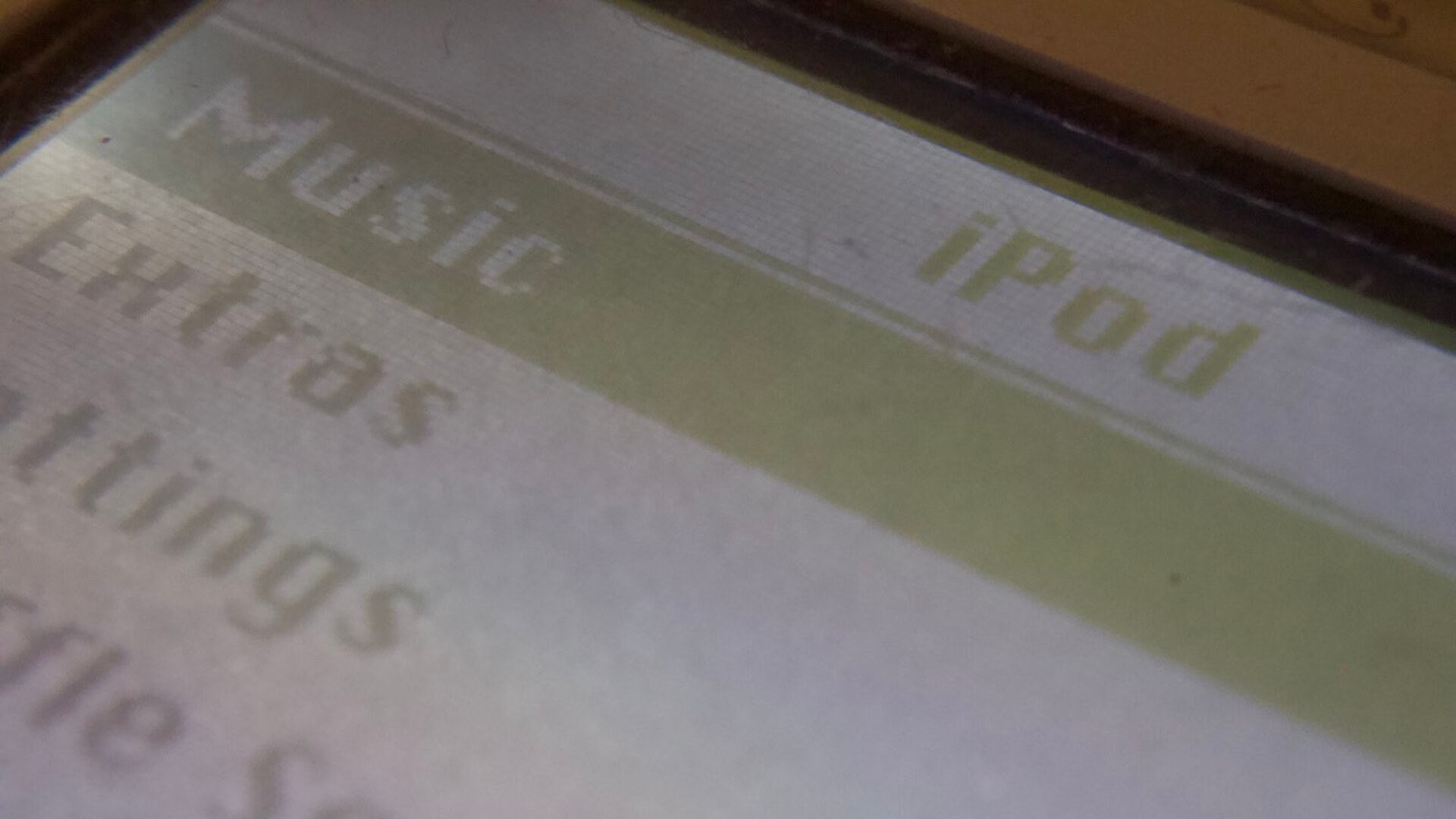
10. Apple iPod Classic - AdvertisementSwipe or tap ▶ to continue countdown

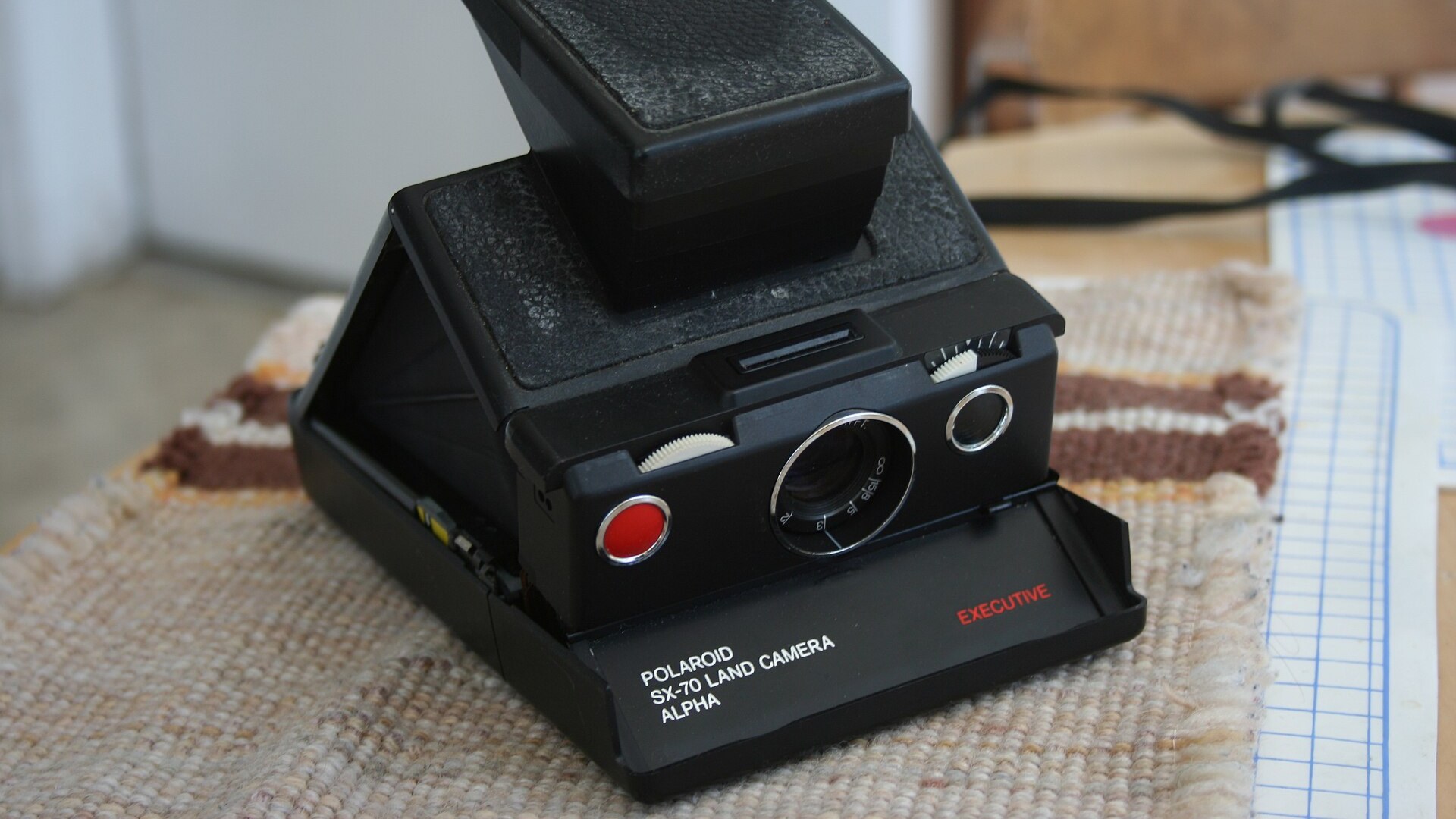
9. Polaroid SX-70 Land Camera 
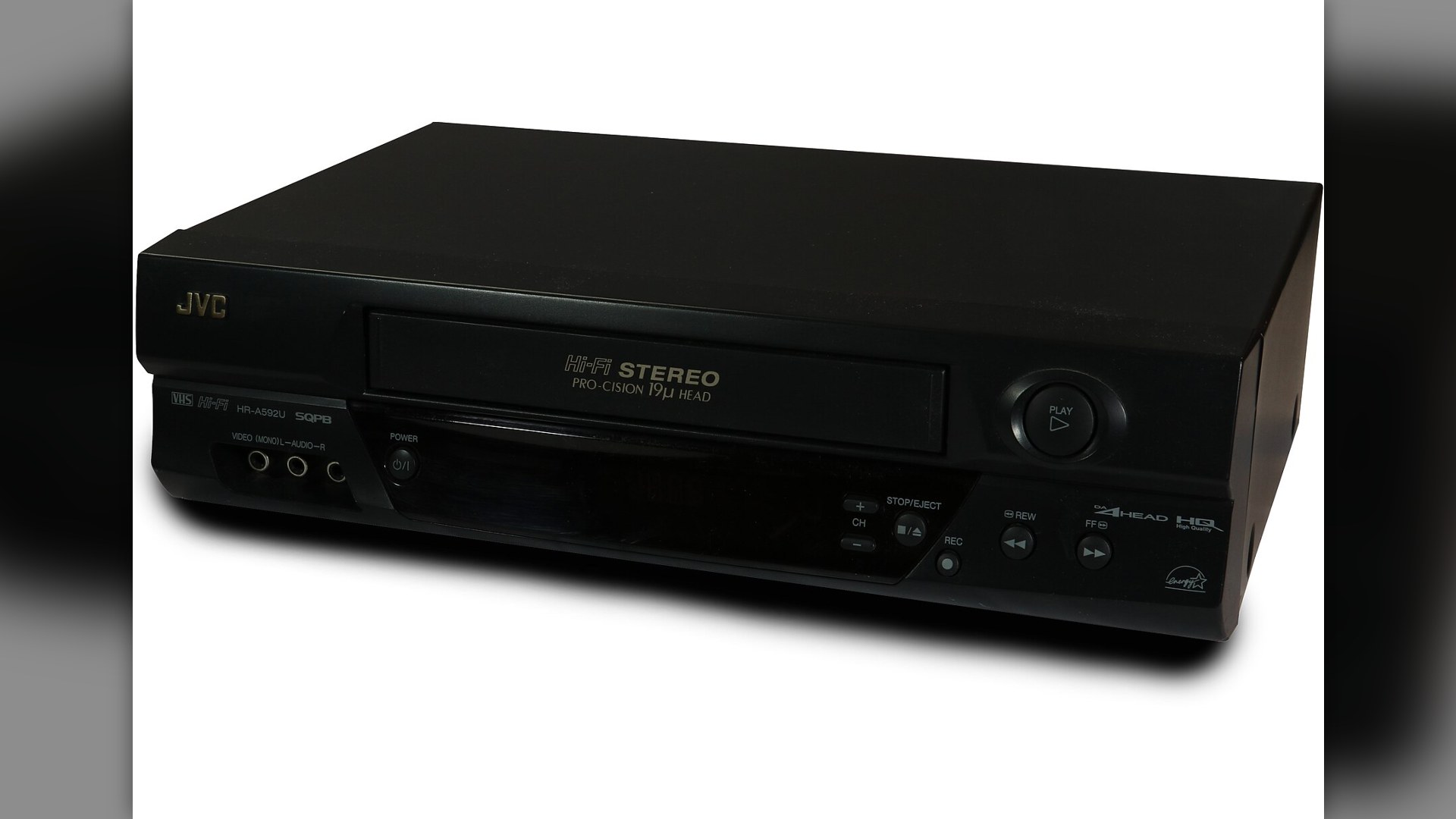
8. VHS Videocassette Recorder 
7. Atari 2600 Game Console 
6. IBM Selectric Typewriter - AdvertisementSwipe or tap ▶ to continue countdown

5. Commodore 64 Home Computer 
4. Apple Macintosh Plus 
3. Sony Trinitron CRT Television 
2. Western Electric Model 500 - AdvertisementSwipe or tap ▶ to continue countdown

1. Sony Walkman TPS-L2 - Advertisement🔥 UP NEXT IN THIS SERIES◫ 23 Slides

22 Discontinued Sony Products That Tech Fans Still Miss Today
Sony has retired dozens of landmark devices since 1979, from pocket televisions and floppy-disk cameras to classic PlayStation consoles. Based on official Sony Electronics and Sony Interactive Entertainment archives alongside reporting from The Verge and Engadget, this countdown ranks 22 fan favorites.
Twenty once-ubiquitous consumer machines tell the story of how personal tech moved from living room consoles to pocket hardware. Each entry ranks hardware from corded rotary dials to cassette players and early PDAs, based on Smithsonian, Computer History Museum, and official manufacturer archive records.
Swipe or tap ▶ to begin the countdown
©Wikimedia / Raimond Spekking & Wikimedia / Multicherry
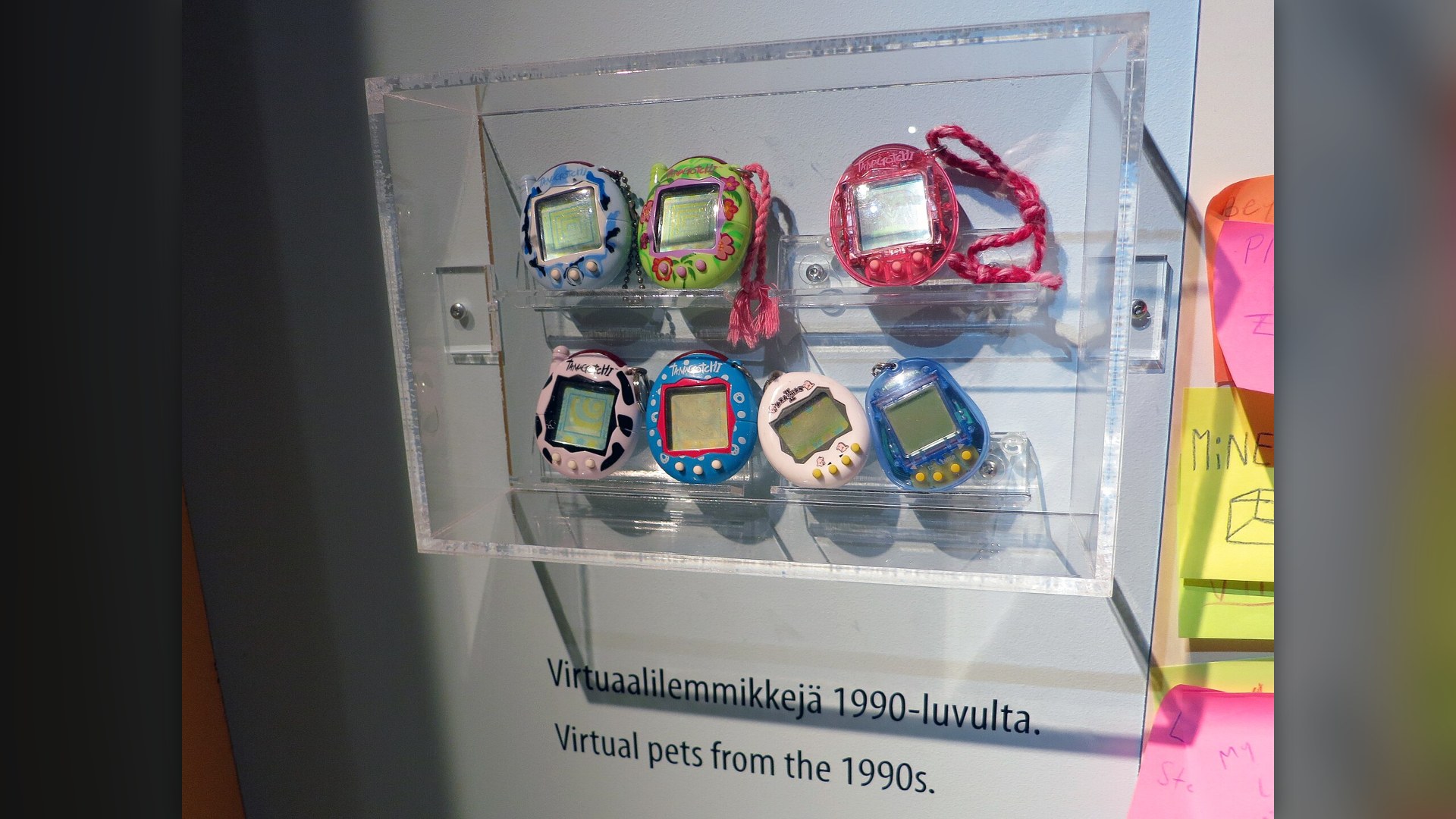
20. Tamagotchi Virtual Pet
Released in Japan in November 1996 by Bandai, the egg-shaped toy ran on a simple black-and-white LCD screen with three buttons. Original units are now preserved at Finland's Rupriikki Media Museum and The Strong National Museum of Play in Rochester.
©Wikimedia / Trogain
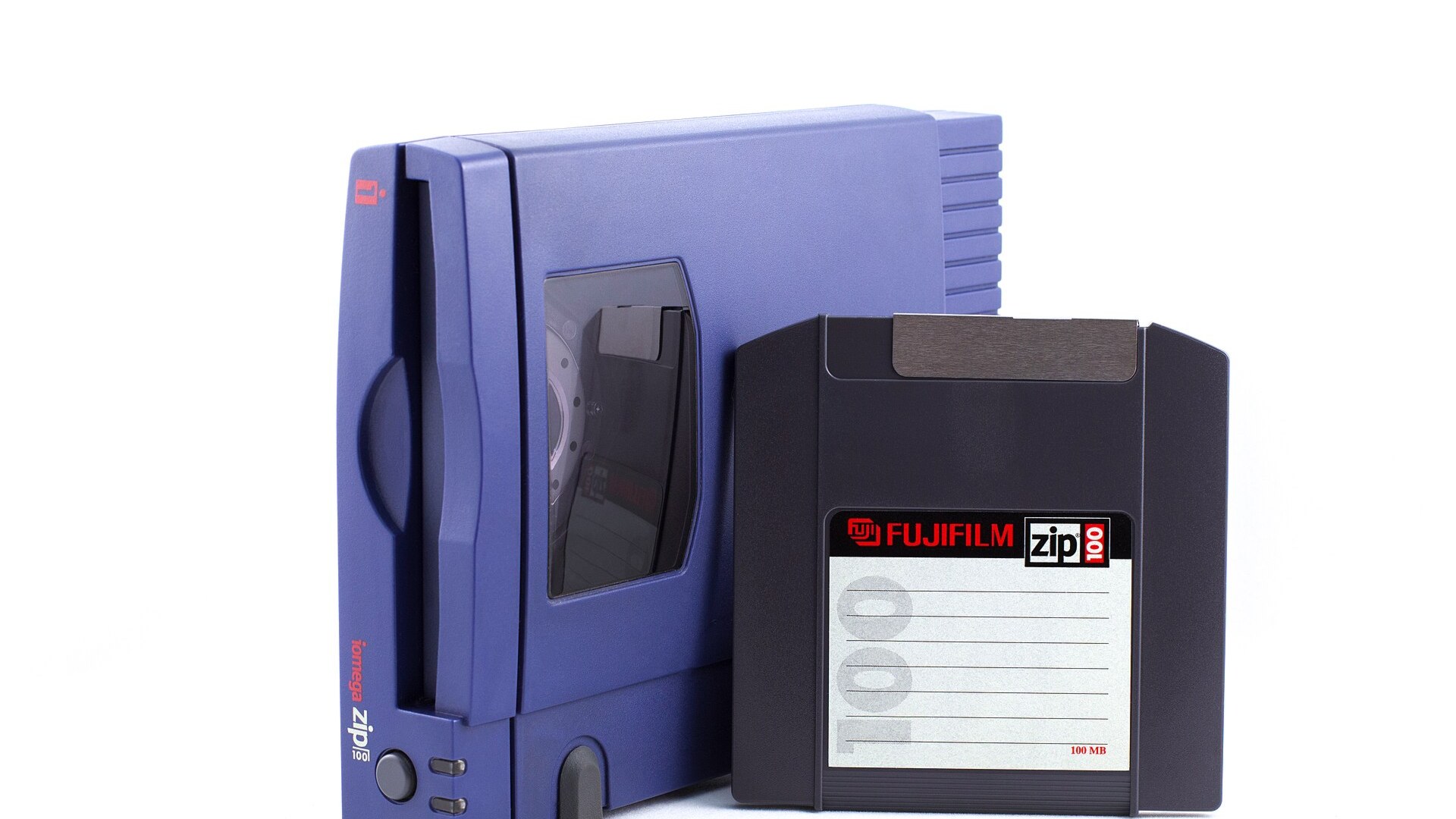
19. Iomega Zip 100 Drive
Launched in late 1994, the Iomega Zip 100 held nearly seventy times as much data as a standard 1.44-megabyte floppy disk. Designers and students relied on its parallel and SCSI drives until writable CDs and flash drives ended production in the 2000s.
©Wikimedia / Yuri Litvinenko / 30pin
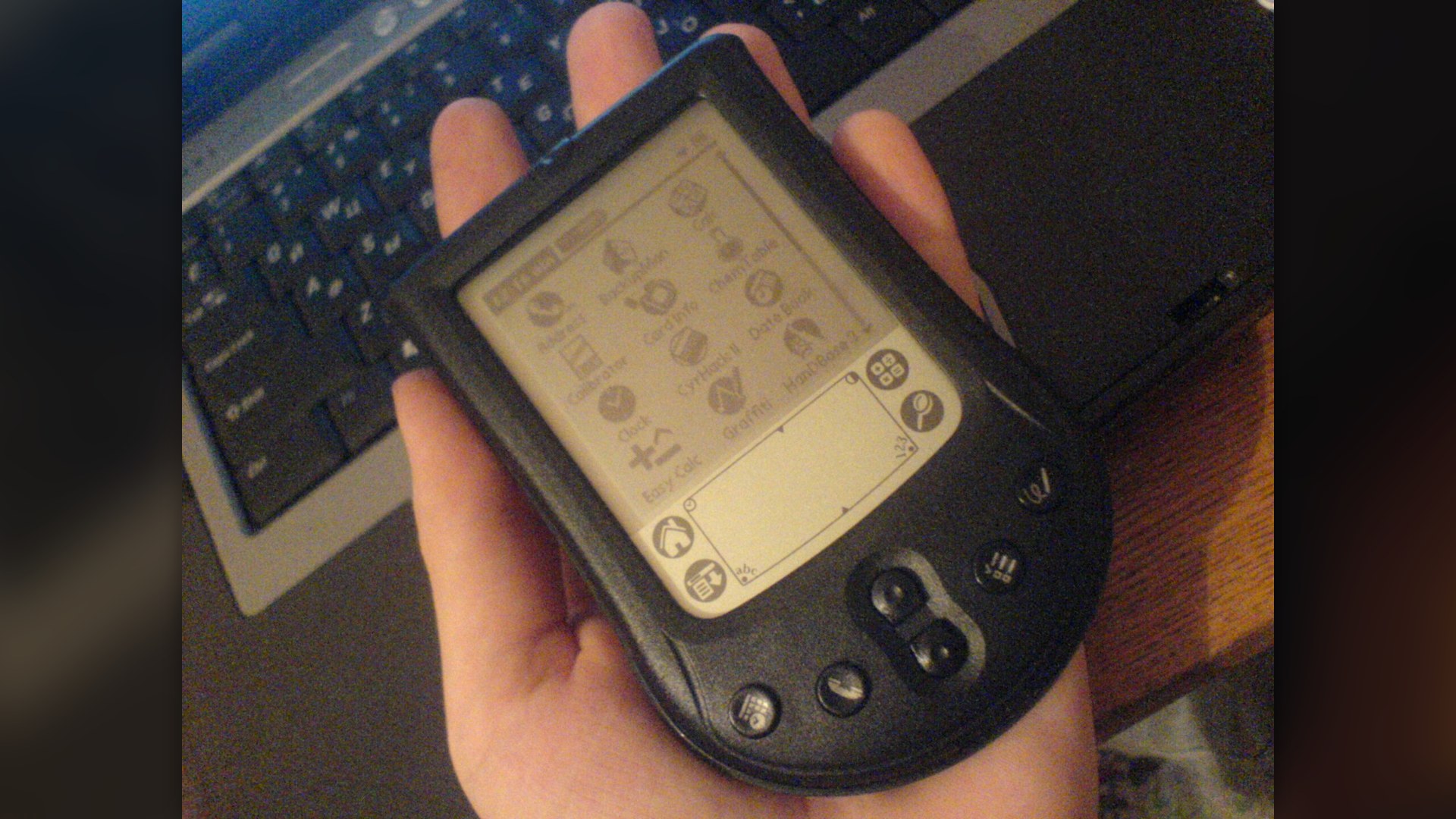
18. Palm M125 Handheld PDA
Palm's personal digital assistants brought Graffiti handwriting recognition and one-button PC syncing to shirt pockets in the late 1990s and early 2000s. Models like the 2001 m125 ran on AAA batteries and Palm OS 4, and early units sit in Computer History Museum archives.
©Wikimedia / Siarhei Besarab
Advertisement
Swipe or tap ▶ to resume the countdown.
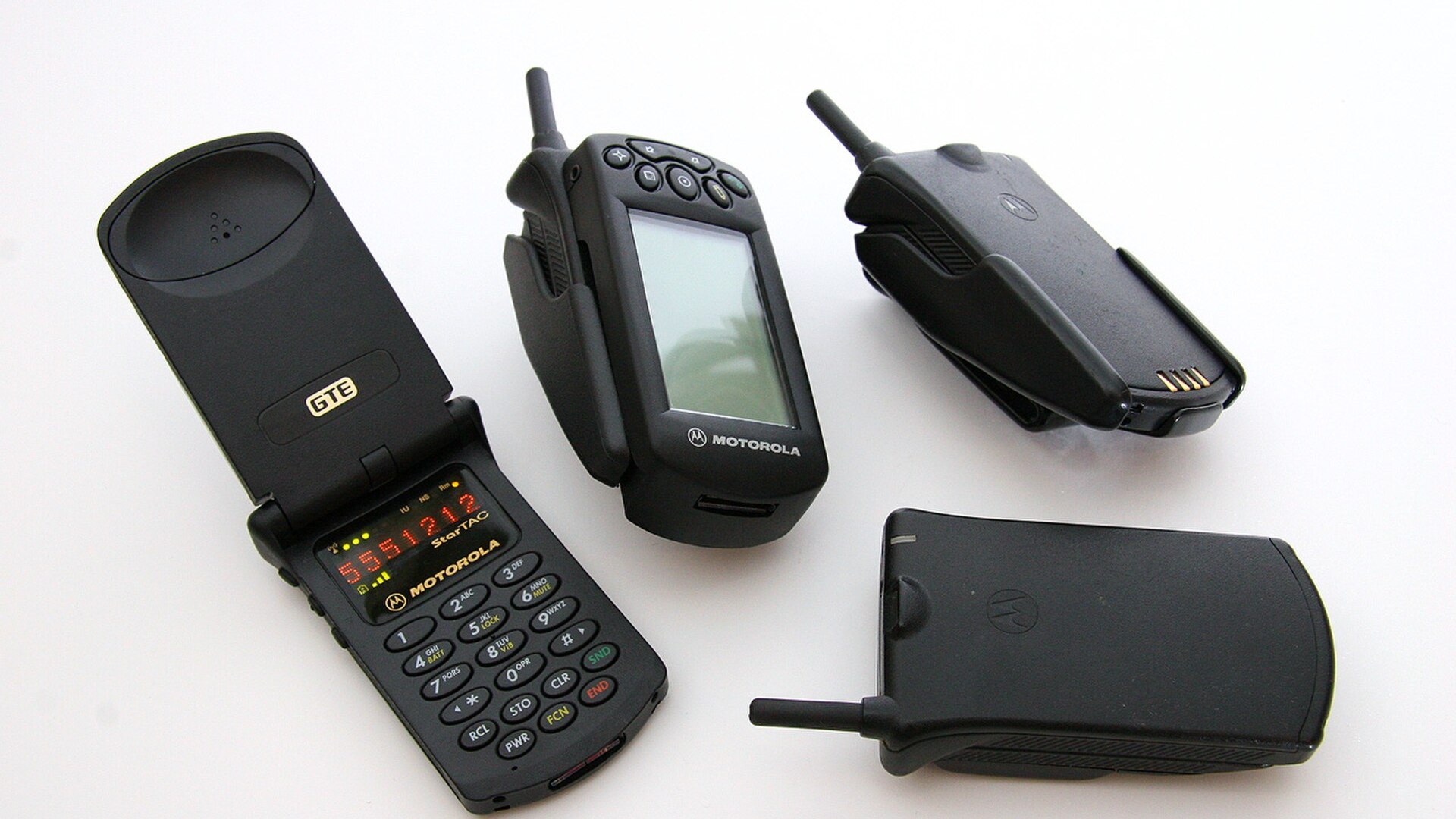
17. Motorola StarTAC Flip Phone
Motorola introduced the StarTAC in January 1996 as the first clamshell mobile phone, folding shut like a tiny communicator. It pioneered vibrating alerts and wearable belt holsters, and early units are kept in Smithsonian and design museum collections.
©Wikimedia / rfdigitalwpg
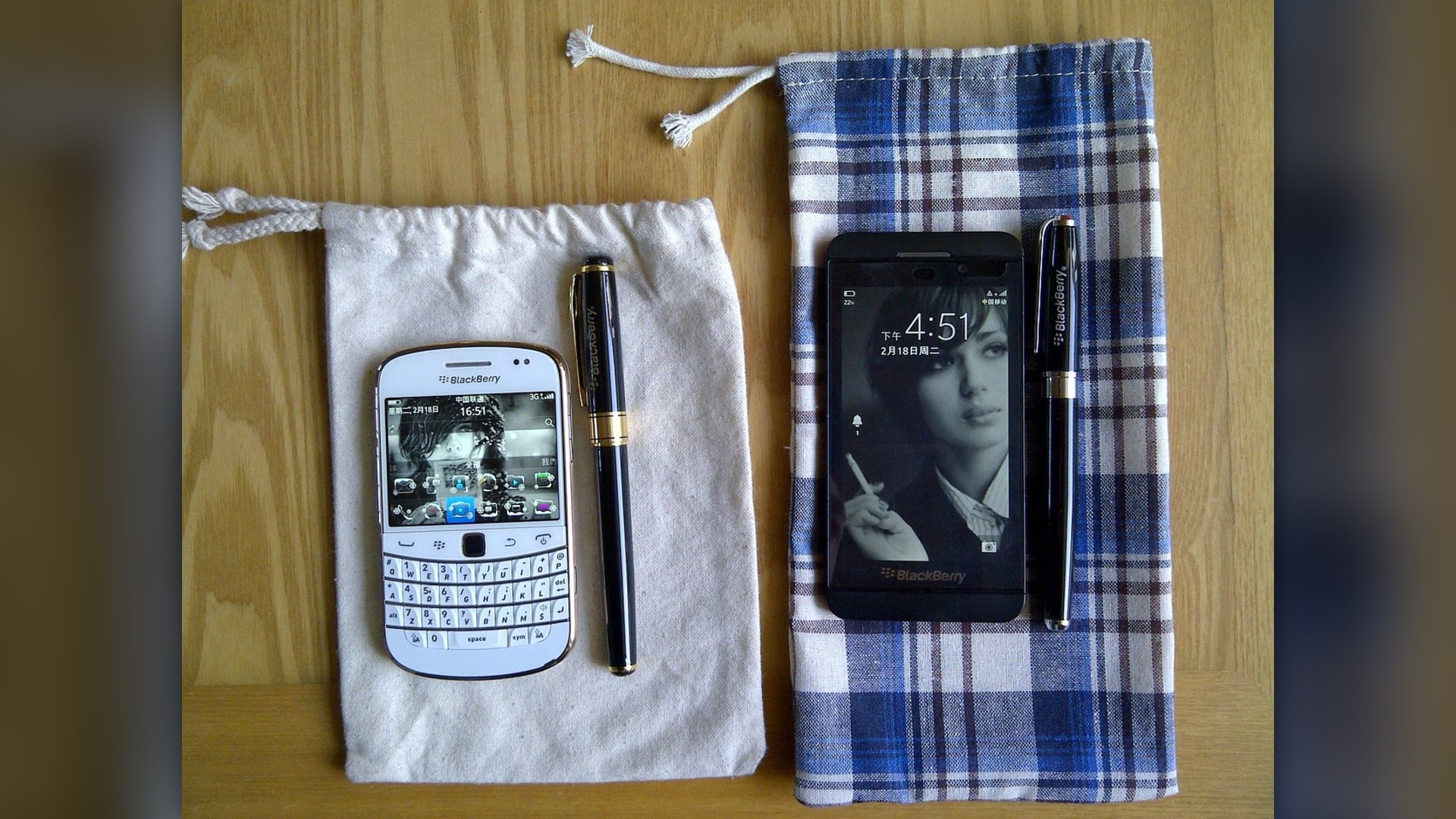
16. BlackBerry Keyboard Smartphone
Research In Motion built its reputation on hardware QWERTY keyboards and encrypted push email across corporate and government offices in the 2000s. After touchscreens took the market, BlackBerry ended support for its classic OS software in January 2022.
©Pixabay / jieyirain
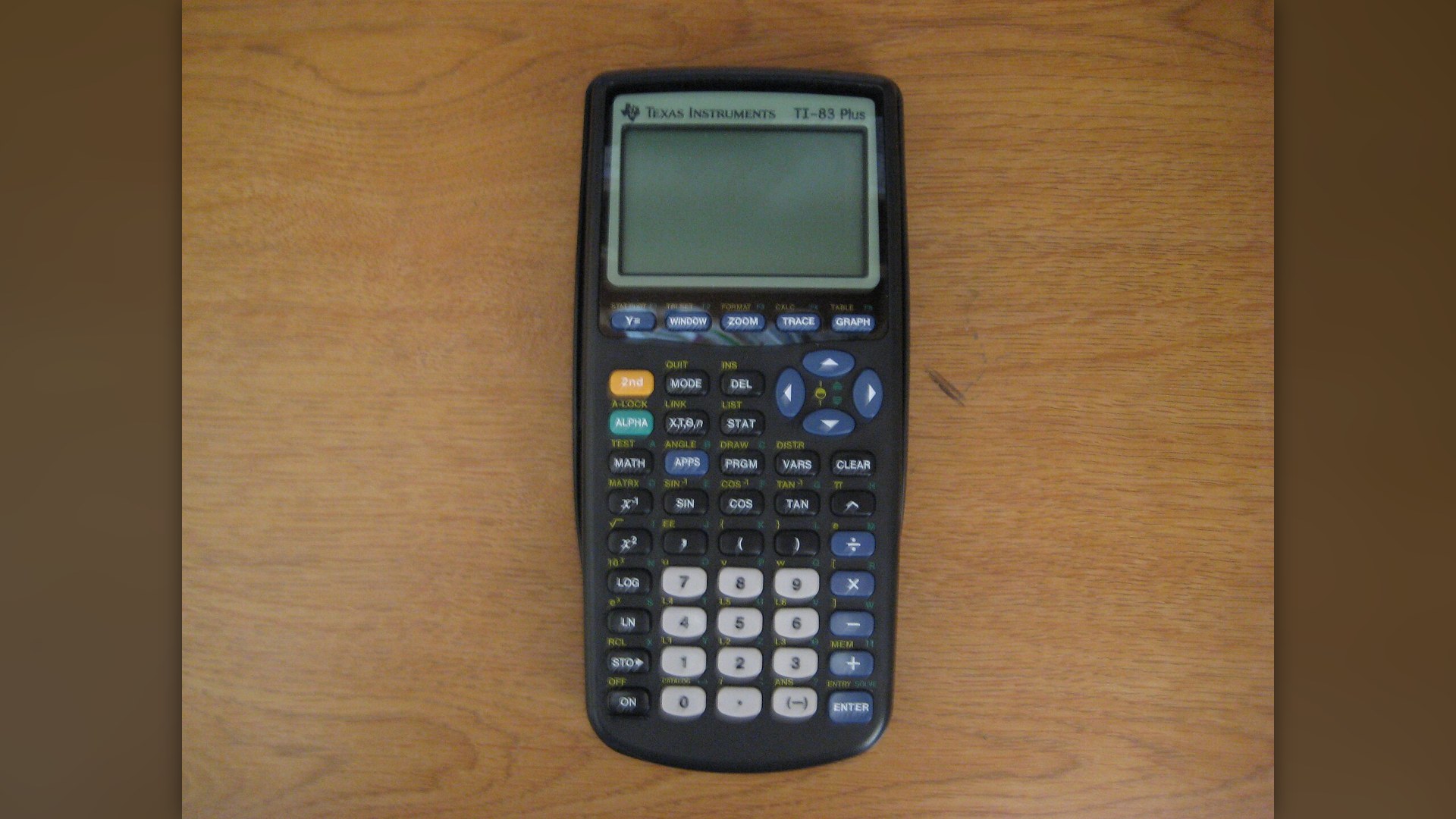
15. Texas Instruments TI-83 Plus
Texas Instruments released the TI-83 Plus in 1999 with flash memory that let students load formulas and homemade games like Tetris. Standardized testing boards kept the series on approved calculator lists for decades, making its grey shell unmistakable.
©Wikimedia / kirwenj
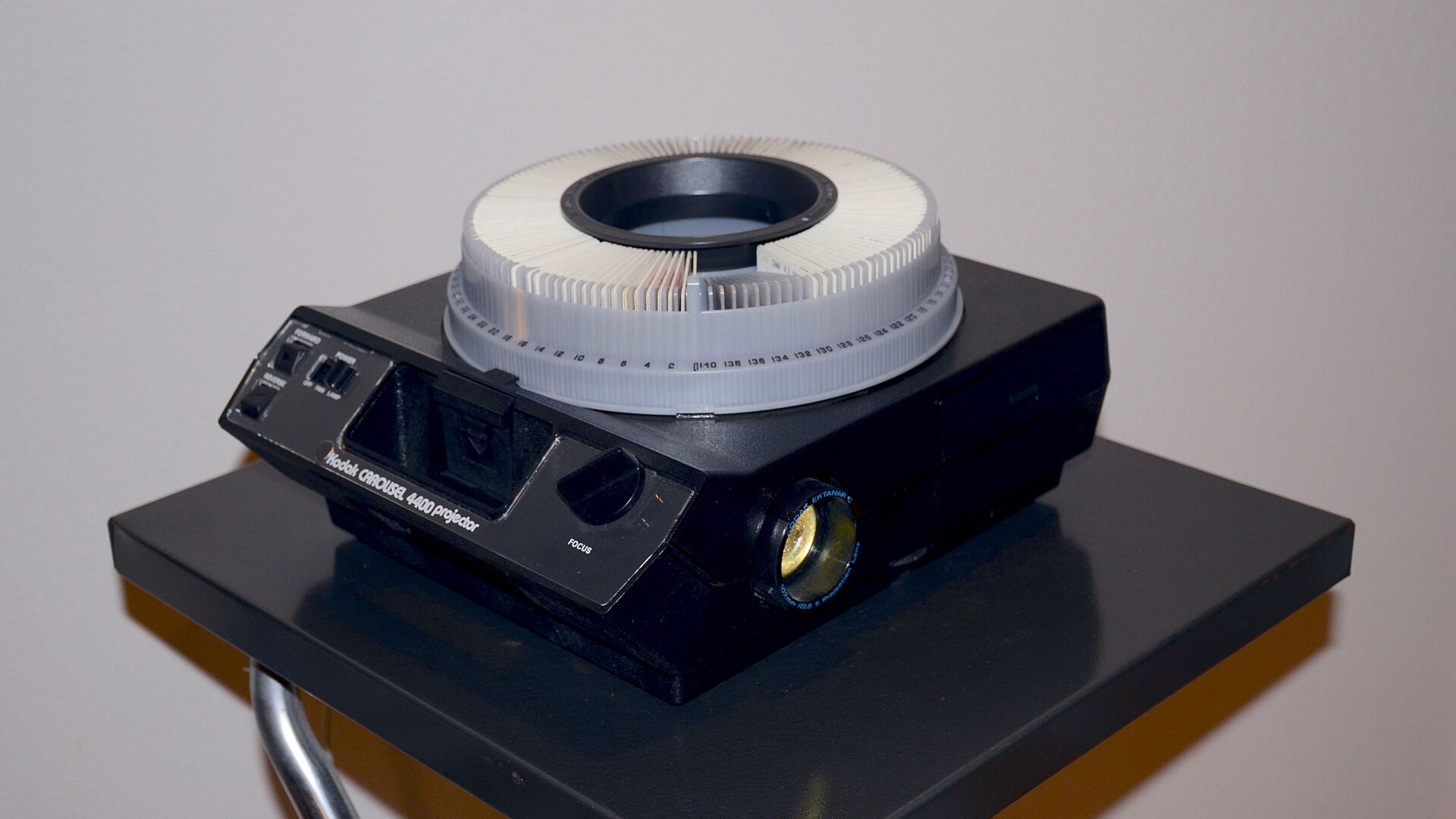
14. Kodak Carousel Slide Projector
Introduced in 1961, the Kodak Carousel used gravity to drop cardboard-mounted 35mm slides from a round tray into a noisy cooling fan beam. Kodak ceased making slide projectors in 2004, leaving surviving models in classrooms, studios, and museums.
©Wikimedia / Steve Morgan
Advertisement
Swipe or tap ▶ to resume the countdown.
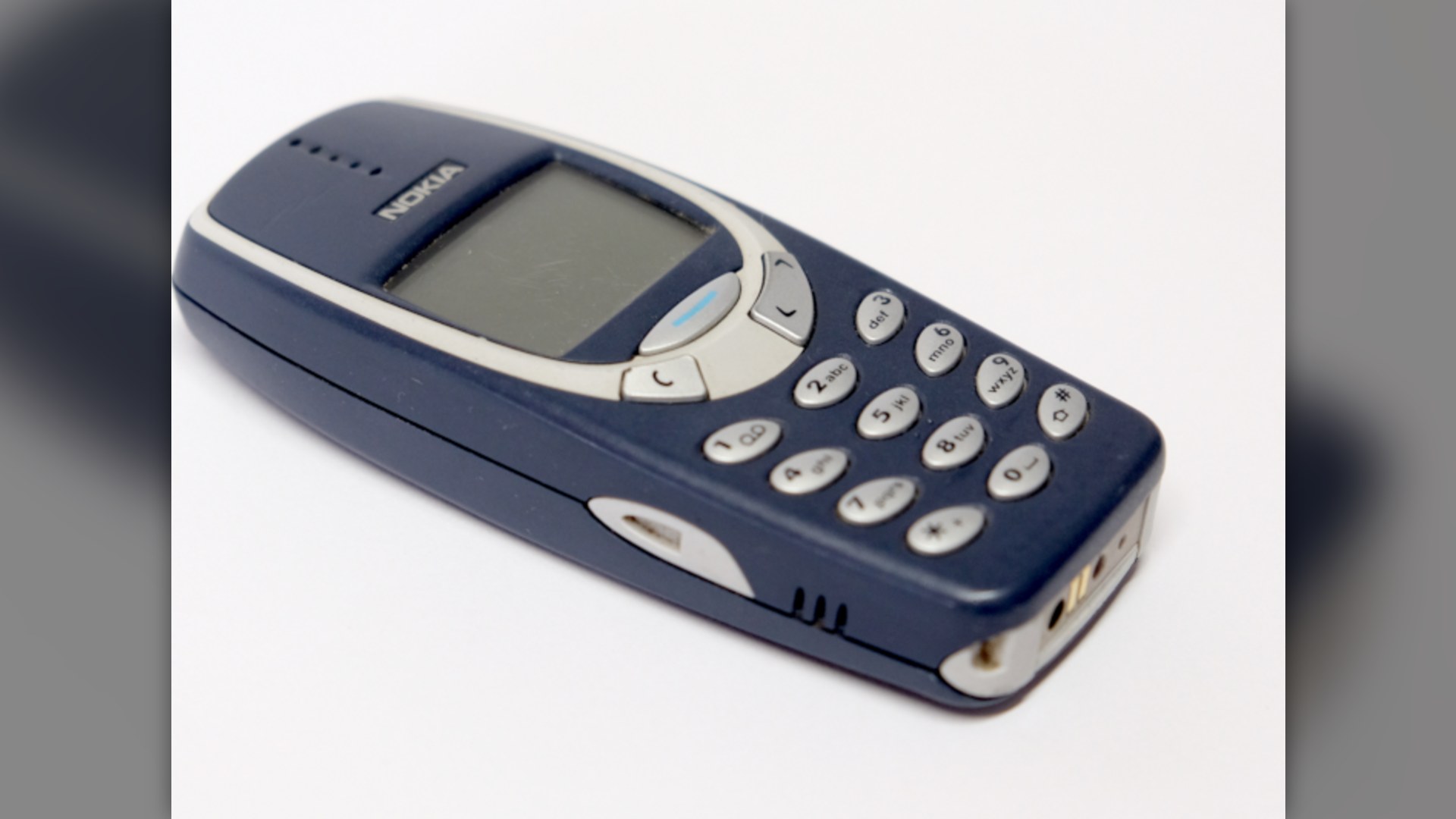
13. Nokia 3310 Mobile Phone
Launched in late 2000, Nokia's candy-bar handset sold about 126 million units worldwide and became famous for surviving drops onto concrete. Owners swapped plastic Xpress-On covers and wrote ringtones with a numeric keypad now archived in telecom museums.
©Wikimedia / Foxbeefly
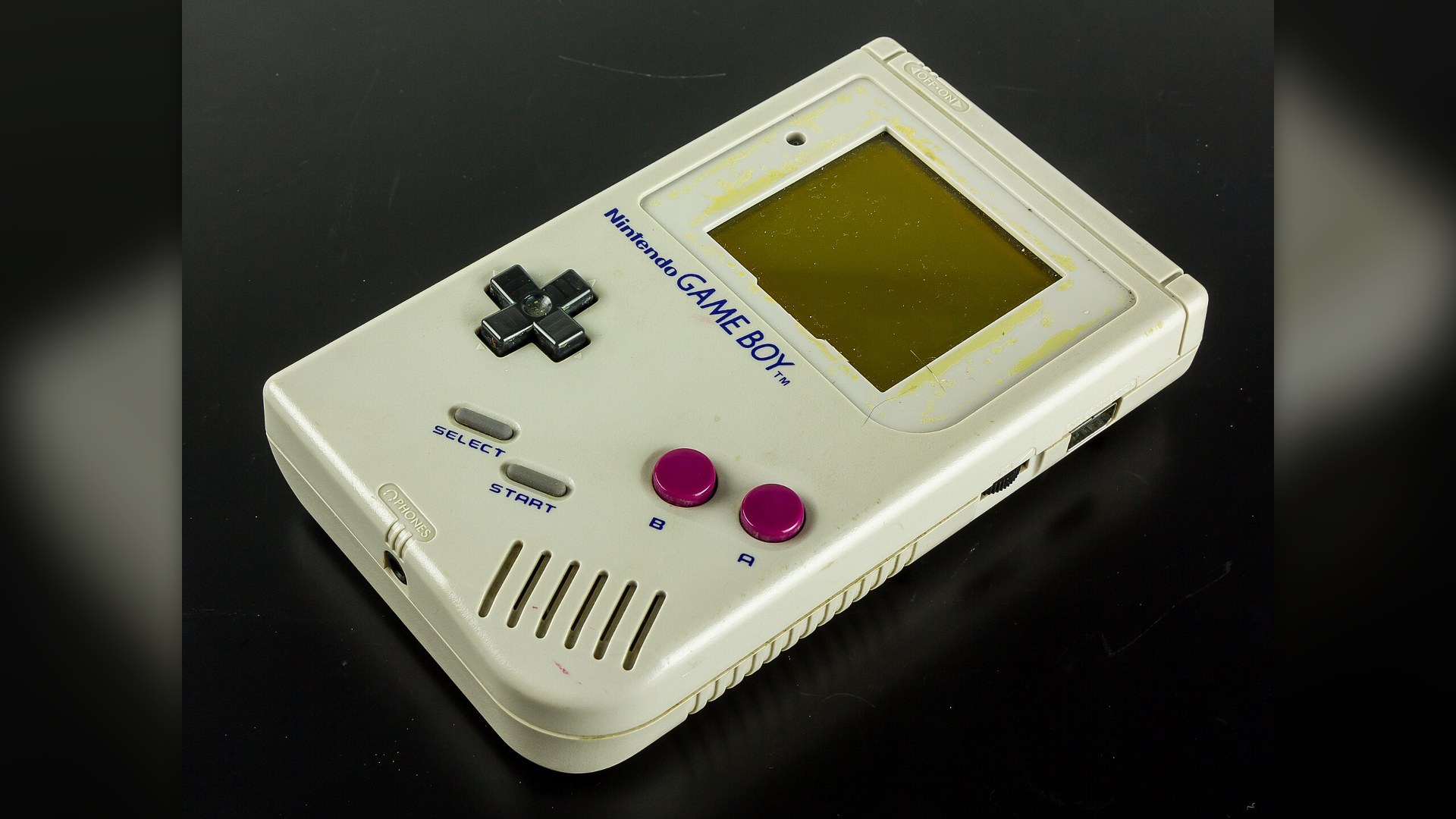
12. Nintendo Game Boy (1989)
Designed by Gunpei Yokoi's team at Nintendo and launched in 1989, the original DMG-01 paired low-power hardware with cartridge hits like Tetris and Pokemon. The Smithsonian and Japan's Nintendo Museum both display original grey units in permanent exhibits.
©Wikimedia / Raimond Spekking
11. Sony PlayStation (1994)
Sony launched the original PlayStation in Japan in December 1994 and in North America in 1995 after a failed CD add-on project with Nintendo. It became the first home console to pass 100 million units shipped, reshaping living room gaming forever.
©Wikimedia / Evan-Amos
10. Apple iPod Classic
Apple unveiled the original iPod in October 2001 with a 5-gigabyte Toshiba hard drive and FireWire syncing to iTunes. Across six generations, the iPod Classic carried music libraries through the 2000s until Apple discontinued the line in September 2014.
©Wikimedia / Kyreb
Advertisement
Swipe or tap ▶ to resume the countdown.
9. Polaroid SX-70 Land Camera
Released in 1972 and designed by Henry Dreyfuss Associates with Edwin Land, the SX-70 folded flat enough to slip inside a coat pocket. Unlike peel-apart instant film, its integral prints developed in daylight without litter, earning spots in design museums.
©Wikimedia / Robert Taylor from Stirling, ON, Canada
8. VHS Videocassette Recorder
JVC introduced the VHS format in 1976, setting off a decade-long living room battle against Sony's Betamax cassettes. Video rental stores and home taping kept VCRs humming beneath TV sets until DVDs and streaming ended the last production lines in 2016.
©Wikimedia / Dillan Payne
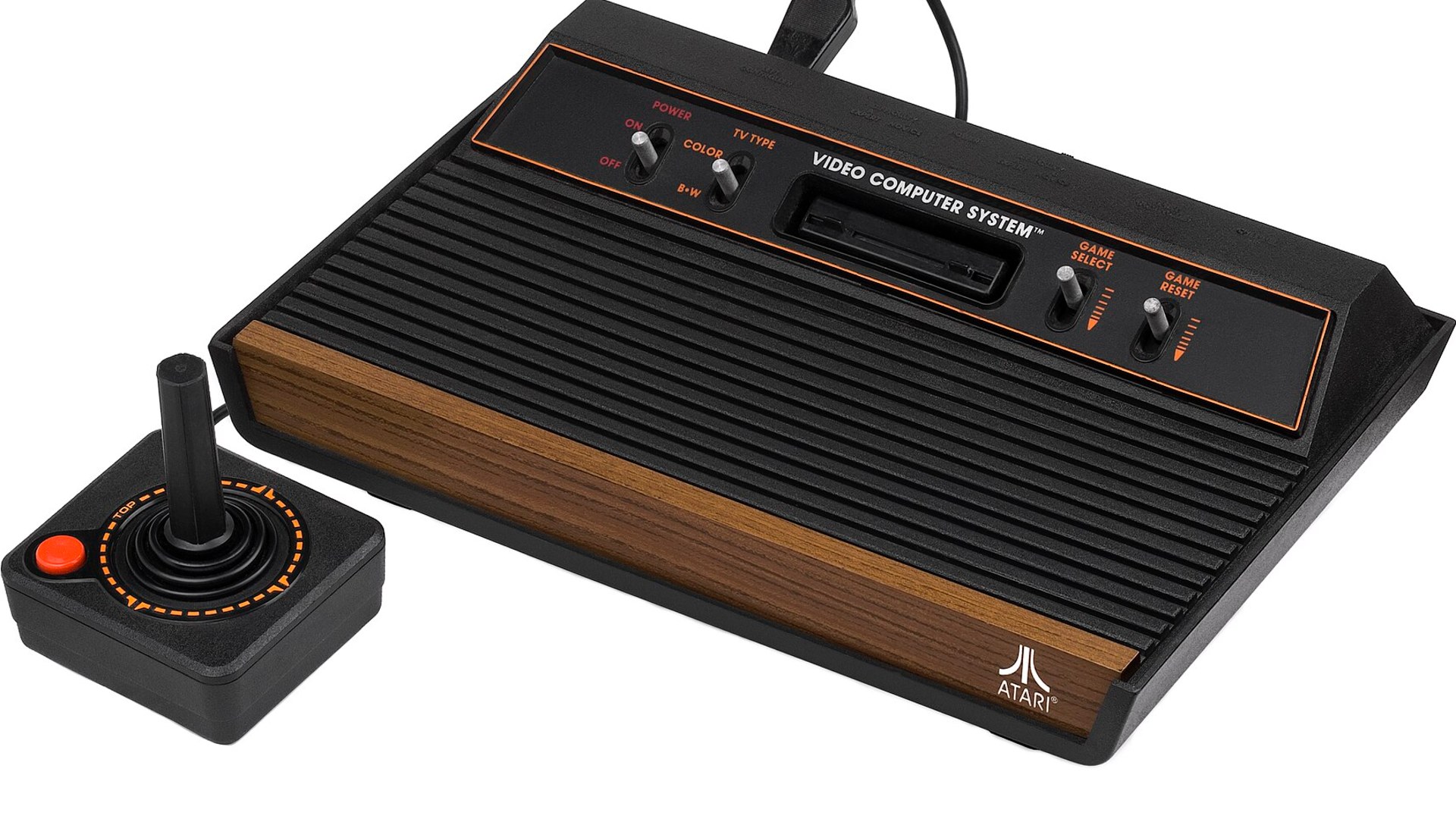
7. Atari 2600 Game Console
Originally sold as the Atari Video Computer System in 1977, the console ran interchangeable ROM cartridges on living room CRT sets. Early six-switch and four-switch woodgrain models remain centerpiece artifacts at The Strong Museum and Computer History Museum.
©Wikimedia / Evan-Amos
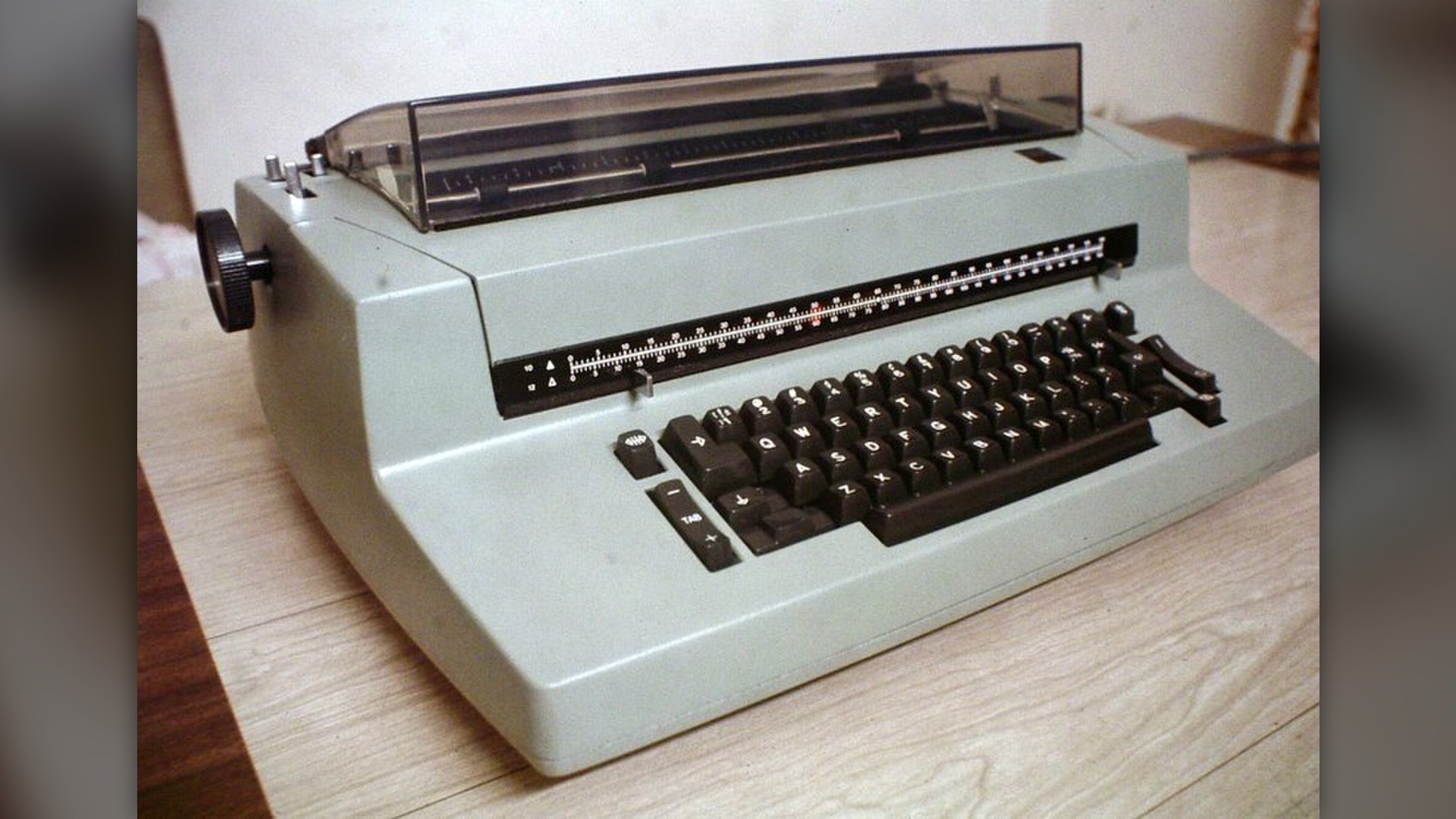
6. IBM Selectric Typewriter
Eliot Noyes styled the IBM Selectric in 1961 around a tilting, rotating typeball that let typists swap fonts in seconds. Electric correction tape on later Selectric II models made it the dominant office desk machine before word processors took over.
©Wikimedia / AVandewerdt
Advertisement
Swipe or tap ▶ to resume the countdown.
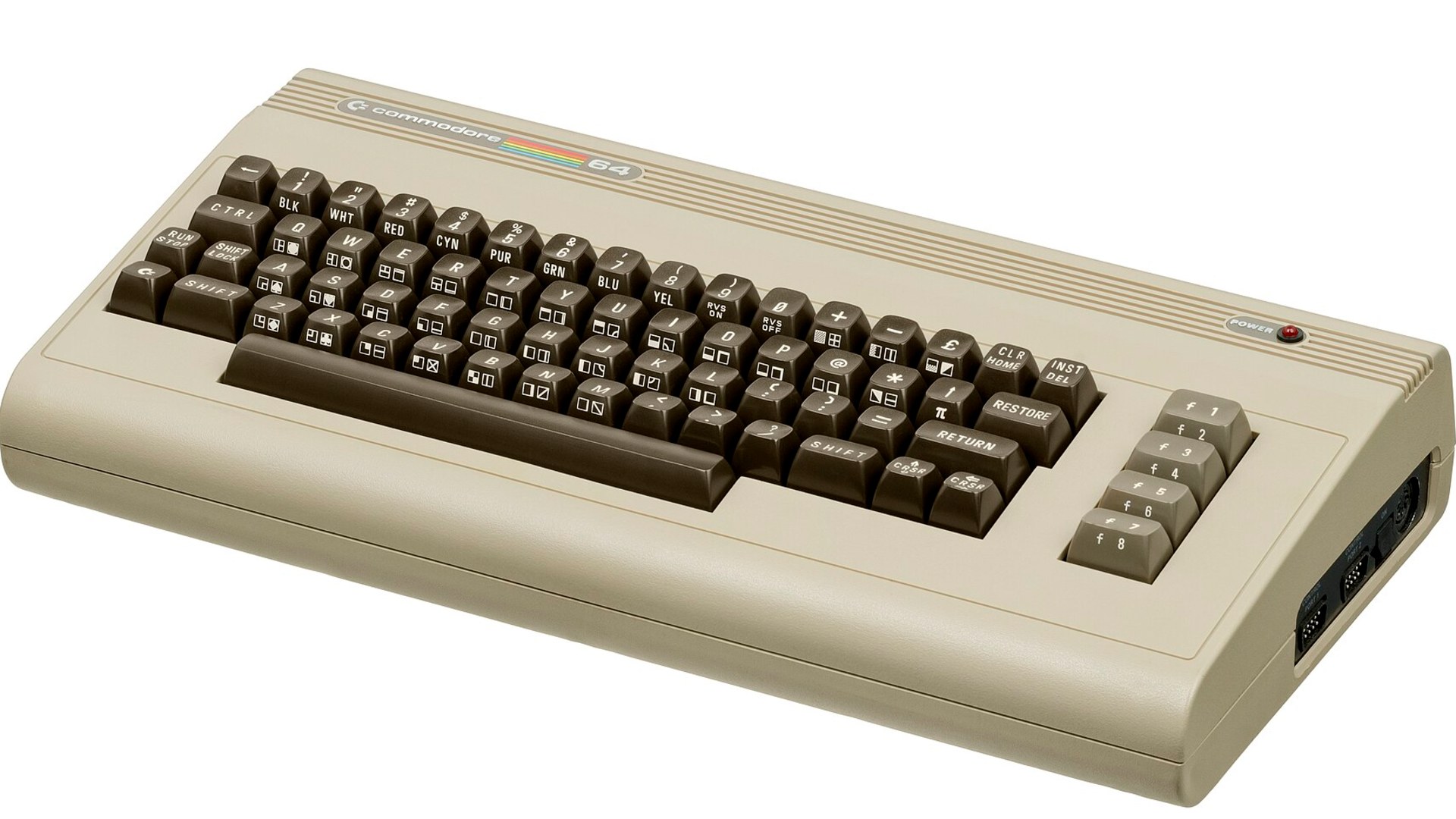
5. Commodore 64 Home Computer
Launched in August 1982 at $595, the Commodore 64 packed 64 kilobytes of RAM and a distinctive SID sound chip inside an all-in-one keyboard case. Guinness World Records still lists it as the best-selling single desktop computer model in history.
©Wikimedia / Evan-Amos
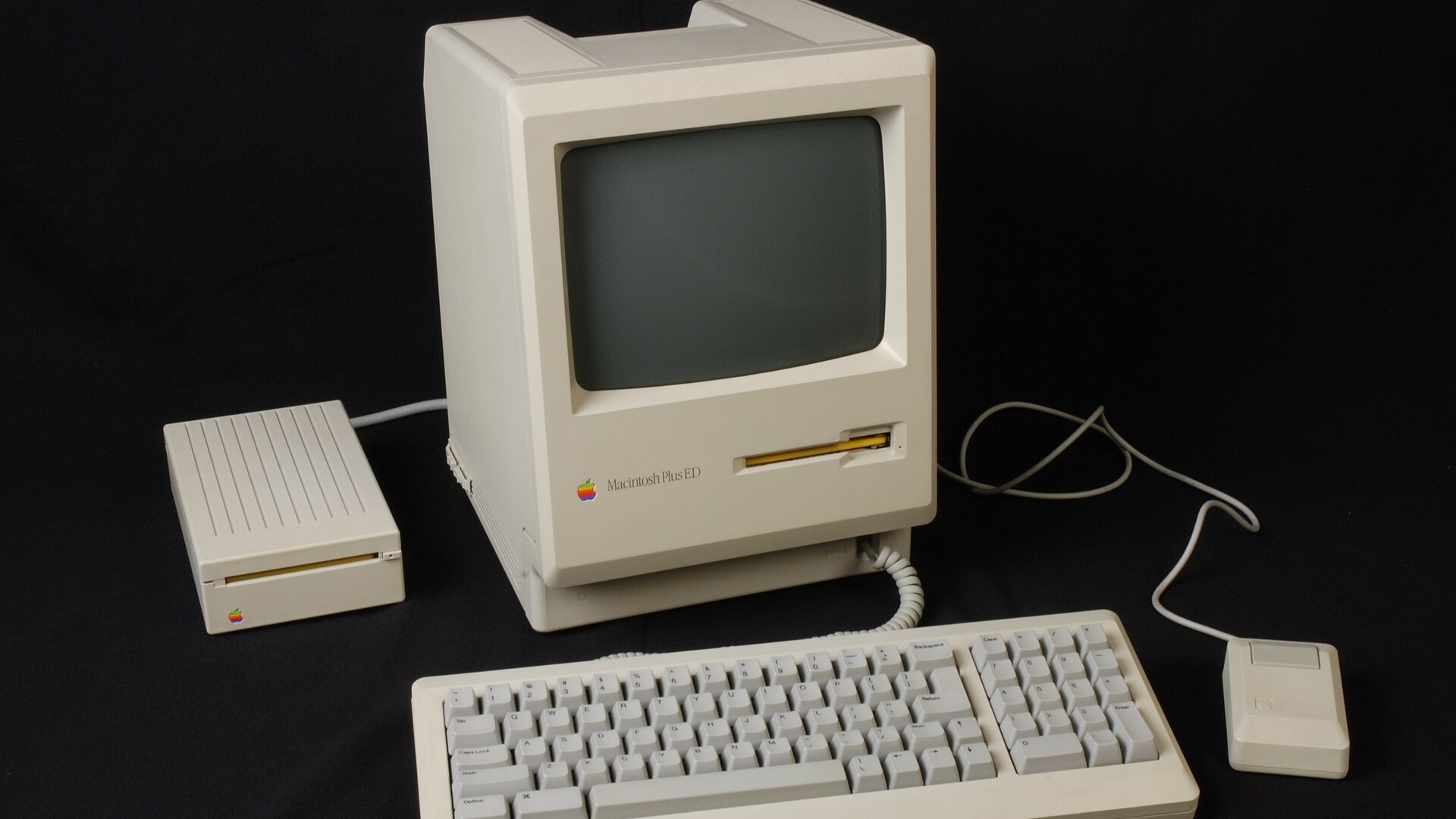
4. Apple Macintosh Plus
Following the 1984 Macintosh 128K, Apple's 1986 Macintosh Plus expanded memory to one megabyte and added a SCSI port for external drives. Complete units with mouse, carrying bag, and manuals now sit in collections such as Museum Rotterdam and the Smithsonian.
©Wikimedia / Museum Rotterdam
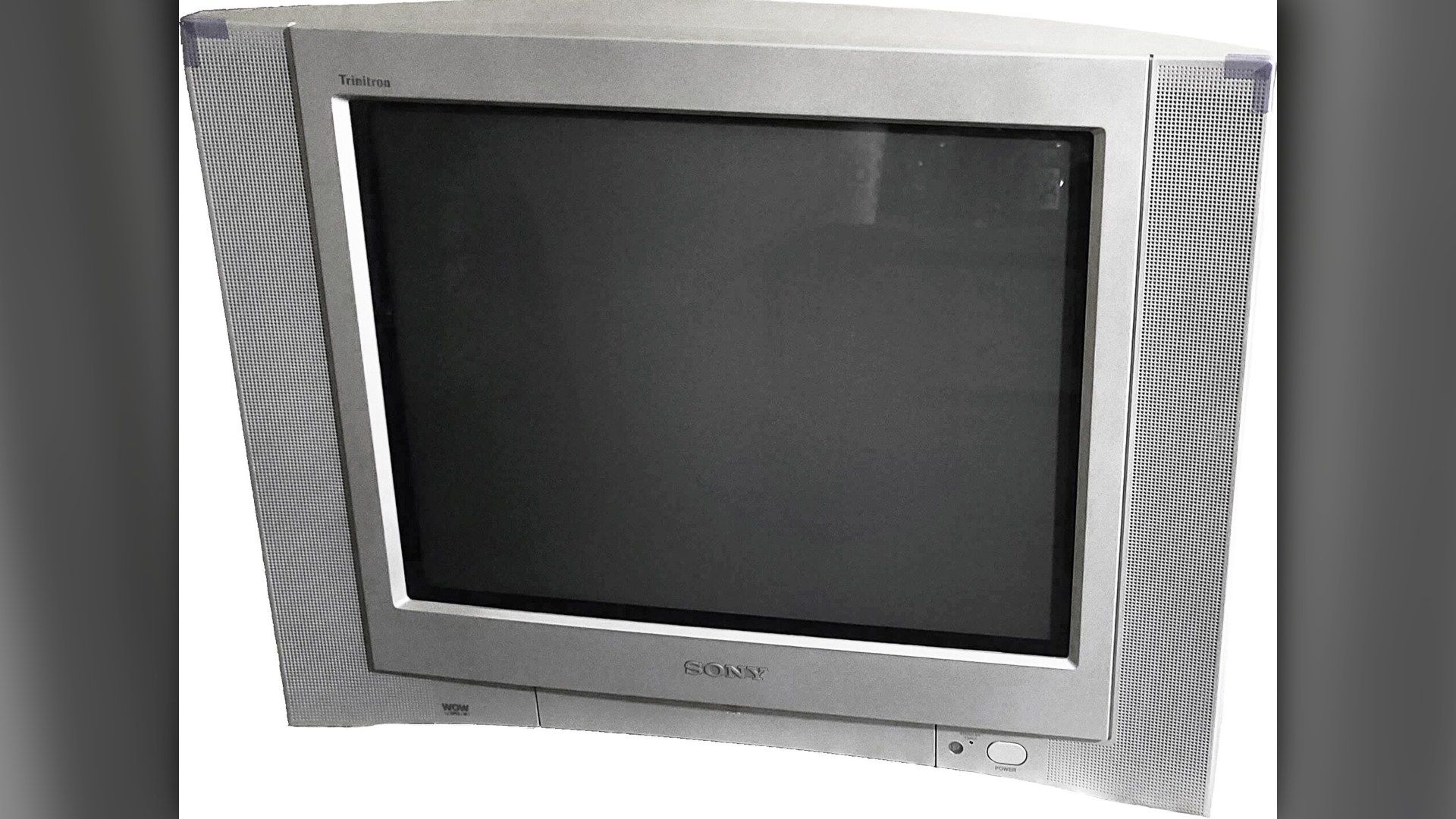
3. Sony Trinitron CRT Television
Sony debuted the Trinitron picture tube in 1968 and sold more than 280 million sets before winding down CRT production in the late 2000s. Retro collectors still prize late-era flat-glass models like the KV-20FV300 for vintage console gaming.
©Wikimedia / DrNegative
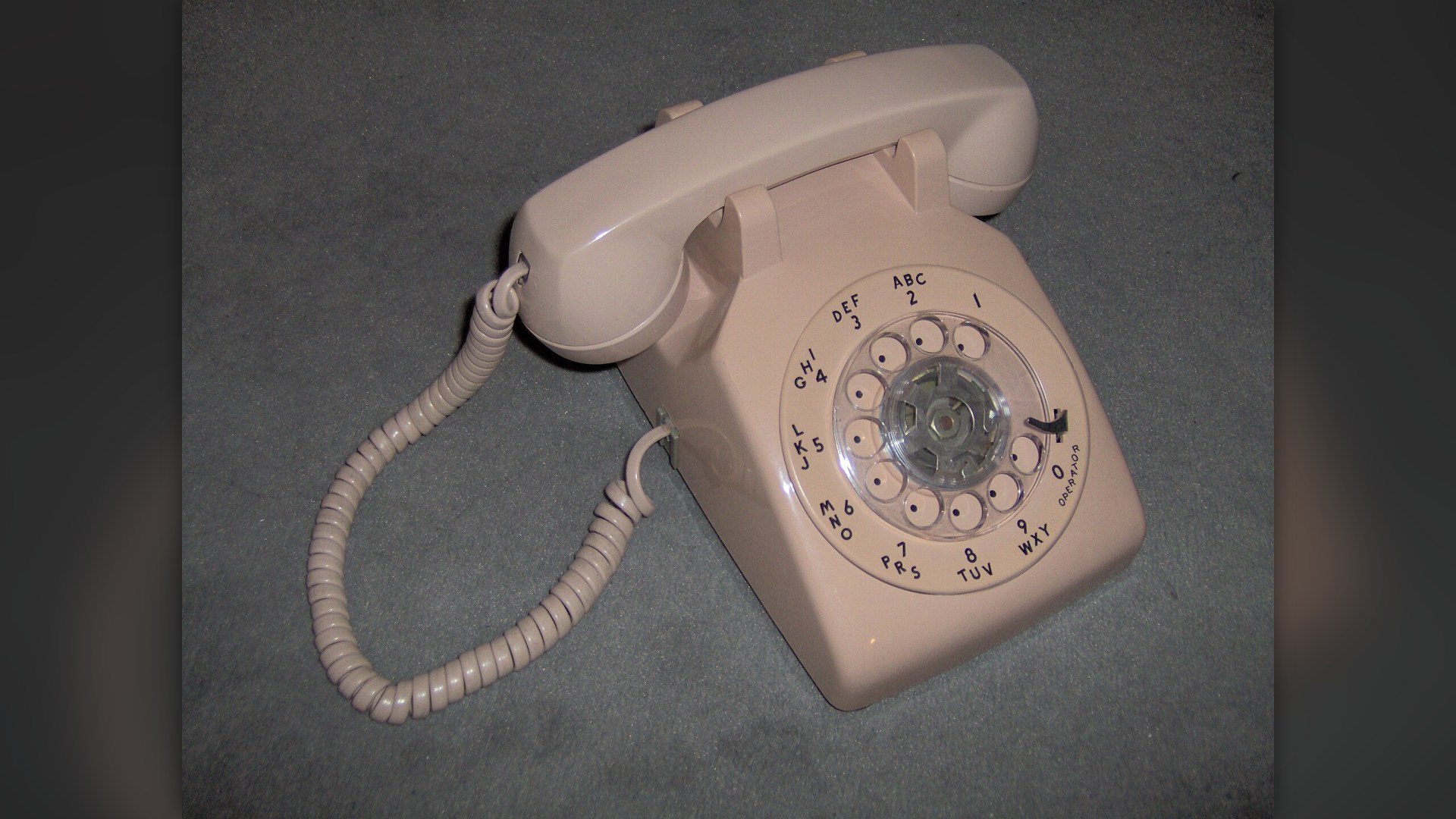
2. Western Electric Model 500
Designed by Henry Dreyfuss for Bell System homes starting in 1949, the Model 500 housed mechanical brass bells and a coiled cord inside a nearly indestructible shell. Millions stayed leased to AT&T customers well into the 1980s and sit in museums today.
©Wikimedia / ProhibitOnions
Advertisement
Swipe or tap ▶ to resume the countdown.
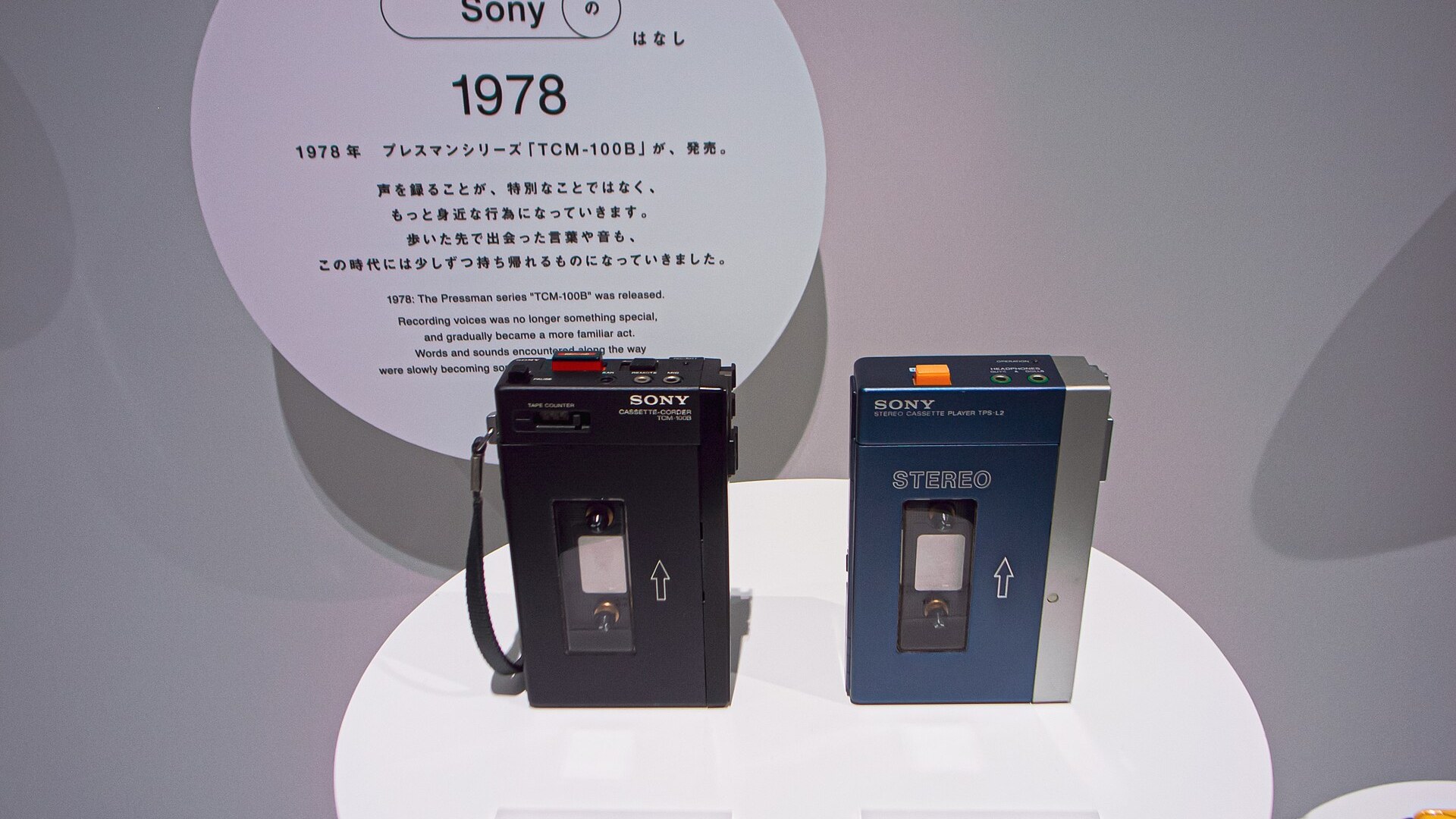
1. Sony Walkman TPS-L2
Released in Japan in July 1979, Sony's TPS-L2 stripped the recording function from a press recorder and added two headphone jacks for shared listening. An original unit sits on display at Ginza Sony Park in Tokyo and in design museums worldwide.
©Wikimedia / nagi usano
Advertisement
You've reached the end of the story. Thanks for reading!

22 Discontinued Sony Products That Tech Fans Still Miss Today
Sony has retired dozens of landmark devices since 1979, from pocket televisions and floppy-disk cameras to classic PlayStation consoles. Based on official Sony Electronics and Sony Interactive Entertainment archives alongside reporting from The Verge and Engadget, this countdown ranks 22 fan favorites.
All 20 Entries in this Story
#20. Tamagotchi Virtual Pet
Released in Japan in November 1996 by Bandai, the egg-shaped toy ran on a simple black-and-white LCD screen with three buttons. Original units are now preserved at Finland's Rupriikki Media Museum and The Strong National Museum of Play in Rochester.

#19. Iomega Zip 100 Drive
Launched in late 1994, the Iomega Zip 100 held nearly seventy times as much data as a standard 1.44-megabyte floppy disk. Designers and students relied on its parallel and SCSI drives until writable CDs and flash drives ended production in the 2000s.

#18. Palm M125 Handheld PDA
Palm's personal digital assistants brought Graffiti handwriting recognition and one-button PC syncing to shirt pockets in the late 1990s and early 2000s. Models like the 2001 m125 ran on AAA batteries and Palm OS 4, and early units sit in Computer History Museum archives.

#17. Motorola StarTAC Flip Phone
Motorola introduced the StarTAC in January 1996 as the first clamshell mobile phone, folding shut like a tiny communicator. It pioneered vibrating alerts and wearable belt holsters, and early units are kept in Smithsonian and design museum collections.

#16. BlackBerry Keyboard Smartphone
Research In Motion built its reputation on hardware QWERTY keyboards and encrypted push email across corporate and government offices in the 2000s. After touchscreens took the market, BlackBerry ended support for its classic OS software in January 2022.

#15. Texas Instruments TI-83 Plus
Texas Instruments released the TI-83 Plus in 1999 with flash memory that let students load formulas and homemade games like Tetris. Standardized testing boards kept the series on approved calculator lists for decades, making its grey shell unmistakable.

#14. Kodak Carousel Slide Projector
Introduced in 1961, the Kodak Carousel used gravity to drop cardboard-mounted 35mm slides from a round tray into a noisy cooling fan beam. Kodak ceased making slide projectors in 2004, leaving surviving models in classrooms, studios, and museums.

#13. Nokia 3310 Mobile Phone
Launched in late 2000, Nokia's candy-bar handset sold about 126 million units worldwide and became famous for surviving drops onto concrete. Owners swapped plastic Xpress-On covers and wrote ringtones with a numeric keypad now archived in telecom museums.

#12. Nintendo Game Boy (1989)
Designed by Gunpei Yokoi's team at Nintendo and launched in 1989, the original DMG-01 paired low-power hardware with cartridge hits like Tetris and Pokemon. The Smithsonian and Japan's Nintendo Museum both display original grey units in permanent exhibits.

#11. Sony PlayStation (1994)
Sony launched the original PlayStation in Japan in December 1994 and in North America in 1995 after a failed CD add-on project with Nintendo. It became the first home console to pass 100 million units shipped, reshaping living room gaming forever.

#10. Apple iPod Classic
Apple unveiled the original iPod in October 2001 with a 5-gigabyte Toshiba hard drive and FireWire syncing to iTunes. Across six generations, the iPod Classic carried music libraries through the 2000s until Apple discontinued the line in September 2014.

#9. Polaroid SX-70 Land Camera
Released in 1972 and designed by Henry Dreyfuss Associates with Edwin Land, the SX-70 folded flat enough to slip inside a coat pocket. Unlike peel-apart instant film, its integral prints developed in daylight without litter, earning spots in design museums.

#8. VHS Videocassette Recorder
JVC introduced the VHS format in 1976, setting off a decade-long living room battle against Sony's Betamax cassettes. Video rental stores and home taping kept VCRs humming beneath TV sets until DVDs and streaming ended the last production lines in 2016.

#7. Atari 2600 Game Console
Originally sold as the Atari Video Computer System in 1977, the console ran interchangeable ROM cartridges on living room CRT sets. Early six-switch and four-switch woodgrain models remain centerpiece artifacts at The Strong Museum and Computer History Museum.

#6. IBM Selectric Typewriter
Eliot Noyes styled the IBM Selectric in 1961 around a tilting, rotating typeball that let typists swap fonts in seconds. Electric correction tape on later Selectric II models made it the dominant office desk machine before word processors took over.

#5. Commodore 64 Home Computer
Launched in August 1982 at $595, the Commodore 64 packed 64 kilobytes of RAM and a distinctive SID sound chip inside an all-in-one keyboard case. Guinness World Records still lists it as the best-selling single desktop computer model in history.

#4. Apple Macintosh Plus
Following the 1984 Macintosh 128K, Apple's 1986 Macintosh Plus expanded memory to one megabyte and added a SCSI port for external drives. Complete units with mouse, carrying bag, and manuals now sit in collections such as Museum Rotterdam and the Smithsonian.

#3. Sony Trinitron CRT Television
Sony debuted the Trinitron picture tube in 1968 and sold more than 280 million sets before winding down CRT production in the late 2000s. Retro collectors still prize late-era flat-glass models like the KV-20FV300 for vintage console gaming.

#2. Western Electric Model 500
Designed by Henry Dreyfuss for Bell System homes starting in 1949, the Model 500 housed mechanical brass bells and a coiled cord inside a nearly indestructible shell. Millions stayed leased to AT&T customers well into the 1980s and sit in museums today.

#1. Sony Walkman TPS-L2
Released in Japan in July 1979, Sony's TPS-L2 stripped the recording function from a press recorder and added two headphone jacks for shared listening. An original unit sits on display at Ginza Sony Park in Tokyo and in design museums worldwide.