Slideshow
The 20 Most Dangerous Animals in America, Ranked
From apex predators prowling mountain peaks to venomous serpents and unassuming woodland herbivores, America is home to formidable creatures. Here are the 20 most dangerous animals in the United States, ranked by annual human fatalities.
By Most Viral Today
1 Oct 2026

The 20 Most Dangerous Animals in America, Ranked 
20. Gray Wolf 
19. Gila Monster 
18. Arizona Bark Scorpion - AdvertisementSwipe or tap ▶ to continue countdown

17. Black Widow Spider 
16. Mountain Lion 
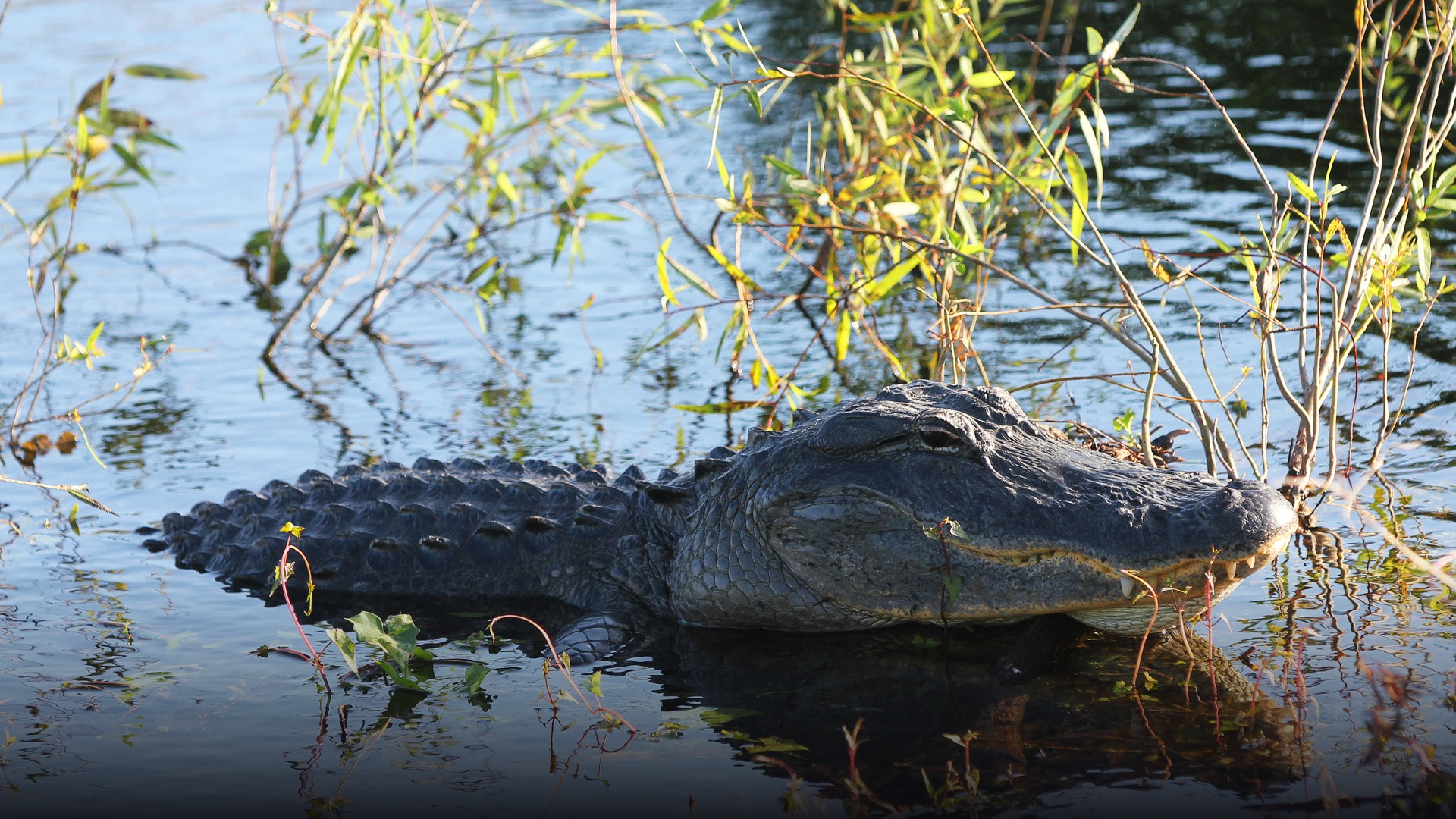
15. American Alligator 
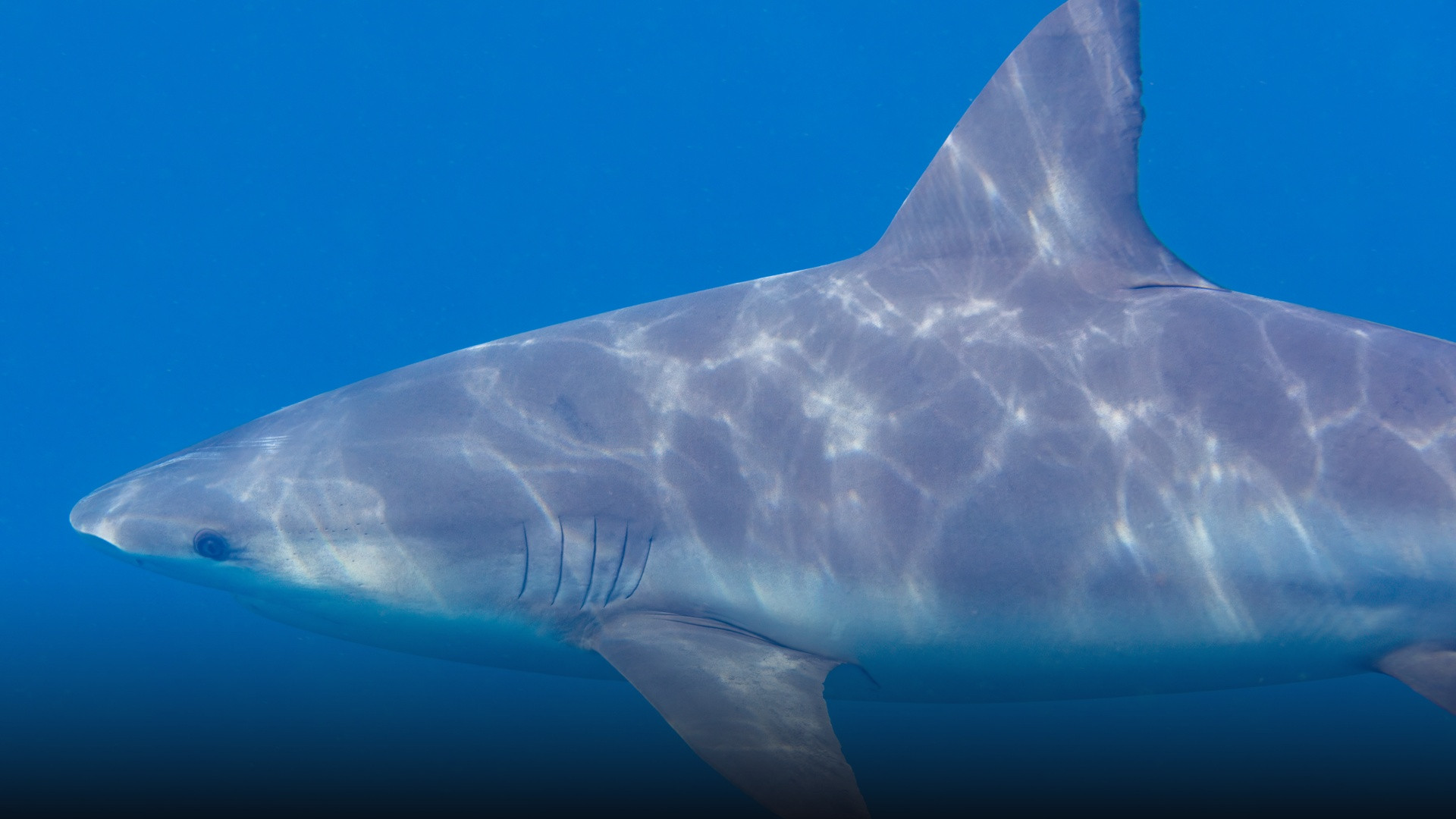
14. Bull Shark - AdvertisementSwipe or tap ▶ to continue countdown

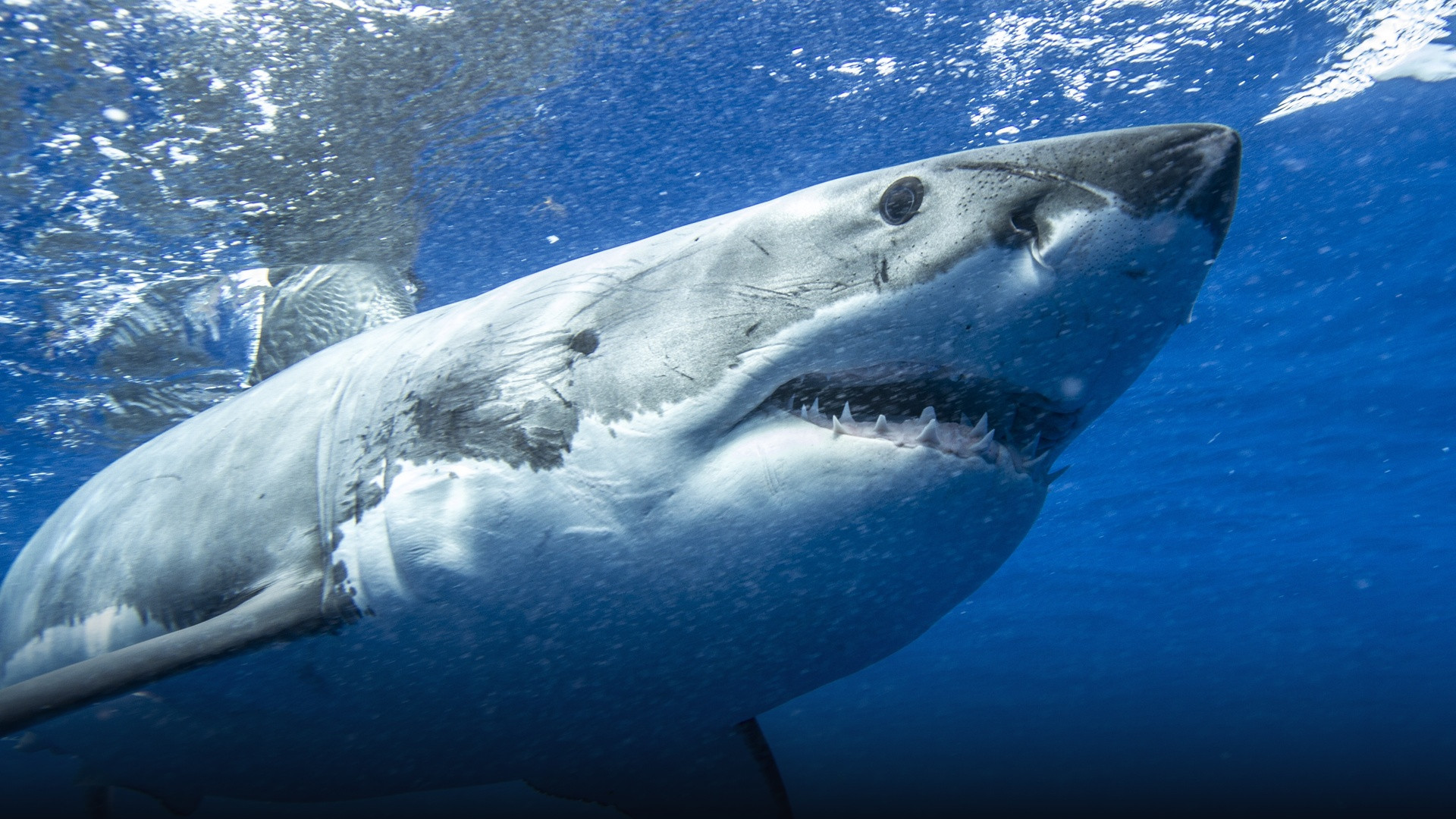
13. Great White Shark 
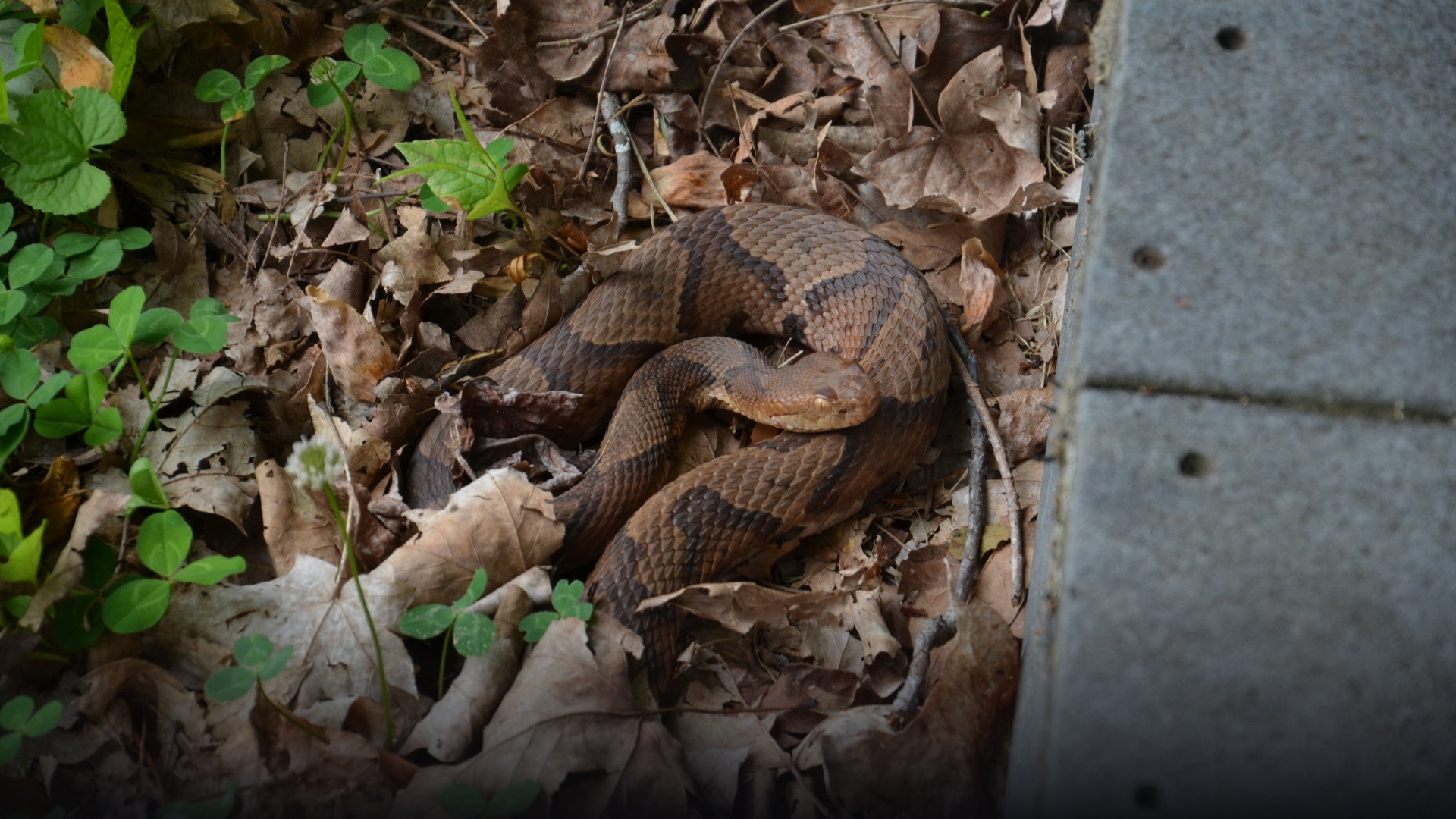
12. Copperhead 
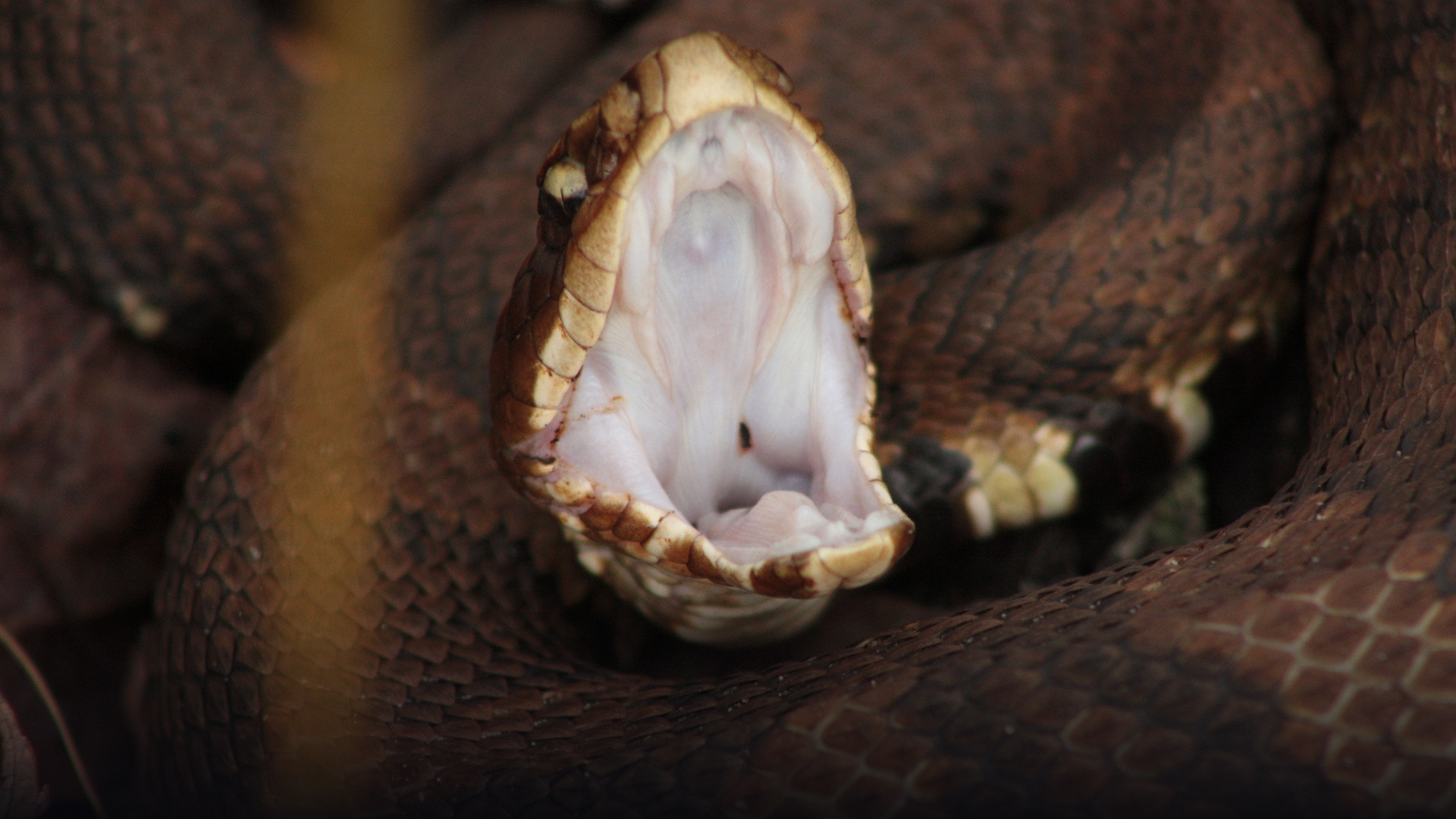
11. Cottonmouth 
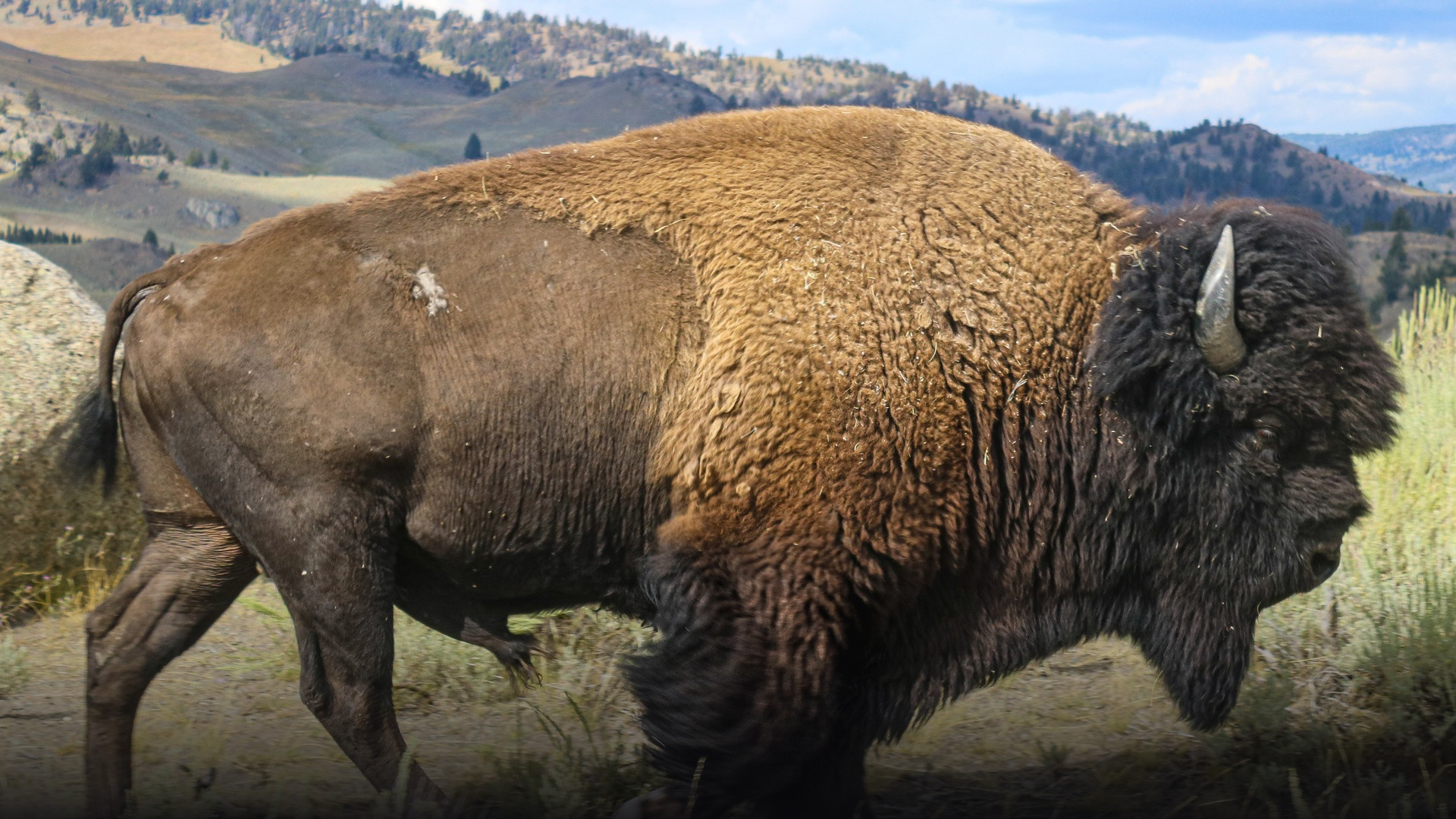
10. American Bison - AdvertisementSwipe or tap ▶ to continue countdown

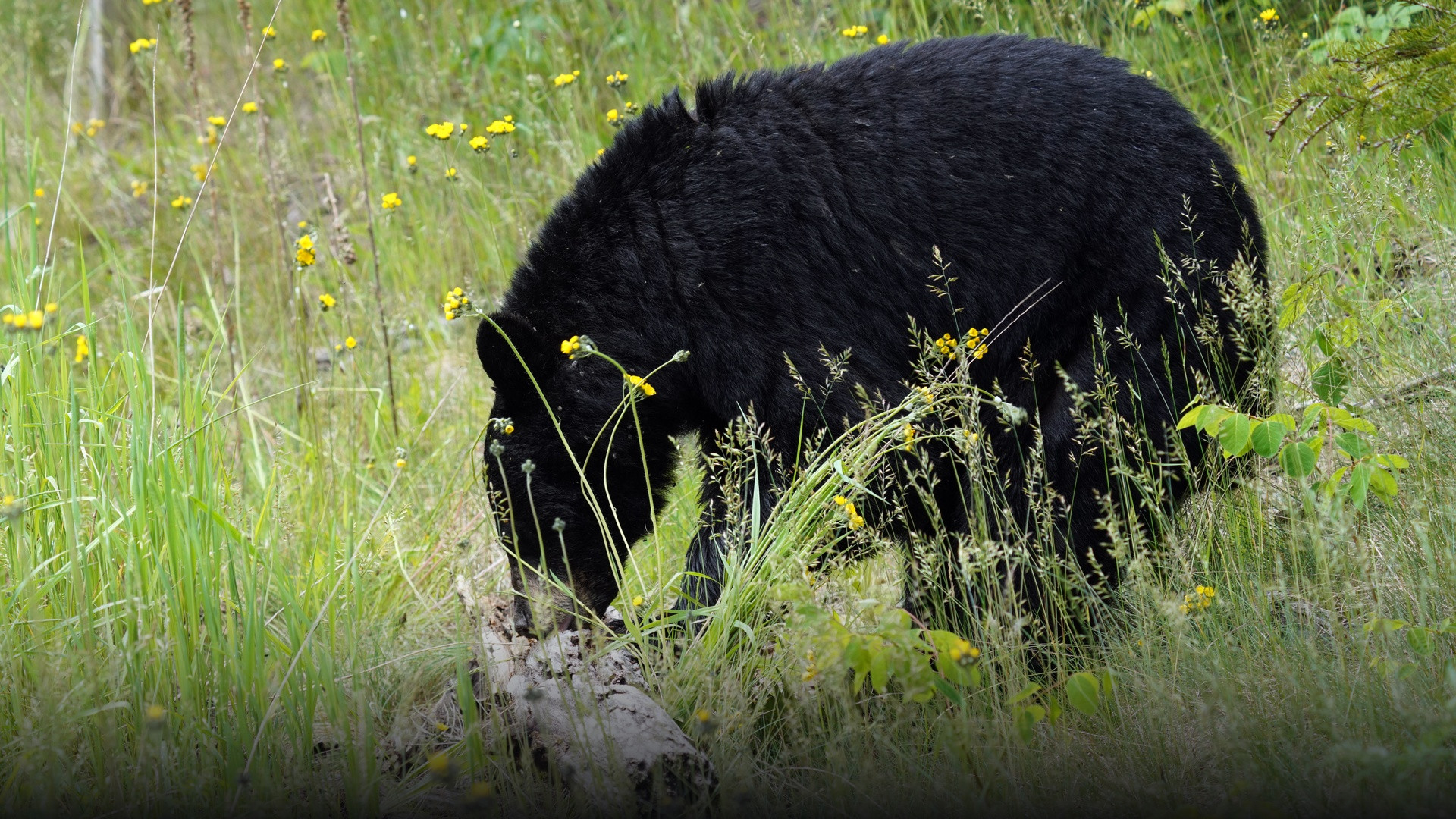
9. Black Bear 
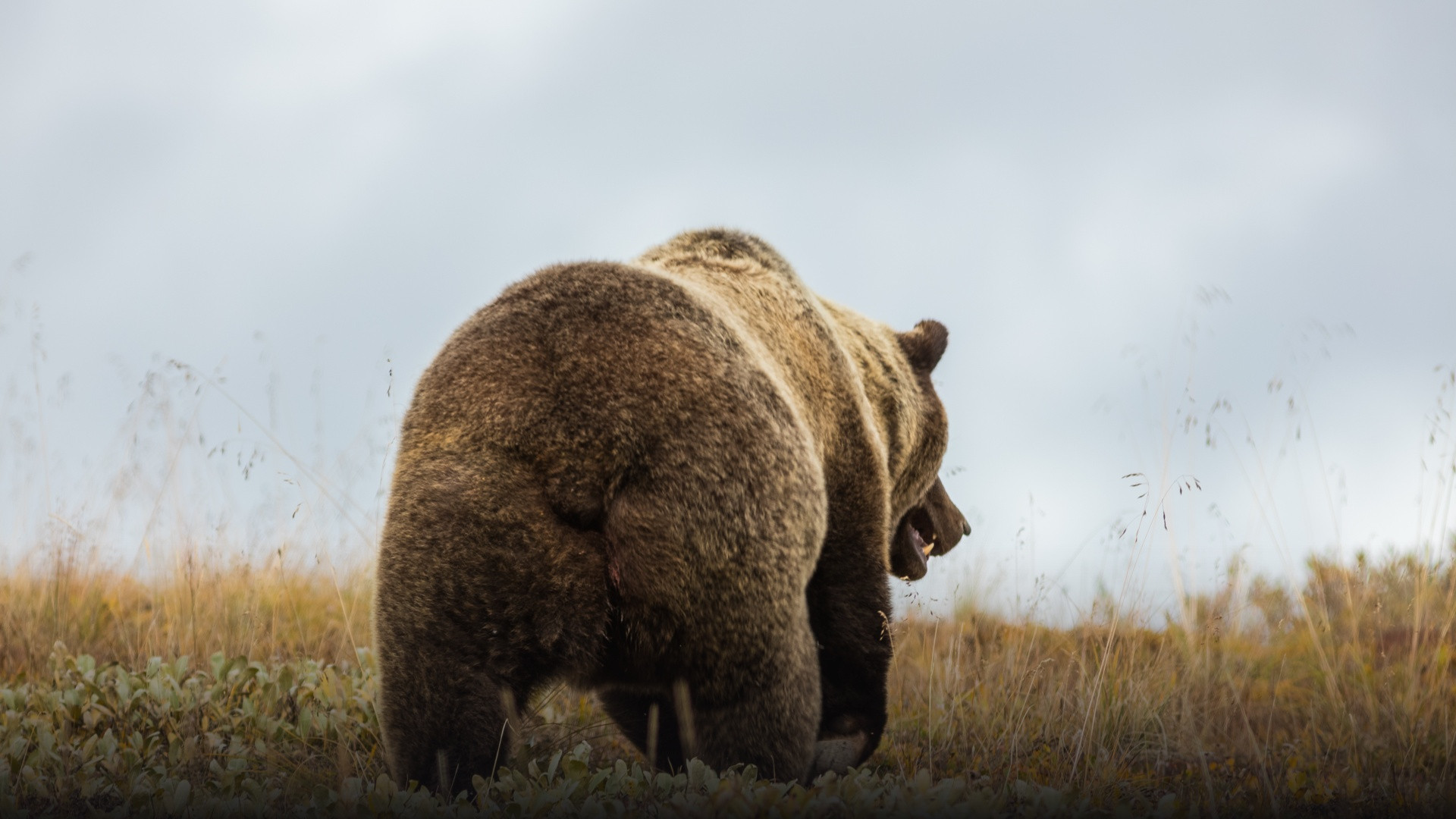
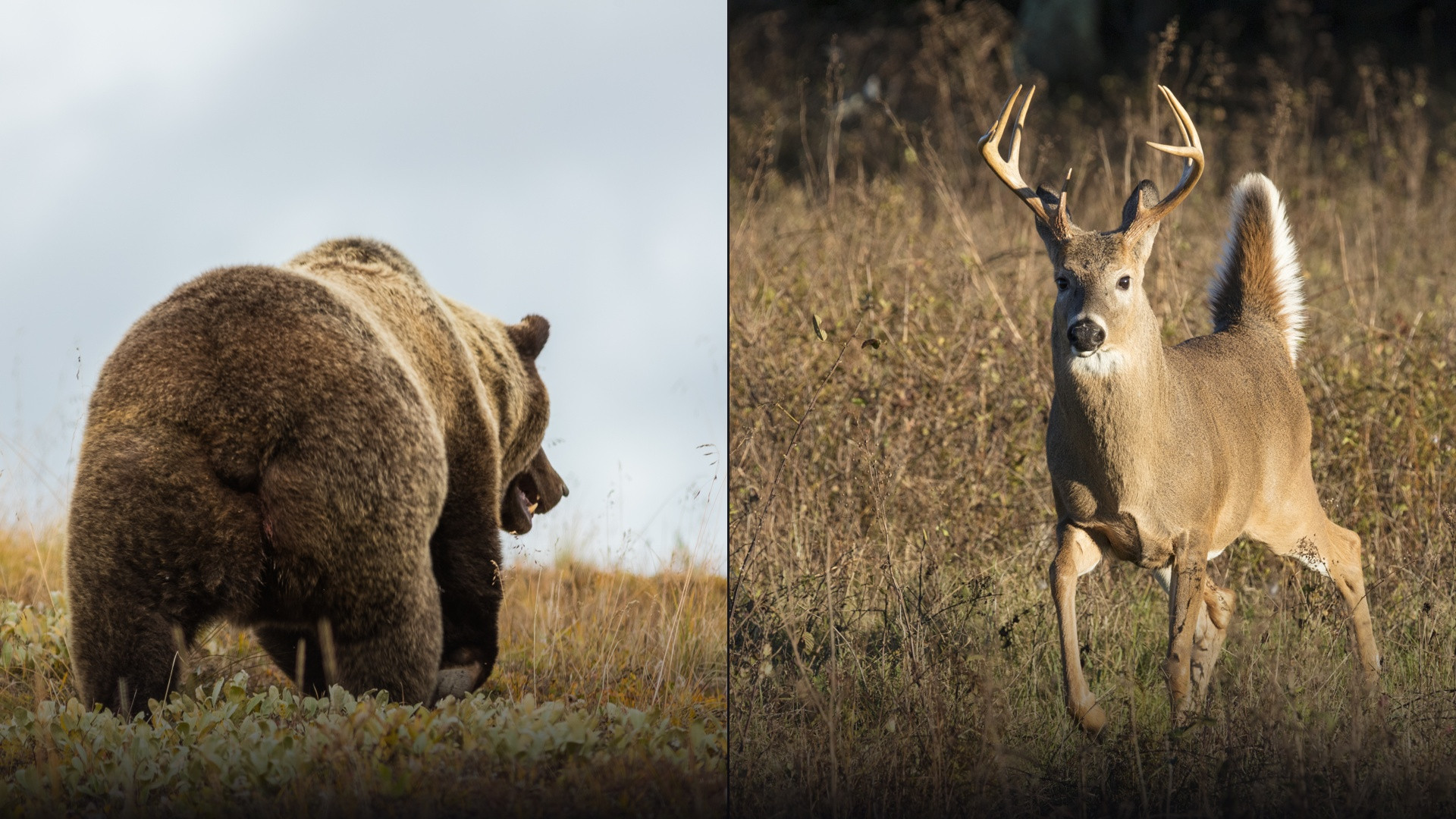
8. Grizzly Bear 
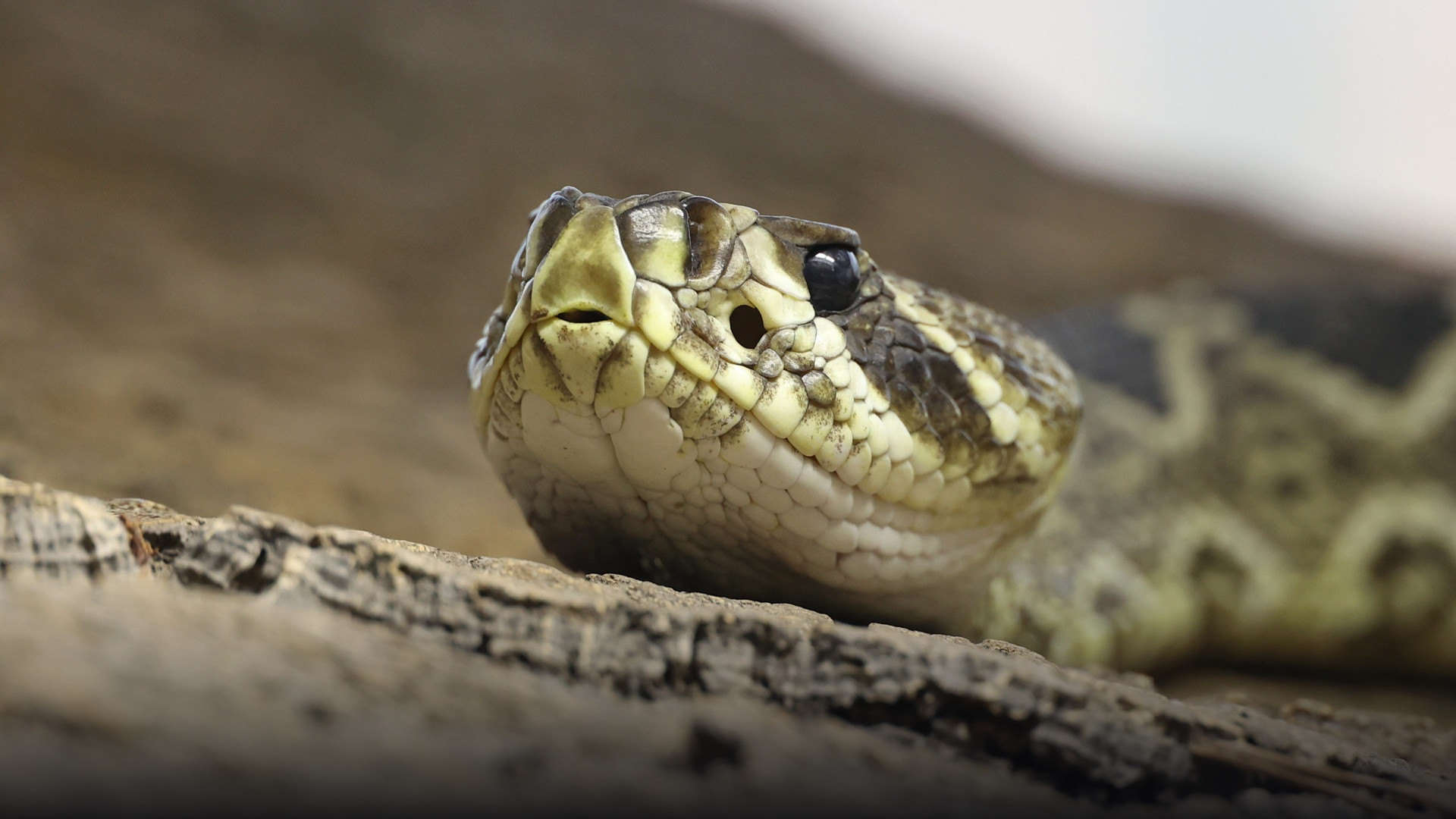
7. Eastern Diamondback Rattlesnake 
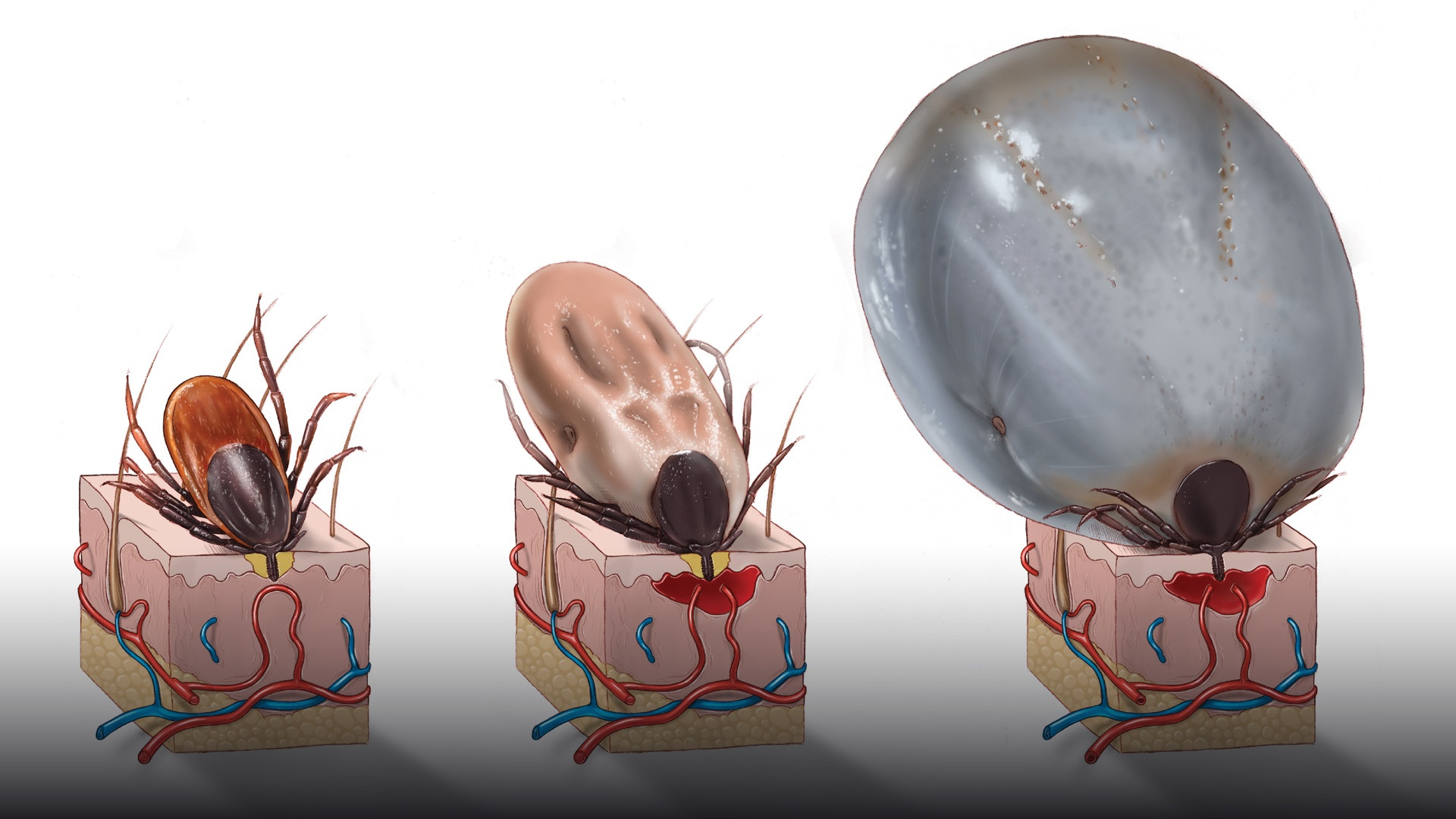
6. Blacklegged Tick - AdvertisementSwipe or tap ▶ to continue countdown

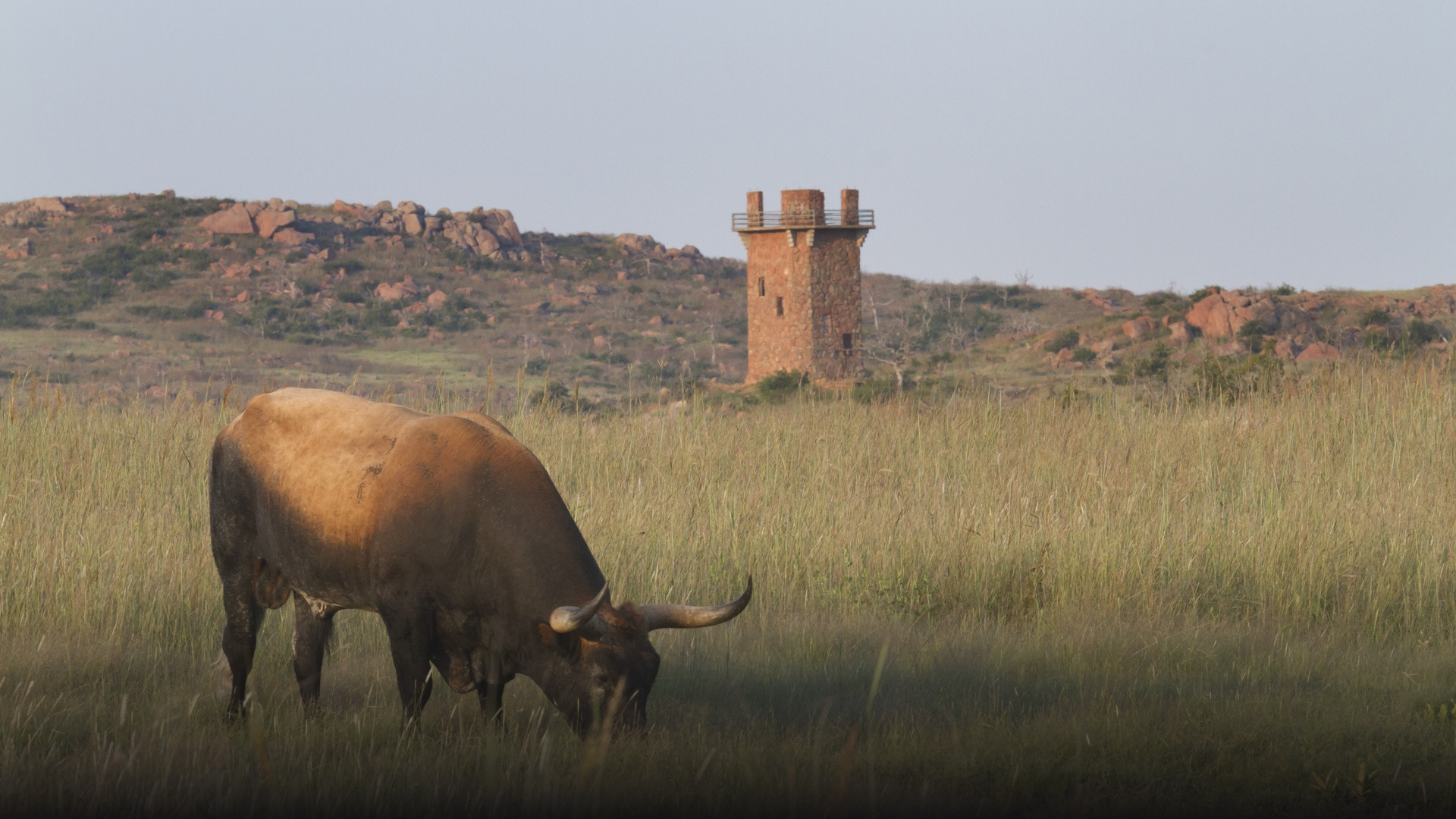
5. Domestic Cattle 
4. Domestic Dog 
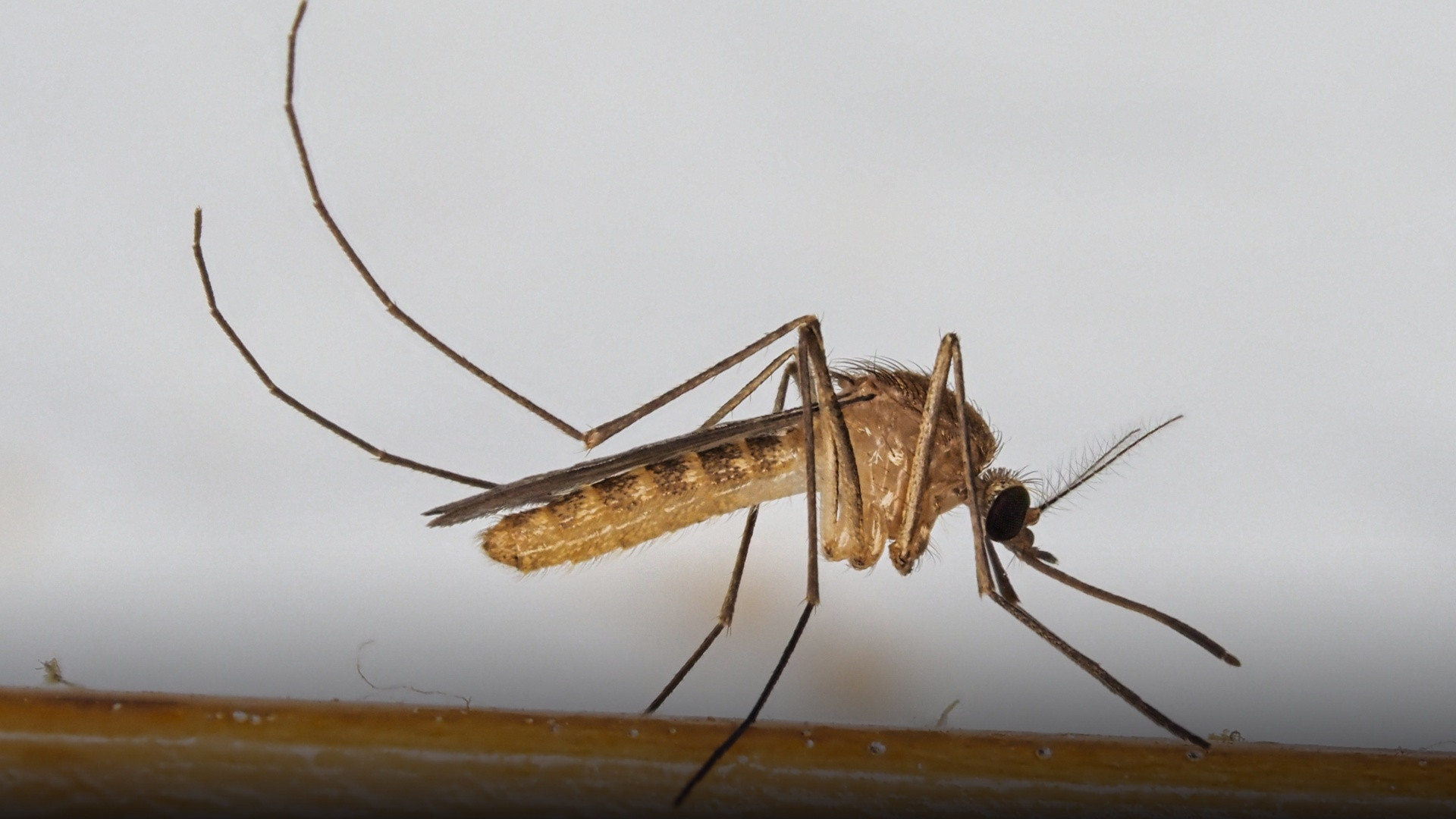
3. Mosquito 
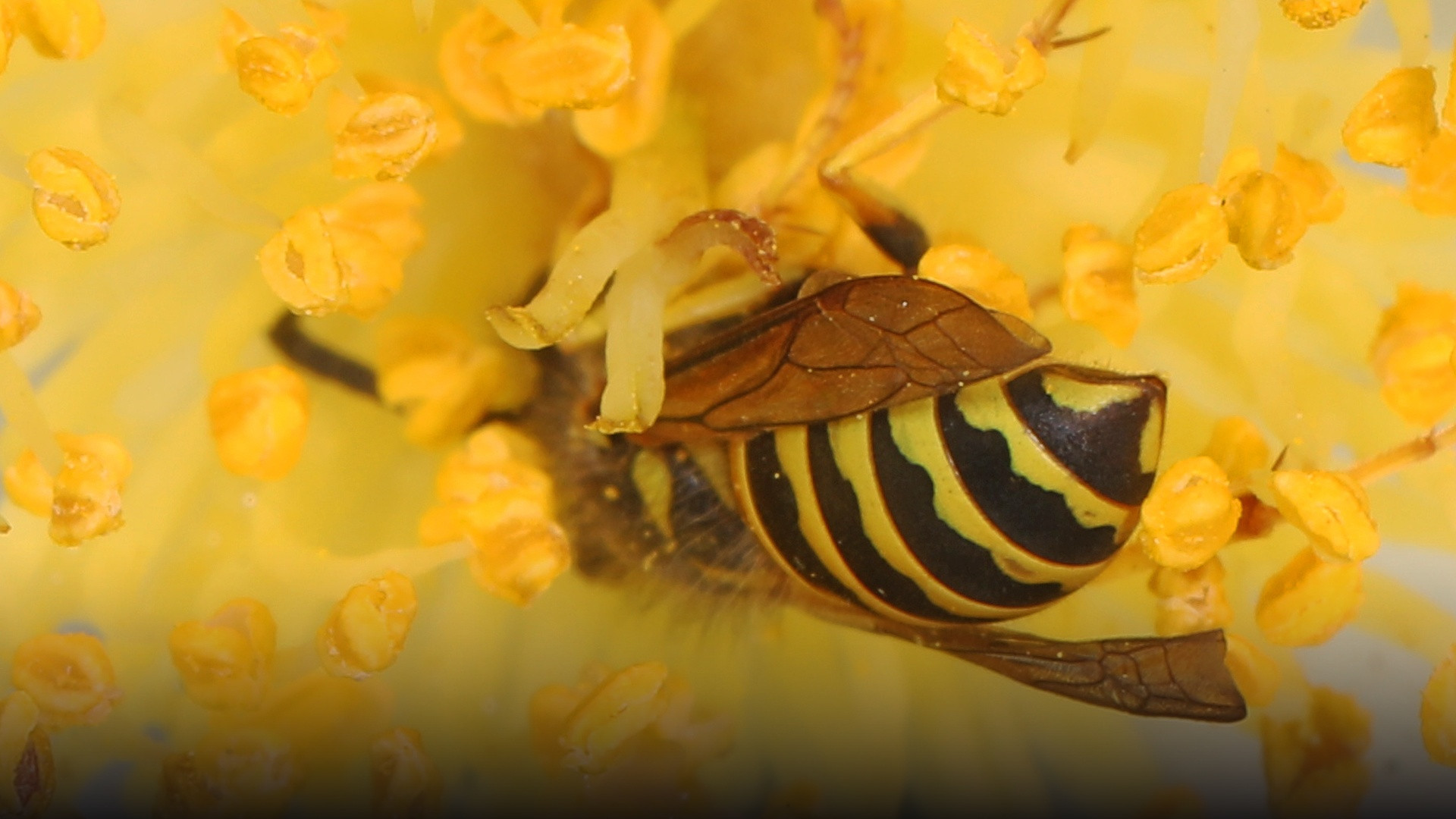
2. Bee, Wasp, And Hornet - AdvertisementSwipe or tap ▶ to continue countdown

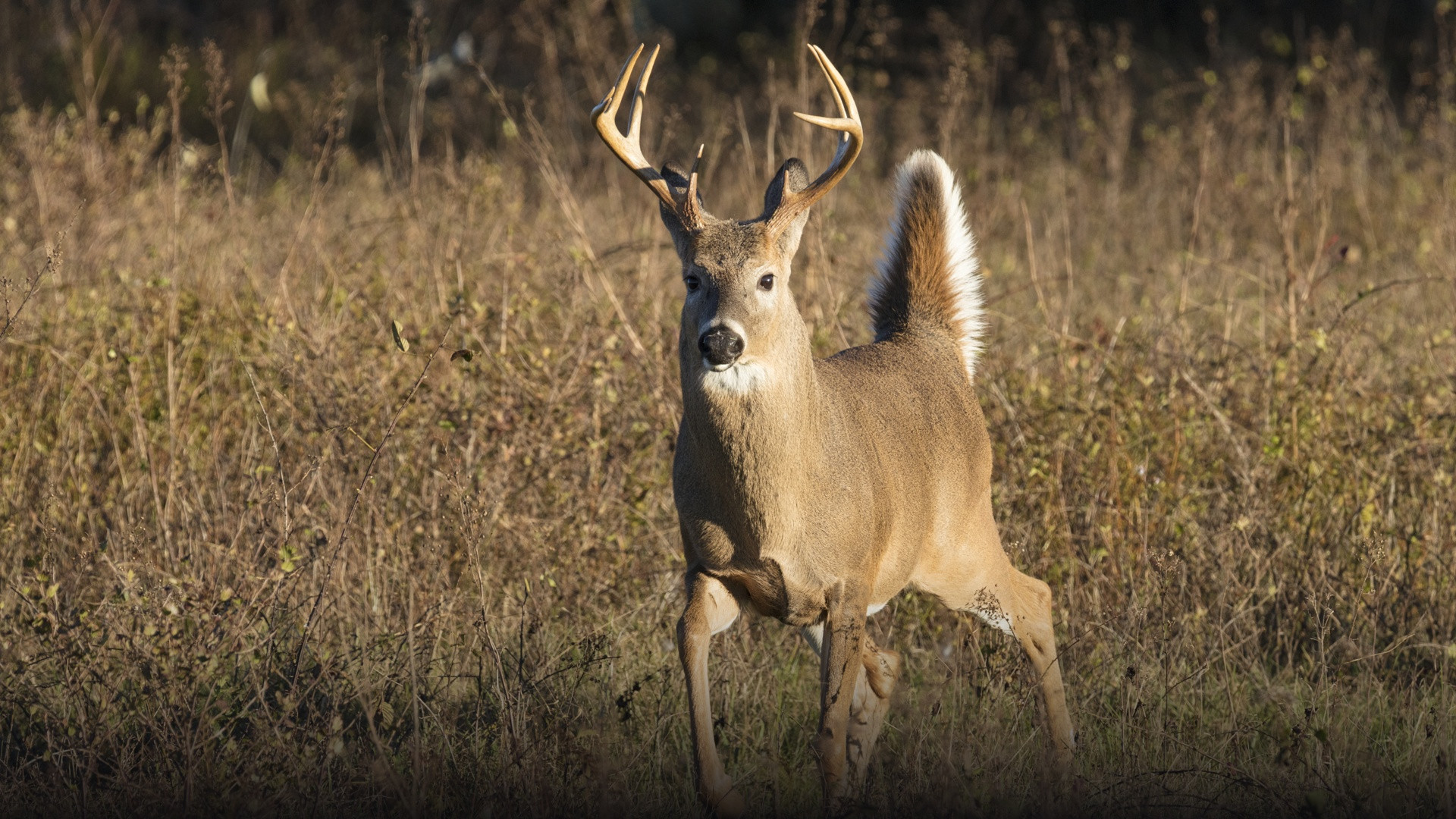
1. White-Tailed Deer - Advertisement🔥 UP NEXT IN THIS SERIES◫ 23 Slides

22 Dishes and Moments That Shaped American Breakfast Chains
American breakfast chains transformed morning habits through drive-thru sandwiches, 24-hour highway diners, and memorable brand stunts. Drawing on McDonald's, Denny's, Waffle House, and IHOP corporate histories plus FEMA records, this countdown traces 22 documented menu items and milestones from 1937 through 2020.
From apex predators prowling mountain peaks to venomous serpents and unassuming woodland herbivores, America is home to formidable creatures. Here are the 20 most dangerous animals in the United States, ranked by annual human fatalities.
Swipe or tap ▶ to begin the countdown
©Wikimedia / Diego Delso & NPS / Neal Lewis
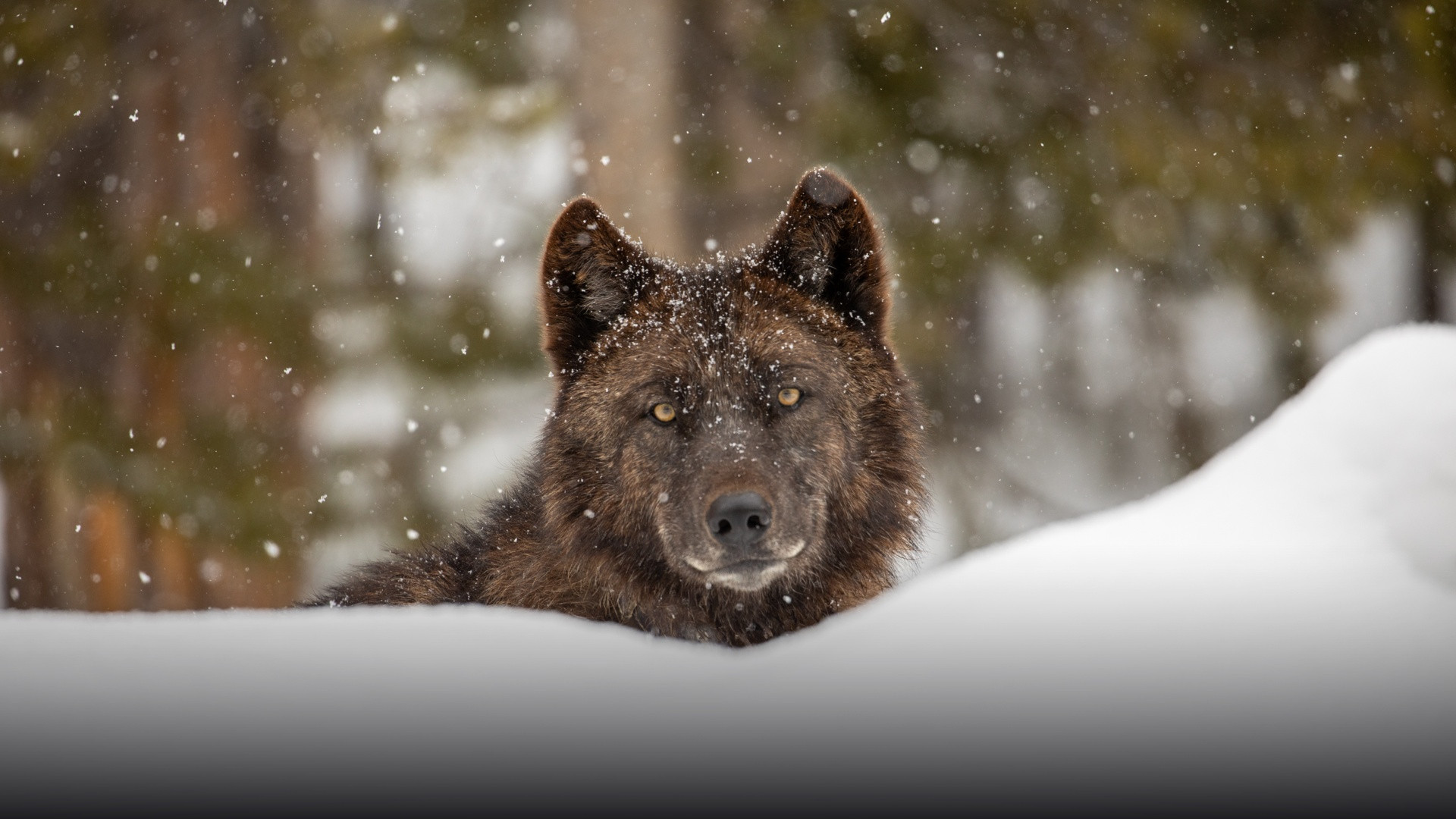
20. Gray Wolf
While Hollywood portrays wolves as ravenous man-eaters, wild attacks on humans are extraordinarily rare, with only two fatal encounters documented across North America in the last century. Their fearsome reputation stems from their 400-psi bite force and unmatched pack coordination.
©NPS / Jim Peaco
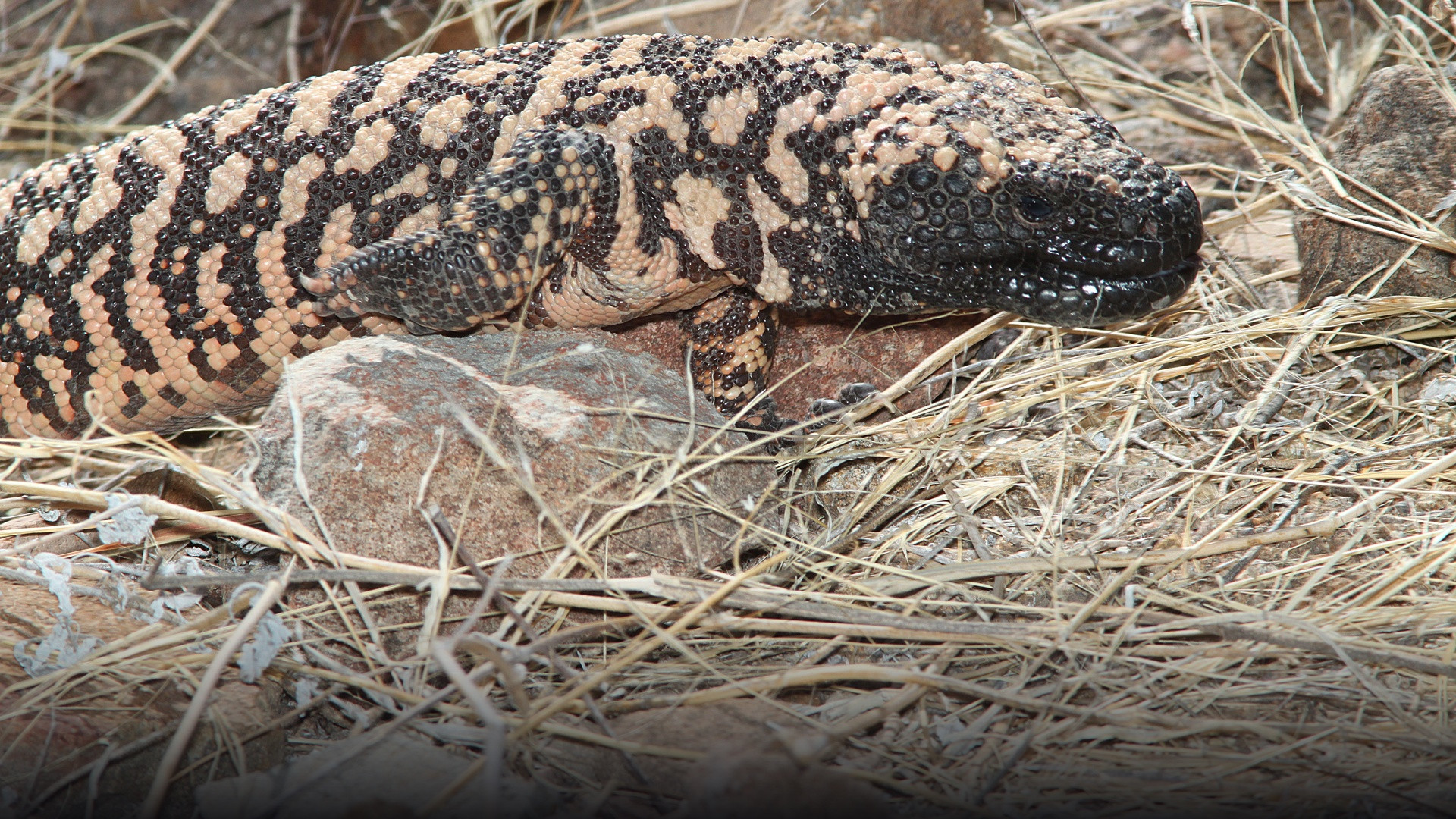
19. Gila Monster
As America's only native venomous lizard, the desert-dwelling Gila monster does not inject venom through hollow fangs. Instead, it tenaciously latches onto flesh with razor-sharp teeth and chews neurotoxins directly into the wound, causing agonizing pain and rapid blood pressure drops.
©Wikimedia / Alan Schmierer
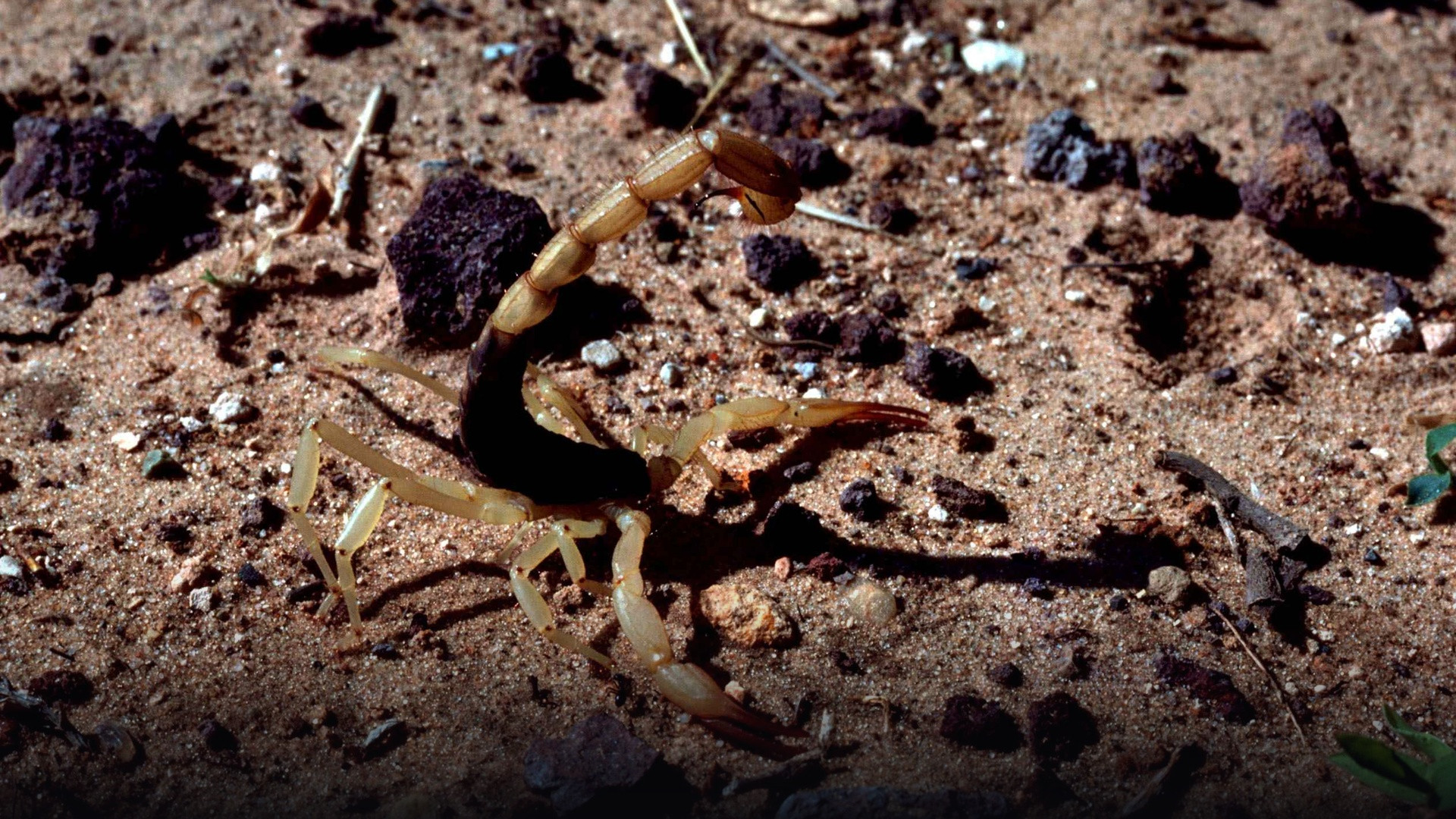
18. Arizona Bark Scorpion
Measuring just three inches long, the Arizona bark scorpion is the most venomous scorpion in North America. Its neurotoxic sting causes severe convulsions, numbness, and intense respiratory distress, driving hundreds of victims to emergency rooms across the desert Southwest every year.
©USFWS / Gary M. Stolz
Advertisement
Swipe or tap ▶ to resume the countdown.
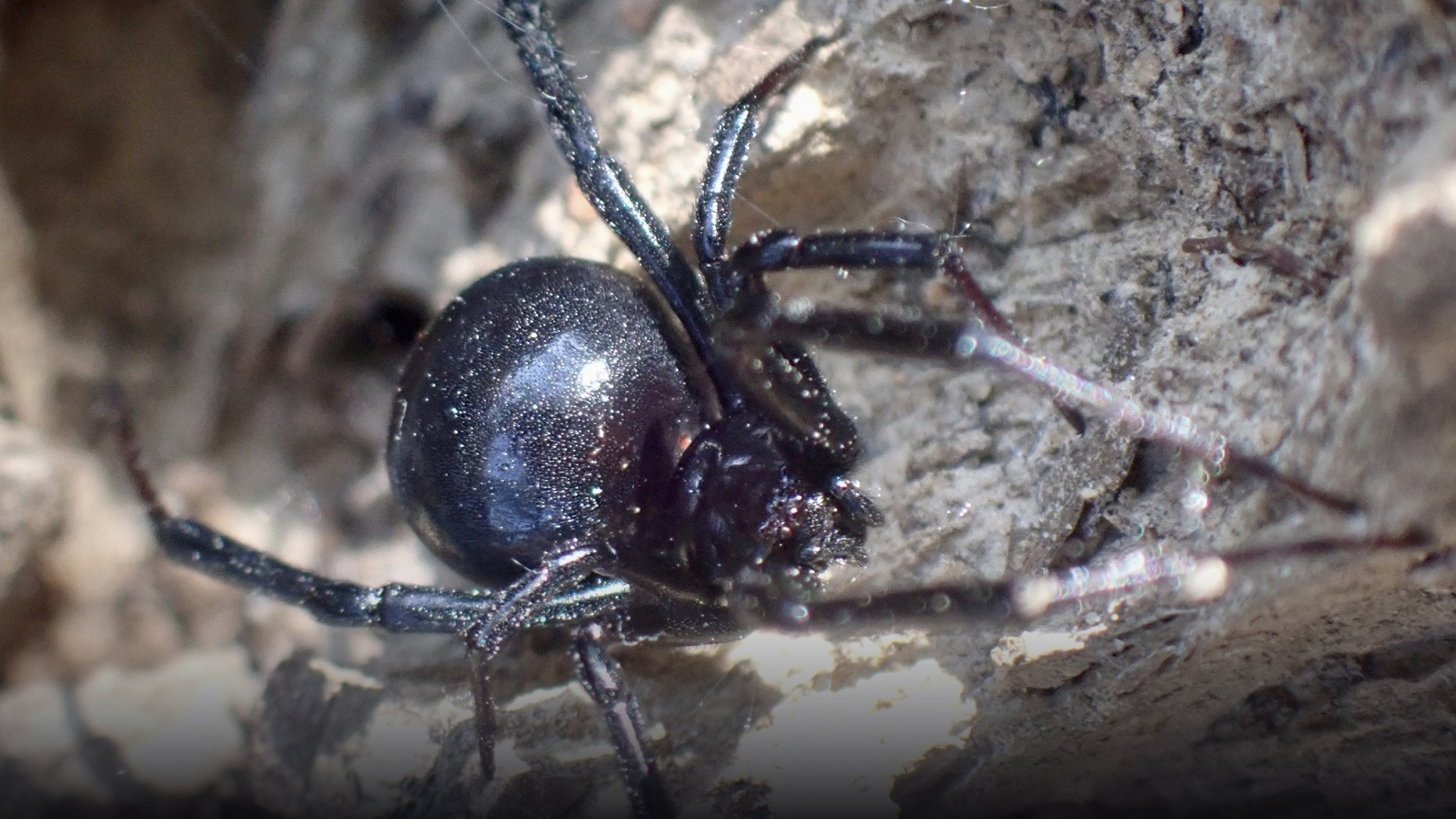
17. Black Widow Spider
Instantly recognizable by the vivid red hourglass marking on its abdomen, the female black widow carries venom fifteen times more potent by volume than that of a rattlesnake. Its alpha-latrotoxin causes latrodectism—a terrifying condition marked by excruciating whole-body muscle spasms.
©Wikimedia / Nancy Jackson
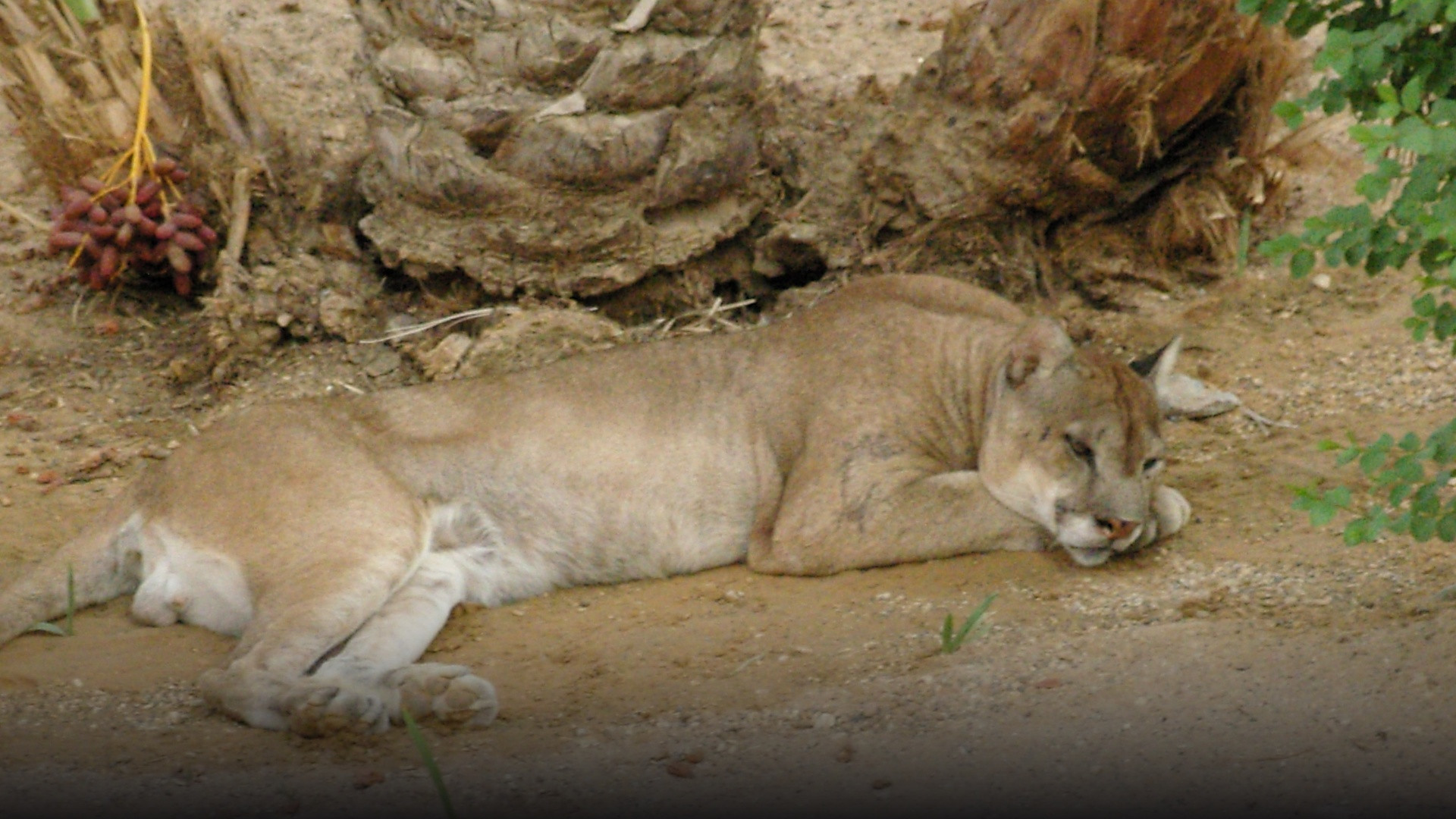
16. Mountain Lion
Also known as the cougar or puma, this solitary apex cat can leap forty feet horizontally and ambush prey at thirty miles per hour. While fatal human attacks average less than one per year, cougars are stealth predators that strike hikers from behind, crushing the windpipe with sudden force.
©Wikimedia / Shankar S.
15. American Alligator
Lurking in southeastern lakes and bayous, mature bull alligators can exceed twelve feet and deliver over 2,000 pounds per square inch of bone-crushing pressure. When seizing prey, they execute a violent 'death roll' beneath the water's surface, drowning victims before consuming them.
©Wikimedia / Judy Gallagher
14. Bull Shark
Unlike most marine sharks, the aggressive bull shark can adapt to freshwater, traveling hundreds of miles inland up the Mississippi and Potomac rivers. Combined with their high testosterone levels and habit of hunting turbid, shallow waters, they represent one of coastal America's top aquatic threats.
©Wikimedia / Diego Delso
Advertisement
Swipe or tap ▶ to resume the countdown.
13. Great White Shark
Reaching lengths over twenty feet, the great white shark patrols both the Pacific and Atlantic coasts. While humans are not their natural prey, their vertical ambush hunting style means a single exploratory bite can sever major femoral arteries, causing catastrophic blood loss within seconds.
©Wikimedia / Sharkcrew
12. Copperhead
Responsible for more venomous snakebites in the United States than any other species, the copperhead relies on flawless camouflage among fallen autumn leaves. Rather than fleeing, it freezes in place when approached, leading unsuspecting hikers and gardeners to step directly onto its fangs.
©NPS / Russell Cave National Monument
11. Cottonmouth
The world's only semi-aquatic pit viper, the cottonmouth gets its name from the stark white lining of its mouth, which it gapes open defensively when cornered. Its potent cytotoxic venom rapidly destroys muscle tissue and red blood cells, frequently resulting in severe necrosis or amputations.
©Wikimedia / Virginia State Parks
10. American Bison
Weighing up to 2,000 pounds, the American bison is the heaviest land animal in North America. In national parks like Yellowstone, bison injure more visitors than bears and wolves combined, sprinting up to 35 mph to violently gore and launch tourists who approach too closely.
©Wikimedia / Graham Morazán
Advertisement
Swipe or tap ▶ to resume the countdown.
9. Black Bear
With over 300,000 individuals roaming US forests, black bears are far more common than grizzlies. While ninety-nine percent avoid human confrontation, rare predatory attacks by hungry or habituated bears are exceptionally dangerous, as black bears do not cease attacking once they initiate a charge.
©USFWS / Courtney Celley
8. Grizzly Bear
Towering up to eight feet tall on their hind legs, grizzly bears possess a bite force of 1,200 psi—enough to crush an iron skillet. Female grizzlies guarding cubs are fiercely territorial and responsible for the majority of severe, disfiguring maulings across Alaska and the Greater Yellowstone Ecosystem.
©Wikimedia / Diego Delso
7. Eastern Diamondback Rattlesnake
Growing up to eight feet long, the eastern diamondback is the heaviest venomous snake in the Americas. Armed with one-inch fangs and massive venom glands, a single defensive strike can deliver up to 400 milligrams of hemorrhagic venom—enough to cause fatal internal bleeding without prompt antivenom.
©Wikimedia / Clément Bardot
6. Blacklegged Tick
Barely the size of a sesame seed, the blacklegged or deer tick is an insidious biological threat. Ticks transmit debilitating pathogens including Lyme disease, babesiosis, and the rare but deadly Powassan virus, leading to severe chronic neurological impairment and fatal cardiac complications.
©NIH / NIAID
Advertisement
Swipe or tap ▶ to resume the countdown.
5. Domestic Cattle
Surpassing almost all wild carnivores in annual human fatalities, farm cattle kill approximately twenty-two Americans every single year. Agitated dairy bulls and protective mother cows deliver lethal blunt-force trauma, trampling, crushing, and pinning farmworkers against fences and barn walls.
©Wikimedia / Larry Smith
4. Domestic Dog
Man's best friend is also responsible for over 4.5 million bites across the country each year. CDC mortality records reveal that severe canine pack maulings and territorial attacks claim between thirty-five and forty-five human lives annually, with young children and elderly victims at highest risk.
©Wikimedia / Crusier
3. Mosquito
While considered a summer nuisance, mosquitoes are lethal disease vectors in the United States. Transmitting neuroinvasive West Nile virus, Eastern Equine Encephalitis, and Saint Louis encephalitis, mosquito bites claim between fifty and one hundred American lives each year through brain inflammation.
©Wikimedia / Alvesgaspar
2. Bee, Wasp, And Hornet
According to official CDC mortality statistics, hornets, wasps, and bees are the single deadliest venomous animals in the United States. While their stings are harmless to most, they trigger severe allergic anaphylaxis in sensitized individuals, causing fatal asphyxiation in over seventy Americans annually.
©Wikimedia / Judy Gallagher
Advertisement
Swipe or tap ▶ to resume the countdown.
1. White-Tailed Deer
America's deadliest animal is neither a predator nor a venomous serpent. White-tailed deer cause over 1.5 million motor vehicle collisions across US highways every year, resulting in approximately 200 human fatalities and over a billion dollars in damage—making this gentle herbivore the nation's #1 killer.

©NPS / Neal Lewis
Advertisement
You've reached the end of the story. Thanks for reading!

22 Dishes and Moments That Shaped American Breakfast Chains
American breakfast chains transformed morning habits through drive-thru sandwiches, 24-hour highway diners, and memorable brand stunts. Drawing on McDonald's, Denny's, Waffle House, and IHOP corporate histories plus FEMA records, this countdown traces 22 documented menu items and milestones from 1937 through 2020.
All 20 Entries in this Story
20. Gray Wolf
While Hollywood portrays wolves as ravenous man-eaters, wild attacks on humans are extraordinarily rare, with only two fatal encounters documented across North America in the last century. Their fearsome reputation stems from their 400-psi bite force and unmatched pack coordination.

19. Gila Monster
As America's only native venomous lizard, the desert-dwelling Gila monster does not inject venom through hollow fangs. Instead, it tenaciously latches onto flesh with razor-sharp teeth and chews neurotoxins directly into the wound, causing agonizing pain and rapid blood pressure drops.

18. Arizona Bark Scorpion
Measuring just three inches long, the Arizona bark scorpion is the most venomous scorpion in North America. Its neurotoxic sting causes severe convulsions, numbness, and intense respiratory distress, driving hundreds of victims to emergency rooms across the desert Southwest every year.

17. Black Widow Spider
Instantly recognizable by the vivid red hourglass marking on its abdomen, the female black widow carries venom fifteen times more potent by volume than that of a rattlesnake. Its alpha-latrotoxin causes latrodectism—a terrifying condition marked by excruciating whole-body muscle spasms.

16. Mountain Lion
Also known as the cougar or puma, this solitary apex cat can leap forty feet horizontally and ambush prey at thirty miles per hour. While fatal human attacks average less than one per year, cougars are stealth predators that strike hikers from behind, crushing the windpipe with sudden force.

15. American Alligator
Lurking in southeastern lakes and bayous, mature bull alligators can exceed twelve feet and deliver over 2,000 pounds per square inch of bone-crushing pressure. When seizing prey, they execute a violent 'death roll' beneath the water's surface, drowning victims before consuming them.

14. Bull Shark
Unlike most marine sharks, the aggressive bull shark can adapt to freshwater, traveling hundreds of miles inland up the Mississippi and Potomac rivers. Combined with their high testosterone levels and habit of hunting turbid, shallow waters, they represent one of coastal America's top aquatic threats.

13. Great White Shark
Reaching lengths over twenty feet, the great white shark patrols both the Pacific and Atlantic coasts. While humans are not their natural prey, their vertical ambush hunting style means a single exploratory bite can sever major femoral arteries, causing catastrophic blood loss within seconds.

12. Copperhead
Responsible for more venomous snakebites in the United States than any other species, the copperhead relies on flawless camouflage among fallen autumn leaves. Rather than fleeing, it freezes in place when approached, leading unsuspecting hikers and gardeners to step directly onto its fangs.

11. Cottonmouth
The world's only semi-aquatic pit viper, the cottonmouth gets its name from the stark white lining of its mouth, which it gapes open defensively when cornered. Its potent cytotoxic venom rapidly destroys muscle tissue and red blood cells, frequently resulting in severe necrosis or amputations.

10. American Bison
Weighing up to 2,000 pounds, the American bison is the heaviest land animal in North America. In national parks like Yellowstone, bison injure more visitors than bears and wolves combined, sprinting up to 35 mph to violently gore and launch tourists who approach too closely.

9. Black Bear
With over 300,000 individuals roaming US forests, black bears are far more common than grizzlies. While ninety-nine percent avoid human confrontation, rare predatory attacks by hungry or habituated bears are exceptionally dangerous, as black bears do not cease attacking once they initiate a charge.

8. Grizzly Bear
Towering up to eight feet tall on their hind legs, grizzly bears possess a bite force of 1,200 psi—enough to crush an iron skillet. Female grizzlies guarding cubs are fiercely territorial and responsible for the majority of severe, disfiguring maulings across Alaska and the Greater Yellowstone Ecosystem.

7. Eastern Diamondback Rattlesnake
Growing up to eight feet long, the eastern diamondback is the heaviest venomous snake in the Americas. Armed with one-inch fangs and massive venom glands, a single defensive strike can deliver up to 400 milligrams of hemorrhagic venom—enough to cause fatal internal bleeding without prompt antivenom.

6. Blacklegged Tick
Barely the size of a sesame seed, the blacklegged or deer tick is an insidious biological threat. Ticks transmit debilitating pathogens including Lyme disease, babesiosis, and the rare but deadly Powassan virus, leading to severe chronic neurological impairment and fatal cardiac complications.

5. Domestic Cattle
Surpassing almost all wild carnivores in annual human fatalities, farm cattle kill approximately twenty-two Americans every single year. Agitated dairy bulls and protective mother cows deliver lethal blunt-force trauma, trampling, crushing, and pinning farmworkers against fences and barn walls.

4. Domestic Dog
Man's best friend is also responsible for over 4.5 million bites across the country each year. CDC mortality records reveal that severe canine pack maulings and territorial attacks claim between thirty-five and forty-five human lives annually, with young children and elderly victims at highest risk.

3. Mosquito
While considered a summer nuisance, mosquitoes are lethal disease vectors in the United States. Transmitting neuroinvasive West Nile virus, Eastern Equine Encephalitis, and Saint Louis encephalitis, mosquito bites claim between fifty and one hundred American lives each year through brain inflammation.

2. Bee, Wasp, And Hornet
According to official CDC mortality statistics, hornets, wasps, and bees are the single deadliest venomous animals in the United States. While their stings are harmless to most, they trigger severe allergic anaphylaxis in sensitized individuals, causing fatal asphyxiation in over seventy Americans annually.

1. White-Tailed Deer
America's deadliest animal is neither a predator nor a venomous serpent. White-tailed deer cause over 1.5 million motor vehicle collisions across US highways every year, resulting in approximately 200 human fatalities and over a billion dollars in damage—making this gentle herbivore the nation's #1 killer.