Slideshow · Science
What Happens to Your Brain in the Final Moments of Life
What Happens to Your Brain in the Final Moments of Life




All 20 Entries in this Story
1. Cerebral Blood Flow Halts In Seconds
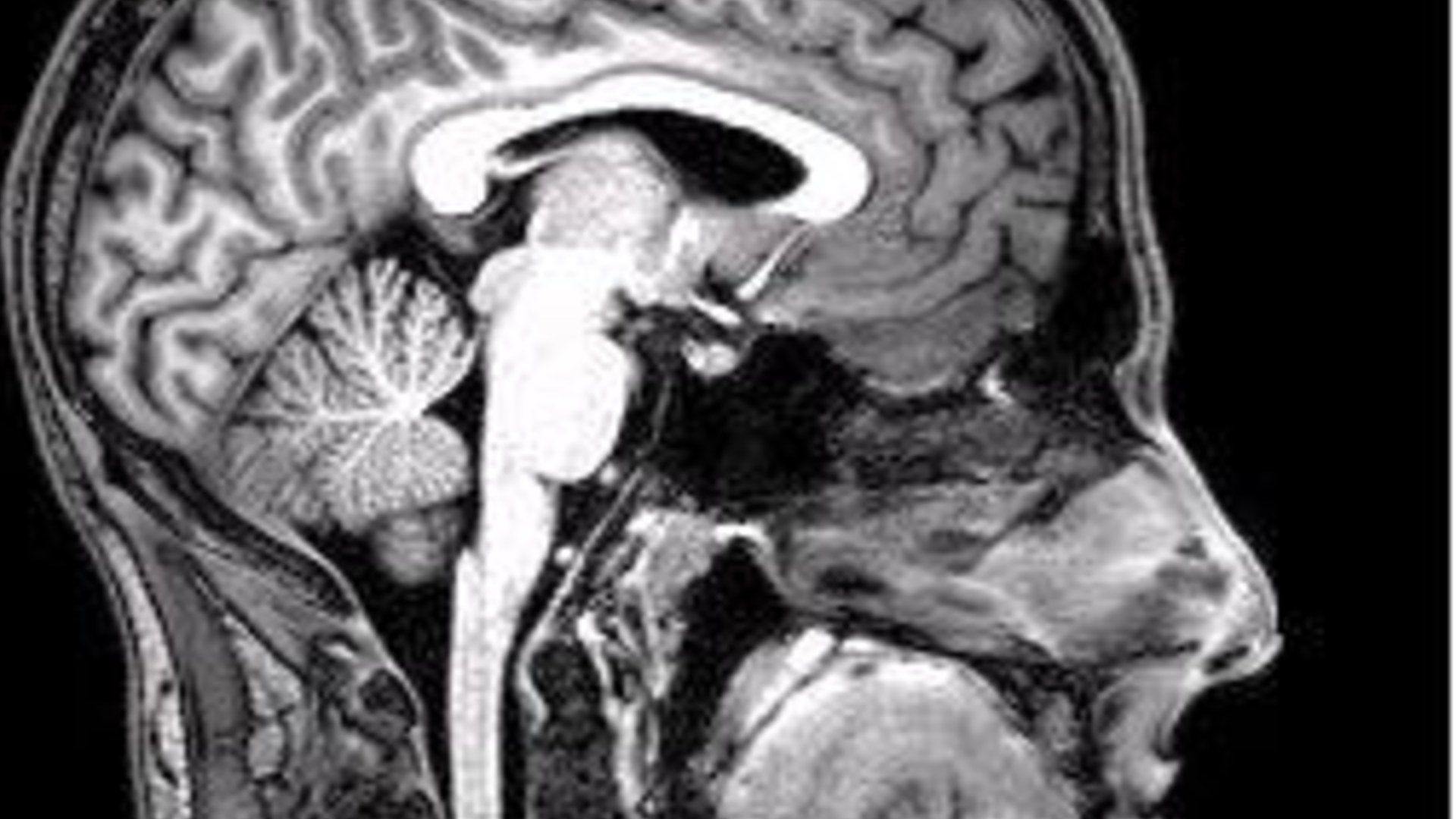
Despite weighing only two percent of total body mass, the human brain consumes twenty percent of resting oxygen and glucose. When cardiac contraction stops, arterial blood pressure drops to zero, abruptly halting cerebral circulation.
2. Residual Capillary Oxygen Is Depleted
Microvascular capillary beds retain tiny pockets of oxygenated hemoglobin. Starved neurons consume this final dissolved reservoir in under five seconds, forcing cellular mitochondria to switch urgently to anaerobic metabolism.
3. Consciousness Fades As Cortex Starves
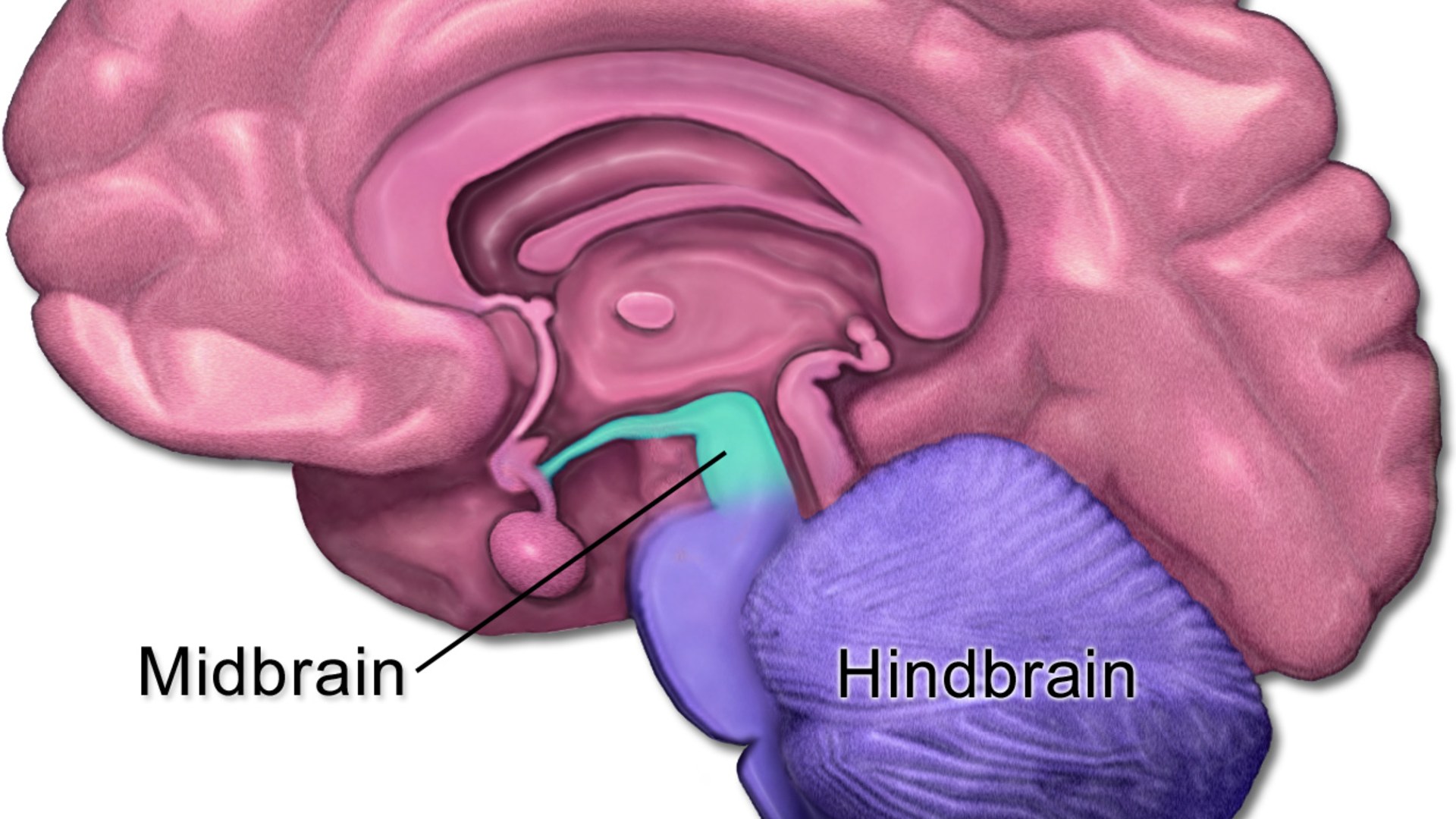
Sustaining active consciousness requires immense continuous energy. As intracellular glucose reserves decline, the ascending reticular activating system can no longer fire, causing the subject to slip quietly into unconsciousness.
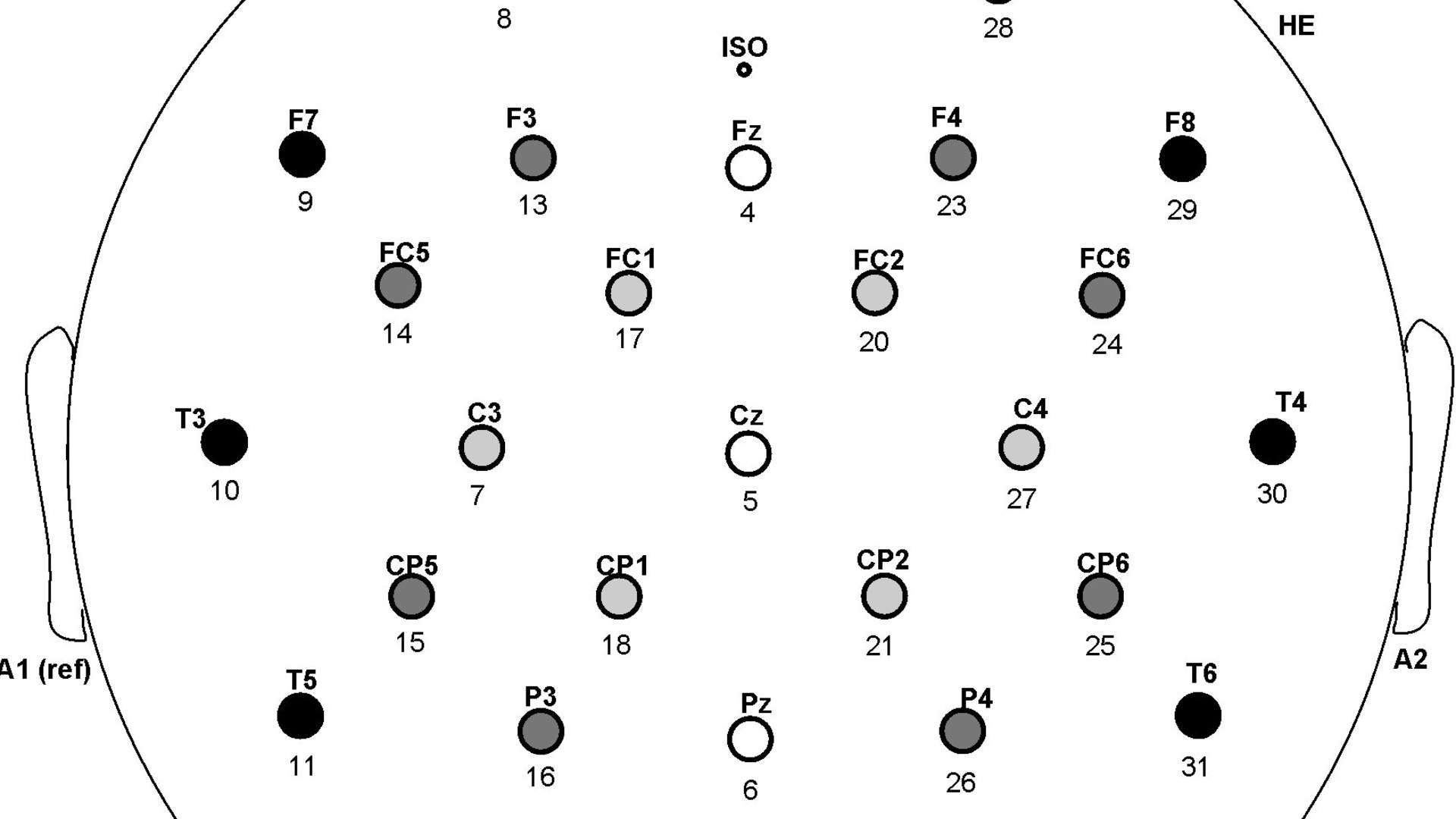
4. Routine Electrical Brain Waves Flatten
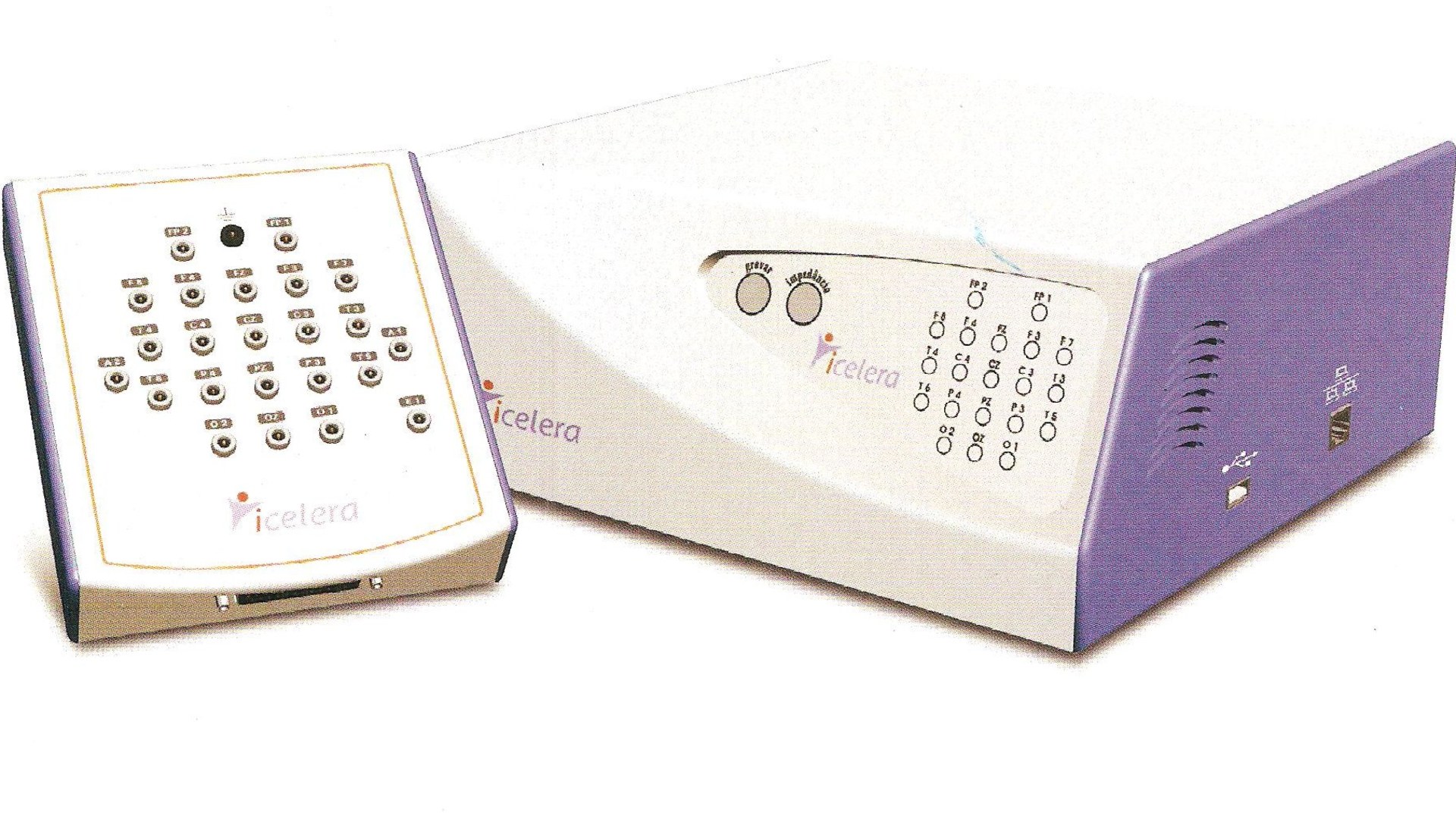
Standard surface electroencephalogram tracings show rapid slowing within fifteen to thirty seconds. The fast, organized rhythms of active thought subside into a deceptively flat baseline, long interpreted as immediate clinical brain silence.
5. A Massive Flood Of Endogenous Endorphins
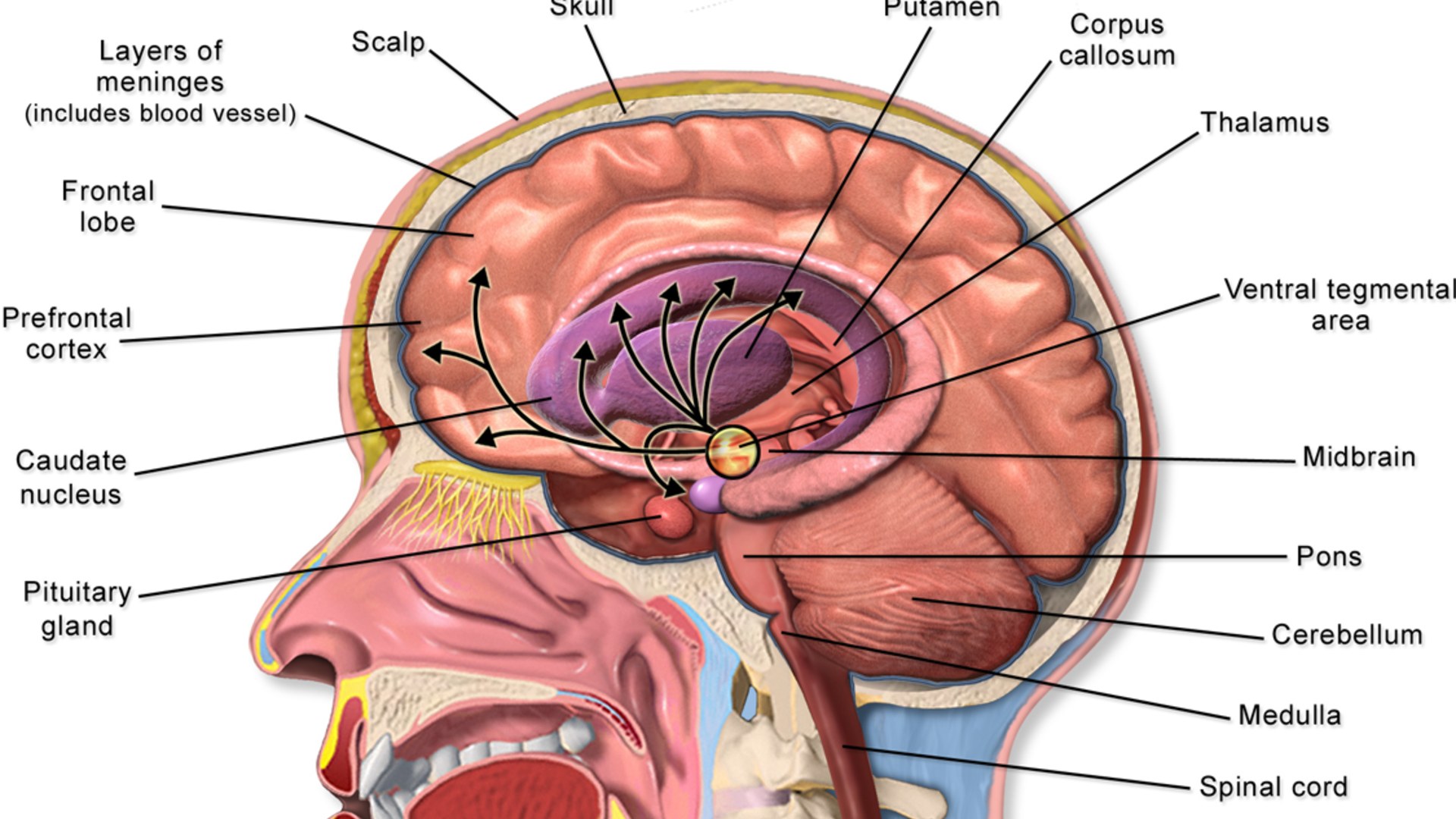
In response to acute oxygen starvation, hypothalamic and pituitary networks release surges of beta-endorphins, dynorphins, and dopamine. This massive chemical release induces a profound sensation of peace and total pain relief.
6. Peripheral Vision Collapses Into A Tunnel
Neurons serving peripheral sight receive poorer capillary perfusion than the dense fovea at the center. As oxygen fades, sight collapses from the margins toward the center, creating the iconic experience of traveling through a dark tunnel toward light.
7. Serotonin Spikes Across Cortical Networks
Animal and clinical models show a dramatic twenty-fold increase in extracellular serotonin during cardiac arrest. Overstimulating 5-HT2A cortical receptors produces hallucinatory, hyper-lucid experiences often reported in near-death episodes.
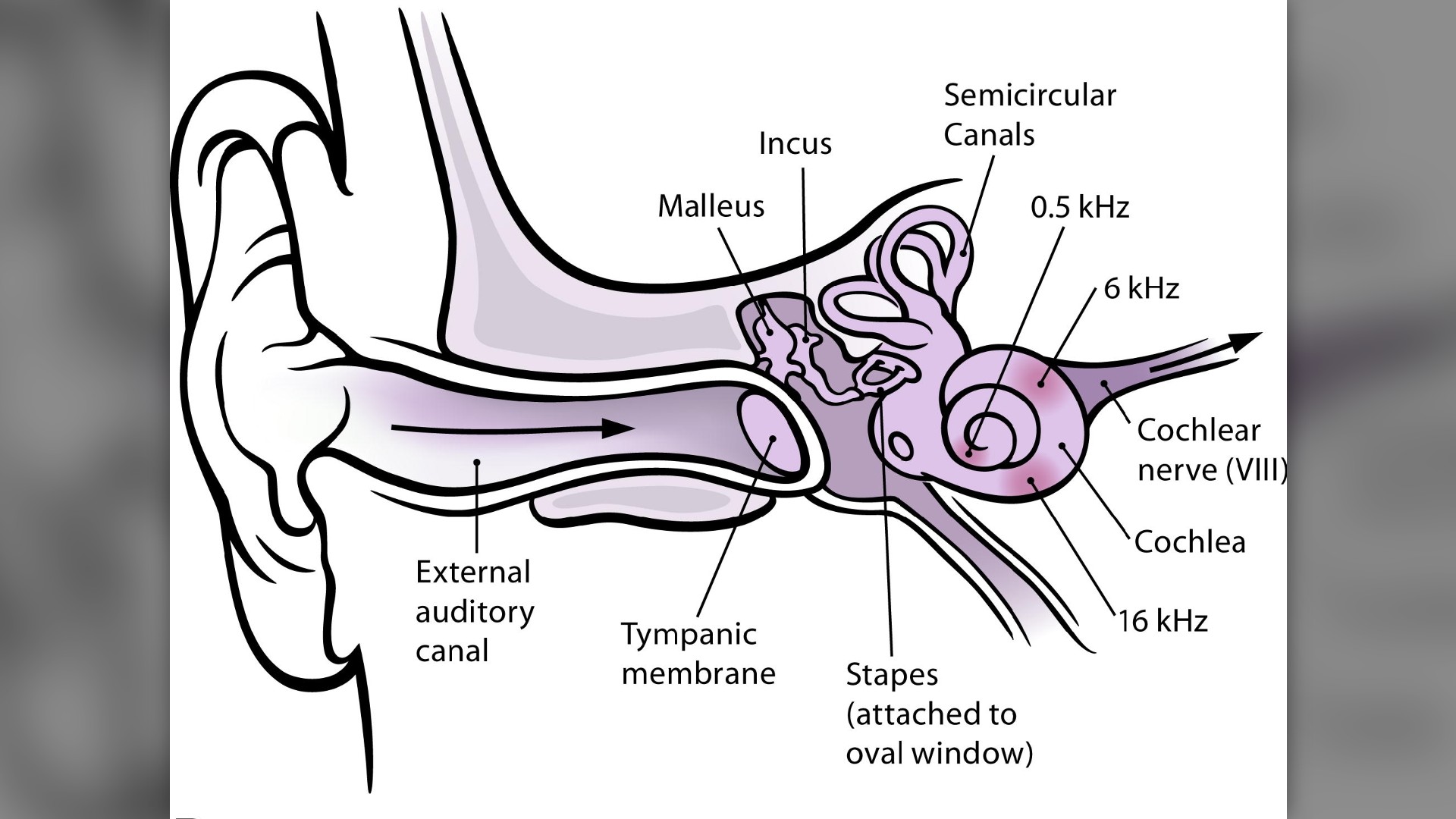
8. Hearing Persists As The Final Sensory Anchor
Neuroscientists measuring electrophysiological responses in dying hospice patients discovered that auditory processing circuits respond to familiar voices and music even when patients are unresponsive and other senses have failed.
9. Temporal Lobe Sparks Sensations Of Familiarity
Deprived of oxygen, the medial temporal lobe and amygdala discharge erratic bursts. These specific regional discharges generate overwhelming sensations of profound familiarity, floating outside the physical body, and peaceful detachment.
10. The Mysterious Surge Of Gamma Oscillations
In historic clinical recordings of dying patients, neuroscientists observed a sudden, highly coordinated surge in gamma band oscillations (thirty to eighty hertz). These are the exact frequencies associated with memory recall, dreaming, and high-level consciousness.
11. Frontal And Posterior Networks Synchronize
Information flow does not simply decay; it shifts into an intensely synchronized loop connecting the prefrontal cortex with parietal and occipital memory circuits. This coordinated cross-talk mimics the neural signature of conscious reflection.
12. Neural Circuits Replay Autobiographical Memories
The co-activation of theta and gamma rhythms within the hippocampus resembles the neurobiology of episodic memory retrieval. This provides a measurable physiological basis for the sensation of one's entire life flashing in chronological replay.
13. A Final Peak Of Internal Coherence
Rather than descending into disorganized chaos, global brain coherence peaks during the hypoxic crisis. Survivors of cardiac resuscitation consistently report that internal visions during this phase felt intensely real and vividly coherent.
14. Cellular Energy Reserves Hit Complete Zero
Each neuron relies on thousands of microscopic sodium-potassium pumps to maintain electrical charge across its outer membrane. Without oxygen, cellular fuel (ATP) runs completely dry, and the molecular engines stall.
15. The Spreading Depolarization Tsunami
With ion pumps paralyzed, the electrical gradient collapses. An enormous electrochemical wave known as spreading depolarization sweeps through cortical tissue as potassium rushes out and sodium floods in, stripping neurons of their membrane charge.
16. The Critical Window Between Life And Cellular Death
Neurocritical care research confirms that spreading depolarization is not an instant point of death, but the start of a countdown. If oxygen and blood flow are restored before structural breakdown, neurons can theoretically restore membrane potentials.
17. Glutamate Excitotoxicity Overwhelms Synapses
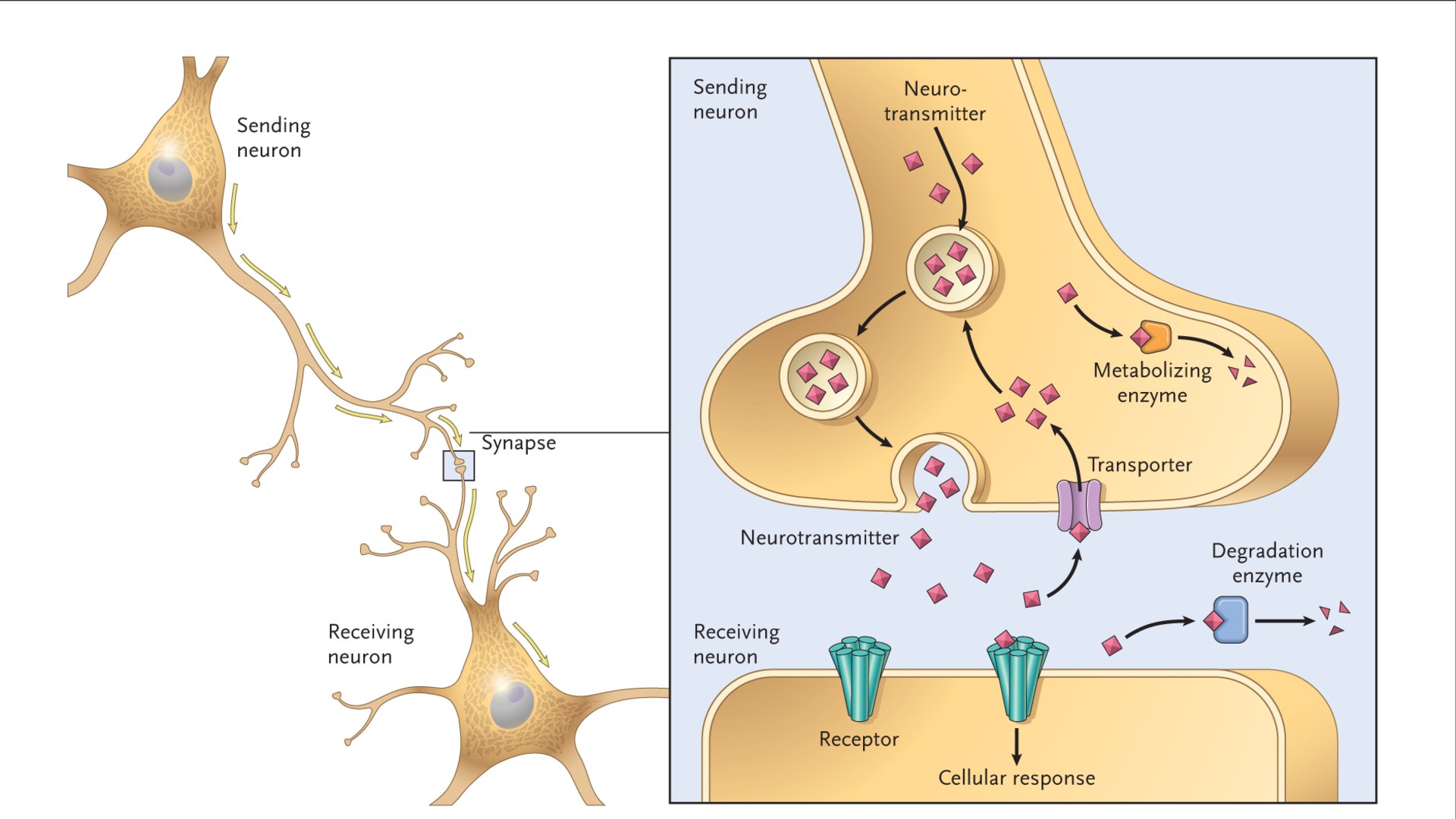
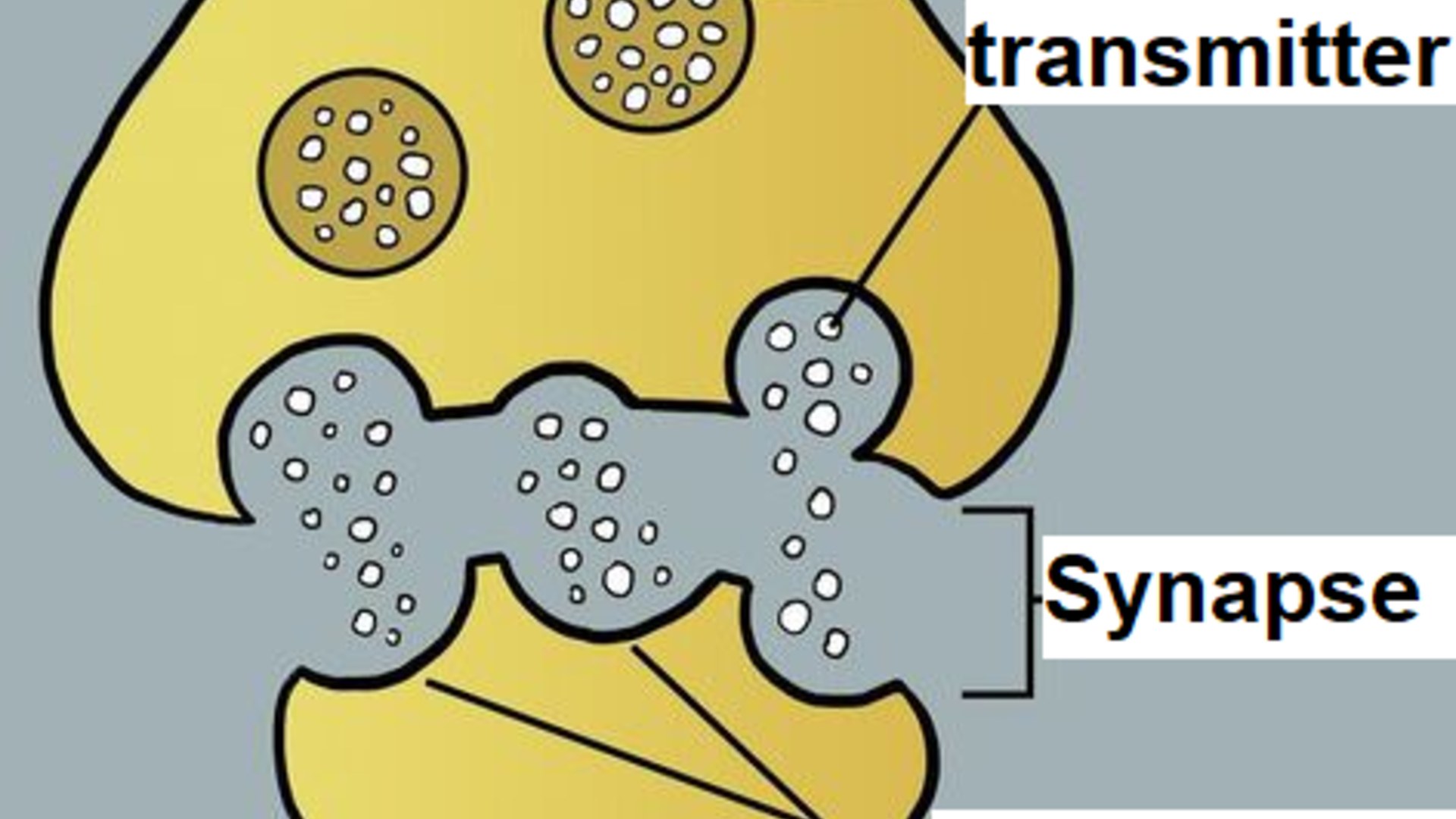
Depolarized presynaptic terminals release uncontrollable floods of the excitatory transmitter glutamate. Overstimulated NMDA receptor channels open wide, allowing destructive cascades of calcium ions to flood into fragile cell bodies.
18. Mitochondrial Rupture And Structural Dissolution
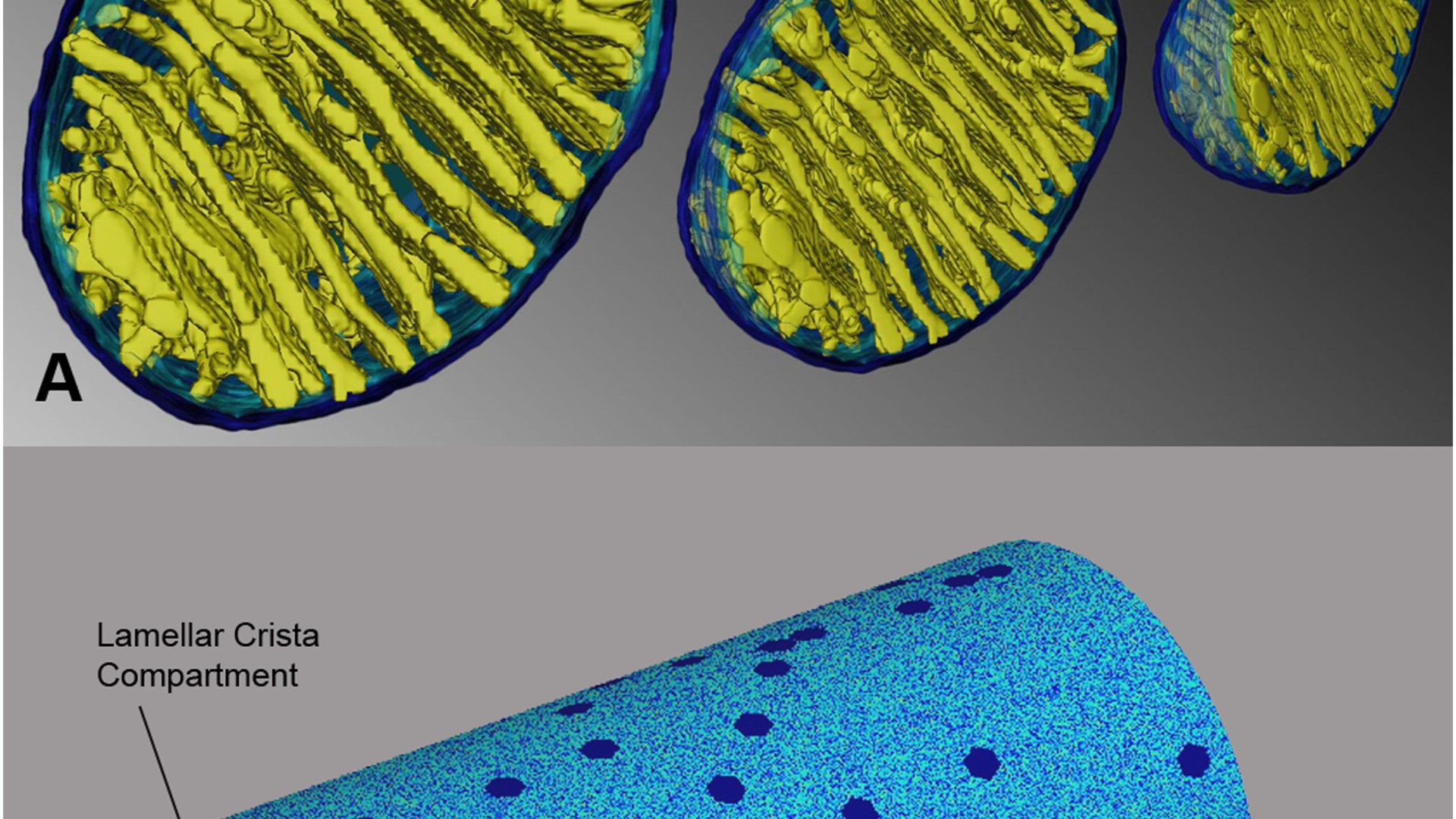
Excessive intracellular calcium triggers the mitochondrial permeability transition pore to open permanently. Mitochondria swell and rupture, releasing apoptotic enzymes that begin breaking down cell proteins, lipids, and structural scaffolding.
19. Zombie Genes Awaken For Hours After Death
Genomic analyses of post-mortem human brain tissue reveal that hundreds of genes do not shut down. Termed zombie genes, these specific sequences (primarily in glial cells) actually ramp up RNA production for over twelve hours, attempting tissue defense.
20. Redefining The Scientific Boundary Of Mortality
Groundbreaking discoveries in neuroresuscitation prove that death is not a binary moment or instant light switch. Understanding the prolonged timeline of brain shutdown is transforming emergency medicine, organ preservation, and our understanding of human consciousness.