Slideshow · Science
23 Scientific Discoveries That Made Headlines Around the World
Which breakthrough discoveries captured headlines and changed our world?
By Most Viral Today
4 Nov 2026

23 Scientific Breakthroughs That Changed Our World 
23. Rediscovery Of The Coelacanth Living Fossil 
22. Mapping The Ocean Floor And Plate Tectonics 
21. Discovery Of Pulsars By Jocelyn Bell Burnell - AdvertisementSwipe or tap ▶ to continue countdown

20. Detection Of The Antarctic Ozone Hole 
19. Discovery Of Nuclear Fission 
18. Unearthing The Lucy Hominin Fossil 
17. The Trappist-1 Seven Exoplanet System - AdvertisementSwipe or tap ▶ to continue countdown

16. First Exoplanet Orbiting A Sun-Like Star 
15. Eddington 1919 Solar Eclipse Experiment 
14. Edwin Hubble And The Expanding Universe 
13. Jonas Salk And The Inactivated Polio Vaccine - AdvertisementSwipe or tap ▶ to continue countdown

12. Wilhelm Rontgen Discovers X-Rays 
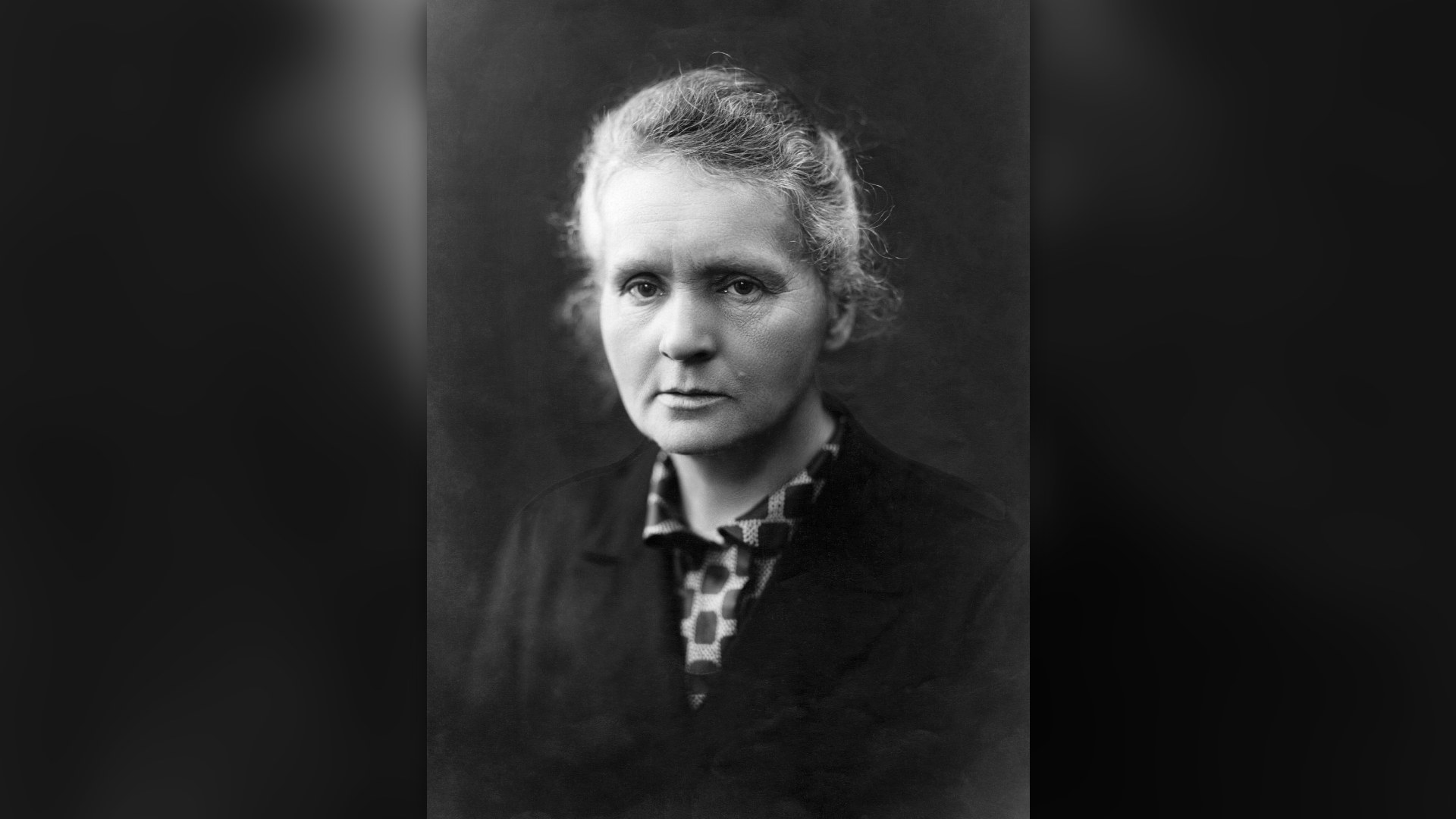
11. Marie And Pierre Curie Isolate Radium 
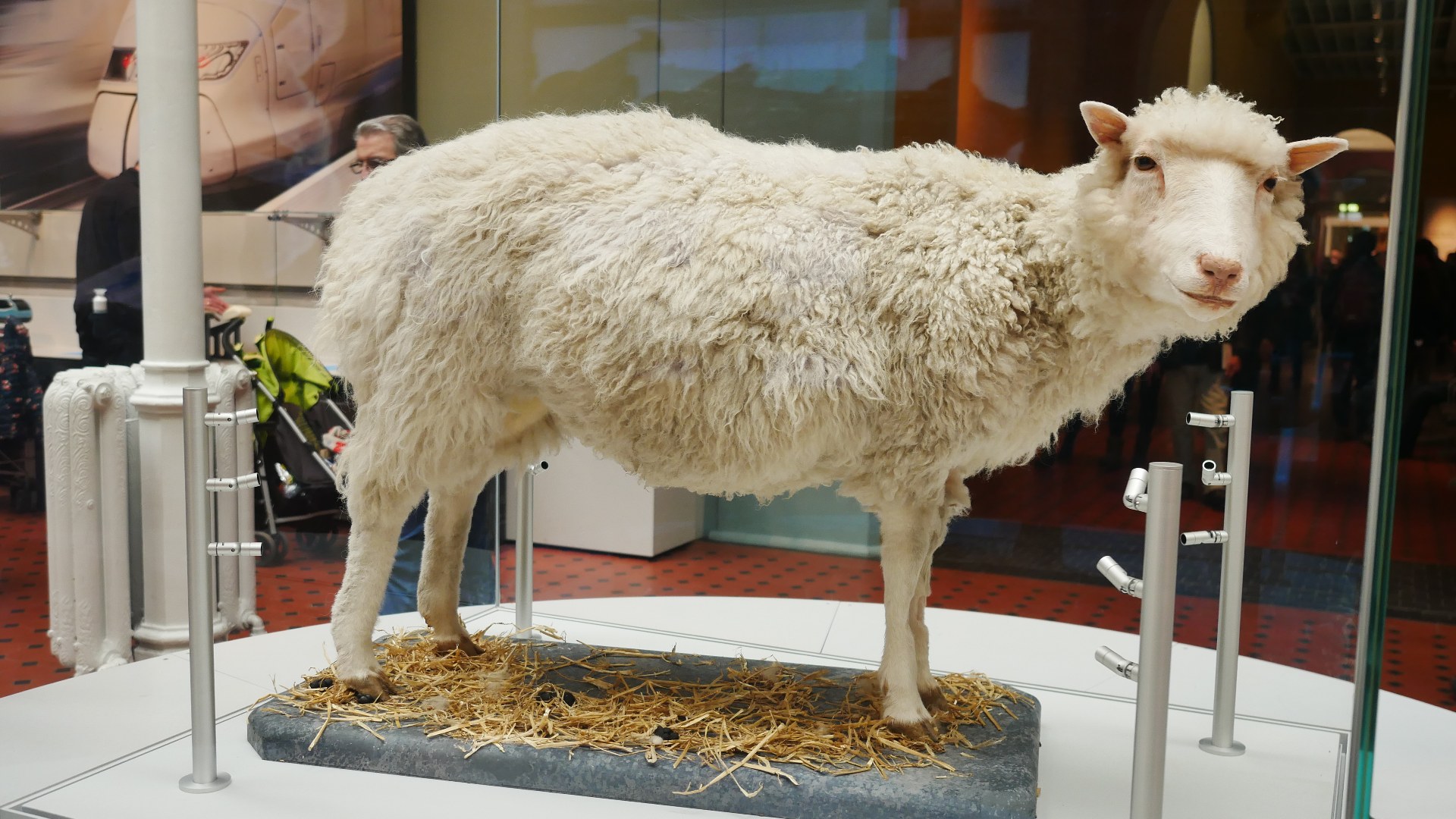
10. Cloning Dolly The Sheep 
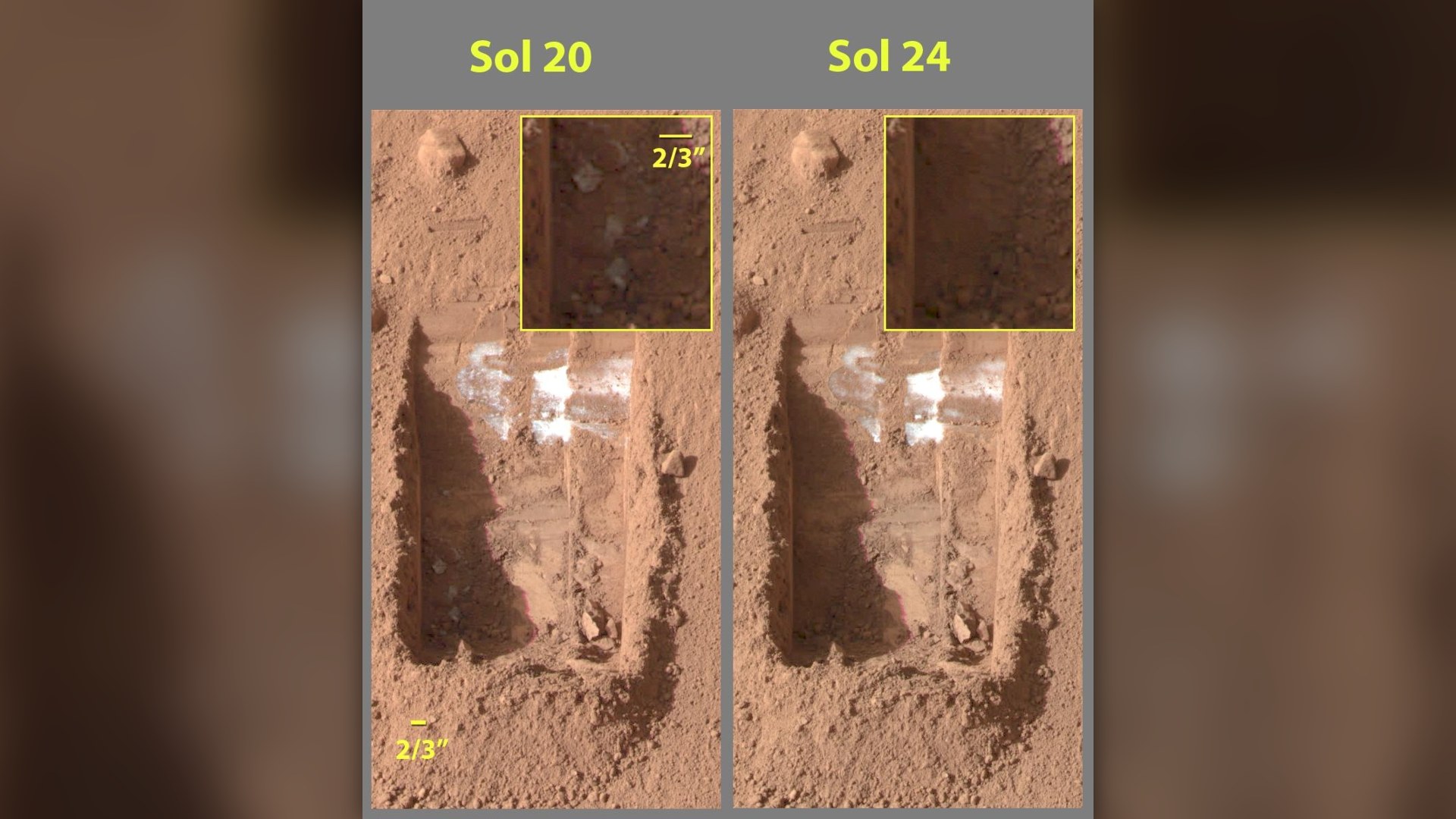
9. NASA Confirms Water Ice On Mars - AdvertisementSwipe or tap ▶ to continue countdown

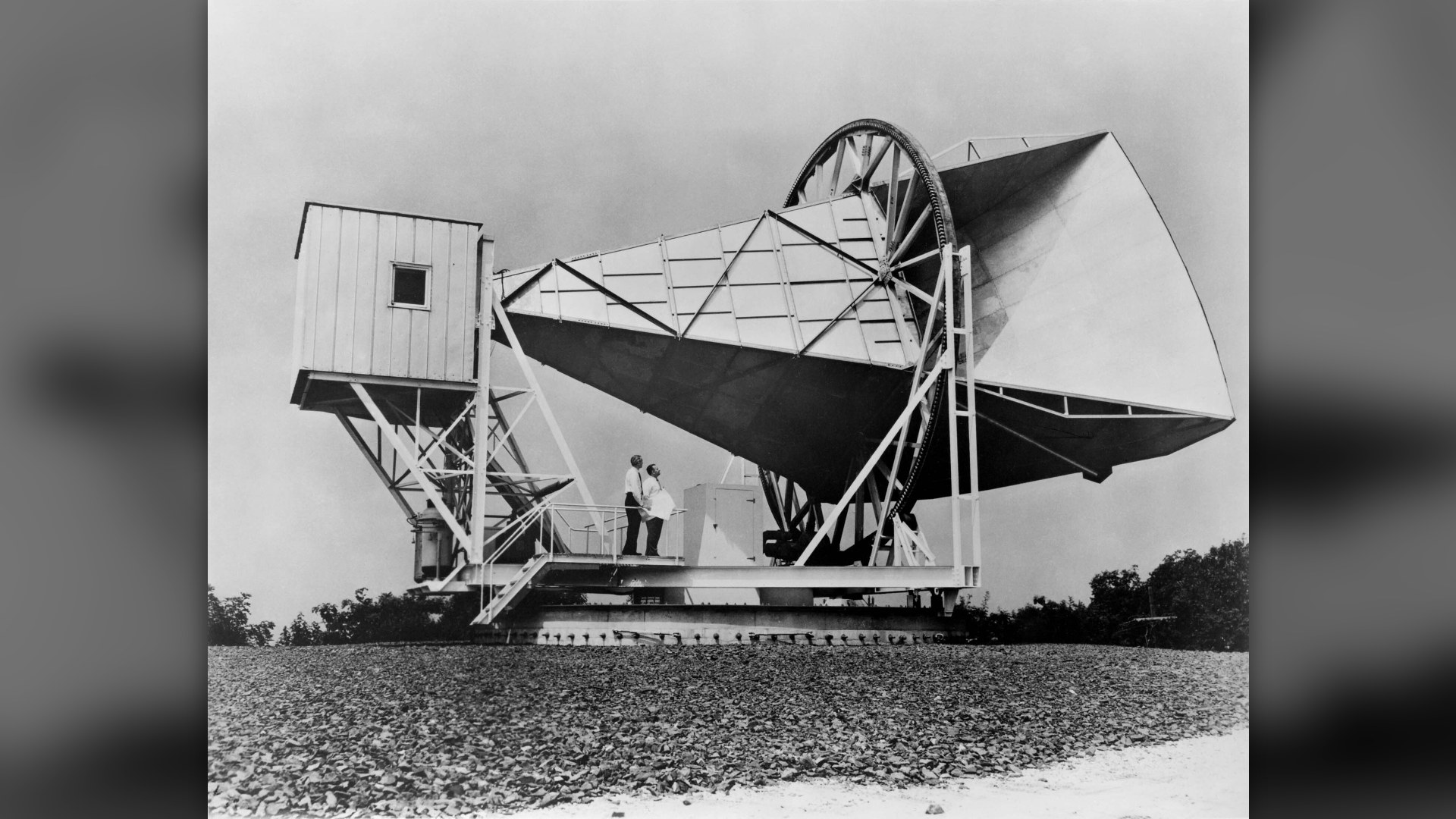
8. Discovery Of The Cosmic Microwave Background 
7. CRISPR-Cas9 Precision Gene Editing 
6. Completion Of The Human Genome Project 
5. Double Helix Molecular Structure Of DNA - AdvertisementSwipe or tap ▶ to continue countdown

4. Alexander Fleming Discovers Penicillin 
3. Direct Detection Of Gravitational Waves 
2. Observation Of The Higgs Boson At CERN 
1. First Direct Image Of A Supermassive Black Hole - Advertisement🔥 UP NEXT IN THIS SERIES◫ 26 Slides

25 Groundbreaking American Inventions and Achievements Ranked
From Kitty Hawk and the Apollo 11 lunar landing to the transistor and the internet, American inventors and scientists have transformed global civilization. Sourced from the Smithsonian Institution, NASA archives, and the Library of Congress, here are twenty-five groundbreaking American milestones ranked.
Throughout modern history, sudden scientific discoveries have captured the global imagination and fundamentally altered humanity understanding of reality. From deep space mysteries to genetic code, these 23 landmark discoveries dominated international headlines and changed science forever.
Swipe or tap ▶ to begin the countdown
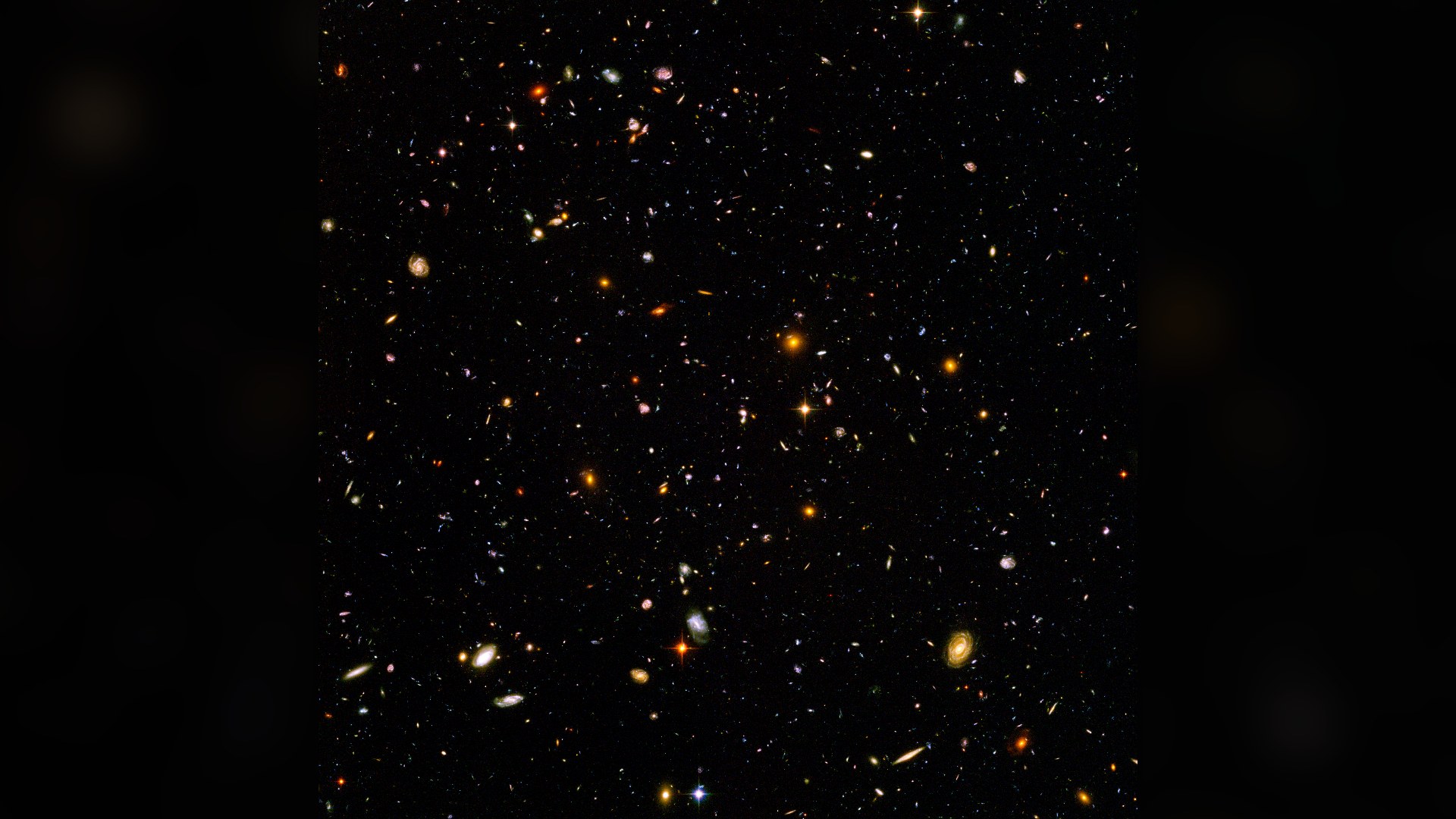
©NASA / STScI
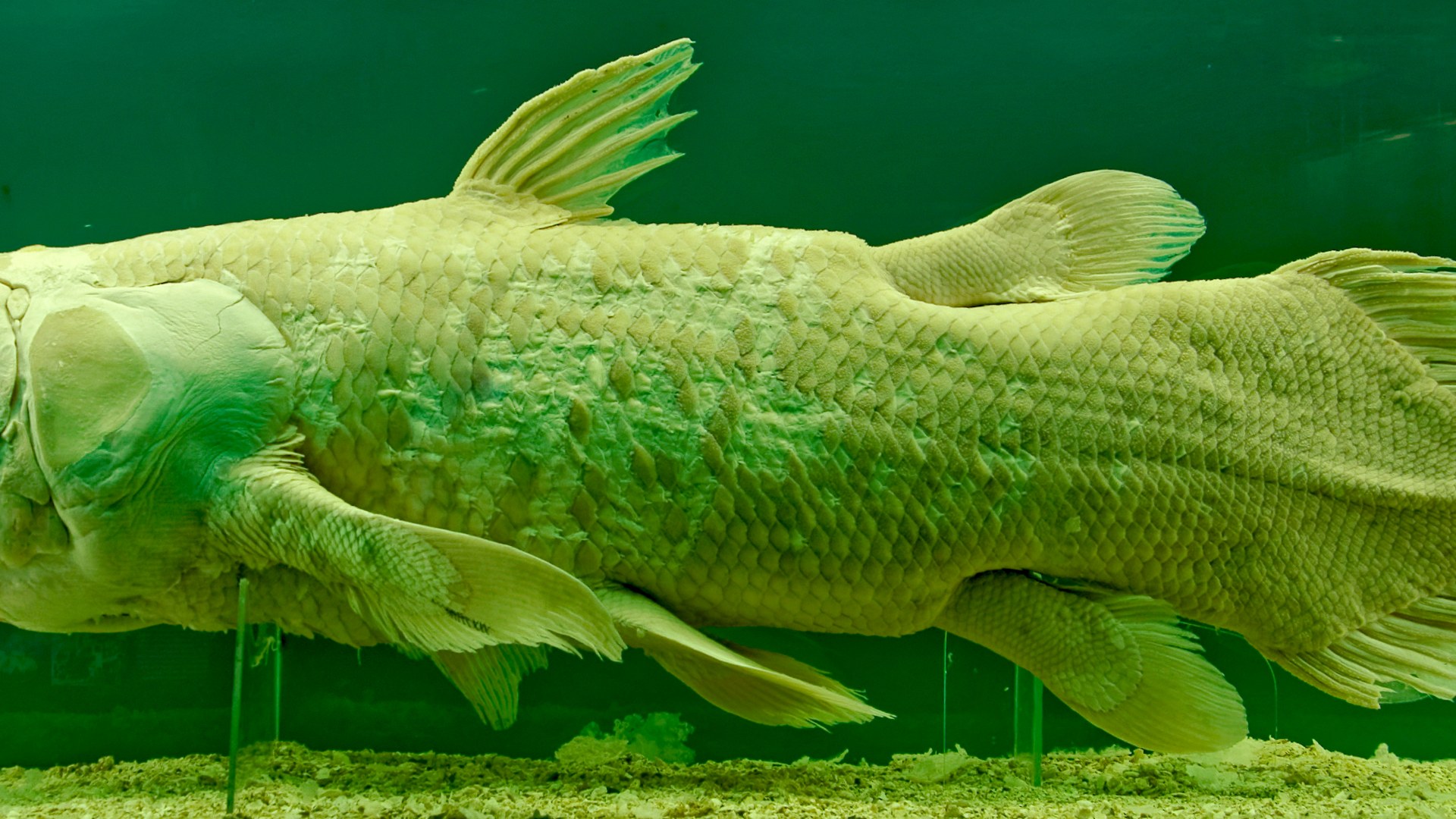
23. Rediscovery Of The Coelacanth Living Fossil
In December 1938, museum curator Marjorie Courtenay-Latimer spotted an unusual blue fish aboard a trawler in South Africa. The creature was identified as a coelacanth, a member of an ancient lineage believed to have vanished alongside the dinosaurs, shocking biologists across the globe.
©Wikimedia Commons / Jakub Halun
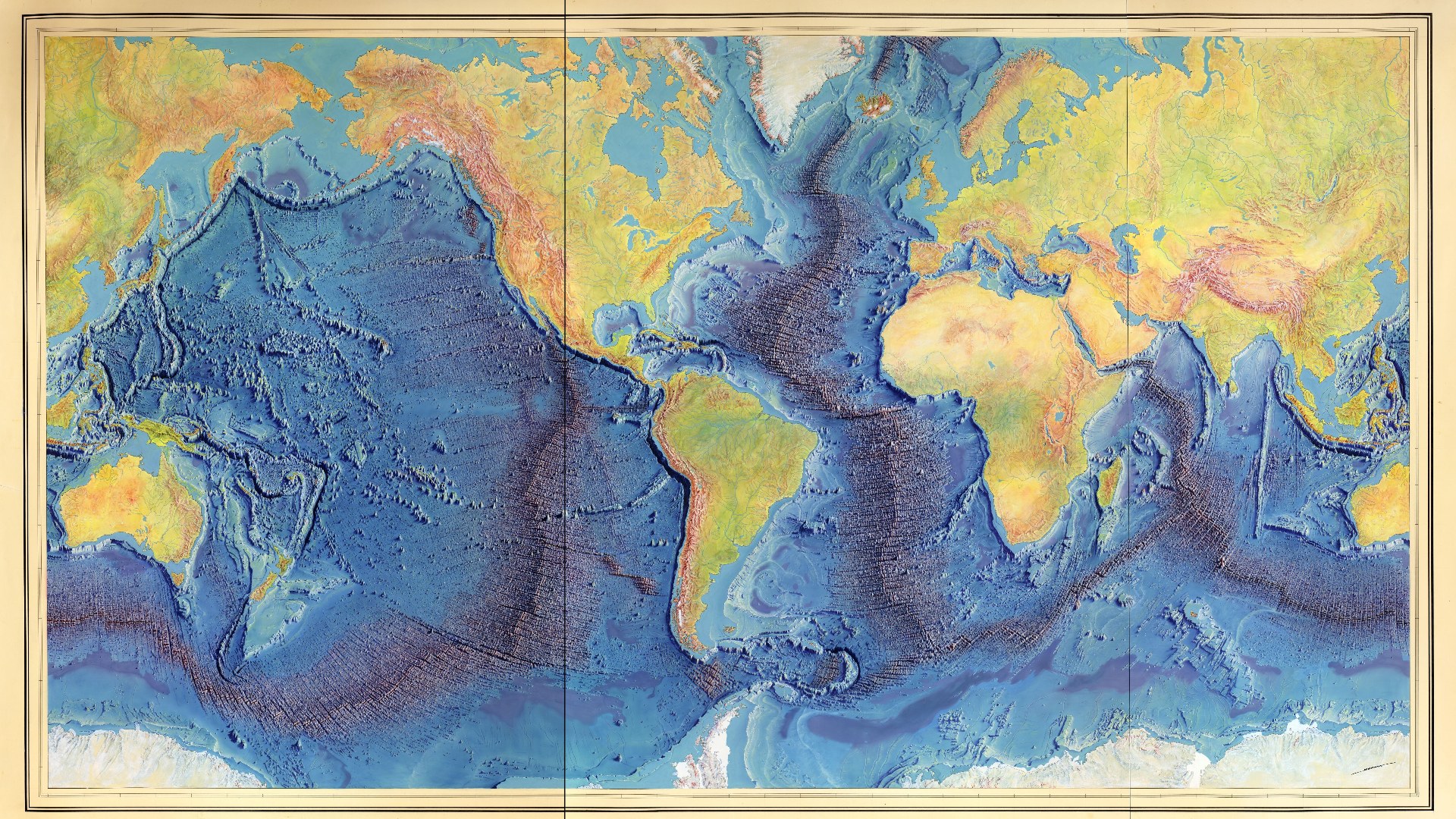
22. Mapping The Ocean Floor And Plate Tectonics
Geologist Marie Tharp systematically plotted sonar soundings of the Atlantic basin, identifying a continuous rift valley along the mid-ocean ridge. Her pioneering ocean floor maps provided definitive visual evidence for continental drift and the modern theory of plate tectonics.
©Library of Congress / Marie Tharp
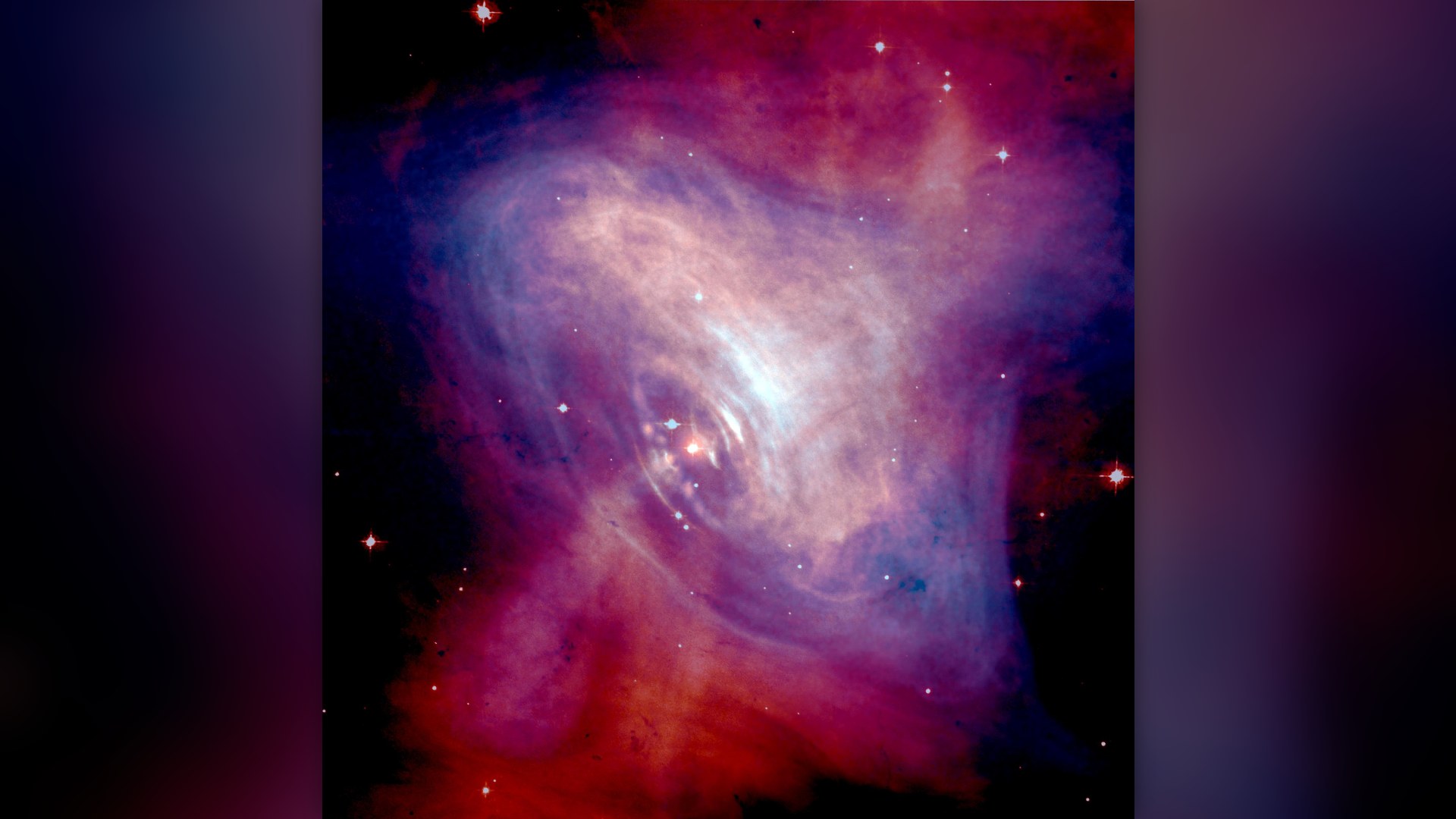
21. Discovery Of Pulsars By Jocelyn Bell Burnell
While analyzing radio telescope data at Cambridge in 1967, graduate student Jocelyn Bell noticed an extraordinarily precise pulsing signal repeating every 1.33 seconds. The discovery proved the physical existence of neutron stars and opened the field of observational relativistic astrophysics.
©NASA / Chandra X-ray Observatory
Advertisement
Swipe or tap ▶ to resume the countdown.
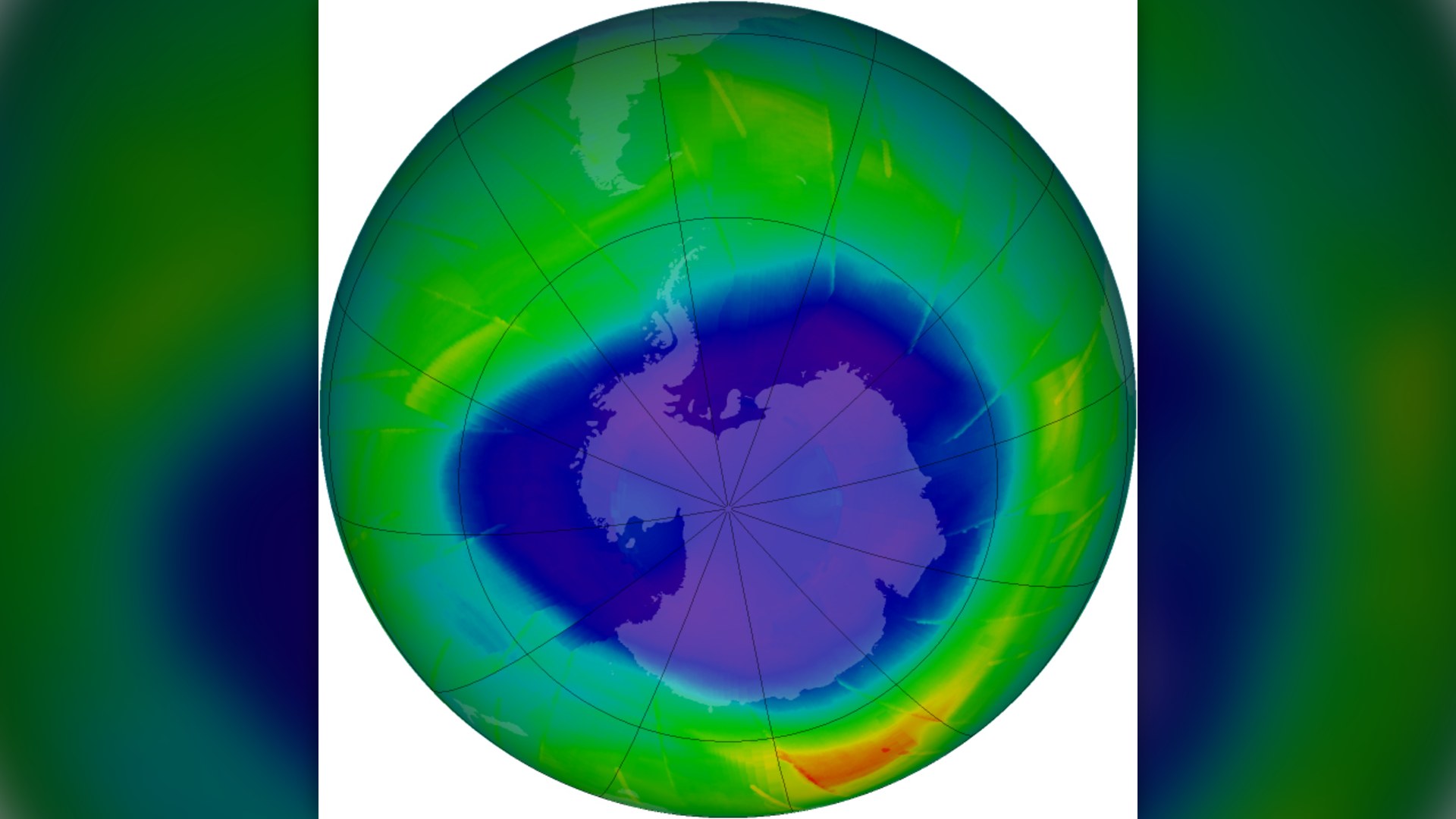
20. Detection Of The Antarctic Ozone Hole
In May 1985, Joe Farman, Brian Gardiner, and Jonathan Shanklin published alarming atmospheric data showing severe seasonal ozone depletion above Antarctica. The discovery ignited worldwide concern over chlorofluorocarbons and led directly to the landmark 1987 Montreal Protocol.
©NASA / Goddard Space Flight Center
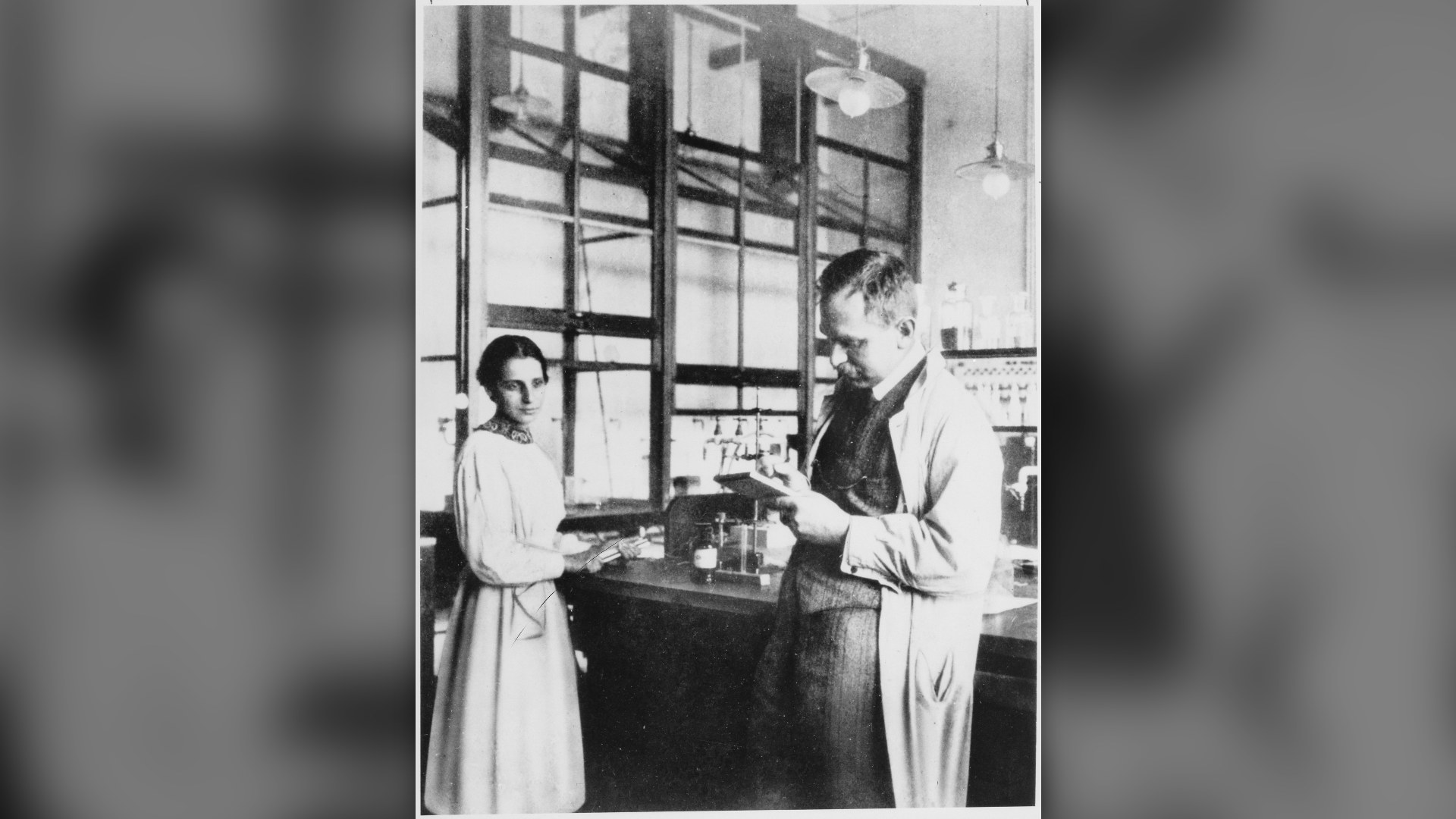
19. Discovery Of Nuclear Fission
In December 1938, chemists Otto Hahn and Fritz Strassmann detected barium after bombarding uranium with neutrons. Physicist Lise Meitner and her nephew Otto Frisch provided theoretical explanation, naming the atomic splitting process nuclear fission and ushering in the nuclear age.
©Wikimedia Commons / Max Planck Society
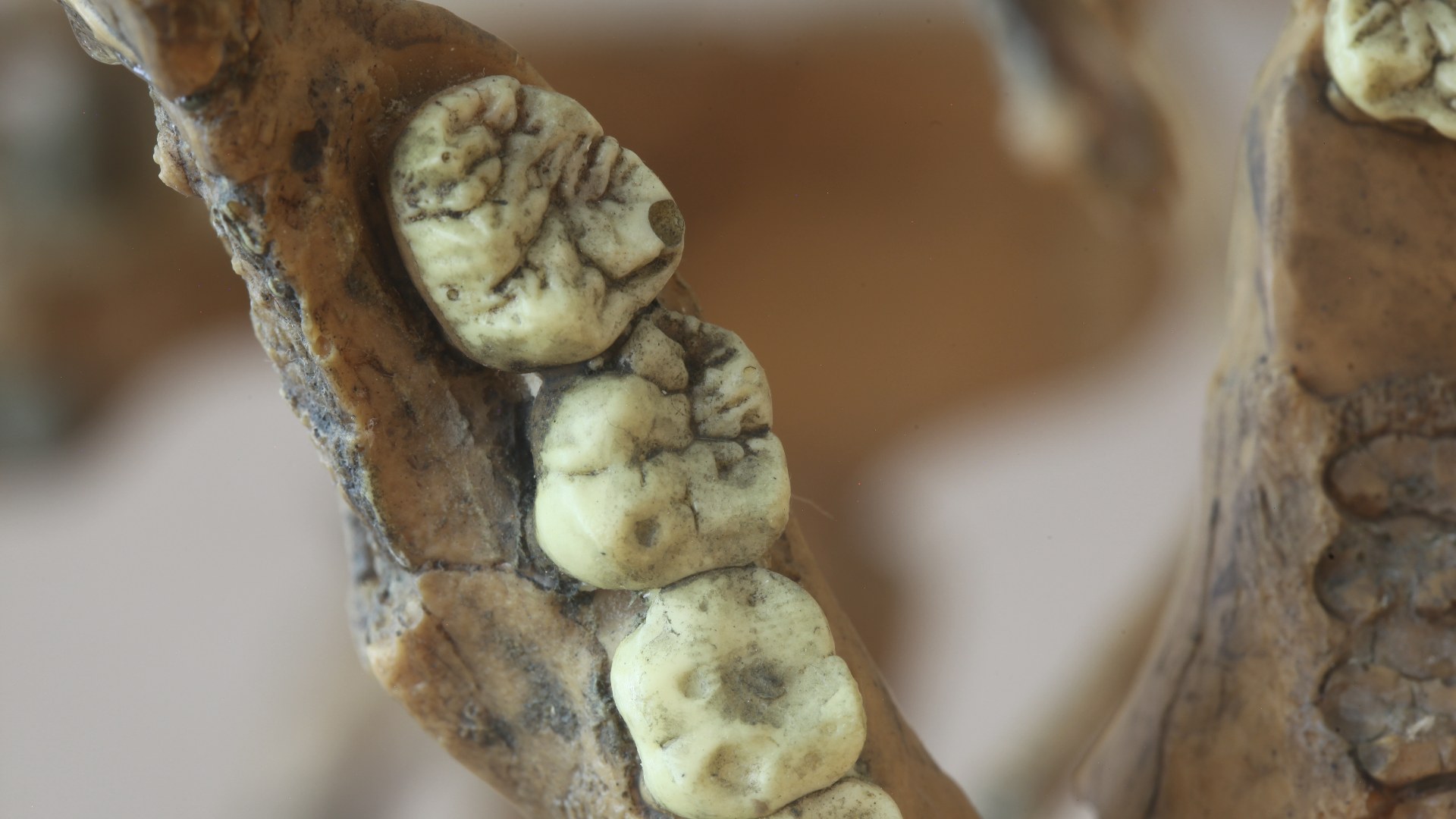
18. Unearthing The Lucy Hominin Fossil
Paleoanthropologist Donald Johanson unearthed the 40 percent complete skeleton of Australopithecus afarensis in the Afar Depression of Ethiopia in 1974. Nicknamed Lucy, the specimen proved that ancient hominins walked upright long before developing large brain cases.
©Wikimedia Commons / Rama
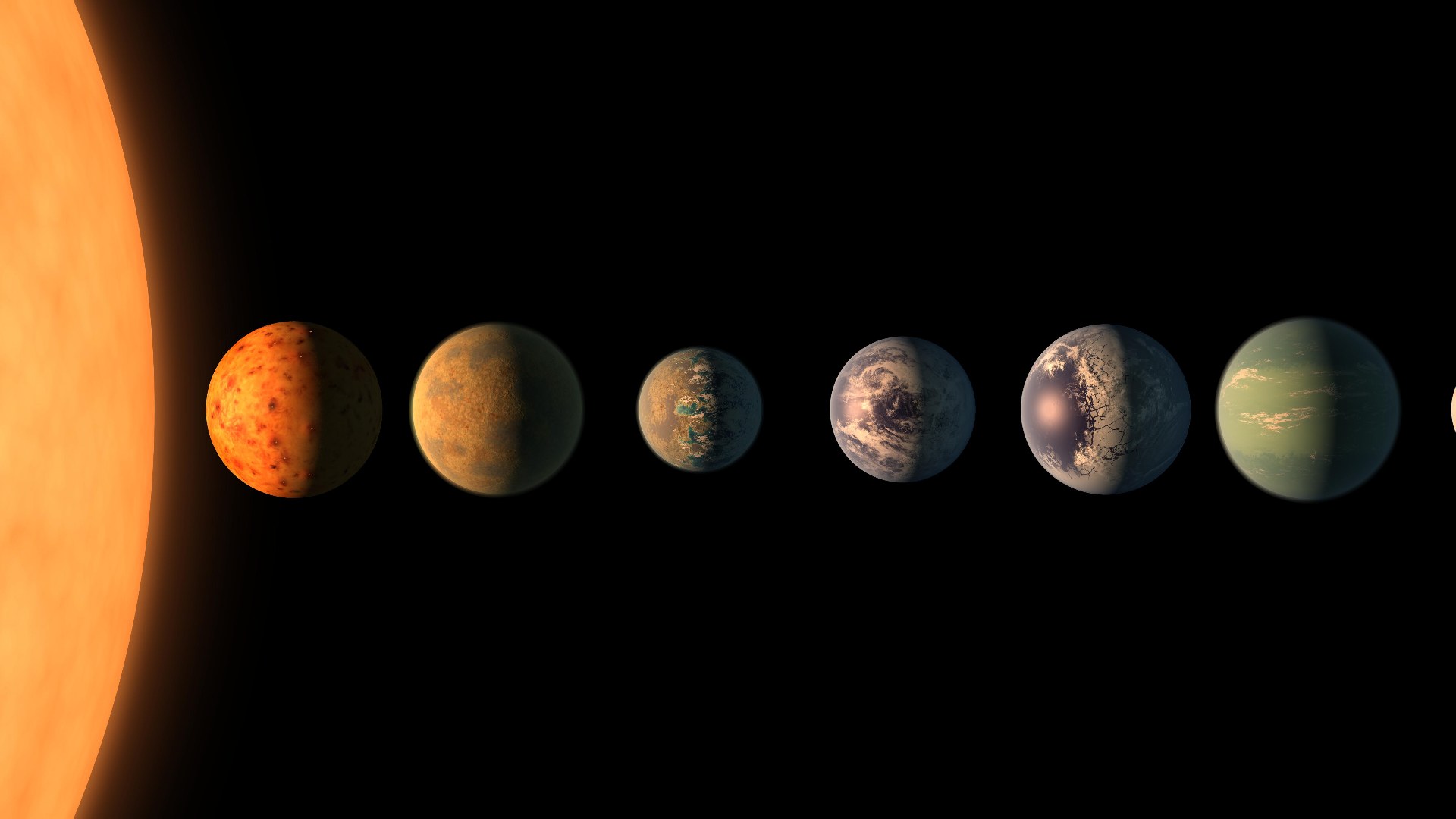
17. The Trappist-1 Seven Exoplanet System
In February 2017, astronomers announced the detection of seven Earth-sized temperate terrestrial planets orbiting the ultra-cool dwarf star TRAPPIST-1, located 40 light-years away. Three of the planets reside squarely within the habitable zone where liquid water could exist.
©NASA / JPL-Caltech
Advertisement
Swipe or tap ▶ to resume the countdown.
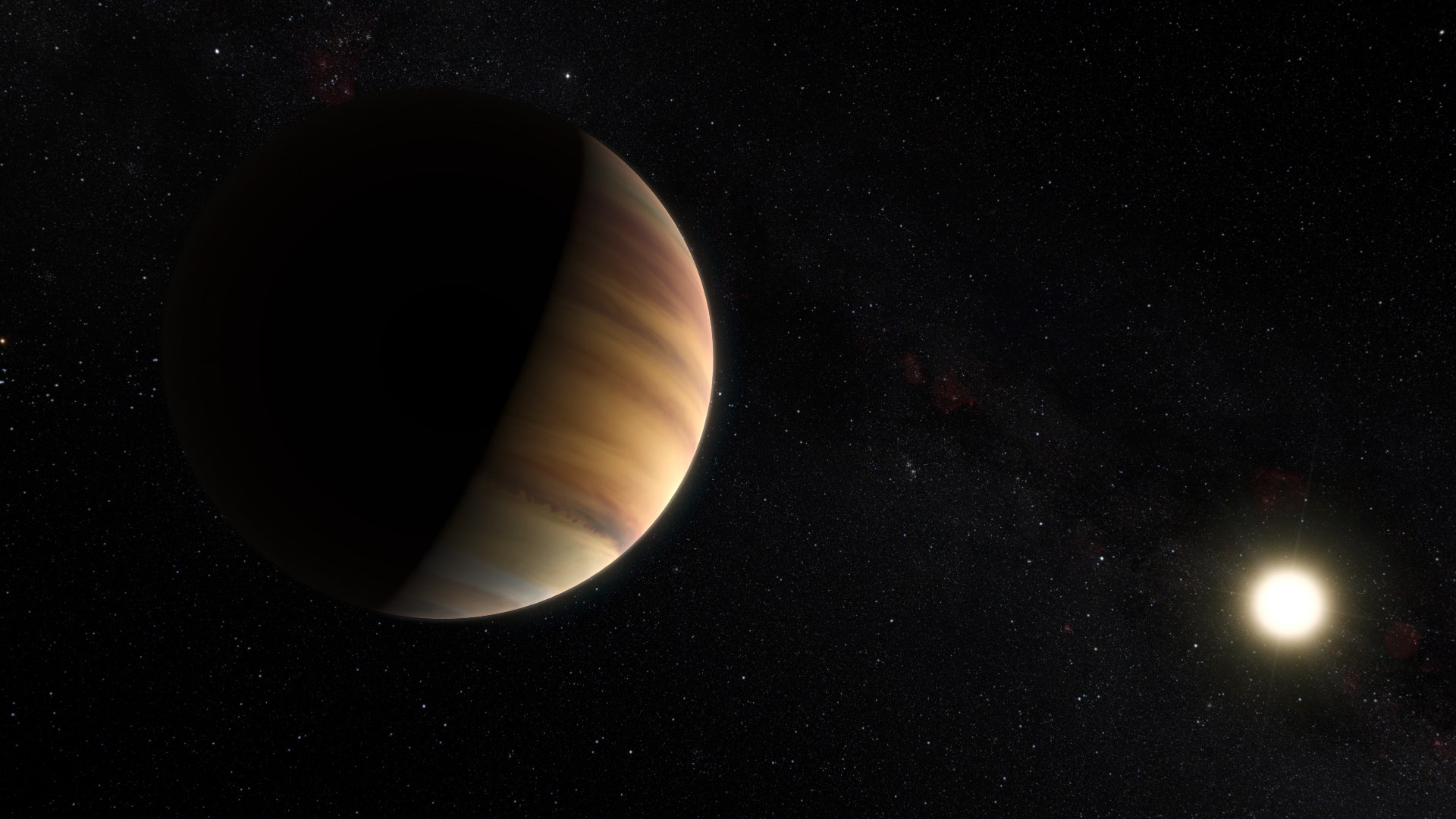
16. First Exoplanet Orbiting A Sun-Like Star
Swiss astrophysicists Michel Mayor and Didier Queloz detected a Jupiter-mass planet orbiting the star 51 Pegasi every 4.2 days in 1995. The breakthrough confirmed that other stars host planets, earning the astronomers the 2019 Nobel Prize in Physics.
©ESO / M. Kornmesser
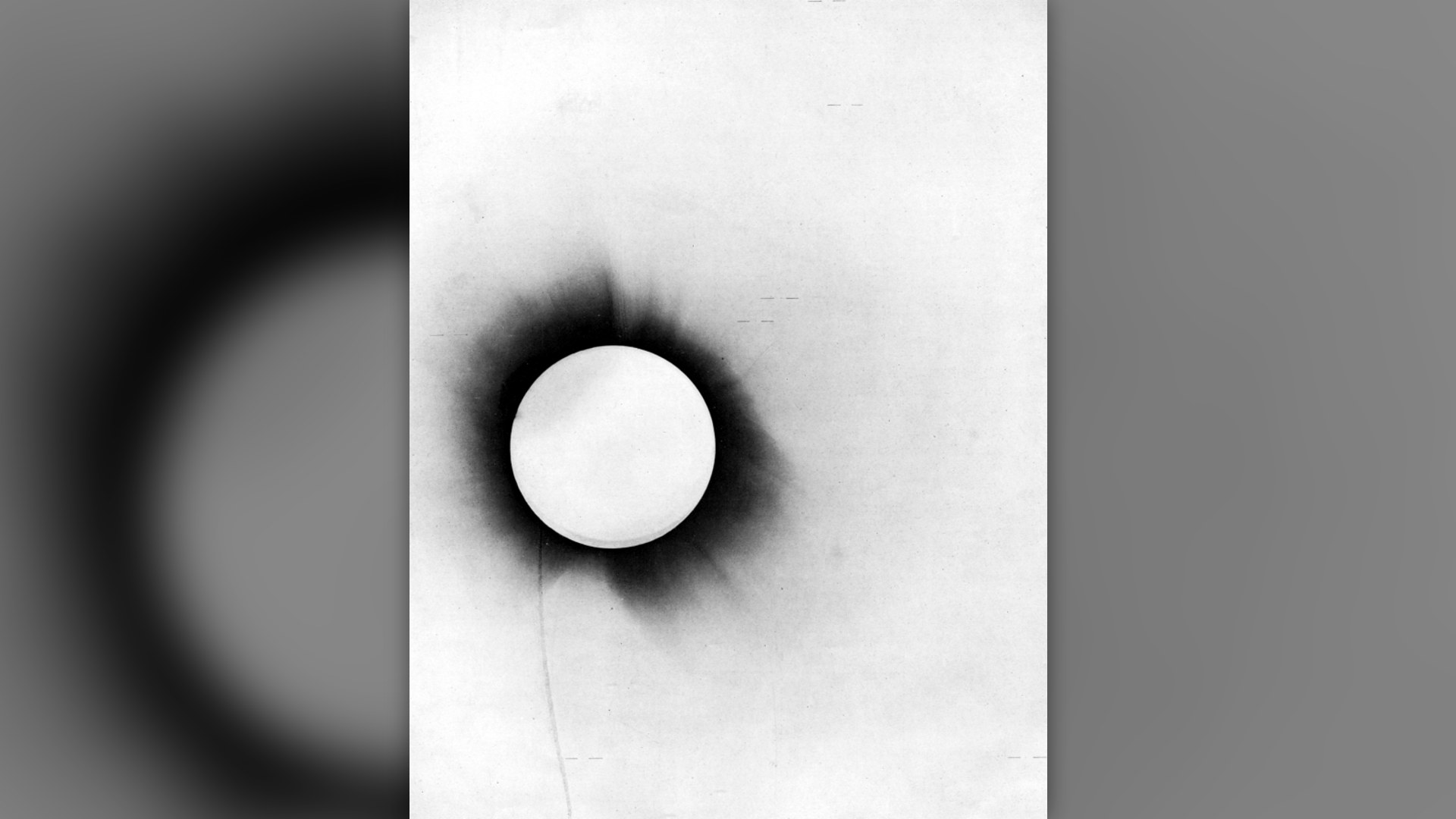
15. Eddington 1919 Solar Eclipse Experiment
During the total solar eclipse of May 29, 1919, British astronomer Arthur Eddington measured the deflection of starlight passing near the edge of the Sun. The observations matched Albert Einstein general relativity predictions, making Einstein an overnight international celebrity.
©Royal Astronomical Society / Arthur Eddington
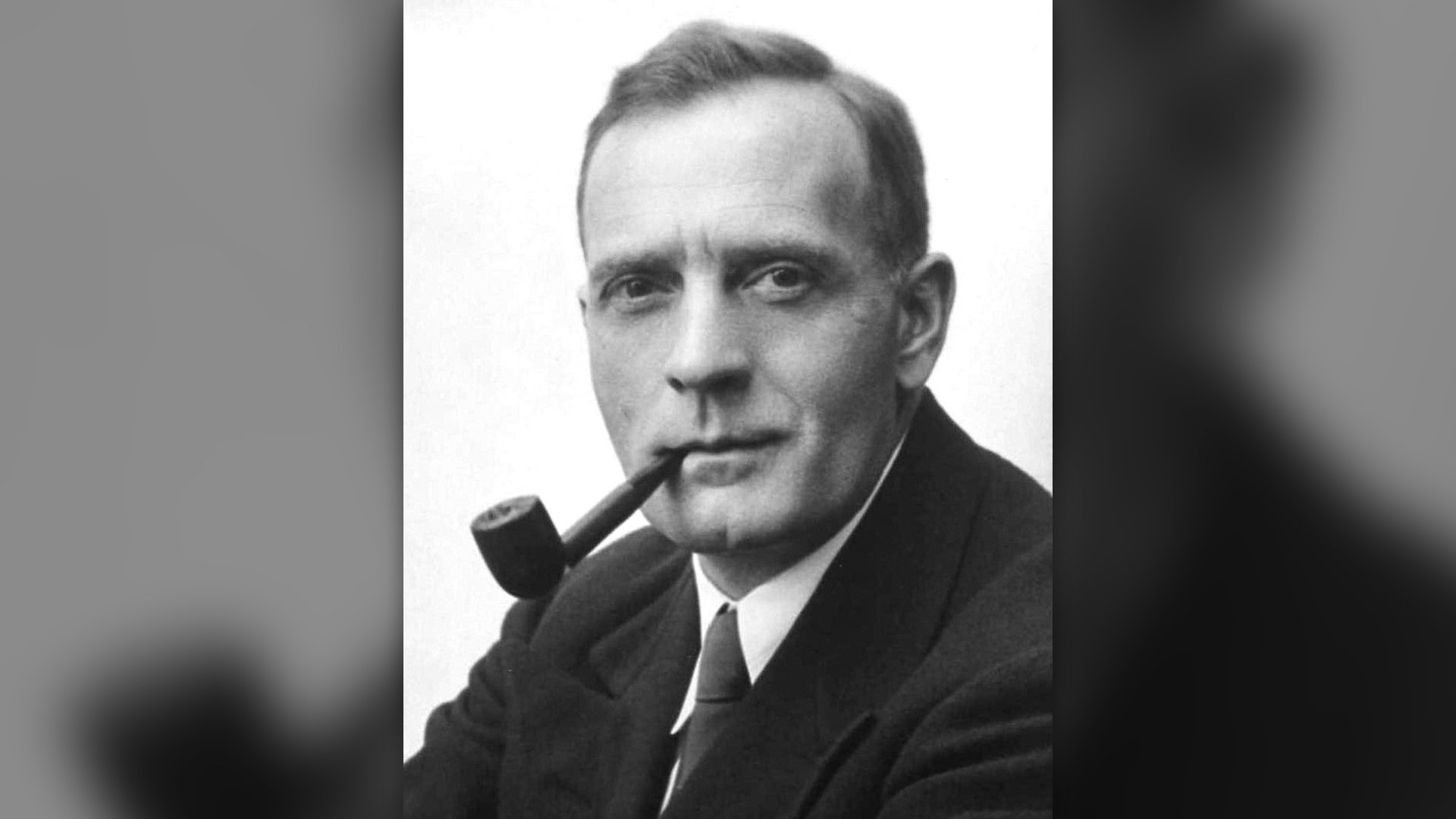
14. Edwin Hubble And The Expanding Universe
Using the 100-inch Hooker telescope at Mount Wilson in 1929, Edwin Hubble observed that distant galaxies are moving away from Earth at speeds proportional to their distance. His findings established Hubble Law, transforming modern cosmology and confirming an expanding cosmos.
©Wikimedia Commons / Johan Hagemeyer
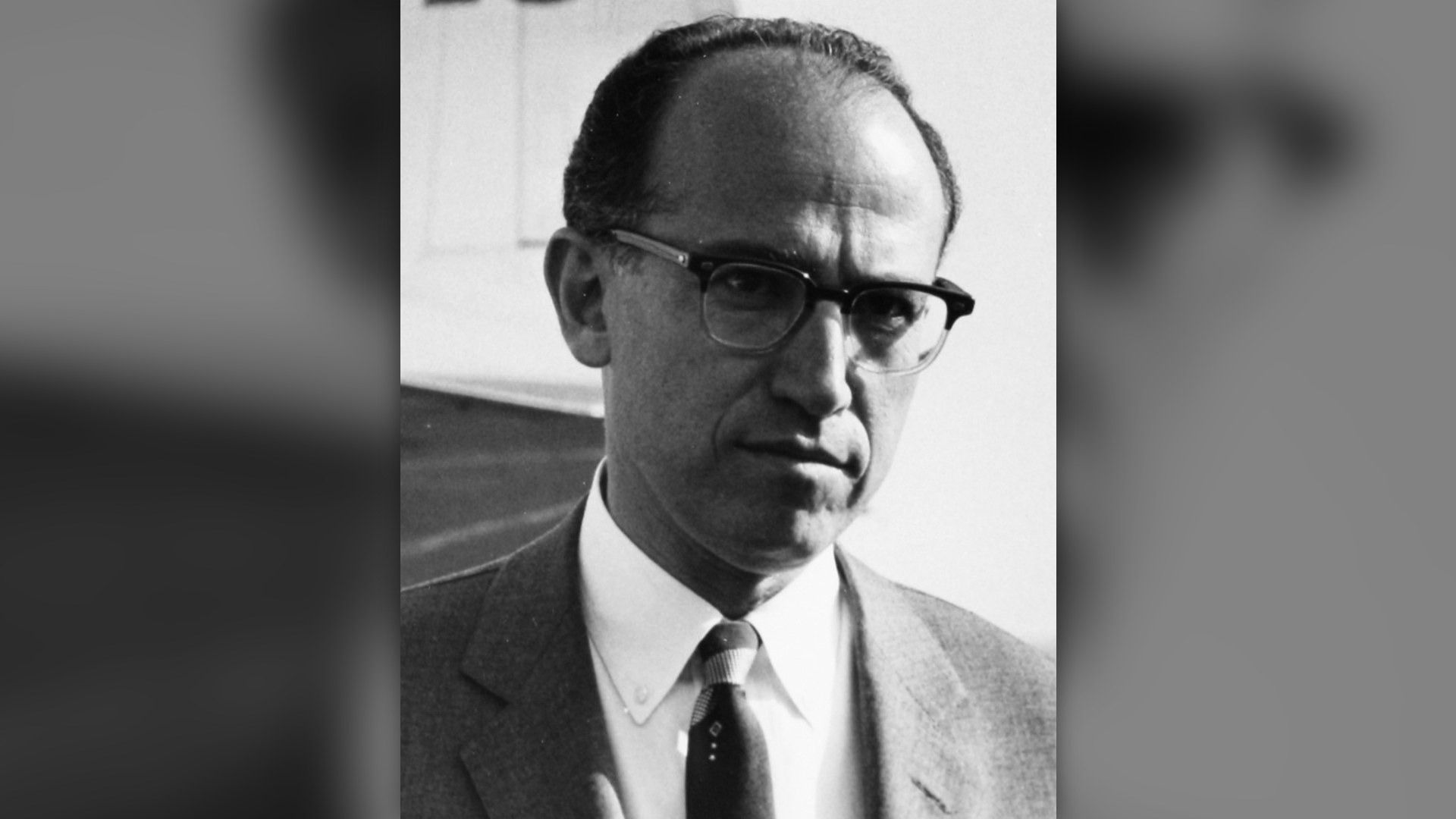
13. Jonas Salk And The Inactivated Polio Vaccine
On April 12, 1955, clinical trial results confirmed that Jonas Salk injectable polio vaccine was safe and effective. Church bells rang across the United States as parents celebrated the end of a terrifying era of childhood paralysis and summer quarantine closures.
©US Public Health Service / SAS
Advertisement
Swipe or tap ▶ to resume the countdown.
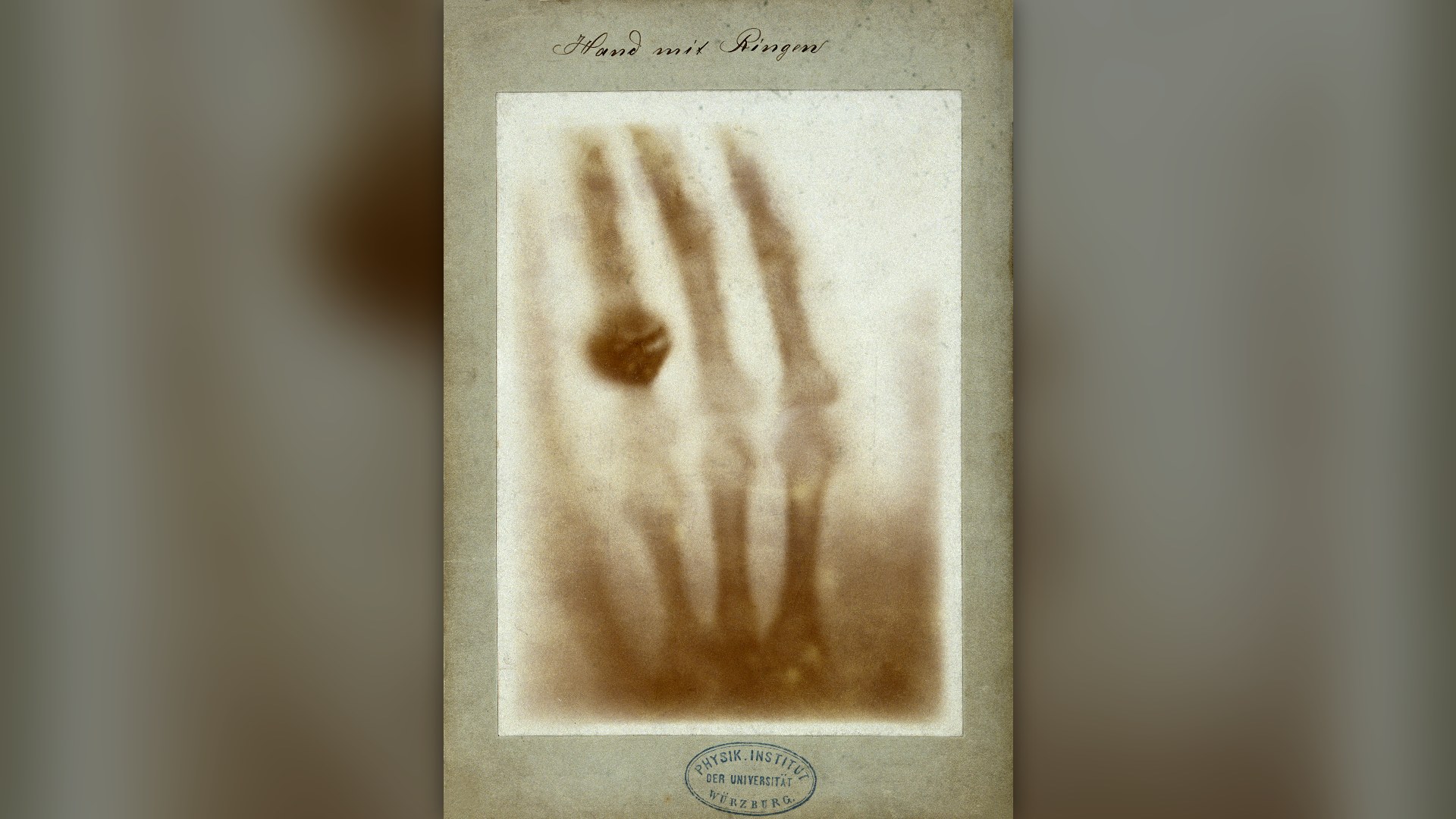
12. Wilhelm Rontgen Discovers X-Rays
While experimenting with cathode-ray tubes in November 1895, German physicist Wilhelm Rontgen noticed fluorescent glow on a nearby barium screen. Weeks later, he captured an X-ray image of his wife hand bones and wedding ring, revolutionizing diagnostic medicine.
©Science Museum Group / Wilhelm Rontgen
11. Marie And Pierre Curie Isolate Radium
Working in a drafty Paris shed in 1898, Marie and Pierre Curie processed tons of pitchblende ore to isolate previously unknown radioactive elements polonium and radium. Marie Curie coined the term radioactivity and became the first woman to win a Nobel Prize.
©Library of Congress / Henri Manuel
10. Cloning Dolly The Sheep
In February 1997, Ian Wilmut and Keith Campbell at the Roslin Institute in Scotland announced the birth of Dolly, a sheep cloned using nuclear transfer from an adult mammary cell. The achievement proved specialized adult cells could be reprogrammed, sparking worldwide debates.
©Wikimedia Commons / Toni Sant
9. NASA Confirms Water Ice On Mars
In June 2008, NASA Phoenix Mars Lander scraped trenches into the arctic soil of Mars, revealing bright white material that sublimated over four days, confirming genuine water ice. The discovery established that Mars holds substantial water reservoirs necessary for future exploration.
©NASA / University of Arizona
Advertisement
Swipe or tap ▶ to resume the countdown.
8. Discovery Of The Cosmic Microwave Background
In 1965, Arno Penzias and Robert Wilson detected persistent microwave noise with the Holmdel Horn Antenna that could not be eliminated. Theoretical physicists quickly recognized the static as thermal remnant radiation from the Big Bang, earning the duo the 1978 Nobel Prize.
©Wikimedia Commons / Bammesk
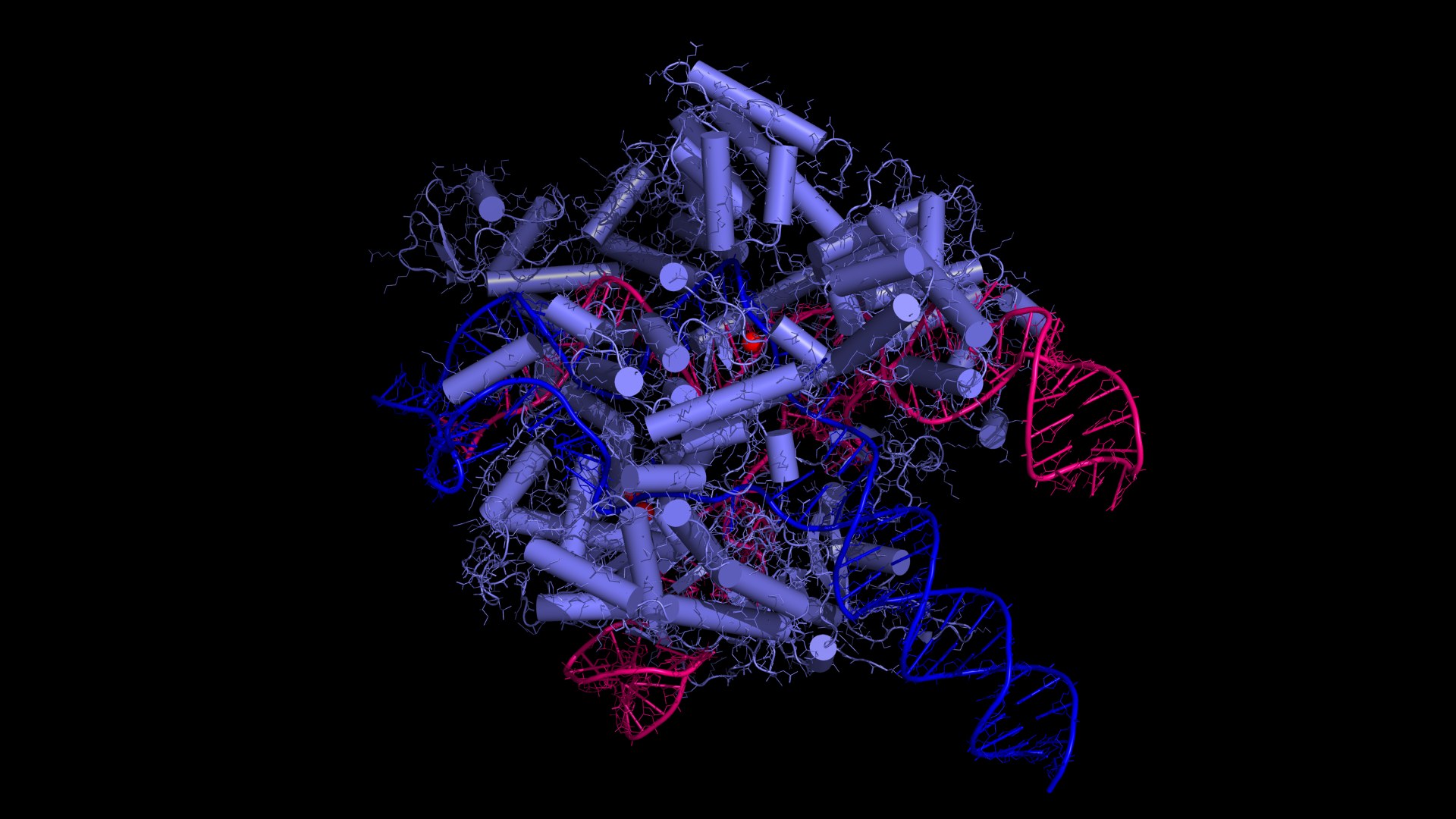
7. CRISPR-Cas9 Precision Gene Editing
In 2012, Jennifer Doudna and Emmanuelle Charpentier demonstrated that bacterial Cas9 enzyme could be programmed to make precise cuts in targeted DNA sequences. The versatile CRISPR system opened new frontiers in curing genetic disorders, earning the pair the 2020 Nobel Prize in Chemistry.
©Wikimedia Commons / Elena I Leonova
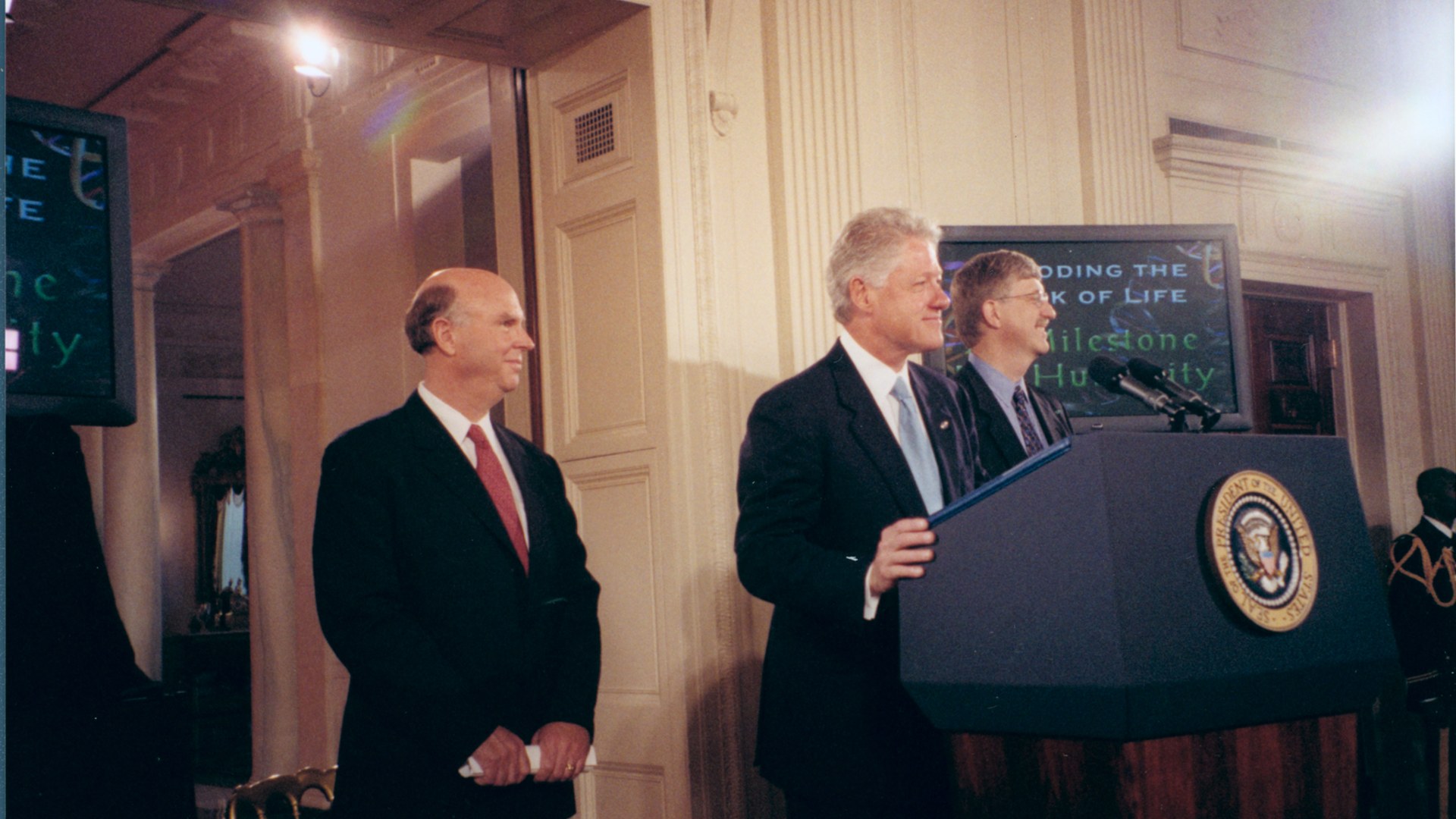
6. Completion Of The Human Genome Project
In April 2003, international scientists announced the completion of the Human Genome Project, successfully sequencing roughly ninety-nine percent of the gene-containing human genome. The decade-long effort transformed modern oncology, pharmacology, and evolutionary biology.
©Wikimedia Commons / NHGRI
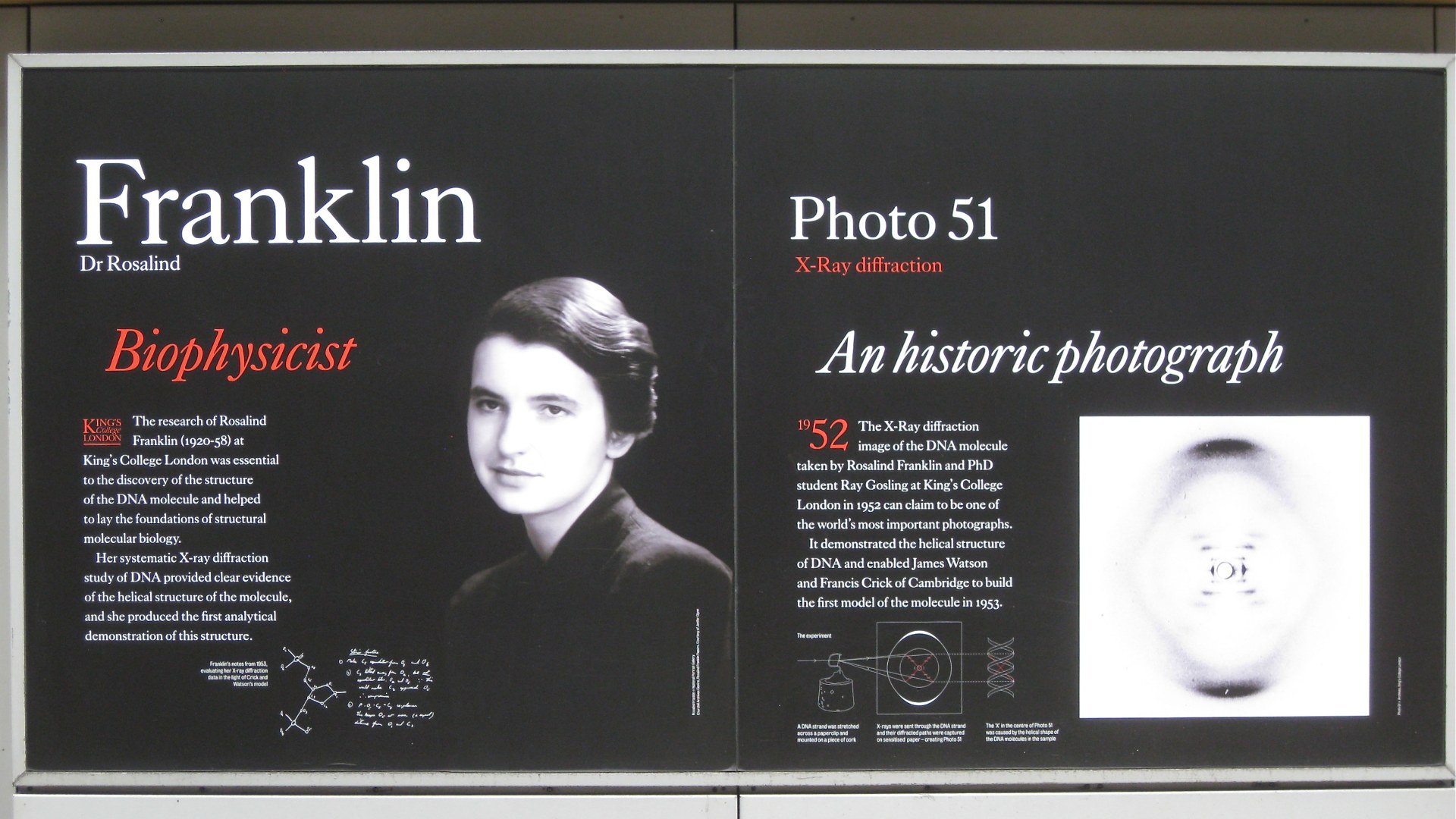
5. Double Helix Molecular Structure Of DNA
In April 1953, James Watson and Francis Crick published the double helix model of DNA in Nature, building on critical X-ray diffraction patterns produced by Rosalind Franklin and Raymond Gosling. The base-pairing mechanism explained how genetic information is stored and replicated.
©Geograph Britain / Robin Stott
Advertisement
Swipe or tap ▶ to resume the countdown.
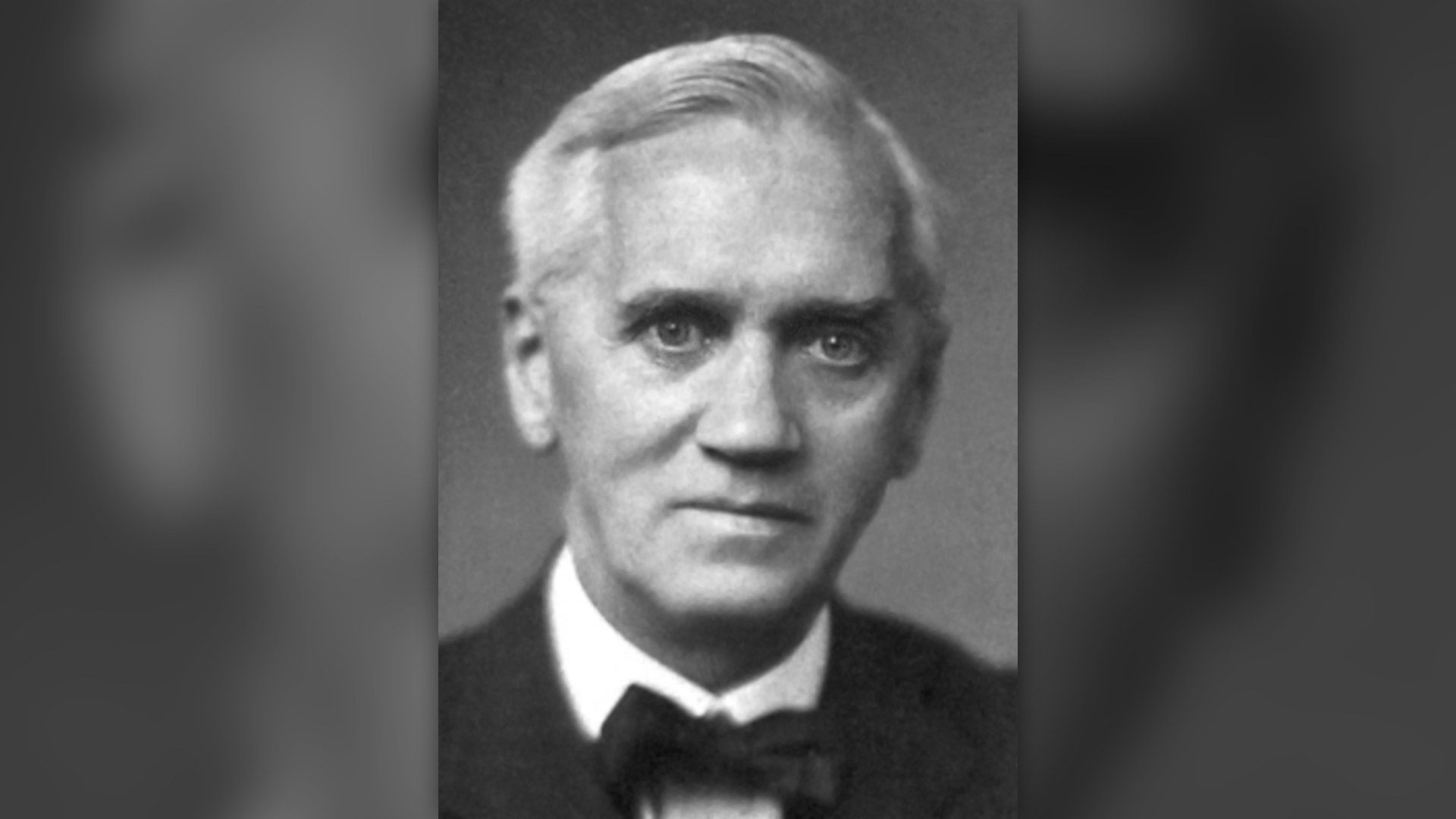
4. Alexander Fleming Discovers Penicillin
In September 1928, Scottish biologist Alexander Fleming noticed a halo of inhibited bacterial growth around Penicillium mold on an untended staphylococcus culture plate. The fortuitous observation produced penicillin, launching the antibiotic era and saving hundreds of millions of lives.
©Nobel Foundation / Alexander Fleming
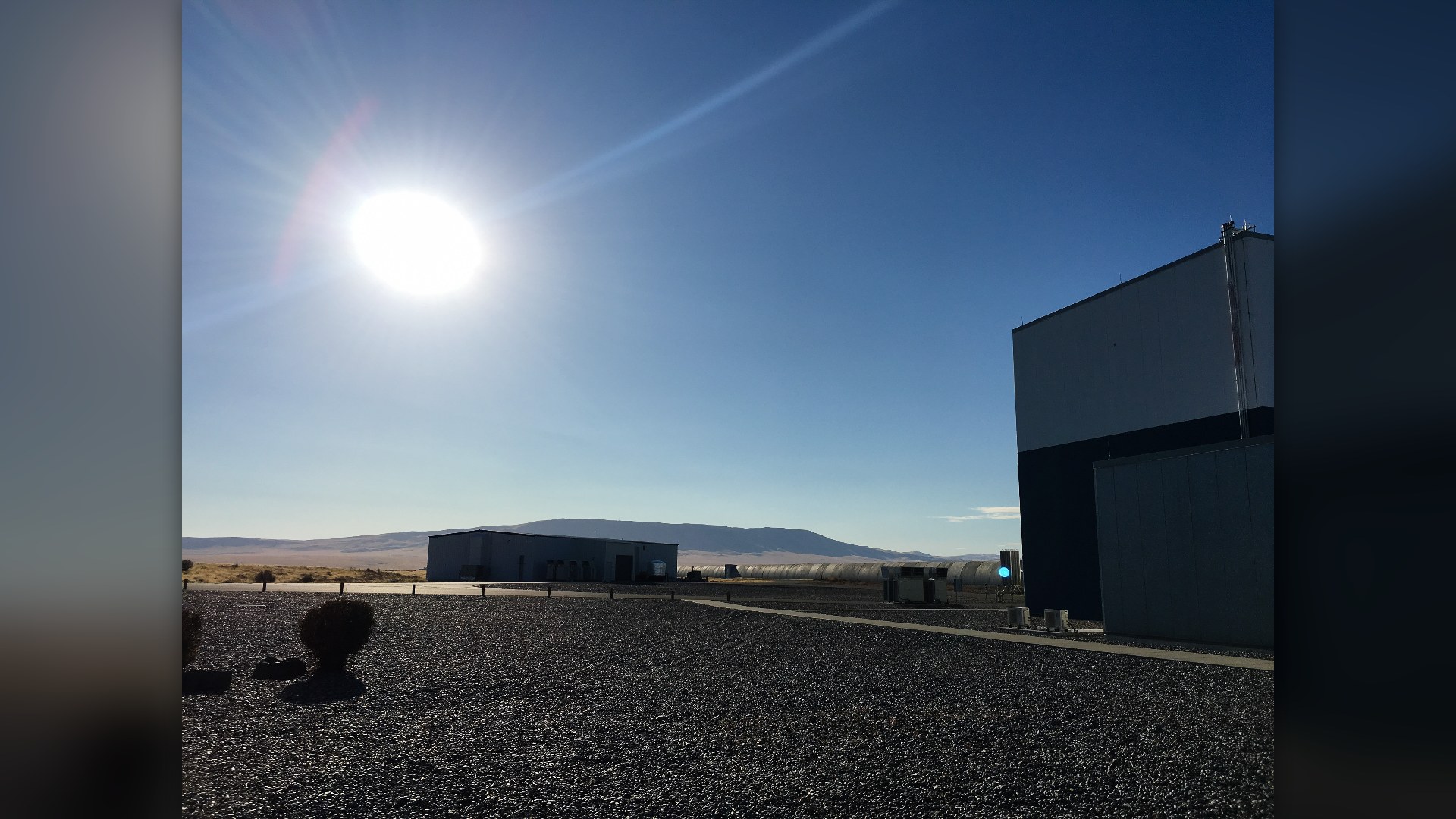
3. Direct Detection Of Gravitational Waves
On September 14, 2015, the twin LIGO detectors in Washington and Louisiana recorded spacetime ripples passing through Earth from a collision of two black holes 1.3 billion light-years away. The historic signal confirmed Einstein century-old prediction and founded gravitational wave astronomy.
©LIGO Laboratory / Jeff Keyzer
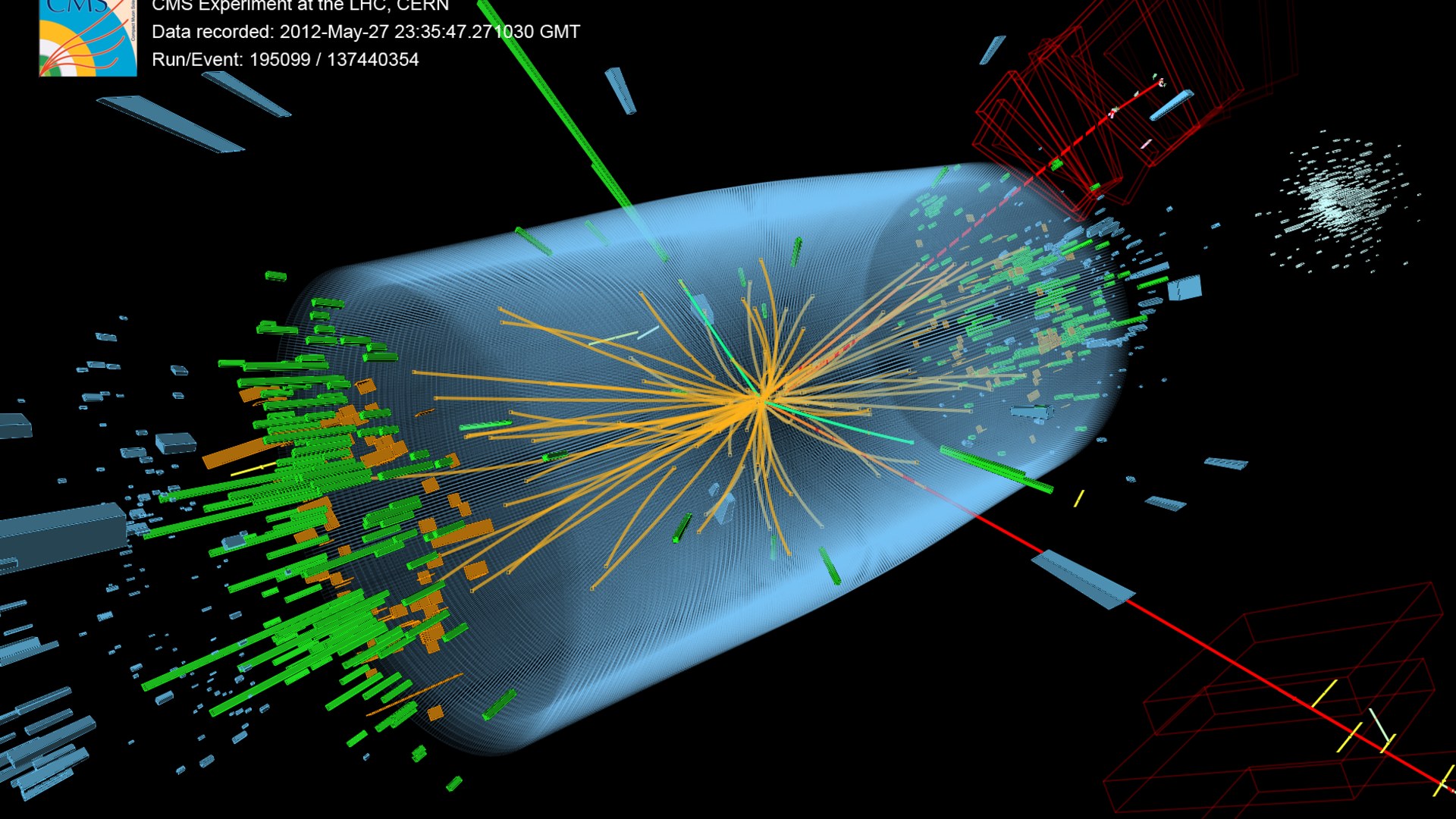
2. Observation Of The Higgs Boson At CERN
On July 4, 2012, physicists at CERN Large Hadron Collider announced discovery of a particle consistent with the long-sought Higgs boson. The observation completed the Standard Model of particle physics, explaining how fundamental particles acquire mass in the early universe.
©CERN / CMS Collaboration
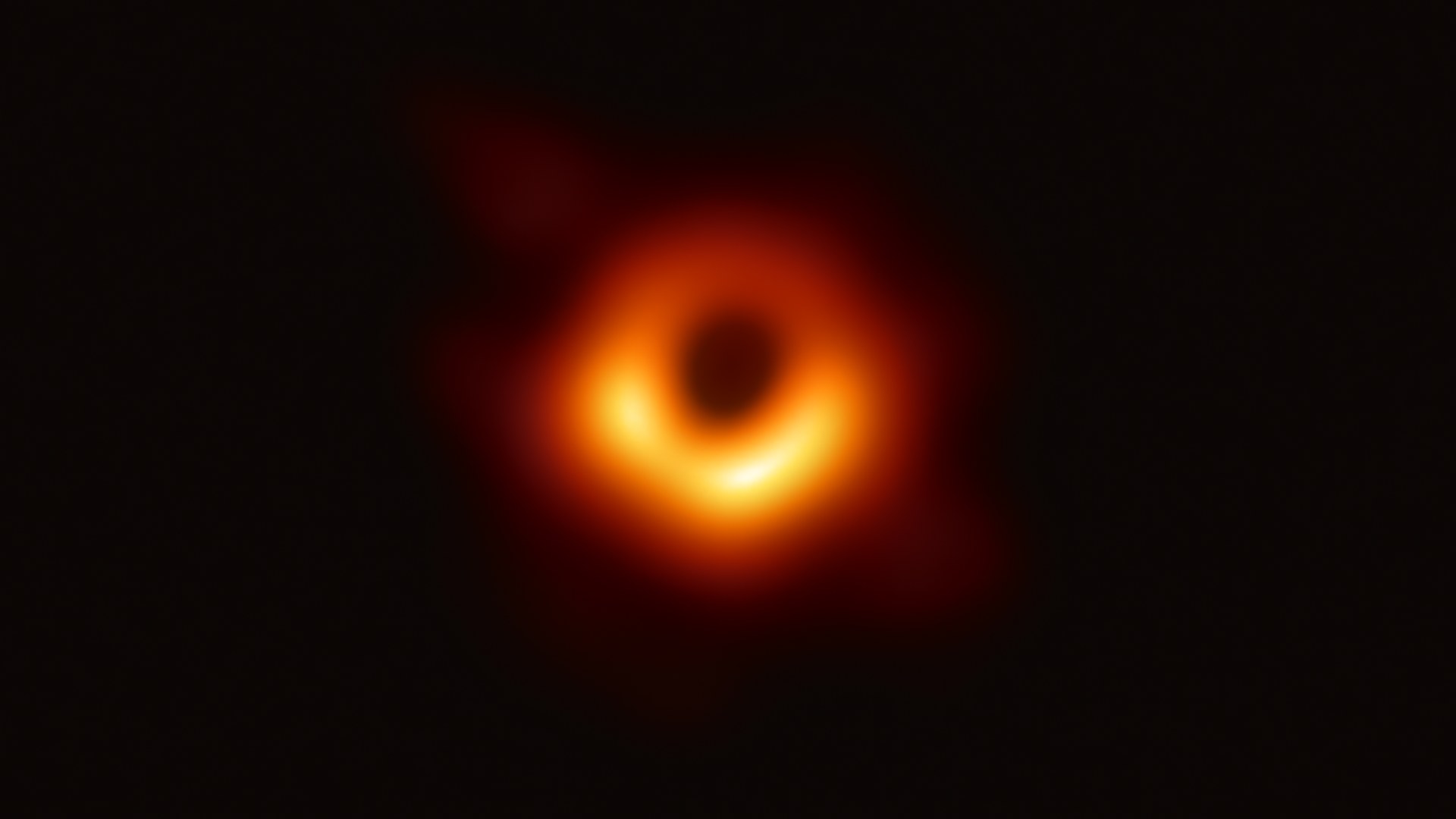
1. First Direct Image Of A Supermassive Black Hole
On April 10, 2019, scientists from the global Event Horizon Telescope collaboration unveiled the first direct visual image of a supermassive black hole, located 55 million light-years away at the center of galaxy Messier 87. The glowing ring of light confirmed gravitational physics at extreme scales.

©Wikimedia Commons / Event Horizon Telescope
Advertisement
You've reached the end of the story. Thanks for reading!

25 Groundbreaking American Inventions and Achievements Ranked
From Kitty Hawk and the Apollo 11 lunar landing to the transistor and the internet, American inventors and scientists have transformed global civilization. Sourced from the Smithsonian Institution, NASA archives, and the Library of Congress, here are twenty-five groundbreaking American milestones ranked.
All 23 Entries in this Story
23. Rediscovery Of The Coelacanth Living Fossil
In December 1938, museum curator Marjorie Courtenay-Latimer spotted an unusual blue fish aboard a trawler in South Africa. The creature was identified as a coelacanth, a member of an ancient lineage believed to have vanished alongside the dinosaurs, shocking biologists across the globe.

22. Mapping The Ocean Floor And Plate Tectonics
Geologist Marie Tharp systematically plotted sonar soundings of the Atlantic basin, identifying a continuous rift valley along the mid-ocean ridge. Her pioneering ocean floor maps provided definitive visual evidence for continental drift and the modern theory of plate tectonics.

21. Discovery Of Pulsars By Jocelyn Bell Burnell
While analyzing radio telescope data at Cambridge in 1967, graduate student Jocelyn Bell noticed an extraordinarily precise pulsing signal repeating every 1.33 seconds. The discovery proved the physical existence of neutron stars and opened the field of observational relativistic astrophysics.

20. Detection Of The Antarctic Ozone Hole
In May 1985, Joe Farman, Brian Gardiner, and Jonathan Shanklin published alarming atmospheric data showing severe seasonal ozone depletion above Antarctica. The discovery ignited worldwide concern over chlorofluorocarbons and led directly to the landmark 1987 Montreal Protocol.

19. Discovery Of Nuclear Fission
In December 1938, chemists Otto Hahn and Fritz Strassmann detected barium after bombarding uranium with neutrons. Physicist Lise Meitner and her nephew Otto Frisch provided theoretical explanation, naming the atomic splitting process nuclear fission and ushering in the nuclear age.

18. Unearthing The Lucy Hominin Fossil
Paleoanthropologist Donald Johanson unearthed the 40 percent complete skeleton of Australopithecus afarensis in the Afar Depression of Ethiopia in 1974. Nicknamed Lucy, the specimen proved that ancient hominins walked upright long before developing large brain cases.

17. The Trappist-1 Seven Exoplanet System
In February 2017, astronomers announced the detection of seven Earth-sized temperate terrestrial planets orbiting the ultra-cool dwarf star TRAPPIST-1, located 40 light-years away. Three of the planets reside squarely within the habitable zone where liquid water could exist.

16. First Exoplanet Orbiting A Sun-Like Star
Swiss astrophysicists Michel Mayor and Didier Queloz detected a Jupiter-mass planet orbiting the star 51 Pegasi every 4.2 days in 1995. The breakthrough confirmed that other stars host planets, earning the astronomers the 2019 Nobel Prize in Physics.

15. Eddington 1919 Solar Eclipse Experiment
During the total solar eclipse of May 29, 1919, British astronomer Arthur Eddington measured the deflection of starlight passing near the edge of the Sun. The observations matched Albert Einstein general relativity predictions, making Einstein an overnight international celebrity.

14. Edwin Hubble And The Expanding Universe
Using the 100-inch Hooker telescope at Mount Wilson in 1929, Edwin Hubble observed that distant galaxies are moving away from Earth at speeds proportional to their distance. His findings established Hubble Law, transforming modern cosmology and confirming an expanding cosmos.

13. Jonas Salk And The Inactivated Polio Vaccine
On April 12, 1955, clinical trial results confirmed that Jonas Salk injectable polio vaccine was safe and effective. Church bells rang across the United States as parents celebrated the end of a terrifying era of childhood paralysis and summer quarantine closures.

12. Wilhelm Rontgen Discovers X-Rays
While experimenting with cathode-ray tubes in November 1895, German physicist Wilhelm Rontgen noticed fluorescent glow on a nearby barium screen. Weeks later, he captured an X-ray image of his wife hand bones and wedding ring, revolutionizing diagnostic medicine.

11. Marie And Pierre Curie Isolate Radium
Working in a drafty Paris shed in 1898, Marie and Pierre Curie processed tons of pitchblende ore to isolate previously unknown radioactive elements polonium and radium. Marie Curie coined the term radioactivity and became the first woman to win a Nobel Prize.

10. Cloning Dolly The Sheep
In February 1997, Ian Wilmut and Keith Campbell at the Roslin Institute in Scotland announced the birth of Dolly, a sheep cloned using nuclear transfer from an adult mammary cell. The achievement proved specialized adult cells could be reprogrammed, sparking worldwide debates.

9. NASA Confirms Water Ice On Mars
In June 2008, NASA Phoenix Mars Lander scraped trenches into the arctic soil of Mars, revealing bright white material that sublimated over four days, confirming genuine water ice. The discovery established that Mars holds substantial water reservoirs necessary for future exploration.

8. Discovery Of The Cosmic Microwave Background
In 1965, Arno Penzias and Robert Wilson detected persistent microwave noise with the Holmdel Horn Antenna that could not be eliminated. Theoretical physicists quickly recognized the static as thermal remnant radiation from the Big Bang, earning the duo the 1978 Nobel Prize.

7. CRISPR-Cas9 Precision Gene Editing
In 2012, Jennifer Doudna and Emmanuelle Charpentier demonstrated that bacterial Cas9 enzyme could be programmed to make precise cuts in targeted DNA sequences. The versatile CRISPR system opened new frontiers in curing genetic disorders, earning the pair the 2020 Nobel Prize in Chemistry.

6. Completion Of The Human Genome Project
In April 2003, international scientists announced the completion of the Human Genome Project, successfully sequencing roughly ninety-nine percent of the gene-containing human genome. The decade-long effort transformed modern oncology, pharmacology, and evolutionary biology.

5. Double Helix Molecular Structure Of DNA
In April 1953, James Watson and Francis Crick published the double helix model of DNA in Nature, building on critical X-ray diffraction patterns produced by Rosalind Franklin and Raymond Gosling. The base-pairing mechanism explained how genetic information is stored and replicated.

4. Alexander Fleming Discovers Penicillin
In September 1928, Scottish biologist Alexander Fleming noticed a halo of inhibited bacterial growth around Penicillium mold on an untended staphylococcus culture plate. The fortuitous observation produced penicillin, launching the antibiotic era and saving hundreds of millions of lives.

3. Direct Detection Of Gravitational Waves
On September 14, 2015, the twin LIGO detectors in Washington and Louisiana recorded spacetime ripples passing through Earth from a collision of two black holes 1.3 billion light-years away. The historic signal confirmed Einstein century-old prediction and founded gravitational wave astronomy.

2. Observation Of The Higgs Boson At CERN
On July 4, 2012, physicists at CERN Large Hadron Collider announced discovery of a particle consistent with the long-sought Higgs boson. The observation completed the Standard Model of particle physics, explaining how fundamental particles acquire mass in the early universe.

1. First Direct Image Of A Supermassive Black Hole
On April 10, 2019, scientists from the global Event Horizon Telescope collaboration unveiled the first direct visual image of a supermassive black hole, located 55 million light-years away at the center of galaxy Messier 87. The glowing ring of light confirmed gravitational physics at extreme scales.