Slideshow · Technology
Why America's Electricity Network Is Under Growing Pressure
A collision of exploding data center demand, aging high-voltage infrastructure, and extreme weather shocks has placed the US electric power grid under historic strain. Here is why the national electri
By Most Viral Today
5 Nov 2026

Why America's Power Grid Faces Unprecedented Strain 
15. The Aging Transformer Deficit 
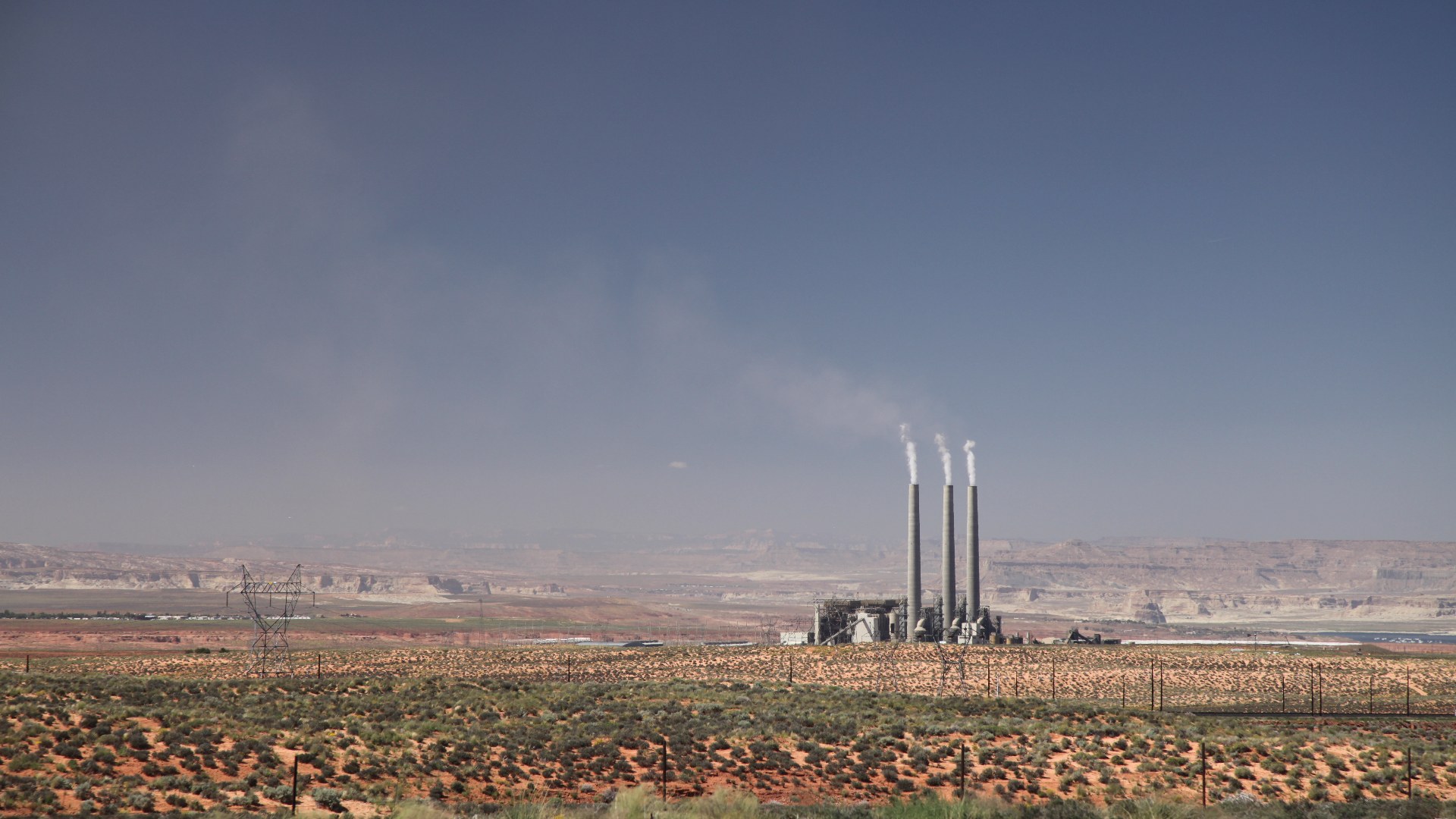
14. Interconnection Queue Gridlock 
13. Wildfire Risks And Planned Power Shutoffs - AdvertisementSwipe or tap ▶ to continue countdown

12. Mobile Network Outages During Blackouts 
11. Residential Electric Vehicle Charging Surges 
10. Industrial Onshoring And Chip Foundry Loads 
9. Extreme Weather Shocks And Winter Freezes - AdvertisementSwipe or tap ▶ to continue countdown

8. High-Voltage Transmission Bottlenecks 
7. Baseload Retirements And Reserve Margins 
6. Regional Power Pools Under Capacity Strain 
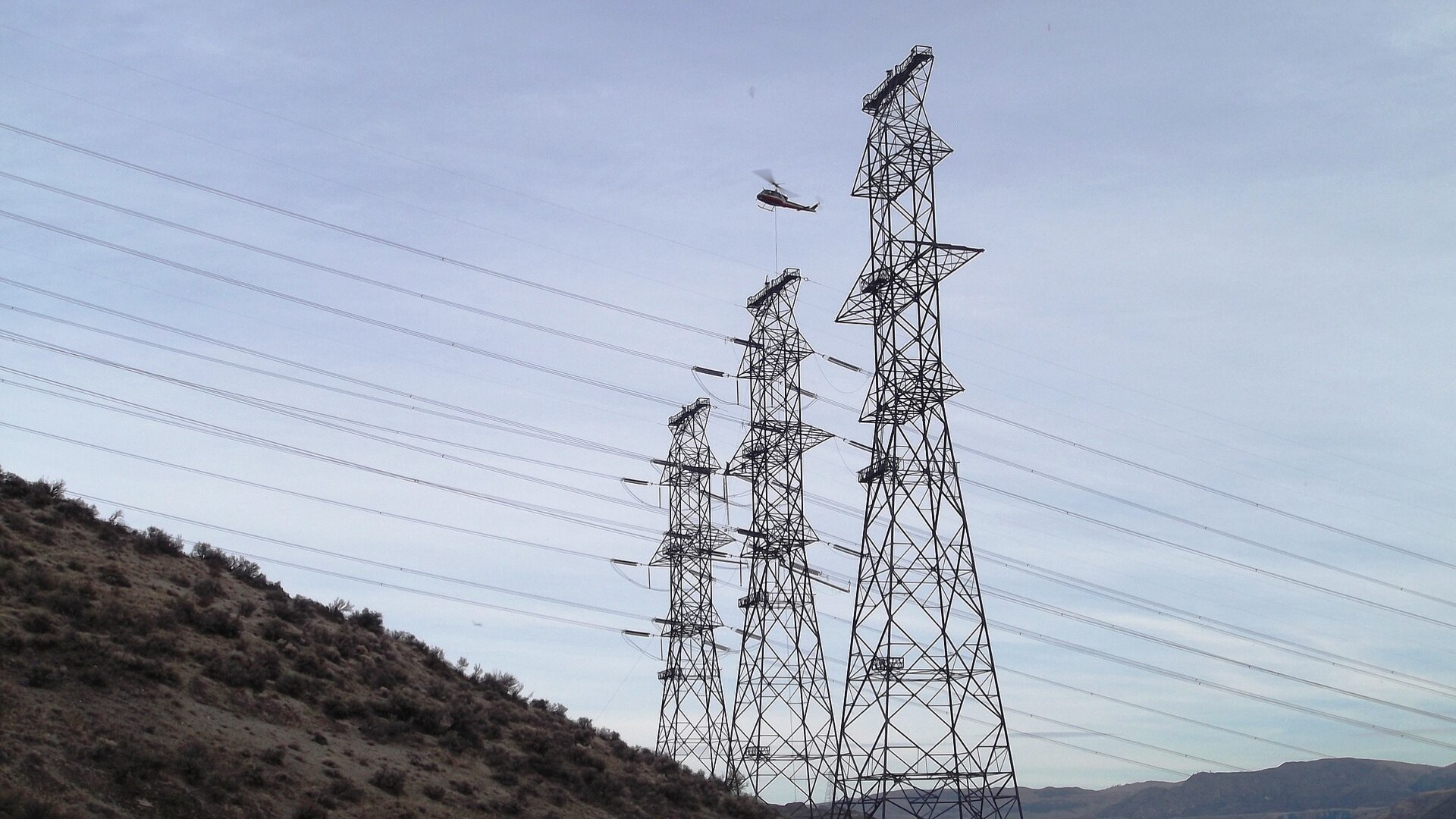
5. Grid-Enhancing Tech And Dynamic Line Rating - AdvertisementSwipe or tap ▶ to continue countdown

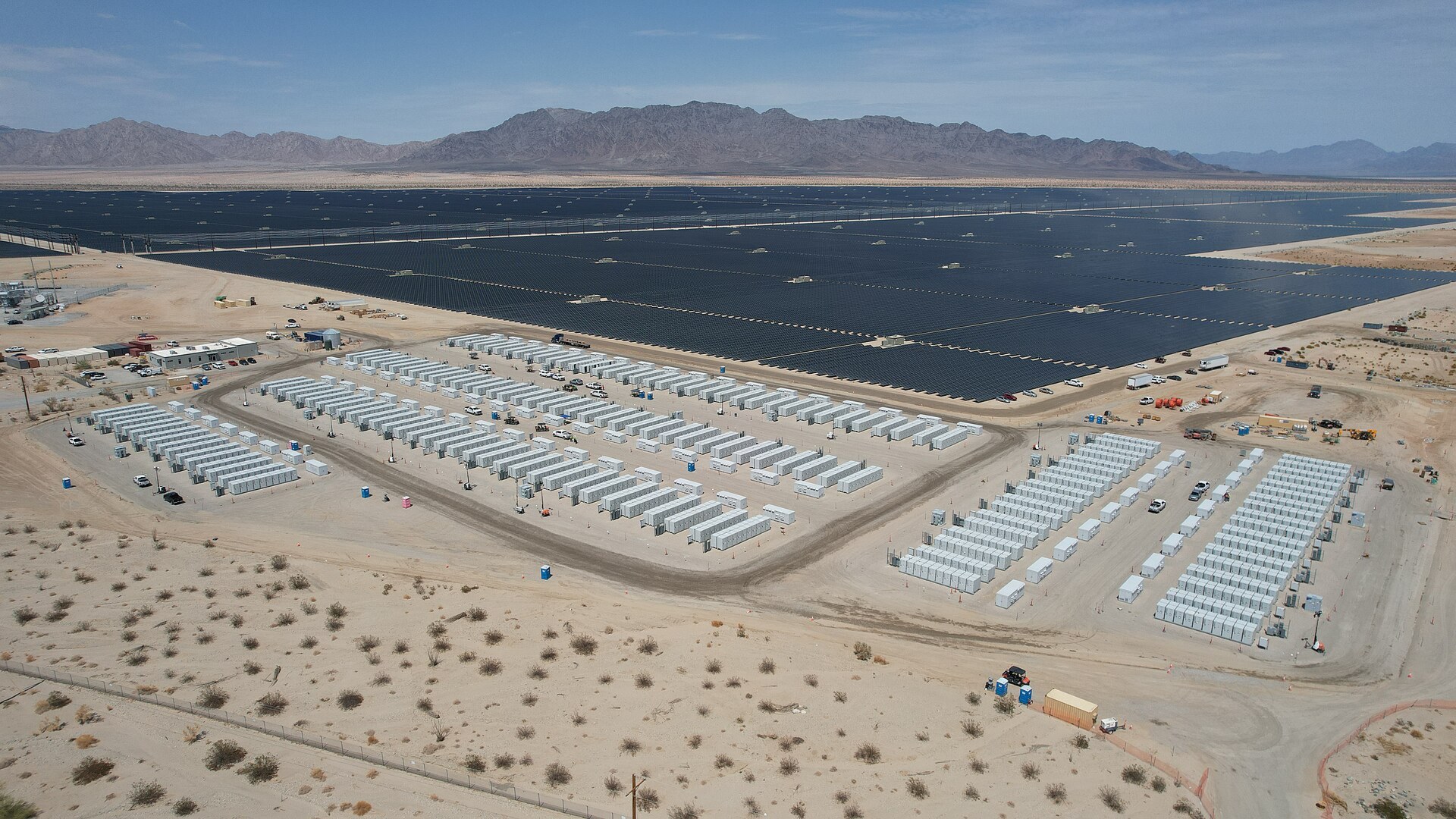
4. Utility-Scale Battery Storage Rollouts 
3. Tech Campuses Tapping Dedicated Nuclear Power 
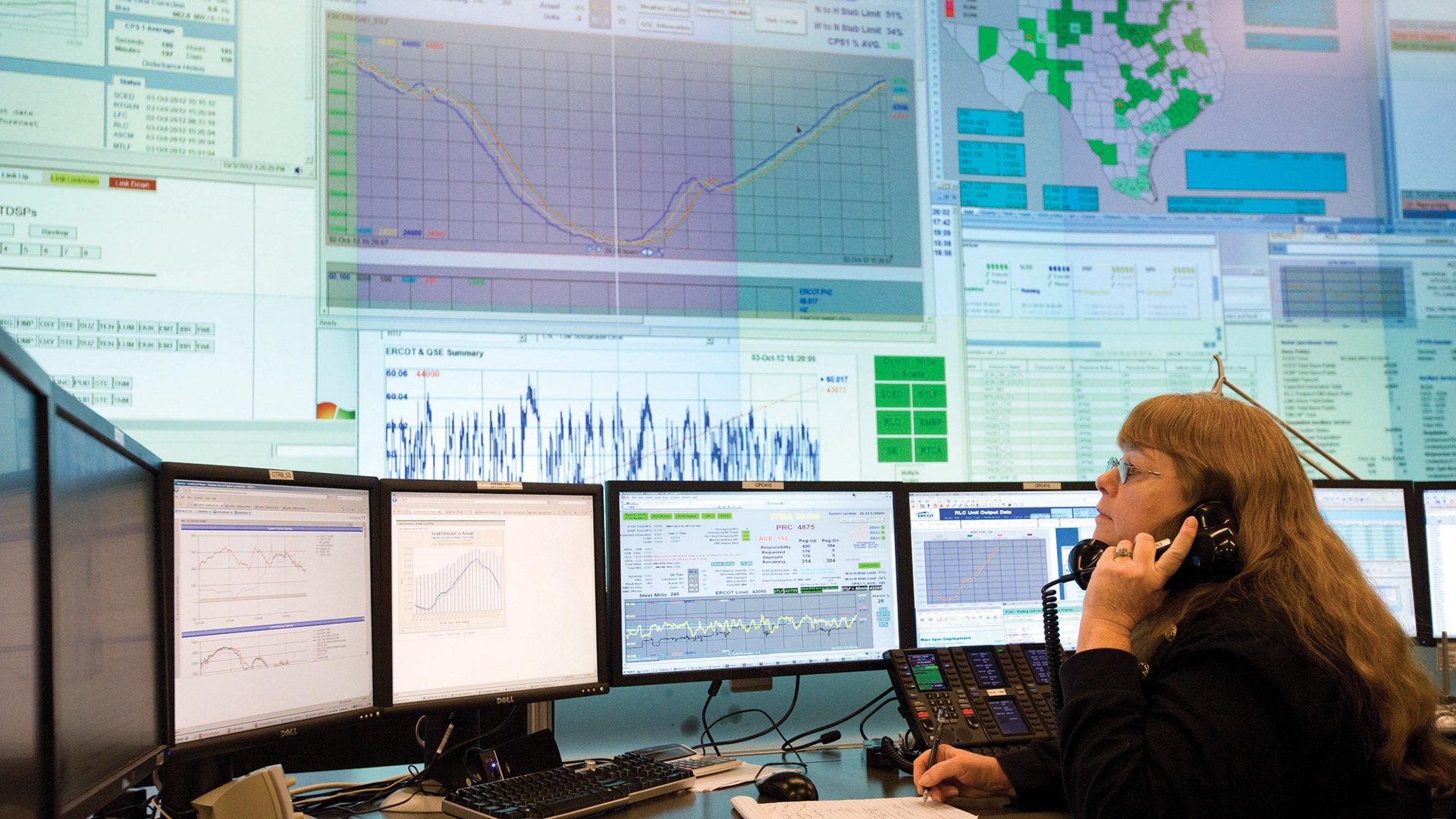
2. The AI Data Center Energy Boom 
1. Rebuilding America's National Power Grid - Advertisement🔥 UP NEXT IN THIS SERIES◫ 21 Slides

20 Famous Cars With Pop-Up Headlights That Shaped Car Design
From hand-cranked 1930s teardrops to wedge supercars of the 1980s, hidden headlights let stylists chase sleek aerodynamics until 2004 pedestrian rules closed the curtain. Here are 20 standout production cars that turned retractable lamps into an enduring automotive design feature across seven full decades.
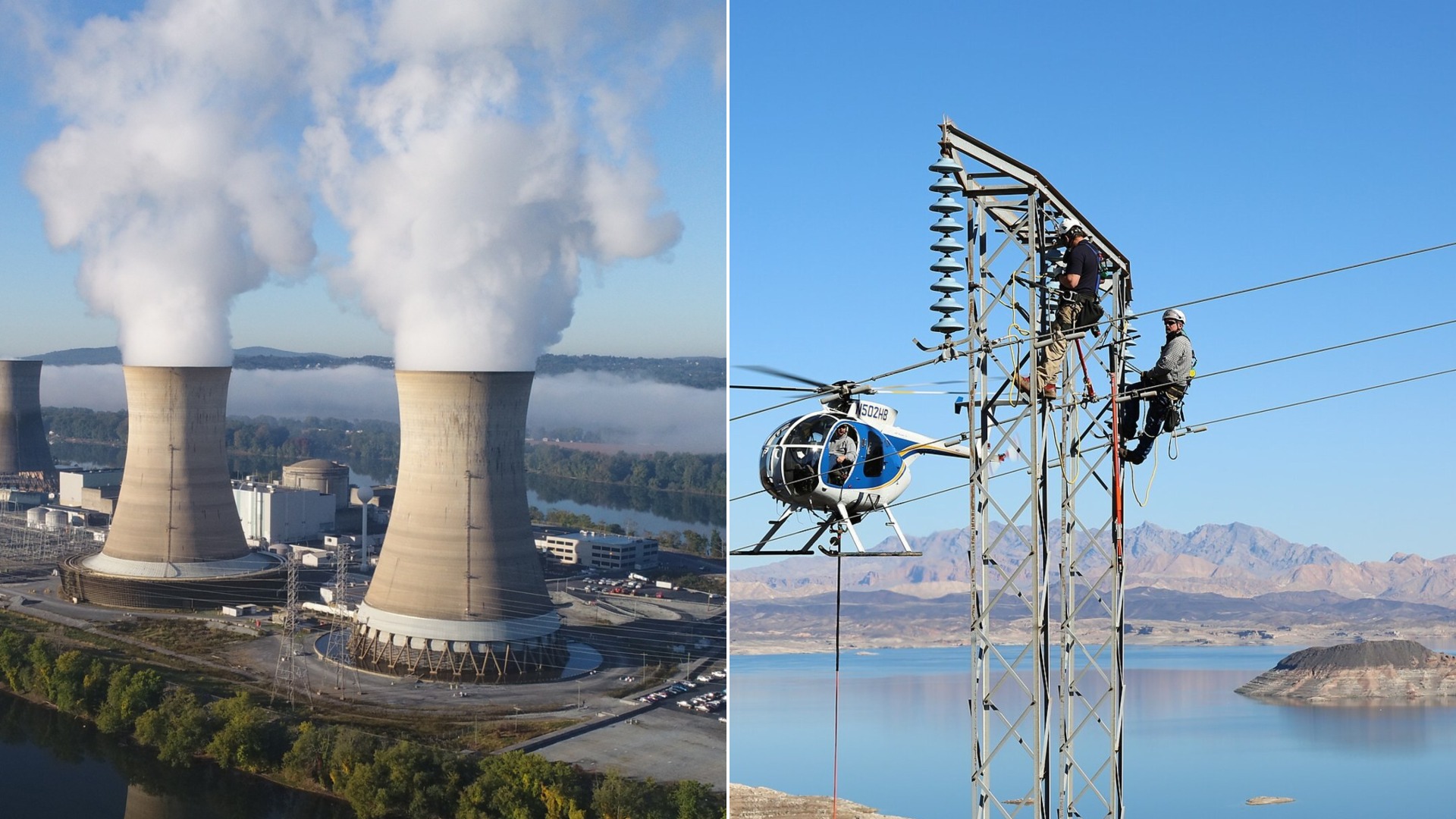
Aging regional transmission lines, record-setting data center energy consumption, and volatile extreme weather have pushed the US electric power system into an unprecedented capacity squeeze. Modernizing this complex national network has become an urgent technological priority.
Swipe or tap ▶ to begin the countdown
©Wikimedia / Constellation Energy & Western Area Power
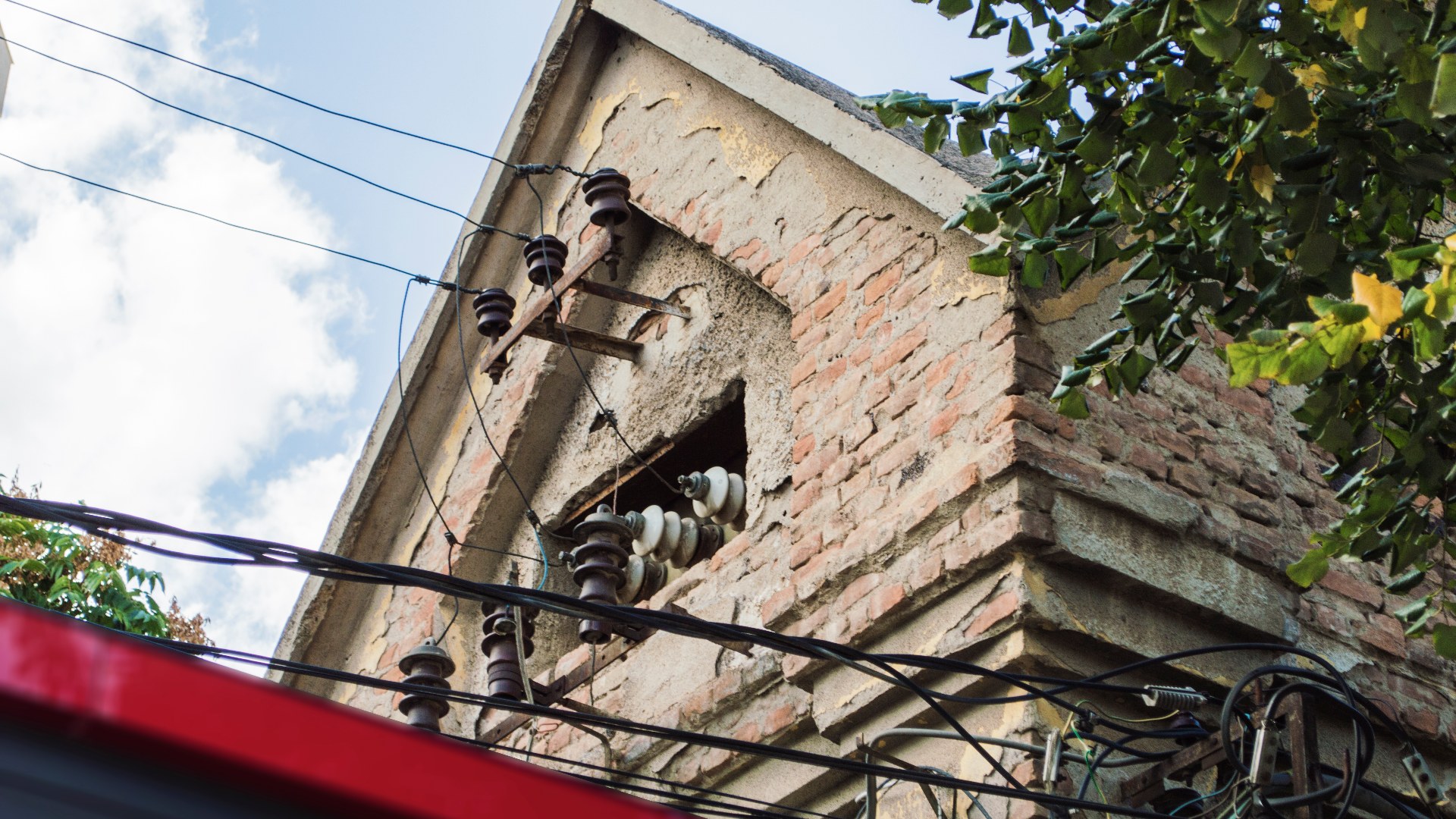
15. The Aging Transformer Deficit
More than seventy percent of US large power transformers have surpassed their twenty-five-year design lifespan. With global supply chain shortages and specialized electrical steel bottlenecks extending lead times to over four years, utilities struggle to replace aging equipment before failures occur.
©Wikimedia / Sonia Budini
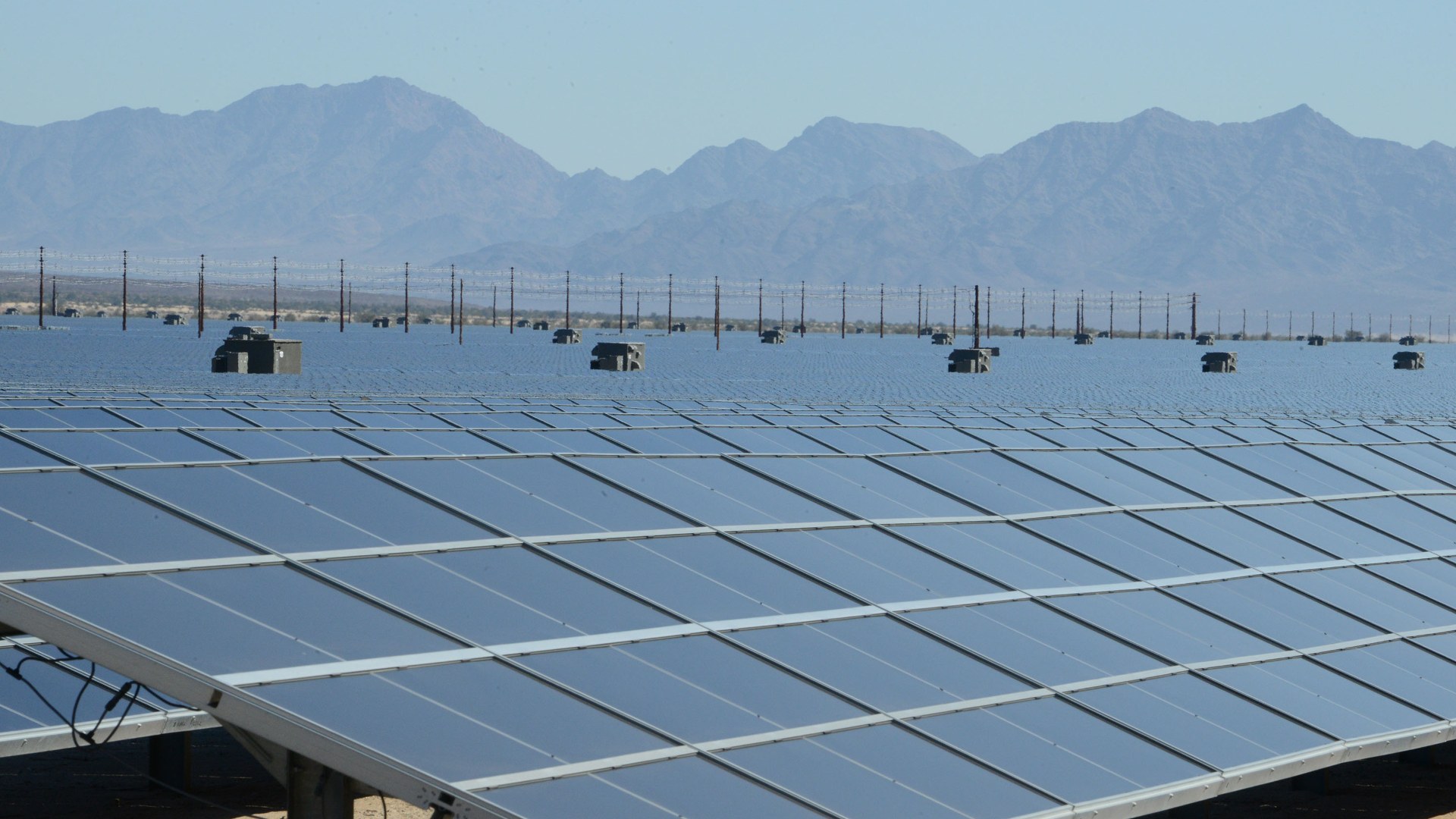
14. Interconnection Queue Gridlock
Thousands of planned solar, wind, and battery storage projects sit trapped in regional interconnection queues. Transmission studies and required network upgrade costs often take five or more years to complete, leaving shovel-ready generation projects unable to deliver power to consumers.
©Wikimedia / U.S. Department of the Interior
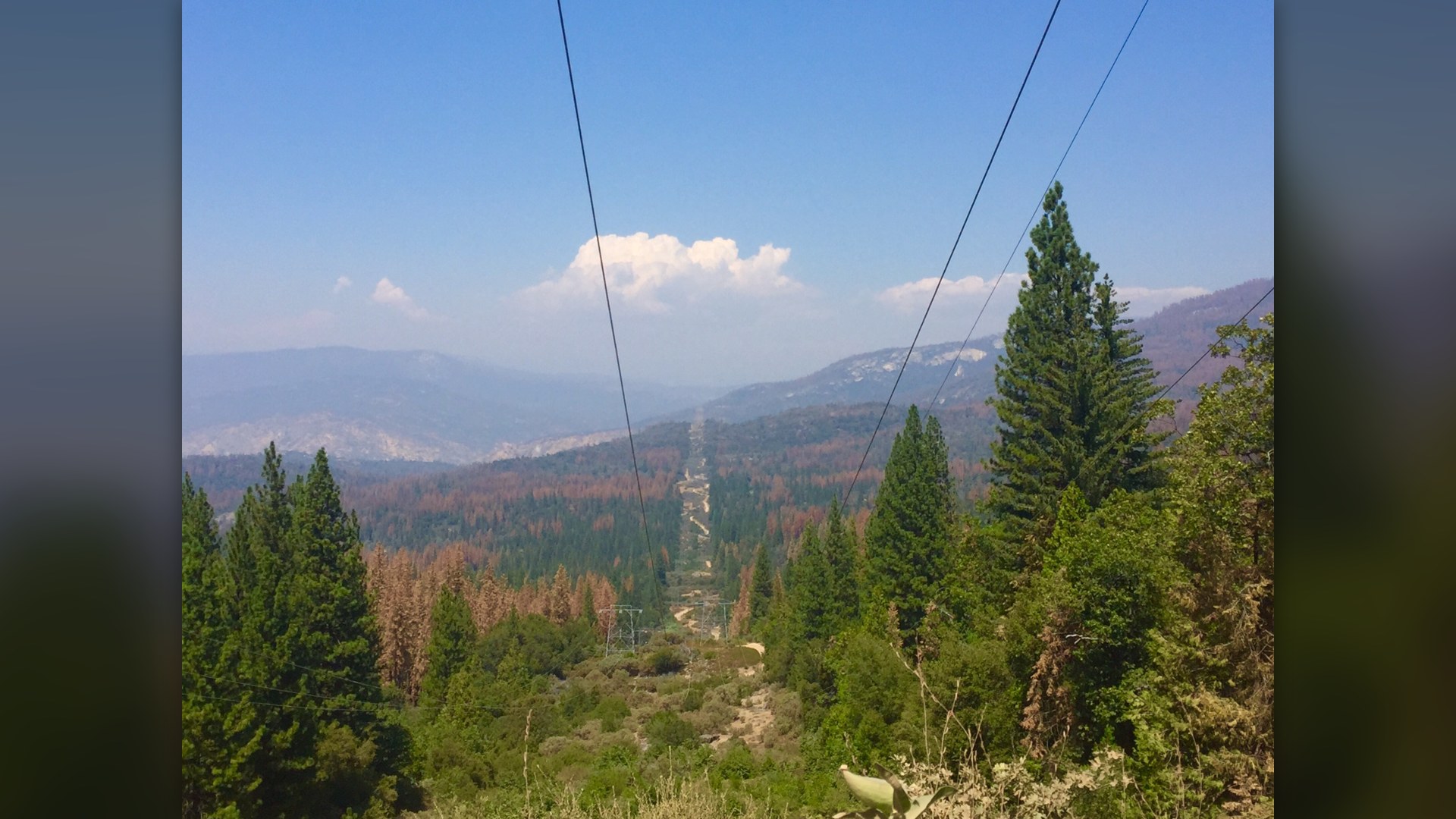
13. Wildfire Risks And Planned Power Shutoffs
In the American West, electric utilities face immense liability from power lines igniting parched timber. When dry autumn gales strike, grid operators increasingly deploy public safety power shutoffs, cutting electricity to hundreds of thousands of residents to safeguard communities.
©Pixabay / Ylvers
Advertisement
Swipe or tap ▶ to resume the countdown.
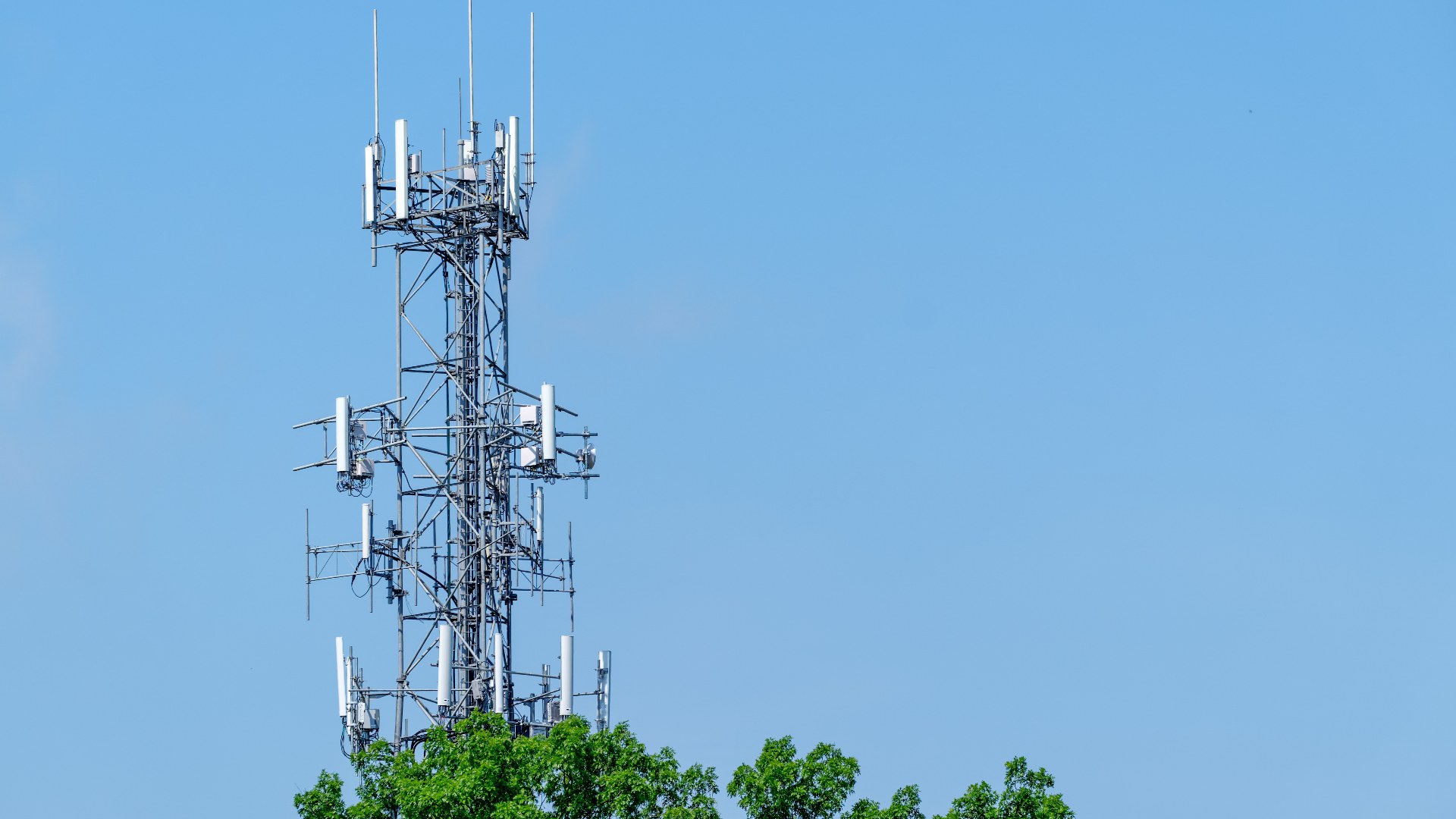
12. Mobile Network Outages During Blackouts
Mobile broadband networks rely on local grid power for base stations and antennas. Most cell sites maintain only four to eight hours of battery backup. During prolonged winter freezes or hurricane outages, wireless service collapses just when emergency alerts and 911 access are most critical.
©Wikimedia / David Ratledge
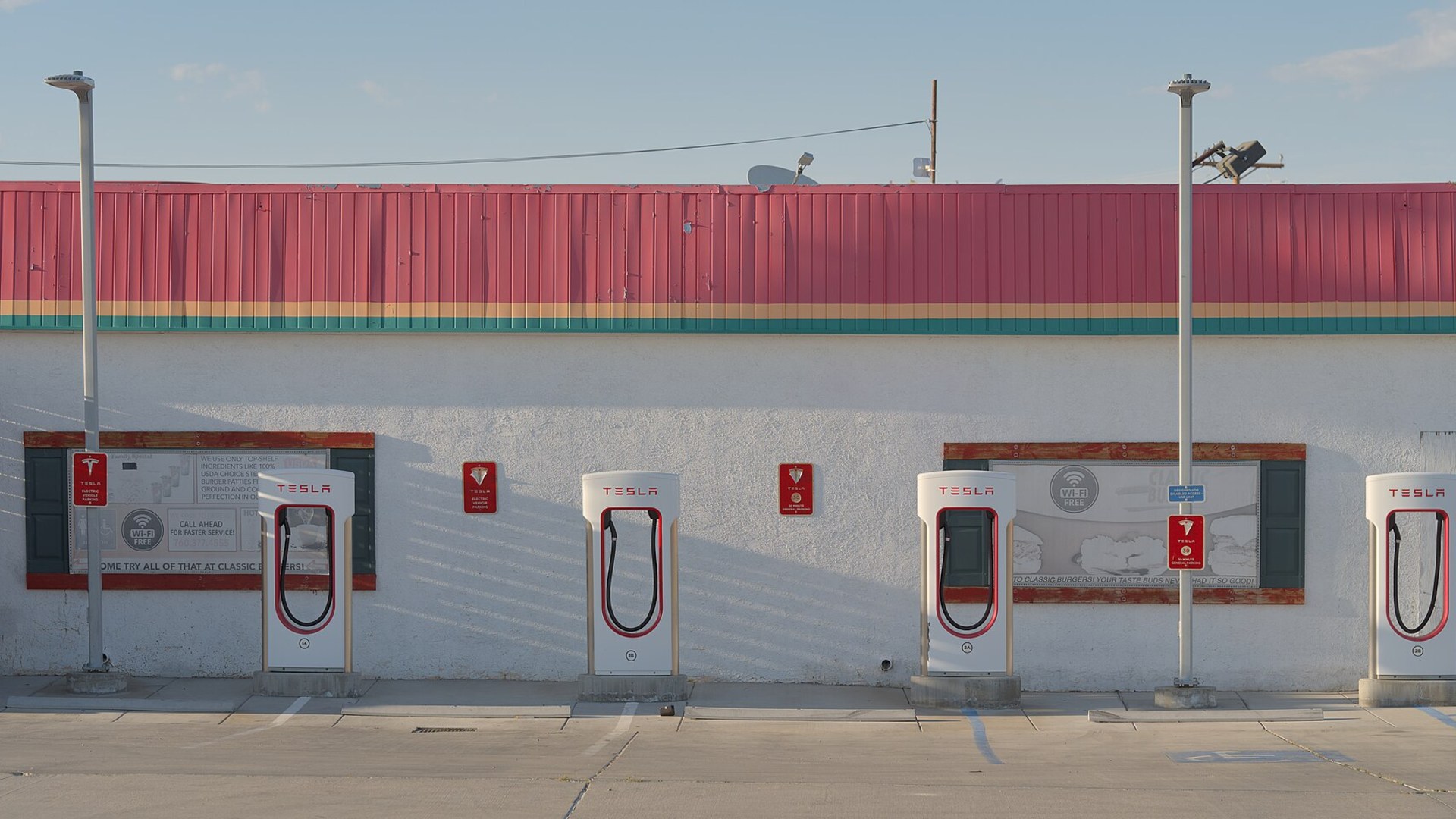
11. Residential Electric Vehicle Charging Surges
As millions of drivers adopt electric vehicles, residential charging coincides with peak evening household energy consumption. Without managed smart charging protocols, clustered Level 2 home chargers can overload local distribution transformers and blow neighborhood fuses.
©Wikimedia / Daniel Lu
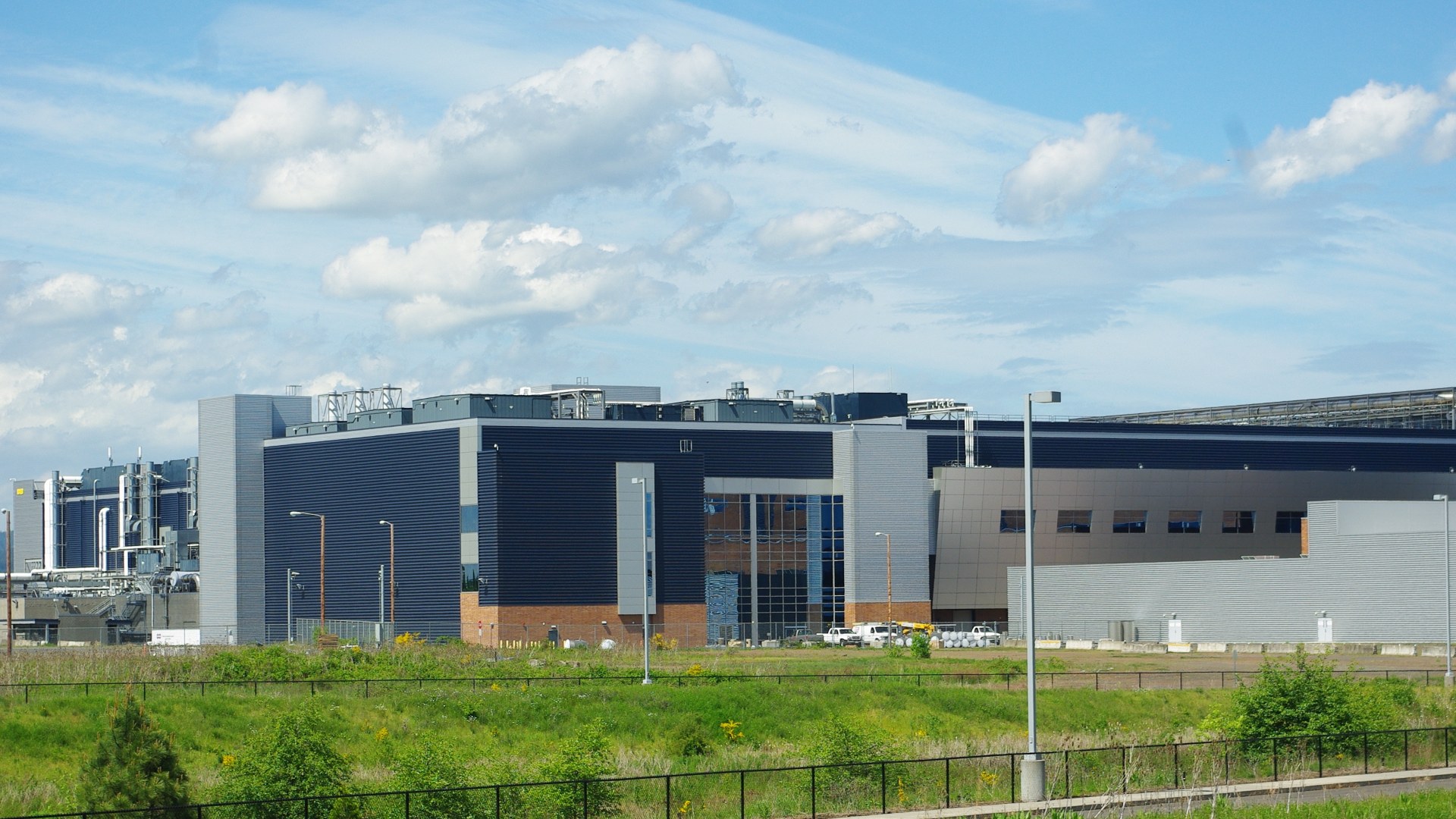
10. Industrial Onshoring And Chip Foundry Loads
Federal incentives have sparked a nationwide boom in advanced chip fabrication plants and clean tech manufacturing. A single modern semiconductor fab requires up to one hundred megawatts of uninterrupted baseload electricity, straining regional utilities already facing tight reserve margins.
©Wikimedia / M.O. Stevens
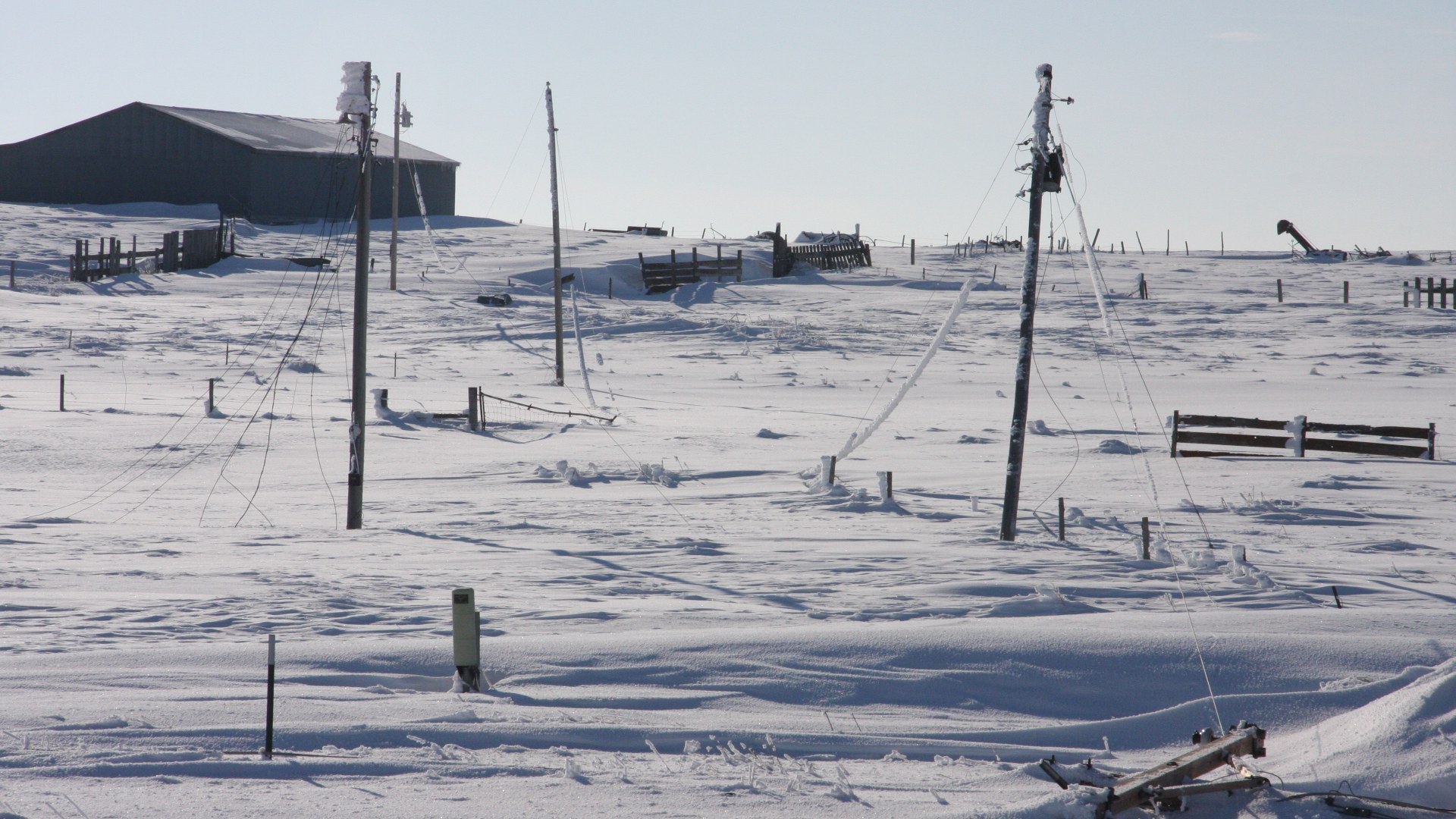
9. Extreme Weather Shocks And Winter Freezes
Climate volatility produces wider swings in peak power demand. Unprecedented winter freezes congeal natural gas wellheads and freeze power plant cooling intakes, while blistering summer heat waves degrade transmission line efficiency and trigger record air conditioning loads.
©Wikimedia / USFWS Mountain Prairie
Advertisement
Swipe or tap ▶ to resume the countdown.
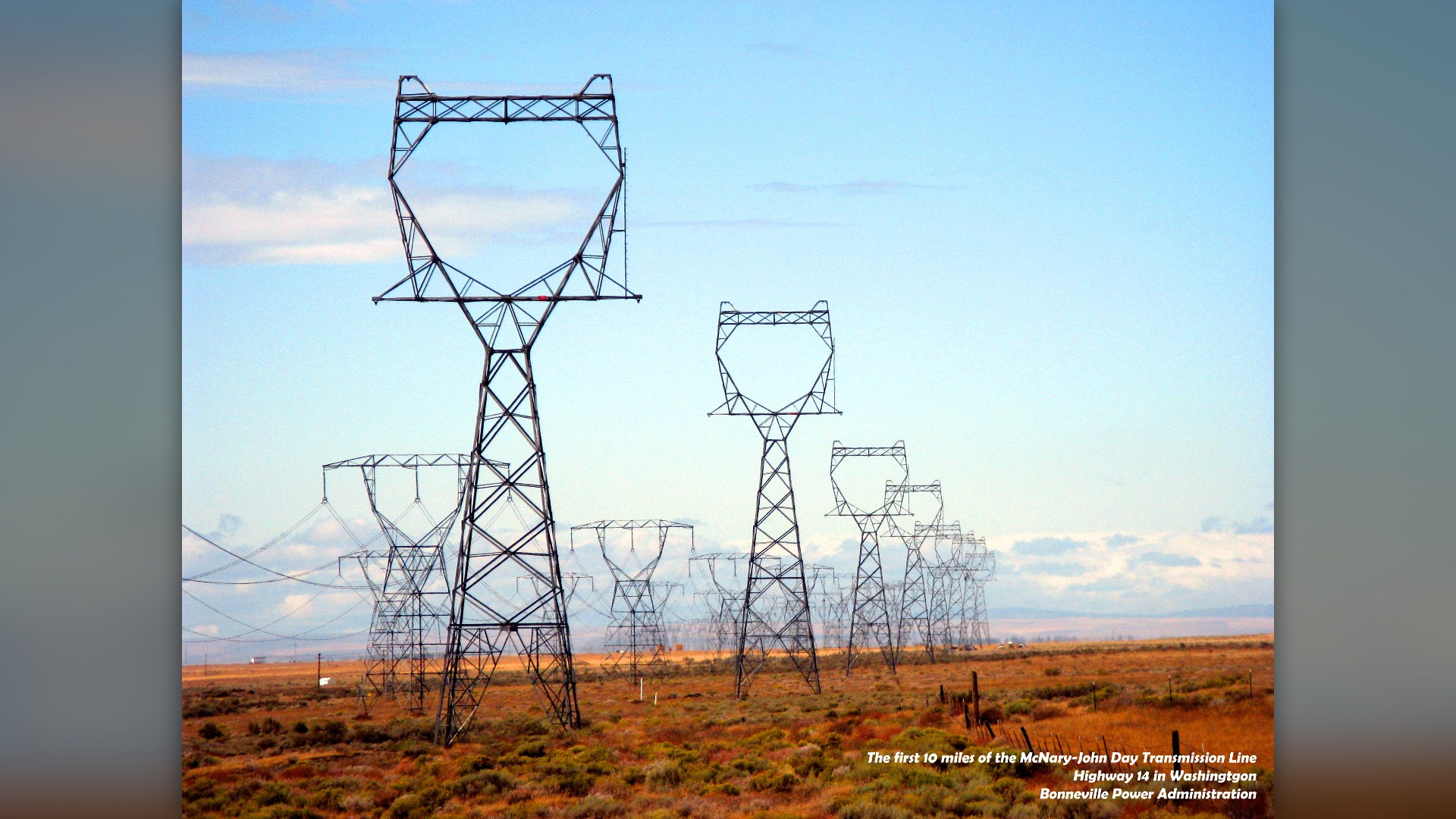
8. High-Voltage Transmission Bottlenecks
The United States is divided into three major asynchronous interconnections with limited cross-border transfer capacity. Regulatory friction and interstate siting disputes have slowed high-voltage line construction to a crawl, trapping low-cost remote power away from major urban load centers.
©Wikimedia / ENERGY.GOV
7. Baseload Retirements And Reserve Margins
Economic pressure and environmental rules have led to the steady retirement of dispatchable coal plants. While renewable energy is expanding rapidly, delays in battery storage deployment and transmission construction have eroded operating reserve margins across regional grid footprints.
©Wikimedia / Daniel Schwen
6. Regional Power Pools Under Capacity Strain
Regional transmission organizations manage power dispatch across multi-state grids. Operators have dramatically raised five-year peak demand forecasts, driven by industrial reshoring and digital infrastructure, forcing emergency capacity auctions and higher consumer energy bills.
©Wikimedia / Dpysh w
5. Grid-Enhancing Tech And Dynamic Line Rating
Building new transmission towers takes over a decade. Utilities are adopting grid-enhancing technologies, including dynamic line ratings that use weather sensors to calculate real-time conductor cooling. Replacing older steel-reinforced lines with advanced composite cores can double capacity on existing pathways.
©Wikimedia / brewbooks
Advertisement
Swipe or tap ▶ to resume the countdown.
4. Utility-Scale Battery Storage Rollouts
Grid-scale battery energy storage systems are deploying at record scale across sunbelts. By soaking up surplus midday solar power and injecting it back into the grid during the evening peak, mega-battery installations prevent blackouts and displace fossil-fueled peaker plants during critical hours.
©Wikimedia / BLM California
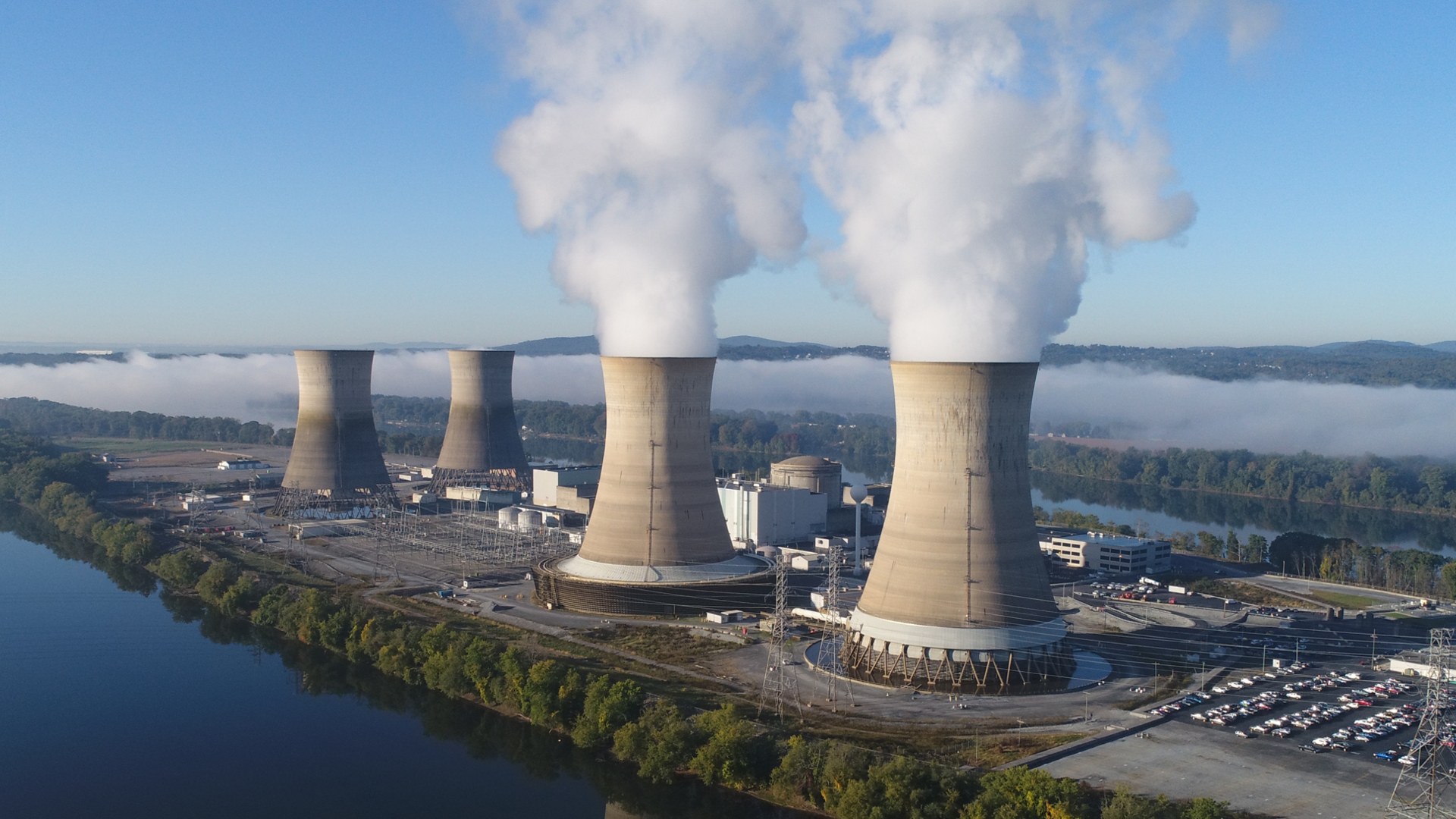
3. Tech Campuses Tapping Dedicated Nuclear Power
Facing fierce power competition, tech companies are striking direct agreements with commercial nuclear plants. Landmark deals to supply gigawatt-scale data center campuses directly from operating reactors highlight how carbon-free baseload power has become tech's most valuable commodity.
©Wikimedia / Constellation Energy
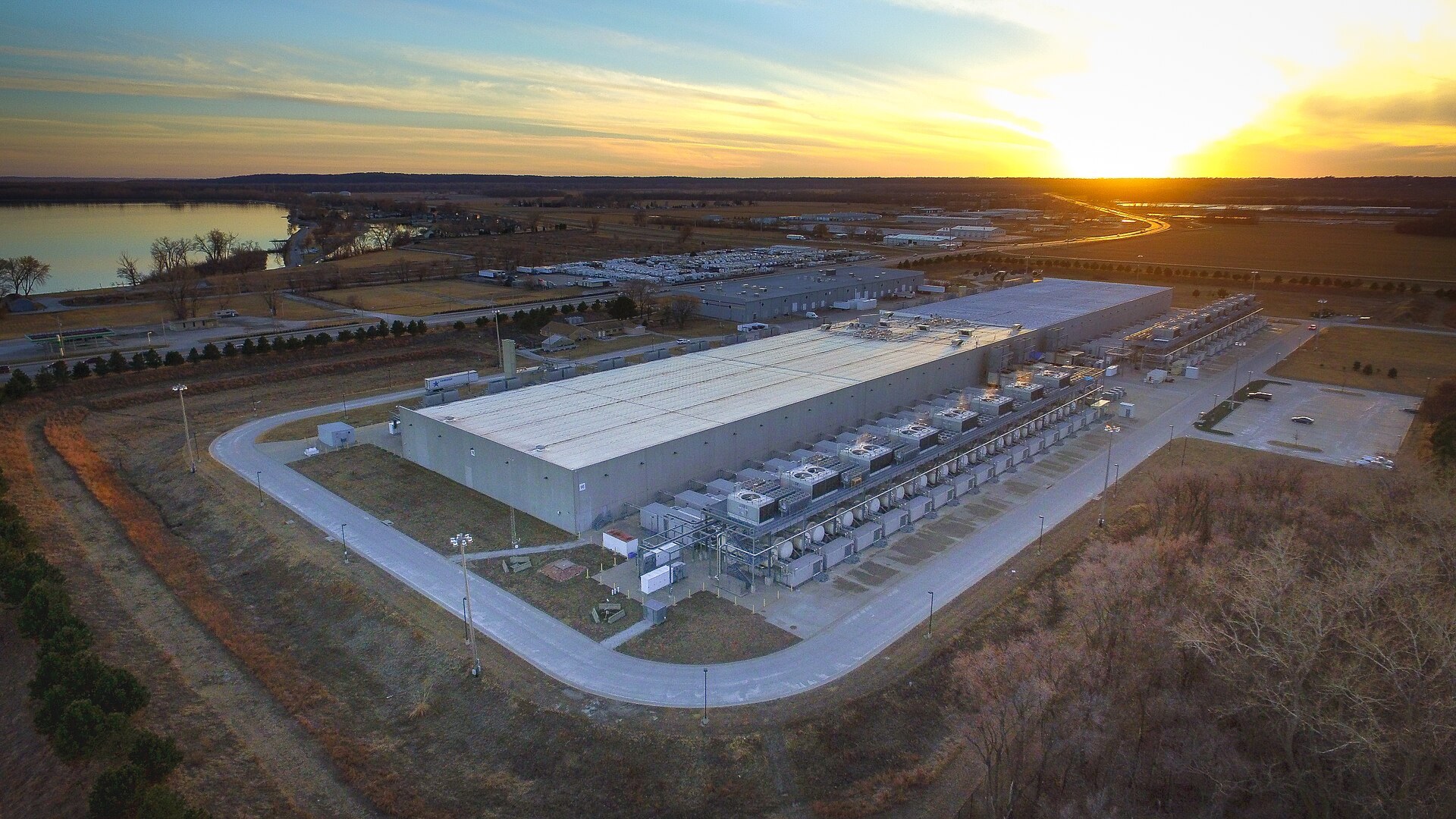
2. The AI Data Center Energy Boom
Generative AI computation requires high-density server racks that draw ten times more power than traditional enterprise cloud facilities. Northern Virginia, Texas, and Georgia host data center clusters that consume more electricity than entire metropolitan areas, reshaping regional utility forecasts.
©Wikimedia / Chad Davis
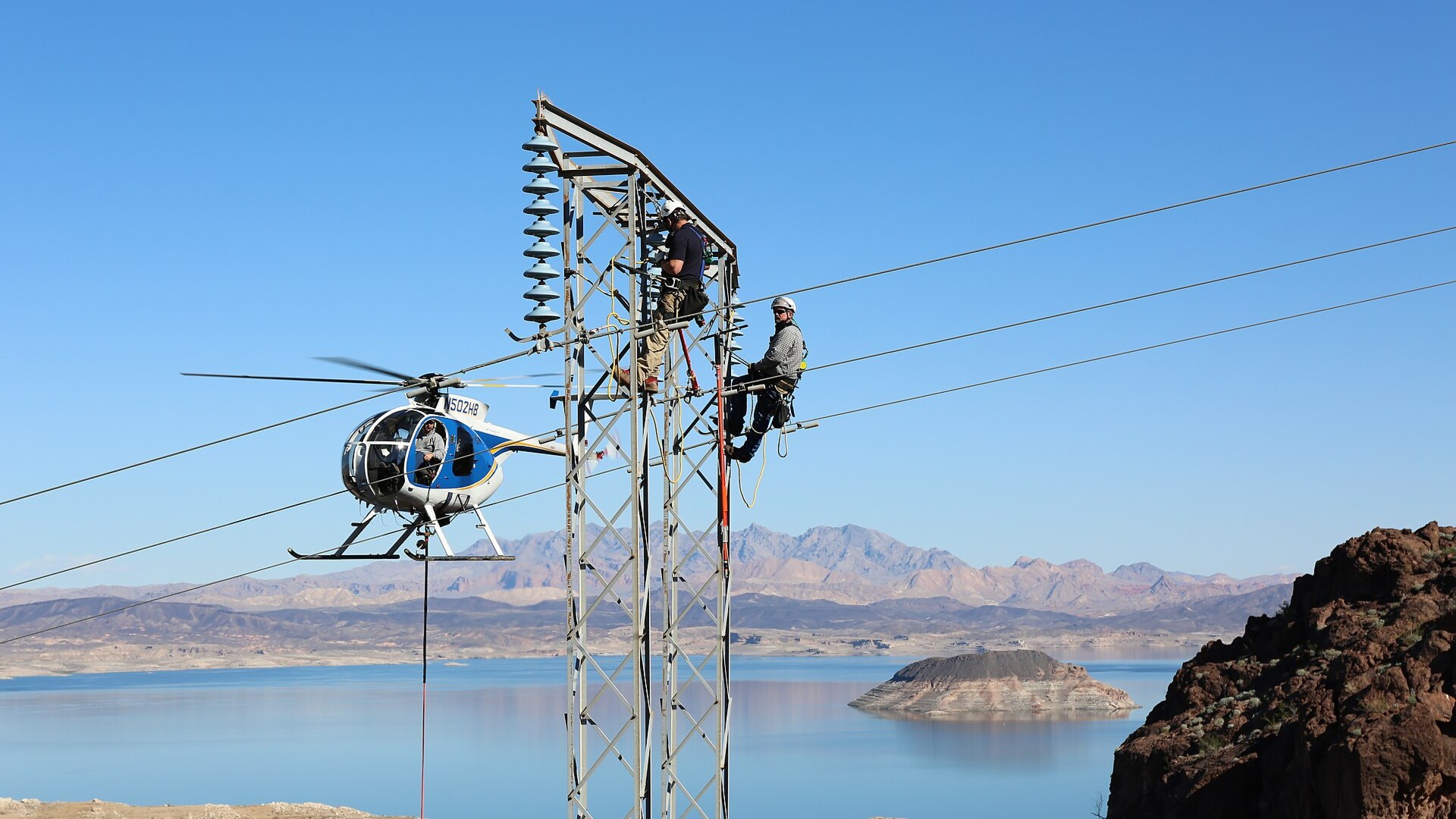
1. Rebuilding America's National Power Grid
Meeting the twin challenges of electrification and computing requires a coordinated national expansion of high-voltage direct current lines, streamlined federal permitting, and skilled lineworker workforces. Rebuilding the grid stands as America's defining infrastructure project of the decade.

©Wikimedia / Western Area Power Administration
Advertisement
You've reached the end of the story. Thanks for reading!

20 Famous Cars With Pop-Up Headlights That Shaped Car Design
From hand-cranked 1930s teardrops to wedge supercars of the 1980s, hidden headlights let stylists chase sleek aerodynamics until 2004 pedestrian rules closed the curtain. Here are 20 standout production cars that turned retractable lamps into an enduring automotive design feature across seven full decades.
All 15 Entries in this Story
15. The Aging Transformer Deficit
More than seventy percent of US large power transformers have surpassed their twenty-five-year design lifespan. With global supply chain shortages and specialized electrical steel bottlenecks extending lead times to over four years, utilities struggle to replace aging equipment before failures occur.

14. Interconnection Queue Gridlock
Thousands of planned solar, wind, and battery storage projects sit trapped in regional interconnection queues. Transmission studies and required network upgrade costs often take five or more years to complete, leaving shovel-ready generation projects unable to deliver power to consumers.

13. Wildfire Risks And Planned Power Shutoffs
In the American West, electric utilities face immense liability from power lines igniting parched timber. When dry autumn gales strike, grid operators increasingly deploy public safety power shutoffs, cutting electricity to hundreds of thousands of residents to safeguard communities.

12. Mobile Network Outages During Blackouts
Mobile broadband networks rely on local grid power for base stations and antennas. Most cell sites maintain only four to eight hours of battery backup. During prolonged winter freezes or hurricane outages, wireless service collapses just when emergency alerts and 911 access are most critical.

11. Residential Electric Vehicle Charging Surges
As millions of drivers adopt electric vehicles, residential charging coincides with peak evening household energy consumption. Without managed smart charging protocols, clustered Level 2 home chargers can overload local distribution transformers and blow neighborhood fuses.

10. Industrial Onshoring And Chip Foundry Loads
Federal incentives have sparked a nationwide boom in advanced chip fabrication plants and clean tech manufacturing. A single modern semiconductor fab requires up to one hundred megawatts of uninterrupted baseload electricity, straining regional utilities already facing tight reserve margins.

9. Extreme Weather Shocks And Winter Freezes
Climate volatility produces wider swings in peak power demand. Unprecedented winter freezes congeal natural gas wellheads and freeze power plant cooling intakes, while blistering summer heat waves degrade transmission line efficiency and trigger record air conditioning loads.

8. High-Voltage Transmission Bottlenecks
The United States is divided into three major asynchronous interconnections with limited cross-border transfer capacity. Regulatory friction and interstate siting disputes have slowed high-voltage line construction to a crawl, trapping low-cost remote power away from major urban load centers.

7. Baseload Retirements And Reserve Margins
Economic pressure and environmental rules have led to the steady retirement of dispatchable coal plants. While renewable energy is expanding rapidly, delays in battery storage deployment and transmission construction have eroded operating reserve margins across regional grid footprints.

6. Regional Power Pools Under Capacity Strain
Regional transmission organizations manage power dispatch across multi-state grids. Operators have dramatically raised five-year peak demand forecasts, driven by industrial reshoring and digital infrastructure, forcing emergency capacity auctions and higher consumer energy bills.

5. Grid-Enhancing Tech And Dynamic Line Rating
Building new transmission towers takes over a decade. Utilities are adopting grid-enhancing technologies, including dynamic line ratings that use weather sensors to calculate real-time conductor cooling. Replacing older steel-reinforced lines with advanced composite cores can double capacity on existing pathways.

4. Utility-Scale Battery Storage Rollouts
Grid-scale battery energy storage systems are deploying at record scale across sunbelts. By soaking up surplus midday solar power and injecting it back into the grid during the evening peak, mega-battery installations prevent blackouts and displace fossil-fueled peaker plants during critical hours.

3. Tech Campuses Tapping Dedicated Nuclear Power
Facing fierce power competition, tech companies are striking direct agreements with commercial nuclear plants. Landmark deals to supply gigawatt-scale data center campuses directly from operating reactors highlight how carbon-free baseload power has become tech's most valuable commodity.

2. The AI Data Center Energy Boom
Generative AI computation requires high-density server racks that draw ten times more power than traditional enterprise cloud facilities. Northern Virginia, Texas, and Georgia host data center clusters that consume more electricity than entire metropolitan areas, reshaping regional utility forecasts.

1. Rebuilding America's National Power Grid
Meeting the twin challenges of electrification and computing requires a coordinated national expansion of high-voltage direct current lines, streamlined federal permitting, and skilled lineworker workforces. Rebuilding the grid stands as America's defining infrastructure project of the decade.