Slideshow · Technology
Why Data Centres Need So Much Electricity and Water
From generative AI workloads to cloud storage, modern data centers require staggering volumes of electricity and millions of gallons of cooling water daily. Understanding how these digital factories o

All 15 Entries in this Story
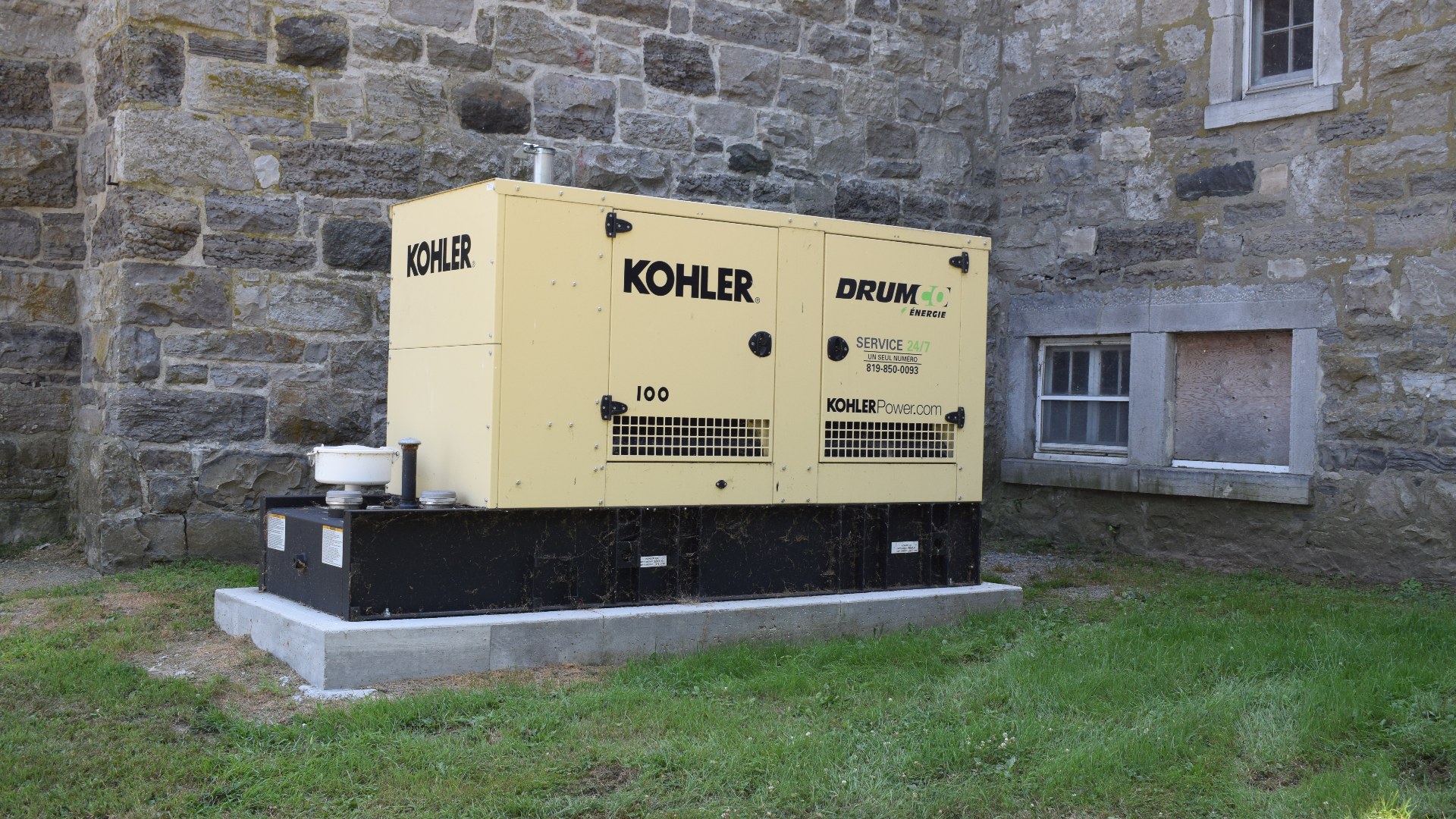
15. Backup Diesel Generators For Grid Resilience
Hyperscale facilities require 99.999% uptime, known as five nines reliability. To guarantee continuous operation when local utilities fail, data center campuses maintain massive industrial diesel generator yards and extensive on-site fuel reserves capable of powering the entire facility for days.
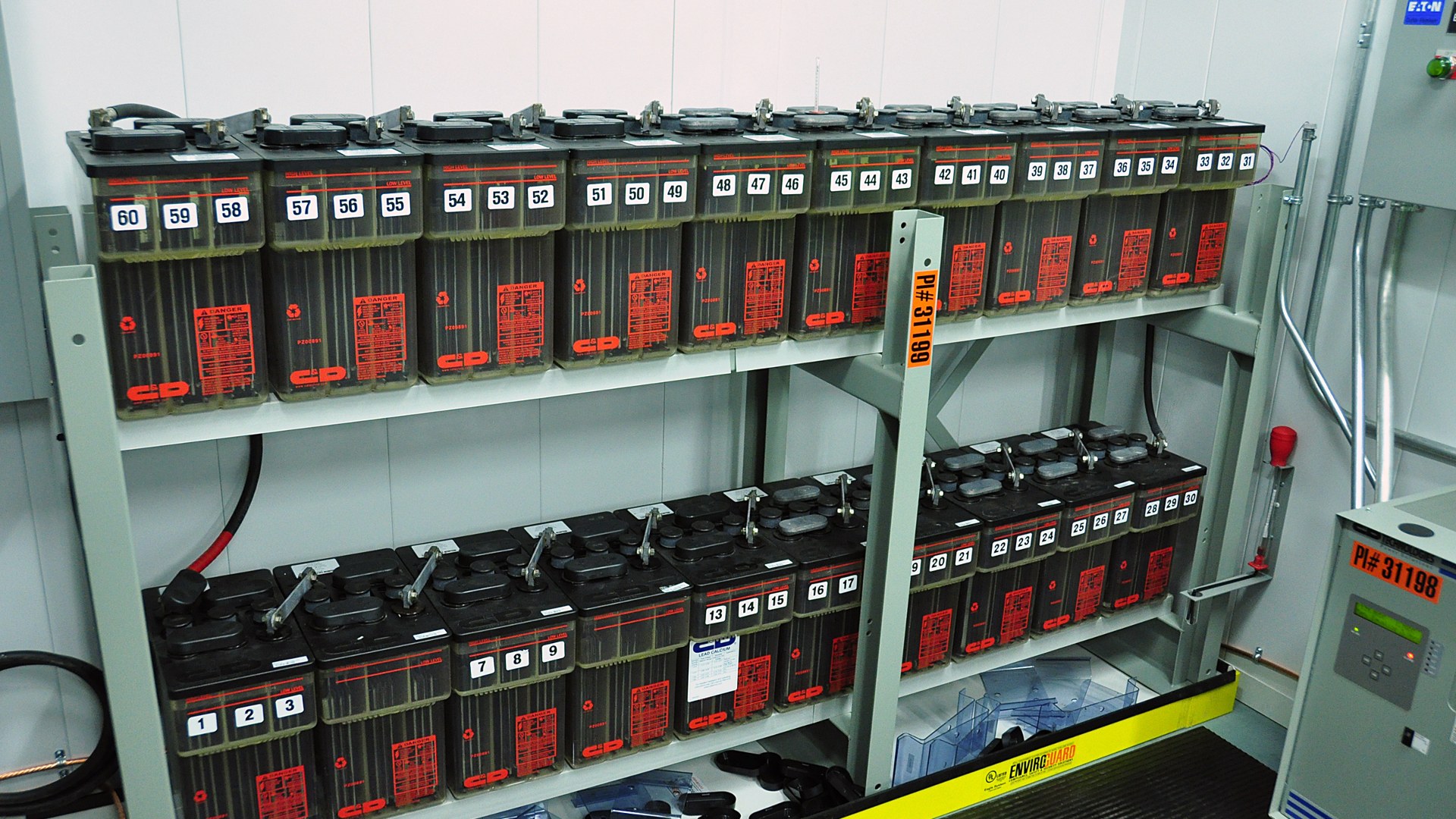
14. Uninterruptible Power Supply Battery Rooms
When electric grid voltage drops or flickers, servers cannot lose power even for a fraction of a second. Huge halls of lithium-ion or lead-acid uninterruptible power supply battery banks condition the incoming electricity and provide instant bridge power until mechanical generators reach full speed.
13. High-Voltage Power Distribution Units
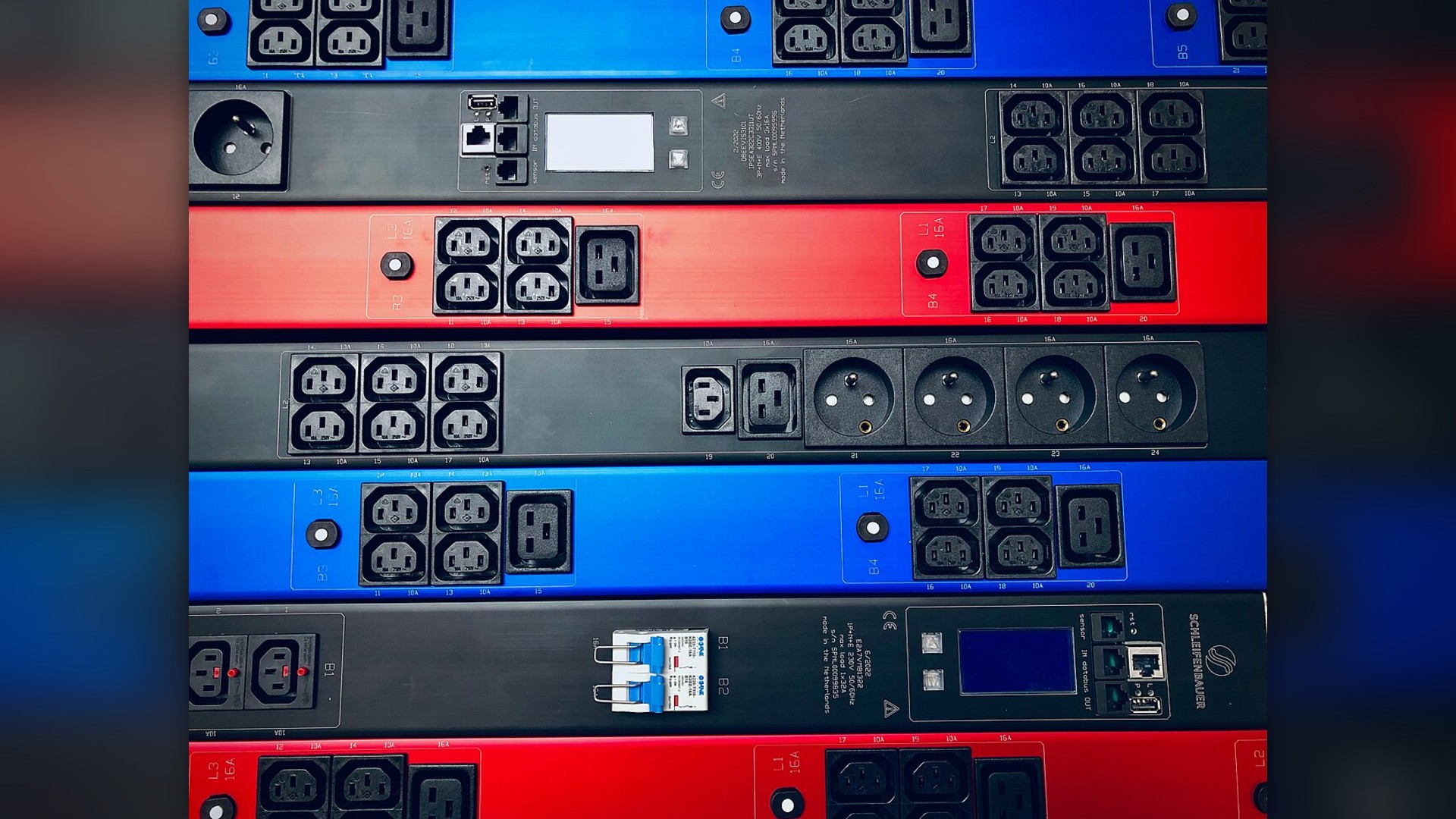
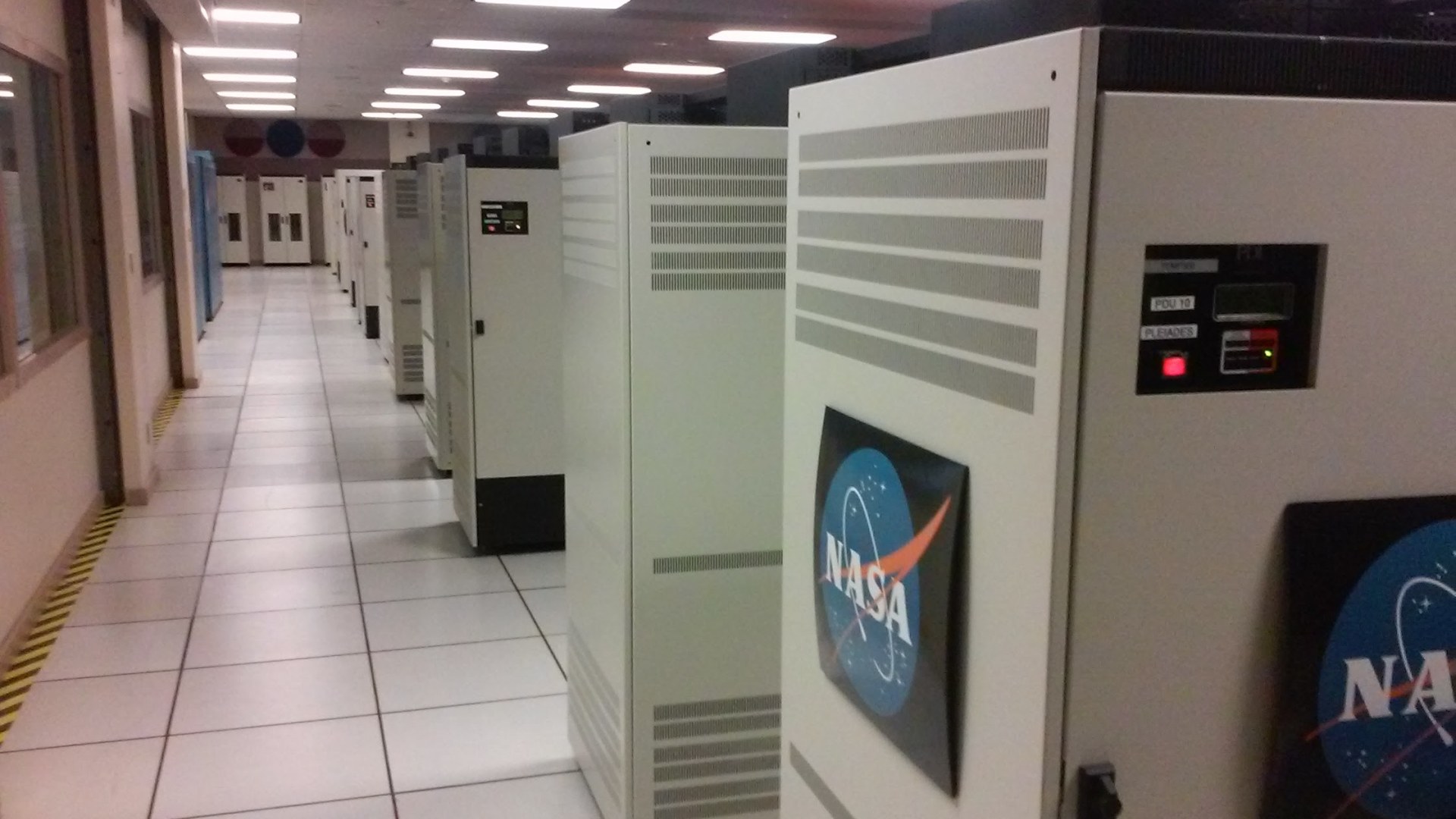
Electricity enters a data center substation at high transmission voltages before transformers step it down to distribution levels. Heavy overhead busways and intelligent power distribution units route clean electrical currents directly into server racks, minimizing transmission losses within the building.
12. Power Usage Effectiveness Metrics
Power Usage Effectiveness, or PUE, measures data center efficiency by dividing total facility power by the power used directly by IT gear. While traditional facilities historically operated at a PUE near 2.0, modern hyperscale designs push ratios below 1.2 through advanced thermodynamic management.
11. High-Density AI Server Racks
Traditional cloud computing racks drew between five and ten kilowatts of power. Advanced AI server clusters pack tens of accelerators into a single cabinet, driving power density past one hundred kilowatts per rack and generating concentrated heat that traditional air conditioning can no longer dissipate.
10. GPU Clusters And Parallel Computing Draws
Training large frontier AI models requires tens of thousands of specialized graphic processors working synchronously across high-speed optical fabrics. When complex calculations run, these clusters draw steady gigawatt-scale power loads that test the physical limits of regional utility substations.
9. Computer Room Air Handlers And Hot Aisles
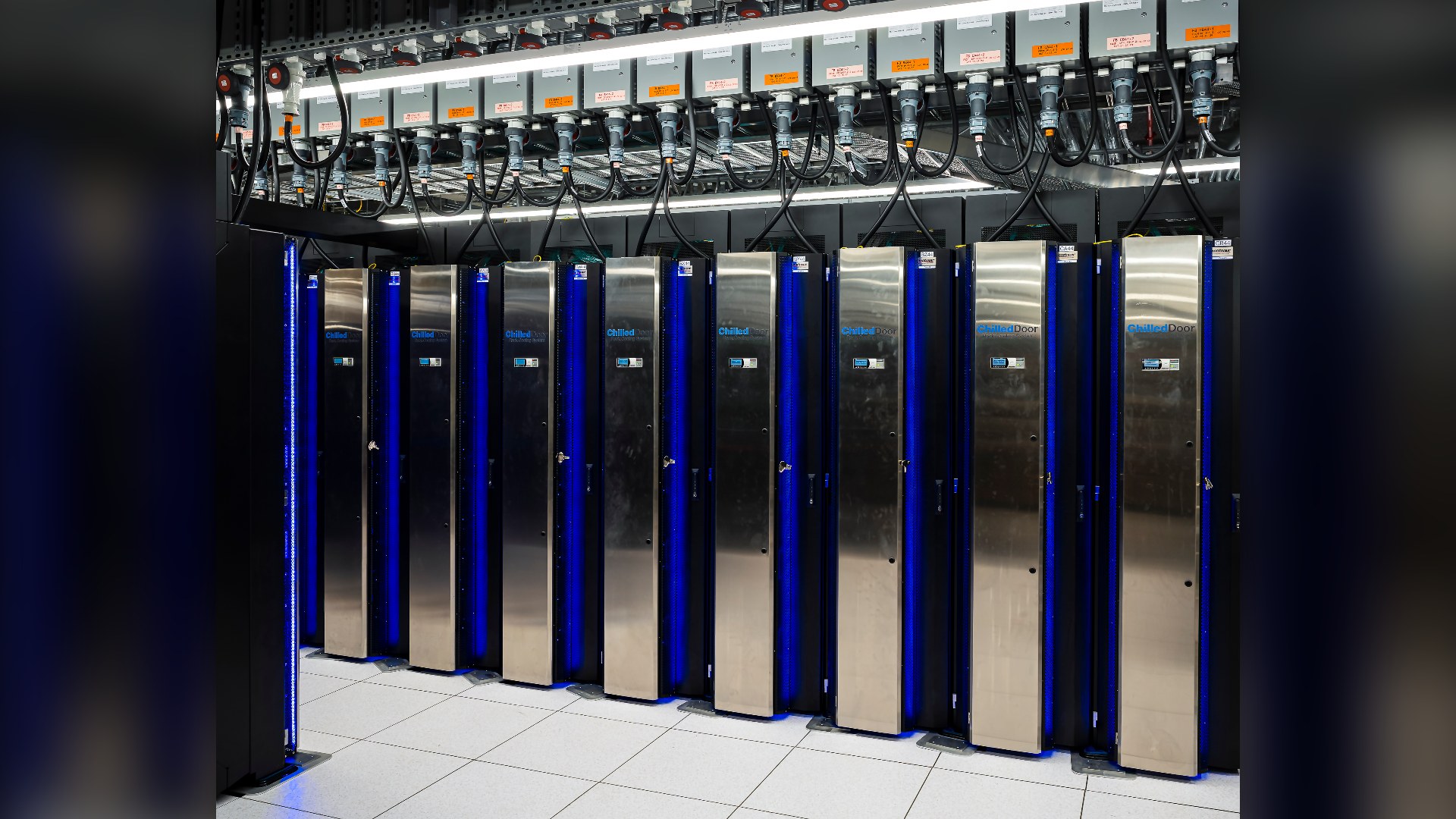
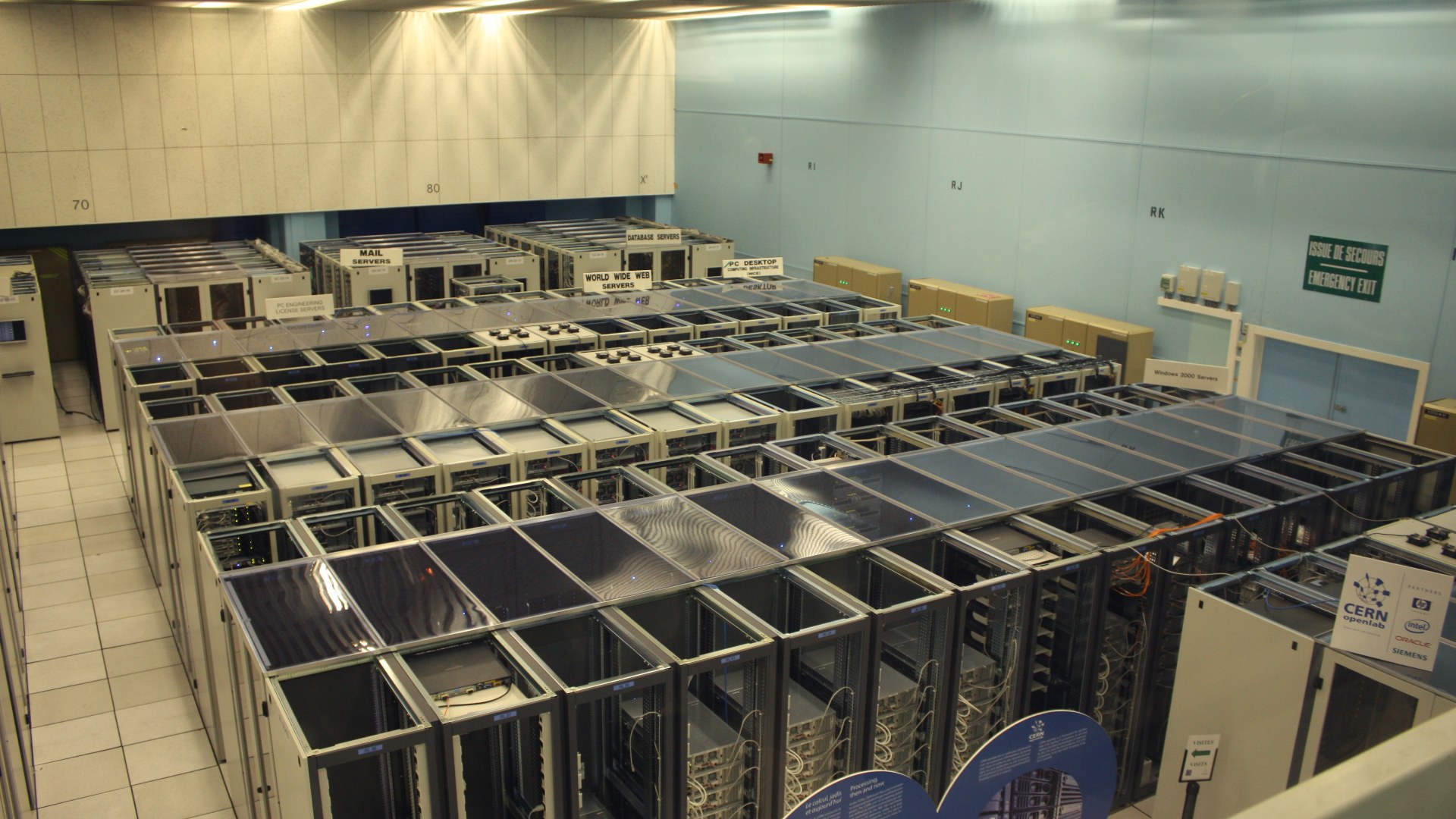
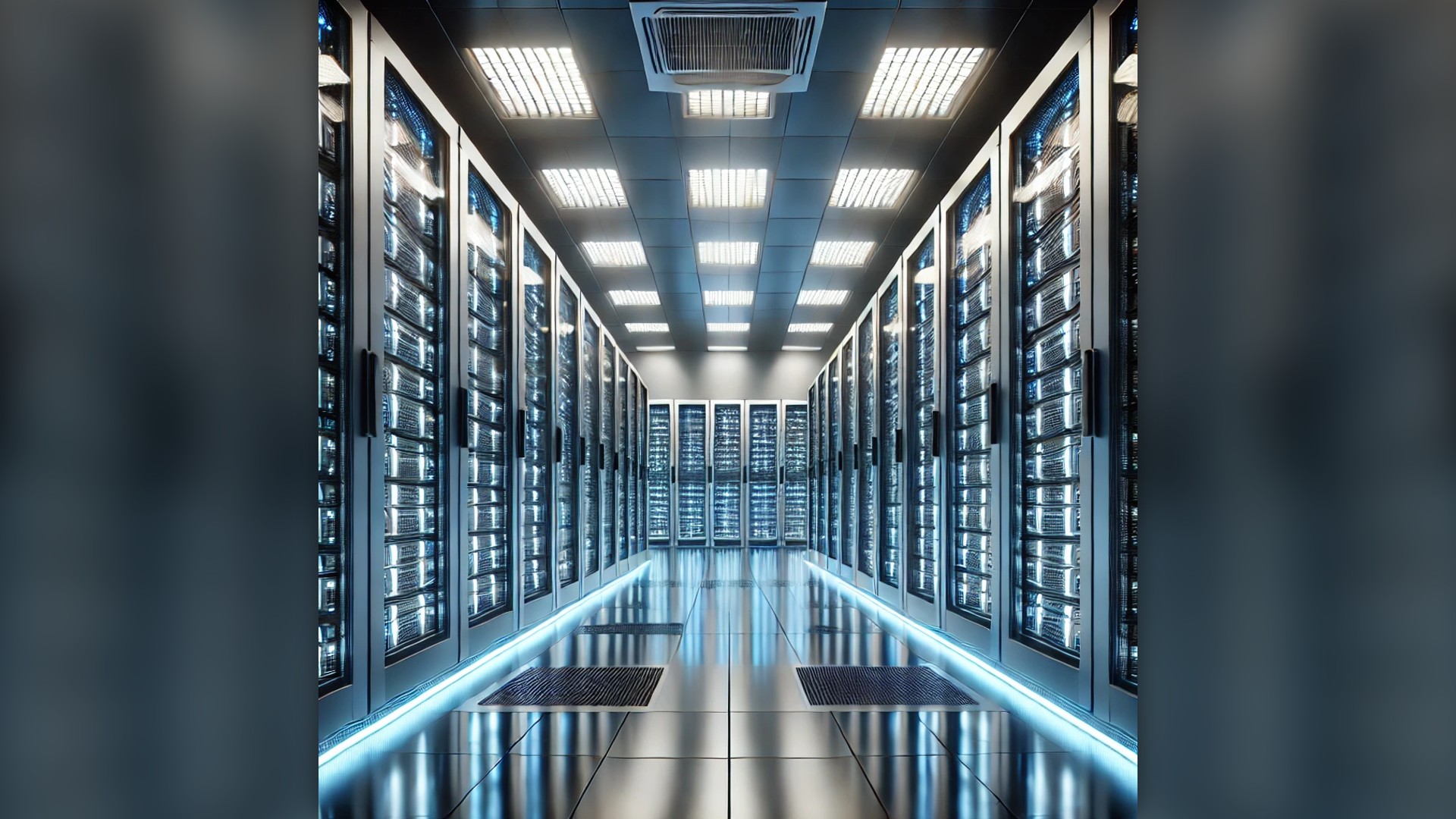
Data centers utilize hot aisle and cold aisle containment architectures. Powerful industrial computer room air handlers push chilled air through perforated raised floors into server front panels. Physical containment baffles prevent hot exhaust from recirculating, maximizing thermal cooling efficiency.
8. Evaporative Cooling Towers And Water Loss
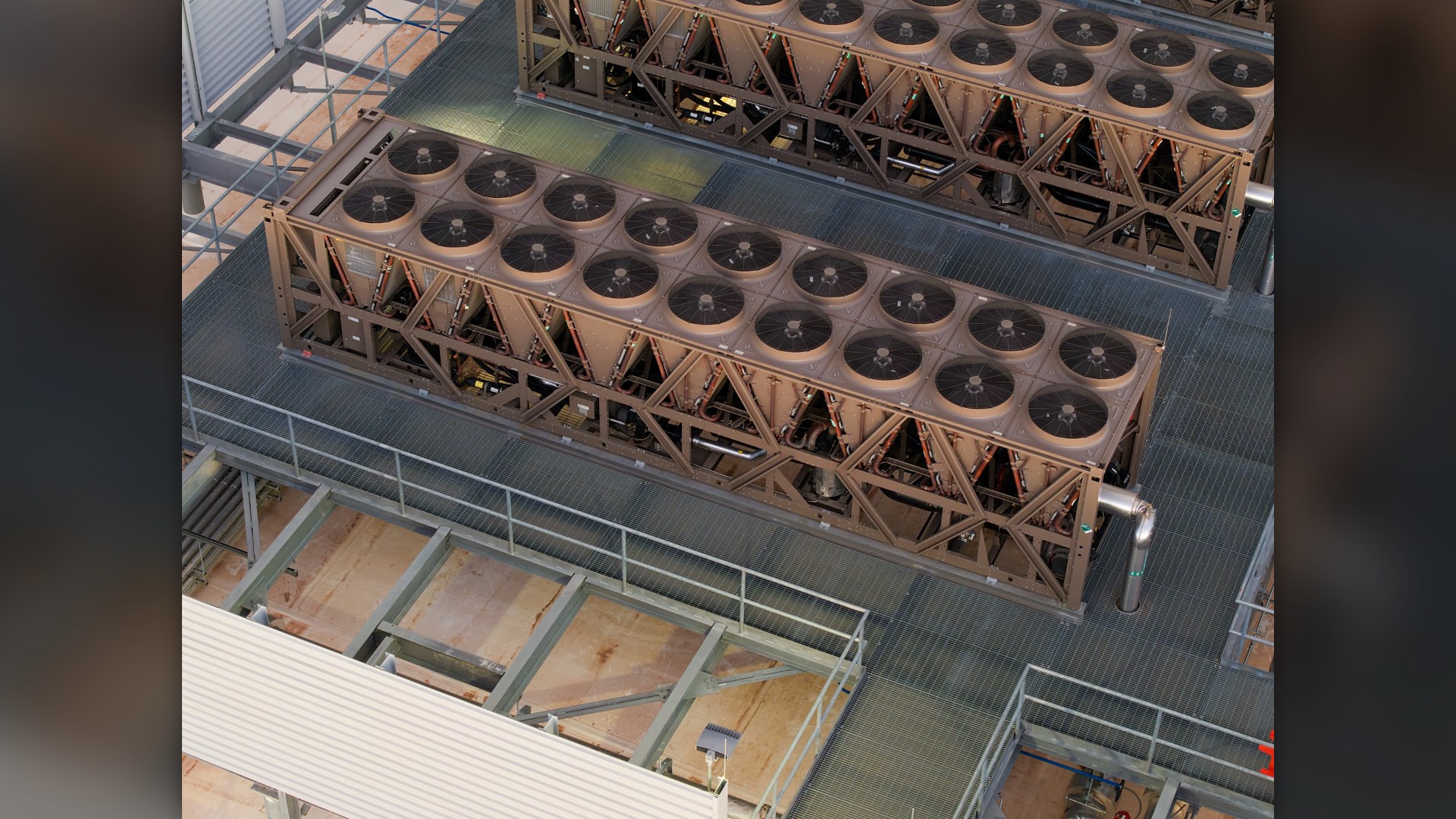
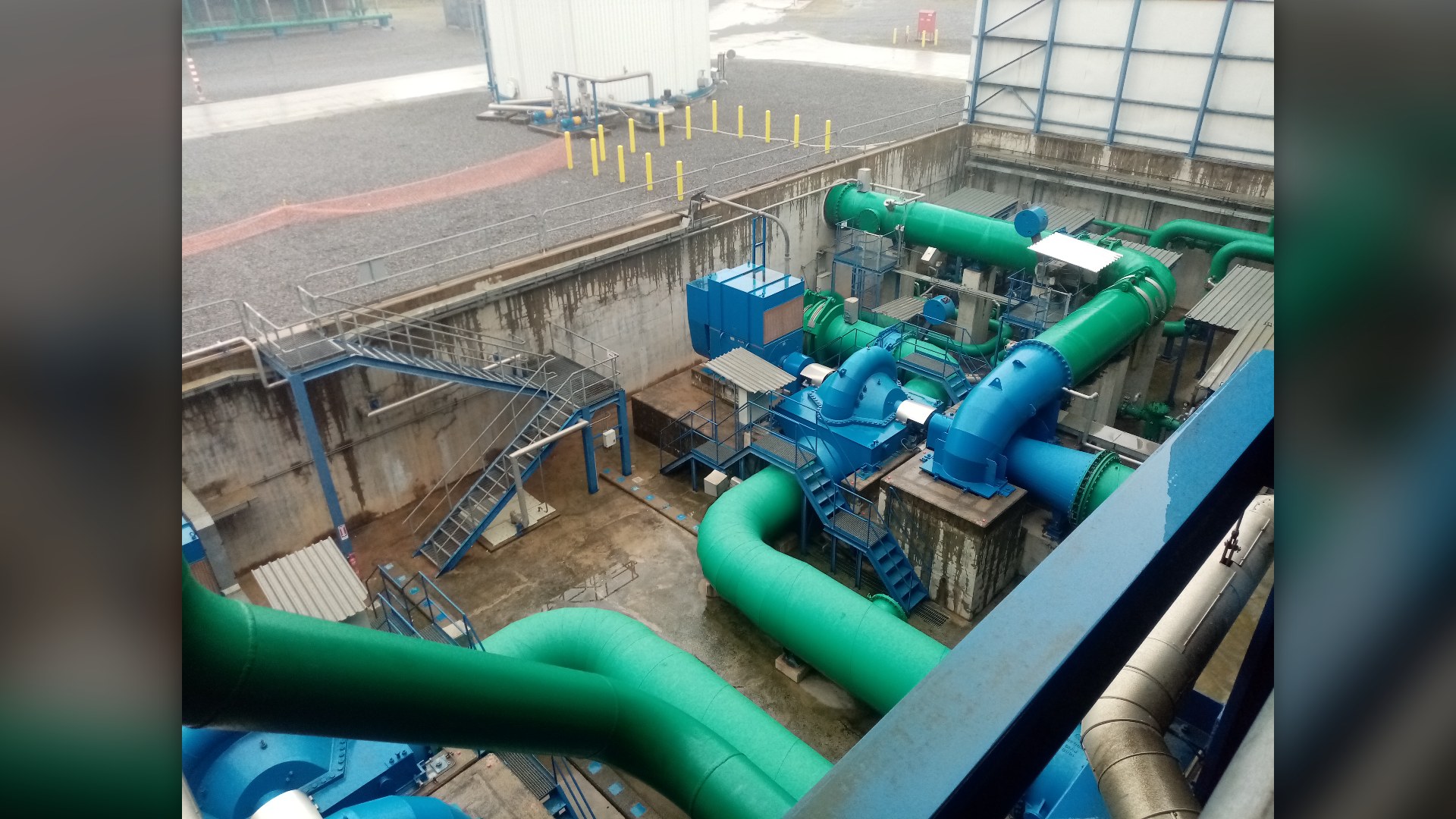
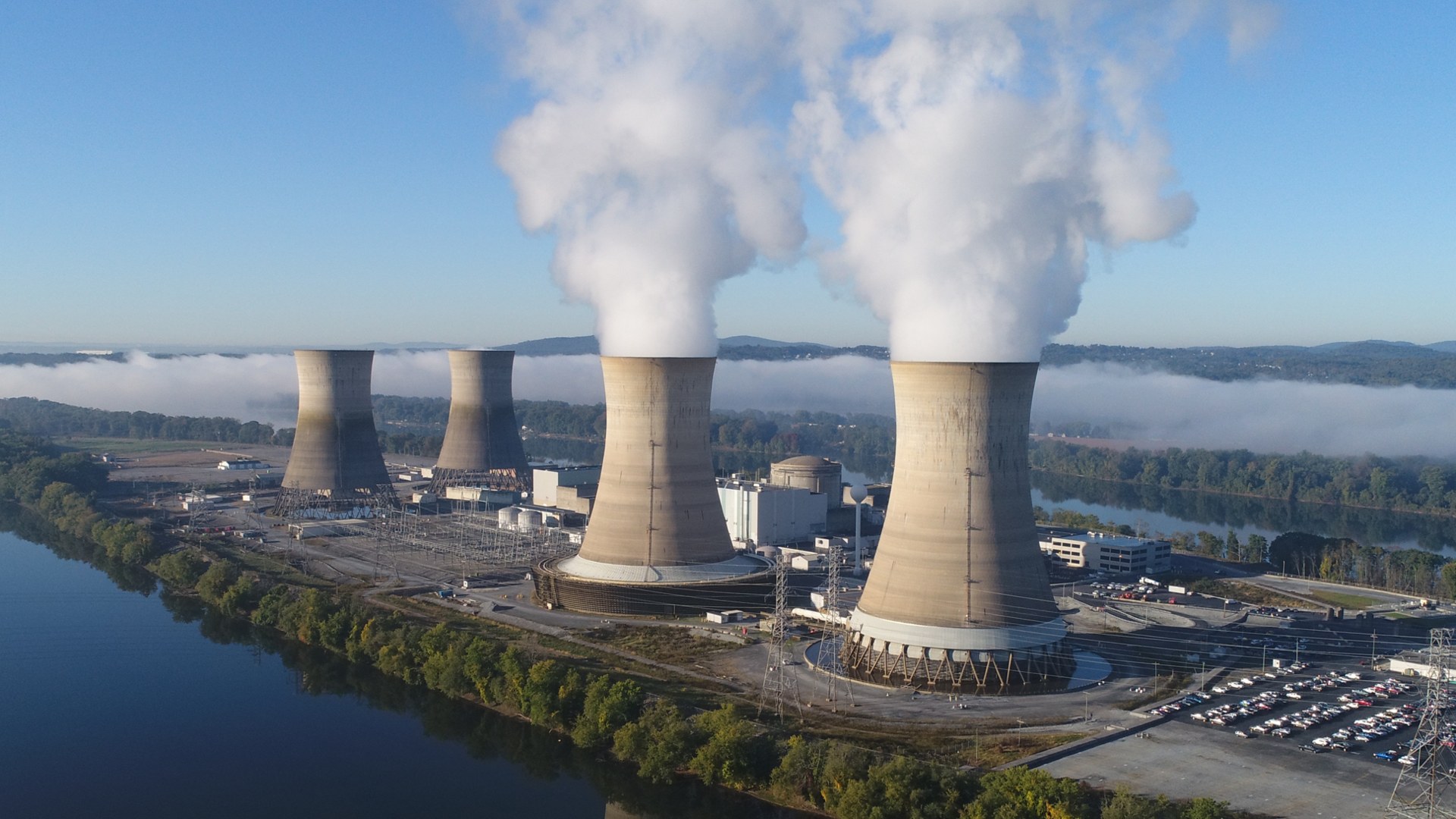
To avoid running energy-intensive mechanical chillers, many data centers rely on evaporative cooling. Water trickles over heat-exchanger media, evaporating into the atmosphere and carrying away heat. A large data center campus can consume several million gallons of potable water every single day.
7. Water Usage Effectiveness And Local Aquifers
Water Usage Effectiveness tracks the liters of water consumed per kilowatt-hour of computing. In arid regions like Arizona and Utah, massive data center water evaporation has raised alarm among local communities, prompting operators to invest in reclaimed wastewater recycling and air-cooled alternatives.
6. Direct To-Chip Liquid Cooling Loops
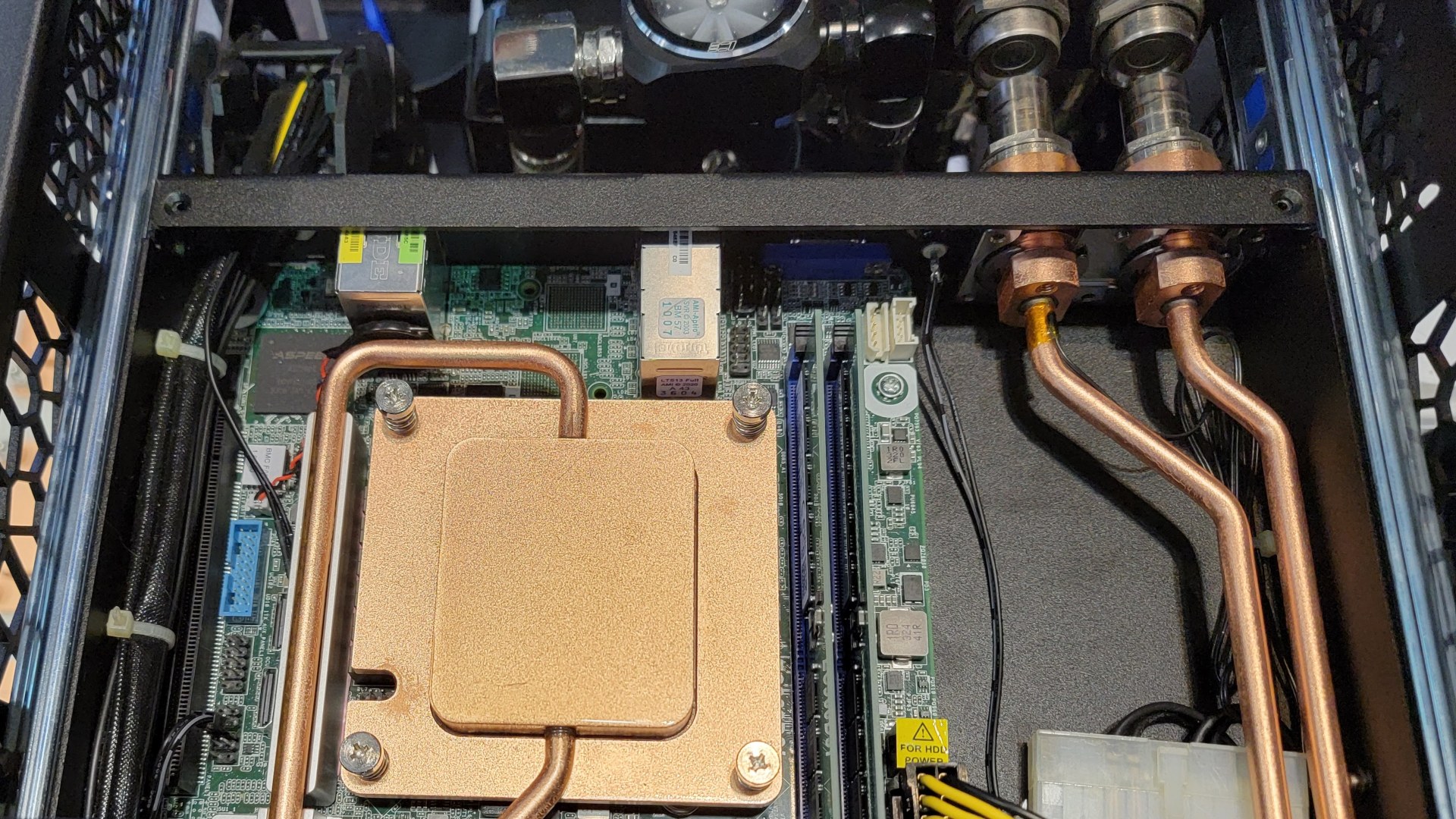
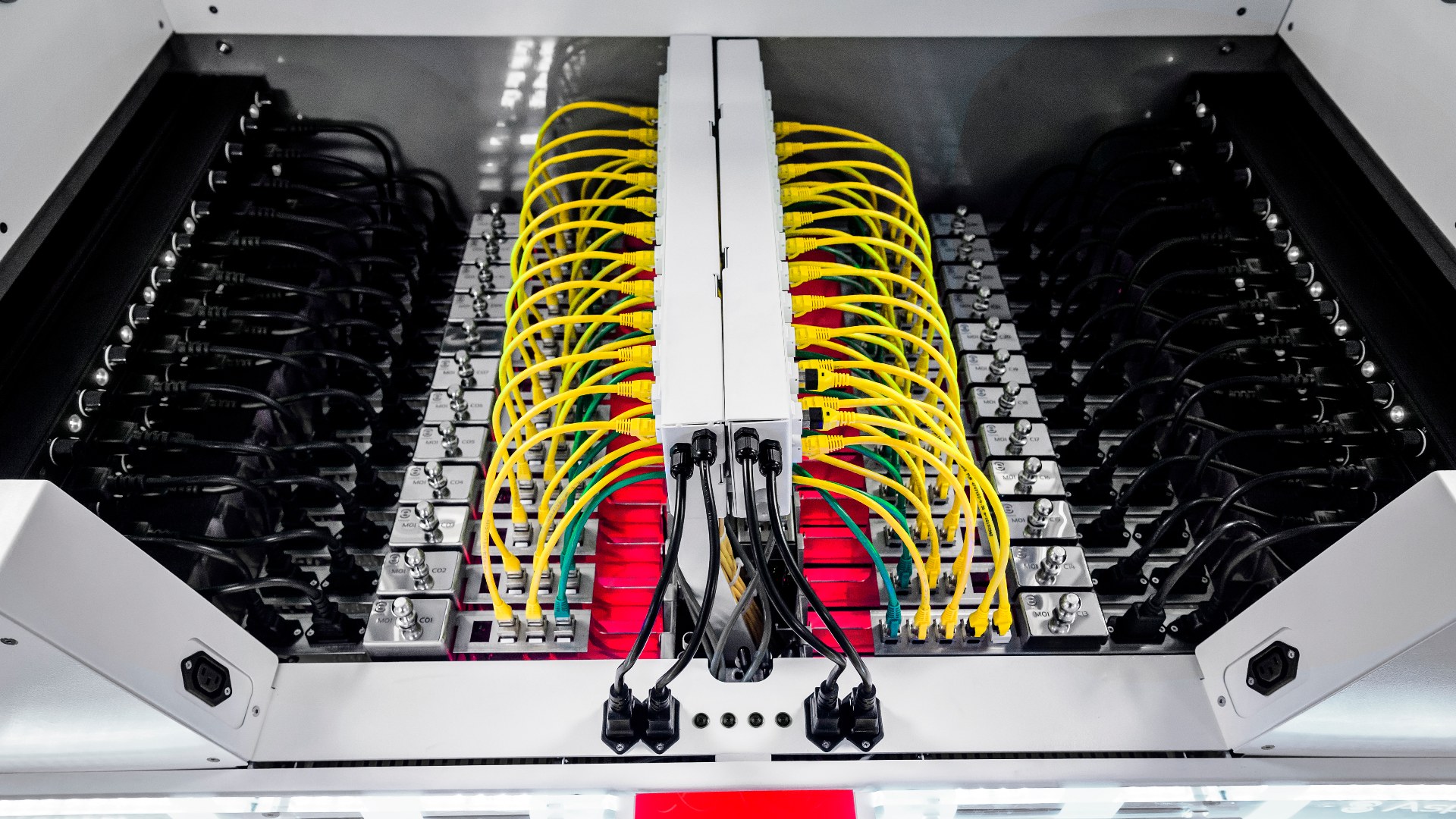
Because water conducts heat thousands of times more effectively than air, modern AI hardware relies on closed-loop liquid cooling. Sealed copper cold plates sit directly on top of GPU silicon, circulating chilled liquid that absorbs thermal energy before it can radiate into the surrounding room.
5. Two-Phase Immersion Cooling Systems
Cutting-edge installations submerge entire server blades in non-conductive dielectric fluid. As silicon components heat up, the engineered liquid boils into vapor, rises to a condenser coil, cools back into a liquid, and falls back into the bath in an ultra-efficient closed thermodynamic cycle.
4. Waste Heat Reuse For District Heating
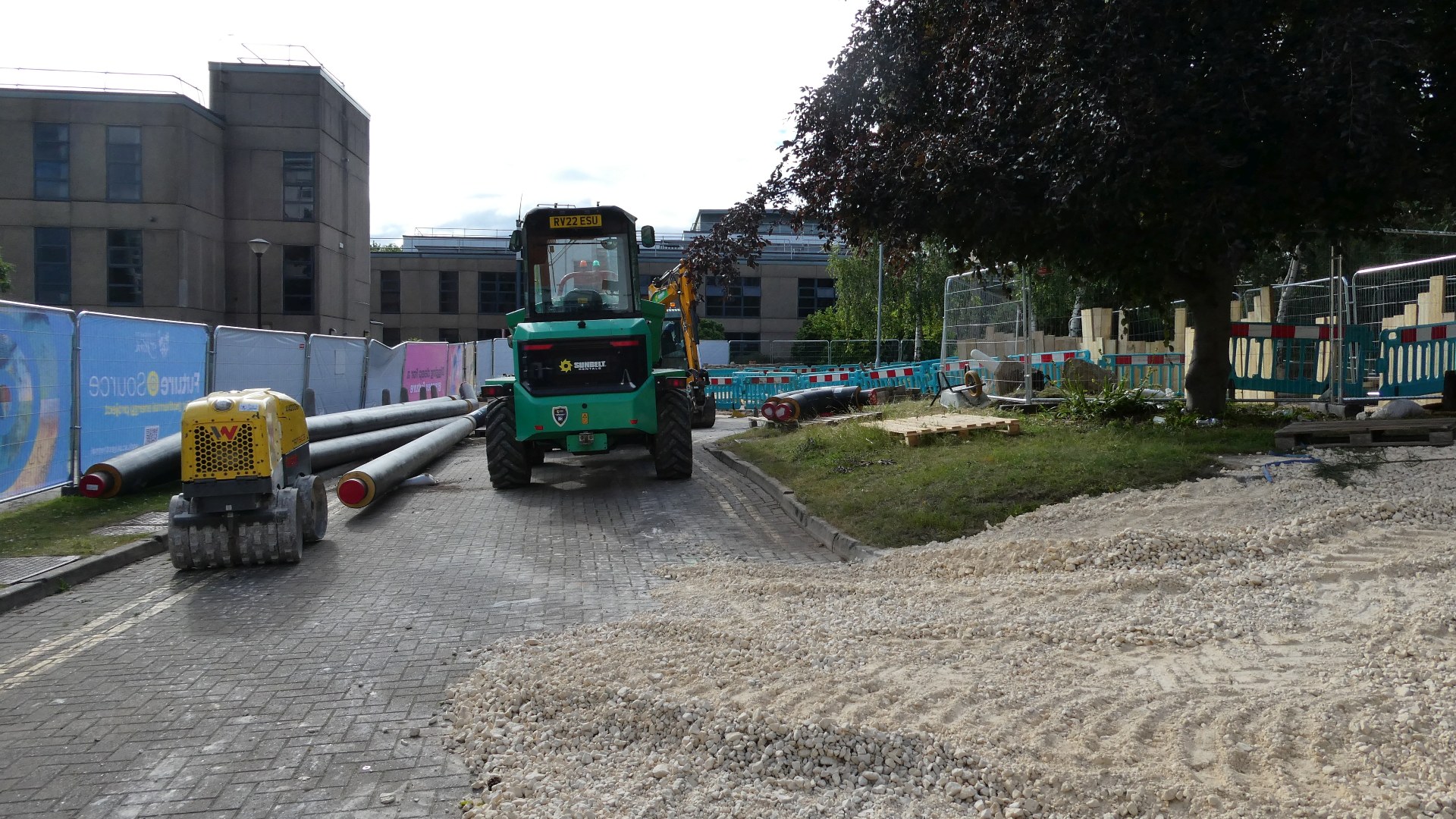
Rather than venting thermal energy into the atmosphere, innovative European and Nordic data centers capture hot exhaust water. Heat pumps elevate temperatures before circulating the hot water through municipal district heating networks, warming thousands of local apartments, hospitals, and greenhouses.
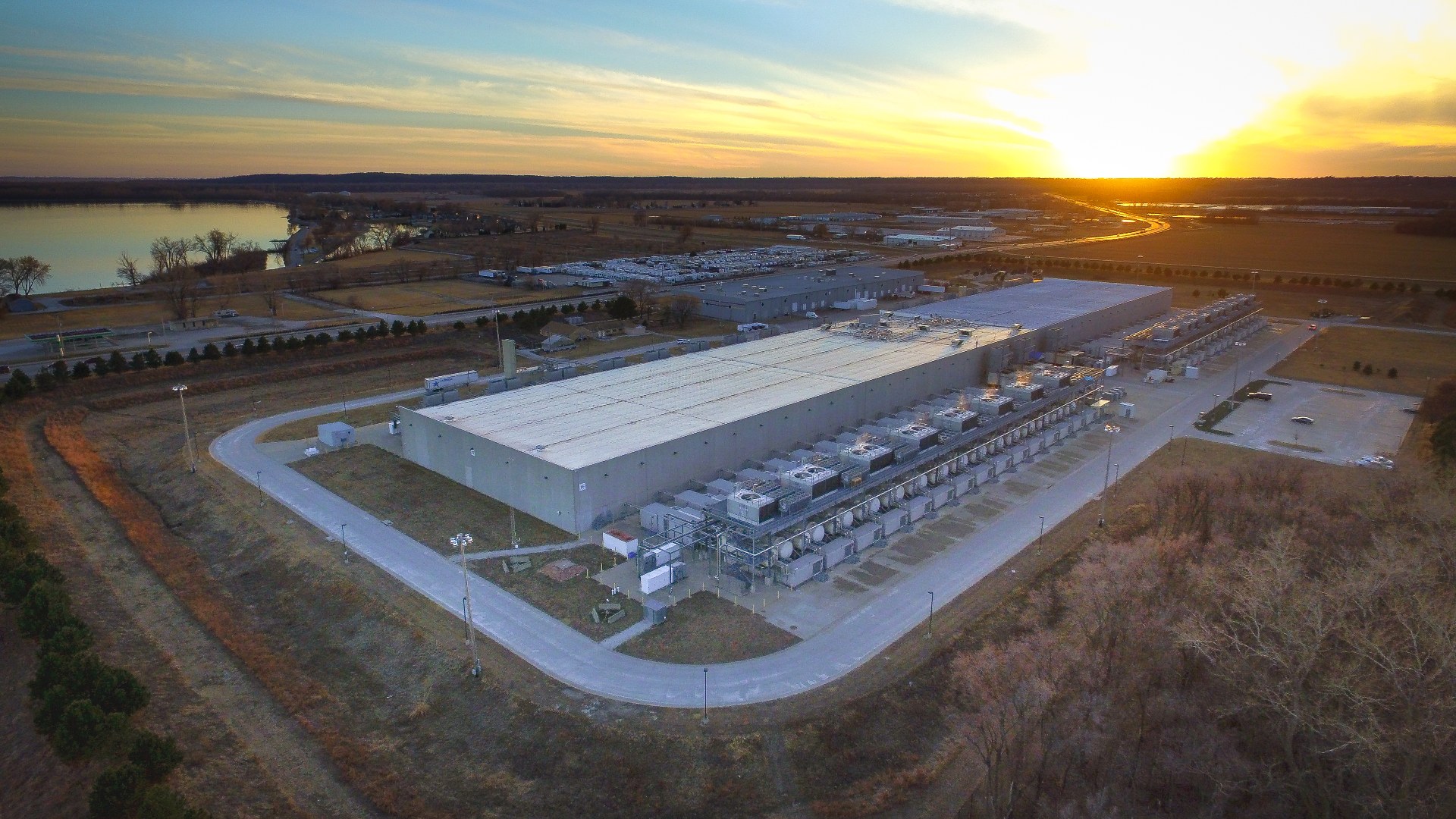
3. Hyperscale Campus Sprawl And Architecture
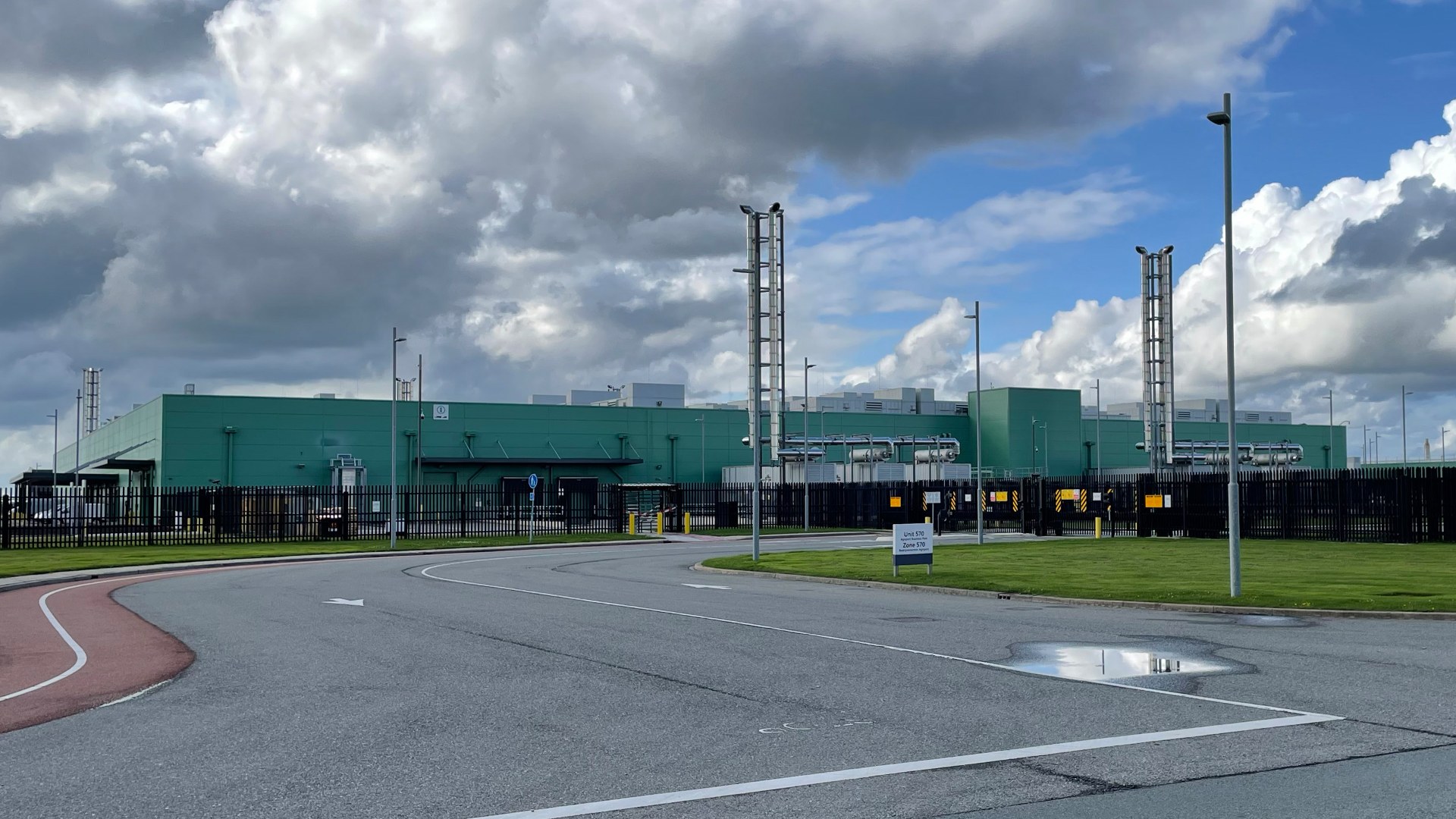
Major cloud providers build sprawling multi-building campuses known as hyperscale centers. Spanning millions of square feet, these massive industrial complexes require dedicated high-voltage utility substations, extensive water retention ponds, and direct access to major interstate fiber-optic trunks.
2. The Generative AI Computing Surge
Every search query powered by a large language model consumes up to ten times more electricity than a standard text search. With hundreds of millions of daily users generating images, code, and text, global data center energy demand is projected to double before the end of the decade.
1. The Race For Dedicated Clean Megawatts
To satisfy climate pledges while feeding power-hungry computing clusters, technology companies have become the world's largest corporate clean energy buyers. Hyperscalers are contracting directly for new nuclear reactors, deep geothermal wells, and grid batteries to secure 24/7 carbon-free electricity.