Slideshow · Science
This is Why We All Park Our Cars Incorrectly: 20 Smart Parking Hacks
Most drivers waste time circling crowded lots or risk costly curb rash because nobody taught them the geometry of parking. These 20 practical parking hacks make parallel spots, tight garages, and street parking effortless.
By Most Viral Today
3 Nov 2026

This is Why We All Park Our Cars Incorrectly: 20 Smart Parking Hacks 
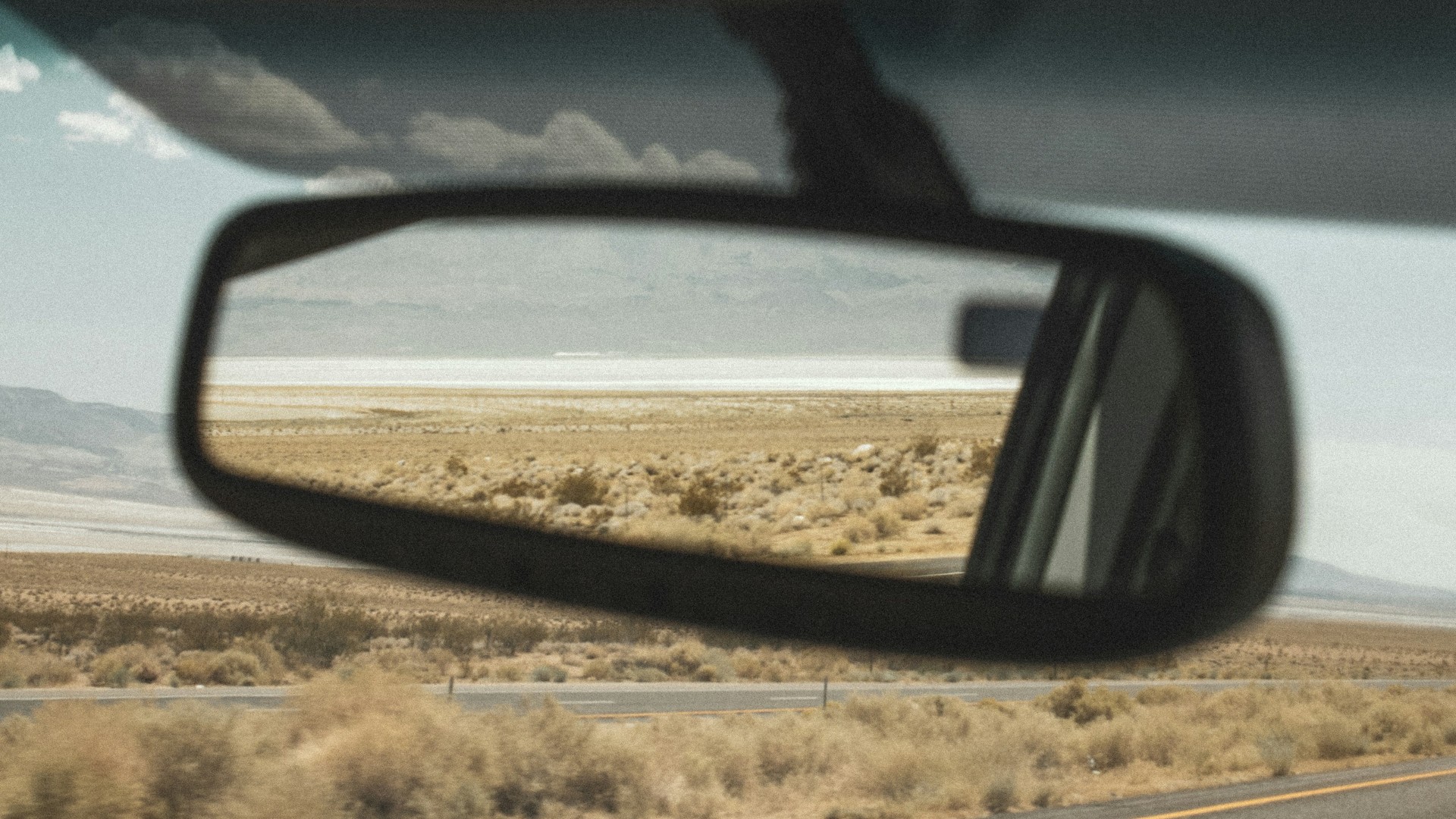
20. The Side-Mirror Alignment 
19. The 45-Degree Parallel Rule 
18. Backing Into Perpendicular Spots - AdvertisementSwipe or tap ▶ to continue countdown

17. The Shoulder-Line Alignment 
16. The Passenger Mirror Tilt 
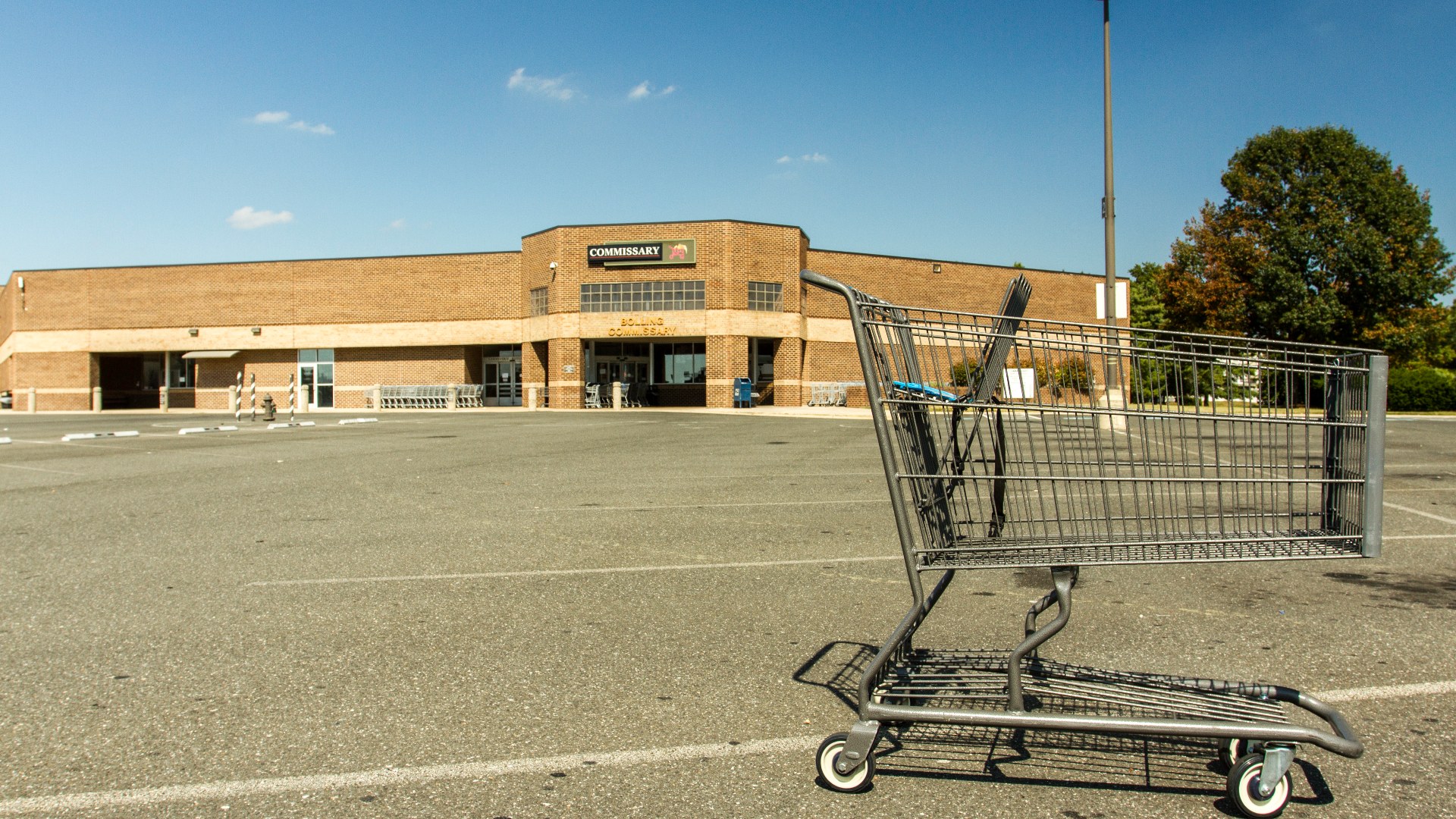
15. The Shopping Cart Corral Strategy 
14. The Driver-Side Door Rule - AdvertisementSwipe or tap ▶ to continue countdown

13. Following Returning Pedestrians 
12. Driving Straight To The Roof 
11. Turning Left Upon Entry 
10. The Concrete Pillar Shield - AdvertisementSwipe or tap ▶ to continue countdown

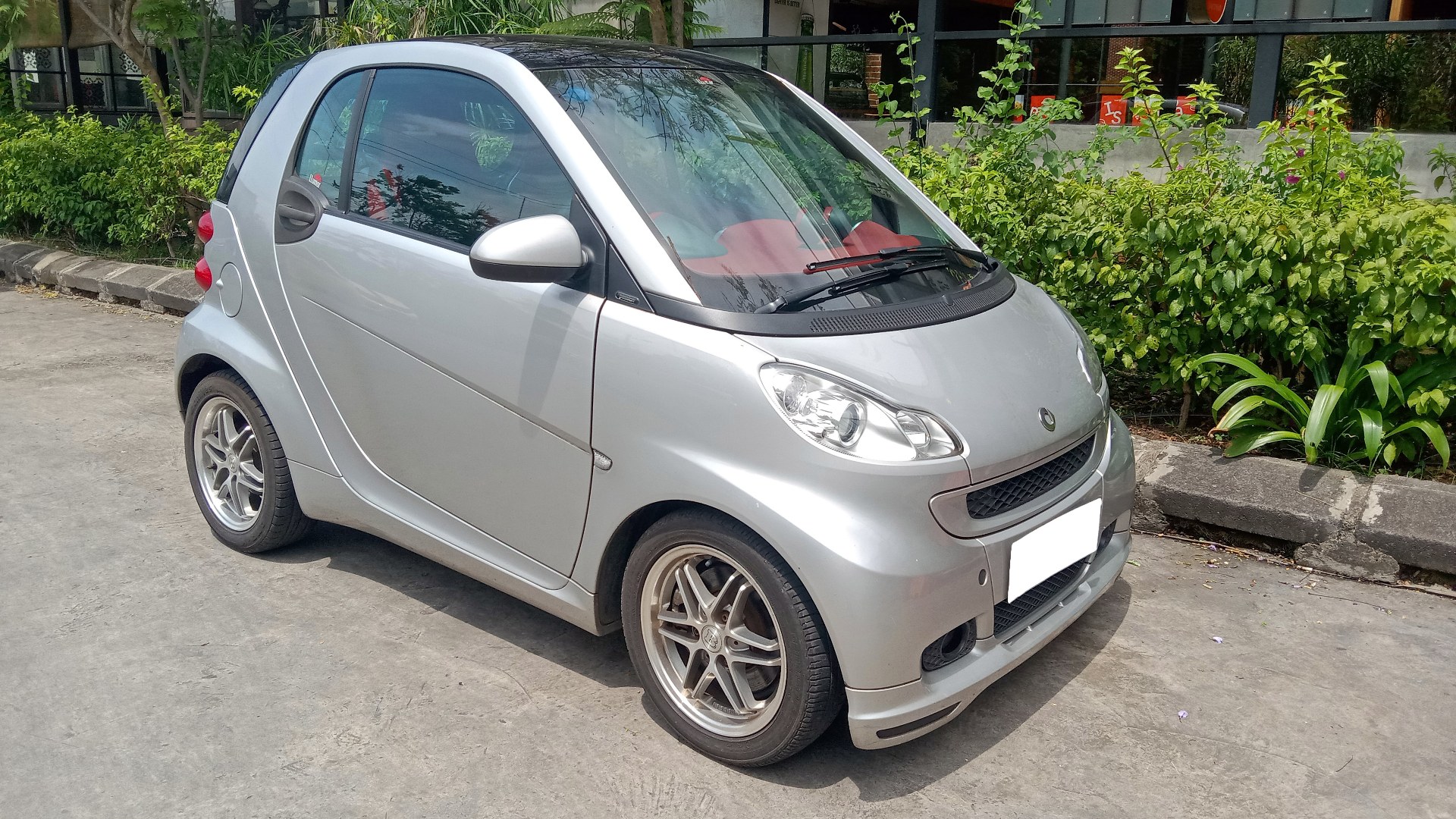
9. Avoiding Two-Door Coupes 
8. Hugging End-Of-Row Curbs 
7. Turning Wheels On A Steep Hill 
6. Dropping A Map Pin Instantly - AdvertisementSwipe or tap ▶ to continue countdown

5. Taking A Landmark Photo 
4. Automatic Bluetooth Location Tracking 
3. Checking Next-Day Street Signs 
2. Setting A Parking App Alarm - AdvertisementSwipe or tap ▶ to continue countdown

1. Hanging A Garage Tennis Ball - Advertisement🔥 UP NEXT IN THIS SERIES◫ 26 Slides

25 Groundbreaking American Inventions and Achievements Ranked
From Kitty Hawk and the Apollo 11 lunar landing to the transistor and the internet, American inventors and scientists have transformed global civilization. Sourced from the Smithsonian Institution, NASA archives, and the Library of Congress, here are twenty-five groundbreaking American milestones ranked.
Most drivers waste time circling crowded lots or risk costly curb rash because nobody taught them the geometry of parking. These 20 practical parking hacks make parallel spots, tight garages, and street parking effortless.
Swipe or tap ▶ to begin the countdown
©Wikimedia / Marek Slusarczyk & Wikimedia / IFCAR
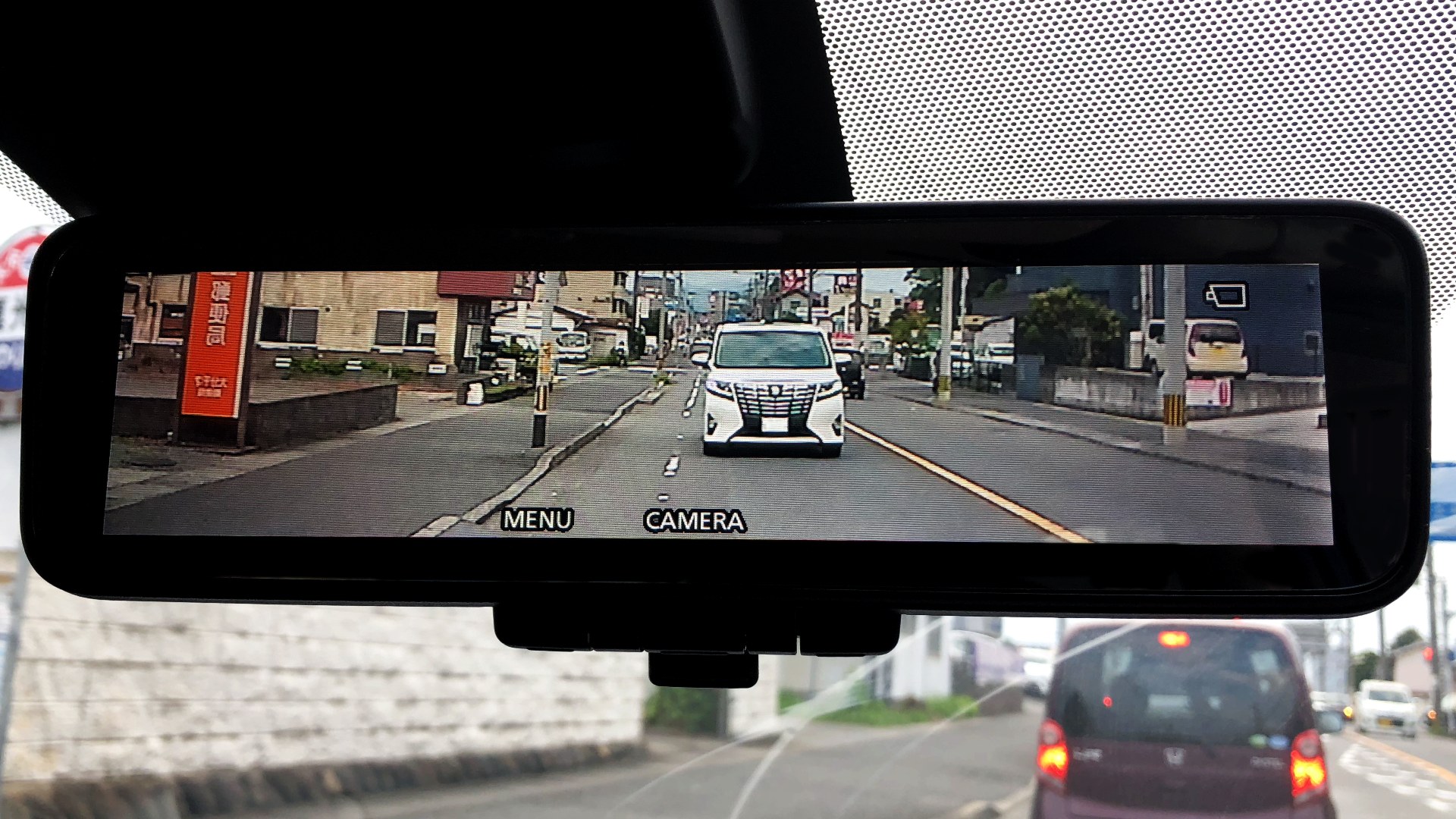
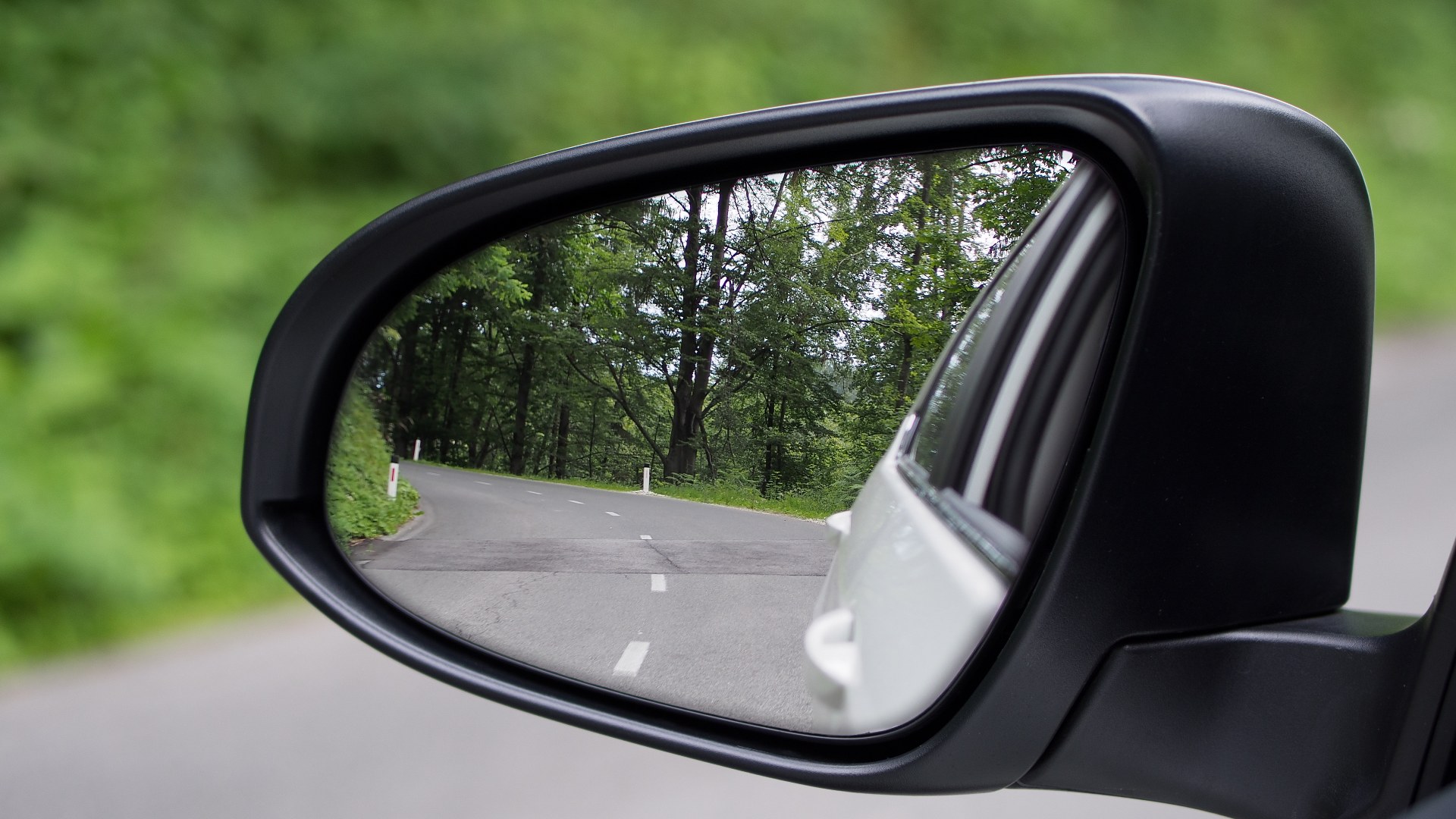
20. The Side-Mirror Alignment
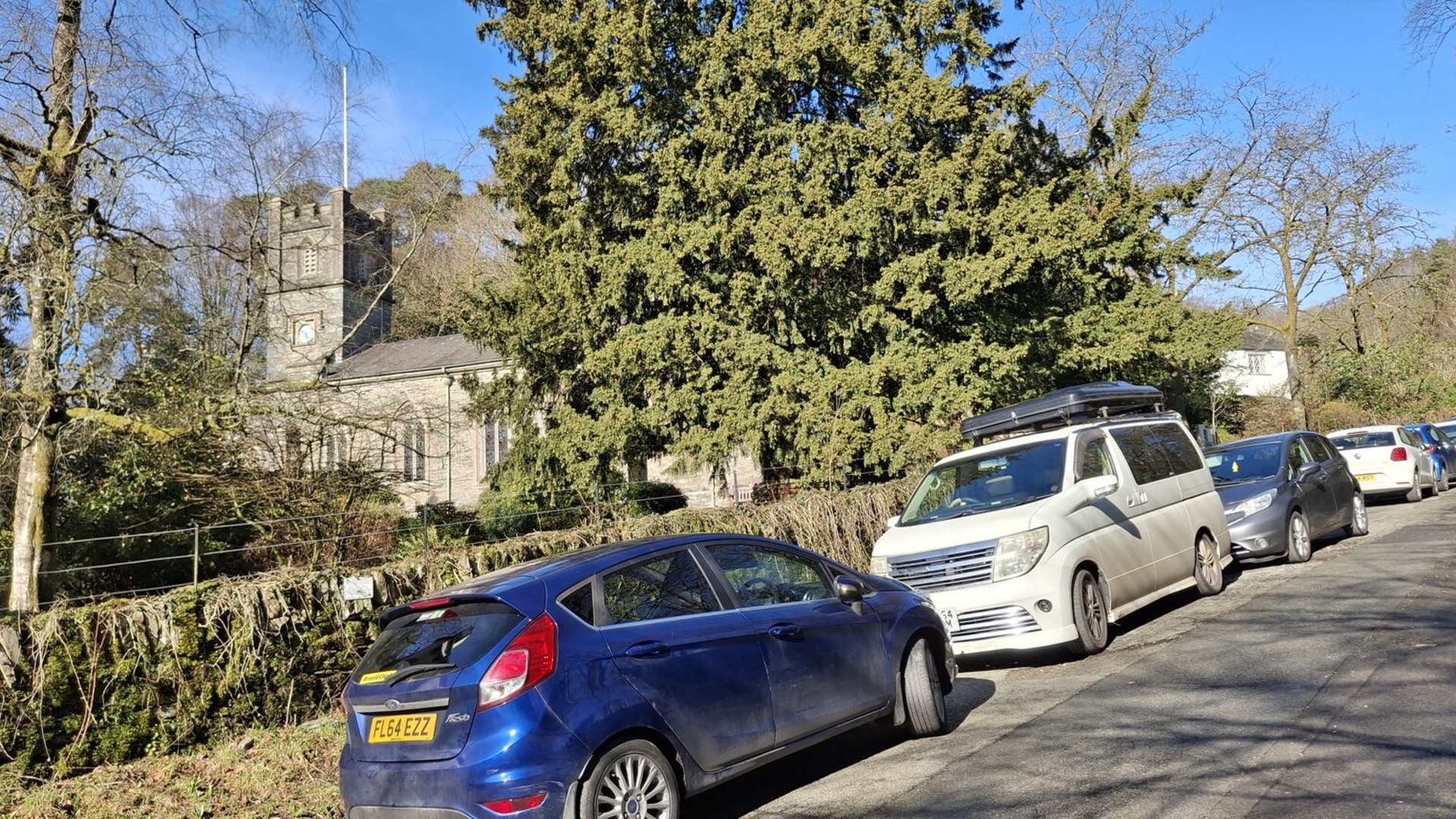
Starting too far forward or backward throws off your entire parallel parking arc. Matching side mirrors with the parked vehicle beside you sets the exact starting point every time.
©Wikimedia / Side-view mirror
19. The 45-Degree Parallel Rule
Wait until your vehicle is angled at roughly 45 degrees into the space and your front seat passes the lead car's rear bumper before cutting the steering wheel back.
18. Backing Into Perpendicular Spots
Because your front wheels steer the vehicle, backing into a narrow bay lets the car pivot cleanly into place while giving you a wide, unobstructed view of traffic and pedestrians when leaving.
©Wikimedia / Project Kei
Advertisement
Swipe or tap ▶ to resume the countdown.
17. The Shoulder-Line Alignment
Turning too early clips the inside corner of the stall. Waiting until your shoulder lines up with the first painted stripe swings the front end cleanly into the center of the space.
©Wikimedia / Matti Blume
16. The Passenger Mirror Tilt
Angling the passenger mirror downward lets you see the exact gap between your rear alloy rim and the concrete curb, taking all the guesswork out of tight street parking.
15. The Shopping Cart Corral Strategy
You will pull into an open space immediately instead of idling behind slow traffic, and parking near a cart return corral makes unloading groceries effortless.
©DVIDS / Air Force photo by Jim Remington
14. The Driver-Side Door Rule
Every parked car is guaranteed to have a driver, and drivers open their own doors far more carefully than distracted passengers or children climbing out of back seats.
©Wikimedia / MoCars
Advertisement
Swipe or tap ▶ to resume the countdown.
13. Following Returning Pedestrians
Instead of racing down random aisles hoping to spot an empty bay, wait near the elevator or stairwell entrance and trail a departing driver right to their space.
©Pixabay / ronifinch
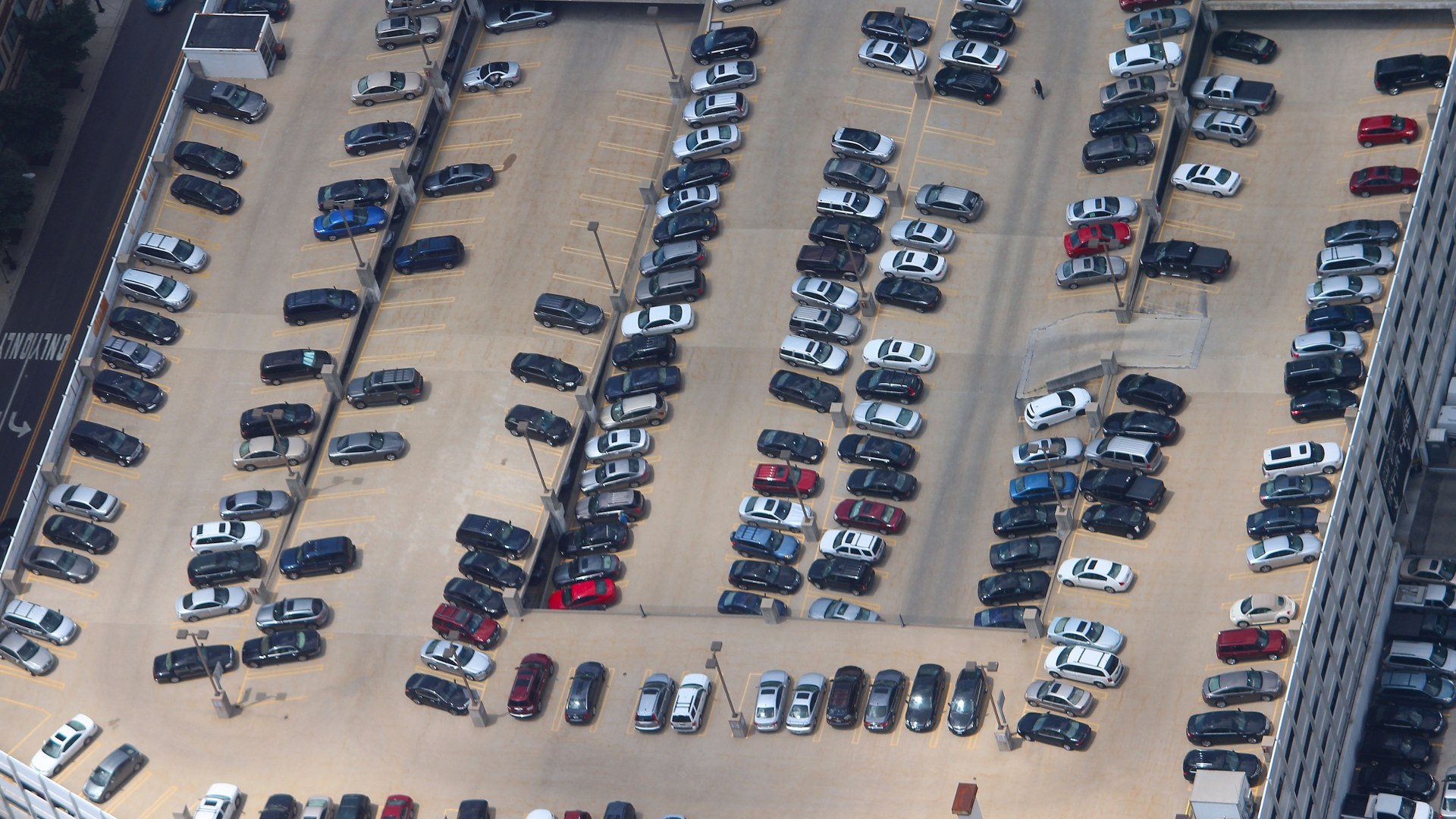
12. Driving Straight To The Roof
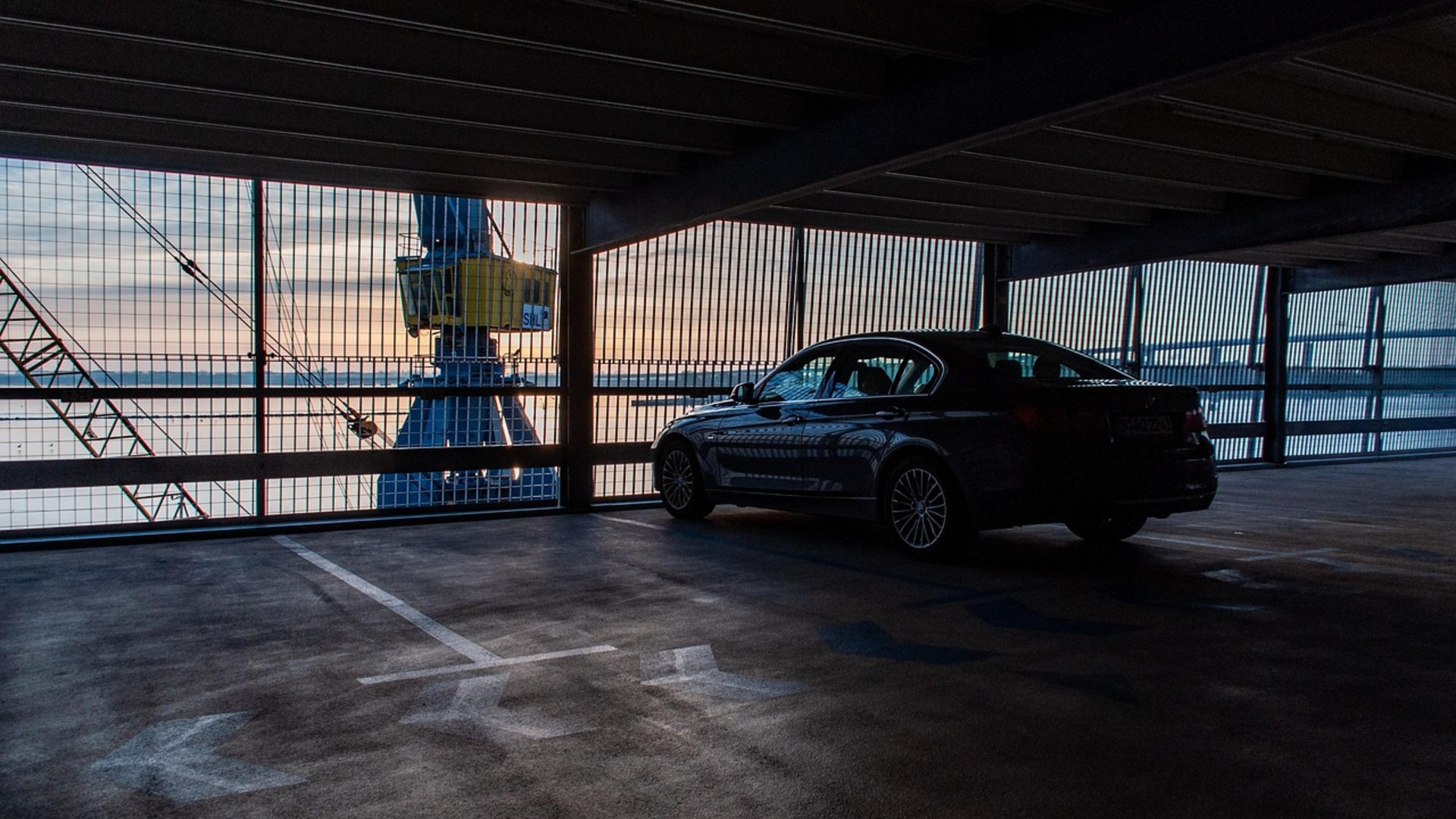
Most drivers stop on the lower levels and create bottlenecks. Heading directly to the roof or second-to-last floor almost always guarantees wide-open rows near the elevator.
©Wikimedia / Marek Slusarczyk
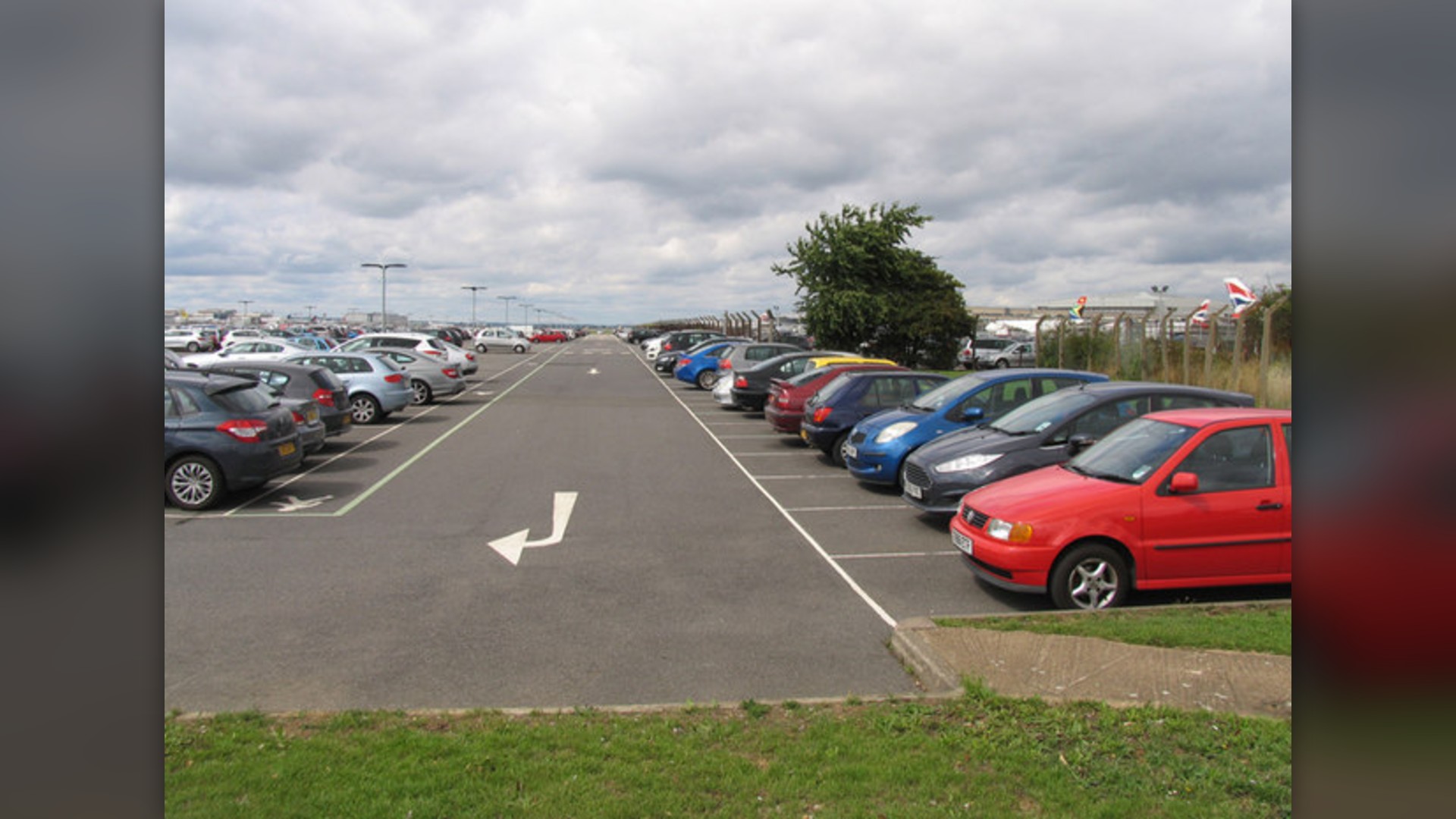
11. Turning Left Upon Entry
Traffic psychology shows most drivers instinctively turn right as soon as they enter a parking lot. Turning left immediately puts you in less competitive aisles.
©Wikimedia / Andrew Tatlow
10. The Concrete Pillar Shield
A concrete column will never swing open and dent your paint. Pulling close to the pillar eliminates door dings on one side while giving your neighbor extra room on the other.
©Unsplash / Claudio Schwarz
Advertisement
Swipe or tap ▶ to resume the countdown.
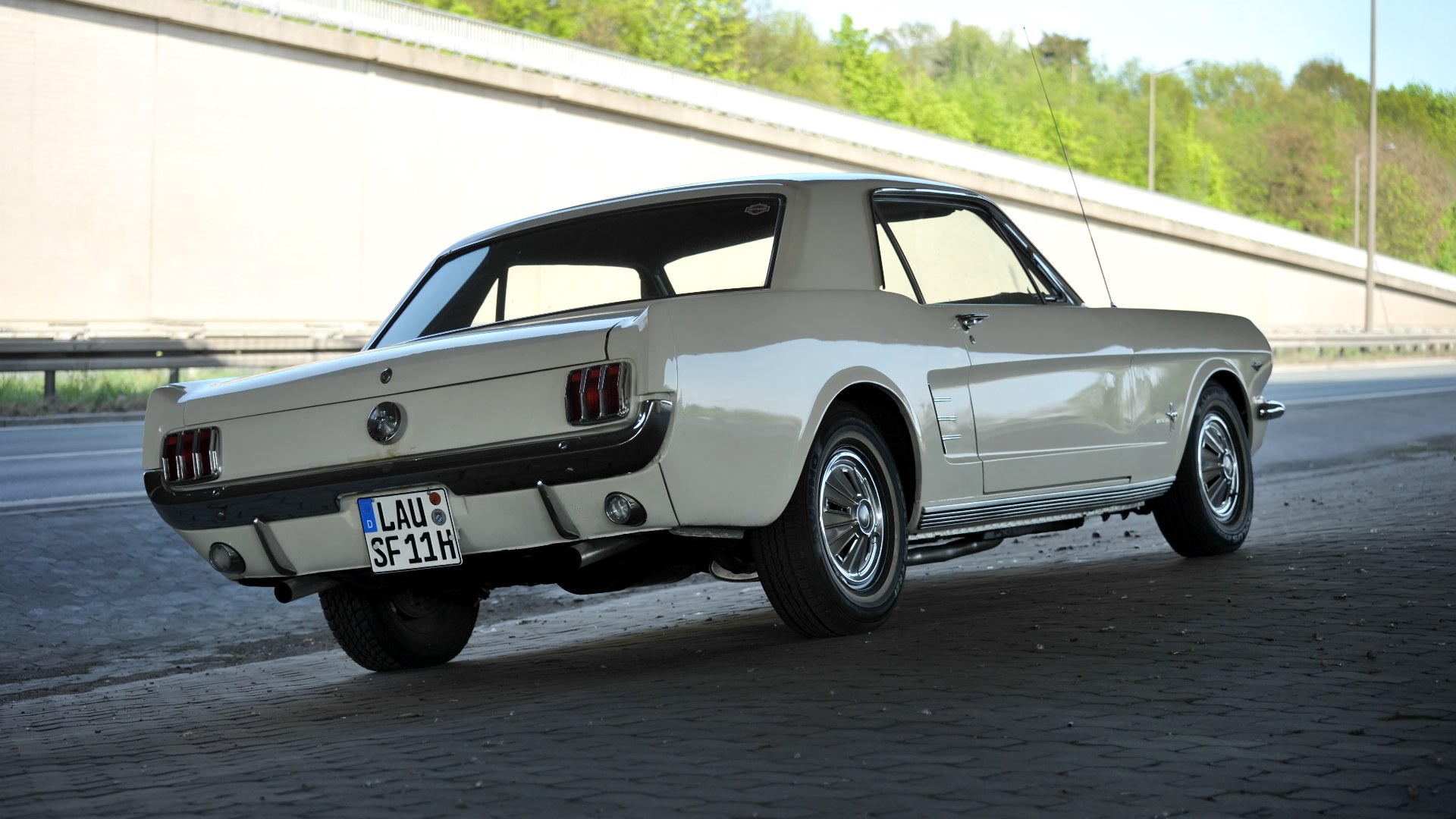
9. Avoiding Two-Door Coupes
Coupe doors are significantly longer than four-door sedan doors so rear passengers can climb in. In tight bays, that extra door length dramatically increases the risk of dings.
©Wikimedia / Hans-Jurgen Neubert
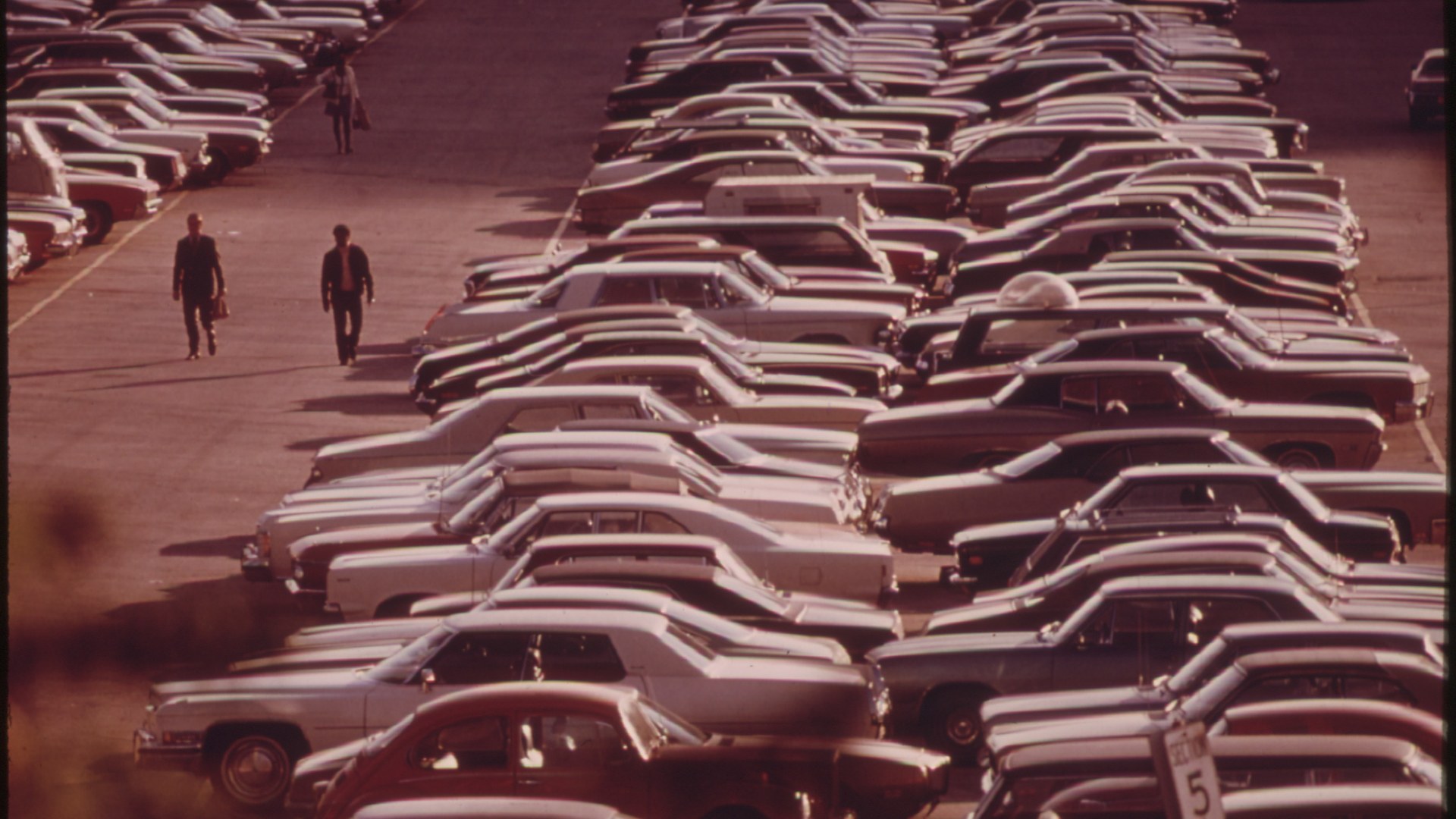
8. Hugging End-Of-Row Curbs
End stalls cut your exposure to neighboring vehicles in half. Positioning your tires close to the outer landscaped island leaves a generous cushion on the open side.
©Wikimedia / John H. White
7. Turning Wheels On A Steep Hill
Angling your tires properly ensures that if your parking brake ever slips on an incline, the front wheel will roll gently into the curb and wedge the car in place.
©Wikimedia / Gordon Brown
6. Dropping A Map Pin Instantly
Streets in unfamiliar neighborhoods look identical after dark. Dropping a GPS pin before you step out of the car saves you from wandering blocks in the wrong direction later.
©Wikimedia / Qurren
Advertisement
Swipe or tap ▶ to resume the countdown.
5. Taking A Landmark Photo
In sprawling airport or stadium garages, a wide photo showing the floor color, pillar number, and nearest stairwell door is far easier to follow than a text note.
©Pixabay / wal_172619
4. Automatic Bluetooth Location Tracking
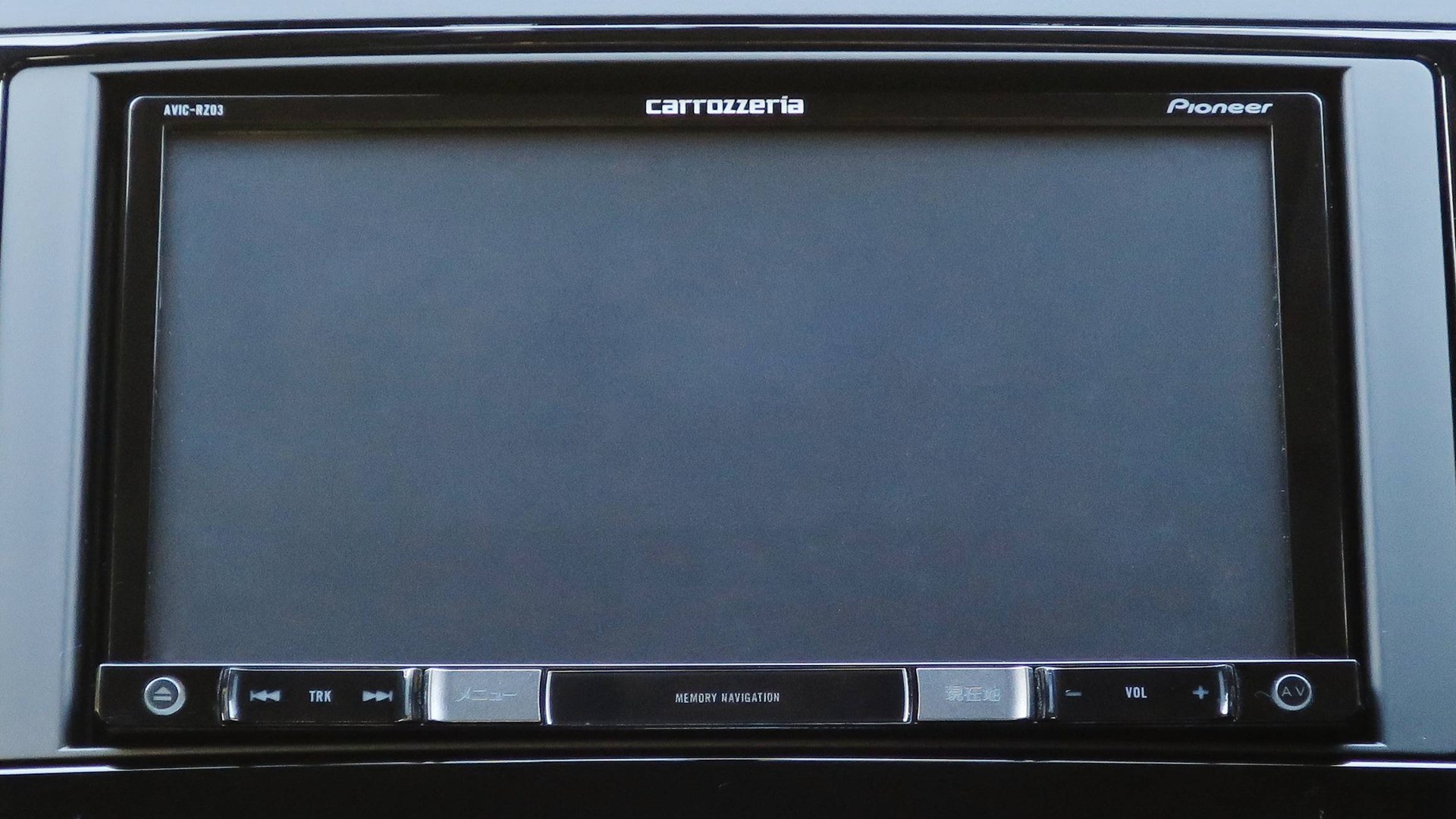
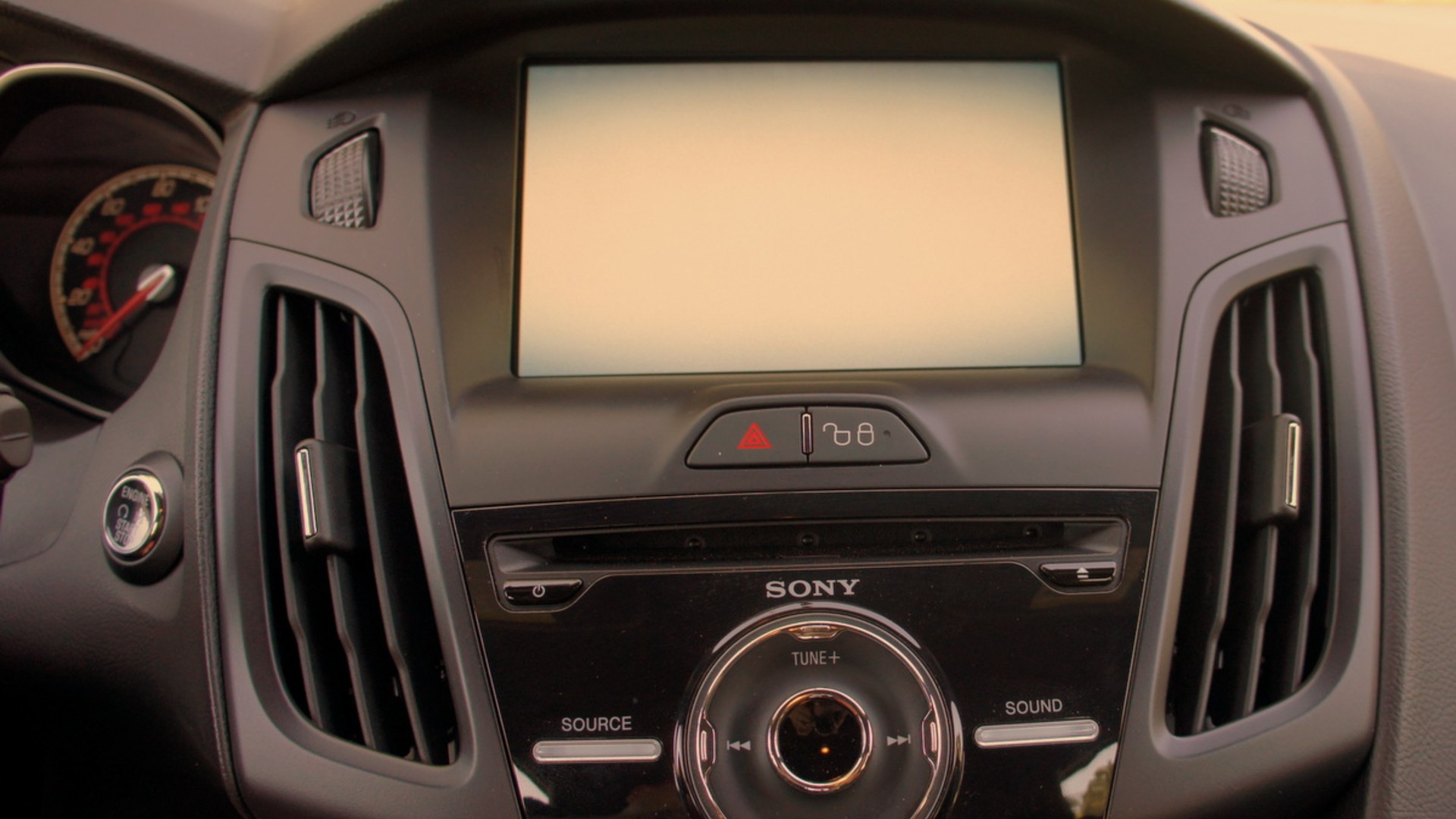
The moment your phone disconnects from your vehicle's Bluetooth audio system, your map app automatically drops a parked car marker without you touching the screen.
©Wikimedia / Michael Sheehan
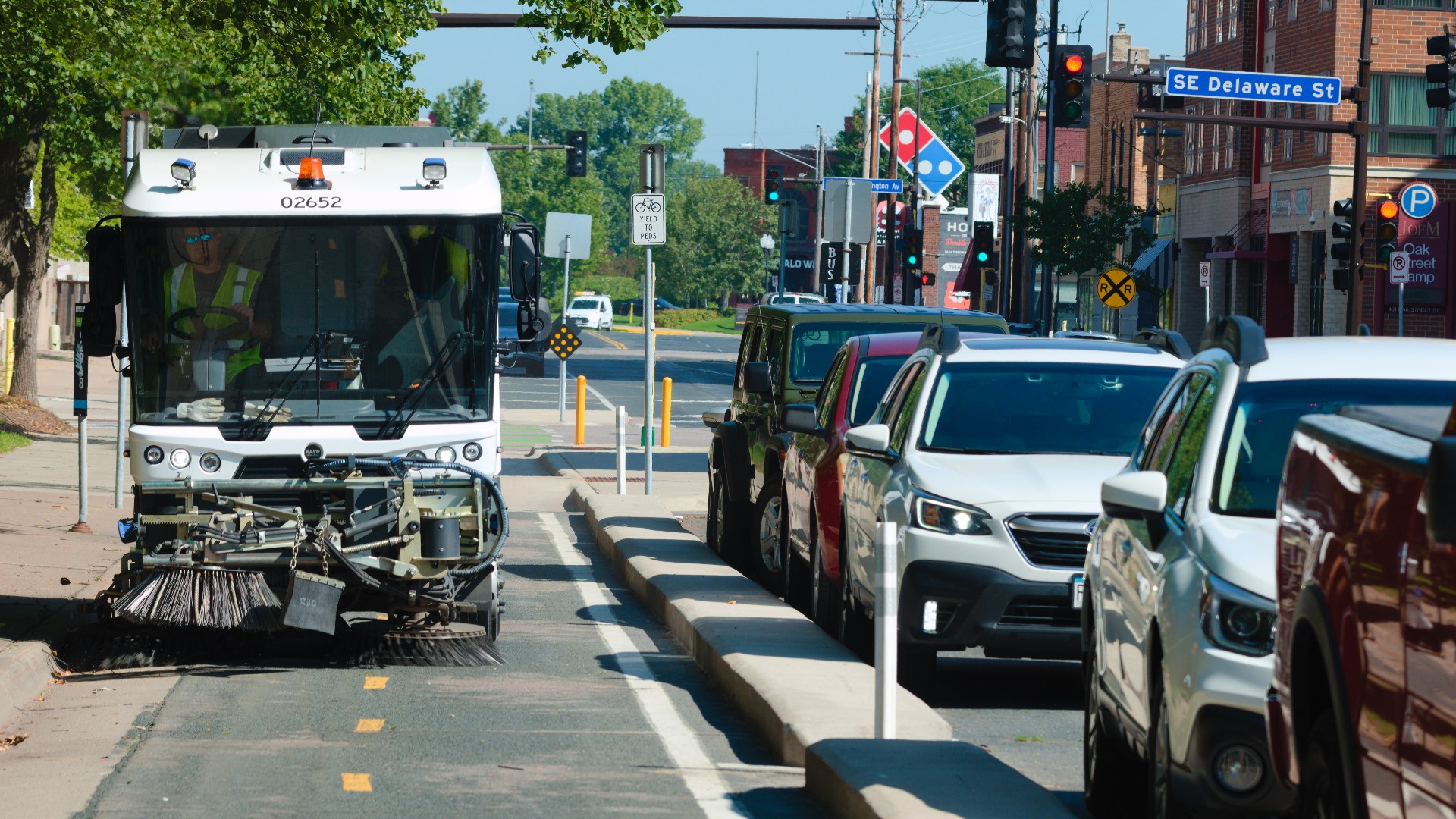
3. Checking Next-Day Street Signs
A curbside spot that is legal at night can turn into an expensive tow zone or street-sweeping lane at 7 a.m. Always check the sign ahead of where you pulled in.
©Wikimedia / Street sweeper
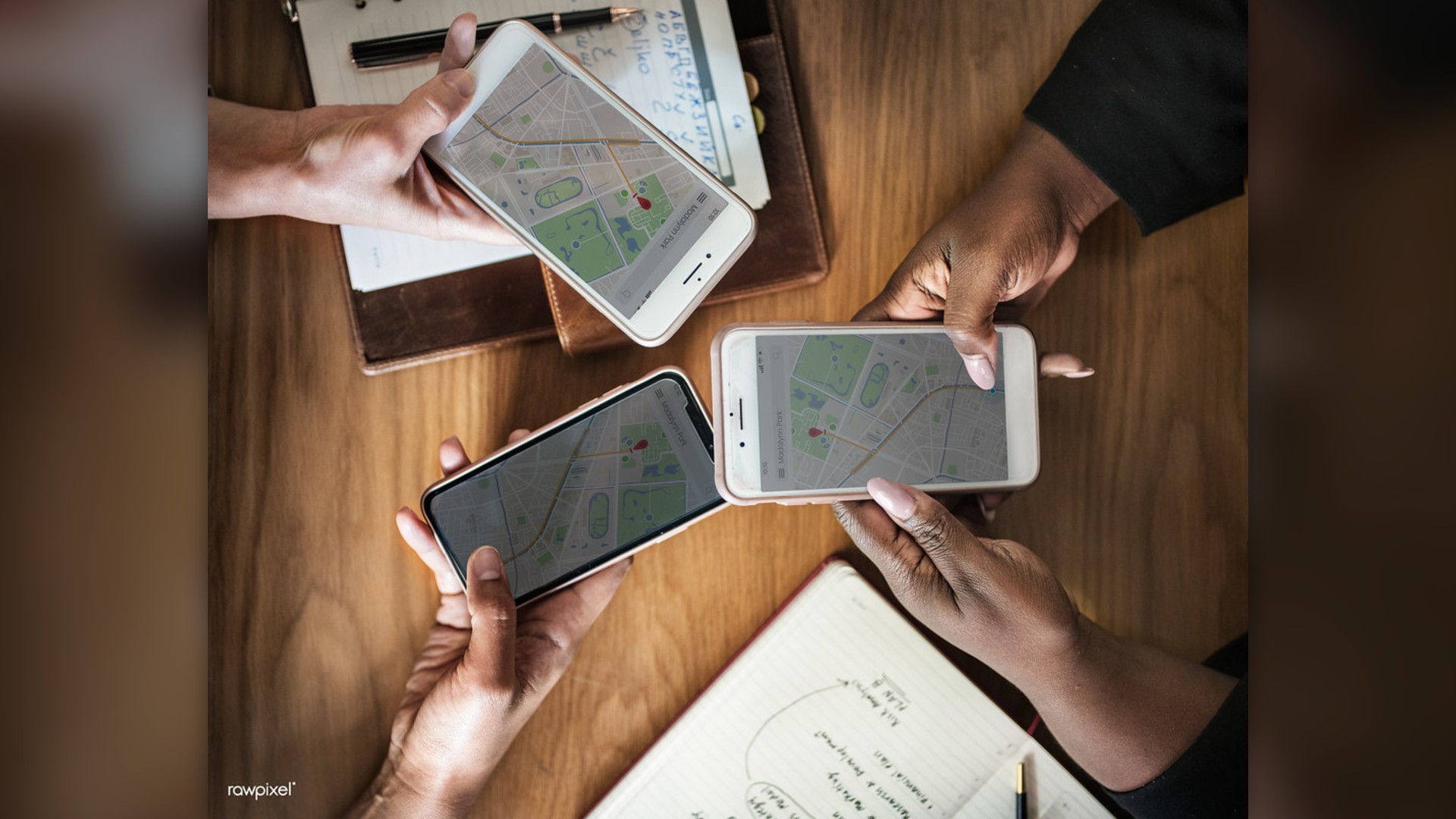
2. Setting A Parking App Alarm
Parking enforcement officers often ticket vehicles the minute a digital session lapses. A five-minute warning alarm lets you add time from your phone stress-free.
©Openverse / Rawpixel Ltd
Advertisement
Swipe or tap ▶ to resume the countdown.
1. Hanging A Garage Tennis Ball
Once calibrated, the suspended tennis ball touches your glass the moment your rear bumper clears the garage door and your front bumper is safely clear of storage shelves.

©Wikimedia / Tennis ball
Advertisement
You've reached the end of the story. Thanks for reading!

25 Groundbreaking American Inventions and Achievements Ranked
From Kitty Hawk and the Apollo 11 lunar landing to the transistor and the internet, American inventors and scientists have transformed global civilization. Sourced from the Smithsonian Institution, NASA archives, and the Library of Congress, here are twenty-five groundbreaking American milestones ranked.
All 20 Entries in this Story
1. The Side-Mirror Alignment
Starting too far forward or backward throws off your entire parallel parking arc. Matching side mirrors with the parked vehicle beside you sets the exact starting point every time.

2. The 45-Degree Parallel Rule
Wait until your vehicle is angled at roughly 45 degrees into the space and your front seat passes the lead car's rear bumper before cutting the steering wheel back.

3. Backing Into Perpendicular Spots
Because your front wheels steer the vehicle, backing into a narrow bay lets the car pivot cleanly into place while giving you a wide, unobstructed view of traffic and pedestrians when leaving.

4. The Shoulder-Line Alignment
Turning too early clips the inside corner of the stall. Waiting until your shoulder lines up with the first painted stripe swings the front end cleanly into the center of the space.

5. The Passenger Mirror Tilt
Angling the passenger mirror downward lets you see the exact gap between your rear alloy rim and the concrete curb, taking all the guesswork out of tight street parking.

6. The Shopping Cart Corral Strategy
You will pull into an open space immediately instead of idling behind slow traffic, and parking near a cart return corral makes unloading groceries effortless.

7. The Driver-Side Door Rule
Every parked car is guaranteed to have a driver, and drivers open their own doors far more carefully than distracted passengers or children climbing out of back seats.

8. Following Returning Pedestrians
Instead of racing down random aisles hoping to spot an empty bay, wait near the elevator or stairwell entrance and trail a departing driver right to their space.

9. Driving Straight To The Roof
Most drivers stop on the lower levels and create bottlenecks. Heading directly to the roof or second-to-last floor almost always guarantees wide-open rows near the elevator.

10. Turning Left Upon Entry
Traffic psychology shows most drivers instinctively turn right as soon as they enter a parking lot. Turning left immediately puts you in less competitive aisles.

11. The Concrete Pillar Shield
A concrete column will never swing open and dent your paint. Pulling close to the pillar eliminates door dings on one side while giving your neighbor extra room on the other.

12. Avoiding Two-Door Coupes
Coupe doors are significantly longer than four-door sedan doors so rear passengers can climb in. In tight bays, that extra door length dramatically increases the risk of dings.

13. Hugging End-Of-Row Curbs
End stalls cut your exposure to neighboring vehicles in half. Positioning your tires close to the outer landscaped island leaves a generous cushion on the open side.

14. Turning Wheels On A Steep Hill
Angling your tires properly ensures that if your parking brake ever slips on an incline, the front wheel will roll gently into the curb and wedge the car in place.

15. Dropping A Map Pin Instantly
Streets in unfamiliar neighborhoods look identical after dark. Dropping a GPS pin before you step out of the car saves you from wandering blocks in the wrong direction later.

16. Taking A Landmark Photo
In sprawling airport or stadium garages, a wide photo showing the floor color, pillar number, and nearest stairwell door is far easier to follow than a text note.

17. Automatic Bluetooth Location Tracking
The moment your phone disconnects from your vehicle's Bluetooth audio system, your map app automatically drops a parked car marker without you touching the screen.

18. Checking Next-Day Street Signs
A curbside spot that is legal at night can turn into an expensive tow zone or street-sweeping lane at 7 a.m. Always check the sign ahead of where you pulled in.

19. Setting A Parking App Alarm
Parking enforcement officers often ticket vehicles the minute a digital session lapses. A five-minute warning alarm lets you add time from your phone stress-free.

20. Hanging A Garage Tennis Ball
Once calibrated, the suspended tennis ball touches your glass the moment your rear bumper clears the garage door and your front bumper is safely clear of storage shelves.