Slideshow · Viral
10 Accidental Archaeological Discoveries That Rewrote World History
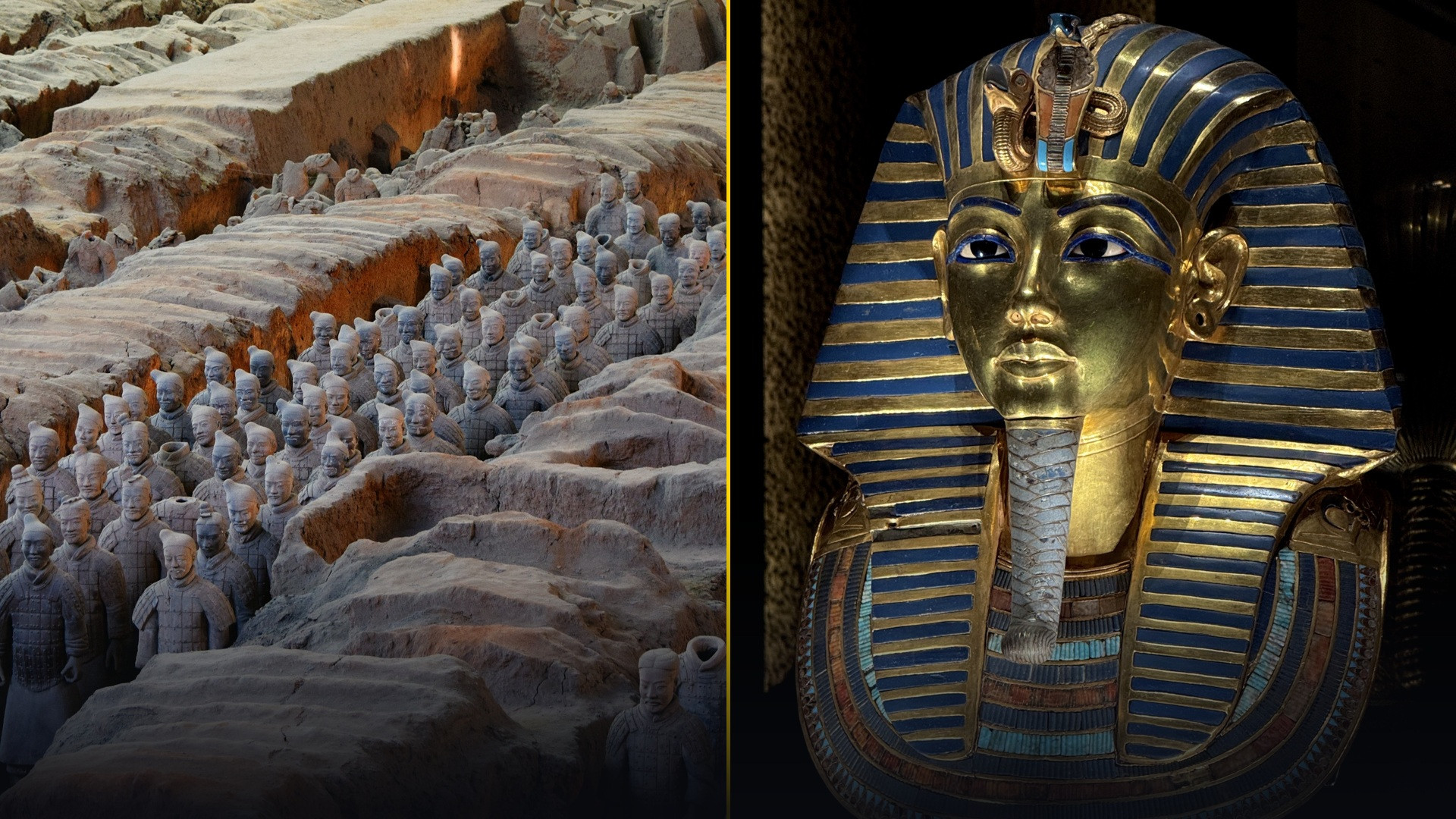
From farmers unearthing an underground terra-cotta army to children chasing a dog into prehistoric caves, here are ten world-changing archaeological treasures discovered purely by accident.
By Most Viral Today
5 Oct 2026

10 Accidental Archaeological Discoveries That Rewrote World History 
10. Derinkuyu Underground City 
9. The Antikythera Mechanism 
8. The Lascaux Cave Paintings - AdvertisementSwipe or tap ▶ to continue countdown

7. The Venus De Milo 
6. The Rosetta Stone 
5. The Dead Sea Scrolls 
4. The Uluburun Shipwreck - AdvertisementSwipe or tap ▶ to continue countdown

3. Göbekli Tepe 
2. The Terracotta Army 
1. King Tutankhamun's Tomb - Advertisement🔥 UP NEXT IN THIS SERIES◫ 21 Slides

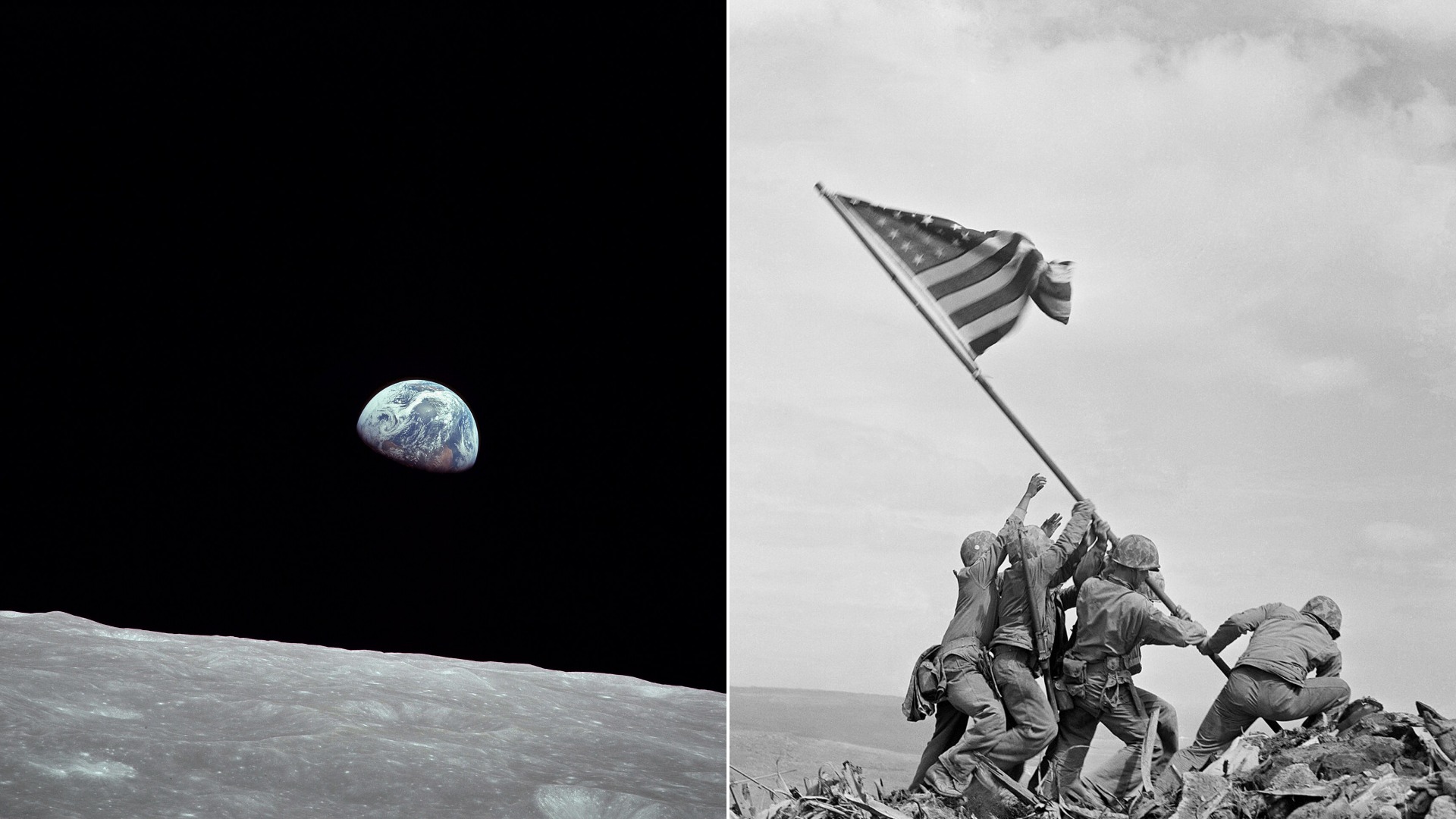
20 Iconic Historical Photos and the Archive Clues Behind Them
Contact sheets, cracked glass plates, and NASA mission logs preserve the hidden steps behind 20 famous photographs. Drawing on records from the Library of Congress, the National Archives, NASA, and the Smithsonian, this countdown traces how cropping, camera setups, and double exposures shaped each frame.
From farmers unearthing an underground terra-cotta army to children chasing a dog into prehistoric caves, here are ten world-changing archaeological treasures discovered purely by accident.
Swipe or tap ▶ to begin the countdown
©Wikimedia / Ahmed Saber
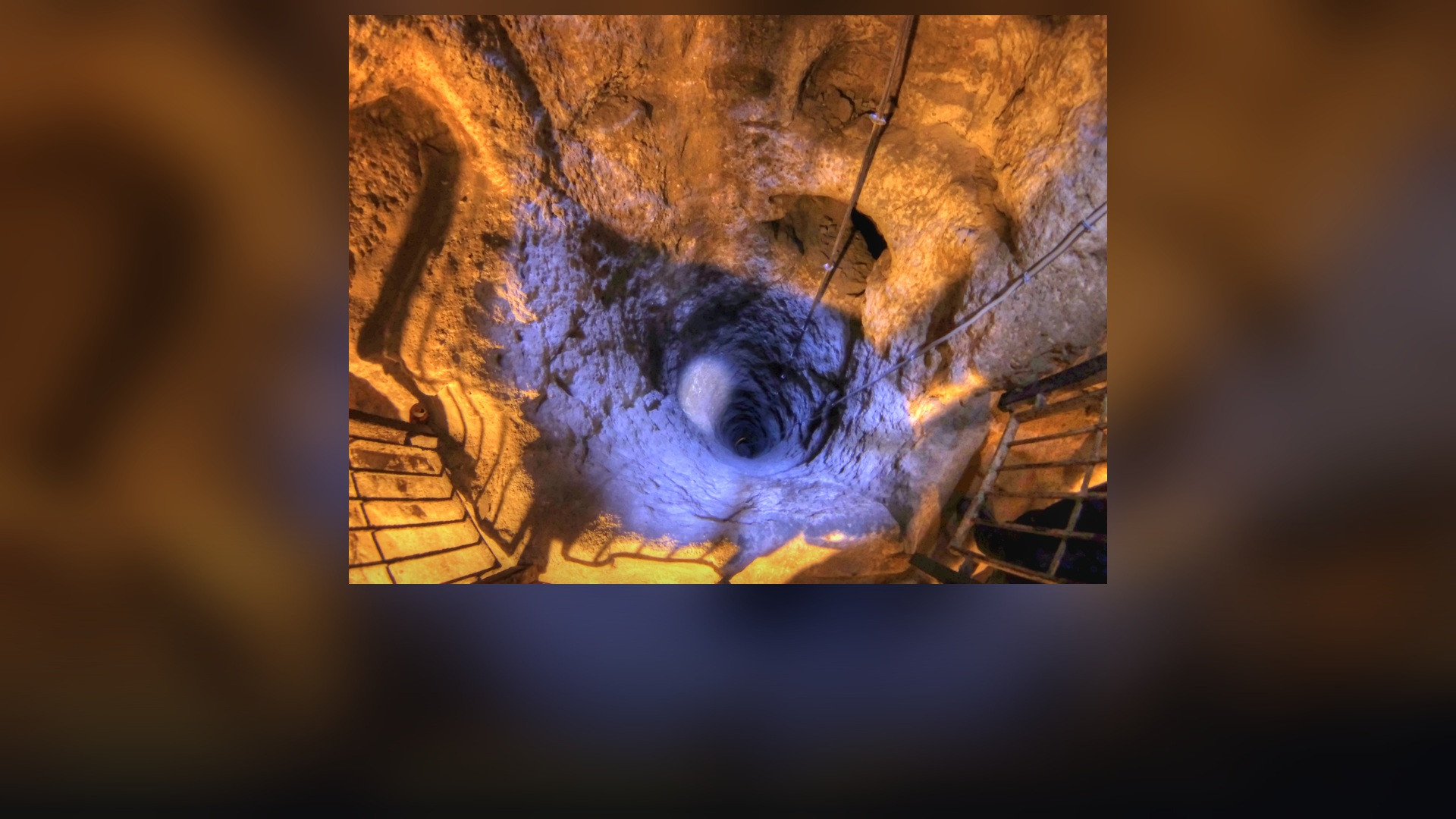
10. Derinkuyu Underground City
In 1963, a Turkish homeowner in Cappadocia renovated his basement and knocked down a wall, only to find a mysterious passageway. It led to an 18-story underground city carved into volcanic rock capable of sheltering 20,000 residents.
©Wikimedia / Nevit Dilmen
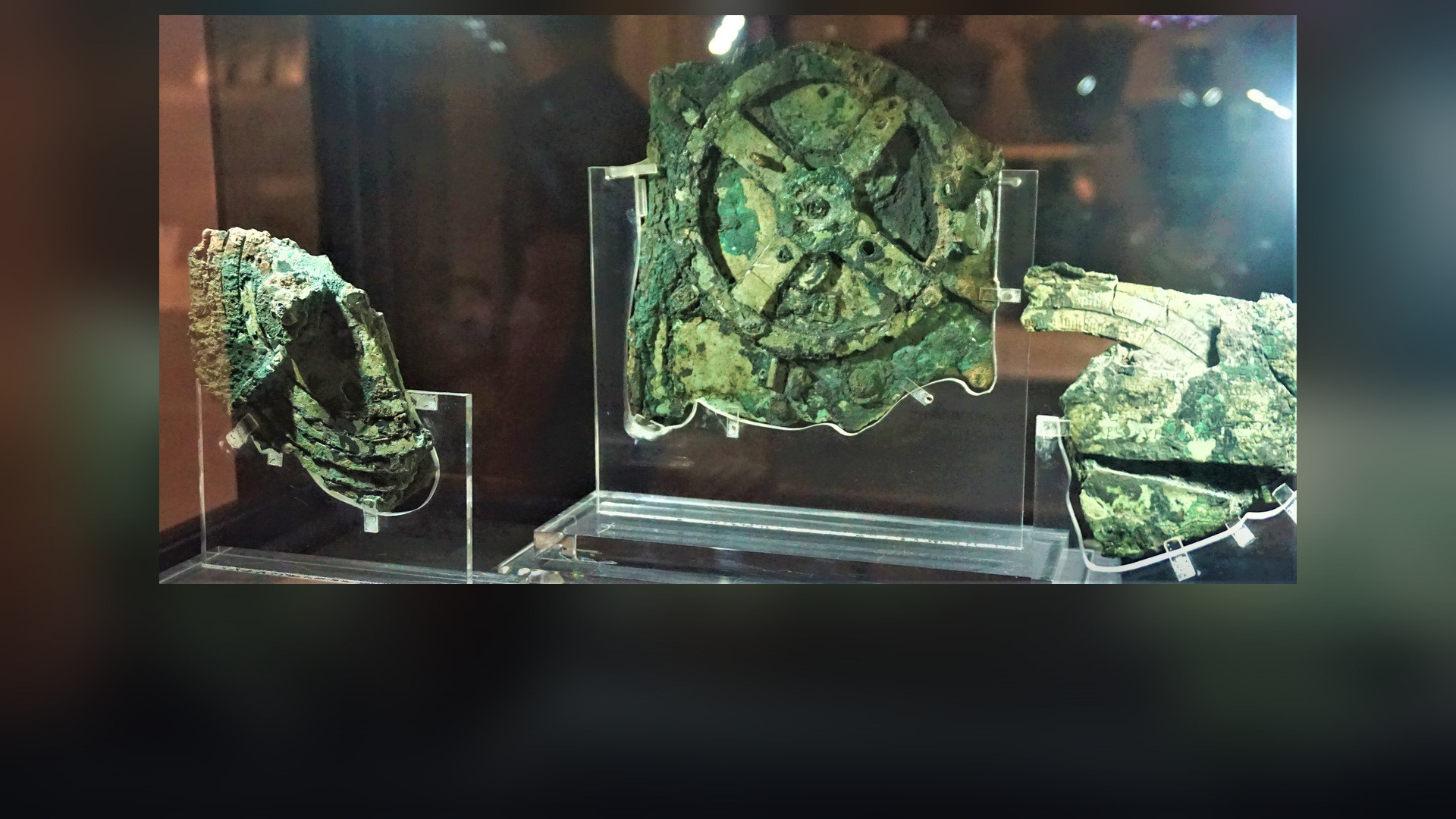
9. The Antikythera Mechanism
In 1900, Greek sponge divers seeking refuge from a gale off the island of Antikythera dove into the waters and found a 2,000-year-old Roman shipwreck. Among the wreckage lay corroded bronze gears: the world's first known analogue computer.
©Wikimedia / Joyofmuseums
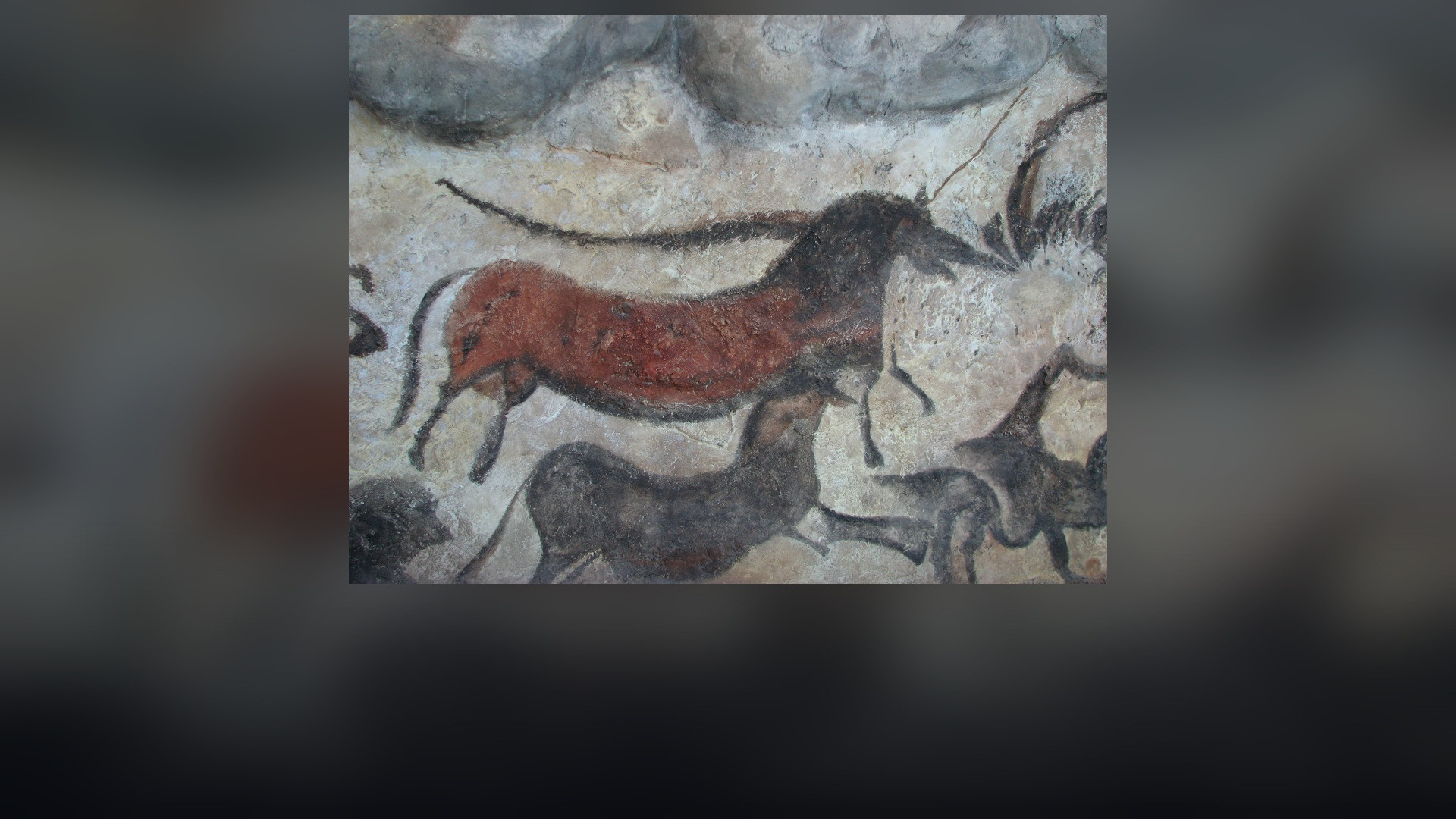
8. The Lascaux Cave Paintings
In September 1940, 18-year-old Marcel Ravidat and three friends searched for their fallen dog Robot near Montignac, France. Slipping down a deep shaft, their lantern revealed 600 stunning Upper Paleolithic animal murals painted 17,000 years ago.
©Wikimedia / Jackvers
Advertisement
Swipe or tap ▶ to resume the countdown.
7. The Venus De Milo
In April 1820, a Greek peasant named Yorgos Kentrotas was digging for building stones inside ancient ruins on the island of Milos. He struck a carved marble niche containing the masterwork statue of Aphrodite, carved around 100 BC.
©Wikimedia / Jastrow
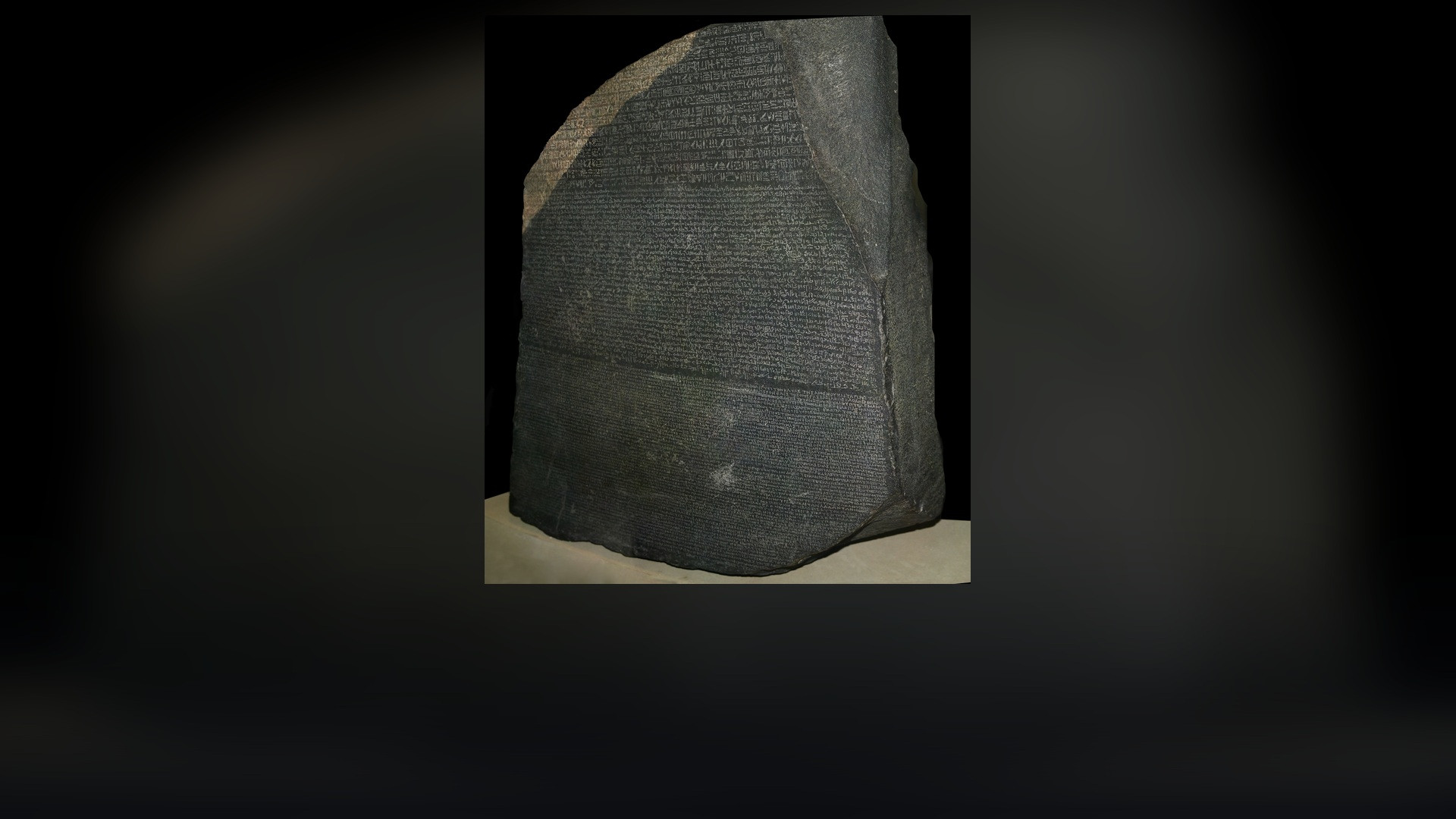
6. The Rosetta Stone
In July 1799, French engineering officer Pierre-François Bouchard was supervising soldiers digging wall foundations at Fort Julien near Rosetta. The workers uncovered a granodiorite slab with three scripts that ultimately unlocked Egyptian hieroglyphics.
©Wikimedia / Hans Hillewaert
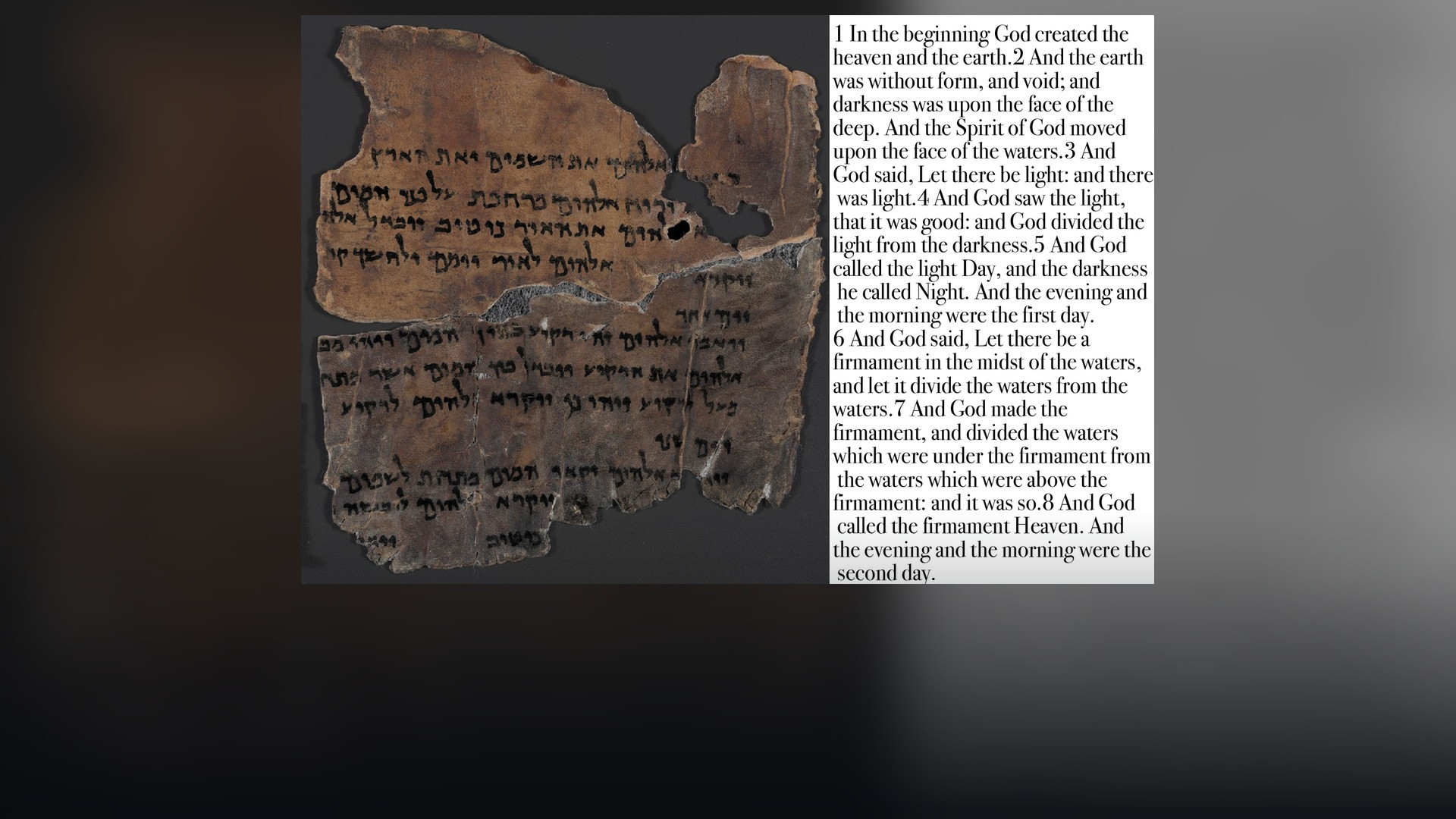
5. The Dead Sea Scrolls
In late 1946, young Bedouin goat herder Muhammed edh-Dhib tossed a stone into a limestone cave cliffside at Qumran and heard clay shatter. Climbing inside, he discovered clay jars preserving Hebrew manuscripts dating back over 2,000 years.
©Wikimedia / KetefHinnomFan
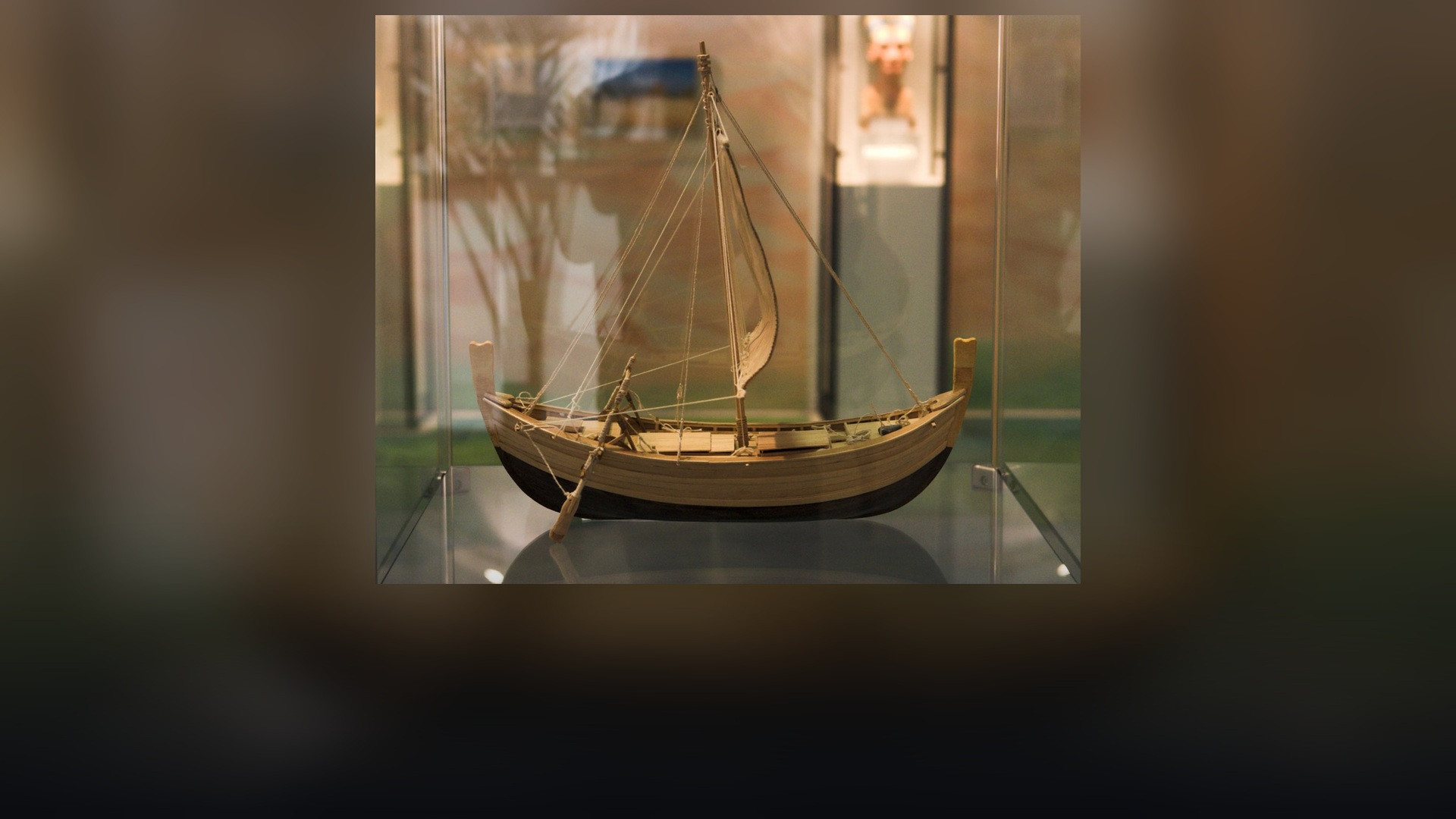
4. The Uluburun Shipwreck
In summer 1982, Turkish sponge diver Mehmed Çakır was swimming off Kas when he spotted strange 'metal biscuits with ears' resting on the seabed 150 feet down. It proved to be a Late Bronze Age royal trading vessel packed with copper ingots and gold.
©Wikimedia / Martin Bahmann
Advertisement
Swipe or tap ▶ to resume the countdown.
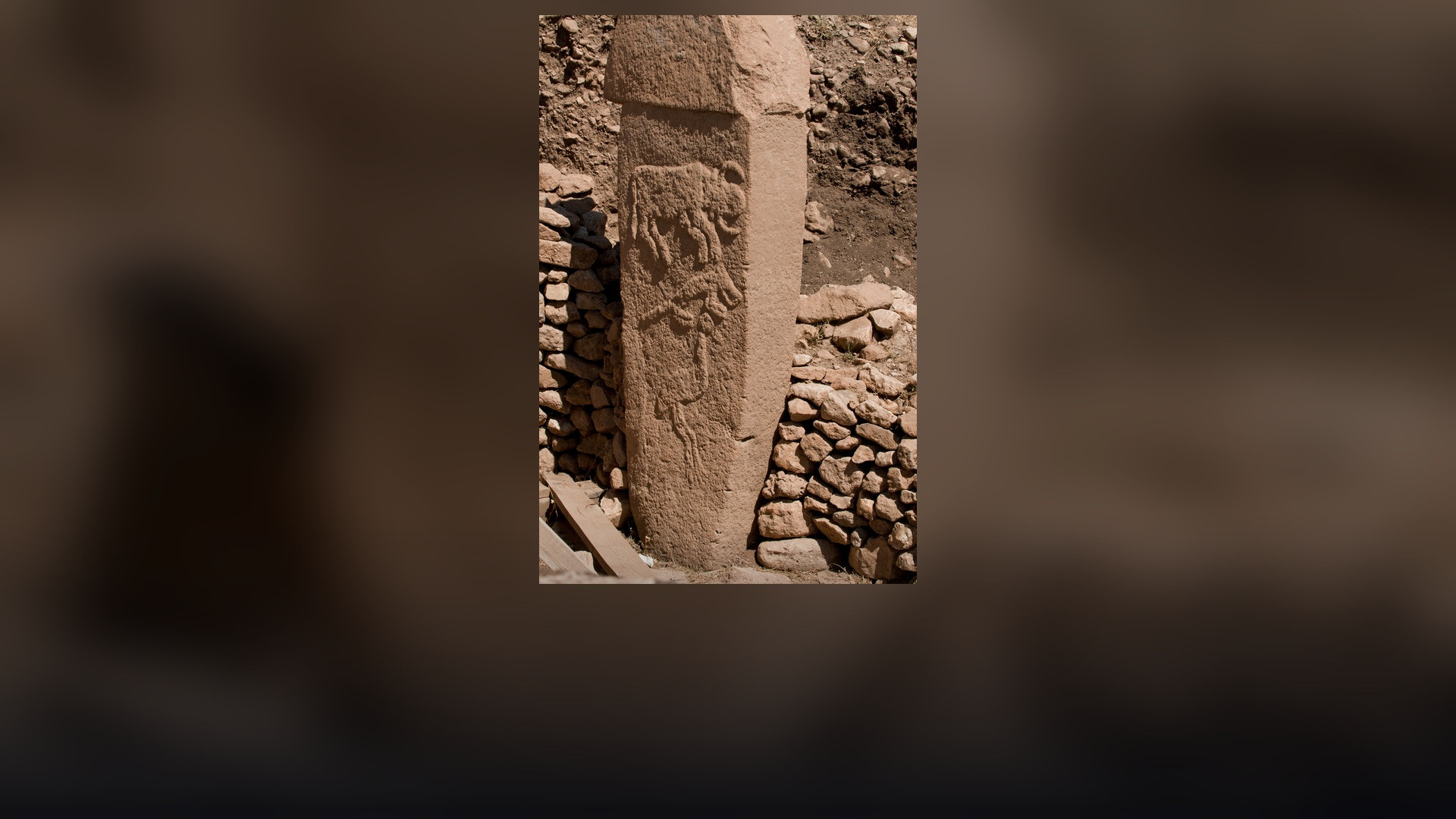
3. Göbekli Tepe
While previous surveys dismissed the hill as a medieval cemetery, local Kurdish farmer Savak Yıldız unearthed sculpted stones while clearing his field in 1994. Excavations revealed the world's oldest known megalithic temple complex, predating Stonehenge.
©Wikimedia / Teomancimit
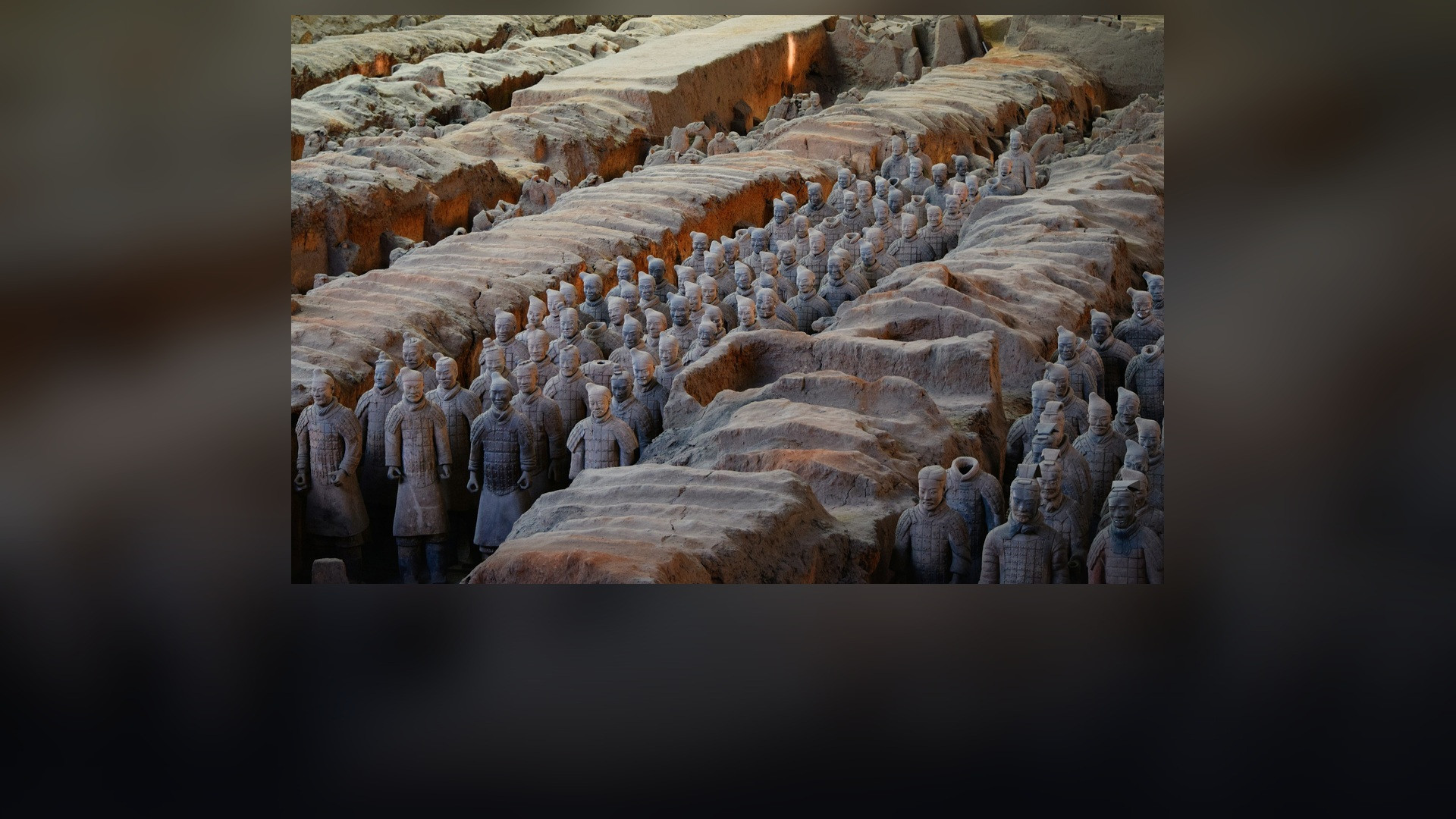
2. The Terracotta Army
In March 1974, drought-stricken farmers in Lintong County, Shaanxi, were digging a water well when their shovels struck pottery fragments and bronze arrows. They had stumbled into the 8,000-man life-sized terracotta army guarding Emperor Qin Shi Huang.
© Photo by Aaron Greenwood on Unsplash
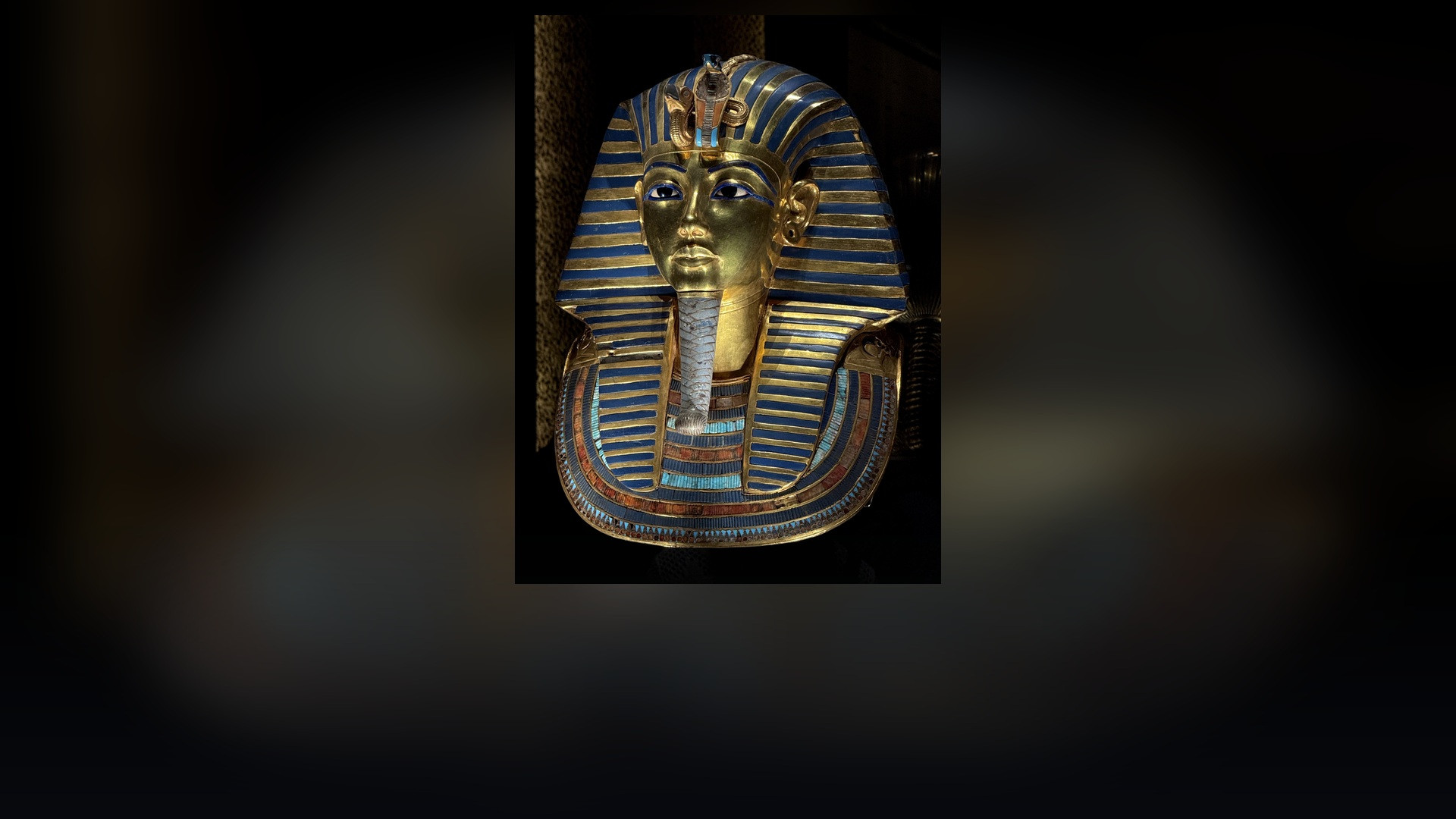
1. King Tutankhamun's Tomb
On November 4, 1922, a local Egyptian water boy helping Howard Carter's team accidentally scraped into the Valley of the Kings' limestone bedrock and hit a carved stone step. It led directly to KV62, the world's most intact pharaoh's royal burial.

©Wikimedia / Ahmed Saber
Advertisement
You've reached the end of the story. Thanks for reading!

20 Iconic Historical Photos and the Archive Clues Behind Them
Contact sheets, cracked glass plates, and NASA mission logs preserve the hidden steps behind 20 famous photographs. Drawing on records from the Library of Congress, the National Archives, NASA, and the Smithsonian, this countdown traces how cropping, camera setups, and double exposures shaped each frame.
All 10 Entries in this Story
10. Derinkuyu Underground City
In 1963, a Turkish homeowner in Cappadocia renovated his basement and knocked down a wall, only to find a mysterious passageway. It led to an 18-story underground city carved into volcanic rock capable of sheltering 20,000 residents.

9. The Antikythera Mechanism
In 1900, Greek sponge divers seeking refuge from a gale off the island of Antikythera dove into the waters and found a 2,000-year-old Roman shipwreck. Among the wreckage lay corroded bronze gears: the world's first known analogue computer.

8. The Lascaux Cave Paintings
In September 1940, 18-year-old Marcel Ravidat and three friends searched for their fallen dog Robot near Montignac, France. Slipping down a deep shaft, their lantern revealed 600 stunning Upper Paleolithic animal murals painted 17,000 years ago.

7. The Venus De Milo
In April 1820, a Greek peasant named Yorgos Kentrotas was digging for building stones inside ancient ruins on the island of Milos. He struck a carved marble niche containing the masterwork statue of Aphrodite, carved around 100 BC.

6. The Rosetta Stone
In July 1799, French engineering officer Pierre-François Bouchard was supervising soldiers digging wall foundations at Fort Julien near Rosetta. The workers uncovered a granodiorite slab with three scripts that ultimately unlocked Egyptian hieroglyphics.

5. The Dead Sea Scrolls
In late 1946, young Bedouin goat herder Muhammed edh-Dhib tossed a stone into a limestone cave cliffside at Qumran and heard clay shatter. Climbing inside, he discovered clay jars preserving Hebrew manuscripts dating back over 2,000 years.

4. The Uluburun Shipwreck
In summer 1982, Turkish sponge diver Mehmed Çakır was swimming off Kas when he spotted strange 'metal biscuits with ears' resting on the seabed 150 feet down. It proved to be a Late Bronze Age royal trading vessel packed with copper ingots and gold.

3. Göbekli Tepe
While previous surveys dismissed the hill as a medieval cemetery, local Kurdish farmer Savak Yıldız unearthed sculpted stones while clearing his field in 1994. Excavations revealed the world's oldest known megalithic temple complex, predating Stonehenge.

2. The Terracotta Army
In March 1974, drought-stricken farmers in Lintong County, Shaanxi, were digging a water well when their shovels struck pottery fragments and bronze arrows. They had stumbled into the 8,000-man life-sized terracotta army guarding Emperor Qin Shi Huang.

1. King Tutankhamun's Tomb
On November 4, 1922, a local Egyptian water boy helping Howard Carter's team accidentally scraped into the Valley of the Kings' limestone bedrock and hit a carved stone step. It led directly to KV62, the world's most intact pharaoh's royal burial.