Slideshow · Viral
10 Animals Saved From the Brink of Extinction by Humans
From global bans to miraculous captive-breeding rescues, discover the 10 species pulled back from the absolute edge of annihilation.
By Most Viral Today
6 Oct 2026

10 Animals Saved From the Brink of Extinction by Humans 
10. Humpback Whale 
9. Bald Eagle 
8. Giant Panda - AdvertisementSwipe or tap ▶ to continue countdown

7. American Bison 
6. Golden Lion Tamarin 
5. Black-Footed Ferret 
4. Arabian Oryx - AdvertisementSwipe or tap ▶ to continue countdown

3. Przewalski's Horse 
2. California Condor 
1. Chatham Island Black Robin - Advertisement🔥 UP NEXT IN THIS SERIES◫ 21 Slides

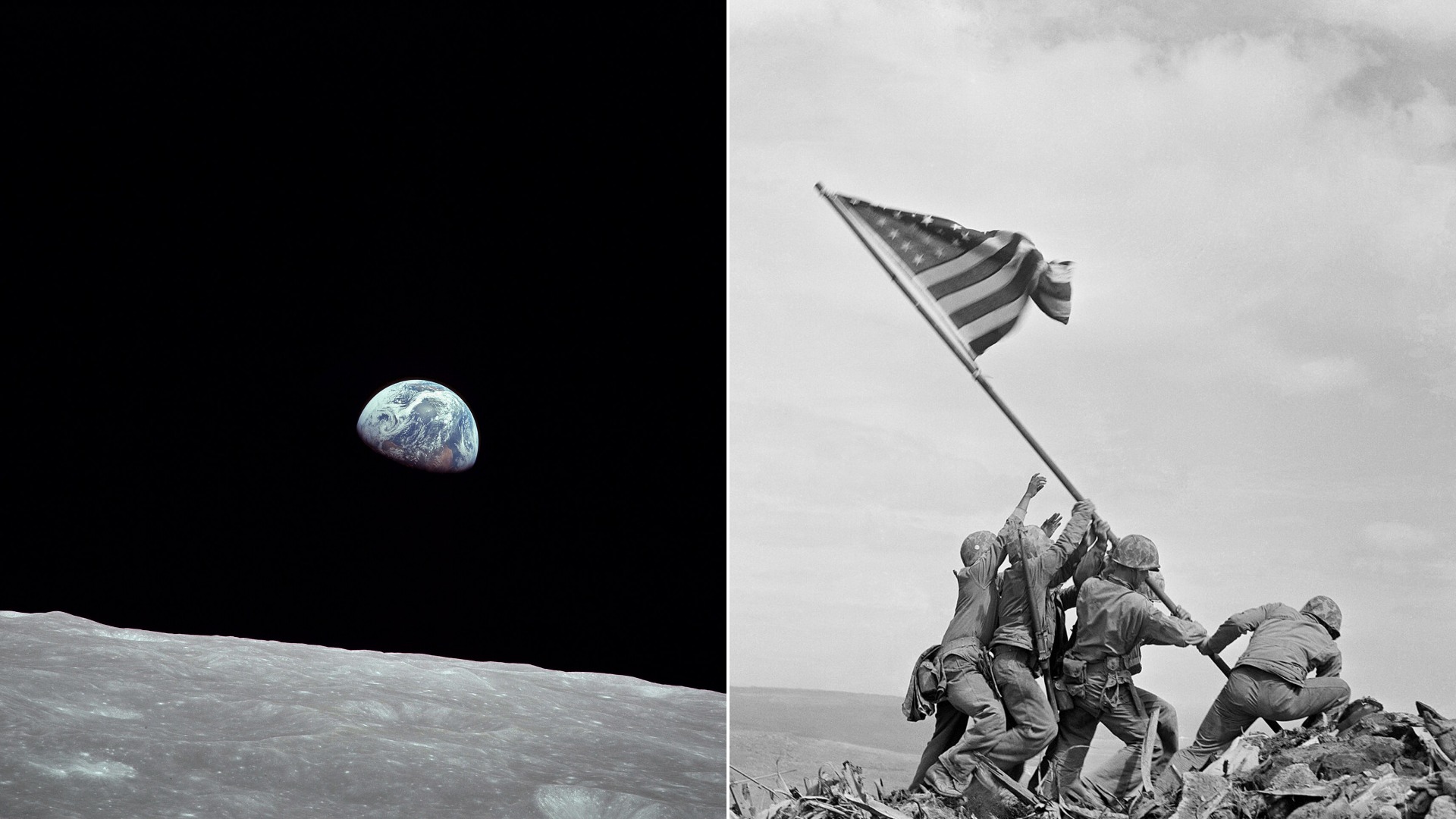
20 Iconic Historical Photos and the Archive Clues Behind Them
Contact sheets, cracked glass plates, and NASA mission logs preserve the hidden steps behind 20 famous photographs. Drawing on records from the Library of Congress, the National Archives, NASA, and the Smithsonian, this countdown traces how cropping, camera setups, and double exposures shaped each frame.
From global bans to miraculous captive-breeding rescues, discover the 10 species pulled back from the absolute edge of annihilation.
Swipe or tap ▶ to begin the countdown
©Openverse / fortherock
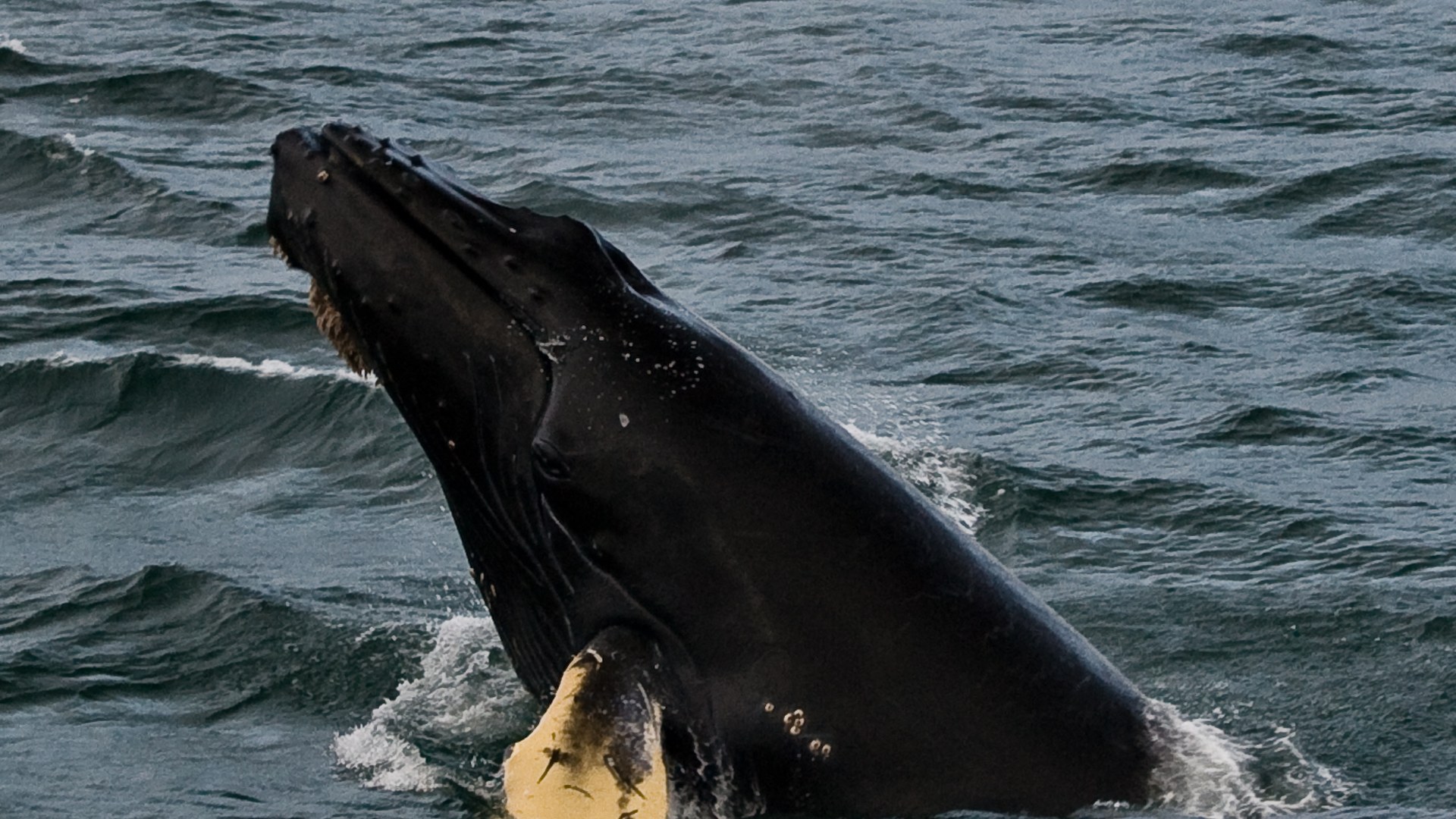
10. Humpback Whale
Commercial whaling wiped out over 90% of global humpbacks, leaving barely 5,000 alive in the mid-20th century. The 1986 International Whaling Commission commercial moratorium allowed oceans to heal, powering one of the greatest marine recoveries in history to over 80,000 whales today.
©Wikimedia / National Park Service
9. Bald Eagle
By 1963, widespread agricultural use of DDT thinned eggshells so severely that only 417 nesting pairs remained in the lower 48 states. A 1972 federal DDT ban and intensive nest monitoring catalyzed a roaring comeback, soaring to over 300,000 birds and full delisting in 2007.
©Wikimedia / BLM Oregon & Washington
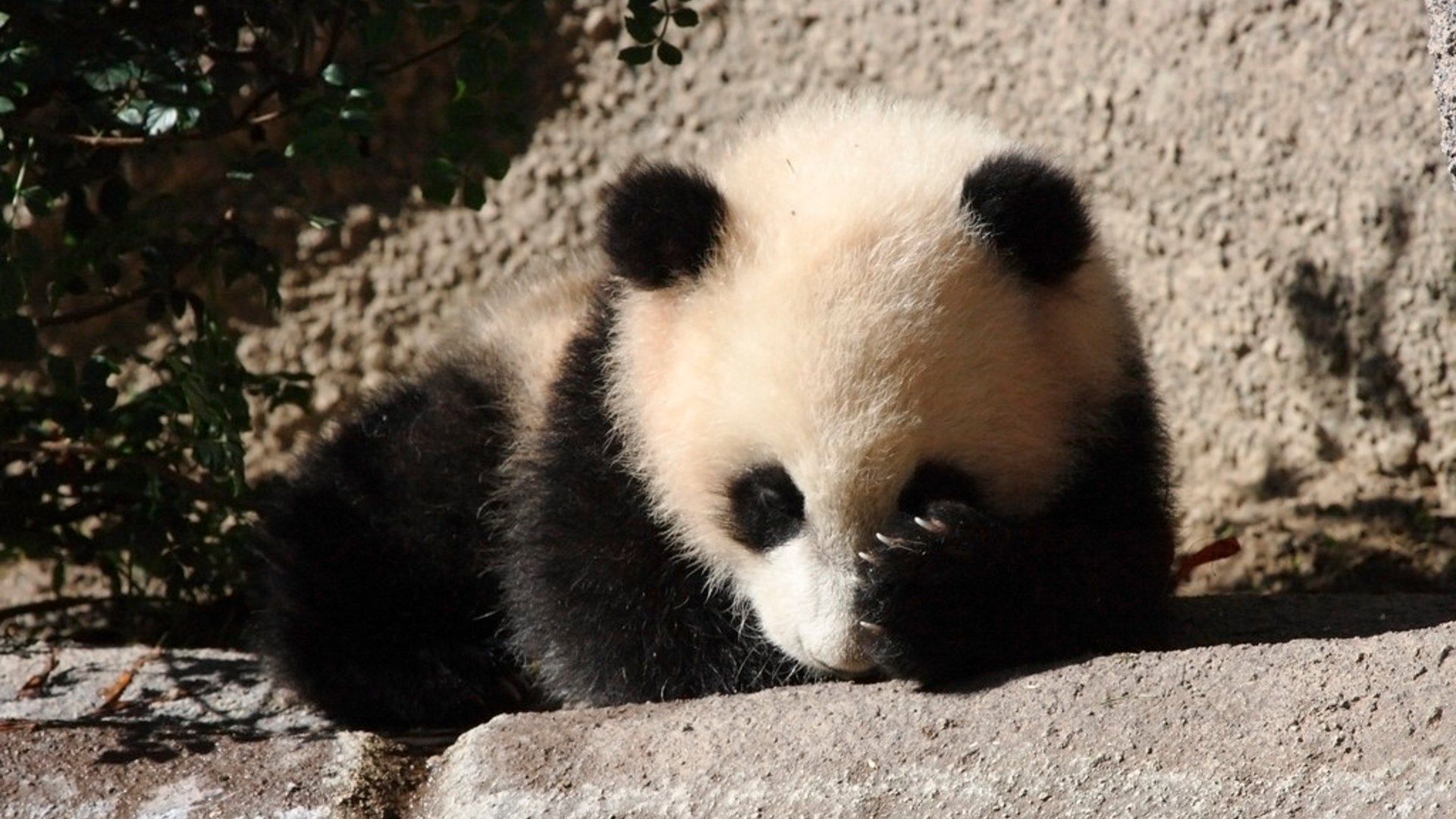
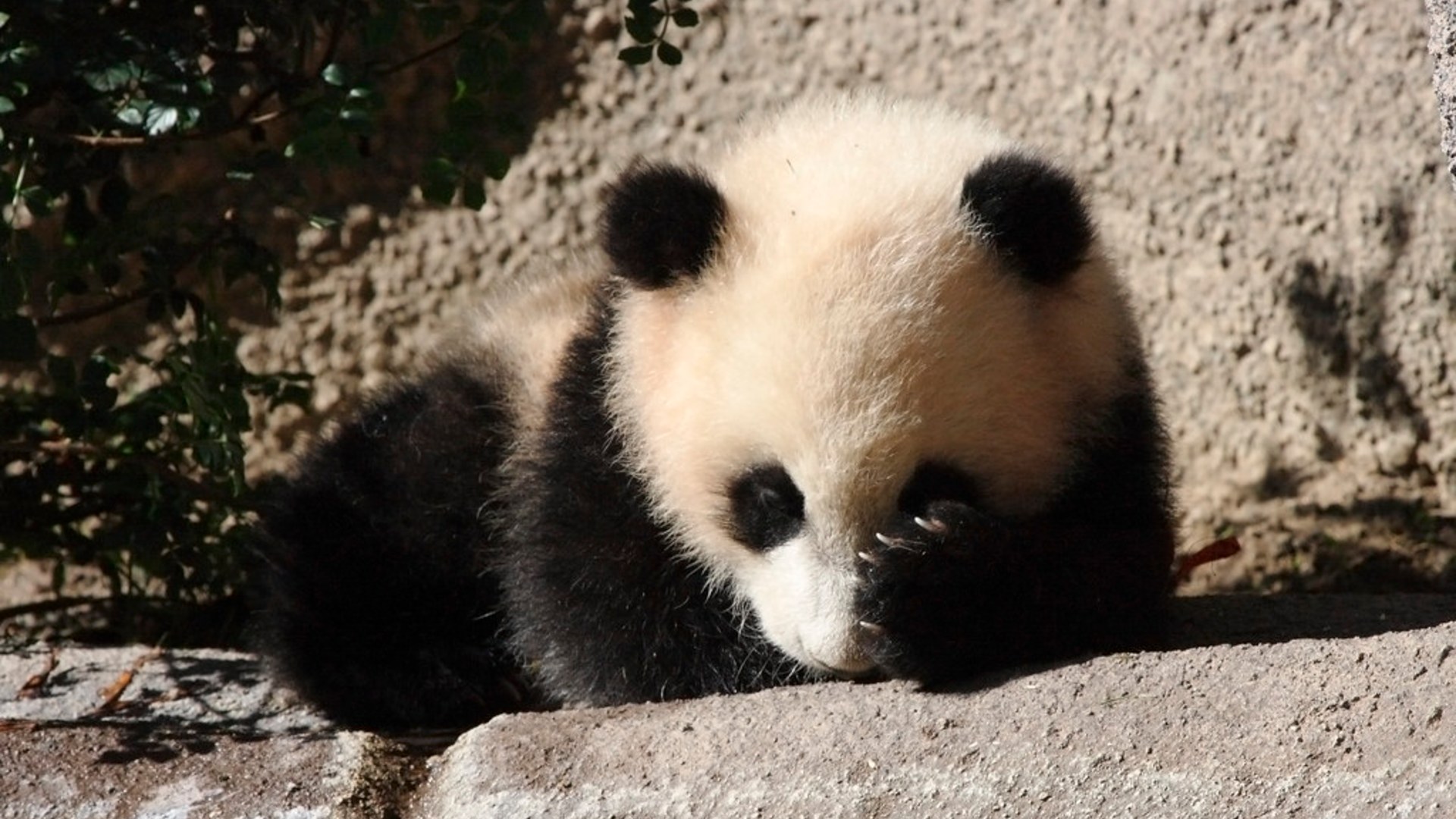
8. Giant Panda
Deforestation and poaching dropped wild panda numbers below 1,000 in the 1980s. China responded with 67 protected nature reserves and expansive bamboo corridors. In 2016, the IUCN officially downgraded the panda from 'Endangered' to 'Vulnerable,' with wild counts surpassing 1,900.
©Openverse / fortherock
Advertisement
Swipe or tap ▶ to resume the countdown.
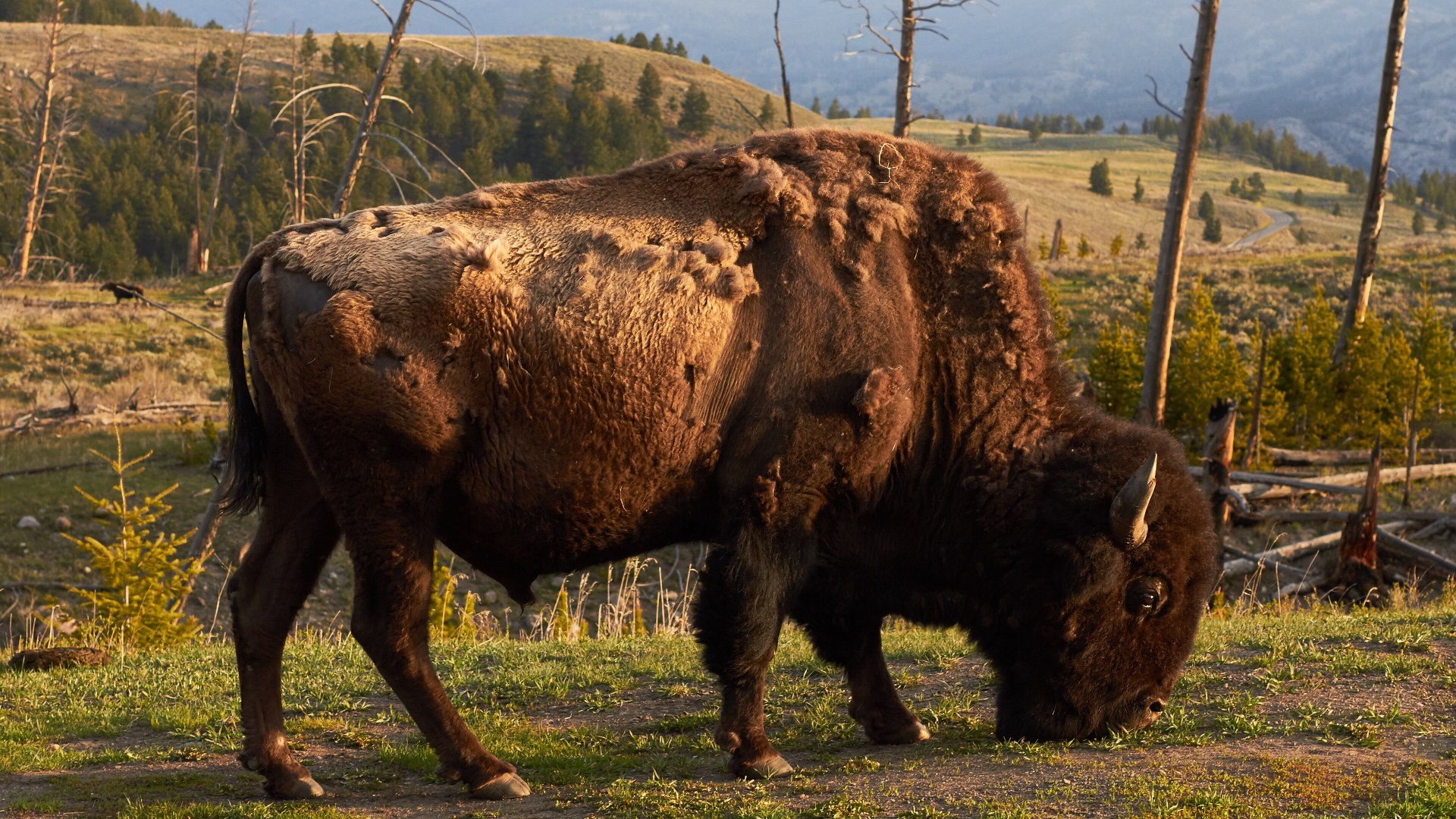
7. American Bison
Mass slaughter reduced North America's legendary 30-million-strong herds to fewer than 1,000 animals by 1889. The American Bison Society and the Bronx Zoo launched pioneering captive breeding in 1905, restocking Yellowstone and Western preserves to sustain more than 500,000 bison today.
©Wikimedia / Frank Schulenburg
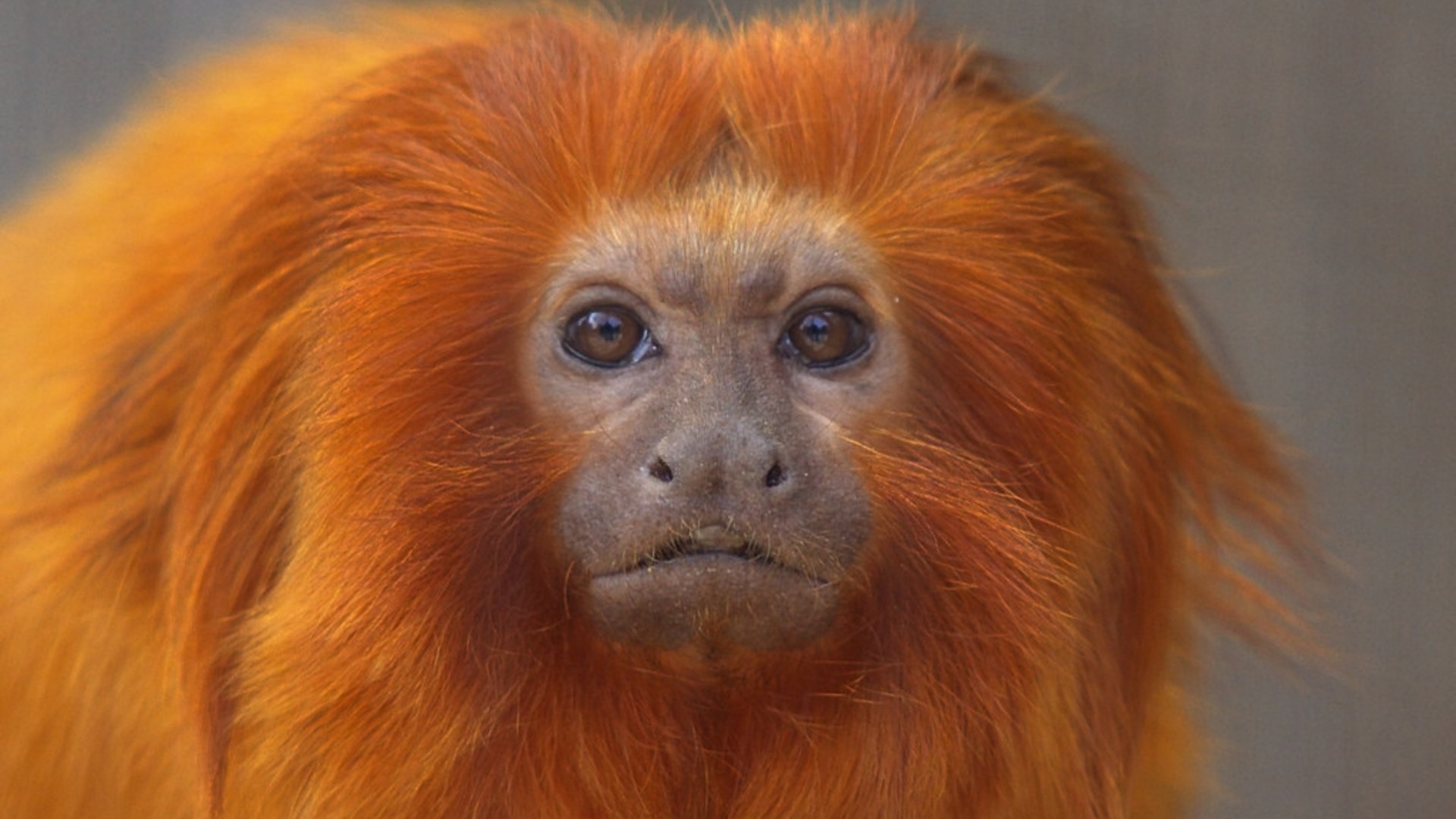
6. Golden Lion Tamarin
Severe fragmentation of Brazil's coastal Atlantic forest reduced this miniature primate to roughly 200 individuals by the 1970s. A multinational consortium of 140 zoos bred tamarins in captivity while conservationists planted canopy corridors, lifting wild populations back above 2,500.
©Wikimedia / su neko
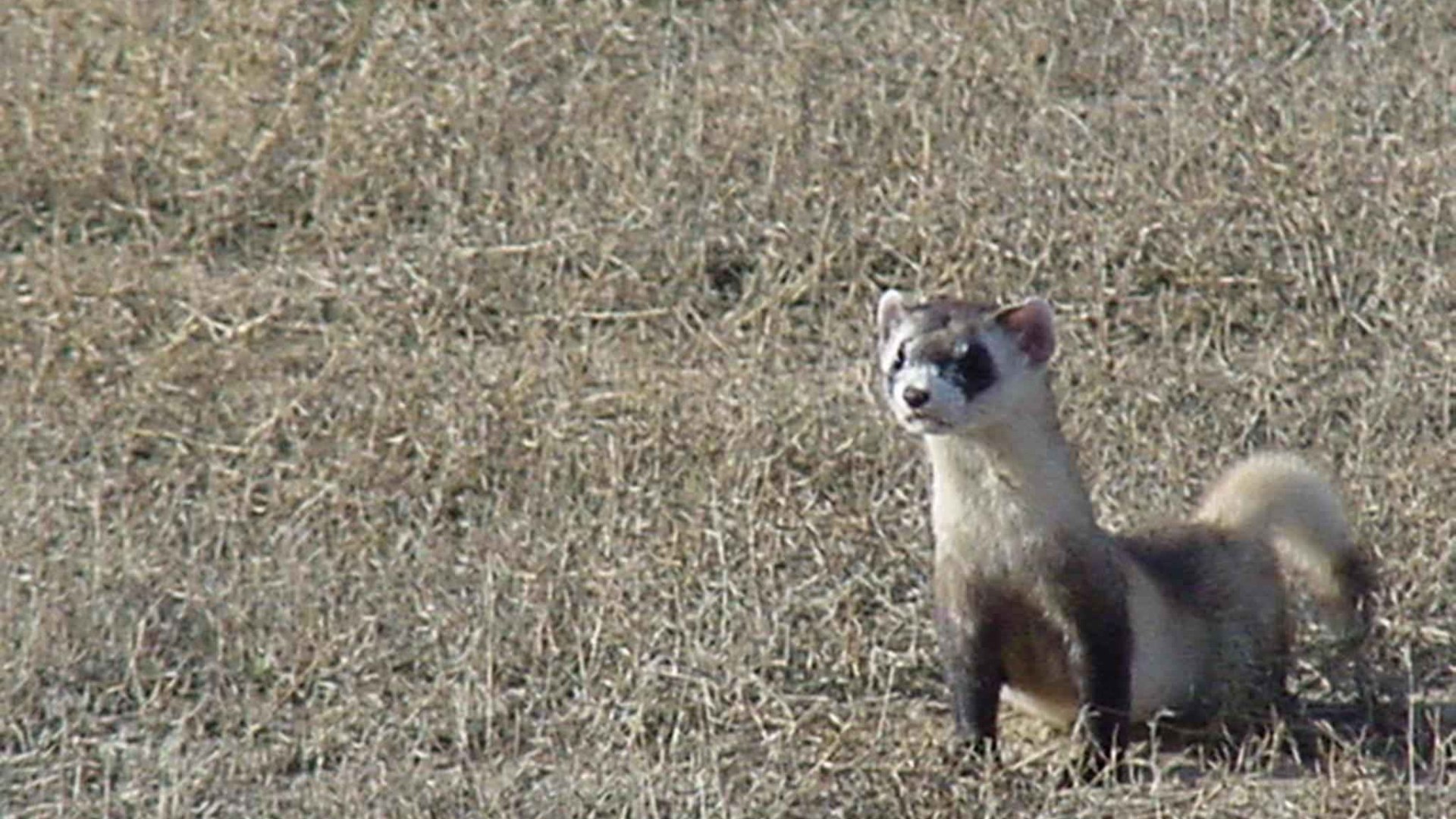
5. Black-Footed Ferret
Declared extinct in 1979, a ranch dog named Shep brought home a dead ferret in Meeteetse, Wyoming in 1981, revealing a remnant colony. When disease struck, biologists captured the final 18 survivors for captive breeding; today hundreds hunt prairie dogs across Western rangelands.
©Wikimedia / Tami S. Black / USFWS
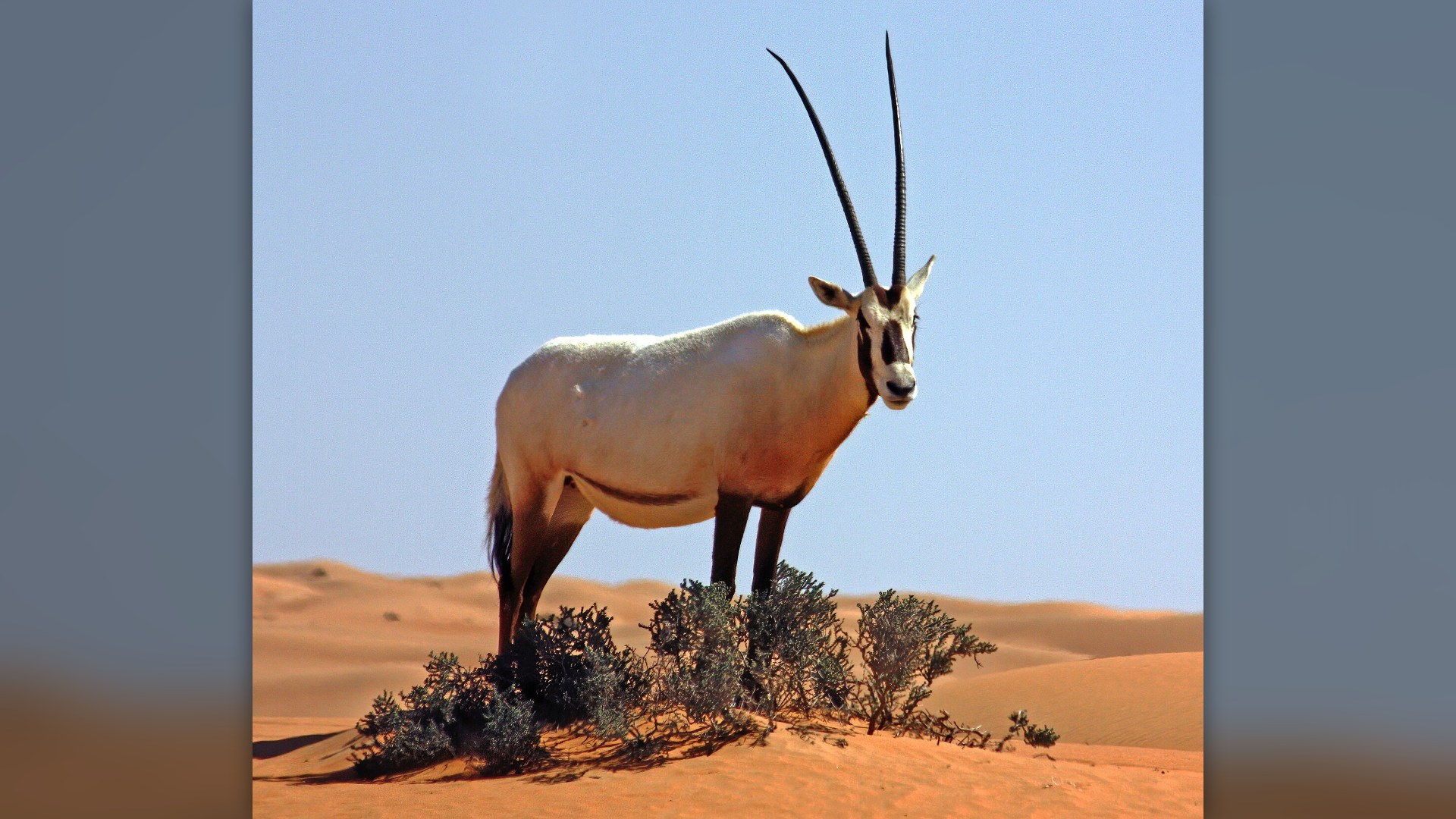
4. Arabian Oryx
Motorized hunting shot the last wild Arabian oryx in Oman in 1972. Anticipating this catastrophe, the Phoenix Zoo and Fauna & Flora International launched 'Operation Oryx,' capturing nine founders to build a global World Herd. Today, over 1,200 wild oryx gallop across Arabian deserts.
©Wikimedia / Charles J. Sharp
Advertisement
Swipe or tap ▶ to resume the countdown.
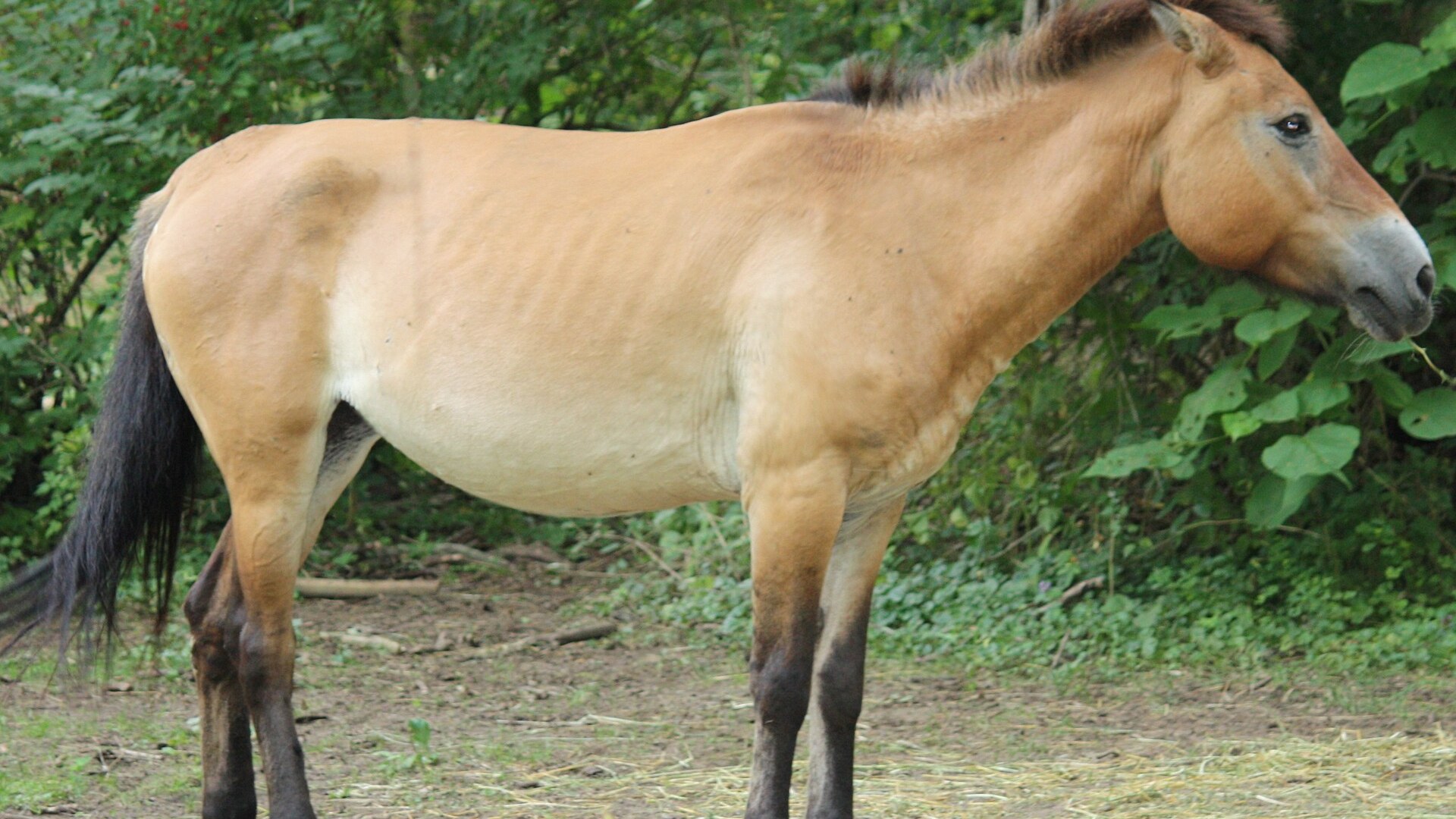
3. Przewalski's Horse
The last wild Przewalski's horse was sighted in the Gobi Desert in 1969 before vanishing entirely. Descended from just 12 wild-caught zoo ancestors, decades of meticulous European studbook breeding allowed conservationists to reintroduce the herds to Mongolia, where over 2,000 now roam free.
©Wikimedia / Ltshears
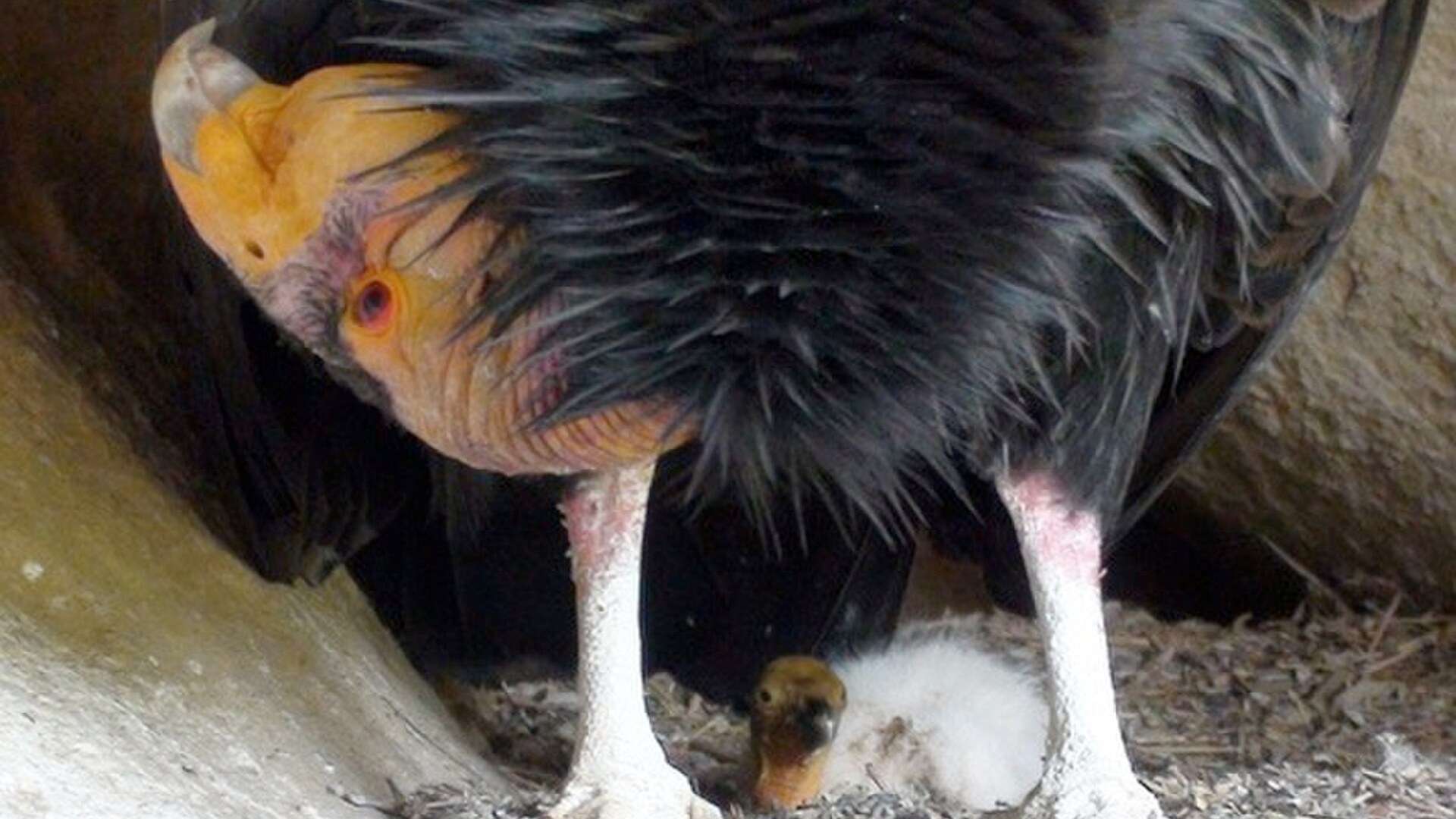
2. California Condor
Lead bullet poisoning decimated North America's largest bird down to 22 individuals in 1987. In a daring gamble, biologists trapped every living wild condor for intensive captive breeding at San Diego Wild Animal Park and Los Angeles Zoo. Today, over 560 condors exist, with more than 300 flying wild.
©Wikimedia / USFWS Headquarters
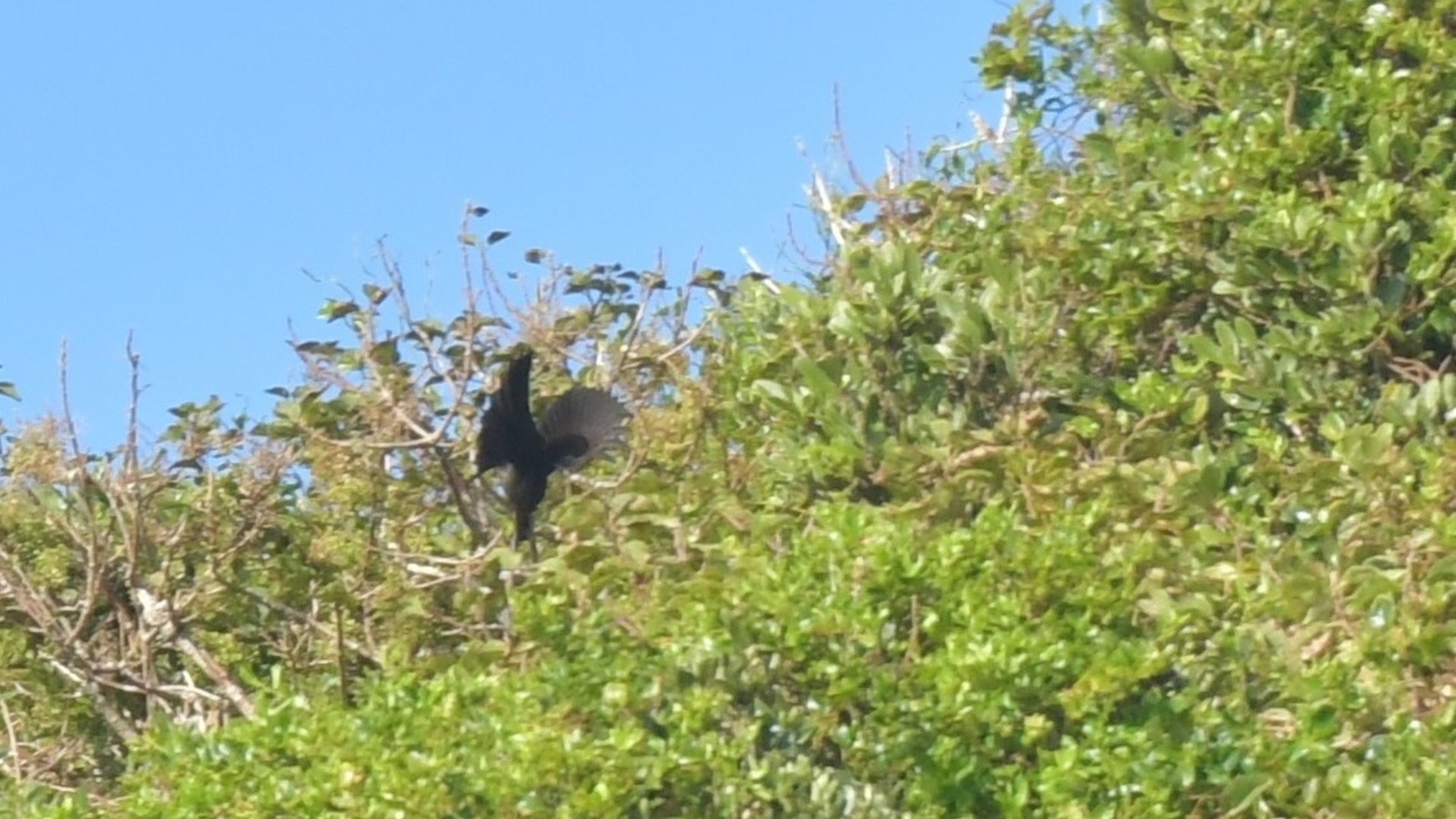
1. Chatham Island Black Robin
By 1980, introduced predators had reduced New Zealand's Chatham Island black robin to just five birds—including a single fertile female nicknamed 'Old Blue.' Conservationist Don Merton cross-fostered her eggs under native tomtits. Miraculously, every living black robin today (300+) descends from Old Blue.

©Openverse / Christopher Stephens
Advertisement
You've reached the end of the story. Thanks for reading!

20 Iconic Historical Photos and the Archive Clues Behind Them
Contact sheets, cracked glass plates, and NASA mission logs preserve the hidden steps behind 20 famous photographs. Drawing on records from the Library of Congress, the National Archives, NASA, and the Smithsonian, this countdown traces how cropping, camera setups, and double exposures shaped each frame.
All 10 Entries in this Story
10. Humpback Whale
Commercial whaling wiped out over 90% of global humpbacks, leaving barely 5,000 alive in the mid-20th century. The 1986 International Whaling Commission commercial moratorium allowed oceans to heal, powering one of the greatest marine recoveries in history to over 80,000 whales today.

9. Bald Eagle
By 1963, widespread agricultural use of DDT thinned eggshells so severely that only 417 nesting pairs remained in the lower 48 states. A 1972 federal DDT ban and intensive nest monitoring catalyzed a roaring comeback, soaring to over 300,000 birds and full delisting in 2007.

8. Giant Panda
Deforestation and poaching dropped wild panda numbers below 1,000 in the 1980s. China responded with 67 protected nature reserves and expansive bamboo corridors. In 2016, the IUCN officially downgraded the panda from 'Endangered' to 'Vulnerable,' with wild counts surpassing 1,900.

7. American Bison
Mass slaughter reduced North America's legendary 30-million-strong herds to fewer than 1,000 animals by 1889. The American Bison Society and the Bronx Zoo launched pioneering captive breeding in 1905, restocking Yellowstone and Western preserves to sustain more than 500,000 bison today.

6. Golden Lion Tamarin
Severe fragmentation of Brazil's coastal Atlantic forest reduced this miniature primate to roughly 200 individuals by the 1970s. A multinational consortium of 140 zoos bred tamarins in captivity while conservationists planted canopy corridors, lifting wild populations back above 2,500.

5. Black-Footed Ferret
Declared extinct in 1979, a ranch dog named Shep brought home a dead ferret in Meeteetse, Wyoming in 1981, revealing a remnant colony. When disease struck, biologists captured the final 18 survivors for captive breeding; today hundreds hunt prairie dogs across Western rangelands.

4. Arabian Oryx
Motorized hunting shot the last wild Arabian oryx in Oman in 1972. Anticipating this catastrophe, the Phoenix Zoo and Fauna & Flora International launched 'Operation Oryx,' capturing nine founders to build a global World Herd. Today, over 1,200 wild oryx gallop across Arabian deserts.

3. Przewalski's Horse
The last wild Przewalski's horse was sighted in the Gobi Desert in 1969 before vanishing entirely. Descended from just 12 wild-caught zoo ancestors, decades of meticulous European studbook breeding allowed conservationists to reintroduce the herds to Mongolia, where over 2,000 now roam free.

2. California Condor
Lead bullet poisoning decimated North America's largest bird down to 22 individuals in 1987. In a daring gamble, biologists trapped every living wild condor for intensive captive breeding at San Diego Wild Animal Park and Los Angeles Zoo. Today, over 560 condors exist, with more than 300 flying wild.

1. Chatham Island Black Robin
By 1980, introduced predators had reduced New Zealand's Chatham Island black robin to just five birds—including a single fertile female nicknamed 'Old Blue.' Conservationist Don Merton cross-fostered her eggs under native tomtits. Miraculously, every living black robin today (300+) descends from Old Blue.