Slideshow · Animals
10 Animals With Bizarre Superpowers That Defy the Laws of Biology
From creatures that survive the vacuum of space to a jellyfish that resets its age indefinitely, these ten animals possess mind-bending biological abilities that challenge everything we know.
By Most Viral Today
6 Oct 2026

10 Animals With Bizarre Superpowers That Defy the Laws of Biology 
10. Pistol Shrimp 
9. Bombardier Beetle 
8. Wood Frog - AdvertisementSwipe or tap ▶ to continue countdown

7. Electric Eel 
6. Planarian Flatworm 
5. Axolotl 
4. Mimic Octopus - AdvertisementSwipe or tap ▶ to continue countdown

3. Naked Mole-Rat 
2. Tardigrade 
1. Immortal Jellyfish - Advertisement🔥 UP NEXT IN THIS SERIES◫ 22 Slides

How Long Do Hippos Live? 20 Other Facts About Hippos
From sixty-year lifespans to whale cousins, discover secrets of river giants
From creatures that survive the vacuum of space to a jellyfish that resets its age indefinitely, these ten animals possess mind-bending biological abilities that challenge everything we know.
Swipe or tap ▶ to begin the countdown
©Wikimedia / Bachware & Vladislav Litvinov
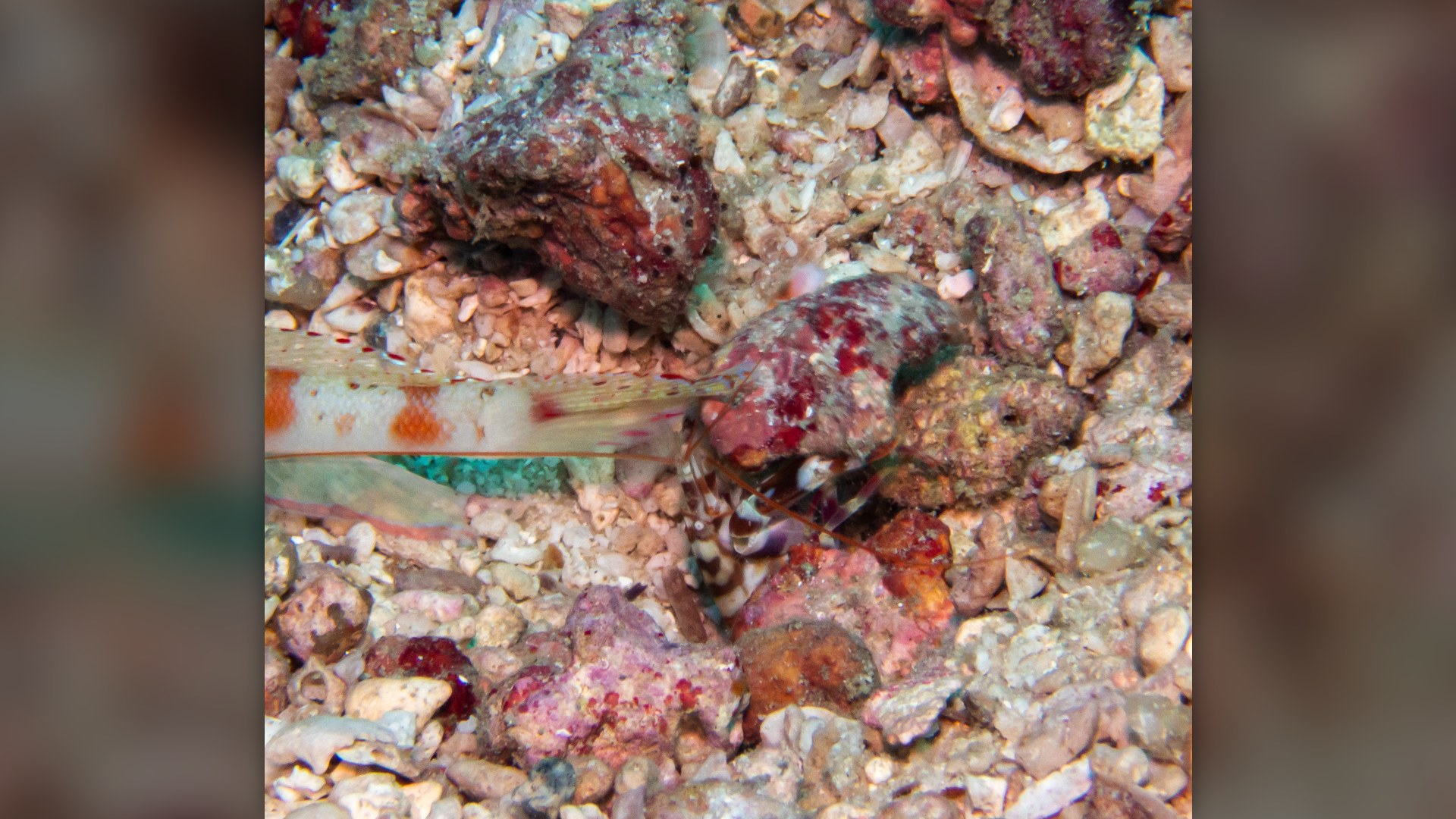
10. Pistol Shrimp
By snapping its oversized claw shut at 60 mph, the pistol shrimp generates an explosive cavitation bubble. As the bubble implodes, temperatures briefly surge past 8,000°F (4,400°C), producing a deafening 218-decibel soundwave that instantly stuns prey in the open water.
©Openverse / portioid
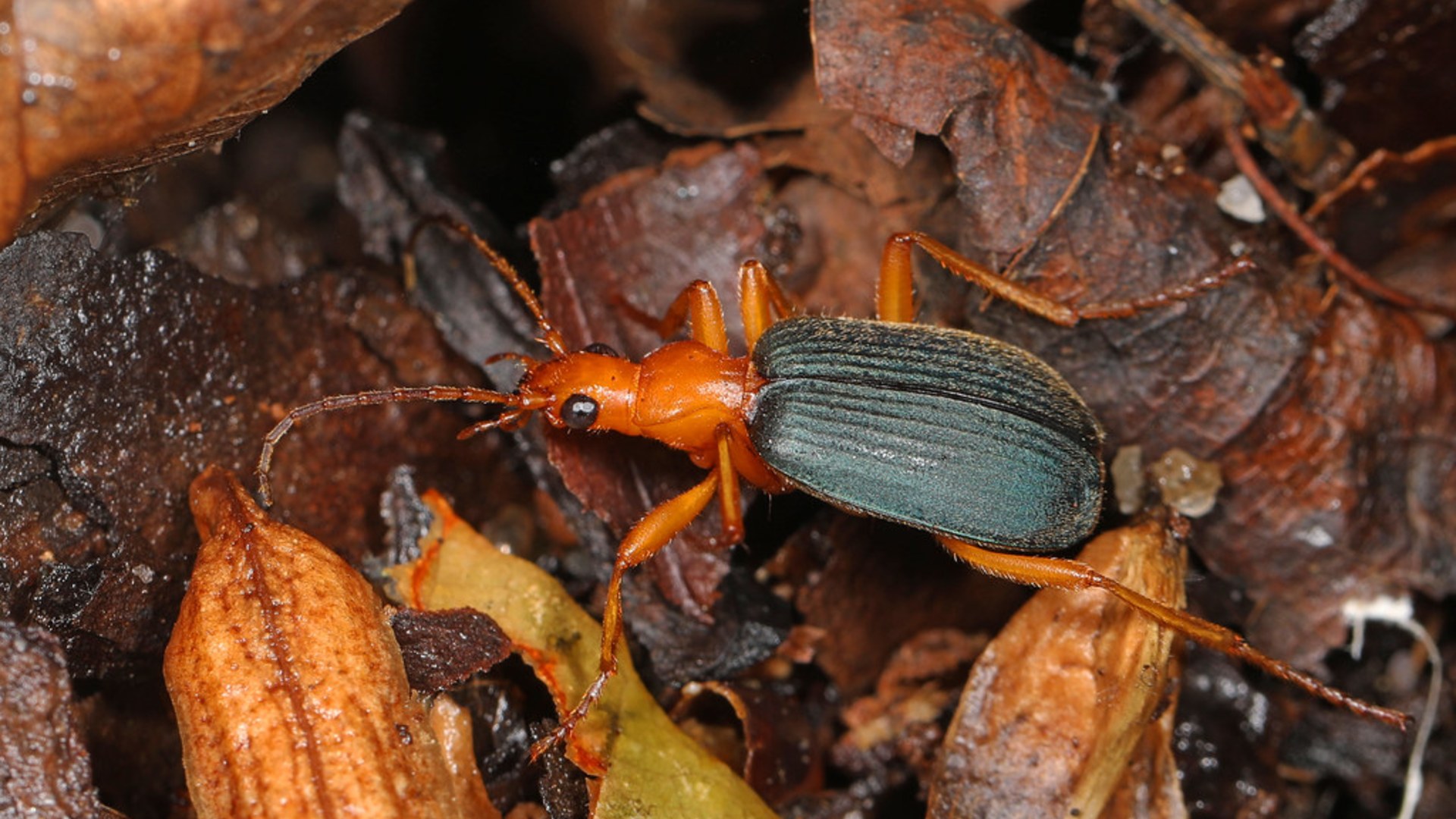
9. Bombardier Beetle
When threatened, the bombardier beetle mixes hydroquinone and hydrogen peroxide within a reinforced abdominal chamber. The ensuing catalytic reaction boils the liquid instantly, blasting noxious 212°F (100°C) spray in rapid-fire bursts to repel predators.
©Openverse / Judy Gallagher
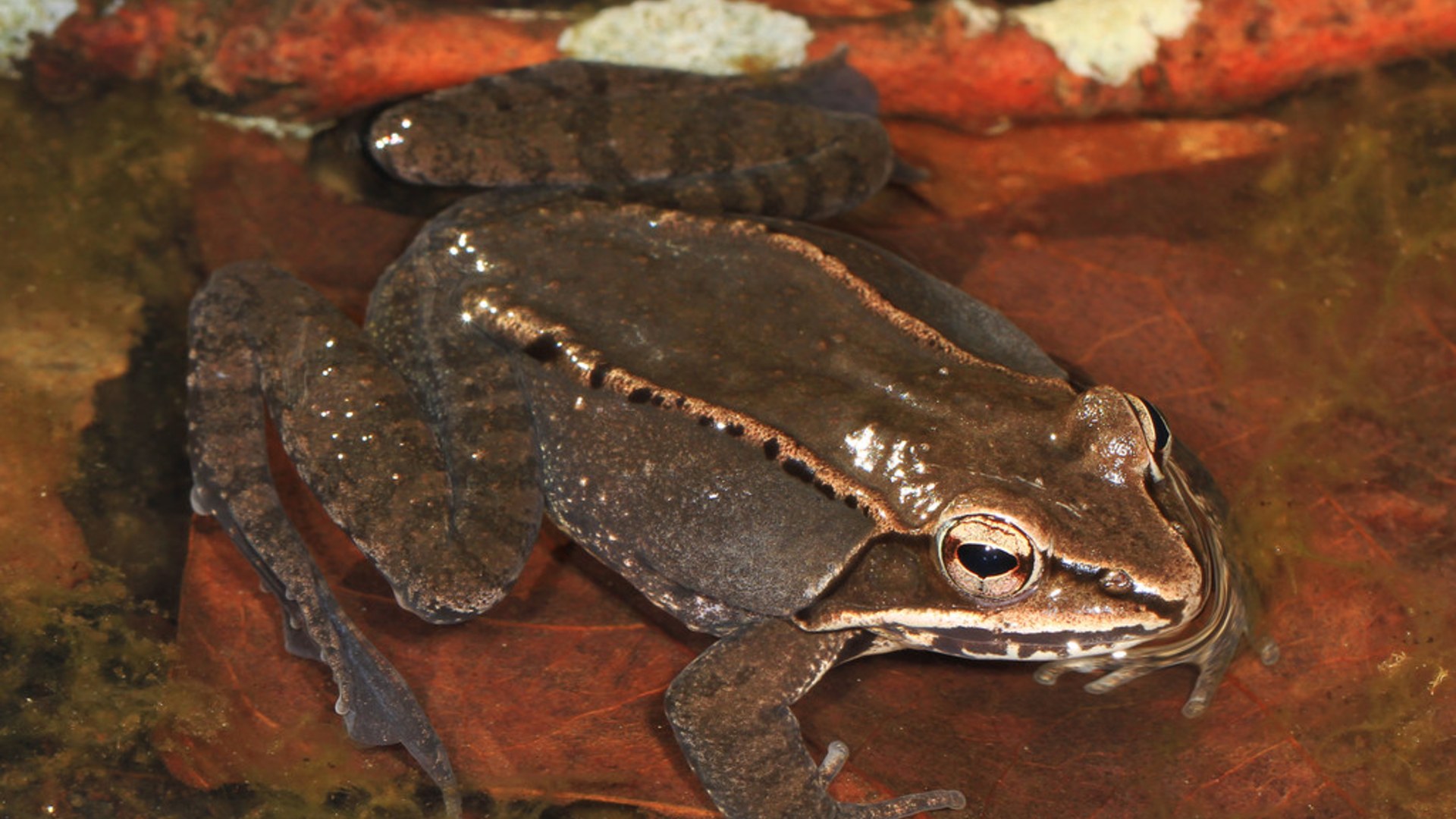
8. Wood Frog
The Alaskan wood frog survives subzero winters by allowing up to 70% of its body water to freeze solid. Packed with glucose that acts as natural antifreeze to protect cells, its heart stops beating completely for months until it simply thaws and hops away.
©Openverse / Judy Gallagher
Advertisement
Swipe or tap ▶ to resume the countdown.
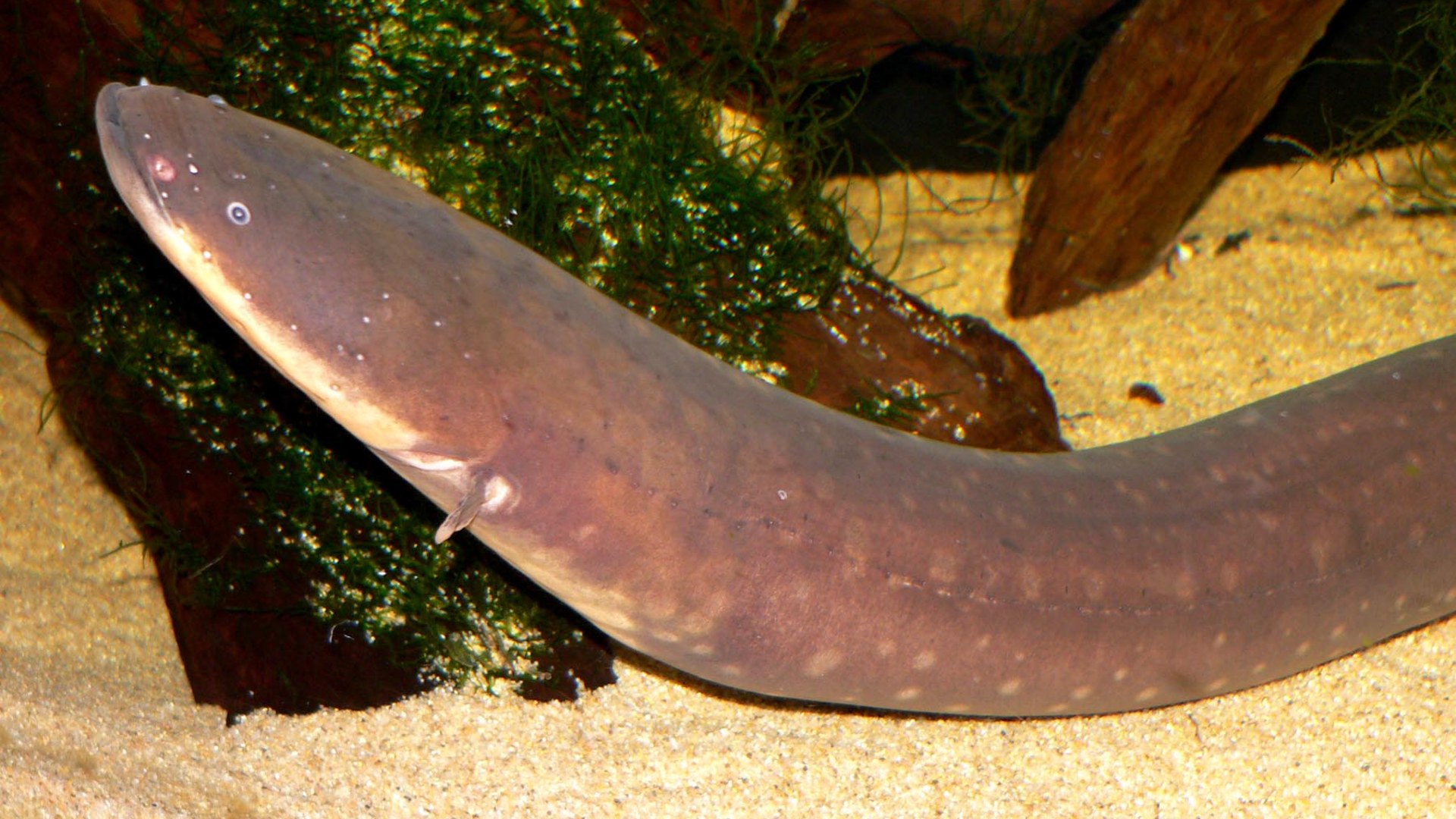
7. Electric Eel
Packed with thousands of disc-shaped electrocytes, the electric eel acts as a living battery. By coordinating ion channels across its length, it can discharge up to 860 volts and 1 amp of current—enough to incapacitate large caimans and illuminate a bank of lightbulbs.
©Wikimedia / Stan Shebs
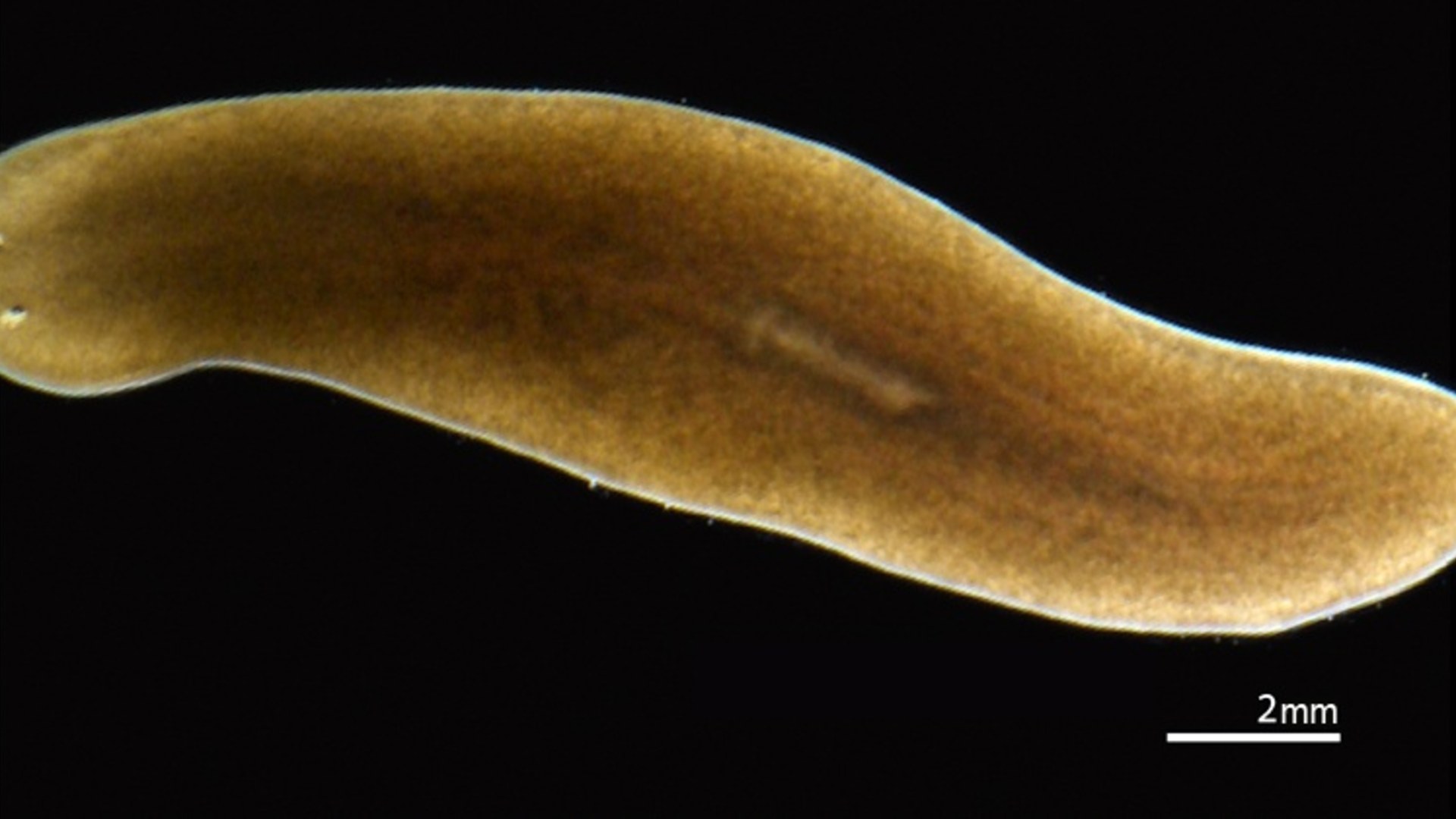
6. Planarian Flatworm
Cut a planarian into 279 microscopic pieces, and each fragment will regenerate into an entirely new, fully functioning worm within weeks. Fueled by pluripotent stem cells known as neoblasts, these flatworms exhibit seemingly infinite tissue regeneration without aging.
©Wikimedia / Holger Brandl
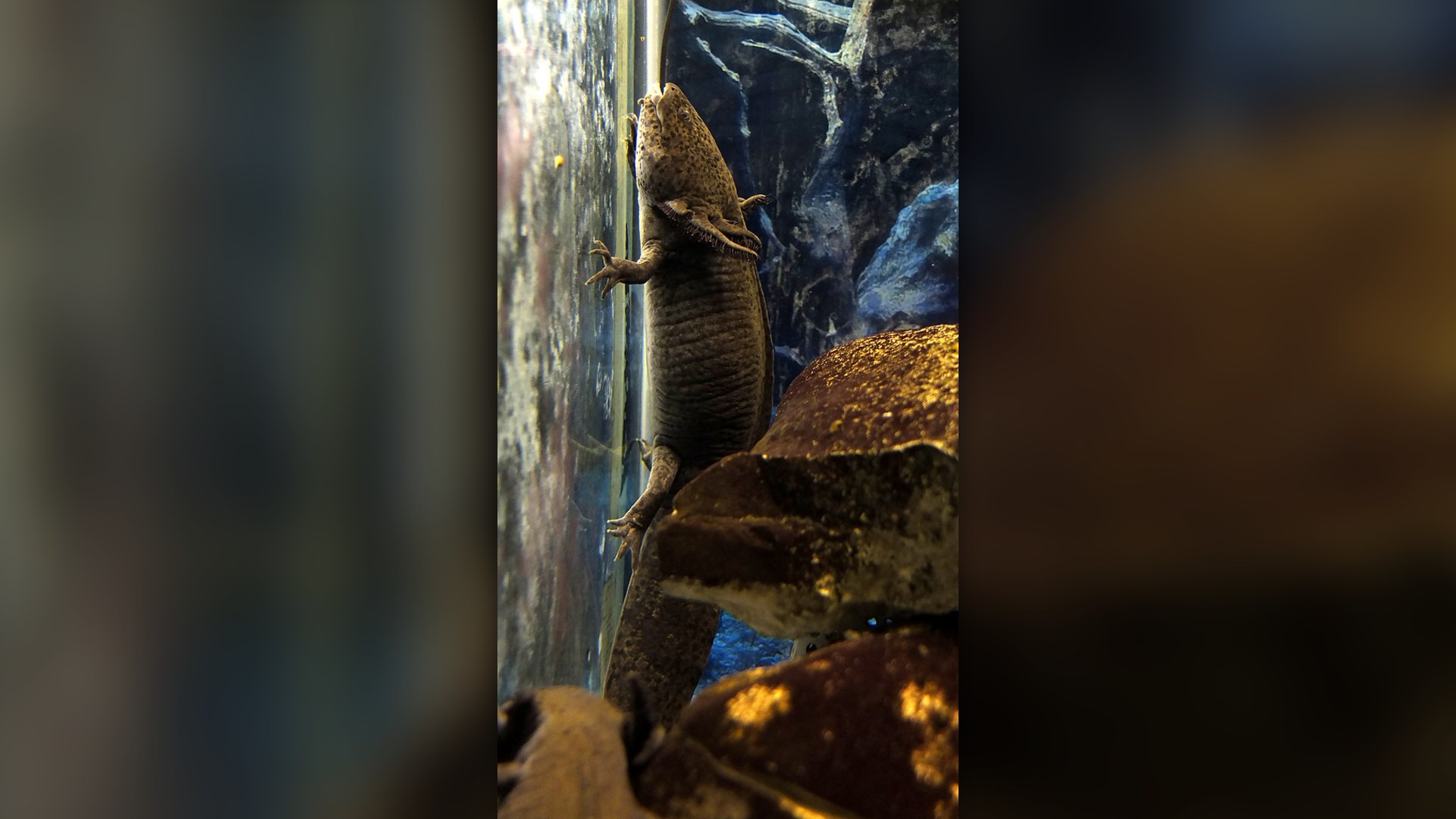
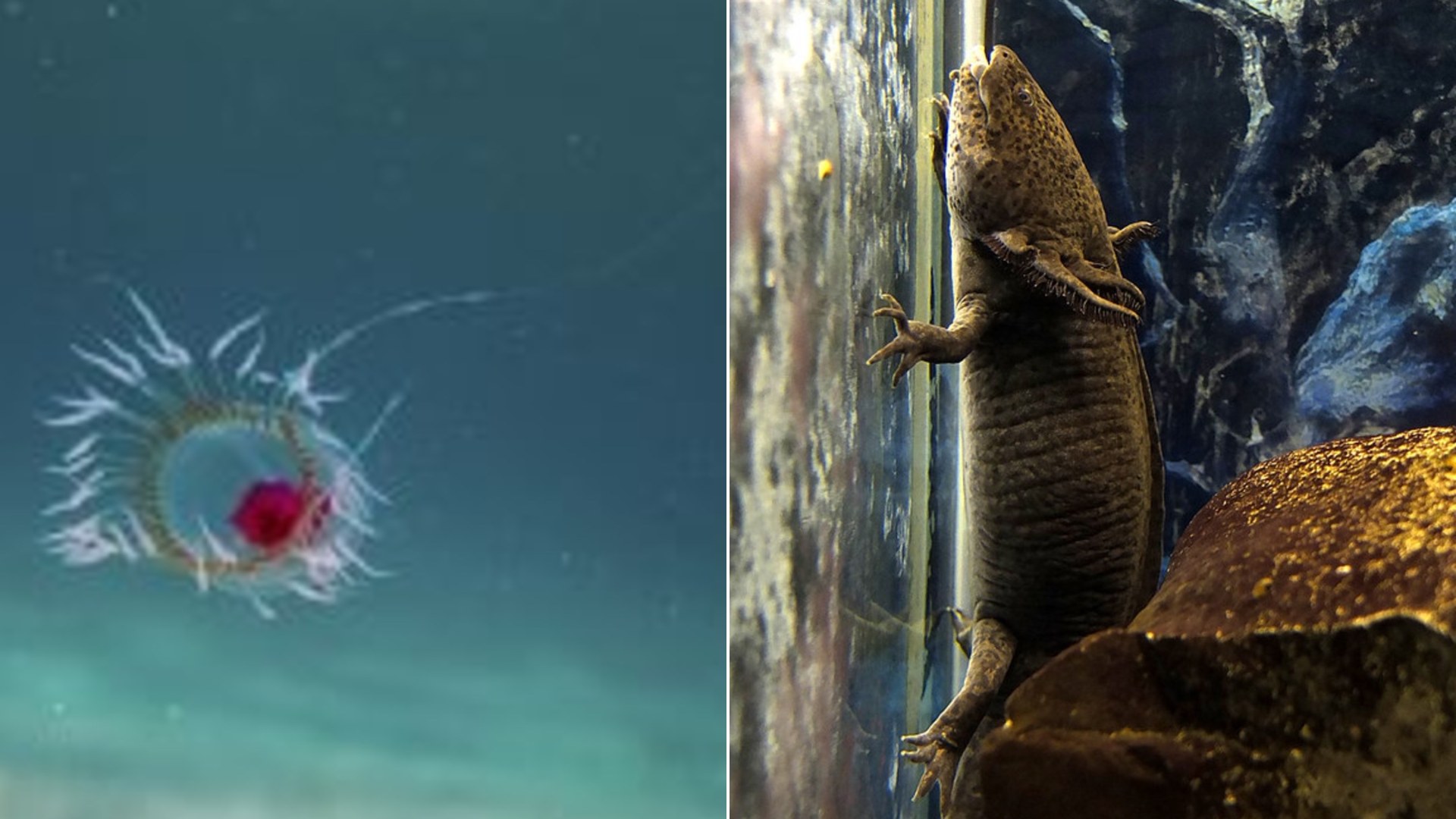
5. Axolotl
This Mexican salamander can regrow lost limbs, tail, heart tissue, spinal cord segments, and even parts of its brain without leaving a single scar. Unlike human scarring, axolotl cells de-differentiate to form a blastema that perfectly reconstructs missing anatomy.
©Openverse / Vladislav Litvinov
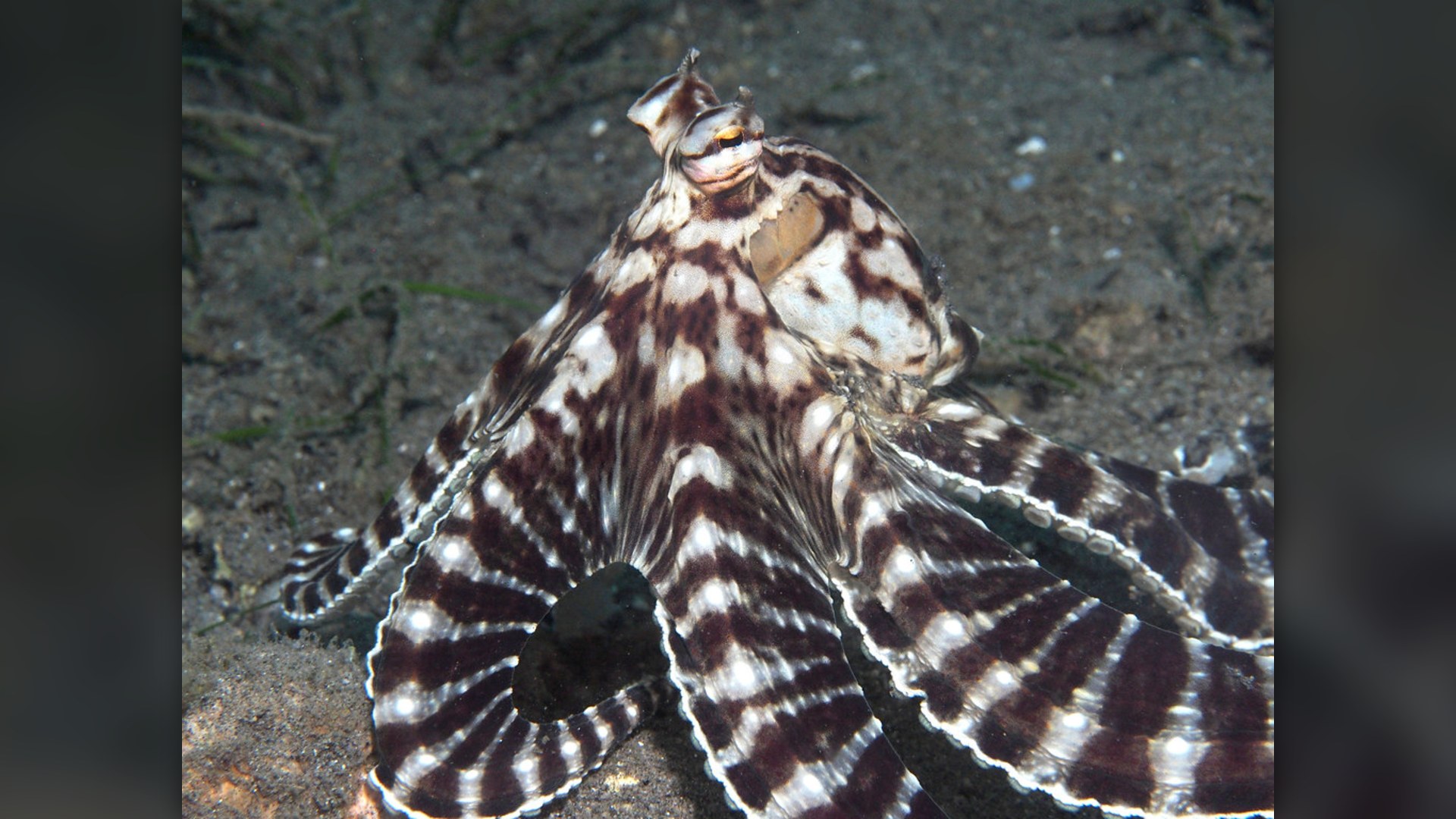
4. Mimic Octopus
Discovered in Sulawesi in 1998, this cephalopod can contort its body and alter chromatophores to impersonate lionfish, sea snakes, stingrays, and jellyfish. It selectively adopts whichever predator disguise will most effectively terrify its current attacker.
©Openverse / Rickard Zerpe
Advertisement
Swipe or tap ▶ to resume the countdown.
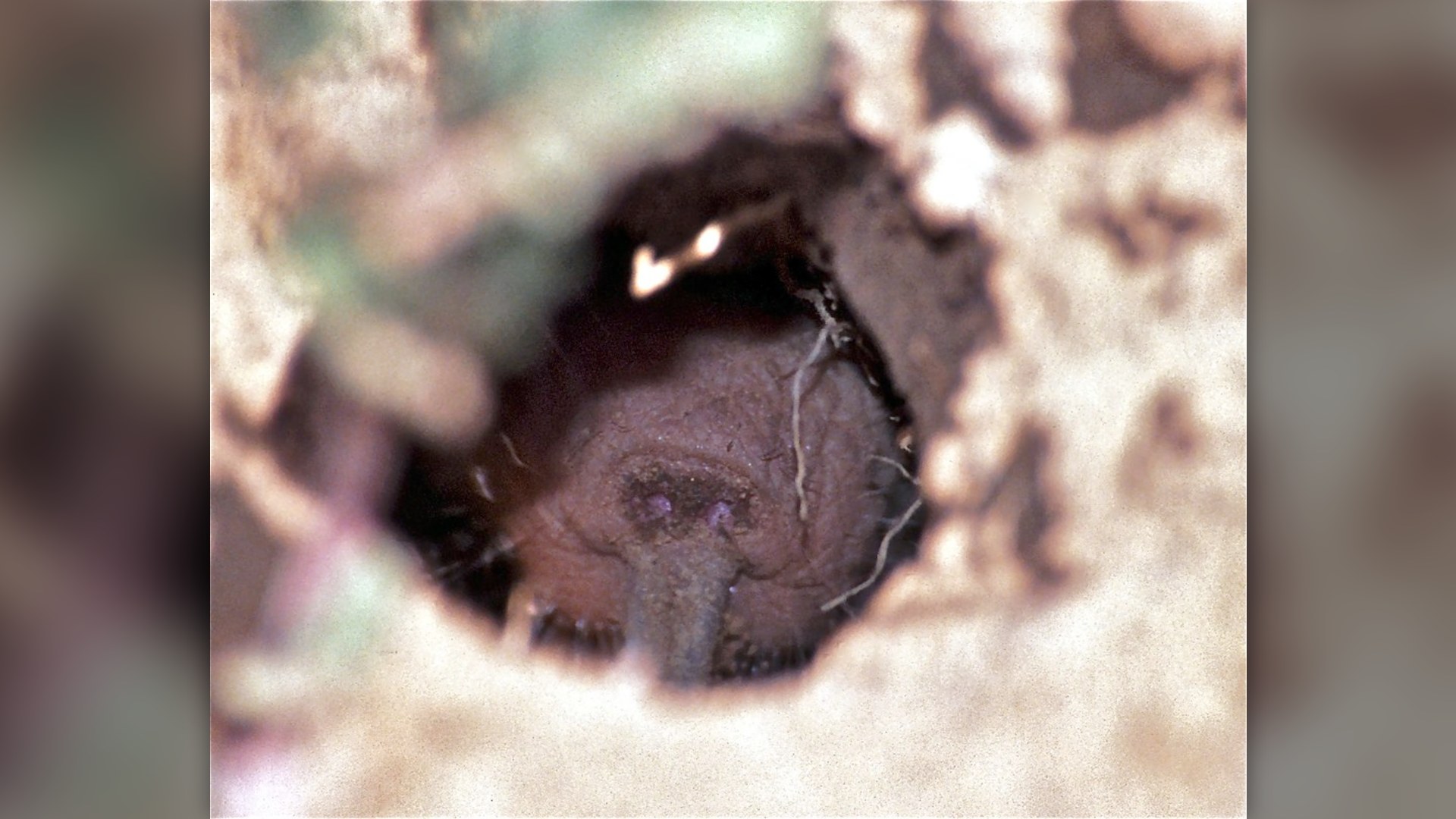
3. Naked Mole-Rat
Living over 30 years—ten times longer than standard rodents—naked mole-rats produce high-molecular-mass hyaluronan that shields their cells from cancerous mutations. They feel virtually no acid pain, withstand extreme hypoxia, and maintain robust youth into old age.
©Openverse / Bernard Dupont
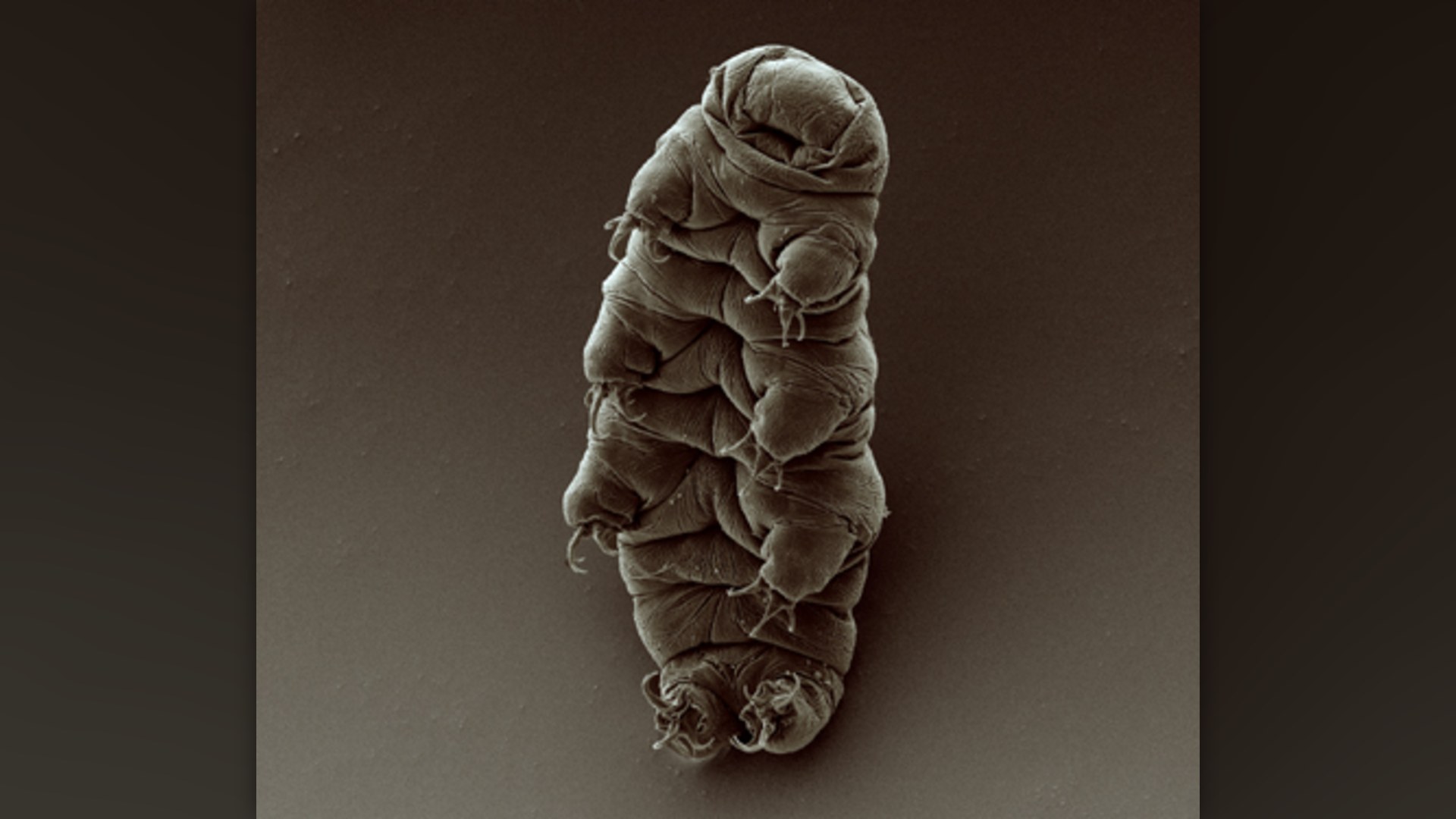
2. Tardigrade
Also known as the water bear, this microscopic animal enters a glass-like state called cryptobiosis when dried out. In suspended animation, it can survive lethal cosmic radiation, temperatures ranging from near absolute zero to 300°F (150°C), and the vacuum of space.
©Wikimedia / Bob Goldstein
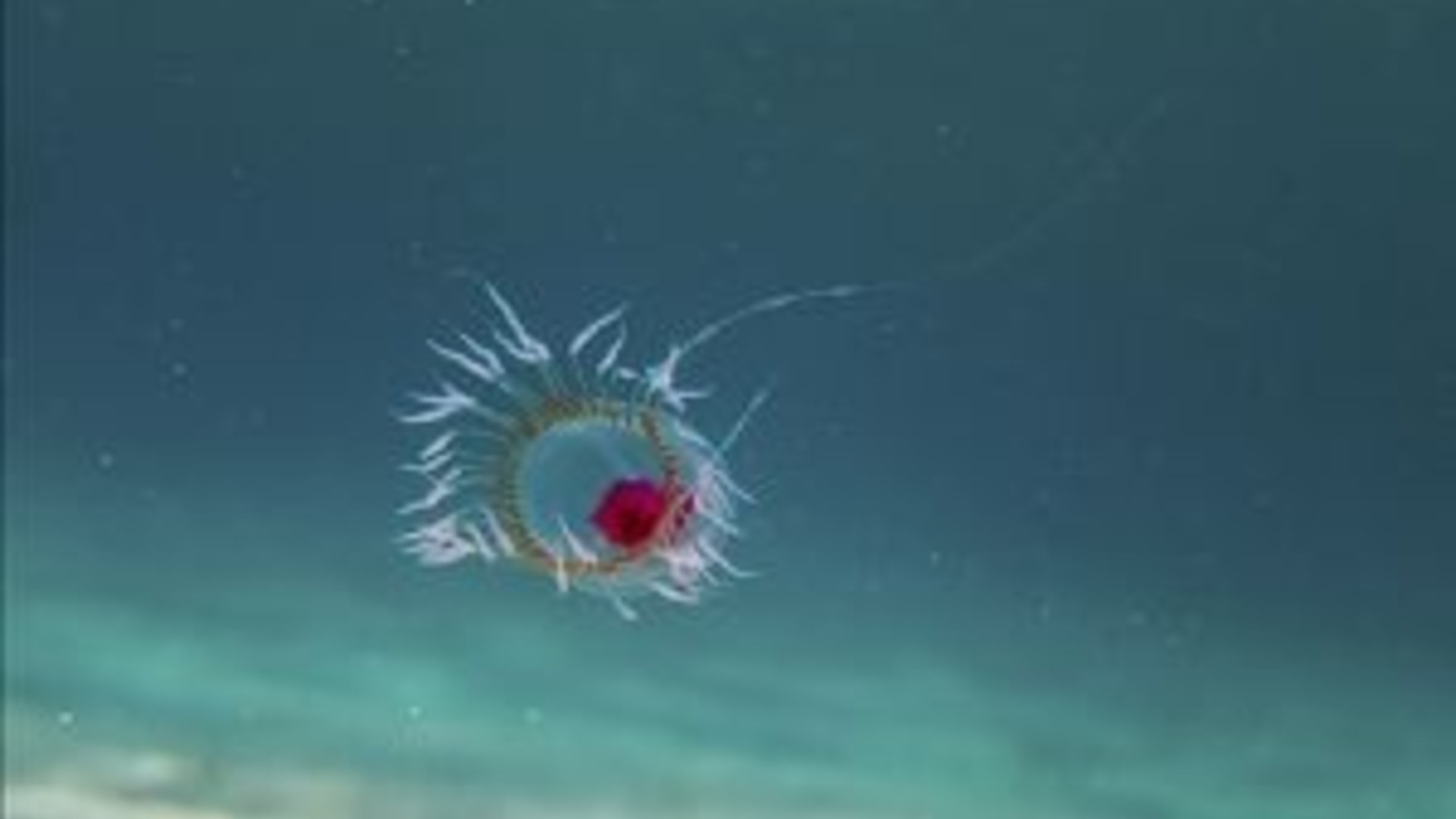
1. Immortal Jellyfish
When injured, starving, or aging, Turritopsis dohrnii triggers transdifferentiation. Its adult cells transform back into primitive stem cells, reforming into a bottom-dwelling polyp colony that spawns genetically identical young jellyfish, effectively living forever.

©Wikimedia / Bachware
Advertisement
You've reached the end of the story. Thanks for reading!

How Long Do Hippos Live? 20 Other Facts About Hippos
From sixty-year lifespans to whale cousins, discover secrets of river giants
All 10 Entries in this Story
10. Pistol Shrimp
By snapping its oversized claw shut at 60 mph, the pistol shrimp generates an explosive cavitation bubble. As the bubble implodes, temperatures briefly surge past 8,000°F (4,400°C), producing a deafening 218-decibel soundwave that instantly stuns prey in the open water.

9. Bombardier Beetle
When threatened, the bombardier beetle mixes hydroquinone and hydrogen peroxide within a reinforced abdominal chamber. The ensuing catalytic reaction boils the liquid instantly, blasting noxious 212°F (100°C) spray in rapid-fire bursts to repel predators.

8. Wood Frog
The Alaskan wood frog survives subzero winters by allowing up to 70% of its body water to freeze solid. Packed with glucose that acts as natural antifreeze to protect cells, its heart stops beating completely for months until it simply thaws and hops away.

7. Electric Eel
Packed with thousands of disc-shaped electrocytes, the electric eel acts as a living battery. By coordinating ion channels across its length, it can discharge up to 860 volts and 1 amp of current—enough to incapacitate large caimans and illuminate a bank of lightbulbs.

6. Planarian Flatworm
Cut a planarian into 279 microscopic pieces, and each fragment will regenerate into an entirely new, fully functioning worm within weeks. Fueled by pluripotent stem cells known as neoblasts, these flatworms exhibit seemingly infinite tissue regeneration without aging.

5. Axolotl
This Mexican salamander can regrow lost limbs, tail, heart tissue, spinal cord segments, and even parts of its brain without leaving a single scar. Unlike human scarring, axolotl cells de-differentiate to form a blastema that perfectly reconstructs missing anatomy.

4. Mimic Octopus
Discovered in Sulawesi in 1998, this cephalopod can contort its body and alter chromatophores to impersonate lionfish, sea snakes, stingrays, and jellyfish. It selectively adopts whichever predator disguise will most effectively terrify its current attacker.

3. Naked Mole-Rat
Living over 30 years—ten times longer than standard rodents—naked mole-rats produce high-molecular-mass hyaluronan that shields their cells from cancerous mutations. They feel virtually no acid pain, withstand extreme hypoxia, and maintain robust youth into old age.

2. Tardigrade
Also known as the water bear, this microscopic animal enters a glass-like state called cryptobiosis when dried out. In suspended animation, it can survive lethal cosmic radiation, temperatures ranging from near absolute zero to 300°F (150°C), and the vacuum of space.

1. Immortal Jellyfish
When injured, starving, or aging, Turritopsis dohrnii triggers transdifferentiation. Its adult cells transform back into primitive stem cells, reforming into a bottom-dwelling polyp colony that spawns genetically identical young jellyfish, effectively living forever.