Slideshow · Viral
10 Iconic Aircraft That Changed Aviation History
From a sandy dune in Kitty Hawk to high-altitude pressurized heavy bombers and supersonic jets, these ten legendary flying machines broke barriers, reshaped global travel, and forever altered human history.
By Most Viral Today
29 Oct 2026

10 Iconic Aircraft That Changed Aviation History 
10. Bell X-1 
9. Messerschmitt Me 262 
8. Supermarine Spitfire - AdvertisementSwipe or tap ▶ to continue countdown

7. Douglas DC-3 
6. Boeing B-29 Superfortress 
5. Lockheed SR-71 Blackbird 
4. Concorde - AdvertisementSwipe or tap ▶ to continue countdown

3. Boeing 707 
2. Boeing 747 
1. Wright Flyer - Advertisement🔥 UP NEXT IN THIS SERIES◫ 21 Slides

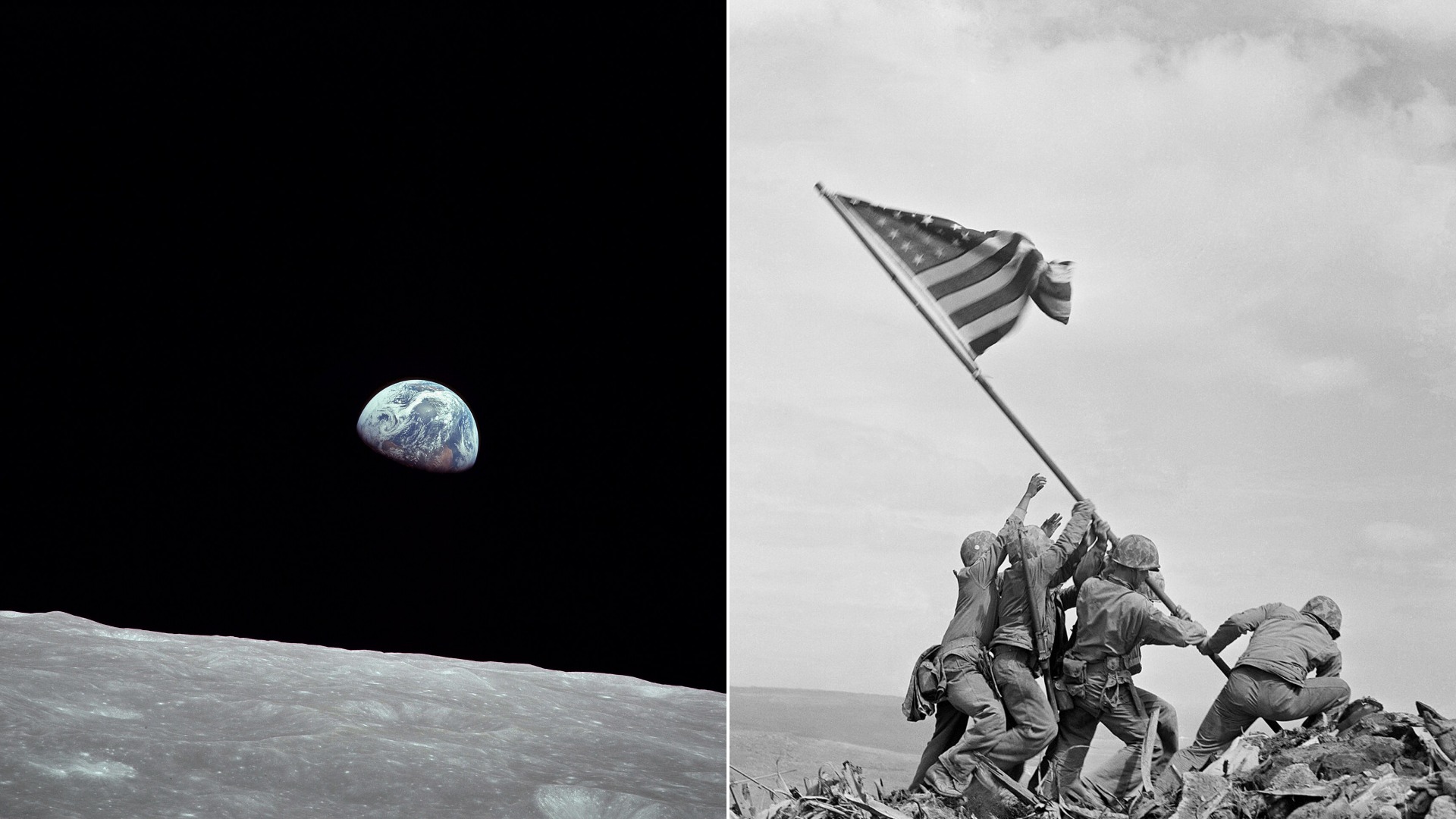
20 Iconic Historical Photos and the Archive Clues Behind Them
Contact sheets, cracked glass plates, and NASA mission logs preserve the hidden steps behind 20 famous photographs. Drawing on records from the Library of Congress, the National Archives, NASA, and the Smithsonian, this countdown traces how cropping, camera setups, and double exposures shaped each frame.
From a sandy dune in Kitty Hawk to high-altitude pressurized heavy bombers and supersonic jets, these ten legendary flying machines broke barriers, reshaped global travel, and forever altered human history.
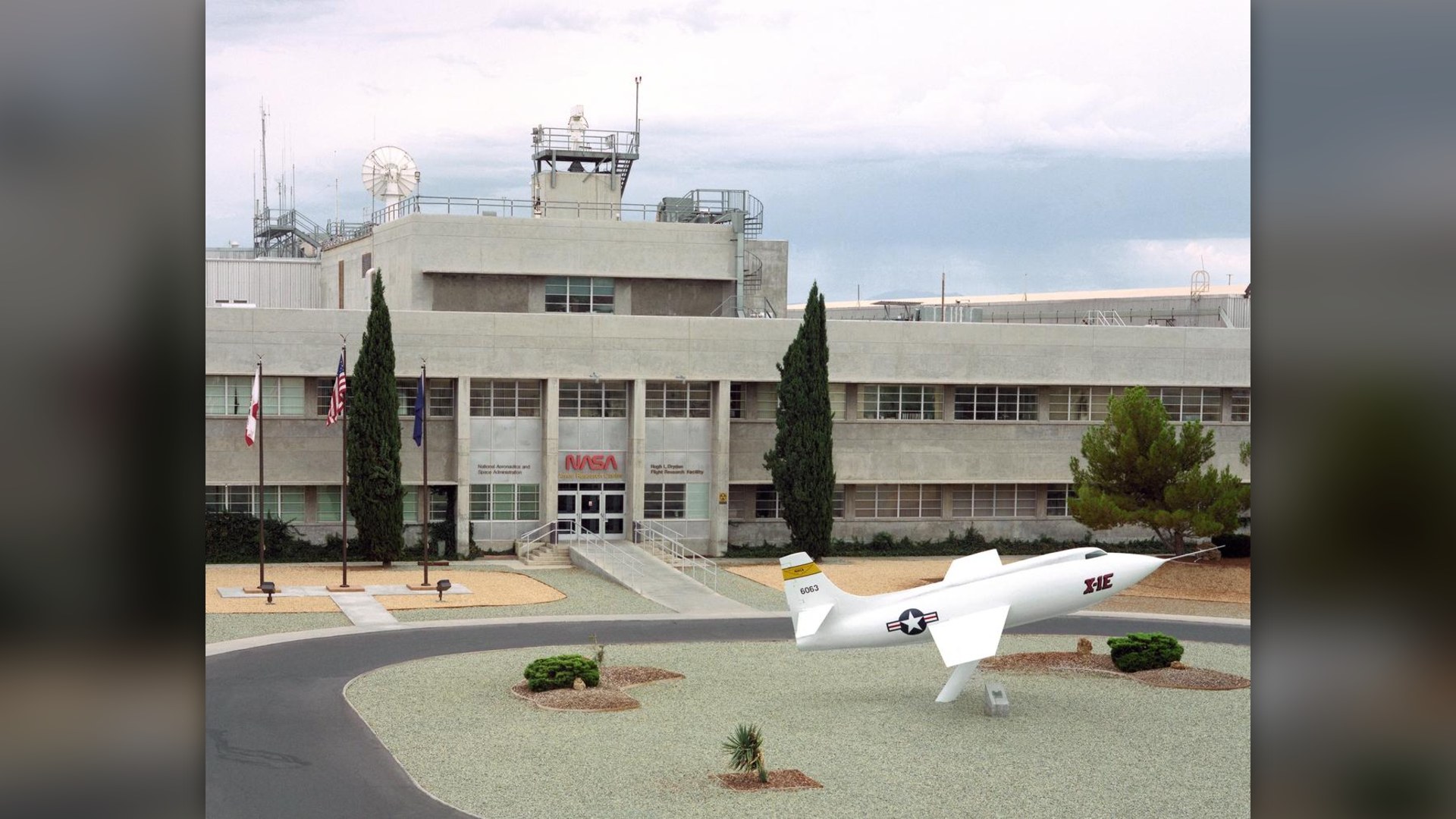
Swipe or tap ▶ to begin the countdown
©NASA / GRC
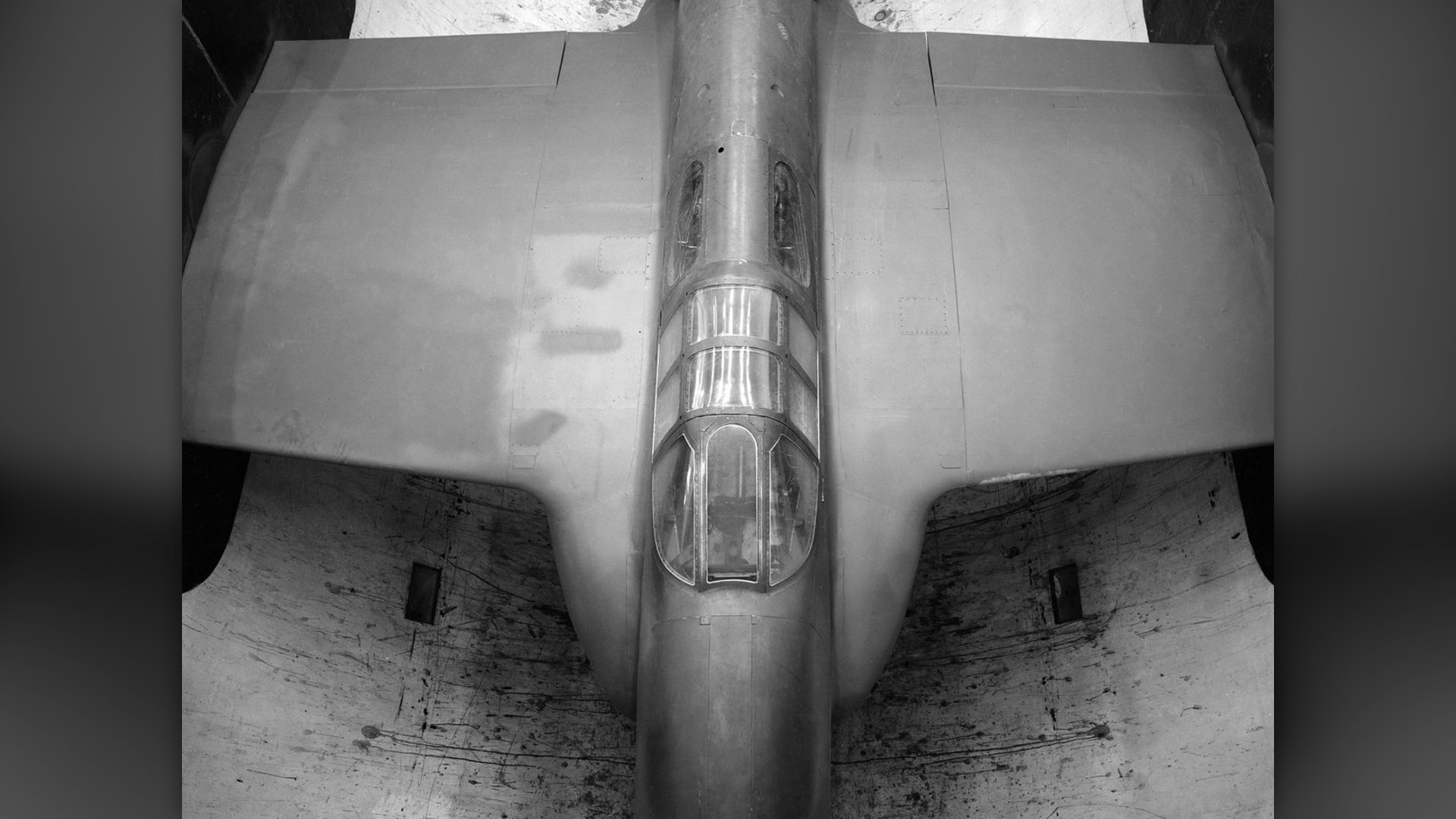
10. Bell X-1
Flown by Air Force pilot Chuck Yeager, the rocket-powered Bell X-1 'Glamorous Glennis' proved human beings could conquer aerodynamic compressibility and fly faster than sound.
©NASA / AFRC / NASA
9. Messerschmitt Me 262
Debuting in 1944, the twin-engine German Me 262 'Schwalbe' ushered in the jet propulsion era with swept wings and a 540 mph top speed, rendering piston fighters obsolete.
©NASA / GRC
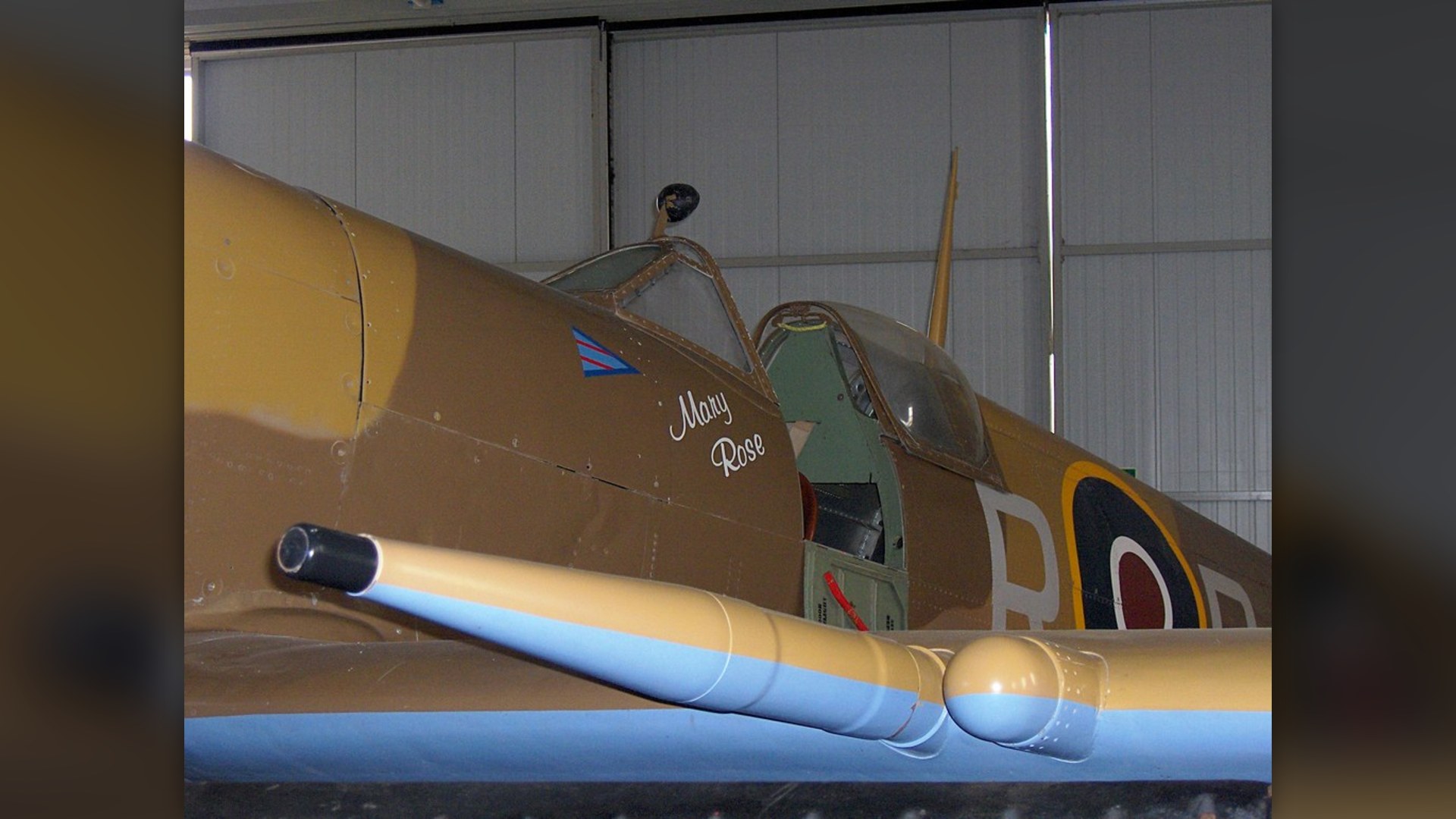
8. Supermarine Spitfire
Combining brilliant British aeronautical engineering with the roaring Rolls-Royce Merlin engine, R.J. Mitchell's Spitfire defended Britain's skies in 1940 and became a symbol of national resilience.
©Openverse / foxypar4
Advertisement
Swipe or tap ▶ to resume the countdown.
7. Douglas DC-3
Introduced in 1935, the rugged DC-3 was the first commercial airliner capable of operating profitably on passenger fares alone without relying on government postal subsidies.
©NASA / ARC
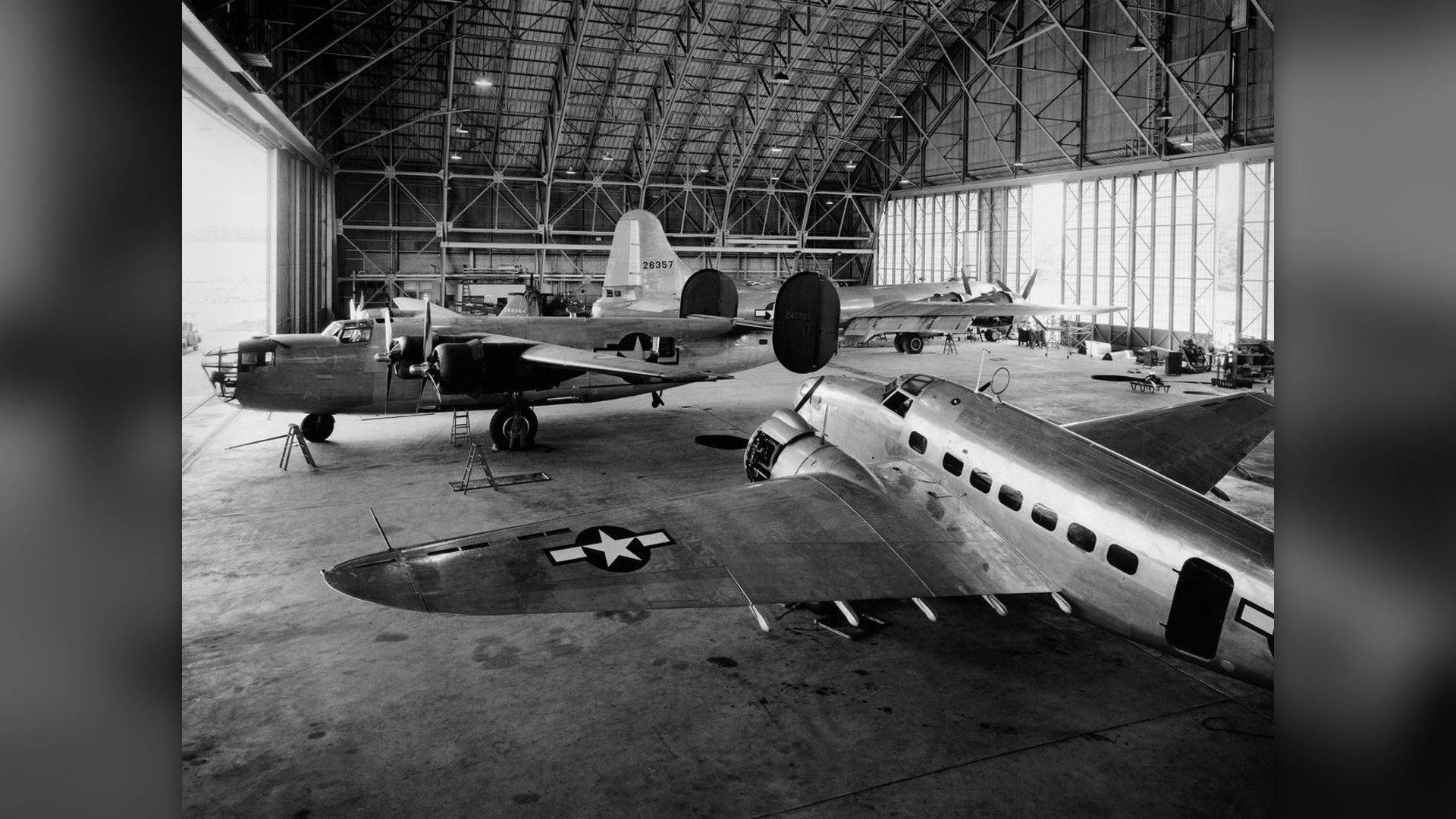
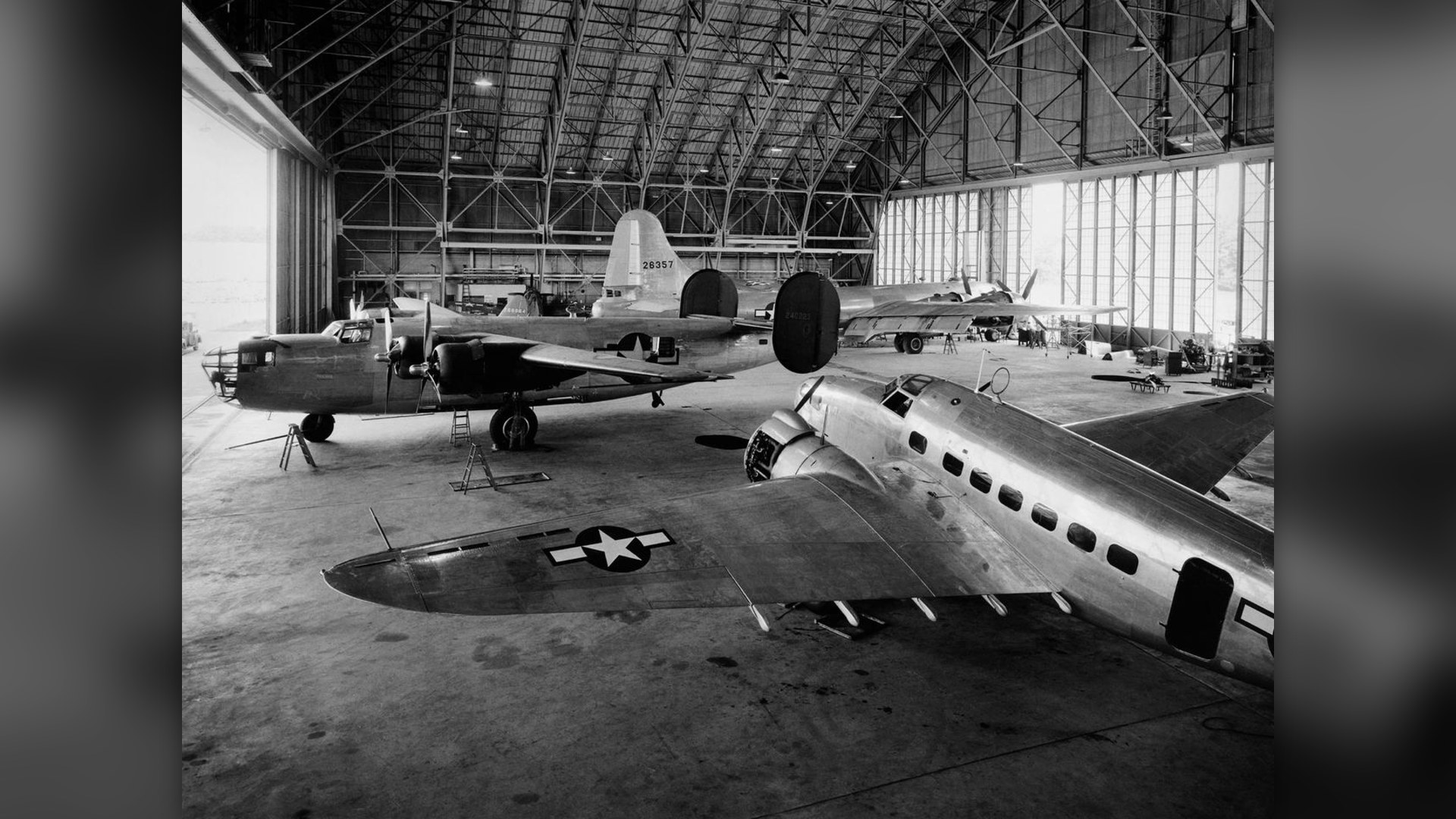
6. Boeing B-29 Superfortress
The B-29 incorporated remote-controlled gun turrets, radar bombing, and full cabin pressurization, setting the technical benchmark for all long-range postwar commercial and military aviation.
©NASA / GRC
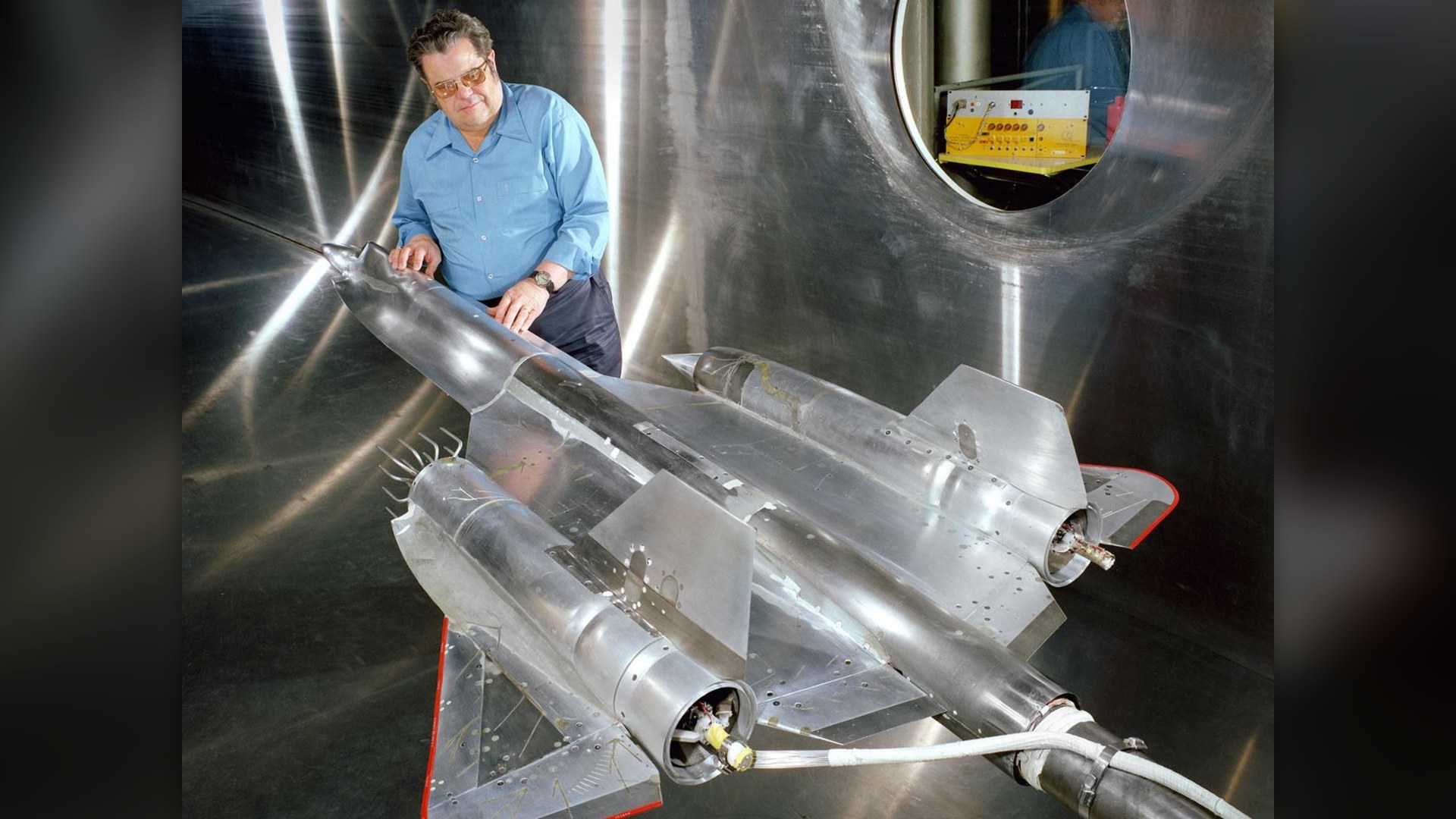
5. Lockheed SR-71 Blackbird
Designed by Clarence 'Kelly' Johnson at Lockheed Skunk Works, the titanium-skinned SR-71 remains the world's fastest, highest-flying air-breathing manned aircraft ever built.
©NASA / GRC
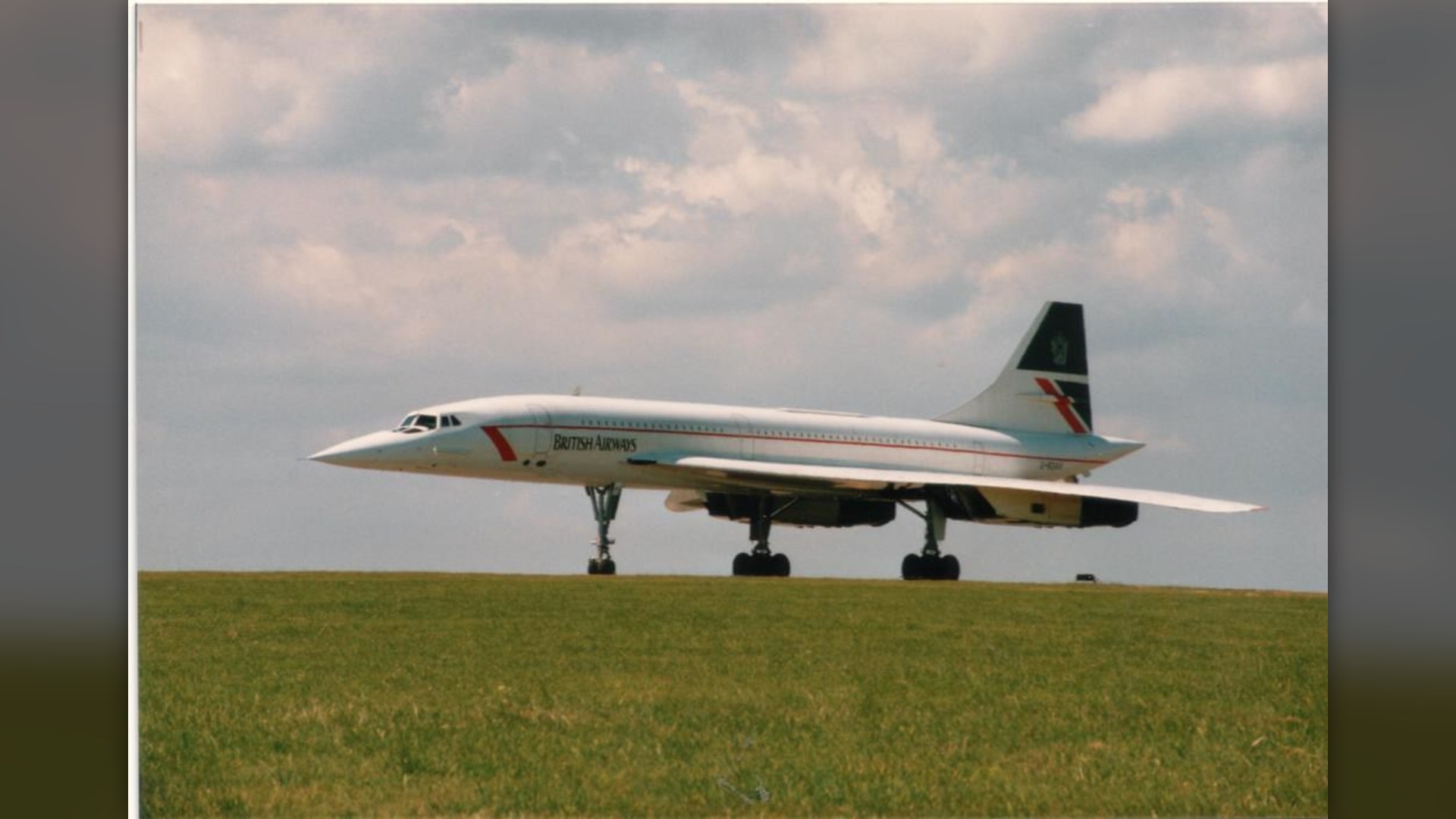
4. Concorde
Jointly engineered by Britain and France, the droop-nosed Concorde flew passengers between London and New York in under 3.5 hours at Mach 2, creating an enduring apex of civilian luxury flight.
©Openverse / Elsie esq.
Advertisement
Swipe or tap ▶ to resume the countdown.
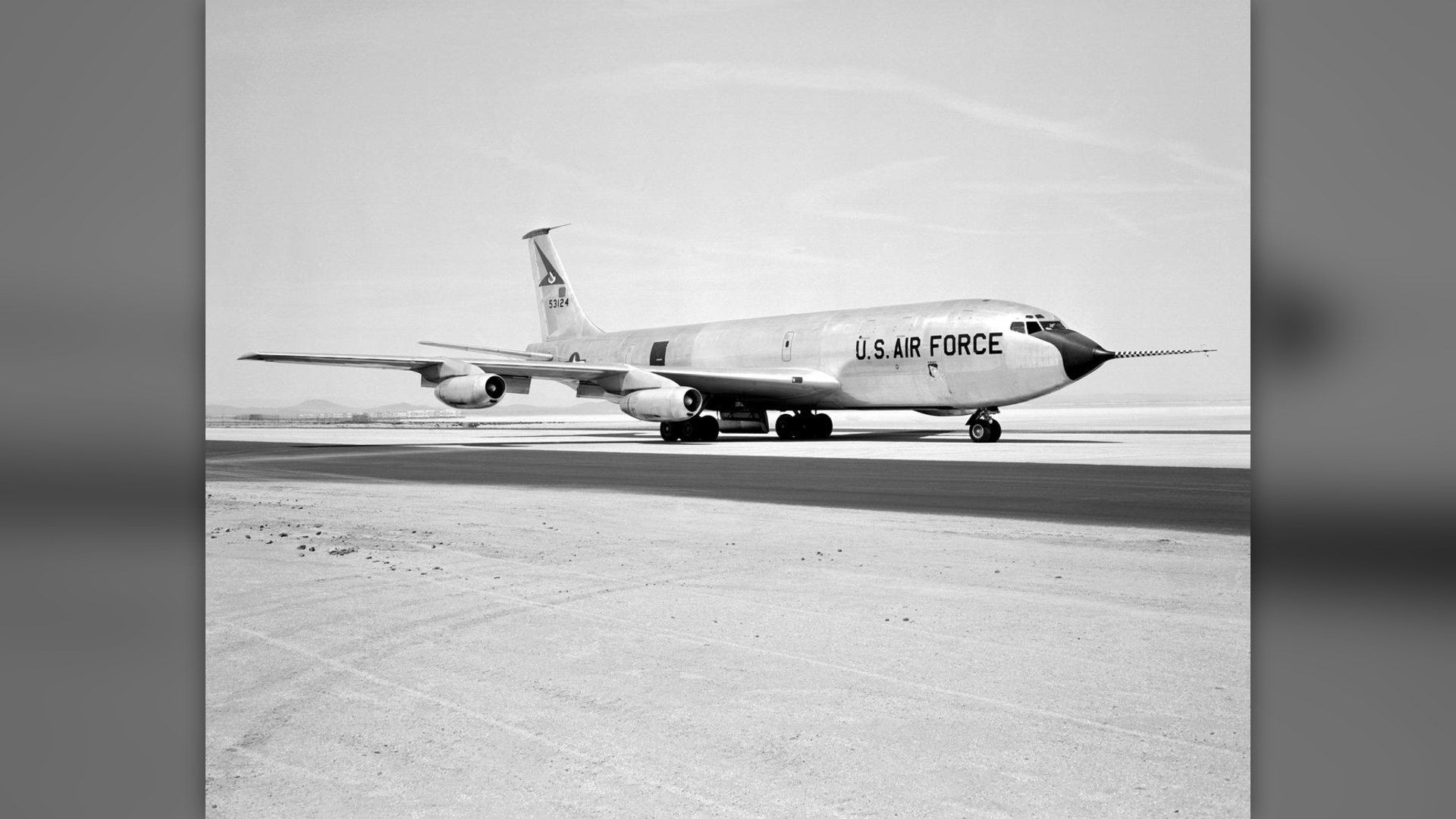
3. Boeing 707
Entering Pan Am service in 1958, the sleek four-engine Boeing 707 proved jetliners were safe, comfortable, and commercially dominant, triggering the rapid modernization of global airports.
©NASA / AFRC
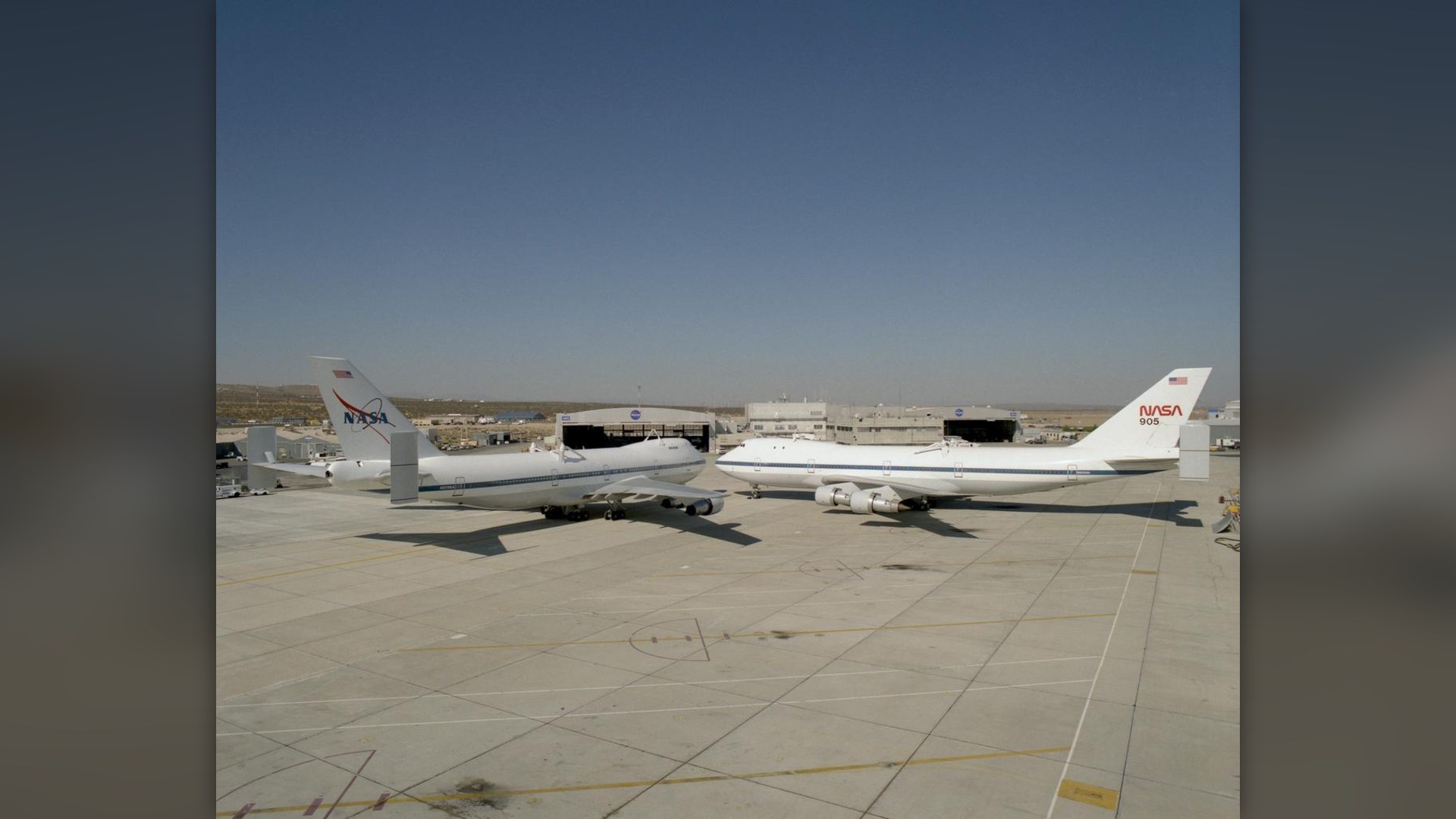
2. Boeing 747
With its recognizable upper-deck hump and twin-aisle cabin, the 747 slashed transatlantic airfares and allowed millions of ordinary travelers to explore distant continents for over half a century.
©NASA / AFRC / NASA/Tony Landis
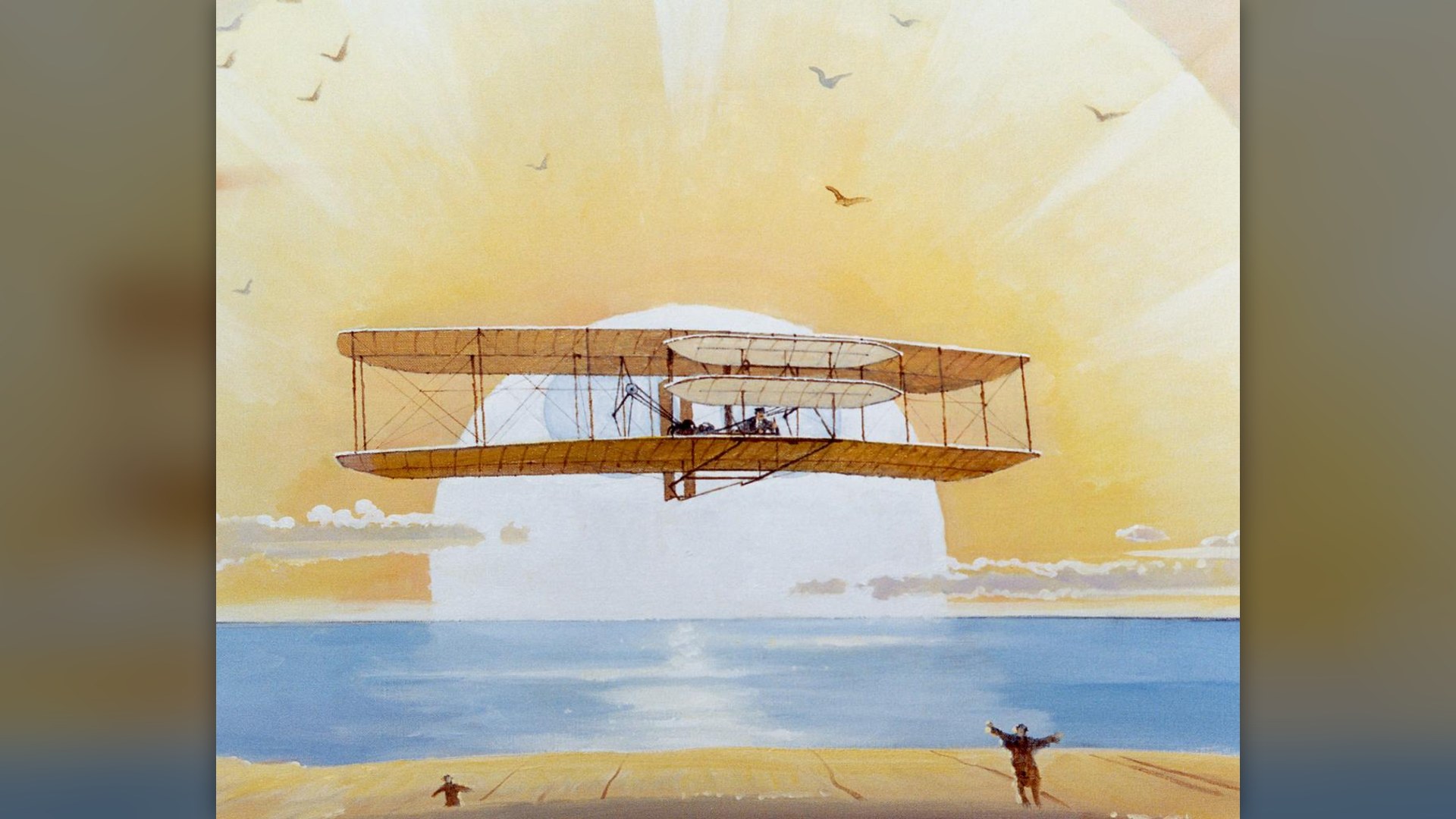
1. Wright Flyer
On December 17, 1903, at Kill Devil Hills, North Carolina, Orville and Wilbur Wright conquered the skies with a 12-second, 120-foot hop that fundamentally launched the modern world.

©NASA / AFRC / NASA/Tony Landis
Advertisement
You've reached the end of the story. Thanks for reading!

20 Iconic Historical Photos and the Archive Clues Behind Them
Contact sheets, cracked glass plates, and NASA mission logs preserve the hidden steps behind 20 famous photographs. Drawing on records from the Library of Congress, the National Archives, NASA, and the Smithsonian, this countdown traces how cropping, camera setups, and double exposures shaped each frame.
All 10 Entries in this Story
10. Bell X-1
Flown by Air Force pilot Chuck Yeager, the rocket-powered Bell X-1 'Glamorous Glennis' proved human beings could conquer aerodynamic compressibility and fly faster than sound.

9. Messerschmitt Me 262
Debuting in 1944, the twin-engine German Me 262 'Schwalbe' ushered in the jet propulsion era with swept wings and a 540 mph top speed, rendering piston fighters obsolete.

8. Supermarine Spitfire
Combining brilliant British aeronautical engineering with the roaring Rolls-Royce Merlin engine, R.J. Mitchell's Spitfire defended Britain's skies in 1940 and became a symbol of national resilience.

7. Douglas DC-3
Introduced in 1935, the rugged DC-3 was the first commercial airliner capable of operating profitably on passenger fares alone without relying on government postal subsidies.

6. Boeing B-29 Superfortress
The B-29 incorporated remote-controlled gun turrets, radar bombing, and full cabin pressurization, setting the technical benchmark for all long-range postwar commercial and military aviation.

5. Lockheed SR-71 Blackbird
Designed by Clarence 'Kelly' Johnson at Lockheed Skunk Works, the titanium-skinned SR-71 remains the world's fastest, highest-flying air-breathing manned aircraft ever built.

4. Concorde
Jointly engineered by Britain and France, the droop-nosed Concorde flew passengers between London and New York in under 3.5 hours at Mach 2, creating an enduring apex of civilian luxury flight.

3. Boeing 707
Entering Pan Am service in 1958, the sleek four-engine Boeing 707 proved jetliners were safe, comfortable, and commercially dominant, triggering the rapid modernization of global airports.

2. Boeing 747
With its recognizable upper-deck hump and twin-aisle cabin, the 747 slashed transatlantic airfares and allowed millions of ordinary travelers to explore distant continents for over half a century.

1. Wright Flyer
On December 17, 1903, at Kill Devil Hills, North Carolina, Orville and Wilbur Wright conquered the skies with a 12-second, 120-foot hop that fundamentally launched the modern world.