Slideshow · Animals
10 Most Beautiful Butterflies in the World, Ranked
More than 18,000 butterfly species flutter across the planet, yet only a select few bend sunlight with microscopic wing crystals or turn nearly invisible in the rainforest. Here are the 10 most breath
By Most Viral Today
27 Oct 2026

From Glass Wings to Blue Morphos, Earth's 10 Most Stunning Butterflies 
10. Peacock Butterfly 
9. Malachite Butterfly 
8. Old World Swallowtail - AdvertisementSwipe or tap ▶ to continue countdown

7. Eighty-Eight Butterfly 
6. Emerald Swallowtail 
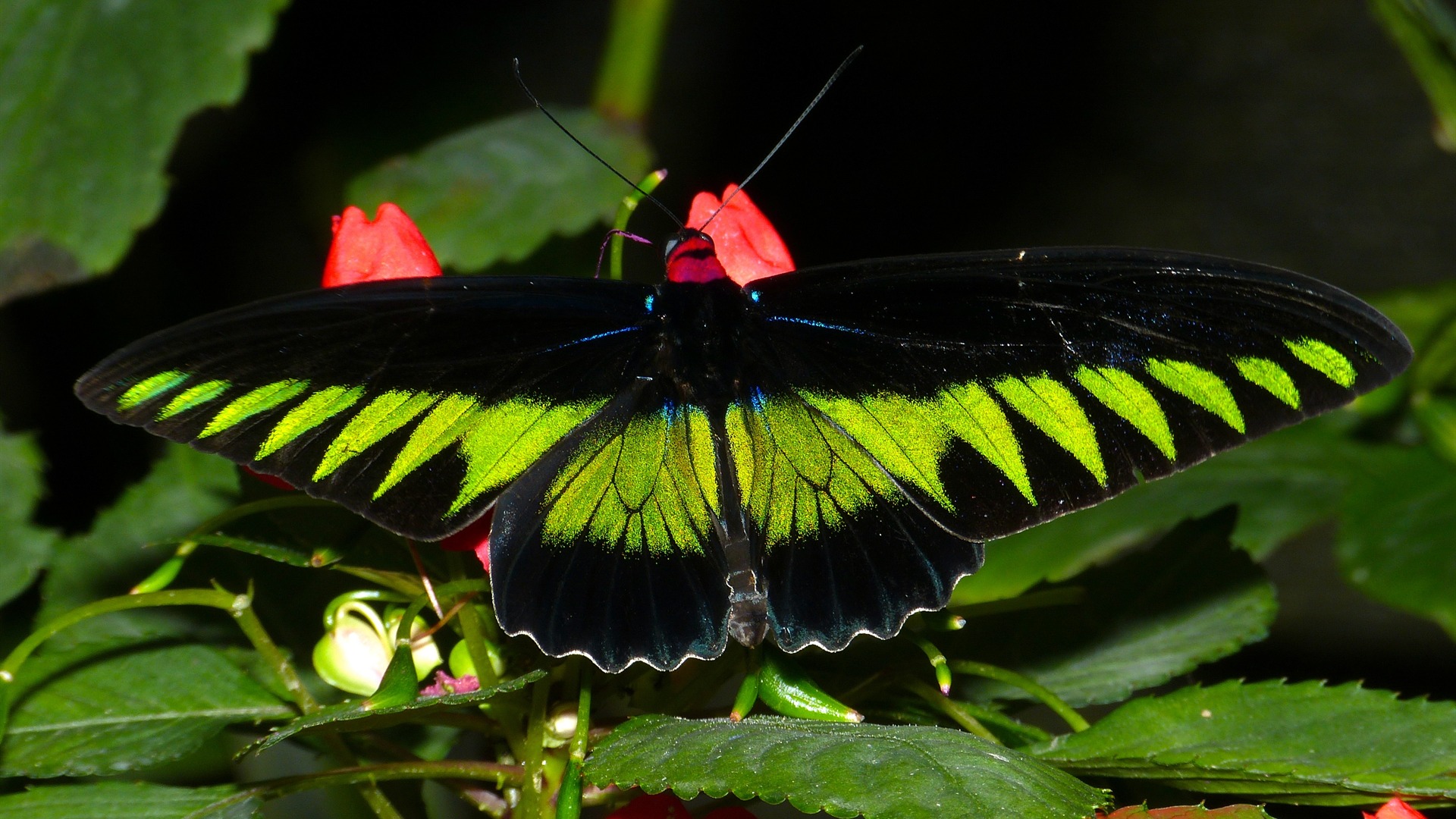
5. Rajah Brooke's Birdwing 
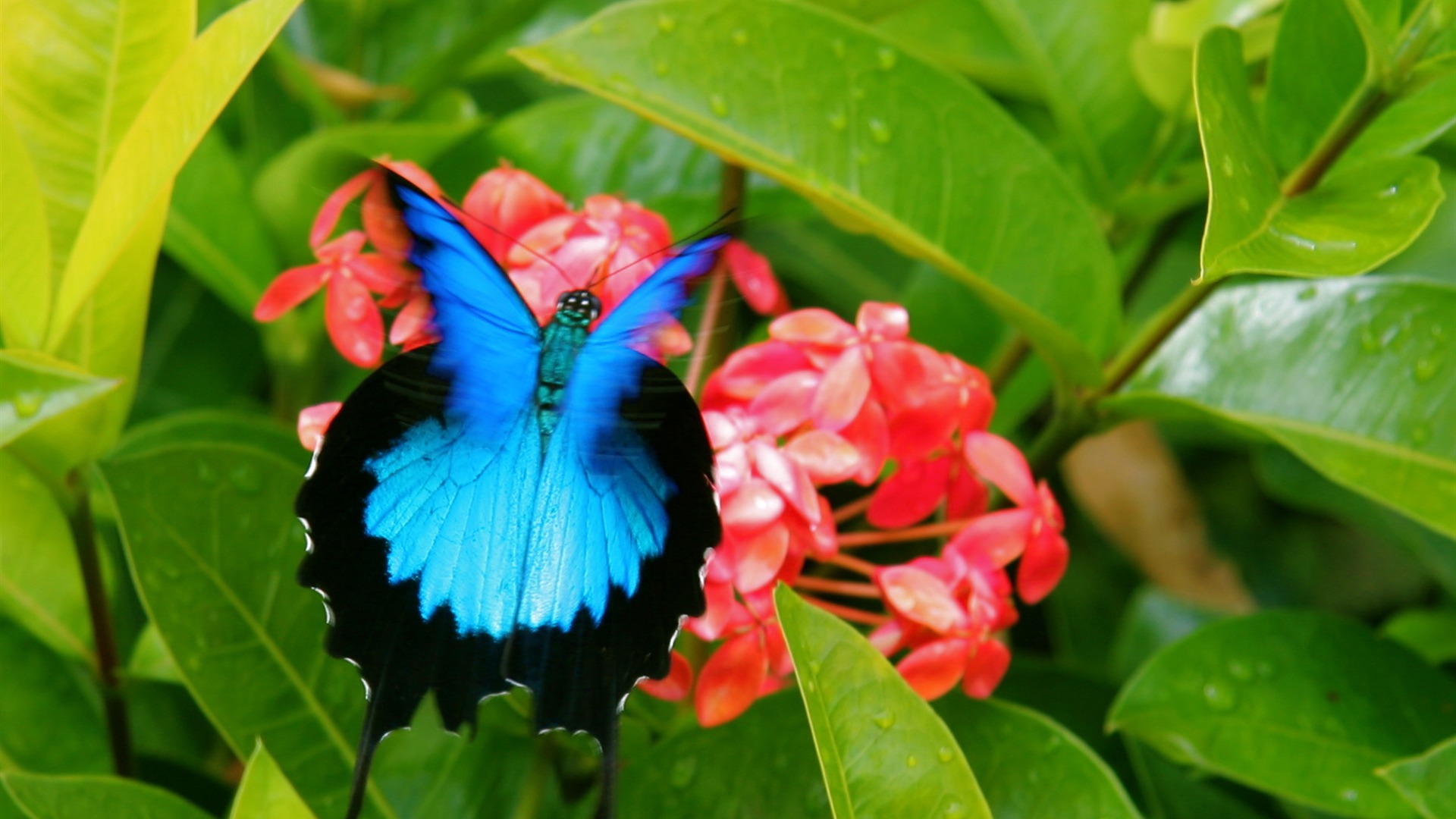
4. Ulysses Butterfly - AdvertisementSwipe or tap ▶ to continue countdown

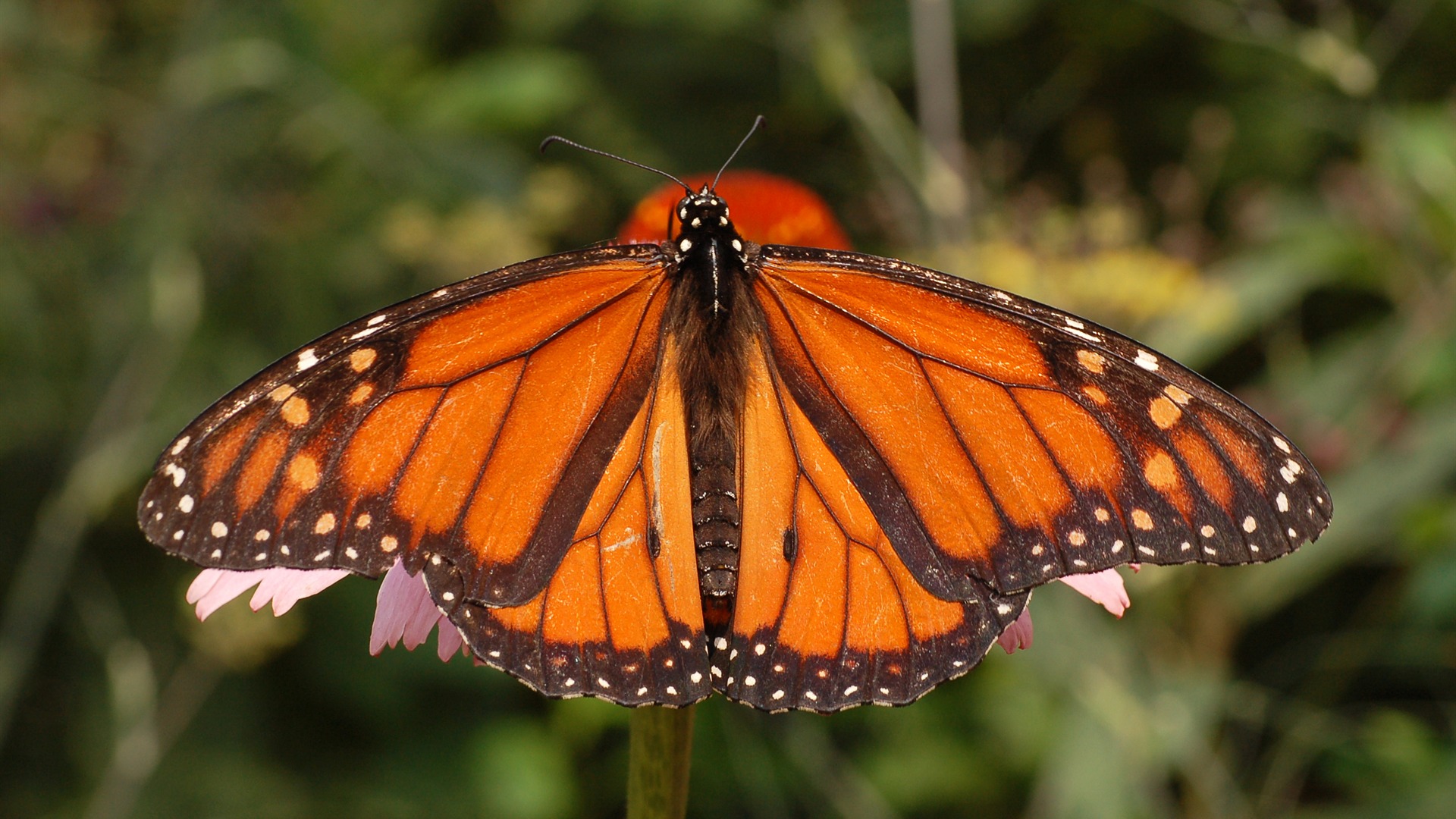
3. Monarch Butterfly 
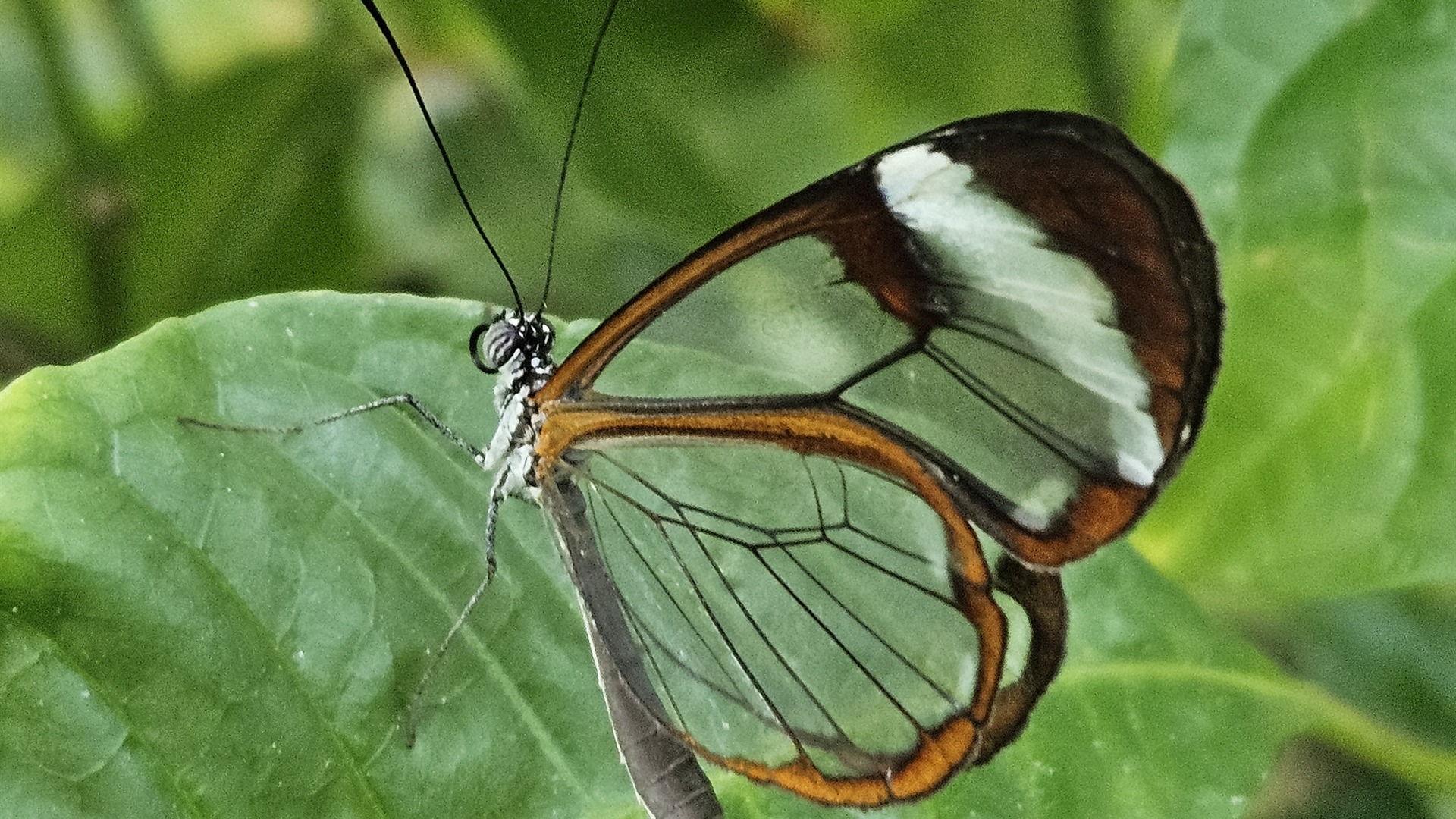
2. Glasswing Butterfly 
1. Blue Morpho Butterfly - Advertisement🔥 UP NEXT IN THIS SERIES◫ 22 Slides

How Long Do Hippos Live? 20 Other Facts About Hippos
From sixty-year lifespans to whale cousins, discover secrets of river giants
More than 18,000 butterfly species live on Earth, from high alpine meadows in Europe to tropical cloud forests in South America and Southeast Asia. Using structural light refraction, bold eyespots, and transparent membranes, these 10 species stand out above all others.
Swipe or tap ▶ to begin the countdown
©Wikimedia / Derek Ramsey & Wikimedia / Alias 0591
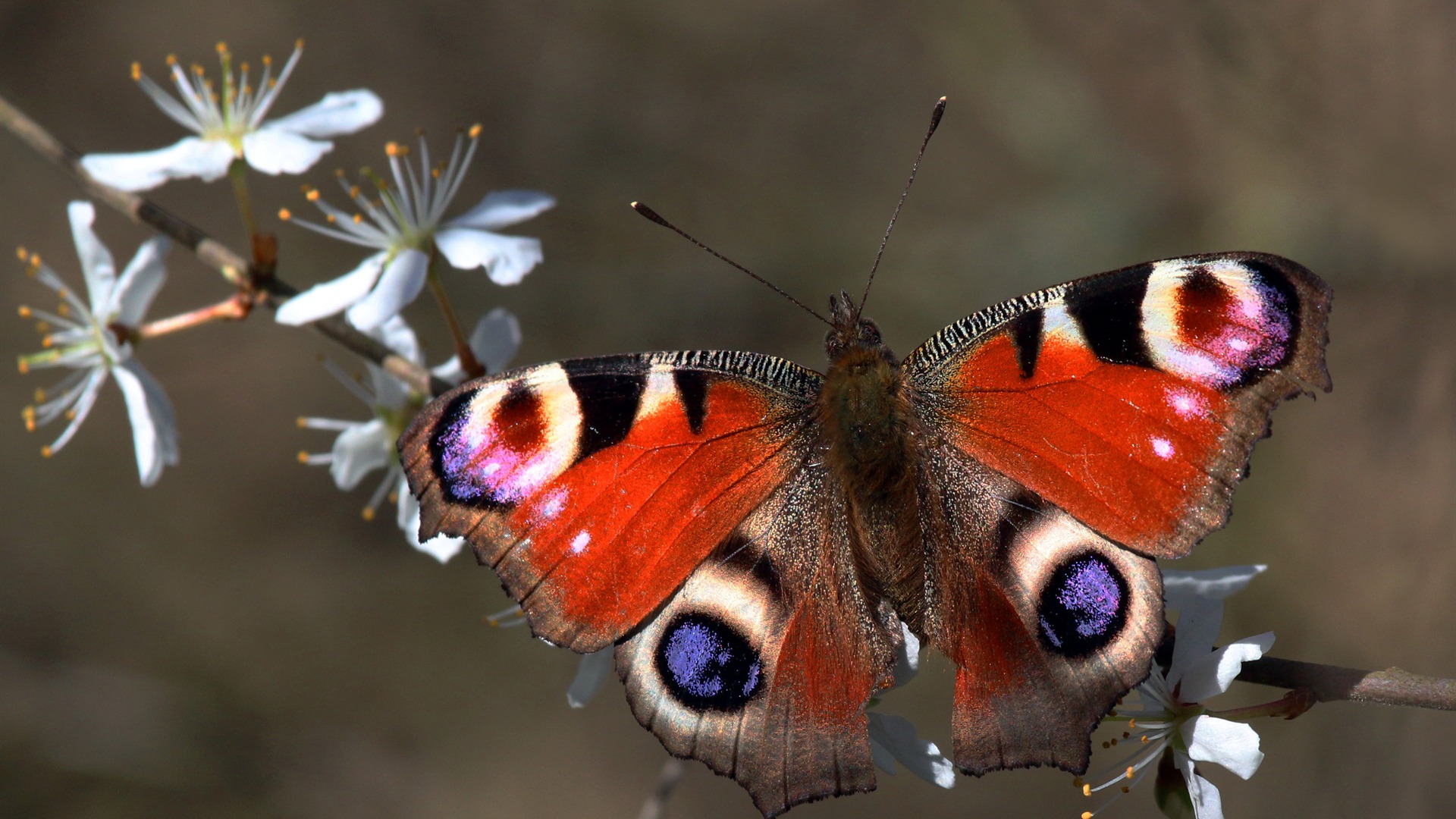
10. Peacock Butterfly
Found across Europe and temperate Asia as far east as Japan, the Peacock Butterfly (Aglais io) keeps its dark, dead-leaf undersides closed while resting. When a predator approaches, it snaps its wings open to reveal four striking blue-and-yellow eyespots and makes a faint hissing sound.
©Wikimedia / Charles J. Sharp
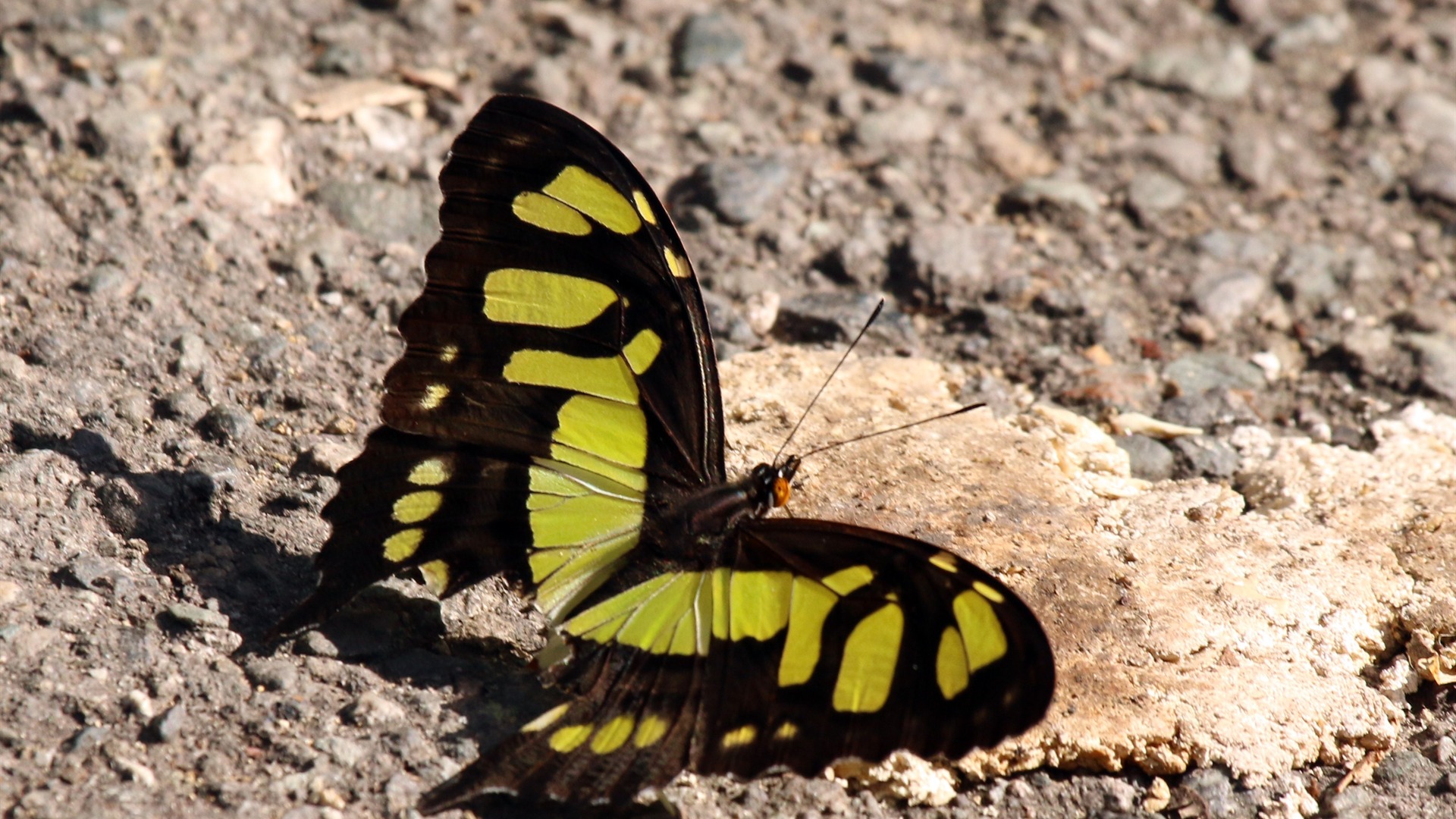
9. Malachite Butterfly
Native to Central and South America as well as the Caribbean and southern Florida, the Malachite Butterfly (Siproeta stelenes) gets its name from the mineral malachite. Its dark brown upper wings feature large translucent lime-green patches while the underside glows golden brown and olive.
©Wikimedia / Charles J. Sharp
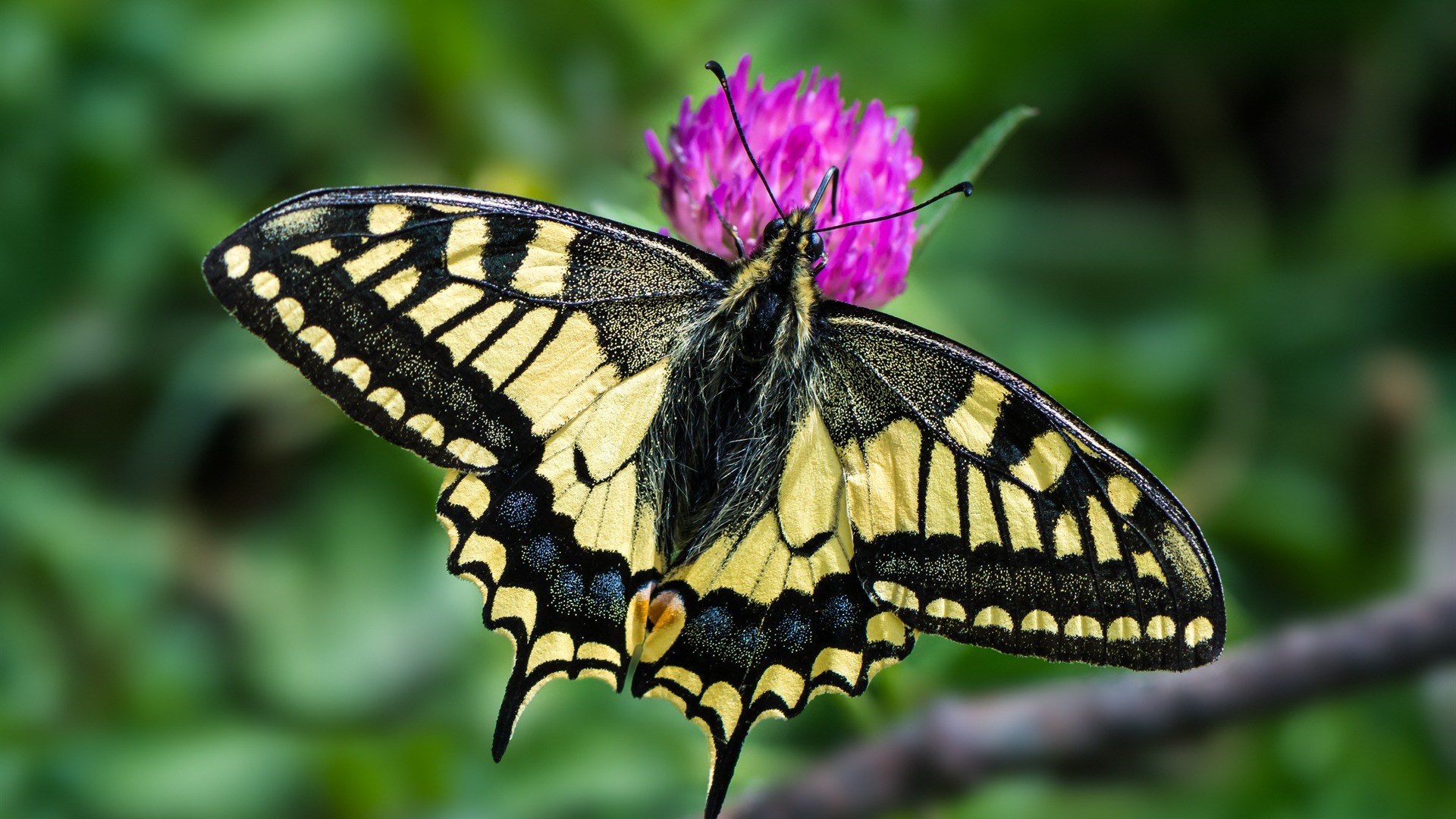
8. Old World Swallowtail
Ranging from the British Isles across Europe, Asia, and northern North America, the Old World Swallowtail (Papilio machaon) is a strong, fast flier. Its hindwings pair blue-dusted bands with a red eyespot above twin tail projections, which mimic a second head to deflect bird strikes.
©Wikimedia / Uoaei1
Advertisement
Swipe or tap ▶ to resume the countdown.
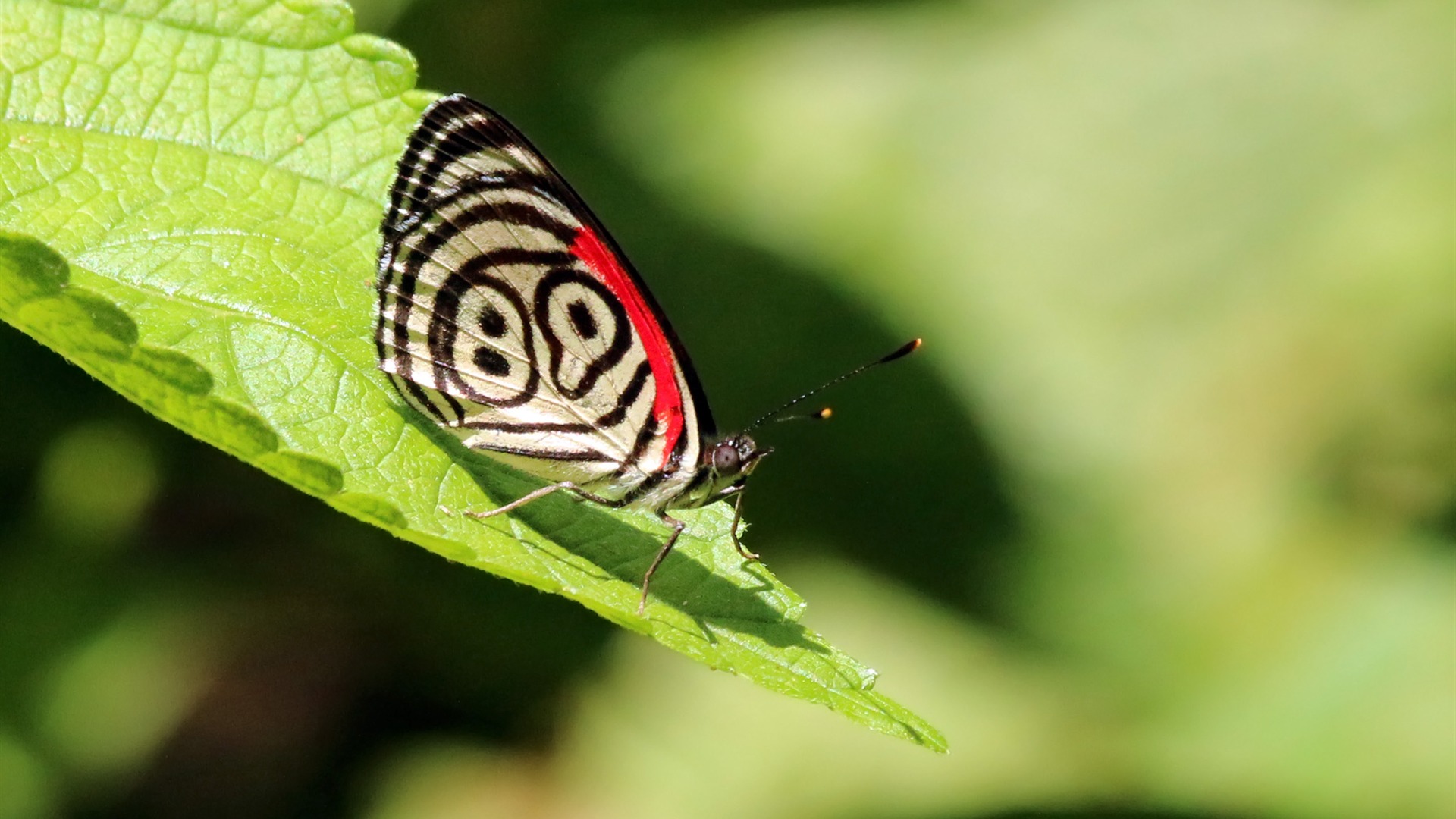
7. Eighty-Eight Butterfly
Twelve species in the Neotropical genus Diaethria share this famous numeric wing pattern across Central and South America. While their upper wings flash dark velvet with a metallic blue or green band, the hindwing underside displays curling black rings and dots that spell out 88 or 89.
©Wikimedia / Charles J. Sharp
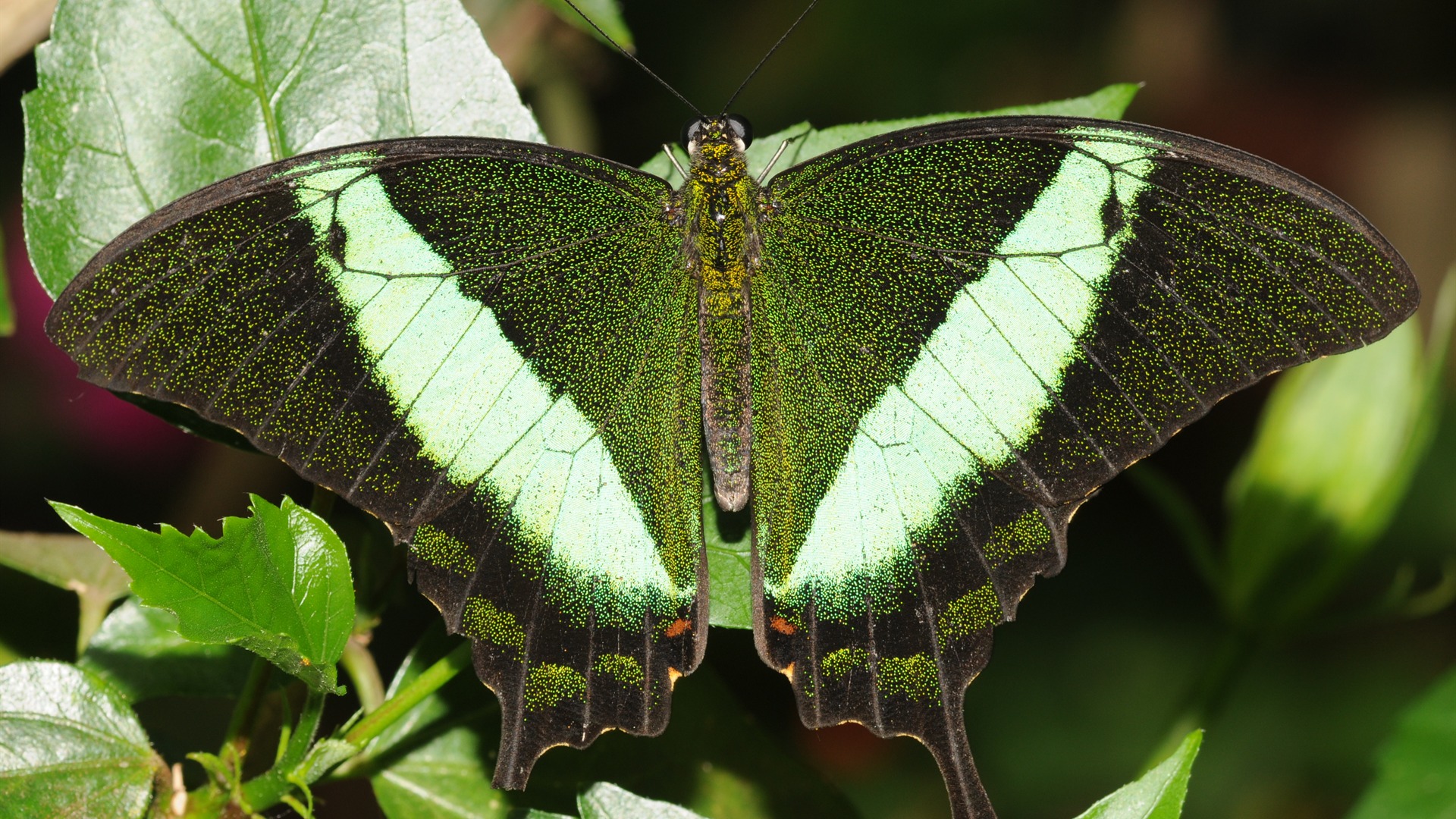
6. Emerald Swallowtail
Native to Southeast Asian rainforests from Myanmar to Borneo and the Philippines, the Emerald Swallowtail (Papilio palinurus) contains no green pigment at all. Instead, tiny dimples on each scale bounce yellow light from the center and blue light from the rim, blending into emerald green.
©Wikimedia / Thomas Bresson
5. Rajah Brooke's Birdwing
Named in 1855 by naturalist Alfred Russel Wallace after James Brooke, the White Rajah of Sarawak, Rajah Brooke's Birdwing (Trogonoptera brookiana) spans up to 17 centimeters across. Males gather by the dozens along mineral-rich rainforest stream banks in Borneo and Peninsular Malaysia.
©Wikimedia / Bernard DUPONT
4. Ulysses Butterfly
An emblem of tropical North Queensland in Australia, the Ulysses Butterfly (Papilio ulysses) produces electric blue flashes with every wingbeat. When it lands on rainforest bark, it folds its wings shut so the dull brown underside hides it completely from pursuing birds and lizards.
©Wikimedia / Nonie
Advertisement
Swipe or tap ▶ to resume the countdown.
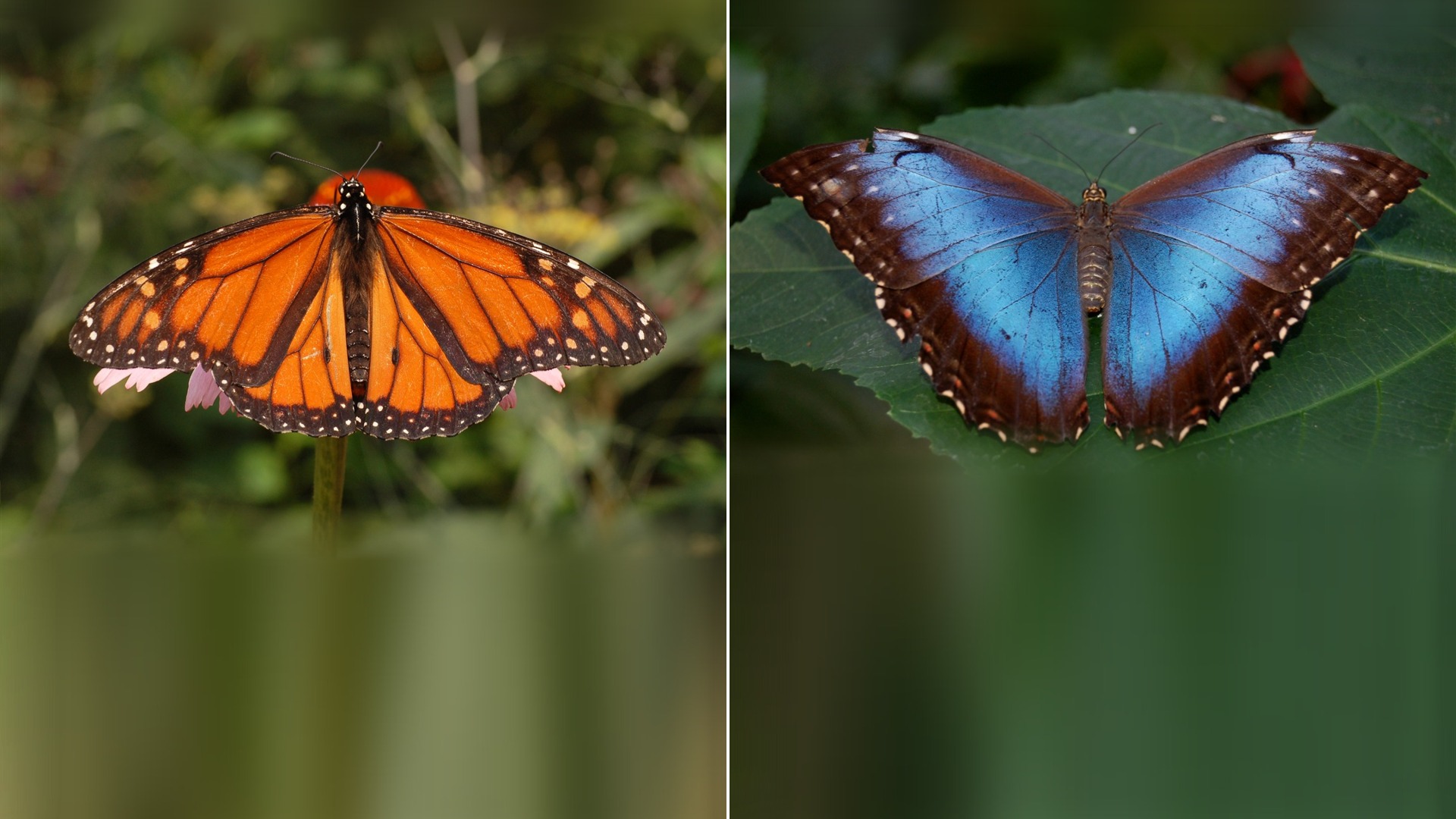
3. Monarch Butterfly
Few insects rival the endurance of the Monarch Butterfly (Danaus plexippus). Every autumn, millions of eastern North American monarchs navigate up to 3,000 miles to high-altitude oyamel fir forests in Mexico. Their bright orange wings warn birds of bitter milkweed toxins stored inside.
©Wikimedia / Derek Ramsey
2. Glasswing Butterfly
Found from Mexico through Panama to Colombia, the Glasswing Butterfly (Greta oto) lacks colored scales across the center of its wings. Tiny wax nanopillars of varying heights coat the clear chitin membrane, cutting light glare almost to zero even when viewed at sharp angles.
©Wikimedia / FreeMediaKid!
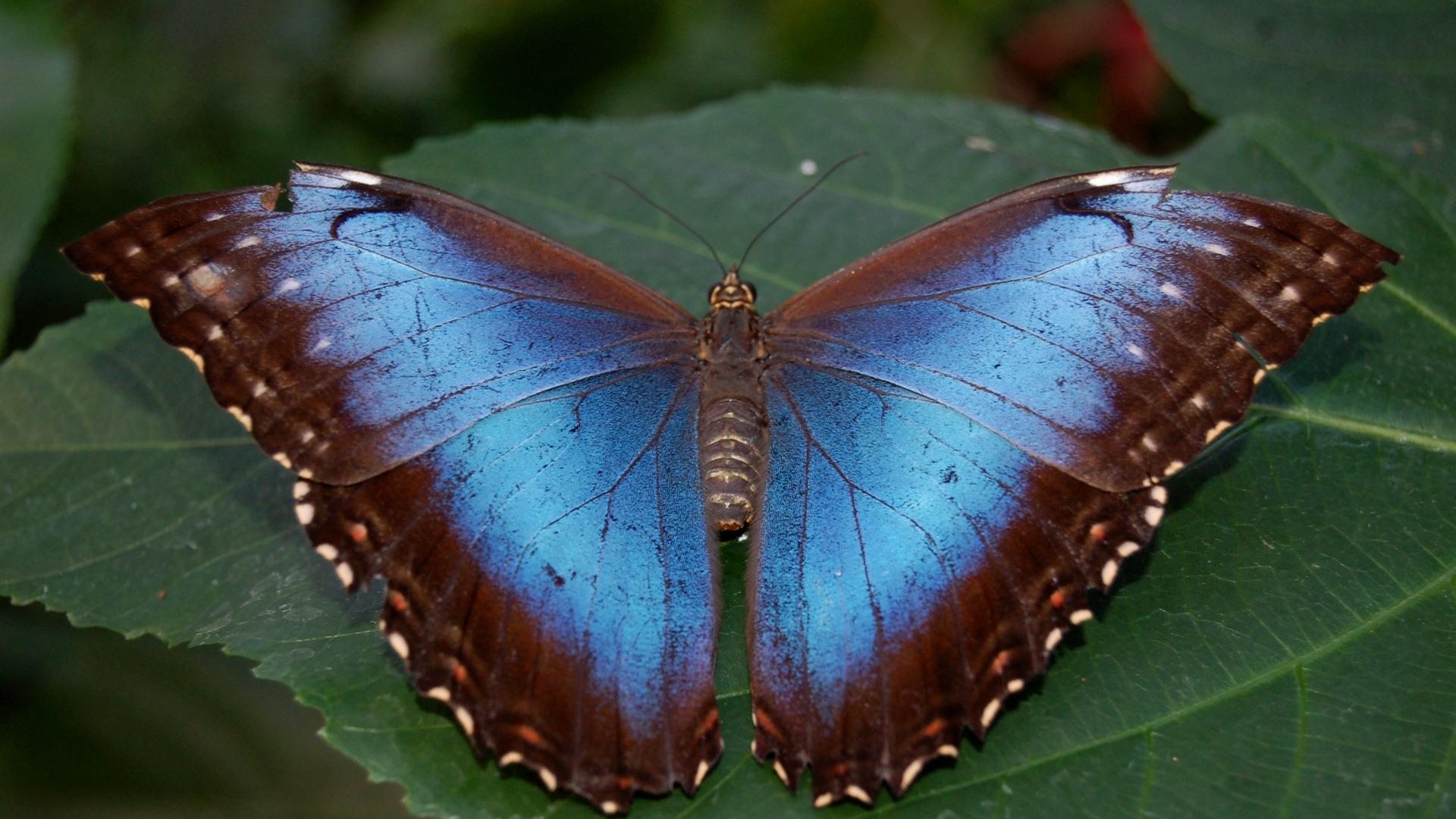
1. Blue Morpho Butterfly
Number one is the Blue Morpho (Morpho peleides), a giant of Latin American tropical forests with a wingspan up to 15 centimeters. Its upper wings hold zero blue pigment. Instead, microscopic diamond-shaped scale ridges cancel out other wavelengths and reflect pure, blinding cobalt blue.

©Wikimedia / Alias 0591
Advertisement
You've reached the end of the story. Thanks for reading!

How Long Do Hippos Live? 20 Other Facts About Hippos
From sixty-year lifespans to whale cousins, discover secrets of river giants
All 10 Entries in this Story
10. Peacock Butterfly
Found across Europe and temperate Asia as far east as Japan, the Peacock Butterfly (Aglais io) keeps its dark, dead-leaf undersides closed while resting. When a predator approaches, it snaps its wings open to reveal four striking blue-and-yellow eyespots and makes a faint hissing sound.

9. Malachite Butterfly
Native to Central and South America as well as the Caribbean and southern Florida, the Malachite Butterfly (Siproeta stelenes) gets its name from the mineral malachite. Its dark brown upper wings feature large translucent lime-green patches while the underside glows golden brown and olive.

8. Old World Swallowtail
Ranging from the British Isles across Europe, Asia, and northern North America, the Old World Swallowtail (Papilio machaon) is a strong, fast flier. Its hindwings pair blue-dusted bands with a red eyespot above twin tail projections, which mimic a second head to deflect bird strikes.

7. Eighty-Eight Butterfly
Twelve species in the Neotropical genus Diaethria share this famous numeric wing pattern across Central and South America. While their upper wings flash dark velvet with a metallic blue or green band, the hindwing underside displays curling black rings and dots that spell out 88 or 89.

6. Emerald Swallowtail
Native to Southeast Asian rainforests from Myanmar to Borneo and the Philippines, the Emerald Swallowtail (Papilio palinurus) contains no green pigment at all. Instead, tiny dimples on each scale bounce yellow light from the center and blue light from the rim, blending into emerald green.

5. Rajah Brooke's Birdwing
Named in 1855 by naturalist Alfred Russel Wallace after James Brooke, the White Rajah of Sarawak, Rajah Brooke's Birdwing (Trogonoptera brookiana) spans up to 17 centimeters across. Males gather by the dozens along mineral-rich rainforest stream banks in Borneo and Peninsular Malaysia.

4. Ulysses Butterfly
An emblem of tropical North Queensland in Australia, the Ulysses Butterfly (Papilio ulysses) produces electric blue flashes with every wingbeat. When it lands on rainforest bark, it folds its wings shut so the dull brown underside hides it completely from pursuing birds and lizards.

3. Monarch Butterfly
Few insects rival the endurance of the Monarch Butterfly (Danaus plexippus). Every autumn, millions of eastern North American monarchs navigate up to 3,000 miles to high-altitude oyamel fir forests in Mexico. Their bright orange wings warn birds of bitter milkweed toxins stored inside.

2. Glasswing Butterfly
Found from Mexico through Panama to Colombia, the Glasswing Butterfly (Greta oto) lacks colored scales across the center of its wings. Tiny wax nanopillars of varying heights coat the clear chitin membrane, cutting light glare almost to zero even when viewed at sharp angles.

1. Blue Morpho Butterfly
Number one is the Blue Morpho (Morpho peleides), a giant of Latin American tropical forests with a wingspan up to 15 centimeters. Its upper wings hold zero blue pigment. Instead, microscopic diamond-shaped scale ridges cancel out other wavelengths and reflect pure, blinding cobalt blue.