Slideshow · Animals
10 Most Low-Maintenance Pets, Ranked
Not every household has two hours a day for dog walks and litter scooping. Ranked from 10 down to 1, these hardy companion animals fit busy schedules and compact apartments as of October 2026.
By Most Viral Today
28 Oct 2026

10 Easy Companion Animals That Need Almost Zero Daily Upkeep 
10. Fancy Rat 
9. Russian Tortoise 
8. Budgerigar - AdvertisementSwipe or tap ▶ to continue countdown

7. Guinea Pig 
6. Corn Snake 
5. Syrian Hamster 
4. Crested Gecko - AdvertisementSwipe or tap ▶ to continue countdown

3. Leopard Gecko 
2. Betta Fish 
1. Red Cherry Shrimp - Advertisement🔥 UP NEXT IN THIS SERIES◫ 22 Slides

How Long Do Hippos Live? 20 Other Facts About Hippos
From sixty-year lifespans to whale cousins, discover secrets of river giants
Not every household has two hours a day for dog walks and litter scooping. Ranked from 10 down to 1, these hardy companion animals fit busy schedules and compact apartments as of October 2026.
Swipe or tap ▶ to begin the countdown
©Wikimedia / Nippyfish & Wikimedia / FishManHari
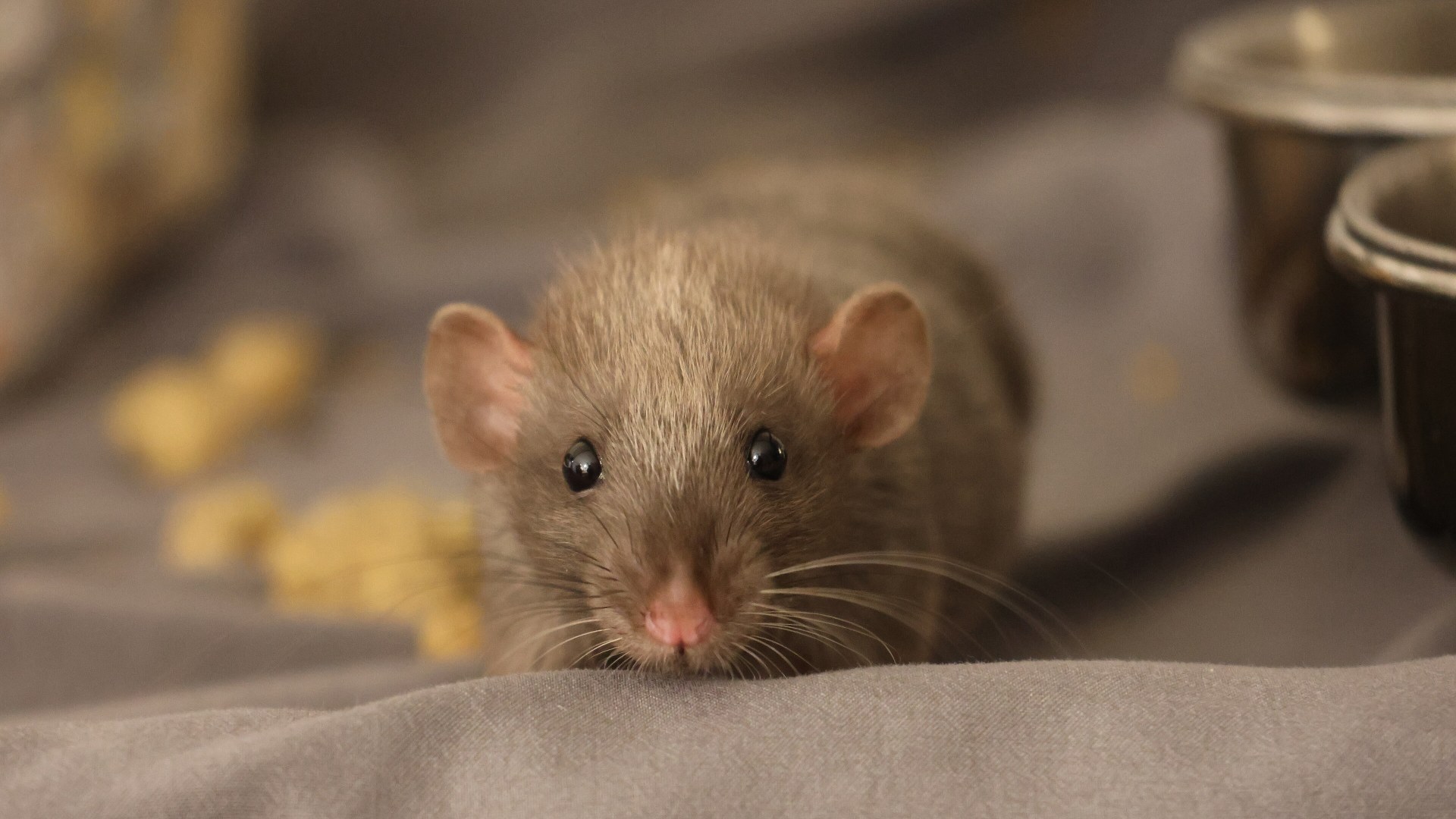
10. Fancy Rat
Domestic fancy rats spend hours grooming their own coats like cats and quickly learn to use a corner litter tray. Kept in same-sex pairs inside a wire cage, they need 15 minutes of daily pellet feeding and water checks alongside a weekly bedding change.
©Wikimedia / Cat Ball
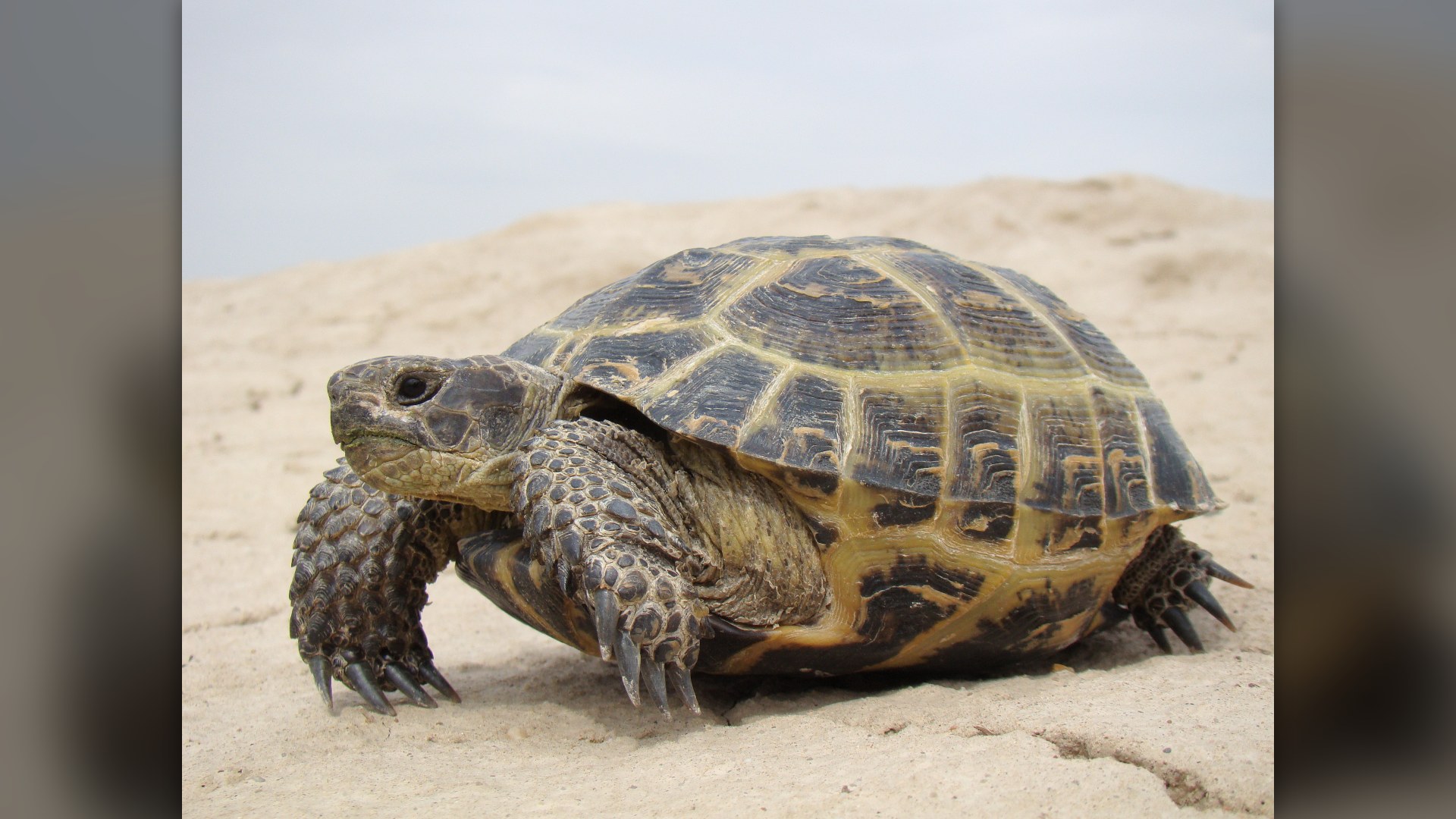
9. Russian Tortoise
Native to Central Asian steppes, the Russian tortoise stays between 6 and 8 inches long and can live past 40 years. It eats dark leafy greens once a day, sleeps through the night under a timer-controlled heat lamp, and needs a full substrate change once a month.
©Wikimedia / Yuriy75
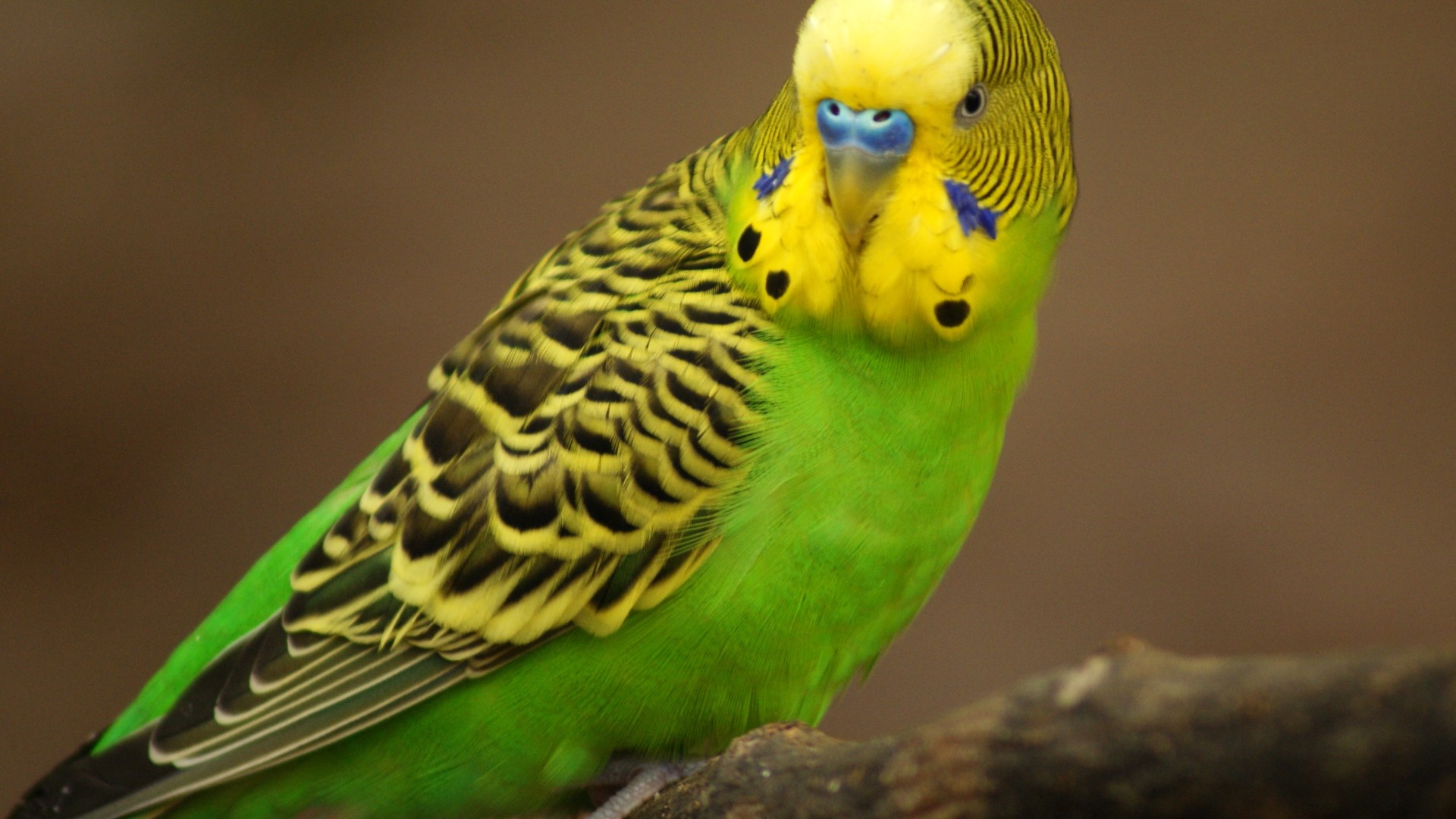
8. Budgerigar
Budgerigars weigh just 30 to 40 grams and cost pennies a week to feed on fortified pellets and fresh greens. With a wide horizontal cage and rotating chew toys, a pair of budgies keeps itself entertained while owners are at work and requires only a quick daily liner swap.
©Wikimedia / TheSussman (Mike)
Advertisement
Swipe or tap ▶ to resume the countdown.
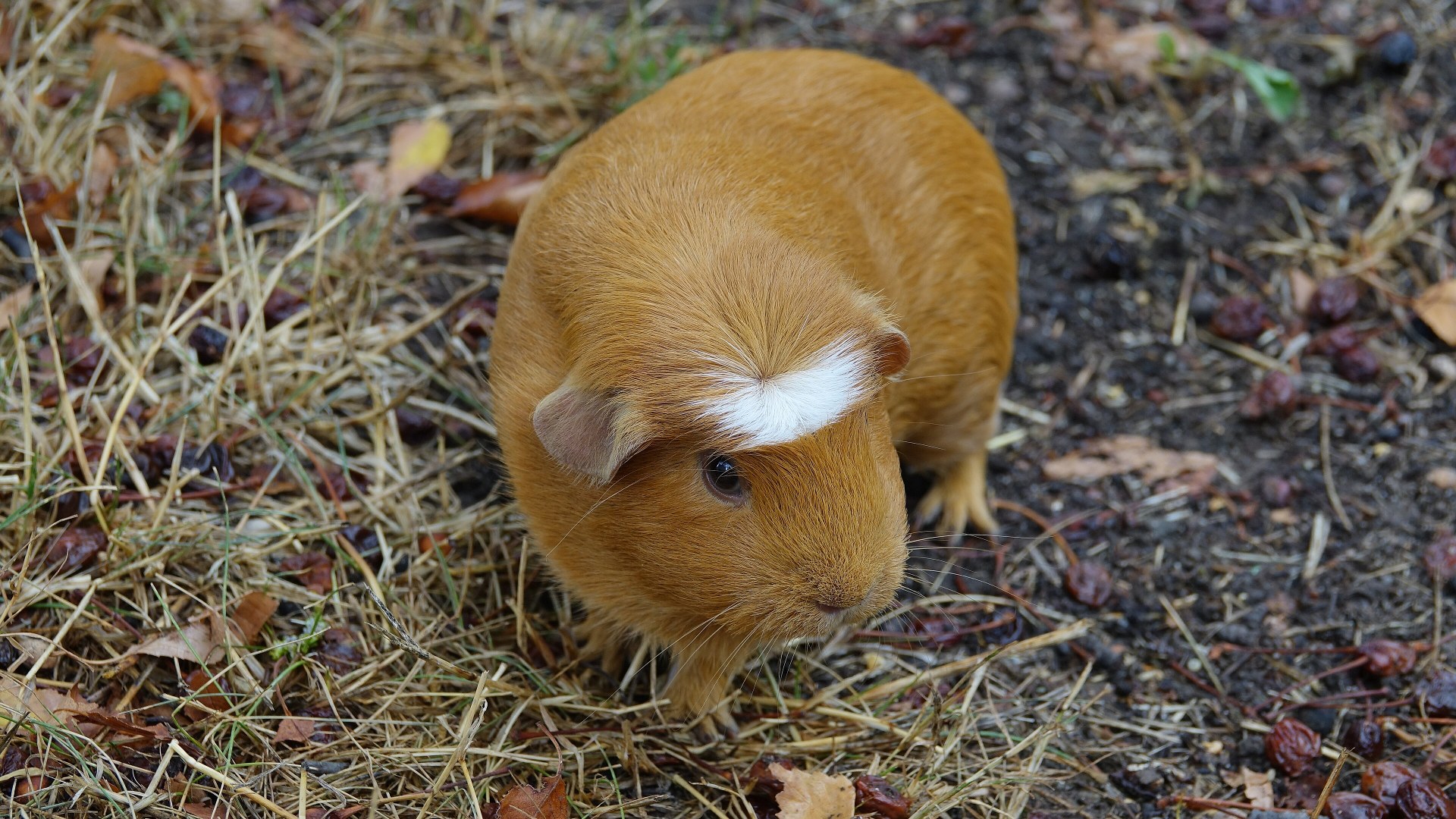
7. Guinea Pig
Guinea pigs cannot climb or jump high, so they live comfortably in open-top modular floor pens that take five minutes to sweep. Their diet consists of 80 percent unlimited Timothy hay, a daily cup of bell peppers or romaine lettuce for vitamin C, and fresh bottle water.
©Wikimedia / Gzen92
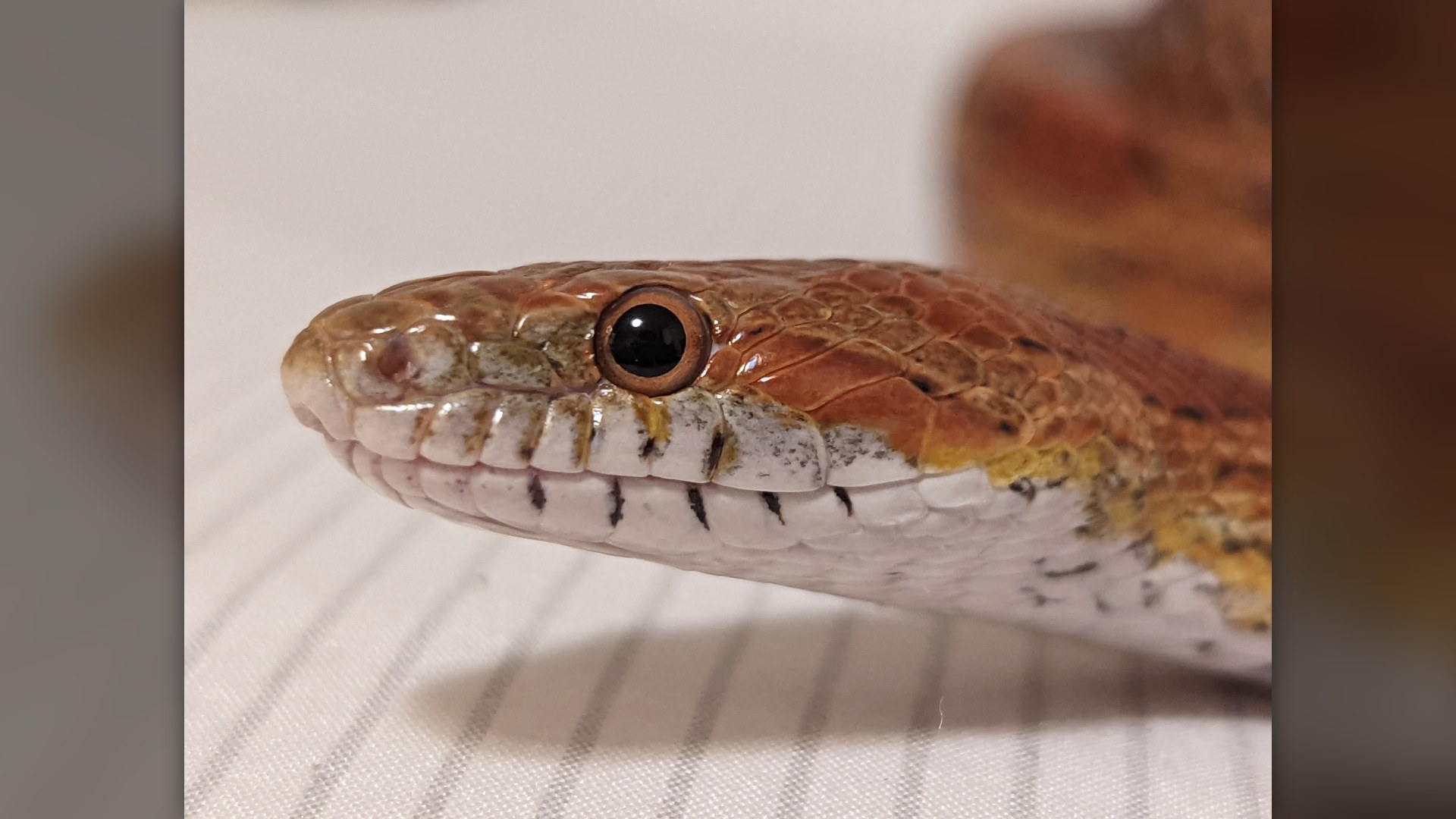
6. Corn Snake
Adult corn snakes eat a single thawed rodent once every 7 to 14 days, which means they also produce waste only a few times a month. A secure 40-gallon terrarium with aspen shavings, two hides, and a thermostat heating pad keeps this calm North American species thriving for 15 to 20 years.
©Wikimedia / Ethan Porcaro
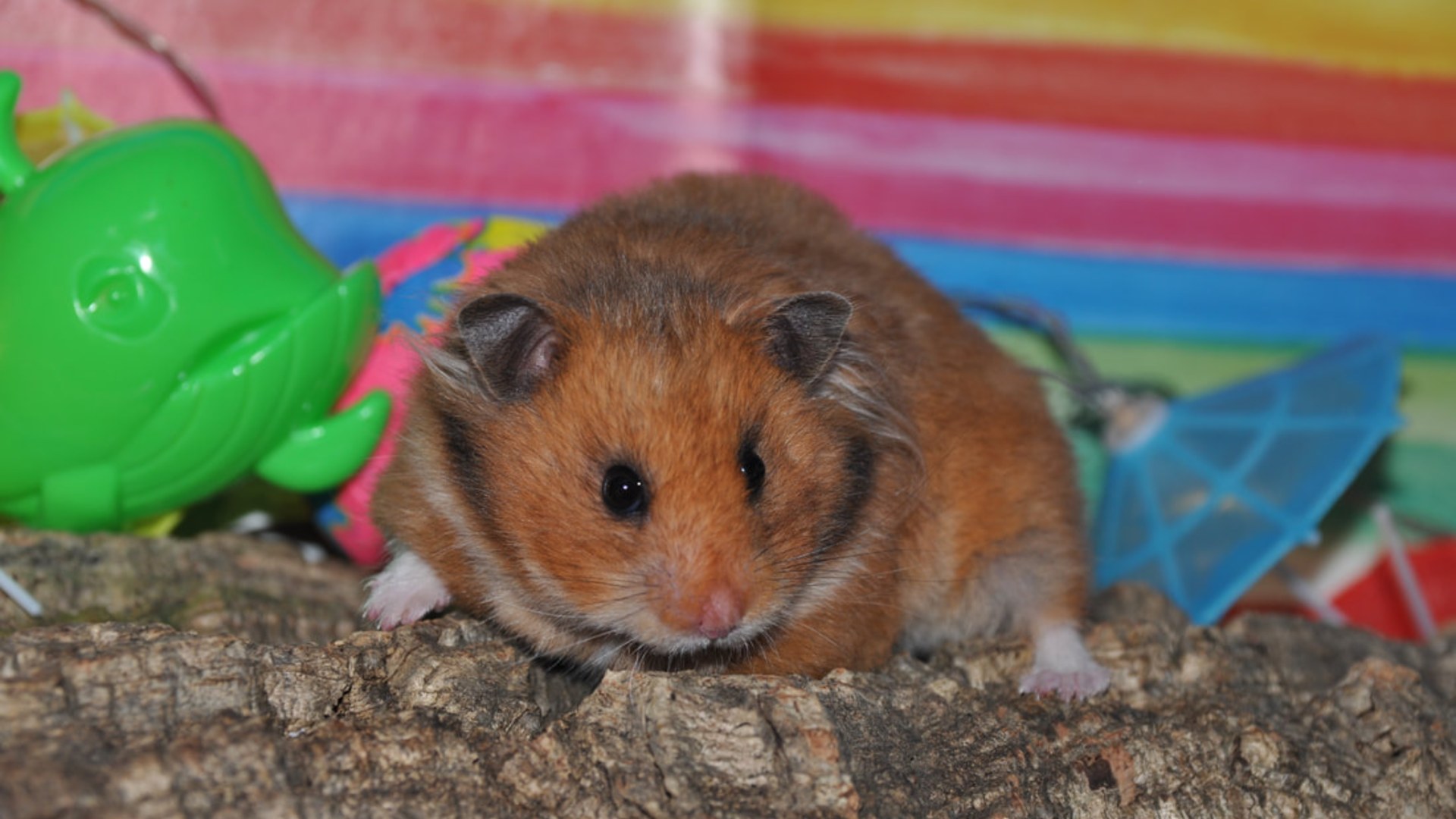
5. Syrian Hamster
Syrian hamsters are strictly solitary, so a single animal never gets lonely in a solo enclosure while its owner works a nine-to-five job. They wake at dusk to run on a solid 10-inch wheel, hoard dry seed mix, and use a sand bath dish that takes two minutes a week to sift.
©Wikimedia / Hathorhamstery
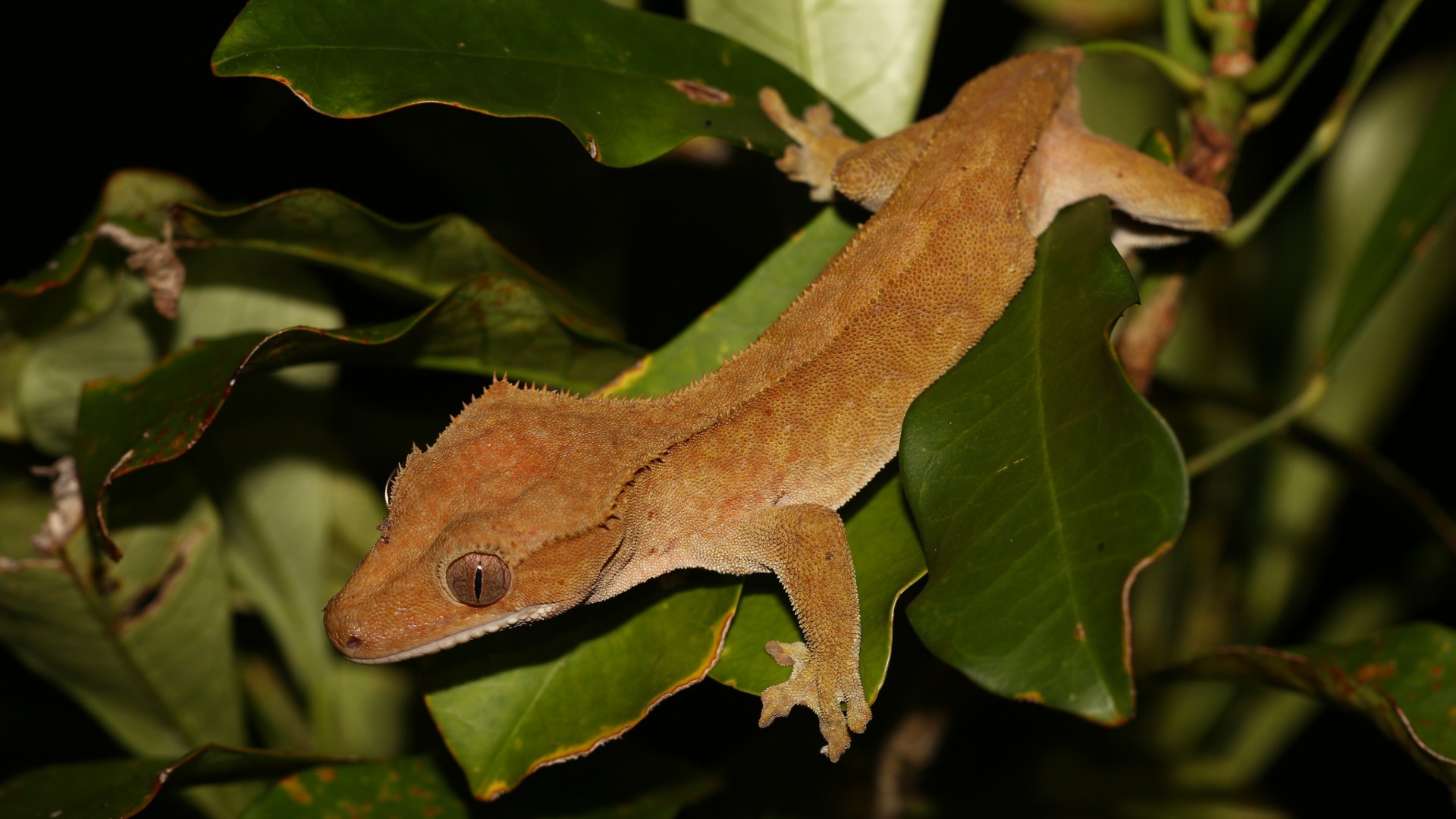
4. Crested Gecko
Unlike reptiles that require live crickets and scorching heat bulbs, crested geckos thrive at normal household temperatures between 68 and 78 degrees Fahrenheit. Owners simply mix a spoonful of commercial fruit-and-insect powder with water three nights a week and mist the glass tank each evening.
©Wikimedia / Lennart Hudel
Advertisement
Swipe or tap ▶ to resume the countdown.
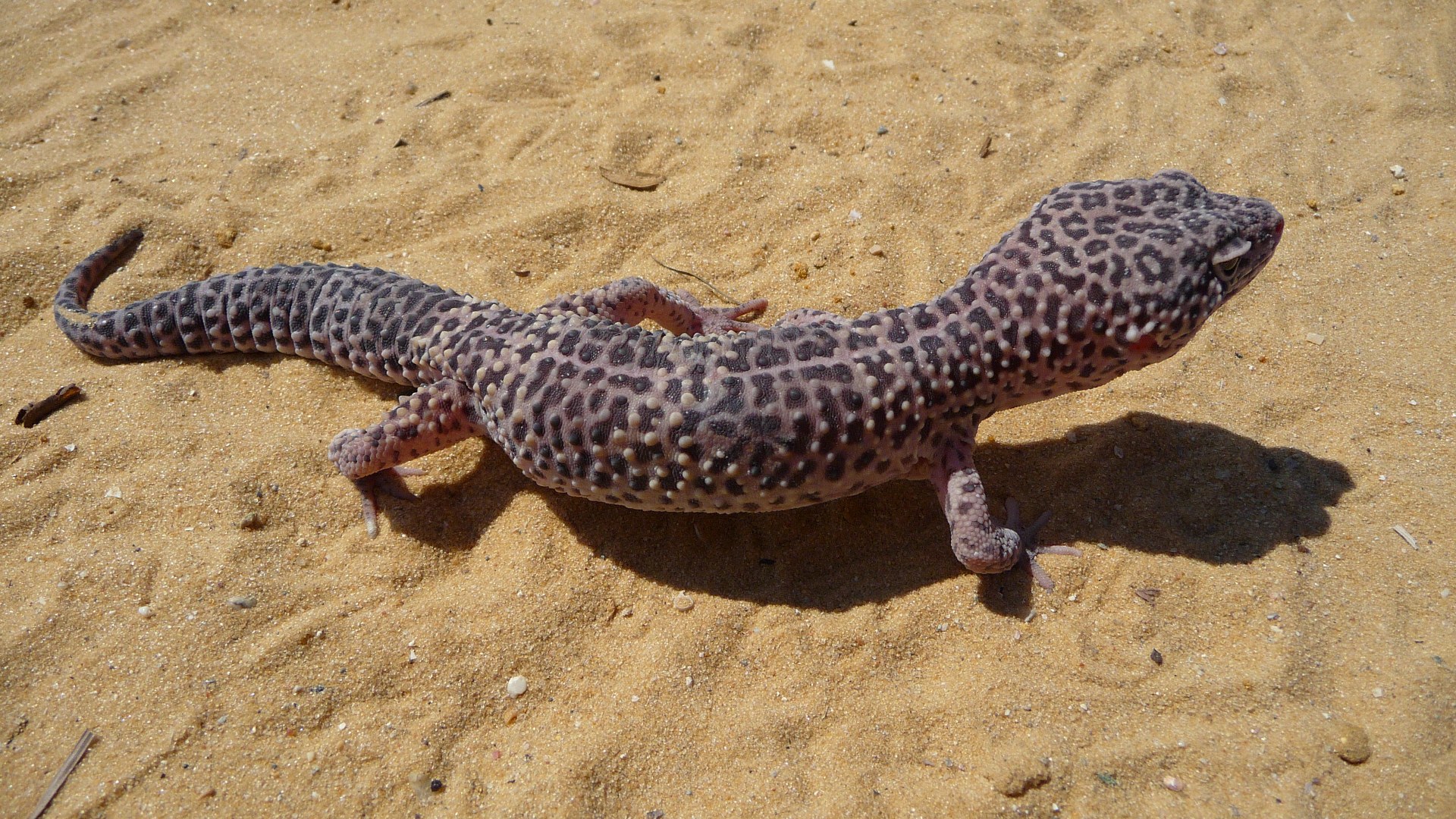
3. Leopard Gecko
Leopard geckos lack sticky toe pads, so they cannot climb glass walls, and they naturally designate a single dry corner of their tank as a toilet. They store backup nutrients in their thick tails, need no complicated UV tubes when given calcium dust, and eat every two to three days as adults.
©Wikimedia / George Chernilevsky
2. Betta Fish
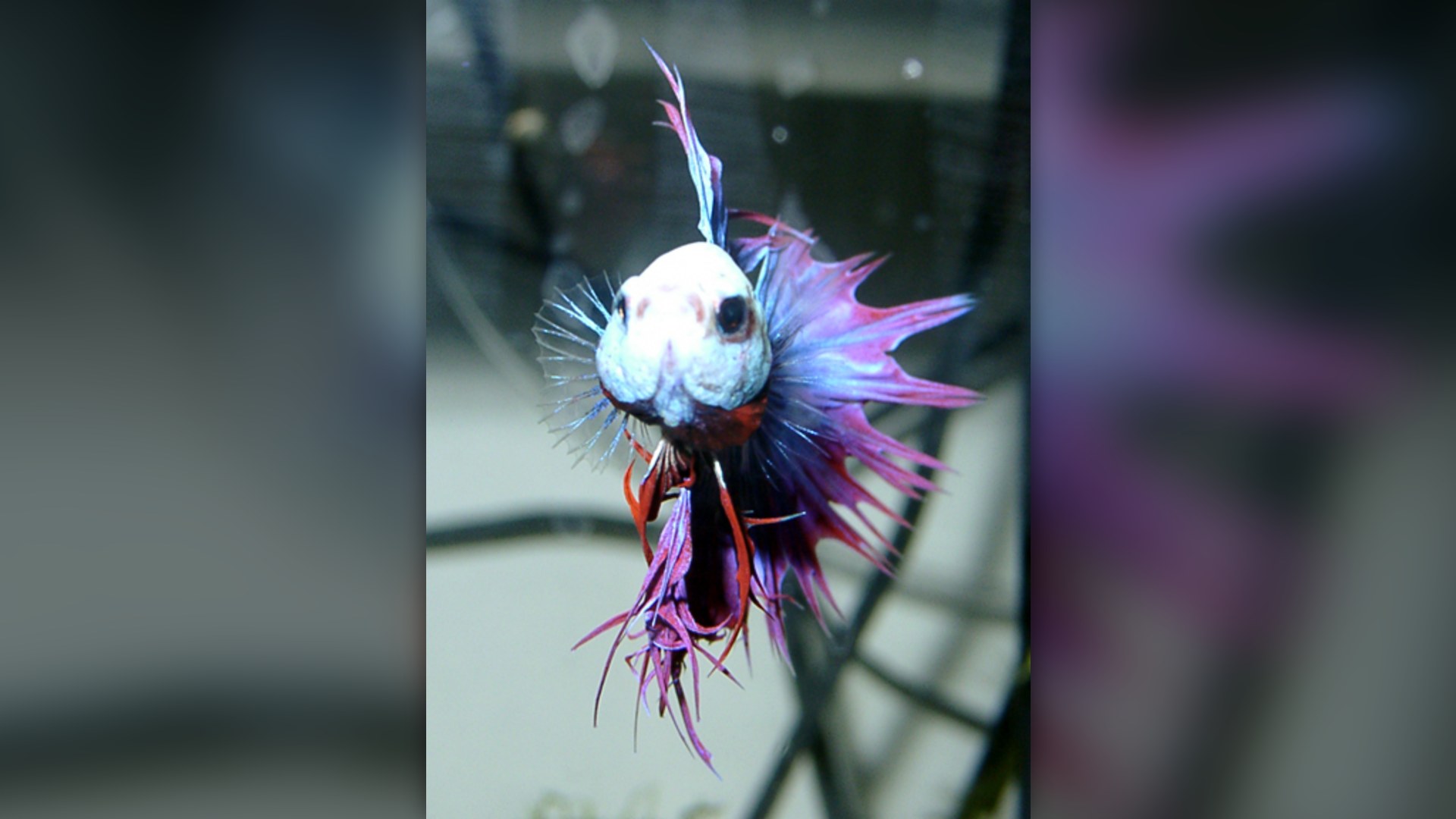
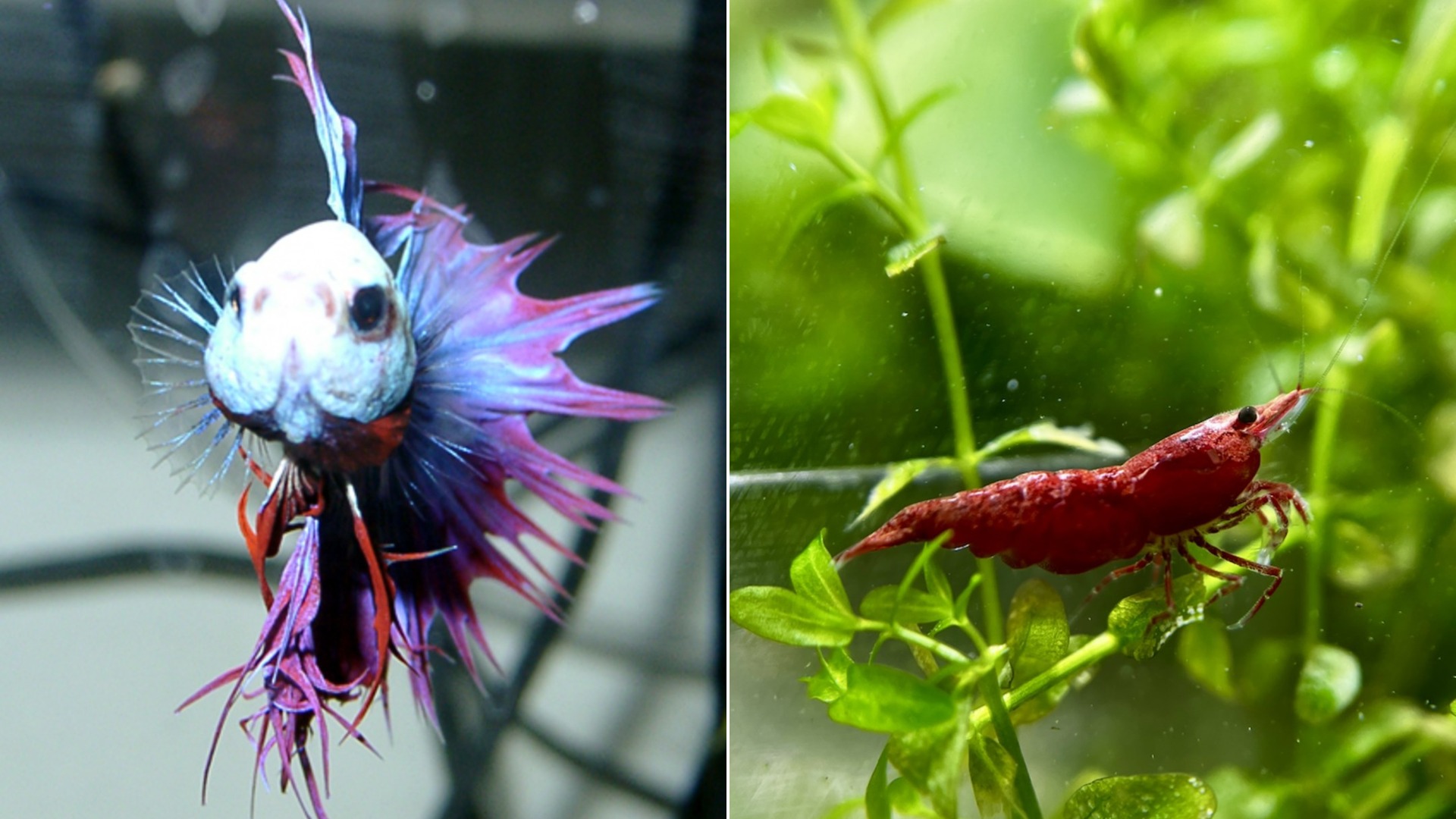
Male Betta splendens possess a labyrinth organ that lets them breathe surface air and prefer living alone in a planted 5-gallon tank with a gentle sponge filter. Three to four protein pellets a day and a 25 percent water siphon every week keep a betta healthy for three to five years.
©Wikimedia / Nippyfish
1. Red Cherry Shrimp
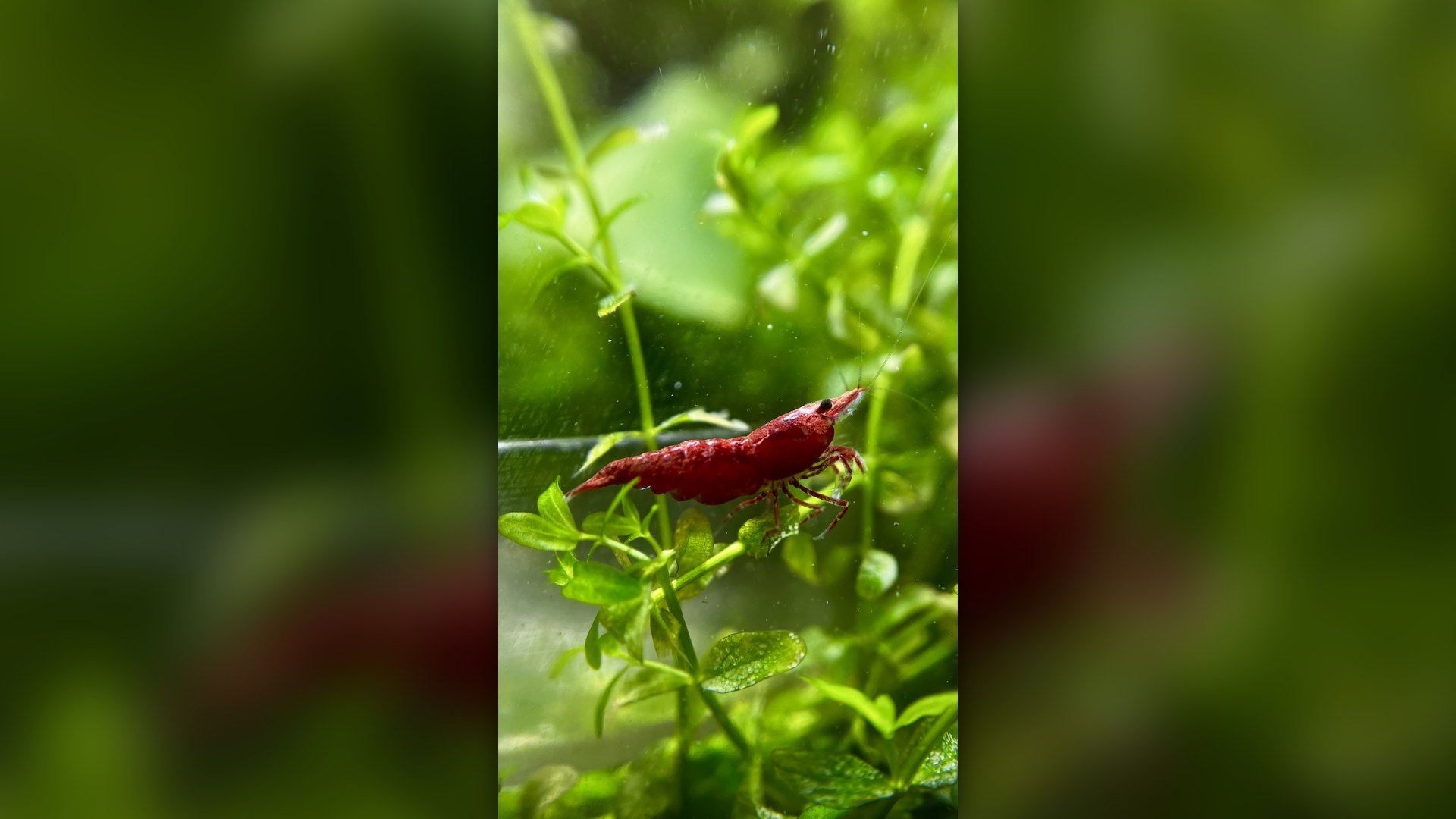
Measuring under an inch long, Neocaridina davidi shrimp spend all day grazing on aquarium algae, biofilm, and decaying plant leaves. In a heavily planted 5-gallon tank with a sponge filter, a colony can go days without added food and produces such a tiny bioload that water changes take 10 minutes a month.

©Wikimedia / FishManHari
Advertisement
You've reached the end of the story. Thanks for reading!

How Long Do Hippos Live? 20 Other Facts About Hippos
From sixty-year lifespans to whale cousins, discover secrets of river giants
All 10 Entries in this Story
10. Fancy Rat
Domestic fancy rats spend hours grooming their own coats like cats and quickly learn to use a corner litter tray. Kept in same-sex pairs inside a wire cage, they need 15 minutes of daily pellet feeding and water checks alongside a weekly bedding change.

9. Russian Tortoise
Native to Central Asian steppes, the Russian tortoise stays between 6 and 8 inches long and can live past 40 years. It eats dark leafy greens once a day, sleeps through the night under a timer-controlled heat lamp, and needs a full substrate change once a month.

8. Budgerigar
Budgerigars weigh just 30 to 40 grams and cost pennies a week to feed on fortified pellets and fresh greens. With a wide horizontal cage and rotating chew toys, a pair of budgies keeps itself entertained while owners are at work and requires only a quick daily liner swap.

7. Guinea Pig
Guinea pigs cannot climb or jump high, so they live comfortably in open-top modular floor pens that take five minutes to sweep. Their diet consists of 80 percent unlimited Timothy hay, a daily cup of bell peppers or romaine lettuce for vitamin C, and fresh bottle water.

6. Corn Snake
Adult corn snakes eat a single thawed rodent once every 7 to 14 days, which means they also produce waste only a few times a month. A secure 40-gallon terrarium with aspen shavings, two hides, and a thermostat heating pad keeps this calm North American species thriving for 15 to 20 years.

5. Syrian Hamster
Syrian hamsters are strictly solitary, so a single animal never gets lonely in a solo enclosure while its owner works a nine-to-five job. They wake at dusk to run on a solid 10-inch wheel, hoard dry seed mix, and use a sand bath dish that takes two minutes a week to sift.

4. Crested Gecko
Unlike reptiles that require live crickets and scorching heat bulbs, crested geckos thrive at normal household temperatures between 68 and 78 degrees Fahrenheit. Owners simply mix a spoonful of commercial fruit-and-insect powder with water three nights a week and mist the glass tank each evening.

3. Leopard Gecko
Leopard geckos lack sticky toe pads, so they cannot climb glass walls, and they naturally designate a single dry corner of their tank as a toilet. They store backup nutrients in their thick tails, need no complicated UV tubes when given calcium dust, and eat every two to three days as adults.

2. Betta Fish
Male Betta splendens possess a labyrinth organ that lets them breathe surface air and prefer living alone in a planted 5-gallon tank with a gentle sponge filter. Three to four protein pellets a day and a 25 percent water siphon every week keep a betta healthy for three to five years.

1. Red Cherry Shrimp
Measuring under an inch long, Neocaridina davidi shrimp spend all day grazing on aquarium algae, biofilm, and decaying plant leaves. In a heavily planted 5-gallon tank with a sponge filter, a colony can go days without added food and produces such a tiny bioload that water changes take 10 minutes a month.