Slideshow · Viral
10 Places Where Animals Outnumber Humans, Including 183,000 Tortoises
From 183,000 giant tortoises to rabbit havens, animals rule these 10 spots.
By Most Viral Today
29 Oct 2026

Realms Where Wildlife Rules Supreme 
10. Midway Atoll 
9. Mongolia 
8. New Zealand - AdvertisementSwipe or tap ▶ to continue countdown

7. Svalbard, Norway 
6. Shetland, Scotland 
5. The Falkland Islands 
4. Aldabra Atoll, Seychelles - AdvertisementSwipe or tap ▶ to continue countdown

3. Sable Island, Canada 
2. Okunoshima, Japan 
1. Aoshima, Japan - Advertisement🔥 UP NEXT IN THIS SERIES◫ 21 Slides

20 Iconic Historical Photos and the Archive Clues Behind Them
Contact sheets, cracked glass plates, and NASA mission logs preserve the hidden steps behind 20 famous photographs. Drawing on records from the Library of Congress, the National Archives, NASA, and the Smithsonian, this countdown traces how cropping, camera setups, and double exposures shaped each frame.
Across isolated coral atolls, rugged sub-Antarctic outposts, and windswept island reserves, wild animal populations dwarf their human neighbors by thousands to one. From an atoll where 183,000 giant tortoises roam free to Japanese shores governed by felines, here are 10 places where wildlife completely took over.
Swipe or tap ▶ to begin the countdown
©Wikimedia / Ron Van Oers, UNESCO & Wikimedia / Steffen Flor
10. Midway Atoll
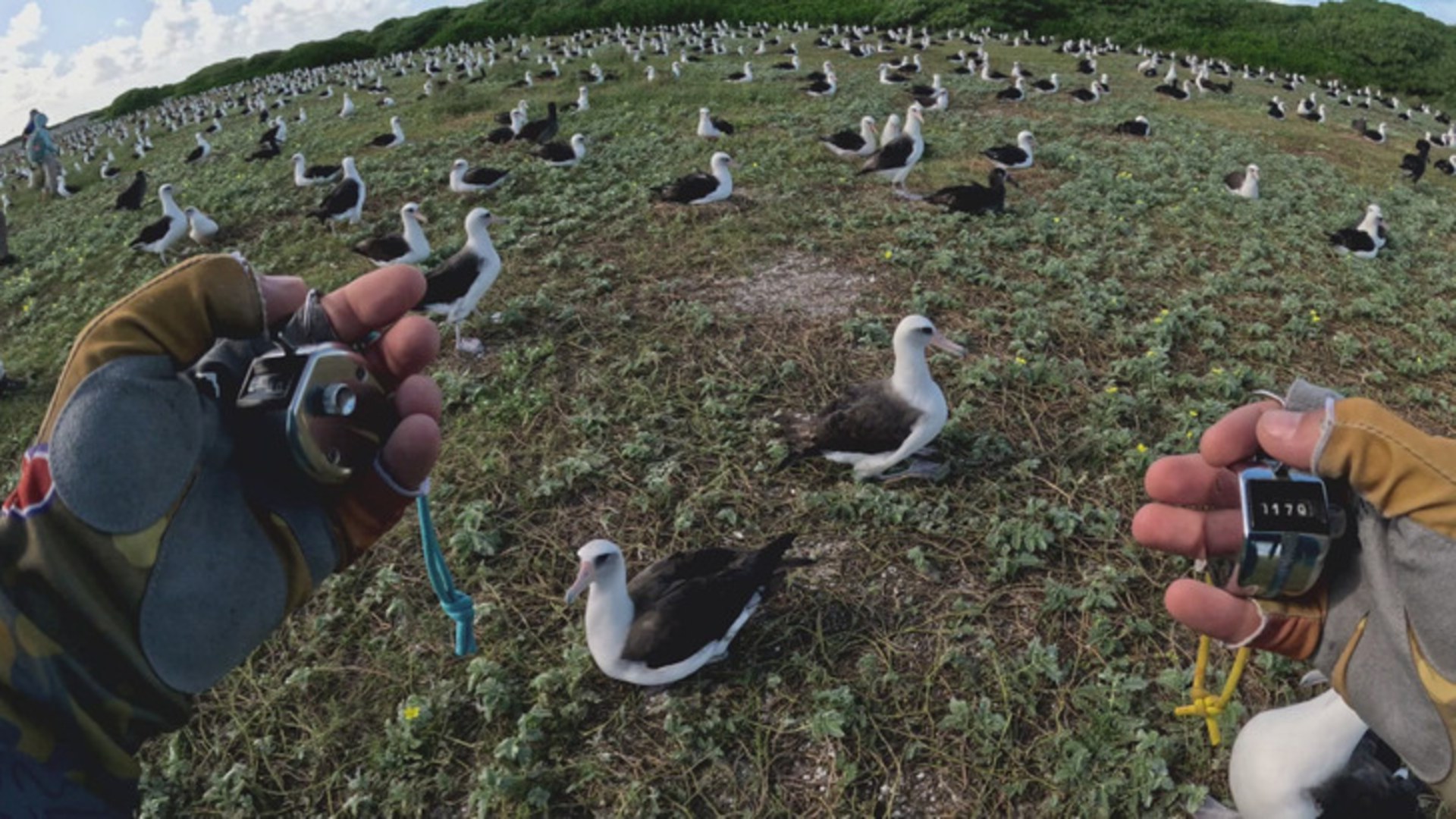
Serving as a vital marine wildlife refuge in the remote Northwestern Hawaiian Islands, Midway hosts the largest albatross nesting colony on Earth. December counts recorded 617,869 active breeding nests, housing over 1.2 million seabirds overseen by approximately 50 sanctuary workers and volunteers.
©Wikimedia / USFWS Pacific
9. Mongolia
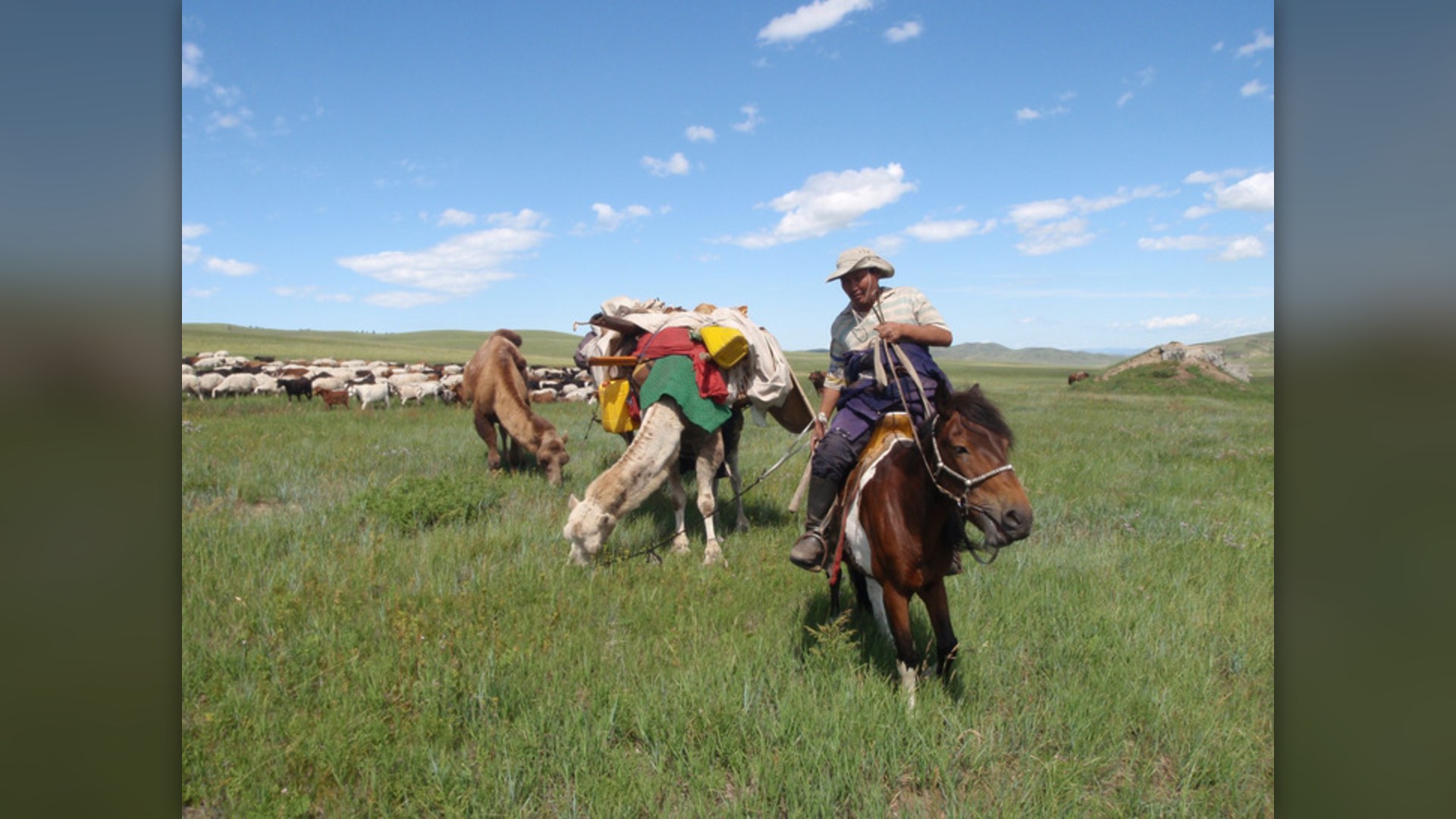
Mongolia remains one of the world's last great equestrian and nomadic nations. At the close of the national livestock census, pastoral herds reached 58.09 million animals against 3.59 million residents. Horses alone total 5.1 million, easily exceeding the entire human population of the country.
©Wikimedia / Brucke-Osteuropa
8. New Zealand
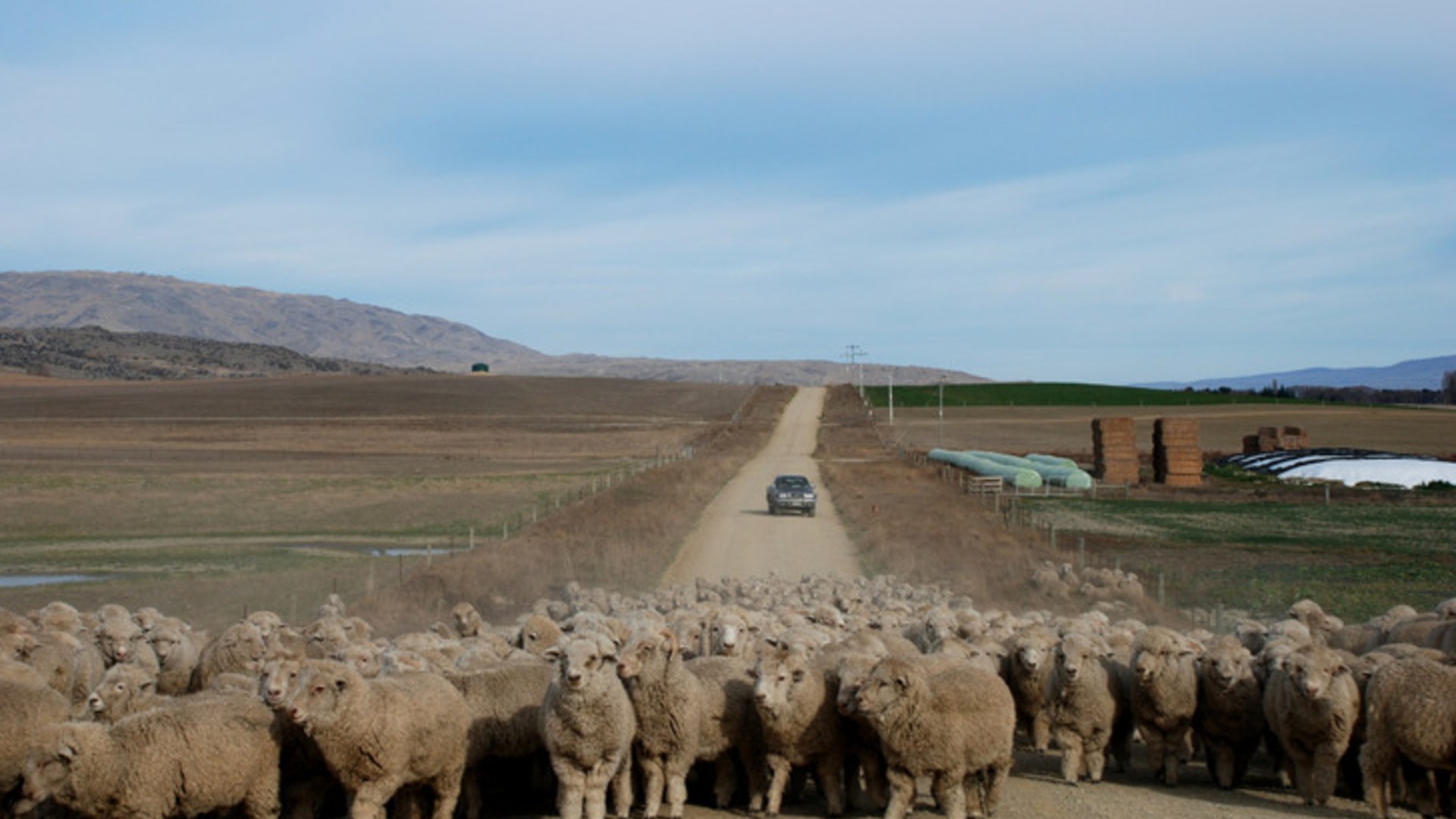
New Zealand once boasted a staggering peak of 22 sheep for every human in 1982. While national livestock herds have gradually consolidated, Stats NZ still counts over 23.3 million sheep compared to a human population of 5.35 million, keeping sheep ahead by well over four to one nationwide.
©Wikimedia / Phillip Capper
Advertisement
Swipe or tap ▶ to resume the countdown.
7. Svalbard, Norway
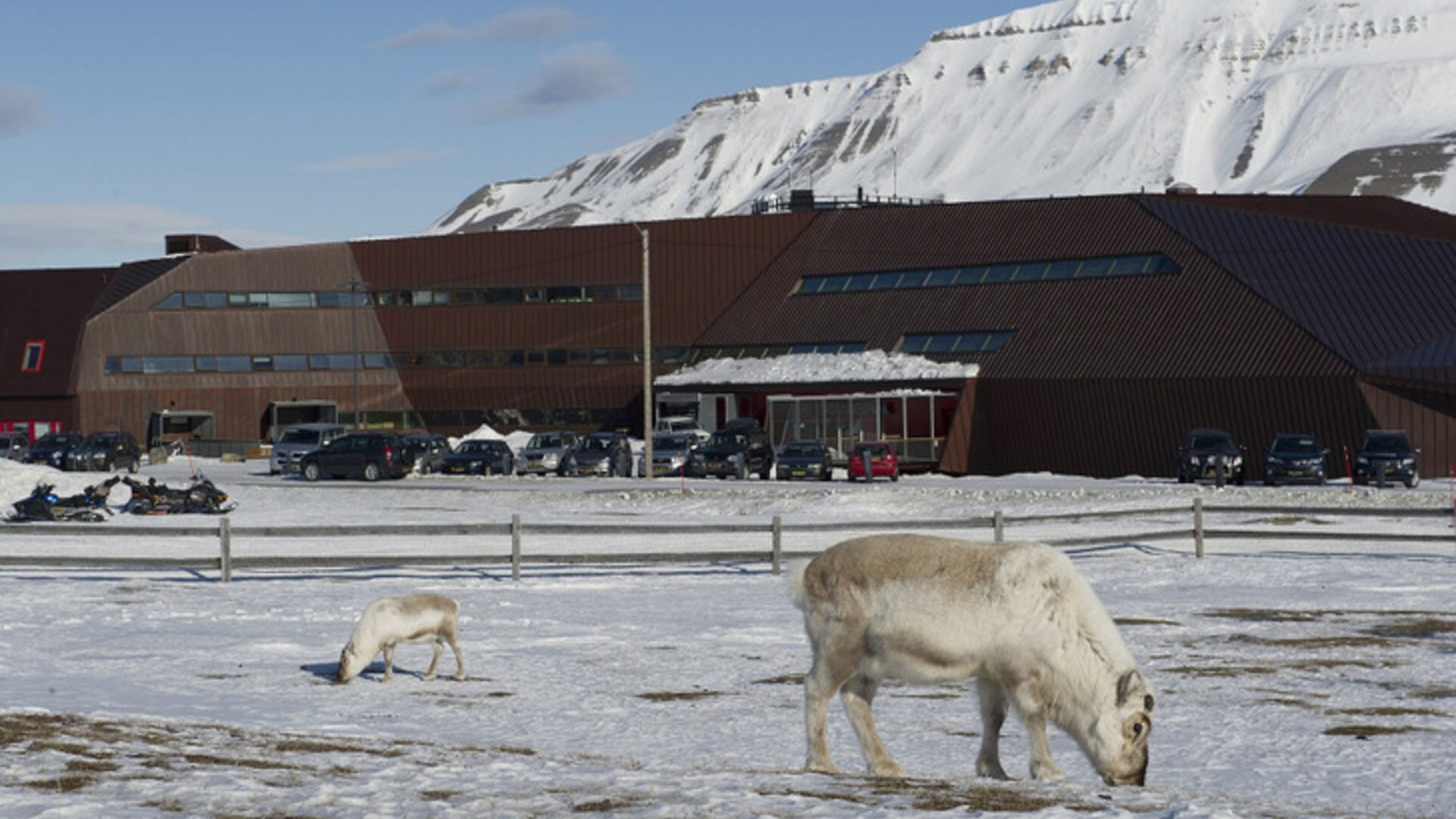
Situated halfway between mainland Norway and the North Pole, Svalbard is home to roughly 2,500 people in Longyearbyen. Surrounding them are an estimated 22,000 wild Svalbard reindeer, a distinct subspecies that freely grazes across the tundra and strolls through town streets alongside roaming polar bears.
©Wikimedia / European Commission
6. Shetland, Scotland
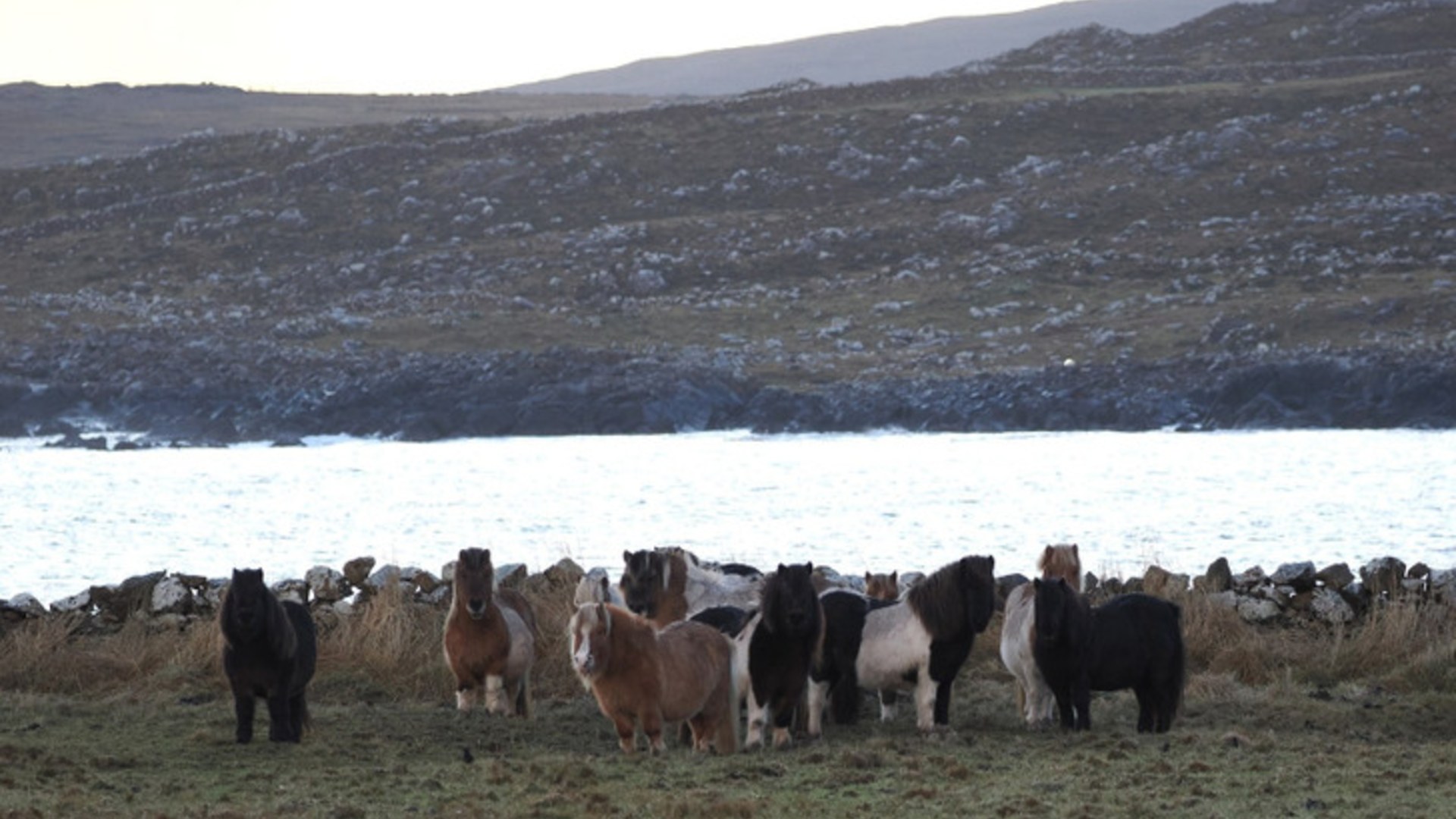
The remote Shetland Islands are renowned for rugged maritime landscapes, native miniature ponies, and fine wool. Scotland's agricultural census logged 296,073 grazing sheep and over 1,100 ponies alongside 22,710 residents, giving livestock undisputed command over the hills and coastal cliffs.
©Wikimedia / Mike Pennington
5. The Falkland Islands
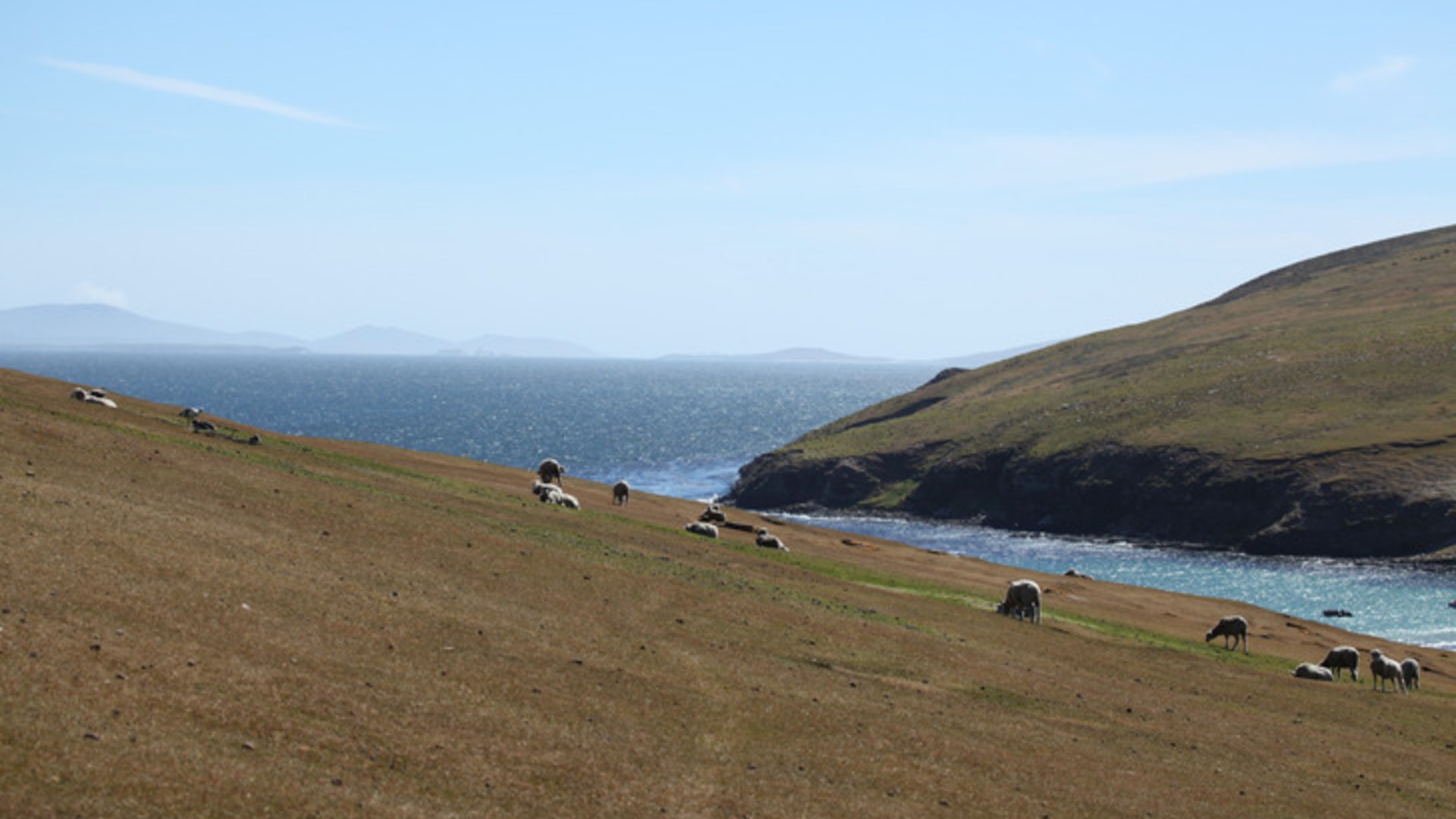
Wool production defines the agricultural life of the Falkland archipelago in the South Atlantic. Agricultural data recorded roughly 490,000 sheep across 70 working farms, set against an official population of 3,662 residents, meaning sheep outnumber residents by roughly 135 to one.
©Wikimedia / Liam Quinn
4. Aldabra Atoll, Seychelles
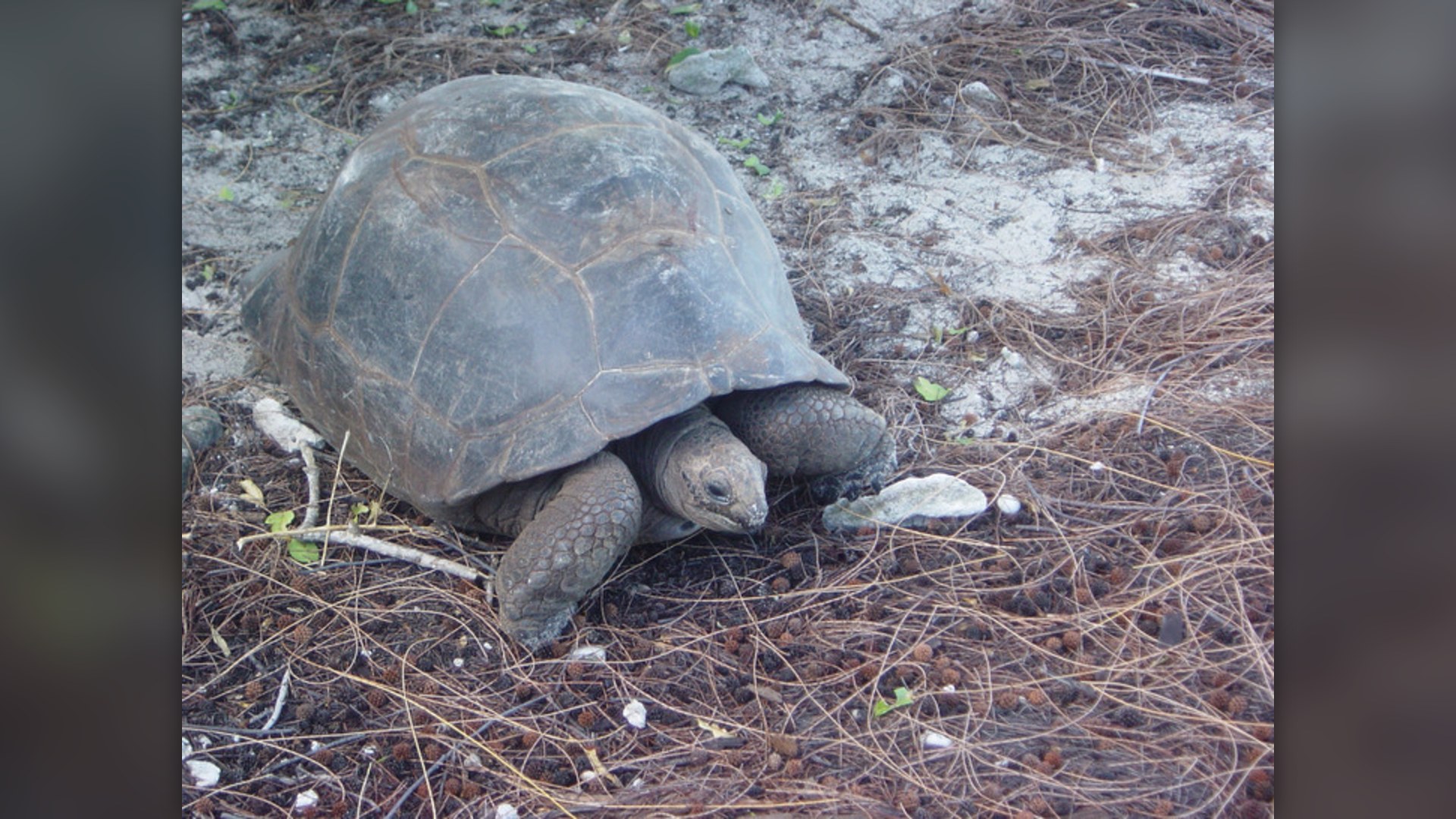
A UNESCO World Heritage site in the outer Seychelles, Aldabra represents one of Earth's greatest conservation triumphs. A landmark multi-year survey published in Ecology and Evolution confirmed 183,274 Aldabra giant tortoises. With only 24 conservation staff on site, tortoises outnumber humans by 7,600 to one.
©Wikimedia / Ron Van Oers / UNESCO
Advertisement
Swipe or tap ▶ to resume the countdown.
3. Sable Island, Canada
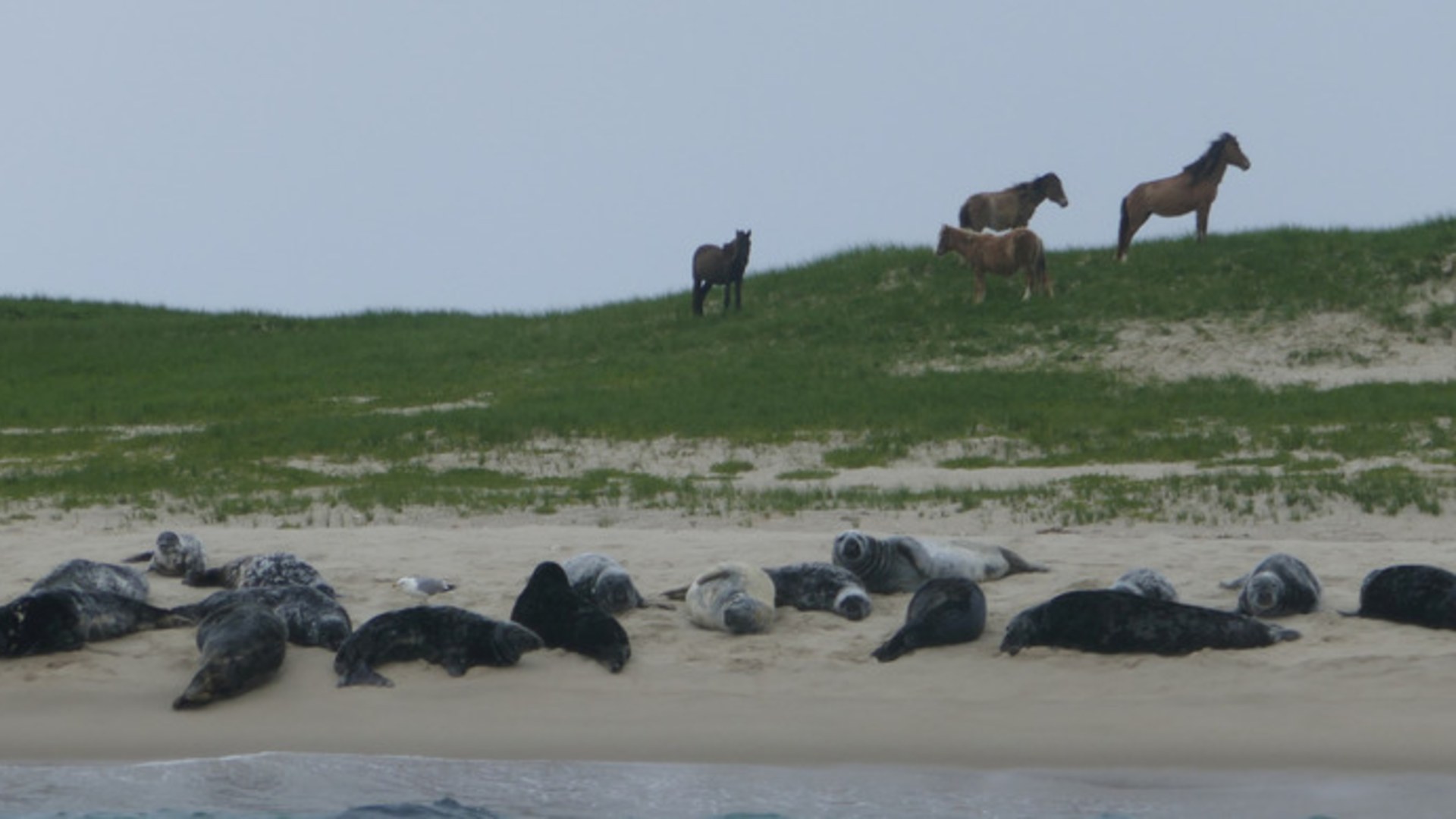
Sable Island is a crescent-shaped expanse of sand dunes in the North Atlantic protected by Parks Canada. The wild horse herd swings between 370 and 590 animals without any human interference. With only two federal staff stationed on the island through winter, horses outnumber year-round residents 210 to one.
©Wikimedia / Paul Gierszewski
2. Okunoshima, Japan
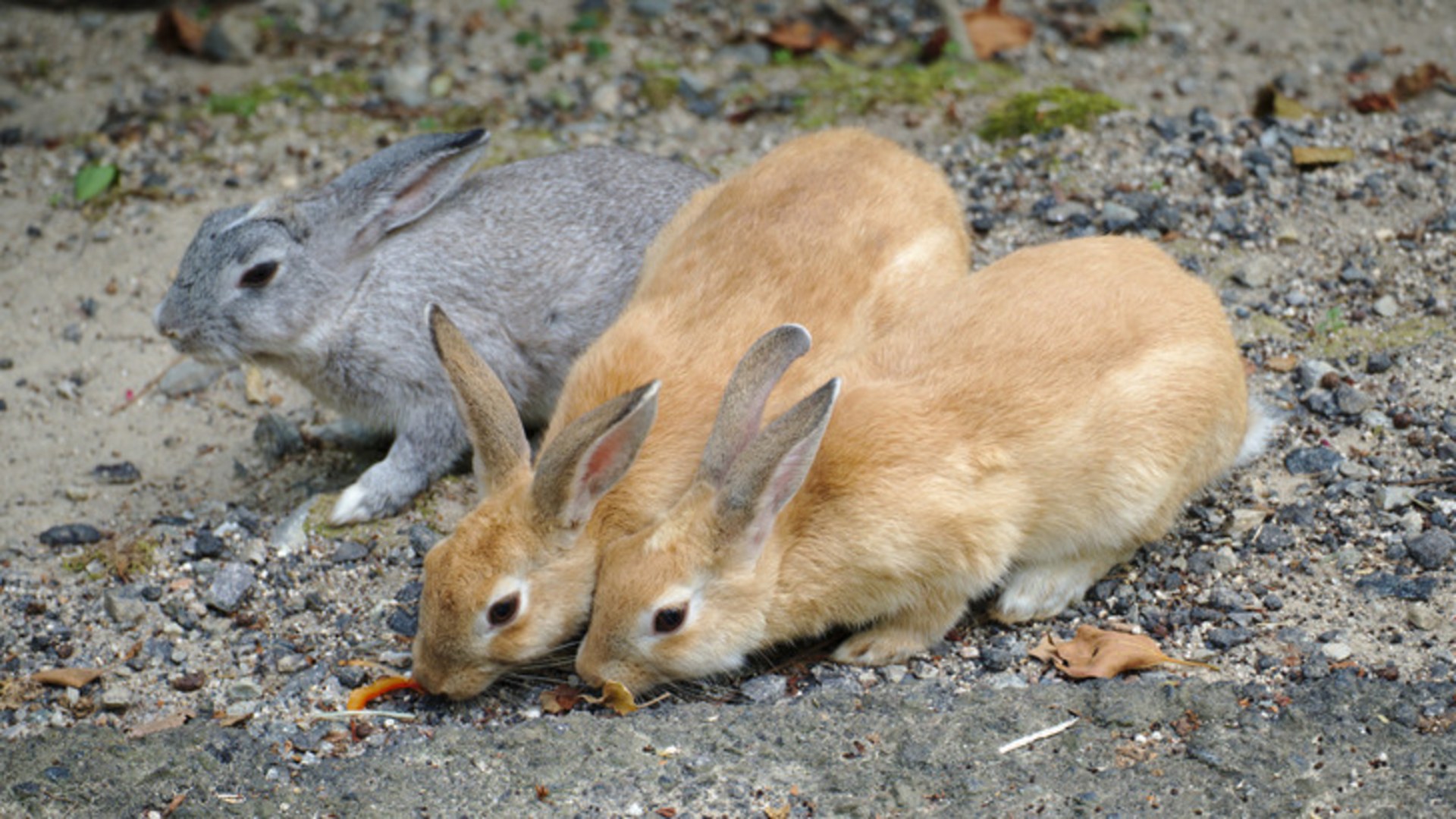
Widely celebrated as Rabbit Island, Okunoshima sits peacefully in Japan's Seto Inland Sea. Official wildlife tallies from the Ministry of the Environment record approximately 700 friendly wild rabbits roaming the forests and beaches, while the national census counts only 21 human residents.
©Wikimedia / Steffen Flor
1. Aoshima, Japan
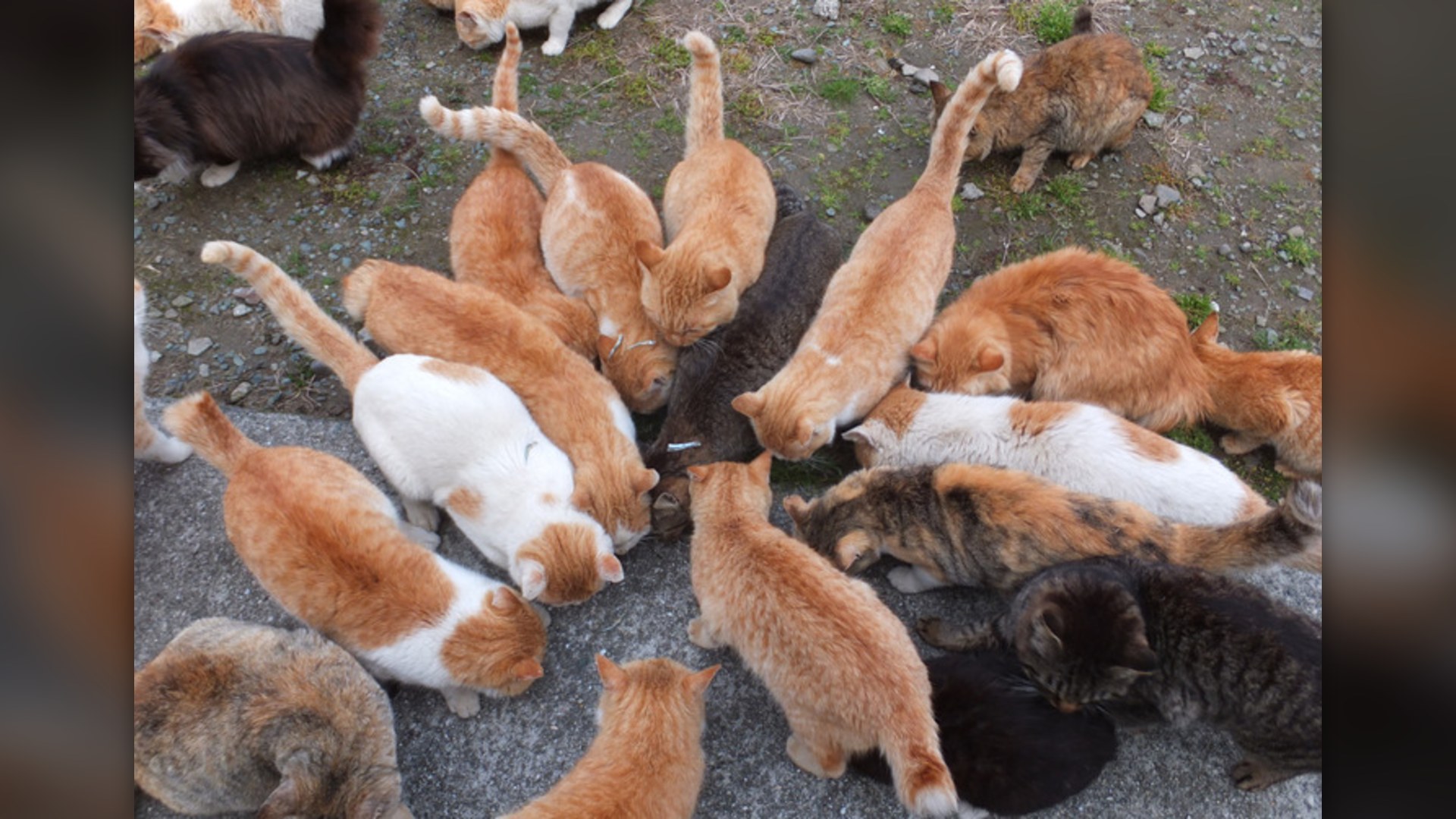
Located off the coast of Ehime Prefecture, Aoshima is famous worldwide as Cat Island. While roughly 200 felines once roamed the docks, a major 2018 spaying and neutering initiative brought the count to about 80 cats alongside just three elderly caretakers, creating a ratio of roughly 27 cats per person.

©Wikimedia / Aoshima Island
Advertisement
You've reached the end of the story. Thanks for reading!

20 Iconic Historical Photos and the Archive Clues Behind Them
Contact sheets, cracked glass plates, and NASA mission logs preserve the hidden steps behind 20 famous photographs. Drawing on records from the Library of Congress, the National Archives, NASA, and the Smithsonian, this countdown traces how cropping, camera setups, and double exposures shaped each frame.
All 10 Entries in this Story
10. Midway Atoll
Serving as a vital marine wildlife refuge in the remote Northwestern Hawaiian Islands, Midway hosts the largest albatross nesting colony on Earth. December counts recorded 617,869 active breeding nests, housing over 1.2 million seabirds overseen by approximately 50 sanctuary workers and volunteers.

9. Mongolia
Mongolia remains one of the world's last great equestrian and nomadic nations. At the close of the national livestock census, pastoral herds reached 58.09 million animals against 3.59 million residents. Horses alone total 5.1 million, easily exceeding the entire human population of the country.

8. New Zealand
New Zealand once boasted a staggering peak of 22 sheep for every human in 1982. While national livestock herds have gradually consolidated, Stats NZ still counts over 23.3 million sheep compared to a human population of 5.35 million, keeping sheep ahead by well over four to one nationwide.

7. Svalbard, Norway
Situated halfway between mainland Norway and the North Pole, Svalbard is home to roughly 2,500 people in Longyearbyen. Surrounding them are an estimated 22,000 wild Svalbard reindeer, a distinct subspecies that freely grazes across the tundra and strolls through town streets alongside roaming polar bears.

6. Shetland, Scotland
The remote Shetland Islands are renowned for rugged maritime landscapes, native miniature ponies, and fine wool. Scotland's agricultural census logged 296,073 grazing sheep and over 1,100 ponies alongside 22,710 residents, giving livestock undisputed command over the hills and coastal cliffs.

5. The Falkland Islands
Wool production defines the agricultural life of the Falkland archipelago in the South Atlantic. Agricultural data recorded roughly 490,000 sheep across 70 working farms, set against an official population of 3,662 residents, meaning sheep outnumber residents by roughly 135 to one.

4. Aldabra Atoll, Seychelles
A UNESCO World Heritage site in the outer Seychelles, Aldabra represents one of Earth's greatest conservation triumphs. A landmark multi-year survey published in Ecology and Evolution confirmed 183,274 Aldabra giant tortoises. With only 24 conservation staff on site, tortoises outnumber humans by 7,600 to one.

3. Sable Island, Canada
Sable Island is a crescent-shaped expanse of sand dunes in the North Atlantic protected by Parks Canada. The wild horse herd swings between 370 and 590 animals without any human interference. With only two federal staff stationed on the island through winter, horses outnumber year-round residents 210 to one.

2. Okunoshima, Japan
Widely celebrated as Rabbit Island, Okunoshima sits peacefully in Japan's Seto Inland Sea. Official wildlife tallies from the Ministry of the Environment record approximately 700 friendly wild rabbits roaming the forests and beaches, while the national census counts only 21 human residents.

1. Aoshima, Japan
Located off the coast of Ehime Prefecture, Aoshima is famous worldwide as Cat Island. While roughly 200 felines once roamed the docks, a major 2018 spaying and neutering initiative brought the count to about 80 cats alongside just three elderly caretakers, creating a ratio of roughly 27 cats per person.