Slideshow · Animals
10 Questionable Wildlife Friendships
From venomous arachnids harboring tiny frog bodyguards to apex ocean predators calling truces for dental hygiene, nature frequently breaks its own food chain rules.
By Most Viral Today
6 Oct 2026

10 Questionable Wildlife Friendships 
10. Zebra And Ostrich 
9. Hermit Crab And Sea Anemone 
8. Whale Shark And Remora - AdvertisementSwipe or tap ▶ to continue countdown

7. Capybara And Cattle Tyrant 
6. Clownfish And Sea Anemone 
5. Yellow-Billed Oxpecker And Zebra 
4. Moray Eel And Cleaner Wrasse - AdvertisementSwipe or tap ▶ to continue countdown

3. Coyote And American Badger 
2. Giant Tarantula And Tiny Frog 
1. Owen The Hippo And Mzee The Tortoise - Advertisement🔥 UP NEXT IN THIS SERIES◫ 22 Slides

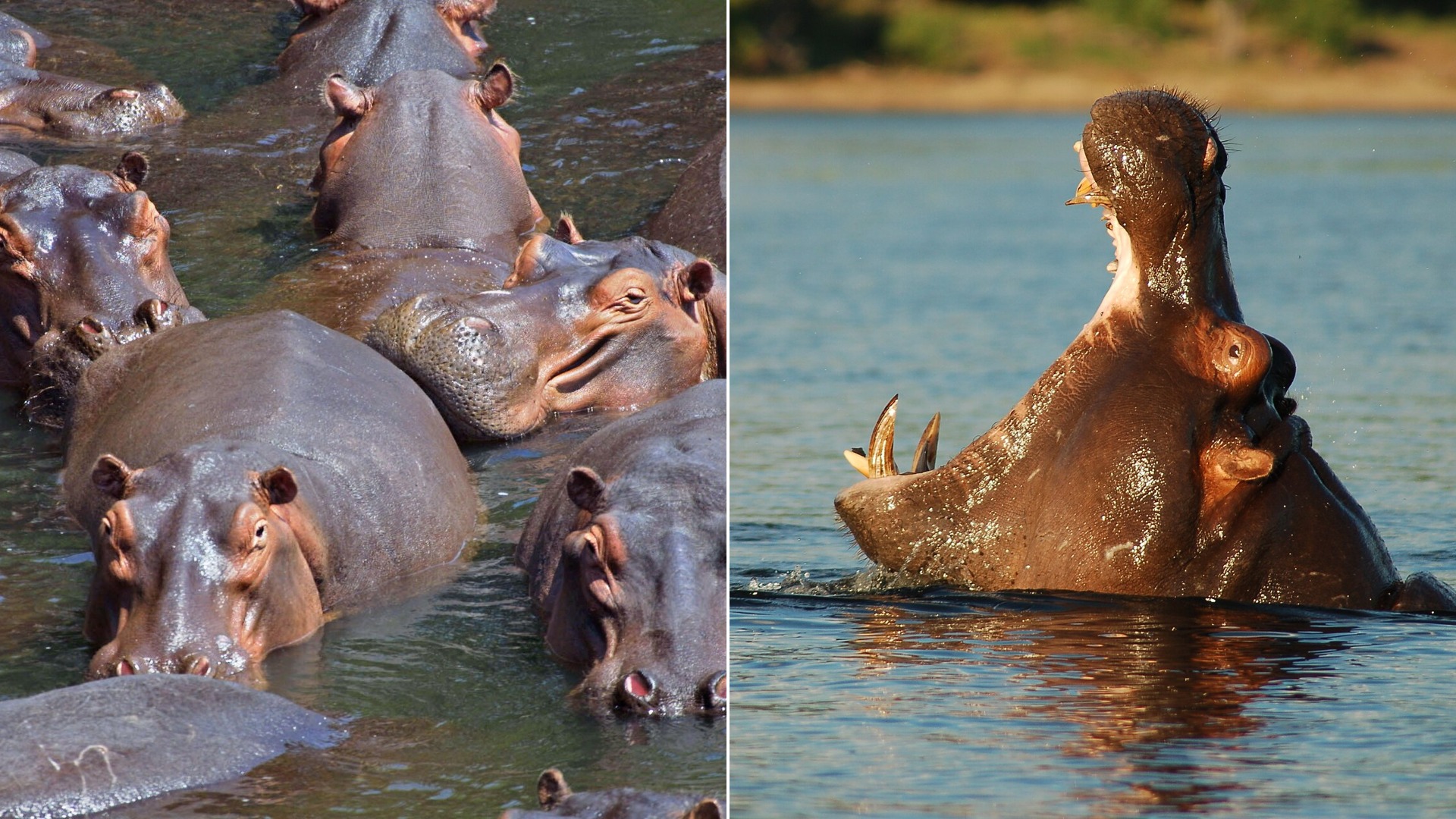
How Long Do Hippos Live? 20 Other Facts About Hippos
From sixty-year lifespans to whale cousins, discover secrets of river giants
From venomous arachnids harboring tiny frog bodyguards to apex ocean predators calling truces for dental hygiene, nature frequently breaks its own food chain rules.
Swipe or tap ▶ to begin the countdown
©Wikimedia / emdot & Eli Shany
10. Zebra And Ostrich
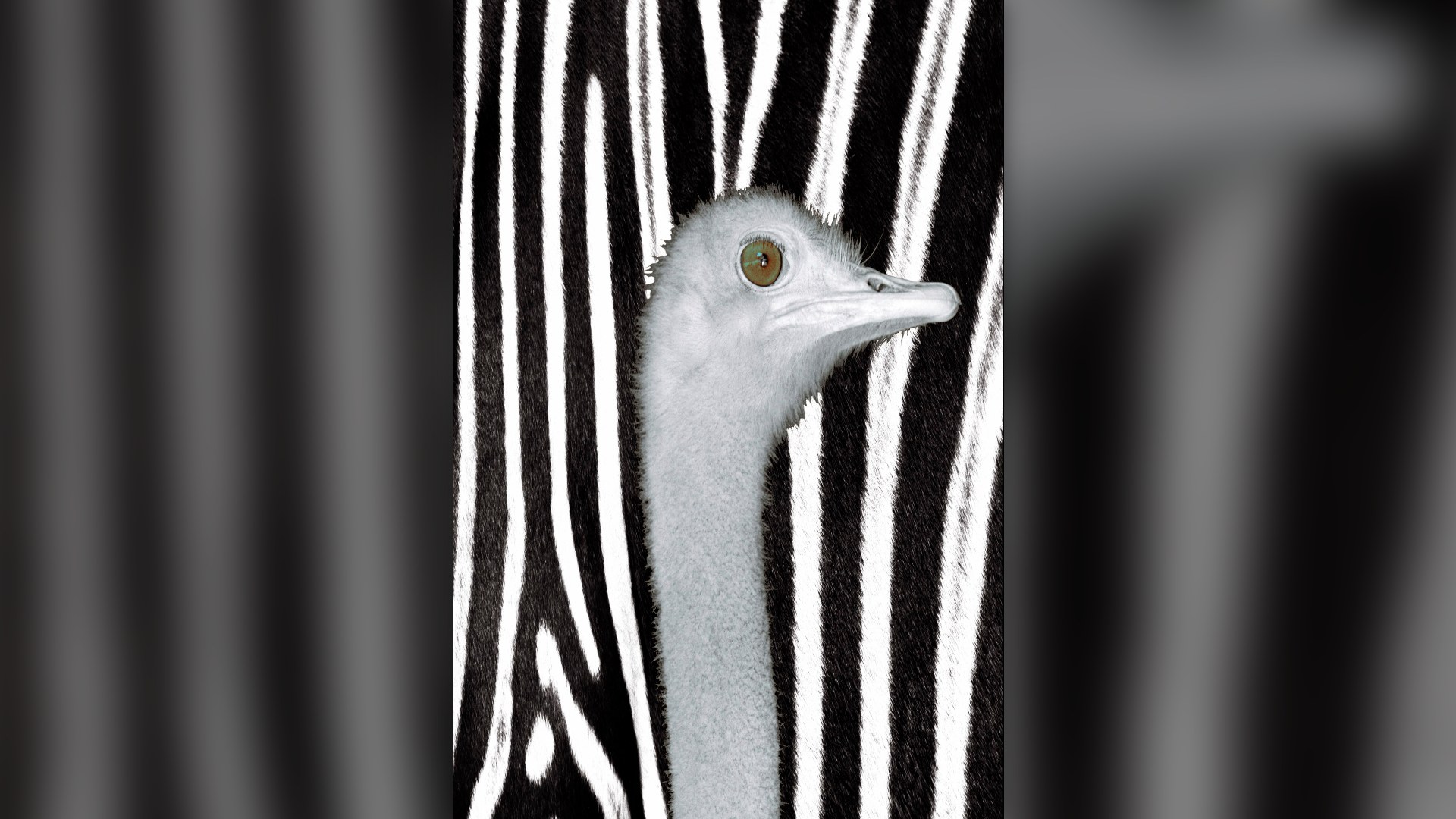
Across the Serengeti, herds of plains zebras and common ostriches frequently graze shoulder-to-shoulder. Zebras rely on the bird's towering height and telescopic vision, while ostriches rely on the zebra's razor-sharp hearing and olfactory detection to survive apex ambush predators.
©Wikimedia / Sérgio Valle Duarte
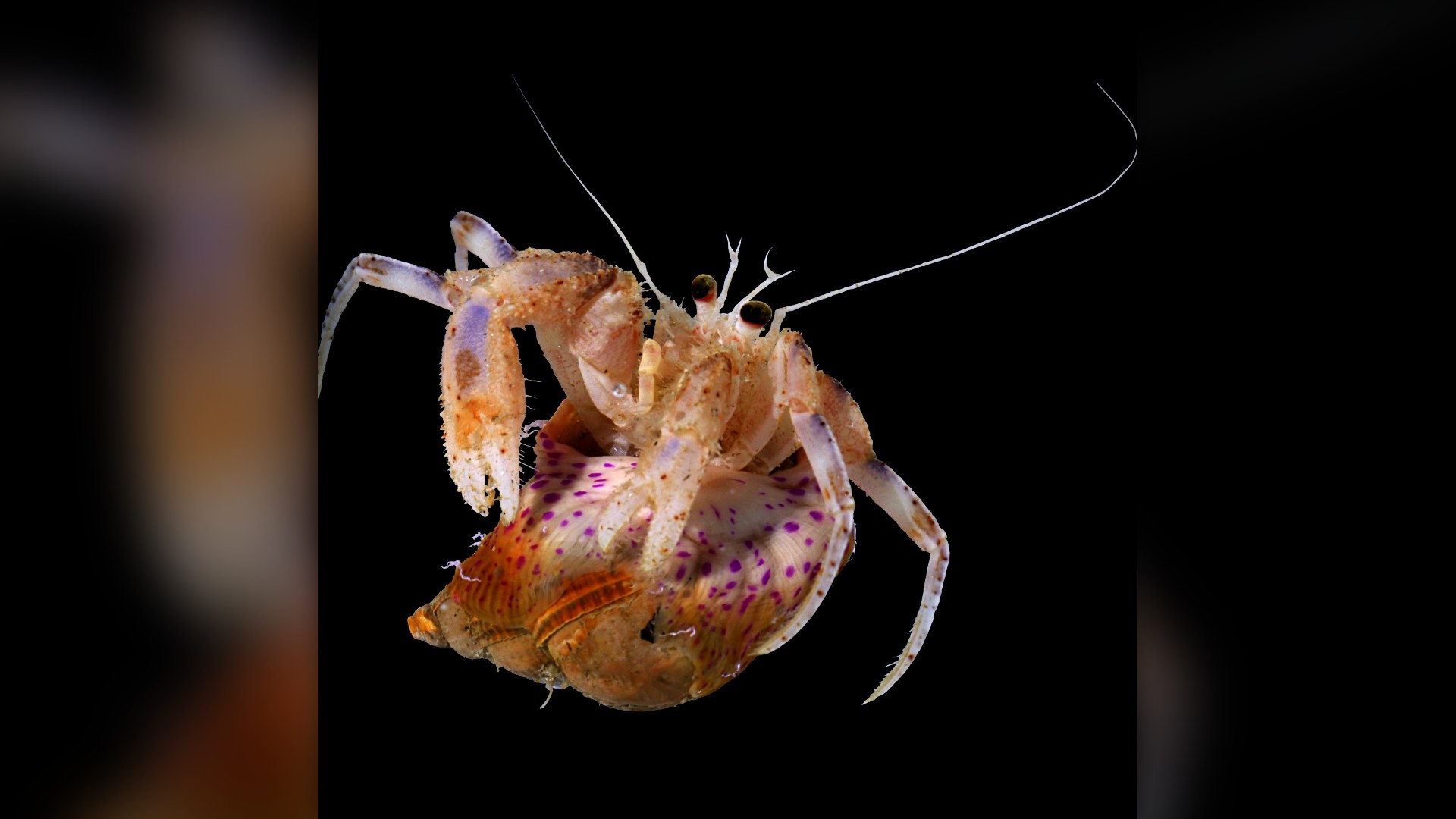
9. Hermit Crab And Sea Anemone
In deep rocky waters, Pagurus prideaux hermit crabs actively pluck venomous cloak anemones and attach them directly to their portable shells. The stinging tentacles repel octopus and predatory fish, while the anemone feasts on food particles kicked up by the crab's meals.
©Wikimedia / Hans Hillewaert
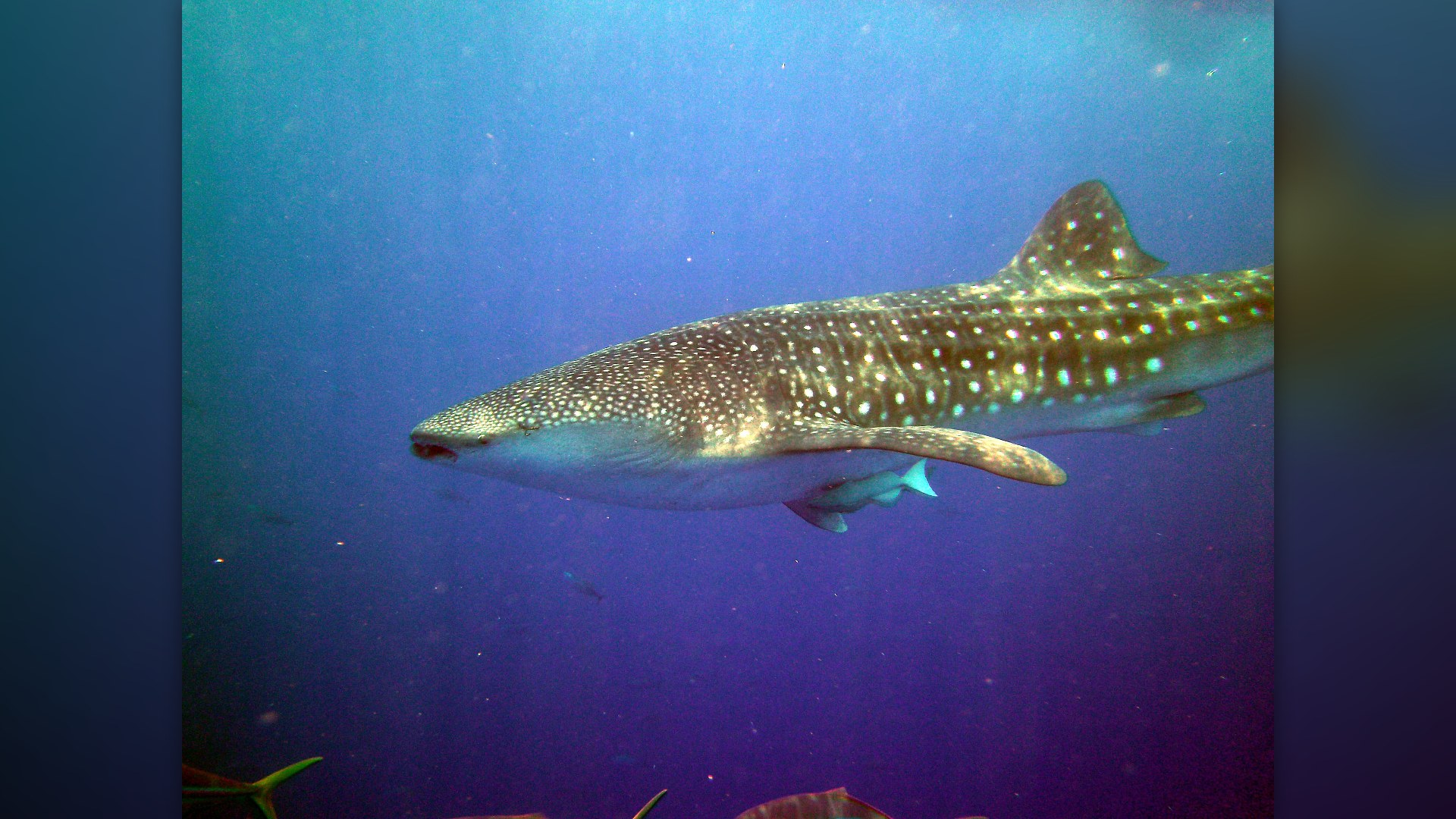
8. Whale Shark And Remora
Reaching lengths up to 40 feet, whale sharks glide through open pelagic oceans carrying dozens of suction-clamped remoras. This commensal bond allows remoras to hitchhike effortlessly through oceanic currents while stripping troublesome parasites from the shark's thick skin.
©Wikimedia / Nicholas Lindell Reynolds
Advertisement
Swipe or tap ▶ to resume the countdown.
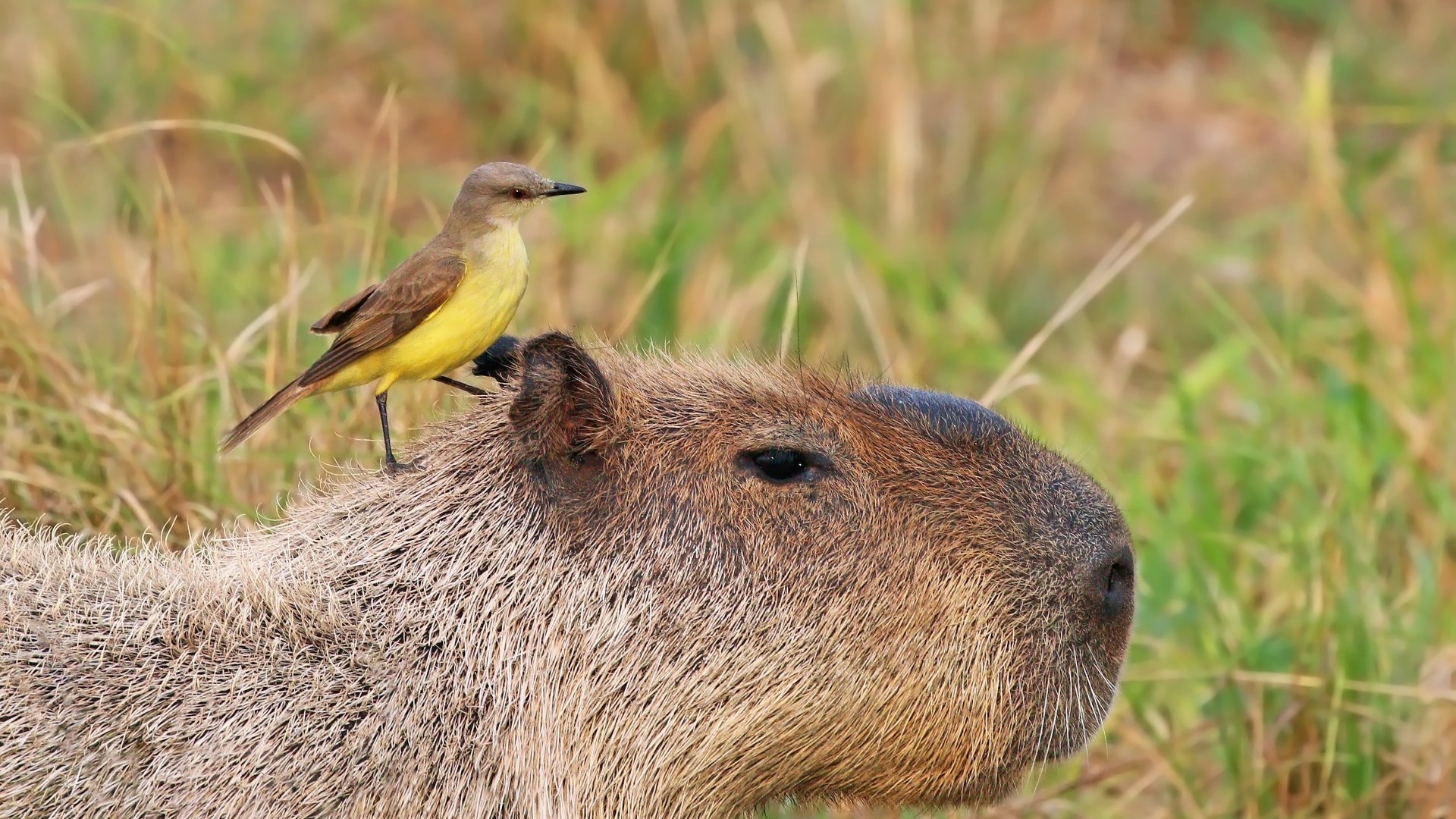
7. Capybara And Cattle Tyrant
In the wetlands of Brazil's Pantanal, the massive capybara serves as an open perch for insectivorous birds like the cattle tyrant. The unflappable rodent basks peacefully along riverbanks while the bird meticulously cleans blood-sucking flies and ticks from its coat.
©Wikimedia / Charles J. Sharp
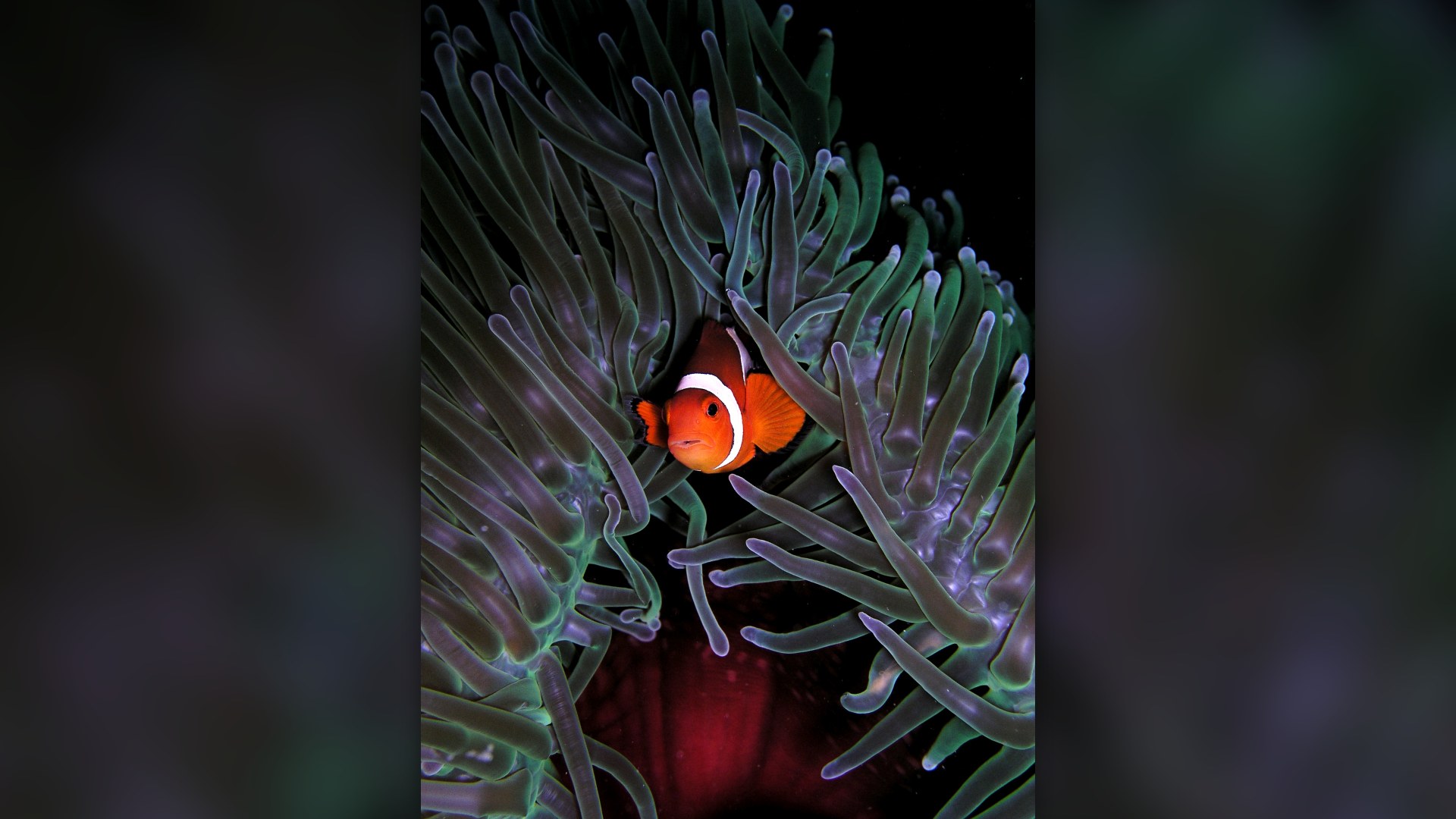
6. Clownfish And Sea Anemone
To almost every marine creature, the stinging nematocysts of a sea anemone mean sudden paralysis and death. Clownfish bypass this death trap by developing a thick layer of biochemical mucus that mimics the anemone's own chemical signature, turning lethal tentacles into a safe nursery.
©Wikimedia / Nick Hobgood
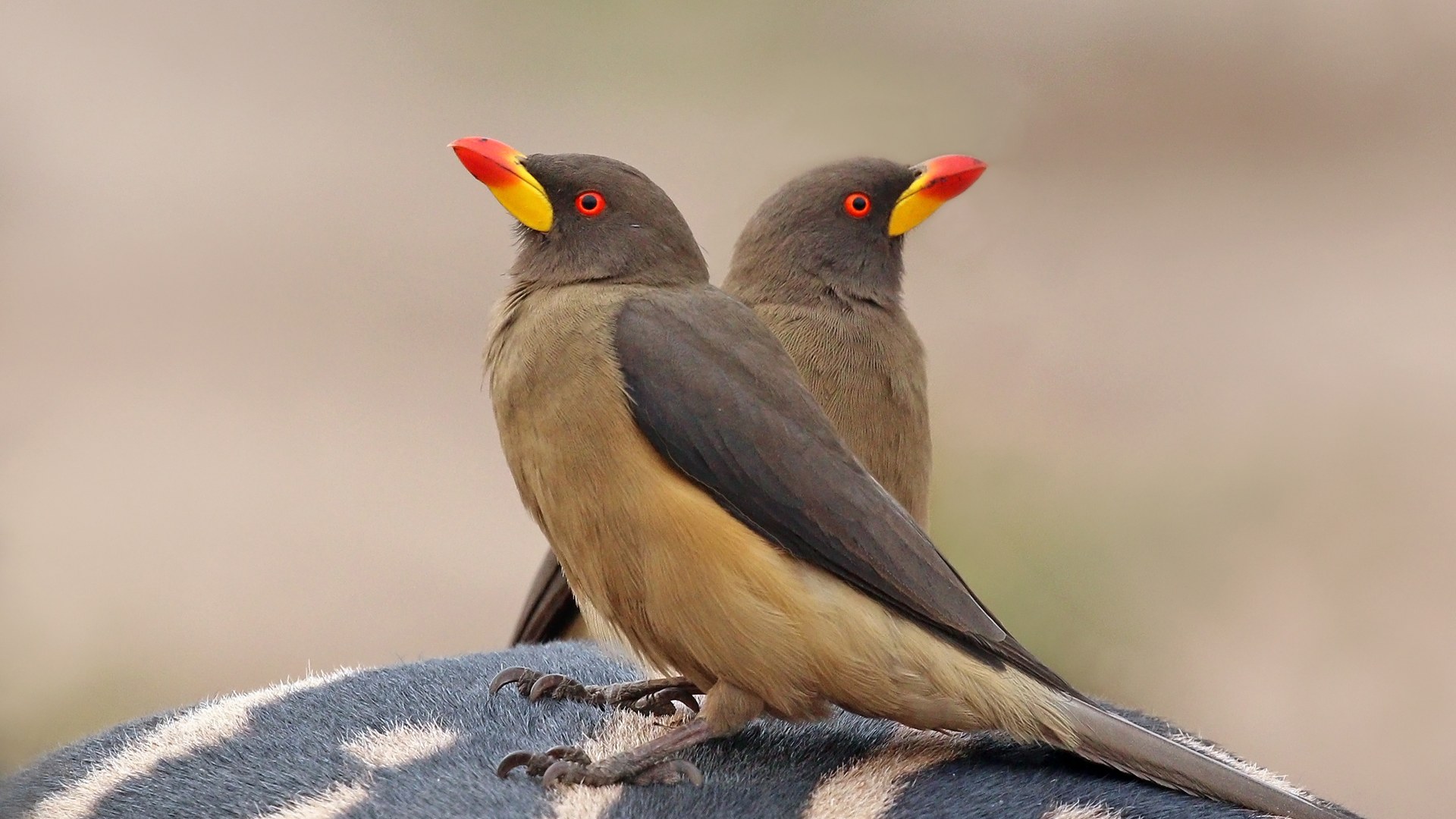
5. Yellow-Billed Oxpecker And Zebra
Long celebrated as a textbook mutualism, the bond between oxpeckers and large savannah herbivores is far darker than it seems. While the birds strip away engorged ticks, behavioral zoologists have observed oxpeckers actively reopening old wounds to feed directly on warm mammalian blood.
©Wikimedia / Charles J. Sharp
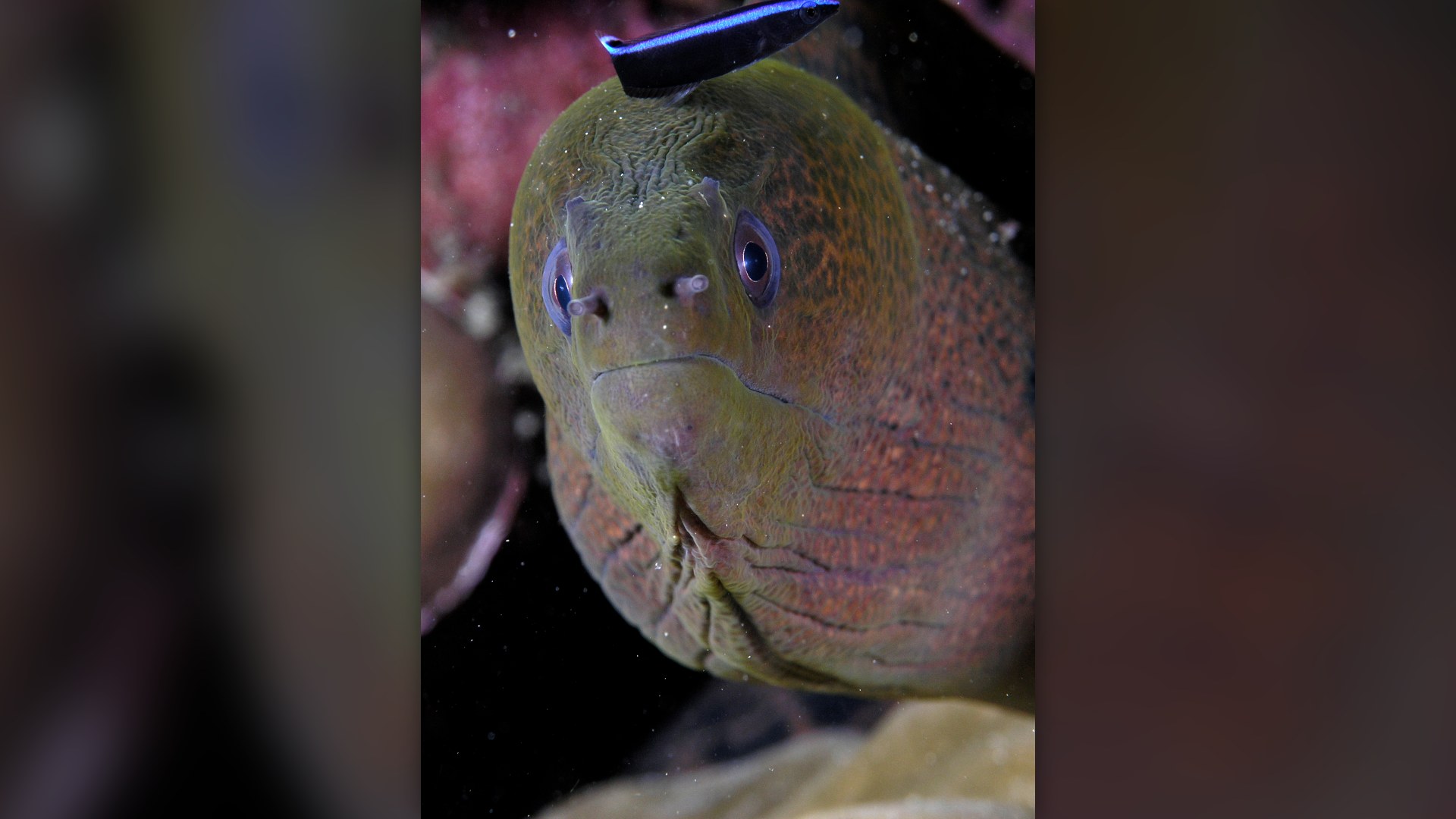
4. Moray Eel And Cleaner Wrasse
At coral reef cleaning stations, the bluestreak cleaner wrasse performs one of the ocean's riskiest acts: slipping deep inside the throat and gills of giant moray eels. In exchange for free meals of ectoparasites and dead skin, the apex predator remains motionless, resisting every impulse to swallow.
©Wikimedia / Nick Hobgood
Advertisement
Swipe or tap ▶ to resume the countdown.
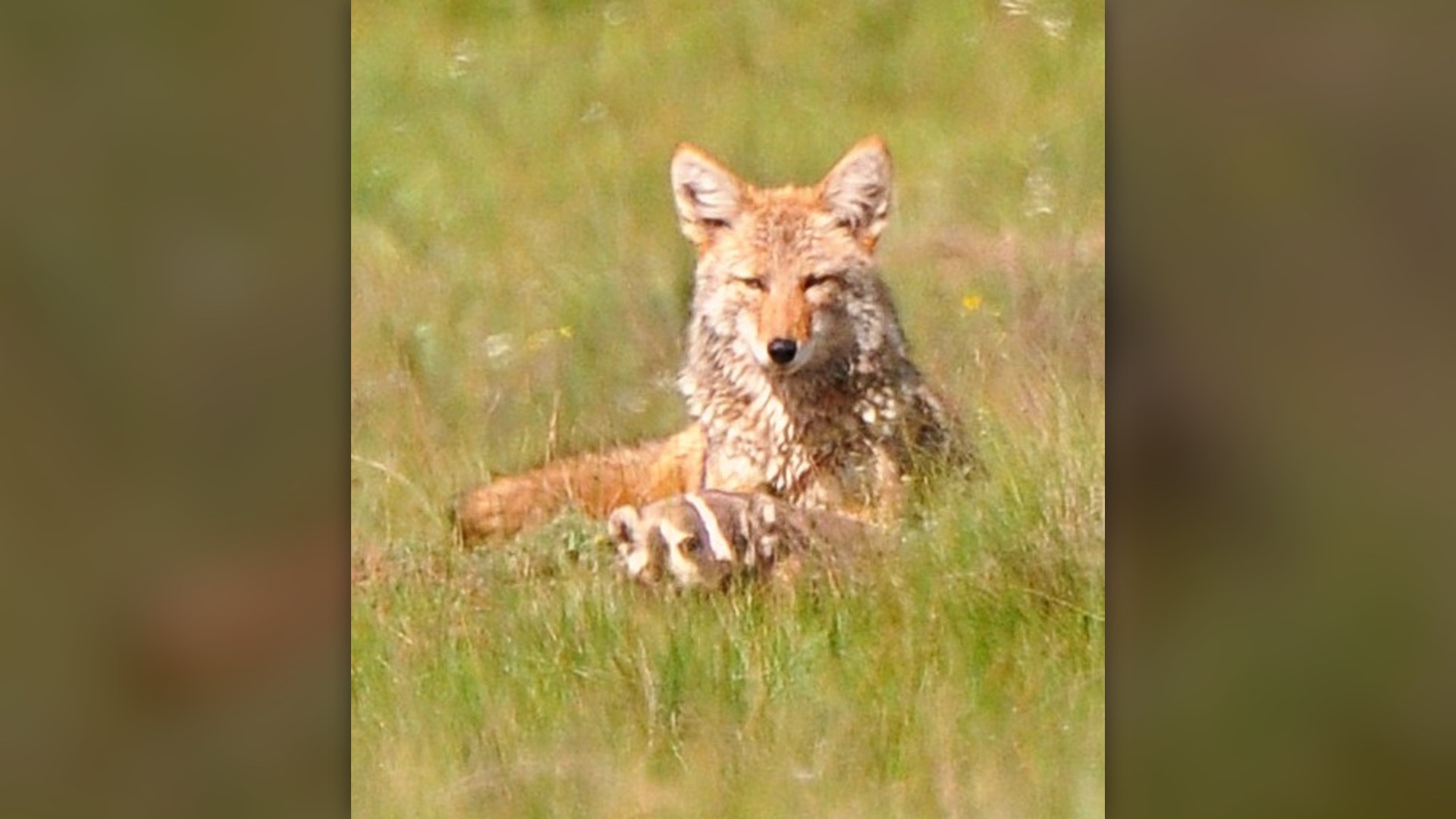
3. Coyote And American Badger
Native American folklore documented it for centuries, and recent wildlife cameras confirmed it: coyotes and badgers actively hunt together. Studies show this tactical syndicate increases hunting success by over 30%, with pairs even observed playing, bowing, and sharing travel routes.
©Wikimedia / Larry1732
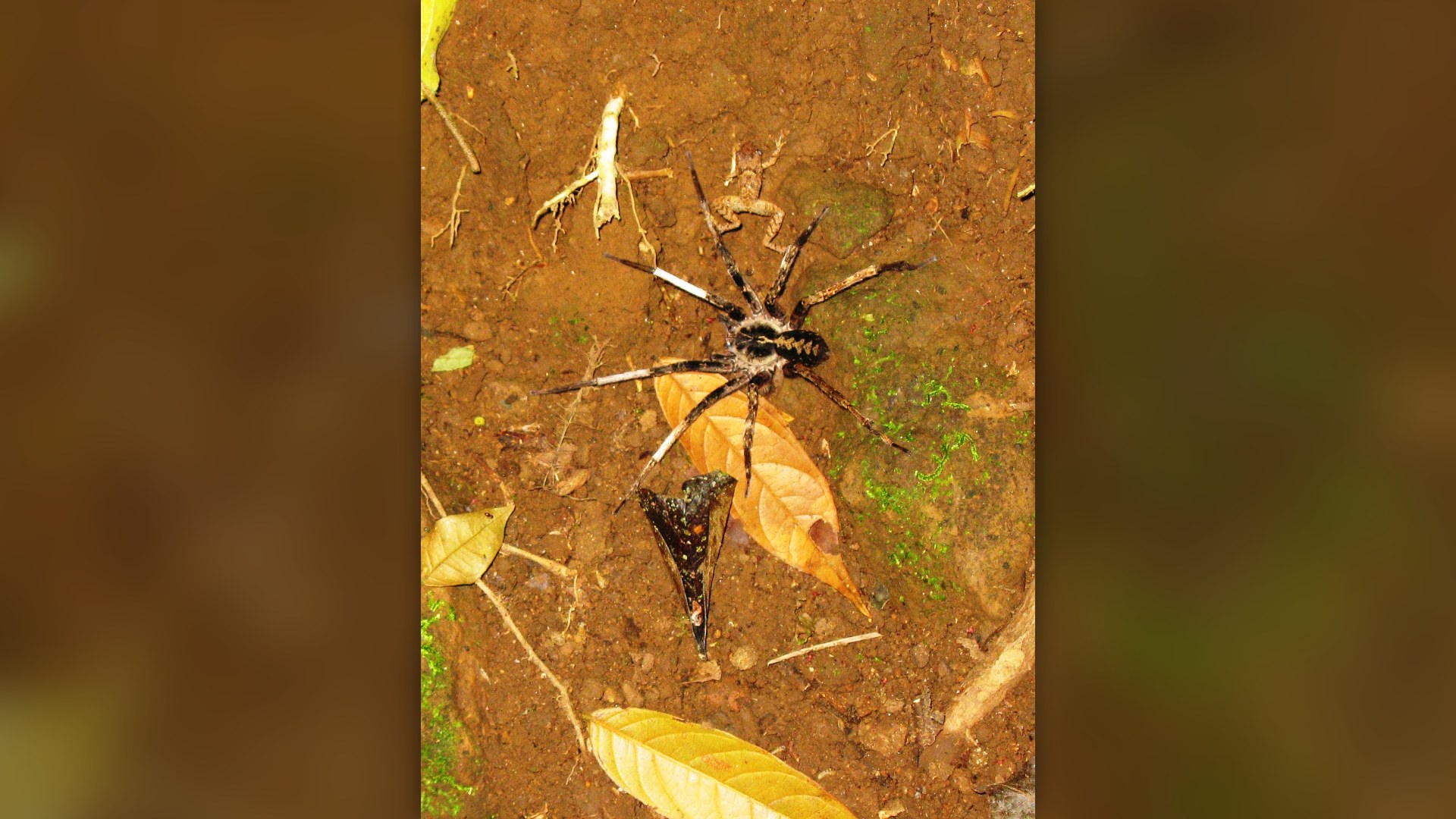
2. Giant Tarantula And Tiny Frog
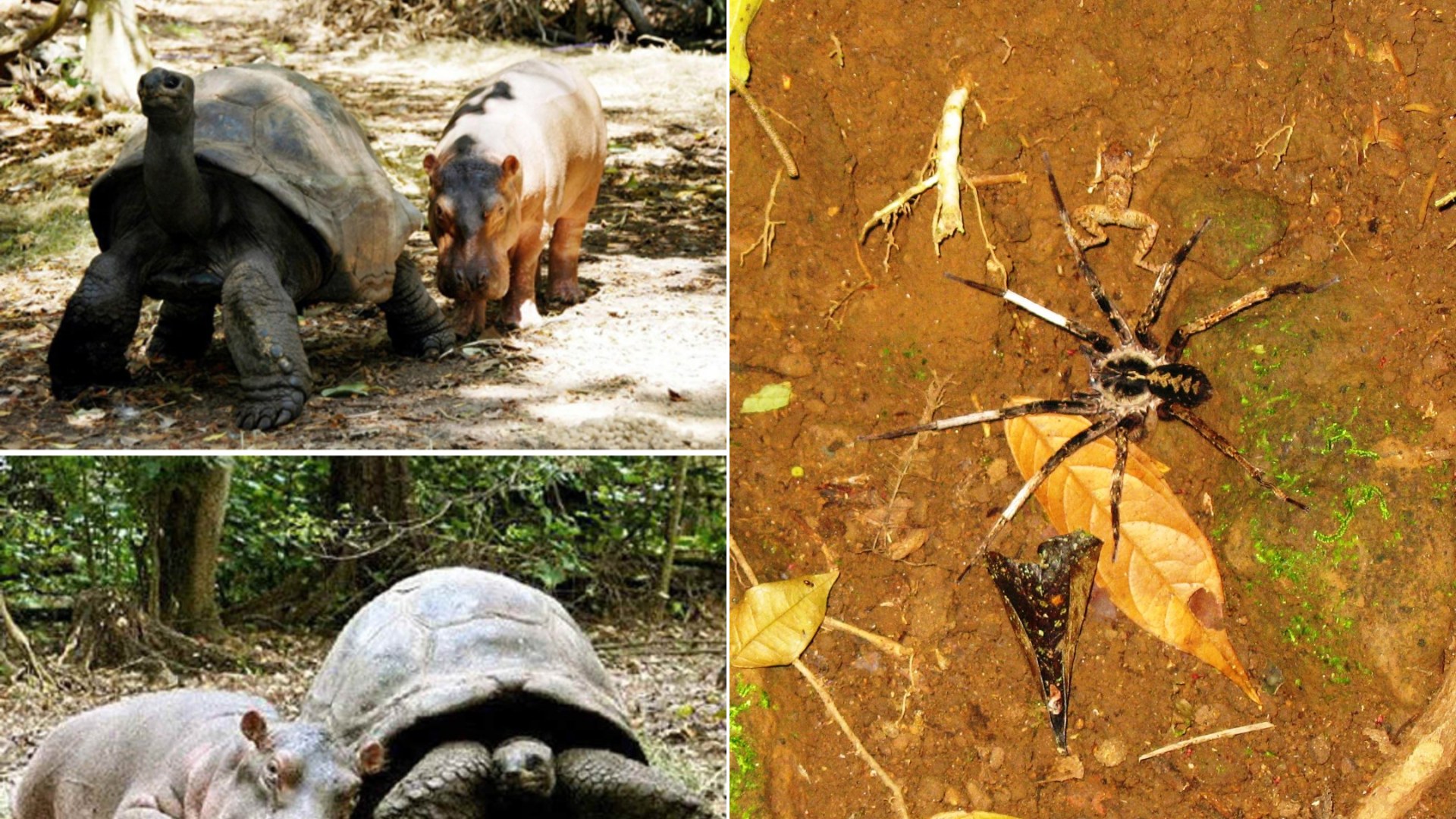
Deep in the Peruvian rainforest, the formidable Colombian lesserblack tarantula forms an astonishing alliance with the tiny dotted humming frog. The spider offers impenetrable defense against larger predators, while the frog patrols the subterranean den to consume ants that raid tarantula egg clutches.
©Wikimedia / Eli Shany
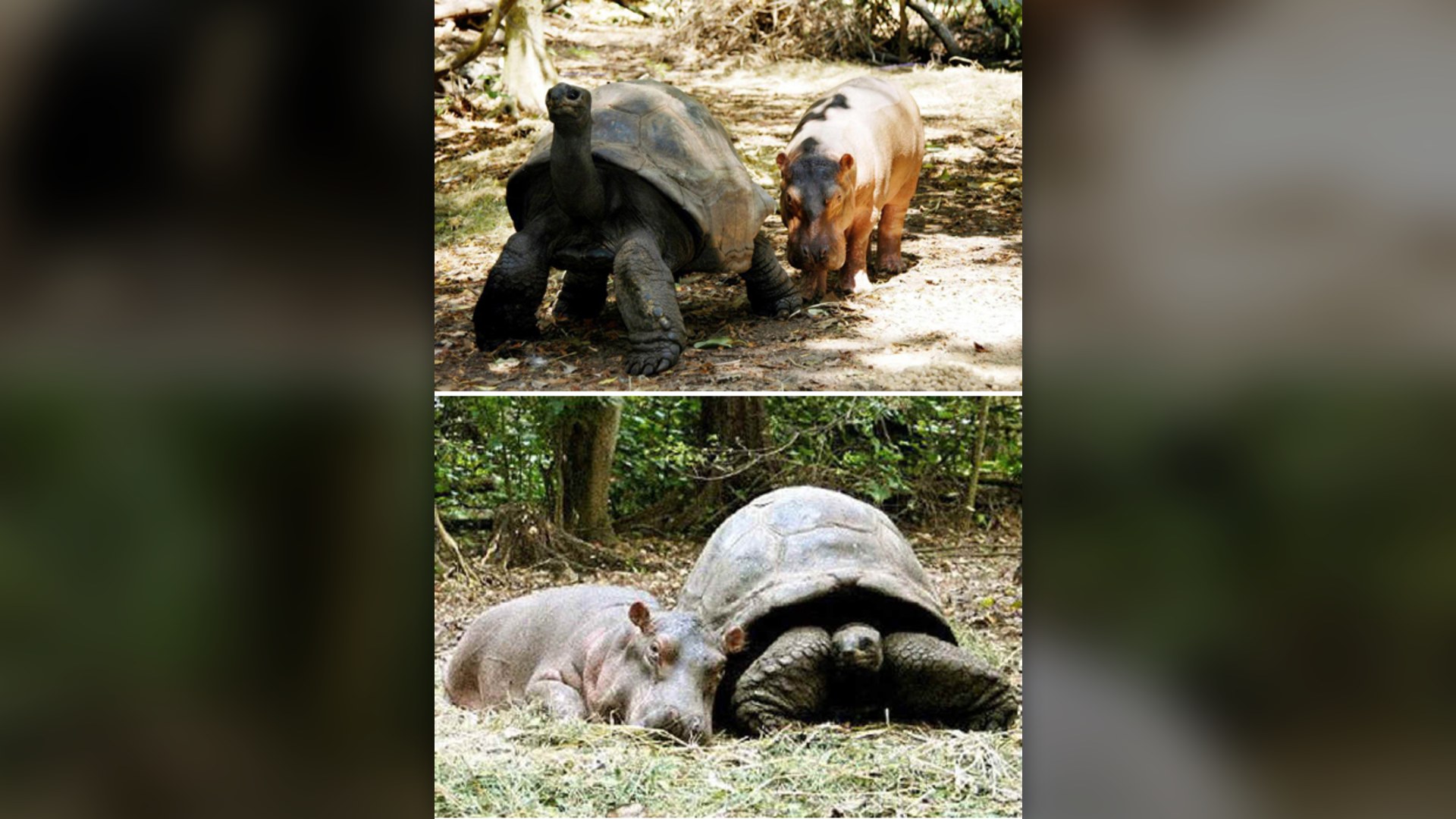
1. Owen The Hippo And Mzee The Tortoise
Rescued after the 2004 tsunami off Malindi, Kenya, orphaned baby hippo Owen was released at Haller Park sanctuary. The traumatized calf immediately bonded with Mzee, a 130-year-old Aldabra giant tortoise. The unlikely duo became completely inseparable, eating, swimming, and sleeping together for years.

©Wikimedia / emdot from San Luis Obispo, USA
Advertisement
You've reached the end of the story. Thanks for reading!

How Long Do Hippos Live? 20 Other Facts About Hippos
From sixty-year lifespans to whale cousins, discover secrets of river giants
All 10 Entries in this Story
10. Zebra And Ostrich
Across the Serengeti, herds of plains zebras and common ostriches frequently graze shoulder-to-shoulder. Zebras rely on the bird's towering height and telescopic vision, while ostriches rely on the zebra's razor-sharp hearing and olfactory detection to survive apex ambush predators.

9. Hermit Crab And Sea Anemone
In deep rocky waters, Pagurus prideaux hermit crabs actively pluck venomous cloak anemones and attach them directly to their portable shells. The stinging tentacles repel octopus and predatory fish, while the anemone feasts on food particles kicked up by the crab's meals.

8. Whale Shark And Remora
Reaching lengths up to 40 feet, whale sharks glide through open pelagic oceans carrying dozens of suction-clamped remoras. This commensal bond allows remoras to hitchhike effortlessly through oceanic currents while stripping troublesome parasites from the shark's thick skin.

7. Capybara And Cattle Tyrant
In the wetlands of Brazil's Pantanal, the massive capybara serves as an open perch for insectivorous birds like the cattle tyrant. The unflappable rodent basks peacefully along riverbanks while the bird meticulously cleans blood-sucking flies and ticks from its coat.

6. Clownfish And Sea Anemone
To almost every marine creature, the stinging nematocysts of a sea anemone mean sudden paralysis and death. Clownfish bypass this death trap by developing a thick layer of biochemical mucus that mimics the anemone's own chemical signature, turning lethal tentacles into a safe nursery.

5. Yellow-Billed Oxpecker And Zebra
Long celebrated as a textbook mutualism, the bond between oxpeckers and large savannah herbivores is far darker than it seems. While the birds strip away engorged ticks, behavioral zoologists have observed oxpeckers actively reopening old wounds to feed directly on warm mammalian blood.

4. Moray Eel And Cleaner Wrasse
At coral reef cleaning stations, the bluestreak cleaner wrasse performs one of the ocean's riskiest acts: slipping deep inside the throat and gills of giant moray eels. In exchange for free meals of ectoparasites and dead skin, the apex predator remains motionless, resisting every impulse to swallow.

3. Coyote And American Badger
Native American folklore documented it for centuries, and recent wildlife cameras confirmed it: coyotes and badgers actively hunt together. Studies show this tactical syndicate increases hunting success by over 30%, with pairs even observed playing, bowing, and sharing travel routes.

2. Giant Tarantula And Tiny Frog
Deep in the Peruvian rainforest, the formidable Colombian lesserblack tarantula forms an astonishing alliance with the tiny dotted humming frog. The spider offers impenetrable defense against larger predators, while the frog patrols the subterranean den to consume ants that raid tarantula egg clutches.

1. Owen The Hippo And Mzee The Tortoise
Rescued after the 2004 tsunami off Malindi, Kenya, orphaned baby hippo Owen was released at Haller Park sanctuary. The traumatized calf immediately bonded with Mzee, a 130-year-old Aldabra giant tortoise. The unlikely duo became completely inseparable, eating, swimming, and sleeping together for years.