Slideshow · Viral
10 Signs It's Time to Throw Food Away
Not sure if that leftover is still safe? From slimy textures to swollen cans, these 10 warning signs tell you exactly when food has crossed from stale to dangerous -- and how to protect your family from foodborne illness.
By Most Viral Today
22 Sept 2026

10 Signs It's Time to Throw Food Away 
10. You Can See Mold Growing 
9. It Smells Sour, Rancid, Or Just Wrong 
8. The Texture Has Turned Slimy Or Mushy - AdvertisementSwipe or tap ▶ to continue countdown

7. The Color Has Changed Dramatically 
6. It's Past The Use-By Or Expiry Date 
5. It Has Severe Freezer Burn 
4. It Tastes Sour, Bitter, Or Just Off - AdvertisementSwipe or tap ▶ to continue countdown

3. The Package Is Swollen, Leaking, Or Dented 
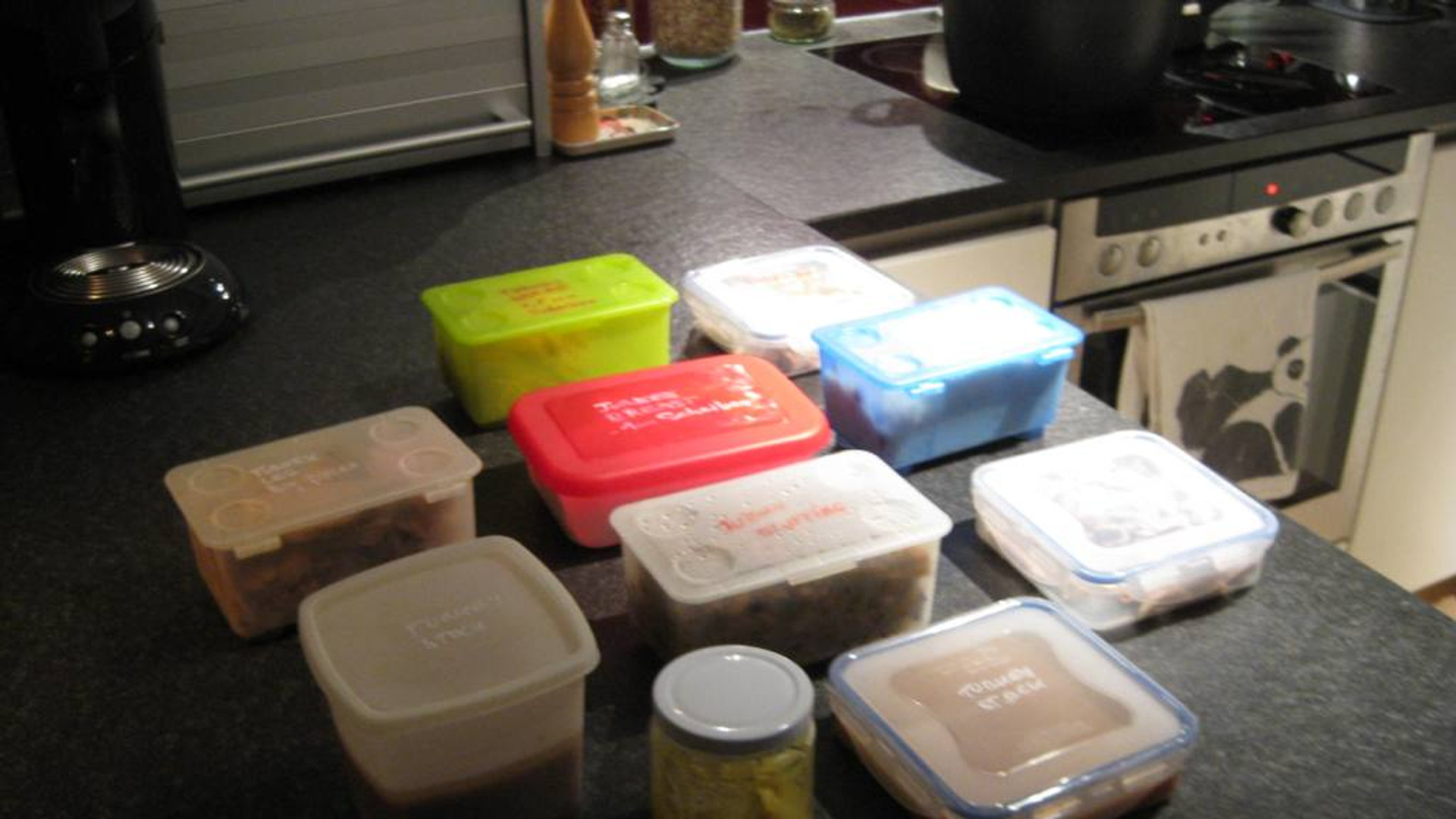
2. Your Leftovers Are More Than 4 Days Old 
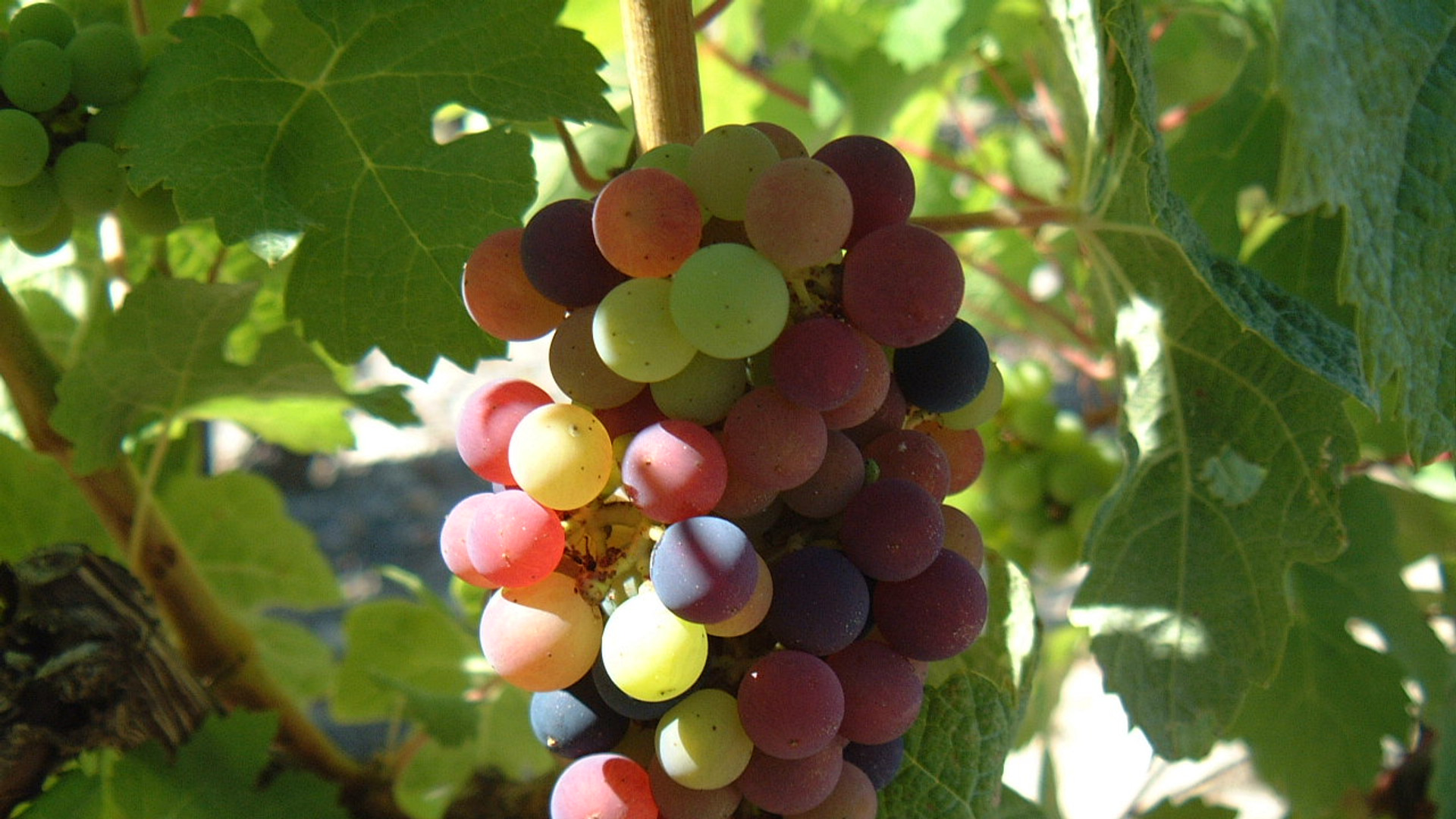
1. Produce Is Wilted, Mushy, Or Has Soft Spots - Advertisement🔥 UP NEXT IN THIS SERIES◫ 21 Slides

20 Iconic Historical Photos and the Archive Clues Behind Them
Contact sheets, cracked glass plates, and NASA mission logs preserve the hidden steps behind 20 famous photographs. Drawing on records from the Library of Congress, the National Archives, NASA, and the Smithsonian, this countdown traces how cropping, camera setups, and double exposures shaped each frame.
Not sure if that leftover is still safe? From slimy textures to swollen cans, these 10 warning signs tell you exactly when food has crossed from stale to dangerous -- and how to protect your family from foodborne illness.
Swipe or tap ▶ to begin the countdown
©Wikimedia Commons / CC-BY-SA
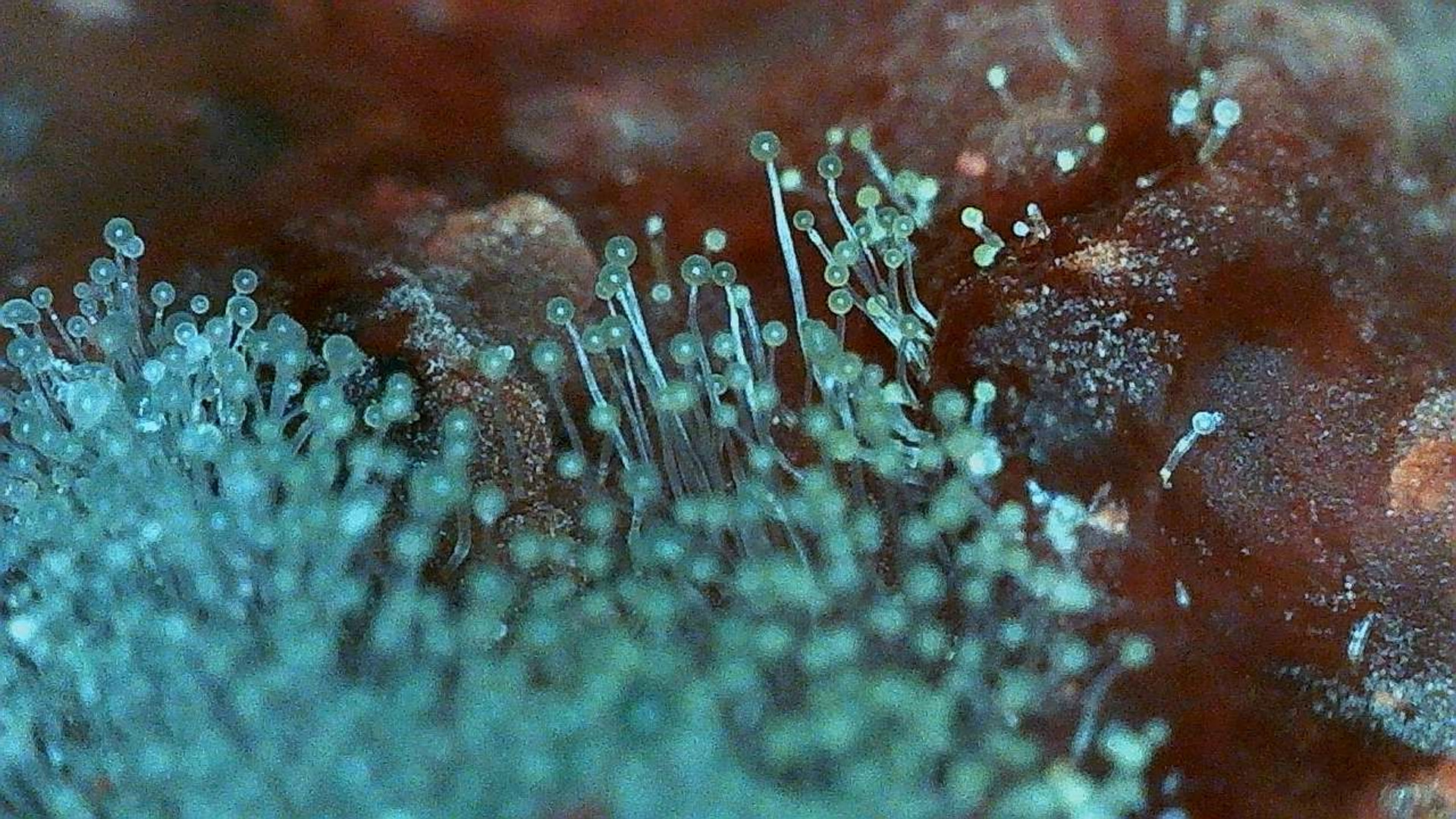
10. You Can See Mold Growing
Visible mold is the clearest sign food must go. While blue cheese mold is safe by design, mold on bread, fruit, or leftovers can produce mycotoxins -- toxic compounds that survive heat and cause serious illness. Cutting around the mold is rarely enough; throw the whole item.
©Wikimedia Commons / CC-BY-SA
9. It Smells Sour, Rancid, Or Just Wrong
The human sense of smell is one of nature's most powerful food-safety tools. Bacteria release gases as they break food down -- sour, ammonia-like, or fermented odors. If your chicken smells wrong or your leftovers have an unfamiliar tang -- throw them out without tasting first.
©Wikimedia / Tiia Monto
8. The Texture Has Turned Slimy Or Mushy
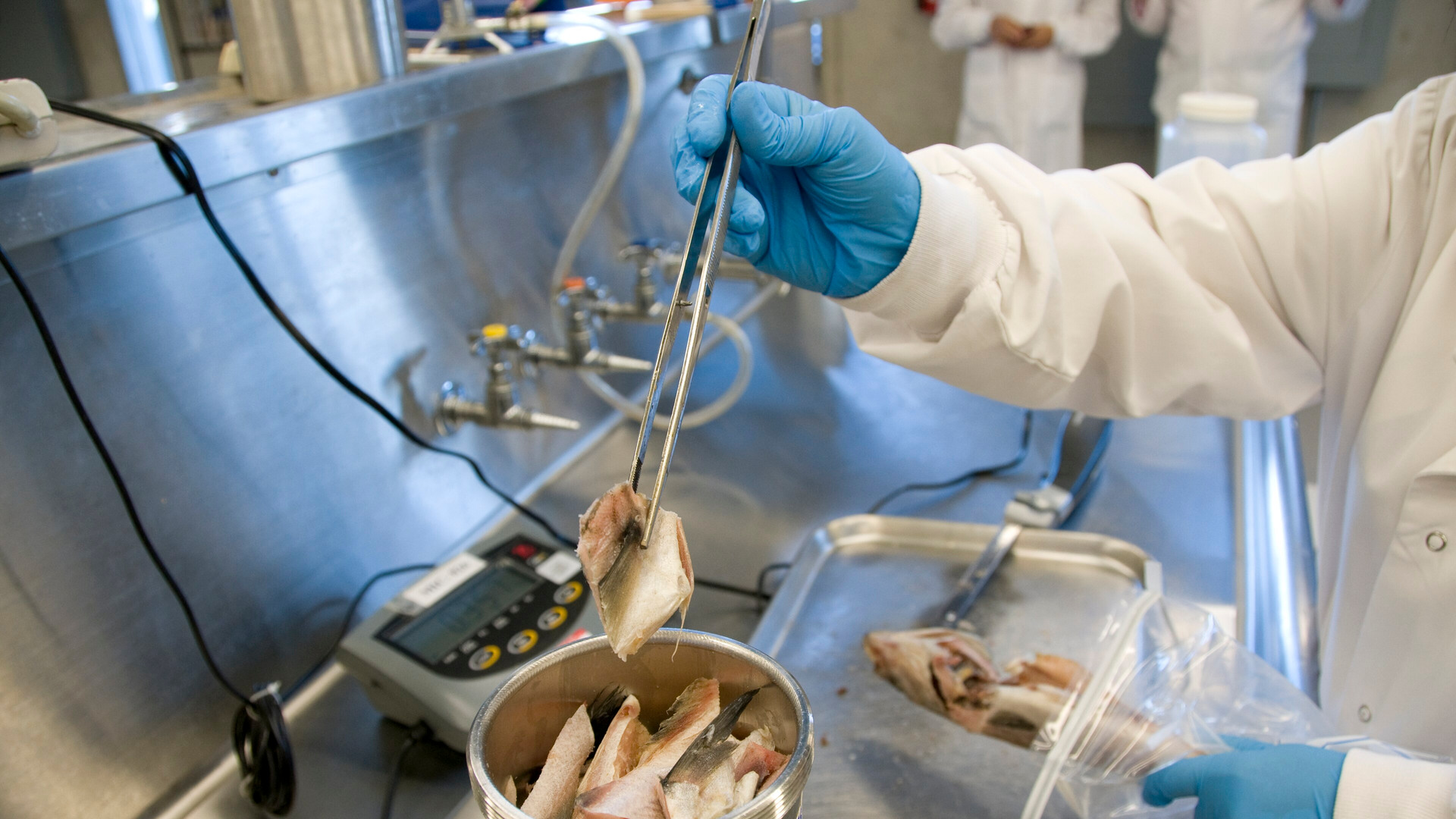
A slimy film on deli meat, mushy spinach, or sticky poultry are signs of bacterial biofilms -- colonies of bacteria secreting a protective layer as they multiply. Once food feels wrong to the touch, it's too far gone. No amount of rinsing removes the bacteria underneath.
©Wikimedia / Sven
Advertisement
Swipe or tap ▶ to resume the countdown.
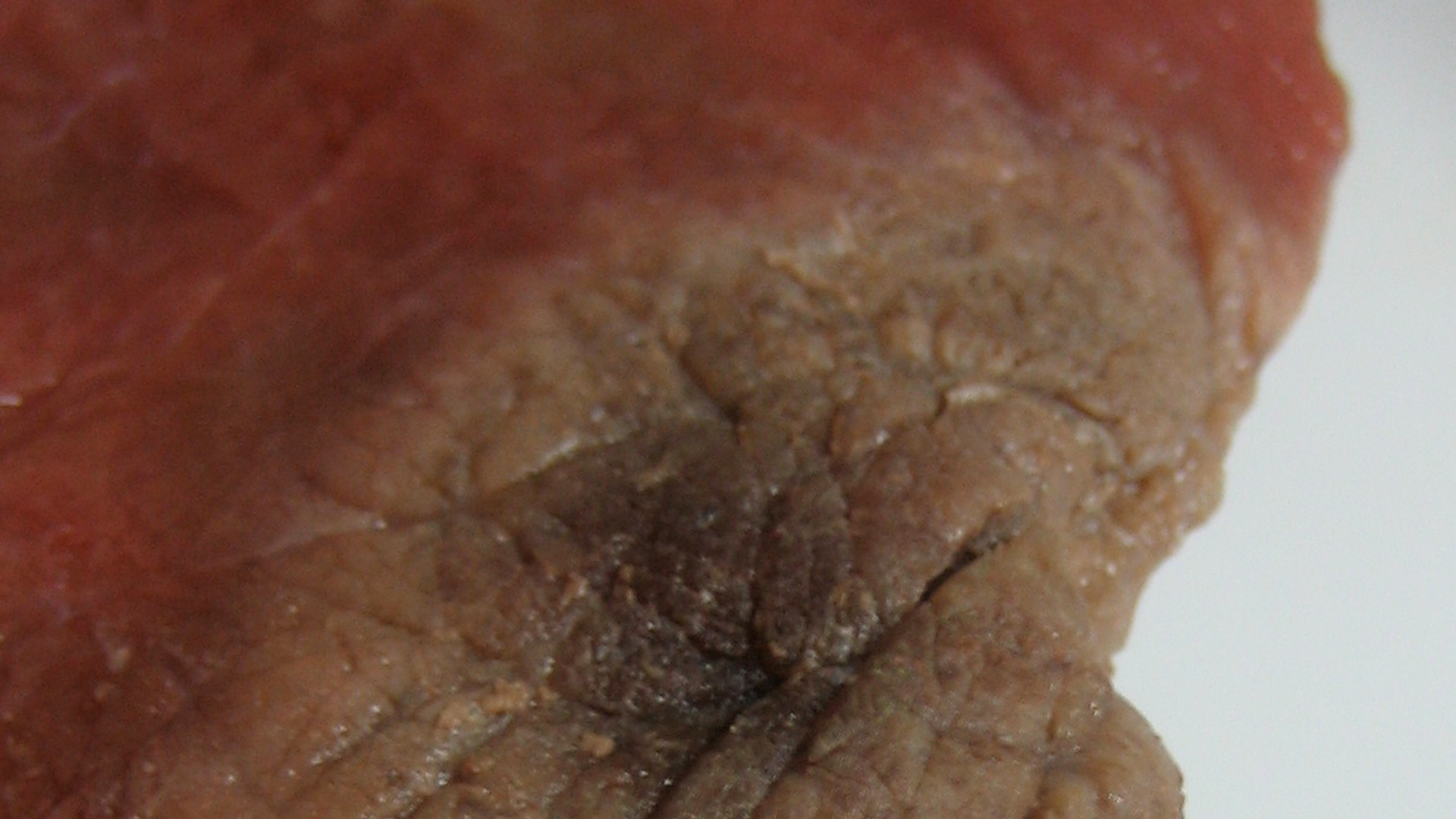
7. The Color Has Changed Dramatically
Color changes in food signal oxidation, enzyme activity, or microbial growth. Gray-brown ground beef may be fine if it smells normal -- but green or black discoloration on any meat is an immediate discard. Black spots on lettuce or gray soft cheese signal active decay.
©Wikimedia / Luc Viatour
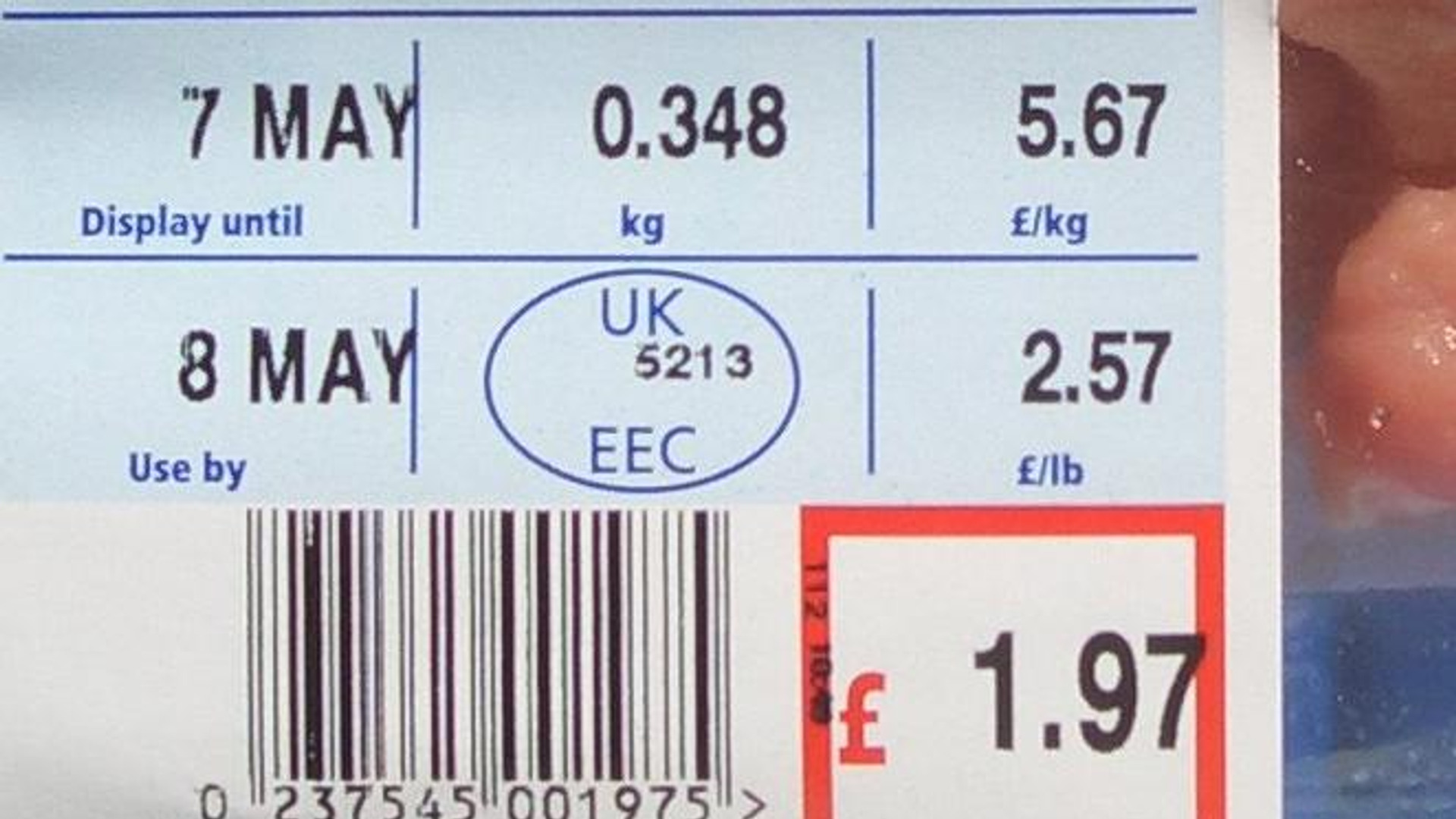
6. It's Past The Use-By Or Expiry Date
Best before dates signal peak quality, not safety -- many shelf-stable items are fine days after. But use-by dates on meat, dairy, and ready-to-eat foods are genuine safety cut-offs. Consuming these past their date raises your risk of foodborne illness even if the food looks and smells normal.
©Wikimedia Commons / CC-BY-SA
5. It Has Severe Freezer Burn
Freezer burn happens when air contacts frozen food, drawing out moisture and leaving dry, grayish patches. While technically safe to eat, severely freezer-burned food tastes chalky, leathery, and rancid. If more than half the item is affected, it's not worth eating.
©Wikimedia Commons / CC-BY-SA
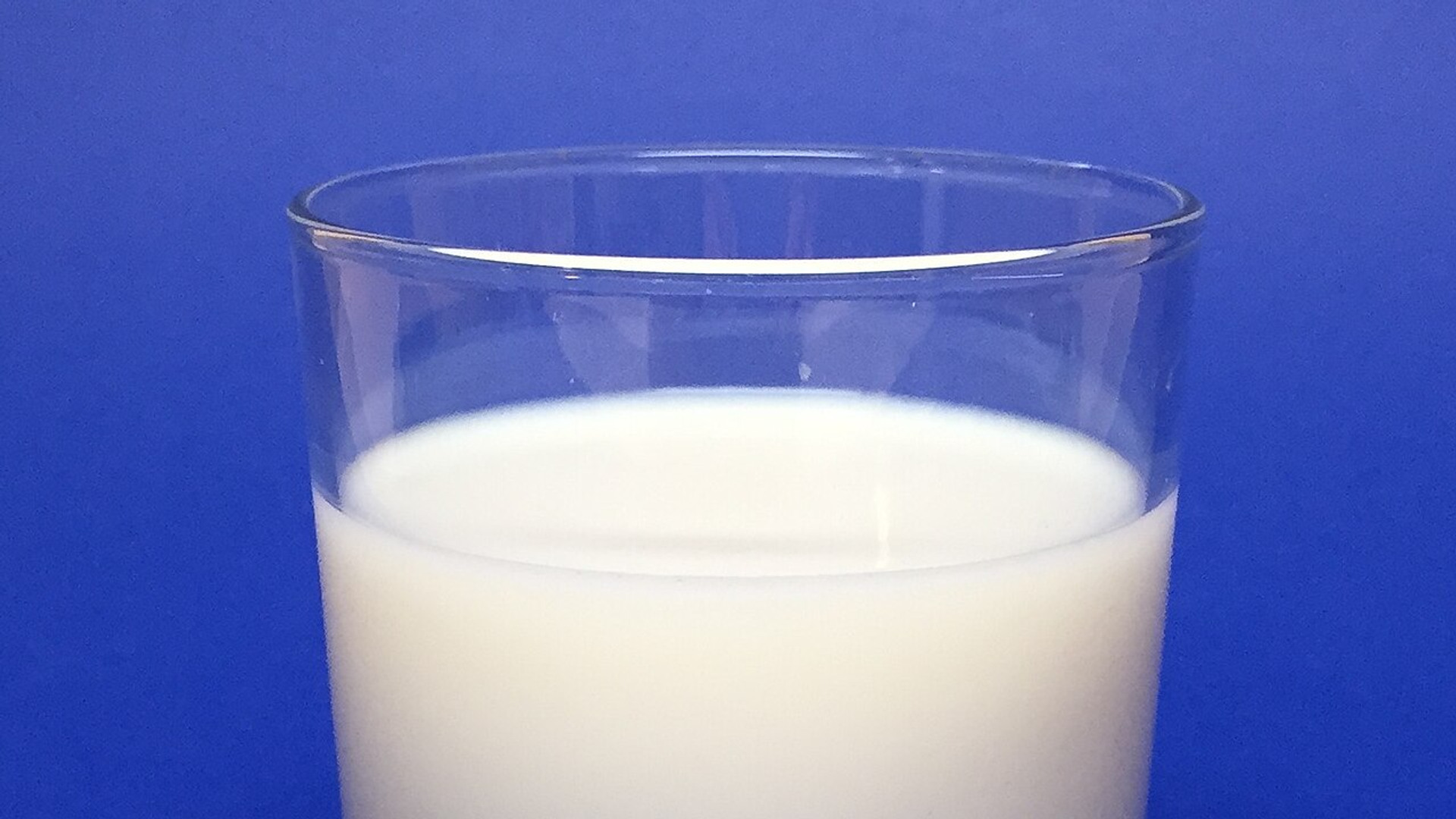
4. It Tastes Sour, Bitter, Or Just Off
If food passes the smell and visual test but tastes strange -- sour milk, bitter meat, or a metallic tang -- spit it out immediately. Home-canned foods can harbor Clostridium botulinum toxin, which is odorless, colorless, and one of the most lethal substances on Earth.
©Wikimedia Commons / CC-BY-SA
Advertisement
Swipe or tap ▶ to resume the countdown.
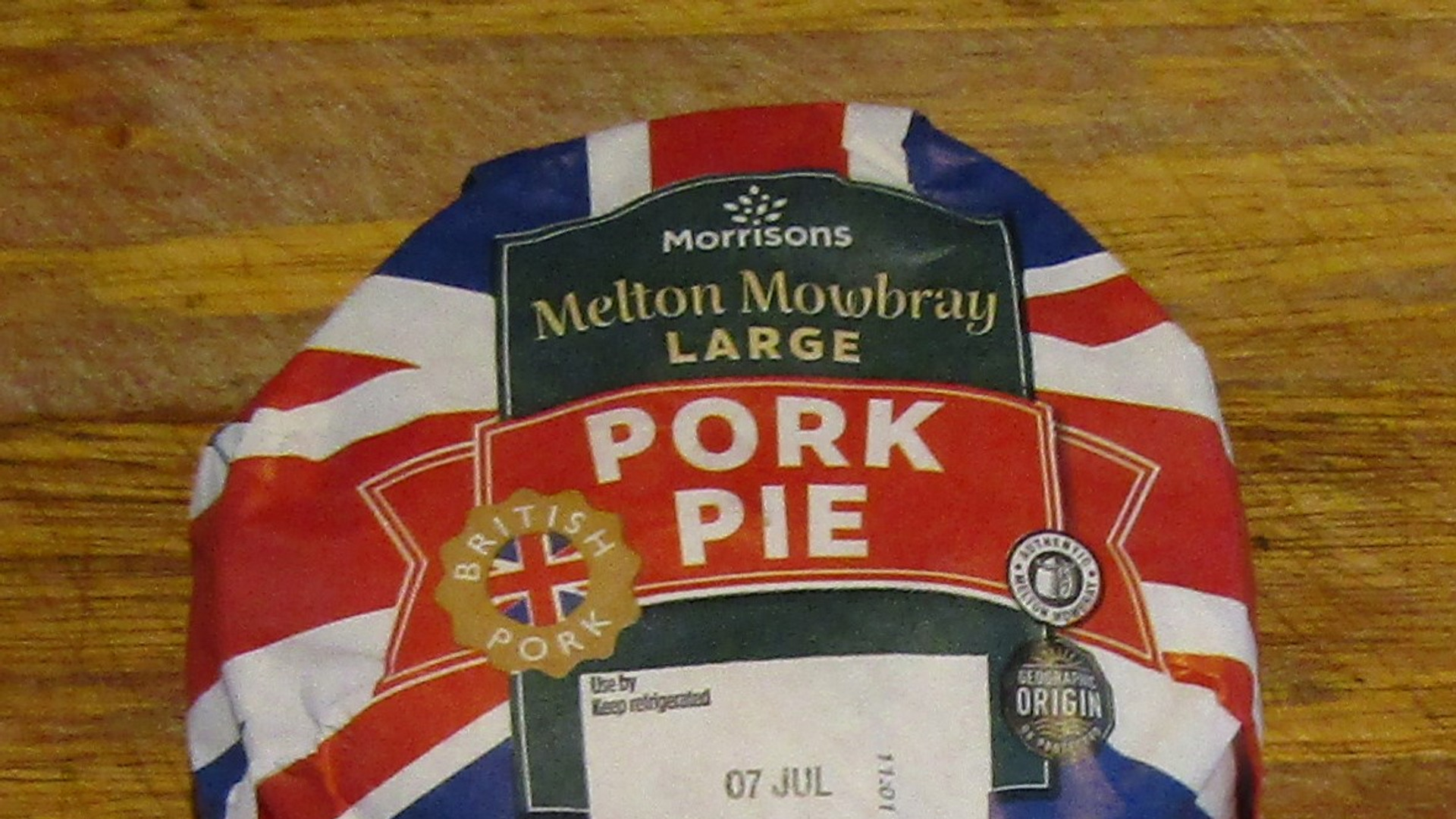
3. The Package Is Swollen, Leaking, Or Dented
Gas-producing bacteria cause packaging to bulge or swell. A swollen can or vacuum-sealed bag is an emergency discard -- do not open it, smell it, or taste it. Deeply dented cans near seams can also allow bacteria in. Even if the food inside looks perfect, the risk is too serious to ignore.
©Wikimedia / NOAA
2. Your Leftovers Are More Than 4 Days Old
Refrigeration slows bacterial growth but doesn't stop it. The FDA and food safety experts agree: cooked leftovers should be consumed within 3-4 days of refrigeration. After day 4, even if the food looks and smells normal, bacterial counts can be high enough to cause food poisoning.
©Wikimedia Commons / CC-BY-SA
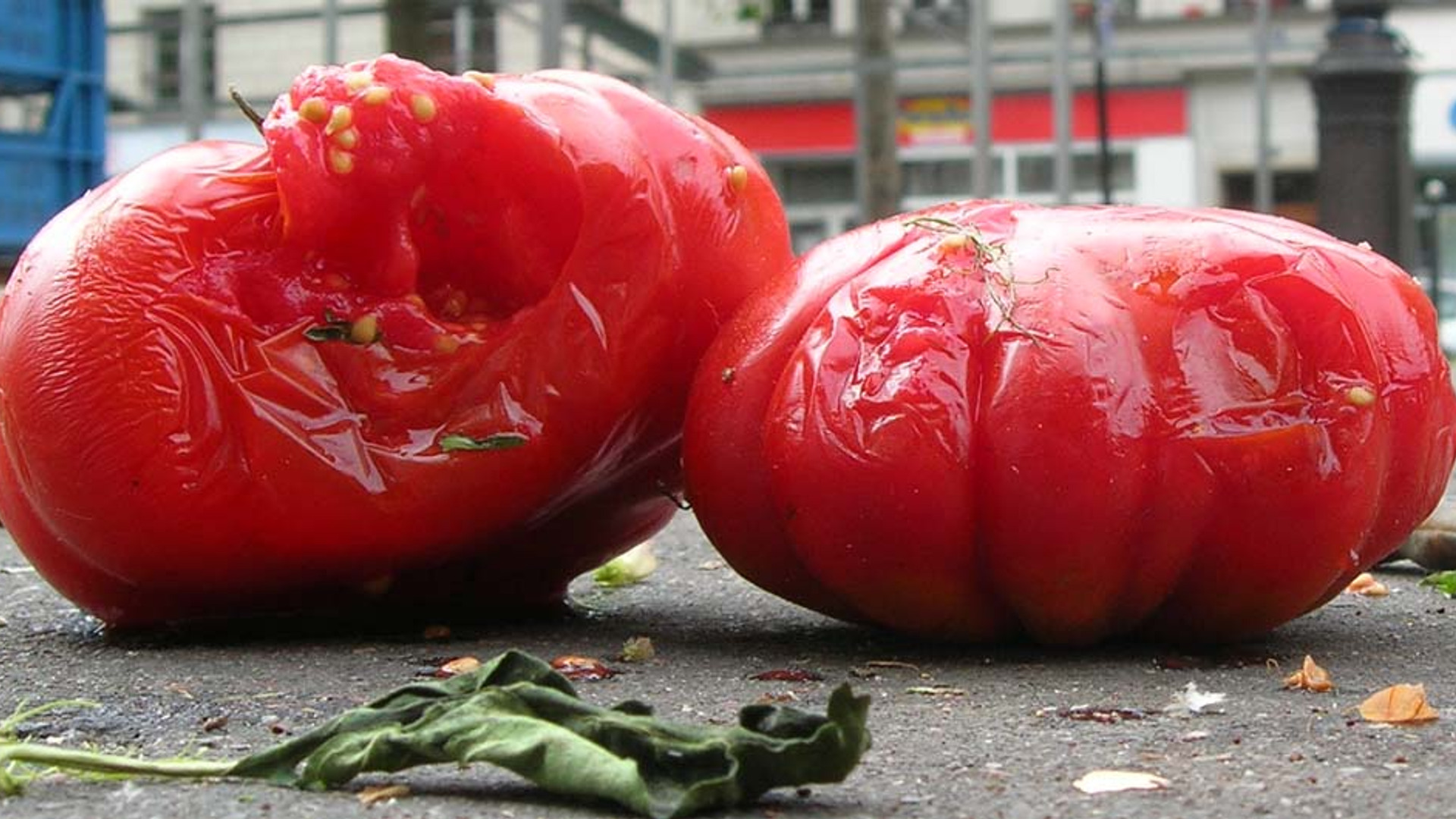
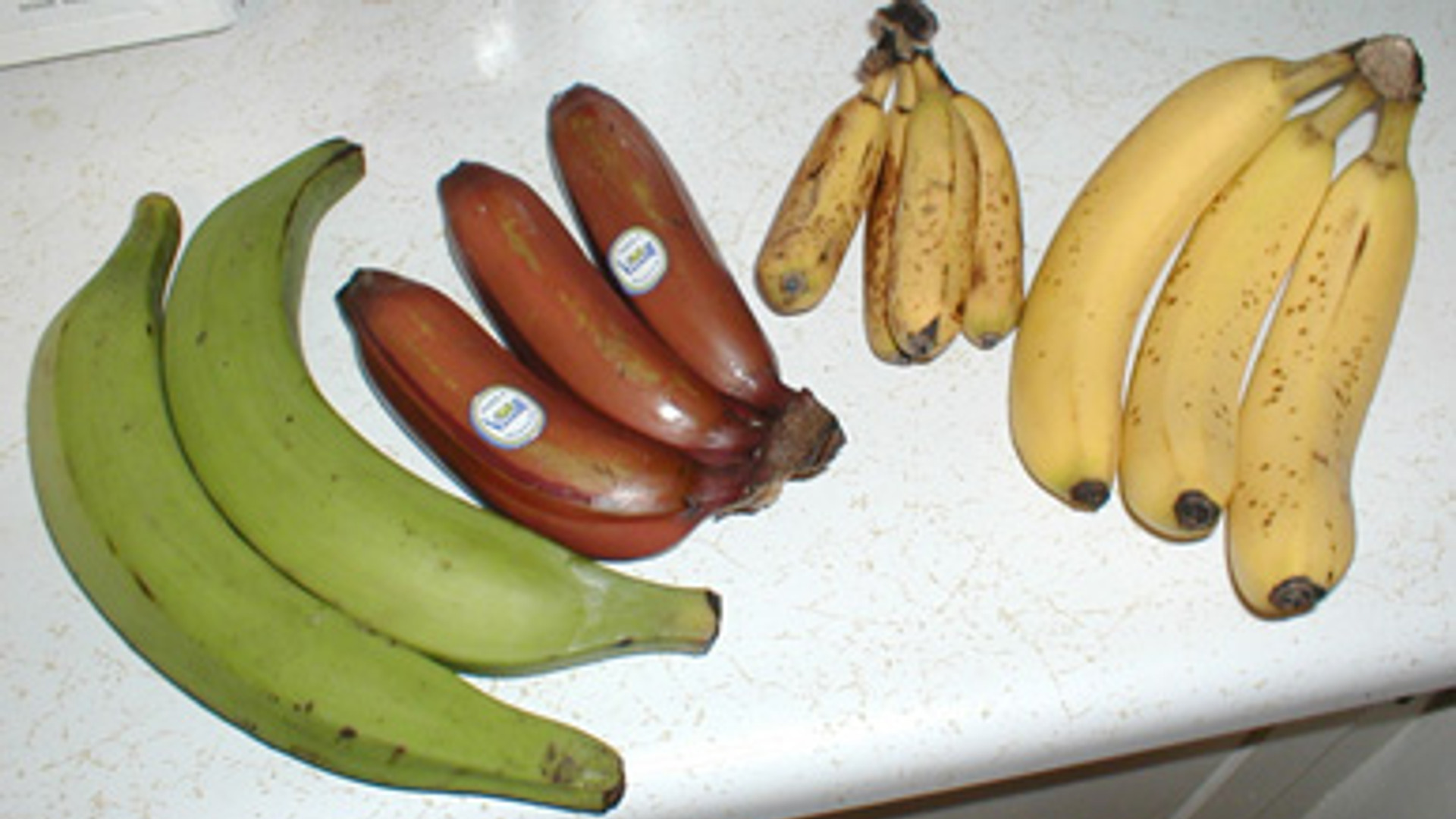
1. Produce Is Wilted, Mushy, Or Has Soft Spots
Wilted greens, mushy berries, and soft spots on apples or tomatoes signal cell breakdown -- the first stage of decay. Soft spots are entry points for mold spores and bacteria, which spread invisibly to surrounding flesh. Remove damaged produce immediately to protect the rest.

©Wikimedia Commons / CC-BY-SA
Advertisement
You've reached the end of the story. Thanks for reading!

20 Iconic Historical Photos and the Archive Clues Behind Them
Contact sheets, cracked glass plates, and NASA mission logs preserve the hidden steps behind 20 famous photographs. Drawing on records from the Library of Congress, the National Archives, NASA, and the Smithsonian, this countdown traces how cropping, camera setups, and double exposures shaped each frame.
All 10 Entries in this Story
10. You Can See Mold Growing
Visible mold is the clearest sign food must go. While blue cheese mold is safe by design, mold on bread, fruit, or leftovers can produce mycotoxins -- toxic compounds that survive heat and cause serious illness. Cutting around the mold is rarely enough; throw the whole item.

9. It Smells Sour, Rancid, Or Just Wrong
The human sense of smell is one of nature's most powerful food-safety tools. Bacteria release gases as they break food down -- sour, ammonia-like, or fermented odors. If your chicken smells wrong or your leftovers have an unfamiliar tang -- throw them out without tasting first.

8. The Texture Has Turned Slimy Or Mushy
A slimy film on deli meat, mushy spinach, or sticky poultry are signs of bacterial biofilms -- colonies of bacteria secreting a protective layer as they multiply. Once food feels wrong to the touch, it's too far gone. No amount of rinsing removes the bacteria underneath.

7. The Color Has Changed Dramatically
Color changes in food signal oxidation, enzyme activity, or microbial growth. Gray-brown ground beef may be fine if it smells normal -- but green or black discoloration on any meat is an immediate discard. Black spots on lettuce or gray soft cheese signal active decay.

6. It's Past The Use-By Or Expiry Date
Best before dates signal peak quality, not safety -- many shelf-stable items are fine days after. But use-by dates on meat, dairy, and ready-to-eat foods are genuine safety cut-offs. Consuming these past their date raises your risk of foodborne illness even if the food looks and smells normal.

5. It Has Severe Freezer Burn
Freezer burn happens when air contacts frozen food, drawing out moisture and leaving dry, grayish patches. While technically safe to eat, severely freezer-burned food tastes chalky, leathery, and rancid. If more than half the item is affected, it's not worth eating.

4. It Tastes Sour, Bitter, Or Just Off
If food passes the smell and visual test but tastes strange -- sour milk, bitter meat, or a metallic tang -- spit it out immediately. Home-canned foods can harbor Clostridium botulinum toxin, which is odorless, colorless, and one of the most lethal substances on Earth.

3. The Package Is Swollen, Leaking, Or Dented
Gas-producing bacteria cause packaging to bulge or swell. A swollen can or vacuum-sealed bag is an emergency discard -- do not open it, smell it, or taste it. Deeply dented cans near seams can also allow bacteria in. Even if the food inside looks perfect, the risk is too serious to ignore.

2. Your Leftovers Are More Than 4 Days Old
Refrigeration slows bacterial growth but doesn't stop it. The FDA and food safety experts agree: cooked leftovers should be consumed within 3-4 days of refrigeration. After day 4, even if the food looks and smells normal, bacterial counts can be high enough to cause food poisoning.

1. Produce Is Wilted, Mushy, Or Has Soft Spots
Wilted greens, mushy berries, and soft spots on apples or tomatoes signal cell breakdown -- the first stage of decay. Soft spots are entry points for mold spores and bacteria, which spread invisibly to surrounding flesh. Remove damaged produce immediately to protect the rest.