Slideshow · Animals
25 Surprising Habits of Rabbits

By Most Viral Today
15 min ago

25 Surprising Truths You Need to Know About Rabbits 
25. Deep Affectionate Bonds With Humans 
24. Lifespans Reaching Over A Decade 
23. Vital Health Benefits Of Desexing - AdvertisementSwipe or tap ▶ to continue countdown

22. Extreme Sensitivity To Warm Temperatures 
21. The Danger Of Tonic Immobility 
20. Explosive Sprinting And Jumping Power 
19. Rapid Heart Rate And High Metabolism - AdvertisementSwipe or tap ▶ to continue countdown

18. Meticulous Grooming Habits 
17. The Compulsion To Dig And Burrow 
16. The Cartoon Carrot Myth 
15. Natural Litter Box Cleanliness - AdvertisementSwipe or tap ▶ to continue countdown

14. Instinctive Masking Of Illness 
13. Tooth Chattering And Purring 
12. Natural Crepuscular Rhythms 
11. Complex Social Colony Life - AdvertisementSwipe or tap ▶ to continue countdown

10. Scent Marking Through Chinning 
9. Specialized Radar Ears 
8. Panoramic 360 Degree Vision 
7. Powerful Hind Foot Thumping - AdvertisementSwipe or tap ▶ to continue countdown

6. Fragile Skeletal Architecture 
5. The Joyous Airborne Binky 
4. Cecotropes And Double Digestion 
3. Essential Daily Hay Diet - AdvertisementSwipe or tap ▶ to continue countdown

2. Teeth Grow Continuously Every Day 
1. Lagomorphs Are Not Rodents - Advertisement🔥 UP NEXT IN THIS SERIES◫ 26 Slides

25 Animals Considered Sacred in Different Cultures
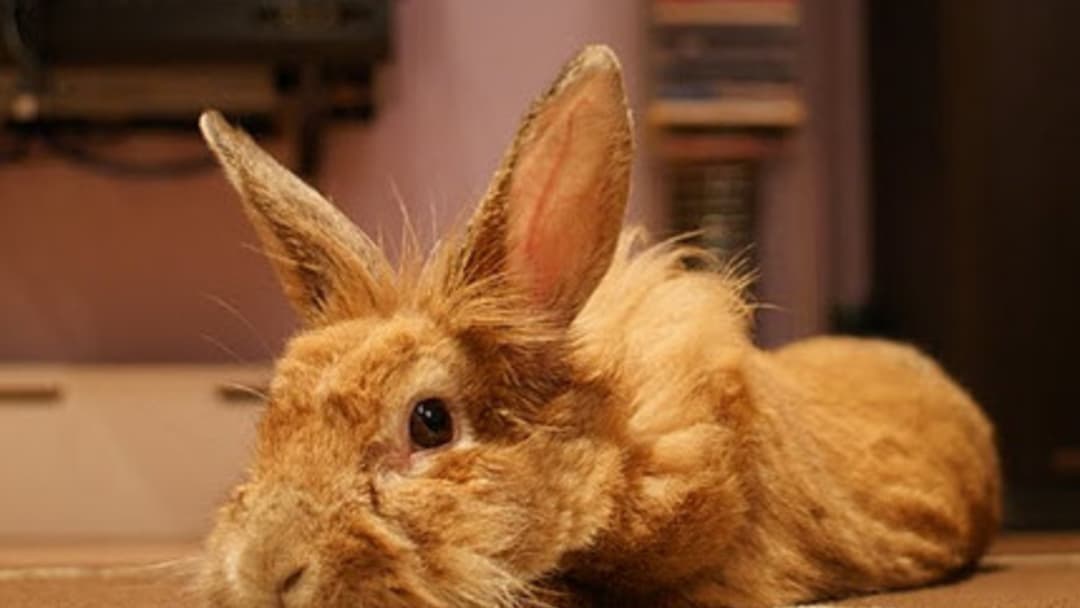
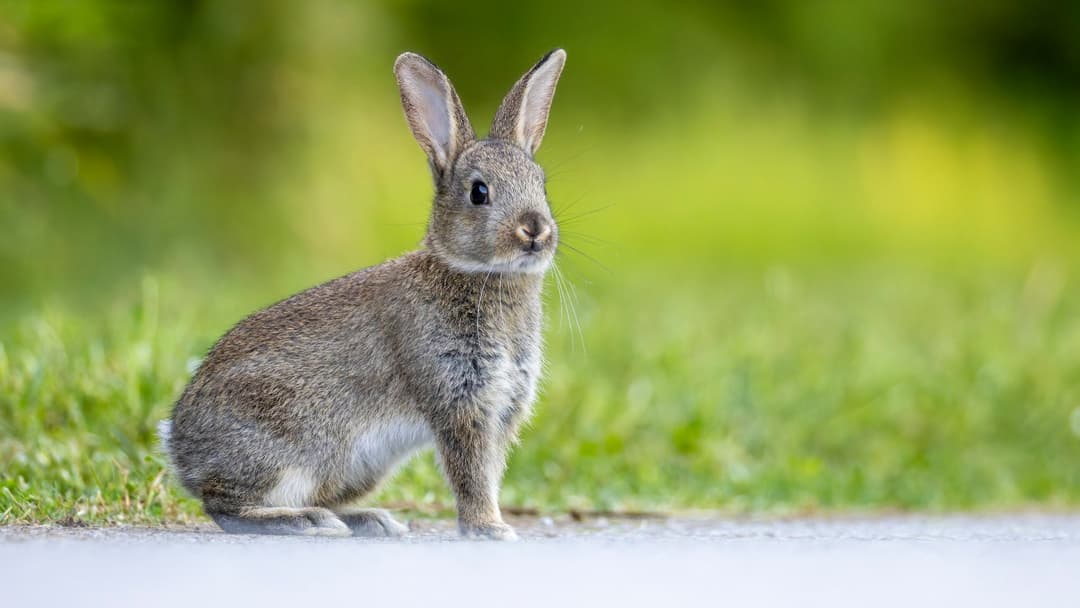
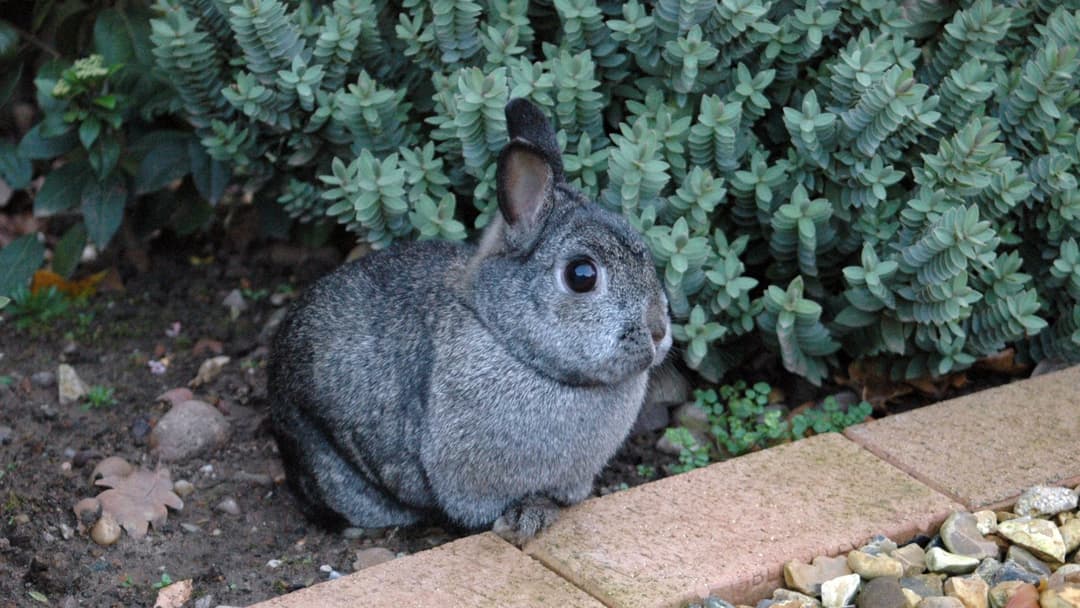
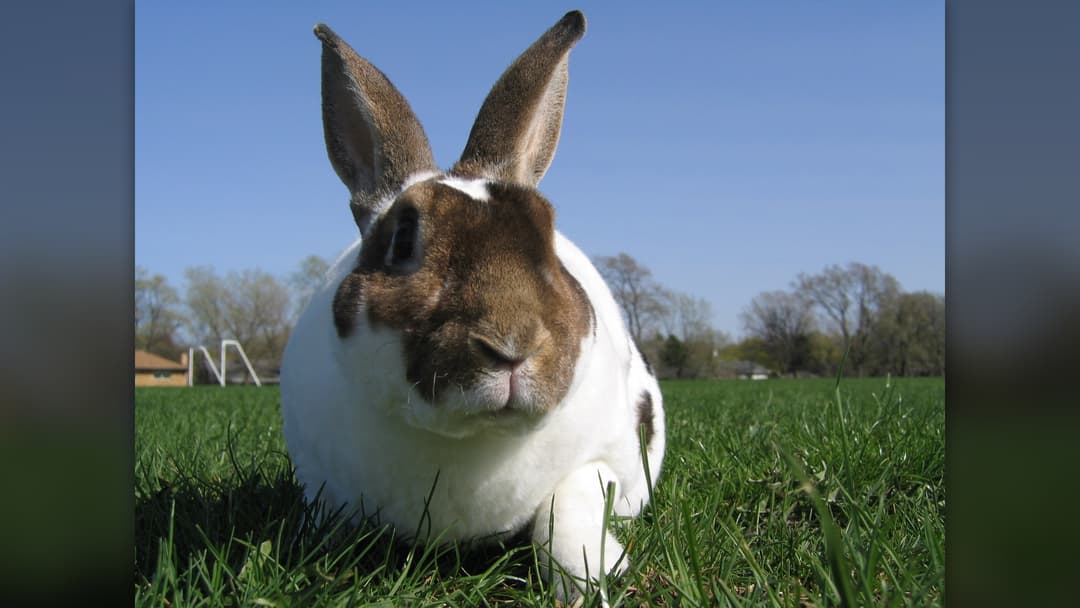
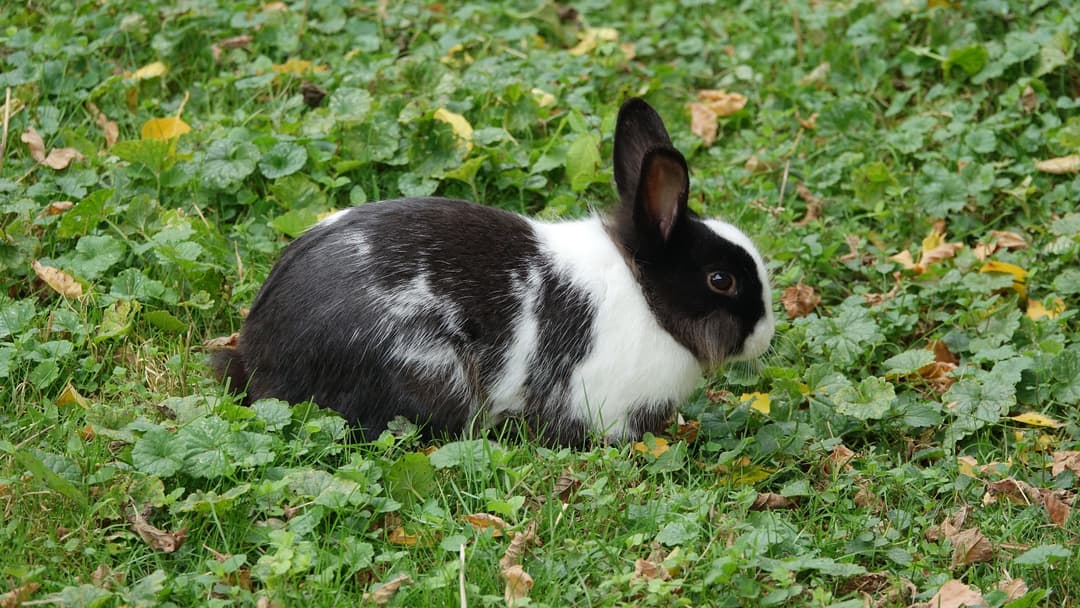
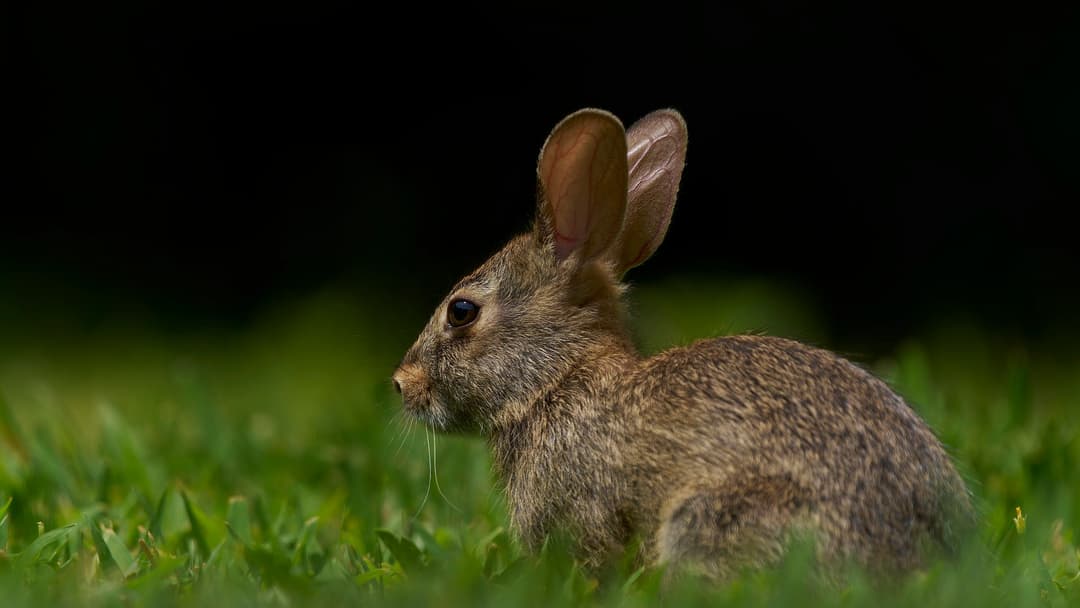
From their digestive biology ,constantly growing teeth to subtle scent marking and surprising social bonds, rabbits are far more sophisticated than simple backyard pets. Discover the essential physical traits, hidden survival instincts, and unique behavioral quirks that define these beloved lagomorphs across the globe.
Swipe or tap ▶ to begin the countdown
©Wikimedia / Doug Hay & Diego Delso
25. Deep Affectionate Bonds With Humans
Earning the trust of a prey animal requires patience and quiet respect. When owners sit at eye level on the floor, rabbits open up, nudging hands for head rubs, following owners from room to room, and becoming deeply loving and expressive family members.
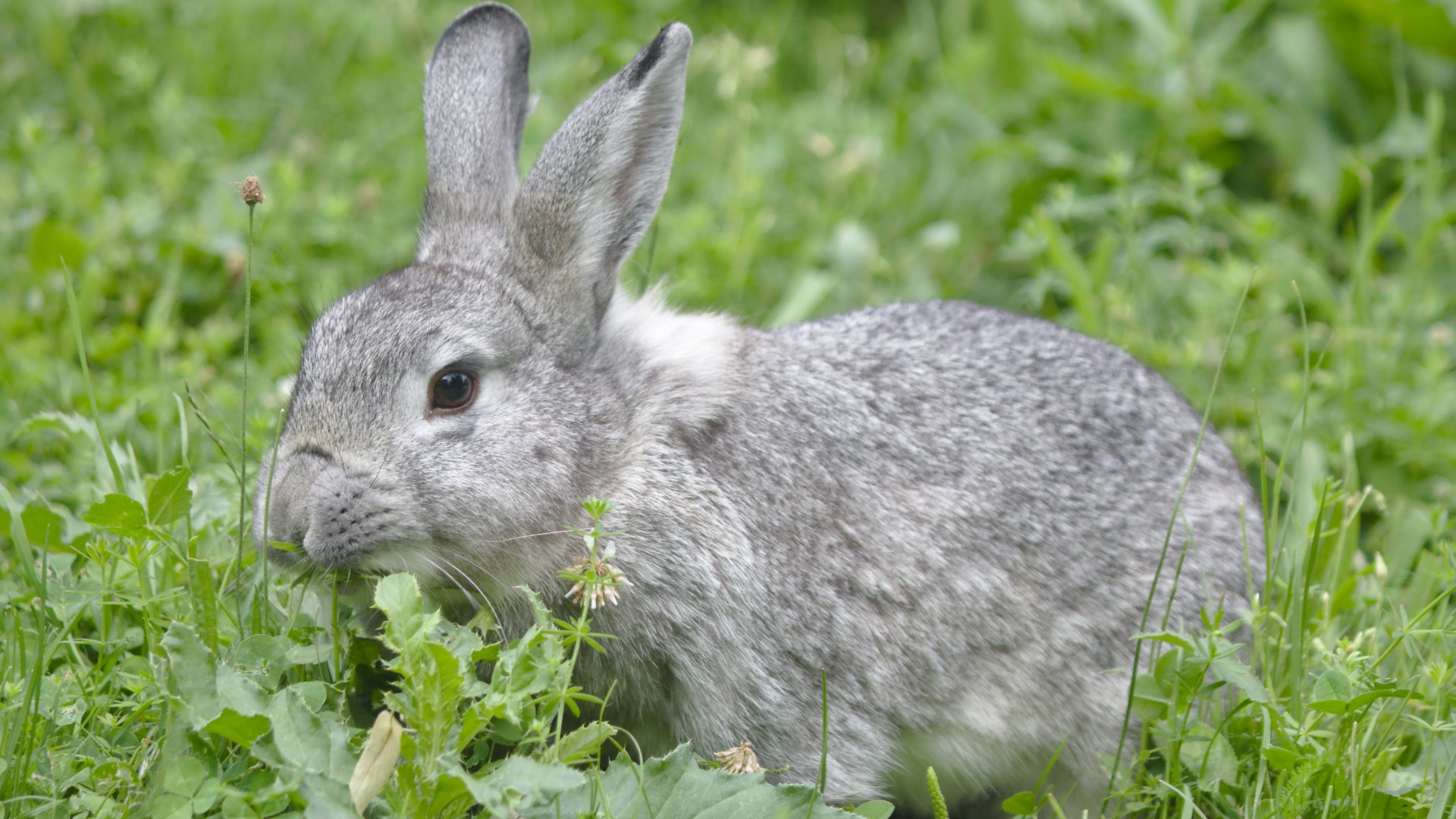
©Wikimedia / Paul Korecky
24. Lifespans Reaching Over A Decade
While wild cottontails rarely survive more than two years due to predators, indoor pet rabbits enjoy much longer lives. With high-fiber nutrition, rabbit-proofed housing, and specialized exotic veterinary care, many pet rabbits live eight to twelve fulfilling years.
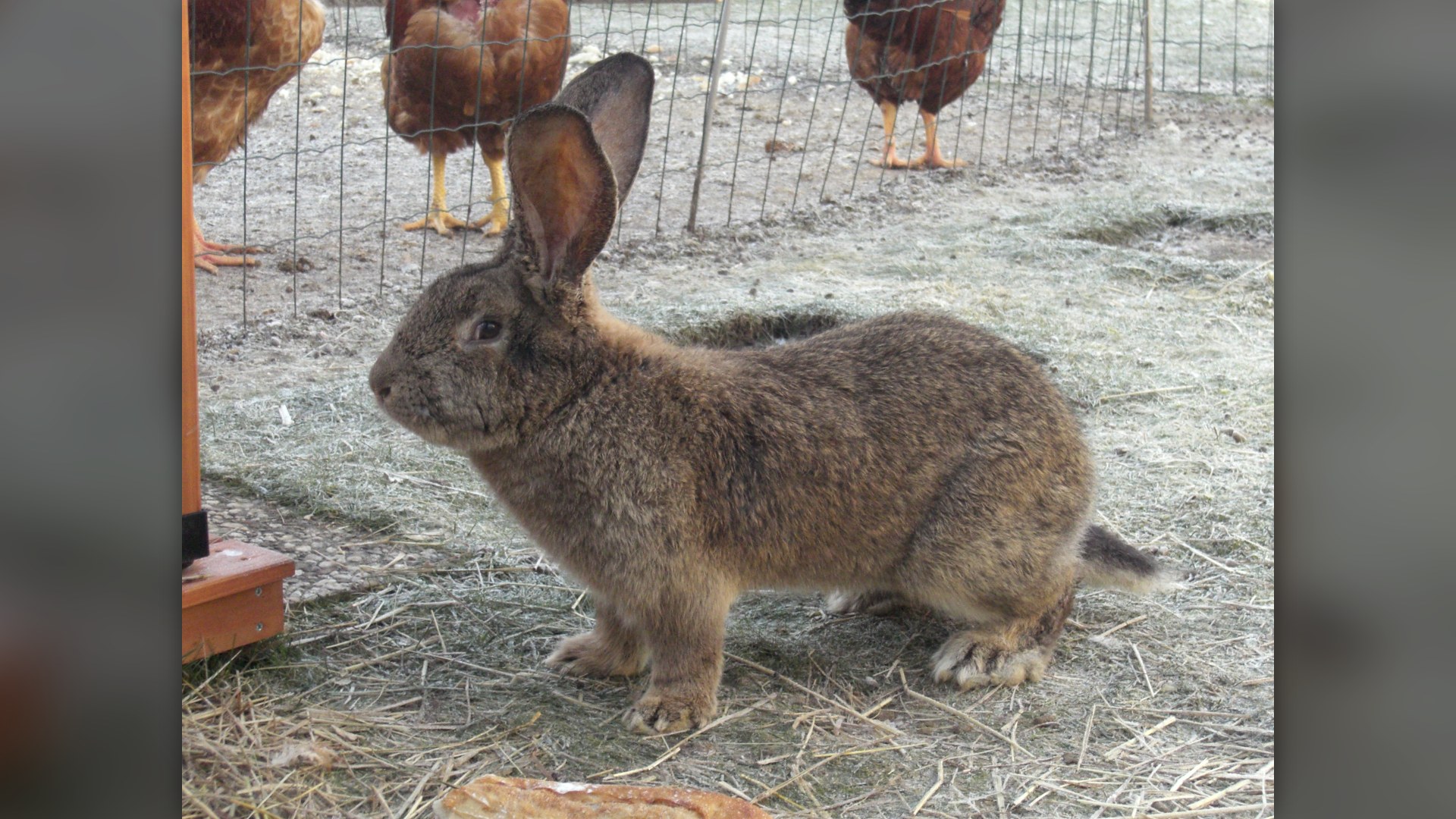
©Wikimedia / Flemish Giant rabbit
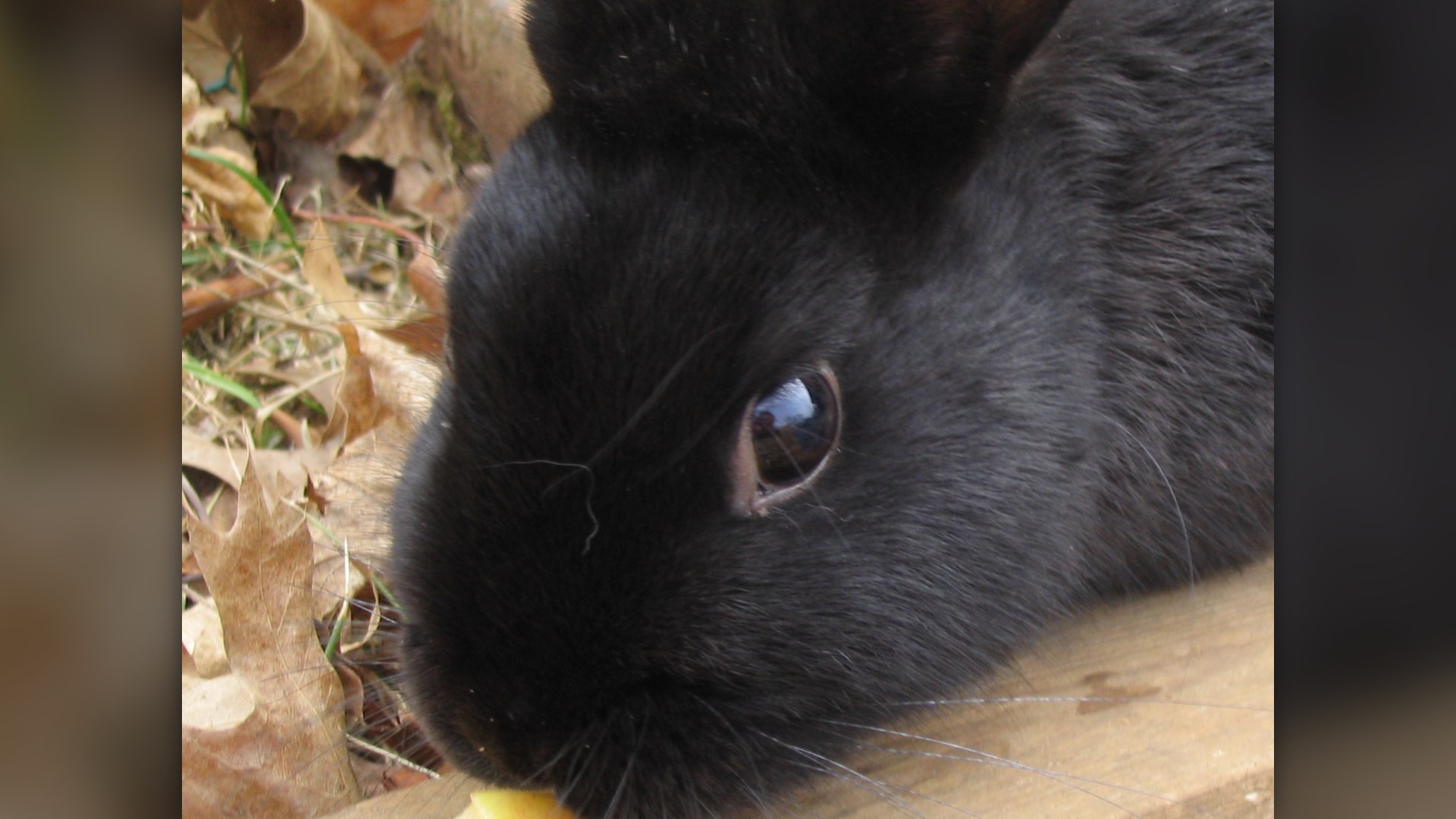
23. Vital Health Benefits Of Desexing
Veterinarians strongly recommend spaying and neutering domestic rabbits. Up to eighty percent of unspayed female rabbits develop fatal uterine adenocarcinoma by age four. Desexing eliminates this risk while resolving hormonal aggression and urine spraying.
©Wikimedia / SloMo2639
Advertisement
Swipe or tap ▶ to resume the countdown.
22. Extreme Sensitivity To Warm Temperatures
Rabbits tolerate chilly weather far better than warm temperatures. Because they lack sweat glands and cannot pant efficiently like dogs, ambient heat above eighty degrees Fahrenheit can cause heat exhaustion. Indoor shade and cool ceramic tiles keep them safe.

©Wikimedia / USFWS
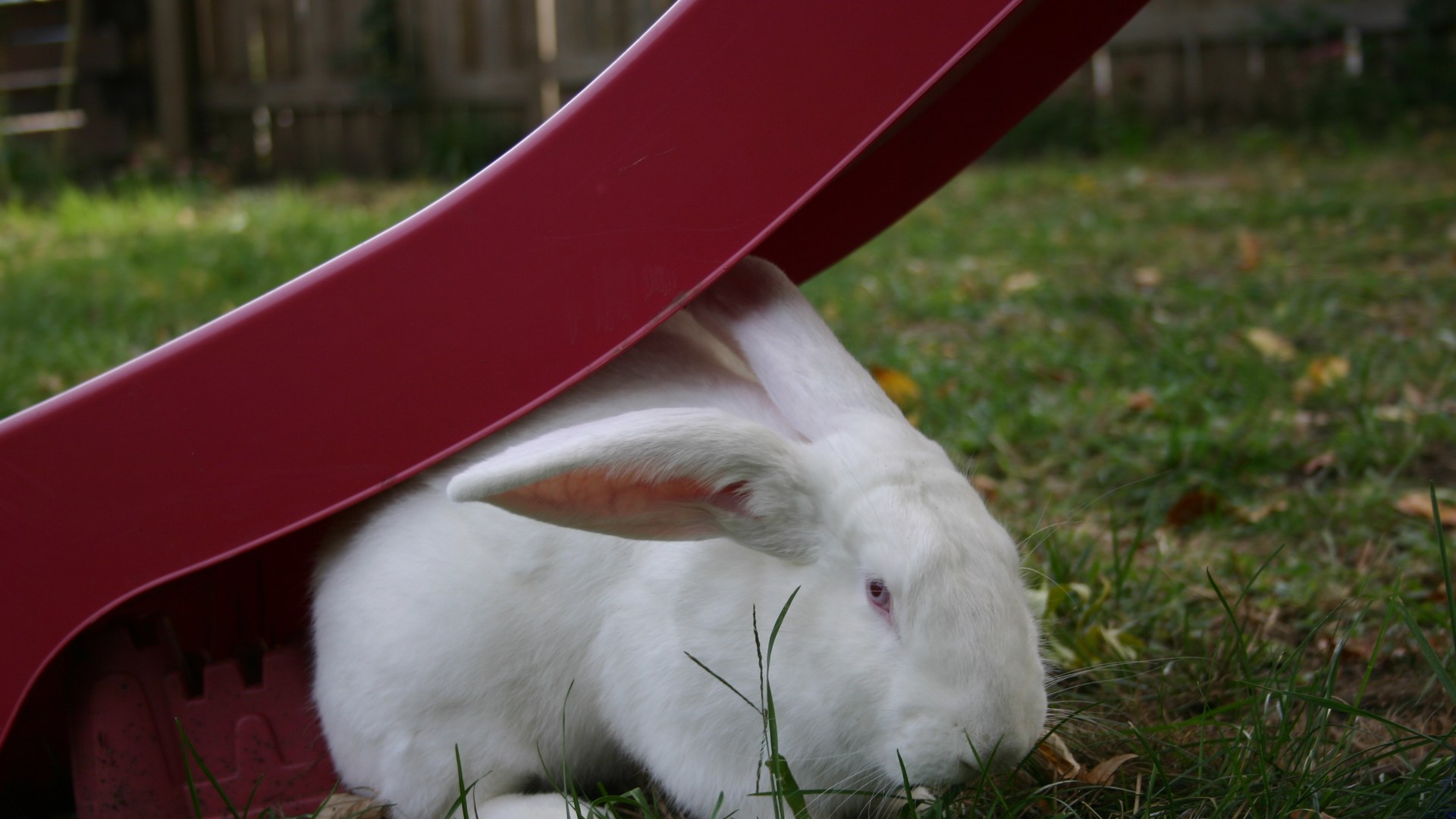
21. The Danger Of Tonic Immobility
Placing a rabbit on its back induces tonic immobility, an evolutionary last-resort defense mechanism where the animal plays dead when captured by a predator. Heart rate and blood pressure soar during this state, making trancing stressful and hazardous.
©Wikimedia / richie graham
20. Explosive Sprinting And Jumping Power
To escape fast predators like foxes and hawks, rabbits rely on explosive acceleration. They can reach speeds of twenty-five to thirty-five miles per hour in sudden bursts, using zig-zag evasive maneuvers and jumping nearly four feet into the air to break pursuit.

©Wikimedia / Fruitpunchli
19. Rapid Heart Rate And High Metabolism
Small prey mammals possess rapid metabolisms. A rabbit heart beats between 130 and 325 times per minute at rest, accelerating even higher when startled. Their delicate circulatory systems make sudden loud noises, predator scents, or rough handling dangerous.

©Wikimedia / Alexis Lours
Advertisement
Swipe or tap ▶ to resume the countdown.
18. Meticulous Grooming Habits
Rabbits groom themselves and bonded companions for hours each day. However, unlike cats, rabbits physically cannot vomit. Ingested hair must pass entirely through the digestive tract with abundant hay fiber, making regular brushing essential during seasonal molts.

©Wikimedia / Jazz IV
17. The Compulsion To Dig And Burrow
Wild European rabbits construct intricate underground tunnel labyrinths called warrens. Domestic rabbits retain this strong excavation drive, often scratching at carpets or corners. Providing dedicated cardboard digging boxes keeps pet claws happily occupied.

©Wikimedia / Brammers
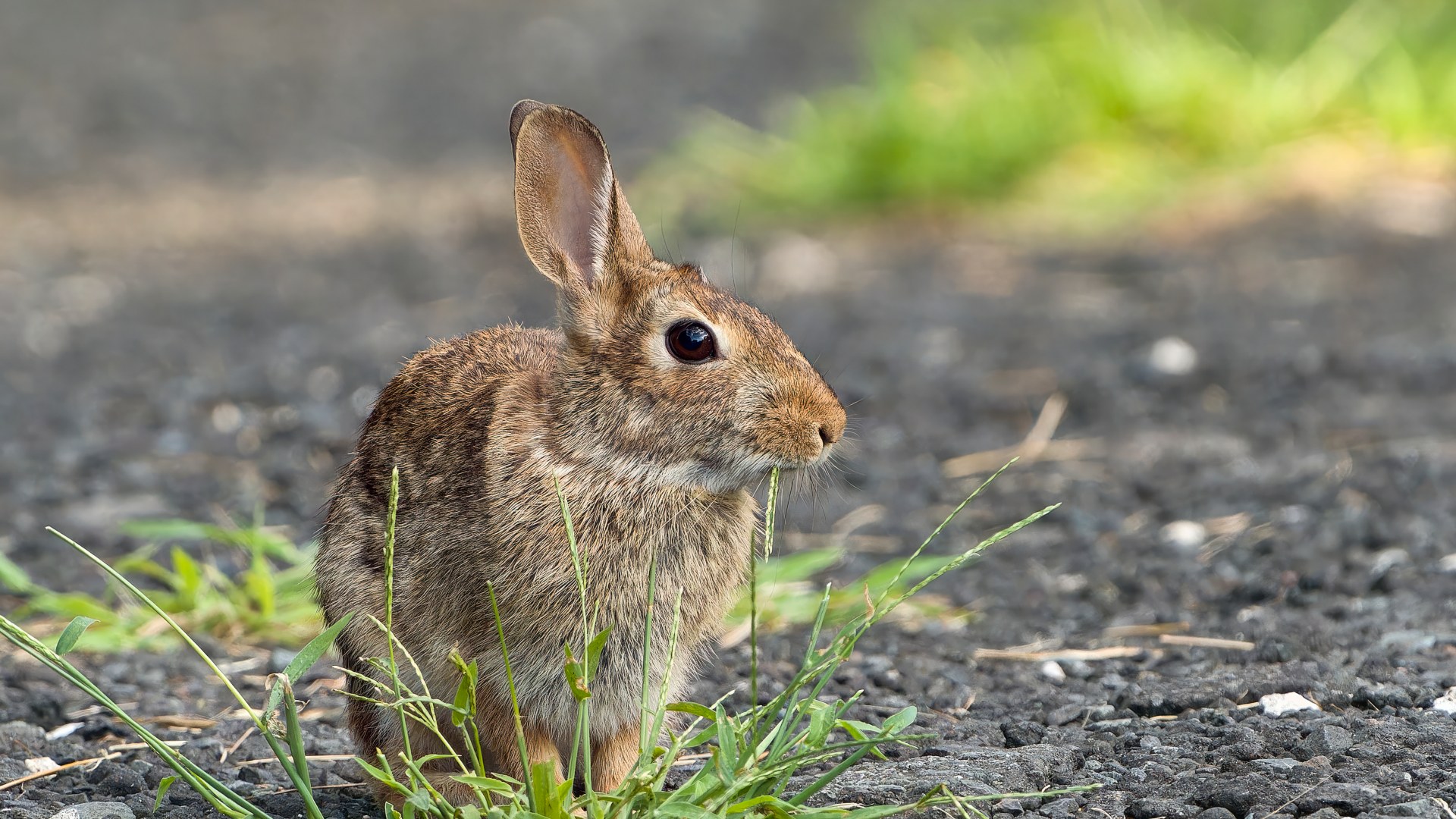
16. The Cartoon Carrot Myth
Popular culture depicted rabbits devouring carrots constantly, but roots and fruits contain excessive sugar that can disrupt intestinal flora. Carrots should only be given as small bite-sized treats once or twice a week, prioritizing leafy greens instead.
©Wikimedia / Paul Danese
15. Natural Litter Box Cleanliness
Rabbits have an innate desire for hygiene and naturally designate specific bathroom corners to avoid contaminating their living areas. Placing a litter box lined with paper pellets and fresh timothy hay allows domestic rabbits to free-roam cleanly indoors.

©Wikimedia / NasserHalaweh
Advertisement
Swipe or tap ▶ to resume the countdown.
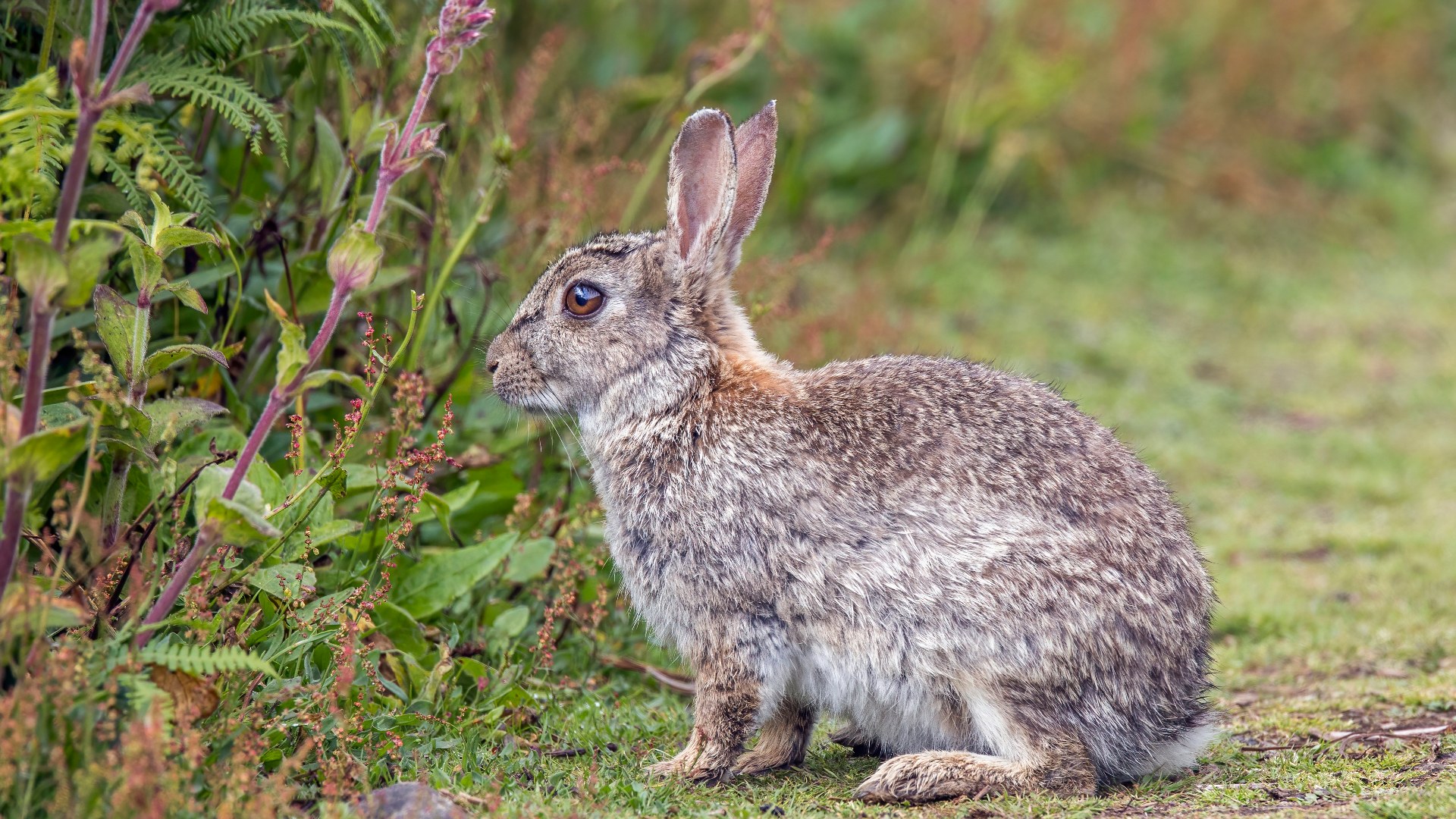
14. Instinctive Masking Of Illness
In nature, any animal showing weakness becomes the first target for predators. Consequently, rabbits conceal illness and discomfort until they can no longer cope. Small behavioral shifts, such as refusing food or sitting hunched, require immediate veterinary attention.
©Wikimedia / Charles J. Sharp
13. Tooth Chattering And Purring
Rabbits cannot purr with vocal cords like felines. Instead, when gently stroked on the forehead or cheeks, a blissful rabbit will lightly grind its molars together, creating a rhythmic vibration known as tooth purring that signals serene contentment.
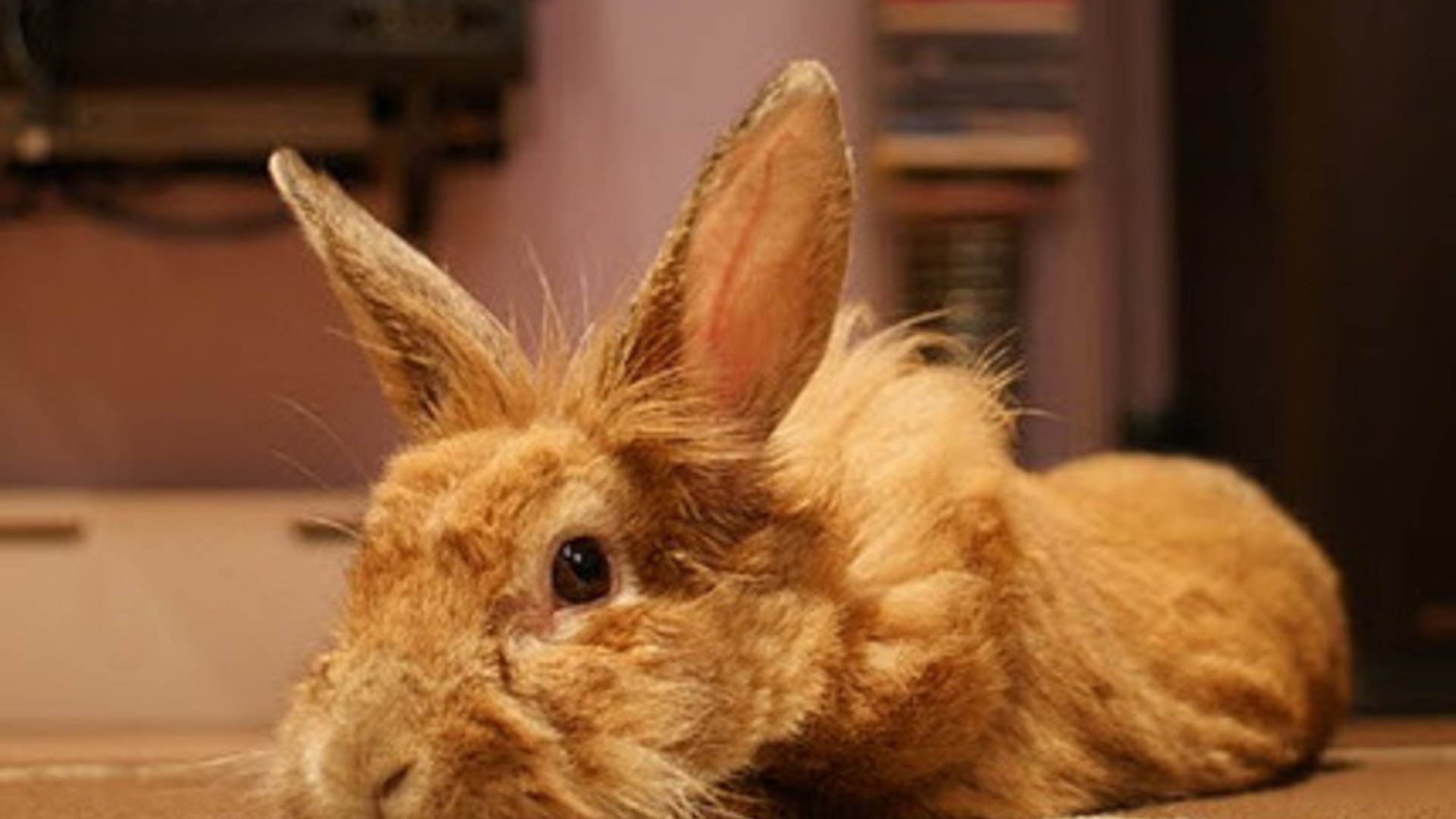
©Wikimedia / Sistercja
12. Natural Crepuscular Rhythms
Rabbits are neither strictly nocturnal nor diurnal. They are crepuscular, meaning their natural wakefulness and feeding cycles peak at dawn and dusk when dim light offers the best protection from predators. Midday is reserved for quiet napping.
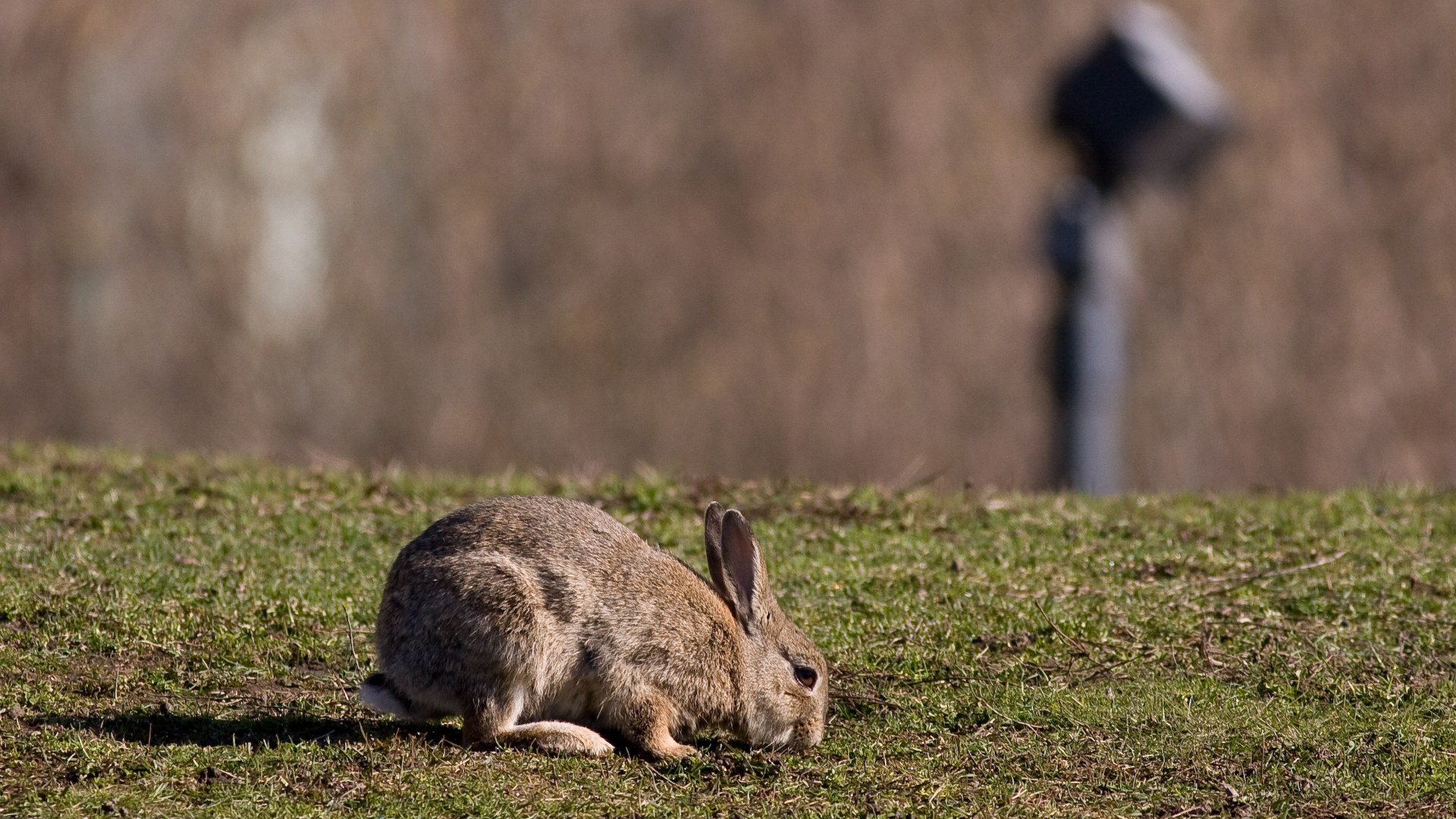
©Wikimedia / Thermos
11. Complex Social Colony Life
Wild European rabbits are deeply social animals living in coordinated underground warrens. In domestic homes, rabbits experience loneliness and depression when isolated, which is why animal welfare guidelines recommend keeping bonded neutered pairs.
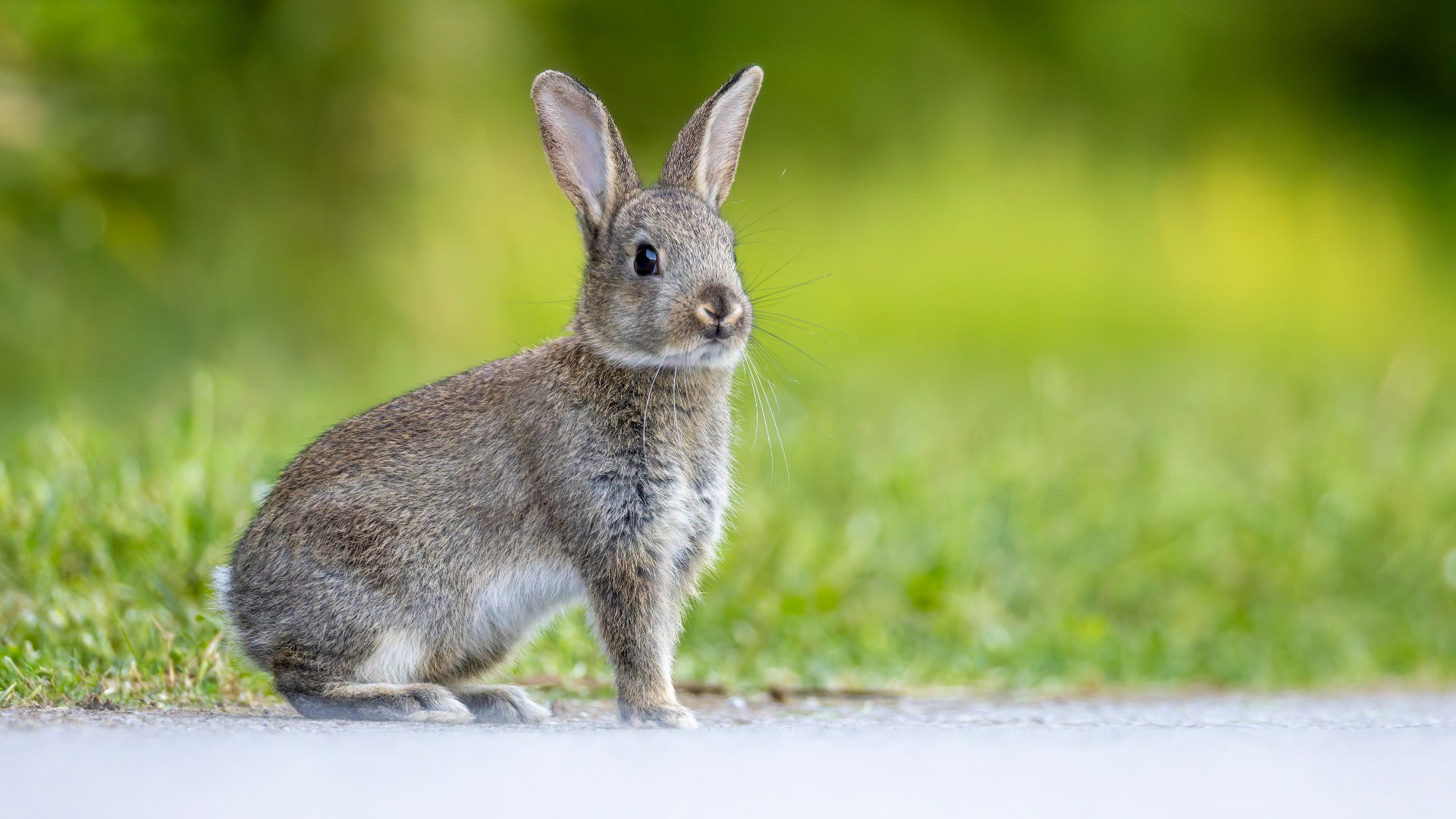
©Wikimedia / Alexis Lours
Advertisement
Swipe or tap ▶ to resume the countdown.
10. Scent Marking Through Chinning
Owners often notice rabbits rubbing their chins against baseboards, furniture, or shoes. Scent glands located under the chin deposit secretions that are completely odorless to humans but clearly announce property ownership to other rabbits.
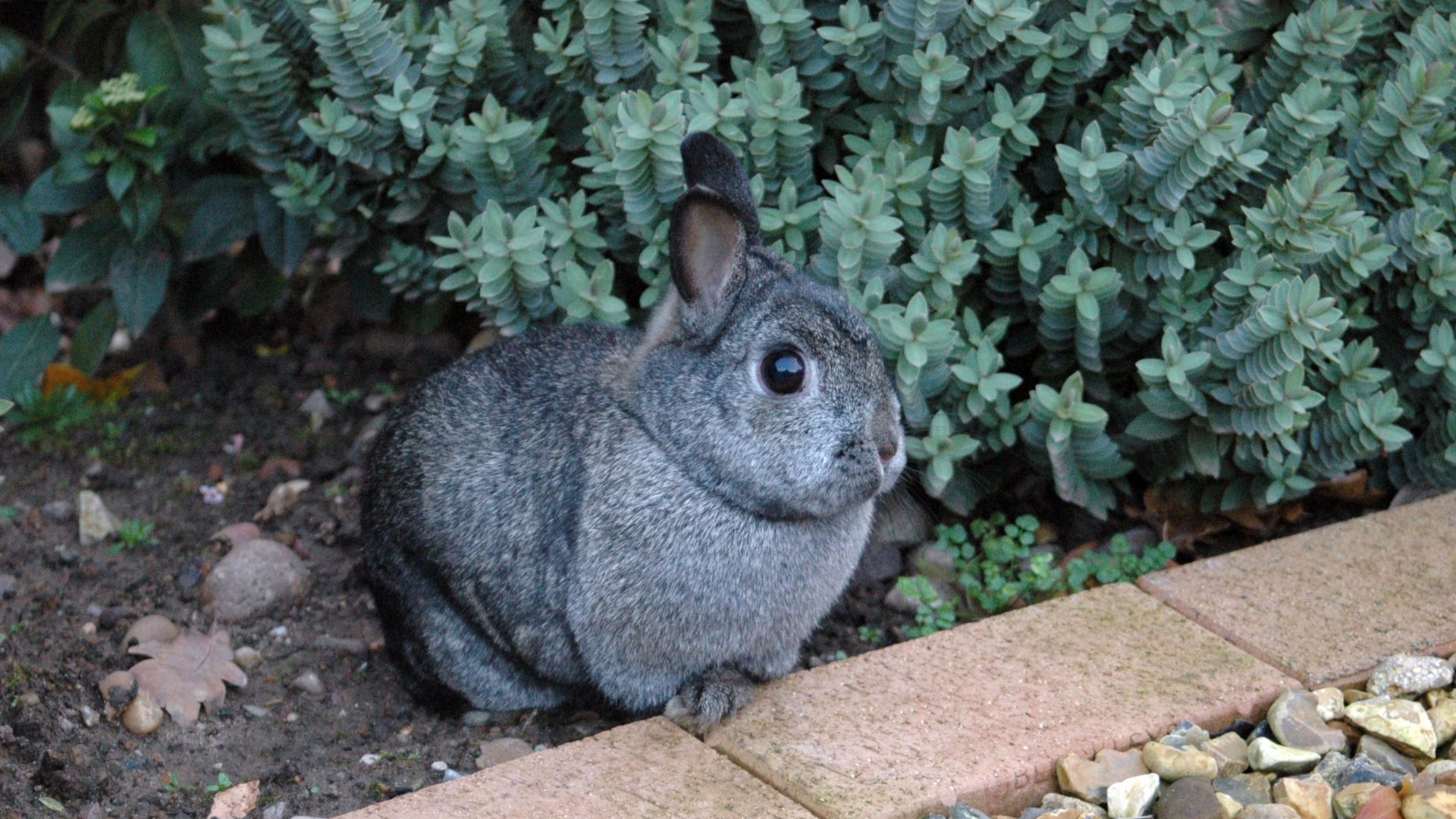
©Wikimedia / Erebus555
9. Specialized Radar Ears
Rabbit ears are sophisticated survival instruments. Each ear can rotate up to 270 degrees independently to locate distant sounds. Furthermore, an extensive network of surface blood vessels radiates body heat, acting as the rabbit primary cooling mechanism.

©Wikimedia / Black-tailed jackrabbit
8. Panoramic 360 Degree Vision
Rabbits have large eyes positioned high on the sides of their head, granting nearly a full 360-degree field of view. Their only blind spot sits directly in front of their nose and below their chin, which explains why they startle if approached straight on.
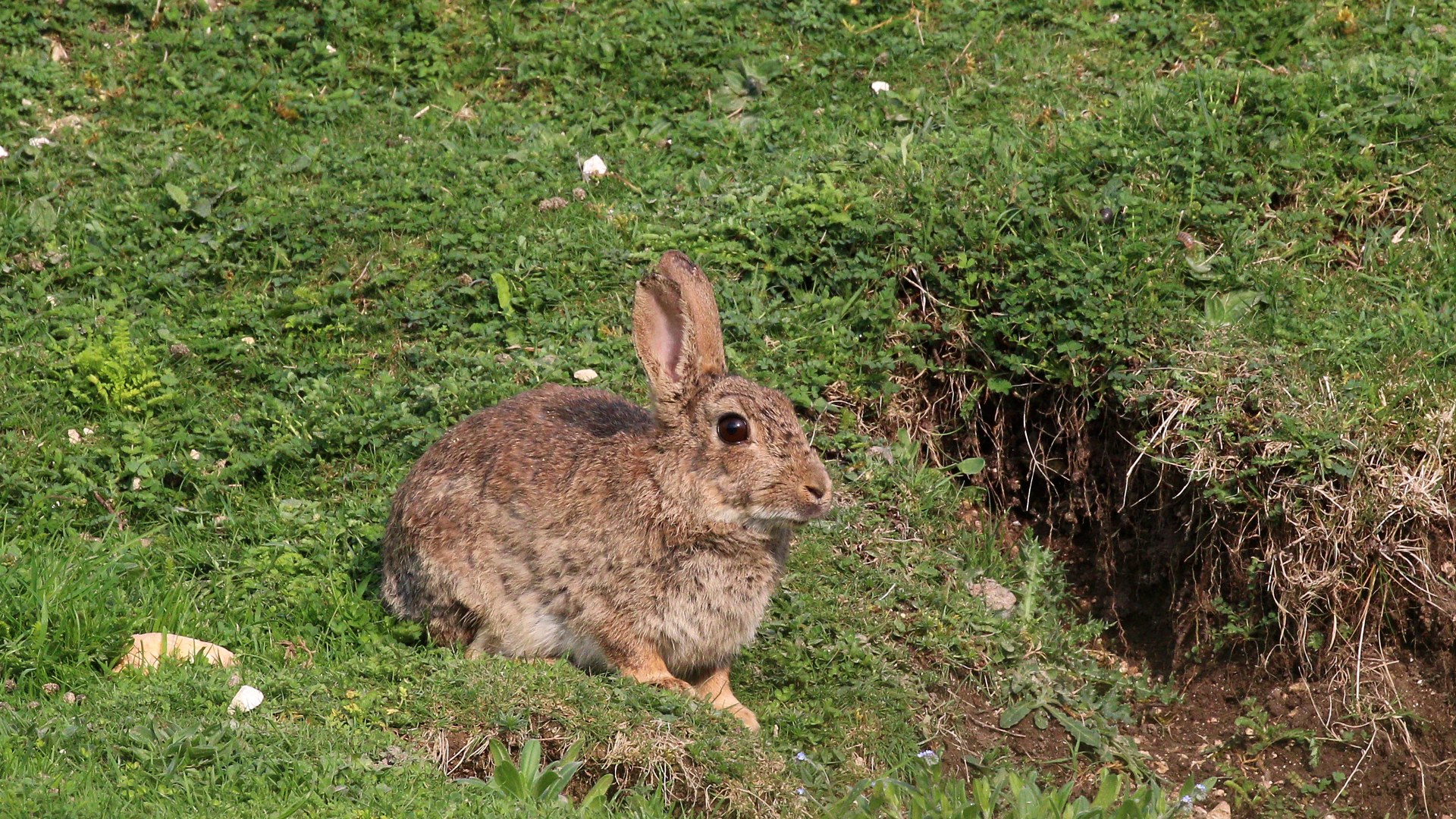
©Wikimedia / Charles J. Sharp
7. Powerful Hind Foot Thumping
Rabbits communicate danger by forcefully striking the ground with a hind foot. In the wild, this thumping vibration reverberates deep into underground tunnels, alerting colony members to retreat into burrows away from approaching hawks or foxes.
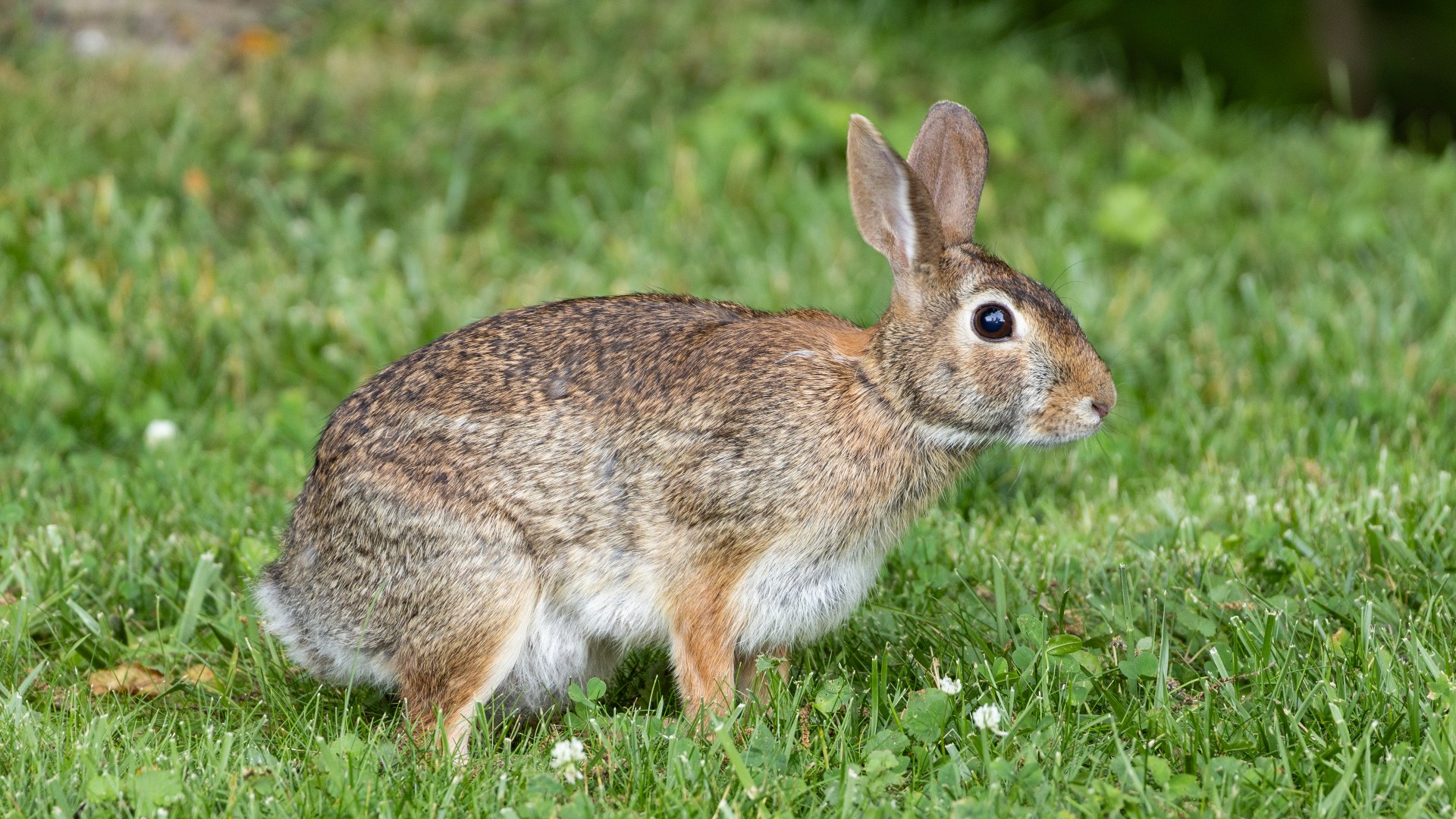
©Wikimedia / Crisco 1492
Advertisement
Swipe or tap ▶ to resume the countdown.
6. Fragile Skeletal Architecture
A rabbit skeleton is surprisingly lightweight and fragile compared to its heavy muscular hind legs. Because powerful kicks can fracture their own spinal cord if unsupported, humans must always handle rabbits with two hands supporting the chest and hindquarters.
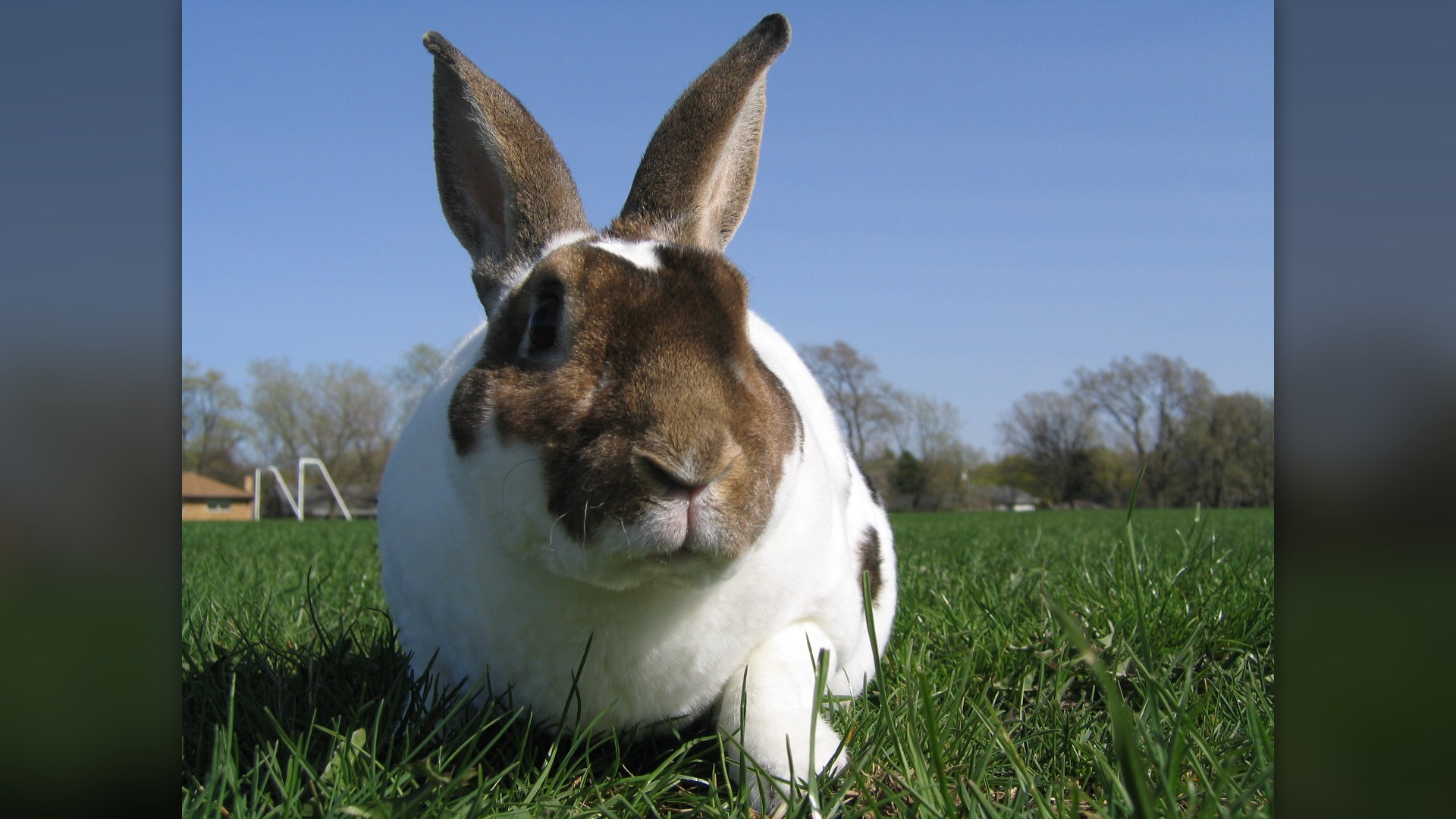
©Wikimedia / Rex rabbit
5. The Joyous Airborne Binky
When a rabbit feels ecstatic, it leaps into the air, twists its body in mid-flight, and flicks its ears before landing. Known as a binky, this acrobatic display is one of the most unmistakable signs of contentment and playtime excitement in rabbits.

©Wikimedia / Fruitpunchli
4. Cecotropes And Double Digestion
Rabbits are hindgut fermenters with an enlarged cecum that extracts nutrients from fibrous plants. They produce soft, clustered droppings called cecotropes, which they ingest directly to absorb essential B vitamins, protein, and beneficial gut bacteria.
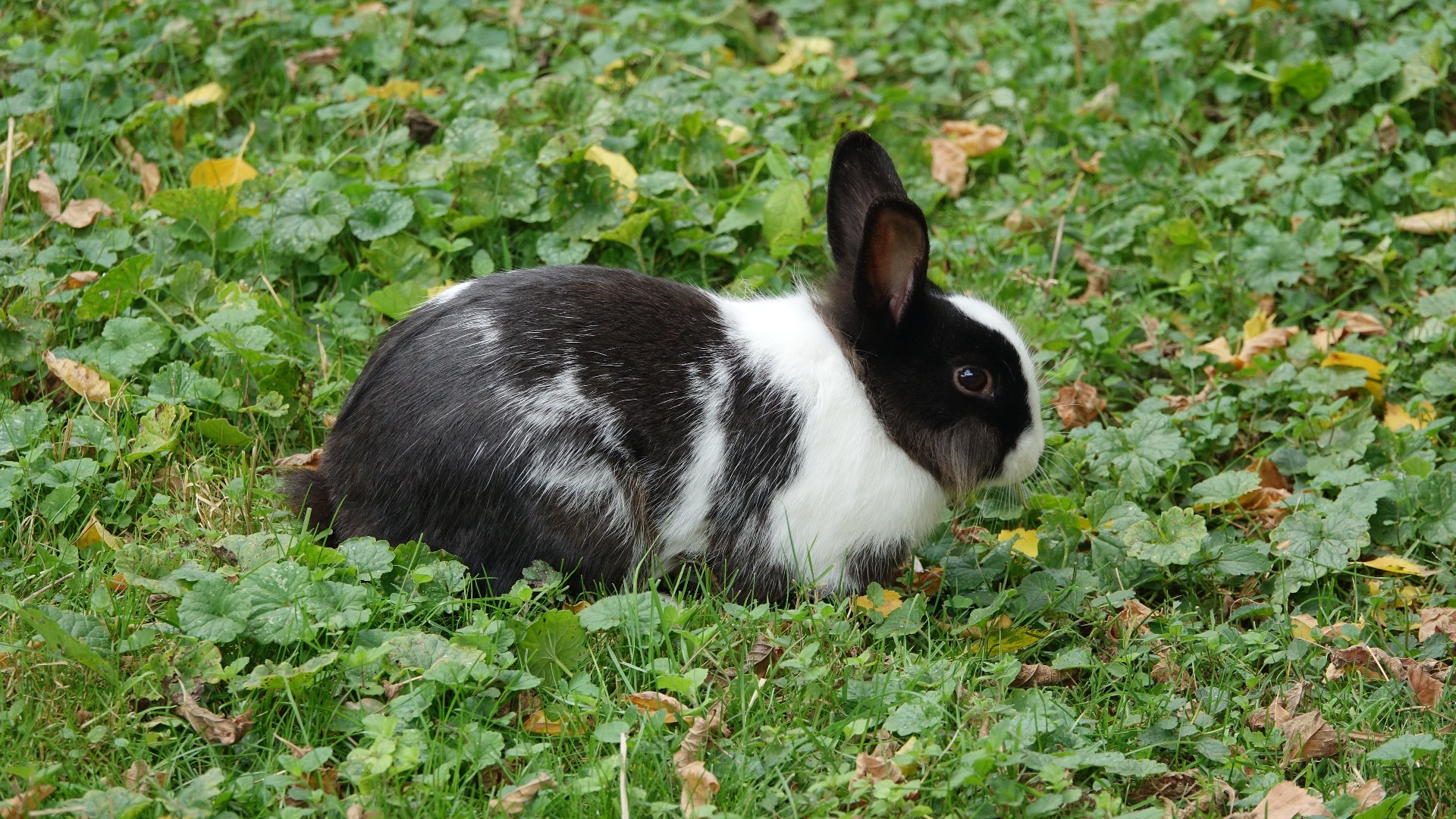
©Wikimedia / Gzen92
3. Essential Daily Hay Diet
Grass hay like timothy, orchard, or meadow grass forms the absolute foundation of canine-free rabbit health. High fiber keeps the delicate digestive tract moving and prevents gastrointestinal stasis, a potentially life-threatening shutdown of the gut.
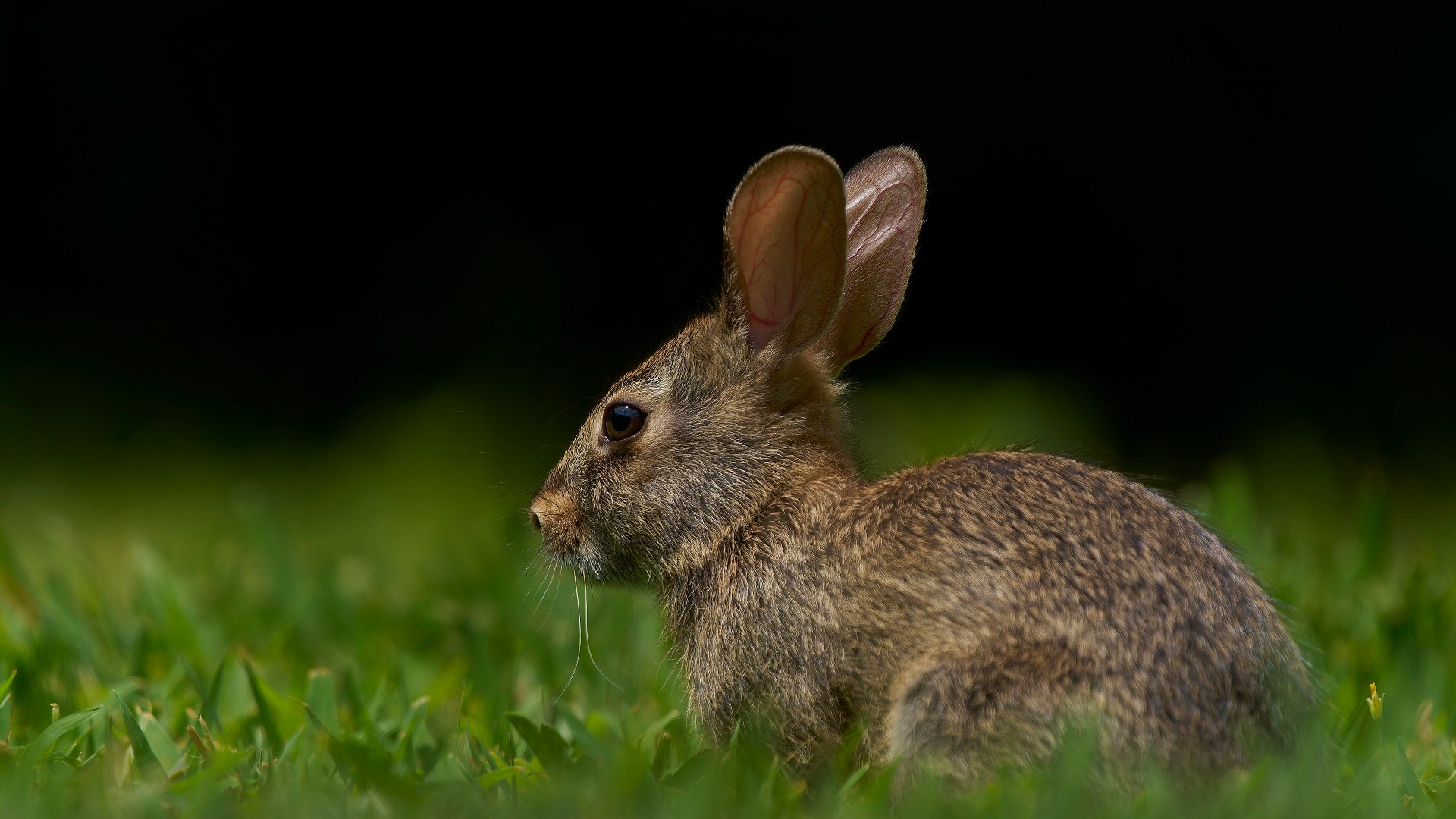
©Wikimedia / Paul Danese
Advertisement
Swipe or tap ▶ to resume the countdown.
2. Teeth Grow Continuously Every Day
Rabbit teeth never stop growing throughout their lives. Because wild rabbits consume tough vegetation, their teeth evolved open roots that continuously emerge. Without constant access to abrasive grass hay, teeth can overgrow into painful spikes called spurs.

©Wikimedia / Sixflashphoto
1. Lagomorphs Are Not Rodents
Many people mistake rabbits for rodents, but taxonomists place them in their own order, Lagomorpha. Unlike rodents that have only two upper chisel-like teeth, rabbits possess four upper incisor teeth, including a tiny peg pair hidden directly behind the front set.

©Wikimedia / NGC 54
Advertisement
You've reached the end of the story. Thanks for reading!

25 Animals Considered Sacred in Different Cultures
All 25 Entries in this Story
25. Deep Affectionate Bonds With Humans
Earning the trust of a prey animal requires patience and quiet respect. When owners sit at eye level on the floor, rabbits open up, nudging hands for head rubs, following owners from room to room, and becoming deeply loving and expressive family members.

24. Lifespans Reaching Over A Decade
While wild cottontails rarely survive more than two years due to predators, indoor pet rabbits enjoy much longer lives. With high-fiber nutrition, rabbit-proofed housing, and specialized exotic veterinary care, many pet rabbits live eight to twelve fulfilling years.

23. Vital Health Benefits Of Desexing
Veterinarians strongly recommend spaying and neutering domestic rabbits. Up to eighty percent of unspayed female rabbits develop fatal uterine adenocarcinoma by age four. Desexing eliminates this risk while resolving hormonal aggression and urine spraying.

22. Extreme Sensitivity To Warm Temperatures
Rabbits tolerate chilly weather far better than warm temperatures. Because they lack sweat glands and cannot pant efficiently like dogs, ambient heat above eighty degrees Fahrenheit can cause heat exhaustion. Indoor shade and cool ceramic tiles keep them safe.

21. The Danger Of Tonic Immobility
Placing a rabbit on its back induces tonic immobility, an evolutionary last-resort defense mechanism where the animal plays dead when captured by a predator. Heart rate and blood pressure soar during this state, making trancing stressful and hazardous.

20. Explosive Sprinting And Jumping Power
To escape fast predators like foxes and hawks, rabbits rely on explosive acceleration. They can reach speeds of twenty-five to thirty-five miles per hour in sudden bursts, using zig-zag evasive maneuvers and jumping nearly four feet into the air to break pursuit.

19. Rapid Heart Rate And High Metabolism
Small prey mammals possess rapid metabolisms. A rabbit heart beats between 130 and 325 times per minute at rest, accelerating even higher when startled. Their delicate circulatory systems make sudden loud noises, predator scents, or rough handling dangerous.

18. Meticulous Grooming Habits
Rabbits groom themselves and bonded companions for hours each day. However, unlike cats, rabbits physically cannot vomit. Ingested hair must pass entirely through the digestive tract with abundant hay fiber, making regular brushing essential during seasonal molts.

17. The Compulsion To Dig And Burrow
Wild European rabbits construct intricate underground tunnel labyrinths called warrens. Domestic rabbits retain this strong excavation drive, often scratching at carpets or corners. Providing dedicated cardboard digging boxes keeps pet claws happily occupied.

16. The Cartoon Carrot Myth
Popular culture depicted rabbits devouring carrots constantly, but roots and fruits contain excessive sugar that can disrupt intestinal flora. Carrots should only be given as small bite-sized treats once or twice a week, prioritizing leafy greens instead.

15. Natural Litter Box Cleanliness
Rabbits have an innate desire for hygiene and naturally designate specific bathroom corners to avoid contaminating their living areas. Placing a litter box lined with paper pellets and fresh timothy hay allows domestic rabbits to free-roam cleanly indoors.

14. Instinctive Masking Of Illness
In nature, any animal showing weakness becomes the first target for predators. Consequently, rabbits conceal illness and discomfort until they can no longer cope. Small behavioral shifts, such as refusing food or sitting hunched, require immediate veterinary attention.

13. Tooth Chattering And Purring
Rabbits cannot purr with vocal cords like felines. Instead, when gently stroked on the forehead or cheeks, a blissful rabbit will lightly grind its molars together, creating a rhythmic vibration known as tooth purring that signals serene contentment.

12. Natural Crepuscular Rhythms
Rabbits are neither strictly nocturnal nor diurnal. They are crepuscular, meaning their natural wakefulness and feeding cycles peak at dawn and dusk when dim light offers the best protection from predators. Midday is reserved for quiet napping.

11. Complex Social Colony Life
Wild European rabbits are deeply social animals living in coordinated underground warrens. In domestic homes, rabbits experience loneliness and depression when isolated, which is why animal welfare guidelines recommend keeping bonded neutered pairs.

10. Scent Marking Through Chinning
Owners often notice rabbits rubbing their chins against baseboards, furniture, or shoes. Scent glands located under the chin deposit secretions that are completely odorless to humans but clearly announce property ownership to other rabbits.

9. Specialized Radar Ears
Rabbit ears are sophisticated survival instruments. Each ear can rotate up to 270 degrees independently to locate distant sounds. Furthermore, an extensive network of surface blood vessels radiates body heat, acting as the rabbit primary cooling mechanism.

8. Panoramic 360 Degree Vision
Rabbits have large eyes positioned high on the sides of their head, granting nearly a full 360-degree field of view. Their only blind spot sits directly in front of their nose and below their chin, which explains why they startle if approached straight on.

7. Powerful Hind Foot Thumping
Rabbits communicate danger by forcefully striking the ground with a hind foot. In the wild, this thumping vibration reverberates deep into underground tunnels, alerting colony members to retreat into burrows away from approaching hawks or foxes.

6. Fragile Skeletal Architecture
A rabbit skeleton is surprisingly lightweight and fragile compared to its heavy muscular hind legs. Because powerful kicks can fracture their own spinal cord if unsupported, humans must always handle rabbits with two hands supporting the chest and hindquarters.

5. The Joyous Airborne Binky
When a rabbit feels ecstatic, it leaps into the air, twists its body in mid-flight, and flicks its ears before landing. Known as a binky, this acrobatic display is one of the most unmistakable signs of contentment and playtime excitement in rabbits.

4. Cecotropes And Double Digestion
Rabbits are hindgut fermenters with an enlarged cecum that extracts nutrients from fibrous plants. They produce soft, clustered droppings called cecotropes, which they ingest directly to absorb essential B vitamins, protein, and beneficial gut bacteria.

3. Essential Daily Hay Diet
Grass hay like timothy, orchard, or meadow grass forms the absolute foundation of canine-free rabbit health. High fiber keeps the delicate digestive tract moving and prevents gastrointestinal stasis, a potentially life-threatening shutdown of the gut.

2. Teeth Grow Continuously Every Day
Rabbit teeth never stop growing throughout their lives. Because wild rabbits consume tough vegetation, their teeth evolved open roots that continuously emerge. Without constant access to abrasive grass hay, teeth can overgrow into painful spikes called spurs.

1. Lagomorphs Are Not Rodents
Many people mistake rabbits for rodents, but taxonomists place them in their own order, Lagomorpha. Unlike rodents that have only two upper chisel-like teeth, rabbits possess four upper incisor teeth, including a tiny peg pair hidden directly behind the front set.