Slideshow · Viral
10 Standout Features of Meta VR Glasses, Ranked
Weighing just 100 grams with a pocket compute puck and 5K micro-OLED displays, discover the top 10 groundbreaking features defining Meta's new glasses-first era for virtual reality.
By Most Viral Today
26 Sept 2026

10 Standout Features of Meta VR Glasses, Ranked: Explore the Full Countdown 
10. Full Horizon OS Ecosystem Compatibility 
9. Aerospace Magnesium Alloy Chassis 
8. Dolby Atmos Open-Ear Spatial Audio - AdvertisementSwipe or tap ▶ to continue countdown

7. Open-Periphery Awareness Architecture 
6. Controller-Free Eye & Hand Navigation 
5. World-First IMAX Enhanced VR Certification 
4. Dynamic Eye-Tracked Foveated Rendering - AdvertisementSwipe or tap ▶ to continue countdown

3. Qualcomm Snapdragon Reality Elite Silicon 
2. Dual 5K Micro-OLED Infinite Displays 
1. Featherlight 100-Gram Two-Part Architecture - Advertisement🔥 UP NEXT IN THIS SERIES◫ 21 Slides

20 Iconic Historical Photos and the Archive Clues Behind Them
Contact sheets, cracked glass plates, and NASA mission logs preserve the hidden steps behind 20 famous photographs. Drawing on records from the Library of Congress, the National Archives, NASA, and the Smithsonian, this countdown traces how cropping, camera setups, and double exposures shaped each frame.
Weighing just 100 grams with a pocket compute puck and 5K micro-OLED displays, discover the top 10 groundbreaking features defining Meta's new glasses-first era for virtual reality.
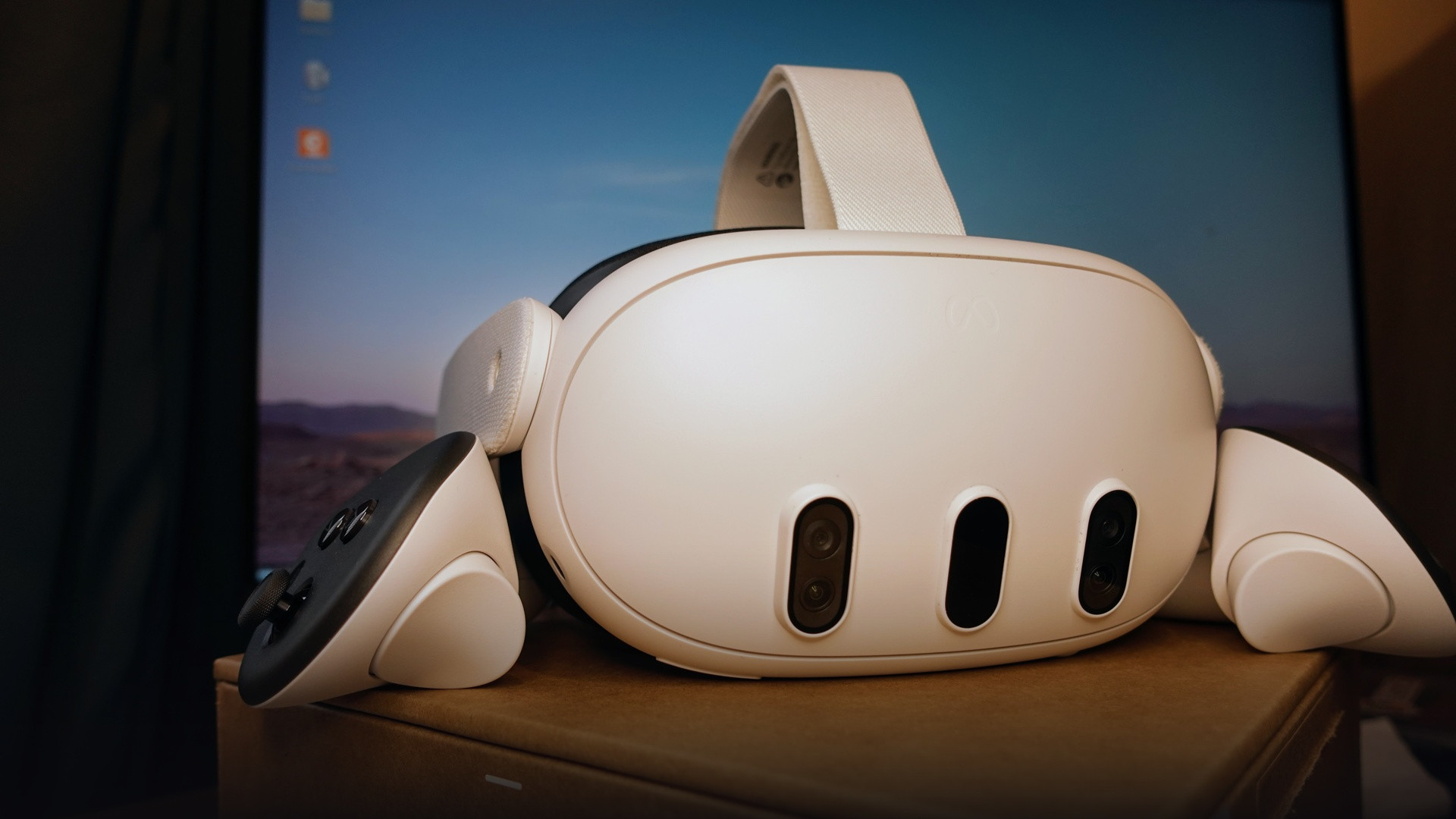
Swipe or tap ▶ to begin the countdown
©Meta / Meta Platforms
10. Full Horizon OS Ecosystem Compatibility
Rather than launching a brand-new experimental app store, the glasses run Horizon OS out of the box. Users instantly access thousands of existing Meta Quest productivity workspaces, immersive cinema apps, and games on launch day without waiting for developer ports.
©Wikimedia / Roy Wonder Cohen
9. Aerospace Magnesium Alloy Chassis
Engineered to eliminate heavy internal cooling fans, the glasses feature an aerospace-grade magnesium alloy chassis. The frame acts as a continuous structural heat sink, passively dissipating thermal energy across the temples while keeping the weight featherlight.
©Meta / Meta Platforms
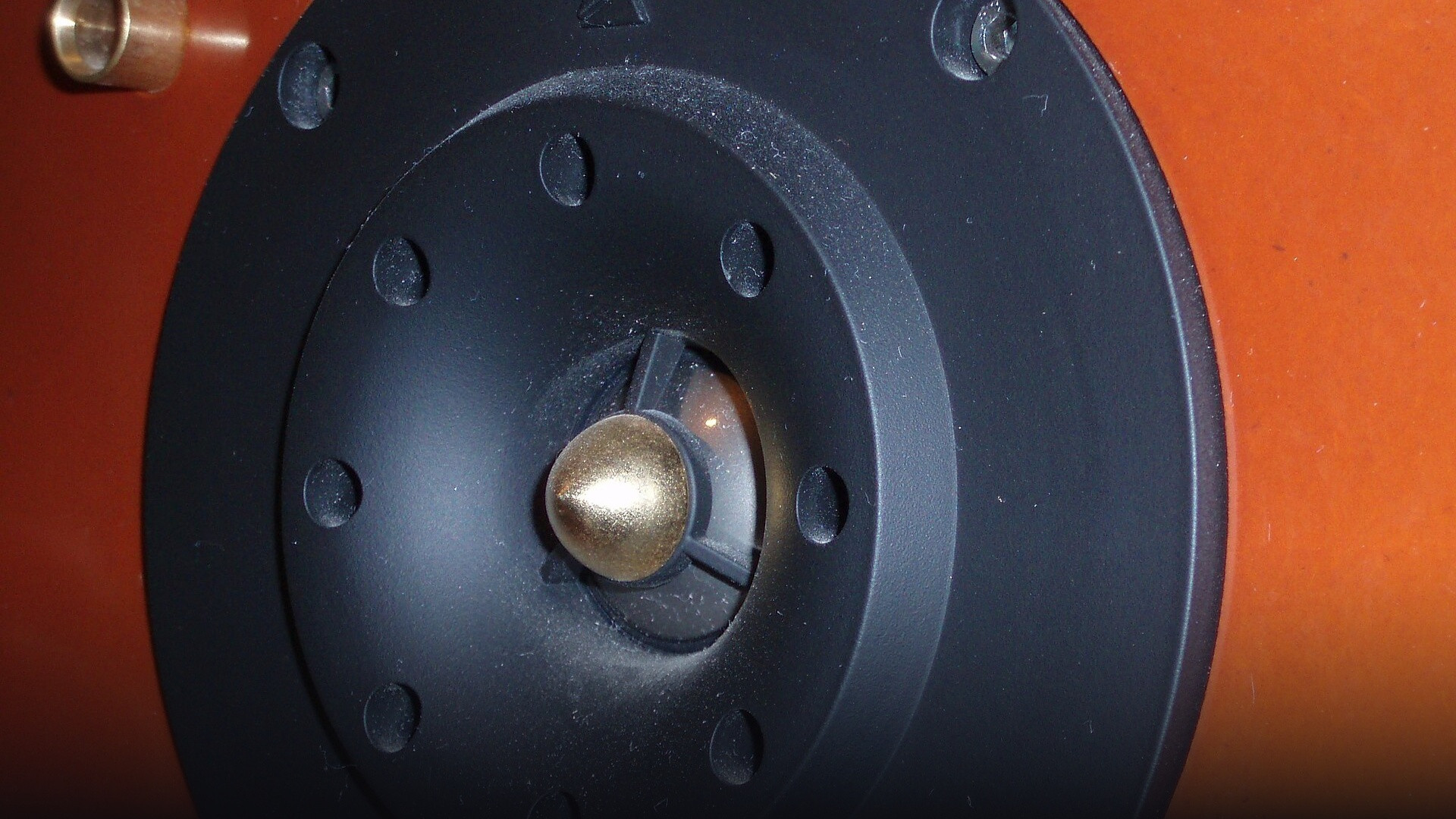
8. Dolby Atmos Open-Ear Spatial Audio
Embedded micro-speakers in the temple arms direct three-dimensional spatial soundwaves straight into the ear canal while cancelling external sound leakage. Coupled with five beamforming microphones, the glasses isolate your voice for crystal-clear calls even on windy streets.
©Wikimedia / Adamantios
Advertisement
Swipe or tap ▶ to resume the countdown.
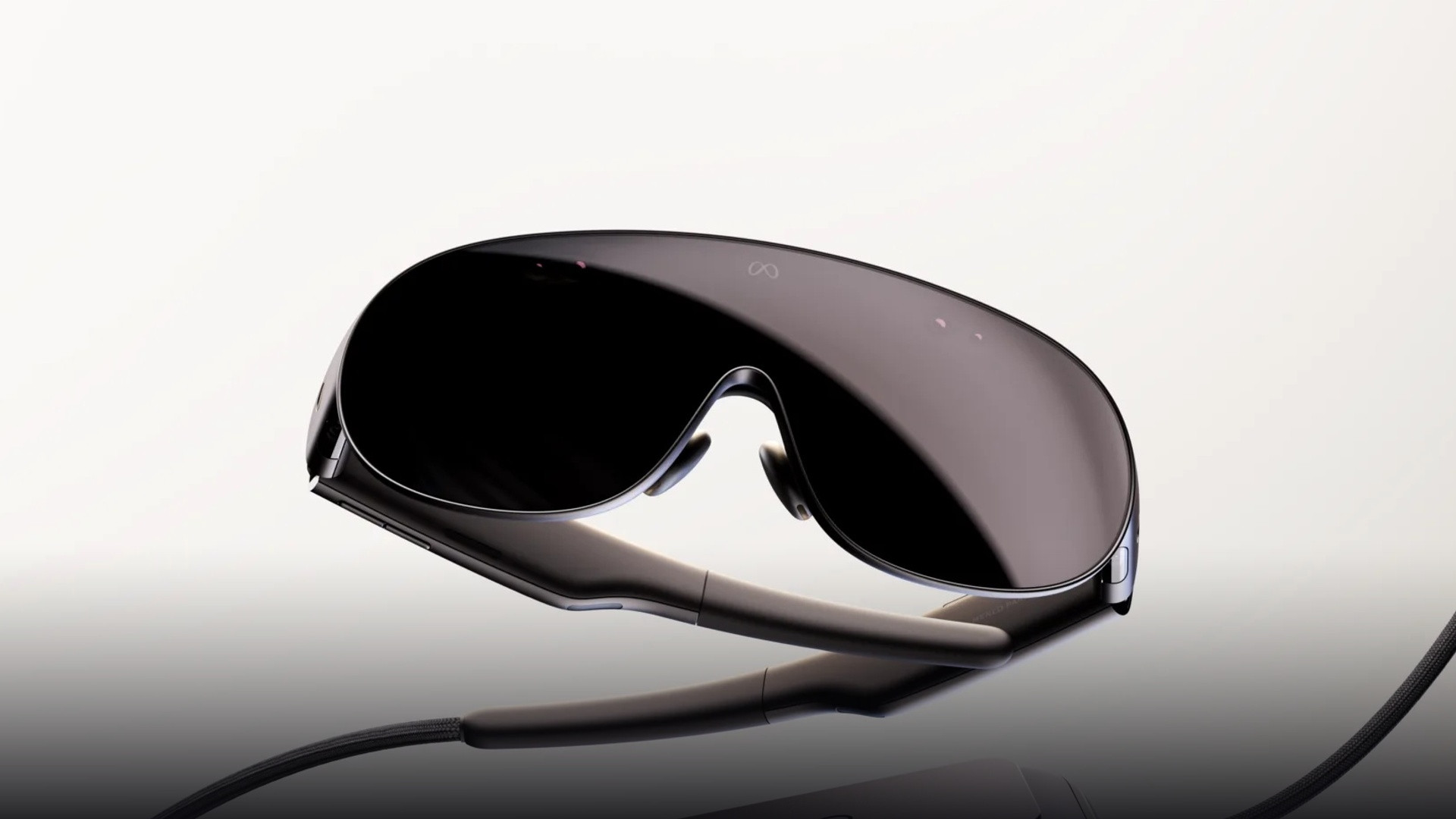
7. Open-Periphery Awareness Architecture
Unlike ski-goggle headsets that trap your eyes in complete darkness, the glasses feature a breathable open-periphery design. Users keep full peripheral awareness of their room, with an included snap-on magnetic light shield that locks on only when full cinematic blackout is desired.
©Meta / Meta Platforms
6. Controller-Free Eye & Hand Navigation
Ditching bulky plastic controllers, the glasses use high-speed inward infrared eye cameras and outward computer-vision cameras. Simply look at an app icon and tap your thumb and index finger together to click, scrolling and typing with effortless sub-millimeter precision.
©Wikimedia / Evan Amos
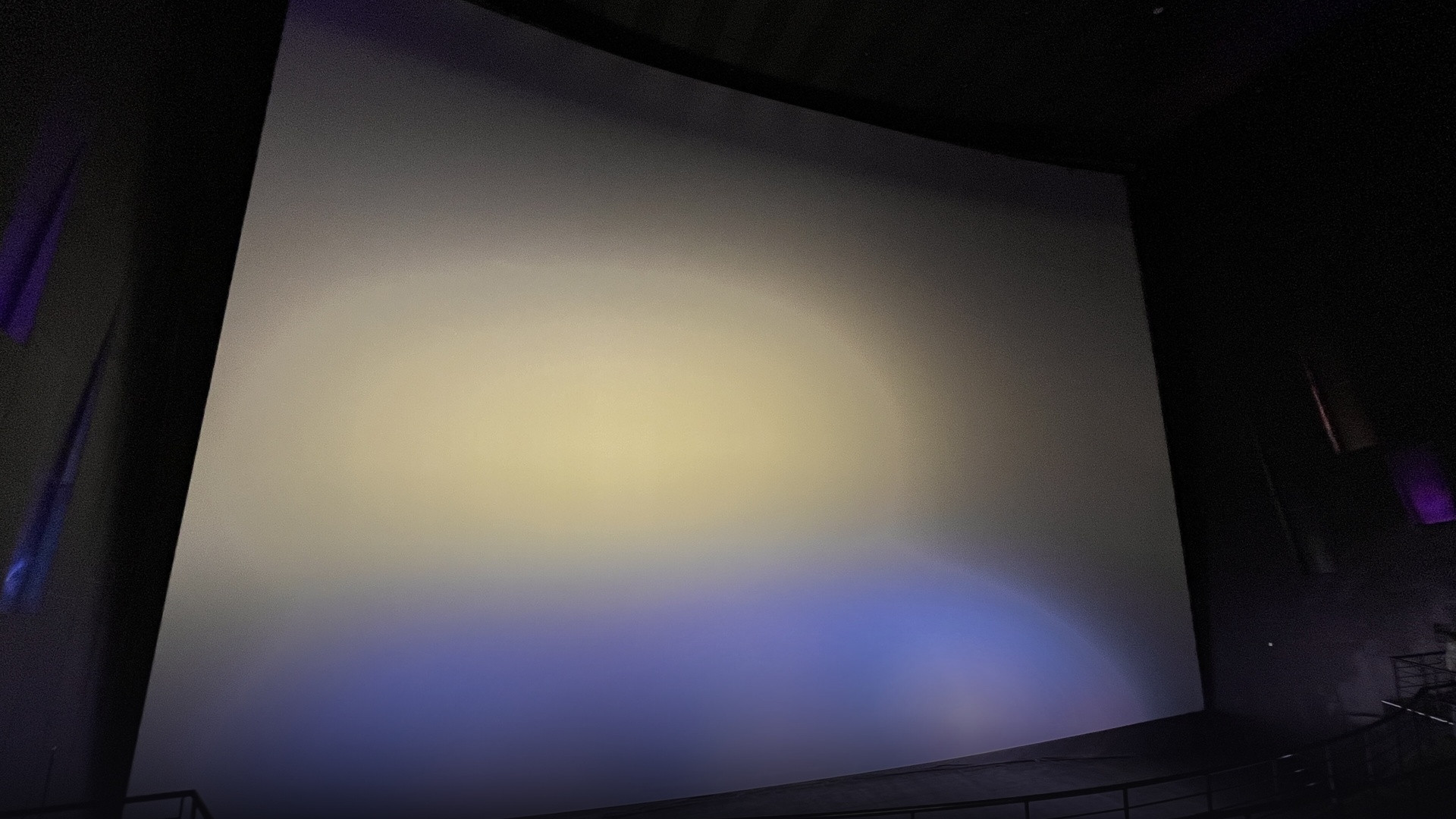
5. World-First IMAX Enhanced VR Certification
Meta secured the first-ever IMAX Enhanced certification for a wearable VR display. Combining custom 1.90:1 expanded aspect ratio mastering with ultra-deep black levels and spatial audio, the glasses recreate the visual scale of a six-story IMAX cinema screen wherever you sit.
©Wikimedia / Steven Sun
4. Dynamic Eye-Tracked Foveated Rendering
By sampling your eye position hundreds of times per second, the rendering pipeline dynamically concentrates maximum pixel density only at the fovea of your retina. This optical breakthrough slashes compute power consumption by up to 60% while delivering seemingly infinite visual fidelity.
©Wikimedia / Premeditated
Advertisement
Swipe or tap ▶ to resume the countdown.
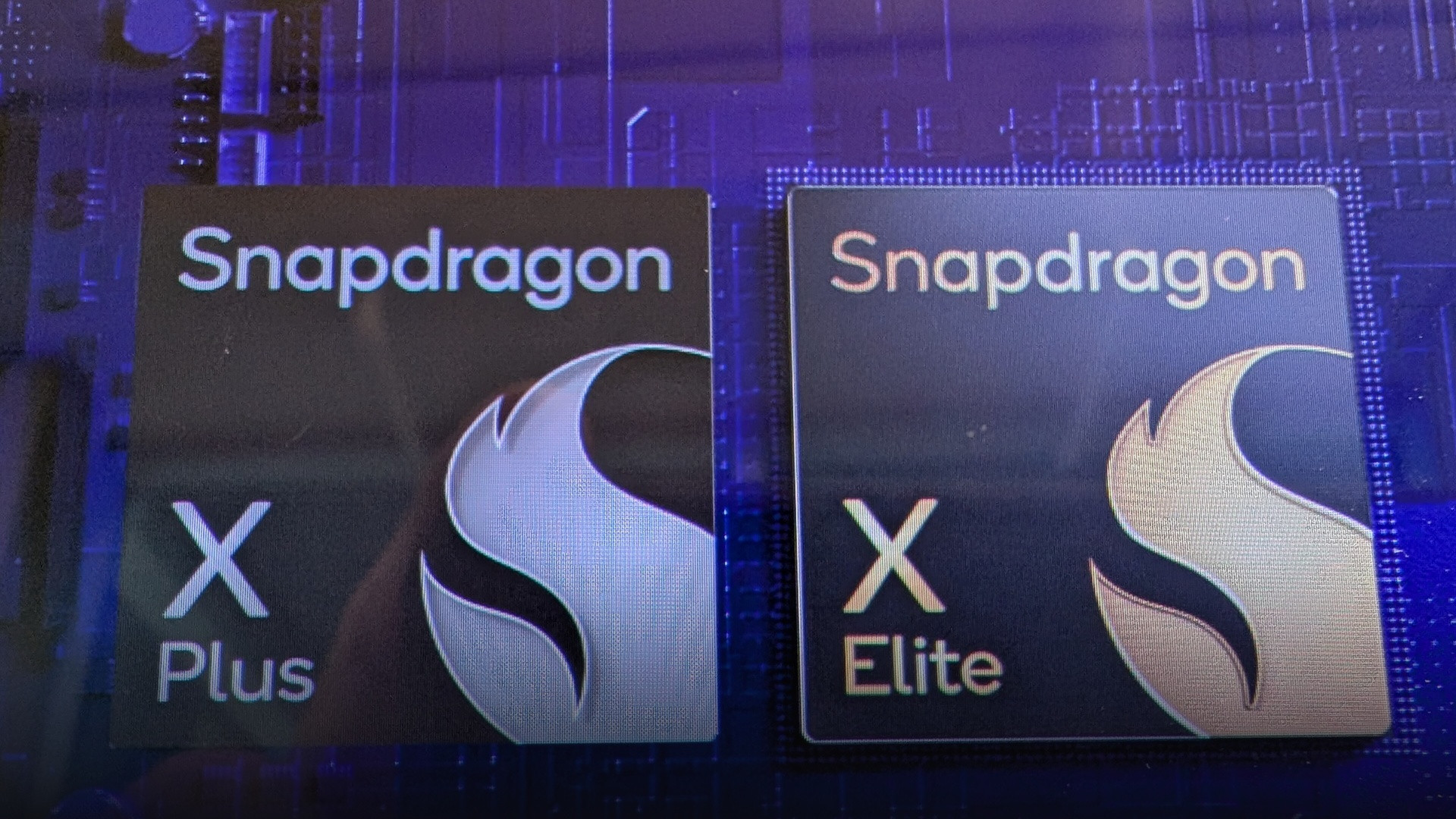
3. Qualcomm Snapdragon Reality Elite Silicon
Powering the glasses is Qualcomm's custom Snapdragon Reality Elite silicon, fabricated on a cutting-edge 3nm architecture. Built specifically for low-latency multi-sensor fusion, it delivers twice the graphical compute of previous headsets while running cool inside your pocket.
©Wikimedia / Thebronzejame
2. Dual 5K Micro-OLED Infinite Displays
Packing dual 2412 × 2288 micro-OLED displays beneath custom pancake optics, the glasses achieve an astonishing 37 pixels per degree. Text appears as crisp as physical paper with pure obsidian blacks and Dolby Vision HDR, completely obliterating the screen-door effect of older headsets.
©Wikimedia / Science Photo
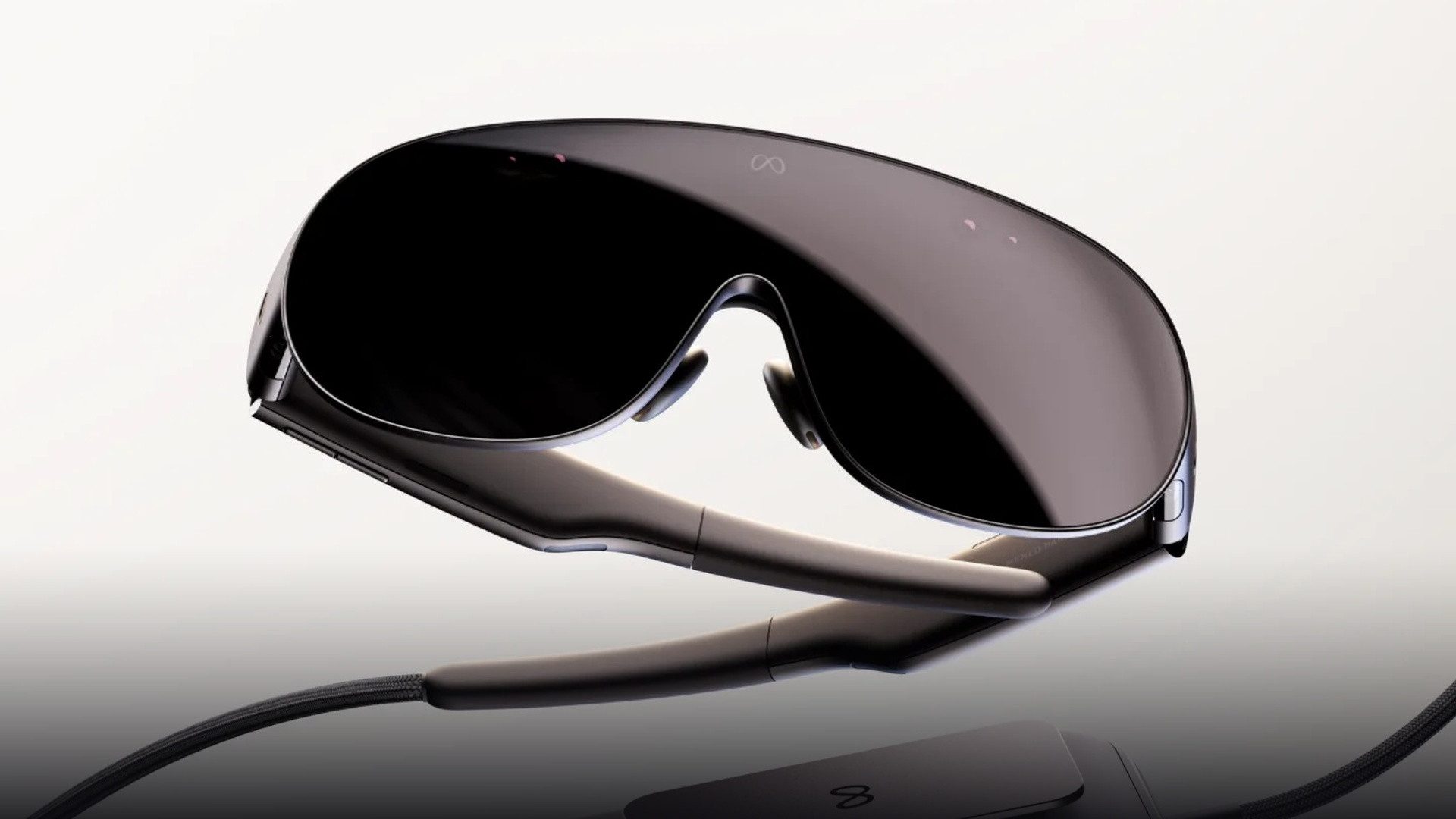
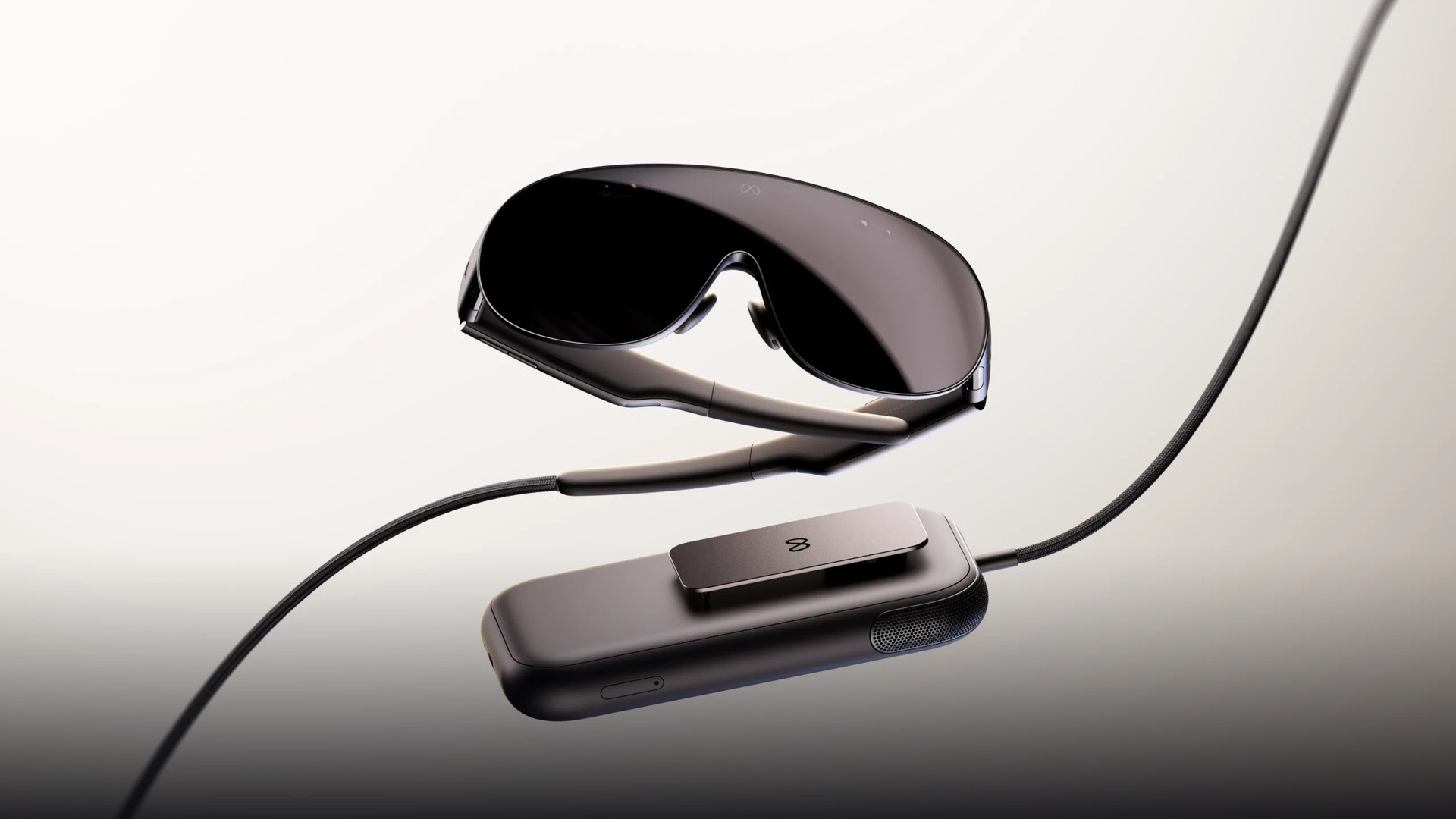
1. Featherlight 100-Gram Two-Part Architecture
Ranking as the #1 breakthrough, Meta slashed headset weight from the Quest 3's 515 grams down to just 100 grams. By offloading battery cells and processor heat into a pocket-sized compute puck via an ultra-flexible tether, true all-day wearable VR glasses are finally here.

©Meta / Meta Platforms
Advertisement
You've reached the end of the story. Thanks for reading!

20 Iconic Historical Photos and the Archive Clues Behind Them
Contact sheets, cracked glass plates, and NASA mission logs preserve the hidden steps behind 20 famous photographs. Drawing on records from the Library of Congress, the National Archives, NASA, and the Smithsonian, this countdown traces how cropping, camera setups, and double exposures shaped each frame.
All 10 Entries in this Story
10. Full Horizon OS Ecosystem Compatibility
Rather than launching a brand-new experimental app store, the glasses run Horizon OS out of the box. Users instantly access thousands of existing Meta Quest productivity workspaces, immersive cinema apps, and games on launch day without waiting for developer ports.

9. Aerospace Magnesium Alloy Chassis
Engineered to eliminate heavy internal cooling fans, the glasses feature an aerospace-grade magnesium alloy chassis. The frame acts as a continuous structural heat sink, passively dissipating thermal energy across the temples while keeping the weight featherlight.

8. Dolby Atmos Open-Ear Spatial Audio
Embedded micro-speakers in the temple arms direct three-dimensional spatial soundwaves straight into the ear canal while cancelling external sound leakage. Coupled with five beamforming microphones, the glasses isolate your voice for crystal-clear calls even on windy streets.

7. Open-Periphery Awareness Architecture
Unlike ski-goggle headsets that trap your eyes in complete darkness, the glasses feature a breathable open-periphery design. Users keep full peripheral awareness of their room, with an included snap-on magnetic light shield that locks on only when full cinematic blackout is desired.

6. Controller-Free Eye & Hand Navigation
Ditching bulky plastic controllers, the glasses use high-speed inward infrared eye cameras and outward computer-vision cameras. Simply look at an app icon and tap your thumb and index finger together to click, scrolling and typing with effortless sub-millimeter precision.

5. World-First IMAX Enhanced VR Certification
Meta secured the first-ever IMAX Enhanced certification for a wearable VR display. Combining custom 1.90:1 expanded aspect ratio mastering with ultra-deep black levels and spatial audio, the glasses recreate the visual scale of a six-story IMAX cinema screen wherever you sit.

4. Dynamic Eye-Tracked Foveated Rendering
By sampling your eye position hundreds of times per second, the rendering pipeline dynamically concentrates maximum pixel density only at the fovea of your retina. This optical breakthrough slashes compute power consumption by up to 60% while delivering seemingly infinite visual fidelity.

3. Qualcomm Snapdragon Reality Elite Silicon
Powering the glasses is Qualcomm's custom Snapdragon Reality Elite silicon, fabricated on a cutting-edge 3nm architecture. Built specifically for low-latency multi-sensor fusion, it delivers twice the graphical compute of previous headsets while running cool inside your pocket.

2. Dual 5K Micro-OLED Infinite Displays
Packing dual 2412 × 2288 micro-OLED displays beneath custom pancake optics, the glasses achieve an astonishing 37 pixels per degree. Text appears as crisp as physical paper with pure obsidian blacks and Dolby Vision HDR, completely obliterating the screen-door effect of older headsets.

1. Featherlight 100-Gram Two-Part Architecture
Ranking as the #1 breakthrough, Meta slashed headset weight from the Quest 3's 515 grams down to just 100 grams. By offloading battery cells and processor heat into a pocket-sized compute puck via an ultra-flexible tether, true all-day wearable VR glasses are finally here.