Slideshow · Viral
10 Surprising Halloween Facts You Didn't Know
From terrifying carved turnips and medieval soul cakes to wartime candy rationing and chicken feed, the bizarre history of Halloween is far darker than you think.
By Most Viral Today
6 Oct 2026

10 Surprising Halloween Facts You Didn't Know: Explore the Full Countdown 
10. Full Moons On Halloween Are Shockingly Rare 
9. American Towns Banned Teens From Trick Or-Treating 
8. World War II Rationing Canceled Halloween Candy - AdvertisementSwipe or tap ▶ to continue countdown

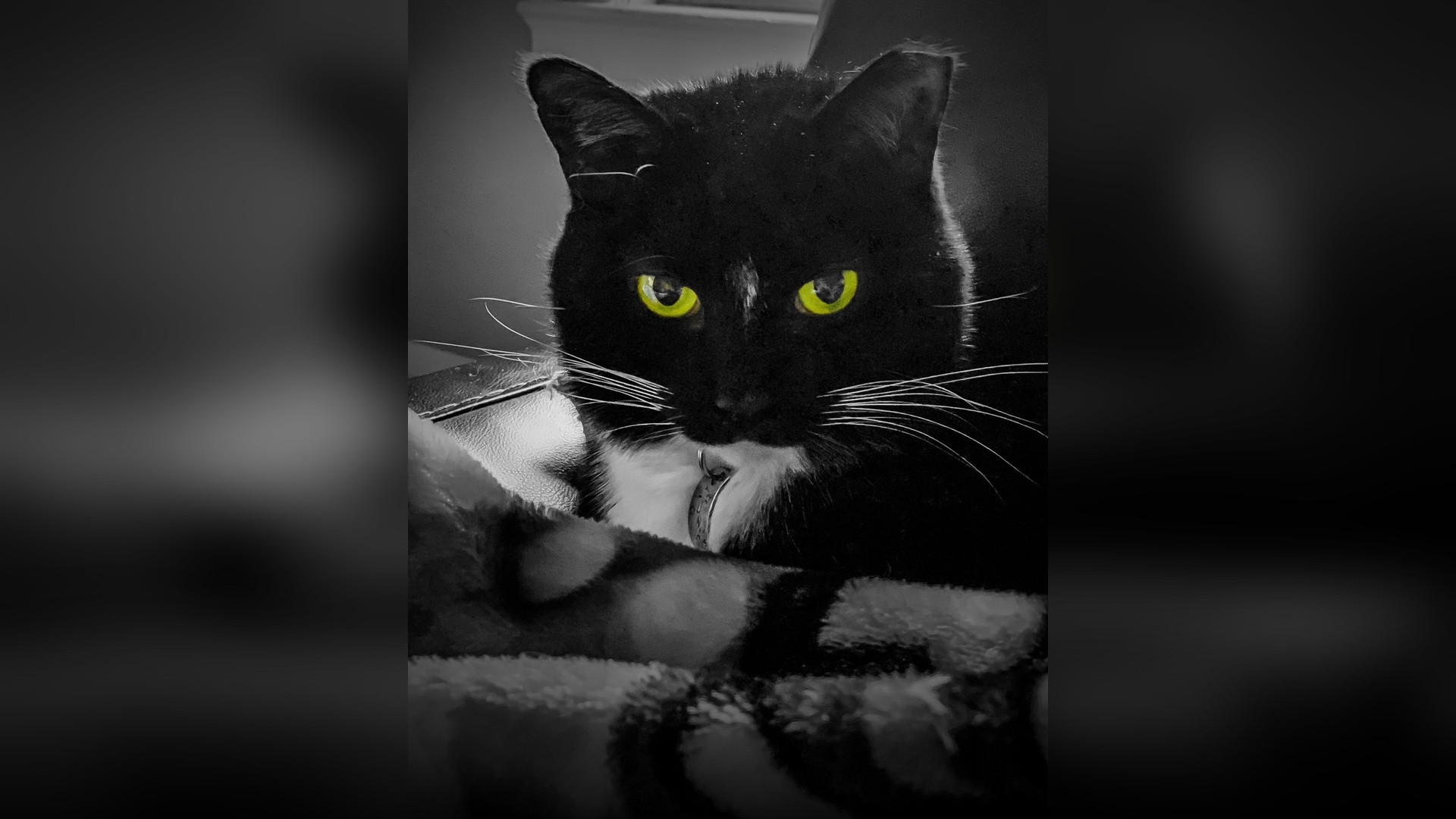
7. Black Cats Were Feared As Shapeshifting Witches 
6. Bobbing For Apples Was An Ancient Marriage Ritual 
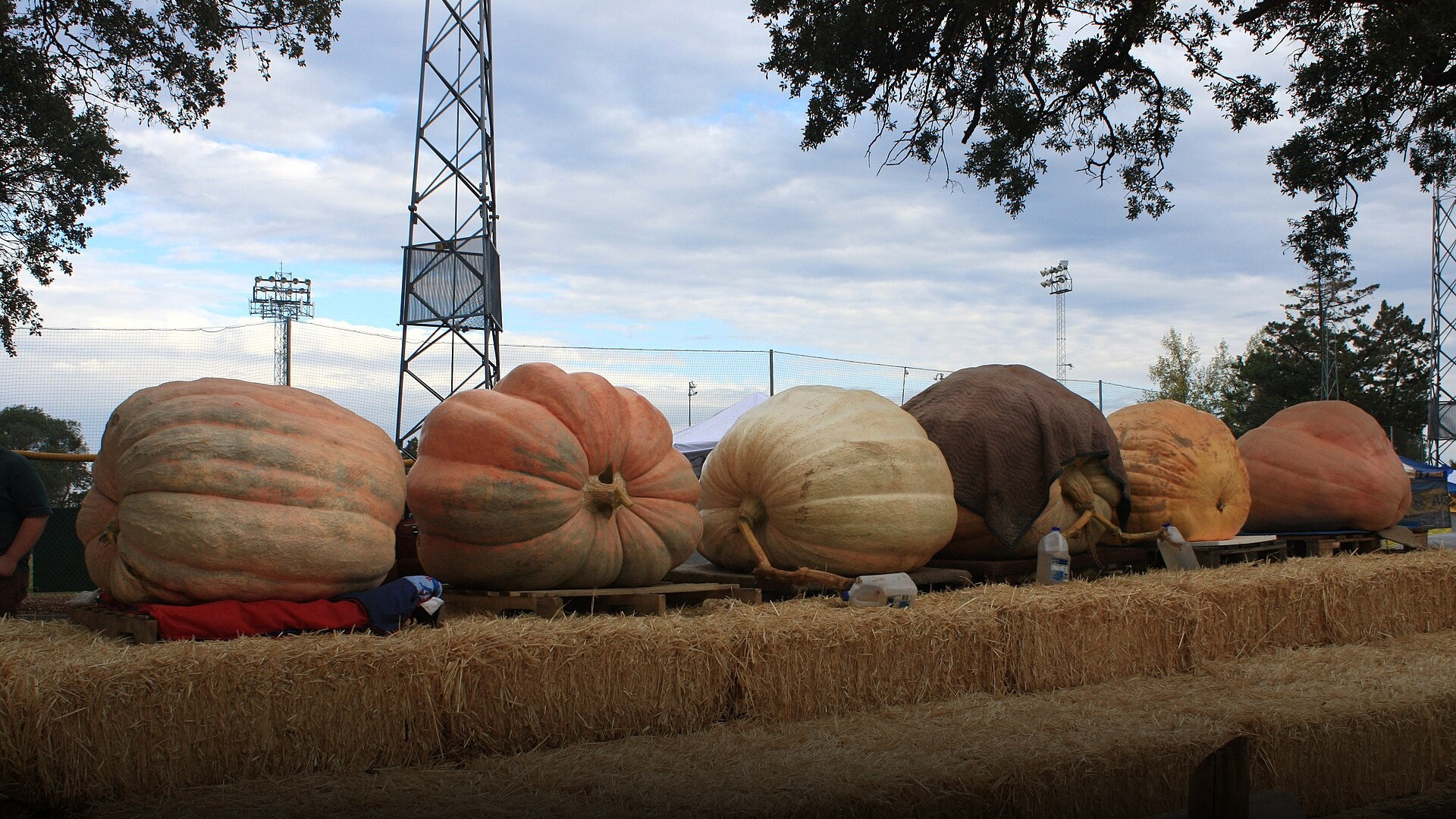
5. Giant Pumpkins Can Weigh More Than A Car 
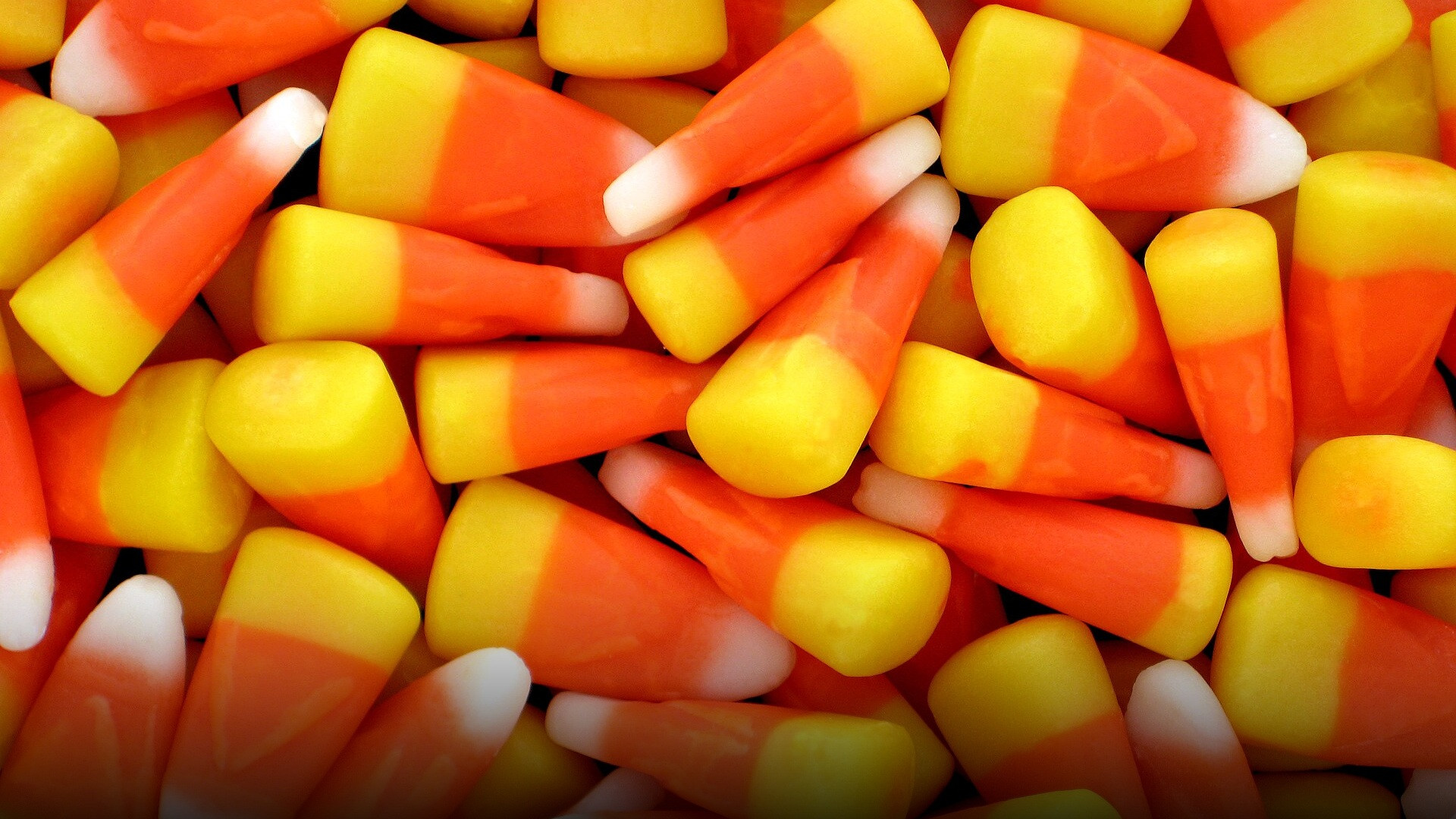
4. Candy Corn Was Originally Sold As 'Chicken Feed' - AdvertisementSwipe or tap ▶ to continue countdown

3. Trick Or-Treating Evolved From Medieval 'Souling' 
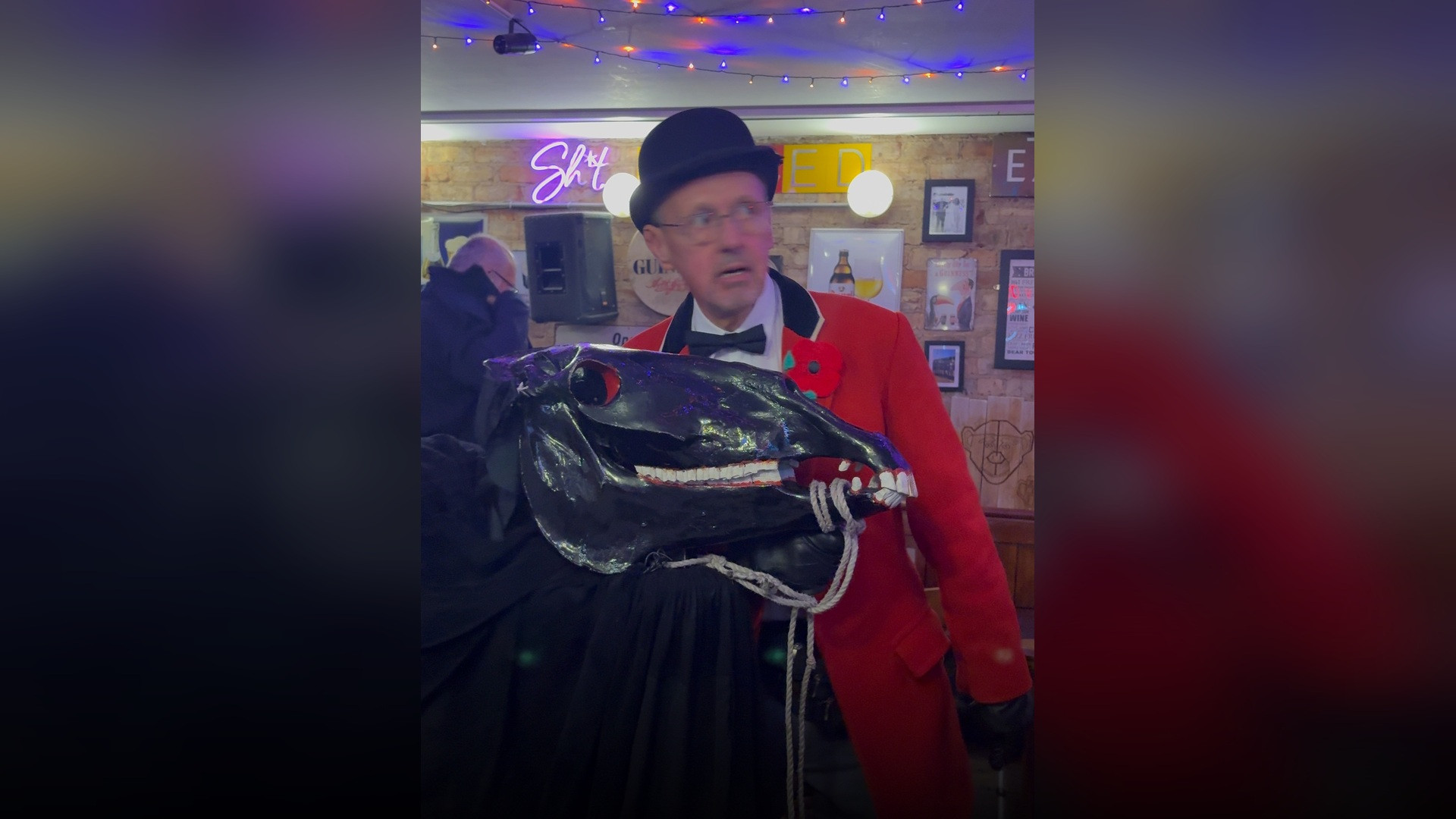
2. Ancient Celts Wore Masks To Confuse Roaming Spirits 
1. Turnips Were The Original Terrifying Jack O'-Lanterns - Advertisement🔥 UP NEXT IN THIS SERIES◫ 21 Slides

20 Iconic Historical Photos and the Archive Clues Behind Them
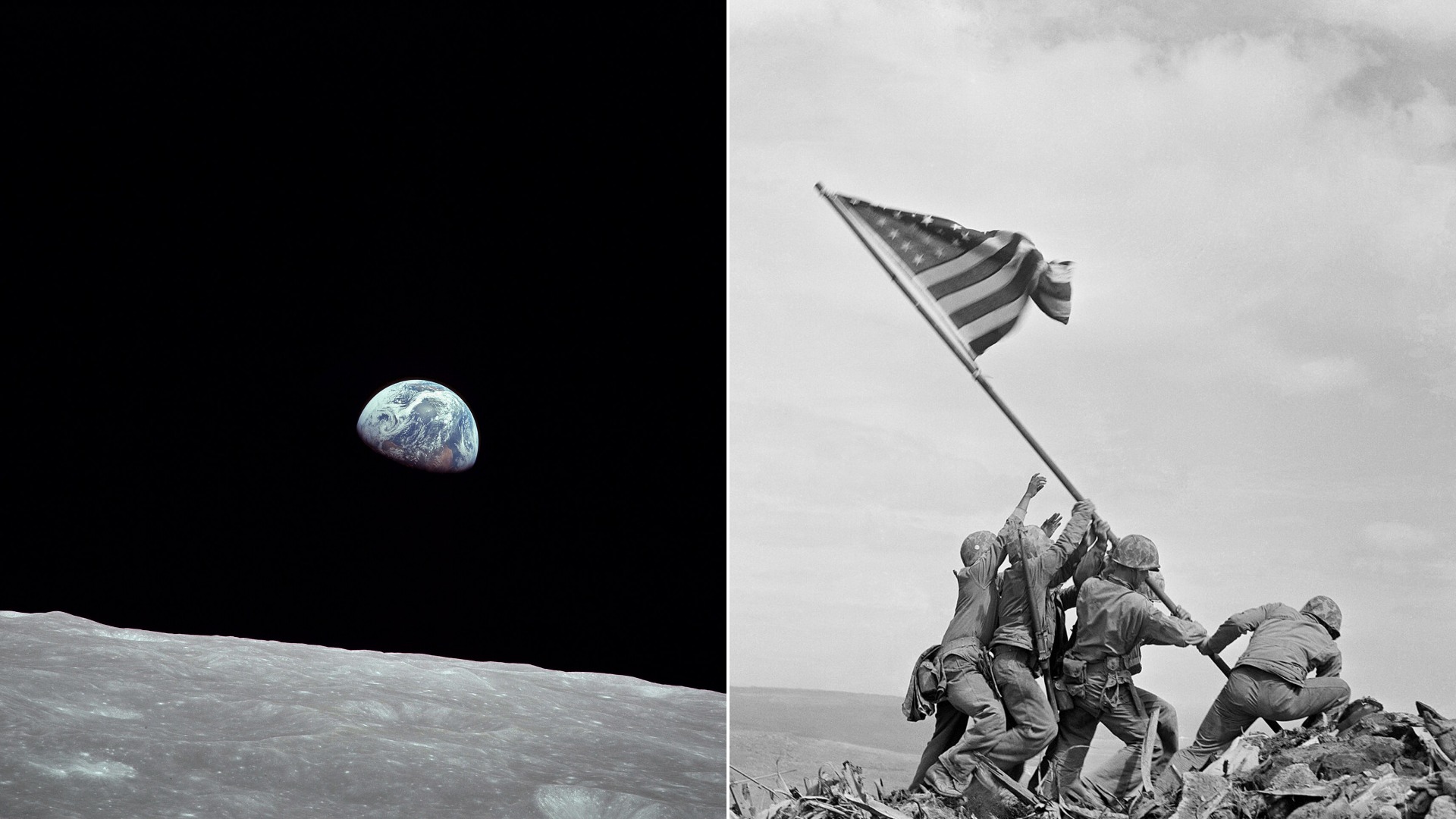
Contact sheets, cracked glass plates, and NASA mission logs preserve the hidden steps behind 20 famous photographs. Drawing on records from the Library of Congress, the National Archives, NASA, and the Smithsonian, this countdown traces how cropping, camera setups, and double exposures shaped each frame.
From terrifying carved turnips and medieval soul cakes to wartime candy rationing and chicken feed, the bizarre history of Halloween is far darker than you think.
Swipe or tap ▶ to begin the countdown
©Wikimedia / Stinglehammer & F0i
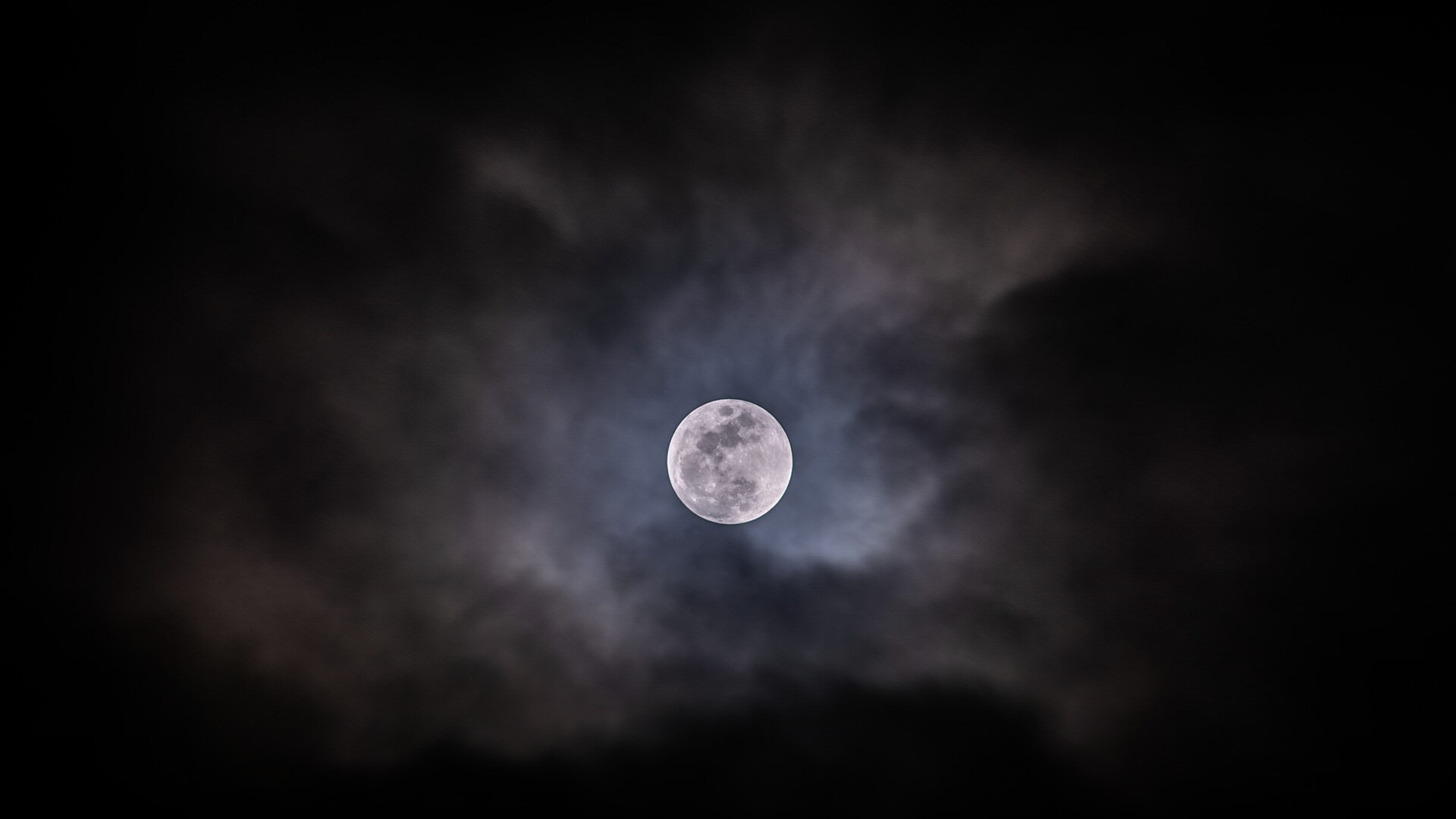
10. Full Moons On Halloween Are Shockingly Rare
Hollywood horror movies almost always depict a glowing full moon on Halloween night. In reality, an October 31 full moon only happens once every 18 to 19 years—the last one occurred in 2020, and the next won't arrive until 2039.
©Wikimedia / Jules Verne Times Two
9. American Towns Banned Teens From Trick Or-Treating
Multiple US towns, including Belleville, Illinois and Chesapeake, Virginia, passed strict ordinances banning anyone over 12 or 14 from trick-or-treating. High schoolers caught seeking candy face municipal fines up to $250.
©Wikimedia / Silar
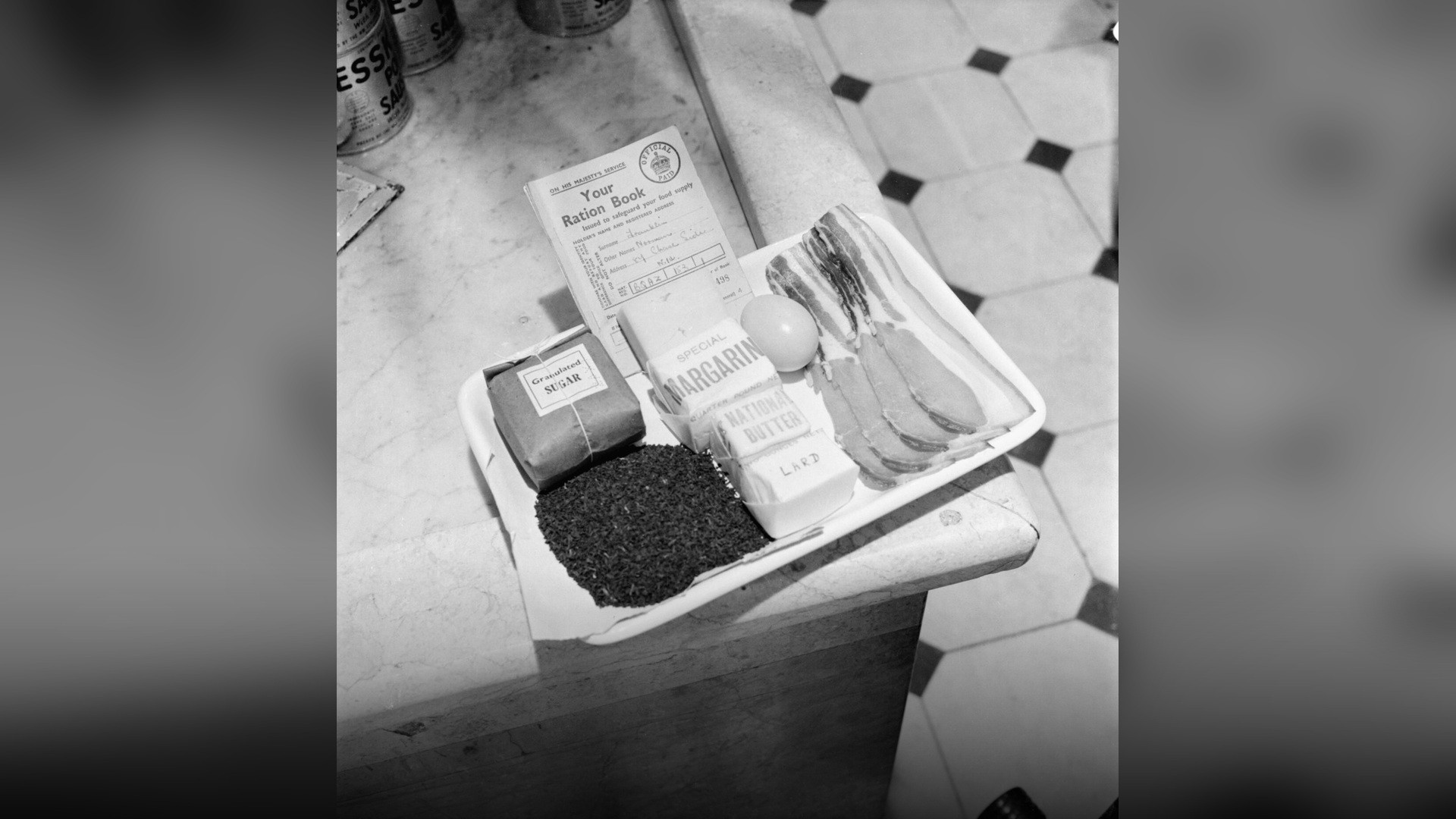
8. World War II Rationing Canceled Halloween Candy
When the United States entered World War II, strict wartime sugar rationing began in spring 1942. With confectioneries restricted, neighborhood trick-or-treating virtually disappeared until post-war suburban revivals in 1947.
©Imperial War Museums / Ministry of Information
Advertisement
Swipe or tap ▶ to resume the countdown.
7. Black Cats Were Feared As Shapeshifting Witches
During the Middle Ages, widespread European superstition held that black cats were demonic familiars or witches shapeshifting to roam in secret. Pope Gregory IX's 1233 papal decree intensified centuries of feline persecution.
©Wikimedia / Mcheer372
6. Bobbing For Apples Was An Ancient Marriage Ritual
Long before it was a children's party staple, bobbing for apples was a Roman and Celtic divination ritual celebrating Pomona, goddess of orchards. Young unmarried youths believed the first to bite an apple was destined to marry next.
©Wikimedia / Rob Swystun
5. Giant Pumpkins Can Weigh More Than A Car
Modern Atlantic Giant pumpkins bred for autumn agricultural weigh-offs routinely surpass 2,500 pounds—heavier than a standard Volkswagen Beetle. In 2023, a Minnesota grower set a world record with a pumpkin weighing 2,749 pounds.
©Wikimedia / Nick Ares
4. Candy Corn Was Originally Sold As 'Chicken Feed'
Invented in the 1880s by the Wunderle Candy Company, the iconic sugary kernels were originally marketed year-round to agrarian families as 'Chicken Feed.' The yellow, orange, and white confection even featured a rooster on the box.
©Wikimedia / Evan-Amos
Advertisement
Swipe or tap ▶ to resume the countdown.
3. Trick Or-Treating Evolved From Medieval 'Souling'
During the Middle Ages, impoverished citizens and children walked door-to-door on All Souls' Eve singing and offering prayers for deceased family members in exchange for spiced, currant-topped pastries known as 'Soul Cakes.'
©Wikimedia / LiamJHopkins
2. Ancient Celts Wore Masks To Confuse Roaming Spirits
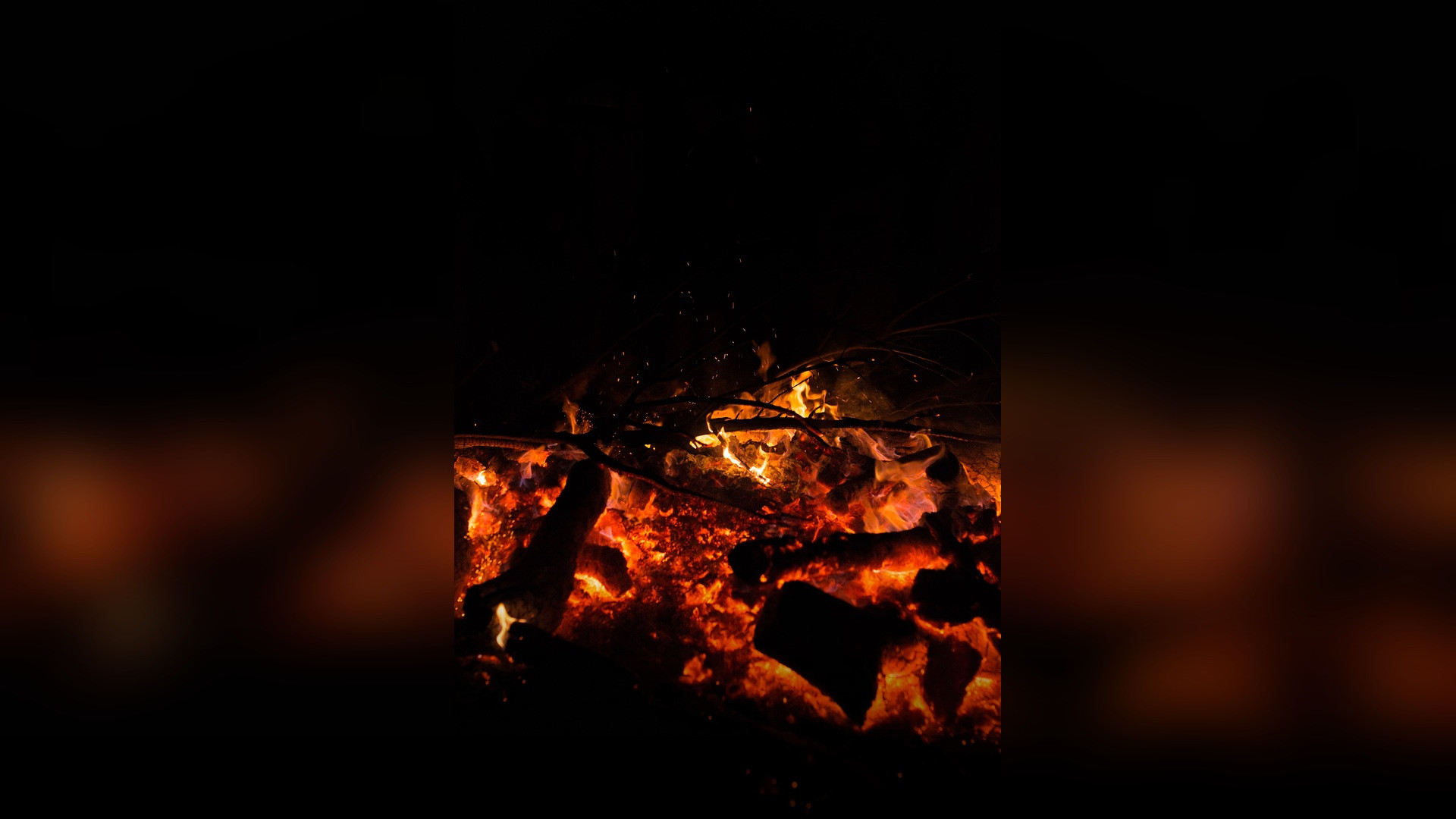
Halloween traces directly to the Celtic harvest festival of Samhain 2,000 years ago. Believing the veil between the living and dead dissolved on October 31, Celts donned beast heads and masks so roaming ghosts would mistake them for fellow spirits.
©Wikimedia / Nenad Stojkovic
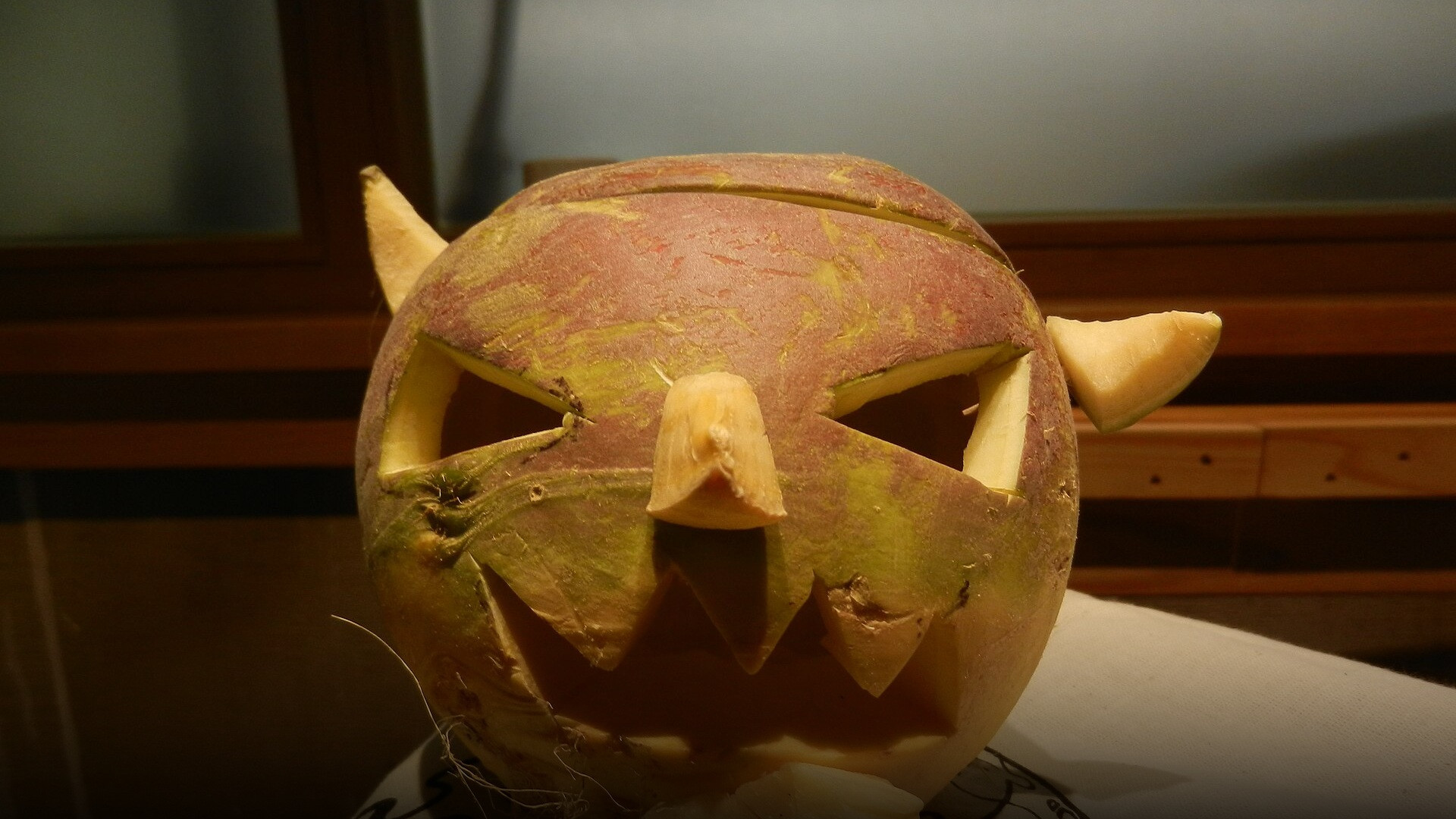
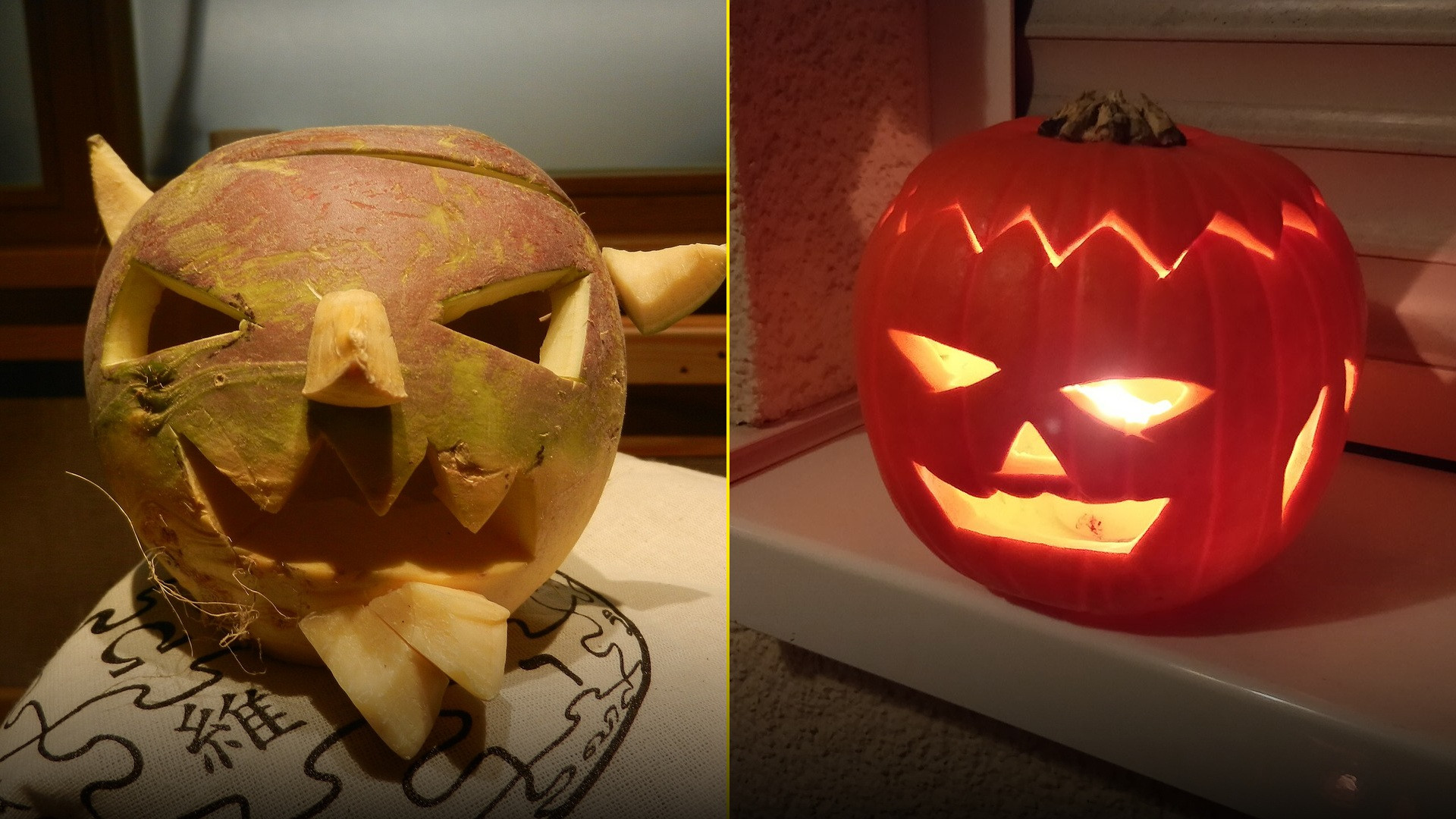
1. Turnips Were The Original Terrifying Jack O'-Lanterns
Centuries before pumpkins were imported from North America, Irish and Scottish celebrants carved ghastly demonic faces into tough turnips, rutabagas, and beets. Lit with burning coal, these terrifying lanterns warned off the cursed spirit 'Stingy Jack.'

©Wikimedia / Stinglehammer
Advertisement
You've reached the end of the story. Thanks for reading!

20 Iconic Historical Photos and the Archive Clues Behind Them
Contact sheets, cracked glass plates, and NASA mission logs preserve the hidden steps behind 20 famous photographs. Drawing on records from the Library of Congress, the National Archives, NASA, and the Smithsonian, this countdown traces how cropping, camera setups, and double exposures shaped each frame.
All 10 Entries in this Story
10. Full Moons On Halloween Are Shockingly Rare
Hollywood horror movies almost always depict a glowing full moon on Halloween night. In reality, an October 31 full moon only happens once every 18 to 19 years—the last one occurred in 2020, and the next won't arrive until 2039.

9. American Towns Banned Teens From Trick Or-Treating
Multiple US towns, including Belleville, Illinois and Chesapeake, Virginia, passed strict ordinances banning anyone over 12 or 14 from trick-or-treating. High schoolers caught seeking candy face municipal fines up to $250.

8. World War II Rationing Canceled Halloween Candy
When the United States entered World War II, strict wartime sugar rationing began in spring 1942. With confectioneries restricted, neighborhood trick-or-treating virtually disappeared until post-war suburban revivals in 1947.

7. Black Cats Were Feared As Shapeshifting Witches
During the Middle Ages, widespread European superstition held that black cats were demonic familiars or witches shapeshifting to roam in secret. Pope Gregory IX's 1233 papal decree intensified centuries of feline persecution.

6. Bobbing For Apples Was An Ancient Marriage Ritual
Long before it was a children's party staple, bobbing for apples was a Roman and Celtic divination ritual celebrating Pomona, goddess of orchards. Young unmarried youths believed the first to bite an apple was destined to marry next.

5. Giant Pumpkins Can Weigh More Than A Car
Modern Atlantic Giant pumpkins bred for autumn agricultural weigh-offs routinely surpass 2,500 pounds—heavier than a standard Volkswagen Beetle. In 2023, a Minnesota grower set a world record with a pumpkin weighing 2,749 pounds.

4. Candy Corn Was Originally Sold As 'Chicken Feed'
Invented in the 1880s by the Wunderle Candy Company, the iconic sugary kernels were originally marketed year-round to agrarian families as 'Chicken Feed.' The yellow, orange, and white confection even featured a rooster on the box.

3. Trick Or-Treating Evolved From Medieval 'Souling'
During the Middle Ages, impoverished citizens and children walked door-to-door on All Souls' Eve singing and offering prayers for deceased family members in exchange for spiced, currant-topped pastries known as 'Soul Cakes.'

2. Ancient Celts Wore Masks To Confuse Roaming Spirits
Halloween traces directly to the Celtic harvest festival of Samhain 2,000 years ago. Believing the veil between the living and dead dissolved on October 31, Celts donned beast heads and masks so roaming ghosts would mistake them for fellow spirits.

1. Turnips Were The Original Terrifying Jack O'-Lanterns
Centuries before pumpkins were imported from North America, Irish and Scottish celebrants carved ghastly demonic faces into tough turnips, rutabagas, and beets. Lit with burning coal, these terrifying lanterns warned off the cursed spirit 'Stingy Jack.'