Slideshow · Animals
12 Wild Animals You May Never Spot In Daylight
While daylight belongs to familiar wildlife, the nocturnal wilderness awakens under starlight. From ghostly jungle predators to underground diggers, these elusive creatures vanish before dawn.
By Most Viral Today
23 Oct 2026

12 Wild Animals You May Never Spot In Daylight 
12. European Badger 
11. Barn Owl 
10. Aardvark - AdvertisementSwipe or tap ▶ to continue countdown

9. Sugar Glider 
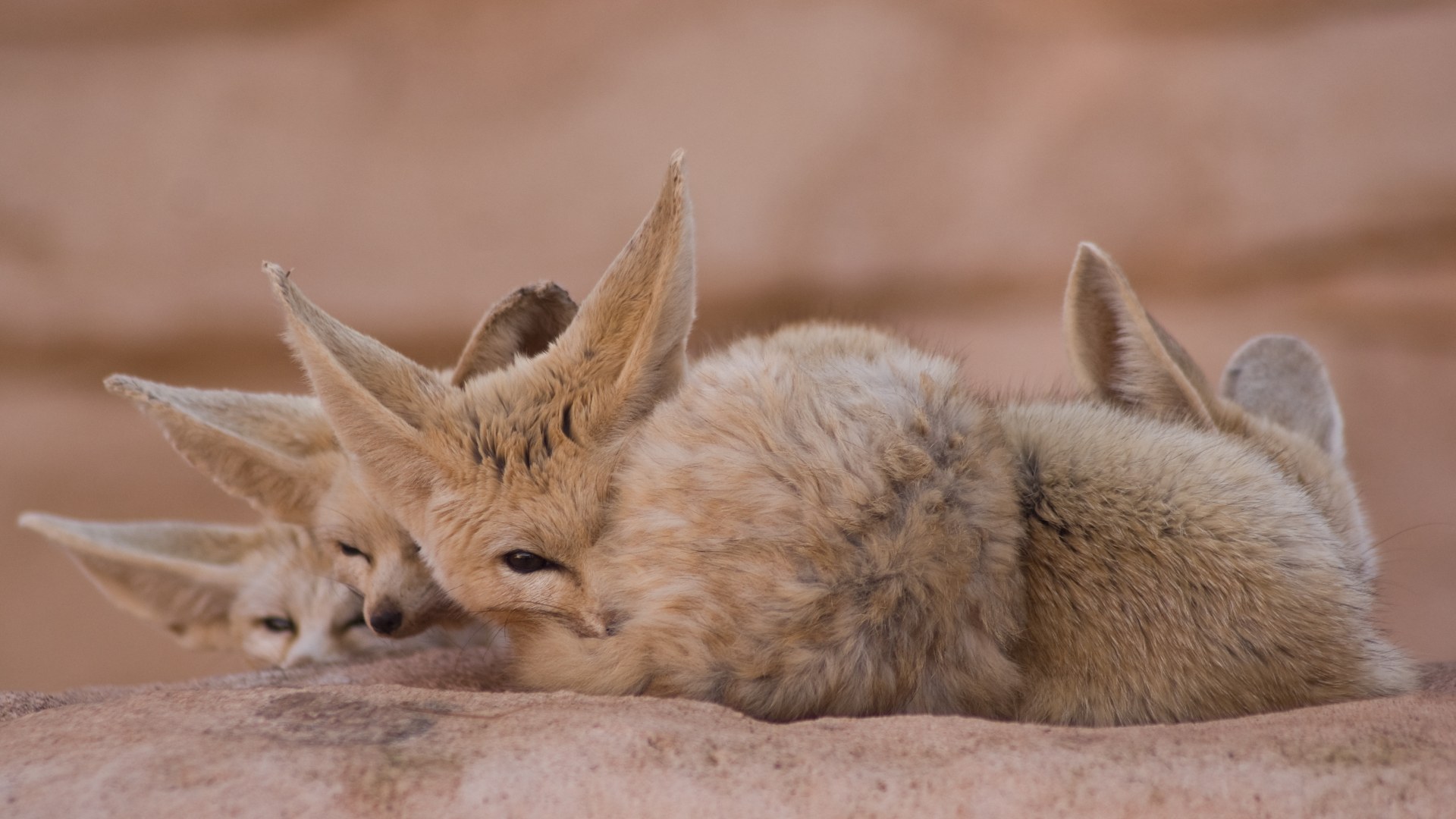
8. Fennec Fox 
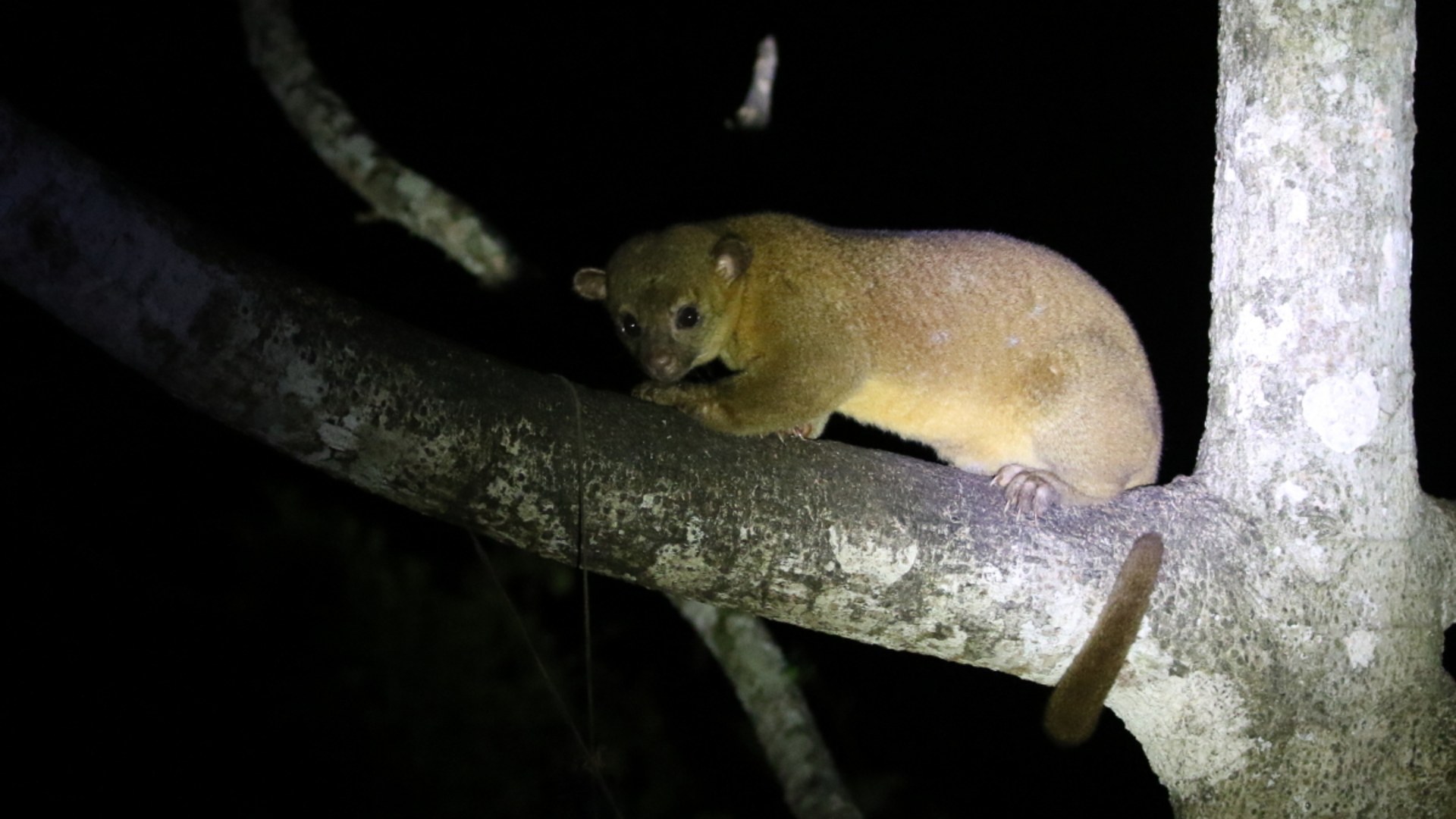
7. Kinkajou 
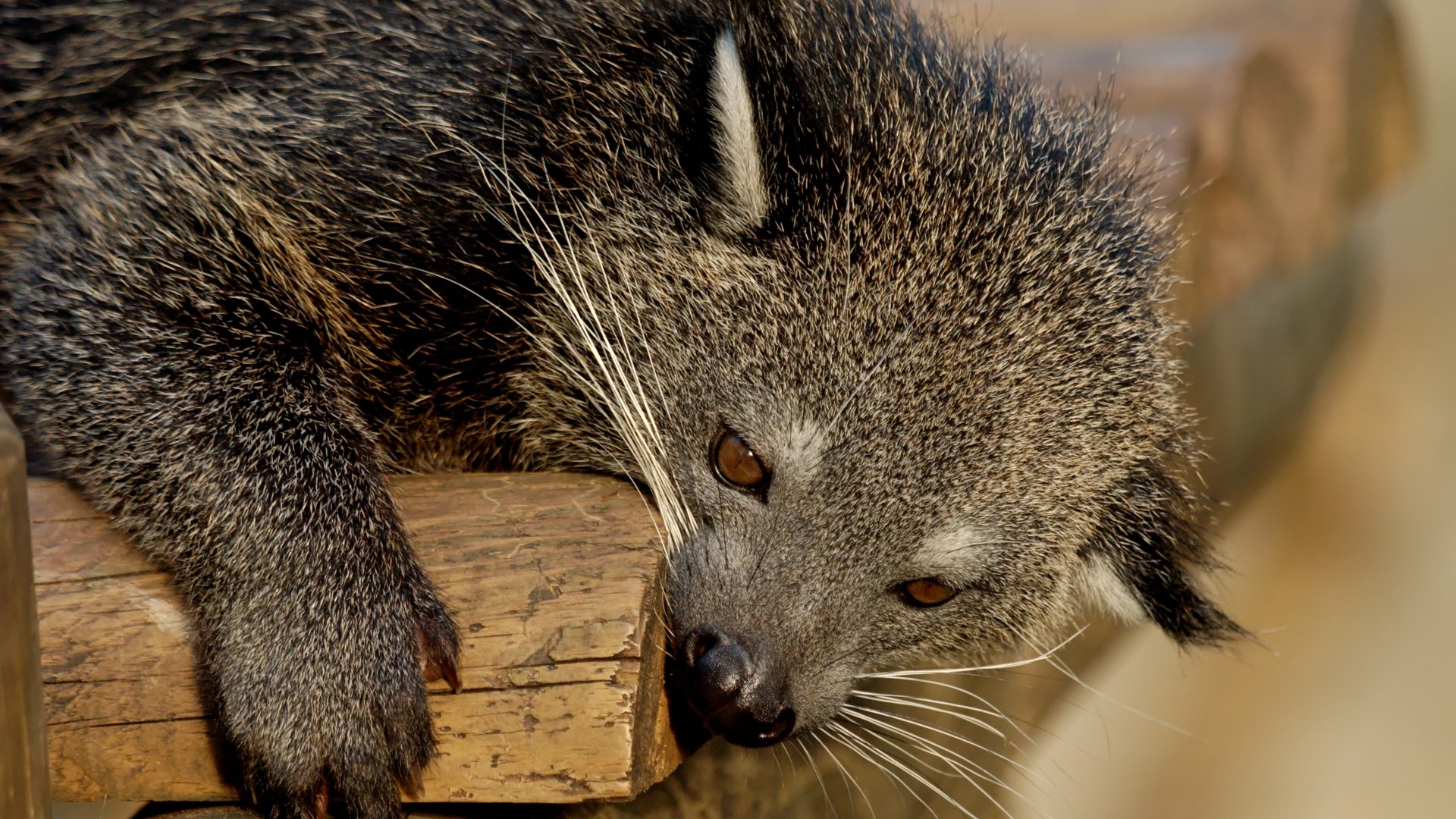
6. Binturong - AdvertisementSwipe or tap ▶ to continue countdown

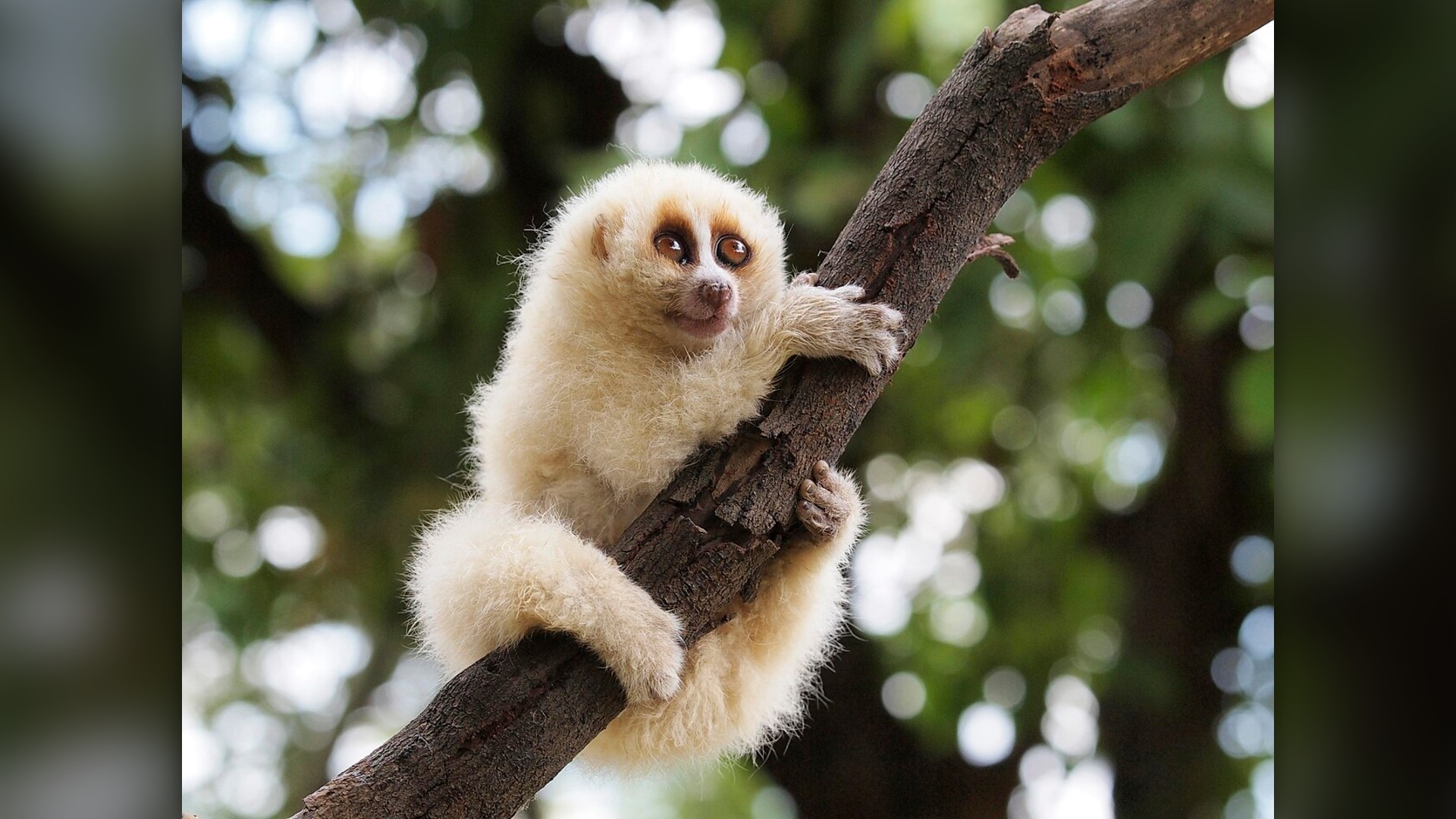
5. Slow Loris 
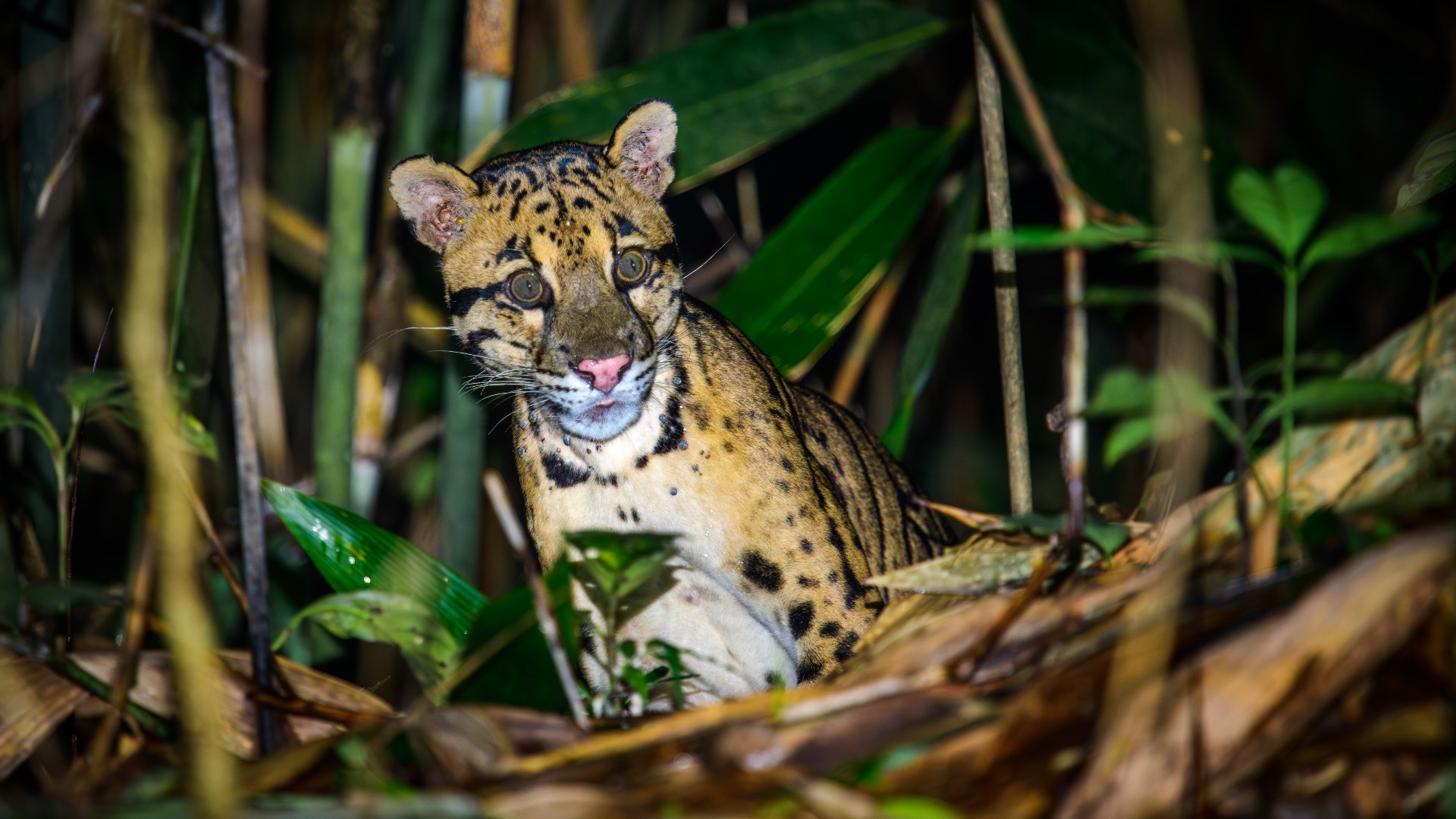
4. Clouded Leopard 
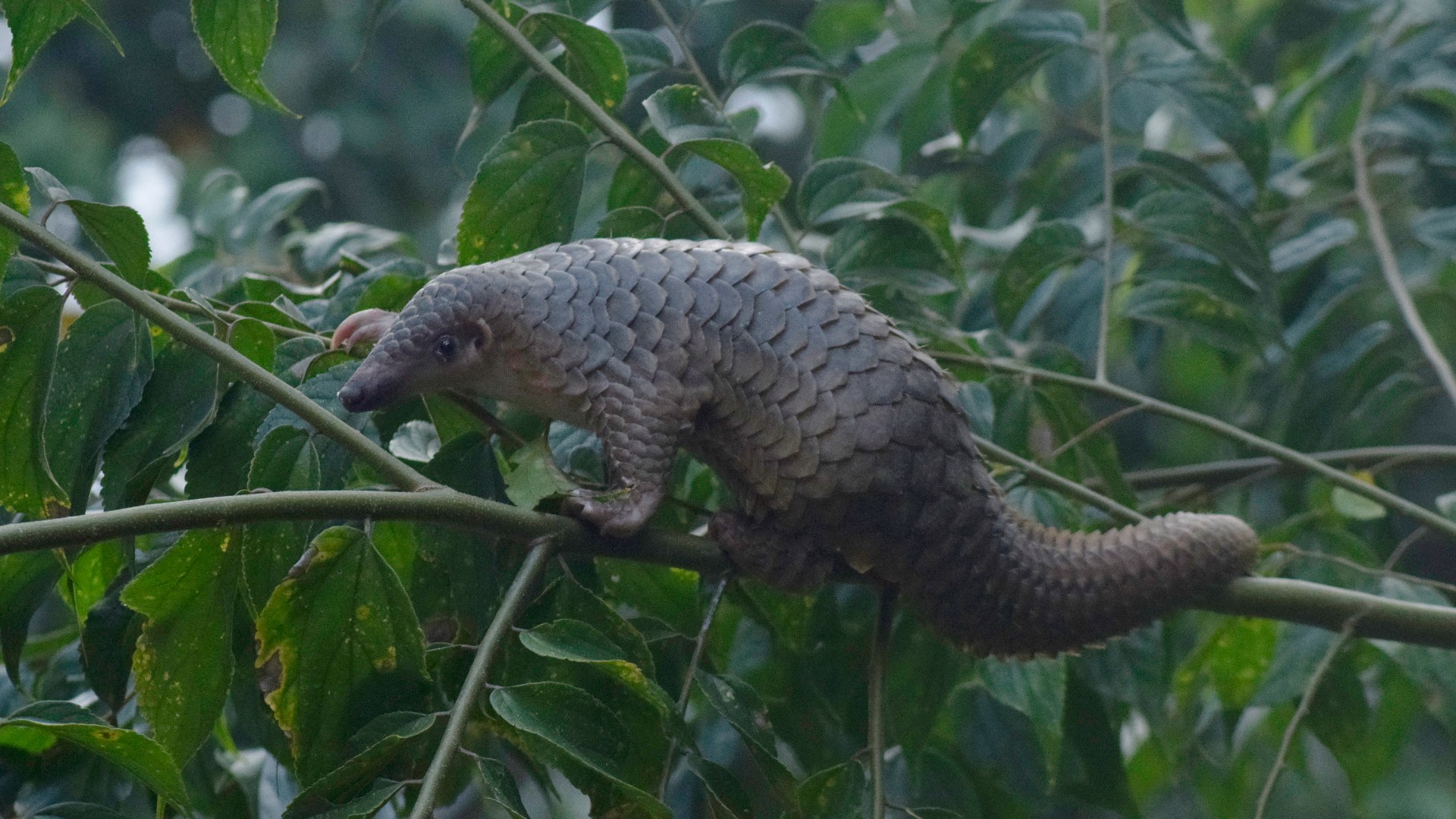
3. Sunda Pangolin 
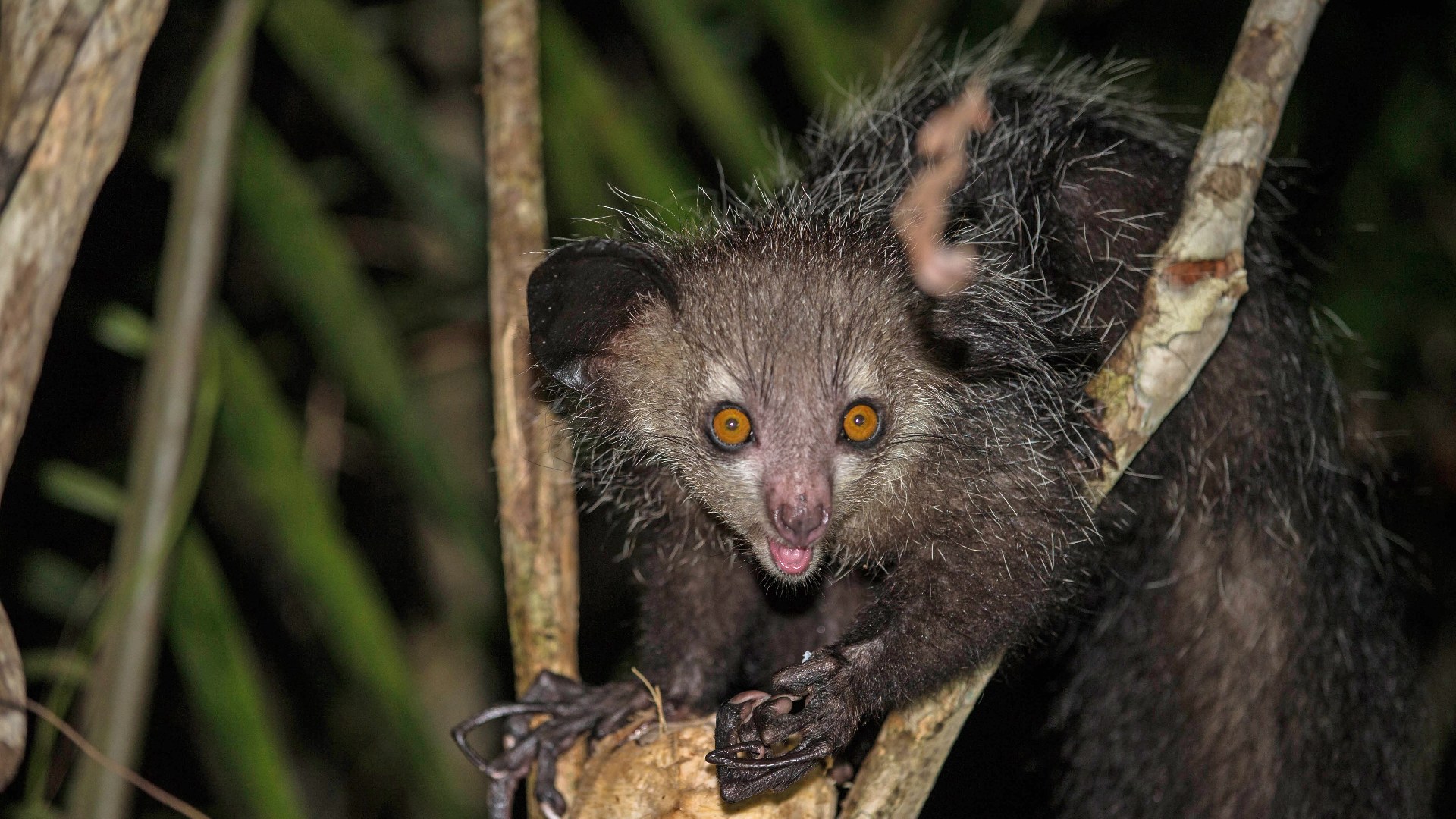
2. Aye-Aye - AdvertisementSwipe or tap ▶ to continue countdown

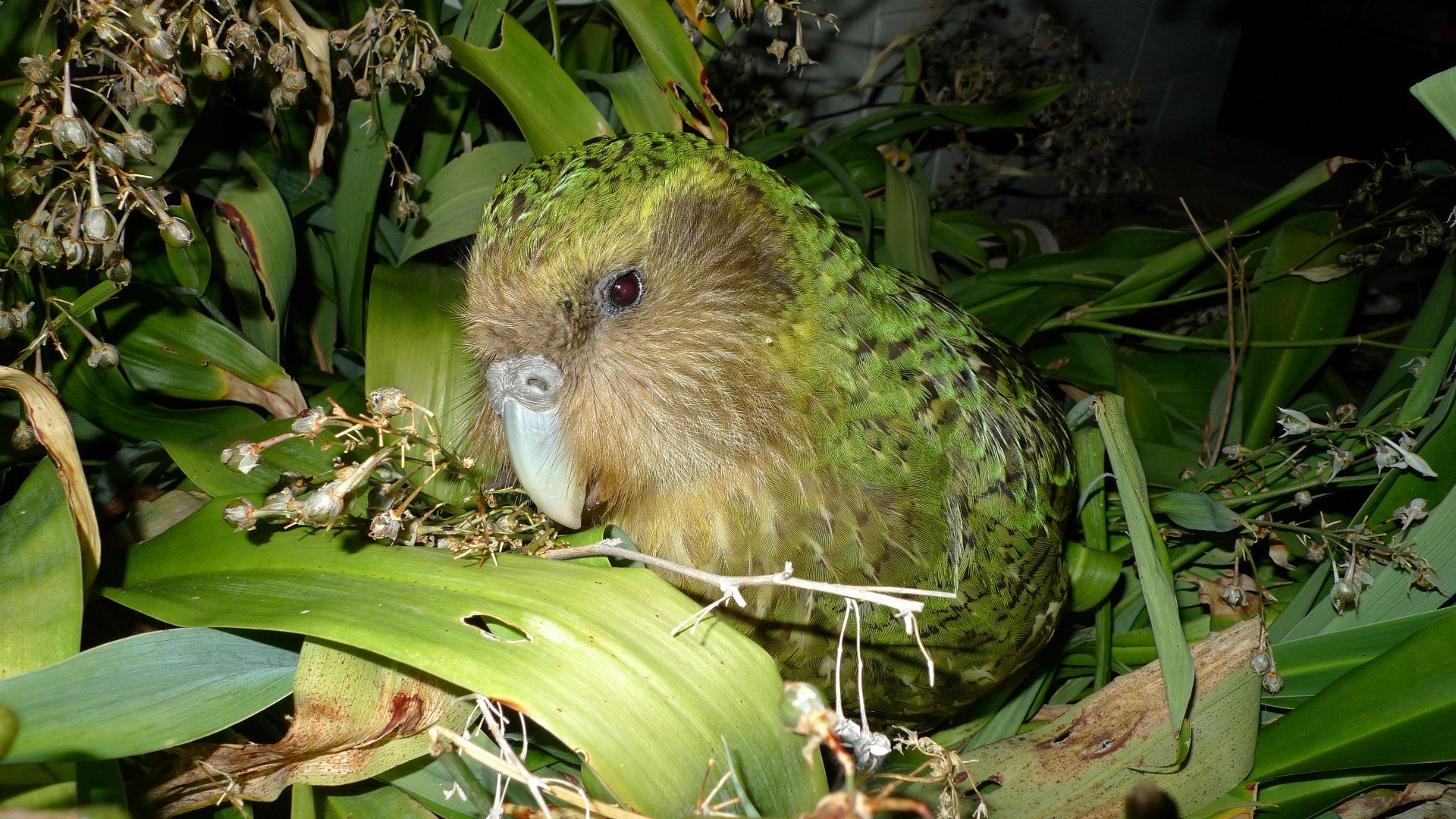
1. Kākāpō - Advertisement🔥 UP NEXT IN THIS SERIES◫ 22 Slides

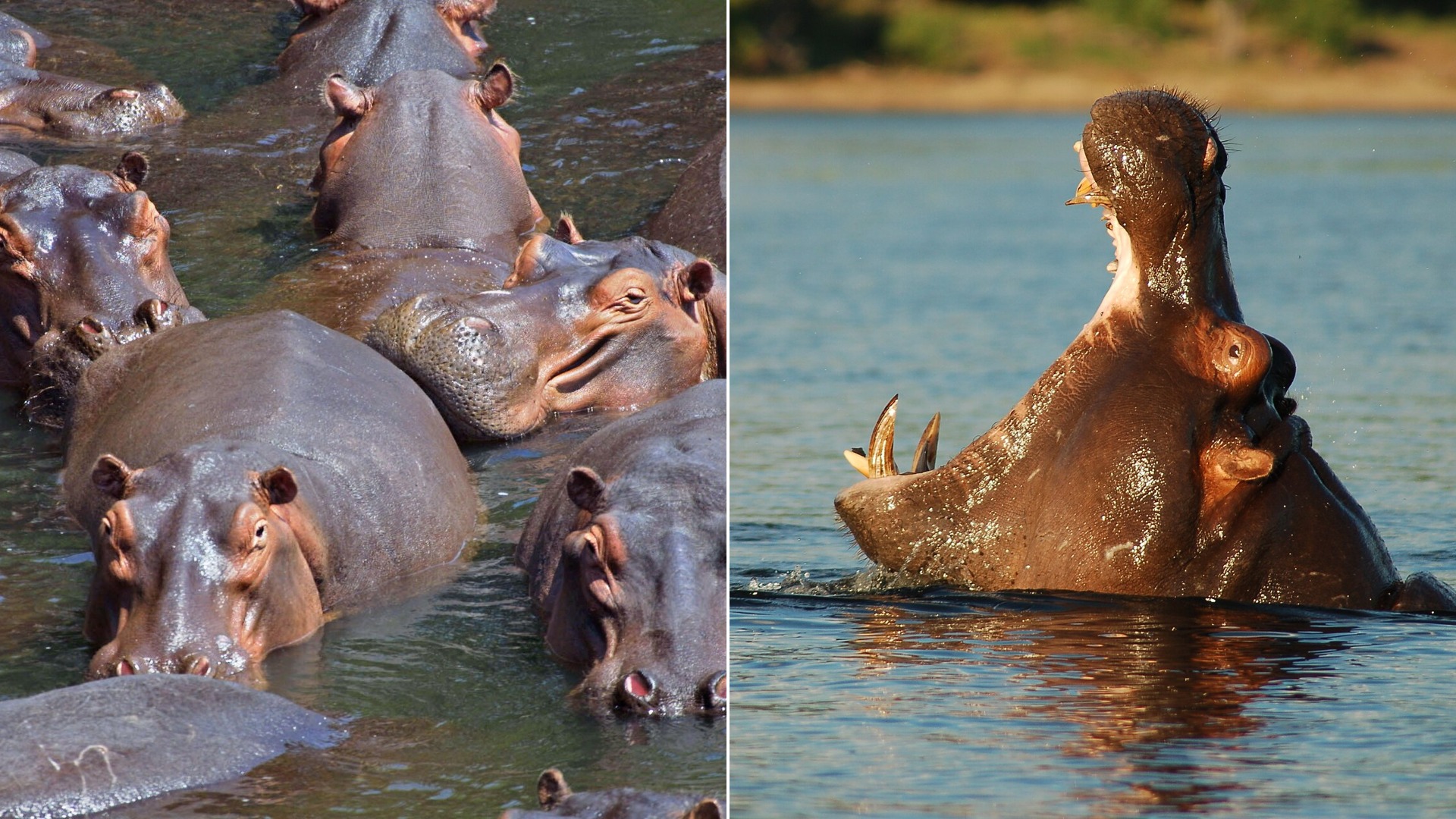
How Long Do Hippos Live? 20 Other Facts About Hippos
From sixty-year lifespans to whale cousins, discover secrets of river giants
While sunlight reveals the familiar creatures of the forest and plains, a mysterious wilderness awakens after dusk. Equipped with night-vision eyes, silent wings, and heightened senses, these twelve elusive animals roam entirely under the cover of darkness.
Swipe or tap ▶ to begin the countdown
©Wikimedia / Aprisonsan & Wikimedia / Rushenb
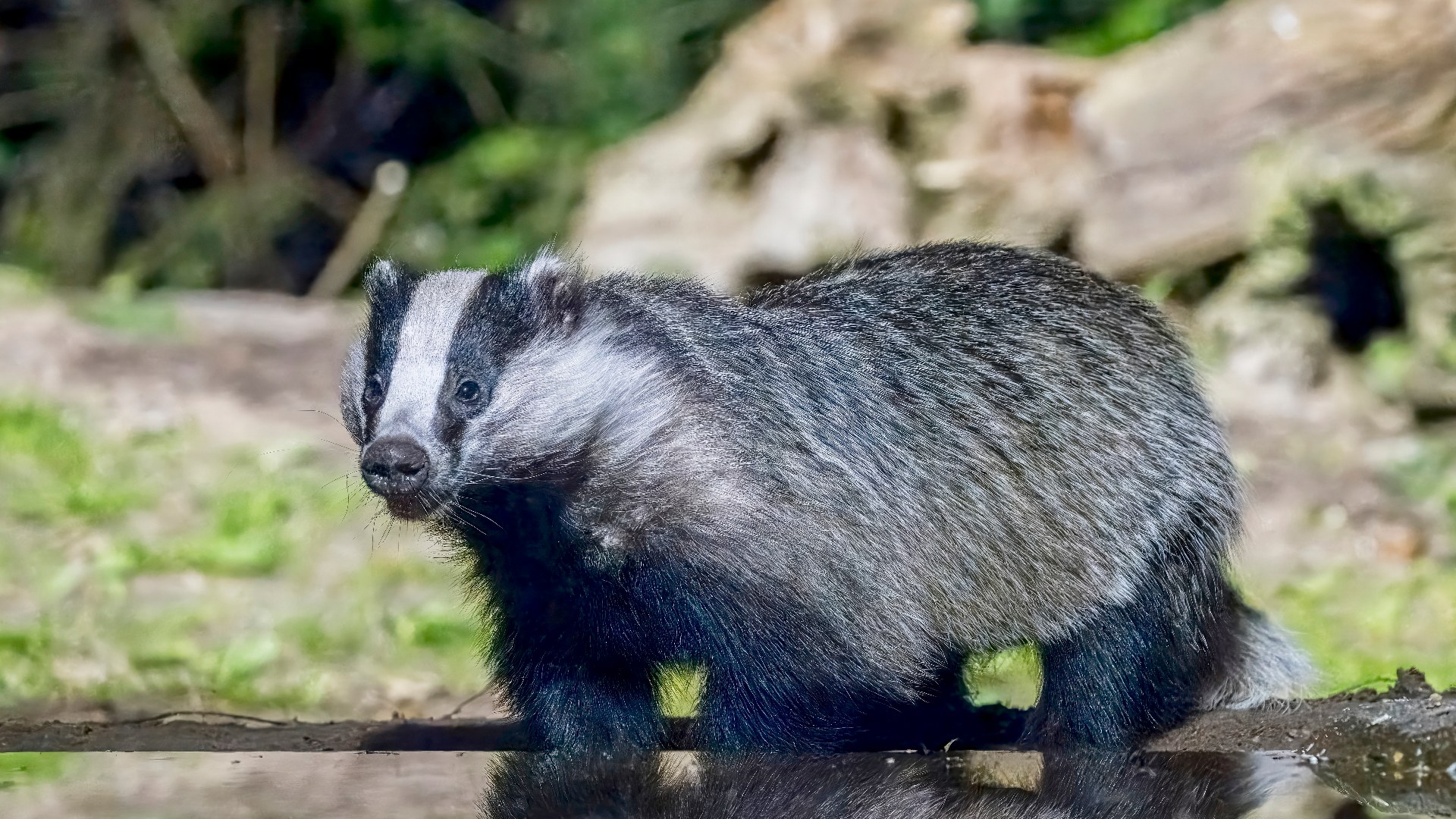
12. European Badger
Inhabiting temperate woodlands across Europe, the European badger resides in complex subterranean burrows known as setts. These nocturnal foragers emerge under darkness to hunt earthworms, roots, and small mammals, retreating underground before the first rays of dawn.
©Wikimedia / Charles J. Sharp
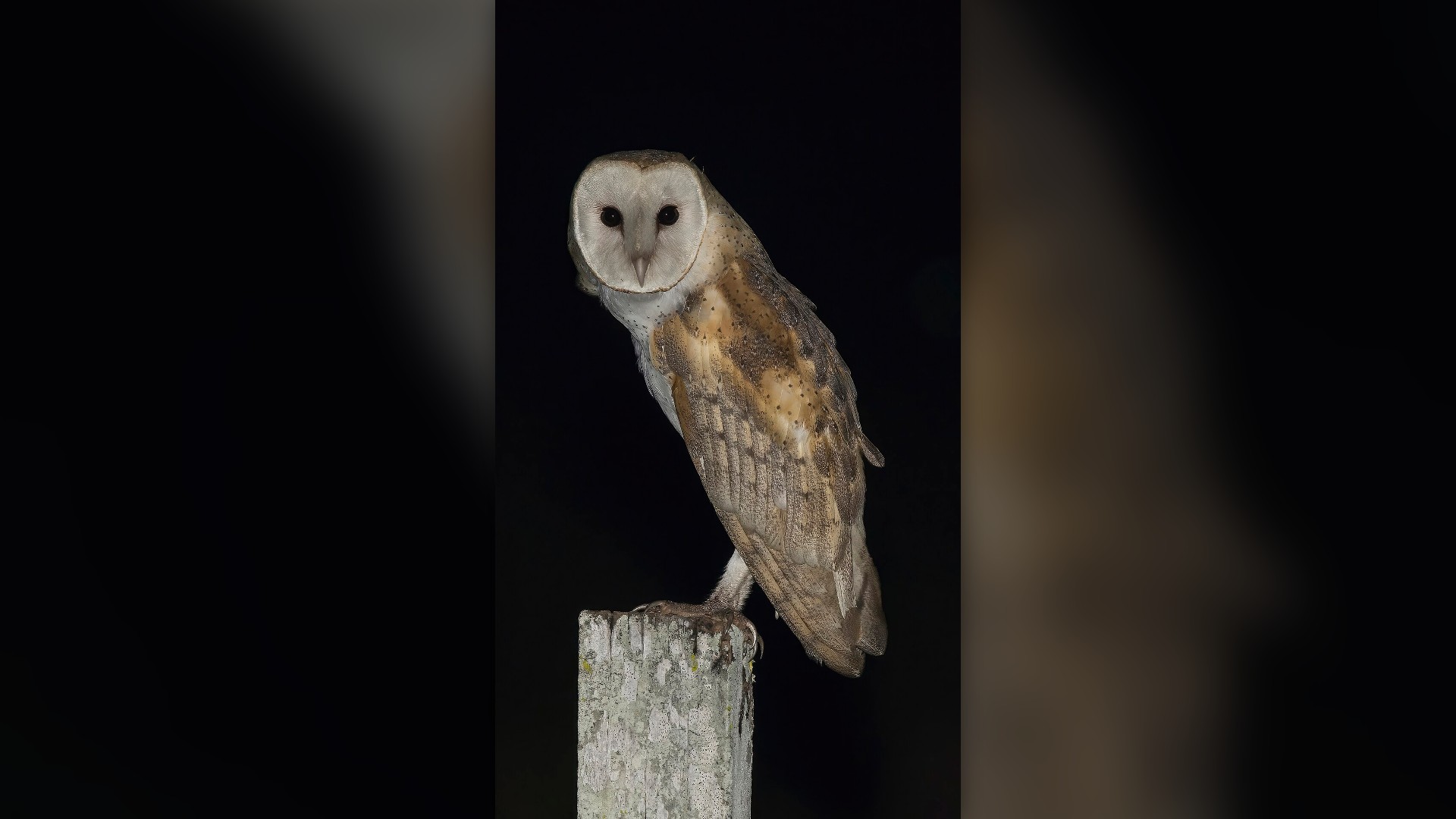
11. Barn Owl
The barn owl possesses the most acute hearing tested in any animal. Its asymmetric ear openings can pinpoint rustling mice beneath grass in total darkness, while specialized comb-like fringes along its primary wing feathers ensure completely silent midnight flight.
©Wikimedia / Charles J. Sharp
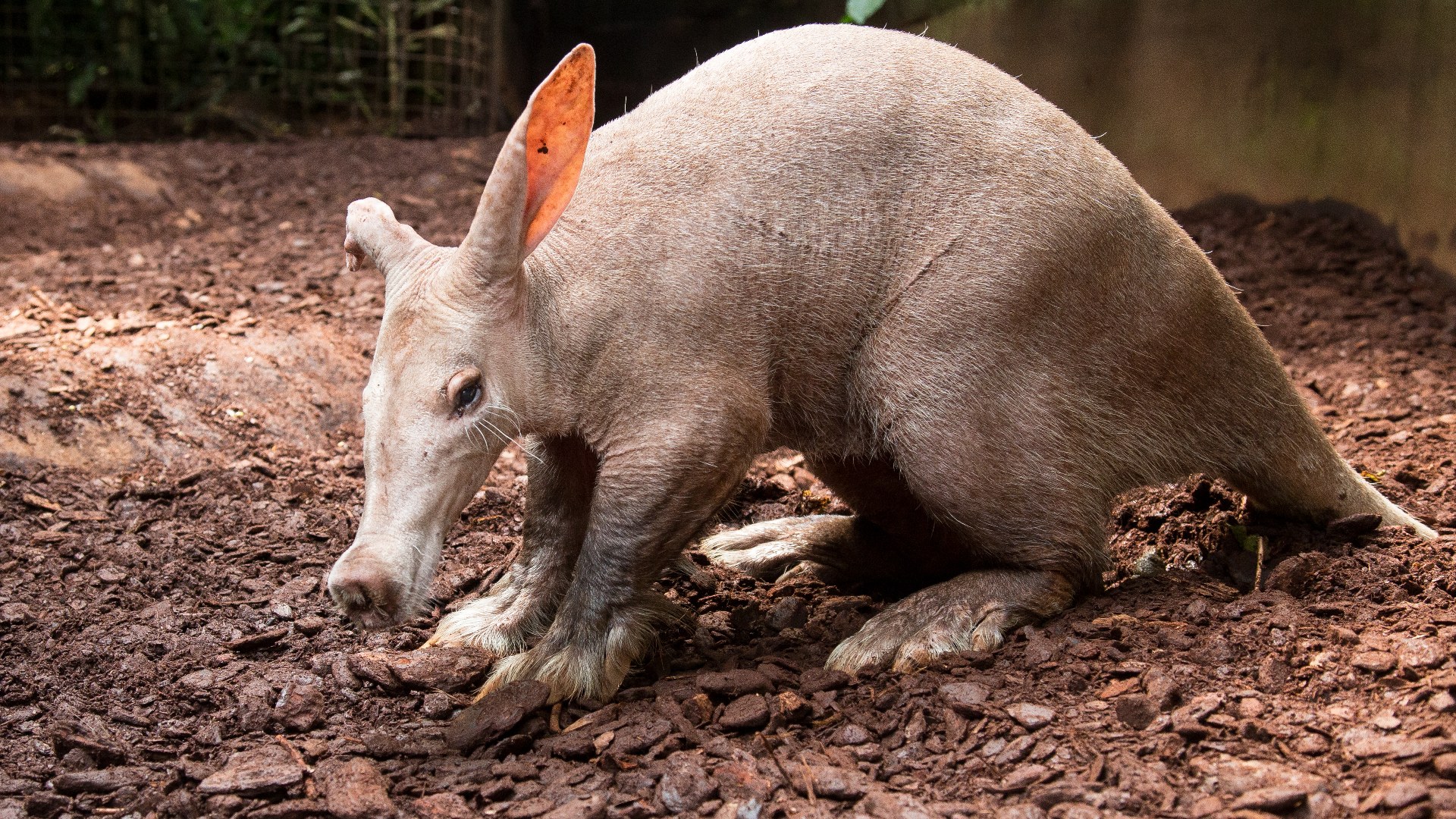
10. Aardvark
A true African endemic and the sole living species of order Tubulidentata, the aardvark avoids the blistering savannah sun by sleeping deep underground. At night, it walks up to 15 miles, ripping into rock-hard termite mounds with powerful spade-like claws.
©Wikimedia / Theo Kruse Burgers' Zoo
Advertisement
Swipe or tap ▶ to resume the countdown.
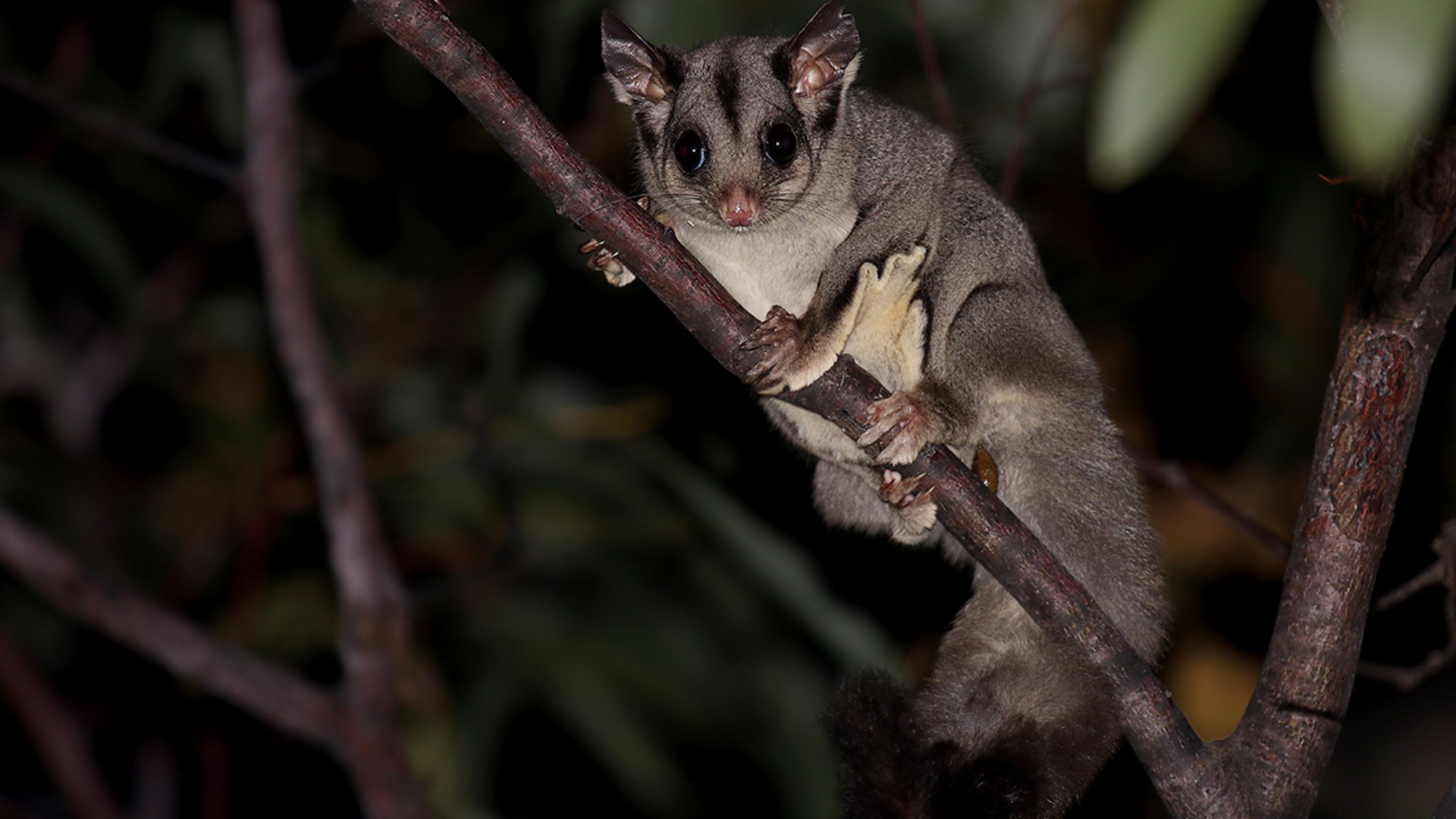
9. Sugar Glider
Native to eastern Australia and New Guinea, the tiny sugar glider is an arboreal gliding possum. It spends daytime sleeping inside hollow tree trunks, launching between high canopy branches at night with gliding membranes that span up to 150 feet in a single leap.
©Wikimedia / patrickkavanagh
8. Fennec Fox
The smallest canid on Earth, the fennec fox thrives in the punishing Sahara Desert. By day, it sleeps in burrow complexes dug into sand dunes to escape 110°F heat. Its oversized ears radiate body heat while listening for beetles crawling across the dunes at midnight.
©Wikimedia / Anass ERRIHANI
7. Kinkajou
Often called the 'honey bear', the kinkajou is an arboreal mammal native to Central and South America. Strictly nocturnal and rarely descending to the forest floor, it uses its five-inch extrudable tongue to lap nectar and fruit high in the emergent rainforest canopy.
©Wikimedia / Brooke Smith
6. Binturong
Also known as the 'bearcat', the binturong is a solitary viverrid native to Southeast Asian rainforests. Sleeping curled in high tree forks by day, it stalks through the night canopy aided by a fully muscular prehensile tail and scent glands that emit a distinct popcorn aroma.
©Wikimedia / Jastrow
Advertisement
Swipe or tap ▶ to resume the countdown.
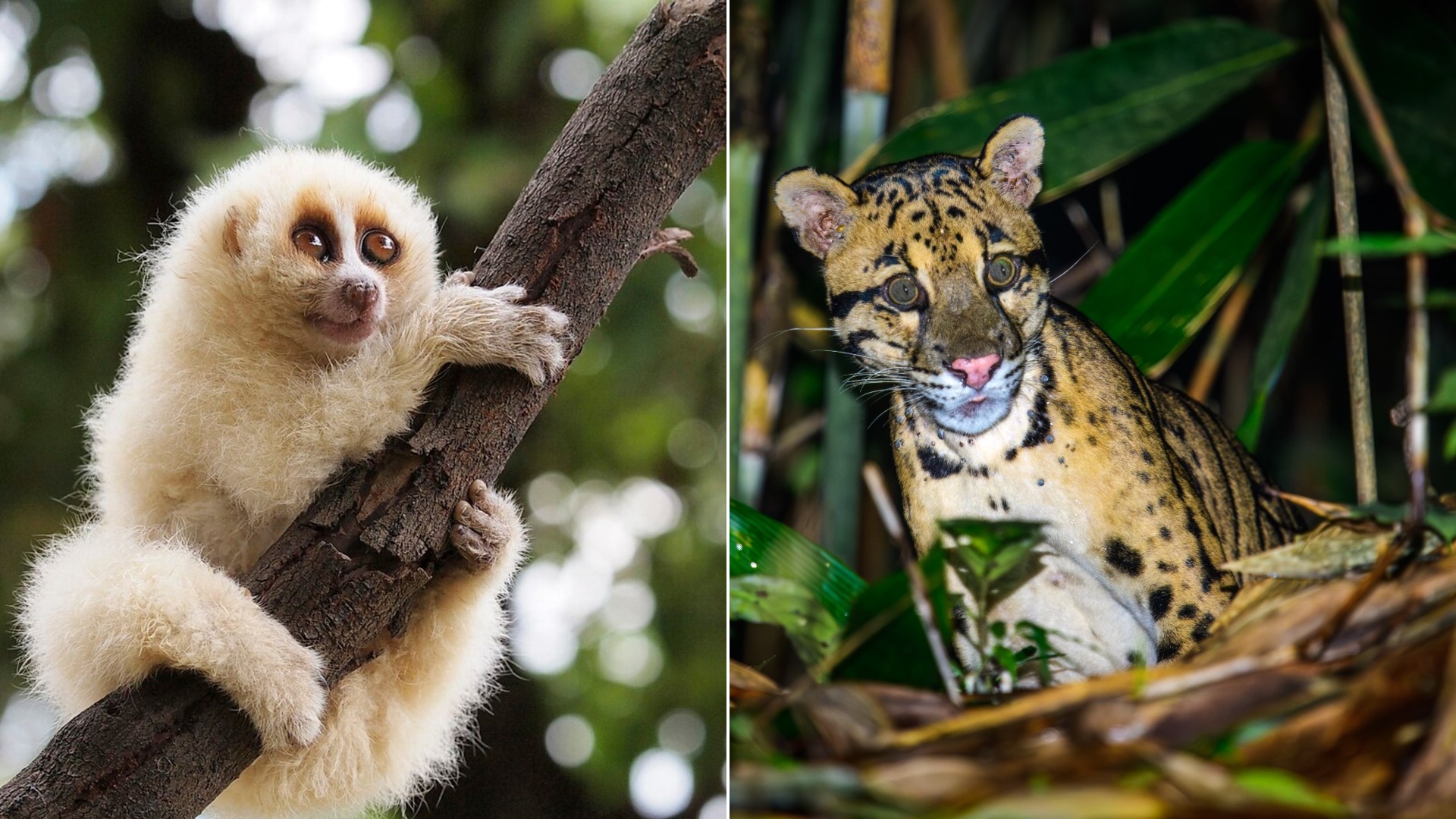
5. Slow Loris
Native to Southeast Asian tropical forests, the slow loris is an extraordinary nocturnal strepsirrhine primate. It secretes a toxin from brachial glands near its elbows which it mixes with saliva, defending itself while moving with eerie, hypnotic stealth through midnight branches.
©Wikimedia / Aprisonsan
4. Clouded Leopard
The secretive clouded leopard possesses rotating rear ankles that allow it to climb down tree trunks headfirst like a squirrel. Strictly nocturnal and heavily camouflaged by cloud-like rosettes, this magnificent wild cat is rarely observed even by field researchers.
©Wikimedia / Rushenb
3. Sunda Pangolin
The Sunda pangolin spends daytime curled tightly in subterranean burrows or tree hollows. Emerging at night, it uses an acute sense of smell and a 16-inch sticky tongue to consume up to 200,000 ants and termites each night, avoiding human contact entirely.
©Wikimedia / Frendi Apen Irawan
2. Aye-Aye
The aye-aye is the world's largest nocturnal primate. Endemic to Madagascar, it spends daytime asleep in spherical twig nests high in the forest canopy. At midnight, it taps tree trunks up to eight times per second to listen for hollow chambers, fishing out wood-boring beetle larvae.
©Wikimedia / nomis-simon
Advertisement
Swipe or tap ▶ to resume the countdown.
1. Kākāpō
The kākāpō is the world's only flightless, nocturnal parrot and the heaviest parrot on the planet. Roaming exclusively after sunset through subantarctic scrub and beech forests, male kākāpōs construct acoustic bowl-tracks on ridge tops to boom deep mating calls through the midnight air.

©Wikimedia / Department of Conservation
Advertisement
You've reached the end of the story. Thanks for reading!

How Long Do Hippos Live? 20 Other Facts About Hippos
From sixty-year lifespans to whale cousins, discover secrets of river giants
All 12 Entries in this Story
1. European Badger
Inhabiting temperate woodlands across Europe, the European badger resides in complex subterranean burrows known as setts. These nocturnal foragers emerge under darkness to hunt earthworms, roots, and small mammals, retreating underground before the first rays of dawn.

2. Barn Owl
The barn owl possesses the most acute hearing tested in any animal. Its asymmetric ear openings can pinpoint rustling mice beneath grass in total darkness, while specialized comb-like fringes along its primary wing feathers ensure completely silent midnight flight.

3. Aardvark
A true African endemic and the sole living species of order Tubulidentata, the aardvark avoids the blistering savannah sun by sleeping deep underground. At night, it walks up to 15 miles, ripping into rock-hard termite mounds with powerful spade-like claws.

4. Sugar Glider
Native to eastern Australia and New Guinea, the tiny sugar glider is an arboreal gliding possum. It spends daytime sleeping inside hollow tree trunks, launching between high canopy branches at night with gliding membranes that span up to 150 feet in a single leap.

5. Fennec Fox
The smallest canid on Earth, the fennec fox thrives in the punishing Sahara Desert. By day, it sleeps in burrow complexes dug into sand dunes to escape 110°F heat. Its oversized ears radiate body heat while listening for beetles crawling across the dunes at midnight.

6. Kinkajou
Often called the 'honey bear', the kinkajou is an arboreal mammal native to Central and South America. Strictly nocturnal and rarely descending to the forest floor, it uses its five-inch extrudable tongue to lap nectar and fruit high in the emergent rainforest canopy.

7. Binturong
Also known as the 'bearcat', the binturong is a solitary viverrid native to Southeast Asian rainforests. Sleeping curled in high tree forks by day, it stalks through the night canopy aided by a fully muscular prehensile tail and scent glands that emit a distinct popcorn aroma.

8. Slow Loris
Native to Southeast Asian tropical forests, the slow loris is an extraordinary nocturnal strepsirrhine primate. It secretes a toxin from brachial glands near its elbows which it mixes with saliva, defending itself while moving with eerie, hypnotic stealth through midnight branches.

9. Clouded Leopard
The secretive clouded leopard possesses rotating rear ankles that allow it to climb down tree trunks headfirst like a squirrel. Strictly nocturnal and heavily camouflaged by cloud-like rosettes, this magnificent wild cat is rarely observed even by field researchers.

10. Sunda Pangolin
The Sunda pangolin spends daytime curled tightly in subterranean burrows or tree hollows. Emerging at night, it uses an acute sense of smell and a 16-inch sticky tongue to consume up to 200,000 ants and termites each night, avoiding human contact entirely.

11. Aye-Aye
The aye-aye is the world's largest nocturnal primate. Endemic to Madagascar, it spends daytime asleep in spherical twig nests high in the forest canopy. At midnight, it taps tree trunks up to eight times per second to listen for hollow chambers, fishing out wood-boring beetle larvae.

12. Kākāpō
The kākāpō is the world's only flightless, nocturnal parrot and the heaviest parrot on the planet. Roaming exclusively after sunset through subantarctic scrub and beech forests, male kākāpōs construct acoustic bowl-tracks on ridge tops to boom deep mating calls through the midnight air.