Slideshow · Animals
13 Fierce Predatory Animals That Rarely Attack Humans
From ocean depths to mountain crags, these 13 formidable apex predators possess lethal hunting tools yet almost never attack humans.
By Most Viral Today
21 Oct 2026

13 Fierce Predatory Animals That Rarely Attack Humans 
13. Giant Oceanic Manta Ray 
12. Barn Owl 
11. Sand Tiger Shark - AdvertisementSwipe or tap ▶ to continue countdown

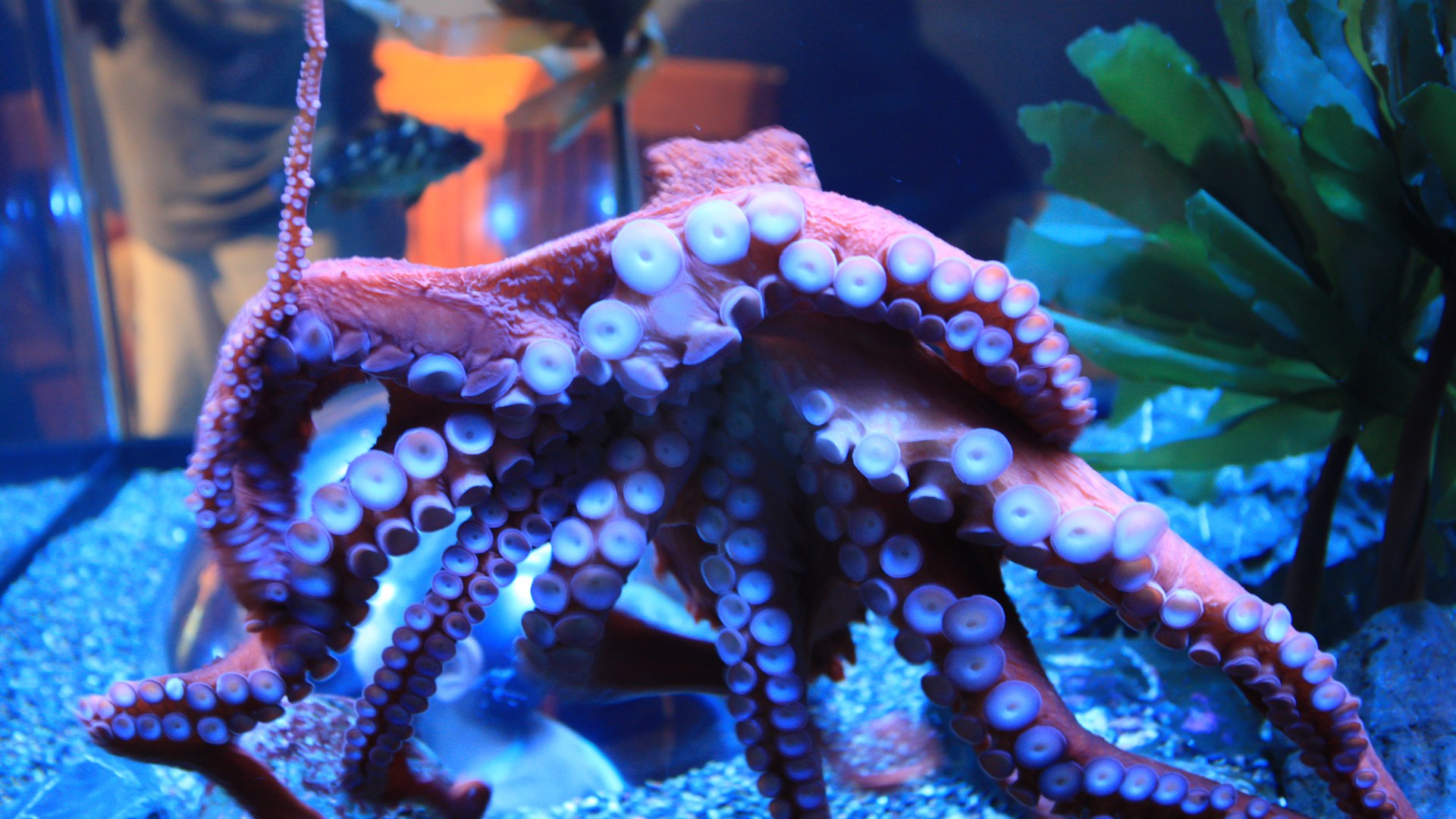
10. Giant Pacific Octopus 
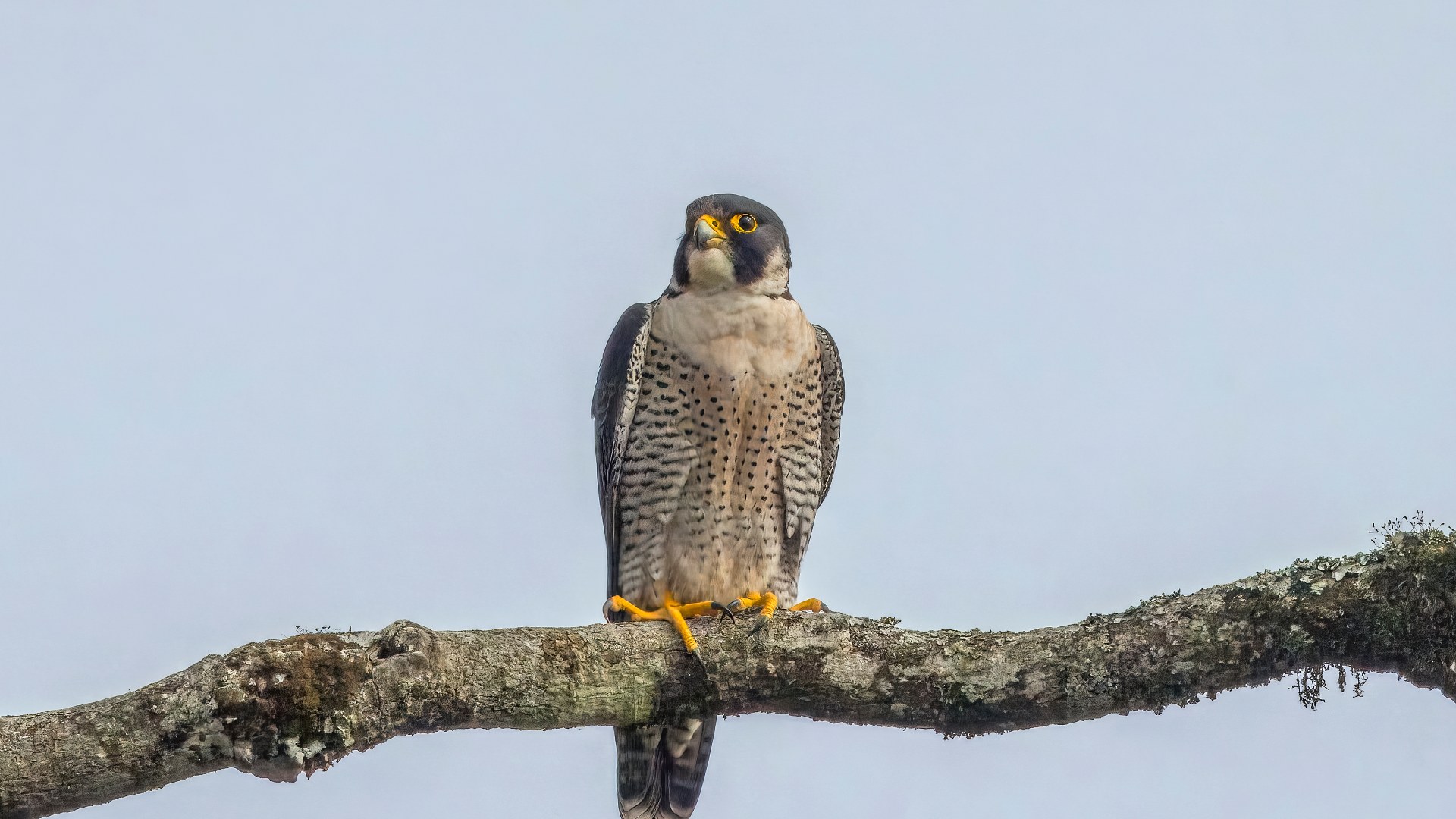
9. Peregrine Falcon 
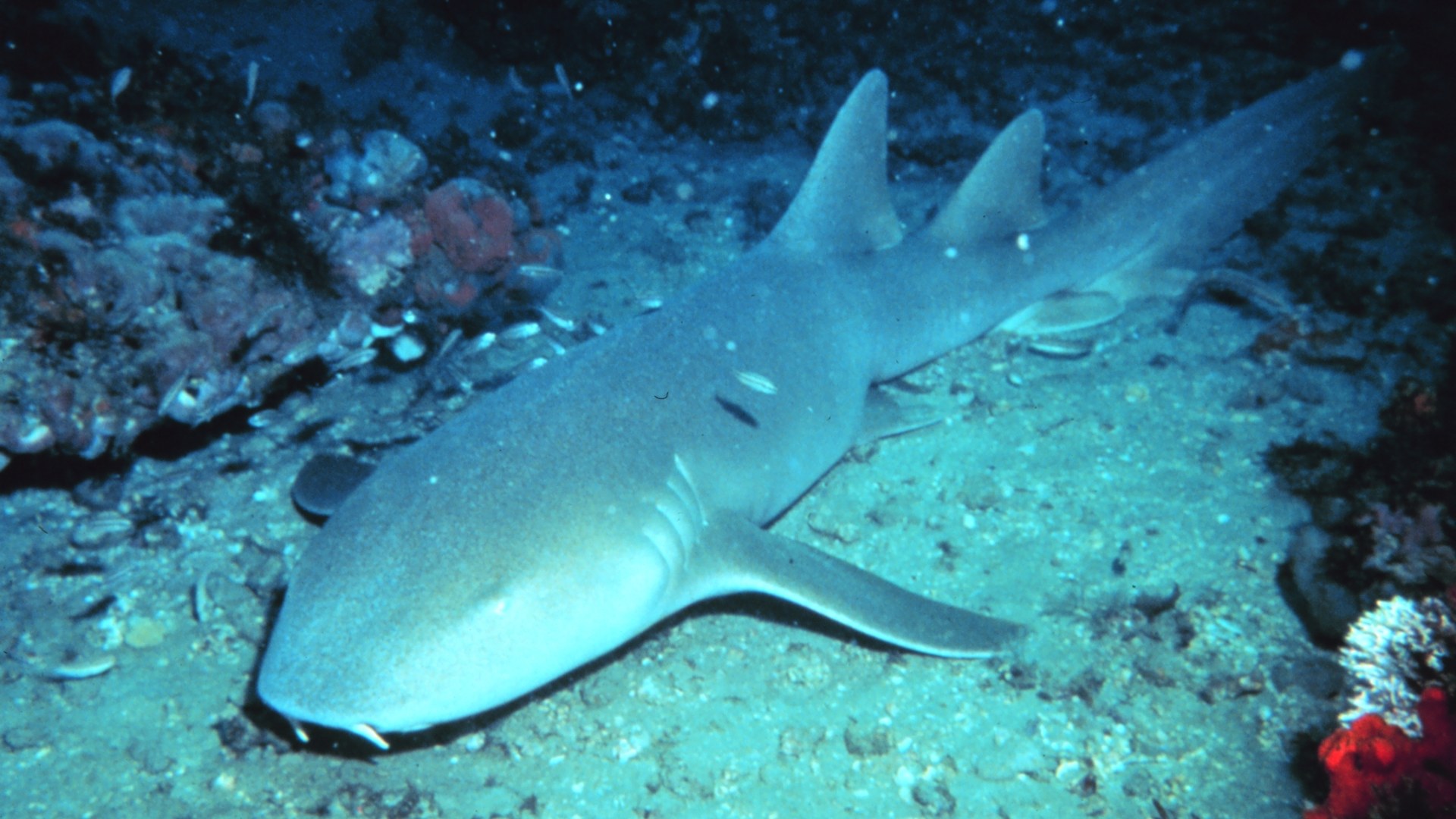
8. Nurse Shark 
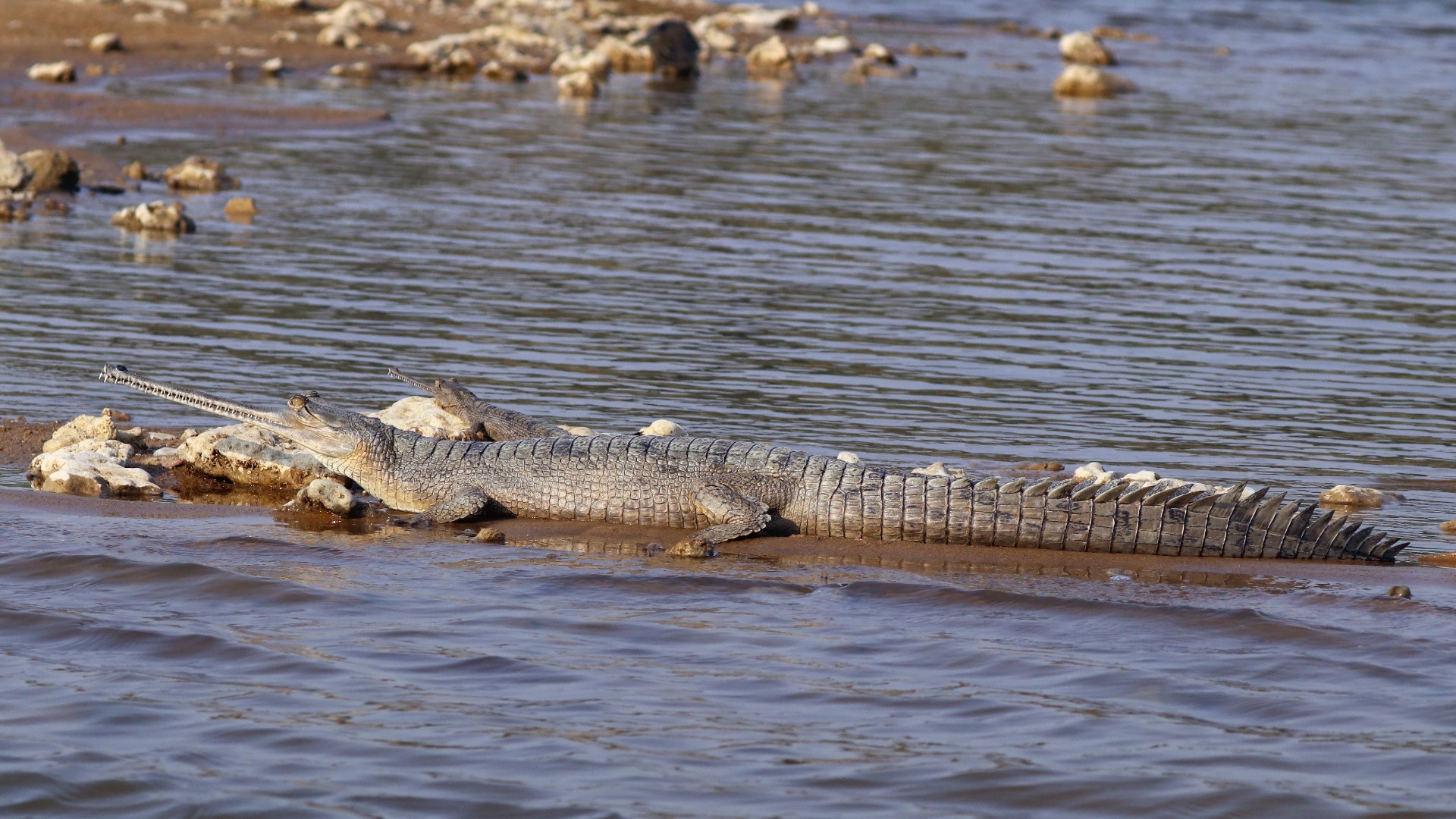
7. Gharial - AdvertisementSwipe or tap ▶ to continue countdown

6. Maned Wolf 
5. Arctic Gray Wolf 
4. Basking Shark 
3. African Cheetah - AdvertisementSwipe or tap ▶ to continue countdown

2. Snow Leopard 
1. Killer Whale (Orca) - Advertisement🔥 UP NEXT IN THIS SERIES◫ 22 Slides

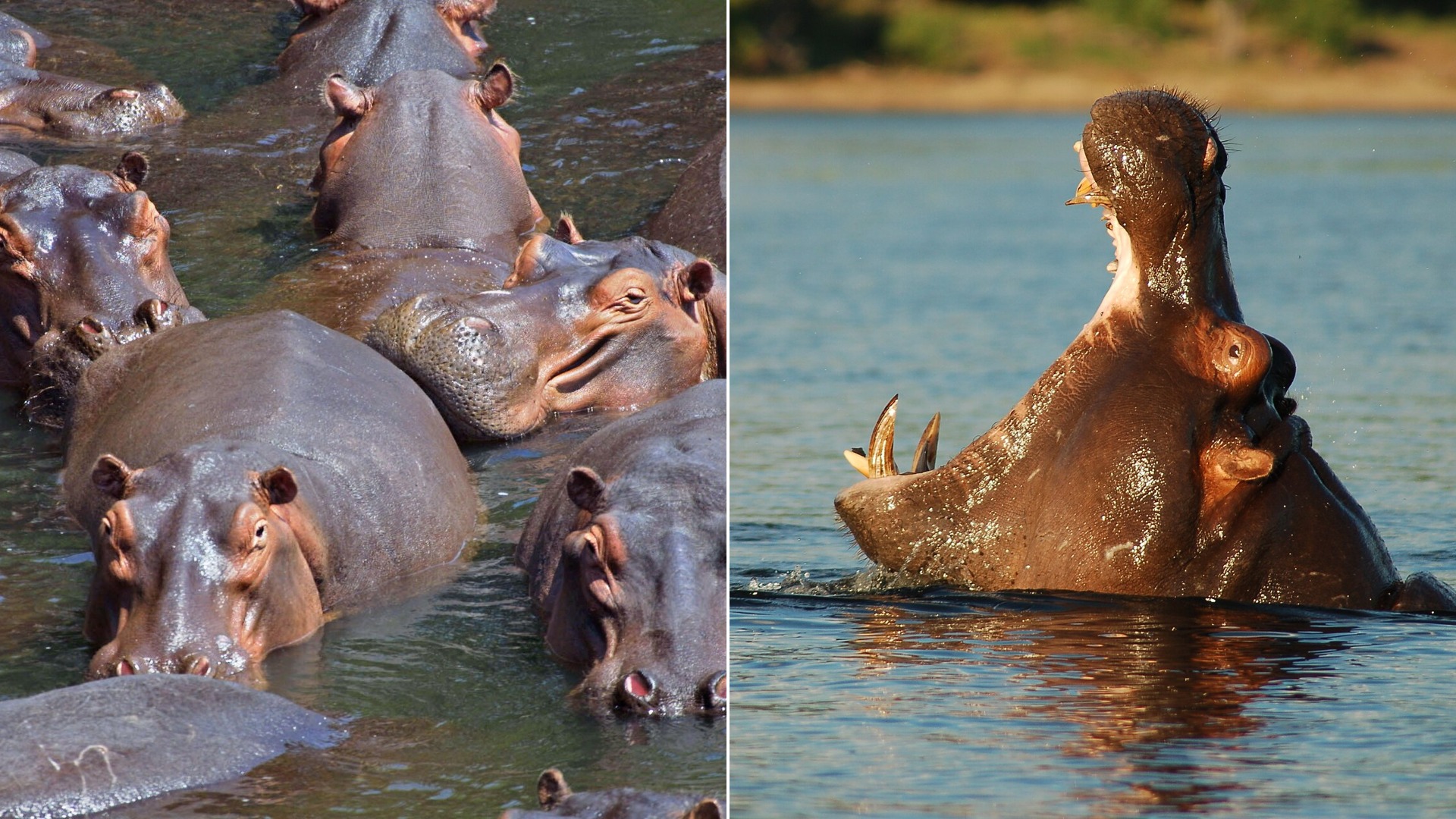
How Long Do Hippos Live? 20 Other Facts About Hippos
From sixty-year lifespans to whale cousins, discover secrets of river giants
From ocean depths to mountain crags, nature's most formidable predators possess lethal hunting tools. Yet surprisingly, many of the world's fiercest hunters almost never attack humans. Here is the countdown of 13 apex carnivores that leave people in peace.
Swipe or tap ▶ to begin the countdown
©TMDb / Deadly Hunters
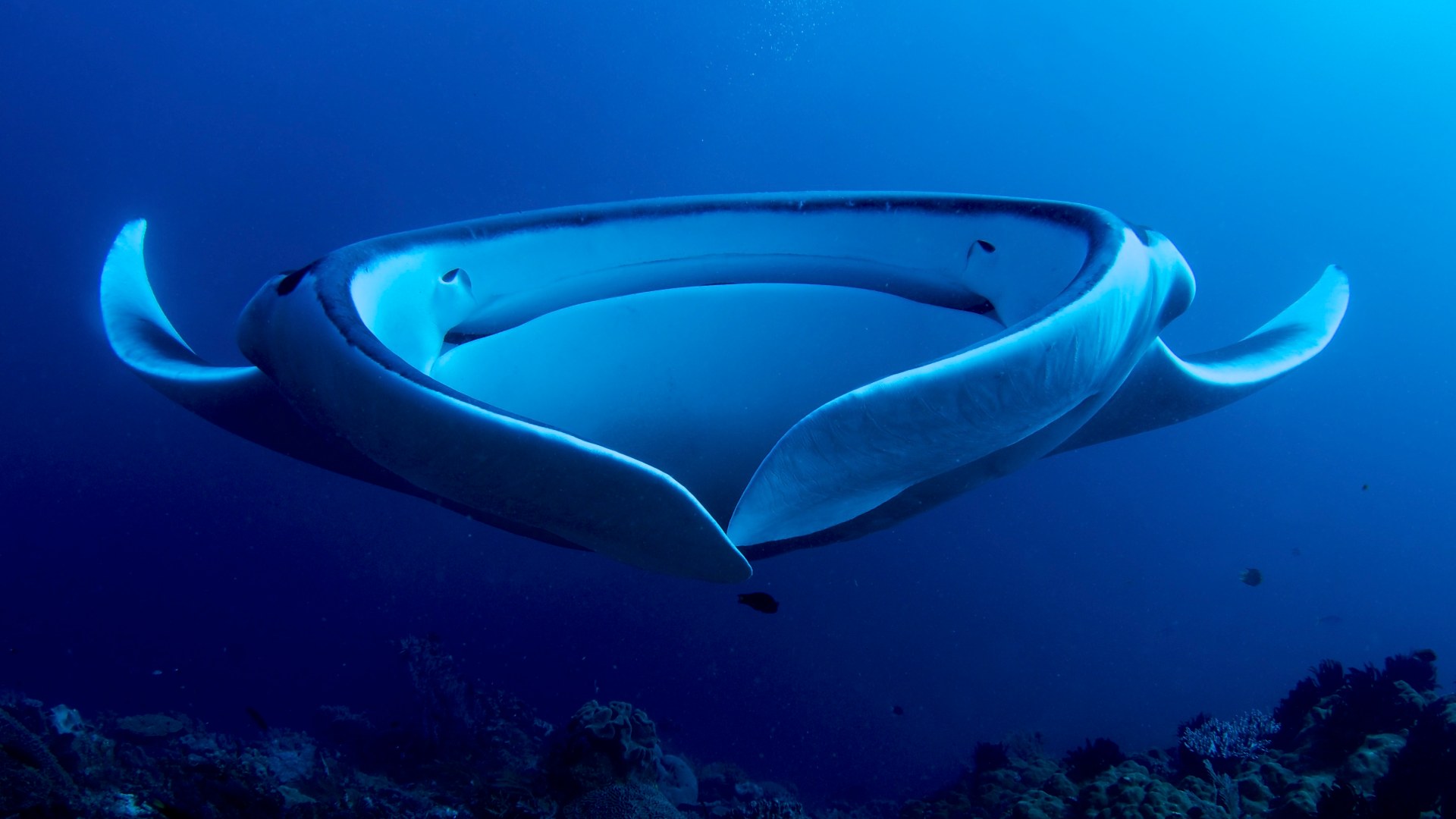
13. Giant Oceanic Manta Ray
Spanning up to twenty-three feet across, the giant oceanic manta ray is a carnivorous filter feeder consuming massive quantities of zooplankton and small fish. Despite their intimidating scale and predatory diet, manta rays possess no venomous barb or sharp teeth and are famously curious around divers.
©Wikimedia / Arturo de Frias Marques
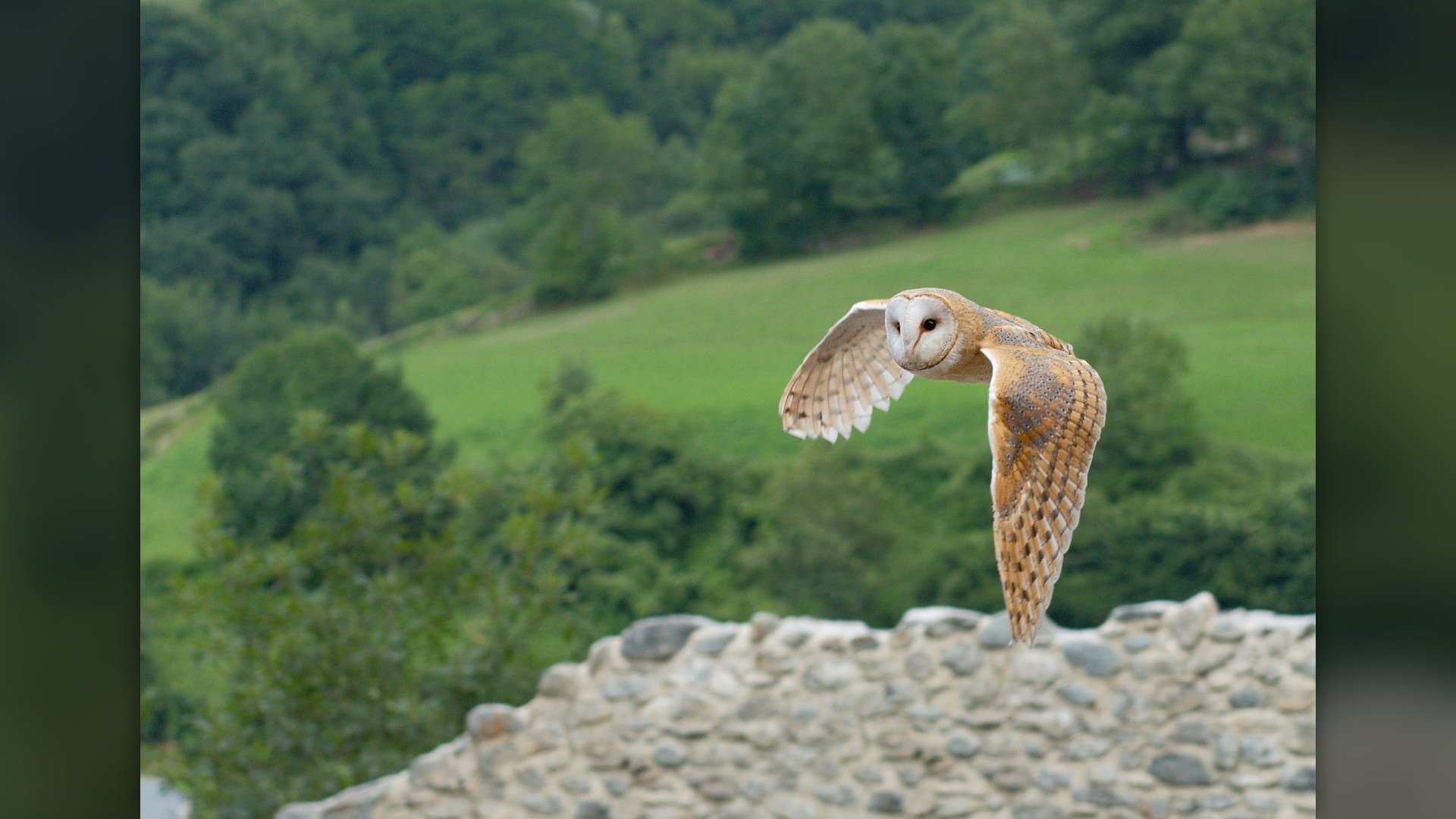
12. Barn Owl
Equipped with serrated wing feathers for near-silent flight and acute hearing, the barn owl is an exceptionally lethal nocturnal predator of rodents and small vertebrates. To humans, however, they are entirely harmless and shy, preferring abandoned barns and hollow trees while avoiding direct confrontation.
©Wikimedia / Luc Viatour
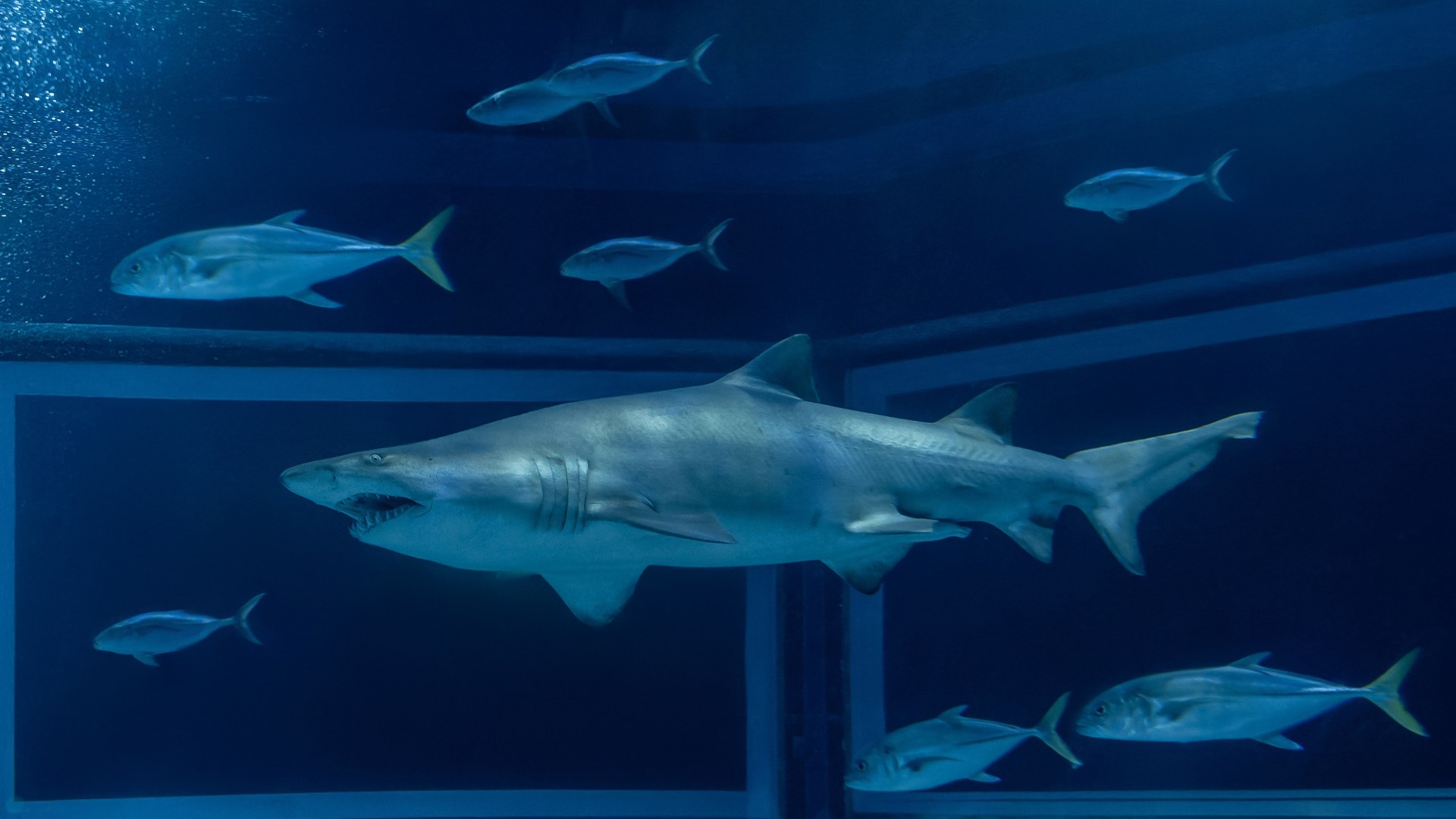
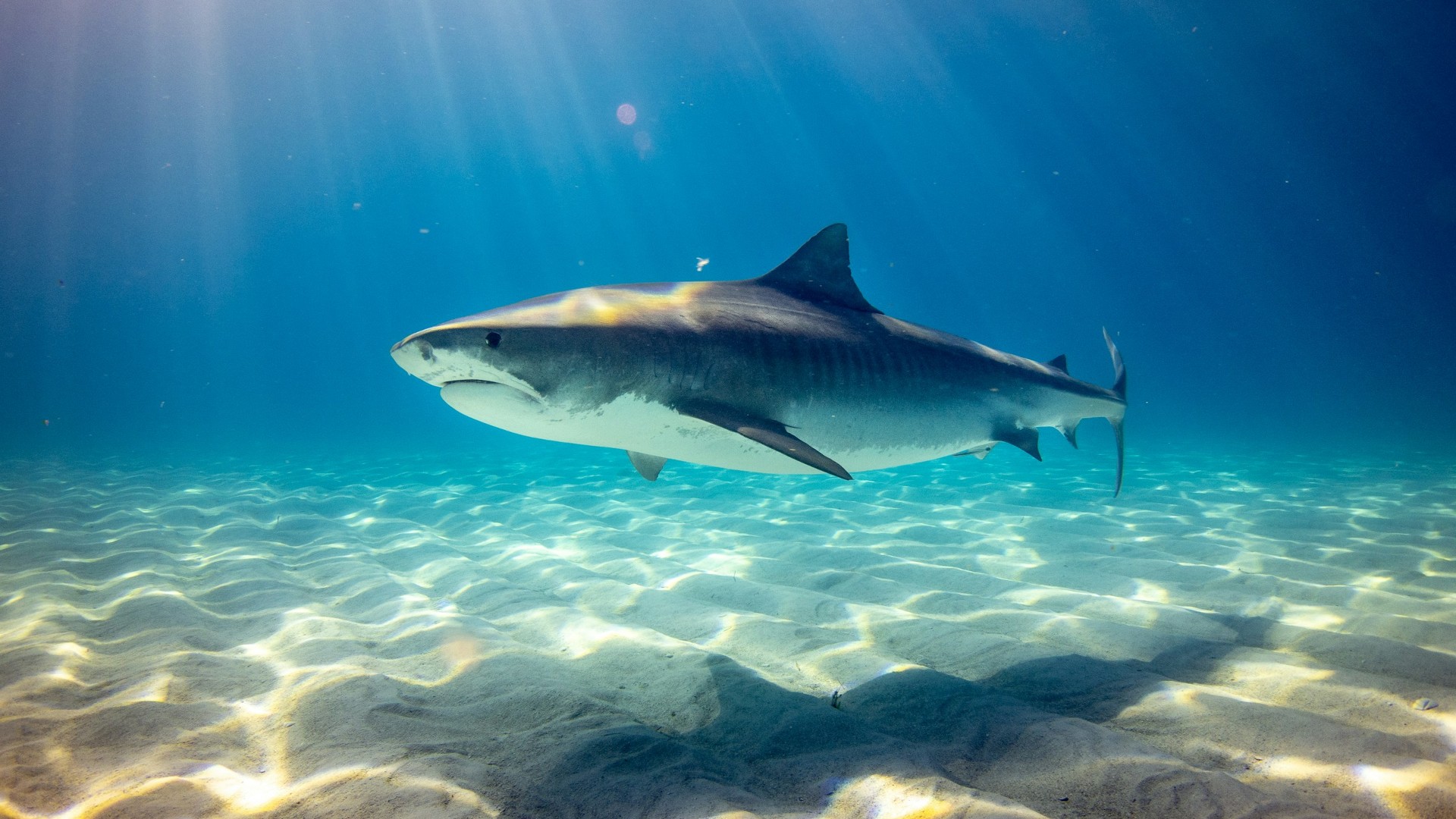
11. Sand Tiger Shark
With rows of needle-sharp, protruding teeth and a menacing stare, the sand tiger shark looks terrifying. In reality, this slow-moving coastal predator feeds primarily on squid, rays, and small bony fish. Unprovoked attacks on humans are virtually nonexistent, making them popular in public aquariums.
©Wikimedia / Rjcastillo
Advertisement
Swipe or tap ▶ to resume the countdown.
10. Giant Pacific Octopus
Weighing up to one hundred pounds with an arm span exceeding twelve feet, this apex cephalopod can dismantle crabs and crack clam shells with ease. Despite mythical tales of sea monsters, giant Pacific octopuses are timid, intelligent creatures that routinely interact peacefully with human scuba divers.
©Wikimedia / Cliff from Arlington, Virginia, USA
9. Peregrine Falcon
Reaching diving speeds exceeding two hundred and forty miles per hour, the peregrine falcon strikes other birds in mid-air with lethal precision. Despite nesting on skyscrapers and bridges in major human cities, these aerial dynamos view humans solely with caution and never attack unprovoked.
©Wikimedia / Charles J. Sharp
8. Nurse Shark
Nurse sharks possess crushing jaws and thousands of small serrated teeth designed to extract mollusks and crustaceans from coral crevices. While their suction bite is remarkably strong, they spend daylight resting peacefully on the seafloor and will only bite if carelessly stepped on or handled.
©Wikimedia / Public Contributor
7. Gharial
Reaching lengths of fifteen to twenty feet, the gharial looks like a prehistoric terror. However, its exceptionally slender snout is adapted exclusively for snapping up fish. Lacking the jaw strength to grapple with large mammals, gharials pose no physical hunting threat to humans bathing in river waters.
©Wikimedia / Charles J. Sharp
Advertisement
Swipe or tap ▶ to resume the countdown.
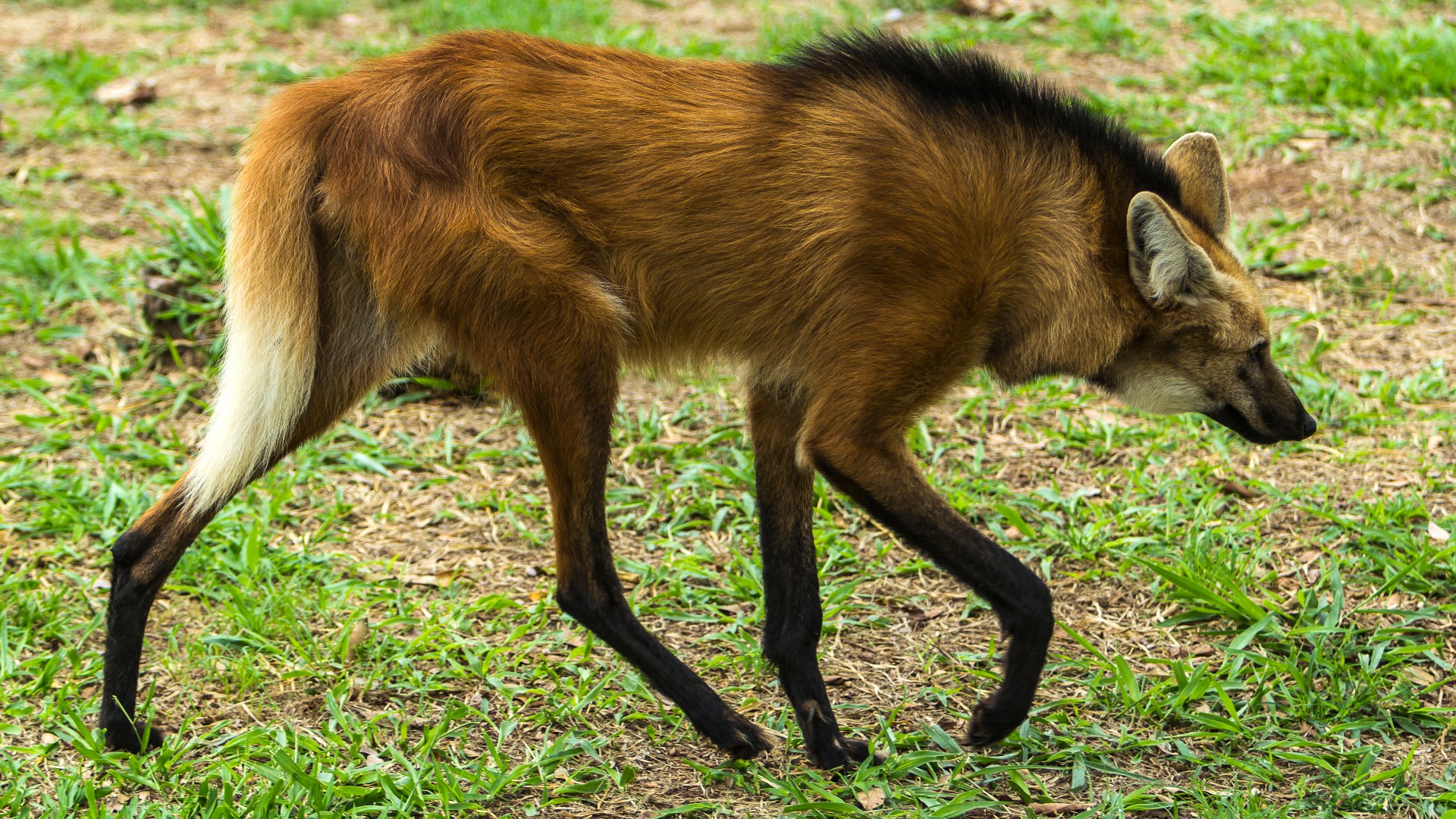
6. Maned Wolf
Standing over three feet tall at the shoulder, South America's maned wolf resembles a fox on stilts. Despite its intimidating canine silhouette, it hunts small rodents, birds, and even consumes native fruit. Shy and solitary by nature, maned wolves are notoriously skittish and avoid human contact.
©Wikimedia / Jonathan Wilkins
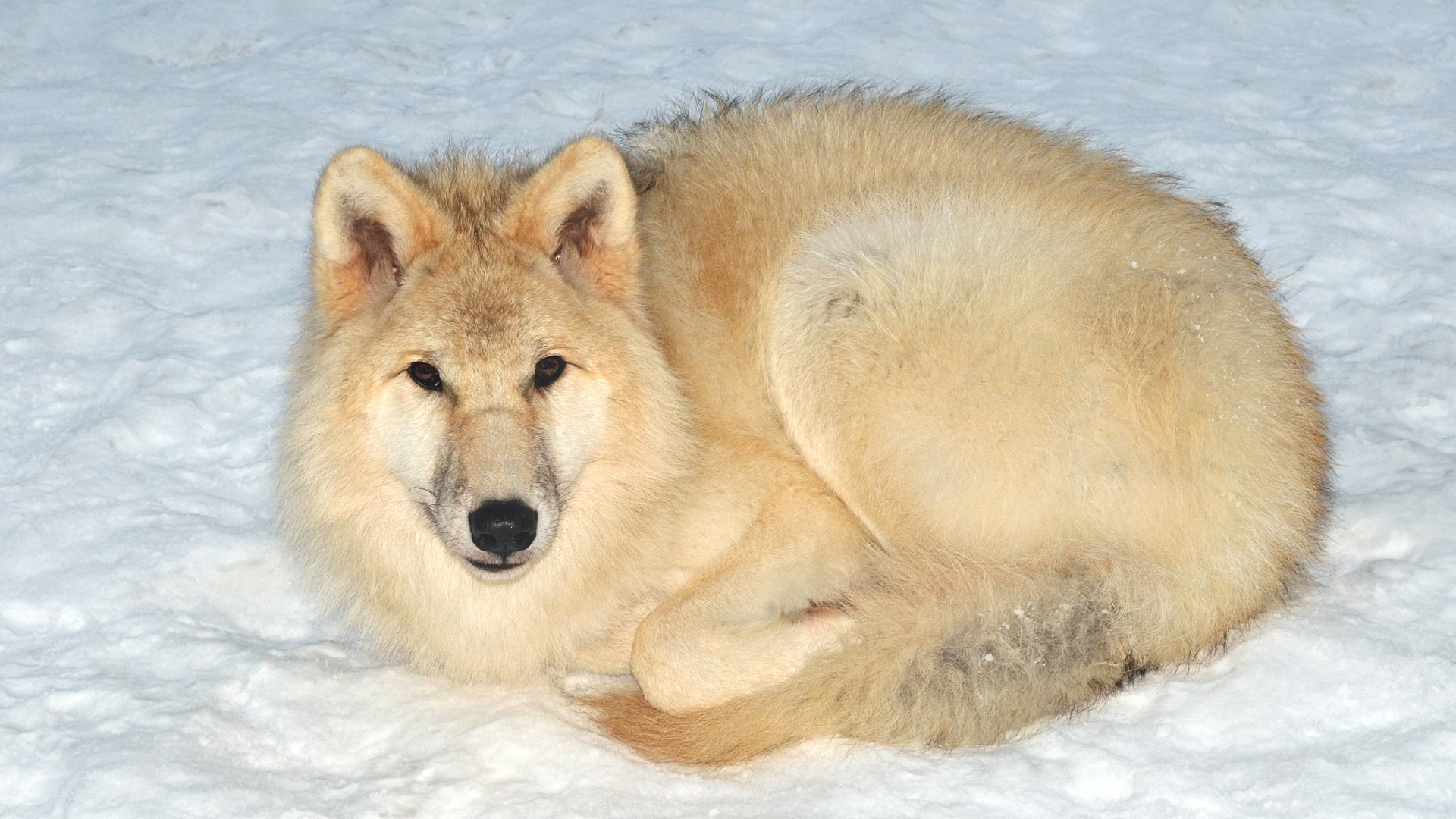
5. Arctic Gray Wolf
Gray wolves hunt large ungulates such as elk and moose with ruthless pack coordination. Yet despite folklore painting wolves as human hunters, healthy wild wolves instinctively view humans with deep suspicion. Documented unprovoked wild wolf attacks remain historically exceedingly rare worldwide.
©Wikimedia / Michael Gäbler
4. Basking Shark
Growing up to thirty-three feet long, the basking shark cruises temperate waters with a cavernous mouth gaping wide. Despite its colossal jaws and dorsal fin, this ocean titan filters tiny zooplankton through its gills, posing zero predatory danger to swimmers and boaters sharing the water.
© Photo by Gerald Schömbs on Unsplash
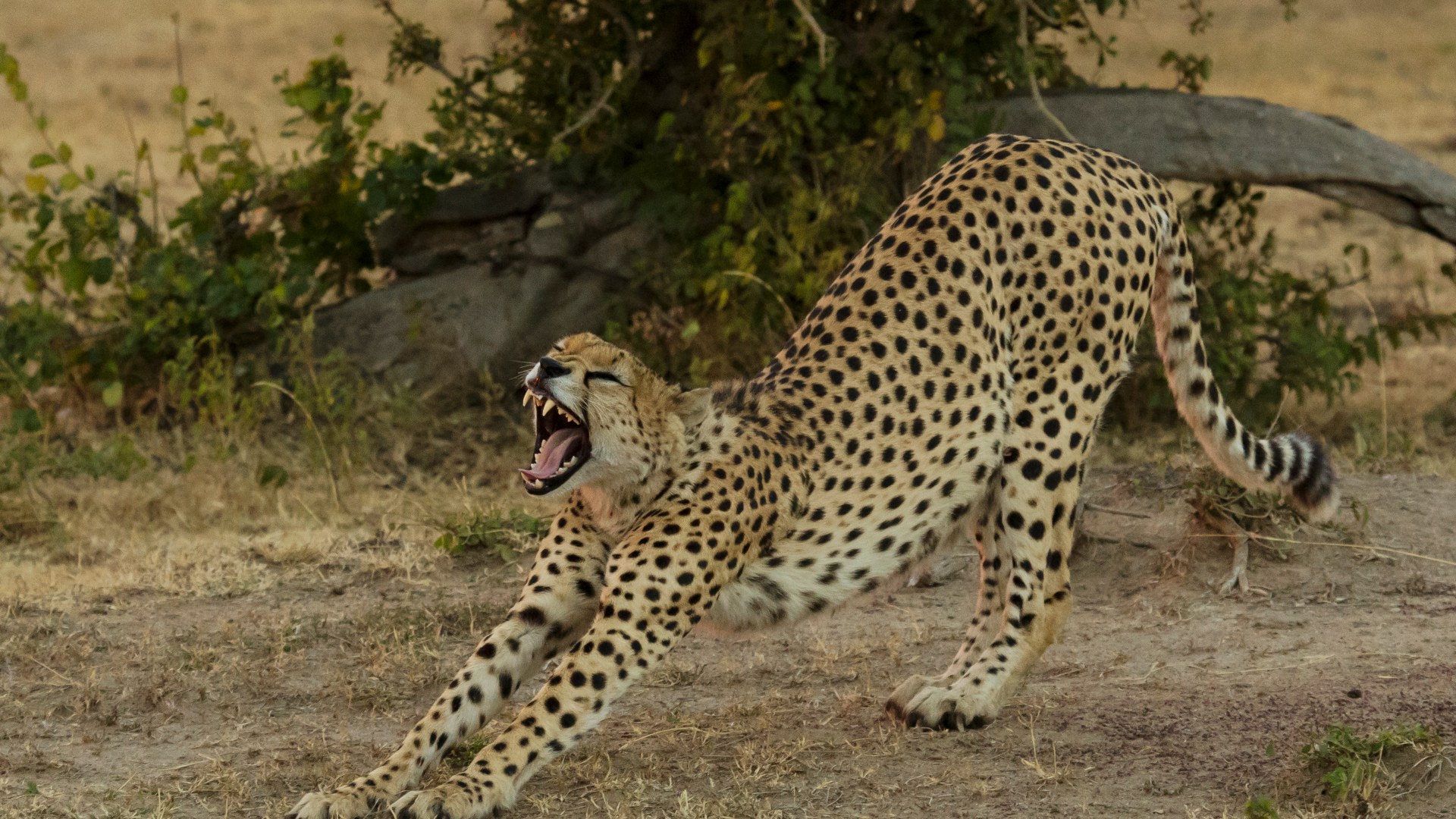
3. African Cheetah
Capable of hitting seventy miles per hour in seconds, the cheetah is a lethal predator of gazelles and impalas. Yet unlike lions or leopards, cheetahs have lightweight builds and small jaws. Recognizing their vulnerability to injury, cheetahs do not see humans as prey and will almost always flee when approached.
©Wikimedia / Thomas Fuhrmann
Advertisement
Swipe or tap ▶ to resume the countdown.
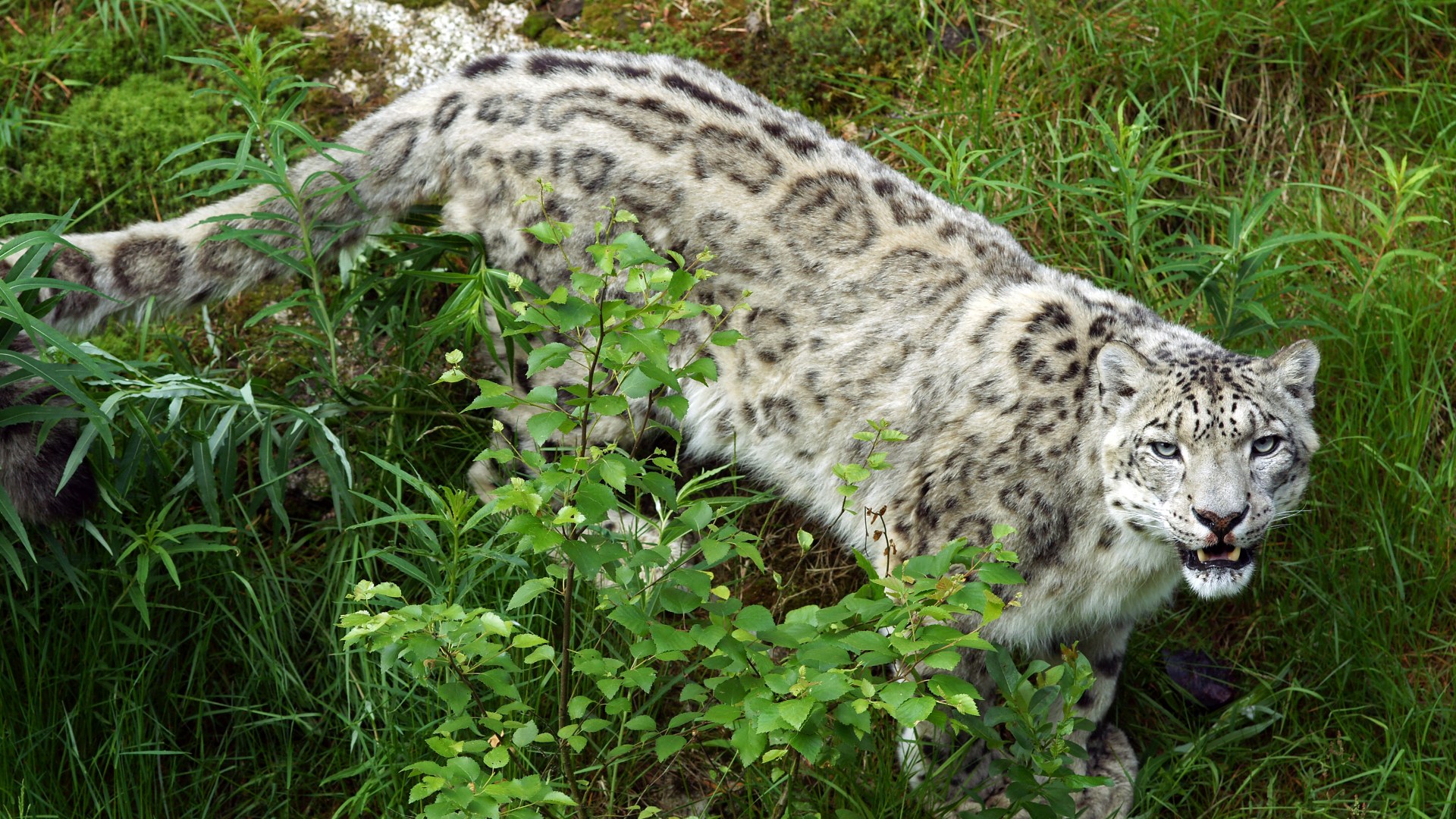
2. Snow Leopard
Roaming high Asian mountain crags, the snow leopard brings down wild sheep twice its weight with unmatched agility. Yet despite centuries of living alongside pastoralists, there is not a single authenticated record of a wild snow leopard ever fatally attacking a human. They remain the elusive ghosts of the peaks.
©Wikimedia / kallerna
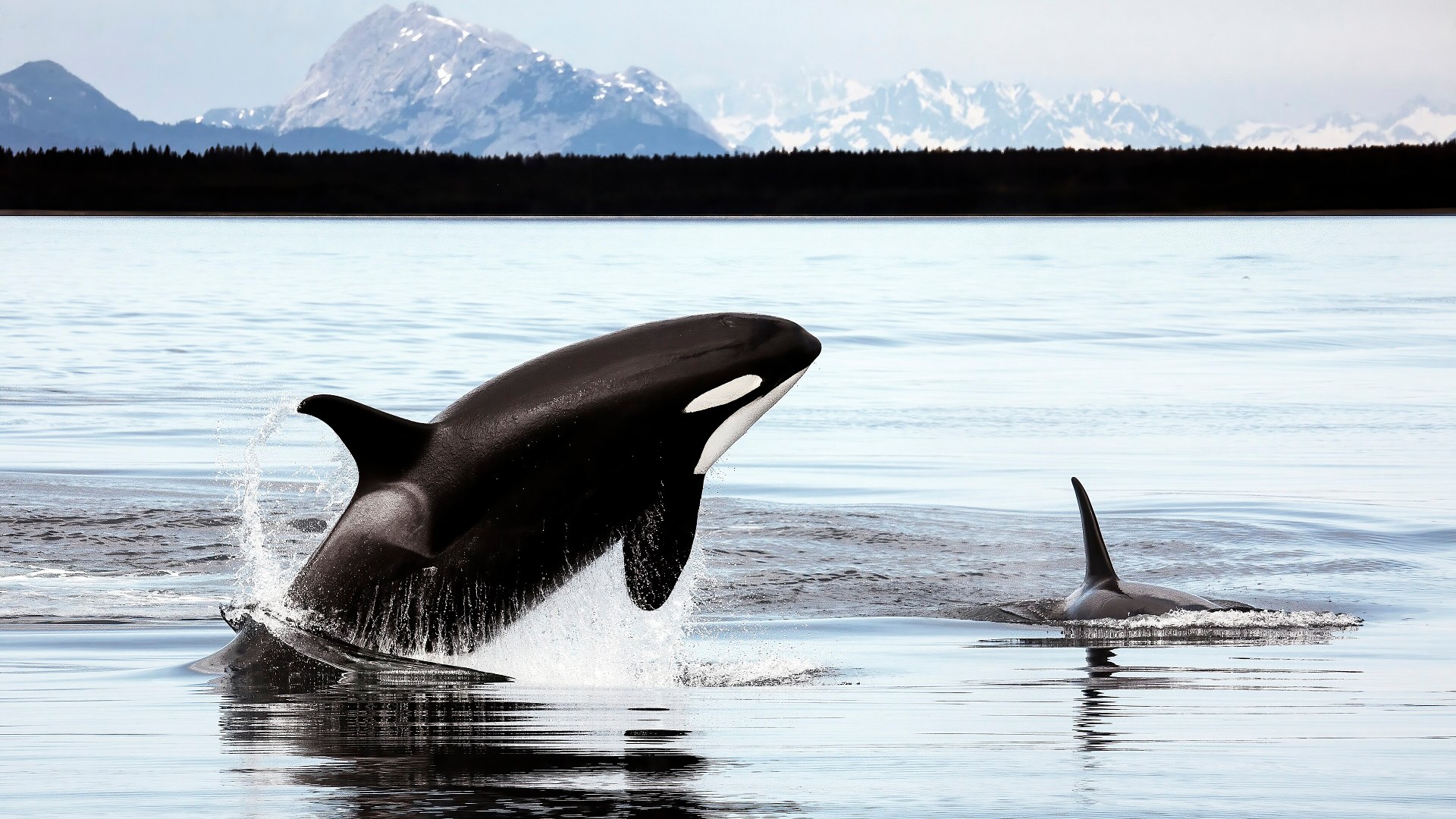
1. Killer Whale (Orca)
Orcas hunt great white sharks and blue whales with devastating intelligence and teamwork. Yet in the wild, there has never been a documented fatal attack by an orca on a human. Culturally passing down specialized hunting techniques, these supreme oceanic predators simply do not recognize humans as food.

©Wikimedia / Christopher Michel
Advertisement
You've reached the end of the story. Thanks for reading!

How Long Do Hippos Live? 20 Other Facts About Hippos
From sixty-year lifespans to whale cousins, discover secrets of river giants
All 13 Entries in this Story
13. Giant Oceanic Manta Ray
Spanning up to twenty-three feet across, the giant oceanic manta ray is a carnivorous filter feeder consuming massive quantities of zooplankton and small fish. Despite their intimidating scale and predatory diet, manta rays possess no venomous barb or sharp teeth and are famously curious around divers.

12. Barn Owl
Equipped with serrated wing feathers for near-silent flight and acute hearing, the barn owl is an exceptionally lethal nocturnal predator of rodents and small vertebrates. To humans, however, they are entirely harmless and shy, preferring abandoned barns and hollow trees while avoiding direct confrontation.

11. Sand Tiger Shark
With rows of needle-sharp, protruding teeth and a menacing stare, the sand tiger shark looks terrifying. In reality, this slow-moving coastal predator feeds primarily on squid, rays, and small bony fish. Unprovoked attacks on humans are virtually nonexistent, making them popular in public aquariums.

10. Giant Pacific Octopus
Weighing up to one hundred pounds with an arm span exceeding twelve feet, this apex cephalopod can dismantle crabs and crack clam shells with ease. Despite mythical tales of sea monsters, giant Pacific octopuses are timid, intelligent creatures that routinely interact peacefully with human scuba divers.

9. Peregrine Falcon
Reaching diving speeds exceeding two hundred and forty miles per hour, the peregrine falcon strikes other birds in mid-air with lethal precision. Despite nesting on skyscrapers and bridges in major human cities, these aerial dynamos view humans solely with caution and never attack unprovoked.

8. Nurse Shark
Nurse sharks possess crushing jaws and thousands of small serrated teeth designed to extract mollusks and crustaceans from coral crevices. While their suction bite is remarkably strong, they spend daylight resting peacefully on the seafloor and will only bite if carelessly stepped on or handled.

7. Gharial
Reaching lengths of fifteen to twenty feet, the gharial looks like a prehistoric terror. However, its exceptionally slender snout is adapted exclusively for snapping up fish. Lacking the jaw strength to grapple with large mammals, gharials pose no physical hunting threat to humans bathing in river waters.

6. Maned Wolf
Standing over three feet tall at the shoulder, South America's maned wolf resembles a fox on stilts. Despite its intimidating canine silhouette, it hunts small rodents, birds, and even consumes native fruit. Shy and solitary by nature, maned wolves are notoriously skittish and avoid human contact.

5. Arctic Gray Wolf
Gray wolves hunt large ungulates such as elk and moose with ruthless pack coordination. Yet despite folklore painting wolves as human hunters, healthy wild wolves instinctively view humans with deep suspicion. Documented unprovoked wild wolf attacks remain historically exceedingly rare worldwide.

4. Basking Shark
Growing up to thirty-three feet long, the basking shark cruises temperate waters with a cavernous mouth gaping wide. Despite its colossal jaws and dorsal fin, this ocean titan filters tiny zooplankton through its gills, posing zero predatory danger to swimmers and boaters sharing the water.

3. African Cheetah
Capable of hitting seventy miles per hour in seconds, the cheetah is a lethal predator of gazelles and impalas. Yet unlike lions or leopards, cheetahs have lightweight builds and small jaws. Recognizing their vulnerability to injury, cheetahs do not see humans as prey and will almost always flee when approached.

2. Snow Leopard
Roaming high Asian mountain crags, the snow leopard brings down wild sheep twice its weight with unmatched agility. Yet despite centuries of living alongside pastoralists, there is not a single authenticated record of a wild snow leopard ever fatally attacking a human. They remain the elusive ghosts of the peaks.

1. Killer Whale (Orca)
Orcas hunt great white sharks and blue whales with devastating intelligence and teamwork. Yet in the wild, there has never been a documented fatal attack by an orca on a human. Culturally passing down specialized hunting techniques, these supreme oceanic predators simply do not recognize humans as food.