Slideshow · Animals
15 Amusing Facts About Pandas You Might Not Know
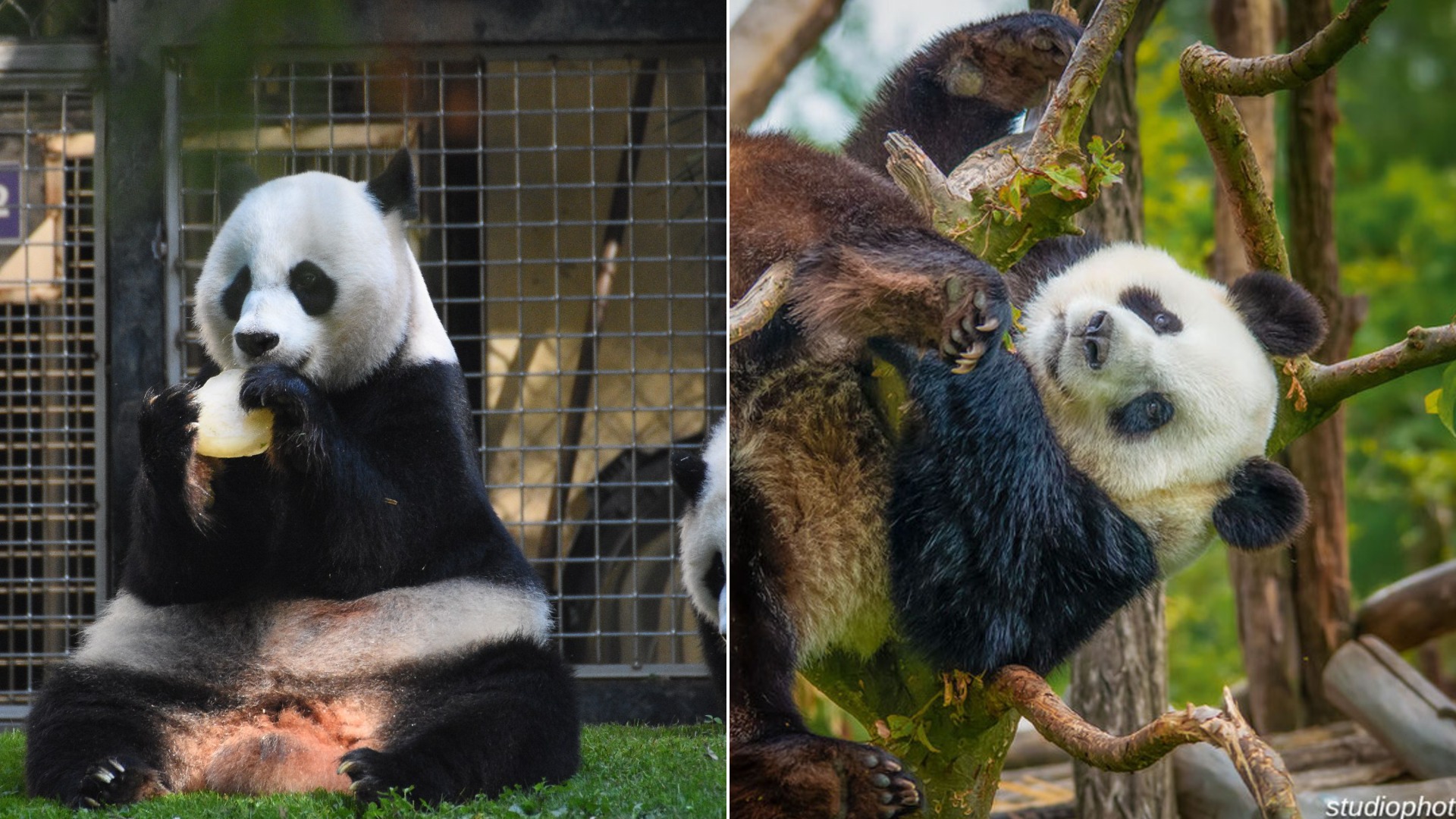
From secret pseudo thumbs and comical somersaults to 40 pounds of daily poop, giant pandas are full of bizarre surprises.
By Most Viral Today
20 Oct 2026

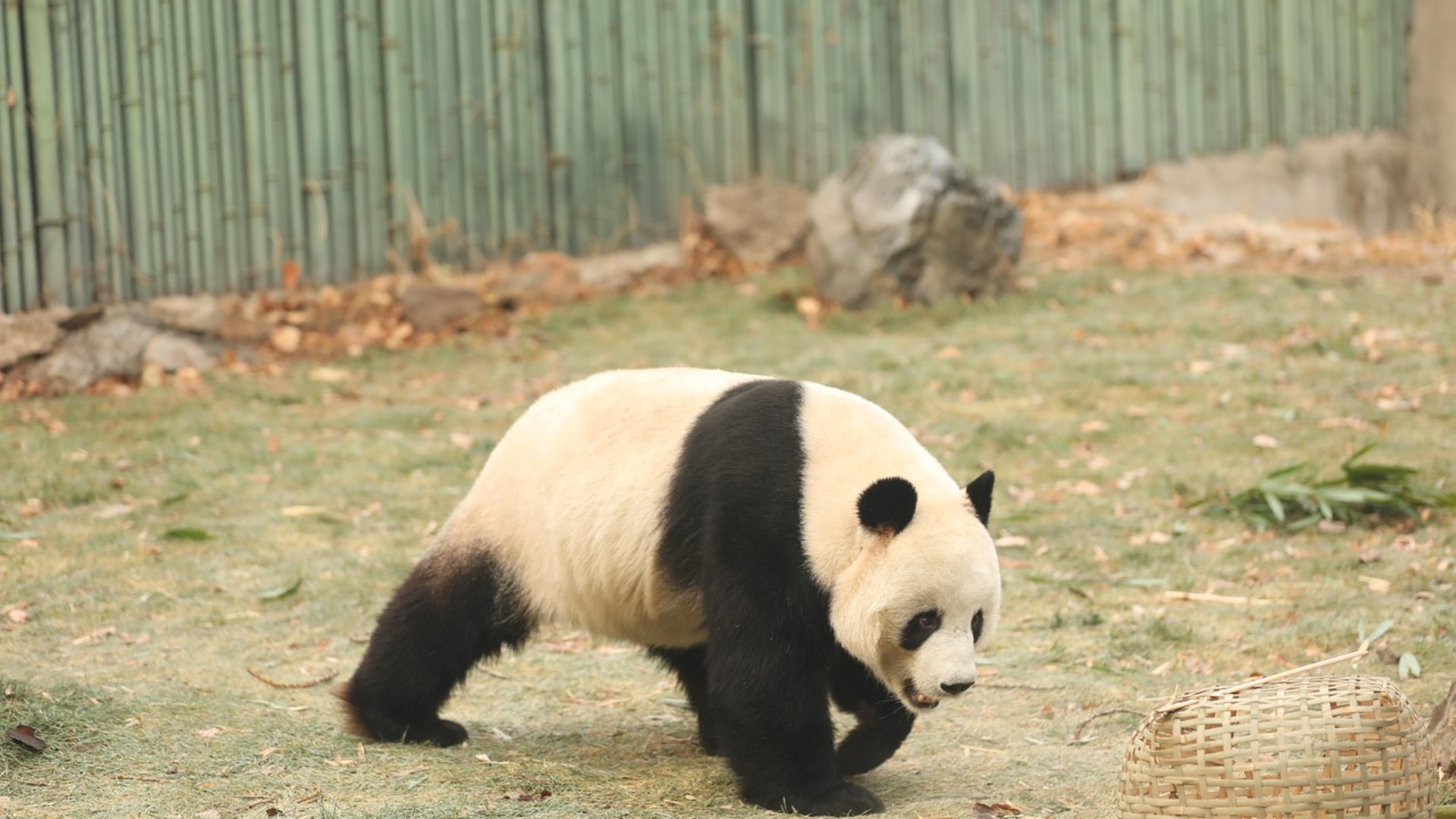
15 Amusing Facts About Giant Pandas You Might Not Know 
15. Spending Up To 12 Hours A Day Eating 
14. The Secret Six-Toed 'Pseudo Thumb' 
13. Newborns Are As Tiny As A Stick Of Butter - AdvertisementSwipe or tap ▶ to continue countdown

12. Producing Over 40 Pounds Of Poop Daily 
11. An Irresistible Urge To Roll And Somersault 
10. Doing Handstands To Scent Mark Trees 
9. Black And-White Camouflage In Snow And Shade - AdvertisementSwipe or tap ▶ to continue countdown

8. A Carnivore's Digestive Tract And Sharp Teeth 
7. Zero Winter Hibernation Due To Low-Fat Diet 
6. Surprisingly Agile Tree Climbers And Swimmers 
5. Impeccable Spatial Memory In The Wild - AdvertisementSwipe or tap ▶ to continue countdown

4. The Twin Dilemma In Mountain Bamboo Forests 
3. The Ultra-Rare Brown And-White Qinling Panda 
2. Vocal Bleats, Barks, And Squeaks 
1. Comical Contortionist Sleeping Positions - Advertisement🔥 UP NEXT IN THIS SERIES◫ 22 Slides

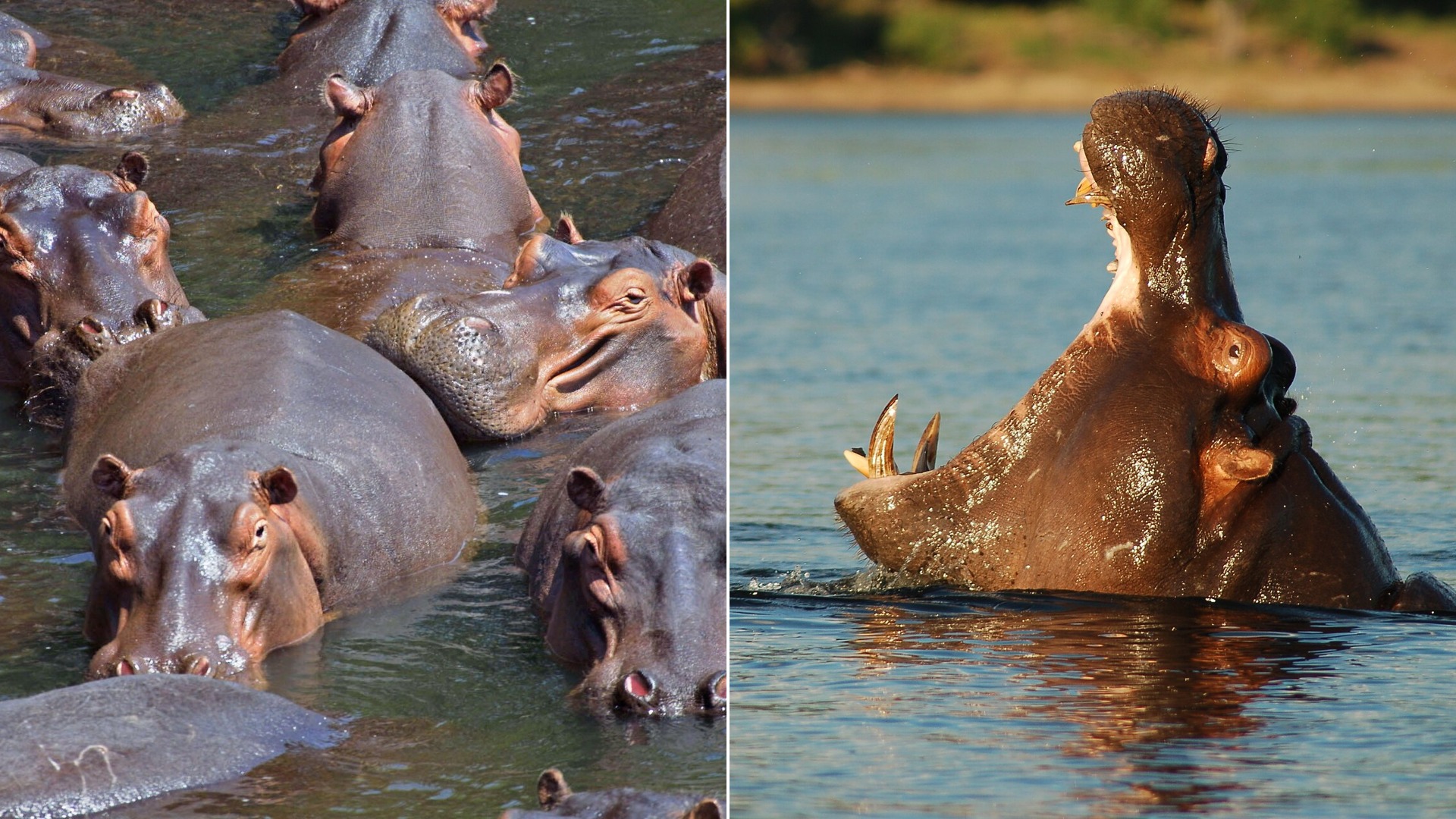
How Long Do Hippos Live? 20 Other Facts About Hippos
From sixty-year lifespans to whale cousins, discover secrets of river giants
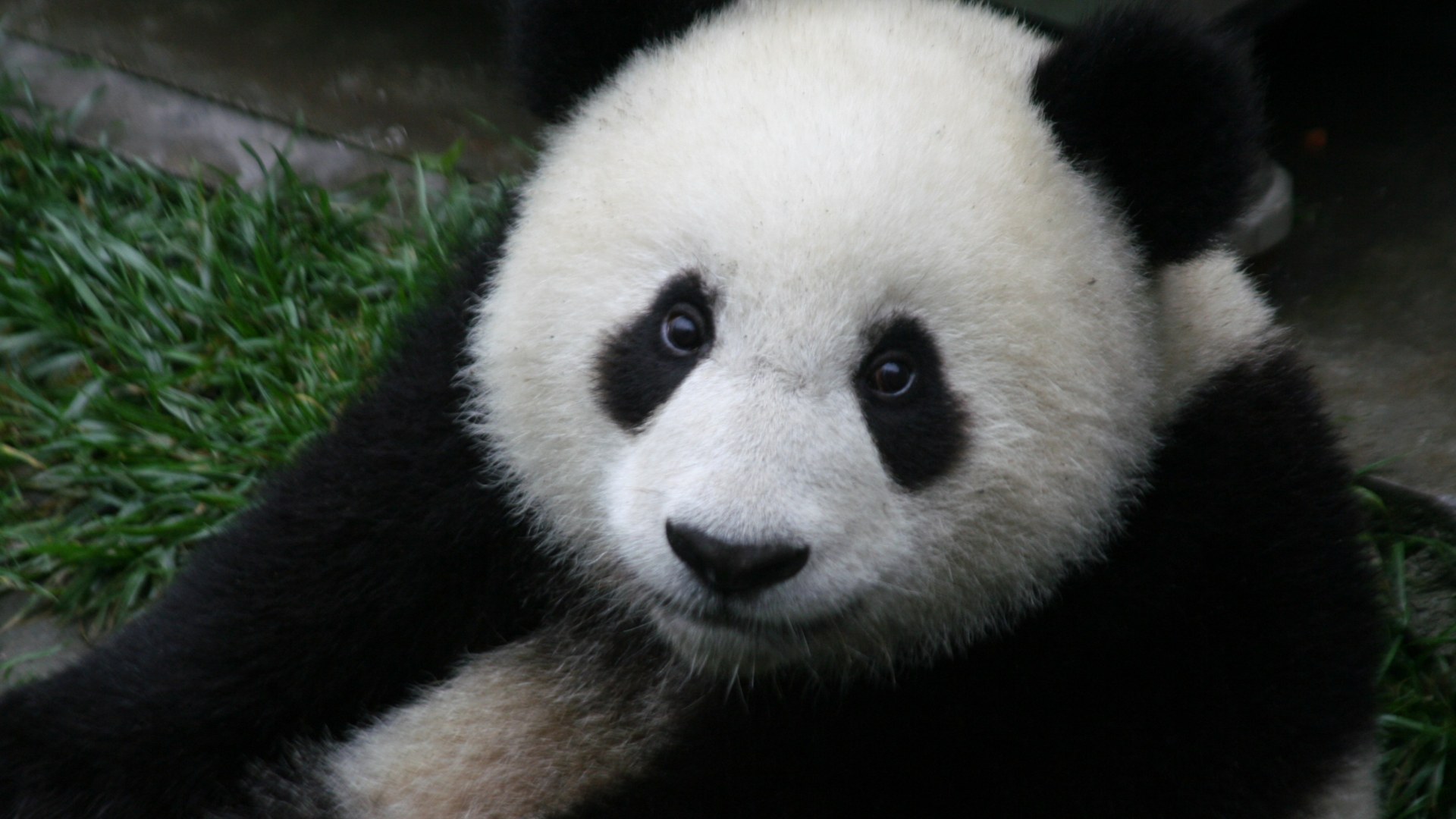
From secret pseudo thumbs and comical somersaults to 40 pounds of daily poop, giant pandas are full of bizarre surprises.
Swipe or tap ▶ to begin the countdown
©Wikimedia / Amaury Laporte & Wikimedia / Marian78ro
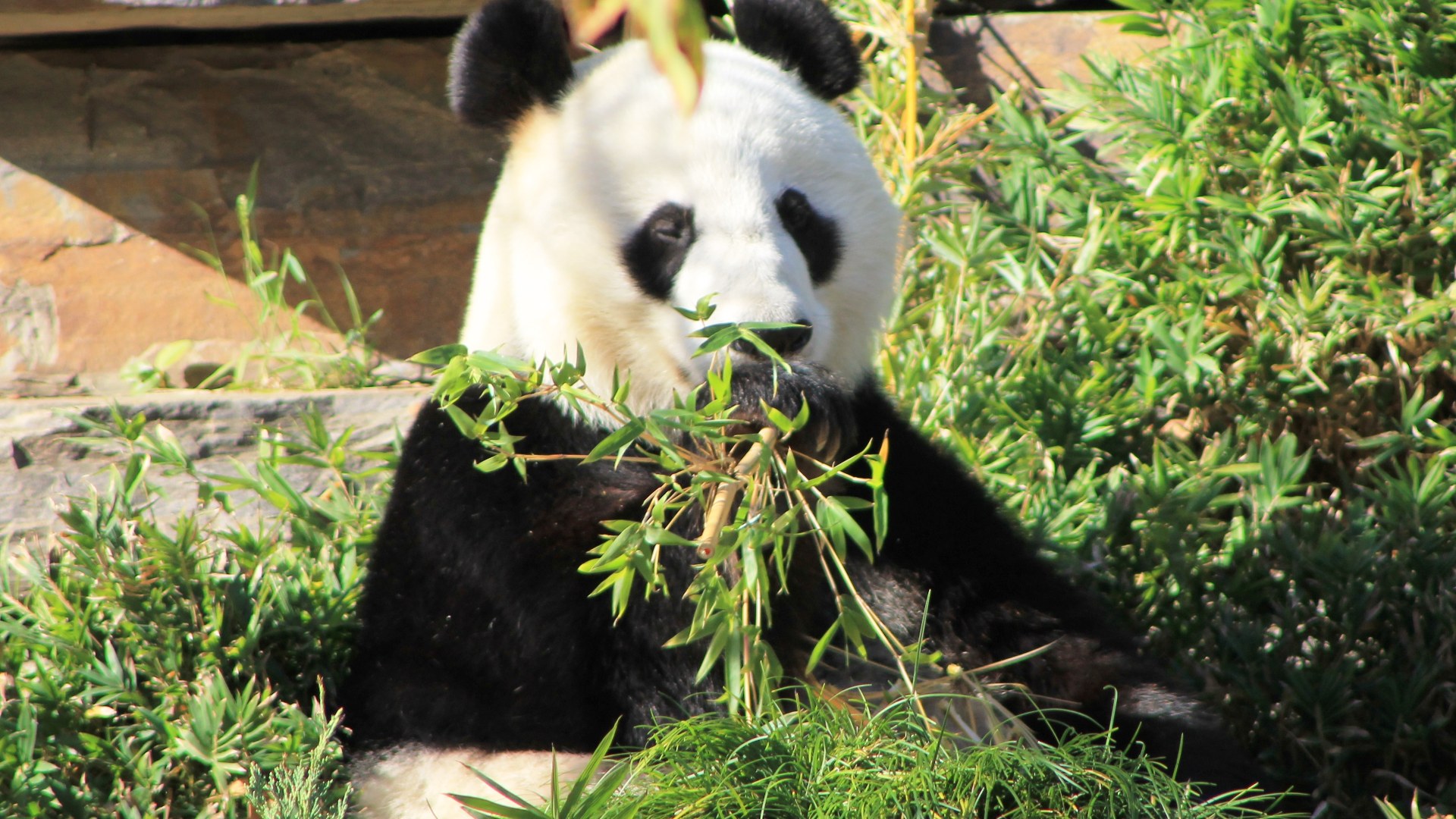
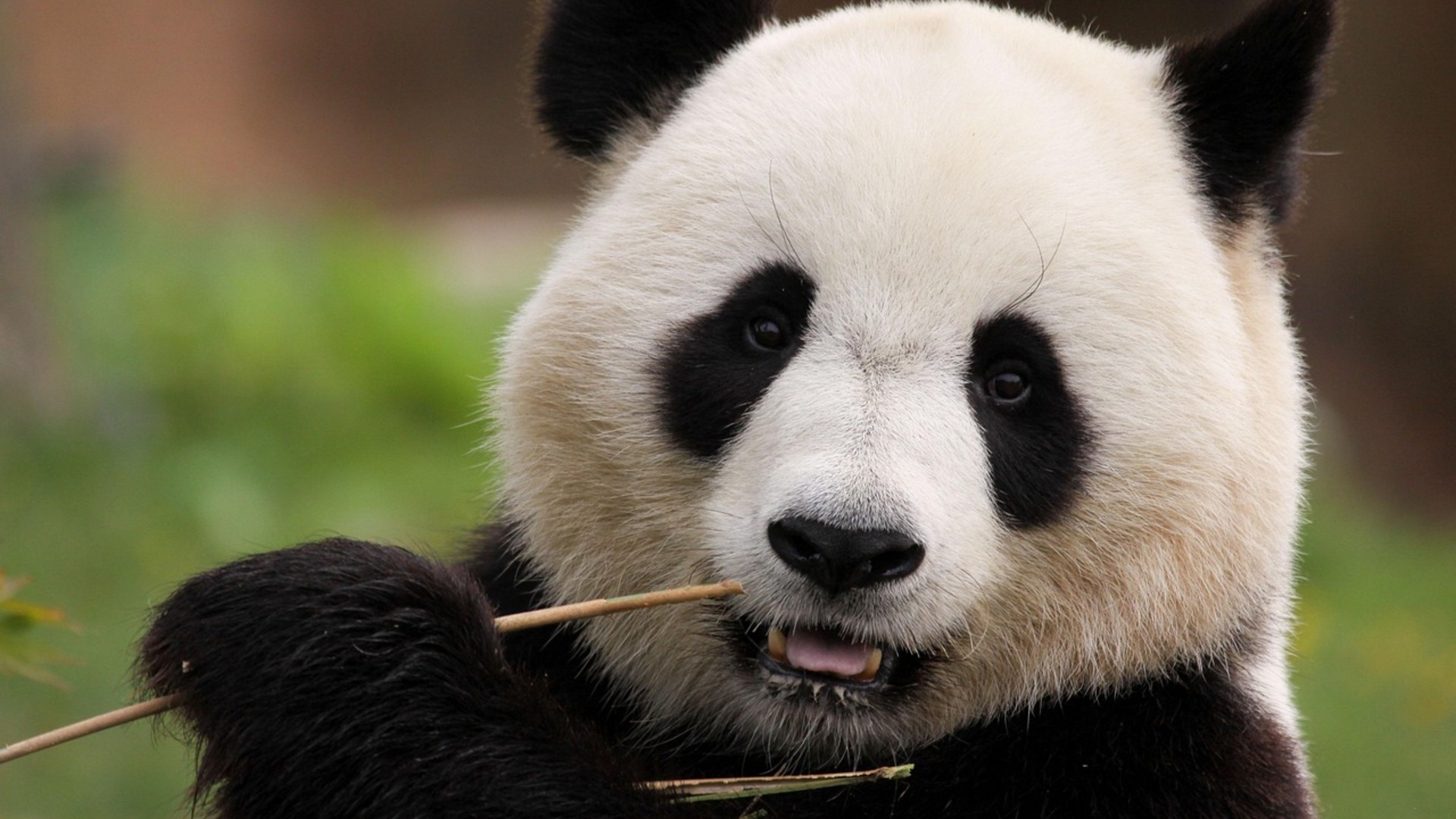
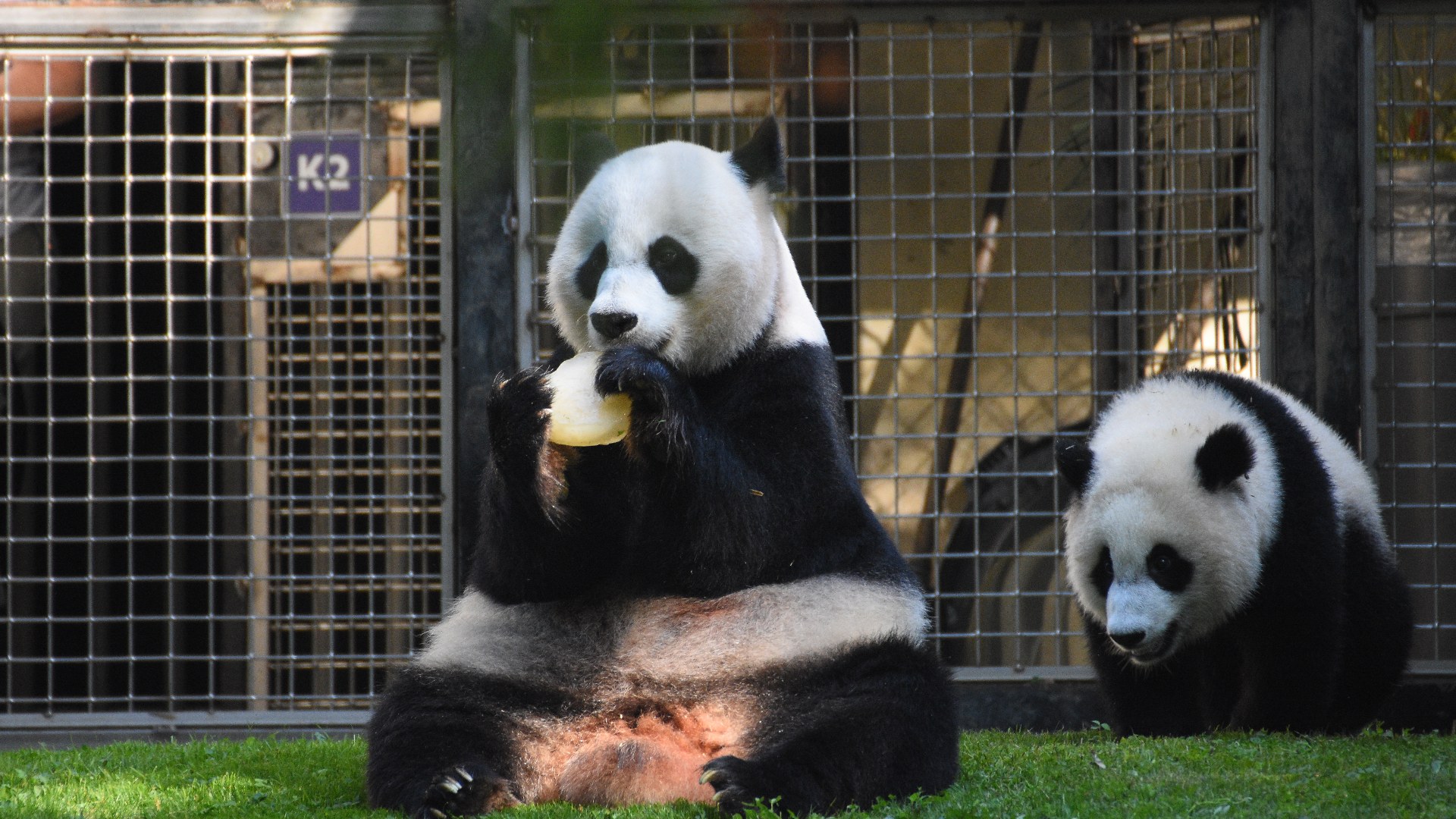
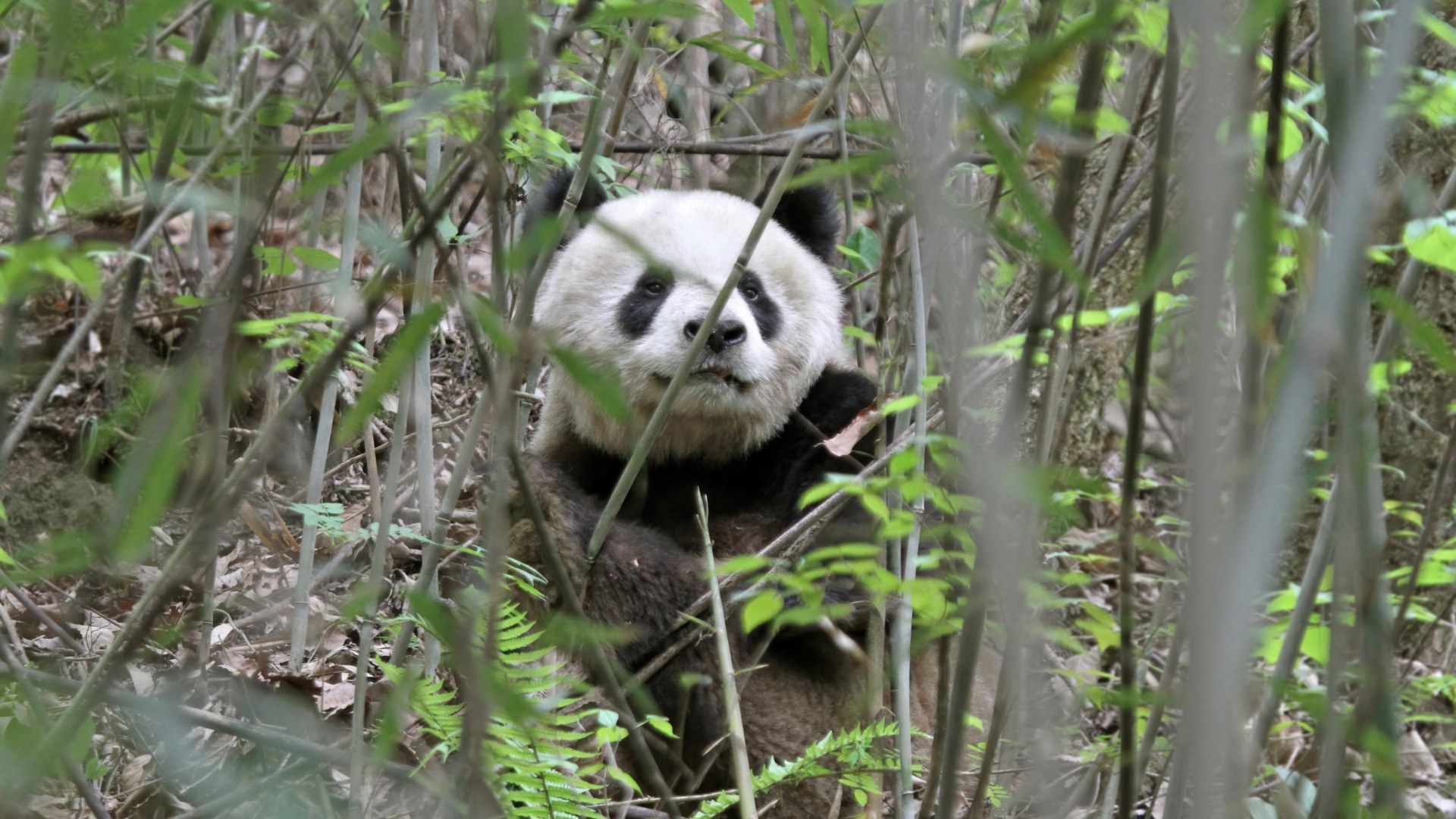
15. Spending Up To 12 Hours A Day Eating
Because bamboo is low in nutritional density, an adult giant panda must consume between 26 and 84 pounds of bamboo every single day, spending up to 12 hours chewing almost continuously.
©Wikimedia / Sheila Lau
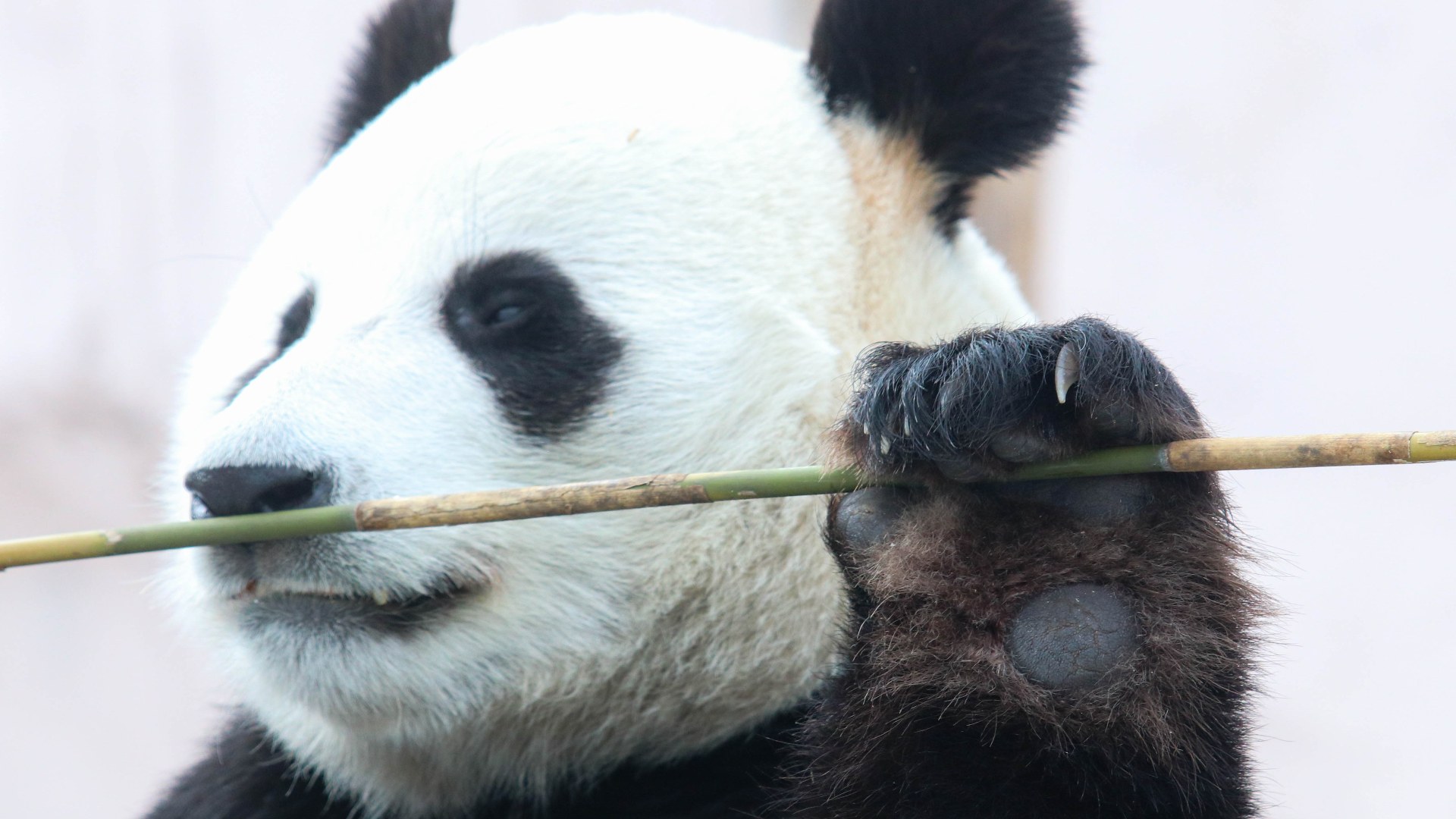
14. The Secret Six-Toed 'Pseudo Thumb'
Pandas possess an evolutionary marvel: a modified radial sesamoid wrist bone covered by a fleshy pad. This 'pseudo thumb' enables them to strip leaves and grip slippery bamboo culms with surgeon-like precision.
©Wikimedia / George Lu
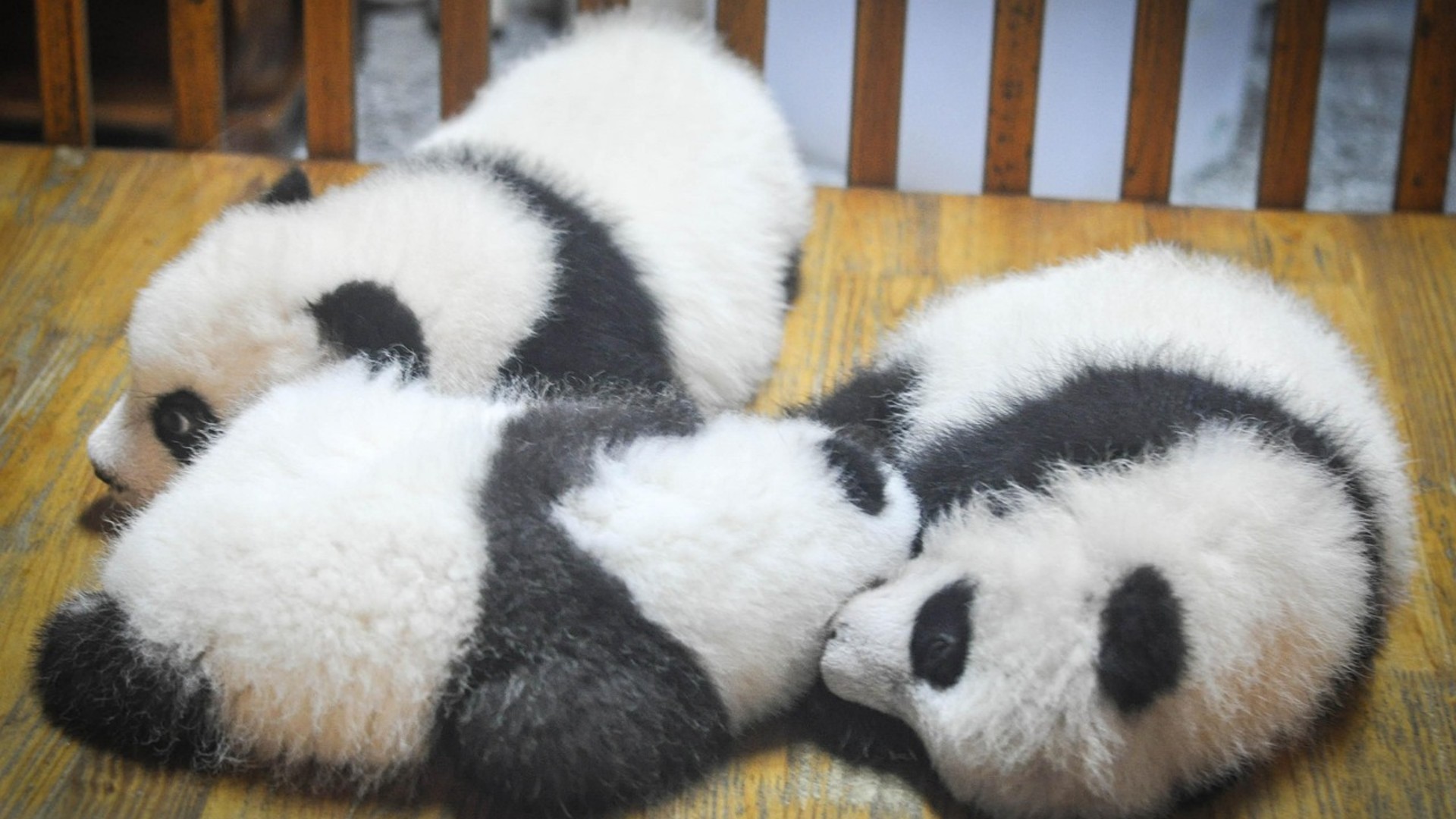
13. Newborns Are As Tiny As A Stick Of Butter
Pink, blind, and nearly hairless, giant panda cubs are among the smallest placental mammal newborns relative to maternal weight. Mothers cradle them gently in their large paws for warmth and safety.
©Pixabay / StockSnap
Advertisement
Swipe or tap ▶ to resume the countdown.
12. Producing Over 40 Pounds Of Poop Daily
Because giant pandas digest only about 17% of the dry matter in bamboo, the rest passes rapidly through their system. A healthy adult produces over 40 pounds of droppings daily, helping field biologists easily track their movements.
©Wikimedia / Mertie
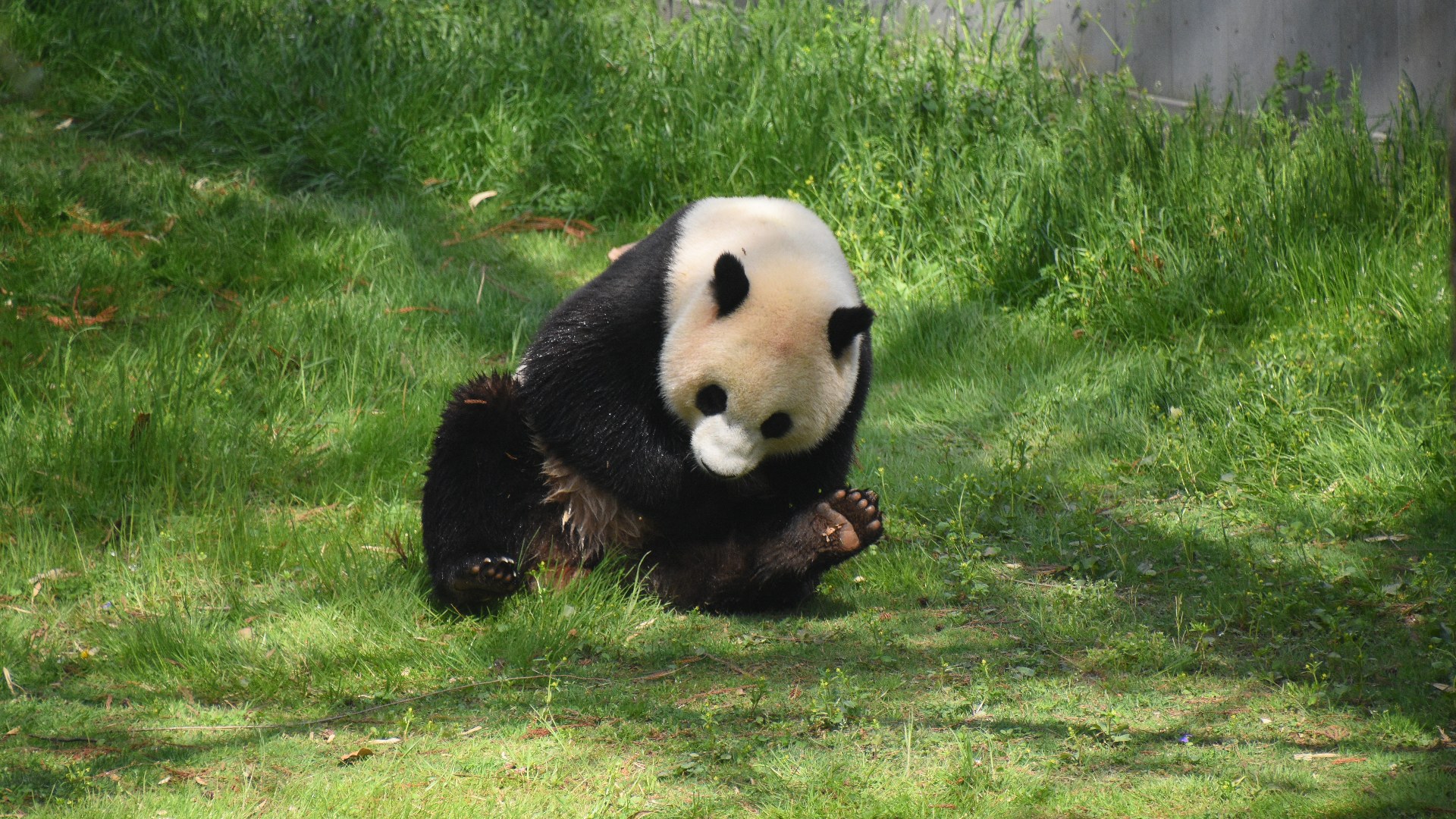
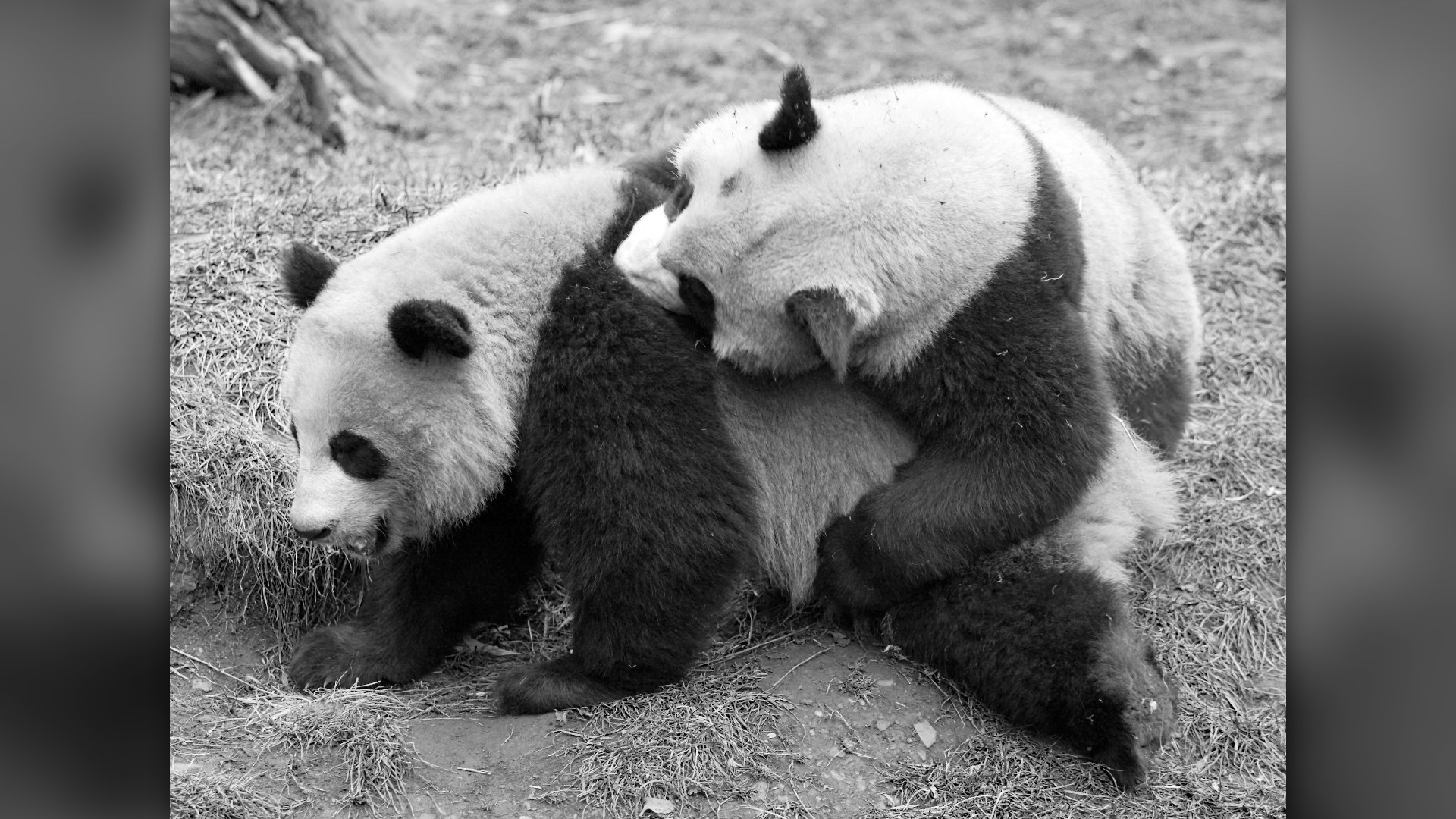
11. An Irresistible Urge To Roll And Somersault
Both wild and captive giant pandas are famous for spontaneous tumbling. Biologists believe somersaulting down slopes helps young cubs develop coordination, dislodge debris from their dense double coats, and engage in play.
©Wikimedia / Amaury Laporte
10. Doing Handstands To Scent Mark Trees
To broadcast dominance and mating readiness, male pandas back up tree trunks with their hind legs until inverted. Marking bark at maximum height signals a larger bear and spreads the scent farther across mountain winds.
©Wikimedia / Marian78ro
9. Black And-White Camouflage In Snow And Shade
Their iconic color scheme serves two camouflage functions: white body fur blends into snowy alpine landscapes, while pitch-black limbs and shoulders conceal them in shadowed forest undergrowth from leopards and wild dogs.
©Wikimedia / Hao Jingyu
Advertisement
Swipe or tap ▶ to resume the countdown.
8. A Carnivore's Digestive Tract And Sharp Teeth
Despite eating a 99% vegetarian bamboo diet, pandas belong to the carnivoran order. Their digestive system resembles a typical meat-eater's short gut, and their massive skull houses powerful jaw muscles and broad, ridged molar teeth.
©Pixabay / maminounou
7. Zero Winter Hibernation Due To Low-Fat Diet
Because bamboo does not allow giant pandas to pack on substantial winter fat reserves, they cannot hibernate. Instead, they migrate to lower mountain elevations during harsh winter months where temperatures are milder and bamboo remains tender.
©Pixabay / 素君
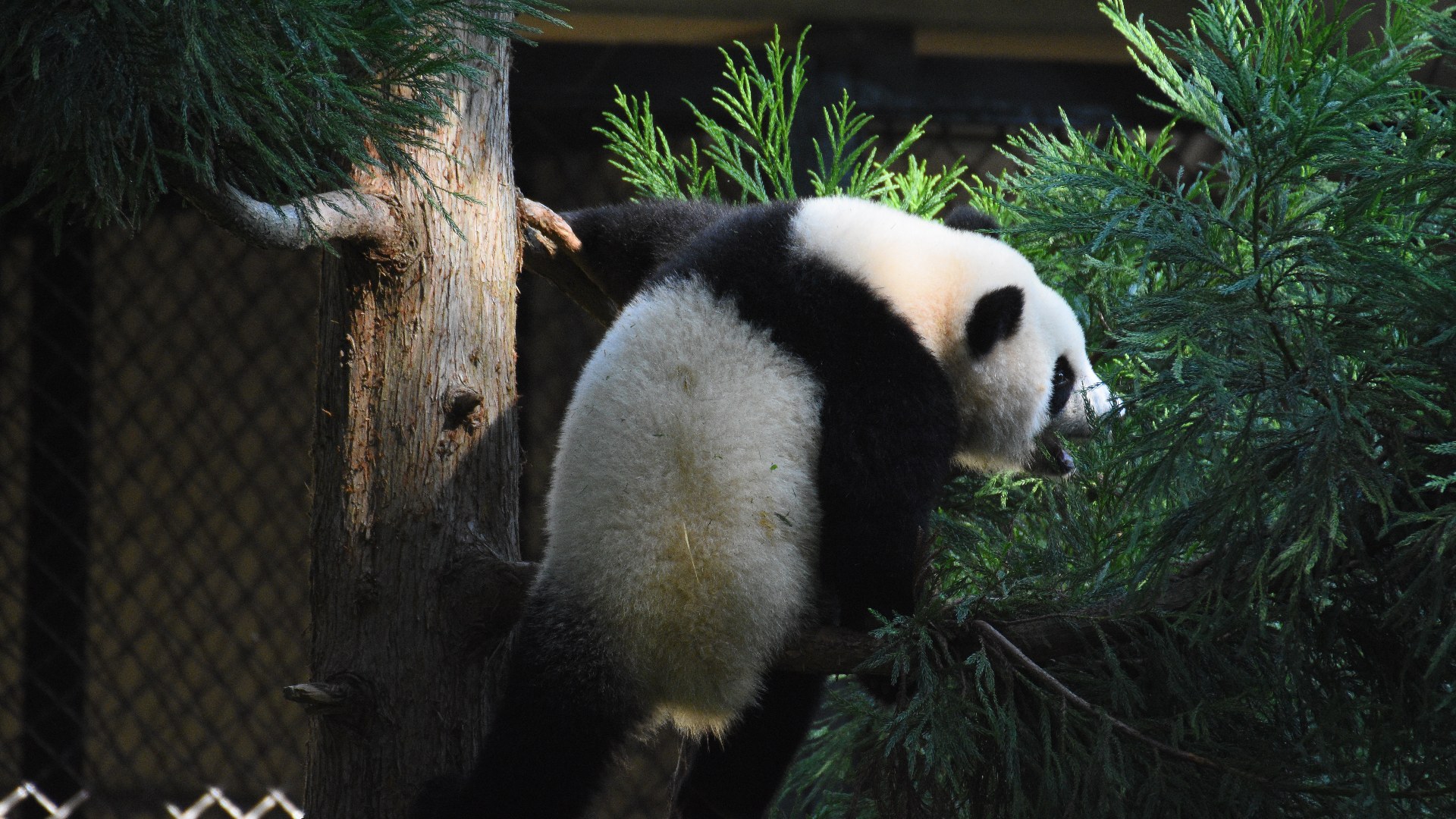
6. Surprisingly Agile Tree Climbers And Swimmers
Despite their rotund appearance, giant pandas are accomplished arboreal acrobats. Young cubs climb tall trees to escape predators like snow leopards, and adults can cross rivers using a dog-paddle swimming stroke.
©Wikimedia / Kikimora Mashenka
5. Impeccable Spatial Memory In The Wild
Field researchers in Sichuan's Wolong Nature Reserve discovered that pandas maintain sophisticated cognitive mental maps. They recall the precise seasonal shoot cycles of different bamboo species across several square miles of rugged terrain.
©Wikimedia / Chi King
Advertisement
Swipe or tap ▶ to resume the countdown.
4. The Twin Dilemma In Mountain Bamboo Forests
Pandas give birth to twins roughly 50% of the time. In the wild, mothers lack sufficient milk and energy to raise two, so they abandon the weaker cub. Conservation breeding centers solved this by swapping twins between mother and incubator.
©Wikimedia / Amaury Laporte
3. The Ultra-Rare Brown And-White Qinling Panda
Discovered as a distinct subspecies in 2005, the Qinling panda (Ailuropoda melanoleuca qinlingensis) has smaller skulls and unusual light brown and sepia fur, caused by a double recessive genetic mutation.
©Wikimedia / Shaanxi Reserve (CC0)
2. Vocal Bleats, Barks, And Squeaks
Pandas do not roar like brown bears. Instead, they make goat-like bleats to greet friends, honk when annoyed, chirp or squeak when distressed, and bark loudly to warn away rivals or territorial intruders.
©Wikimedia / Amaury Laporte
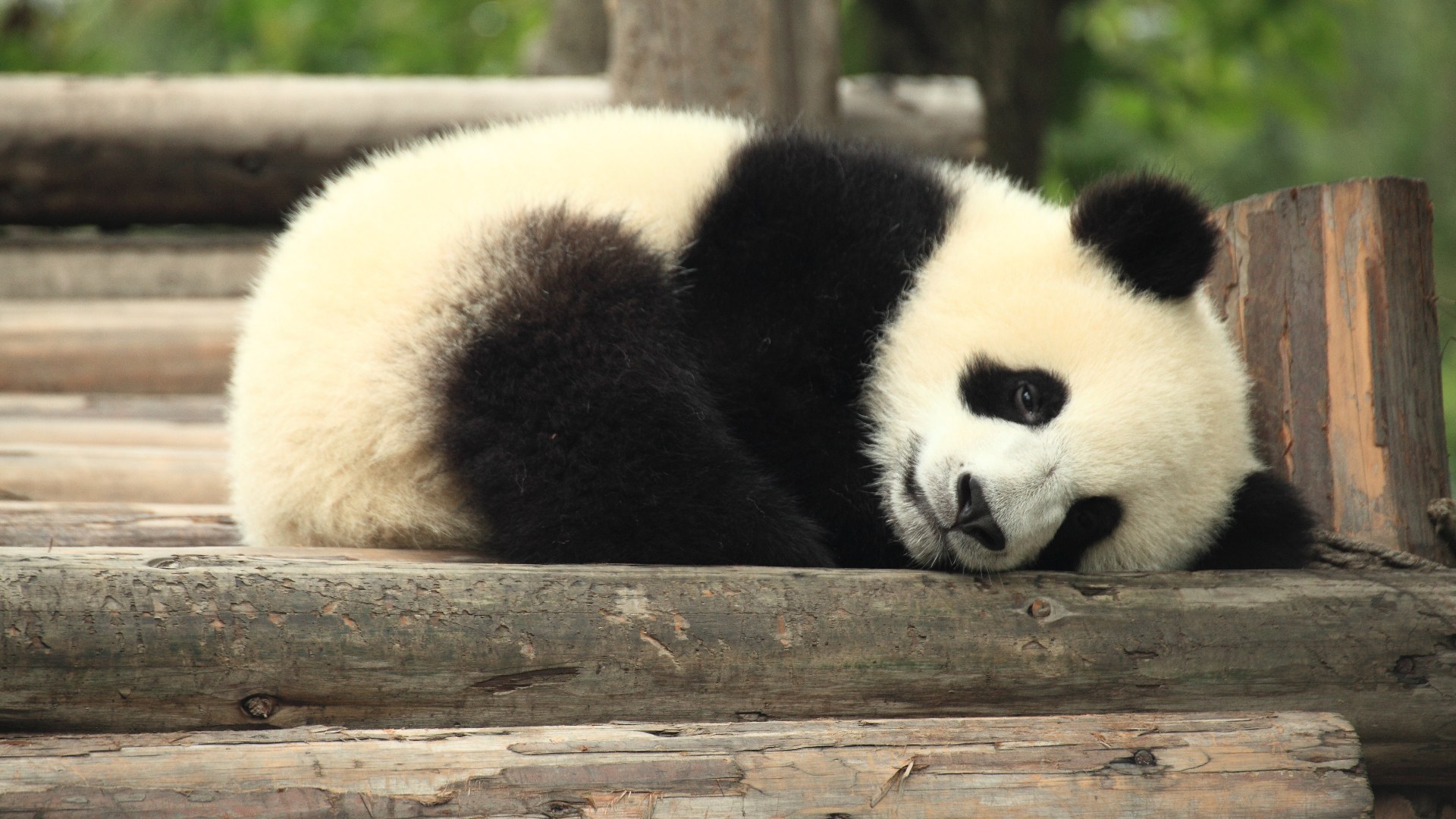
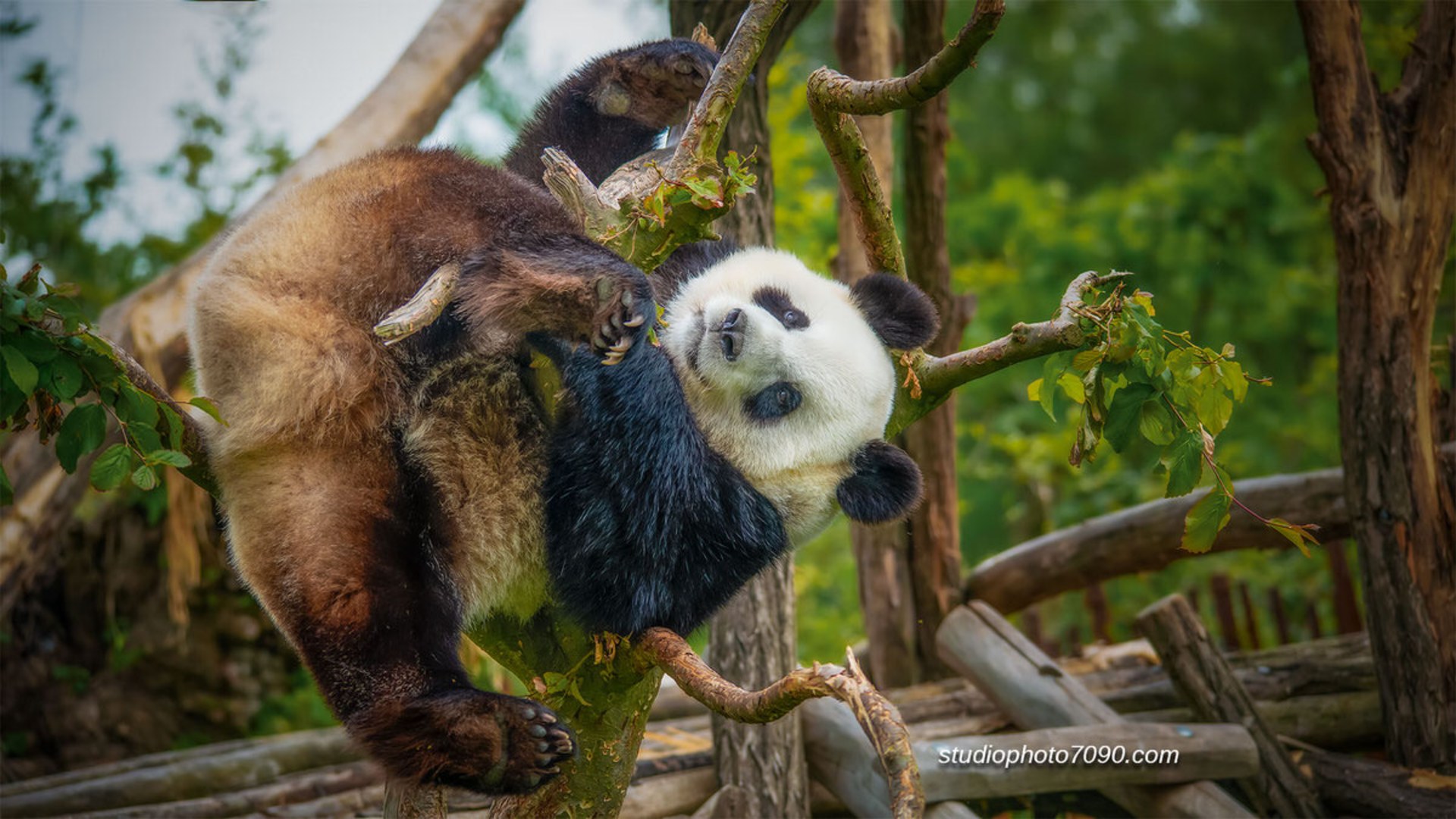
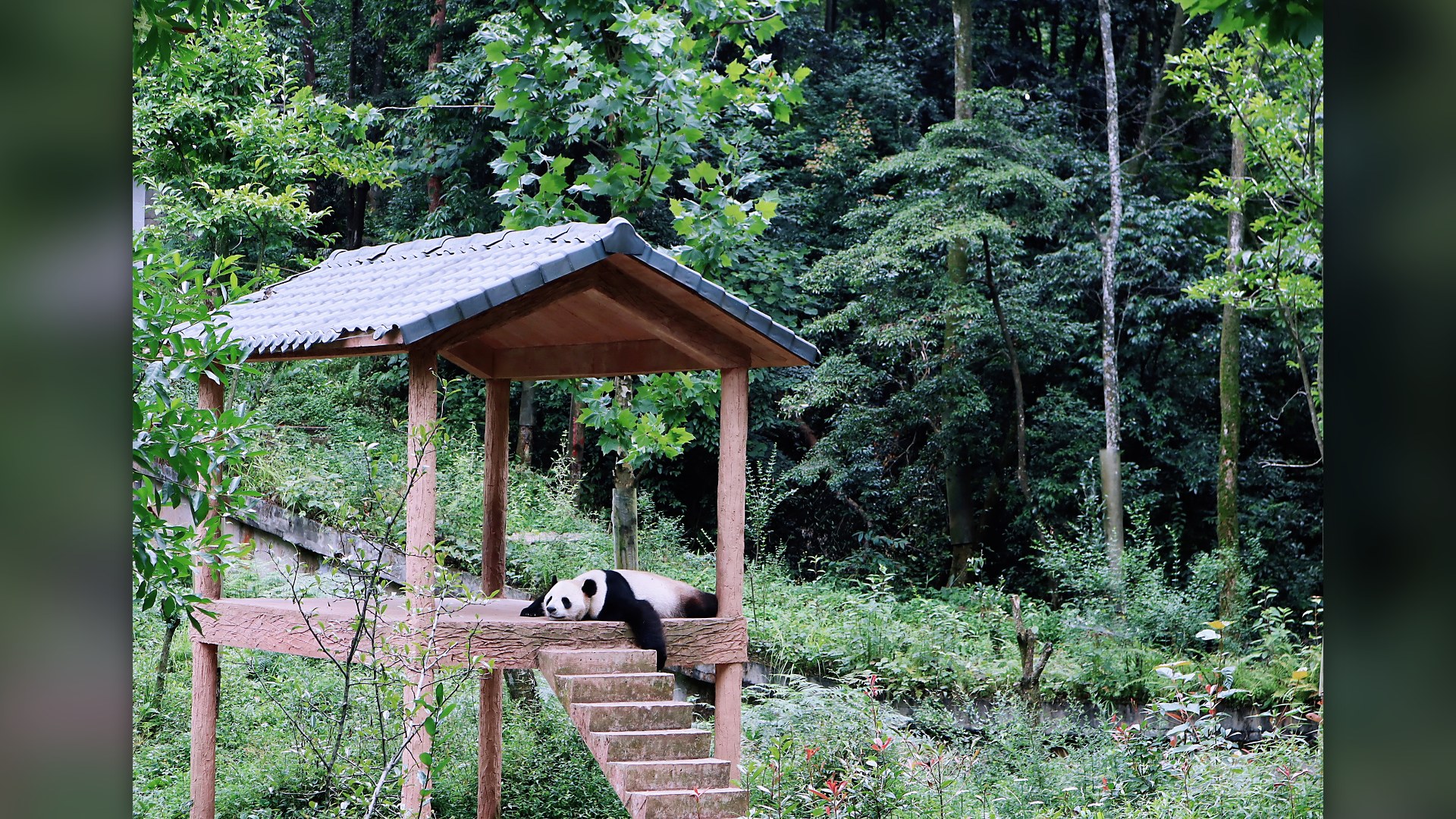
1. Comical Contortionist Sleeping Positions
Pandas do not build fixed dens outside of birthing season. When exhaustion hits after a long bamboo feast, they doze off wherever they are: belly up with legs akimbo, draped across tree branches, or tucked between mossy rocks.

©Wikimedia / Amaury Laporte
Advertisement
You've reached the end of the story. Thanks for reading!

How Long Do Hippos Live? 20 Other Facts About Hippos
From sixty-year lifespans to whale cousins, discover secrets of river giants
All 15 Entries in this Story
1. Spending Up To 12 Hours A Day Eating
Because bamboo is low in nutritional density, an adult giant panda must consume between 26 and 84 pounds of bamboo every single day, spending up to 12 hours chewing almost continuously.

2. The Secret Six-Toed 'Pseudo Thumb'
Pandas possess an evolutionary marvel: a modified radial sesamoid wrist bone covered by a fleshy pad. This 'pseudo thumb' enables them to strip leaves and grip slippery bamboo culms with surgeon-like precision.

3. Newborns Are As Tiny As A Stick Of Butter
Pink, blind, and nearly hairless, giant panda cubs are among the smallest placental mammal newborns relative to maternal weight. Mothers cradle them gently in their large paws for warmth and safety.

4. Producing Over 40 Pounds Of Poop Daily
Because giant pandas digest only about 17% of the dry matter in bamboo, the rest passes rapidly through their system. A healthy adult produces over 40 pounds of droppings daily, helping field biologists easily track their movements.

5. An Irresistible Urge To Roll And Somersault
Both wild and captive giant pandas are famous for spontaneous tumbling. Biologists believe somersaulting down slopes helps young cubs develop coordination, dislodge debris from their dense double coats, and engage in play.

6. Doing Handstands To Scent Mark Trees
To broadcast dominance and mating readiness, male pandas back up tree trunks with their hind legs until inverted. Marking bark at maximum height signals a larger bear and spreads the scent farther across mountain winds.

7. Black And-White Camouflage In Snow And Shade
Their iconic color scheme serves two camouflage functions: white body fur blends into snowy alpine landscapes, while pitch-black limbs and shoulders conceal them in shadowed forest undergrowth from leopards and wild dogs.

8. A Carnivore's Digestive Tract And Sharp Teeth
Despite eating a 99% vegetarian bamboo diet, pandas belong to the carnivoran order. Their digestive system resembles a typical meat-eater's short gut, and their massive skull houses powerful jaw muscles and broad, ridged molar teeth.

9. Zero Winter Hibernation Due To Low-Fat Diet
Because bamboo does not allow giant pandas to pack on substantial winter fat reserves, they cannot hibernate. Instead, they migrate to lower mountain elevations during harsh winter months where temperatures are milder and bamboo remains tender.

10. Surprisingly Agile Tree Climbers And Swimmers
Despite their rotund appearance, giant pandas are accomplished arboreal acrobats. Young cubs climb tall trees to escape predators like snow leopards, and adults can cross rivers using a dog-paddle swimming stroke.

11. Impeccable Spatial Memory In The Wild
Field researchers in Sichuan's Wolong Nature Reserve discovered that pandas maintain sophisticated cognitive mental maps. They recall the precise seasonal shoot cycles of different bamboo species across several square miles of rugged terrain.

12. The Twin Dilemma In Mountain Bamboo Forests
Pandas give birth to twins roughly 50% of the time. In the wild, mothers lack sufficient milk and energy to raise two, so they abandon the weaker cub. Conservation breeding centers solved this by swapping twins between mother and incubator.

13. The Ultra-Rare Brown And-White Qinling Panda
Discovered as a distinct subspecies in 2005, the Qinling panda (Ailuropoda melanoleuca qinlingensis) has smaller skulls and unusual light brown and sepia fur, caused by a double recessive genetic mutation.

14. Vocal Bleats, Barks, And Squeaks
Pandas do not roar like brown bears. Instead, they make goat-like bleats to greet friends, honk when annoyed, chirp or squeak when distressed, and bark loudly to warn away rivals or territorial intruders.

15. Comical Contortionist Sleeping Positions
Pandas do not build fixed dens outside of birthing season. When exhaustion hits after a long bamboo feast, they doze off wherever they are: belly up with legs akimbo, draped across tree branches, or tucked between mossy rocks.