Slideshow · Animals
15 Animals That Act Surprisingly Like Humans
Humans often assume complex emotions, language, and cultural traditions are uniquely our own. But across the animal kingdom, creature after creature displays behaviors once thought exclusive to humanity.
By Most Viral Today
25 Oct 2026

15 Animals That Act Surprisingly Like Humans: Explore the Full Countdown 
15. Prairie Dogs — Complex Grammar & Language 
14. Sea Otters — Holding Hands While Sleeping 
13. Orcas — Regional Dialects & Culture - AdvertisementSwipe or tap ▶ to continue countdown

12. Japanese Macaques — Hot Spring Spa Days 
11. Rats — Ultrasonic Laughter & Empathy 
10. Crows & Ravens — Grudges & Funerals 
9. Dolphins — Calling Friends By Name - AdvertisementSwipe or tap ▶ to continue countdown

8. African Grey Parrots — Selfless Altruism 
7. Pufferfish — Sculpting Sea Floor Mandalas 
6. Eurasian Magpies — Self-Awareness In Mirrors 
5. Meerkats — Step By-Step Classroom Lessons - AdvertisementSwipe or tap ▶ to continue countdown

4. Elephants — Vigils & Mourning The Dead 
3. Bonobos — Peaceful Conflict Resolution 
2. Chimpanzees — Tool Engineering & Natural Medicine 
1. Orangutans — Self-Medication & Mattress Design - Advertisement🔥 UP NEXT IN THIS SERIES◫ 22 Slides

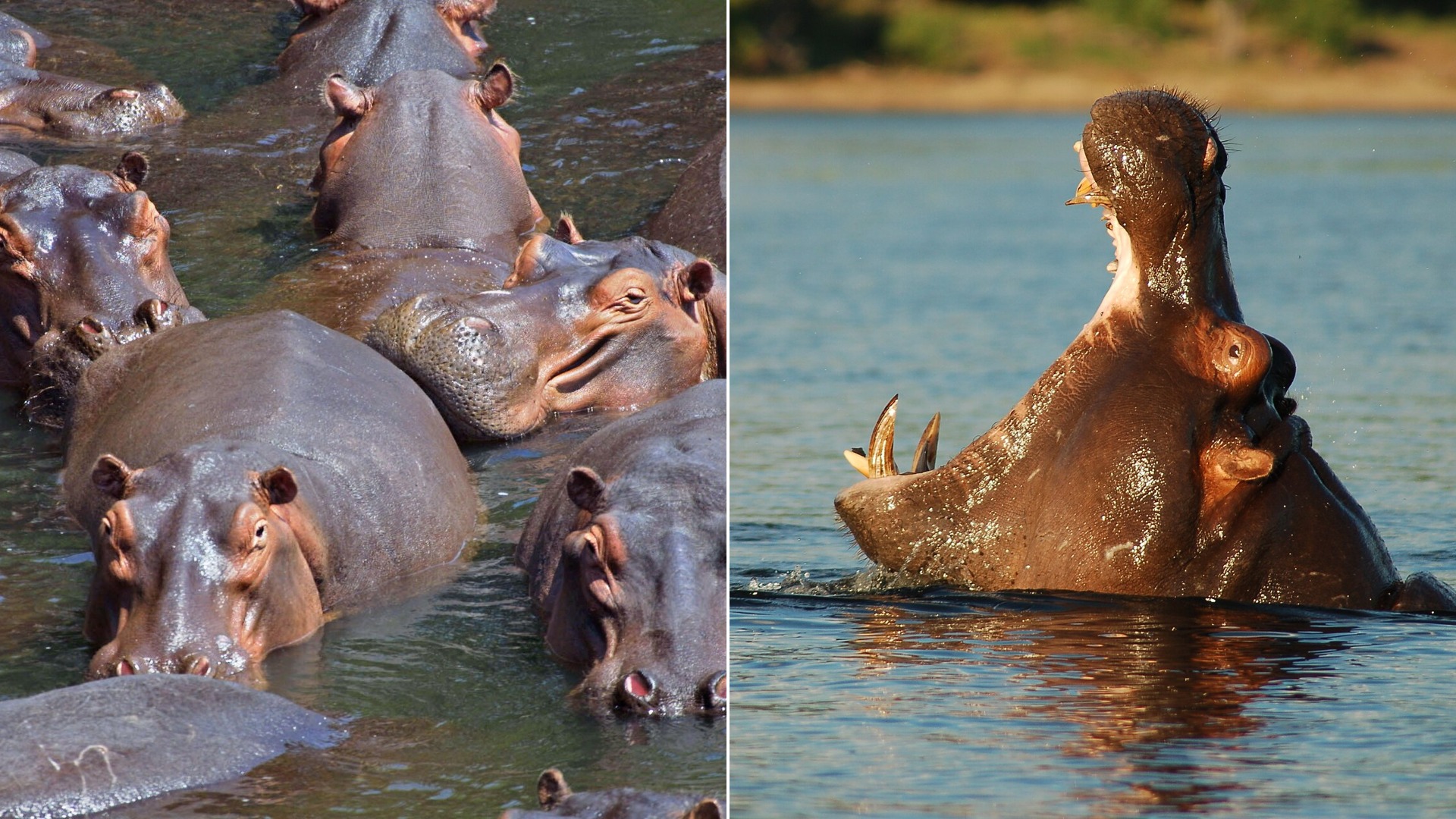
How Long Do Hippos Live? 20 Other Facts About Hippos
From sixty-year lifespans to whale cousins, discover secrets of river giants
Humans often assume complex emotions, language, and cultural traditions are uniquely our own. But across the animal kingdom, creature after creature displays behaviors once thought exclusive to humanity.
Swipe or tap ▶ to begin the countdown
©Wikimedia / Asteiner
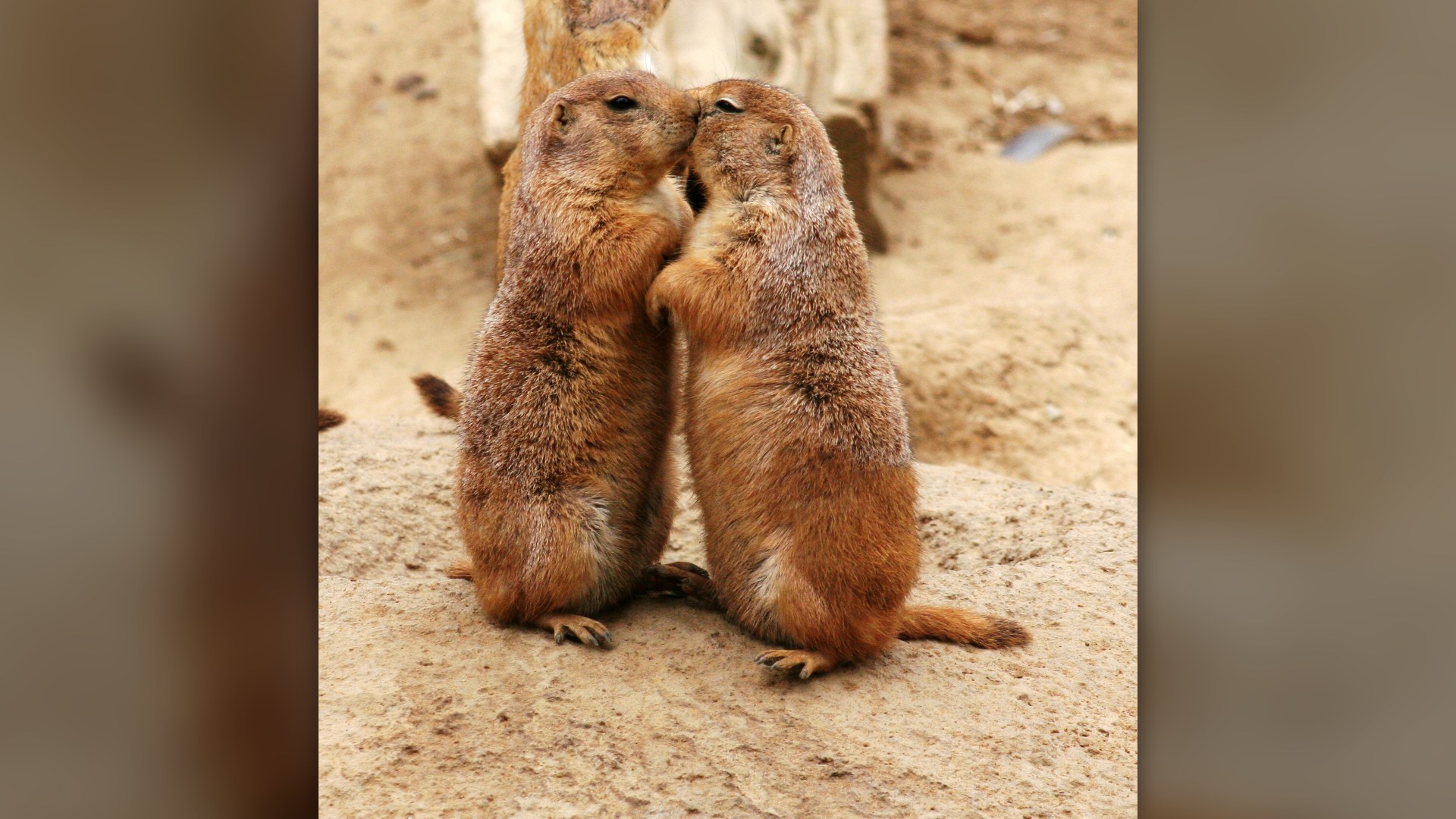
15. Prairie Dogs — Complex Grammar & Language
Con Slobodchikoff's landmark linguistic studies revealed that prairie dog alarm calls contain nouns, verbs, and adjectives. They can differentiate between a coyote and a dog, and even warn if a human is wearing a blue or green shirt.
©Wikimedia / Brocken Inaglory
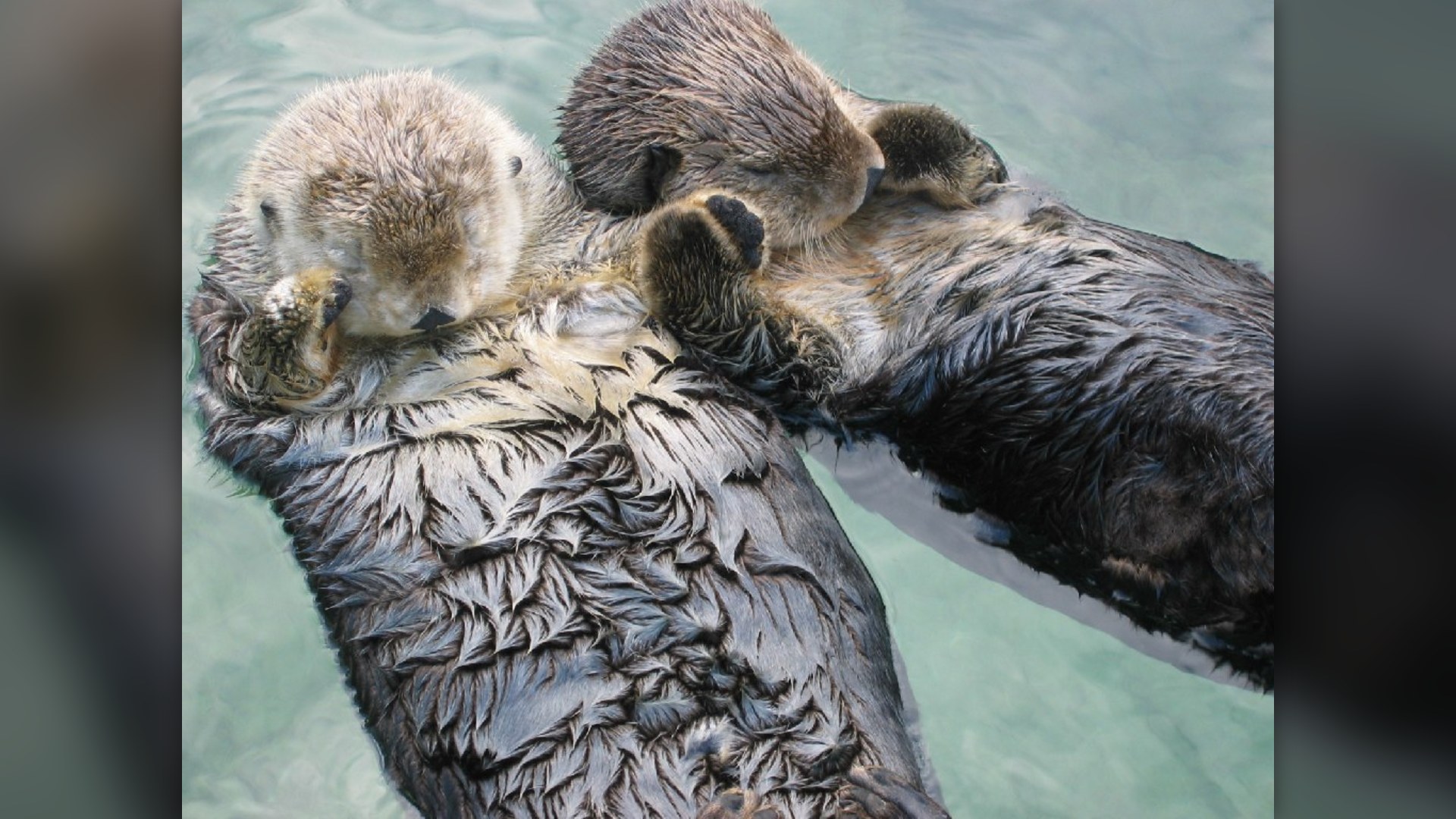
14. Sea Otters — Holding Hands While Sleeping
Sea otters wrap themselves in giant kelp forests and hold hands with family members while sleeping so ocean currents don't separate them. They also cherish specific anvil stones throughout life, tucking them into skin pouches.
©Wikimedia / Joe Robertson
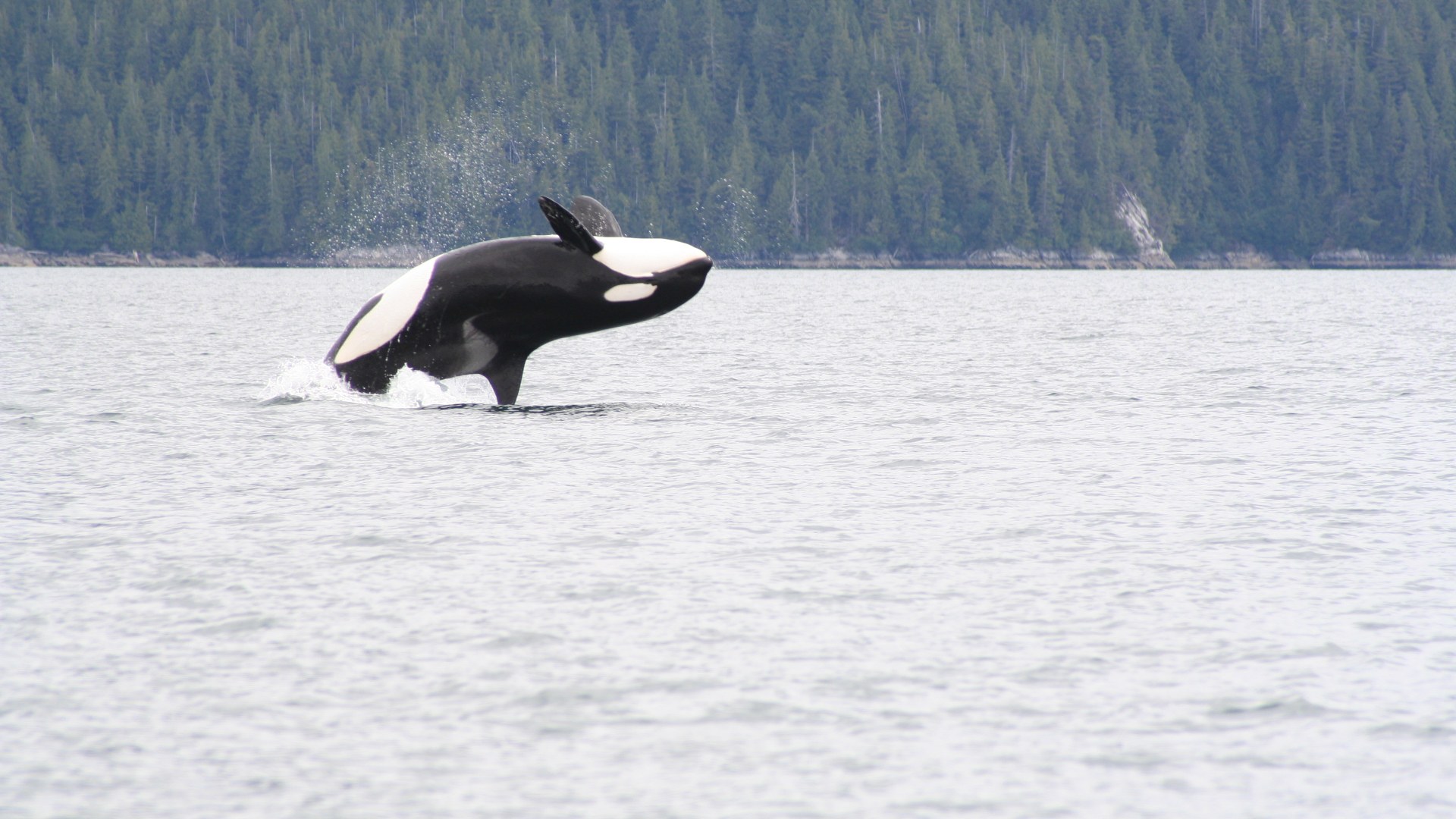
13. Orcas — Regional Dialects & Culture
Marine biologists recognize distinct cultural traditions among orca pods. Resident pods speak local dialects unintelligible to foreign pods, specialize in family-taught hunting strategies, and observe generational taboos.
©Wikimedia / National Park Service
Advertisement
Swipe or tap ▶ to resume the countdown.
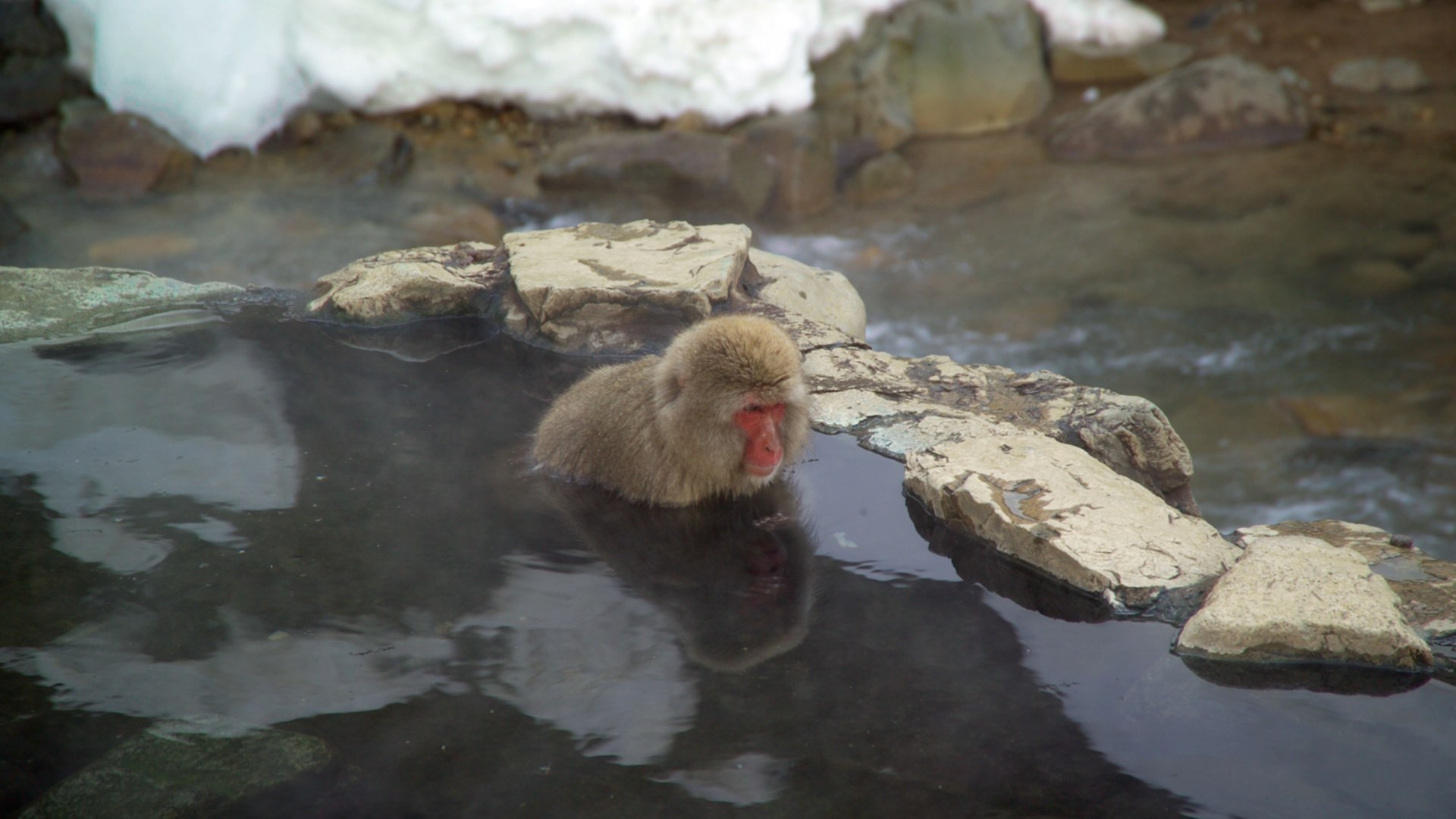
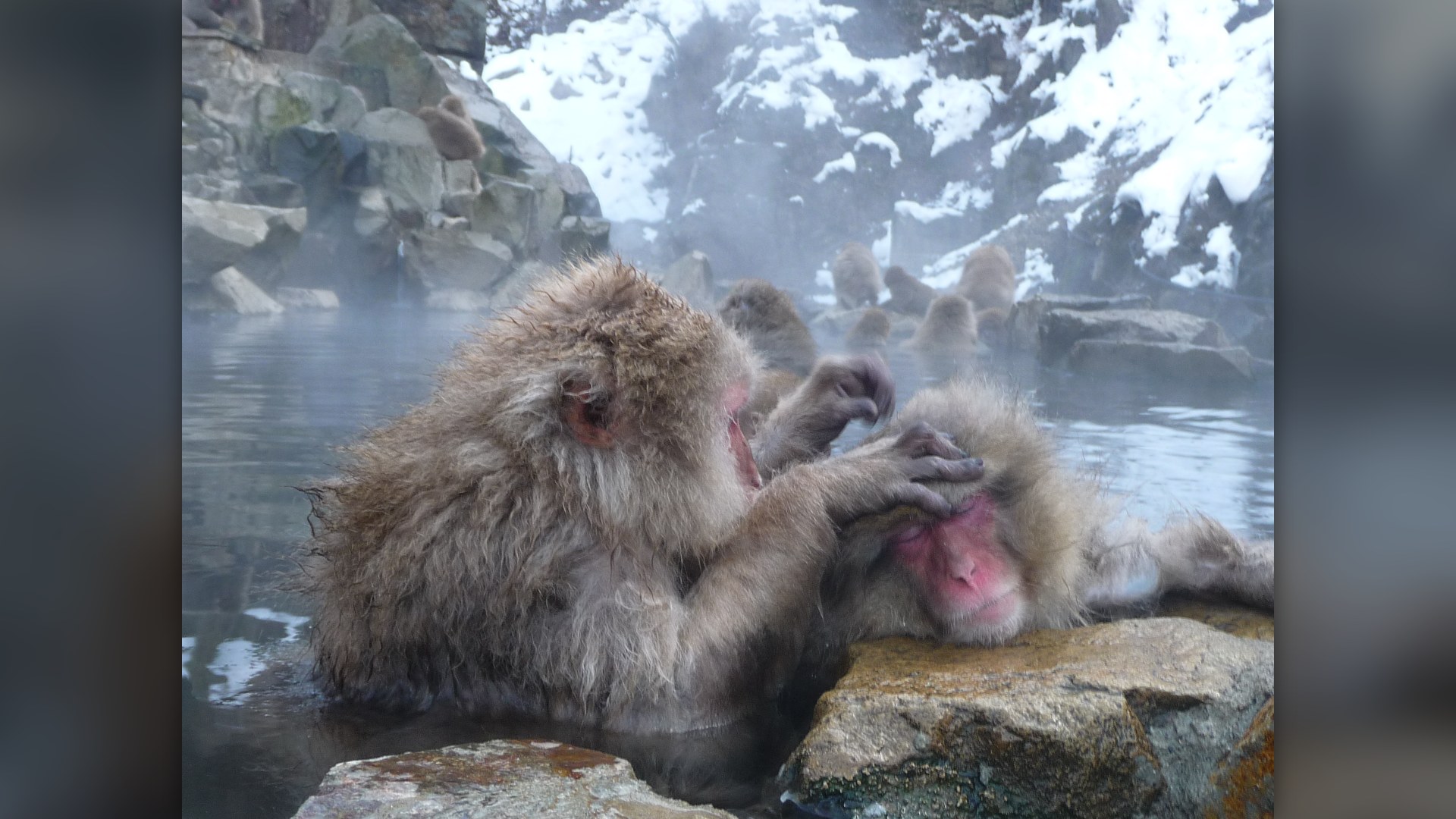
12. Japanese Macaques — Hot Spring Spa Days
In Nagano's Jigokudani valley, Japanese macaques enjoy communal hot spring baths during harsh winters. Cortisol testing confirms soaking slashes their stress levels. Troop members also wash sweet potatoes in ocean water to season them.
©Wikimedia / Fg2
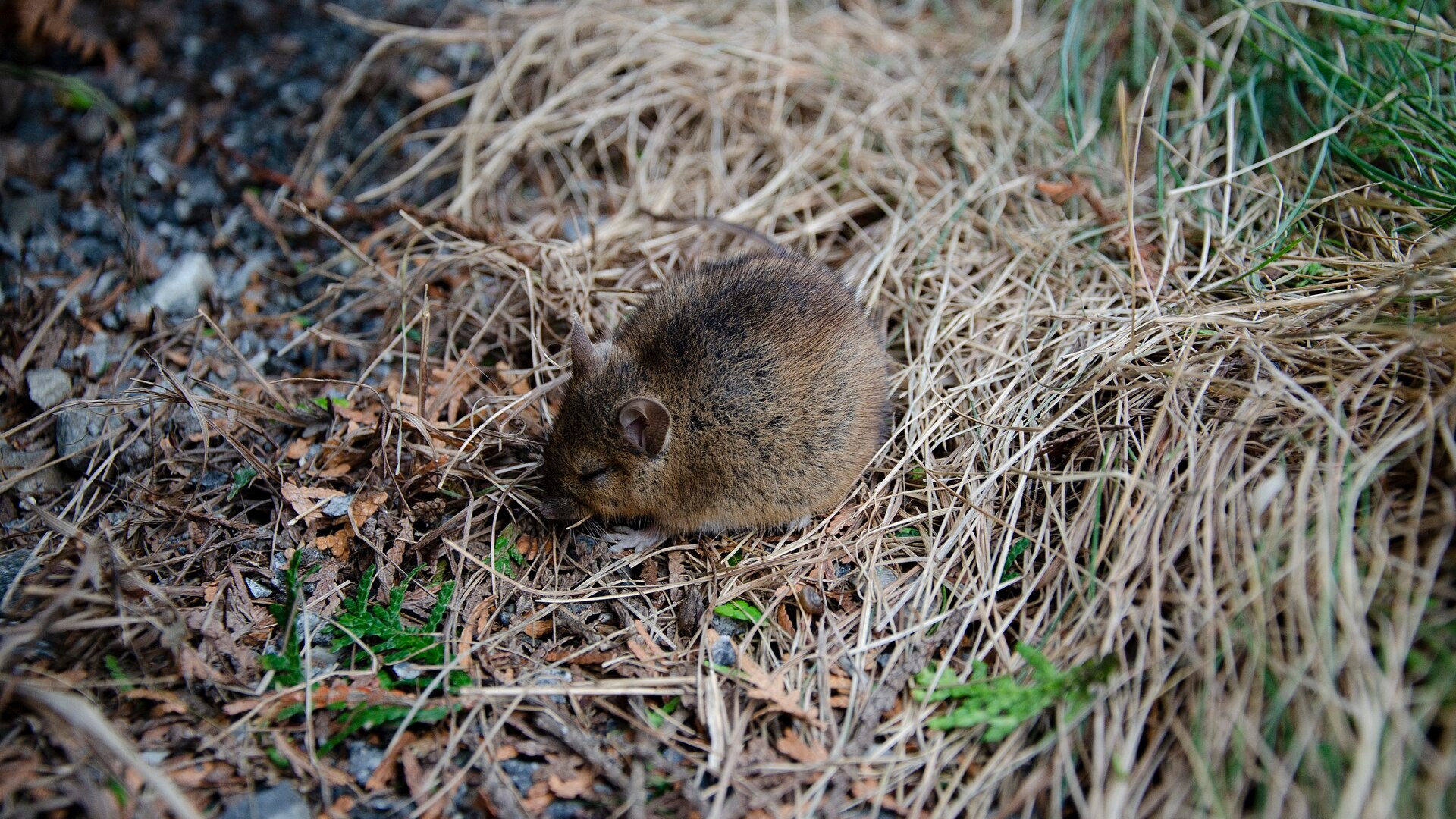
11. Rats — Ultrasonic Laughter & Empathy
Neuroscientist Jaak Panksepp discovered rats emit high-frequency laughter when playing or tickled. In groundbreaking empathy tests, rats consistently learned to open difficult trap doors to free trapped companions before eating chocolate.
©Wikimedia / Peulle
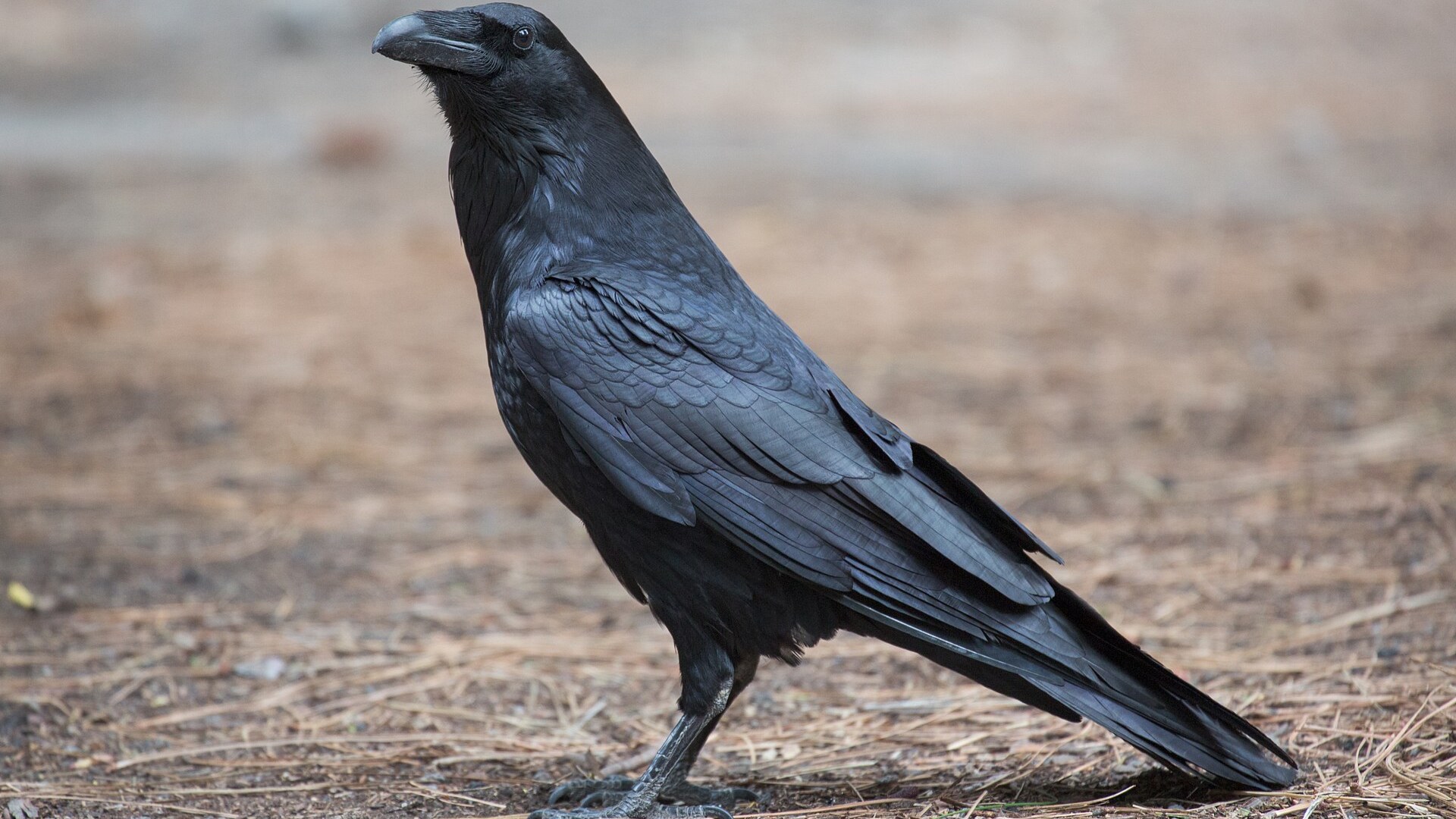
10. Crows & Ravens — Grudges & Funerals
Experiments at the University of Washington proved corvids remember dangerous human faces for over five years, passing grudges across generations. When discovering a dead peer, crows call others to gather silently and assess potential danger.
©Wikimedia / Diliff
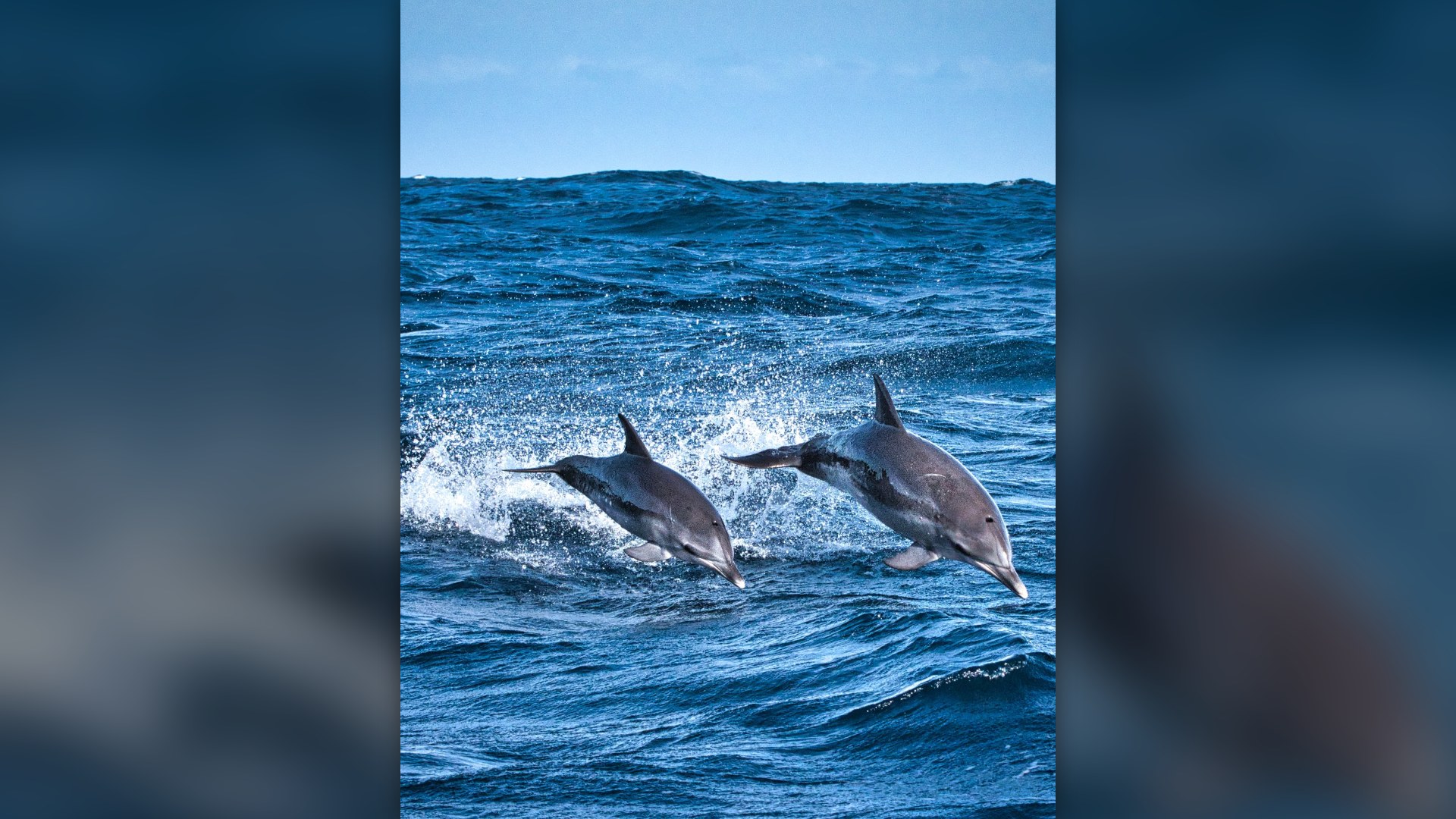
9. Dolphins — Calling Friends By Name
Research at the University of St Andrews revealed that calves develop their own unique signature whistle during their first year. Pod members copy these whistles to get each other's attention, representing true individual naming in nature.
©Wikimedia / CaptainDarwin
Advertisement
Swipe or tap ▶ to resume the countdown.
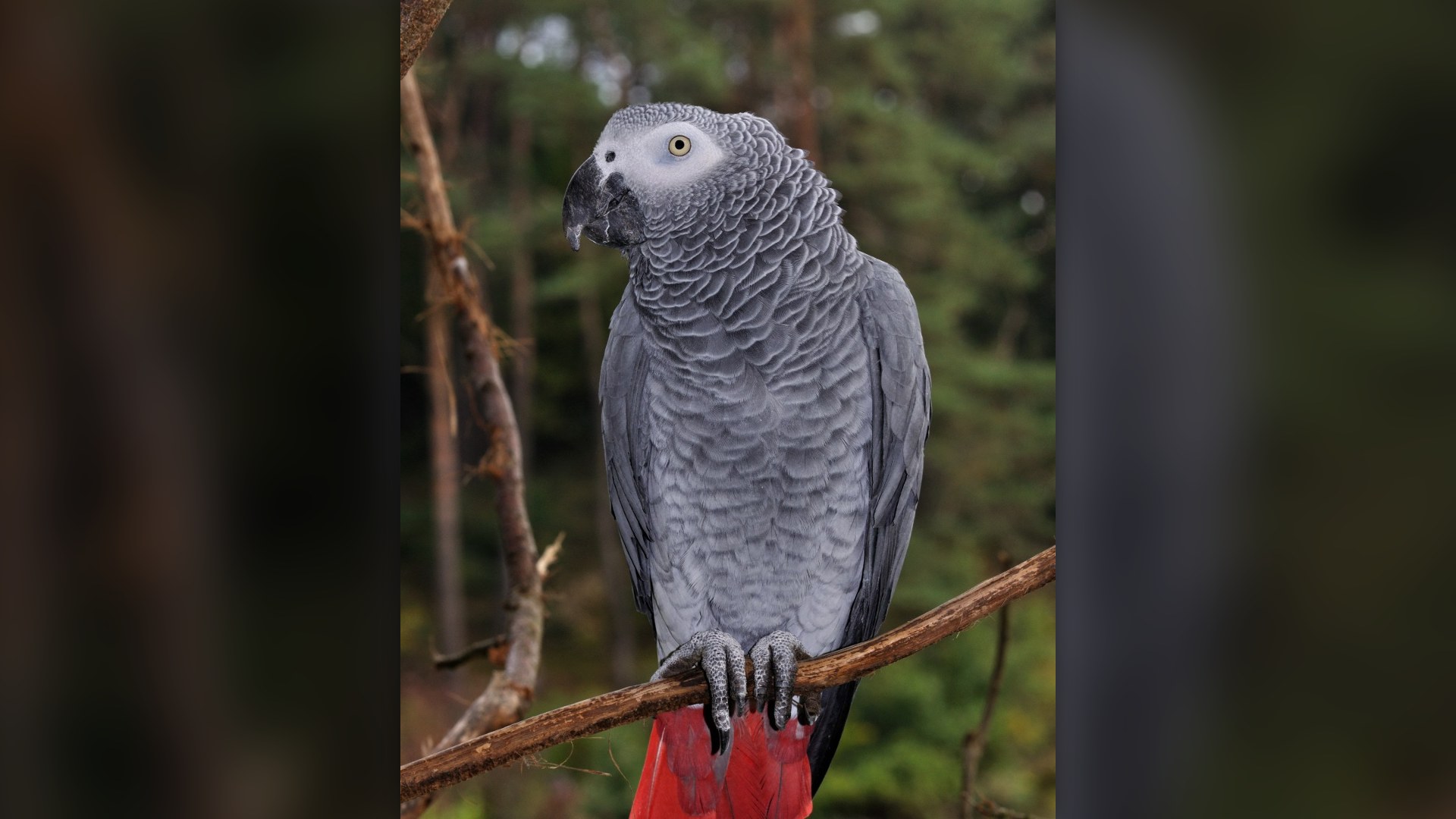
8. African Grey Parrots — Selfless Altruism
In a landmark Max Planck Institute study, African greys willingly passed metal tokens through an opening to help adjacent birds trade them for walnuts, even when knowing they would receive no treat themselves. It is the first proof of avian altruism.
©Wikimedia / Quartl
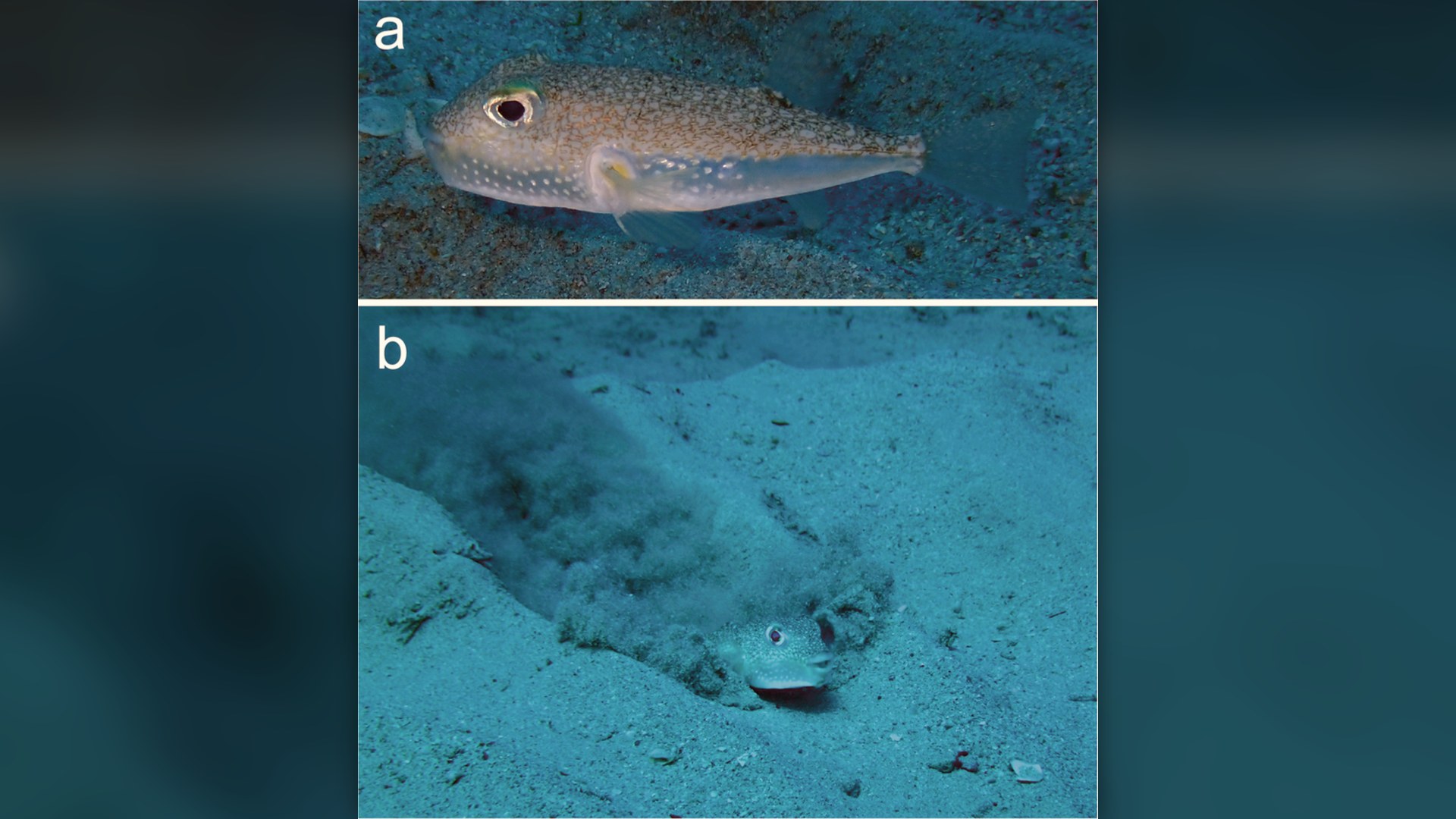
7. Pufferfish — Sculpting Sea Floor Mandalas
Discovered off southern Japan, male white-spotted pufferfish labor tirelessly for days using their fins to carve symmetrical geometric sand patterns over six feet wide. They line the inner peaks with crushed shells to attract a discerning mate.
©Wikimedia / Hiroshi Kawase et al.
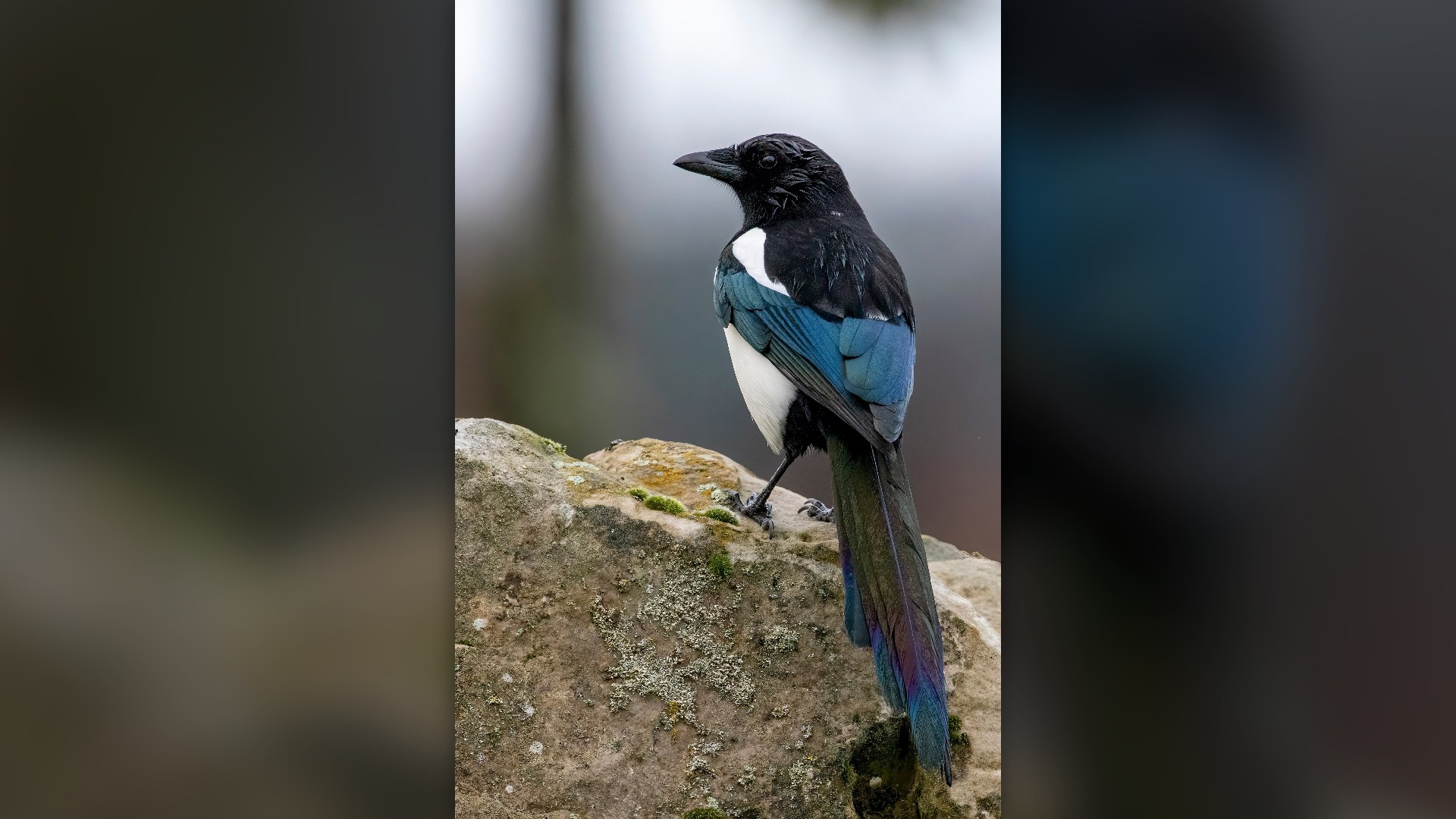
6. Eurasian Magpies — Self-Awareness In Mirrors
When researchers placed colored stickers on the throat feathers of Eurasian magpies—a spot only visible in a mirror—the birds spent prolonged time scratching at their own necks in front of the glass, becoming the first non-mammals to prove self-awareness.
©Wikimedia / Alexis Lours
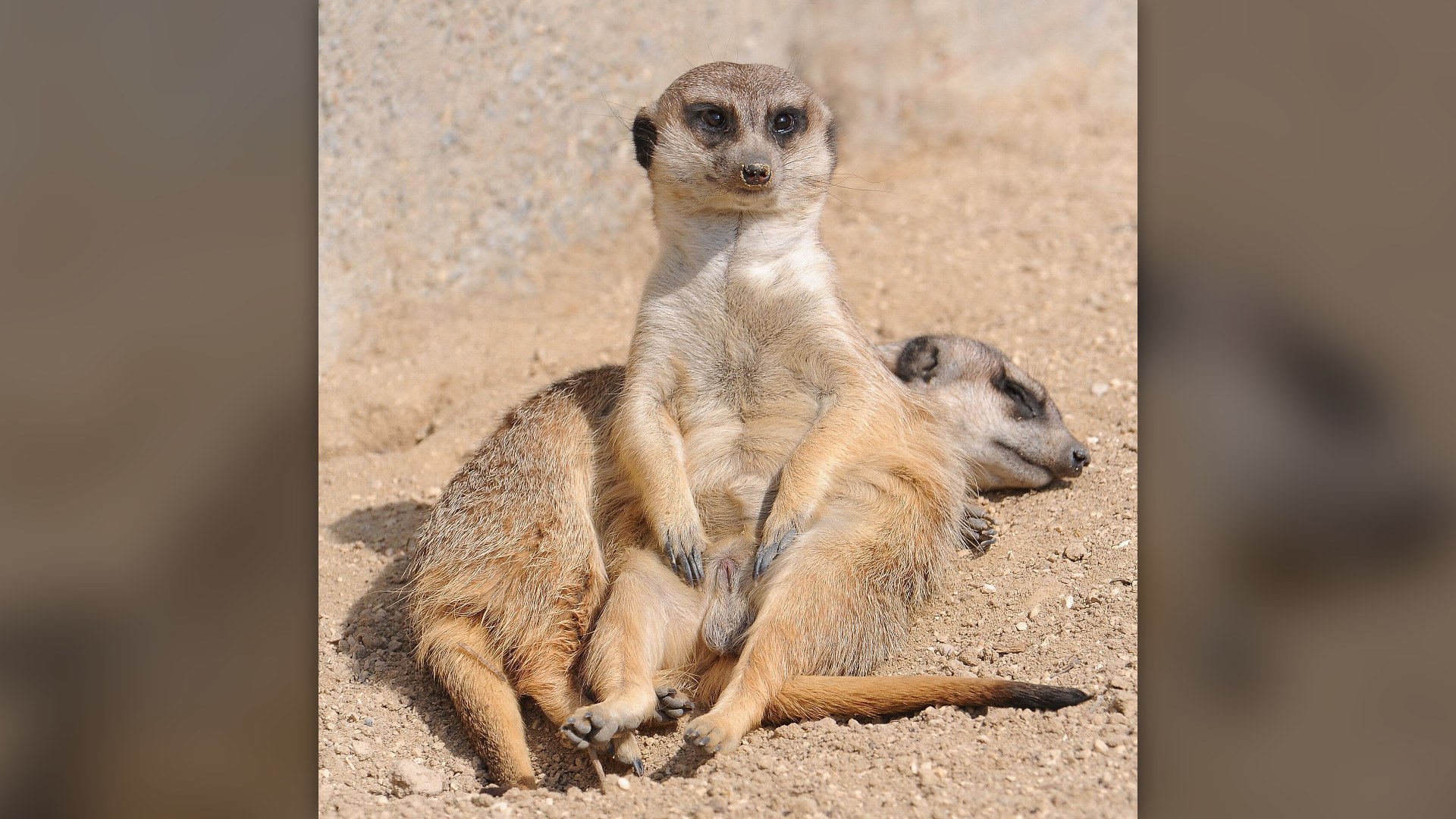
5. Meerkats — Step By-Step Classroom Lessons
Meerkats are among the few wild animals that actively teach their young. Adults begin by bringing pups dead scorpions to taste, then injured scorpions with stingers removed to practice handling, and finally intact live prey once skills develop.
©Wikimedia / Böhringer Friedrich
Advertisement
Swipe or tap ▶ to resume the countdown.
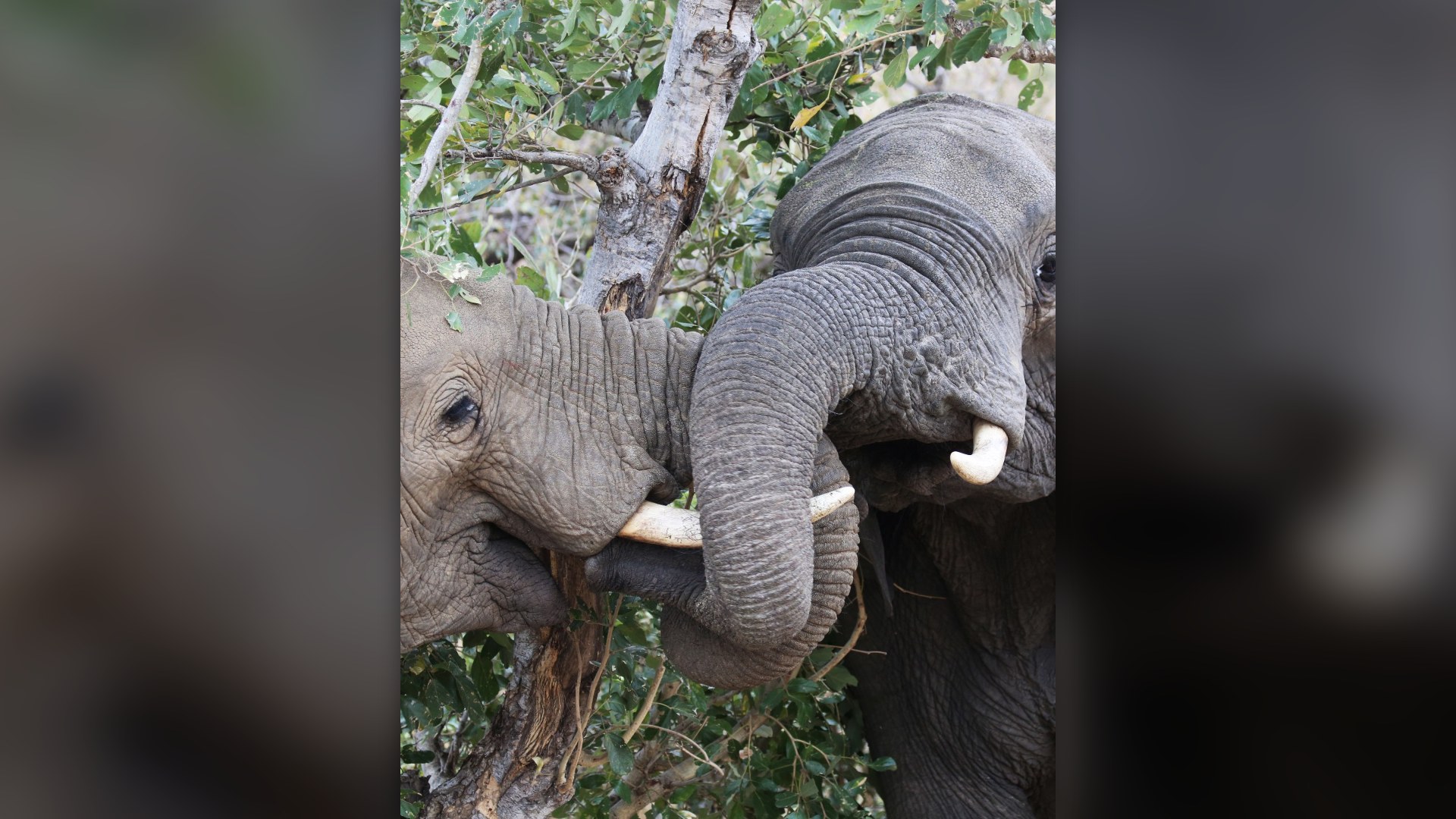
4. Elephants — Vigils & Mourning The Dead
Elephant herds exhibit profound grief upon losing family. They gather around fallen members in silence, use trunks to stroke jaws and tusks, and cover bodies with dirt and branches. They even pause respectfully when visiting ancient bone sites.
©Wikimedia / flowcomm
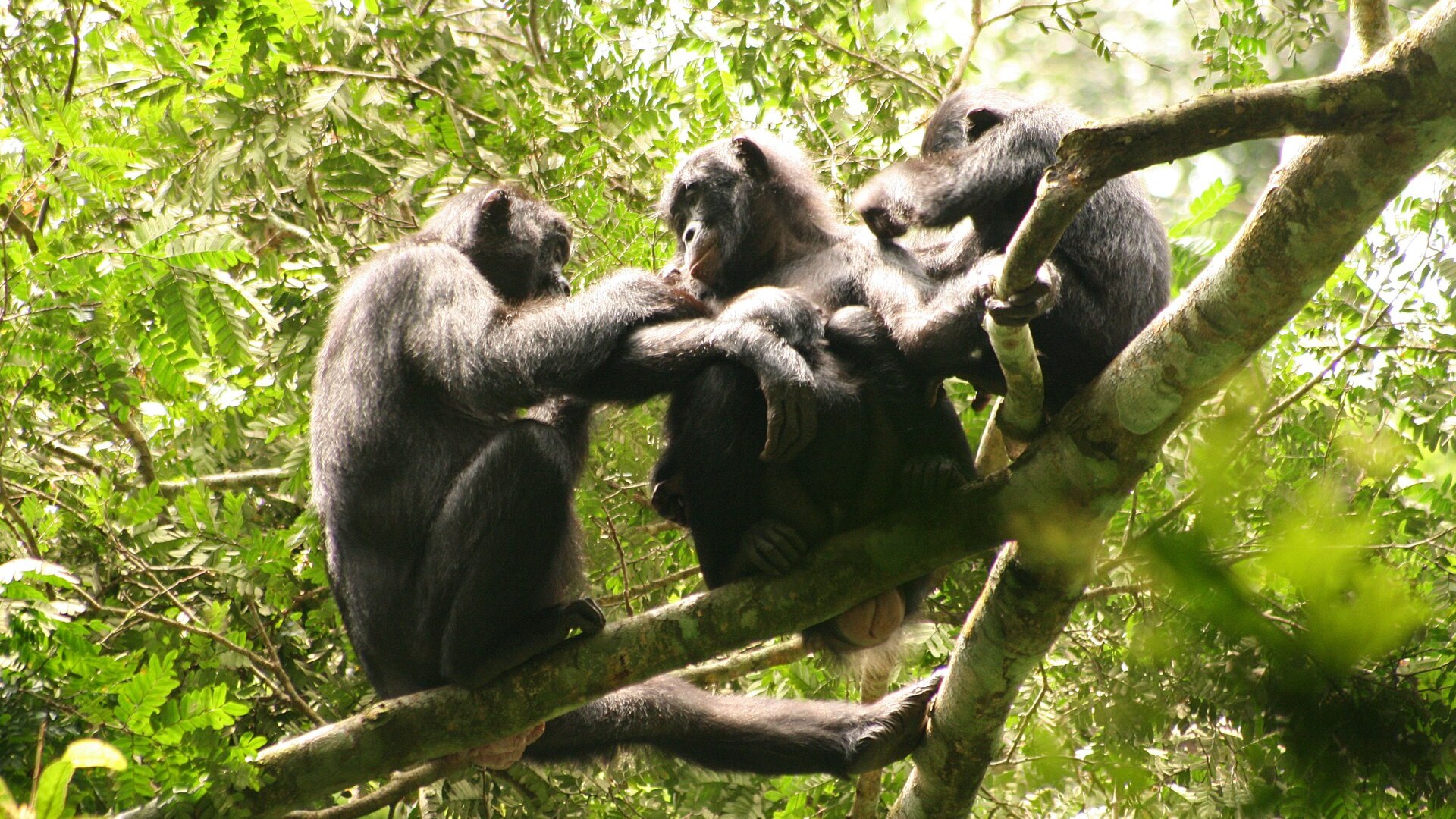
3. Bonobos — Peaceful Conflict Resolution
Governed by matriarchal leadership, bonobos choose affection over aggression when facing disputes. When groups meet or food resources are contested, bonobos initiate comforting embraces and cooperative sharing to dissolve social tension.
©Wikimedia / DBeaune
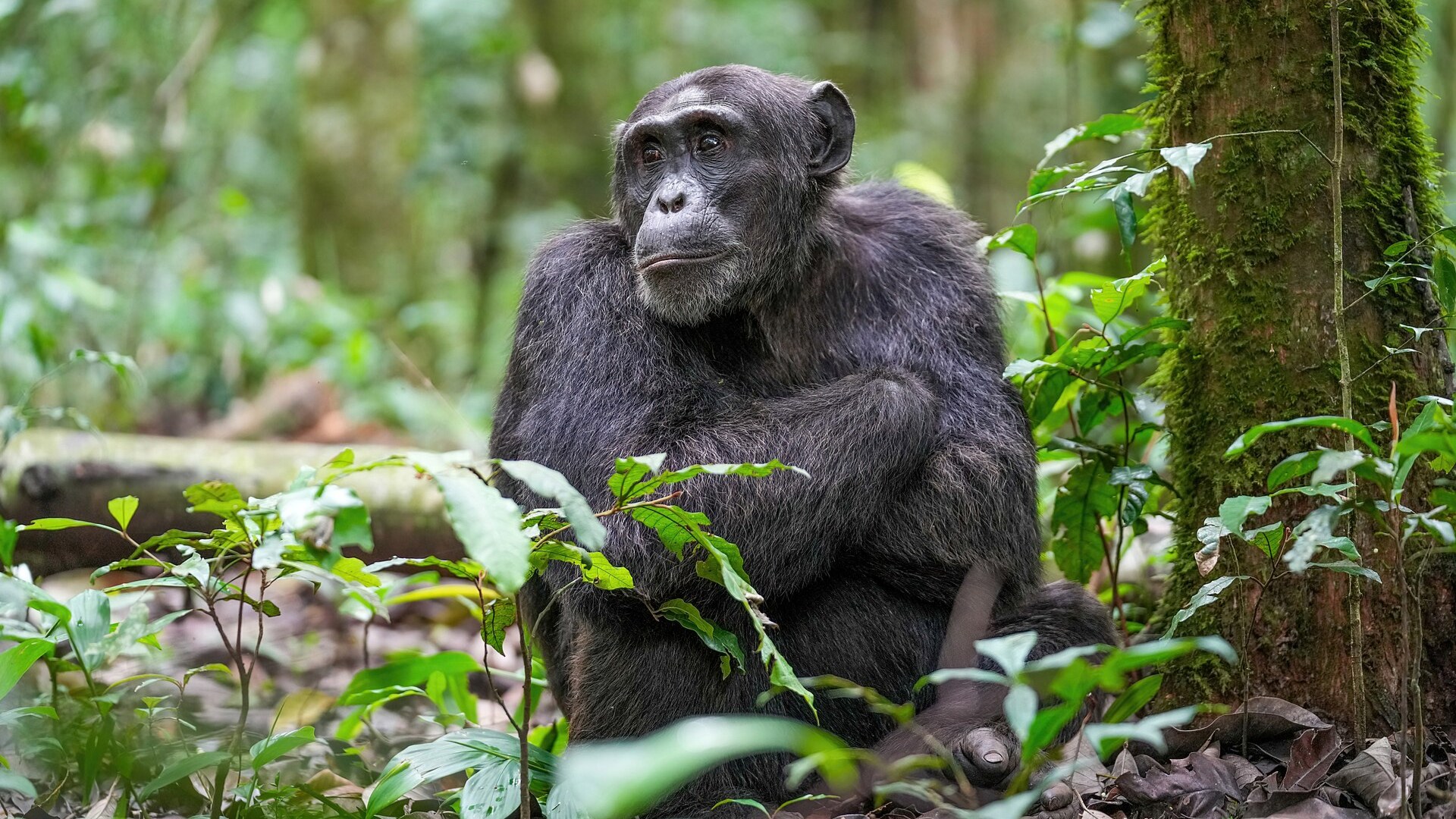
2. Chimpanzees — Tool Engineering & Natural Medicine
Wild chimpanzees modify specific twigs to fish for insects and crush stones into anvils to crack hard nuts. When feeling ill, chimps seek out unpalatable Aspilia leaves, swallowing them whole to cleanse their digestive tract of parasites.
©Wikimedia / Giles Laurent
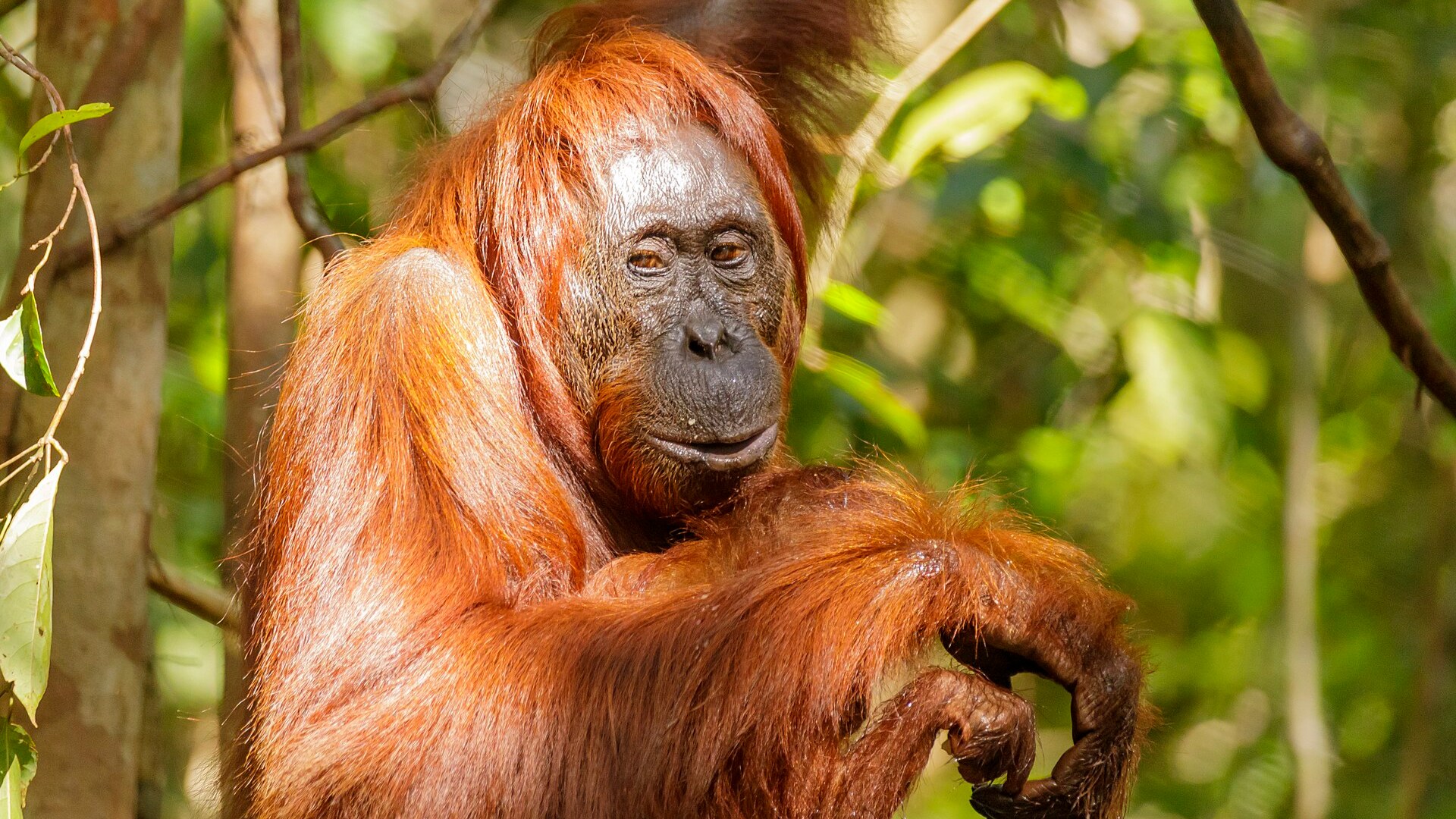
1. Orangutans — Self-Medication & Mattress Design
Scientists observed an orangutan named Rakus chewing medicinal Fibraurea leaves into a paste and repeatedly dabbing it onto a facial wound until fully healed. Orangutans also construct intricate nests daily, selecting branches for flexibility and warmth.

©Wikimedia / Thomas Fuhrmann
Advertisement
You've reached the end of the story. Thanks for reading!

How Long Do Hippos Live? 20 Other Facts About Hippos
From sixty-year lifespans to whale cousins, discover secrets of river giants
All 15 Entries in this Story
15. Prairie Dogs — Complex Grammar & Language
Con Slobodchikoff's landmark linguistic studies revealed that prairie dog alarm calls contain nouns, verbs, and adjectives. They can differentiate between a coyote and a dog, and even warn if a human is wearing a blue or green shirt.

14. Sea Otters — Holding Hands While Sleeping
Sea otters wrap themselves in giant kelp forests and hold hands with family members while sleeping so ocean currents don't separate them. They also cherish specific anvil stones throughout life, tucking them into skin pouches.

13. Orcas — Regional Dialects & Culture
Marine biologists recognize distinct cultural traditions among orca pods. Resident pods speak local dialects unintelligible to foreign pods, specialize in family-taught hunting strategies, and observe generational taboos.

12. Japanese Macaques — Hot Spring Spa Days
In Nagano's Jigokudani valley, Japanese macaques enjoy communal hot spring baths during harsh winters. Cortisol testing confirms soaking slashes their stress levels. Troop members also wash sweet potatoes in ocean water to season them.

11. Rats — Ultrasonic Laughter & Empathy
Neuroscientist Jaak Panksepp discovered rats emit high-frequency laughter when playing or tickled. In groundbreaking empathy tests, rats consistently learned to open difficult trap doors to free trapped companions before eating chocolate.

10. Crows & Ravens — Grudges & Funerals
Experiments at the University of Washington proved corvids remember dangerous human faces for over five years, passing grudges across generations. When discovering a dead peer, crows call others to gather silently and assess potential danger.

9. Dolphins — Calling Friends By Name
Research at the University of St Andrews revealed that calves develop their own unique signature whistle during their first year. Pod members copy these whistles to get each other's attention, representing true individual naming in nature.

8. African Grey Parrots — Selfless Altruism
In a landmark Max Planck Institute study, African greys willingly passed metal tokens through an opening to help adjacent birds trade them for walnuts, even when knowing they would receive no treat themselves. It is the first proof of avian altruism.

7. Pufferfish — Sculpting Sea Floor Mandalas
Discovered off southern Japan, male white-spotted pufferfish labor tirelessly for days using their fins to carve symmetrical geometric sand patterns over six feet wide. They line the inner peaks with crushed shells to attract a discerning mate.

6. Eurasian Magpies — Self-Awareness In Mirrors
When researchers placed colored stickers on the throat feathers of Eurasian magpies—a spot only visible in a mirror—the birds spent prolonged time scratching at their own necks in front of the glass, becoming the first non-mammals to prove self-awareness.

5. Meerkats — Step By-Step Classroom Lessons
Meerkats are among the few wild animals that actively teach their young. Adults begin by bringing pups dead scorpions to taste, then injured scorpions with stingers removed to practice handling, and finally intact live prey once skills develop.

4. Elephants — Vigils & Mourning The Dead
Elephant herds exhibit profound grief upon losing family. They gather around fallen members in silence, use trunks to stroke jaws and tusks, and cover bodies with dirt and branches. They even pause respectfully when visiting ancient bone sites.

3. Bonobos — Peaceful Conflict Resolution
Governed by matriarchal leadership, bonobos choose affection over aggression when facing disputes. When groups meet or food resources are contested, bonobos initiate comforting embraces and cooperative sharing to dissolve social tension.

2. Chimpanzees — Tool Engineering & Natural Medicine
Wild chimpanzees modify specific twigs to fish for insects and crush stones into anvils to crack hard nuts. When feeling ill, chimps seek out unpalatable Aspilia leaves, swallowing them whole to cleanse their digestive tract of parasites.

1. Orangutans — Self-Medication & Mattress Design
Scientists observed an orangutan named Rakus chewing medicinal Fibraurea leaves into a paste and repeatedly dabbing it onto a facial wound until fully healed. Orangutans also construct intricate nests daily, selecting branches for flexibility and warmth.