Slideshow · Science
Have you every faced Turbulence in your life: here is what you need to know
From wing-flexing physics to invisible air waves, what really happens aloft.


All 15 Entries in this Story
#1. Can Turbulence Rip The Wings Off A Modern Plane?
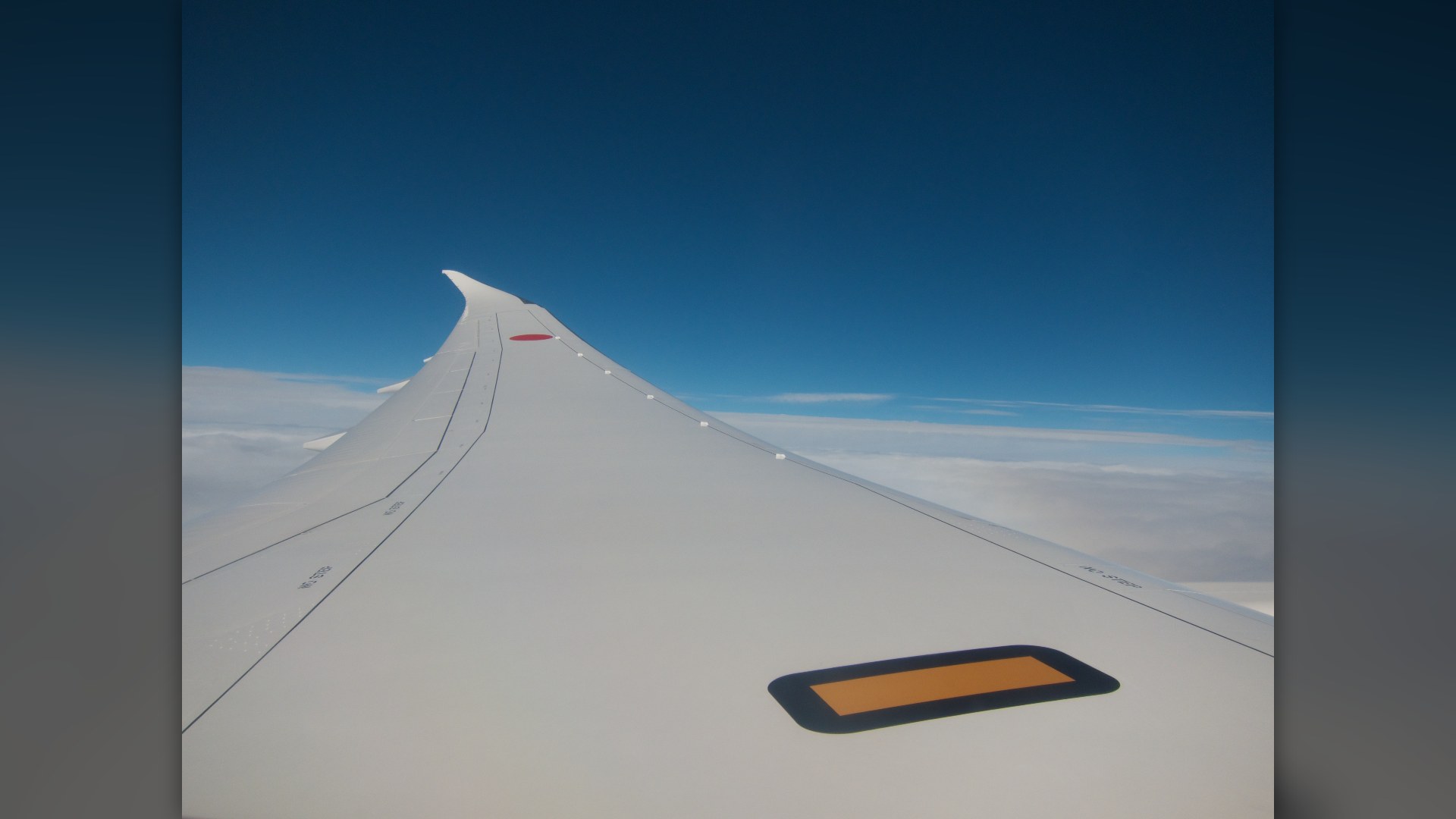
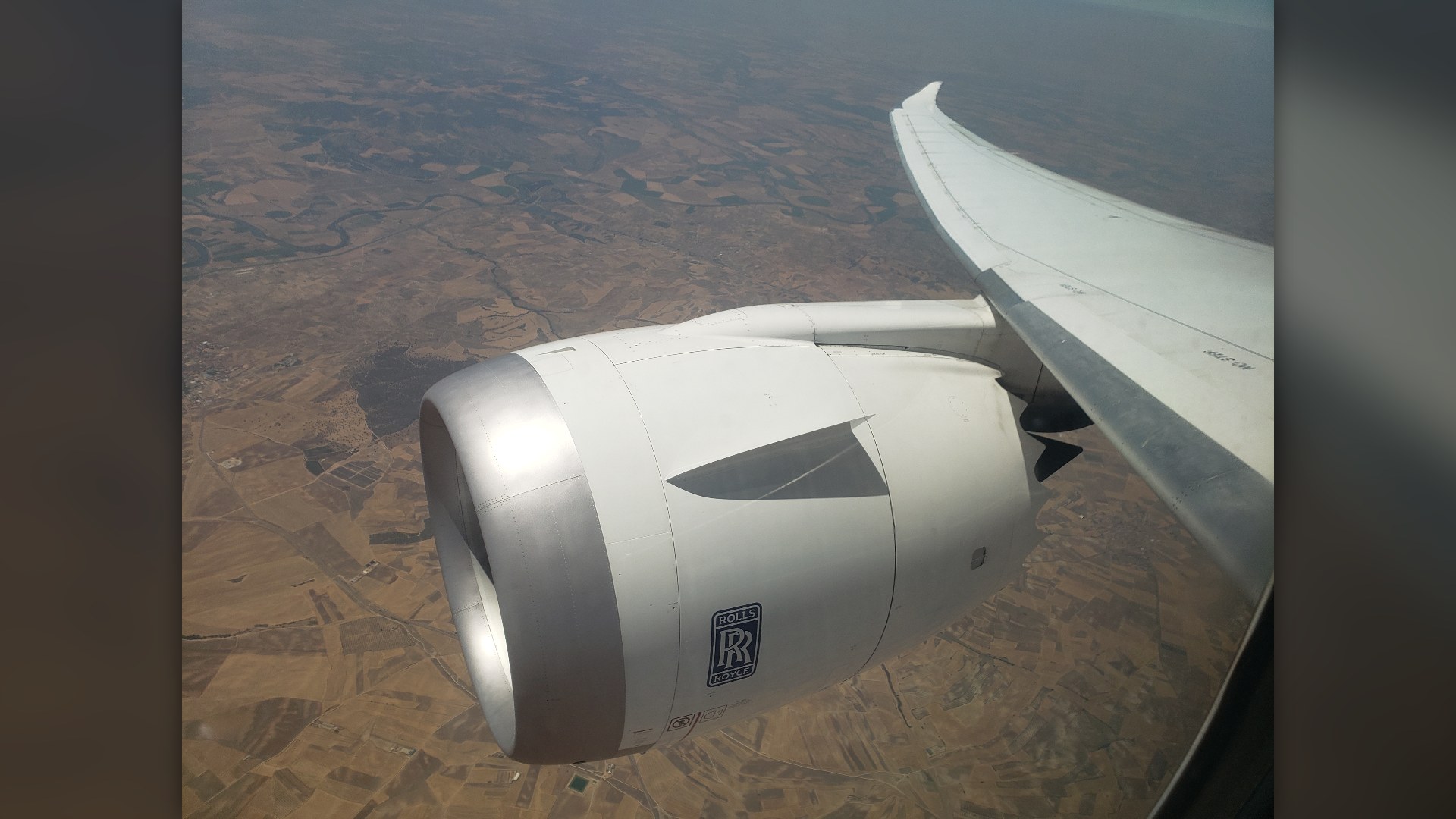
Nervous flyers often worry that severe shaking could snap a wing off in mid-air. Commercial jets are built with huge structural safety margins. Their composite and aluminum wings act like giant shock absorbers that flex upward dramatically during stress tests long before any failure occurs.
#2. Is The Plane Plummeting Hundreds Of Feet Instantly?
A sudden stomach-dropping jolt can make flyers feel as if the plane is falling hundreds of feet at once. That sensation is a trick played by fluid in your inner ear during brief vertical acceleration. Pilots note that altimeters usually move only 10 to 20 feet in standard bumps.
#3. Can Turbulence Flip A Commercial Airliner Upside Down?
Disaster movies love showing a single violent gust rolling a passenger jet upside down. Aerodynamically, a standard gust of air cannot flip a modern airliner. Commercial aircraft are inherently stable by design, using swept wings, balanced weight, and flight computers to stay level.
#4. Do Airliners Hit Empty Air Pockets Or Vacuums?
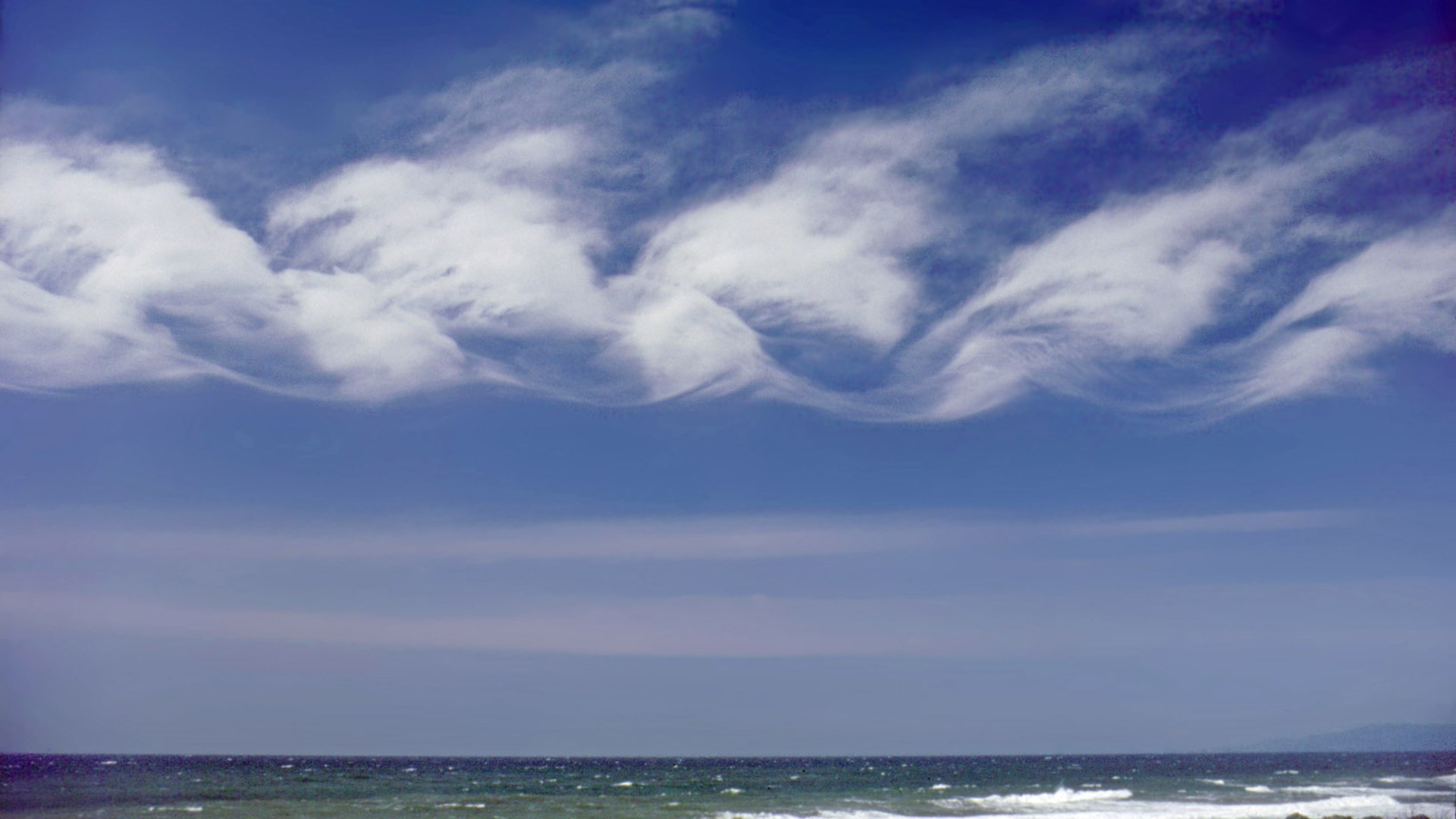
People still blame sudden jolts on hitting an empty air pocket, as if the sky contains random vacuum holes. There are no vacuums in the sky. Turbulence is simply an airplane crossing choppy currents of air, much like a boat crossing ocean waves, and the wings never lose their lift.
#5. Are Pilots Secretly Panicking In The Cockpit?
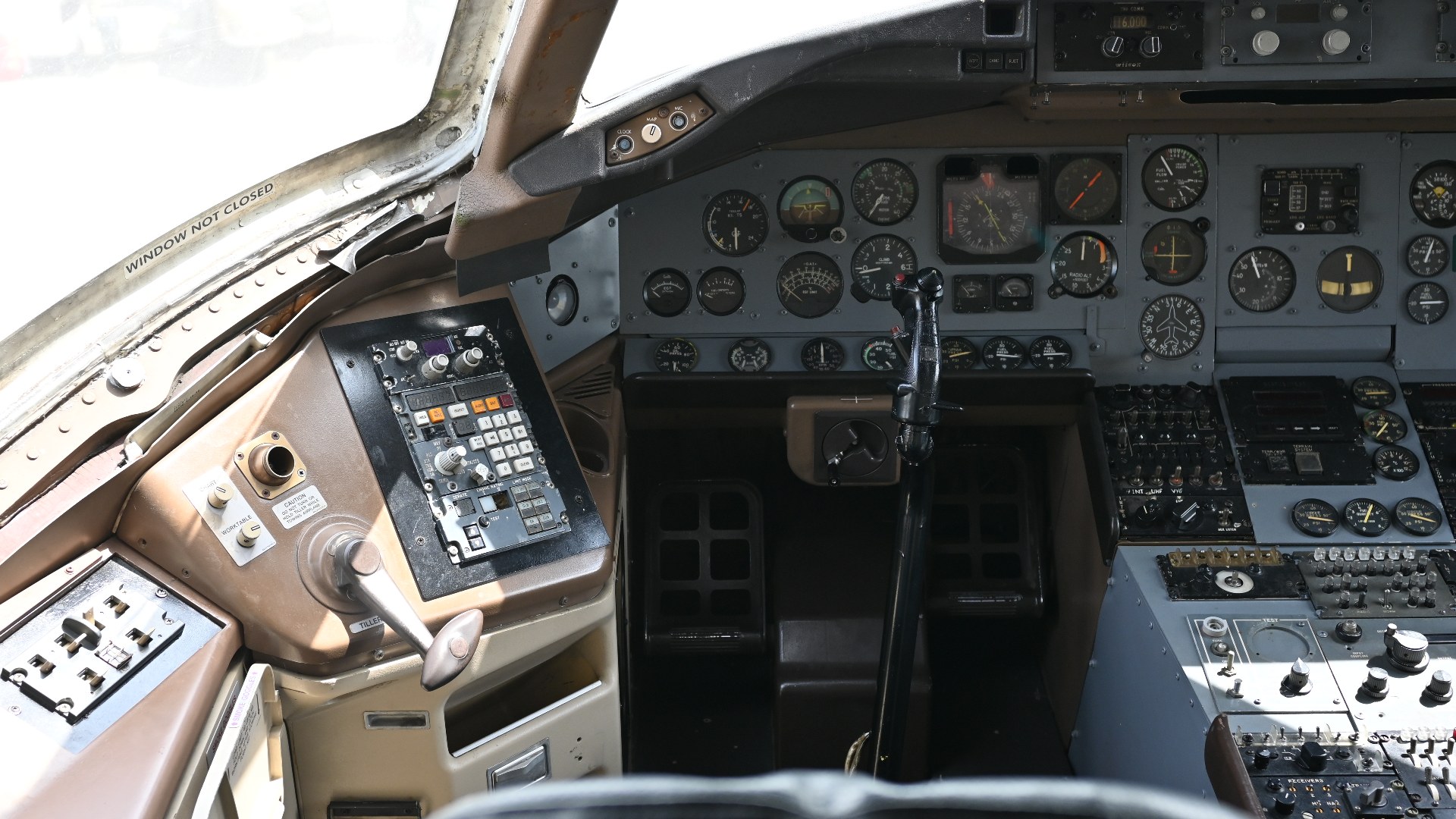
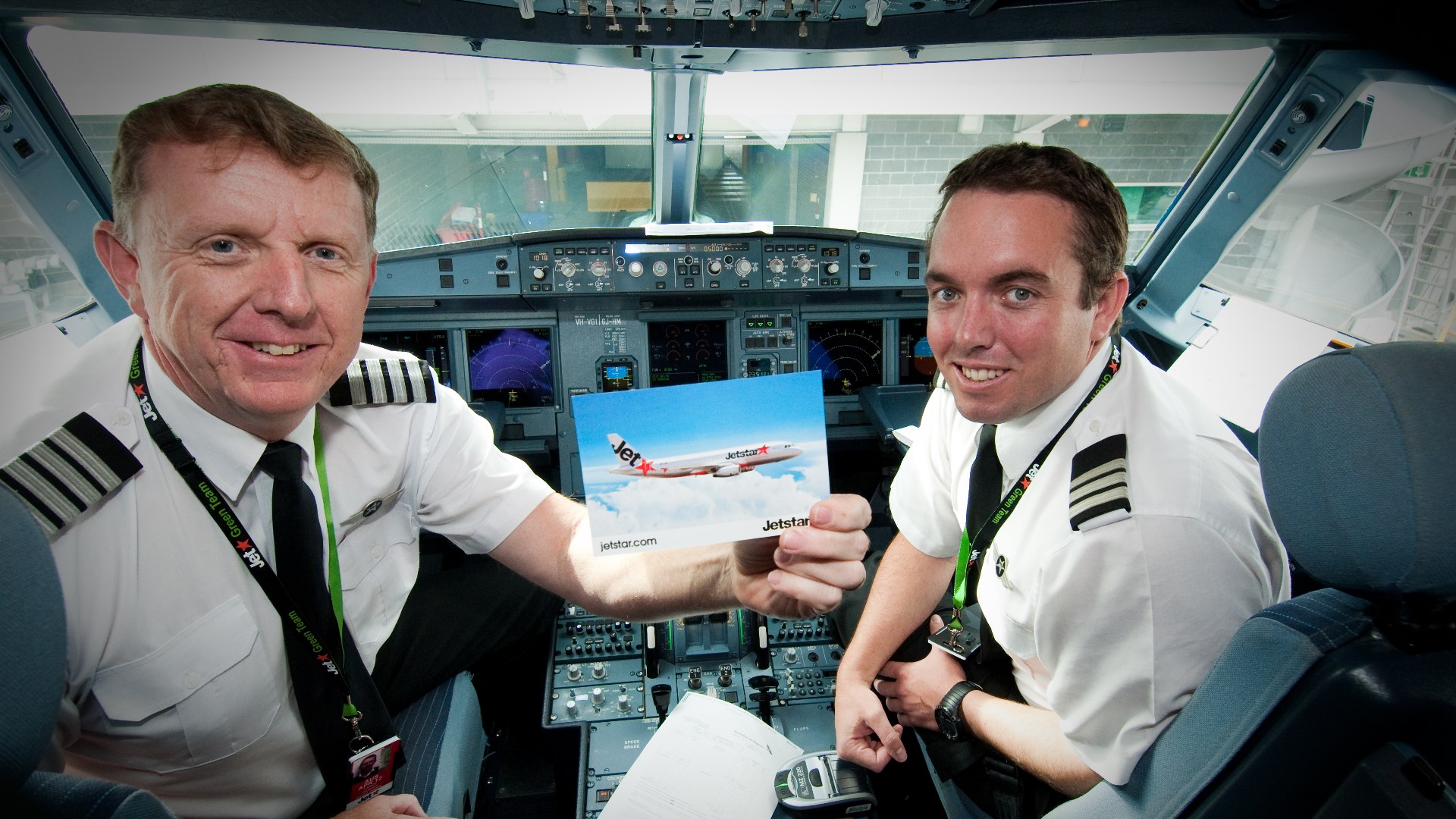
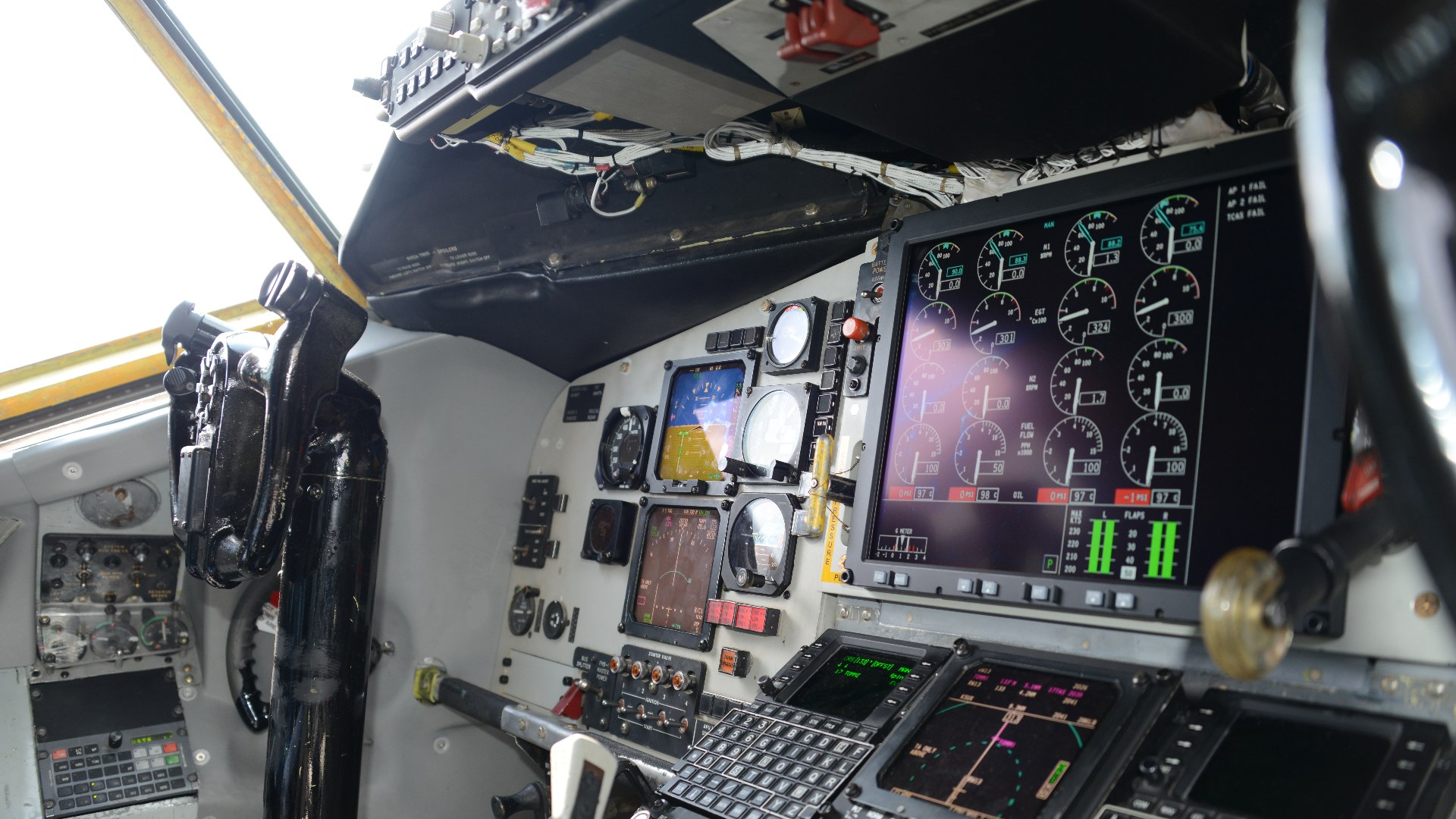
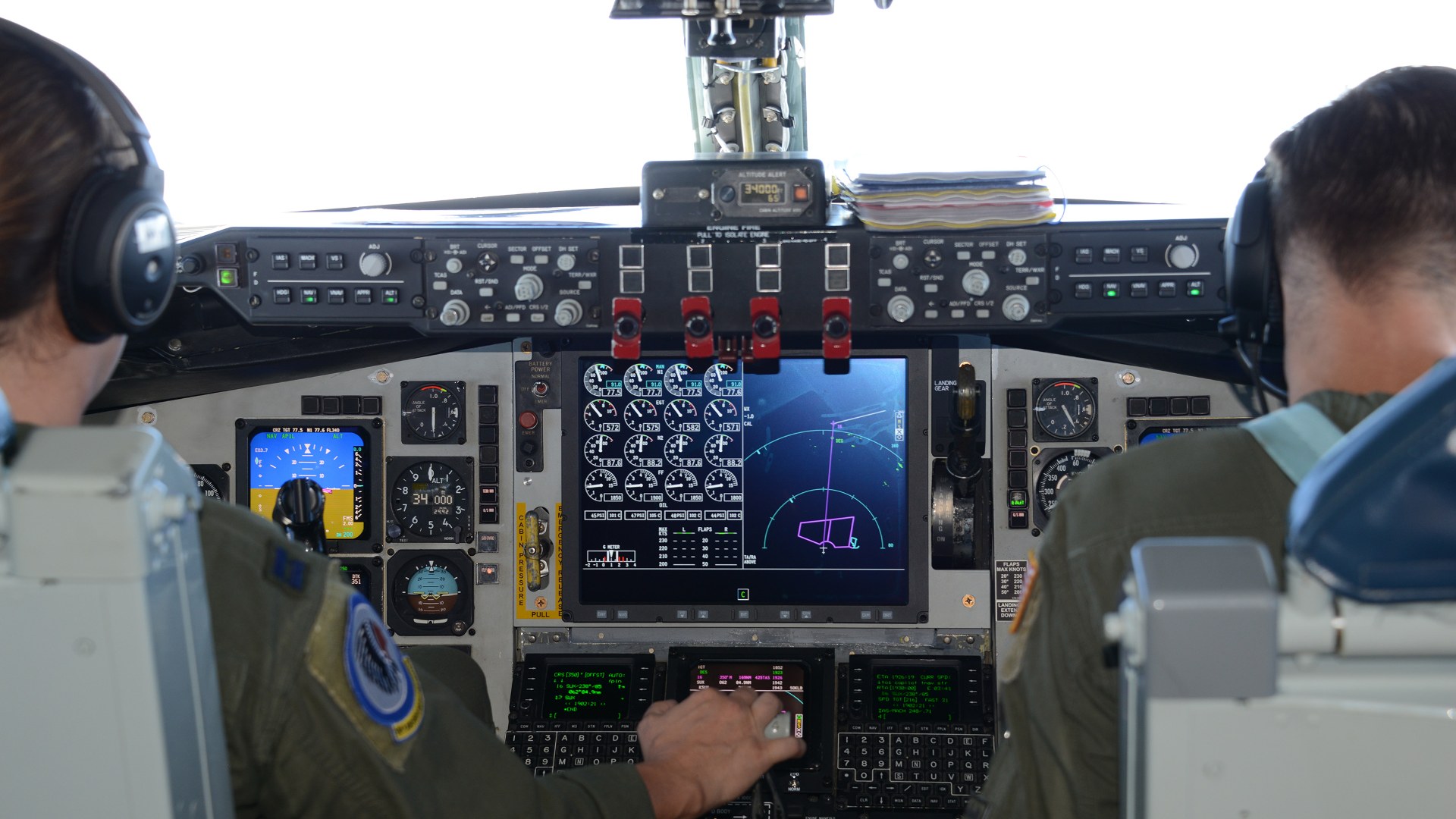
When the cabin shakes, passengers sometimes imagine pilots sweating and fighting the controls up front. For flight crews, bumps are just another ordinary day at the office. Captains view turbulence as a minor operational inconvenience, staying focused on speed, ATC, and their coffee.
#6. Does Cockpit Radar Warn Pilots About All Turbulence?
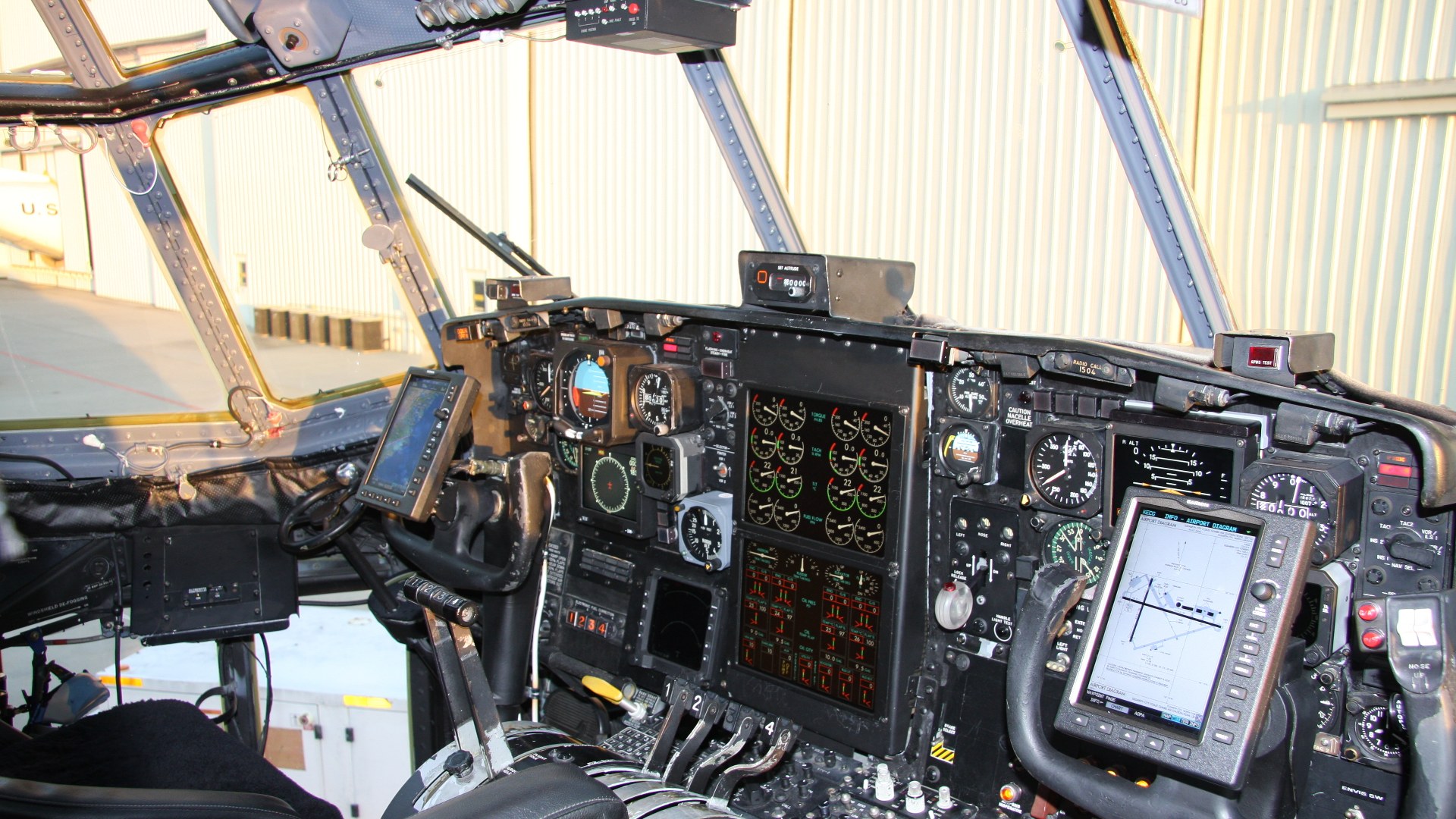
Many travelers assume cockpit displays reveal every patch of rough air miles ahead. Onboard weather radar bounces radio waves off water droplets, making it great for spotting rainstorms. However, radar cannot see dry Clear Air Turbulence, so crews rely on live reports from planes ahead.
#7. Can Rough Air Cause Jet Engines To Stall Or Fail?
Hearing engine pitch change during choppy air can make flyers fear the turbines are choking out. Jet engines are unaffected by standard atmospheric bumps. Aerospace engineers design and test turbofans to ingest chaotic crosswinds, heavy downpours, and ice without disrupting combustion.
#8. Is It Safe To Unbuckle When The Seatbelt Sign Is Off?
Unbuckling the moment the overhead chime turns off is a common mistake. Because Clear Air Turbulence contains no clouds or moisture, it can strike in blue skies without a second of warning. Keeping your seatbelt fastened while seated acts as vital insurance against a sudden vertical jolt.
#9. Is Turbulence Inherently Dangerous To Human Life?
Flyers often view turbulence as a threat to the aircraft itself. Rough air does not bring down modern airliners, but unsecured objects and unbuckled bodies can cause harm inside the cabin. Most flight injuries happen when unrestrained flyers or crew strike overhead bins during a drop.
#10. Is Turbulence More Dangerous On Smaller Regional Planes?
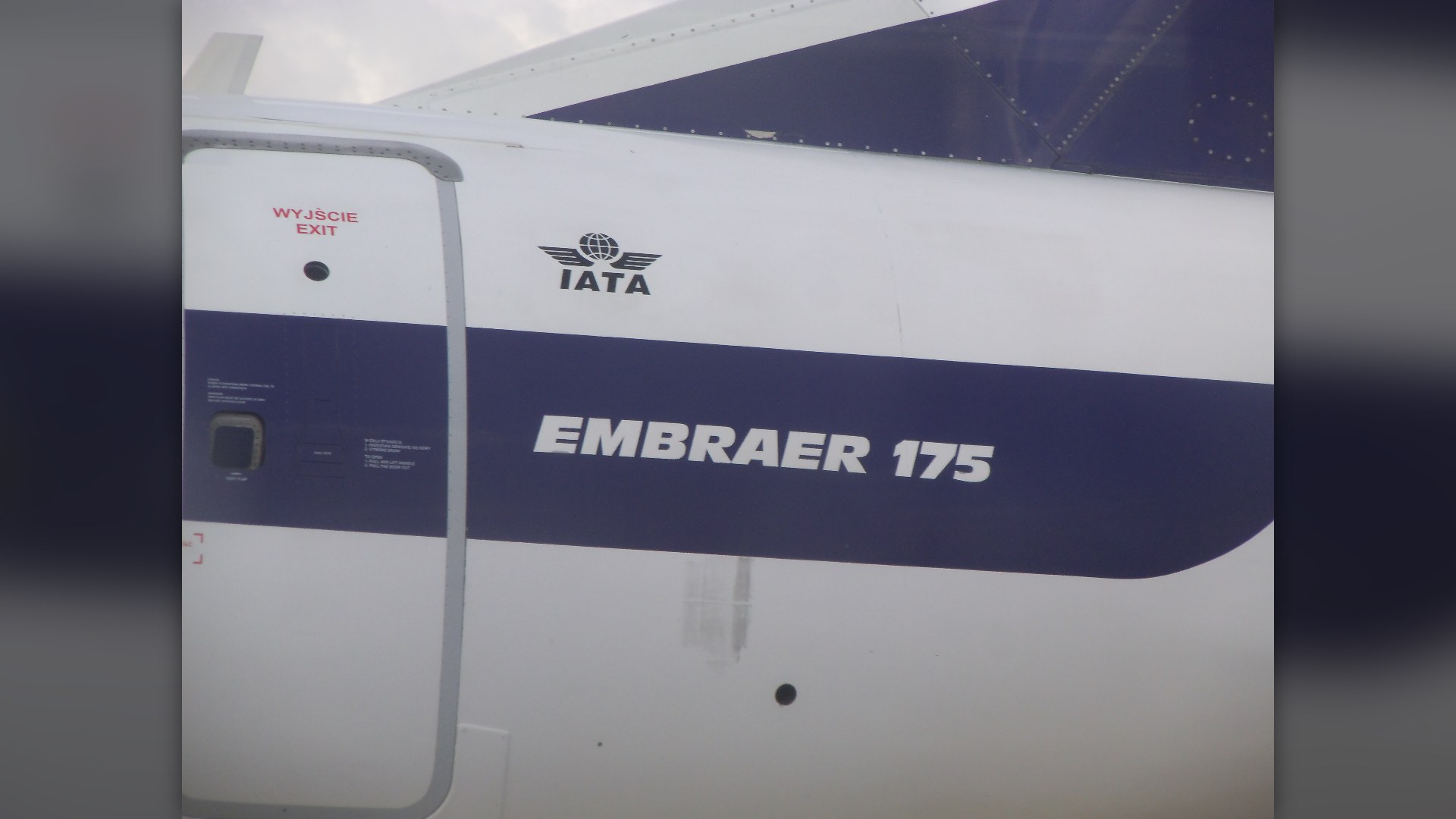
Because a 70-seat regional jet feels wind gusts more noticeably than a heavy widebody airliner, passengers sometimes assume smaller planes are fragile. While a lighter airframe responds more livelily to air currents, regional jets must pass the exact same federal structural stress standards.
#11. Must Pilots Turn Off Autopilot In Rough Air?
A common myth claims autopilot systems get overwhelmed in rough air, forcing pilots to hand-fly through every bump. Modern digital flight computers manage turbulence remarkably well. They calculate wind shifts in milliseconds and keep the plane level while pilots monitor radar and ATC.
#12. Does A Bumpy Ride Mean The Plane Is Flying Too Fast?
When cabin vibrations pick up, flyers sometimes think the crew is speeding through rough skies. Pilots actually adjust throttles to a manufacturer-calculated turbulence penetration speed. This target airspeed gives the airframe its maximum structural safety margin to handle rough currents.
#13. Does Climate Change Have Zero Impact On Turbulence?
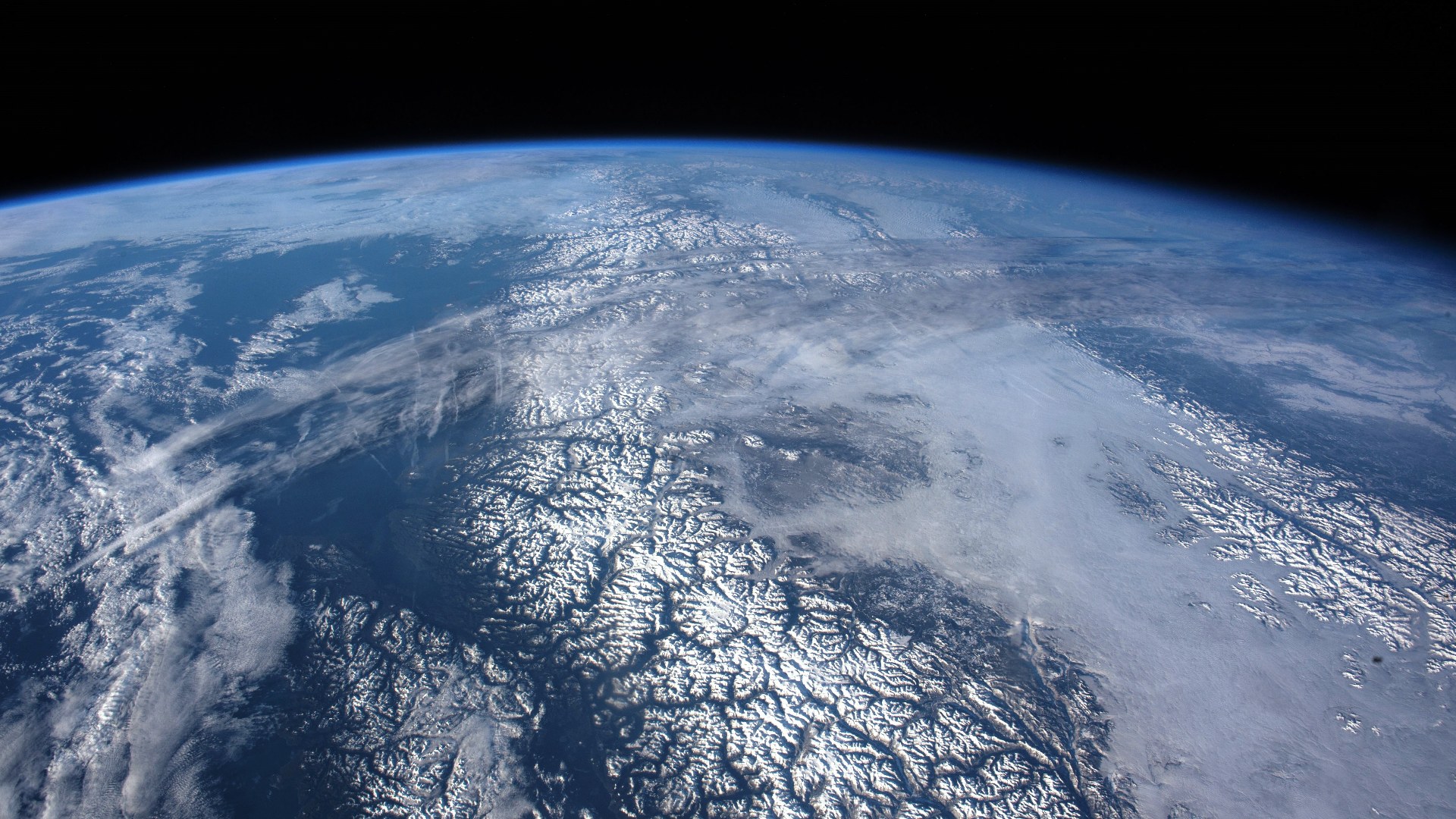
Some skeptics assume conditions at 35,000 feet remain untouched by warming surface temperatures. Atmospheric data indicates that instances of severe Clear Air Turbulence are steadily rising. Warming temperatures alter upper-level jet streams, increasing wind shear along busy flight routes.
#14. Do Pilots Fly Through Turbulence Just To Save Fuel?
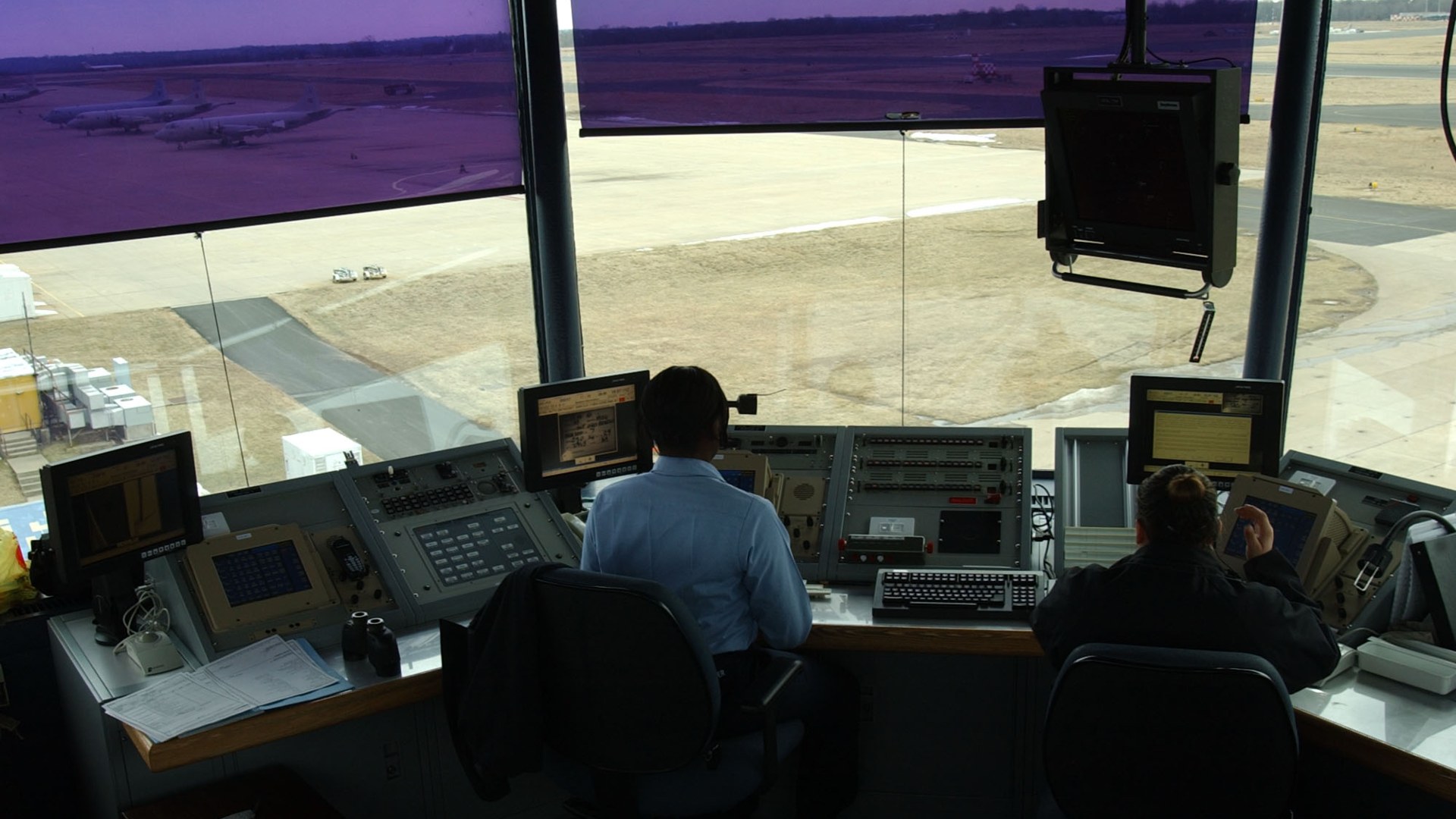
Passengers sometimes suspect airlines order crews to plow through rough weather to save time or fuel. Pilots dislike turbulence just as much as passengers do because it increases workload and disrupts cabin service. Crews constantly work with Air Traffic Control to find smoother altitudes.
#15. Is Turbulence The Absolute Roughest Form Of Travel?
If you close your eyes during a flight and trace the bumps, you will realize that a typical car ride on an average road or a boat on ocean waves features much stronger shaking. Because driving is familiar, your brain ignores road bumps, whereas unfamiliarity in the air triggers alarm.