Slideshow · Viral
15 Bizarre Historical Coincidences That Sound Completely Made Up
History is filled with shocking twists of fate, but these fifteen verified historical coincidences are so astonishing they seem ripped from fiction. From uncanny presidential parallels to predictions of disaster, explore the unbelievable moments that truly happened.
By Most Viral Today
25 Oct 2026

15 Bizarre Historical Coincidences That Sound Completely Made Up 
15. Robert Todd Lincoln 
14. Wilmer McLean 
13. Anthony Hopkins And The Lost Book - AdvertisementSwipe or tap ▶ to continue countdown

12. Violet Jessop 
11. King Umberto I And His Double 
10. Enzo Ferrari And Mesut Özil 
9. Edgar Allan Poe's Richard Parker - AdvertisementSwipe or tap ▶ to continue countdown

8. The Hoover Dam Fatalities 
7. Morgan Robertson's Titan 
6. Edwin Booth Saves Robert Lincoln 
5. Tsutomu Yamaguchi - AdvertisementSwipe or tap ▶ to continue countdown

4. Saint-Symphorien First And Last 
3. Franz Ferdinand's License Plate 
2. Thomas Jefferson And John Adams 
1. Mark Twain And Halley's Comet - Advertisement🔥 UP NEXT IN THIS SERIES◫ 21 Slides

20 Iconic Historical Photos and the Archive Clues Behind Them
Contact sheets, cracked glass plates, and NASA mission logs preserve the hidden steps behind 20 famous photographs. Drawing on records from the Library of Congress, the National Archives, NASA, and the Smithsonian, this countdown traces how cropping, camera setups, and double exposures shaped each frame.
History is filled with shocking twists of fate, but these fifteen verified historical coincidences are so astonishing they seem ripped from fiction. From uncanny presidential parallels to predictions of disaster, explore the unbelievable moments that truly happened.
Swipe or tap ▶ to begin the countdown
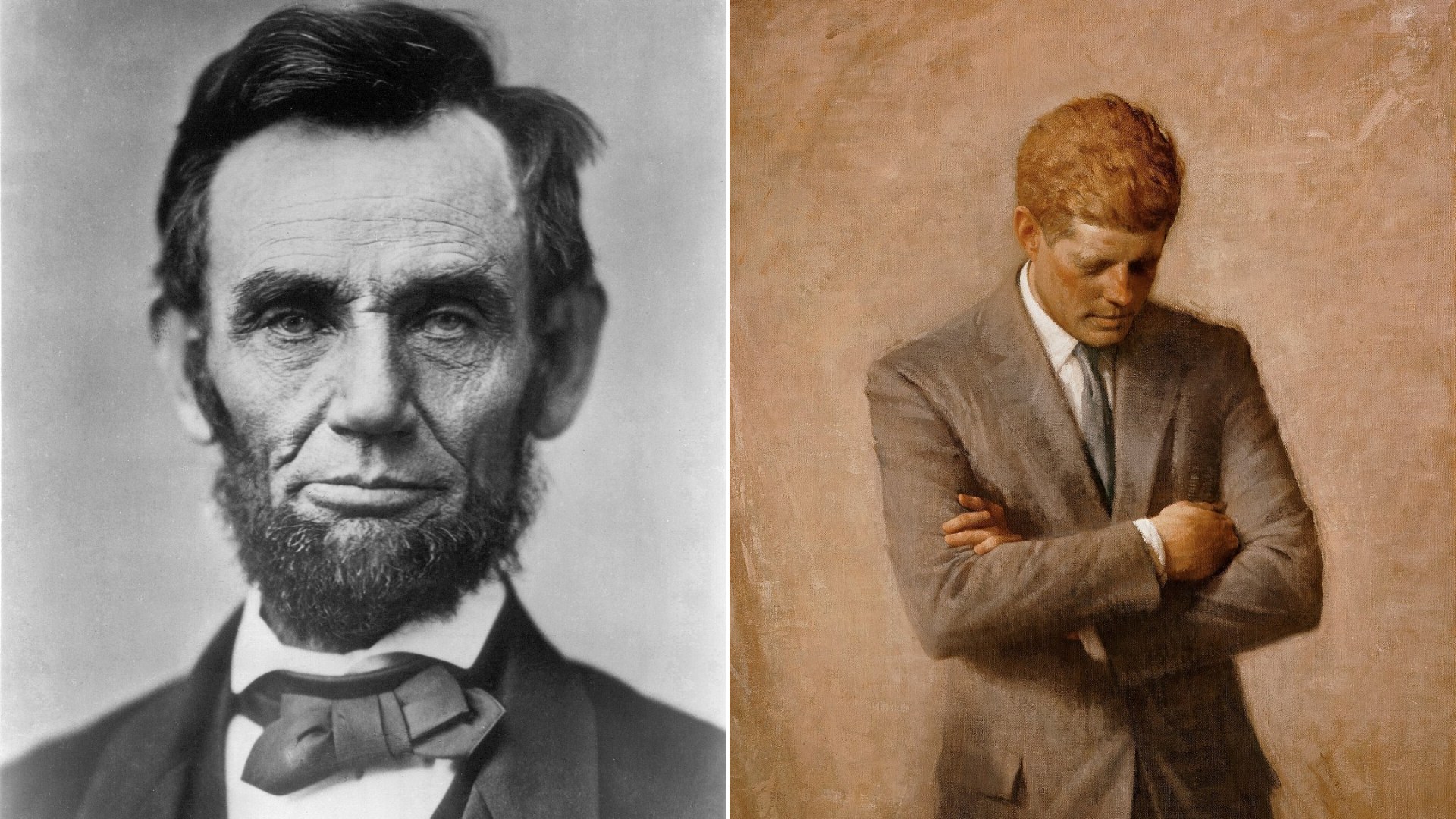
©LOC / Alexander Gardner & White House
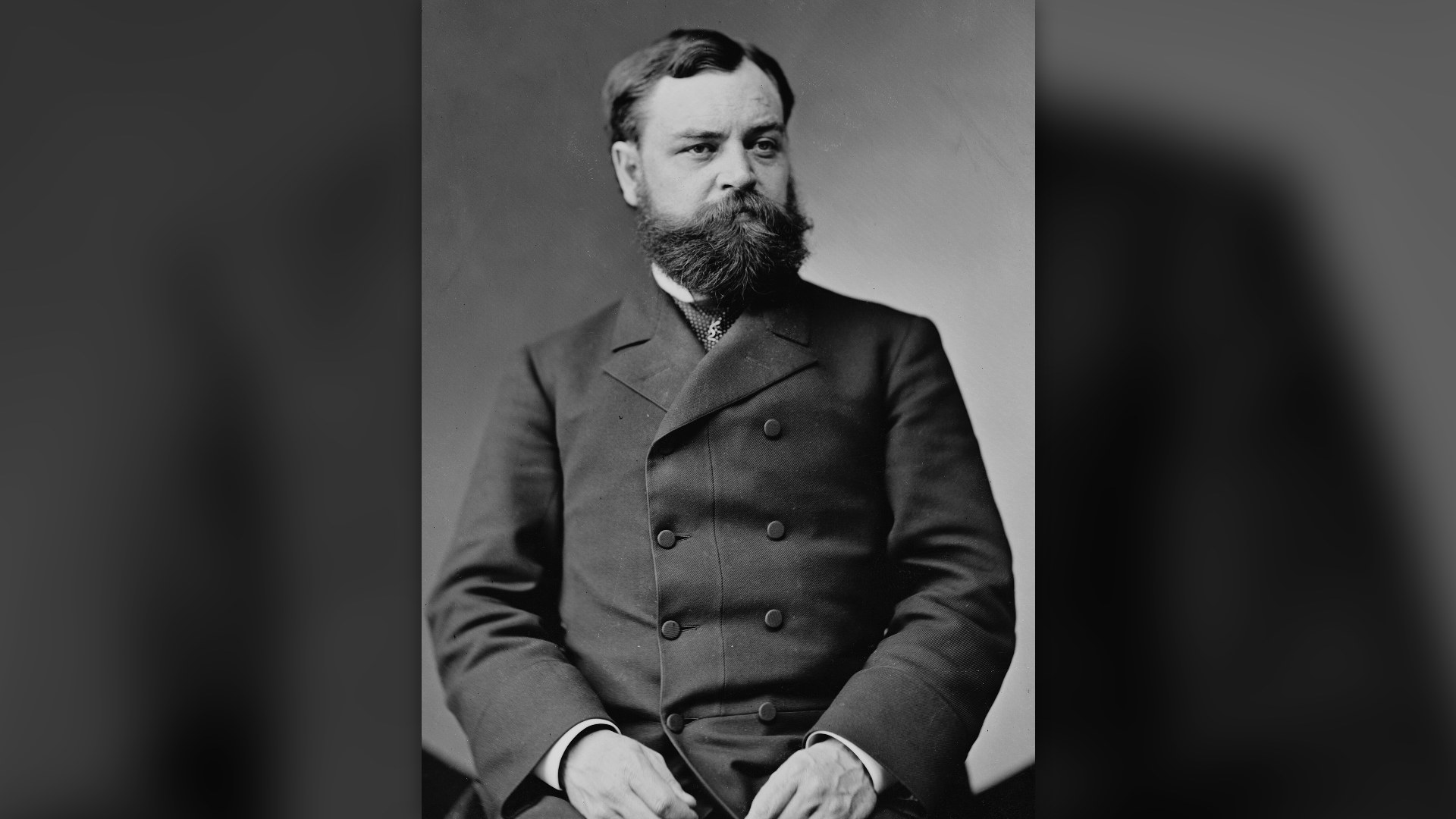
15. Robert Todd Lincoln
Robert Todd Lincoln was at his father's deathbed in 1865, stood feet away when James A. Garfield was shot in 1881, and entered the hall as William McKinley was assassinated in 1901. Shaken by the bizarre curse, he adamantly declined all future presidential invitations.
©Library of Congress / Brady-Handy Collection
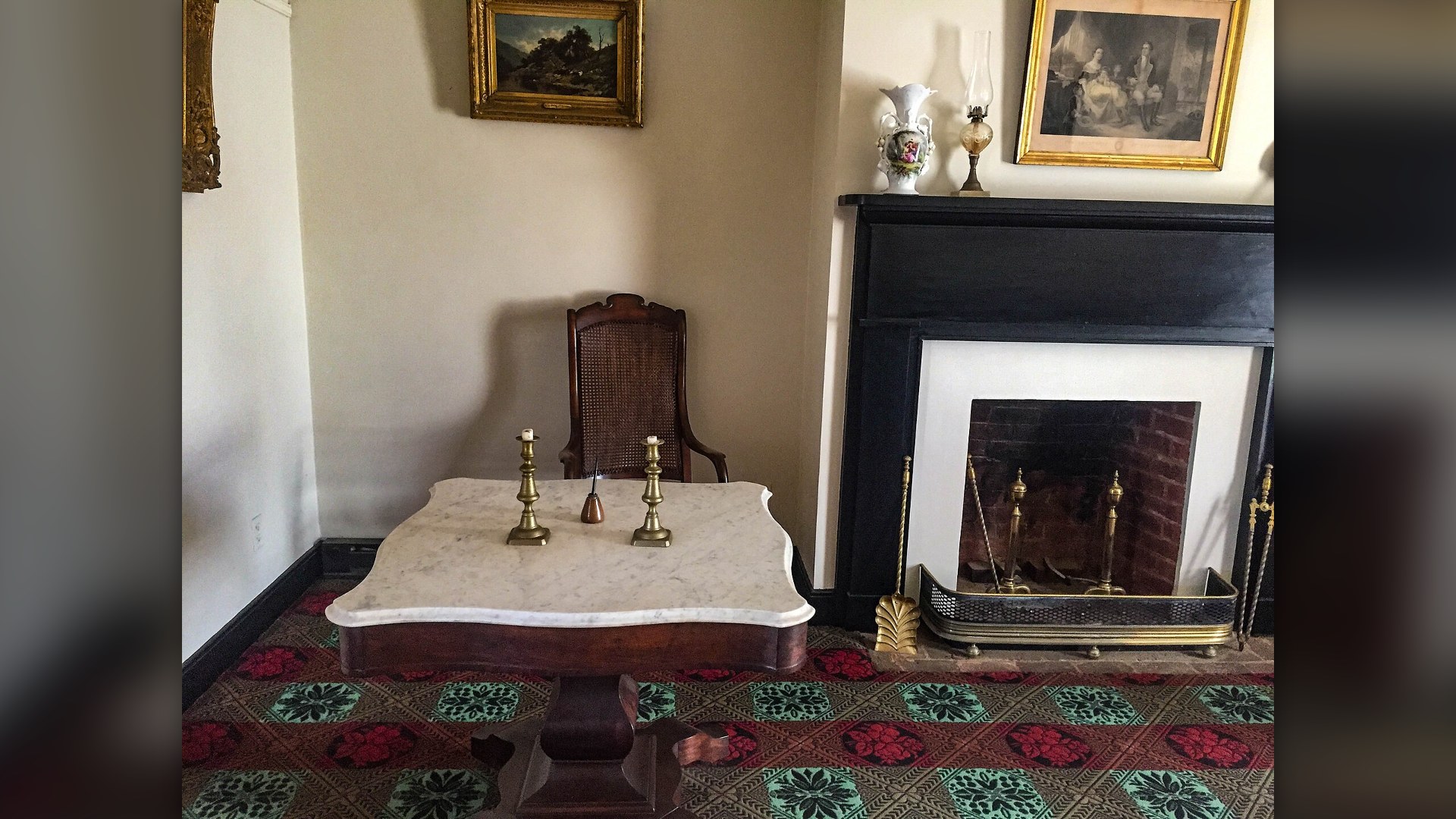
14. Wilmer McLean
The first major Civil War clash at Bull Run in 1861 blew a cannonball through Wilmer McLean's Virginia kitchen. Seeking tranquility, he moved 150 miles south to Appomattox Court House, only for Generals Grant and Lee to choose his new front parlor to sign the war's final surrender in 1865.
©National Park Service / Victoria Stauffenberg
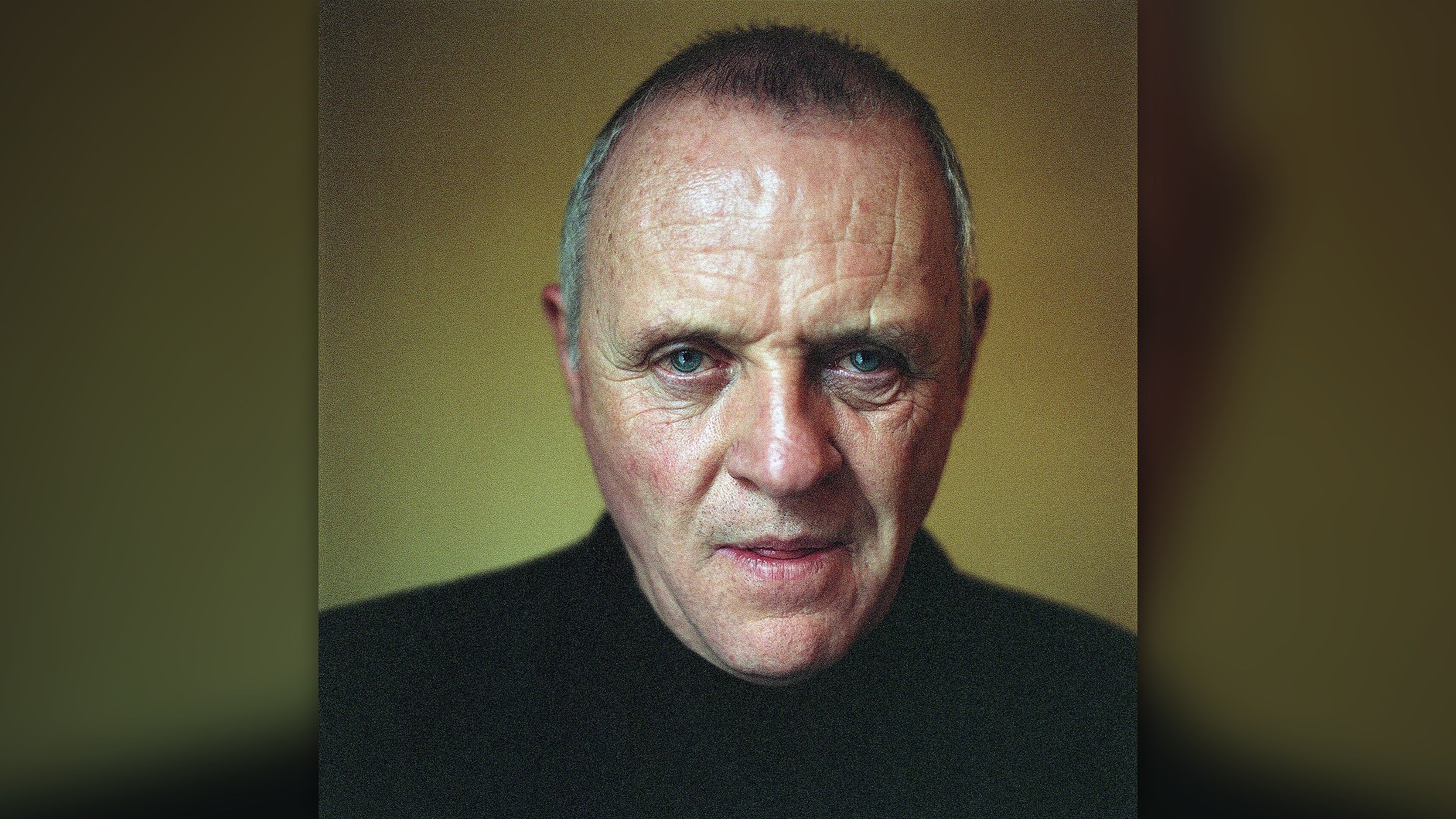
13. Anthony Hopkins And The Lost Book
In 1973, Anthony Hopkins searched London for a copy of The Girl from Petrovka without luck, then discovered a discarded copy on a subway bench. Two years later on set, author George Feifer lamented losing his heavily annotated personal copy in London, which proved to be the exact book Hopkins found.
©Wikimedia Commons / Oliver Mark
Advertisement
Swipe or tap ▶ to resume the countdown.
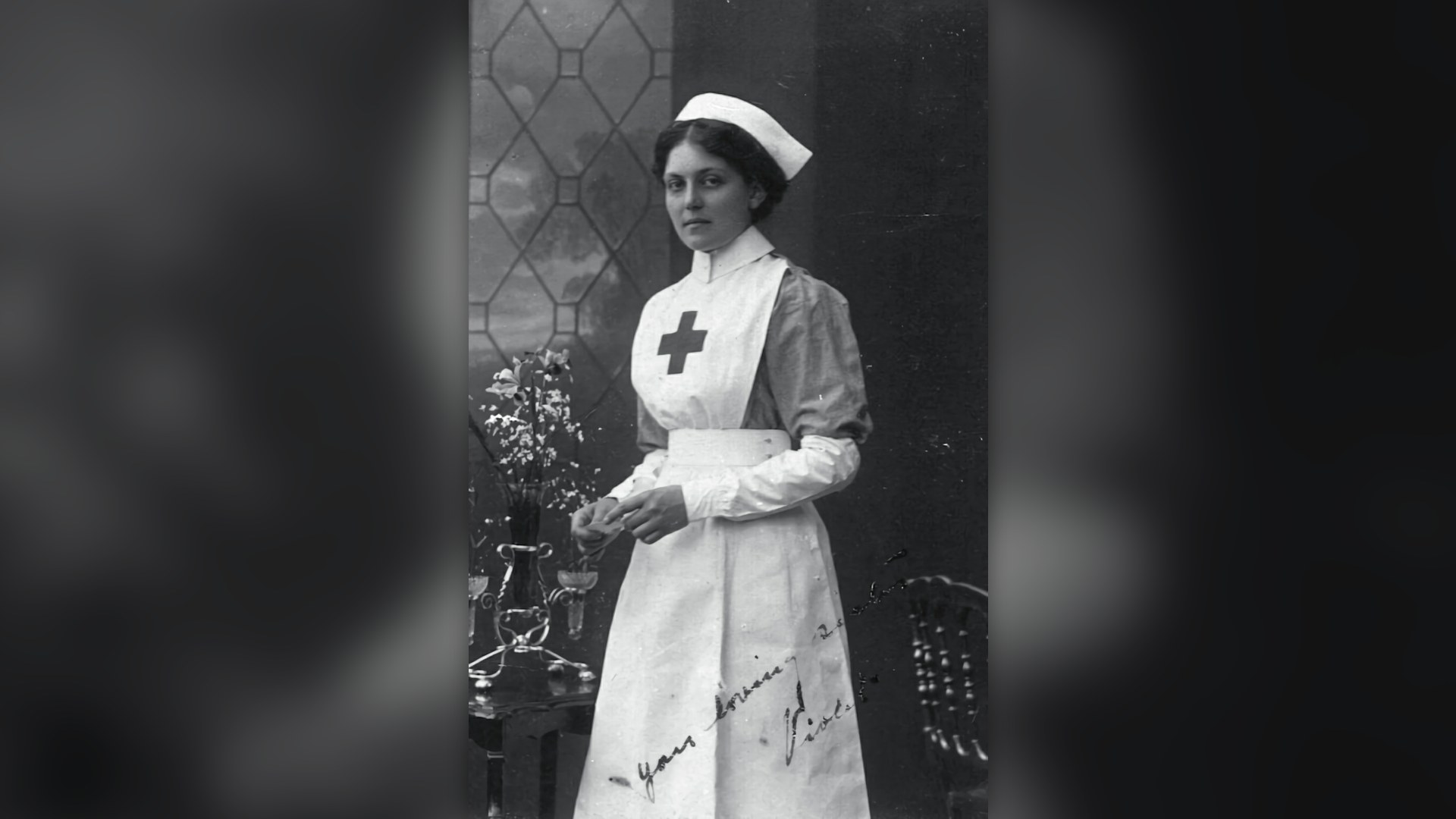
12. Violet Jessop
Known as 'Miss Unsinkable', ocean liner stewardess and nurse Violet Jessop was aboard the RMS Olympic when it suffered a severe collision in 1911. Undaunted, she served on the RMS Titanic when it struck an iceberg in 1912 and survived the HMHS Britannic mine explosion in 1916.
©British Red Cross / Voluntary Aid Detachment
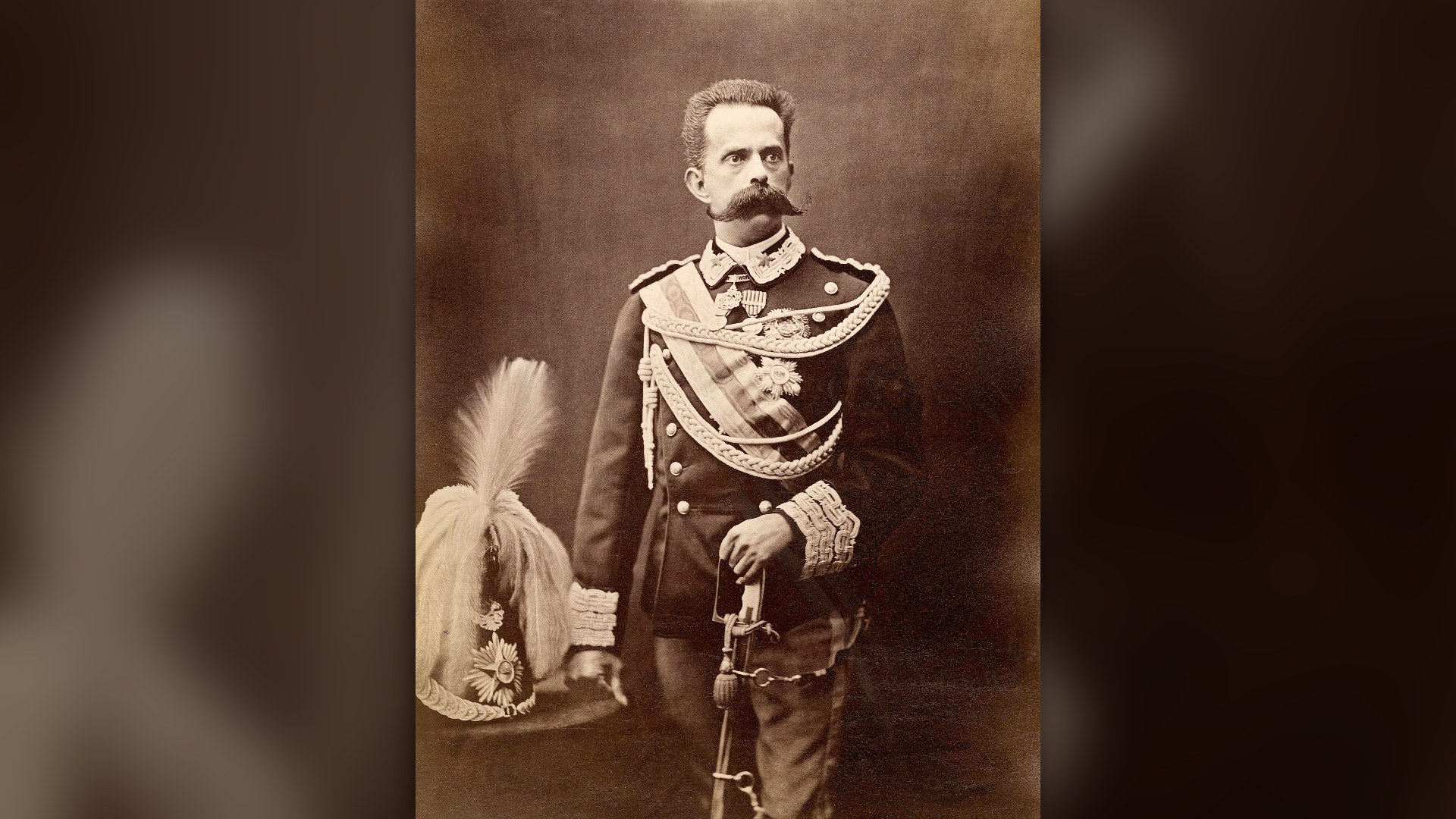
11. King Umberto I And His Double
On July 28, 1900, King Umberto I of Italy dined at a restaurant whose owner was his exact double. Both were born on March 14, 1844, in Turin, and both married women named Margherita. The restaurateur was shot dead the next morning, mere hours before King Umberto was assassinated.
©Wikimedia Commons / Fratelli Vianelli
10. Enzo Ferrari And Mesut Özil
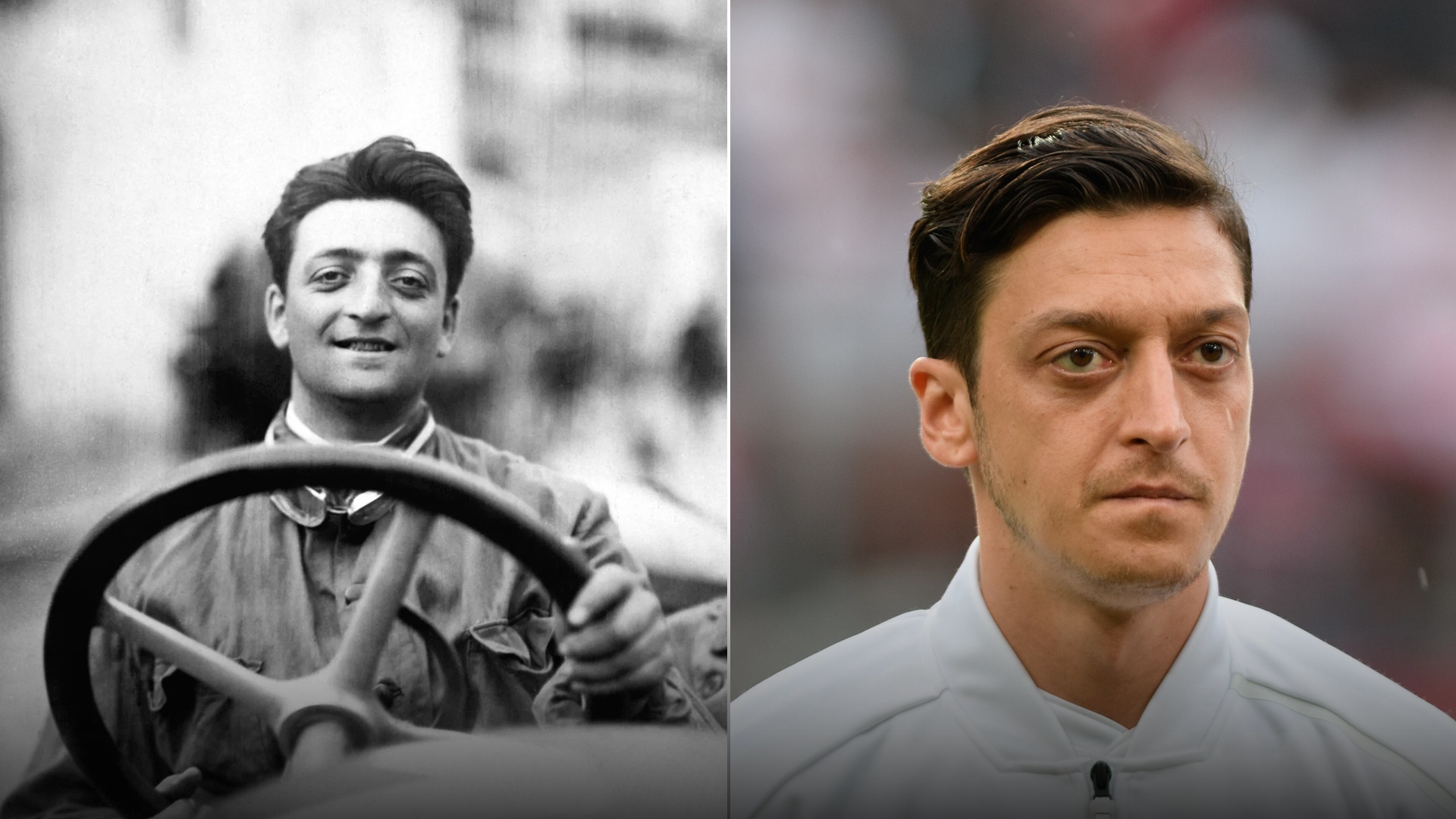
Enzo Ferrari, legendary founder of the Italian supercar dynasty, passed away on August 14, 1988, at age 90. Exactly two months later, on October 15, 1988, German international soccer star Mesut Özil was born in Gelsenkirchen, bearing an uncanny facial resemblance to young Enzo.
©Wikimedia / Public Domain & Steindy (CC-BY-SA 3.0)
9. Edgar Allan Poe's Richard Parker
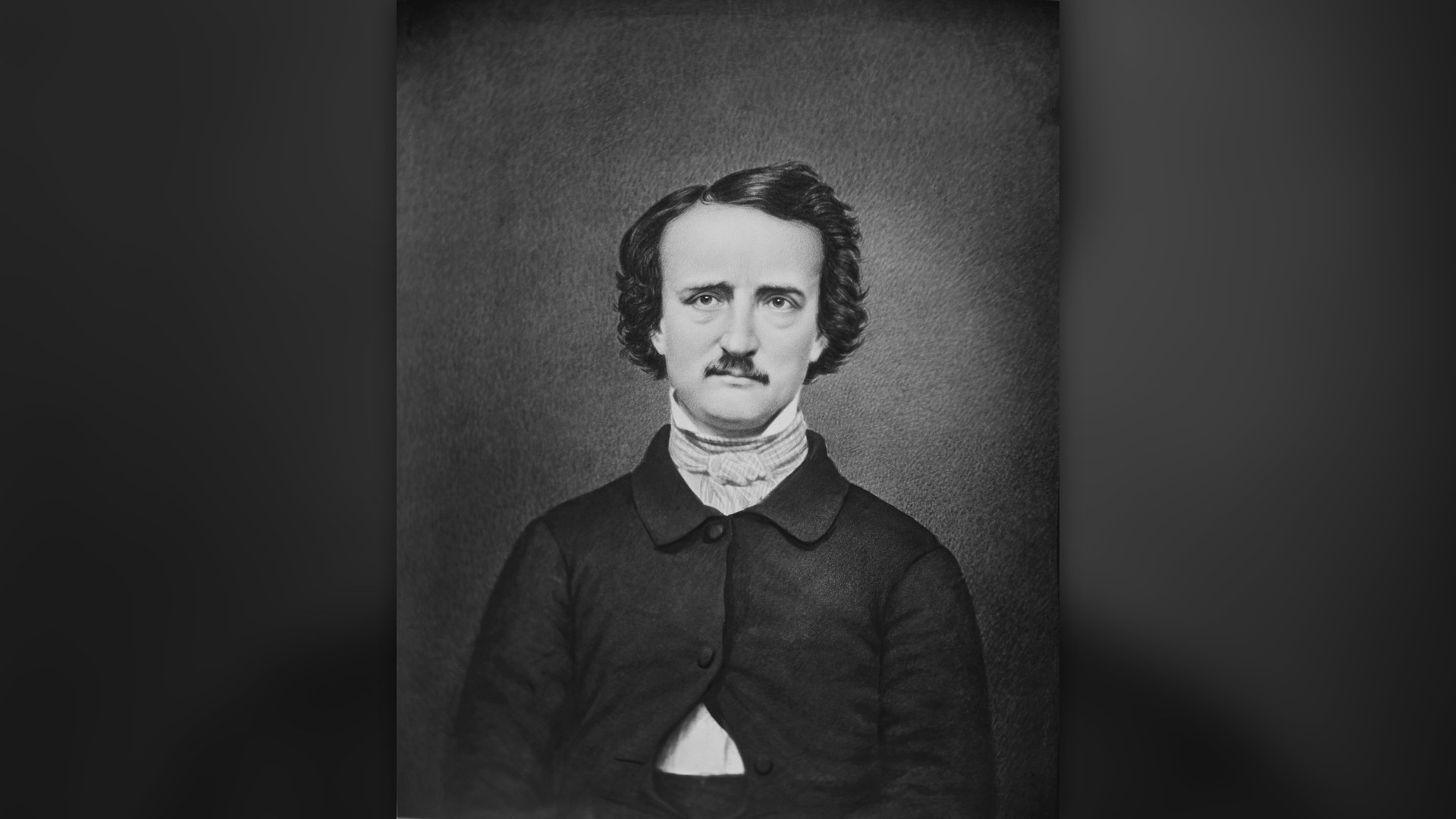
In 1838, Edgar Allan Poe published his novel The Narrative of Arthur Gordon Pym, describing four shipwreck survivors who drew straws and ate cabin boy Richard Parker. In 1884, forty-six years later, the yacht Mignonette sank, and the three starving survivors were tried for cannibalizing cabin boy Richard Parker.
©National Archives / Mathew Brady
Advertisement
Swipe or tap ▶ to resume the countdown.
8. The Hoover Dam Fatalities
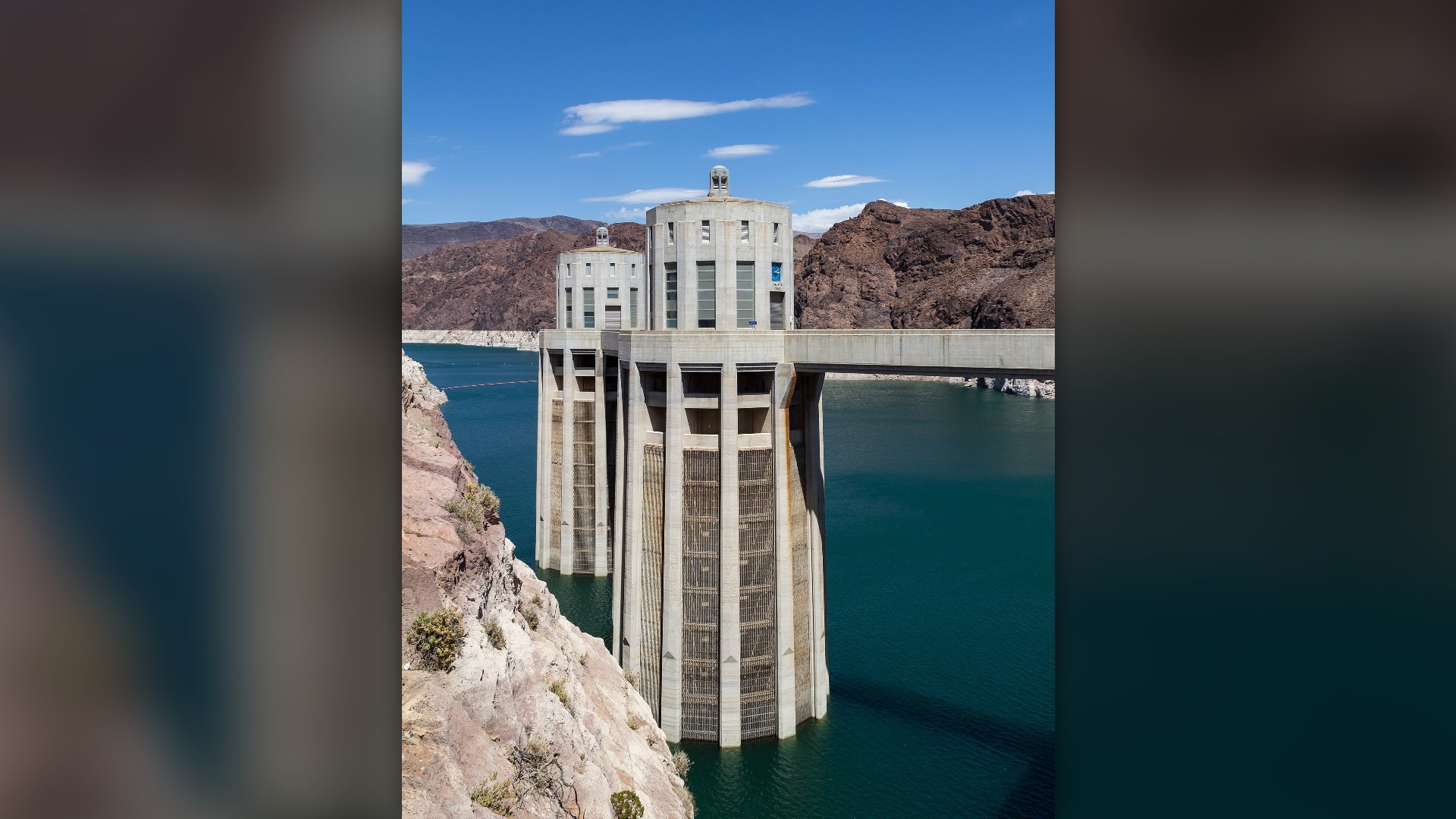
The very first official casualty of the Hoover Dam project was surveyor J.G. Tierney, who drowned during a flash flood on December 20, 1922. Exactly thirteen years later to the day, on December 20, 1935, the dam's final fatality occurred when his only son, Patrick Tierney, plunged from an intake tower.
©Wikimedia Commons / Dietmar Rabich
7. Morgan Robertson's Titan
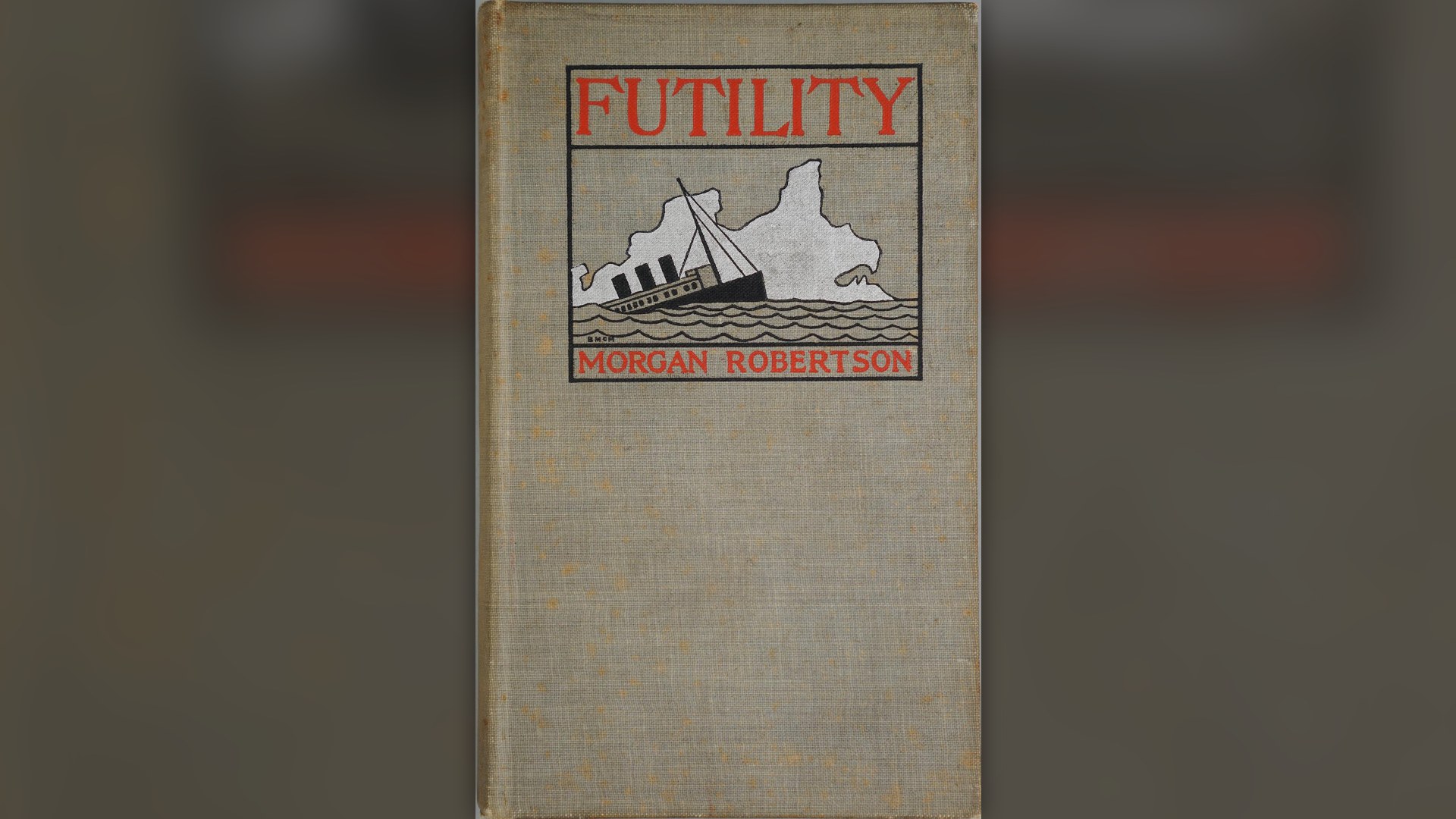
In 1898, Morgan Robertson published The Wreck of the Titan, detailing an 'unsinkable' 800-foot British liner called Titan carrying inadequate lifeboats. In April, the fictional vessel struck an iceberg in the North Atlantic and sank with heavy loss of life, foreshadowing the RMS Titanic disaster of April 1912.
©Wikimedia Commons / M.F. Mansfield
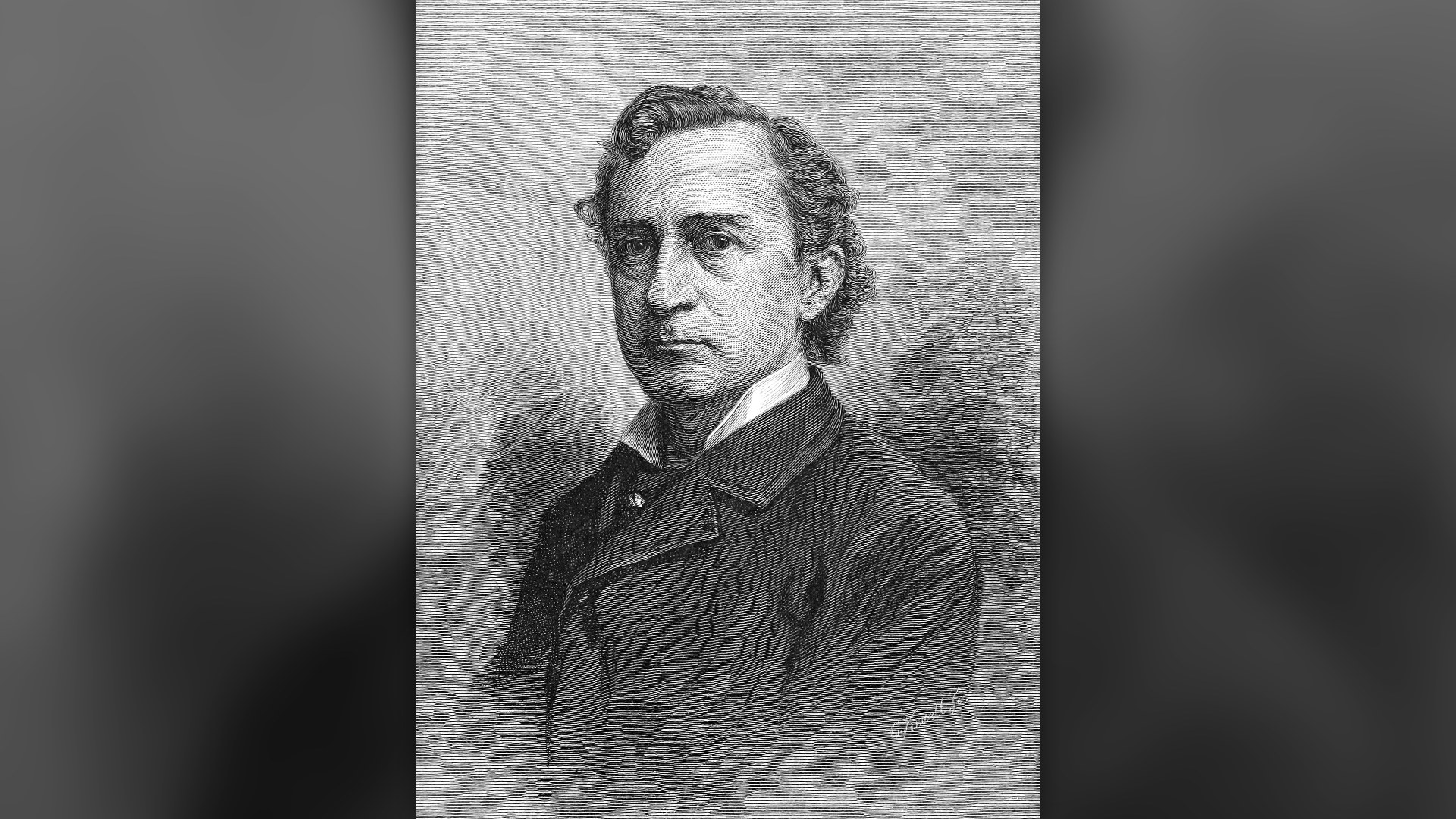
6. Edwin Booth Saves Robert Lincoln
Just months before John Wilkes Booth assassinated Abraham Lincoln in April 1865, his older brother Edwin Booth—one of America's most renowned Shakespearean actors—rescued Robert Todd Lincoln from falling beneath a moving train at a crowded Jersey City station platform.
©Library of Congress / Harper's Weekly
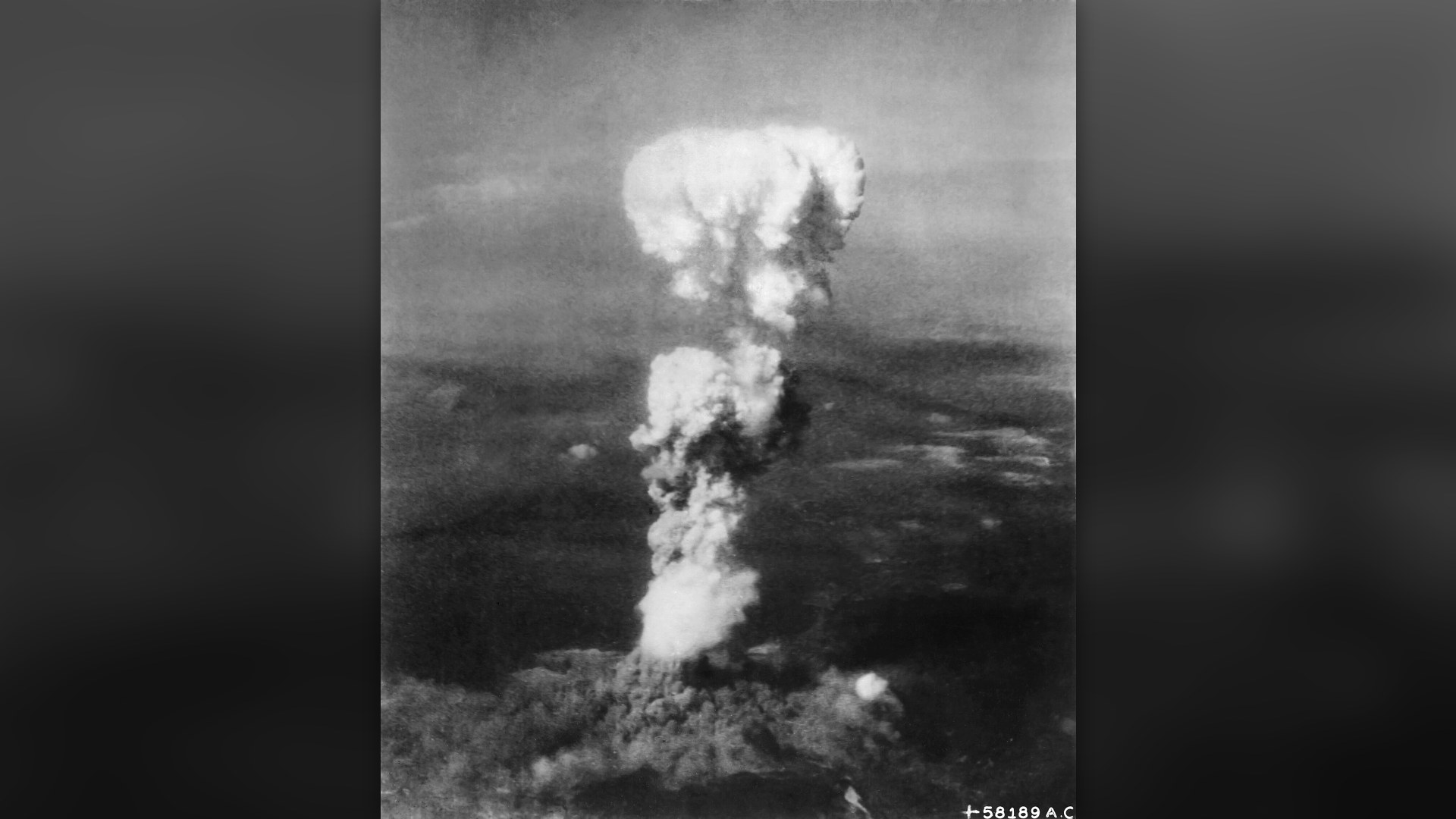
5. Tsutomu Yamaguchi
Tsutomu Yamaguchi was on business in Hiroshima when the atomic bomb detonated on August 6, 1945. Though injured, he returned home to Nagasaki, where he was recounting the blast to his supervisor on August 9 when the second atomic bomb struck. He miraculously survived both detonations, living to 93.
©National Archives / U.S. Army Air Forces
Advertisement
Swipe or tap ▶ to resume the countdown.
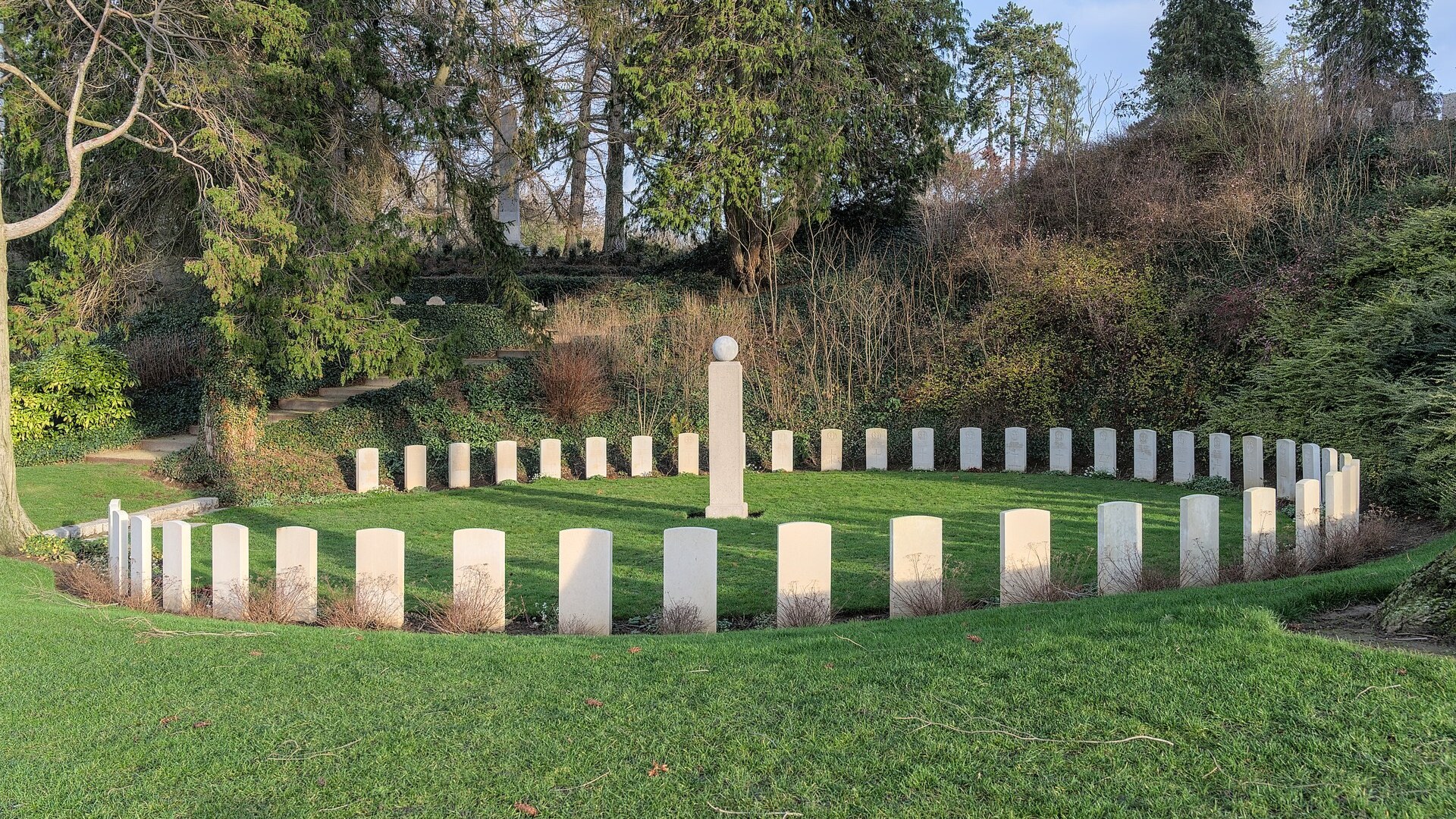
4. Saint-Symphorien First And Last
Private John Parr was the first Commonwealth soldier killed in World War I on August 21, 1914. Private George Ellison was the final British soldier killed on November 11, 1918, ninety minutes before the armistice. By sheer serendipity, their graves at Saint-Symphorien cemetery sit facing one another just yards apart.
©Wikimedia Commons / Trougnouf
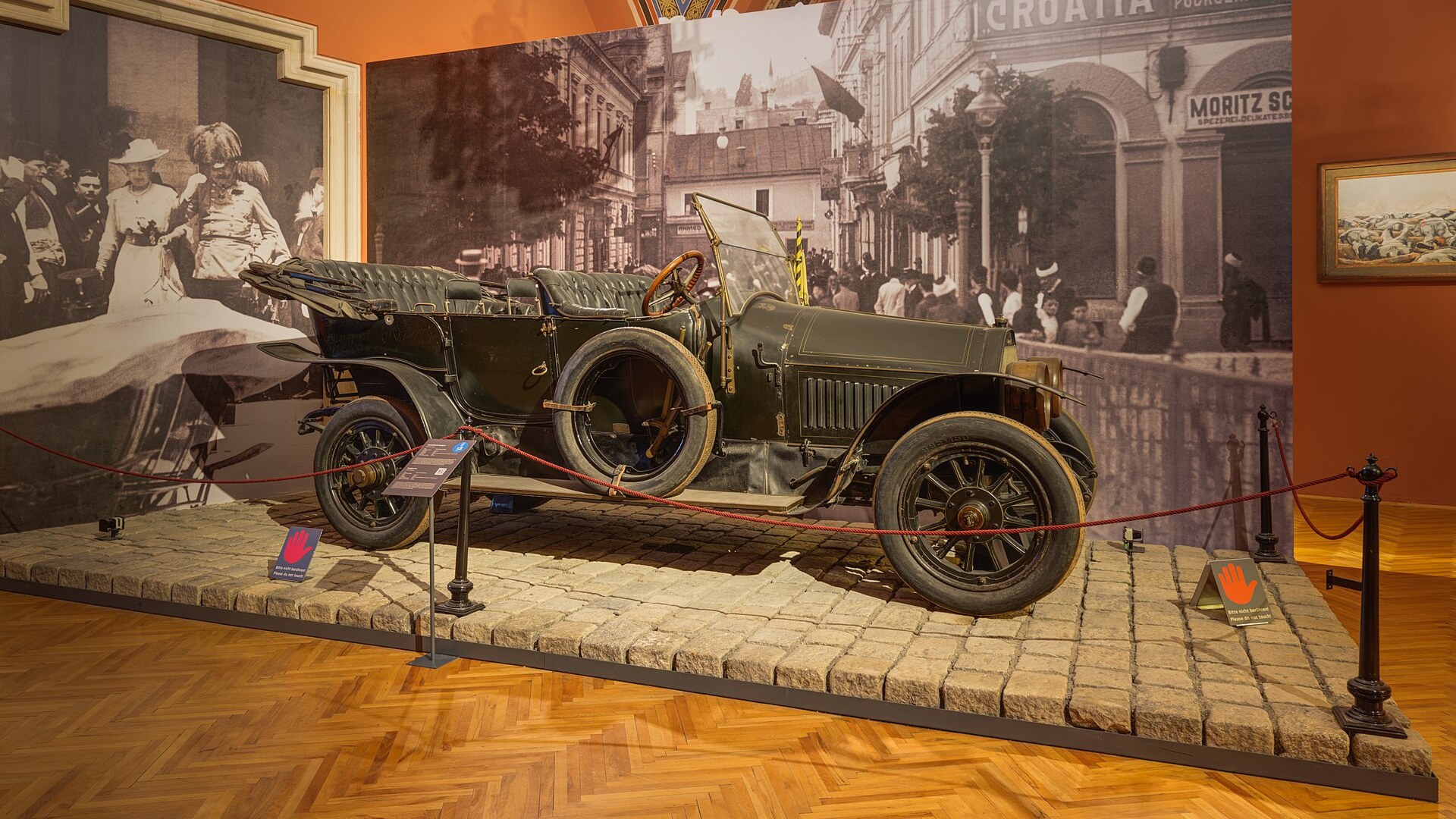
3. Franz Ferdinand's License Plate
Archduke Franz Ferdinand was assassinated in Sarajevo on June 28, 1914, sparking World War I. The open-top Gräf & Stift limousine in which he was killed bore the Austrian license plate 'A III 118', which uncannily reads Armistice 11-11-18: the exact date the war concluded on November 11, 1918.
©Wikimedia Commons / Hubertl
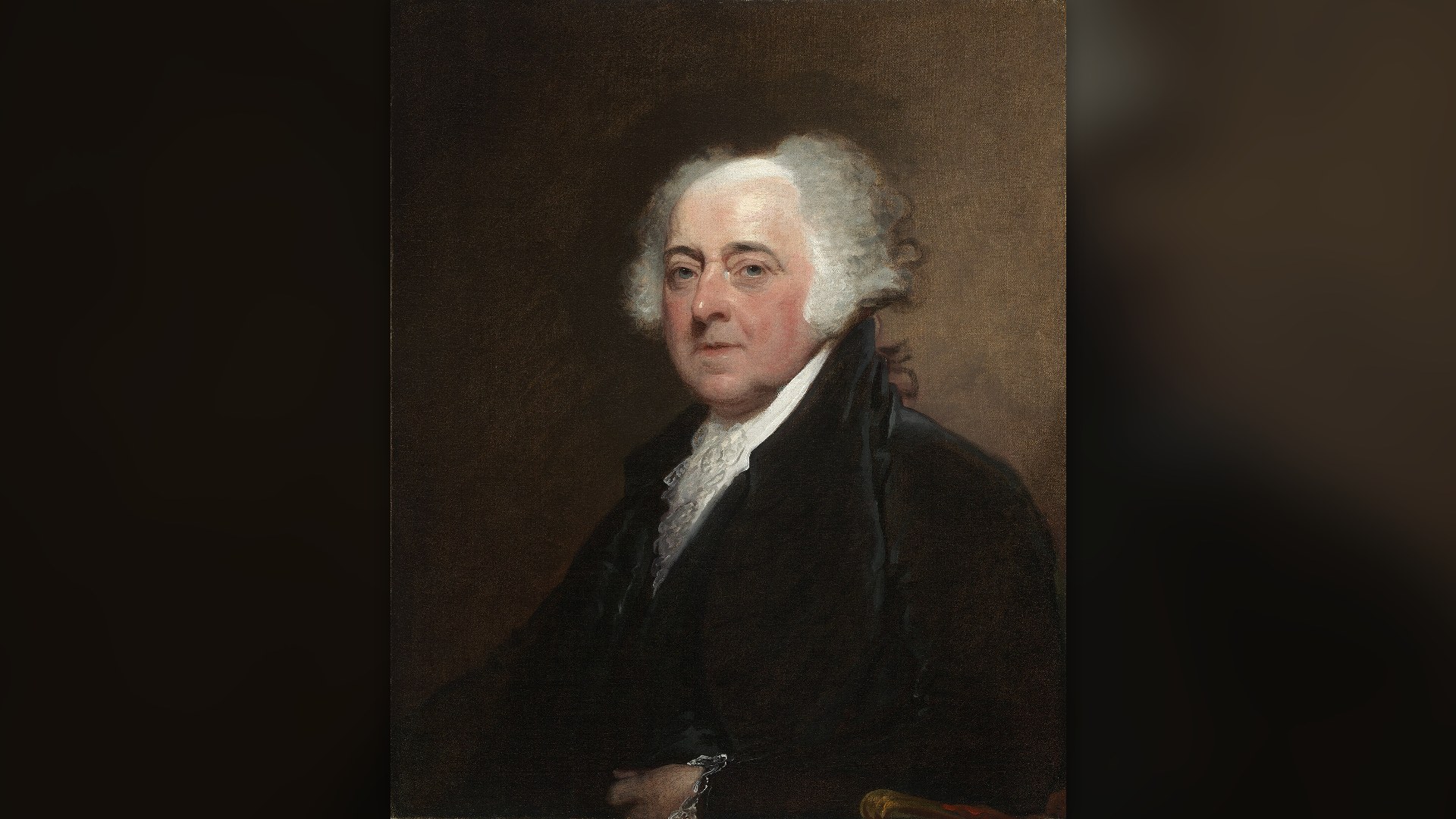
2. Thomas Jefferson And John Adams
Founding Fathers Thomas Jefferson and John Adams were close friends and political rivals who both died on July 4, 1826—the 50th anniversary of the Declaration of Independence. Adams's famous final words were 'Thomas Jefferson survives', completely unaware that Jefferson had passed away hours earlier.
©National Gallery of Art / Gilbert Stuart
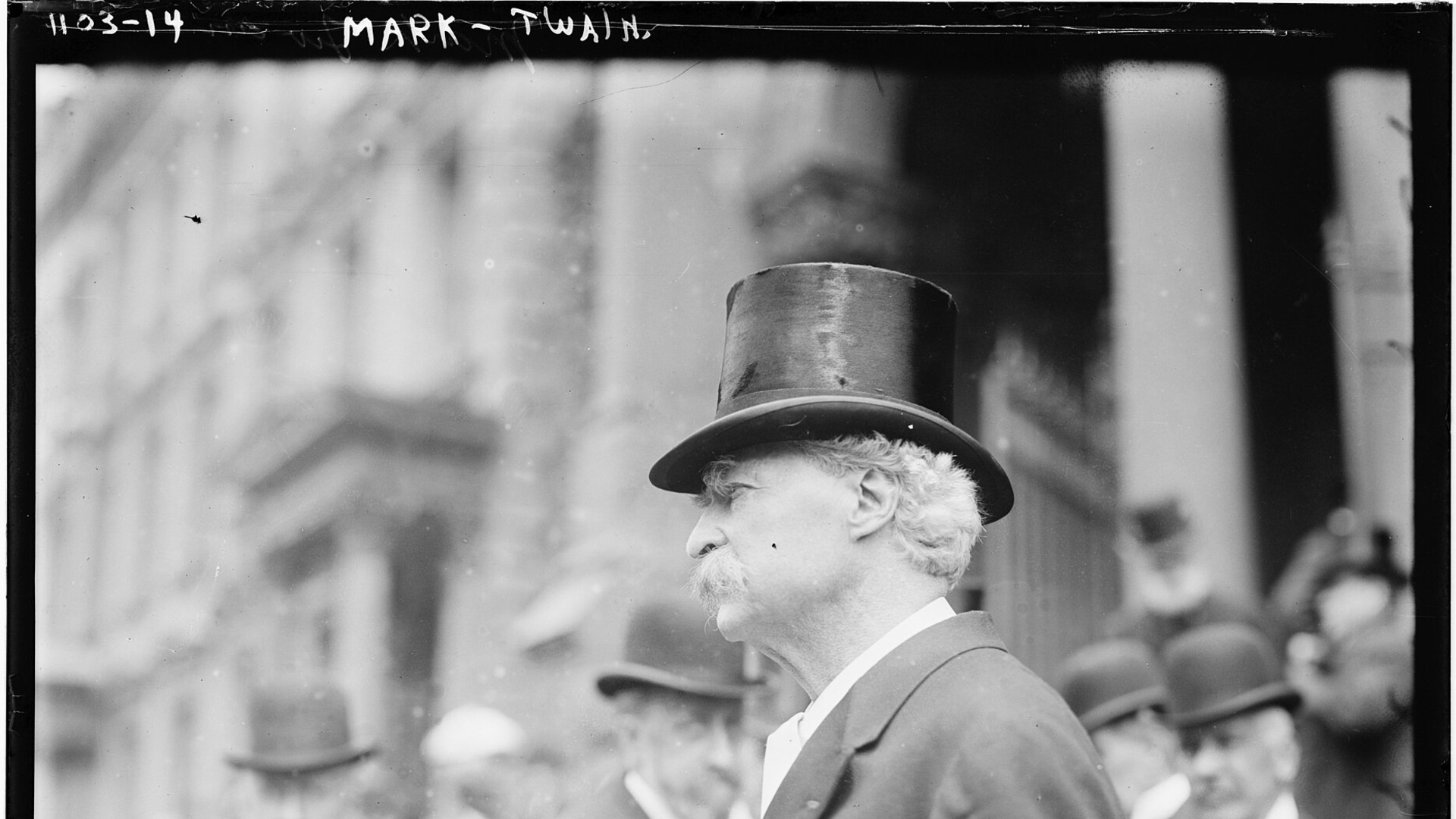
1. Mark Twain And Halley's Comet
Mark Twain was born on November 30, 1835, two weeks after Halley's Comet appeared. In 1909, he wrote that he came in with the comet and expected to go out with it. On April 21, 1910, the day after the comet reached perihelion, Twain died of heart failure, fulfilling his celestial prophecy.

©Library of Congress / Bain News Service
Advertisement
You've reached the end of the story. Thanks for reading!

20 Iconic Historical Photos and the Archive Clues Behind Them
Contact sheets, cracked glass plates, and NASA mission logs preserve the hidden steps behind 20 famous photographs. Drawing on records from the Library of Congress, the National Archives, NASA, and the Smithsonian, this countdown traces how cropping, camera setups, and double exposures shaped each frame.
All 15 Entries in this Story
15. Robert Todd Lincoln
Robert Todd Lincoln was at his father's deathbed in 1865, stood feet away when James A. Garfield was shot in 1881, and entered the hall as William McKinley was assassinated in 1901. Shaken by the bizarre curse, he adamantly declined all future presidential invitations.

14. Wilmer McLean
The first major Civil War clash at Bull Run in 1861 blew a cannonball through Wilmer McLean's Virginia kitchen. Seeking tranquility, he moved 150 miles south to Appomattox Court House, only for Generals Grant and Lee to choose his new front parlor to sign the war's final surrender in 1865.

13. Anthony Hopkins And The Lost Book
In 1973, Anthony Hopkins searched London for a copy of The Girl from Petrovka without luck, then discovered a discarded copy on a subway bench. Two years later on set, author George Feifer lamented losing his heavily annotated personal copy in London, which proved to be the exact book Hopkins found.

12. Violet Jessop
Known as 'Miss Unsinkable', ocean liner stewardess and nurse Violet Jessop was aboard the RMS Olympic when it suffered a severe collision in 1911. Undaunted, she served on the RMS Titanic when it struck an iceberg in 1912 and survived the HMHS Britannic mine explosion in 1916.

11. King Umberto I And His Double
On July 28, 1900, King Umberto I of Italy dined at a restaurant whose owner was his exact double. Both were born on March 14, 1844, in Turin, and both married women named Margherita. The restaurateur was shot dead the next morning, mere hours before King Umberto was assassinated.

10. Enzo Ferrari And Mesut Özil
Enzo Ferrari, legendary founder of the Italian supercar dynasty, passed away on August 14, 1988, at age 90. Exactly two months later, on October 15, 1988, German international soccer star Mesut Özil was born in Gelsenkirchen, bearing an uncanny facial resemblance to young Enzo.

9. Edgar Allan Poe's Richard Parker
In 1838, Edgar Allan Poe published his novel The Narrative of Arthur Gordon Pym, describing four shipwreck survivors who drew straws and ate cabin boy Richard Parker. In 1884, forty-six years later, the yacht Mignonette sank, and the three starving survivors were tried for cannibalizing cabin boy Richard Parker.

8. The Hoover Dam Fatalities
The very first official casualty of the Hoover Dam project was surveyor J.G. Tierney, who drowned during a flash flood on December 20, 1922. Exactly thirteen years later to the day, on December 20, 1935, the dam's final fatality occurred when his only son, Patrick Tierney, plunged from an intake tower.

7. Morgan Robertson's Titan
In 1898, Morgan Robertson published The Wreck of the Titan, detailing an 'unsinkable' 800-foot British liner called Titan carrying inadequate lifeboats. In April, the fictional vessel struck an iceberg in the North Atlantic and sank with heavy loss of life, foreshadowing the RMS Titanic disaster of April 1912.

6. Edwin Booth Saves Robert Lincoln
Just months before John Wilkes Booth assassinated Abraham Lincoln in April 1865, his older brother Edwin Booth—one of America's most renowned Shakespearean actors—rescued Robert Todd Lincoln from falling beneath a moving train at a crowded Jersey City station platform.

5. Tsutomu Yamaguchi
Tsutomu Yamaguchi was on business in Hiroshima when the atomic bomb detonated on August 6, 1945. Though injured, he returned home to Nagasaki, where he was recounting the blast to his supervisor on August 9 when the second atomic bomb struck. He miraculously survived both detonations, living to 93.

4. Saint-Symphorien First And Last
Private John Parr was the first Commonwealth soldier killed in World War I on August 21, 1914. Private George Ellison was the final British soldier killed on November 11, 1918, ninety minutes before the armistice. By sheer serendipity, their graves at Saint-Symphorien cemetery sit facing one another just yards apart.

3. Franz Ferdinand's License Plate
Archduke Franz Ferdinand was assassinated in Sarajevo on June 28, 1914, sparking World War I. The open-top Gräf & Stift limousine in which he was killed bore the Austrian license plate 'A III 118', which uncannily reads Armistice 11-11-18: the exact date the war concluded on November 11, 1918.

2. Thomas Jefferson And John Adams
Founding Fathers Thomas Jefferson and John Adams were close friends and political rivals who both died on July 4, 1826—the 50th anniversary of the Declaration of Independence. Adams's famous final words were 'Thomas Jefferson survives', completely unaware that Jefferson had passed away hours earlier.

1. Mark Twain And Halley's Comet
Mark Twain was born on November 30, 1835, two weeks after Halley's Comet appeared. In 1909, he wrote that he came in with the comet and expected to go out with it. On April 21, 1910, the day after the comet reached perihelion, Twain died of heart failure, fulfilling his celestial prophecy.