Slideshow · Viral
15 Clear Signs You Need A Digital Detox Right Now
From strained eyes and disrupted sleep to compulsive notification checking, these 15 physical, emotional, and behavioral warning signs reveal when screen overload is taking a toll on your daily life.

By Most Viral Today
30 Oct 2026

When Screen Time Starts Taking Over Your Health, Focus, And Daily Life 
15. Persistent Eye Strain And Headaches 
14. Tech Neck And Shoulder Stiffness 
13. Chronic Sleep Disruption - AdvertisementSwipe or tap ▶ to continue countdown

12. Phantom Pocket Vibrations 
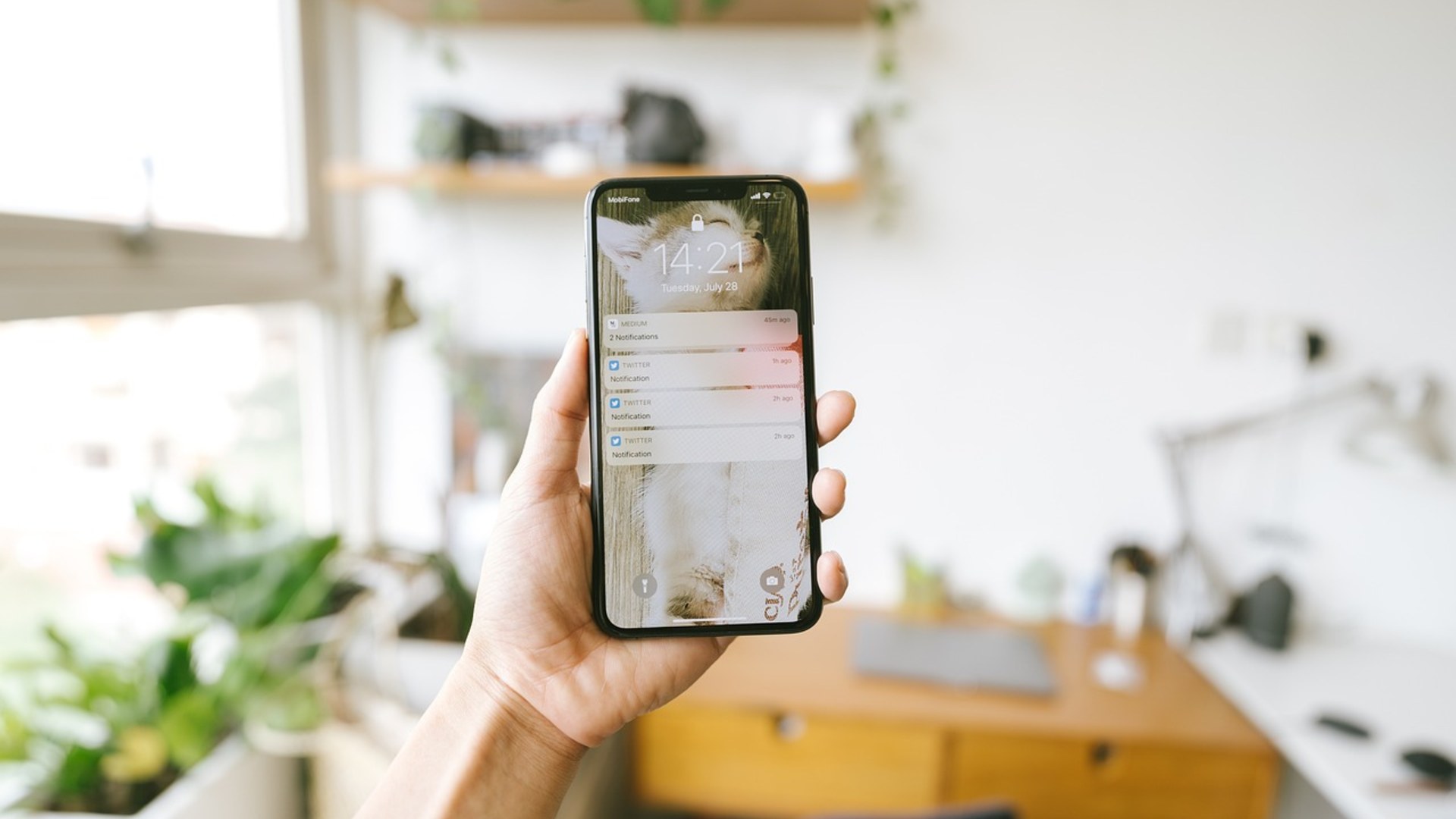
11. Compulsive Morning And Night Checking 
10. Fear Of Missing Out (FOMO) 
9. Constant Social Comparison - AdvertisementSwipe or tap ▶ to continue countdown

8. Unexplained Irritability 
7. Shortened Attention Span 
6. Late-Night Doomscrolling 
5. Neglecting Real-World Relationships - AdvertisementSwipe or tap ▶ to continue countdown

4. Decreased Daily Productivity 
3. Losing Track Of Time 
2. Using Screens To Escape Emotions 
1. Everyday Physical Safety Risks - Advertisement🔥 UP NEXT IN THIS SERIES◫ 21 Slides

20 Iconic Historical Photos and the Archive Clues Behind Them
Contact sheets, cracked glass plates, and NASA mission logs preserve the hidden steps behind 20 famous photographs. Drawing on records from the Library of Congress, the National Archives, NASA, and the Smithsonian, this countdown traces how cropping, camera setups, and double exposures shaped each frame.
Smartphones and laptops keep us connected around the clock, yet constant notifications slowly take a toll on our physical health, focus, and relationships. Recognizing the early warning signs of screen fatigue is the first step toward reclaiming your time and mental clarity.
Swipe or tap ▶ to begin the countdown
©Unsplash / Resume Genius & Pixabay / StockSnap
15. Persistent Eye Strain And Headaches
People blink roughly half as often when staring at glowing monitors and smartphones compared to reading printed pages. Over several hours, that reduced blink rate dries out the tear film, strains the focusing muscles inside the eye, and triggers dull tension headaches behind the forehead.
©Wikimedia / Screen time
14. Tech Neck And Shoulder Stiffness
Tilting your head forward at a 45-degree angle to read a phone places nearly 50 pounds of extra force on the cervical spine. Holding that hunched posture for hours each day strains ligaments, pinches nerves, and creates chronic tightness across the neck, shoulders, and back.
© Photo by Jacob Townsend on Unsplash
13. Chronic Sleep Disruption
Short-wavelength blue light from phone screens suppresses natural melatonin production and tricks the brain into thinking it is still daytime. Even worse, rapid-fire videos and emotional messages keep your nervous system on high alert long after you finally set the device on the nightstand.
©Pixabay / StockSnap
Advertisement
Swipe or tap ▶ to resume the countdown.
12. Phantom Pocket Vibrations
Researchers call this phenomenon phantom vibration syndrome, and studies show it affects a majority of heavy smartphone users. When your brain stays primed to anticipate incoming alerts all day, it begins misinterpreting ordinary clothing friction or muscle twitches as a buzzing notification.
©Pixabay / ThorstenF
11. Compulsive Morning And Night Checking
Grabbing your smartphone within seconds of waking up floods your brain with other people's demands, headlines, and notifications before your feet even touch the floor. Ending the night the same way traps your mind in an unbroken loop of digital stimulation from sunrise to bedtime.
©Pixabay / StockSnap
10. Fear Of Missing Out (FOMO)
If a dead battery or a quiet stretch without Wi-Fi sparks immediate restlessness, your nervous system has tied its sense of security to constant updates. That persistent worry that important conversations or events are happening without you makes true relaxation nearly impossible.
©Pixabay / tranmautritam
9. Constant Social Comparison
Social feeds are carefully edited highlight reels showing exotic vacations, career milestones, and filtered portraits. Measuring your everyday reality against thousands of polished snapshots quietly erodes self-esteem and replaces gratitude for your own life with chronic dissatisfaction.
©Pixabay / Firmbee
Advertisement
Swipe or tap ▶ to resume the countdown.
8. Unexplained Irritability
When constant dopamine hits from rapid scrolling become your baseline, any interruption feels jarring. Losing patience with family members who ask a question while you are looking at a screen, or raging at a slow-loading video, is a classic sign of digital overstimulation.
©Pixabay / kinkate
7. Shortened Attention Span
Algorithmic feeds train the brain to expect a fresh visual reward every few seconds. After months of rapid context switching, quiet activities like reading a chapter of a book or watching a slow-paced film begin to feel intolerably slow without a second screen in hand.
©Pixabay / FotoRieth
6. Late-Night Doomscrolling
Human brains are wired to scan for potential threats, and social algorithms exploit that instinct by serving an endless stream of alarming headlines. What starts as a quick check of the evening news quickly spirals into an hour of absorbing crises you cannot control.
©Wikimedia / A Guy Named Nyal
5. Neglecting Real-World Relationships
Psychologists call the habit of snubbing someone in person to glance at a phone phubbing. Even placing a silent smartphone face-up on a dinner table subtly signals to friends and partners that an incoming notification could take priority over them at any second.
©Wikimedia / Victorgrigas
Advertisement
Swipe or tap ▶ to resume the countdown.
4. Decreased Daily Productivity
Workplace studies show that after a single smartphone interruption, it takes an average of 23 minutes to regain deep concentration on the original task. Scattering dozens of quick phone checks across an afternoon leaves you feeling busy all day with very little finished.
© Photo by Kev Costello on Unsplash
3. Losing Track Of Time
Infinite scroll and autoplay features were deliberately engineered to remove natural stopping cues like the end of a page or a broadcast hour. Without those boundaries, five minutes of casual browsing easily stretches into an entire lost evening.
©Wikimedia / Santeri Viinamäki
2. Using Screens To Escape Emotions
Reaching for a screen every time you stand in a grocery line or feel a wave of stress prevents your mind from processing everyday emotions. While endless feeds offer temporary numbing, they leave the underlying anxiety or loneliness unresolved once the screen goes dark.
© Photo by David Veksler on Unsplash
1. Everyday Physical Safety Risks
Emergency rooms across the country have documented a sharp rise in pedestrian and household injuries linked to distracted phone use. When an incoming text message feels urgent enough to pull your eyes off a crosswalk, a stove burner, or the highway, it is time to unplug.

©Wikimedia / Ed Yourdon from New York City, USA
Advertisement
You've reached the end of the story. Thanks for reading!

20 Iconic Historical Photos and the Archive Clues Behind Them
Contact sheets, cracked glass plates, and NASA mission logs preserve the hidden steps behind 20 famous photographs. Drawing on records from the Library of Congress, the National Archives, NASA, and the Smithsonian, this countdown traces how cropping, camera setups, and double exposures shaped each frame.
All 15 Entries in this Story
1. Persistent Eye Strain And Headaches
People blink roughly half as often when staring at glowing monitors and smartphones compared to reading printed pages. Over several hours, that reduced blink rate dries out the tear film, strains the focusing muscles inside the eye, and triggers dull tension headaches behind the forehead.

2. Tech Neck And Shoulder Stiffness
Tilting your head forward at a 45-degree angle to read a phone places nearly 50 pounds of extra force on the cervical spine. Holding that hunched posture for hours each day strains ligaments, pinches nerves, and creates chronic tightness across the neck, shoulders, and back.

3. Chronic Sleep Disruption
Short-wavelength blue light from phone screens suppresses natural melatonin production and tricks the brain into thinking it is still daytime. Even worse, rapid-fire videos and emotional messages keep your nervous system on high alert long after you finally set the device on the nightstand.

4. Phantom Pocket Vibrations
Researchers call this phenomenon phantom vibration syndrome, and studies show it affects a majority of heavy smartphone users. When your brain stays primed to anticipate incoming alerts all day, it begins misinterpreting ordinary clothing friction or muscle twitches as a buzzing notification.

5. Compulsive Morning And Night Checking
Grabbing your smartphone within seconds of waking up floods your brain with other people's demands, headlines, and notifications before your feet even touch the floor. Ending the night the same way traps your mind in an unbroken loop of digital stimulation from sunrise to bedtime.

6. Fear Of Missing Out (FOMO)
If a dead battery or a quiet stretch without Wi-Fi sparks immediate restlessness, your nervous system has tied its sense of security to constant updates. That persistent worry that important conversations or events are happening without you makes true relaxation nearly impossible.

7. Constant Social Comparison
Social feeds are carefully edited highlight reels showing exotic vacations, career milestones, and filtered portraits. Measuring your everyday reality against thousands of polished snapshots quietly erodes self-esteem and replaces gratitude for your own life with chronic dissatisfaction.

8. Unexplained Irritability
When constant dopamine hits from rapid scrolling become your baseline, any interruption feels jarring. Losing patience with family members who ask a question while you are looking at a screen, or raging at a slow-loading video, is a classic sign of digital overstimulation.

9. Shortened Attention Span
Algorithmic feeds train the brain to expect a fresh visual reward every few seconds. After months of rapid context switching, quiet activities like reading a chapter of a book or watching a slow-paced film begin to feel intolerably slow without a second screen in hand.

10. Late-Night Doomscrolling
Human brains are wired to scan for potential threats, and social algorithms exploit that instinct by serving an endless stream of alarming headlines. What starts as a quick check of the evening news quickly spirals into an hour of absorbing crises you cannot control.

11. Neglecting Real-World Relationships
Psychologists call the habit of snubbing someone in person to glance at a phone phubbing. Even placing a silent smartphone face-up on a dinner table subtly signals to friends and partners that an incoming notification could take priority over them at any second.

12. Decreased Daily Productivity
Workplace studies show that after a single smartphone interruption, it takes an average of 23 minutes to regain deep concentration on the original task. Scattering dozens of quick phone checks across an afternoon leaves you feeling busy all day with very little finished.

13. Losing Track Of Time
Infinite scroll and autoplay features were deliberately engineered to remove natural stopping cues like the end of a page or a broadcast hour. Without those boundaries, five minutes of casual browsing easily stretches into an entire lost evening.

14. Using Screens To Escape Emotions
Reaching for a screen every time you stand in a grocery line or feel a wave of stress prevents your mind from processing everyday emotions. While endless feeds offer temporary numbing, they leave the underlying anxiety or loneliness unresolved once the screen goes dark.

15. Everyday Physical Safety Risks
Emergency rooms across the country have documented a sharp rise in pedestrian and household injuries linked to distracted phone use. When an incoming text message feels urgent enough to pull your eyes off a crosswalk, a stove burner, or the highway, it is time to unplug.