
Slideshow · Lifestyle
15 Essential Rules to Adopt a Child in the United States
From Home Studies to Court Decrees, What Every Prospective Parent Must Know














All 15 Entries in this Story
1. State Minimum Legal Age Thresholds
Every prospective adoptive parent must meet their state's statutory age baseline. Across most of the United States, adults can legally apply to foster or adopt at age 18 or 21, though certain states enforce higher minimums such as 25 years old in Idaho.
2. Mandatory Parent To Child Age Gaps
Beyond a flat minimum age, several state statutes mandate a specific chronological age gap between the adopting adult and the child. In states like Nevada, California, and New Jersey, you must be at least 10 years older than the child you are petitioning to adopt.
3. Equal Access For Single And Married Adults
US law permits qualified individuals to adopt whether they are single, married, divorced, or widowed. However, if you are legally married, federal and state family courts almost universally require both spouses to join the adoption petition and pass screening together.
4. Nationwide Eligibility For LGBTQ+ Parents
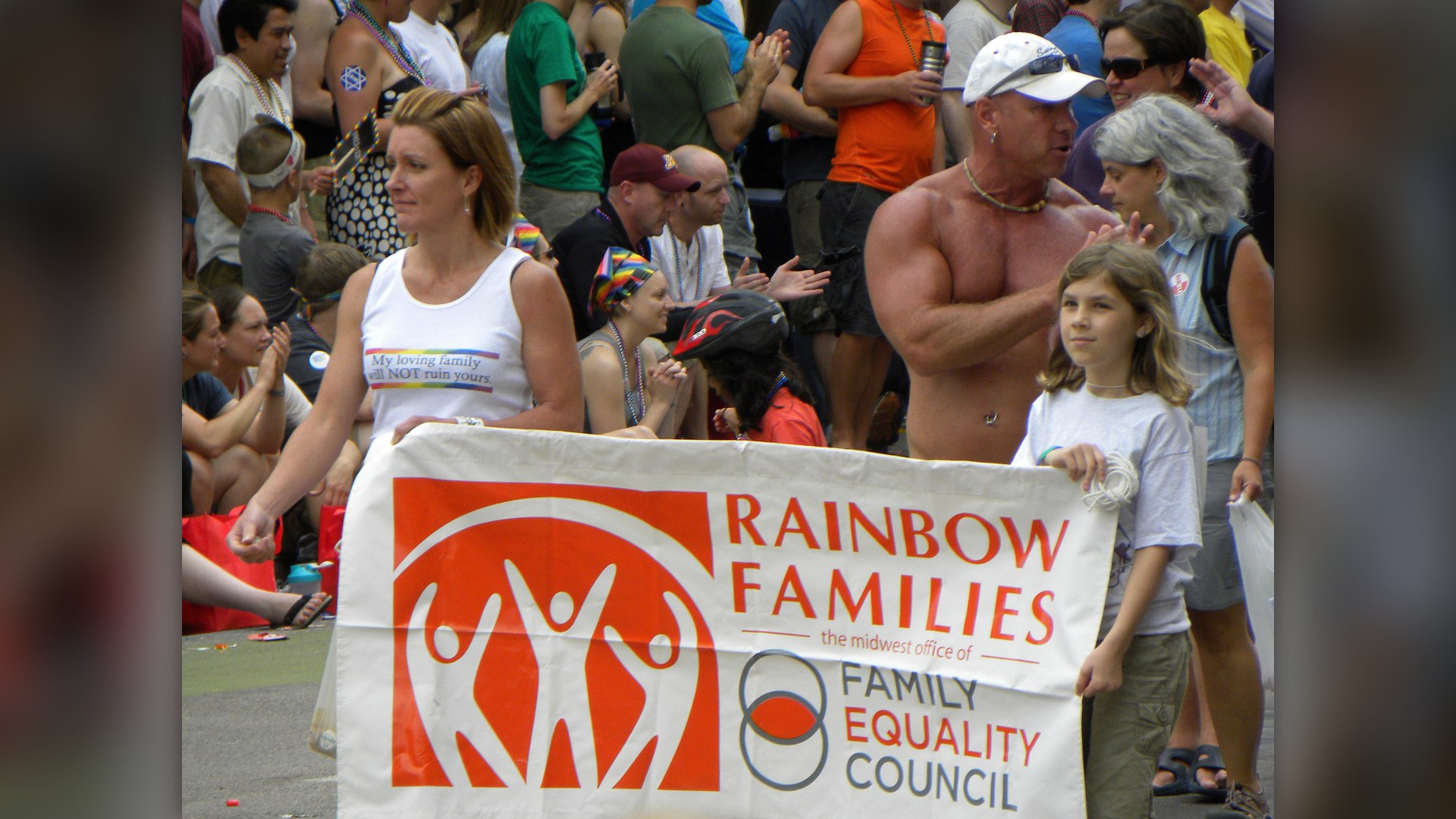
Sexual orientation and gender identity cannot legally bar an applicant from adopting a child. Following landmark federal court rulings, same sex couples and single LGBTQ+ adults have the legal right to petition for adoption across all 50 US states on equal footing.
5. Mandatory Licensed Home Study Evaluation
No adoption in the United States can proceed without an approved Home Study conducted by a licensed social worker. The evaluation includes an on site home safety inspection, in depth personal interviews, parenting education classes, and an assessment of emotional readiness.
6. State And Federal Criminal Background Checks
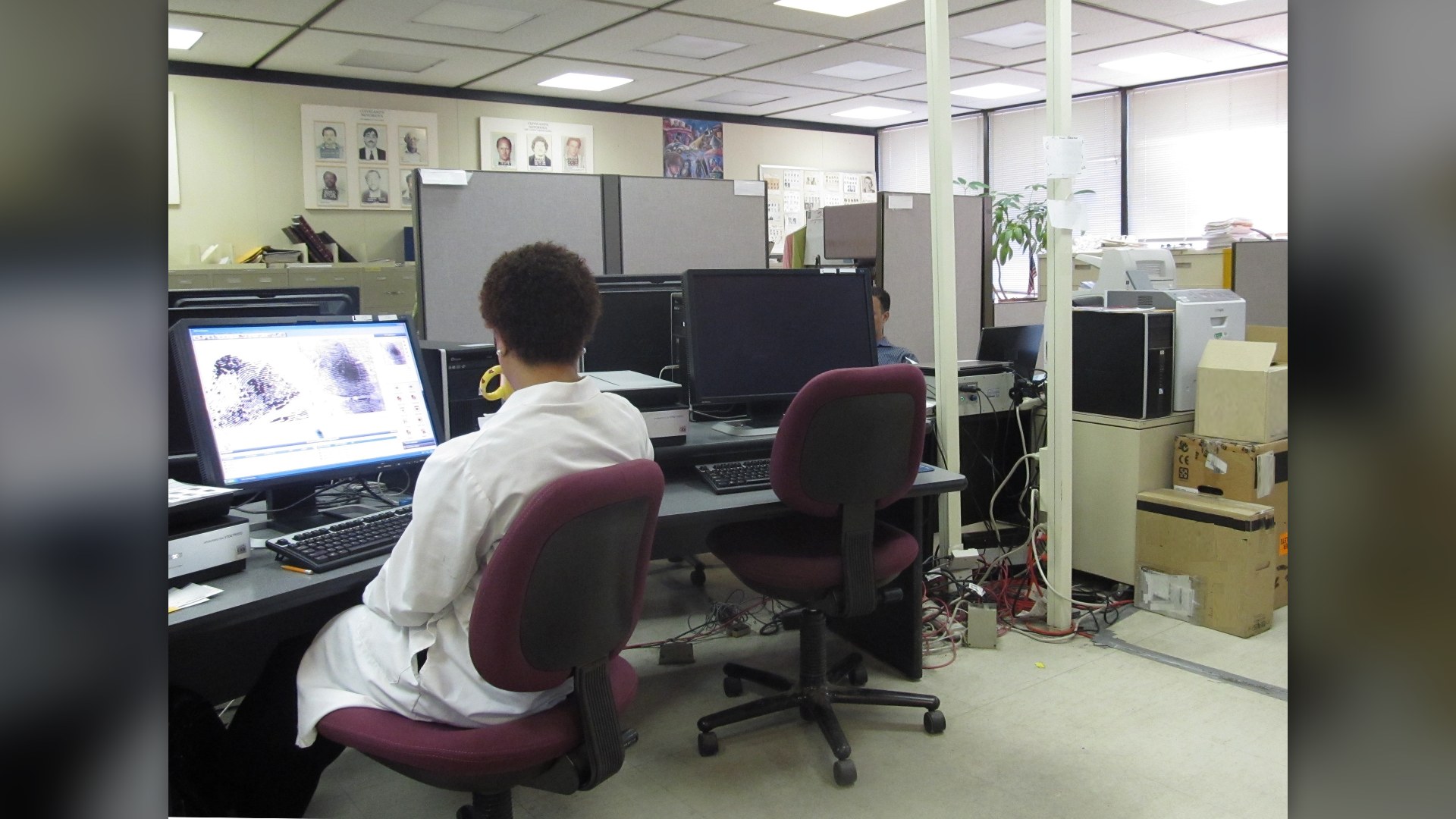
Every adult living in the prospective adoptive home must undergo state and federal FBI fingerprint background checks as well as state child abuse and neglect registry clearances. Felony convictions involving child abuse, domestic violence, or violent crime result in automatic disqualification.
7. Proof Of Financial Stability, Not Wealth
Contrary to popular belief, you do not need to be wealthy or own a house to adopt a child. Caseworkers simply verify financial stability by reviewing recent tax returns, pay stubs, monthly budgets, and health insurance coverage to confirm you can meet a child's needs.
8. Physician Medical And Health Clearance
Applicants must complete a physical examination and submit a physician's health report during the home study. The goal is to confirm you have the life expectancy, physical stamina, and mental wellness to parent a child into adulthood, though managed conditions do not bar you.
9. Non Relative Personal Character References
Social workers require between three and five formal character references from people who know you well outside your family, such as employers, neighbors, or longtime friends. Reference providers submit confidential letters or complete interviews verifying your stability.
10. Private Agency Household Size Rules
Although state statutes do not cap how many children a family can have, individual private adoption agencies frequently enforce their own household thresholds. Some agencies require that your youngest child be at least one year old before another infant is placed.
11. Mandatory Post Placement Supervision Visits
When a child first moves into your home, the legal adoption is not yet final. Families must complete a mandatory post placement supervision phase lasting one to six months, during which a social worker visits periodically to document the child's adjustment for the court.
12. Interstate Compact (ICPC) Travel Clearance
If you adopt a baby born in another US state, your family must comply with the Interstate Compact on the Placement of Children (ICPC). You cannot legally cross state lines to bring the child home until administrators in both the sending and receiving states grant clearance.
13. Federal Indian Child Welfare Act (ICWA) Rules
If a child is a member of, or eligible for membership in, a federally recognized Native American tribe, the adoption is governed by the federal Indian Child Welfare Act (ICWA). The law grants tribal courts jurisdiction and prioritizes placement with extended family or tribal members.
14. Legal Termination Of Biological Parental Rights
A child becomes legally free for adoption only after the biological parents' legal rights are permanently terminated. In private infant adoptions this occurs through voluntary signed consent after birth, while foster care adoptions follow a court ordered termination.
15. Final Family Court Decree Of Adoption
The adoption journey culminates at a finalization hearing in US family court. After reviewing the home study, background clearances, ICPC paperwork, and post placement reports, the judge signs the Final Decree of Adoption, granting permanent legal parent child status.








