Slideshow · Viral
15 Everyday Foods That Are Healthier Than You Think, Ranked
From coffee to potatoes, nutritional science reveals these healthy staples.
By Most Viral Today
30 Oct 2026

The Overlooked Daily Staples That Quietly Protect Your Body and Mind 
15. Extra Virgin Olive Oil 
14. Whole Eggs 
13. Coffee - AdvertisementSwipe or tap ▶ to continue countdown

12. Potatoes 
11. Sourdough Bread 
10. Whole Milk 
9. Butter - AdvertisementSwipe or tap ▶ to continue countdown

8. Dark Chocolate 
7. Cottage Cheese 
6. Frozen Vegetables 
5. Pork Tenderloin - AdvertisementSwipe or tap ▶ to continue countdown

4. Canned Tomatoes 
3. Peanut Butter 
2. Popcorn 
1. White Rice - Advertisement🔥 UP NEXT IN THIS SERIES◫ 21 Slides

20 Iconic Historical Photos and the Archive Clues Behind Them
Contact sheets, cracked glass plates, and NASA mission logs preserve the hidden steps behind 20 famous photographs. Drawing on records from the Library of Congress, the National Archives, NASA, and the Smithsonian, this countdown traces how cropping, camera setups, and double exposures shaped each frame.
Many healthy foods face unfair criticism because of outdated dietary fads or confusion with ultra-processed versions. Modern nutritional studies show that these fifteen ordinary grocery items deliver vital micronutrients, protective antioxidants, and lasting energy.
Swipe or tap ▶ to begin the countdown
©Wikimedia / FASTILY & Wikimedia / M
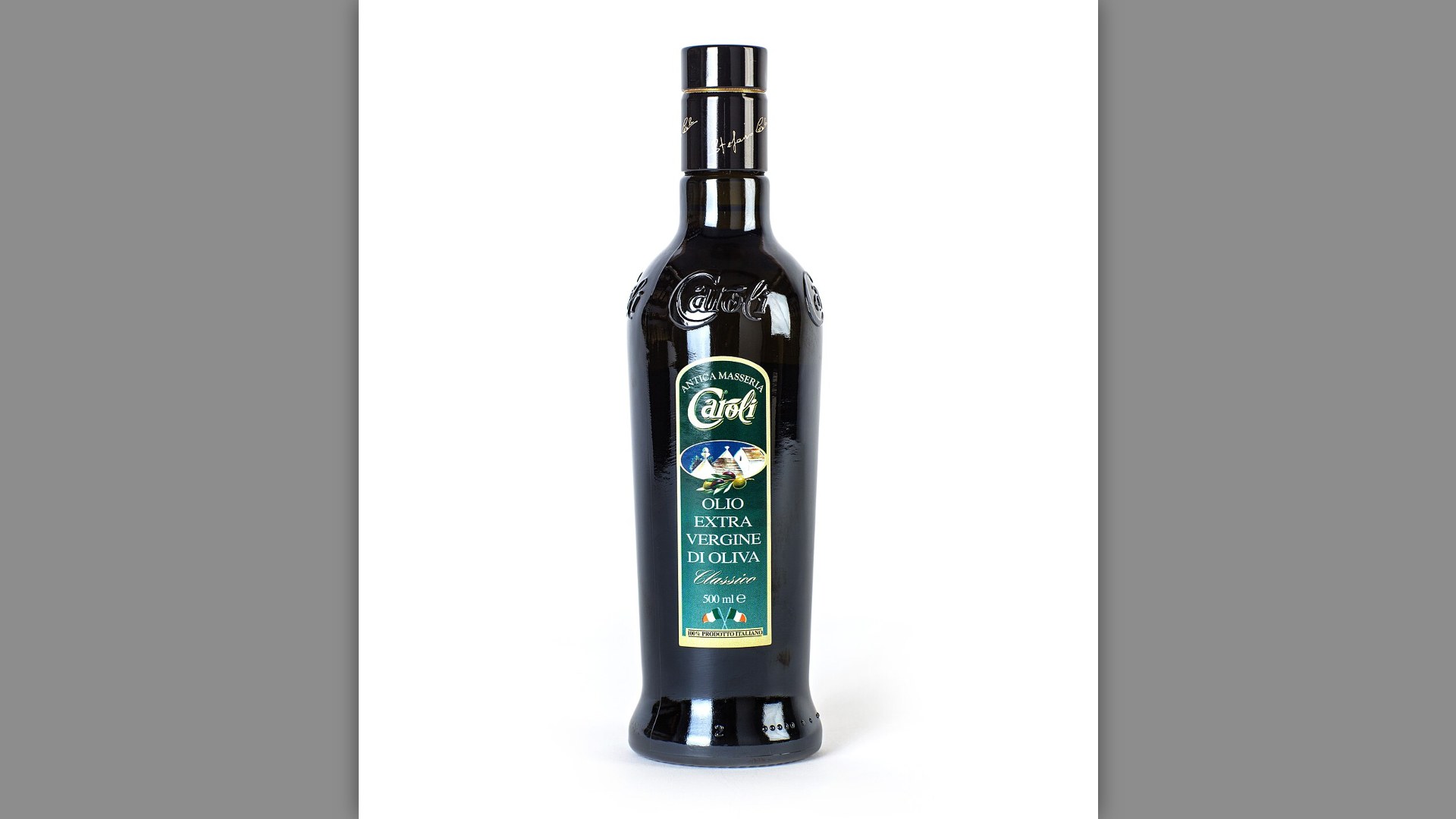
15. Extra Virgin Olive Oil
Extra virgin olive oil is the gold standard of healthy cooking fats and the cornerstone of Mediterranean longevity. Its signature compound, oleocanthal, functions as a natural anti-inflammatory agent while polyphenol antioxidants shield LDL particles from oxidation.
©Wikimedia / Caroliusa
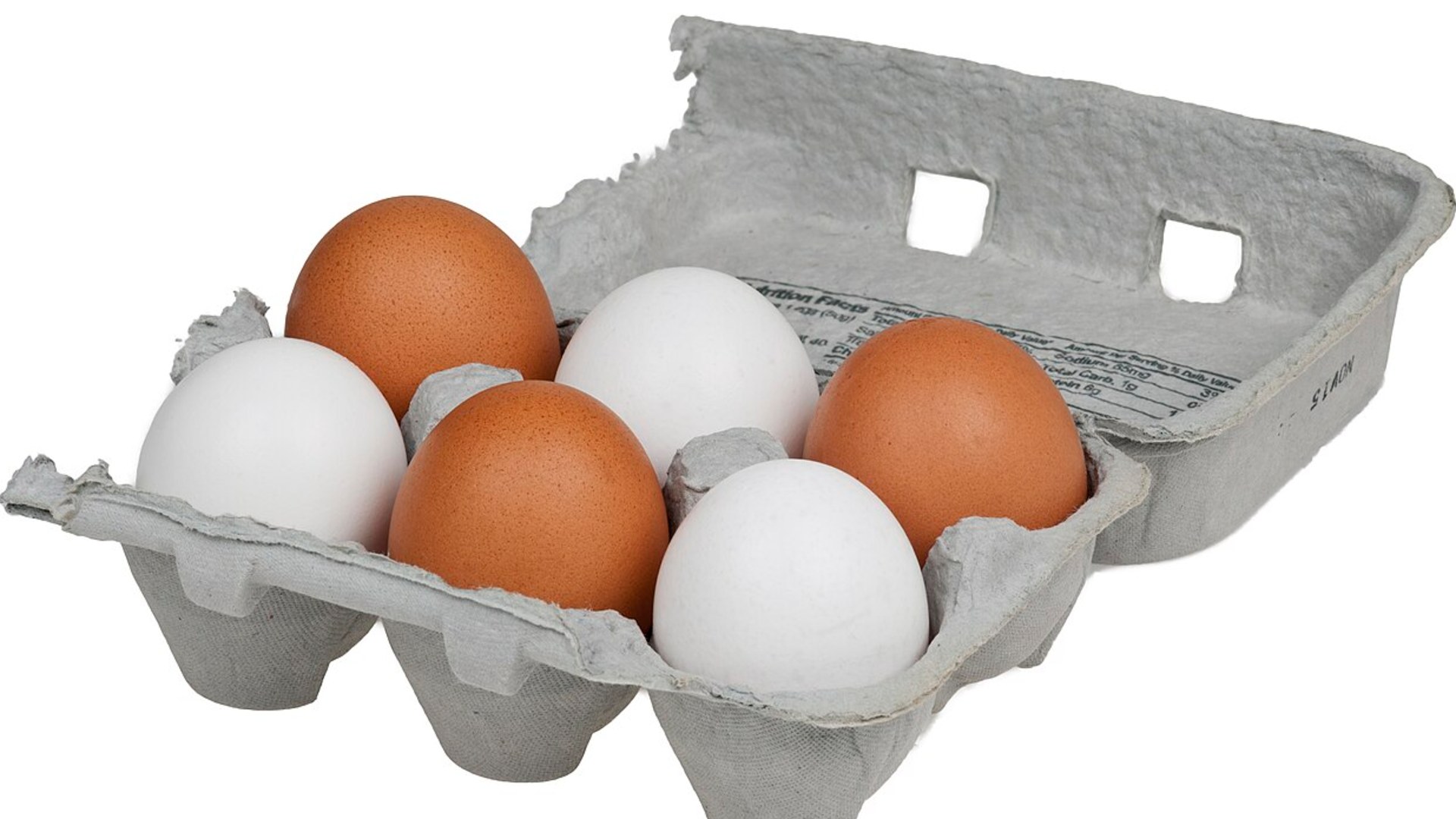
14. Whole Eggs
Rigorous clinical trials have debunked the myth that dietary cholesterol drives arterial plaques. Whole eggs provide gold-standard bioavailable protein, lutein for retinal protection, and choline, an essential nutrient vital for cell membranes and memory synthesis.
©Wikimedia / Evan-Amos
13. Coffee
Beyond morning alertness, black coffee delivers complex chlorogenic acids and polyphenols that defend liver cells. Extensive longitudinal studies associate moderate coffee intake with significantly reduced risk of type 2 diabetes and neurological decline.
©Wikimedia / epSos.de
Advertisement
Swipe or tap ▶ to resume the countdown.
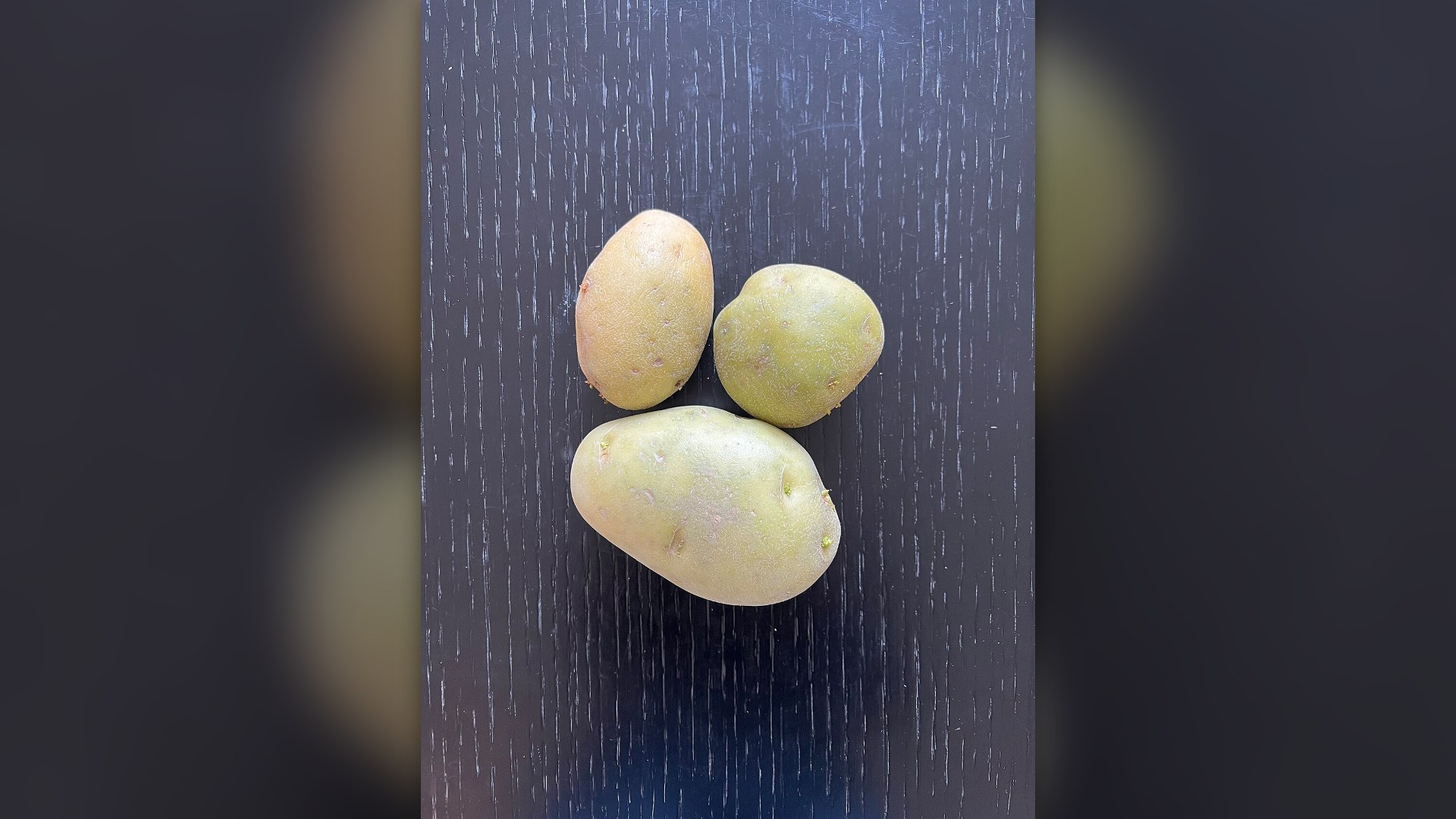
12. Potatoes
French fries gave the humble spud an unfair reputation, but plain boiled or baked potatoes are nutritional powerhouses. They provide more potassium than bananas, substantial vitamin C, and score number one on international food satiety rankings.
©Wikimedia / HaJunkiyada
11. Sourdough Bread
Traditional sourdough relies on wild yeasts and lactic acid bacteria rather than commercial additives. This slow fermentation partially digests gluten proteins, neutralizes phytic acid to free up minerals, and delivers a notably lower glycemic response.
©Wikimedia / Dana Hutchinson
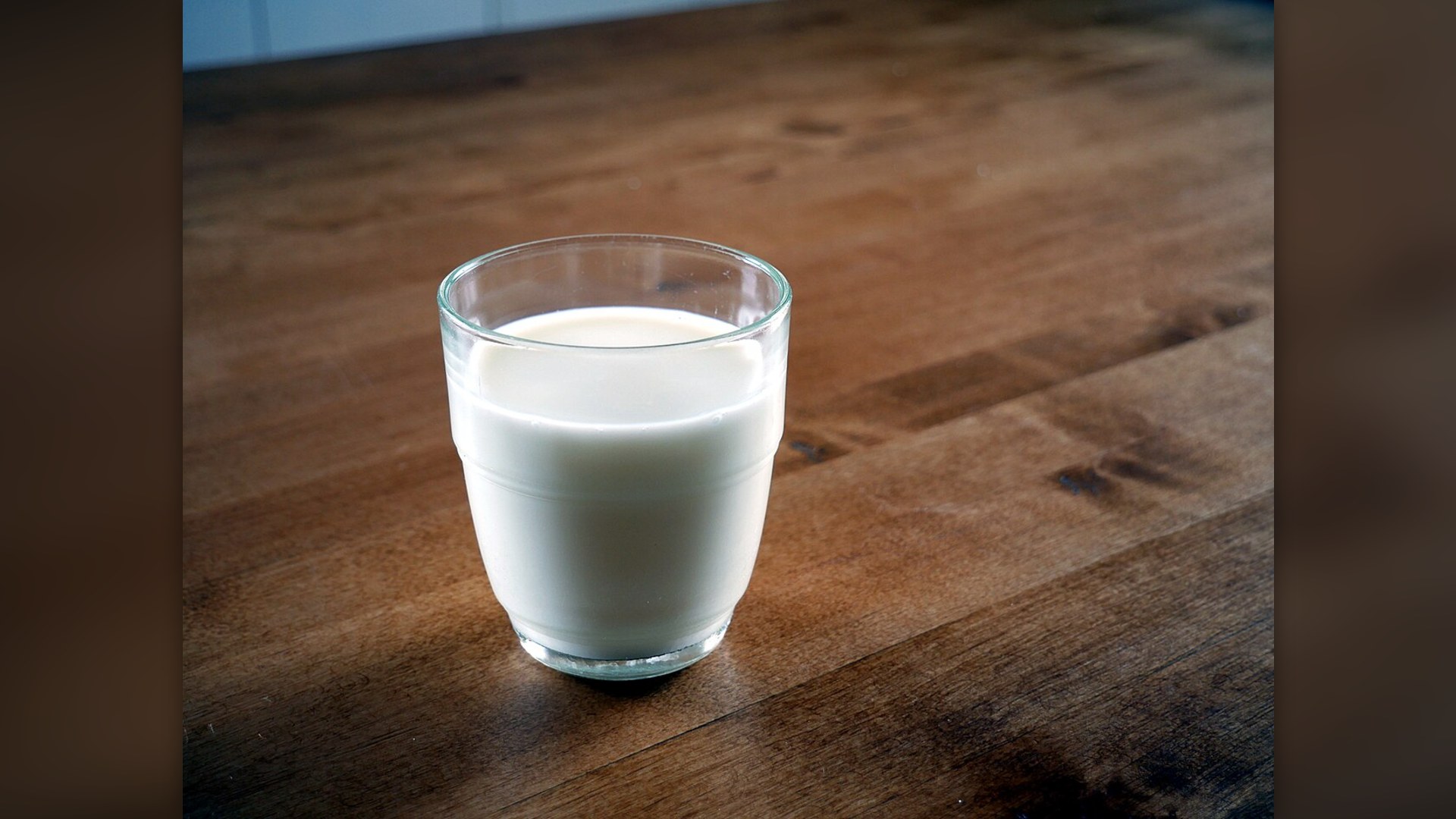
10. Whole Milk
Large epidemiological trials have overturned the belief that skim milk is automatically healthier. The natural milk fat in whole dairy slows lactose digestion, enhances the uptake of fat-soluble vitamins A and D, and supports long-lasting meal satisfaction.
©Wikimedia / Santeri Viinamaki
9. Butter
Decades of anti-fat dogma condemned natural butter in favor of processed margarines containing trans fats. Grass-fed butter delivers conjugated linoleic acid, fat-soluble vitamins, and butyrate, a short-chain fatty acid that nourishes the intestinal lining.
©Wikimedia / Qwertyxp2000
Advertisement
Swipe or tap ▶ to resume the countdown.
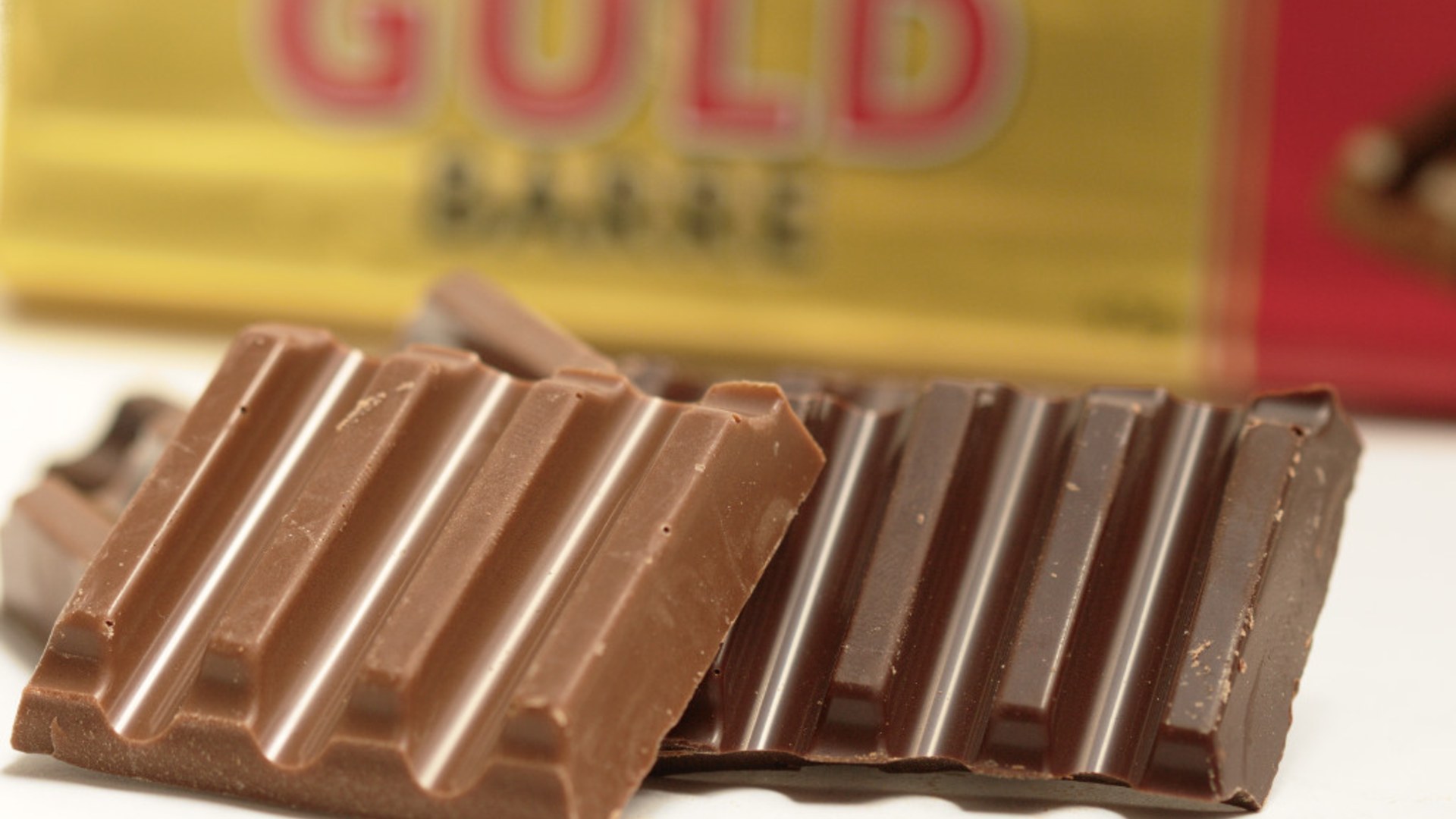
8. Dark Chocolate
Bars containing seventy percent cocoa or higher function more like herbal medicine than junk food. Their rich flavanol content triggers nitric oxide production in blood vessels, which helps relax artery walls, improve circulation, and protect brain cognition.
©Wikimedia / Knud Winckelmann
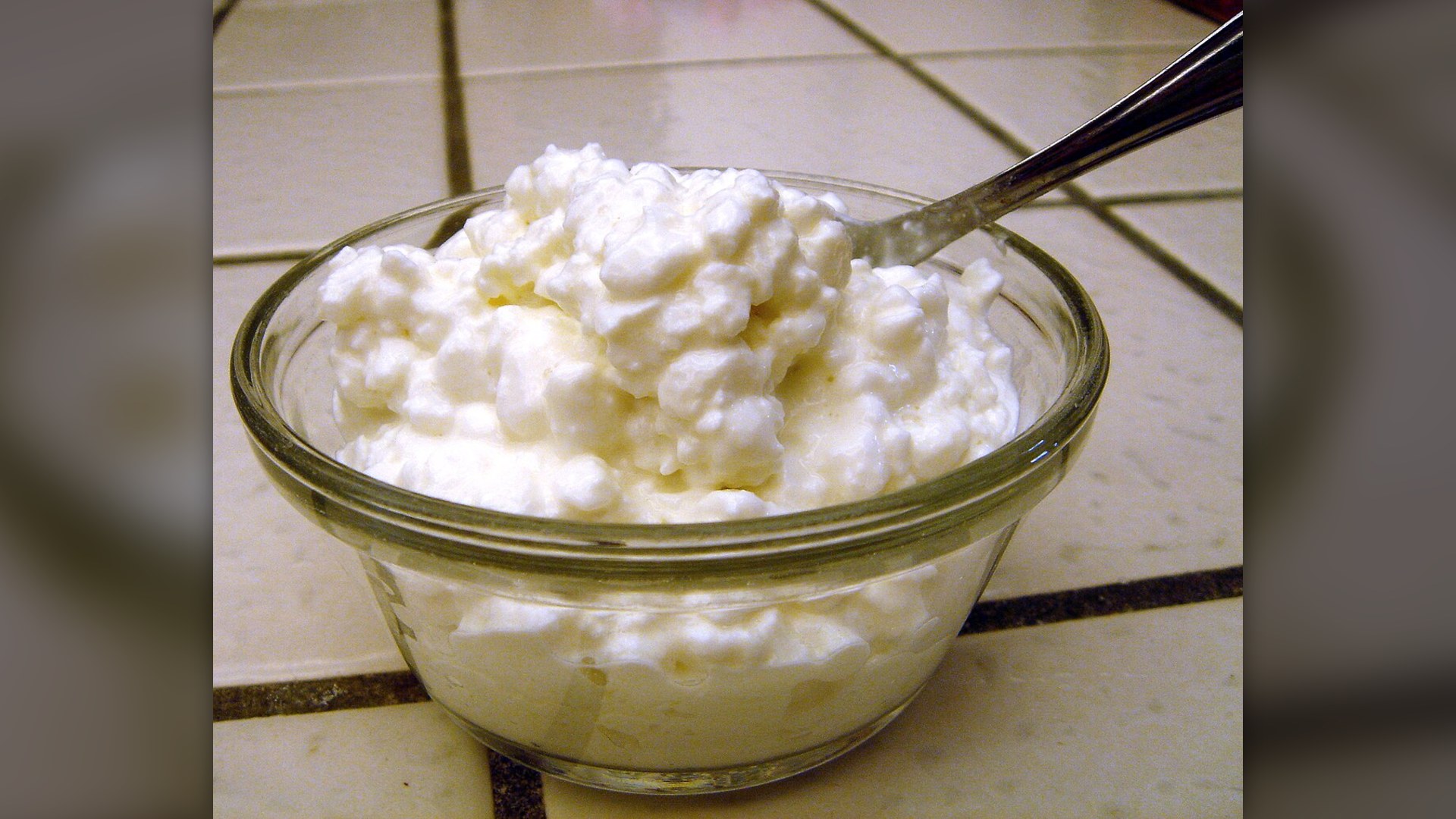
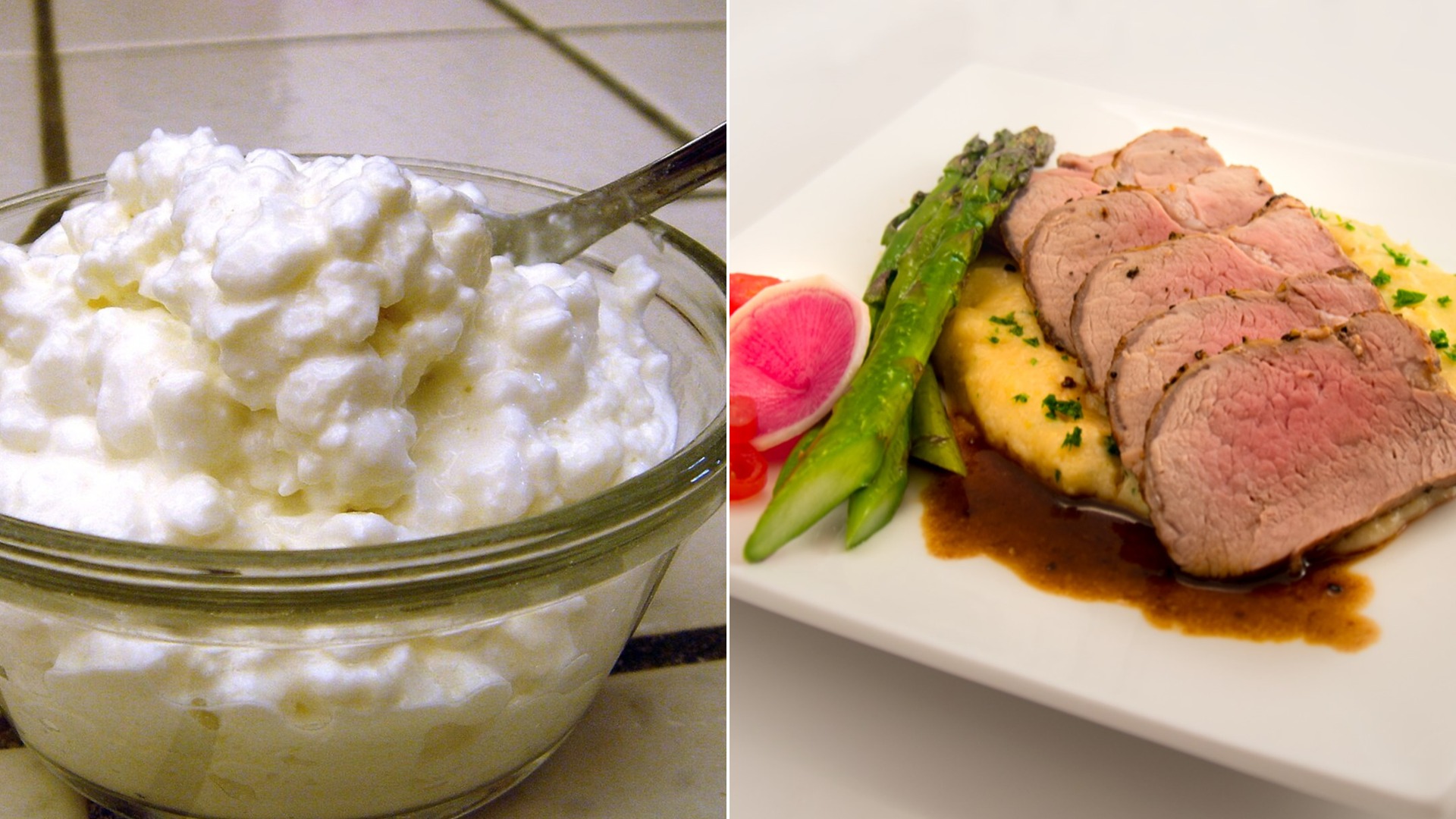
7. Cottage Cheese
This vintage staple is experiencing a resurgence thanks to its impressive macronutrient density. One cup supplies roughly twenty-five grams of complete casein protein, helping sustain fullness, preserve lean tissue, and supply bone-building calcium.
©Wikimedia / FASTILY
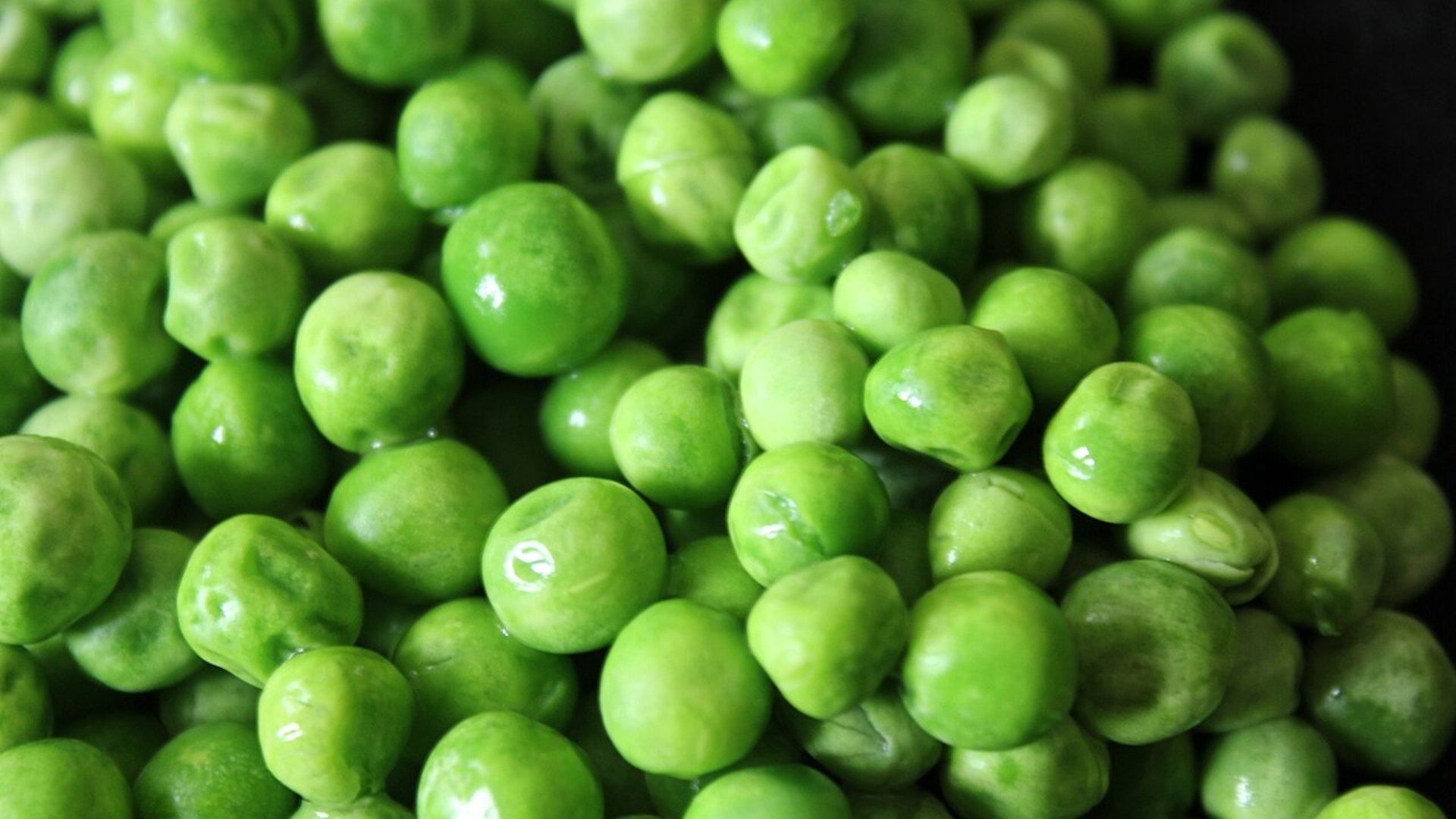
6. Frozen Vegetables
Fresh produce frequently loses sensitive nutrients during cross-country transport and grocery storage. Flash-frozen vegetables are harvested at peak ripeness and frozen immediately, often containing higher concentrations of vitamin C than limp fresh counterparts.
©Wikimedia / Paul Wilkinson
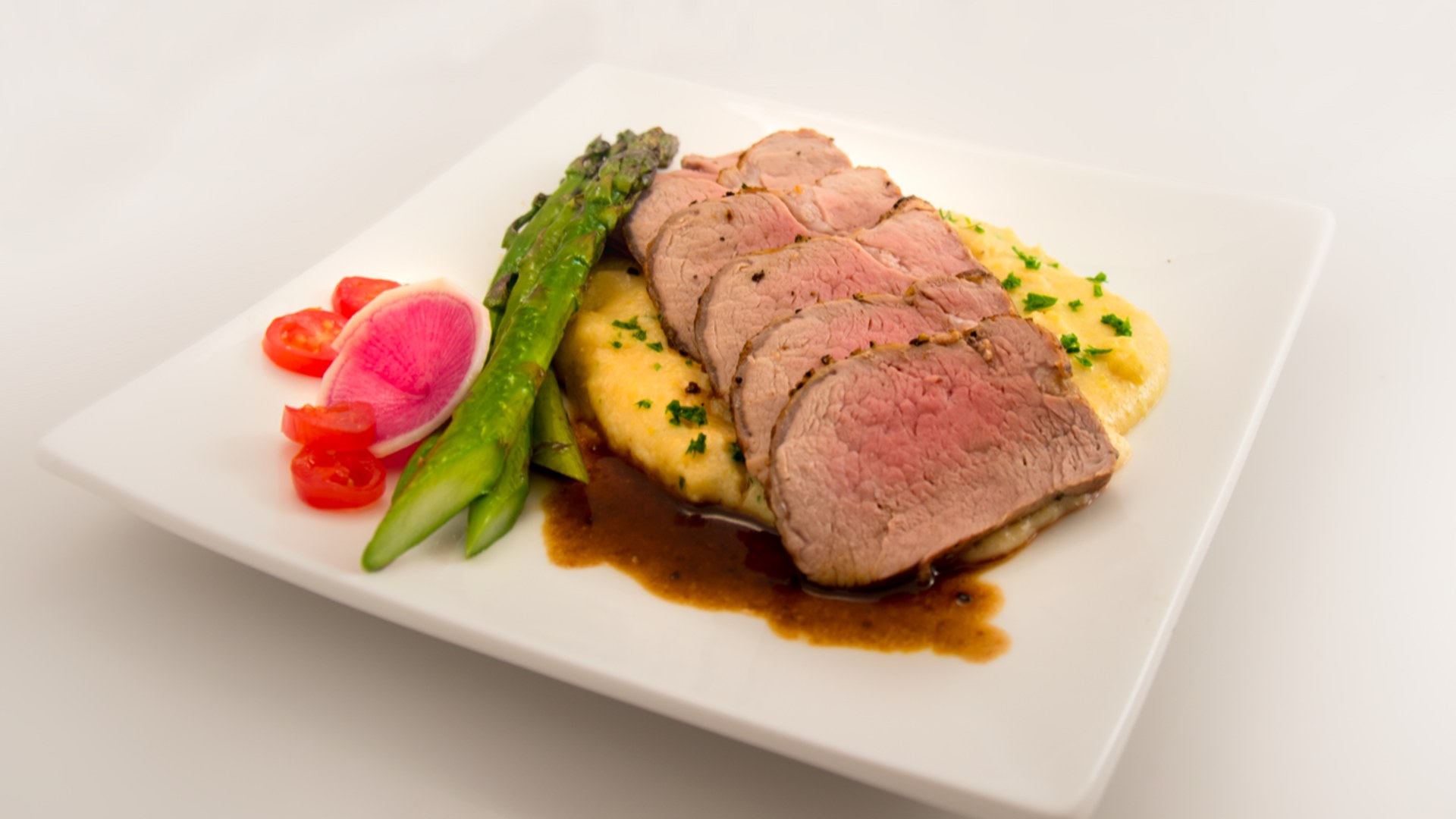
5. Pork Tenderloin
Often lumped into red meat debates, pork tenderloin meets American Heart Association standards for extra-lean protein. It contains just three grams of fat per serving while delivering bioavailable B vitamins, selenium, and muscle-repairing amino acids.
©Wikimedia / M
Advertisement
Swipe or tap ▶ to resume the countdown.
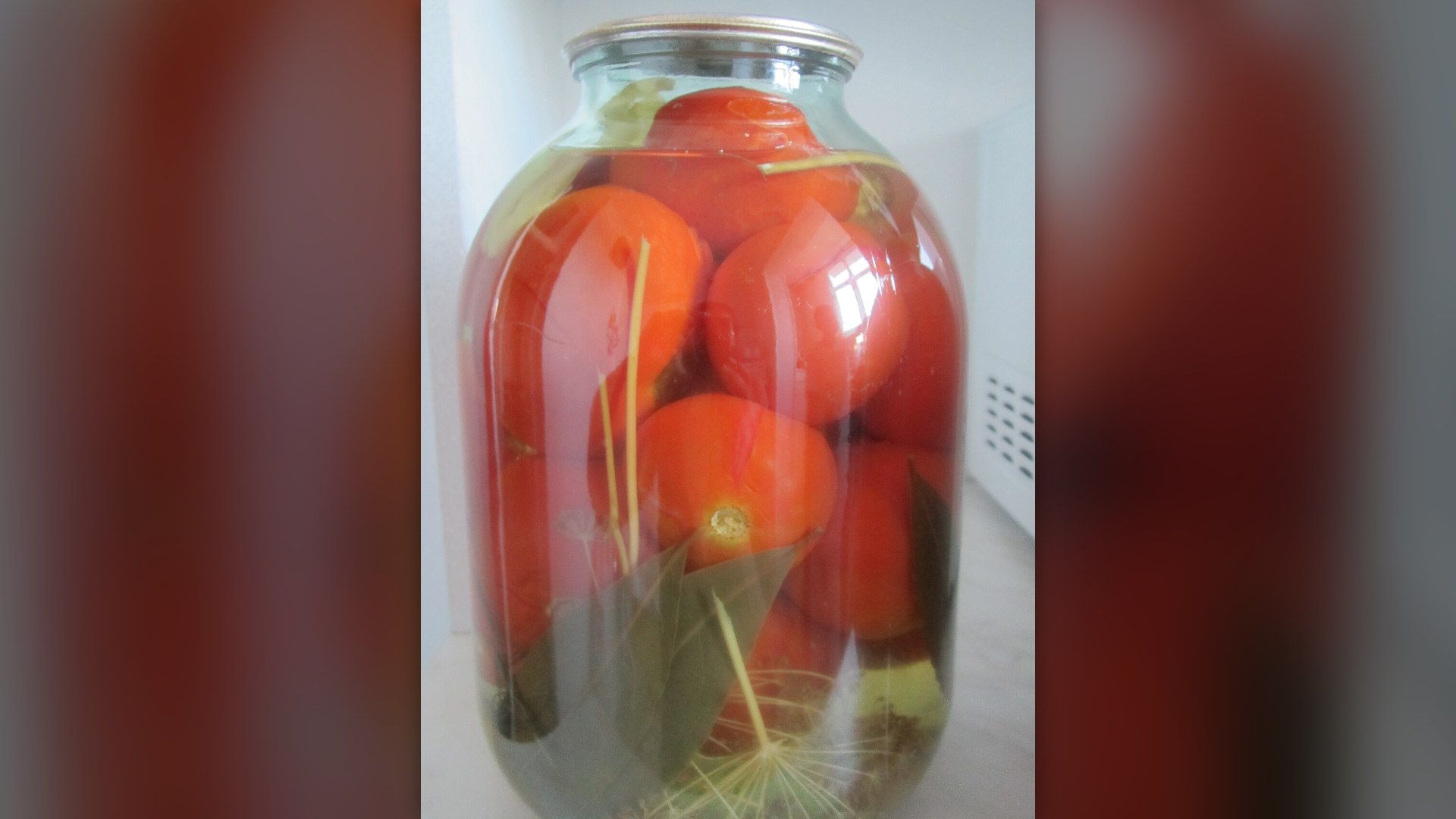
4. Canned Tomatoes
Fresh produce is not always superior. The thermal processing used during canning breaks tomato cell walls, multiplying the bioavailability of lycopene. This potent antioxidant shields cells from oxidative damage and supports arterial flexibility.
©Wikimedia / Moonsun1981
3. Peanut Butter
Despite being calorie dense, two tablespoons of natural peanut butter contain eight grams of protein and abundant monounsaturated fats. Studies show regular consumption helps curb appetite, improve cholesterol profiles, and supply cellular vitamin E.
©Wikimedia / Shisma
2. Popcorn
Movie theater butter may give popcorn a bad reputation, but plain kernels are entirely whole grain. A standard three cup serving provides nearly four grams of fiber alongside concentrated polyphenols that support vascular health and digestive regularity.
©Wikimedia / Alex Munsell
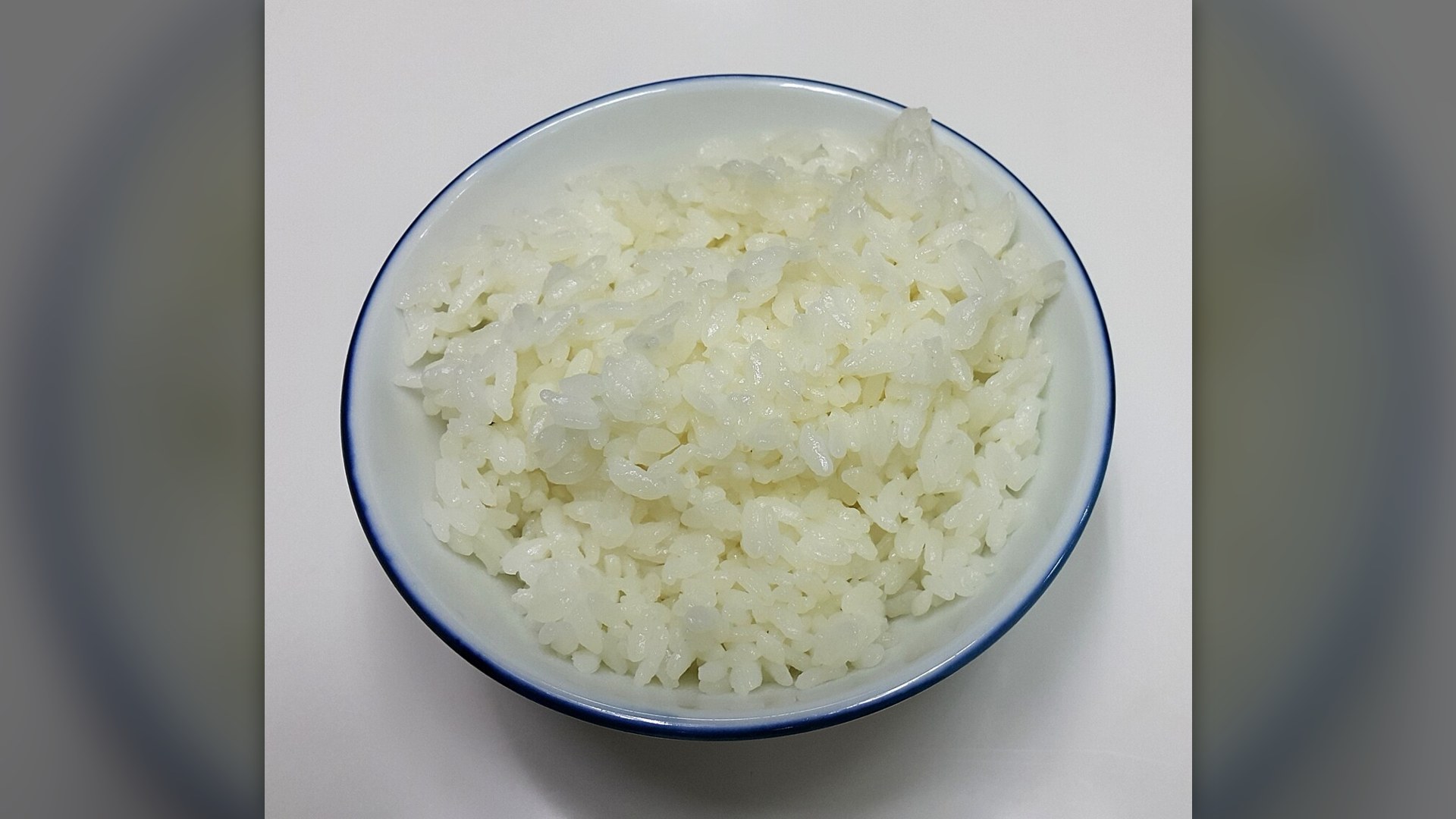
1. White Rice
Often dismissed in favor of brown rice, white rice is easily tolerated by sensitive digestive tracts and fortified with iron and B vitamins. When cooked and chilled, it develops prebiotic resistant starch that feeds beneficial gut flora and moderates insulin spikes.

©Wikimedia / Douglas Perkins
Advertisement
You've reached the end of the story. Thanks for reading!

20 Iconic Historical Photos and the Archive Clues Behind Them
Contact sheets, cracked glass plates, and NASA mission logs preserve the hidden steps behind 20 famous photographs. Drawing on records from the Library of Congress, the National Archives, NASA, and the Smithsonian, this countdown traces how cropping, camera setups, and double exposures shaped each frame.
All 15 Entries in this Story
1. Extra Virgin Olive Oil
Extra virgin olive oil is the gold standard of healthy cooking fats and the cornerstone of Mediterranean longevity. Its signature compound, oleocanthal, functions as a natural anti-inflammatory agent while polyphenol antioxidants shield LDL particles from oxidation.

2. Whole Eggs
Rigorous clinical trials have debunked the myth that dietary cholesterol drives arterial plaques. Whole eggs provide gold-standard bioavailable protein, lutein for retinal protection, and choline, an essential nutrient vital for cell membranes and memory synthesis.

3. Coffee
Beyond morning alertness, black coffee delivers complex chlorogenic acids and polyphenols that defend liver cells. Extensive longitudinal studies associate moderate coffee intake with significantly reduced risk of type 2 diabetes and neurological decline.

4. Potatoes
French fries gave the humble spud an unfair reputation, but plain boiled or baked potatoes are nutritional powerhouses. They provide more potassium than bananas, substantial vitamin C, and score number one on international food satiety rankings.

5. Sourdough Bread
Traditional sourdough relies on wild yeasts and lactic acid bacteria rather than commercial additives. This slow fermentation partially digests gluten proteins, neutralizes phytic acid to free up minerals, and delivers a notably lower glycemic response.

6. Whole Milk
Large epidemiological trials have overturned the belief that skim milk is automatically healthier. The natural milk fat in whole dairy slows lactose digestion, enhances the uptake of fat-soluble vitamins A and D, and supports long-lasting meal satisfaction.

7. Butter
Decades of anti-fat dogma condemned natural butter in favor of processed margarines containing trans fats. Grass-fed butter delivers conjugated linoleic acid, fat-soluble vitamins, and butyrate, a short-chain fatty acid that nourishes the intestinal lining.

8. Dark Chocolate
Bars containing seventy percent cocoa or higher function more like herbal medicine than junk food. Their rich flavanol content triggers nitric oxide production in blood vessels, which helps relax artery walls, improve circulation, and protect brain cognition.

9. Cottage Cheese
This vintage staple is experiencing a resurgence thanks to its impressive macronutrient density. One cup supplies roughly twenty-five grams of complete casein protein, helping sustain fullness, preserve lean tissue, and supply bone-building calcium.

10. Frozen Vegetables
Fresh produce frequently loses sensitive nutrients during cross-country transport and grocery storage. Flash-frozen vegetables are harvested at peak ripeness and frozen immediately, often containing higher concentrations of vitamin C than limp fresh counterparts.

11. Pork Tenderloin
Often lumped into red meat debates, pork tenderloin meets American Heart Association standards for extra-lean protein. It contains just three grams of fat per serving while delivering bioavailable B vitamins, selenium, and muscle-repairing amino acids.

12. Canned Tomatoes
Fresh produce is not always superior. The thermal processing used during canning breaks tomato cell walls, multiplying the bioavailability of lycopene. This potent antioxidant shields cells from oxidative damage and supports arterial flexibility.

13. Peanut Butter
Despite being calorie dense, two tablespoons of natural peanut butter contain eight grams of protein and abundant monounsaturated fats. Studies show regular consumption helps curb appetite, improve cholesterol profiles, and supply cellular vitamin E.

14. Popcorn
Movie theater butter may give popcorn a bad reputation, but plain kernels are entirely whole grain. A standard three cup serving provides nearly four grams of fiber alongside concentrated polyphenols that support vascular health and digestive regularity.

15. White Rice
Often dismissed in favor of brown rice, white rice is easily tolerated by sensitive digestive tracts and fortified with iron and B vitamins. When cooked and chilled, it develops prebiotic resistant starch that feeds beneficial gut flora and moderates insulin spikes.