Slideshow · Science
Foods That Were Invented Just for Soldiers
15 everyday grocery store staples invented or scaled for battlefield troops.
By Most Viral Today
28 Oct 2026

How Wartime Military Rations Secretly Stocked Your Local Grocery Store 
15. Jerky (Industrialized Rations) 
14. Dehydrated Soup Mixes 
13. TV Dinners / Frozen Airline Meals - AdvertisementSwipe or tap ▶ to continue countdown

12. Budae Jjigae (Korean Army Stew) 
11. Chef Boyardee Canned Pasta 
10. Hardtack 
9. Sweetened Condensed Milk - AdvertisementSwipe or tap ▶ to continue countdown

8. Restructured Meat (The McRib) 
7. Sliced And Shelf-Stable Bread 
6. Spam 
5. Canned Food - AdvertisementSwipe or tap ▶ to continue countdown

4. Cheetos (Cheese Powder) 
3. Energy Bars 
2. Instant Coffee 
1. M&M's - Advertisement🔥 UP NEXT IN THIS SERIES◫ 23 Slides

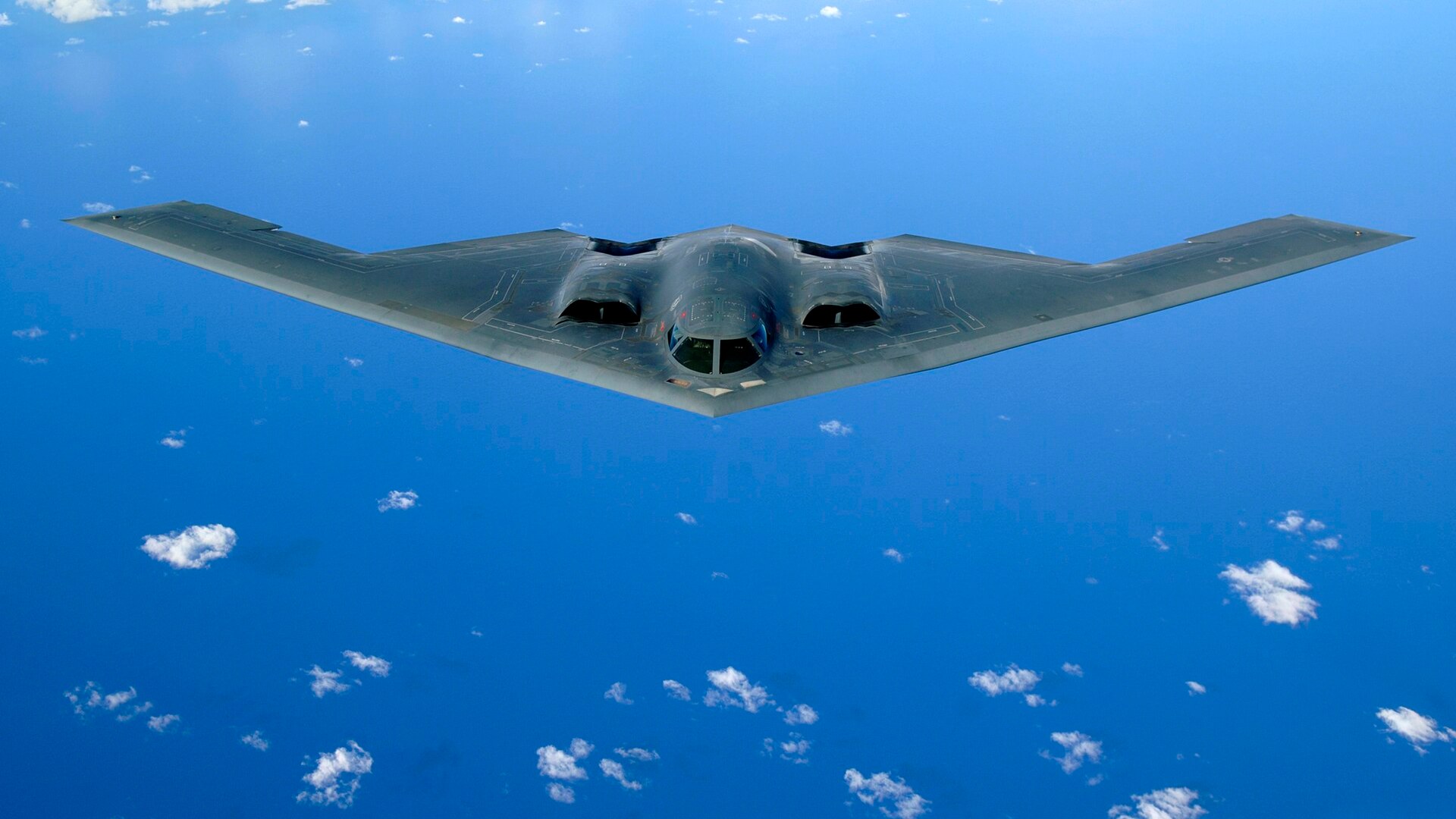
22 Most Secret World War II Aircraft Tested Behind Closed Doors
Between 1939 and 1945, Allied and Axis engineers built jets, flying wings and rocket interceptors in deep wartime secrecy. Ranked from 22 to 1 by historical secrecy and technical leap, this countdown draws on archival records from the Smithsonian, U.S. Air Force Museum, RAF Museum and German Federal Archives.
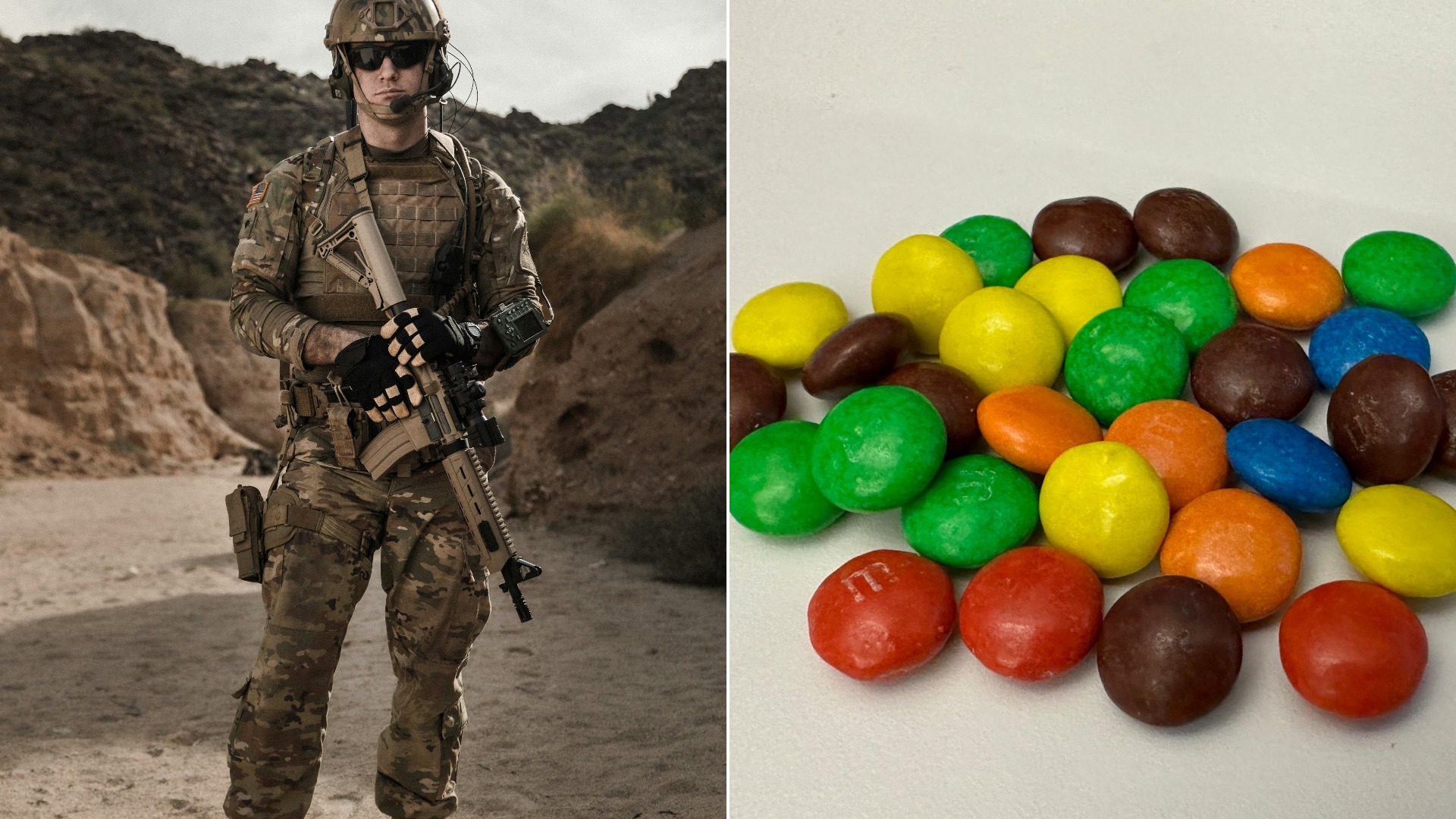
Wars are won as much by supply lines and calories as by strategy. Over the past two centuries, militaries poured billions into keeping food edible, lightweight, and high-energy across extreme climates, creating 15 everyday staples now found in grocery stores worldwide.
Swipe or tap ▶ to begin the countdown
©Unsplash / Jakob Owens & Wikimedia / Ssu
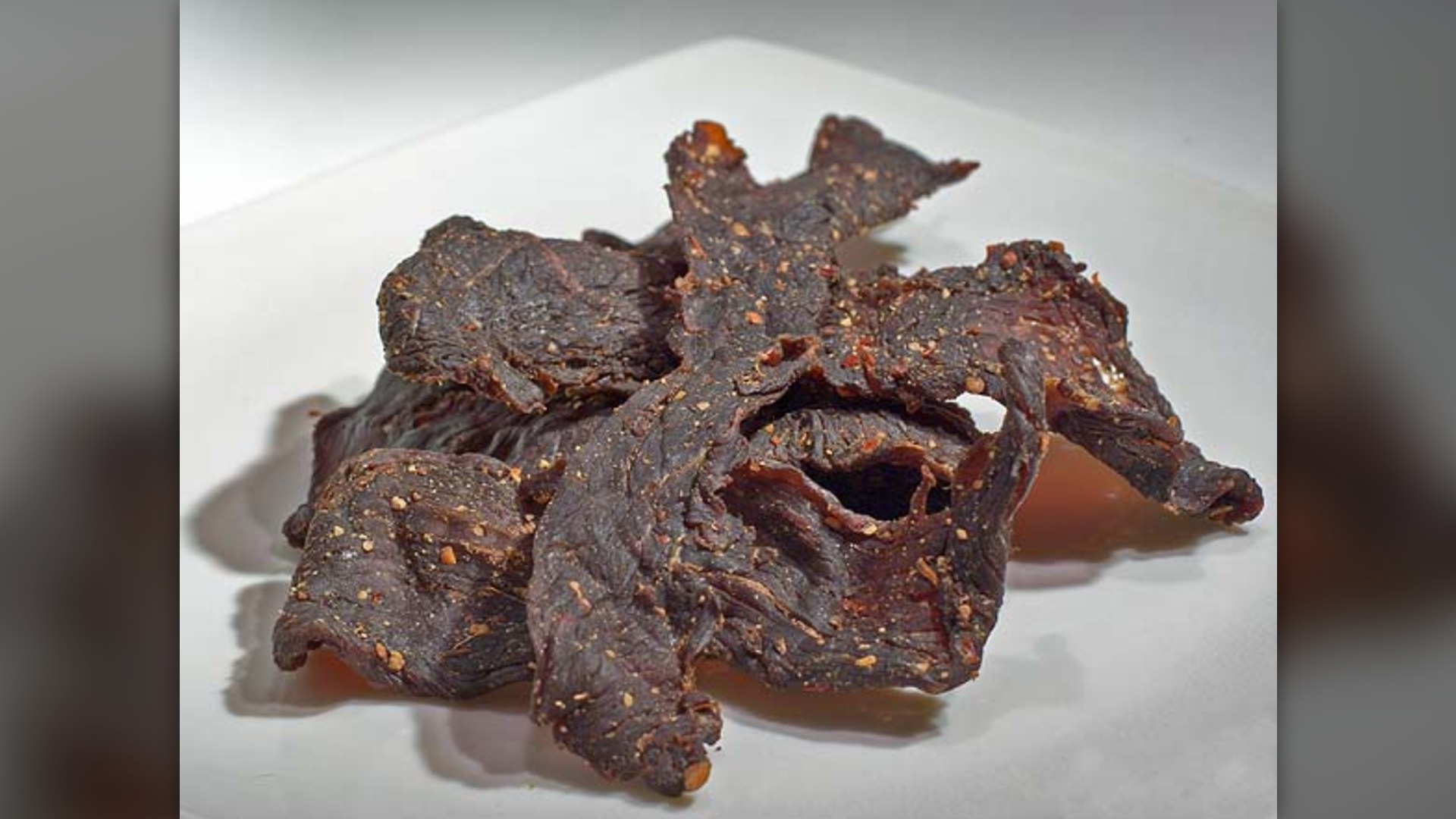
15. Jerky (Industrialized Rations)
While ancient civilizations independently invented sun-drying meat, militaries heavily industrialized jerky production. Its high-protein density, lightweight nature, and resistance to diverse weather patterns made it the perfect long-range scouting ration for armies throughout history.
©Wikimedia / Kusie
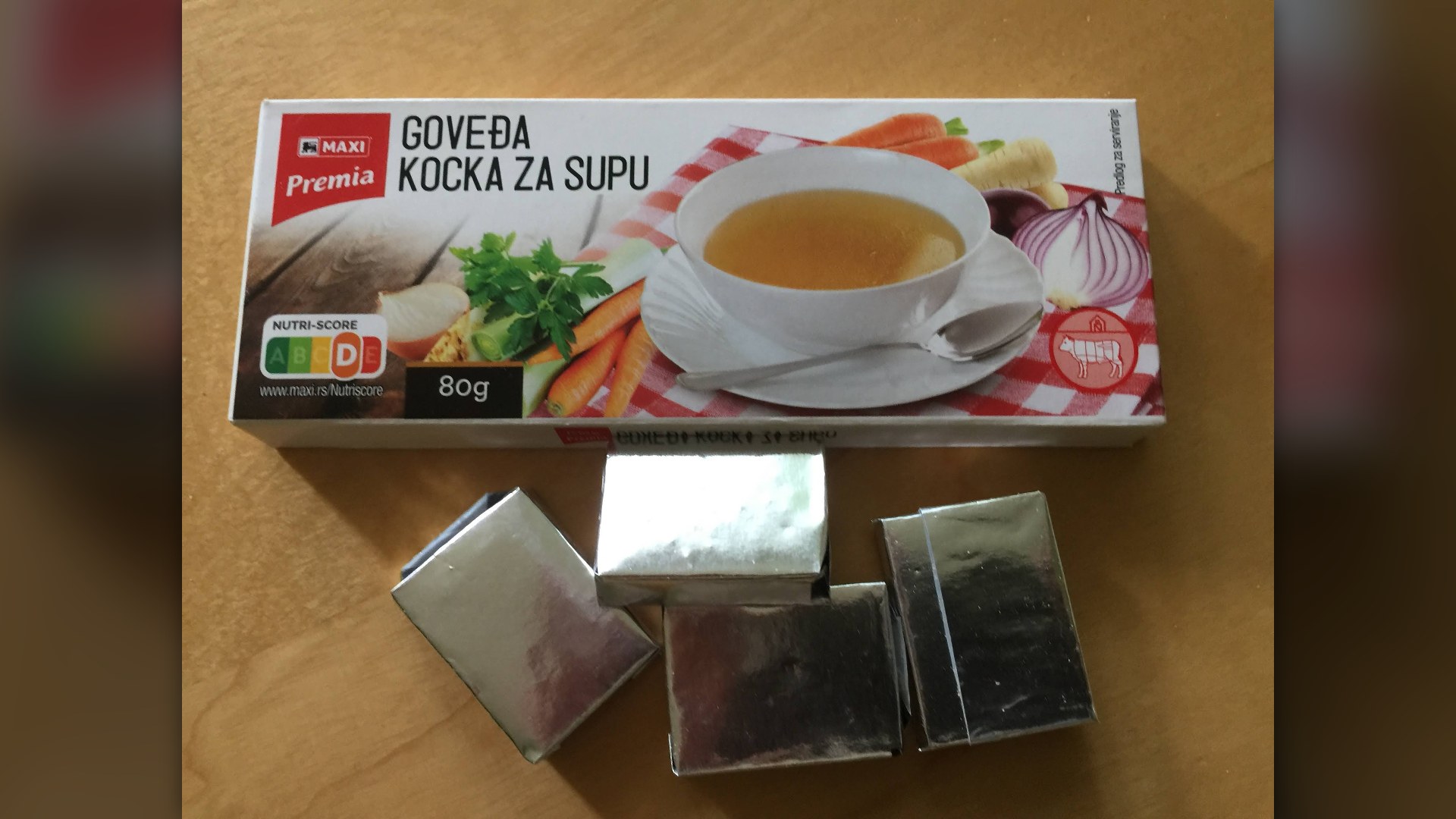
14. Dehydrated Soup Mixes
Water adds unnecessary weight and bulk to military shipping logistics. Militaries pushed the innovation of lightweight dehydrated soup powders and cubes so a soldier could easily carry a dozen meals in a small pouch and reconstitute them with hot water.
©Wikimedia / Intermedichbo, dr Milorad Dimić
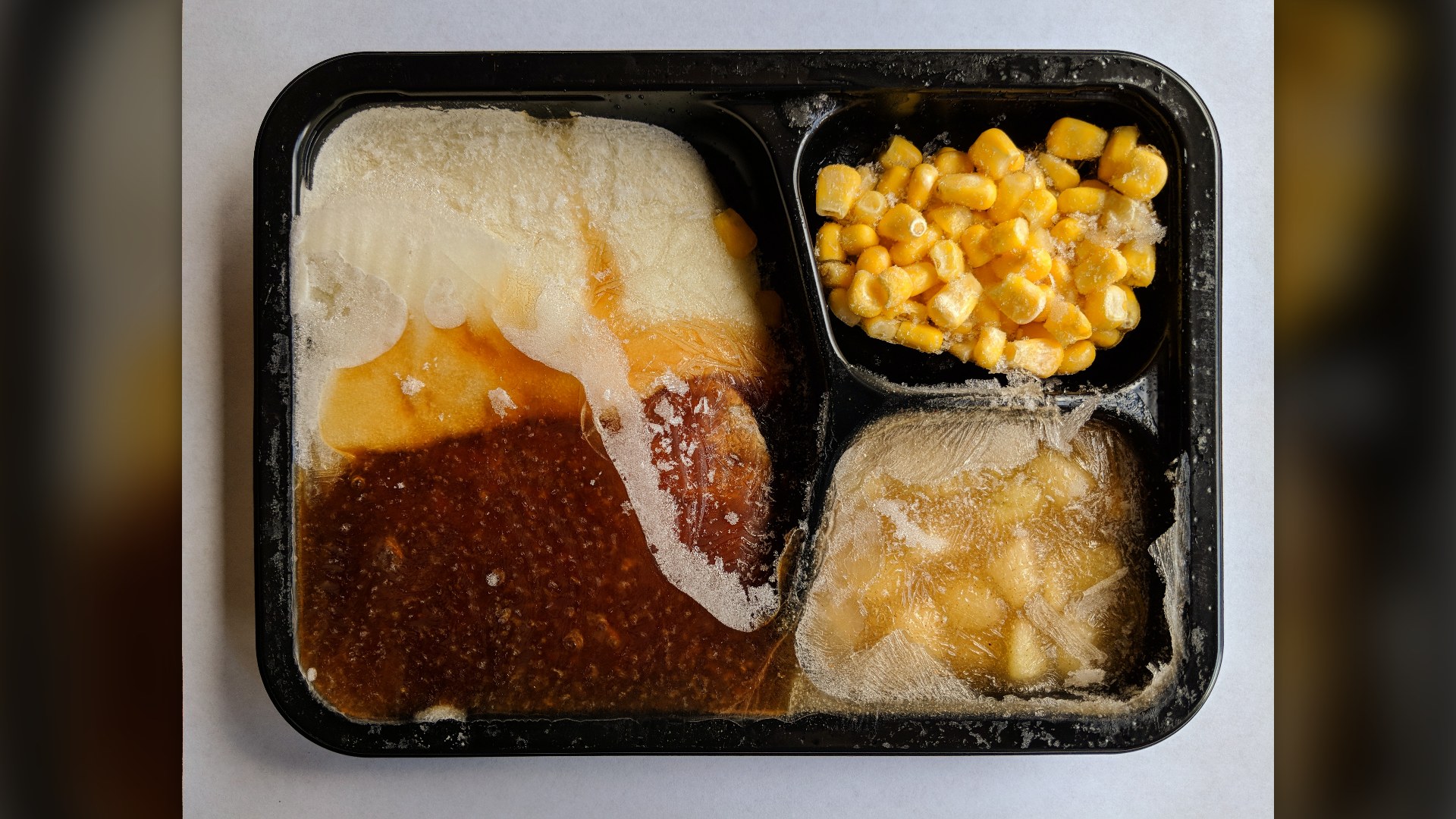
13. TV Dinners / Frozen Airline Meals
The absolute earliest compartmentalized frozen meals were invented in 1945 by Maxson Food Systems. They weren't meant for the living room couch. Instead, they were manufactured to feed military and civilian crews on long-distance air flights who didn't have access to standard kitchens.
©Wikimedia / Sir Beluga
Advertisement
Swipe or tap ▶ to resume the countdown.
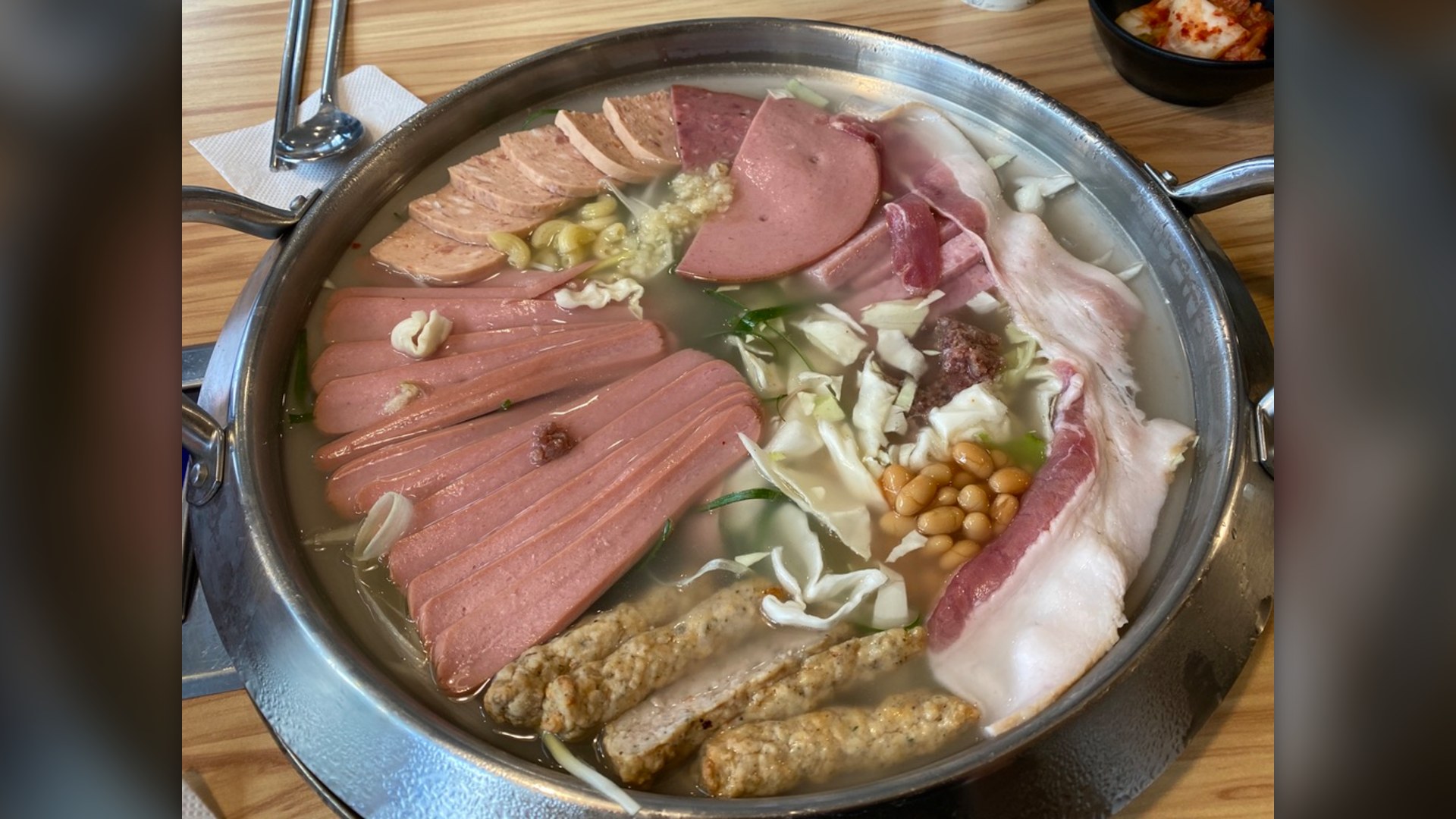
12. Budae Jjigae (Korean Army Stew)
Born out of necessity right after the Korean War, this dish was created by South Koreans using surplus processed food from U.S. military bases. Locals combined American military staples like Spam, hot dogs, and sliced cheese with traditional Korean kimchi and gochujang to create a legendary fusion stew.
©Wikimedia / lazy fri13th
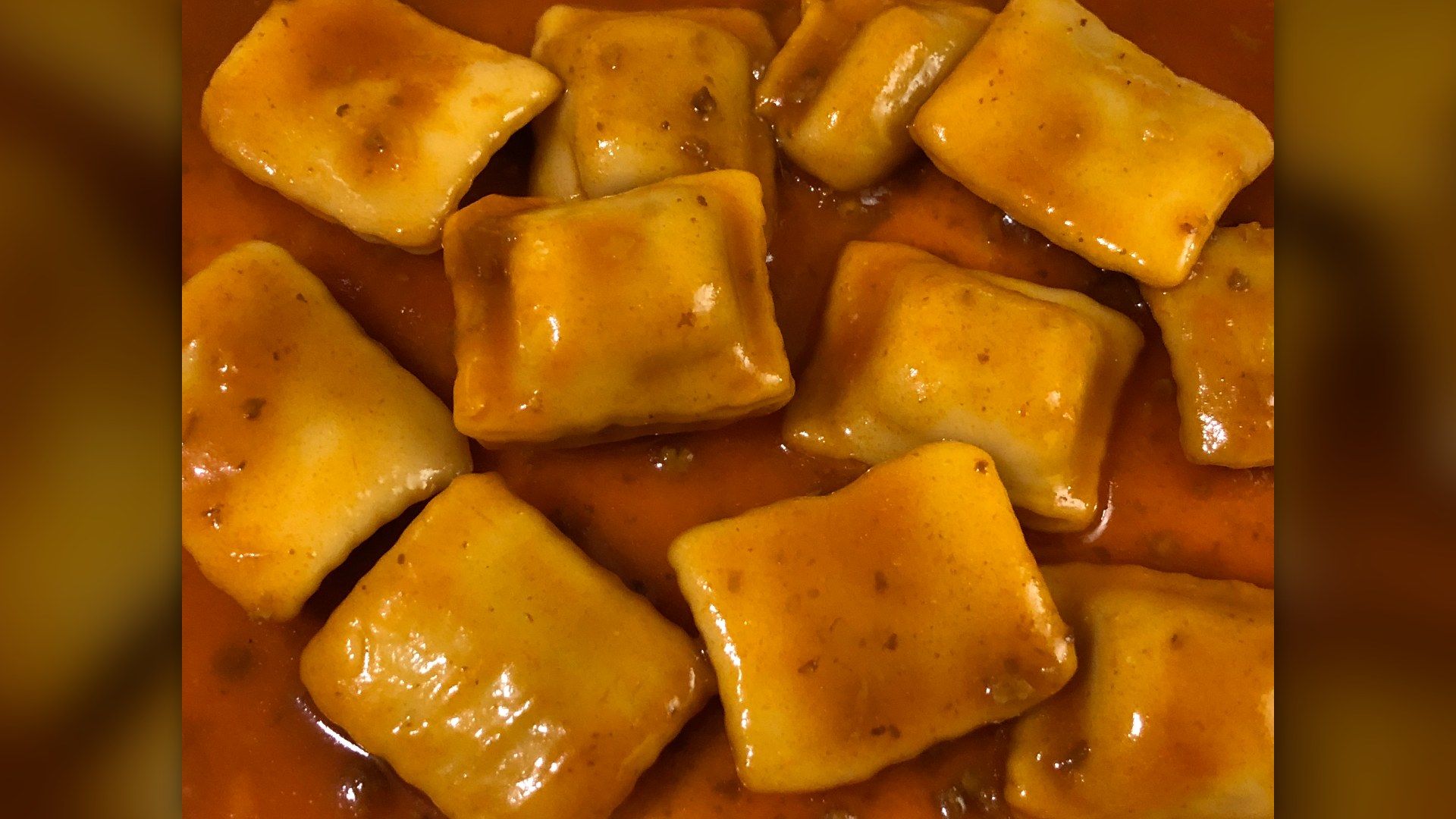
11. Chef Boyardee Canned Pasta
During WWII, the U.S. Army commissioned Hector Boiardi's factories to run 24/7 to produce millions of canned pasta meals as combat rations for the troops. The military infrastructure allowed his company to scale rapidly, making the brand a massive household name post-war.
©Wikimedia / Famartin
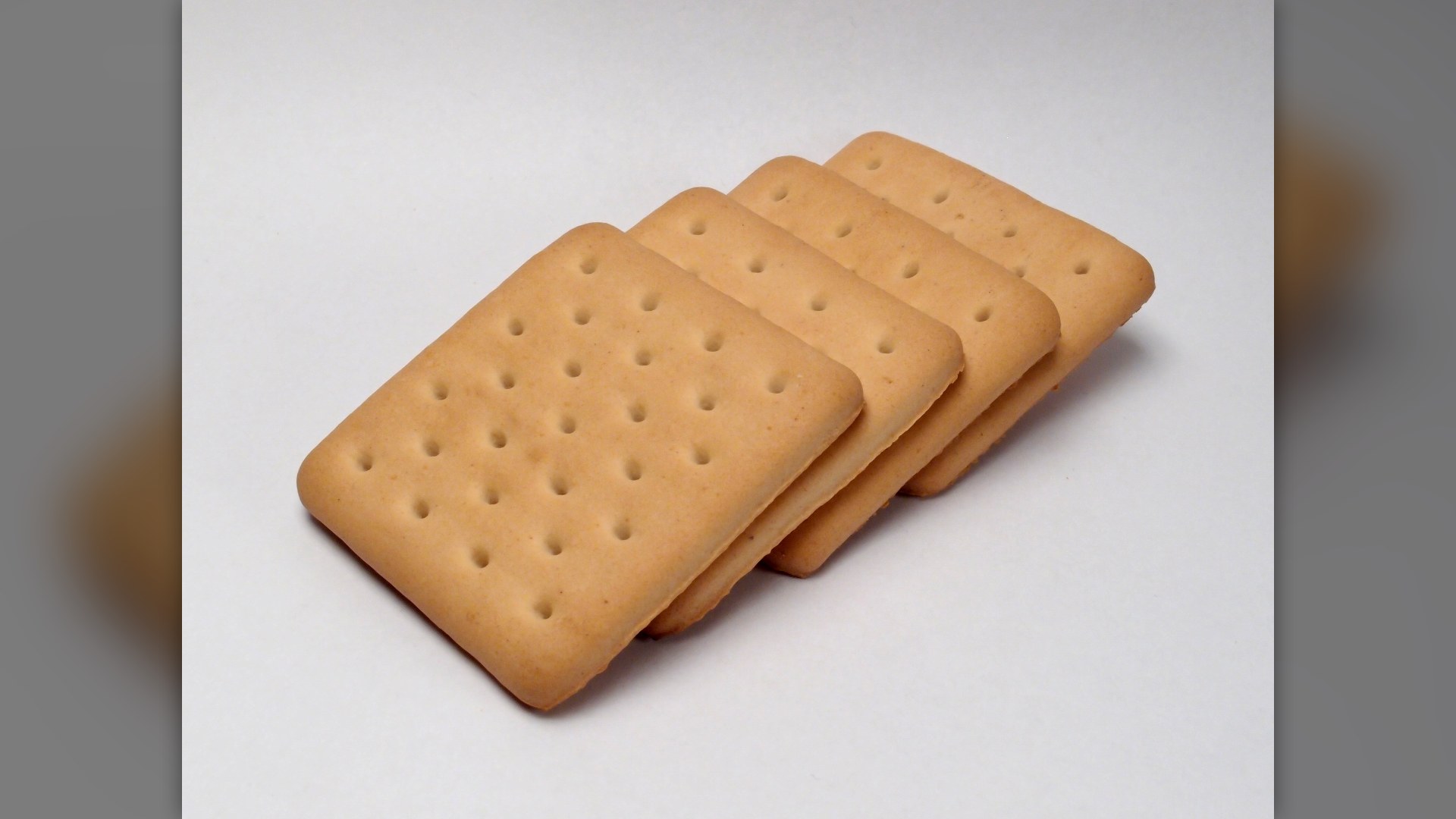
10. Hardtack
A precursor to the modern cracker, hardtack is a brutally simple biscuit made from flour, water, and salt. Baked multiple times until completely dry, it was used by Roman legions, medieval knights, and Civil War soldiers because it could stay edible for years if kept dry.
©Wikimedia / SKopp
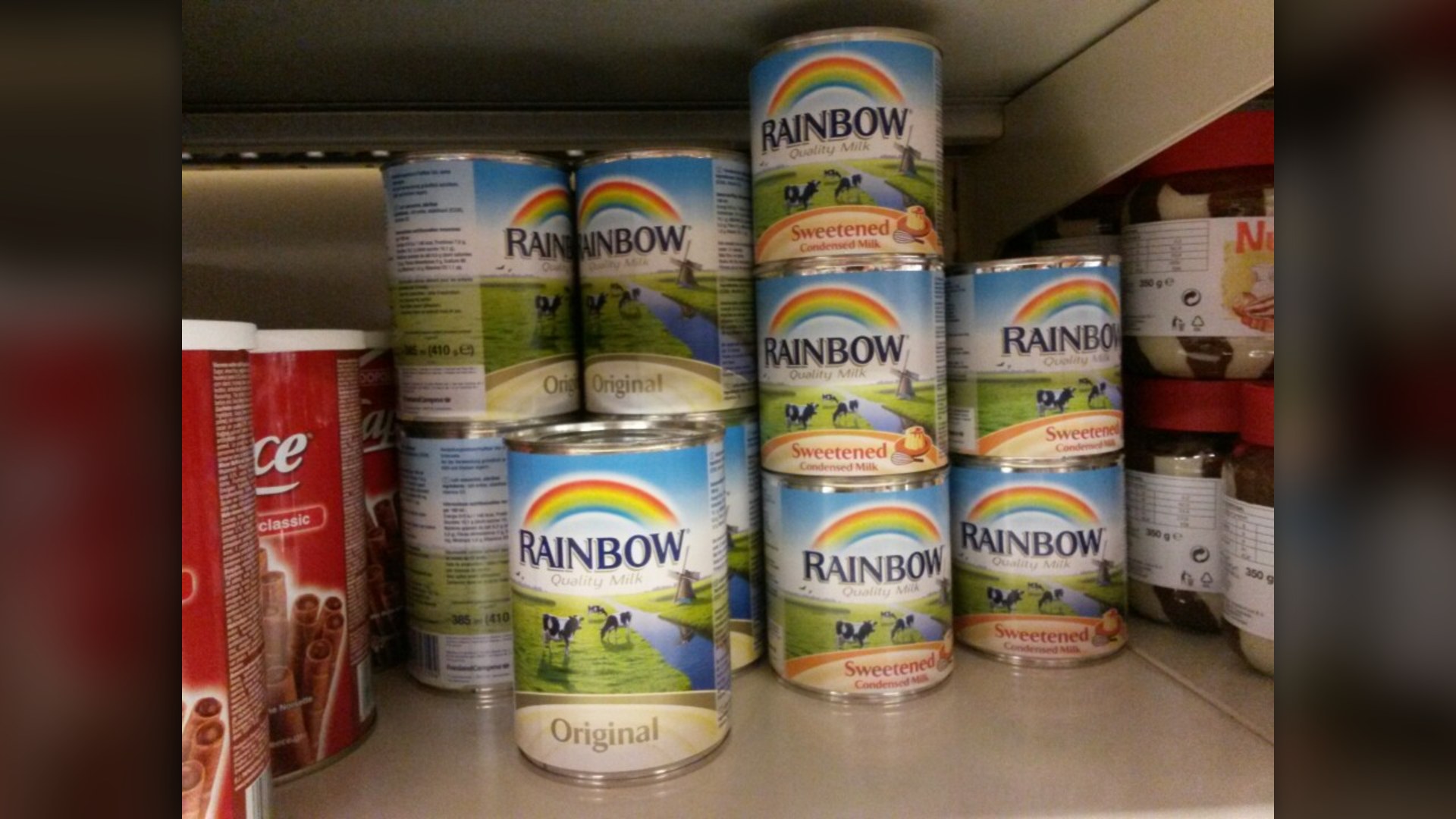
9. Sweetened Condensed Milk
Invented by Gail Borden in the mid-19th century, condensed milk was heavily rationed to Union soldiers during the American Civil War. A single field can delivered a massive 1,300 calories, did not curdle, and didn't spoil, making it an invaluable field nutrient.
©Wikimedia / Anders Lagerås
Advertisement
Swipe or tap ▶ to resume the countdown.
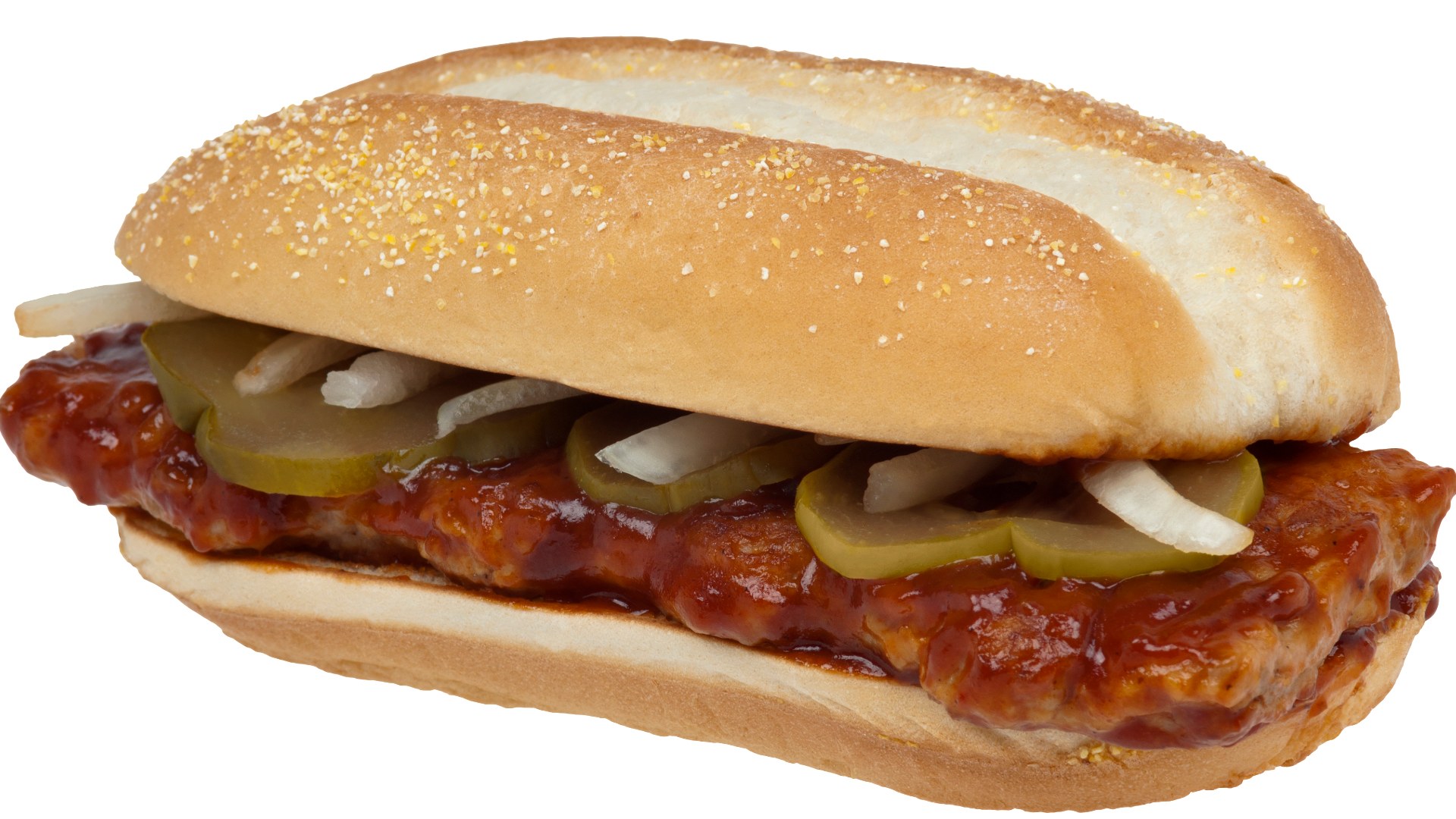
8. Restructured Meat (The McRib)
To feed large armies cheaply, military scientists developed techniques to take ignored meat chunks, scraps, and trimmings and press them into a cohesive, boneless patty or nugget. This "restructured meat" technology directly inspired McDonald's to create the McRib.
©Wikimedia / Evan-Amos
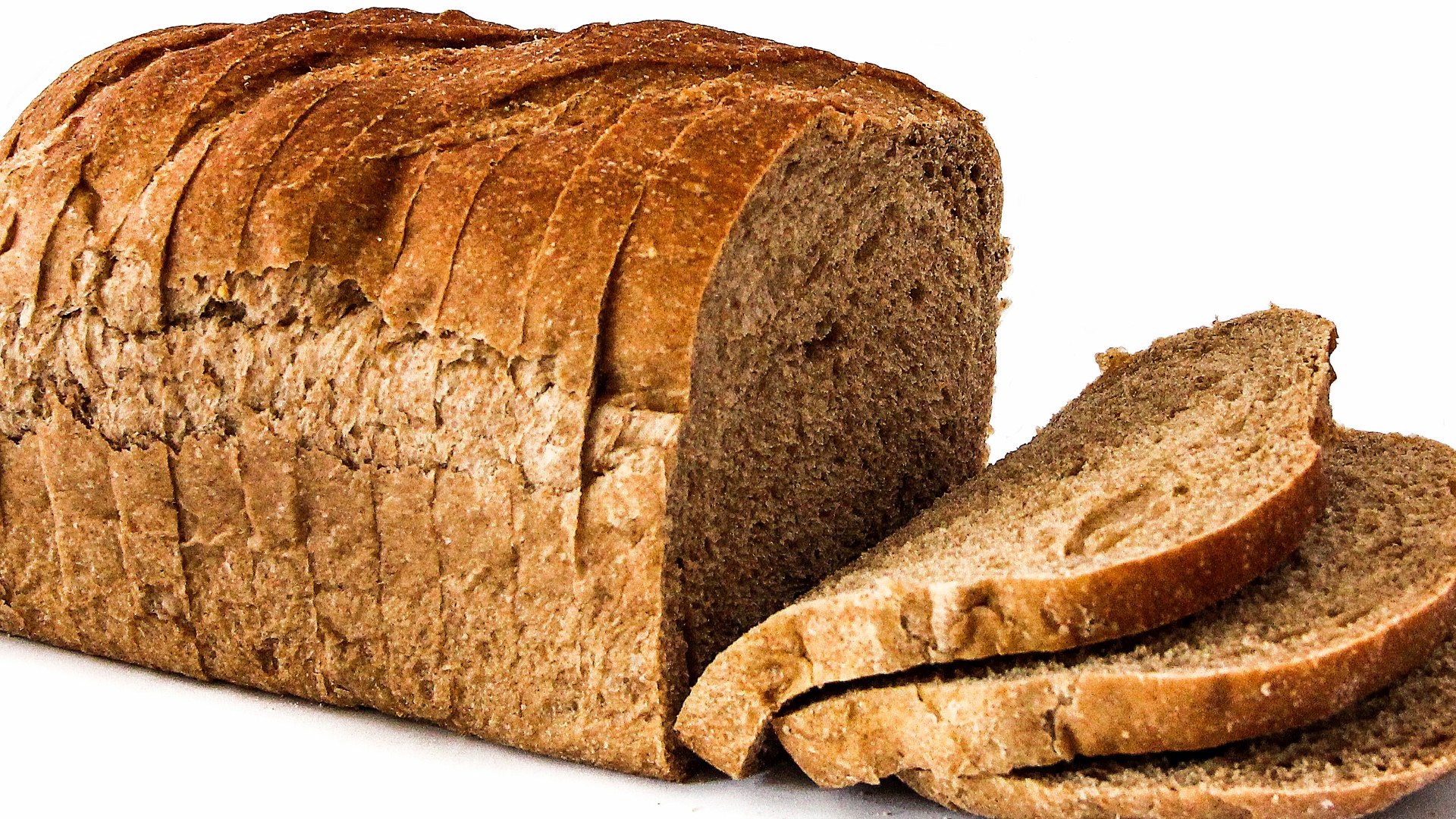
7. Sliced And Shelf-Stable Bread
Fresh bread goes stale or moldy within days, making it useless for deployed troops. Military food scientists added anti-staling enzymes and preservatives to bread recipes to create a highly shelf-stable sliced loaf that eventually trickled down into everyday civilian grocery stores.
©Wikimedia / FranHogan
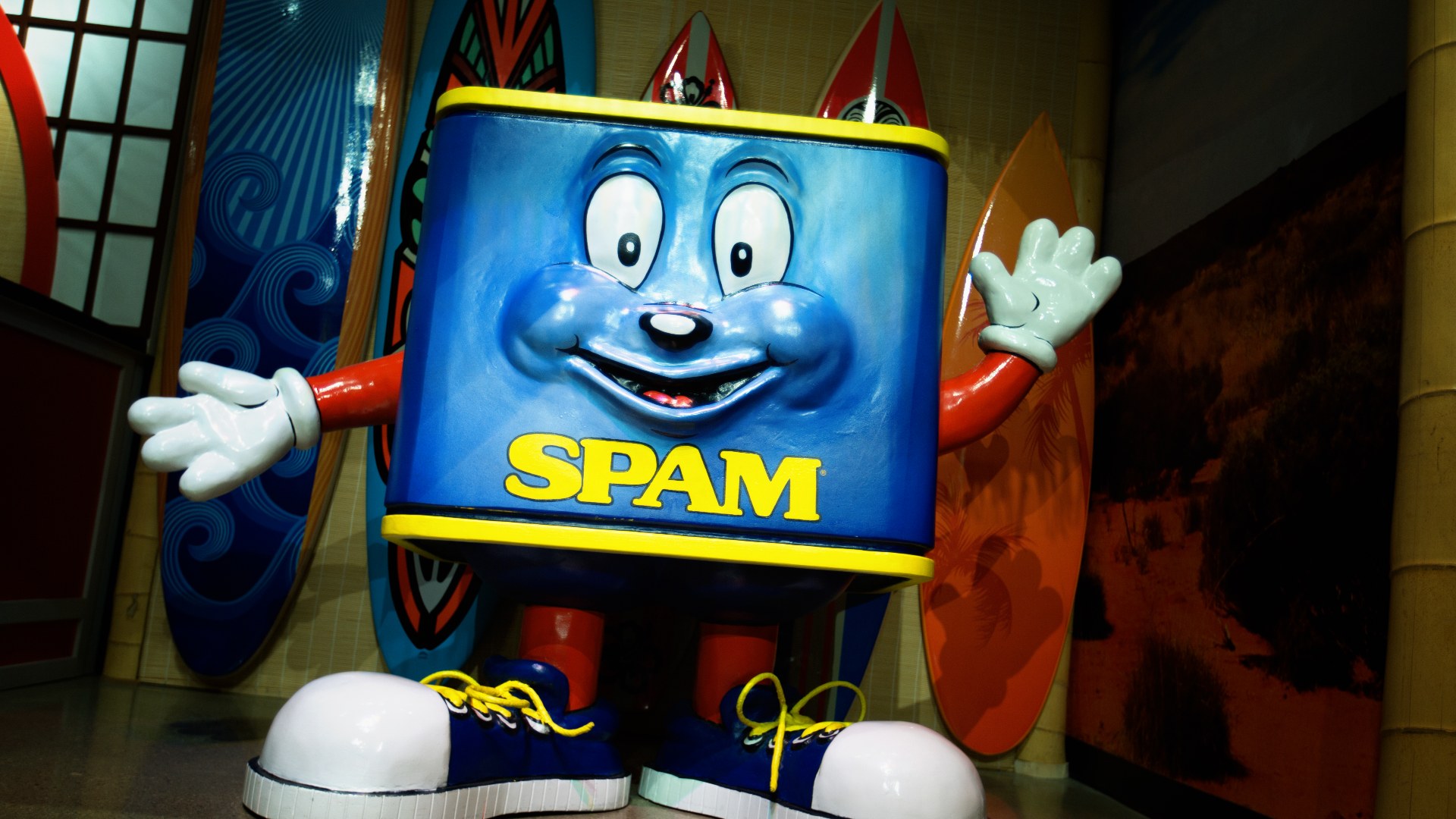
6. Spam
Introduced by Hormel in 1937, this precooked canned meat became a massive staple during WWII. The U.S. military bought over 150 million pounds of Spam to feed Allied troops because it required no refrigeration and could withstand extreme tropical or arctic temperatures.
©Wikimedia / Lorie Shaull from Washington, United States
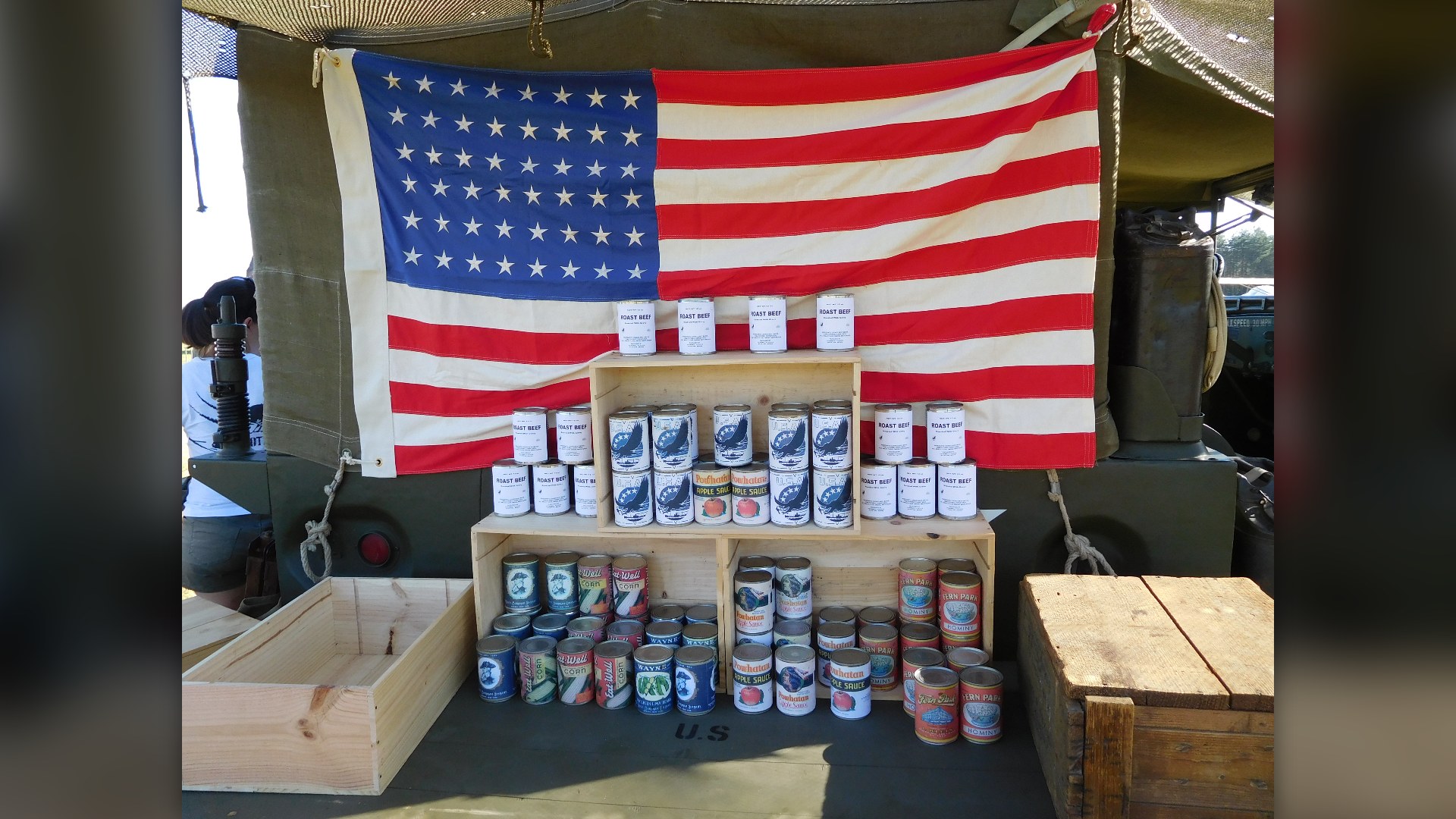
5. Canned Food
In 1795, Napoleon Bonaparte offered a massive reward to anyone who could find a way to preserve food for his marching armies. This led directly to the invention of appertization (and later, vacuum tin canning), allowing stews, meats, and vegetables to be safely shipped to the front lines.
©Wikimedia / Cjp24
Advertisement
Swipe or tap ▶ to resume the countdown.
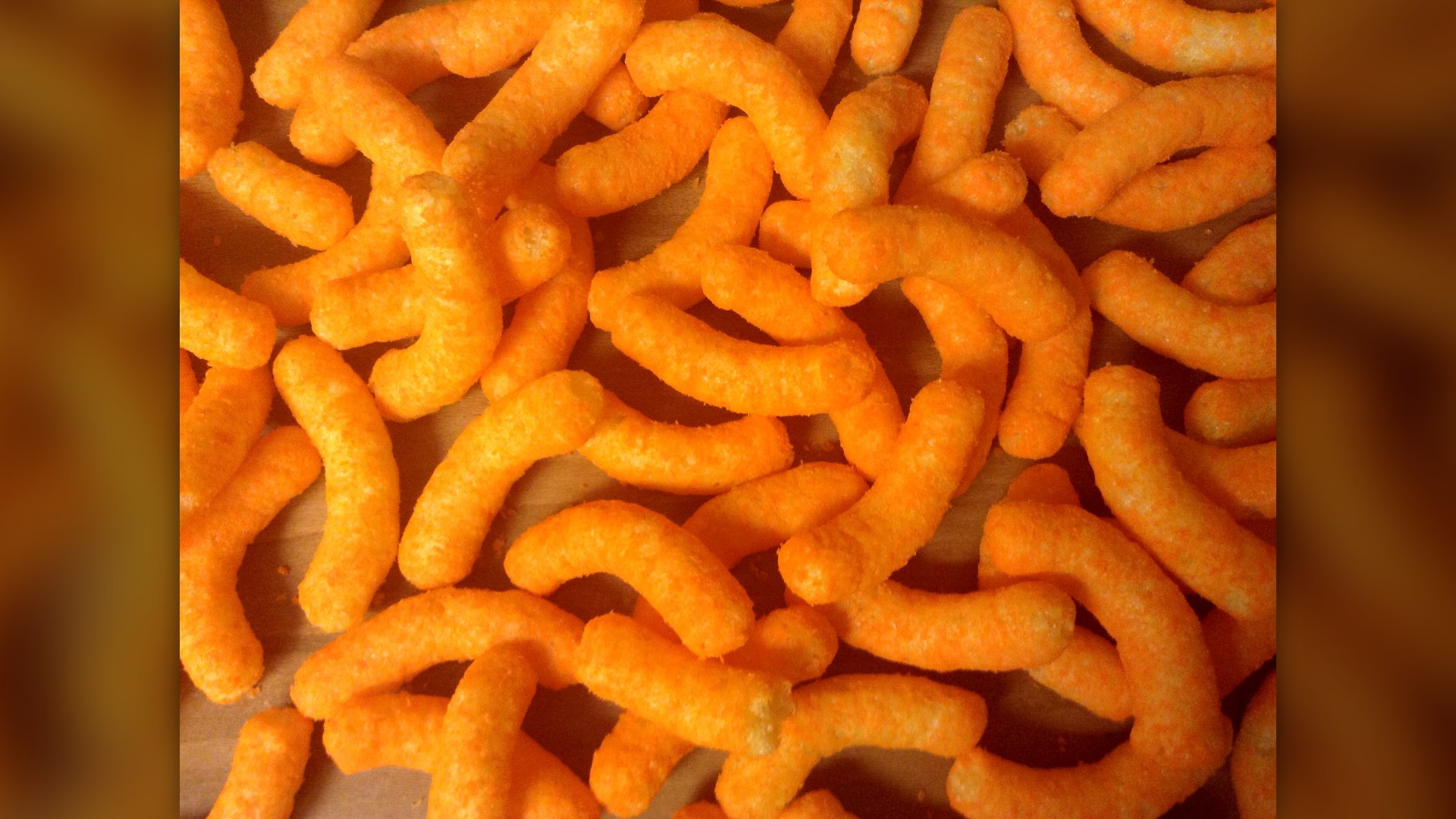
4. Cheetos (Cheese Powder)
During WWII, the U.S. military funded research into dehydrating foods to make lighter meal kits. Scientists successfully created a dehydrated cheese powder. After the war, the military sold its surplus cheese dust to the Frito-Lay corporation, which used it to invent Cheetos.
©Wikimedia / Mike Mozart from Funny YouTube, USA
3. Energy Bars
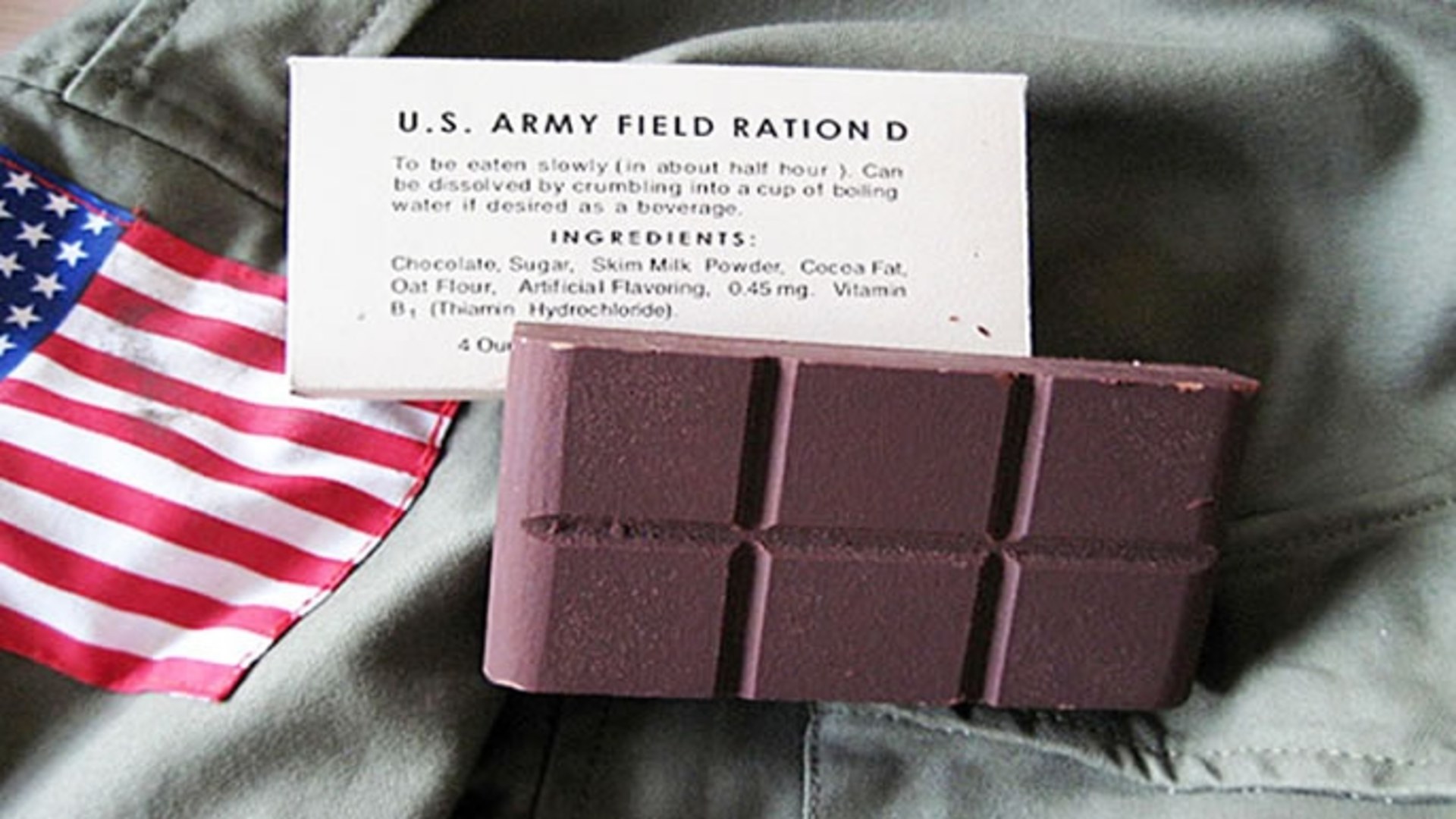
The modern energy bar traces its lineage directly back to the U.S. Army's quest for an emergency field ration. It evolved from the notoriously hard, melt-resistant WWII Hershey "D Ration" chocolate bar into a fortified, intermediate-moisture fruit bar developed by the Natick Soldier Systems Center.
©Wikimedia / U.S. Army Center Of Military History
2. Instant Coffee
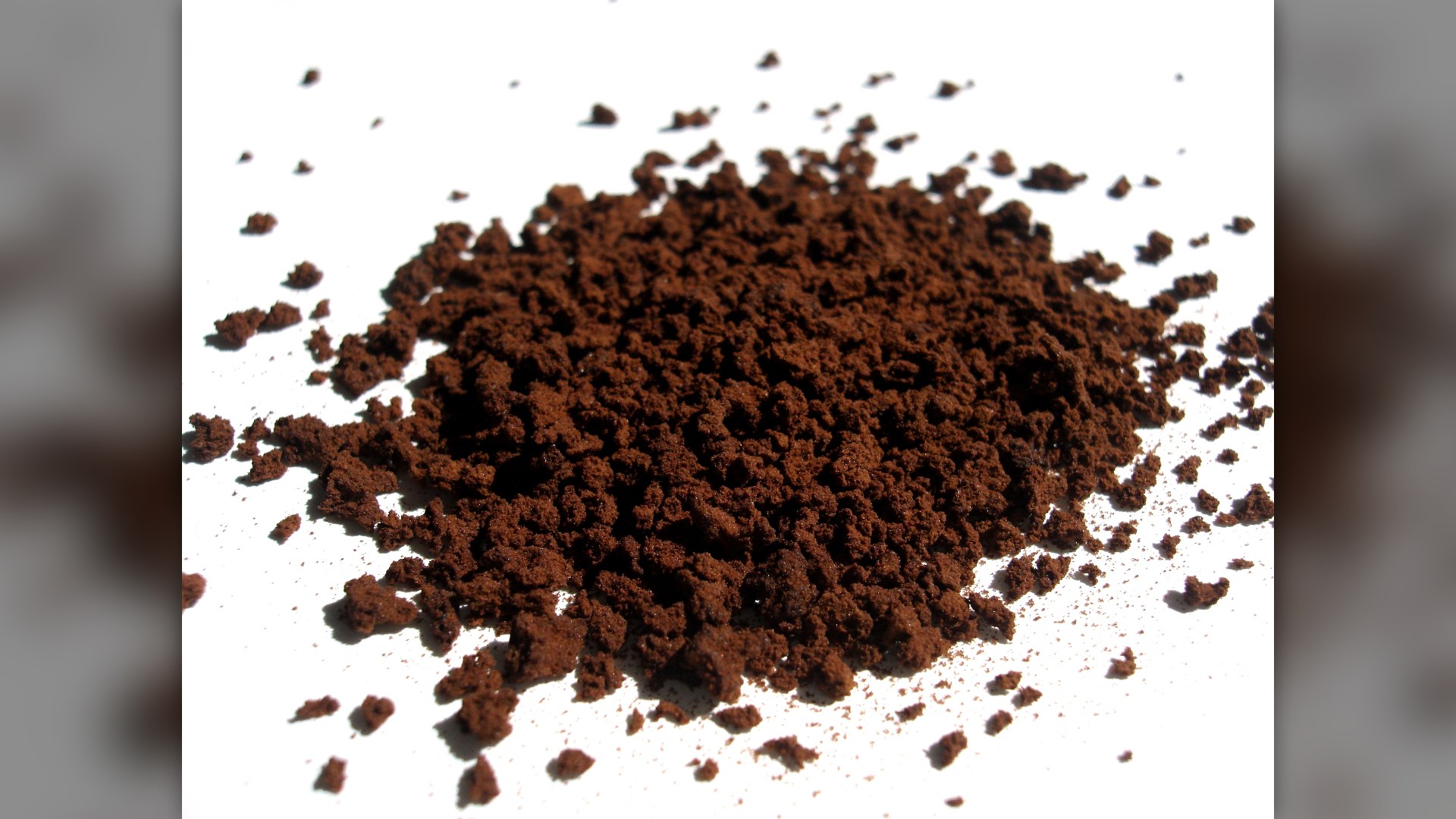
While early iterations existed, the U.S. military industrialized instant coffee during WWI and WWII. They bought up millions of pounds of dehydrated coffee crystals to provide troops with a fast, lightweight source of caffeine that only required boiling water in a foxhole.
©Wikimedia / Editor at Large
1. M&M's
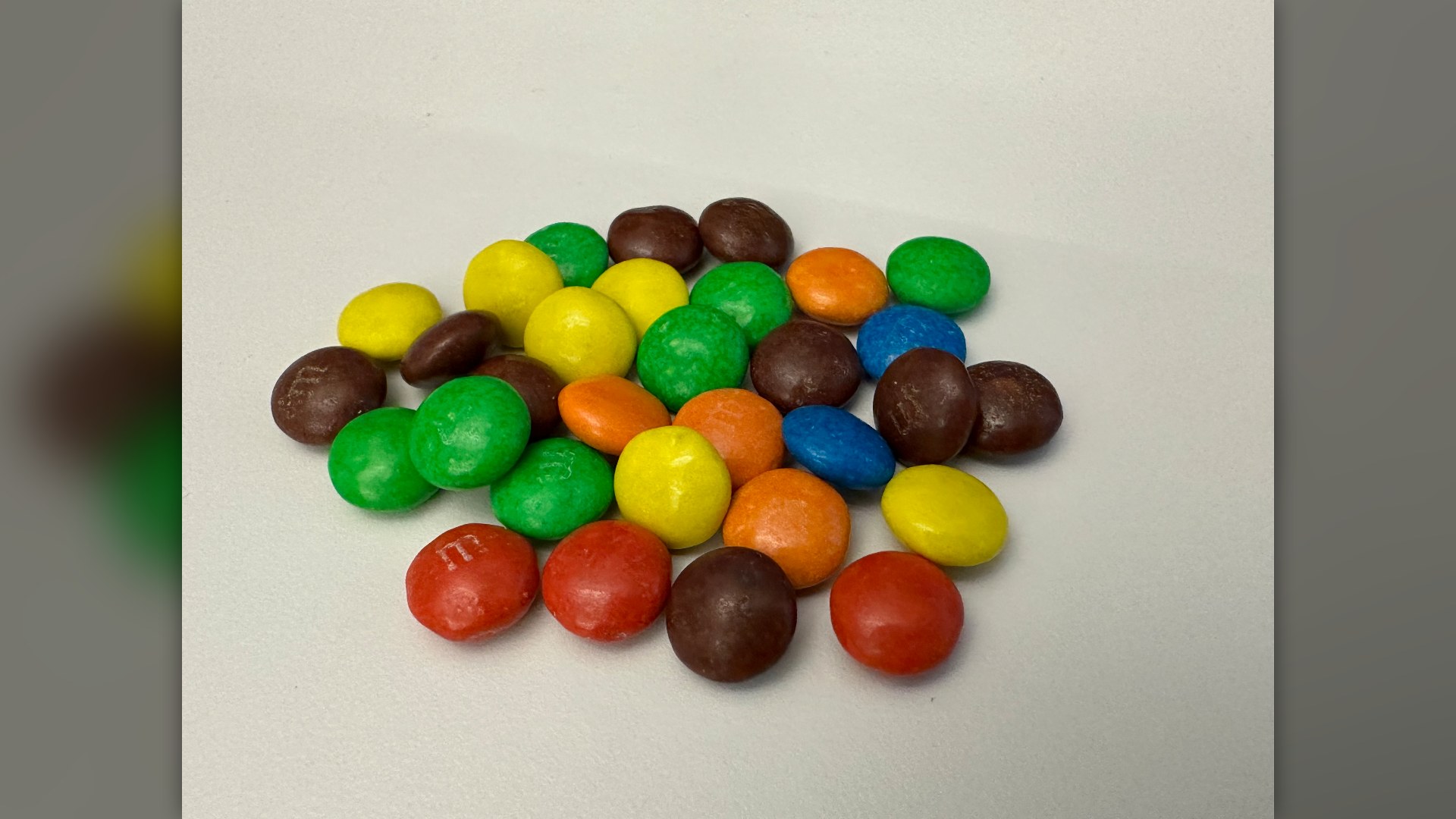
Invented in 1941, M&M's were created specifically for U.S. soldiers fighting in World War II. The candy-coated shell was designed to prevent the chocolate from melting in the troops' pockets and packs, living up to the famous slogan "Melts in your mouth, not in your hand."
©Wikimedia / Ssu
Advertisement
You've reached the end of the story. Thanks for reading!

22 Most Secret World War II Aircraft Tested Behind Closed Doors
Between 1939 and 1945, Allied and Axis engineers built jets, flying wings and rocket interceptors in deep wartime secrecy. Ranked from 22 to 1 by historical secrecy and technical leap, this countdown draws on archival records from the Smithsonian, U.S. Air Force Museum, RAF Museum and German Federal Archives.
All 15 Entries in this Story
15. Jerky (Industrialized Rations)
While ancient civilizations independently invented sun-drying meat, militaries heavily industrialized jerky production. Its high-protein density, lightweight nature, and resistance to diverse weather patterns made it the perfect long-range scouting ration for armies throughout history.

14. Dehydrated Soup Mixes
Water adds unnecessary weight and bulk to military shipping logistics. Militaries pushed the innovation of lightweight dehydrated soup powders and cubes so a soldier could easily carry a dozen meals in a small pouch and reconstitute them with hot water.

13. TV Dinners / Frozen Airline Meals
The absolute earliest compartmentalized frozen meals were invented in 1945 by Maxson Food Systems. They weren't meant for the living room couch. Instead, they were manufactured to feed military and civilian crews on long-distance air flights who didn't have access to standard kitchens.

12. Budae Jjigae (Korean Army Stew)
Born out of necessity right after the Korean War, this dish was created by South Koreans using surplus processed food from U.S. military bases. Locals combined American military staples like Spam, hot dogs, and sliced cheese with traditional Korean kimchi and gochujang to create a legendary fusion stew.

11. Chef Boyardee Canned Pasta
During WWII, the U.S. Army commissioned Hector Boiardi's factories to run 24/7 to produce millions of canned pasta meals as combat rations for the troops. The military infrastructure allowed his company to scale rapidly, making the brand a massive household name post-war.

10. Hardtack
A precursor to the modern cracker, hardtack is a brutally simple biscuit made from flour, water, and salt. Baked multiple times until completely dry, it was used by Roman legions, medieval knights, and Civil War soldiers because it could stay edible for years if kept dry.

9. Sweetened Condensed Milk
Invented by Gail Borden in the mid-19th century, condensed milk was heavily rationed to Union soldiers during the American Civil War. A single field can delivered a massive 1,300 calories, did not curdle, and didn't spoil, making it an invaluable field nutrient.

8. Restructured Meat (The McRib)
To feed large armies cheaply, military scientists developed techniques to take ignored meat chunks, scraps, and trimmings and press them into a cohesive, boneless patty or nugget. This "restructured meat" technology directly inspired McDonald's to create the McRib.

7. Sliced And Shelf-Stable Bread
Fresh bread goes stale or moldy within days, making it useless for deployed troops. Military food scientists added anti-staling enzymes and preservatives to bread recipes to create a highly shelf-stable sliced loaf that eventually trickled down into everyday civilian grocery stores.

6. Spam
Introduced by Hormel in 1937, this precooked canned meat became a massive staple during WWII. The U.S. military bought over 150 million pounds of Spam to feed Allied troops because it required no refrigeration and could withstand extreme tropical or arctic temperatures.

5. Canned Food
In 1795, Napoleon Bonaparte offered a massive reward to anyone who could find a way to preserve food for his marching armies. This led directly to the invention of appertization (and later, vacuum tin canning), allowing stews, meats, and vegetables to be safely shipped to the front lines.

4. Cheetos (Cheese Powder)
During WWII, the U.S. military funded research into dehydrating foods to make lighter meal kits. Scientists successfully created a dehydrated cheese powder. After the war, the military sold its surplus cheese dust to the Frito-Lay corporation, which used it to invent Cheetos.

3. Energy Bars
The modern energy bar traces its lineage directly back to the U.S. Army's quest for an emergency field ration. It evolved from the notoriously hard, melt-resistant WWII Hershey "D Ration" chocolate bar into a fortified, intermediate-moisture fruit bar developed by the Natick Soldier Systems Center.

2. Instant Coffee
While early iterations existed, the U.S. military industrialized instant coffee during WWI and WWII. They bought up millions of pounds of dehydrated coffee crystals to provide troops with a fast, lightweight source of caffeine that only required boiling water in a foxhole.

1. M&M's
Invented in 1941, M&M's were created specifically for U.S. soldiers fighting in World War II. The candy-coated shell was designed to prevent the chocolate from melting in the troops' pockets and packs, living up to the famous slogan "Melts in your mouth, not in your hand."