Slideshow · Viral
15 Facts About America's Military Headquarters, Ranked
From roller-skating couriers to secret shields, inside the Pentagon.

By Most Viral Today
30 Oct 2026

From Roller Skating Couriers To Secret Shields, Inside The Pentagon. 
15. It Has Its Own Neighborhood Infrastructure 
14. A Lap Around The Exterior Is Nearly A Mile 
13. Messengers Used To Rely On Roller Skates - AdvertisementSwipe or tap ▶ to continue countdown

12. The Construction Timeline Was Blindingly Fast 
11. The Capitol Building Fits Inside One Section 
10. Built Short To Preserve Washington's View 
9. Materials Were Rationed To Save A Battleship - AdvertisementSwipe or tap ▶ to continue countdown

8. Built Using Sand From The Potomac River 
7. It Originally Lacked Passenger Elevators 
6. The 5-Sided Shape Was An Accident Of Geometry 
5. It Features Double The Necessary Bathrooms - AdvertisementSwipe or tap ▶ to continue countdown

4. A 7-Minute Walk Connects Any Two Points 
3. The Courtyard Was Nicknamed Ground Zero 
2. A Double Significance For September 11th 
1. It Is Wrapped In Invisible Signal Shields - Advertisement🔥 UP NEXT IN THIS SERIES◫ 21 Slides

20 Iconic Historical Photos and the Archive Clues Behind Them
Contact sheets, cracked glass plates, and NASA mission logs preserve the hidden steps behind 20 famous photographs. Drawing on records from the Library of Congress, the National Archives, NASA, and the Smithsonian, this countdown traces how cropping, camera setups, and double exposures shaped each frame.
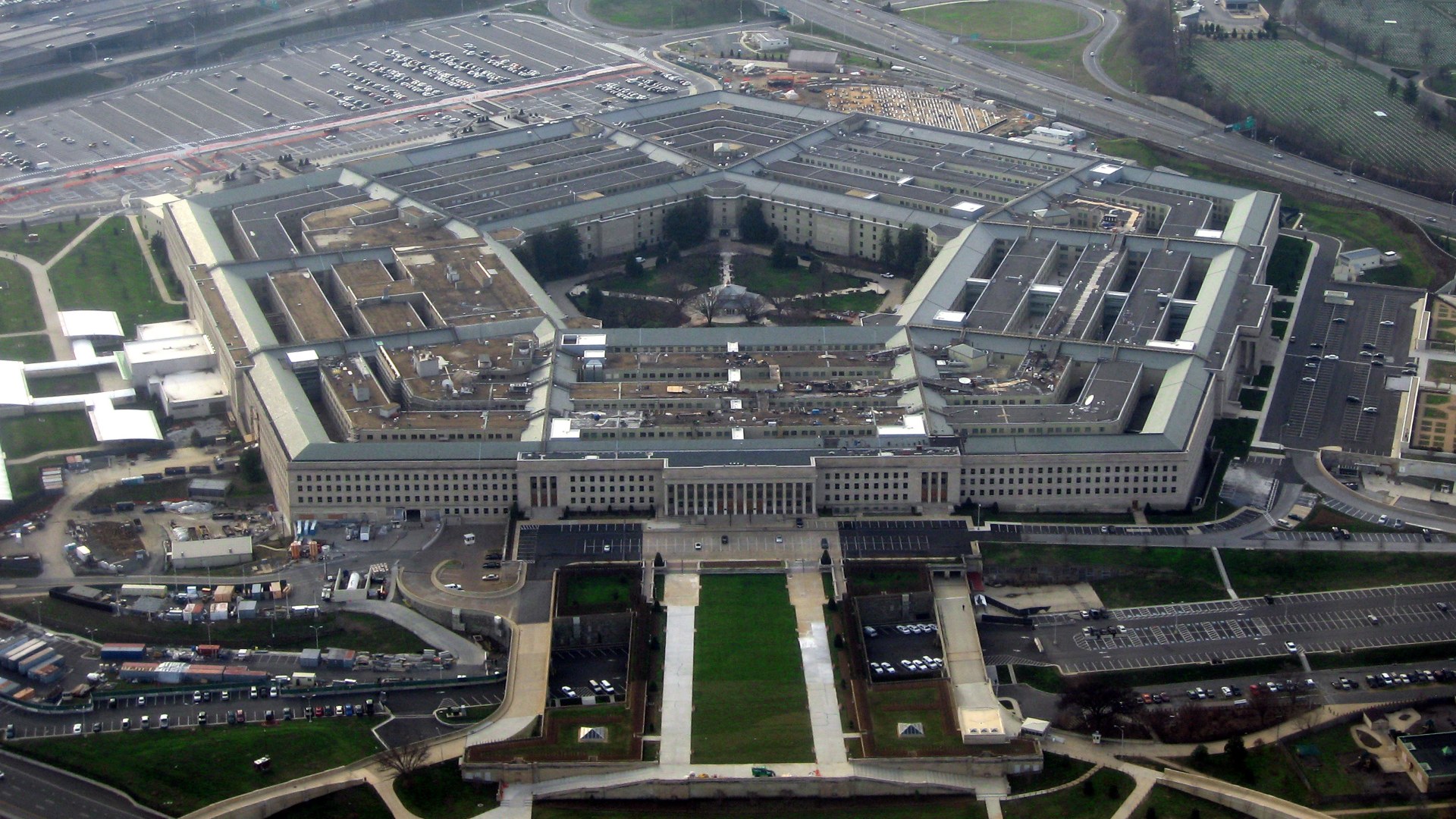
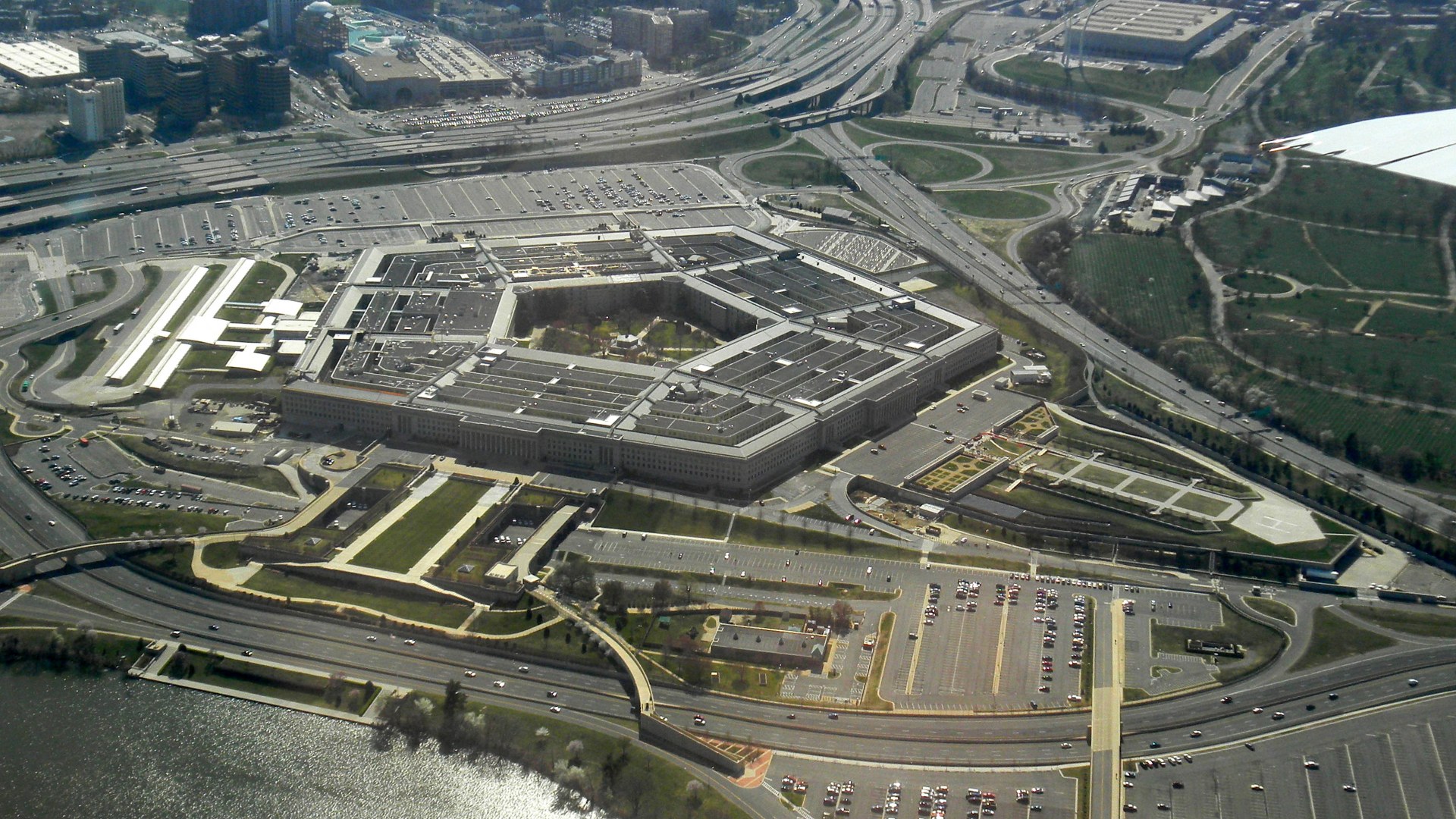
Built in just 16 months during World War II, the Pentagon is far more than a five-sided office building. From dredged Potomac River sand and miles of concrete ramps to Cold War targets and invisible signal shields, here are 15 ranked facts about America's military headquarters.
Swipe or tap ▶ to begin the countdown
©Wikimedia / Touch Of Light & Wikimedia / Old Guard History
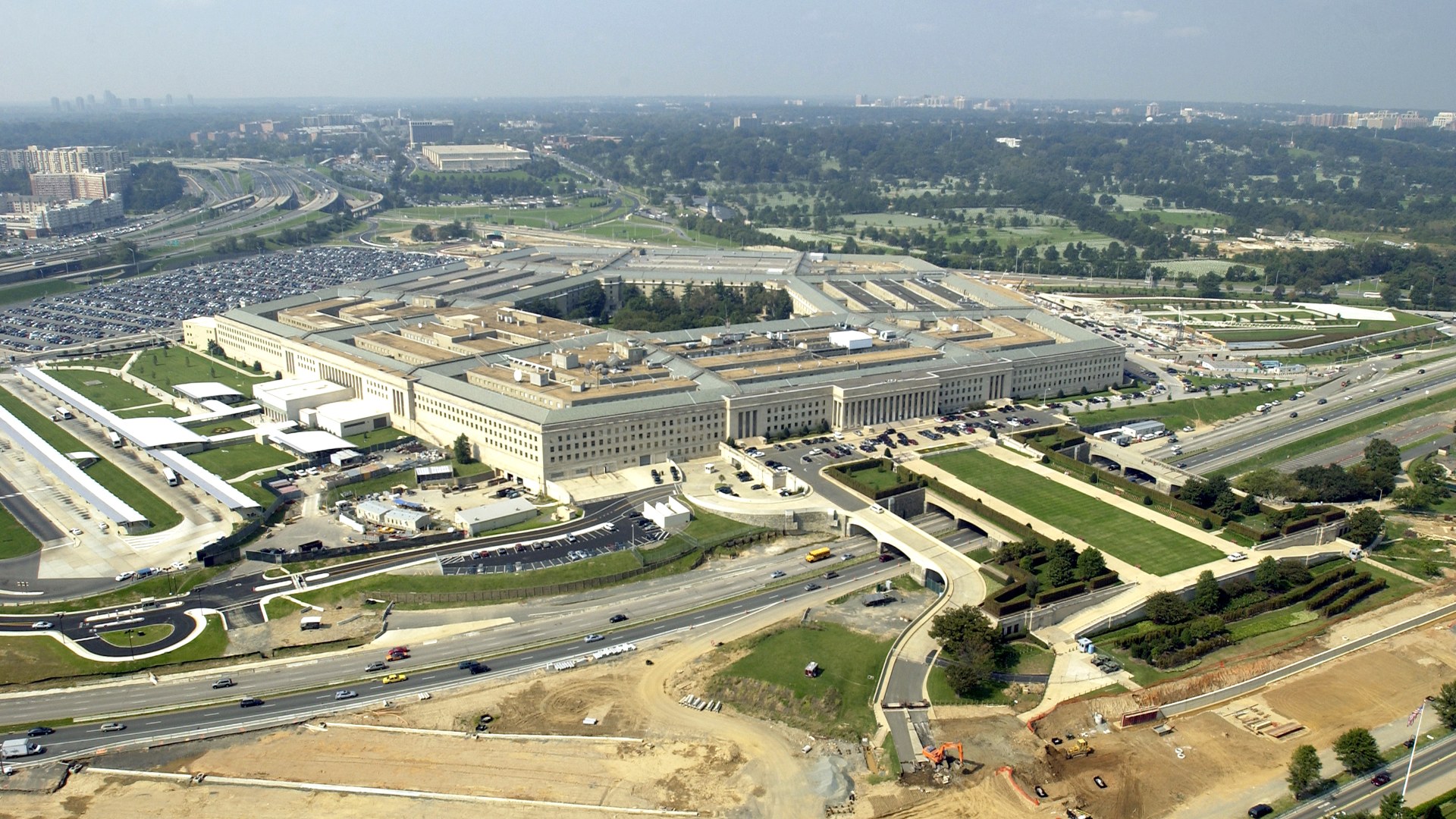
15. It Has Its Own Neighborhood Infrastructure
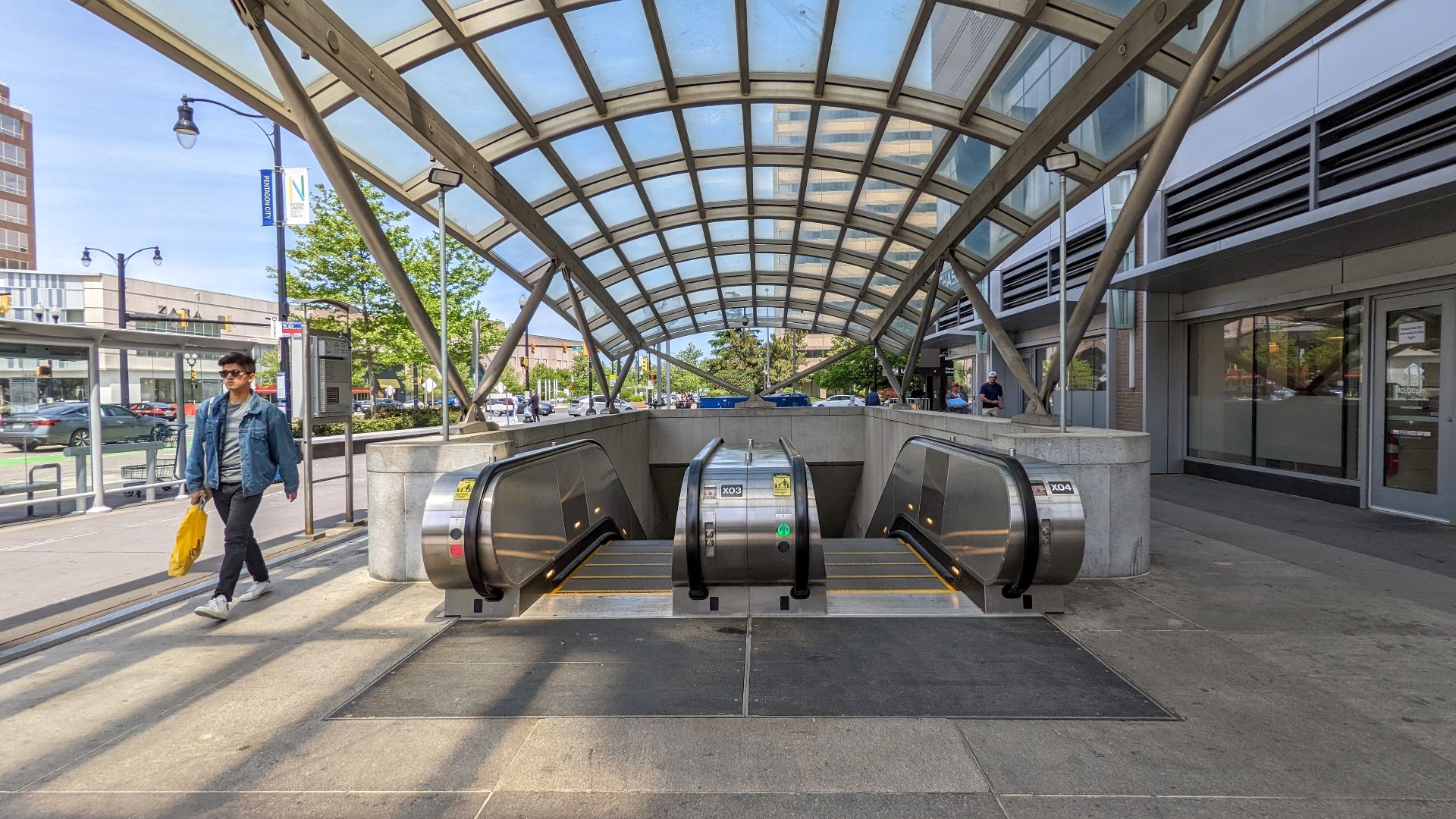
The Pentagon operates like a self-contained city to handle its massive daily volume of personnel and logistics. The United States Postal Service gave the complex its own ZIP code, 20301, alongside a dedicated multi-platform transit hub, retail shops, and medical clinics.
©Wikimedia / Baron Maddock
14. A Lap Around The Exterior Is Nearly A Mile
The building's vast scale is hard to grasp from ground level. With each of the five limestone and concrete exterior facades measuring 921 feet in length, walking a complete loop around the outermost edge of the Pentagon logs 4,605 feet, or just under a full mile.
©Wikimedia / David B. Gleason
13. Messengers Used To Rely On Roller Skates
Before modern computer networks or internal phone directories existed, moving urgent paper dispatches across the sprawling complex was a major logistical challenge. In its early decades, internal messengers strapped on roller skates to speed deliveries between offices.
©Europeana / Saaremaa Museum
Advertisement
Swipe or tap ▶ to resume the countdown.
12. The Construction Timeline Was Blindingly Fast
Ground was broken on September 11, 1941, and the Pentagon officially opened on January 15, 1943. Under the direction of Army Corps of Engineers Colonel Leslie Groves, architects drafted blueprints even as crews poured foundations around the clock to meet wartime urgency.
©Wikimedia / Marilyn K. Aber, USACE
11. The Capitol Building Fits Inside One Section
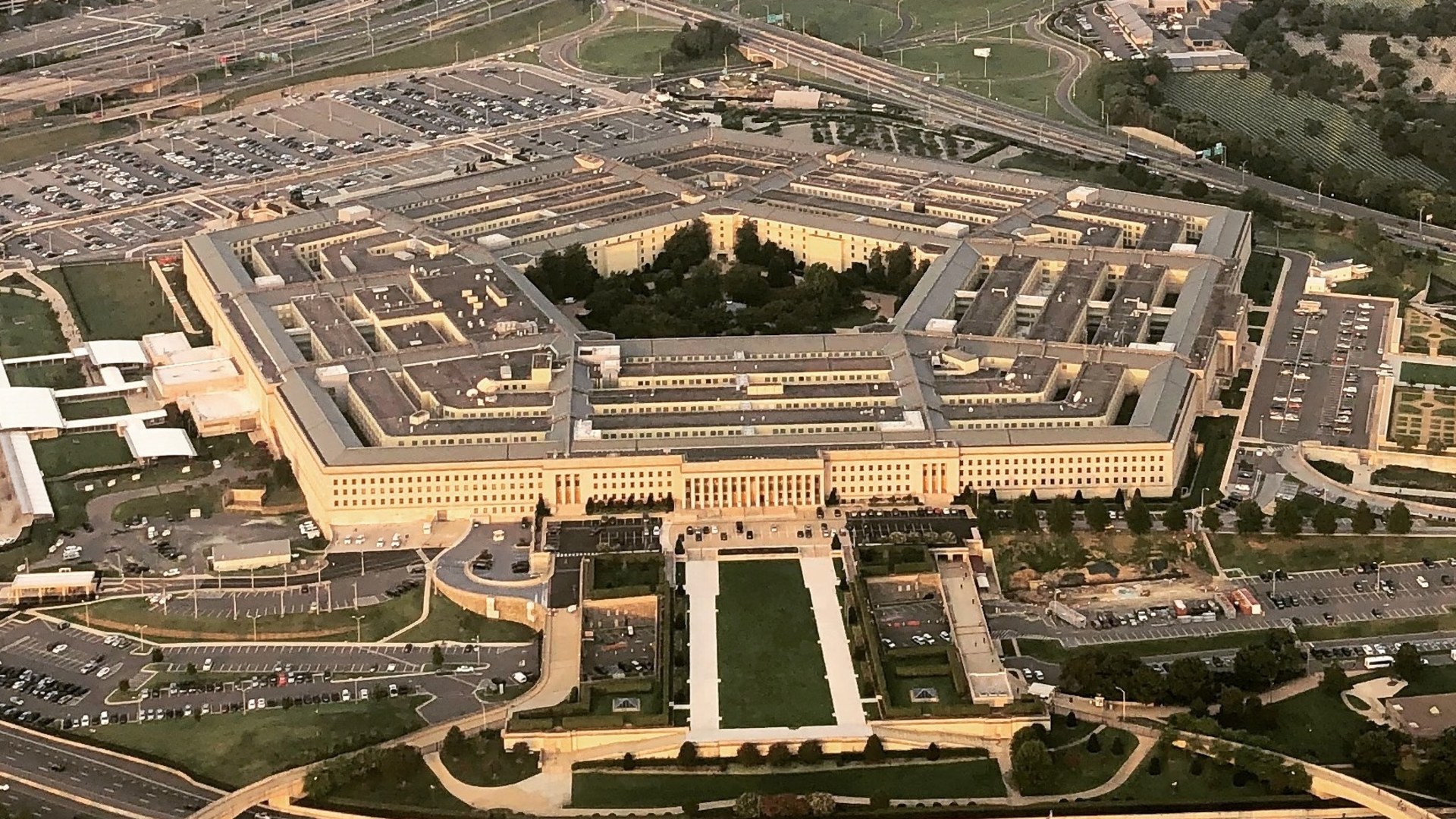
With roughly 6.5 million square feet of total floor area, the Pentagon holds three times the floor space of the Empire State Building. Its footprint is so expansive that the entire United States Capitol could sit inside a single wedge of the five-sided structure.
©Wikimedia / Touch Of Light
10. Built Short To Preserve Washington's View
Along with two basement levels, the complex rises just five stories above ground. President Franklin D. Roosevelt ordered this low horizontal profile during the design phase so the massive military headquarters would never block the skyline view of Washington, D.C.
©Wikimedia / Old Guard History
9. Materials Were Rationed To Save A Battleship
Because the complex went up at the height of World War II, steel was urgently needed for naval warships, tanks, and artillery. Engineers replaced steel girders with reinforced concrete framing, conserving roughly 43,000 tons of structural steel for the war effort.
©Wikimedia / U.S. Navy
Advertisement
Swipe or tap ▶ to resume the countdown.
8. Built Using Sand From The Potomac River
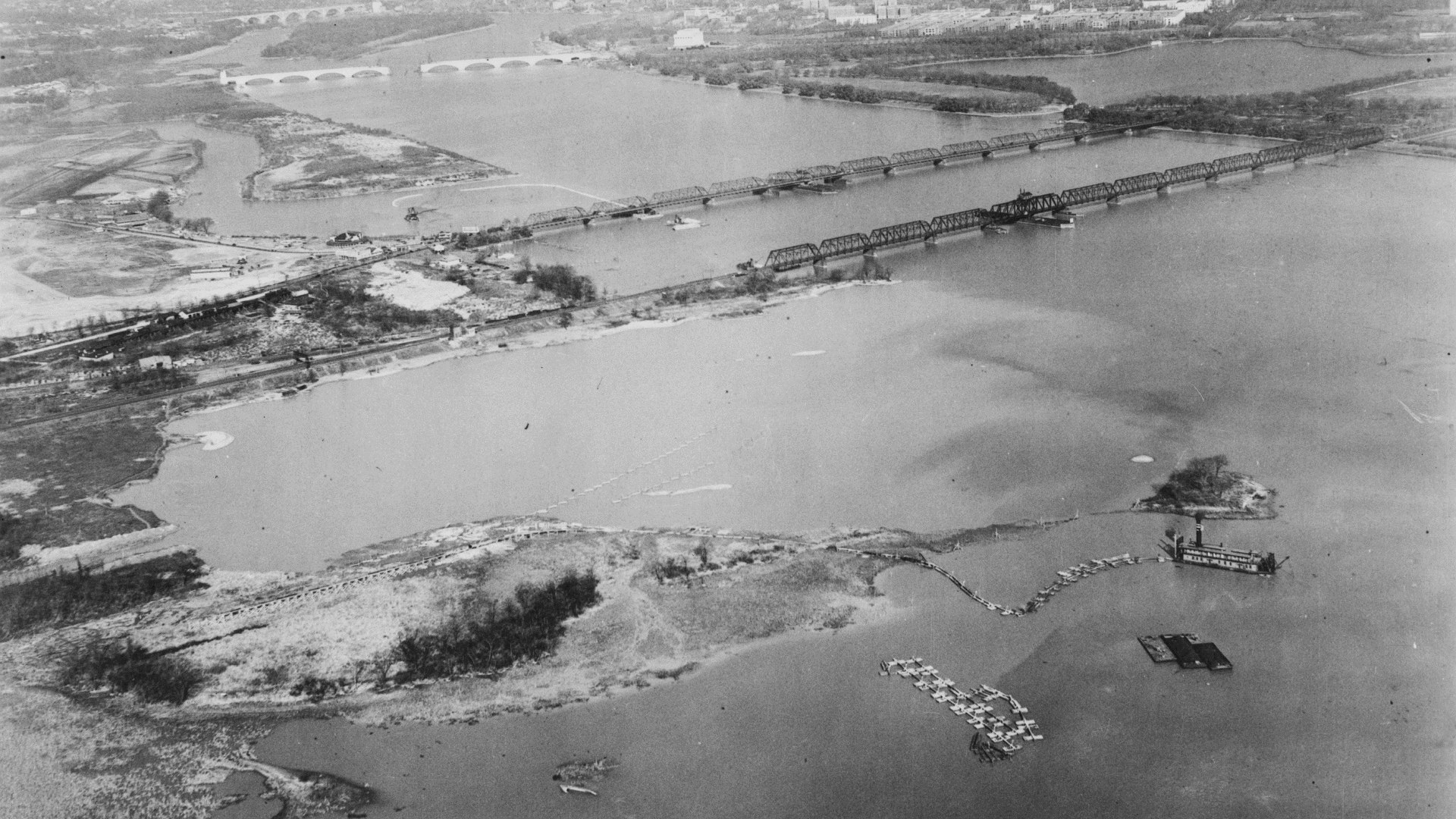
Pouring the Pentagon's concrete structure required an immense supply of aggregate right next to the site. Builders dredged hundreds of thousands of tons of sand and gravel directly from the adjacent Potomac River and processed it on-site to keep construction moving.
©Wikimedia / Historic American Engineering Record
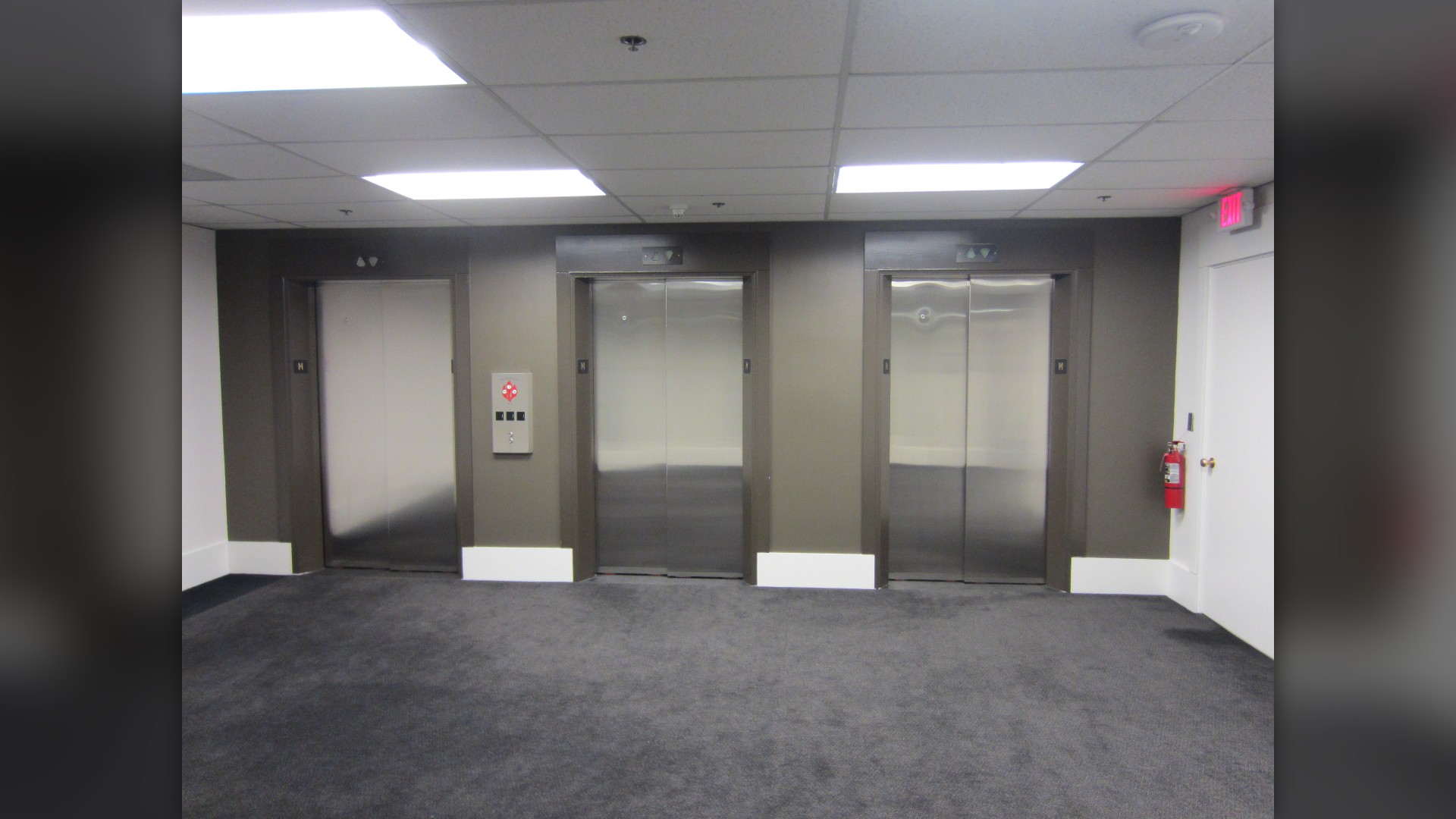
7. It Originally Lacked Passenger Elevators
Only freight lifts were installed when the building opened in 1943, so thousands of workers walked up and down broad concrete ramps between the five floors. A multi-decade modernization project completed in 2011 finally added 70 passenger elevators across the complex.
©Wikimedia / Elevator
6. The 5-Sided Shape Was An Accident Of Geometry
The building was originally planned for a tract of land bordered by five roads east of Arlington National Cemetery. When President Roosevelt moved the project three-quarters of a mile downriver to Hell's Bottom, builders kept the pentagonal design to avoid costly delays.
©Wikimedia / U.S. Navy
5. It Features Double The Necessary Bathrooms
Virginia law in 1941 required separate restrooms for Black and white workers, so contractors built side-by-side facilities throughout every ring. Because President Roosevelt had signed Executive Order 8802 banning federal discrimination, the restrooms were never segregated.
©Wikimedia / Robert D. Ward, DoD
Advertisement
Swipe or tap ▶ to resume the countdown.
4. A 7-Minute Walk Connects Any Two Points
The building's five concentric rings, labeled A through E from the inside out, are intersected by numbered radial corridors that work like wheel spokes. By cutting across the central courtyard or inner A Ring, employees can cross the entire building in about seven minutes.
©Wikimedia / U.S. Secretary of Defense
3. The Courtyard Was Nicknamed Ground Zero
At the exact center of the five rings sits a five-acre open-air park where staff gather for meals and ceremonies. Cold War military analysts nicknamed the square Ground Zero, including its central snack bar, because Soviet nuclear targeting maps aimed directly at it.
©Wikimedia / Pfc. Jose Rolando Garcia
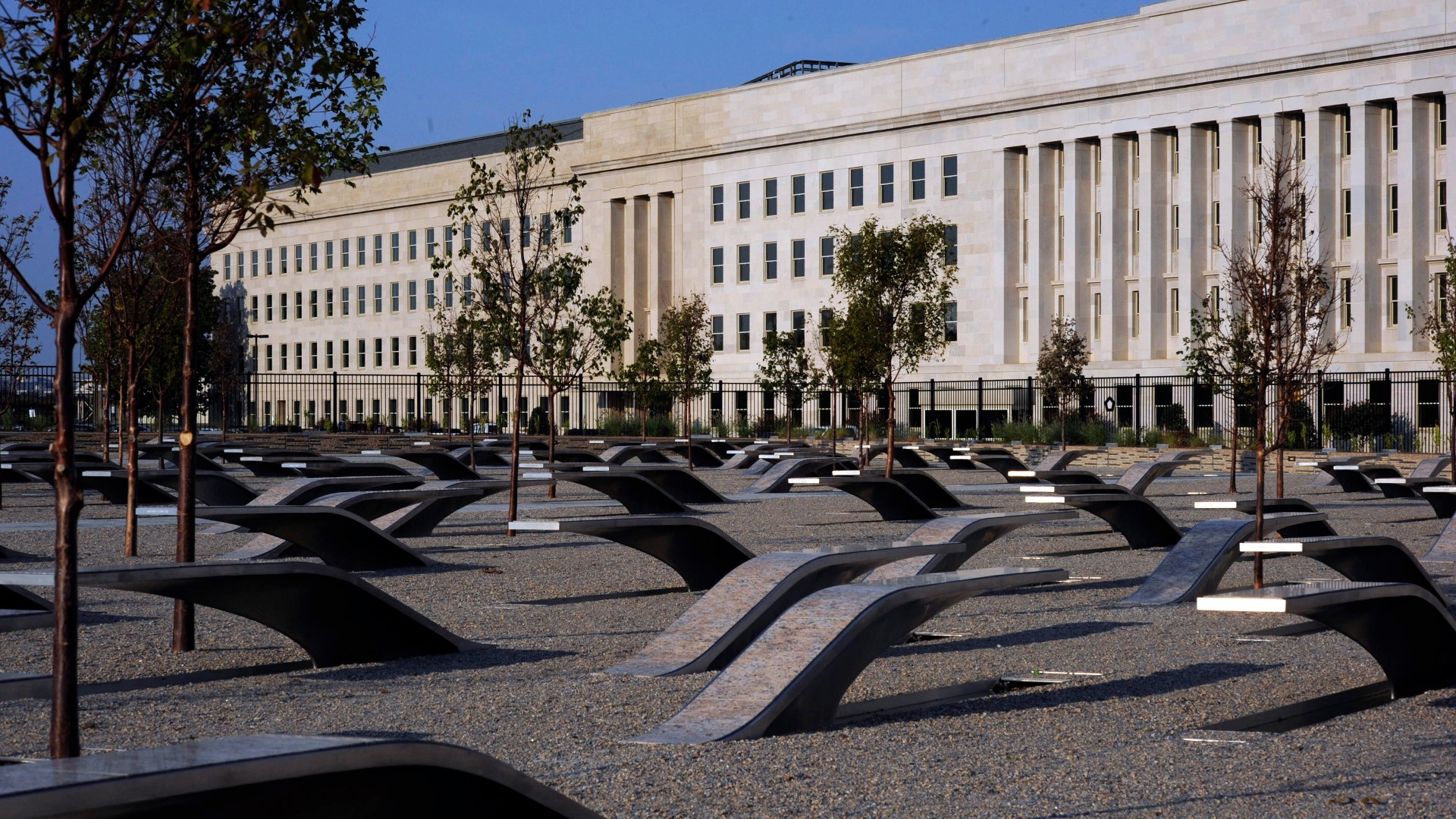
2. A Double Significance For September 11th
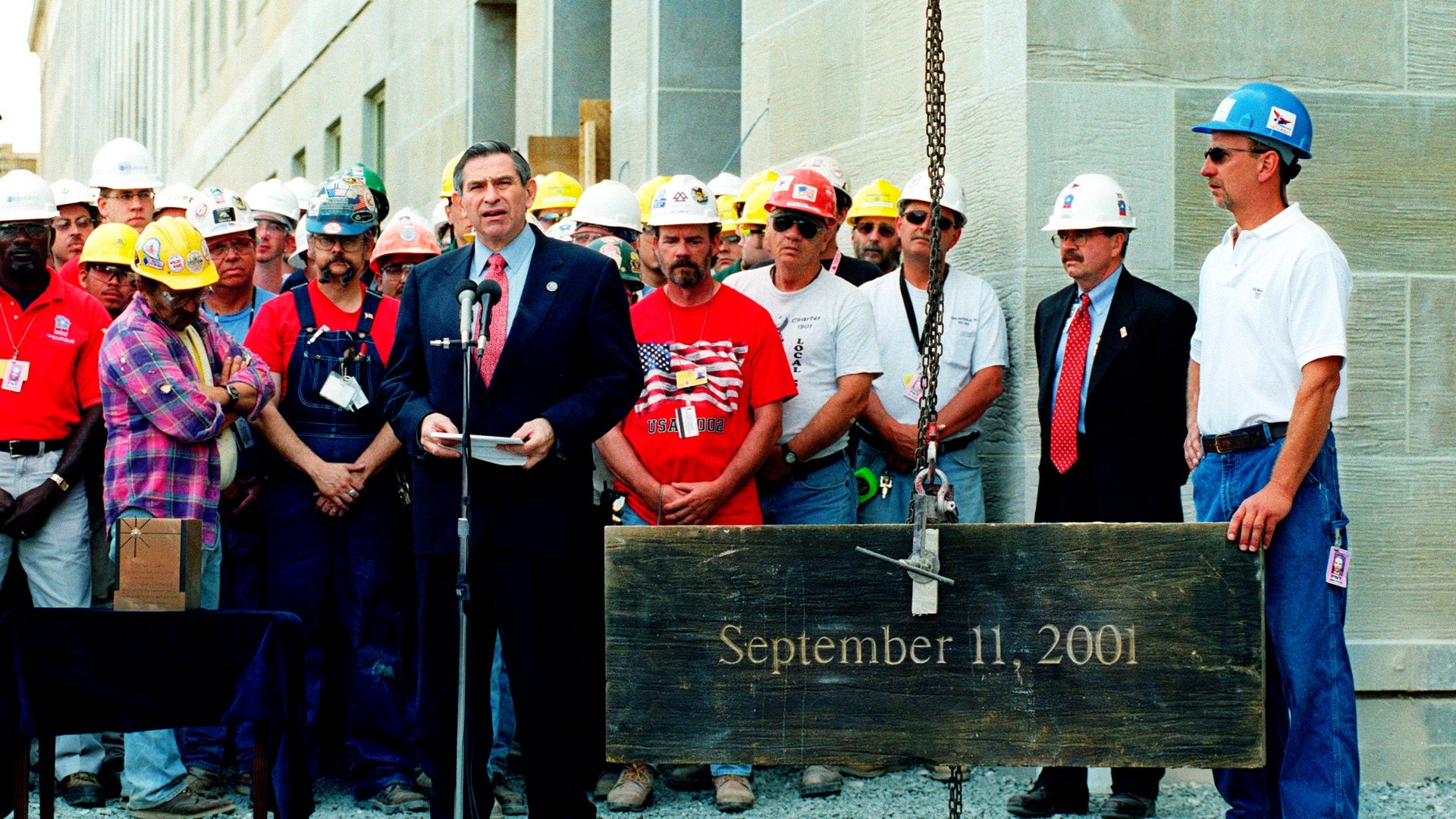
Construction crews turned the first shovels of earth for the Pentagon on September 11, 1941. Exactly six decades later to the day, on September 11, 2001, hijackers crashed American Airlines Flight 77 into the newly reinforced western facade, killing 184 people.
©Wikimedia / U.S. Navy
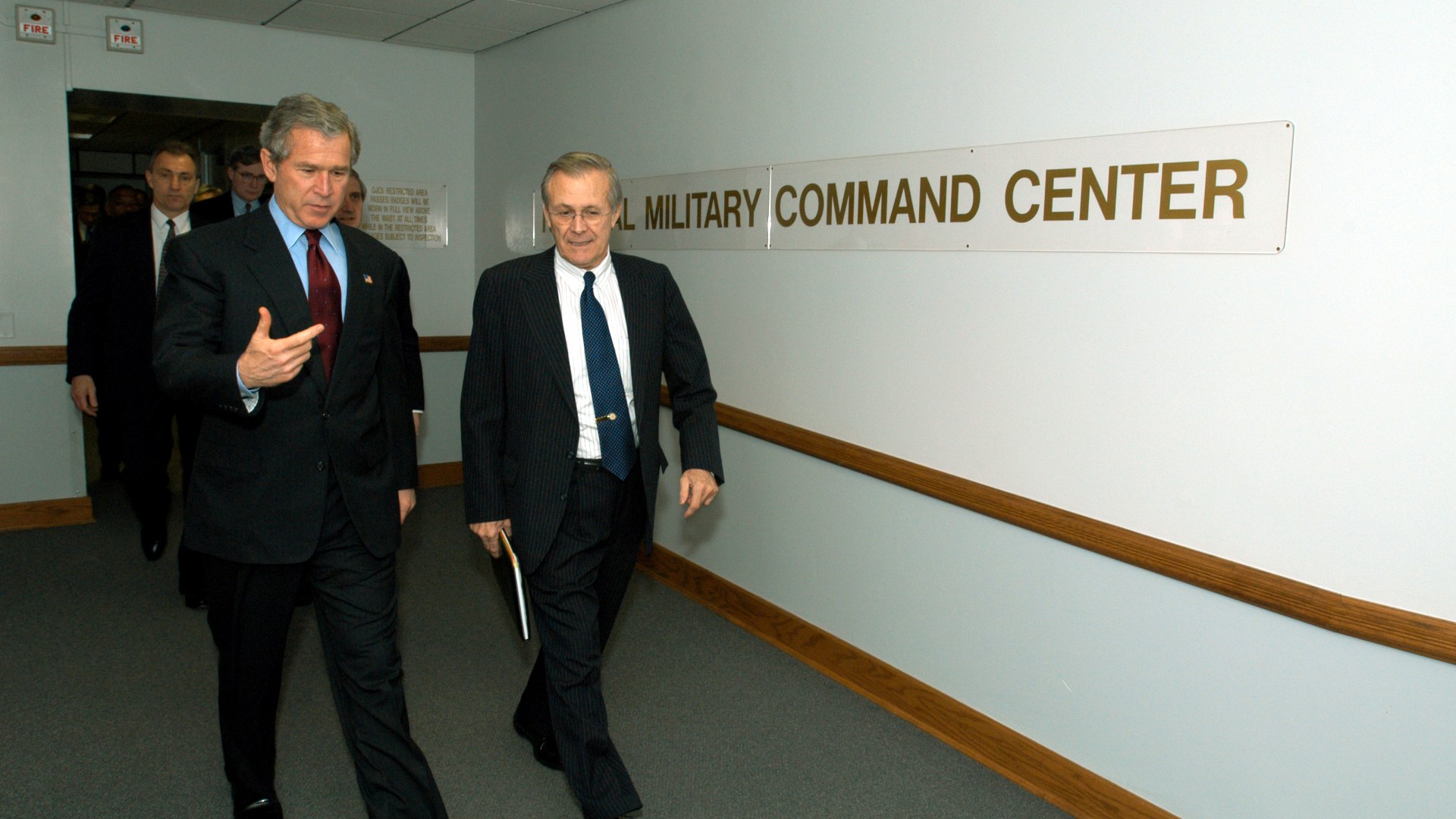
1. It Is Wrapped In Invisible Signal Shields
Sensitive Compartmented Information Facilities and the National Military Command Center inside the Pentagon are encased in specialized acoustic and electromagnetic barriers. These shields stop radio frequency and cellular emissions from escaping to spy satellites.

©Wikimedia / U.S. Navy
Advertisement
You've reached the end of the story. Thanks for reading!

20 Iconic Historical Photos and the Archive Clues Behind Them
Contact sheets, cracked glass plates, and NASA mission logs preserve the hidden steps behind 20 famous photographs. Drawing on records from the Library of Congress, the National Archives, NASA, and the Smithsonian, this countdown traces how cropping, camera setups, and double exposures shaped each frame.
All 15 Entries in this Story
15. It Has Its Own Neighborhood Infrastructure
The Pentagon operates like a self-contained city to handle its massive daily volume of personnel and logistics. The United States Postal Service gave the complex its own ZIP code, 20301, alongside a dedicated multi-platform transit hub, retail shops, and medical clinics.

14. A Lap Around The Exterior Is Nearly A Mile
The building's vast scale is hard to grasp from ground level. With each of the five limestone and concrete exterior facades measuring 921 feet in length, walking a complete loop around the outermost edge of the Pentagon logs 4,605 feet, or just under a full mile.

13. Messengers Used To Rely On Roller Skates
Before modern computer networks or internal phone directories existed, moving urgent paper dispatches across the sprawling complex was a major logistical challenge. In its early decades, internal messengers strapped on roller skates to speed deliveries between offices.

12. The Construction Timeline Was Blindingly Fast
Ground was broken on September 11, 1941, and the Pentagon officially opened on January 15, 1943. Under the direction of Army Corps of Engineers Colonel Leslie Groves, architects drafted blueprints even as crews poured foundations around the clock to meet wartime urgency.

11. The Capitol Building Fits Inside One Section
With roughly 6.5 million square feet of total floor area, the Pentagon holds three times the floor space of the Empire State Building. Its footprint is so expansive that the entire United States Capitol could sit inside a single wedge of the five-sided structure.

10. Built Short To Preserve Washington's View
Along with two basement levels, the complex rises just five stories above ground. President Franklin D. Roosevelt ordered this low horizontal profile during the design phase so the massive military headquarters would never block the skyline view of Washington, D.C.

9. Materials Were Rationed To Save A Battleship
Because the complex went up at the height of World War II, steel was urgently needed for naval warships, tanks, and artillery. Engineers replaced steel girders with reinforced concrete framing, conserving roughly 43,000 tons of structural steel for the war effort.

8. Built Using Sand From The Potomac River
Pouring the Pentagon's concrete structure required an immense supply of aggregate right next to the site. Builders dredged hundreds of thousands of tons of sand and gravel directly from the adjacent Potomac River and processed it on-site to keep construction moving.

7. It Originally Lacked Passenger Elevators
Only freight lifts were installed when the building opened in 1943, so thousands of workers walked up and down broad concrete ramps between the five floors. A multi-decade modernization project completed in 2011 finally added 70 passenger elevators across the complex.

6. The 5-Sided Shape Was An Accident Of Geometry
The building was originally planned for a tract of land bordered by five roads east of Arlington National Cemetery. When President Roosevelt moved the project three-quarters of a mile downriver to Hell's Bottom, builders kept the pentagonal design to avoid costly delays.

5. It Features Double The Necessary Bathrooms
Virginia law in 1941 required separate restrooms for Black and white workers, so contractors built side-by-side facilities throughout every ring. Because President Roosevelt had signed Executive Order 8802 banning federal discrimination, the restrooms were never segregated.

4. A 7-Minute Walk Connects Any Two Points
The building's five concentric rings, labeled A through E from the inside out, are intersected by numbered radial corridors that work like wheel spokes. By cutting across the central courtyard or inner A Ring, employees can cross the entire building in about seven minutes.

3. The Courtyard Was Nicknamed Ground Zero
At the exact center of the five rings sits a five-acre open-air park where staff gather for meals and ceremonies. Cold War military analysts nicknamed the square Ground Zero, including its central snack bar, because Soviet nuclear targeting maps aimed directly at it.

2. A Double Significance For September 11th
Construction crews turned the first shovels of earth for the Pentagon on September 11, 1941. Exactly six decades later to the day, on September 11, 2001, hijackers crashed American Airlines Flight 77 into the newly reinforced western facade, killing 184 people.

1. It Is Wrapped In Invisible Signal Shields
Sensitive Compartmented Information Facilities and the National Military Command Center inside the Pentagon are encased in specialized acoustic and electromagnetic barriers. These shields stop radio frequency and cellular emissions from escaping to spy satellites.