Slideshow · Animals
15 Fascinating Facts About Labrador Retrievers
From cold-water working roots in Canada to becoming the world's most beloved companion, Labrador Retrievers hold surprising secrets behind their friendly eyes and boundless energy.






All 15 Entries in this Story
15. Webbed Paws Built For Speed In Water
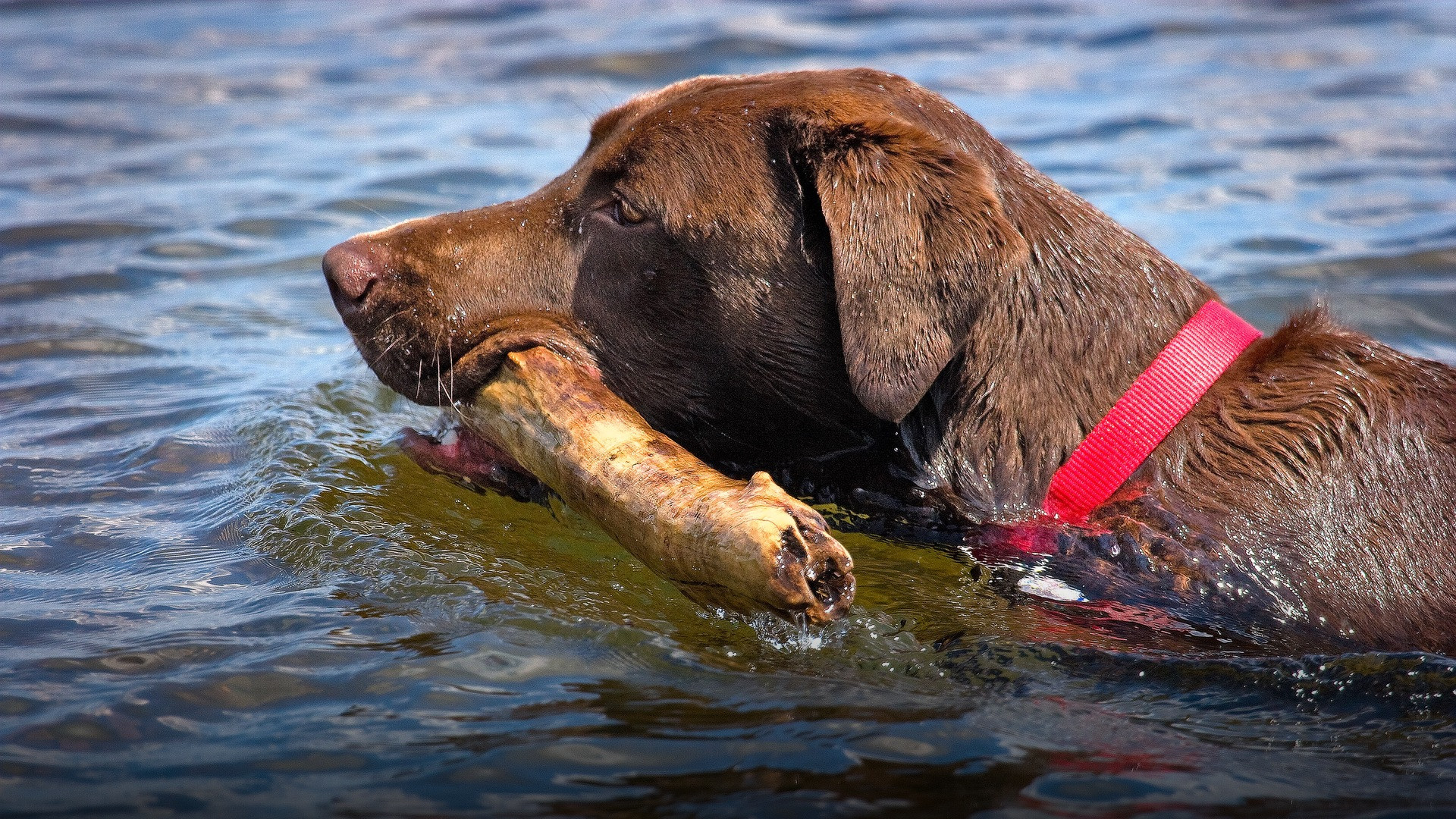
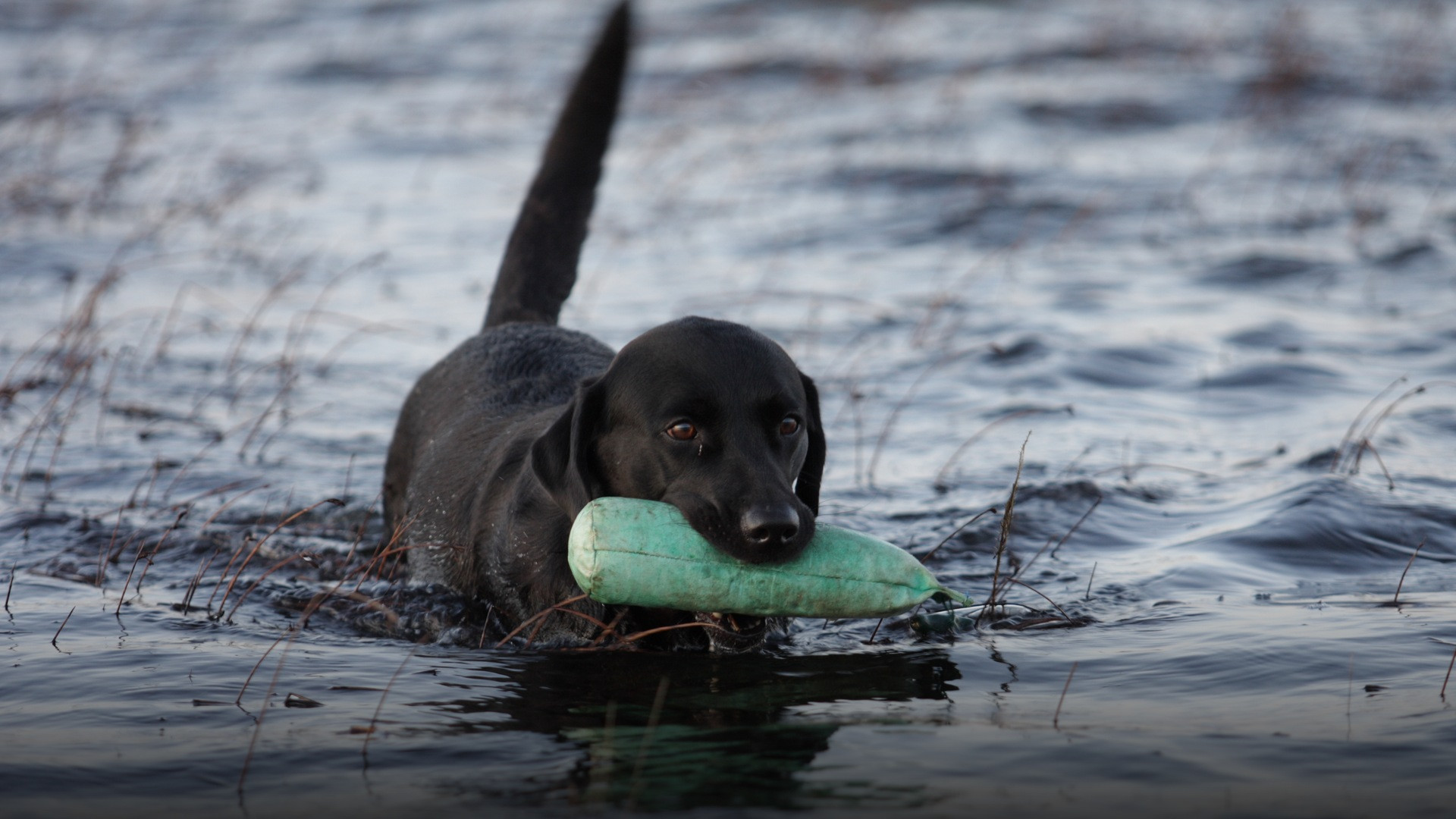
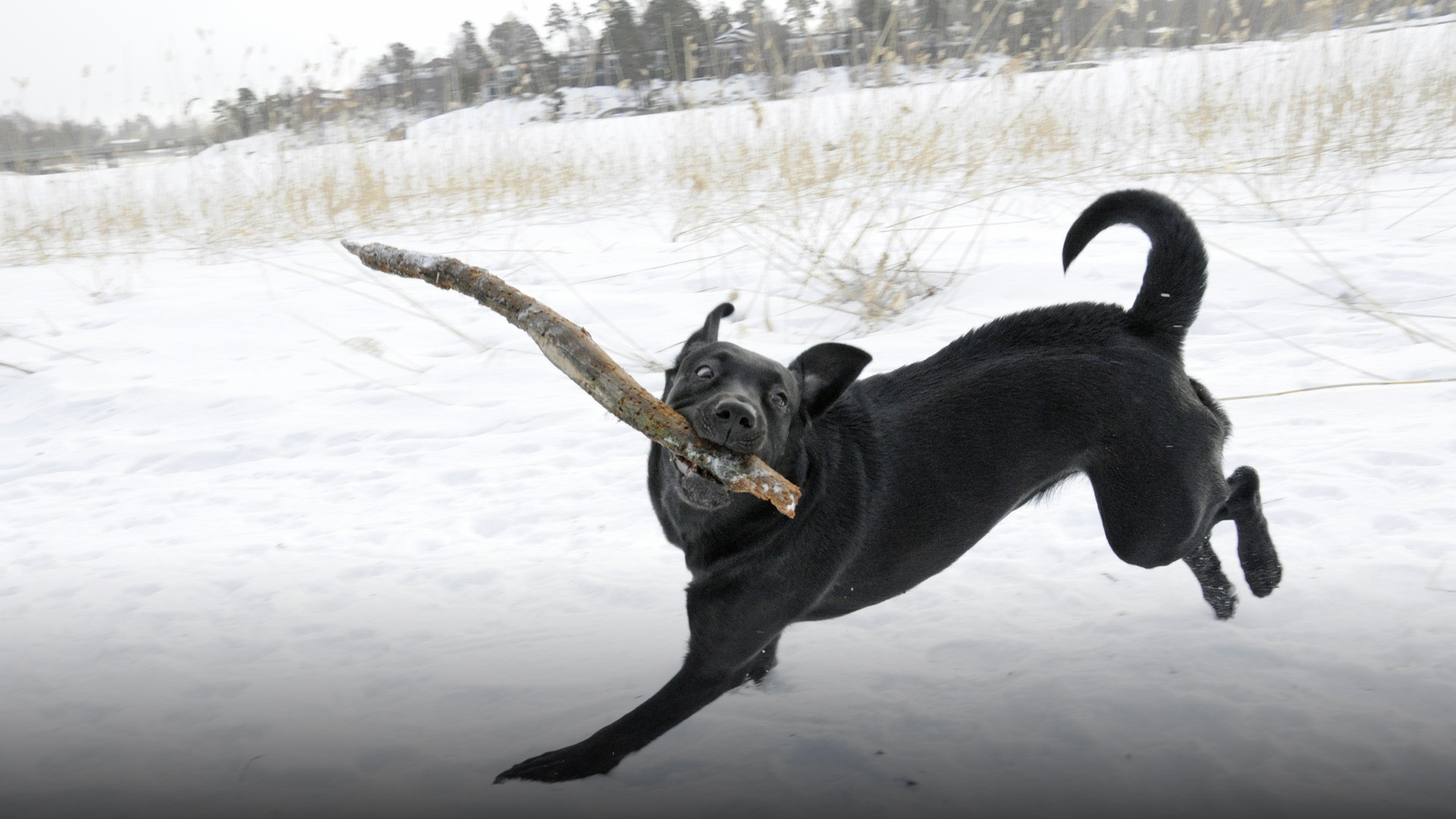
Unlike most domestic dogs, Labradors possess distinct webbing between their toes. Acting like natural swim fins, these webbed feet propel them effortlessly through ocean surf and deep lakes while also helping them walk across deep winter snow.
14. A Rudder-Like 'Otter Tail'
A defining breed hallmark is the 'otter tail'—thick at the base, covered in short dense fur, and tapering smoothly. In the water, this powerful appendage functions exactly like a boat's rudder, enabling Labs to make sharp, agile steering maneuvers at high speed.
13. A Dual-Layer Waterproof Coat
Labradors sport a two-layer coat system designed for sub-zero North Atlantic waters. The soft undercoat traps body heat, while the coarser outer guard hairs are drenched in natural water-repelling oils. When a Lab emerges from a lake, a single shake leaves them virtually dry.
12. The Famous 'Soft Mouth' Grip
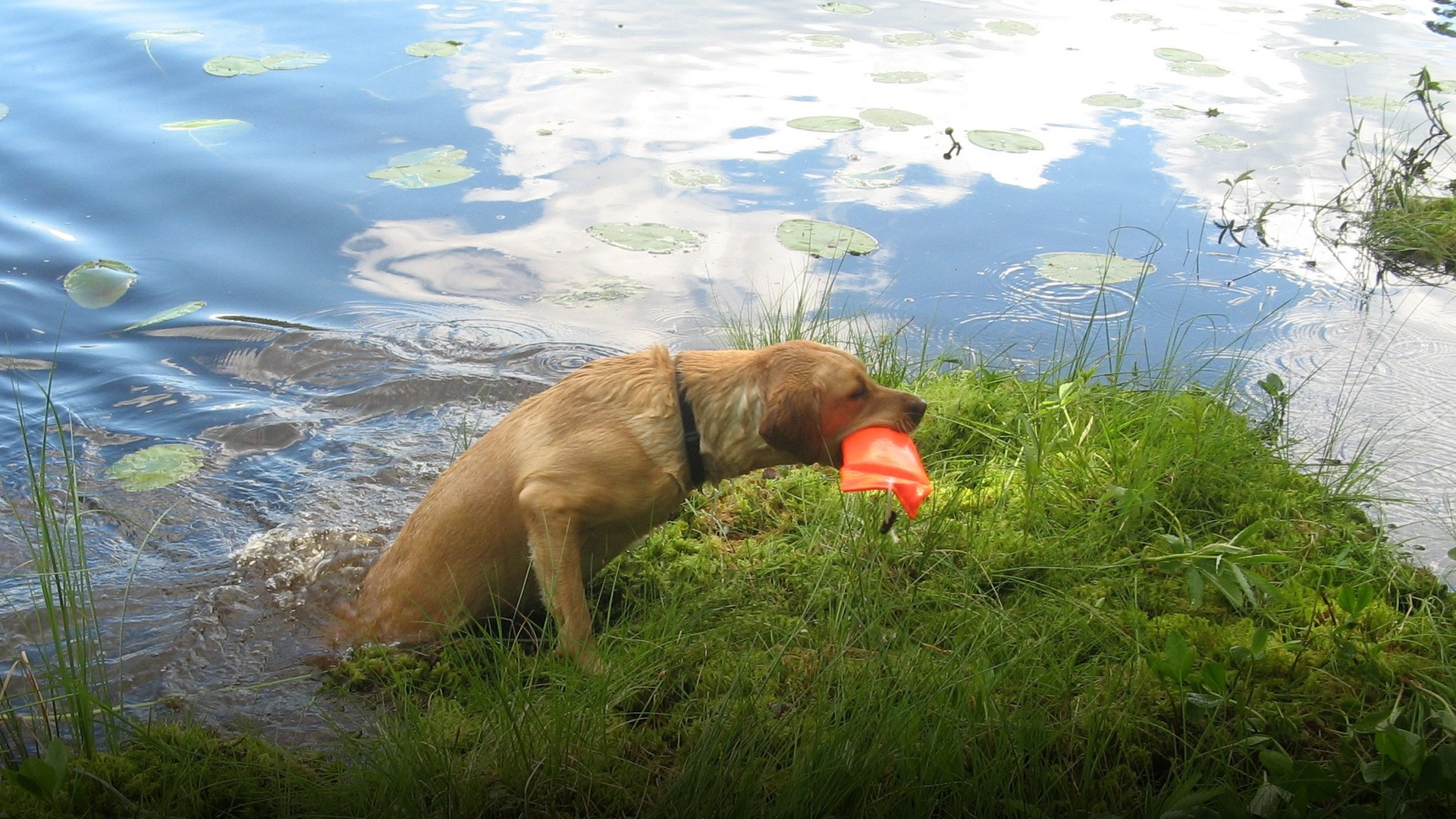
Bred to retrieve downed waterfowl without damaging the meat or plumage, Labs possess legendary jaw control known as a 'soft mouth.' Working retrievers can routinely hold a raw egg in their teeth and run full speed across a field without leaving a single crack on the shell.
11. A Genetic Mutation That Drives Endless Hunger
If your Lab seems obsessed with food, blame genetics. Cambridge University researchers discovered that approximately 25% of Labradors carry a mutation in the POMC gene. This mutation disables the neural switch that signals fullness, leaving them in a permanent state of hunger.
10. America's Longest-Reigning Top Dog
From 1991 all the way until 2022, the Labrador Retriever held the uninterrupted #1 spot on the American Kennel Club's annual registration list. That 31-year dynasty remains the longest unbroken reign of any dog breed in American history, unmatched by any other companion.
9. Three Official Colors In One Single Litter
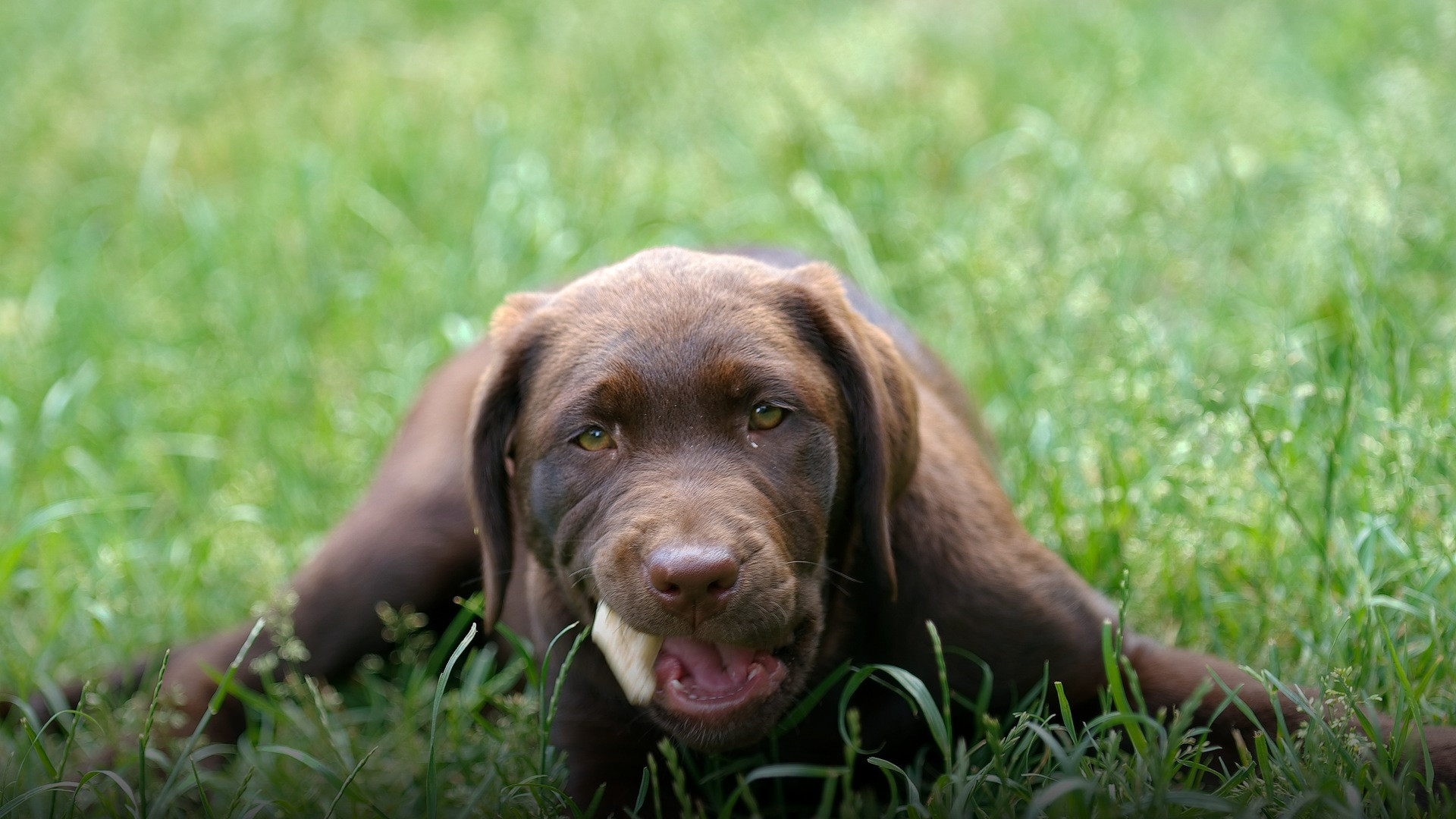
Labrador coat color is governed by two sets of genes (the B and E alleles). Because yellow color expresses through recessive epistatic masking, two black Labs carrying hidden recessive genes can give birth to a single litter featuring black, chocolate, and yellow puppies simultaneously.
8. The Controversy Of The Silver Labrador
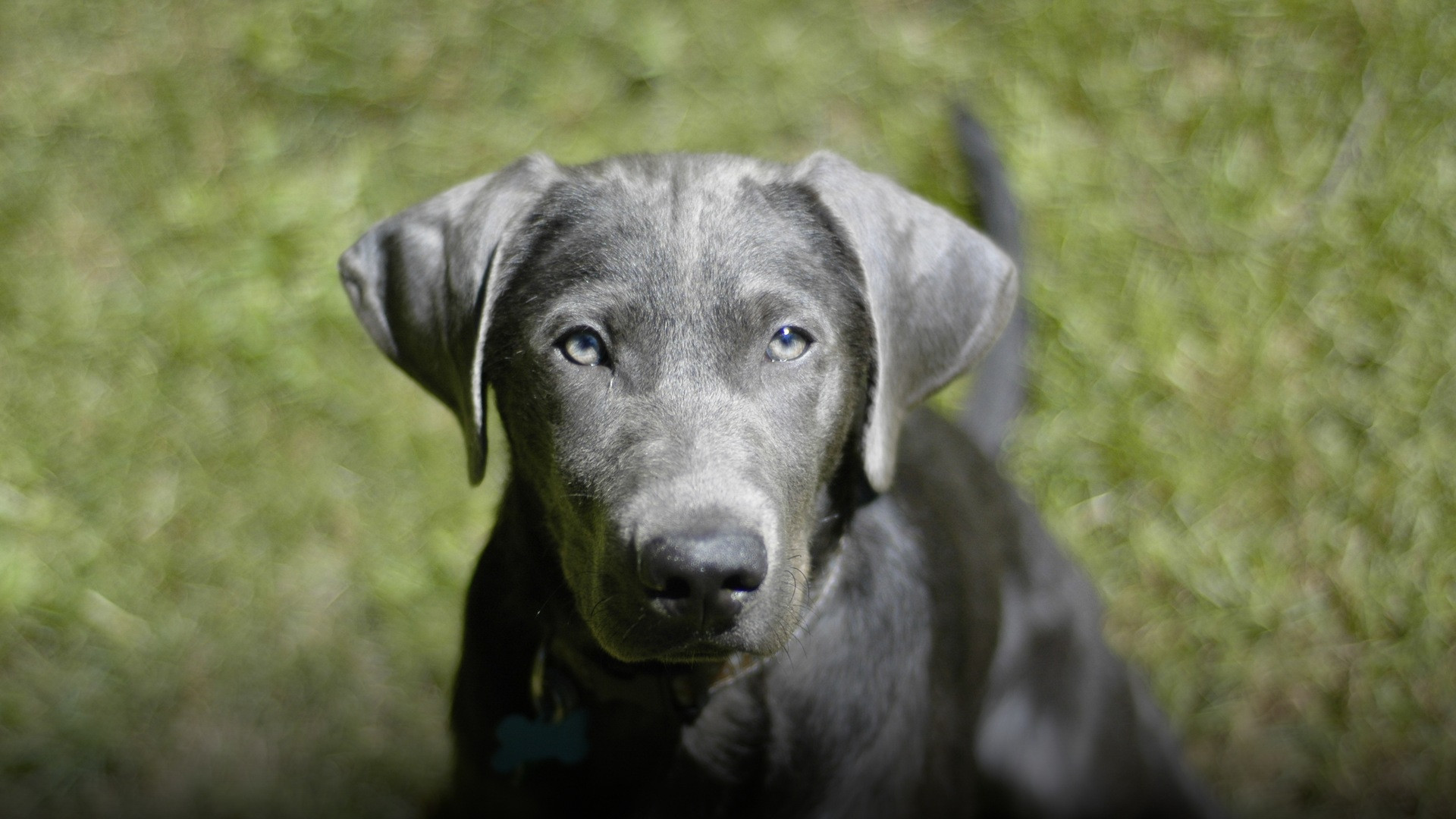
While striking, 'silver' Labradors spark fierce debate in kennel clubs worldwide. Their metallic coat results from a recessive dilute gene (dd) that lightens chocolate pigment. While registered by the AKC as chocolate, purists debate whether the trait emerged naturally or via outcrosses.
7. The World's Premier Guide And Service Breed
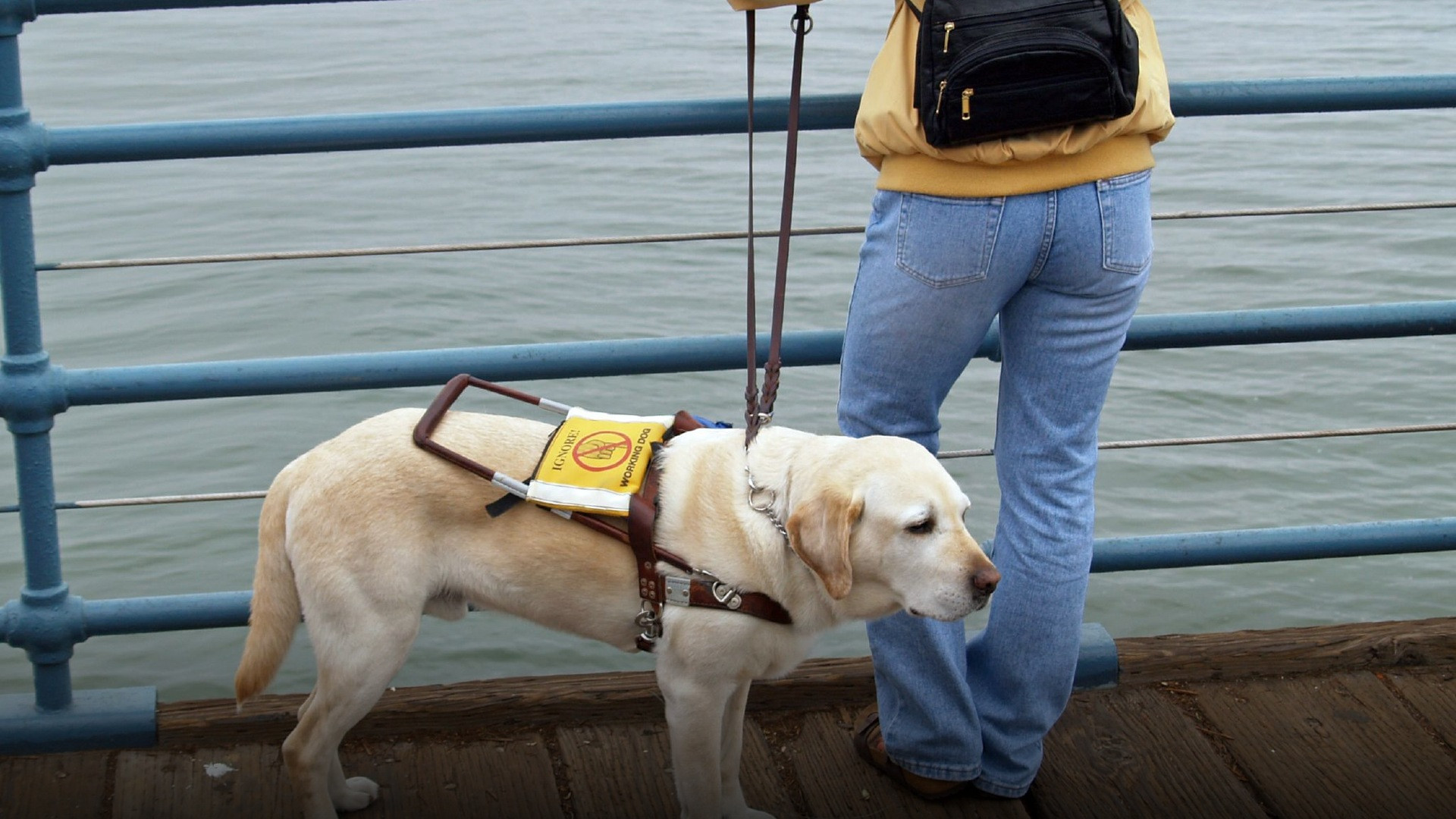
Over 70% of guide dogs assisting visually impaired individuals worldwide are Labrador Retrievers. Their balanced temperament, high trainability, sound health, and intense desire to bond with handlers make them uniquely suited for high-stakes service and therapy work.
6. Super-Powered Scent Detection
With an olfactory system packed with up to 300 million scent receptors, Labs are widely deployed at international airports and disaster zones. Beyond detecting narcotics and explosives, clinical trials have proven Labs can sniff out diabetic hypoglycemia, malaria, and cancer tumors.
5. Remarkable Cold-Water Endurance
Bred to work in the frigid North Atlantic, Labradors have a higher subcutaneous fat layer and pain threshold than most sporting breeds. They can jump into near-freezing lakes repeatedly to retrieve downed birds without showing signs of hypothermic distress or hesitation.
4. Saved From Extinction By British Nobility
In the late 1800s, Newfoundland imposed punitive dog taxes to promote sheep farming, while Britain introduced strict quarantine laws. The working stock in Canada vanished almost entirely. The modern Labrador survived solely because British nobles preserved pure breeding stock.
3. Direct Descendants Of The St. John's Water Dog
The Labrador was not bred from standard retrievers, but directly descended from the now-extinct St. John's Water Dog. These hardy black dogs worked alongside 18th-century cod fishermen, diving overboard into icy waters to haul ropes, grab escaping cod, and retrieve nets.
2. The Earl Who Named The Breed
In 1887, James Harris, the 3rd Earl of Malmesbury, wrote a historic letter explaining that he always called his imported dogs 'Labradors' to distinguish them from the larger Newfoundland breed. His Dorset breeding program established the official name used across the globe today.
1. They Originated In Newfoundland, Not Labrador!
The biggest paradox of the Labrador Retriever is that it was not developed in Labrador at all! The entire founding population was bred around St. John's on the island of Newfoundland, hundreds of miles away. Early English travelers simply confused the two Canadian regions when importing the dogs.