Slideshow · Viral
15 Greatest Moments in New York City Marathon History, Ranked
The Most Legendary Finishes and Comebacks in New York Marathon History
By Most Viral Today
30 Oct 2026

15 Greatest Moments in New York City Marathon History, Ranked 
15. The 1972 Women's Sit-In Protest 
14. Sean Combs Runs The City In 2003 
13. The Coldest Finish Line In 1995 - AdvertisementSwipe or tap ▶ to continue countdown

12. Alberto Salazar's Short-Course Heartbreak In 1981 
11. Paula Radcliffe's Grit And Grace In 2004 
10. The Inaugural 1970 Central Park Loops 
9. Edison Pena Runs From The Chilean Mine To Manhattan In 2010 - AdvertisementSwipe or tap ▶ to continue countdown

8. Rod Dixon Outduels Geoff Smith In 1983 
7. Bob Wieland's Four-Day Finish In 1986 
6. Paul Tergat Wins By 0.03 Seconds In 2005 
5. German Silva's Wrong Way Recovery In 1994 - AdvertisementSwipe or tap ▶ to continue countdown

4. Meb Keflezighi Ends The 27-Year U.S. Drought In 2009 
3. Shalane Flanagan Breaks The 40-Year Curse In 2017 
2. United We Run After September 11 In 2001 
1. Fred Lebow And Grete Waitz Cross Together In 1992 - Advertisement🔥 UP NEXT IN THIS SERIES◫ 21 Slides

20 Iconic Historical Photos and the Archive Clues Behind Them
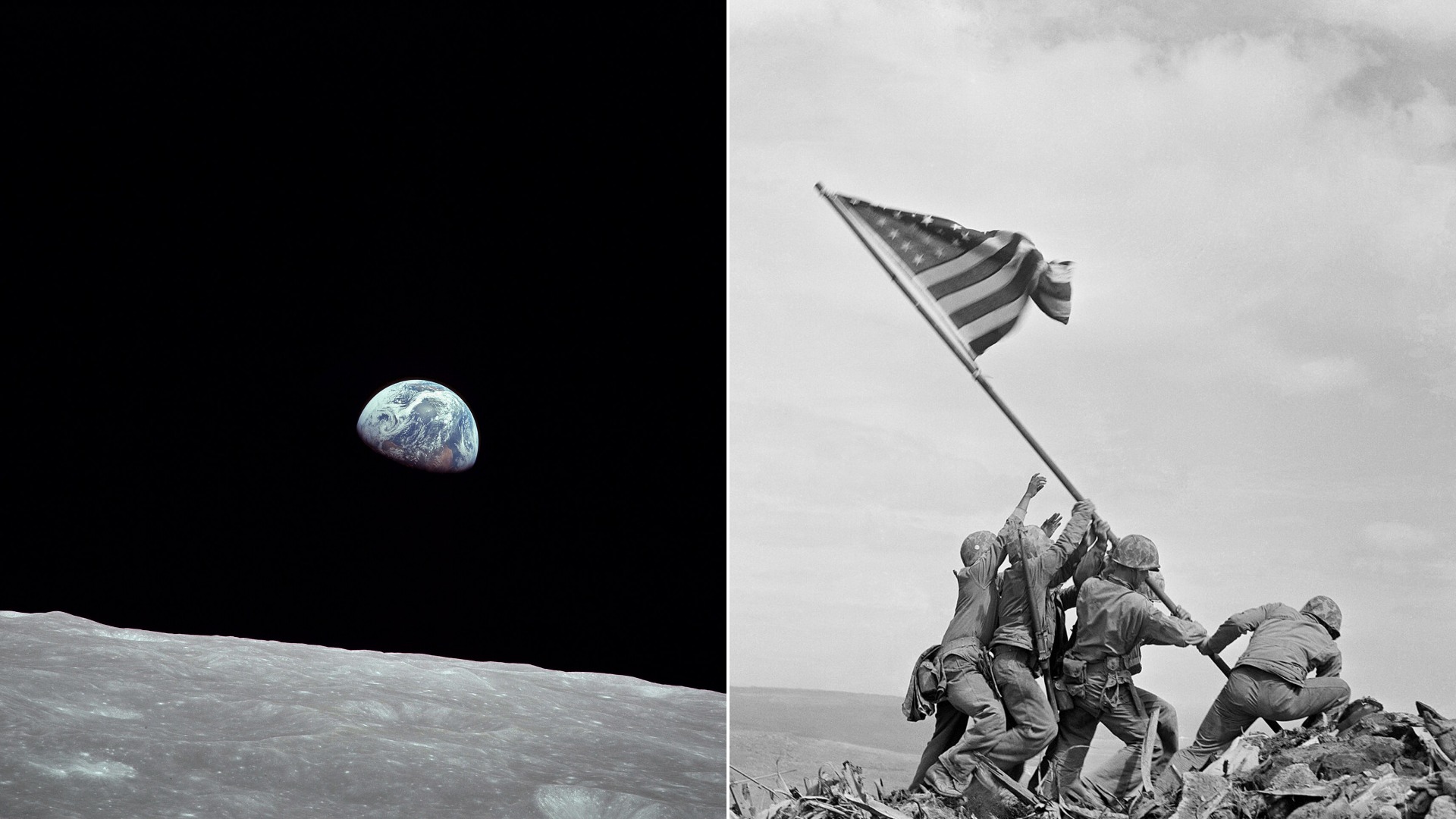
Contact sheets, cracked glass plates, and NASA mission logs preserve the hidden steps behind 20 famous photographs. Drawing on records from the Library of Congress, the National Archives, NASA, and the Smithsonian, this countdown traces how cropping, camera setups, and double exposures shaped each frame.
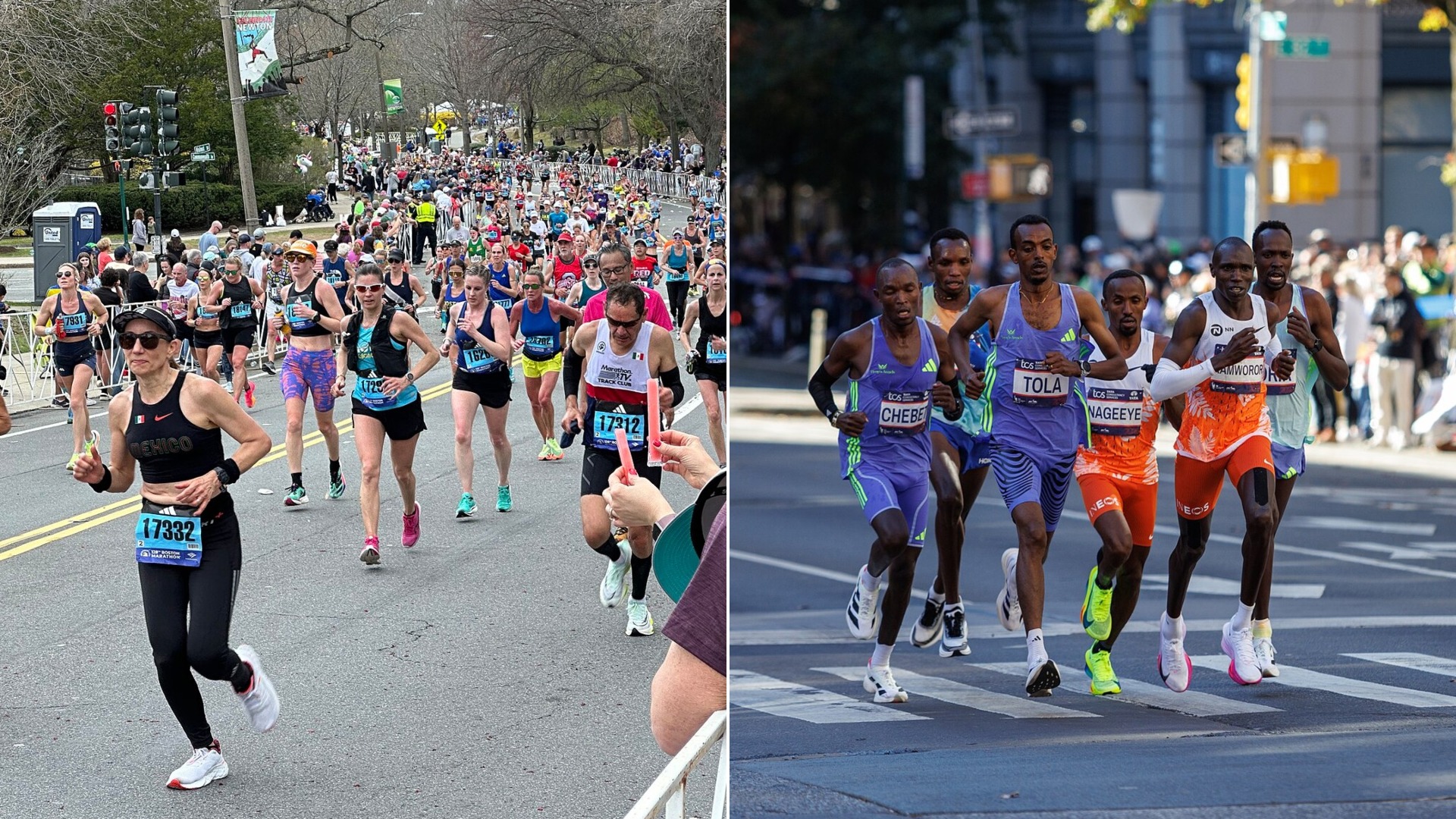
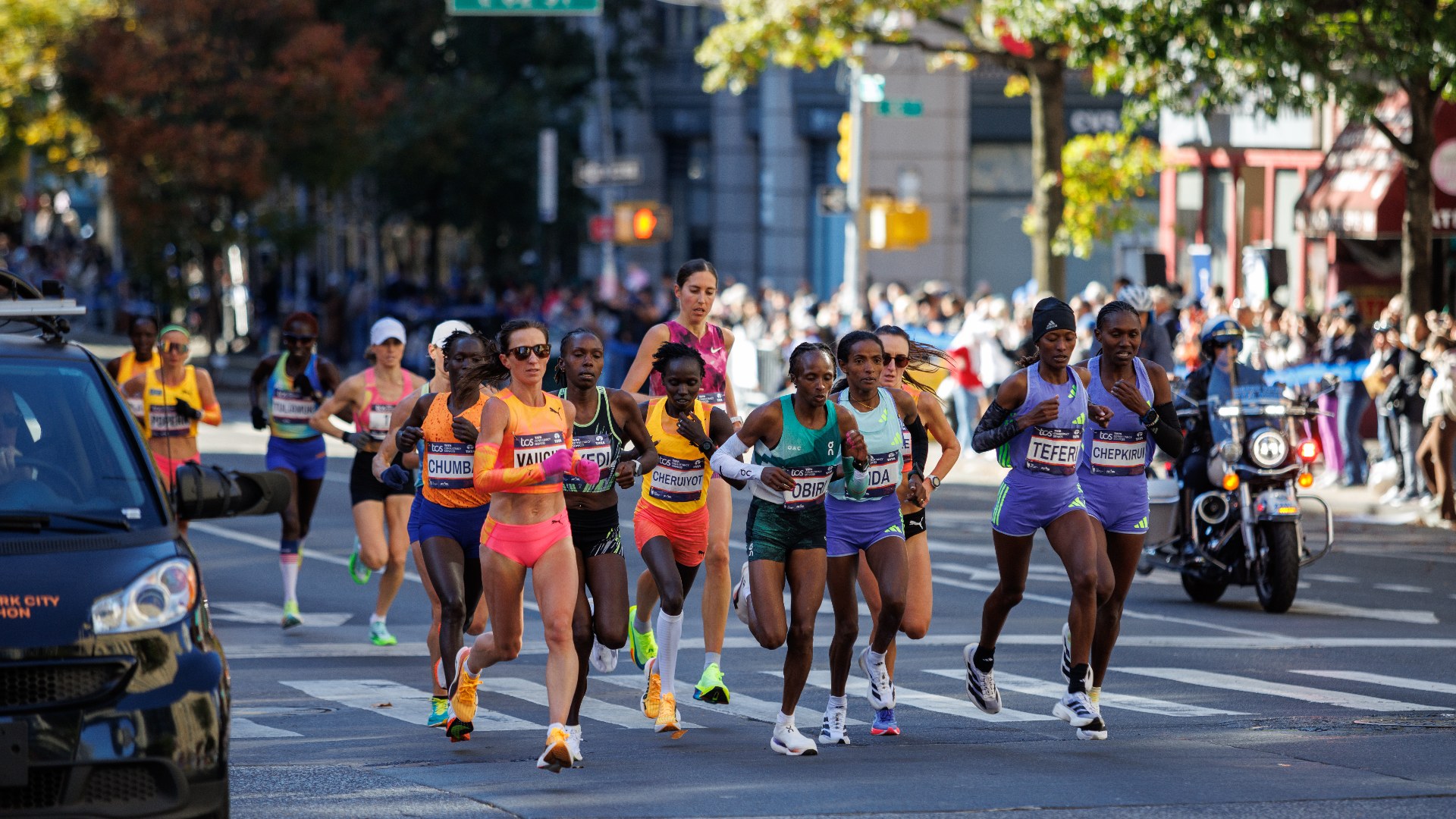
From a $1 entry loop inside Central Park and a three-hundredths-of-a-second sprint to Fred Lebow's tearful 1992 finish alongside Grete Waitz, these 15 moments defined the world's largest marathon.
Swipe or tap ▶ to begin the countdown
©Wikimedia / Nrbelex & Wikimedia / Christian Petersen-Clausen
15. The 1972 Women's Sit-In Protest
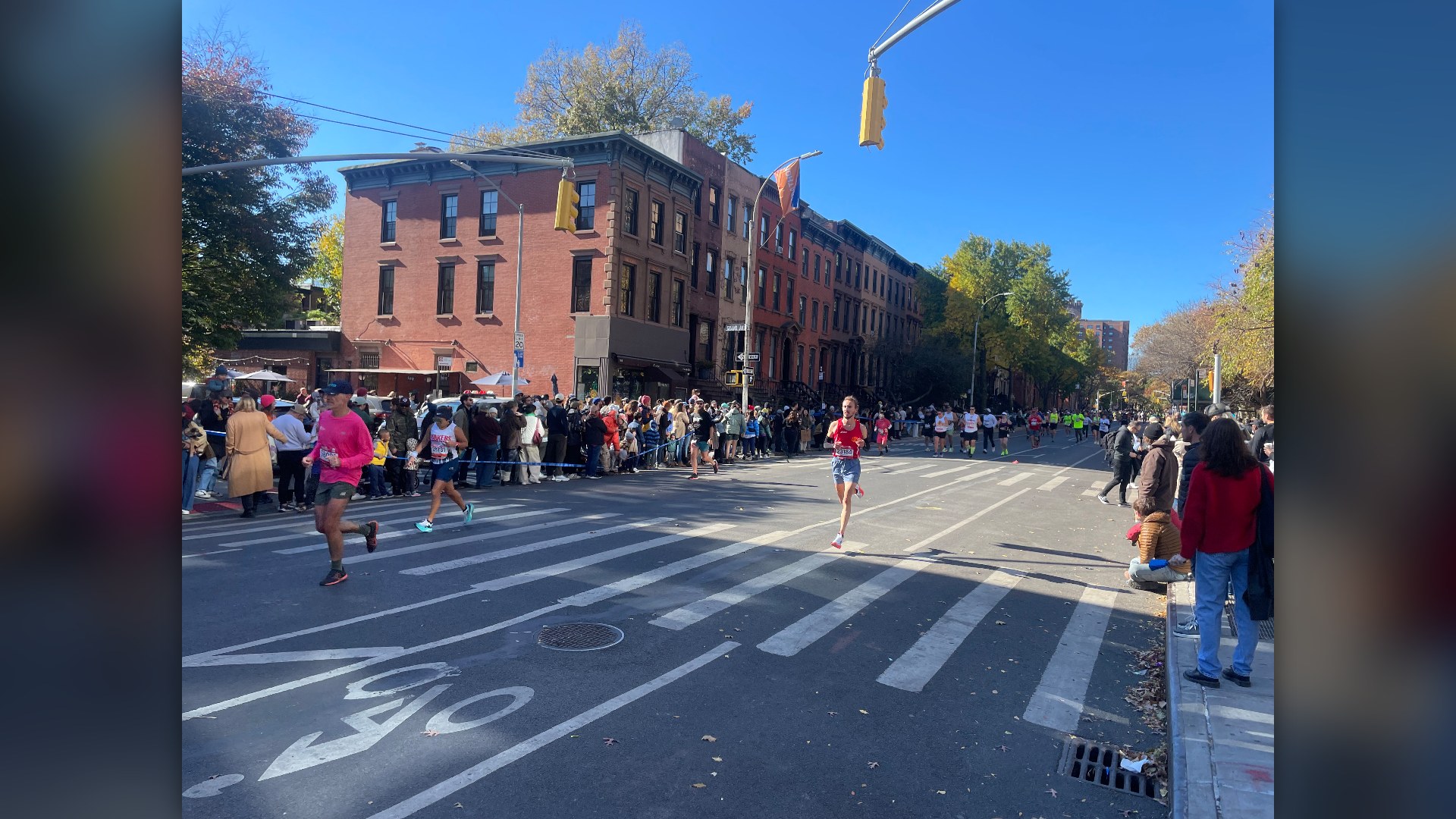
In 1972, the Amateur Athletic Union permitted women to run the marathon but forced them to start 10 minutes before the men. In protest, six female qualifiers sat down on the starting line until the men's gun fired, launching a landmark stance for equality.
©Wikimedia / Nrbelex
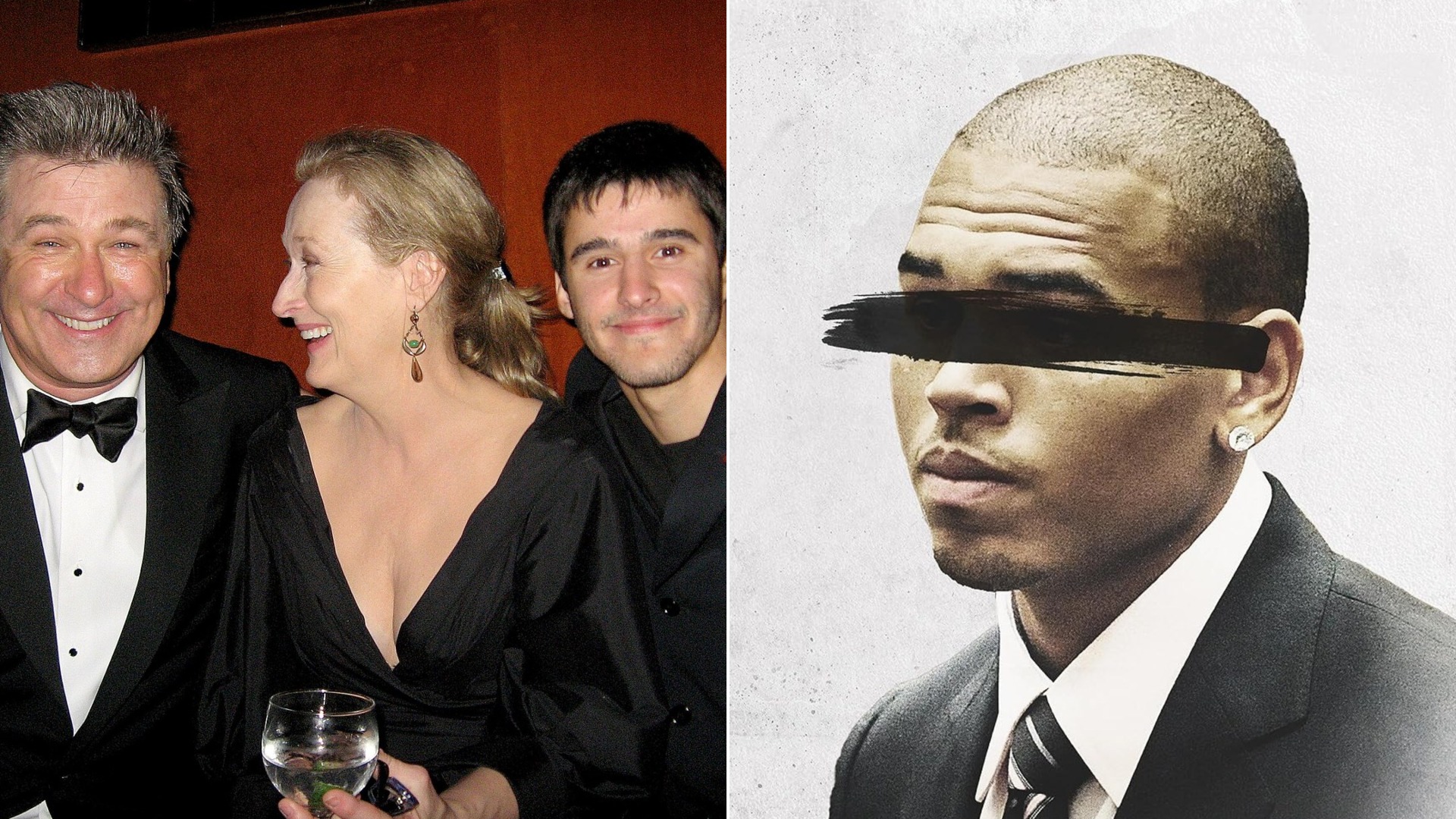
14. Sean Combs Runs The City In 2003
Music mogul Sean Combs brought massive pop-culture attention to the 2003 race. Training for only two months, he crossed the line in 4 hours, 14 minutes, and 54 seconds while raising over $2 million for New York City public schools and children's charities.
©Wikimedia / Wil540 art
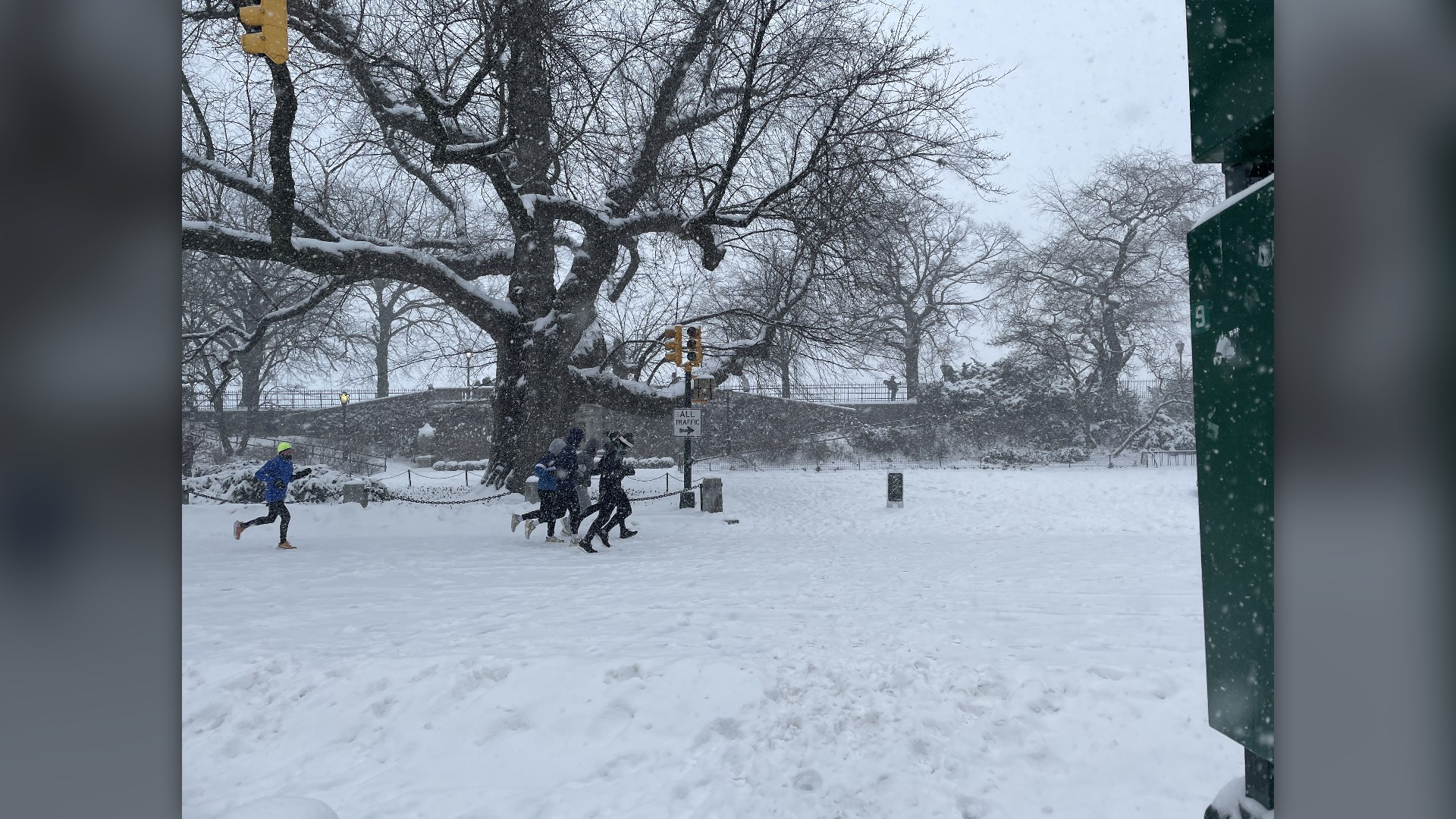
13. The Coldest Finish Line In 1995
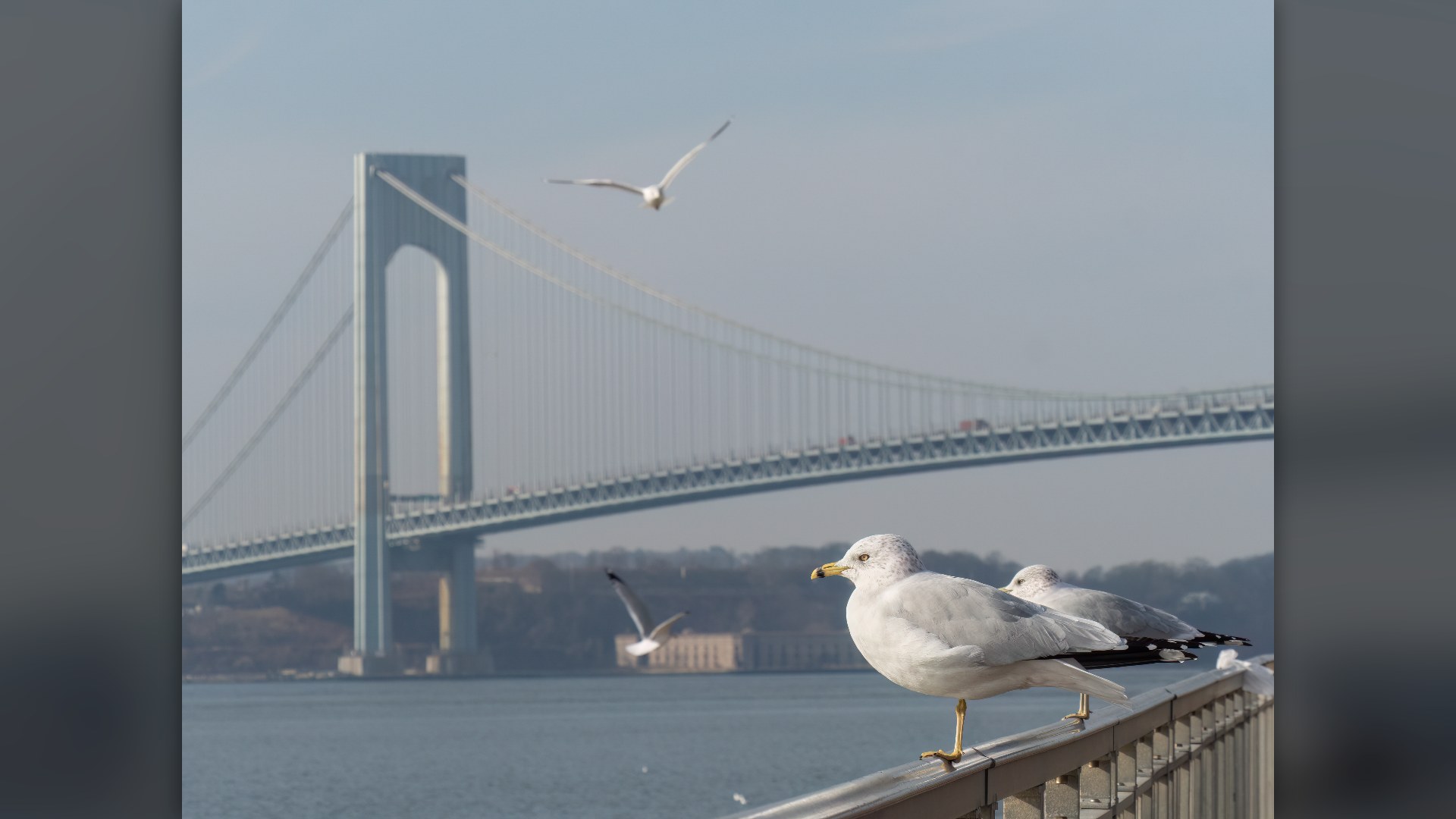
The 1995 edition remains the coldest race day in New York City Marathon history. Brutal 41-degree Fahrenheit temperatures and freezing winds sweeping off the Verrazzano-Narrows Bridge tested the sheer physical resilience of thousands of runners.
©Wikimedia / Rhododendrites
Advertisement
Swipe or tap ▶ to resume the countdown.
12. Alberto Salazar's Short-Course Heartbreak In 1981
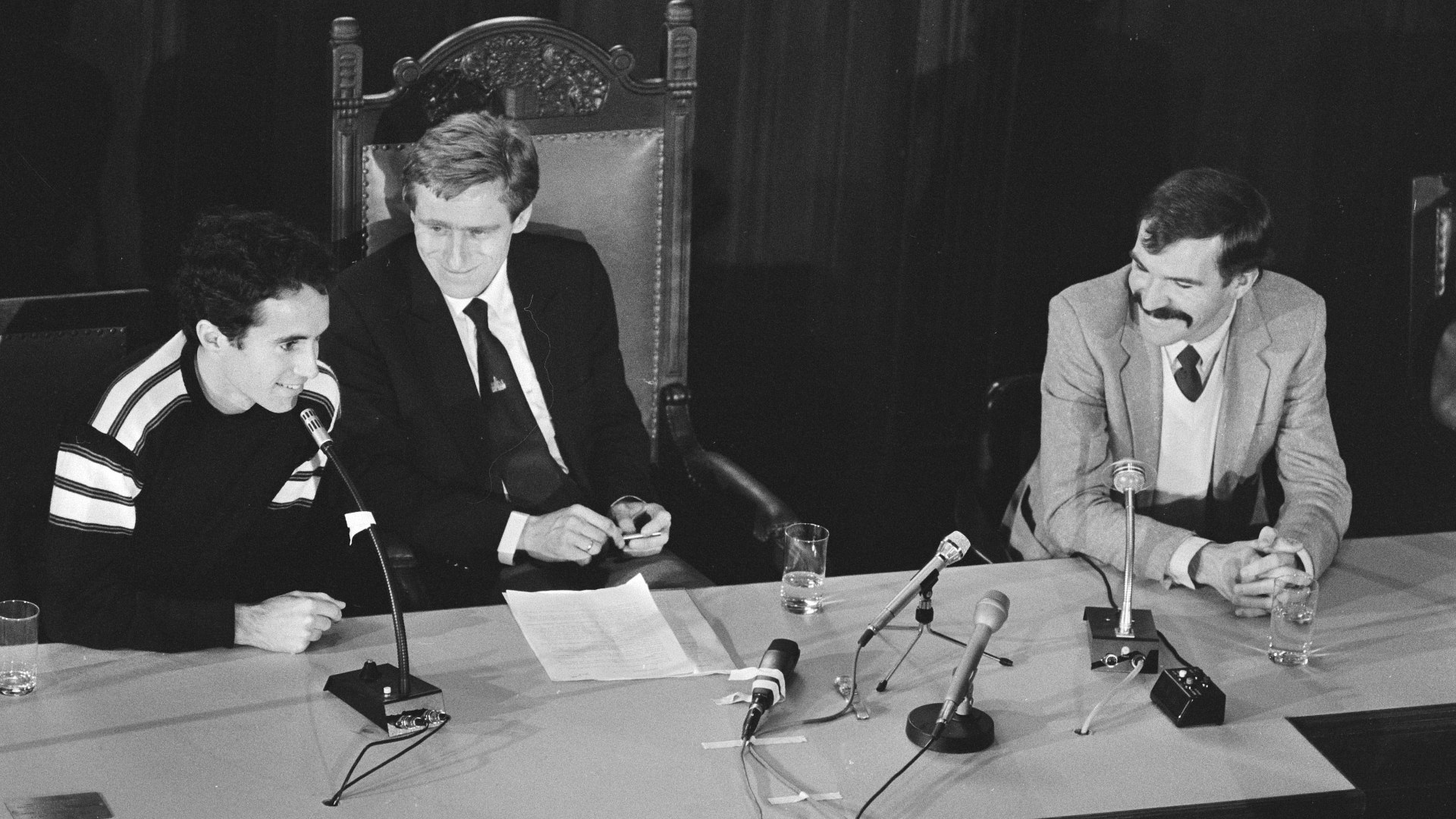
Alberto Salazar crossed the 1981 finish line in a blistering 2 hours, 8 minutes, and 13 seconds, seemingly setting a new world record. Subsequent re-measurement revealed the course was short by roughly 150 meters, wiping the record from the books.
©Wikimedia / Rob Bogaerts, Anefo
11. Paula Radcliffe's Grit And Grace In 2004
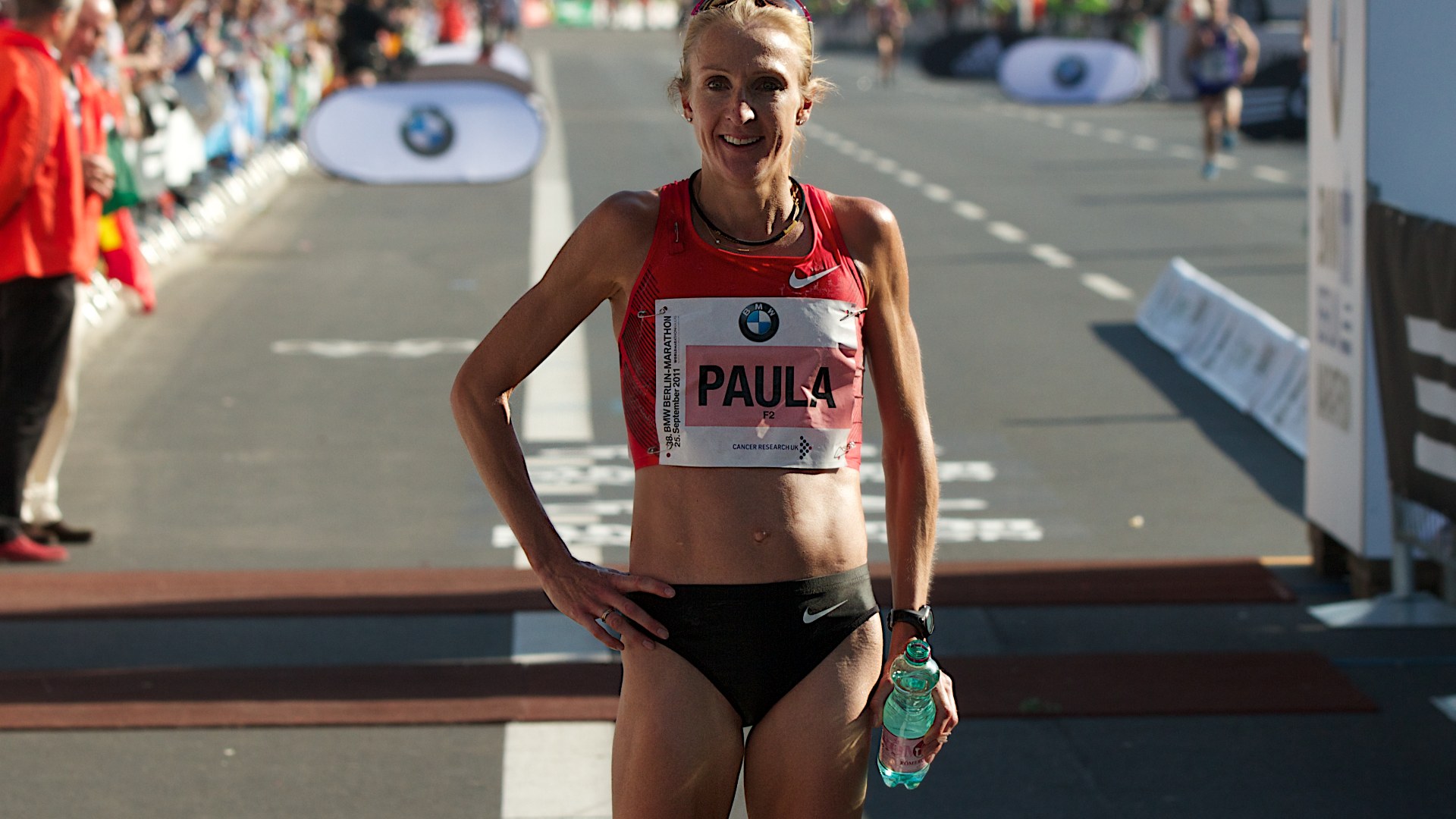
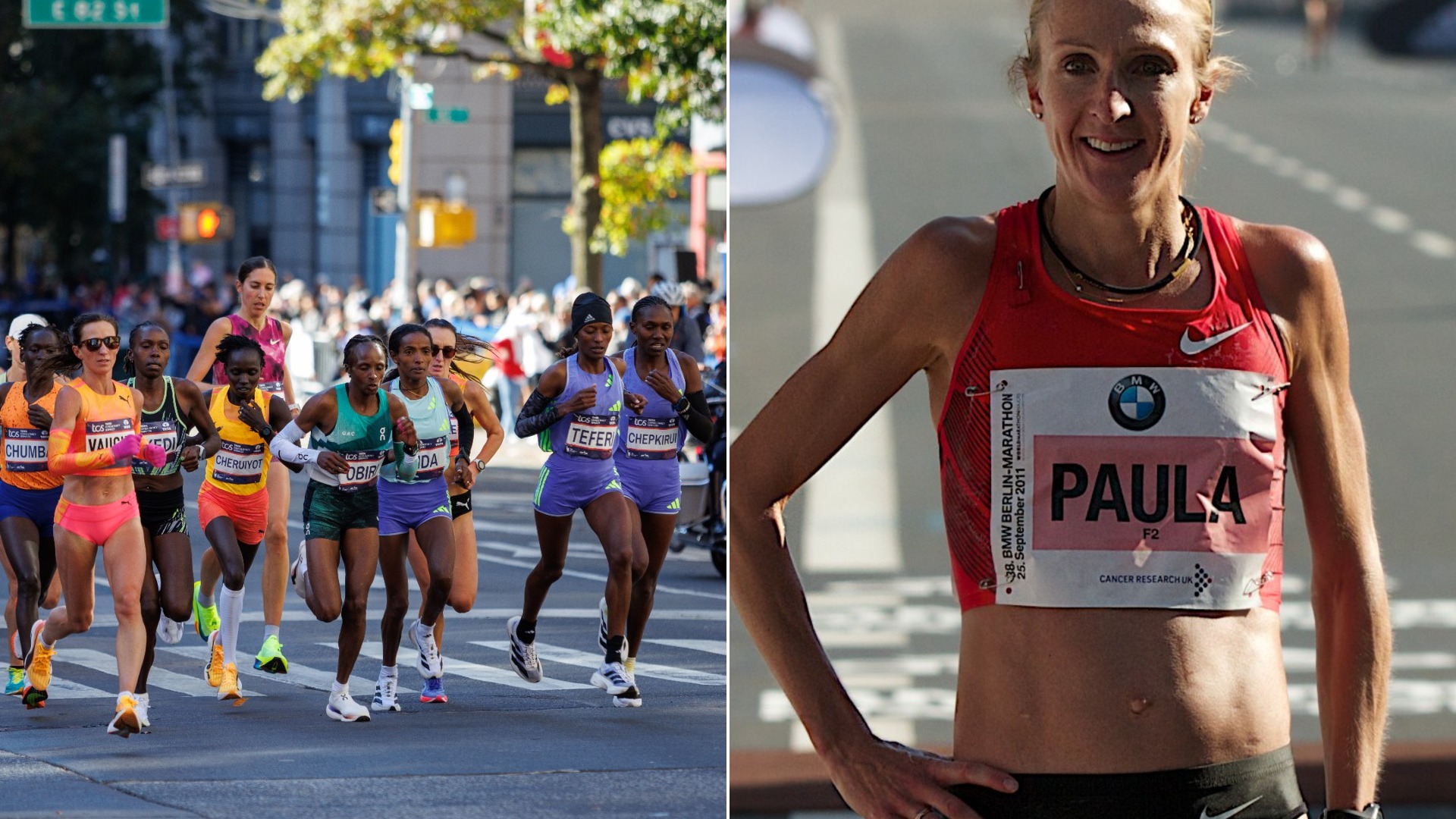
Following a devastating failure to finish at the Athens Olympics just months earlier, Britain's Paula Radcliffe sought redemption in New York. In a grueling shoulder-to-shoulder duel through Central Park, she edged out Susan Chepkemei by four seconds.
©Wikimedia / Christian Petersen-Clausen
10. The Inaugural 1970 Central Park Loops
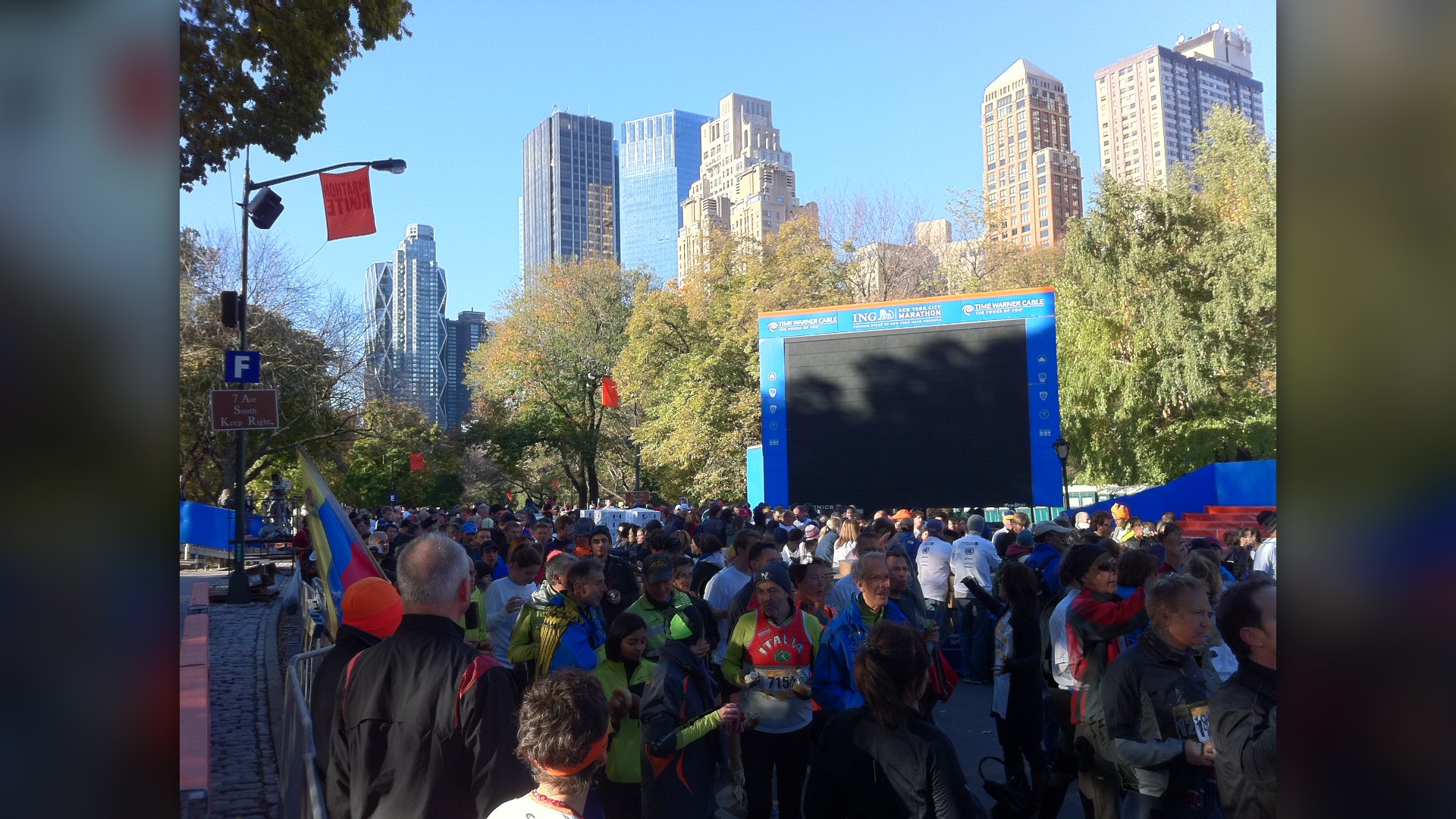
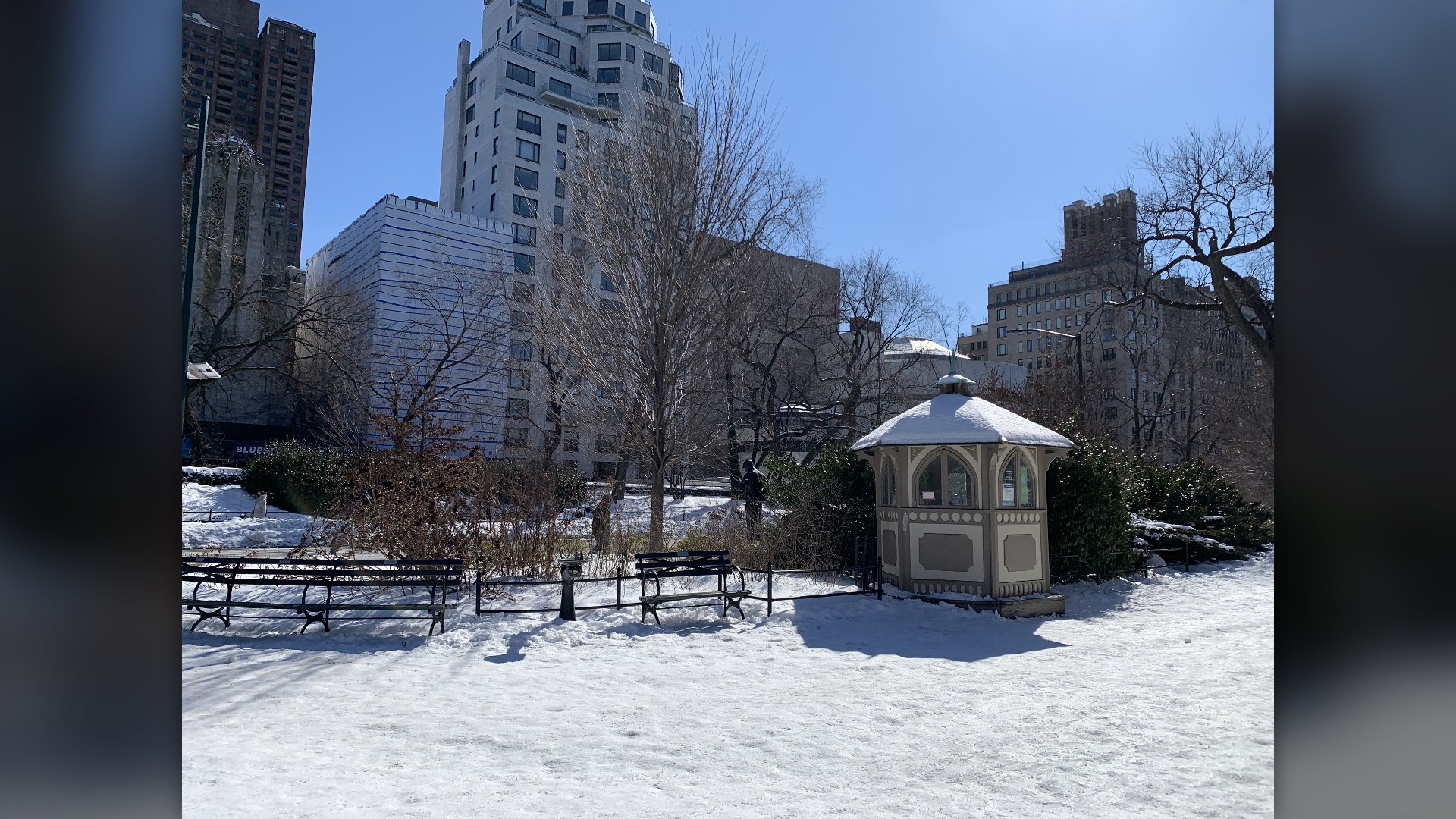
Long before the race spanned all five boroughs, the 1970 inaugural marathon was run entirely in loops inside Central Park. The entry fee was $1, only 55 of 127 starters finished, and off-duty local firefighter Gary Muhrcke won it on a whim.
©Wikimedia / Deans Charbal
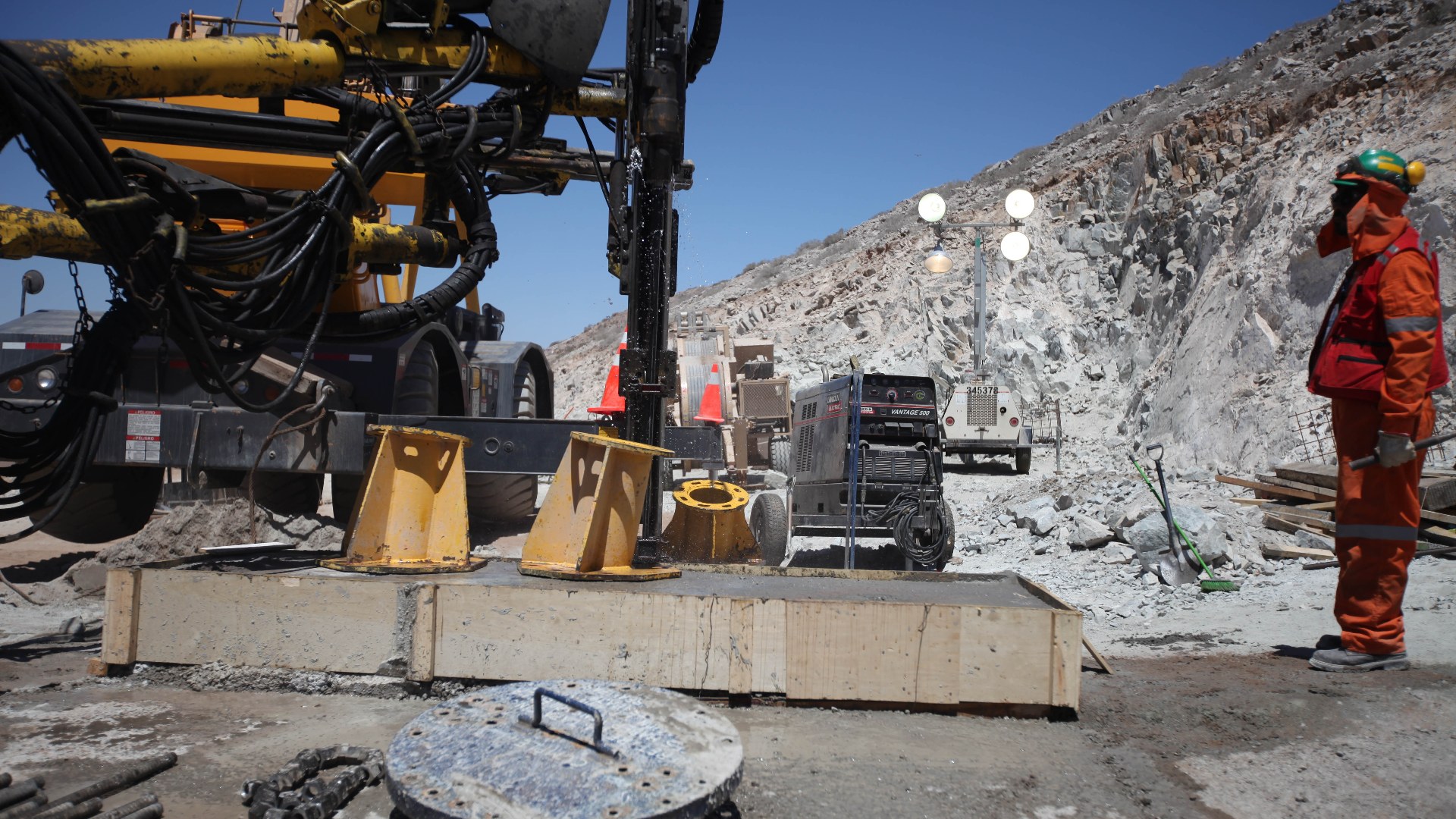
9. Edison Pena Runs From The Chilean Mine To Manhattan In 2010
Edison Pena survived 69 days trapped deep inside a collapsed Chilean mine by running through dark underground tunnels. Less than a month after his rescue, he came to New York and completed the 2010 marathon in under six hours despite severe knee pain.
©Wikimedia / Government of Chile
Advertisement
Swipe or tap ▶ to resume the countdown.
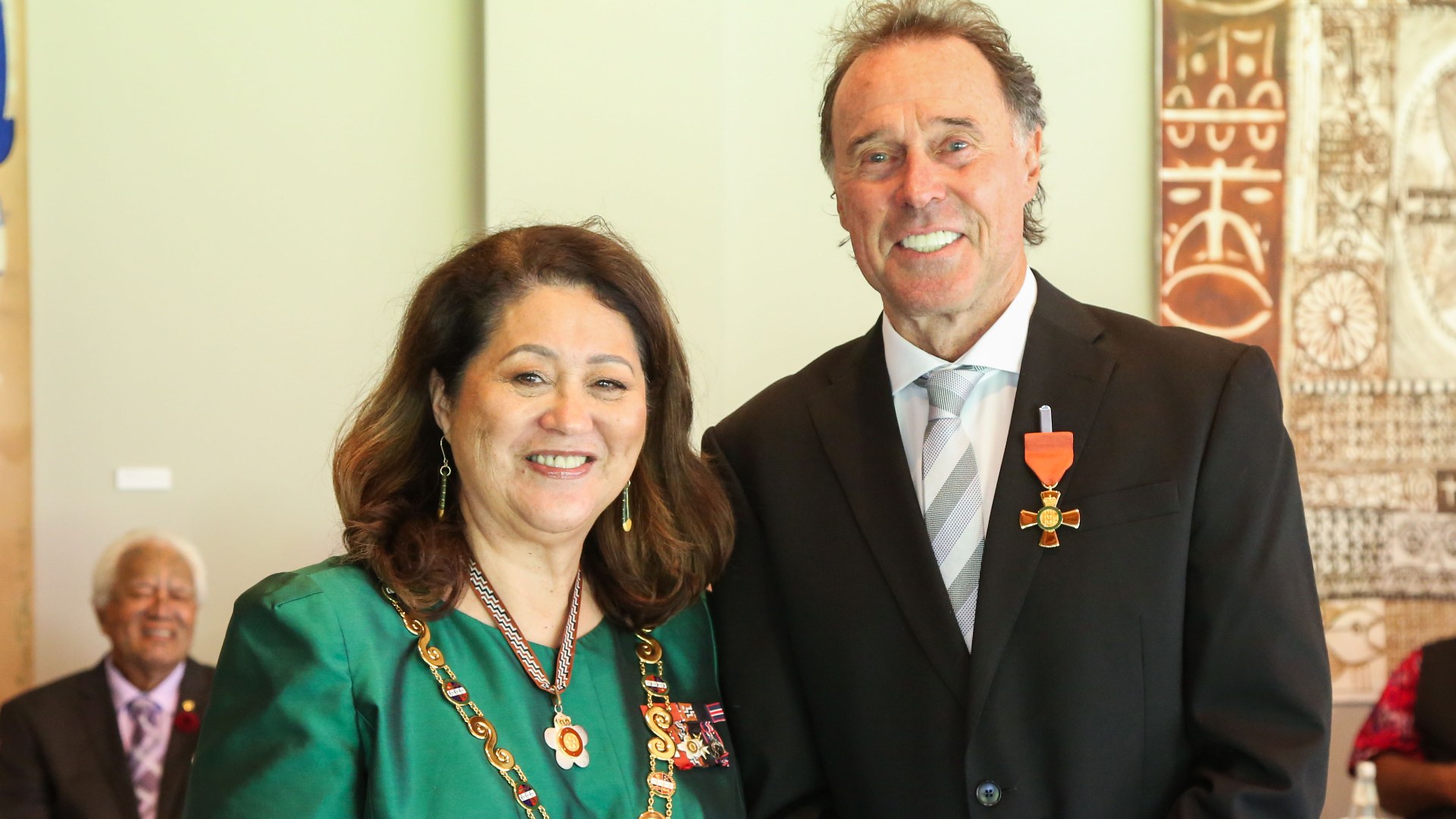
8. Rod Dixon Outduels Geoff Smith In 1983
Britain's Geoff Smith built a half-mile lead late into the 1983 race. Faltering from exhaustion in Central Park, he watched New Zealand's Rod Dixon surge past him just 400 meters from the finish line before dropping to his knees to kiss the pavement.
©Wikimedia / Government House NZ
7. Bob Wieland's Four-Day Finish In 1986
After losing both legs to a mortar mine in the Vietnam War, Bob Wieland refused to use a wheelchair in the 1986 race. Using only his arms to lift his torso step by step, he completed the entire 26.2-mile course in 4 days, 2 hours, and 48 minutes.
©Wikimedia / U.S. Marine Corps
6. Paul Tergat Wins By 0.03 Seconds In 2005
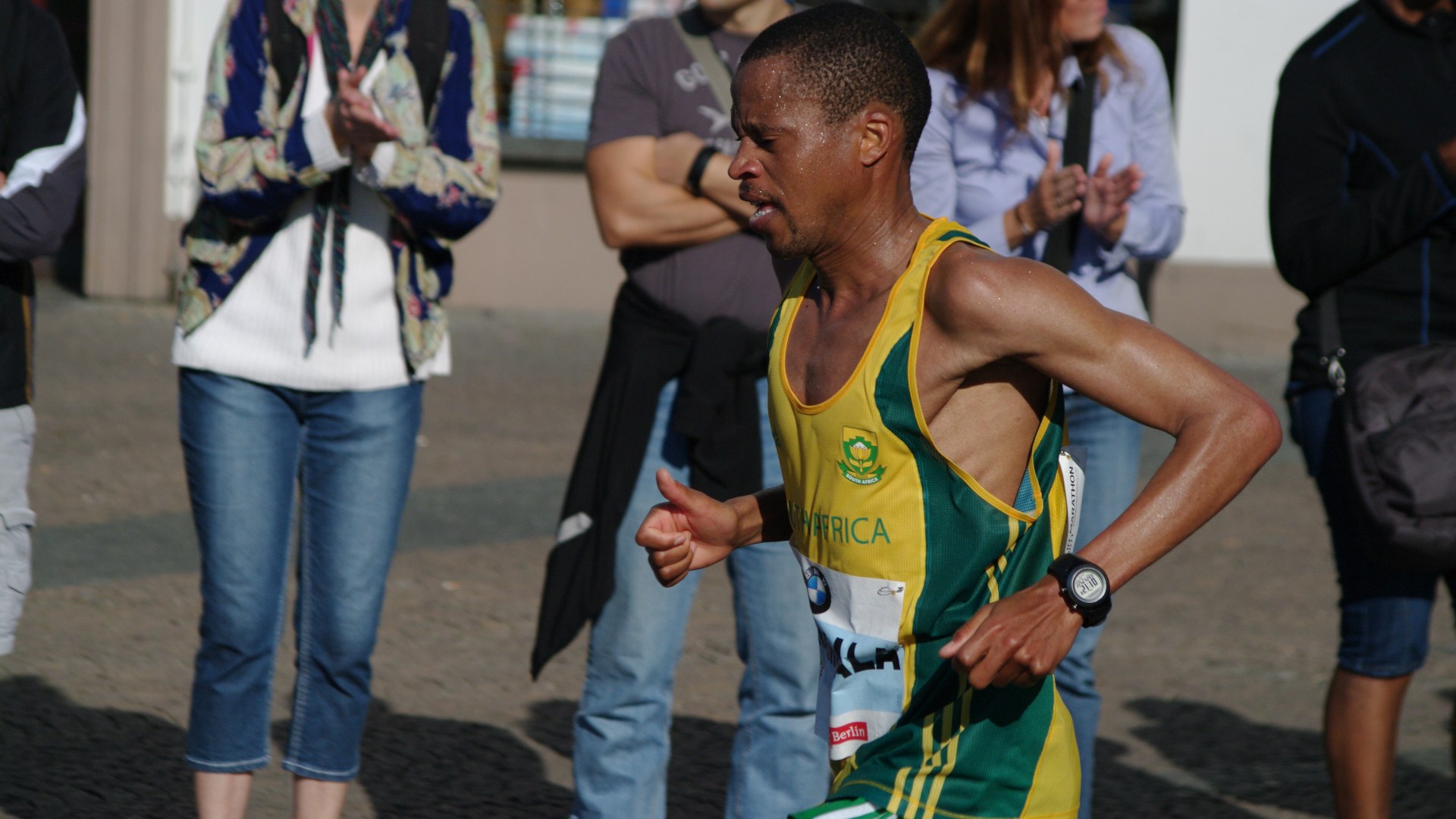
After more than two hours of racing in 2005, Kenya's Paul Tergat and South Africa's Hendrick Ramaala sprinted down the final straightaway locked together. They threw themselves at the tape simultaneously, with Tergat winning by three-hundredths of a second.
©Wikimedia / Dirk Ingo Franke
5. German Silva's Wrong Way Recovery In 1994
Locked in a neck-and-neck battle with countryman Benjamin Paredes in 1994, Mexican runner German Silva mistakenly followed a television motorcycle off the course half a mile from the finish. He turned back, made up a 40-yard deficit, and won by two seconds.
©Wikimedia / Wil540 art
Advertisement
Swipe or tap ▶ to resume the countdown.
4. Meb Keflezighi Ends The 27-Year U.S. Drought In 2009
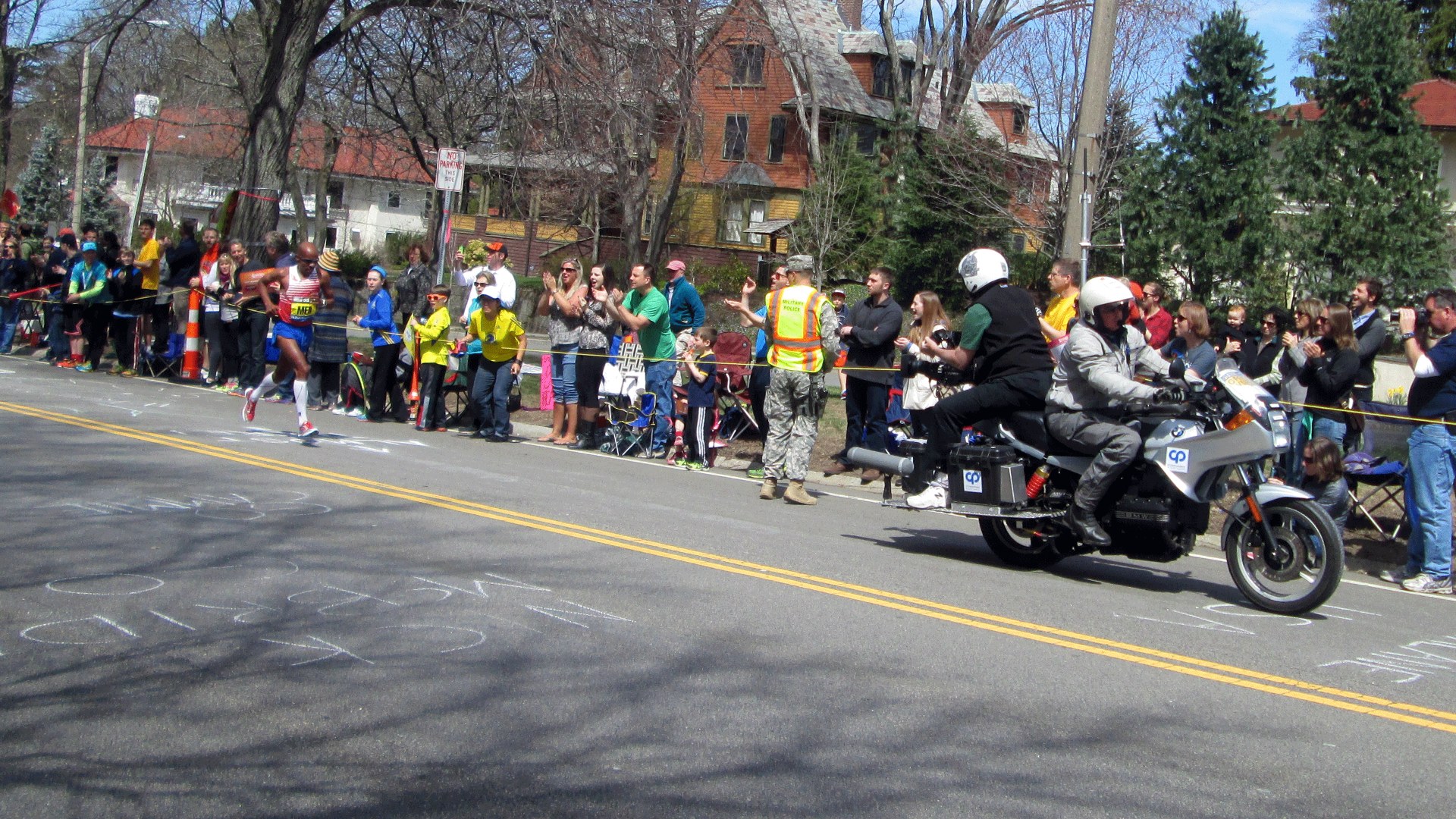
Wearing a USA jersey across his chest, Meb Keflezighi broke away in the final miles of the 2009 race to win in 2 hours, 9 minutes, and 15 seconds. Coming 27 years after Alberto Salazar's last win, his victory electrified the Central Park crowd.
©Wikimedia / Rob Larsen
3. Shalane Flanagan Breaks The 40-Year Curse In 2017
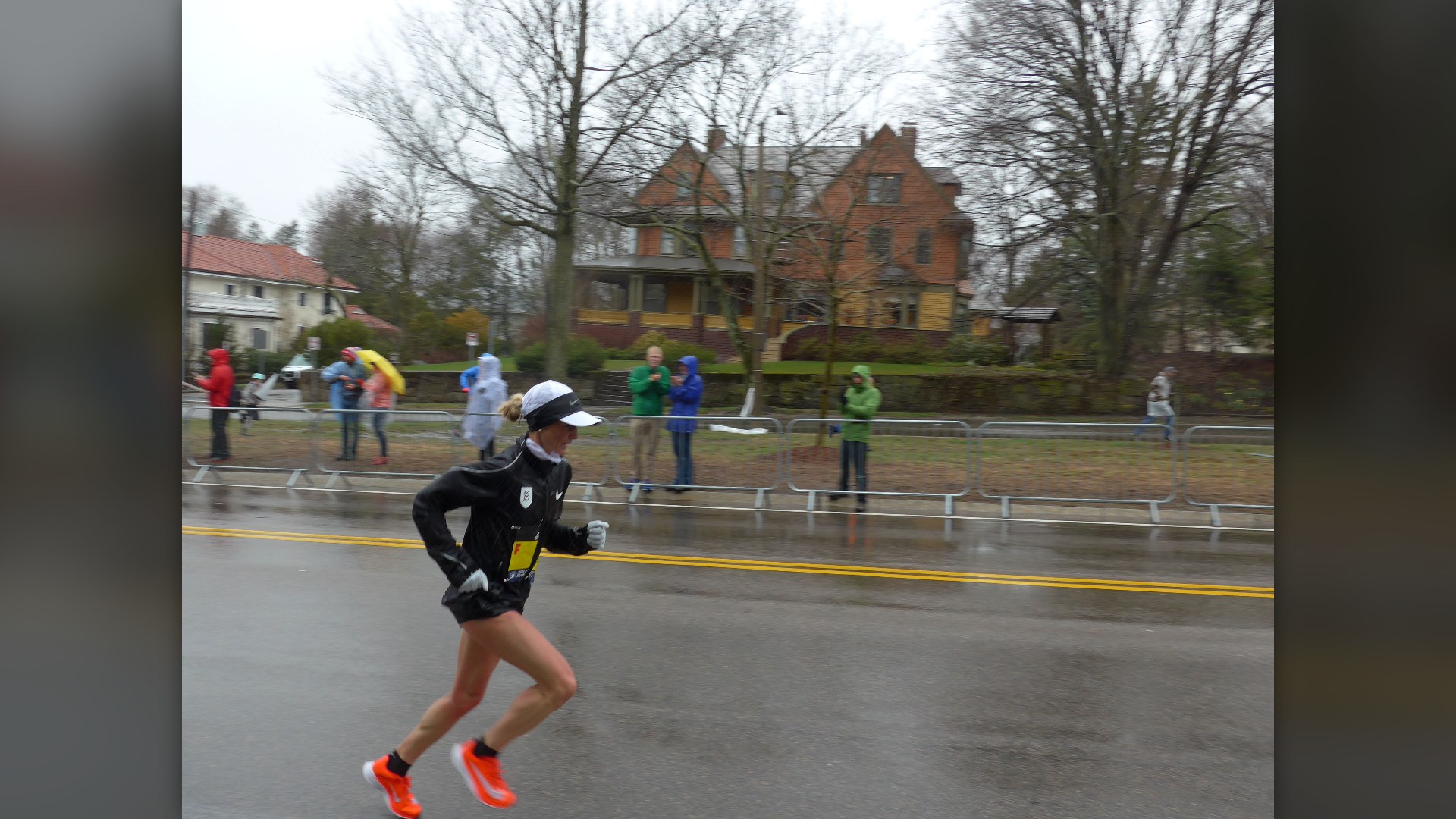
No American woman had won the New York City Marathon since 1977 until Shalane Flanagan executed a fearless surge in 2017 to dethrone three-time champion Mary Keitany. Her tearful shout approaching the finish line remains an iconic moment in U.S. sports.
©Wikimedia / Rob Larsen
2. United We Run After September 11 In 2001
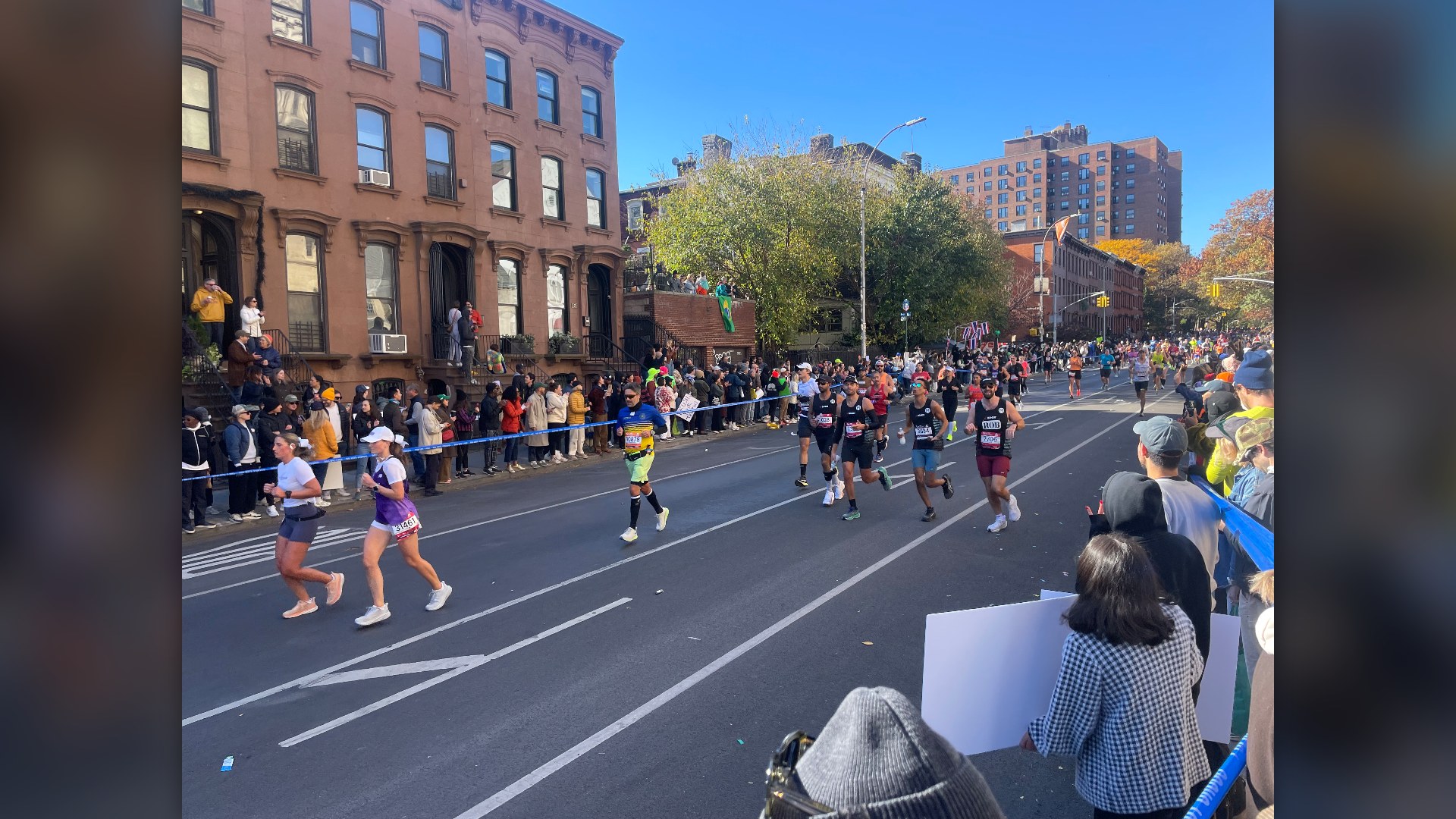
Less than two months after the September 11 attacks, more than 23,000 runners took to the five boroughs under the banner United We Run. The 2001 marathon became a massive, emotional celebration of civic resilience across New York City.
©Wikimedia / Elbpresse
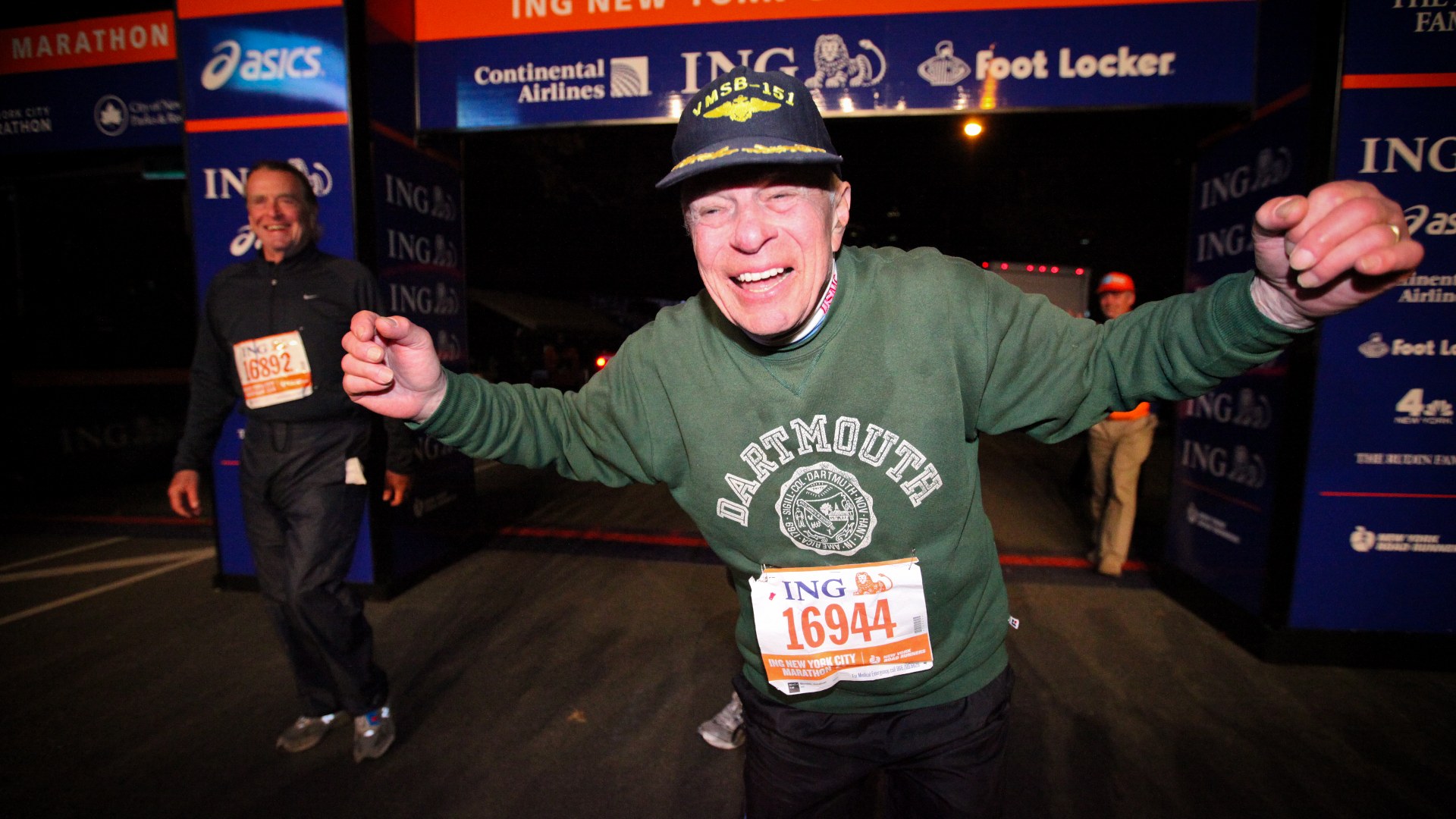
1. Fred Lebow And Grete Waitz Cross Together In 1992
Fred Lebow transformed the New York City Marathon from a small park race into a global spectacle. In 1992, while in remission from brain cancer, he ran the course for the first time with nine-time champion Grete Waitz at his side, finishing in tears after 5 hours and 32 minutes.

©Wikimedia / Deansfa
Advertisement
You've reached the end of the story. Thanks for reading!

20 Iconic Historical Photos and the Archive Clues Behind Them
Contact sheets, cracked glass plates, and NASA mission logs preserve the hidden steps behind 20 famous photographs. Drawing on records from the Library of Congress, the National Archives, NASA, and the Smithsonian, this countdown traces how cropping, camera setups, and double exposures shaped each frame.
All 15 Entries in this Story
#15. The 1972 Women's Sit-In Protest
In 1972, the Amateur Athletic Union permitted women to run the marathon but forced them to start 10 minutes before the men. In protest, six female qualifiers sat down on the starting line until the men's gun fired, launching a landmark stance for equality.

#14. Sean Combs Runs The City In 2003
Music mogul Sean Combs brought massive pop-culture attention to the 2003 race. Training for only two months, he crossed the line in 4 hours, 14 minutes, and 54 seconds while raising over $2 million for New York City public schools and children's charities.

#13. The Coldest Finish Line In 1995
The 1995 edition remains the coldest race day in New York City Marathon history. Brutal 41-degree Fahrenheit temperatures and freezing winds sweeping off the Verrazzano-Narrows Bridge tested the sheer physical resilience of thousands of runners.

#12. Alberto Salazar's Short-Course Heartbreak In 1981
Alberto Salazar crossed the 1981 finish line in a blistering 2 hours, 8 minutes, and 13 seconds, seemingly setting a new world record. Subsequent re-measurement revealed the course was short by roughly 150 meters, wiping the record from the books.

#11. Paula Radcliffe's Grit And Grace In 2004
Following a devastating failure to finish at the Athens Olympics just months earlier, Britain's Paula Radcliffe sought redemption in New York. In a grueling shoulder-to-shoulder duel through Central Park, she edged out Susan Chepkemei by four seconds.

#10. The Inaugural 1970 Central Park Loops
Long before the race spanned all five boroughs, the 1970 inaugural marathon was run entirely in loops inside Central Park. The entry fee was $1, only 55 of 127 starters finished, and off-duty local firefighter Gary Muhrcke won it on a whim.

#9. Edison Pena Runs From The Chilean Mine To Manhattan In 2010
Edison Pena survived 69 days trapped deep inside a collapsed Chilean mine by running through dark underground tunnels. Less than a month after his rescue, he came to New York and completed the 2010 marathon in under six hours despite severe knee pain.

#8. Rod Dixon Outduels Geoff Smith In 1983
Britain's Geoff Smith built a half-mile lead late into the 1983 race. Faltering from exhaustion in Central Park, he watched New Zealand's Rod Dixon surge past him just 400 meters from the finish line before dropping to his knees to kiss the pavement.

#7. Bob Wieland's Four-Day Finish In 1986
After losing both legs to a mortar mine in the Vietnam War, Bob Wieland refused to use a wheelchair in the 1986 race. Using only his arms to lift his torso step by step, he completed the entire 26.2-mile course in 4 days, 2 hours, and 48 minutes.

#6. Paul Tergat Wins By 0.03 Seconds In 2005
After more than two hours of racing in 2005, Kenya's Paul Tergat and South Africa's Hendrick Ramaala sprinted down the final straightaway locked together. They threw themselves at the tape simultaneously, with Tergat winning by three-hundredths of a second.

#5. German Silva's Wrong Way Recovery In 1994
Locked in a neck-and-neck battle with countryman Benjamin Paredes in 1994, Mexican runner German Silva mistakenly followed a television motorcycle off the course half a mile from the finish. He turned back, made up a 40-yard deficit, and won by two seconds.

#4. Meb Keflezighi Ends The 27-Year U.S. Drought In 2009
Wearing a USA jersey across his chest, Meb Keflezighi broke away in the final miles of the 2009 race to win in 2 hours, 9 minutes, and 15 seconds. Coming 27 years after Alberto Salazar's last win, his victory electrified the Central Park crowd.

#3. Shalane Flanagan Breaks The 40-Year Curse In 2017
No American woman had won the New York City Marathon since 1977 until Shalane Flanagan executed a fearless surge in 2017 to dethrone three-time champion Mary Keitany. Her tearful shout approaching the finish line remains an iconic moment in U.S. sports.

#2. United We Run After September 11 In 2001
Less than two months after the September 11 attacks, more than 23,000 runners took to the five boroughs under the banner United We Run. The 2001 marathon became a massive, emotional celebration of civic resilience across New York City.

#1. Fred Lebow And Grete Waitz Cross Together In 1992
Fred Lebow transformed the New York City Marathon from a small park race into a global spectacle. In 1992, while in remission from brain cancer, he ran the course for the first time with nine-time champion Grete Waitz at his side, finishing in tears after 5 hours and 32 minutes.