Slideshow · Animals
15 Loudest Animals on Earth, Ranked
From 100-decibel rainforest frogs and roaring lions to 230-decibel deep-sea whales that can rupture human eardrums, these are the 15 loudest animals on Earth.
By Most Viral Today
23 Oct 2026

From Roaring Lions To 230-Decibel Whales, Nature's Loudest Creatures 
15. Puerto Rican Coquí Frog (100 dB) 
14. Spotted Hyena (112 dB) 
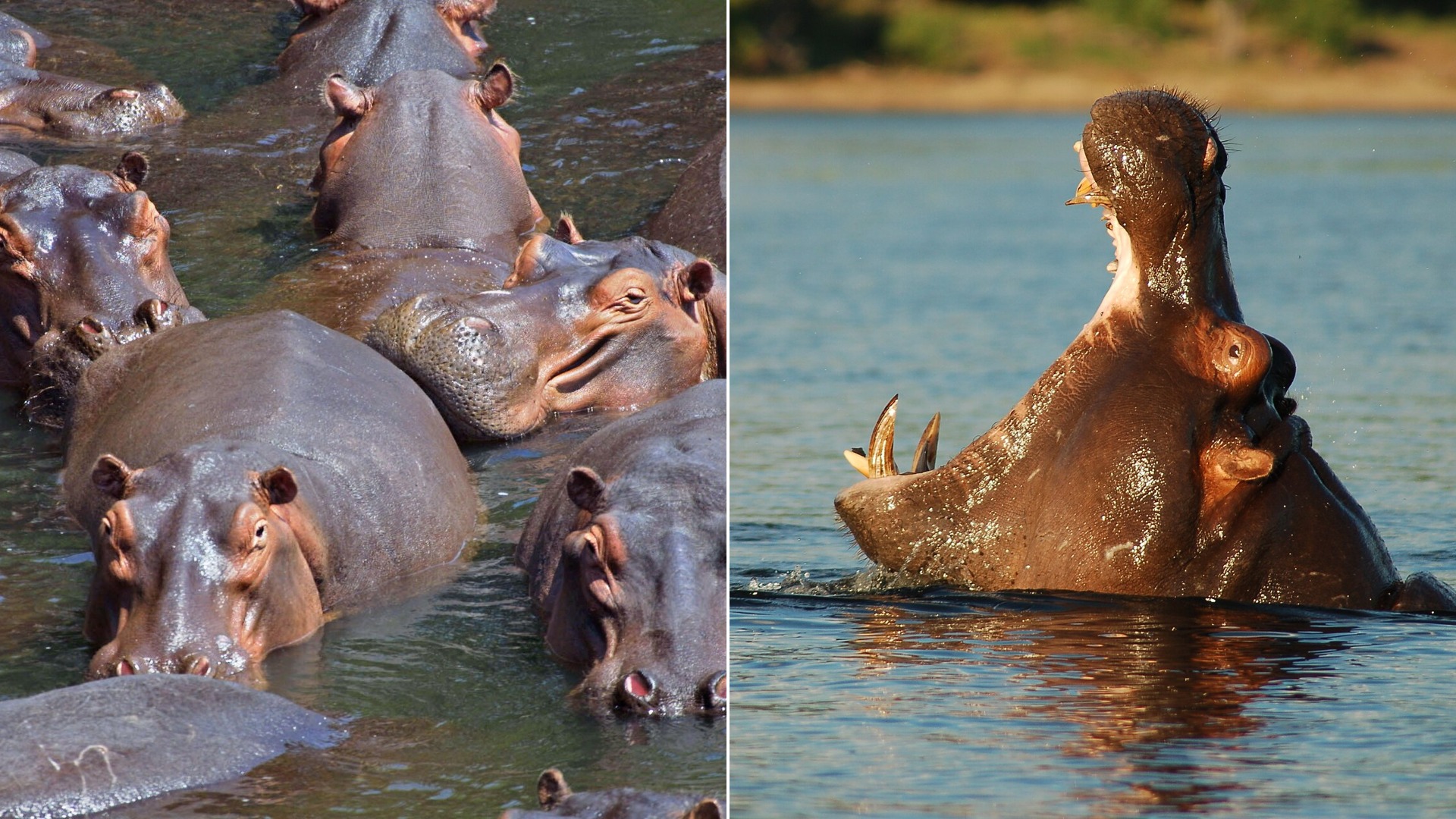
13. Common Hippopotamus (114 dB) - AdvertisementSwipe or tap ▶ to continue countdown

12. Gray & Arctic Wolf (114 dB) 
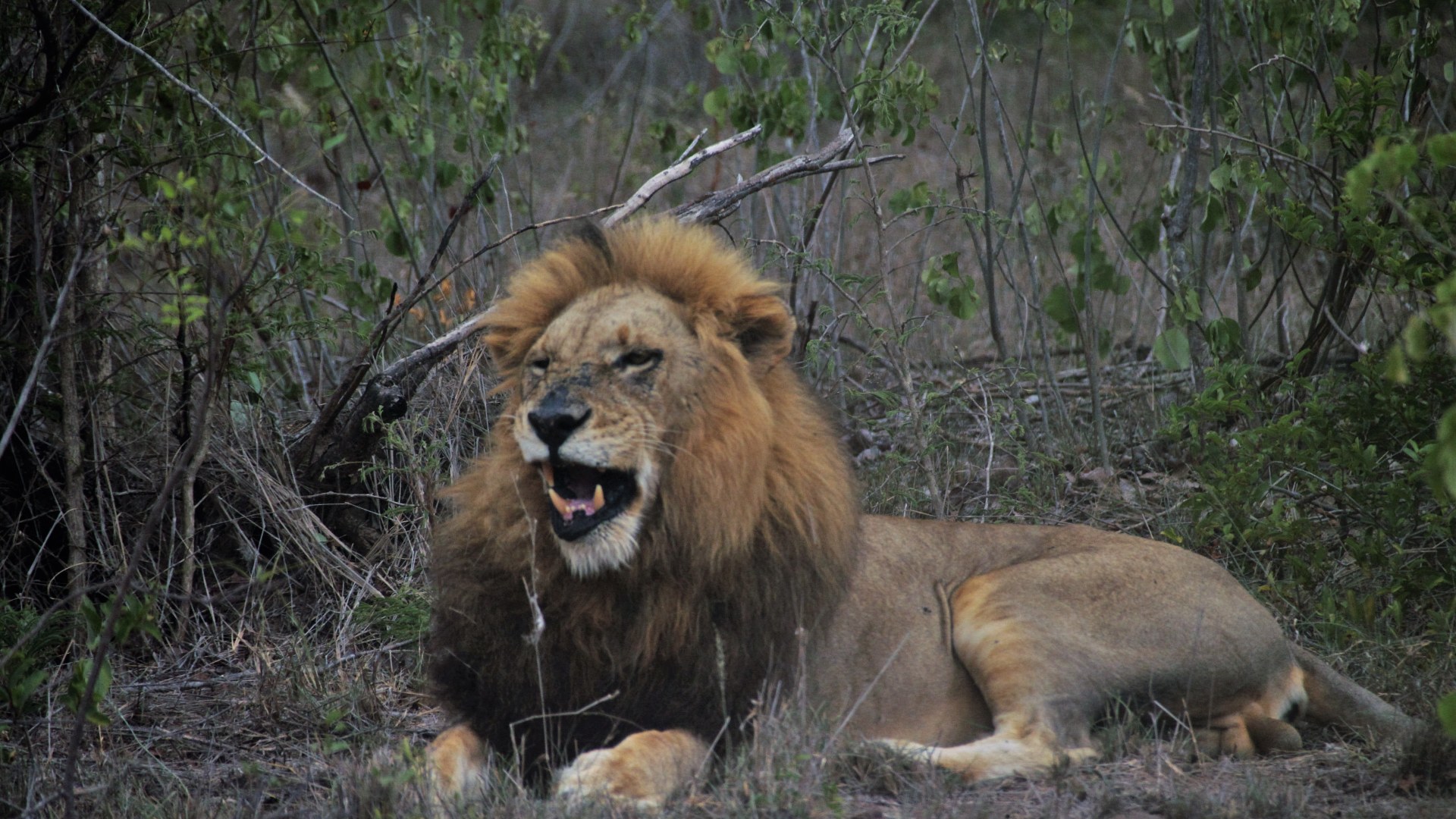
11. African Lion (114 dB) 
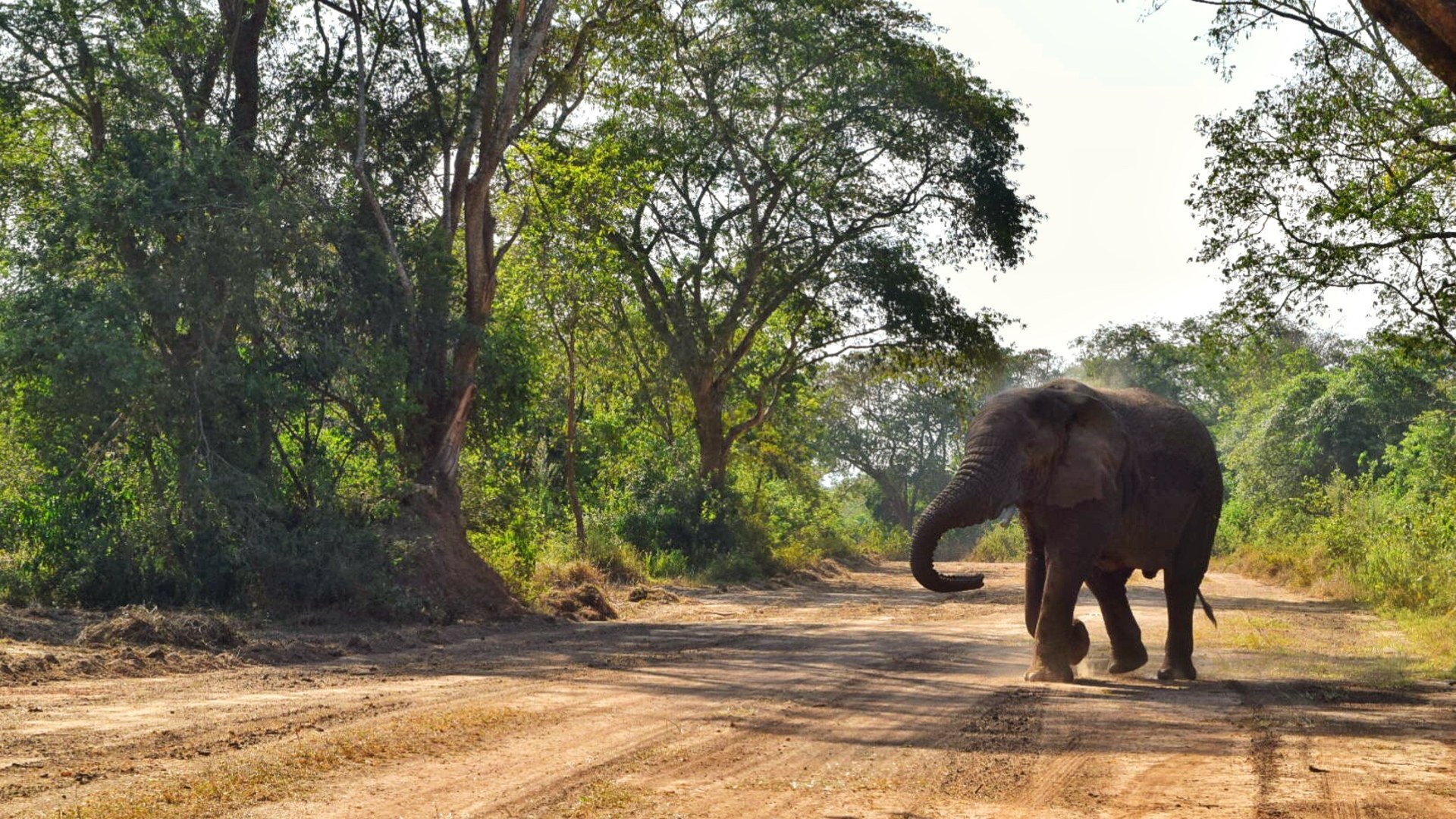
10. African Bush Elephant (117 dB) 
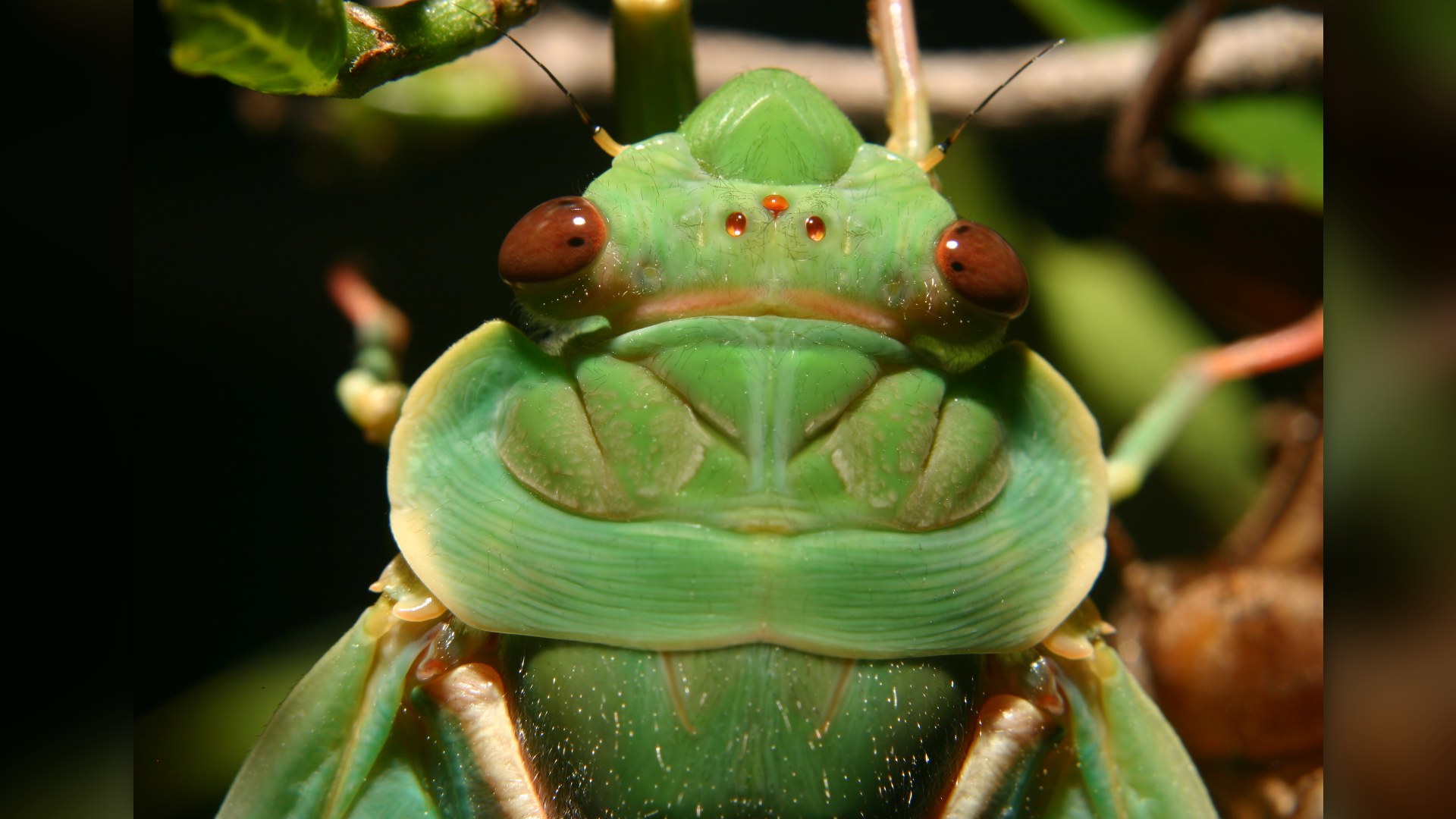
9. Green Grocer Cicada (120 dB) - AdvertisementSwipe or tap ▶ to continue countdown

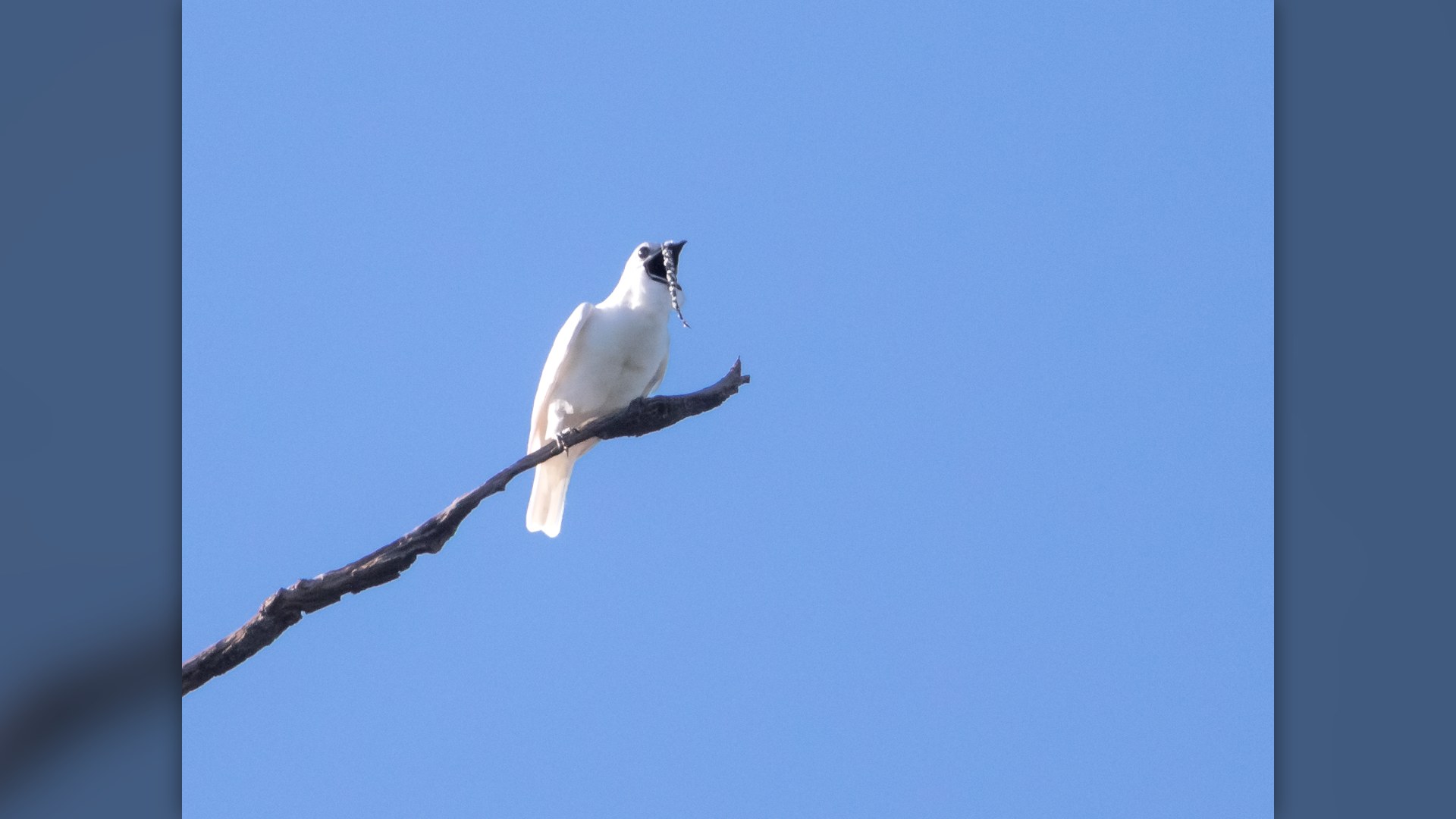
8. White Bellbird (125 dB) 
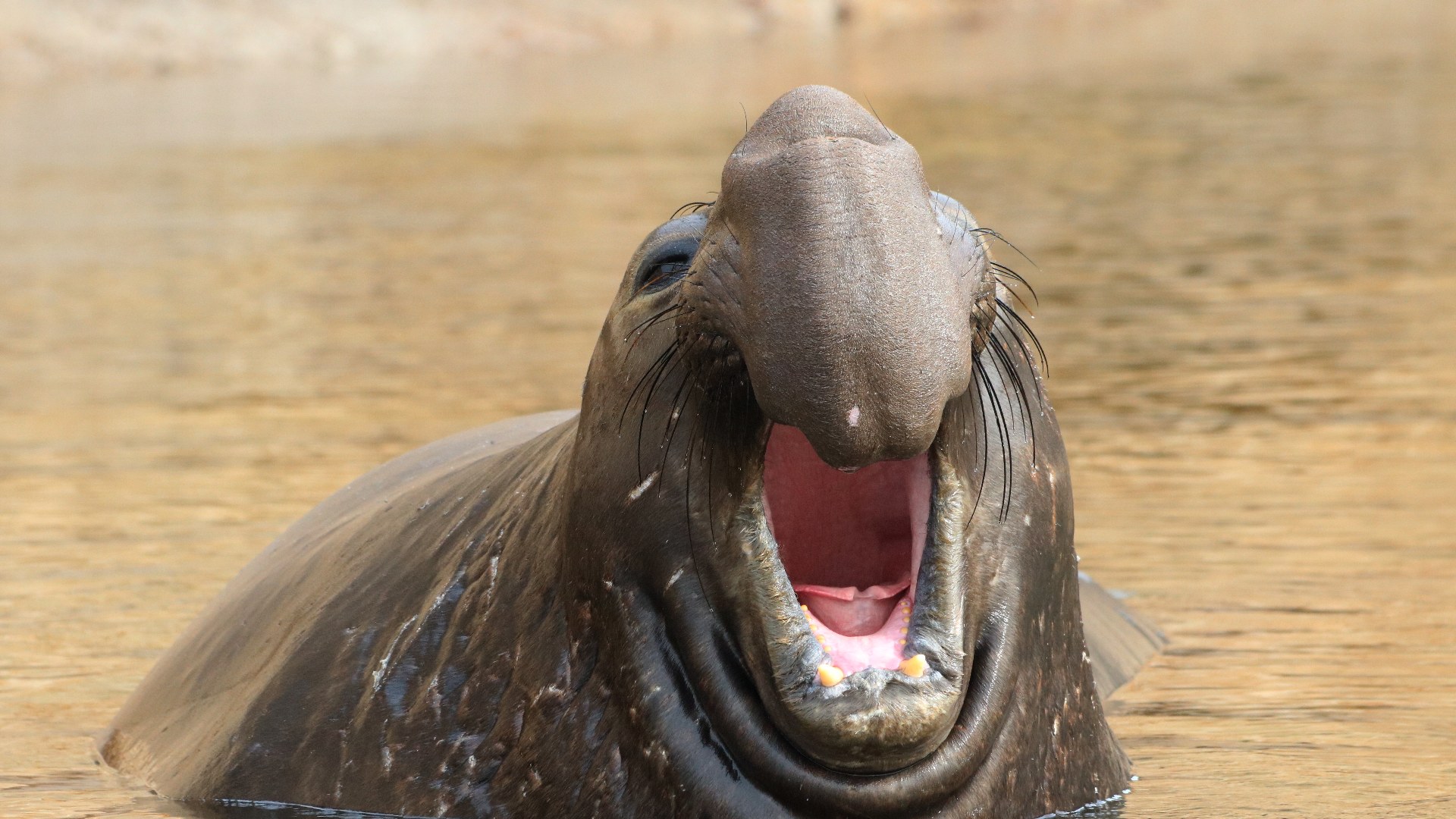
7. Northern Elephant Seal (126 dB) 
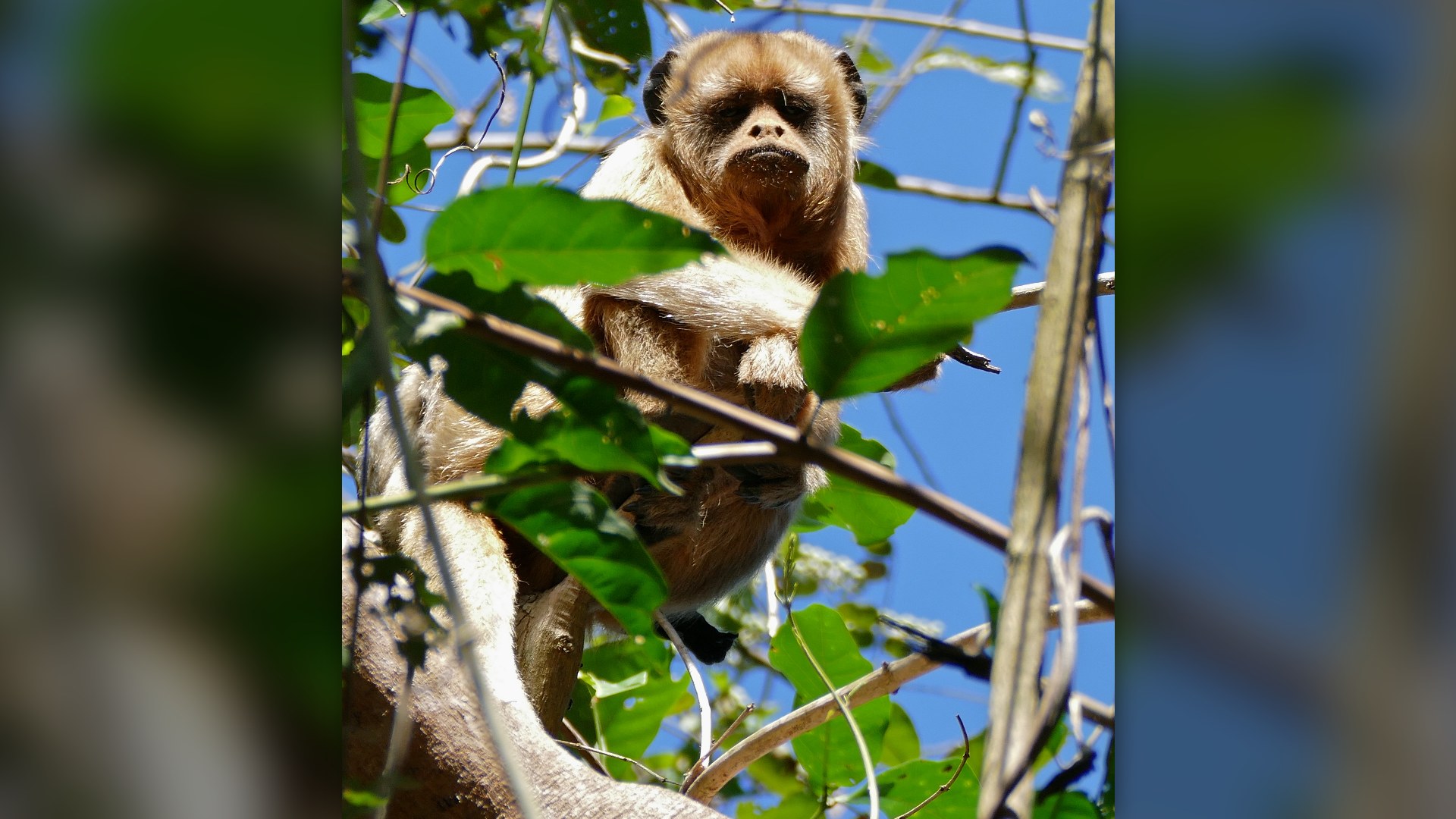
6. Black Howler Monkey (128 dB) 
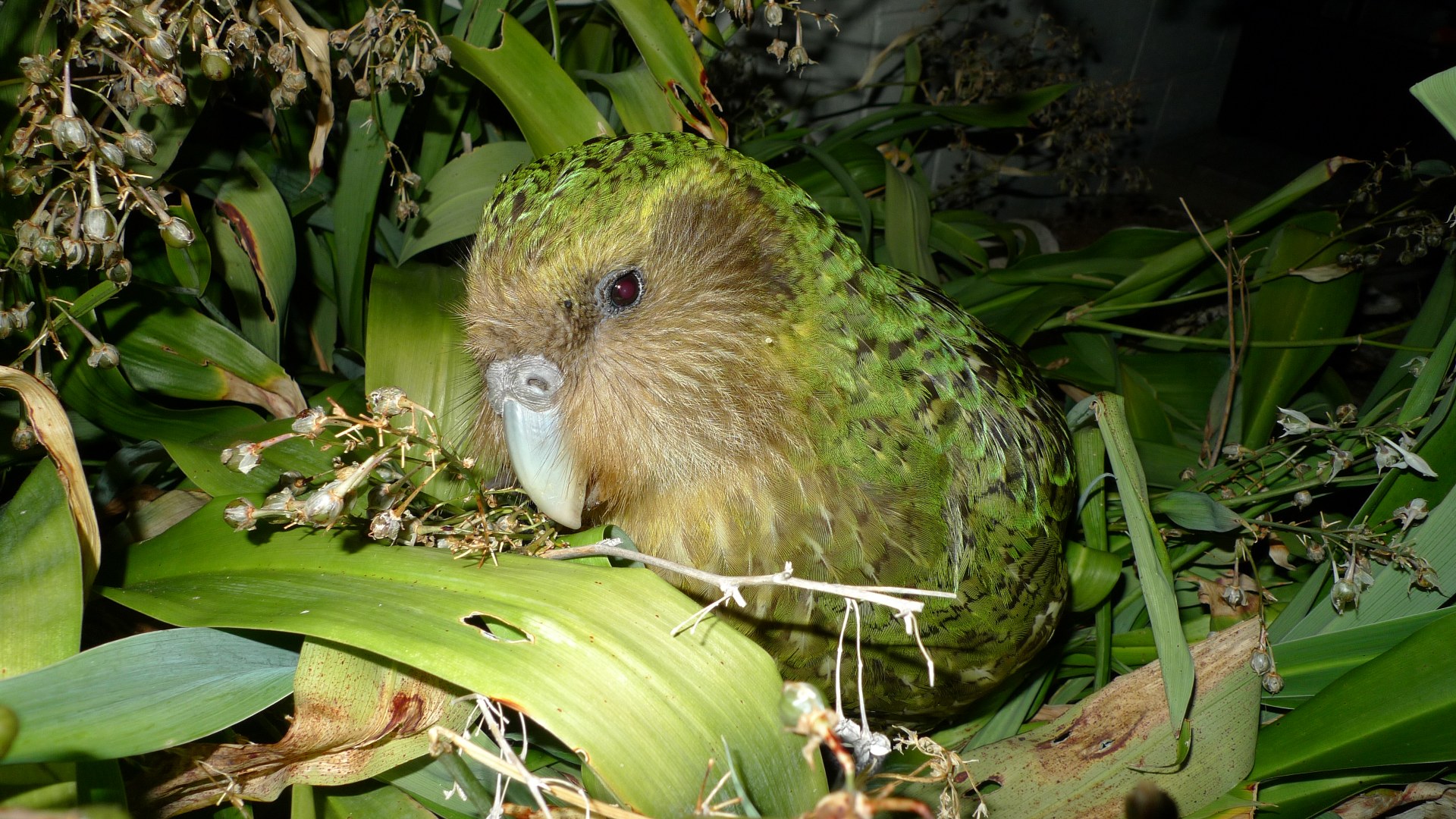
5. Kakapo Owl Parrot (132 dB) - AdvertisementSwipe or tap ▶ to continue countdown

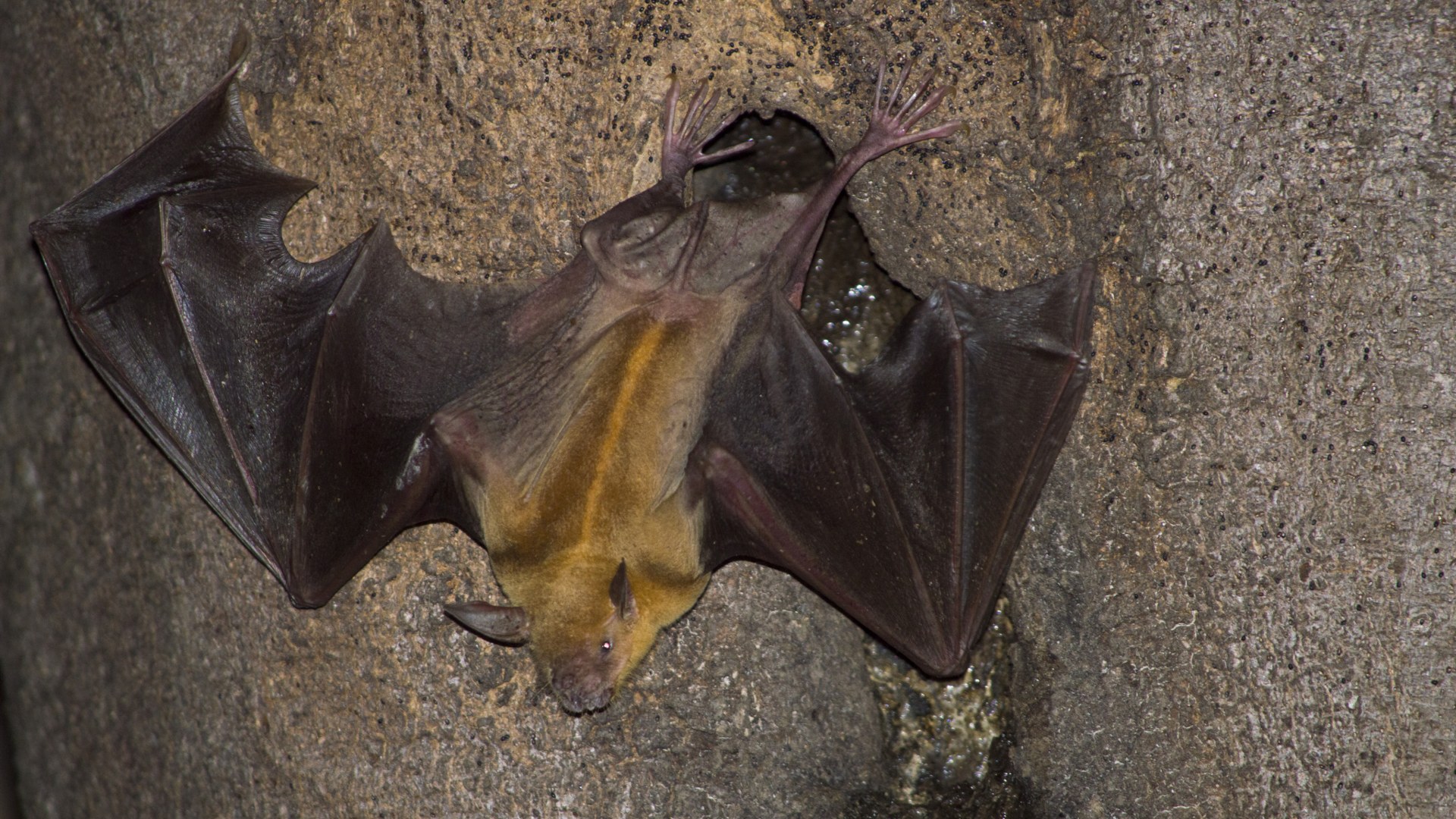
4. Greater Bulldog Bat (140 dB) 
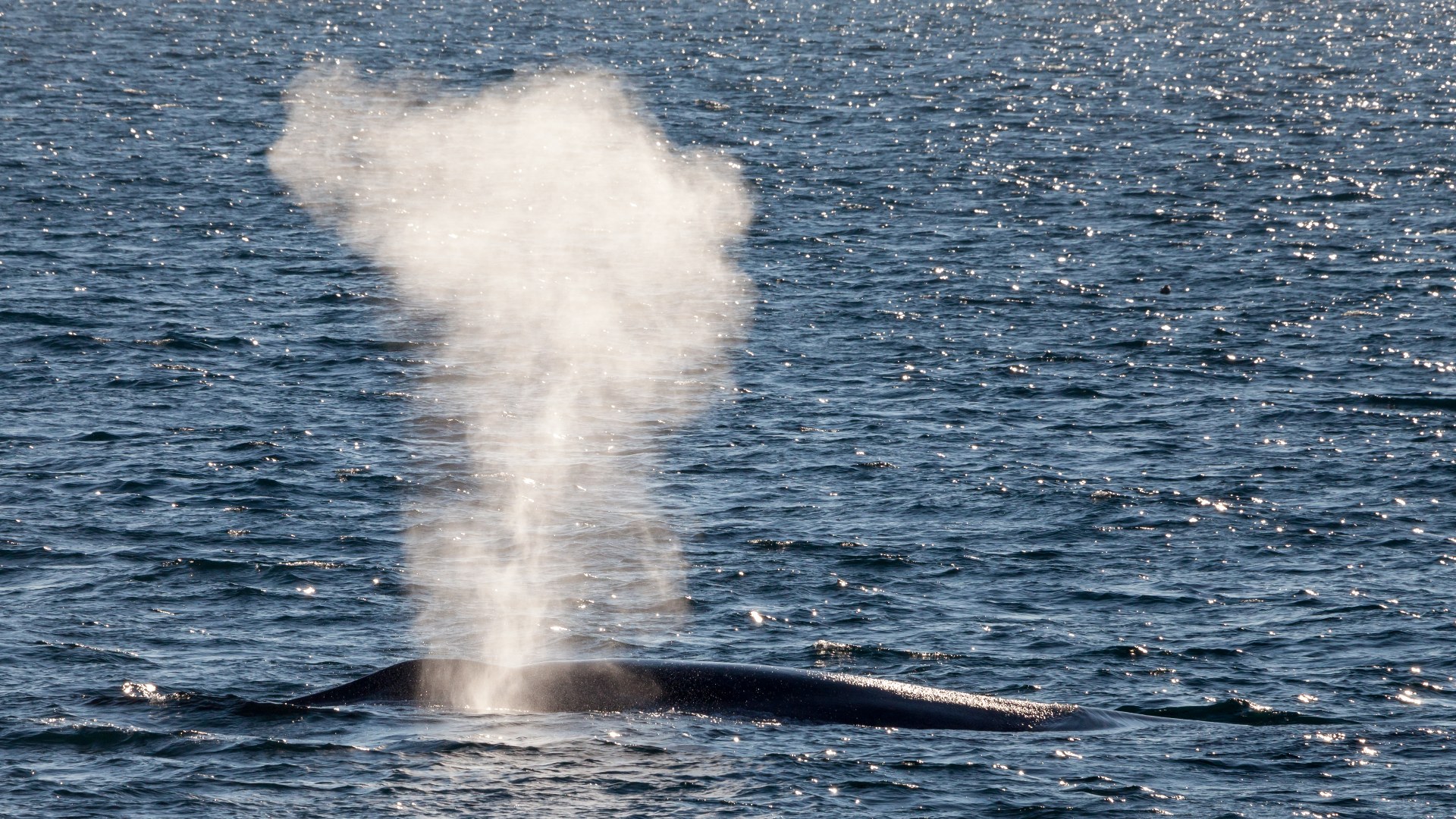
3. Blue Whale (188 dB) 
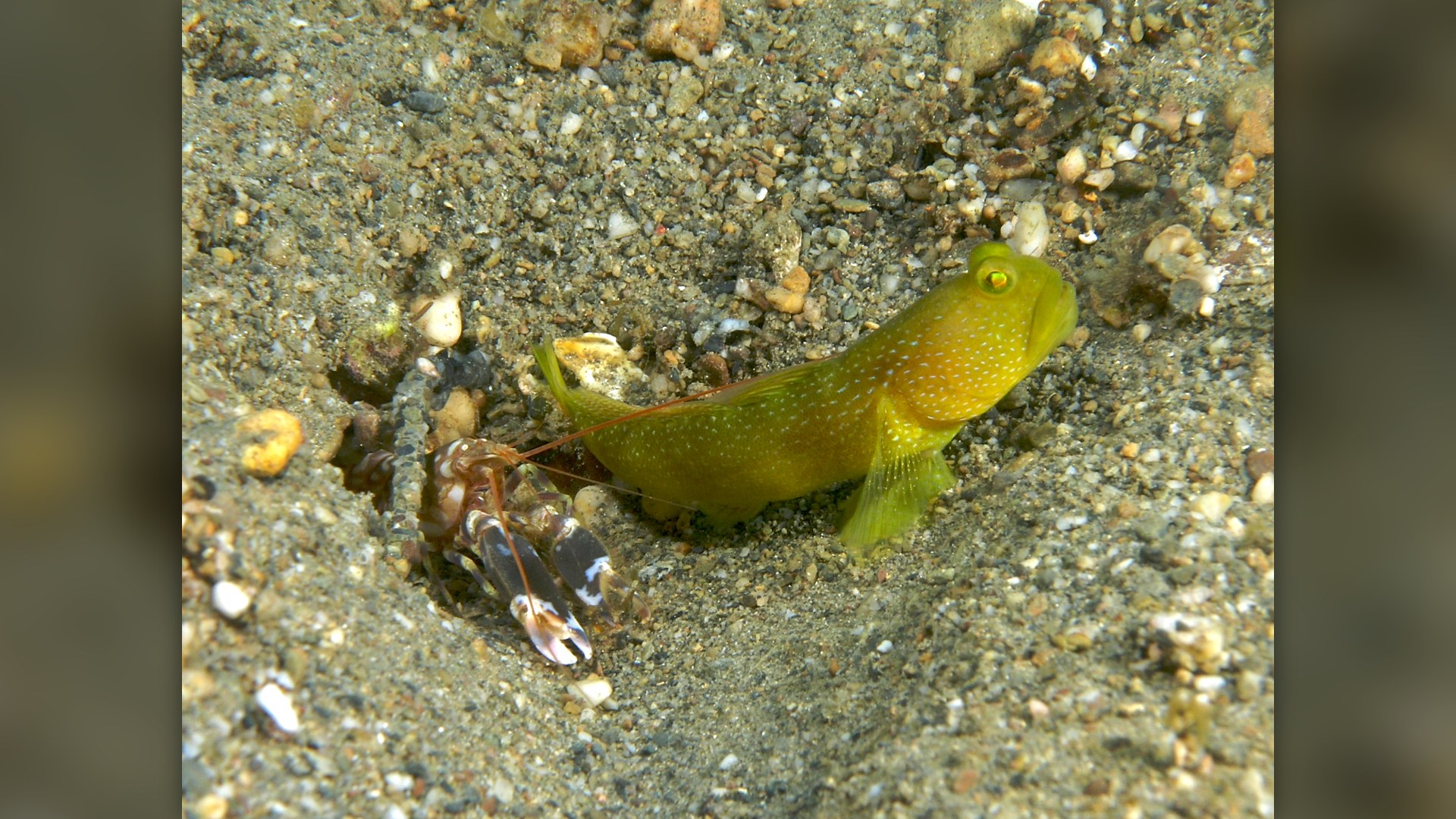
2. Tiger Pistol Shrimp (200 dB) 
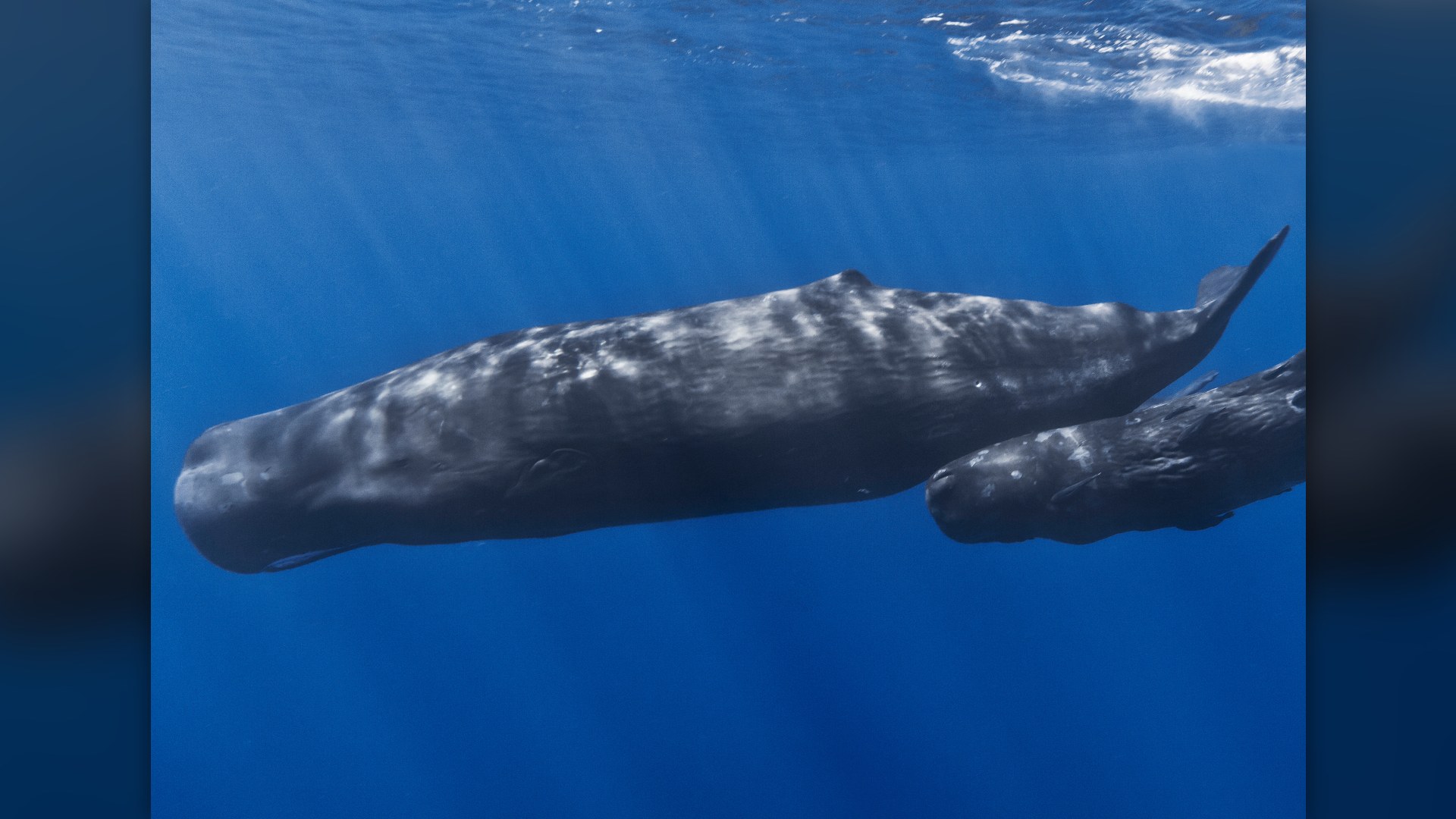
1. Sperm Whale (230 dB) - Advertisement🔥 UP NEXT IN THIS SERIES◫ 22 Slides

How Long Do Hippos Live? 20 Other Facts About Hippos
From sixty-year lifespans to whale cousins, discover secrets of river giants
Across rainforests, savannas, and the deep ocean, nature has engineered biological sound systems that rival jet engines and rocket launches. Counting down from 100 decibels to an ear-shattering 230 decibels, here are the 15 loudest animals on Earth.
Swipe or tap ▶ to begin the countdown
©Wikimedia / Nearsjasmine & Wikimedia / Grendelkhan
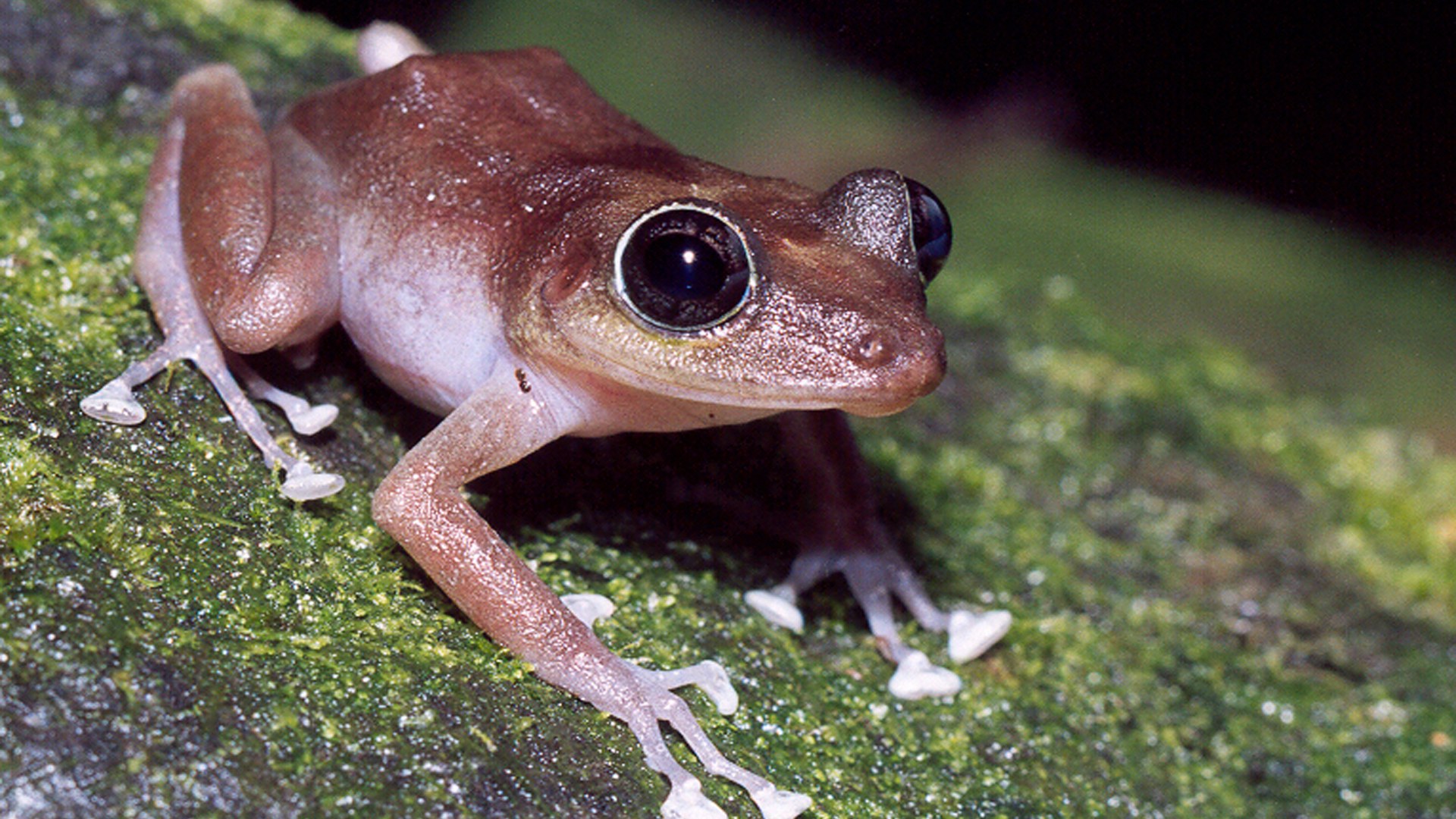
15. Puerto Rican Coquí Frog (100 dB)
Measuring barely 1.5 inches long, Puerto Rico's iconic Eleutherodactylus tree frogs pack an astonishing acoustic punch. Males inflate a specialized vocal sac to blast high-pitched "co-kee" calls reaching 100 decibels at close range—matching the volume of a pneumatic jackhammer or a passing subway train.
©Wikimedia / Jan P. Zegarra, U.S. Fish and Wildlife Service
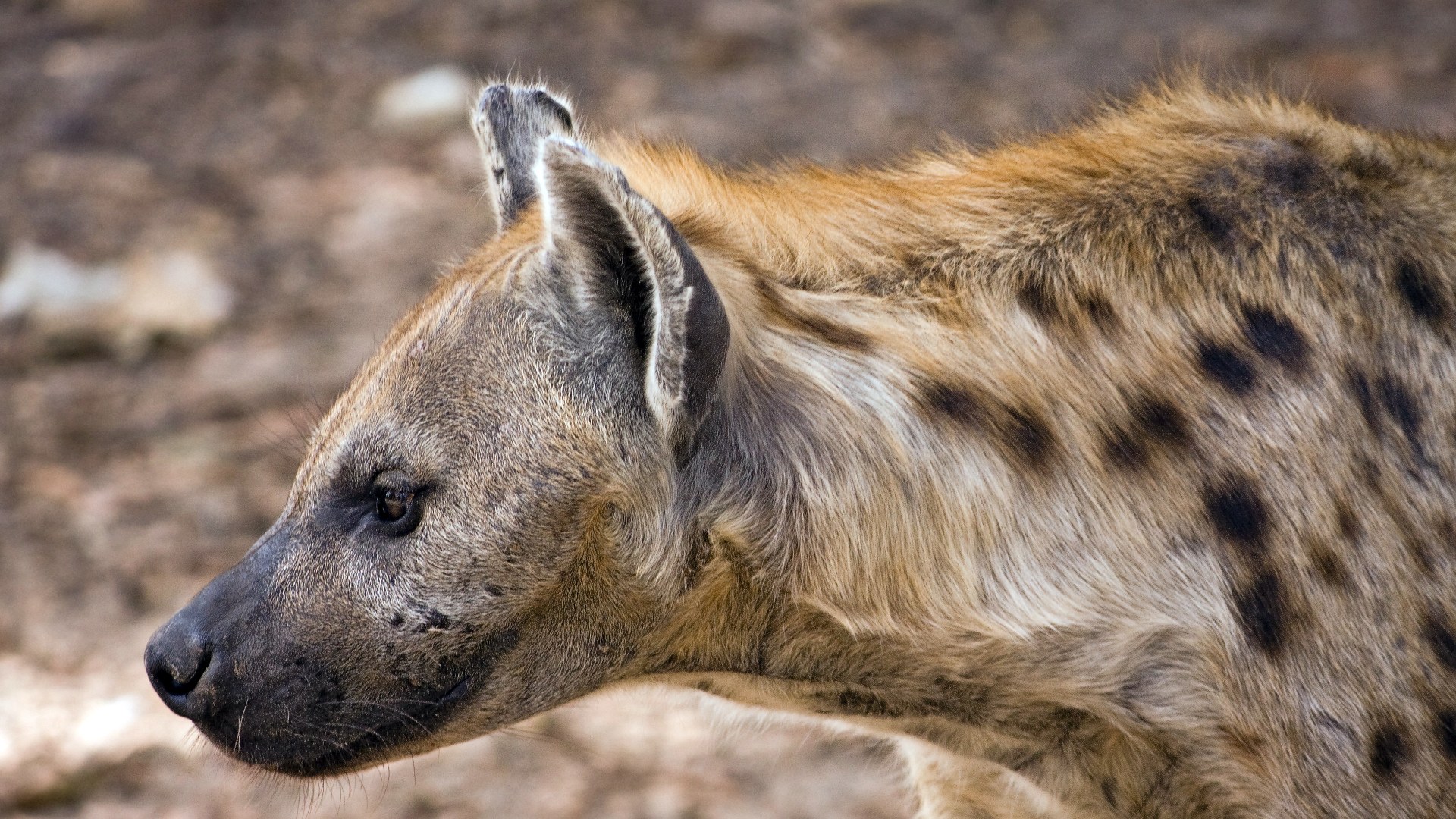
14. Spotted Hyena (112 dB)
While best known for their eerie, high-pitched "giggle" emitted during feeding frenzies and stress, spotted hyenas also produce booming territorial "whoops" that hit 112 decibels. As loud as a live rock concert, these calls rally clan members across more than three miles of open African savanna.
©Wikimedia / Ikiwaner
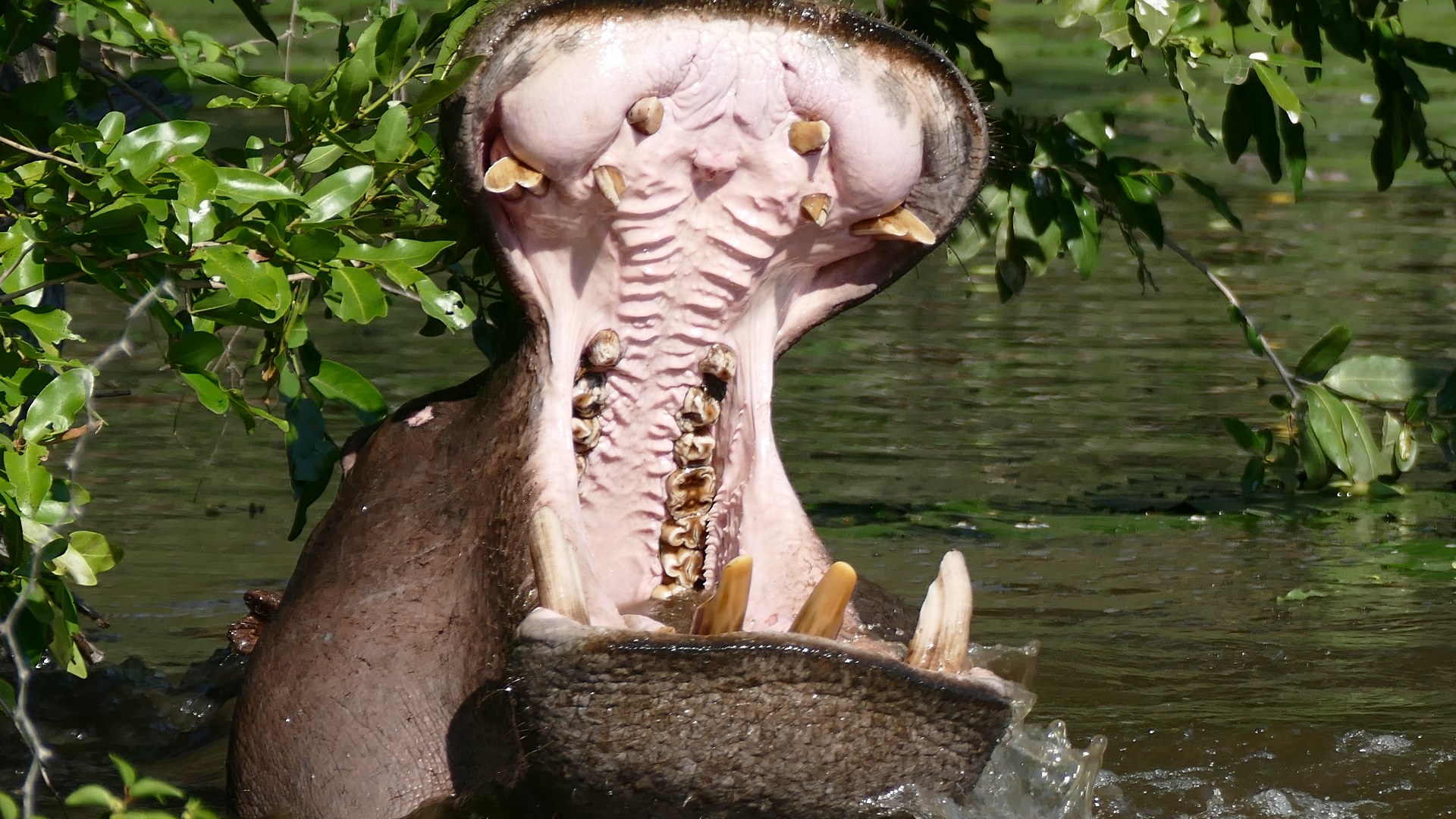
13. Common Hippopotamus (114 dB)
Common hippos are among the most vocal megafauna in Africa, capable of broadcasting calls in air and underwater simultaneously. Their resonant "wheeze-honk" chorus peaks at 114 decibels—roughly the volume of a thunderclap overhead—while subaqueous clicks travel through riverbeds felt by rival pods miles away.
©Wikimedia / Bernard Dupont
Advertisement
Swipe or tap ▶ to resume the countdown.
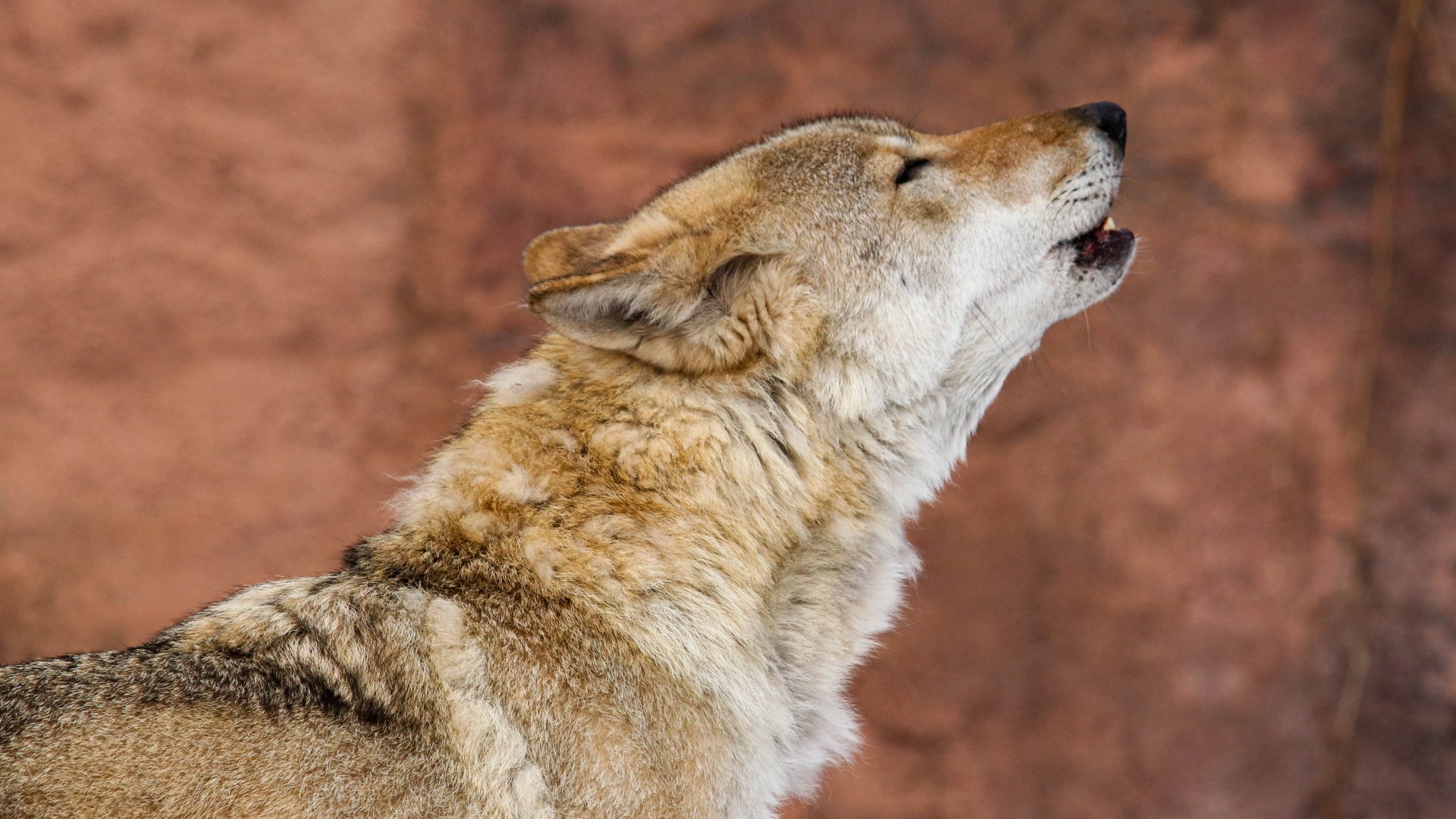
12. Gray & Arctic Wolf (114 dB)
Wolves tilt their muzzles skyward to project sustained howls peaking at 114 decibels. Because their vocalizations are pitched at low frequencies between 150 and 780 Hz, the sound waves bend around trees and terrain, allowing a pack's chorus to carry up to six miles in forests and 10 miles across open tundra.
©Wikimedia / Kikimora mashenka
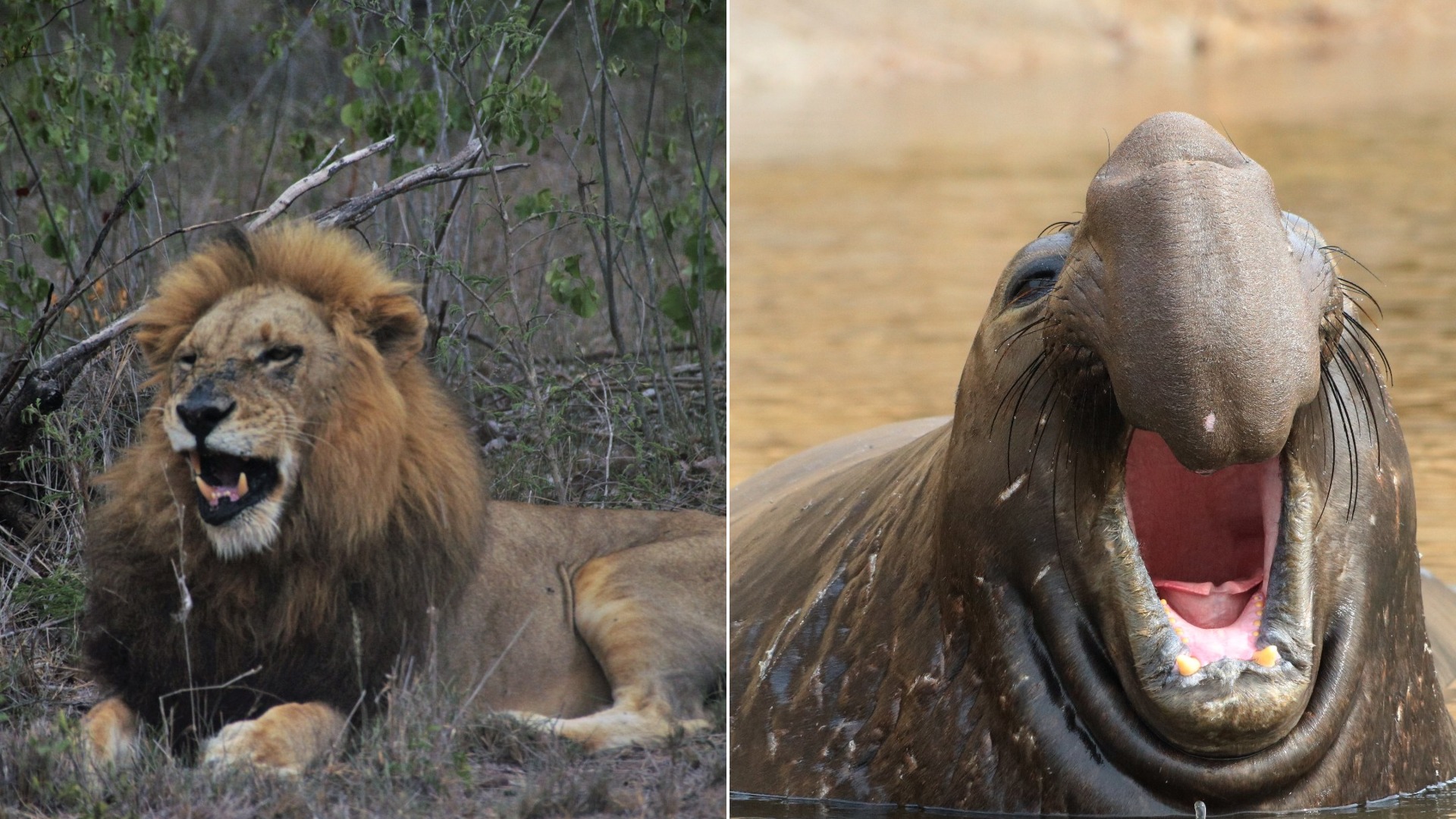
11. African Lion (114 dB)
Unlike most mammals with triangular vocal folds, lions possess flat, square-shaped vocal cords cushioned by fat and elastic tissue. This unique anatomy allows them to convert lung pressure into a bone-shaking 114-decibel roar with minimal strain, broadcasting their territory up to five miles across the plains.
©Wikimedia / Nearsjasmine
10. African Bush Elephant (117 dB)
An African bush elephant's six-foot trunk acts as a giant resonance chamber, amplifying alarm trumpets to 117 decibels—louder than an emergency siren. Even more remarkably, elephants emit low-frequency infrasonic rumbles that travel through the ground and are felt by distant herds through their feet.
©Wikimedia / Alex shema
9. Green Grocer Cicada (120 dB)
Australia's Green Grocer cicada (Cyclochila australasiae) holds the title of loudest insect on the planet. Males contract powerful internal muscles to buckle ribbed membranes called tymbals hundreds of times per second, using their hollow abdomen as an amplifier to hit 120 decibels.
©Wikimedia / Neil Skene
Advertisement
Swipe or tap ▶ to resume the countdown.
8. White Bellbird (125 dB)
In 2019, bioacousticians in northern Brazil recorded the male White Bellbird (Procnias albus) blasting courtship calls at 125.4 decibels—the loudest bird call ever documented. Roughly three times louder than a pneumatic drill, the half-pound bird sings right into the face of perched females.
©Wikimedia / Hector Bottai
7. Northern Elephant Seal (126 dB)
Weighing up to 5,000 pounds, alpha male Northern elephant seals battle for beach dominance with percussive, metallic-sounding bellows that reach 126 decibels. Their enlarged, inflatable nose acts as a resonating chamber, projecting individual vocal signatures across crashing surf.
©Wikimedia / Grendelkhan
6. Black Howler Monkey (128 dB)
Howler monkeys possess an extraordinary anatomical secret: an oversized, hollow hyoid bone in their throat that functions as a built-in acoustic bullhorn. At dawn and dusk, males inflate this chamber to unleash guttural 128-decibel roars that pierce three miles of dense South American rainforest canopy.
©Wikimedia / Bernard Dupont
5. Kakapo Owl Parrot (132 dB)
Critically endangered and completely flightless, New Zealand's nocturnal kakapo parrot excavates bowl-shaped depressions in mountain ridges to act as natural parabolic reflectors. Males inflate their chest like a bagpipe to emit low-frequency 132-decibel "booms" audible over four miles away.
©Wikimedia / Department of Conservation
Advertisement
Swipe or tap ▶ to resume the countdown.
4. Greater Bulldog Bat (140 dB)
To detect tiny ripples made by fish swimming just beneath the water's surface, the Greater Bulldog Bat (Noctilio leporinus) emits echolocation pulses reaching 140 decibels—the equivalent of standing 100 feet from a military jet takeoff. Fortunately for humans, its calls are pitched in ultrasound.
©Wikimedia / E Santos Ortega
3. Blue Whale (188 dB)
The blue whale is not only the largest creature in Earth's history—it is also one of the loudest. Its deep, 188-decibel infrasonic moans and pulses are far more intense than a rocket launchpad, allowing solitary blue whales to communicate across deep-sea sound channels spanning up to 1,000 miles.
©Wikimedia / AWeith
2. Tiger Pistol Shrimp (200 dB)
Barely two inches long, the pistol shrimp possesses an oversized spring-loaded claw that snaps shut at 60 mph. The snap shoots a jet of water so fast it forms a vacuum cavitation bubble that collapses with a 200-decibel shockwave, momentarily reaching 8,000°F and knocking out nearby fish instantly.
©Wikimedia / Nick Hobgood
1. Sperm Whale (230 dB)
Claiming the #1 spot on Earth, the sperm whale uses its massive spermaceti organ—filling a third of its body length—as a biological acoustic cannon. Its rapid echolocation clicks peak at an astonishing 230 decibels underwater, a pressure wave so intense that divers feel their entire body vibrate.

©Wikimedia / Gabriel Barathieu
Advertisement
You've reached the end of the story. Thanks for reading!

How Long Do Hippos Live? 20 Other Facts About Hippos
From sixty-year lifespans to whale cousins, discover secrets of river giants
All 15 Entries in this Story
15. Puerto Rican Coquí Frog (100 dB)
Measuring barely 1.5 inches long, Puerto Rico's iconic Eleutherodactylus tree frogs pack an astonishing acoustic punch. Males inflate a specialized vocal sac to blast high-pitched "co-kee" calls reaching 100 decibels at close range—matching the volume of a pneumatic jackhammer or a passing subway train.

14. Spotted Hyena (112 dB)
While best known for their eerie, high-pitched "giggle" emitted during feeding frenzies and stress, spotted hyenas also produce booming territorial "whoops" that hit 112 decibels. As loud as a live rock concert, these calls rally clan members across more than three miles of open African savanna.

13. Common Hippopotamus (114 dB)
Common hippos are among the most vocal megafauna in Africa, capable of broadcasting calls in air and underwater simultaneously. Their resonant "wheeze-honk" chorus peaks at 114 decibels—roughly the volume of a thunderclap overhead—while subaqueous clicks travel through riverbeds felt by rival pods miles away.

12. Gray & Arctic Wolf (114 dB)
Wolves tilt their muzzles skyward to project sustained howls peaking at 114 decibels. Because their vocalizations are pitched at low frequencies between 150 and 780 Hz, the sound waves bend around trees and terrain, allowing a pack's chorus to carry up to six miles in forests and 10 miles across open tundra.

11. African Lion (114 dB)
Unlike most mammals with triangular vocal folds, lions possess flat, square-shaped vocal cords cushioned by fat and elastic tissue. This unique anatomy allows them to convert lung pressure into a bone-shaking 114-decibel roar with minimal strain, broadcasting their territory up to five miles across the plains.

10. African Bush Elephant (117 dB)
An African bush elephant's six-foot trunk acts as a giant resonance chamber, amplifying alarm trumpets to 117 decibels—louder than an emergency siren. Even more remarkably, elephants emit low-frequency infrasonic rumbles that travel through the ground and are felt by distant herds through their feet.

9. Green Grocer Cicada (120 dB)
Australia's Green Grocer cicada (Cyclochila australasiae) holds the title of loudest insect on the planet. Males contract powerful internal muscles to buckle ribbed membranes called tymbals hundreds of times per second, using their hollow abdomen as an amplifier to hit 120 decibels.

8. White Bellbird (125 dB)
In 2019, bioacousticians in northern Brazil recorded the male White Bellbird (Procnias albus) blasting courtship calls at 125.4 decibels—the loudest bird call ever documented. Roughly three times louder than a pneumatic drill, the half-pound bird sings right into the face of perched females.

7. Northern Elephant Seal (126 dB)
Weighing up to 5,000 pounds, alpha male Northern elephant seals battle for beach dominance with percussive, metallic-sounding bellows that reach 126 decibels. Their enlarged, inflatable nose acts as a resonating chamber, projecting individual vocal signatures across crashing surf.

6. Black Howler Monkey (128 dB)
Howler monkeys possess an extraordinary anatomical secret: an oversized, hollow hyoid bone in their throat that functions as a built-in acoustic bullhorn. At dawn and dusk, males inflate this chamber to unleash guttural 128-decibel roars that pierce three miles of dense South American rainforest canopy.

5. Kakapo Owl Parrot (132 dB)
Critically endangered and completely flightless, New Zealand's nocturnal kakapo parrot excavates bowl-shaped depressions in mountain ridges to act as natural parabolic reflectors. Males inflate their chest like a bagpipe to emit low-frequency 132-decibel "booms" audible over four miles away.

4. Greater Bulldog Bat (140 dB)
To detect tiny ripples made by fish swimming just beneath the water's surface, the Greater Bulldog Bat (Noctilio leporinus) emits echolocation pulses reaching 140 decibels—the equivalent of standing 100 feet from a military jet takeoff. Fortunately for humans, its calls are pitched in ultrasound.

3. Blue Whale (188 dB)
The blue whale is not only the largest creature in Earth's history—it is also one of the loudest. Its deep, 188-decibel infrasonic moans and pulses are far more intense than a rocket launchpad, allowing solitary blue whales to communicate across deep-sea sound channels spanning up to 1,000 miles.

2. Tiger Pistol Shrimp (200 dB)
Barely two inches long, the pistol shrimp possesses an oversized spring-loaded claw that snaps shut at 60 mph. The snap shoots a jet of water so fast it forms a vacuum cavitation bubble that collapses with a 200-decibel shockwave, momentarily reaching 8,000°F and knocking out nearby fish instantly.

1. Sperm Whale (230 dB)
Claiming the #1 spot on Earth, the sperm whale uses its massive spermaceti organ—filling a third of its body length—as a biological acoustic cannon. Its rapid echolocation clicks peak at an astonishing 230 decibels underwater, a pressure wave so intense that divers feel their entire body vibrate.