Slideshow · Viral
15 Most Famous Ancient Libraries, Ranked
Long before the printing press, empires carved royal decrees into clay and unrolled miles of papyrus inside monumental halls of learning. Here are the 15 most famous ancient libraries in history, rank
By Most Viral Today
29 Oct 2026

Where Ancient Civilizations Stored Their Greatest Secrets 
15. Library Of Timgad 
14. Library Of Pantainos 
13. Royal Archives Of Ugarit - AdvertisementSwipe or tap ▶ to continue countdown

12. Ulpian Library At Trajan's Forum 
11. Qumran Caves Library 
10. Library Of Hadrian 
9. Royal Library Of Hattusa - AdvertisementSwipe or tap ▶ to continue countdown

8. Villa Of The Papyri 
7. Dunhuang Library Cave 
6. Nalanda Mahavihara Library 
5. House Of Wisdom - AdvertisementSwipe or tap ▶ to continue countdown

4. Library Of Pergamum 
3. Library Of Celsus 
2. Royal Library Of Ashurbanipal 
1. Great Library Of Alexandria - Advertisement🔥 UP NEXT IN THIS SERIES◫ 21 Slides

20 Iconic Historical Photos and the Archive Clues Behind Them
Contact sheets, cracked glass plates, and NASA mission logs preserve the hidden steps behind 20 famous photographs. Drawing on records from the Library of Congress, the National Archives, NASA, and the Smithsonian, this countdown traces how cropping, camera setups, and double exposures shaped each frame.
Long before the printing press, empires carved royal decrees into clay and unrolled miles of papyrus inside monumental halls of learning. Here are the 15 most famous ancient libraries in history, rank
Swipe or tap ▶ to begin the countdown
©Wikimedia / BabelStone & Wikimedia / Hatem Moushir
15. Library Of Timgad
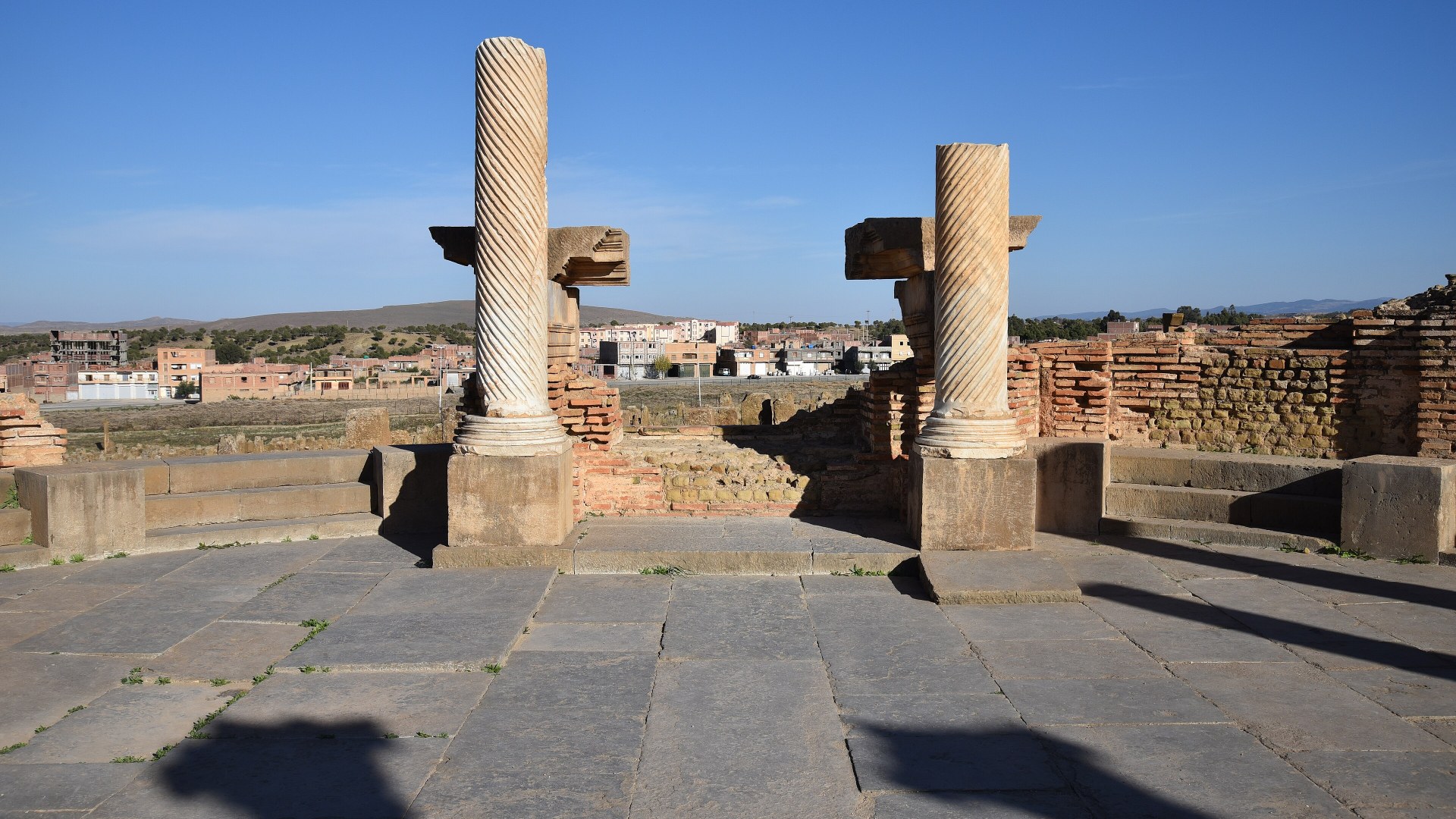
Built in the Roman military colony of Thamugadi in modern-day Algeria, the Library of Timgad is one of the few Roman public libraries whose floor plan survives intact. Senator Julius Quintianus Flavius Rogatianus donated 400,000 sesterces to construct its unique semicircular reading hall and recessed scroll alcoves.
©Wikimedia / Carole Raddato
14. Library Of Pantainos
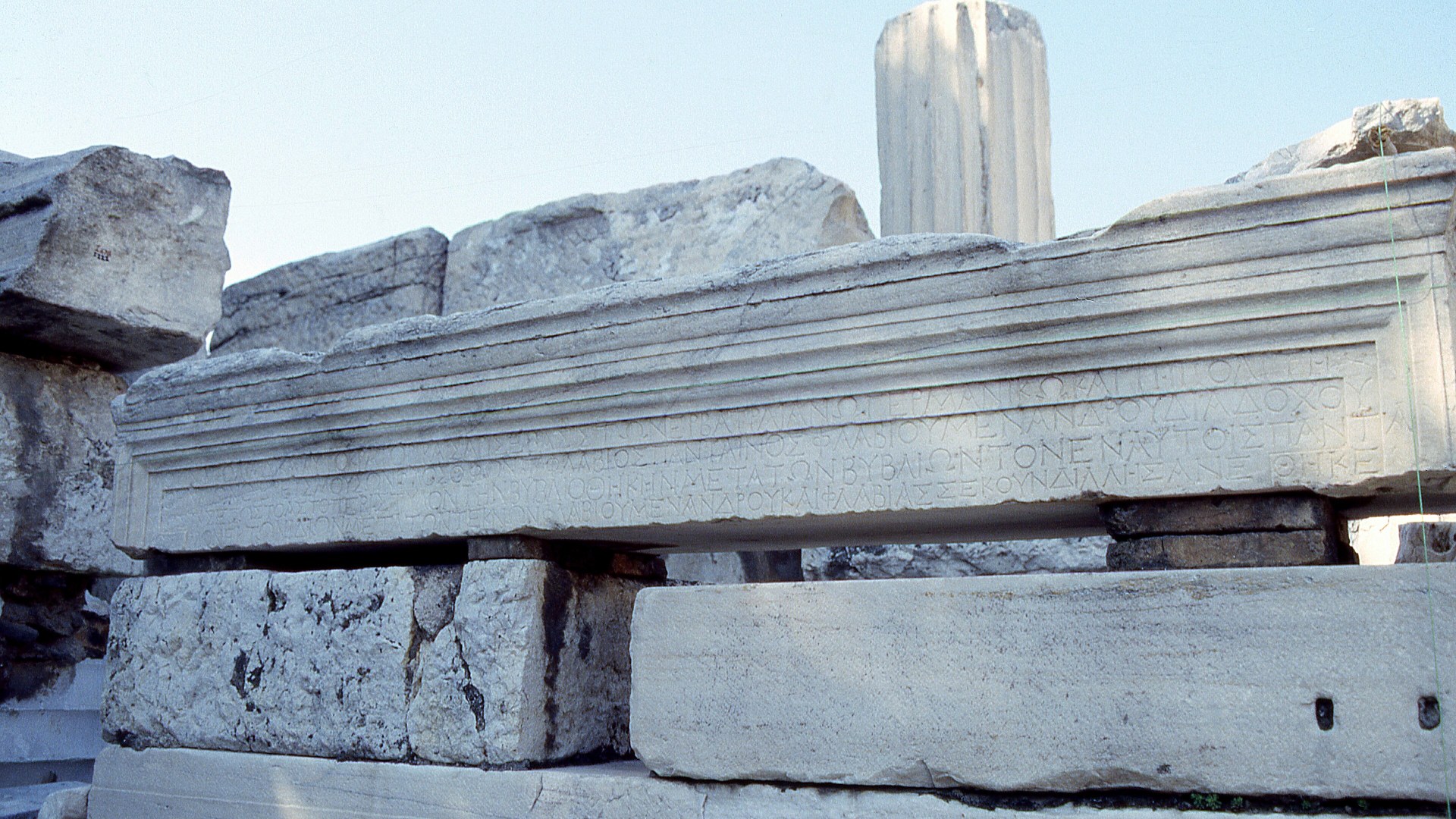
Dedicated to Emperor Trajan around 100 AD, the Library of Pantainos stood at the southeastern corner of the Ancient Agora in Athens. Archaeologists unearthed its original marble lintel carved with strict house rules in Greek, declaring that the doors opened from the first hour to the sixth and no scroll could leave.
©Wikimedia / Mark Landon
13. Royal Archives Of Ugarit
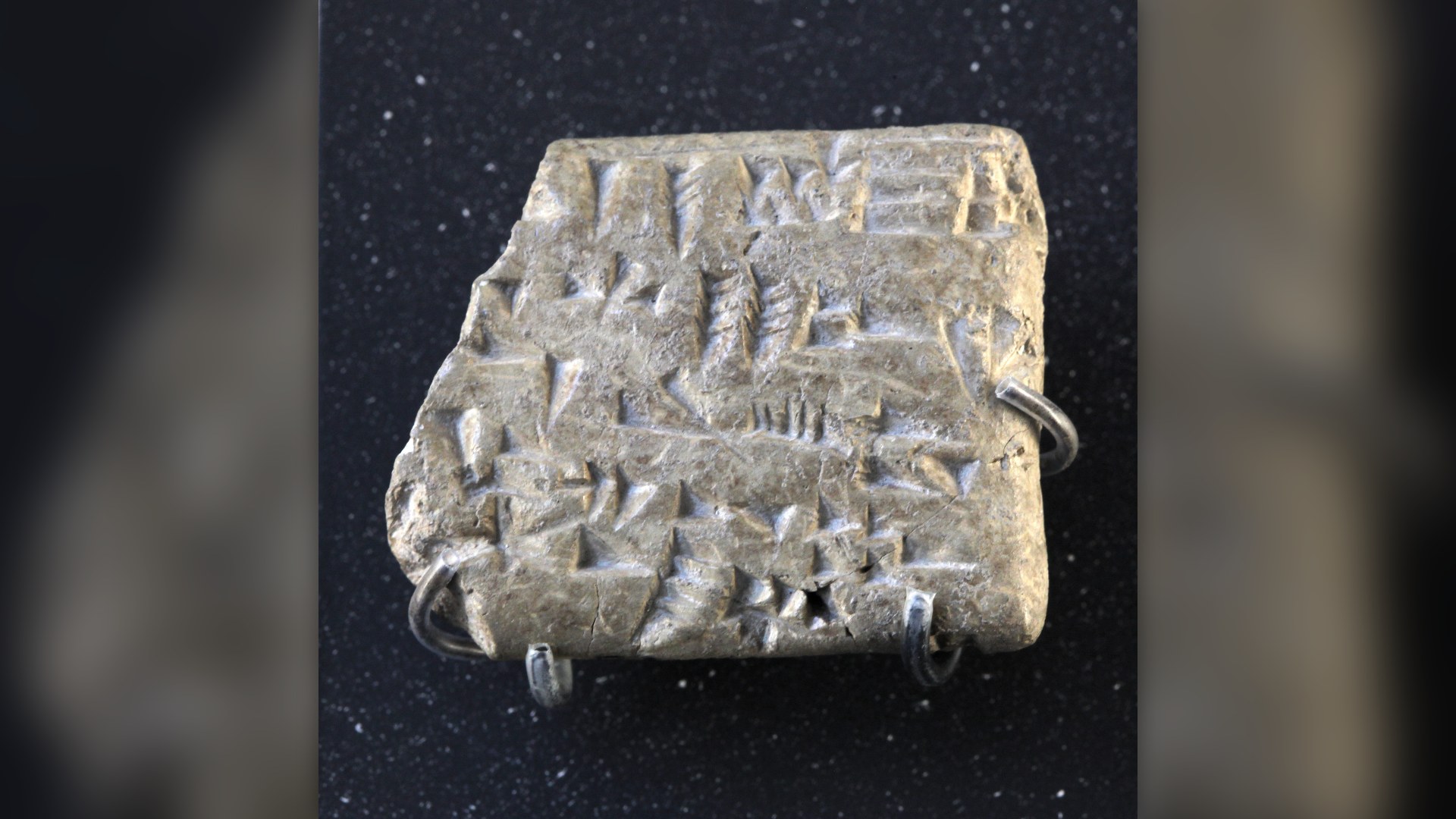
Dating between 1400 and 1180 BC at Ras Shamra in Syria, the royal and temple libraries of Ugarit held diplomatic treaties, myths, and the earliest known musical notation. Scribes here developed a 30-letter cuneiform alphabet, recorded on small clay abecedarium tablets used to train apprentice scholars.
©Wikimedia / Rama
Advertisement
Swipe or tap ▶ to resume the countdown.
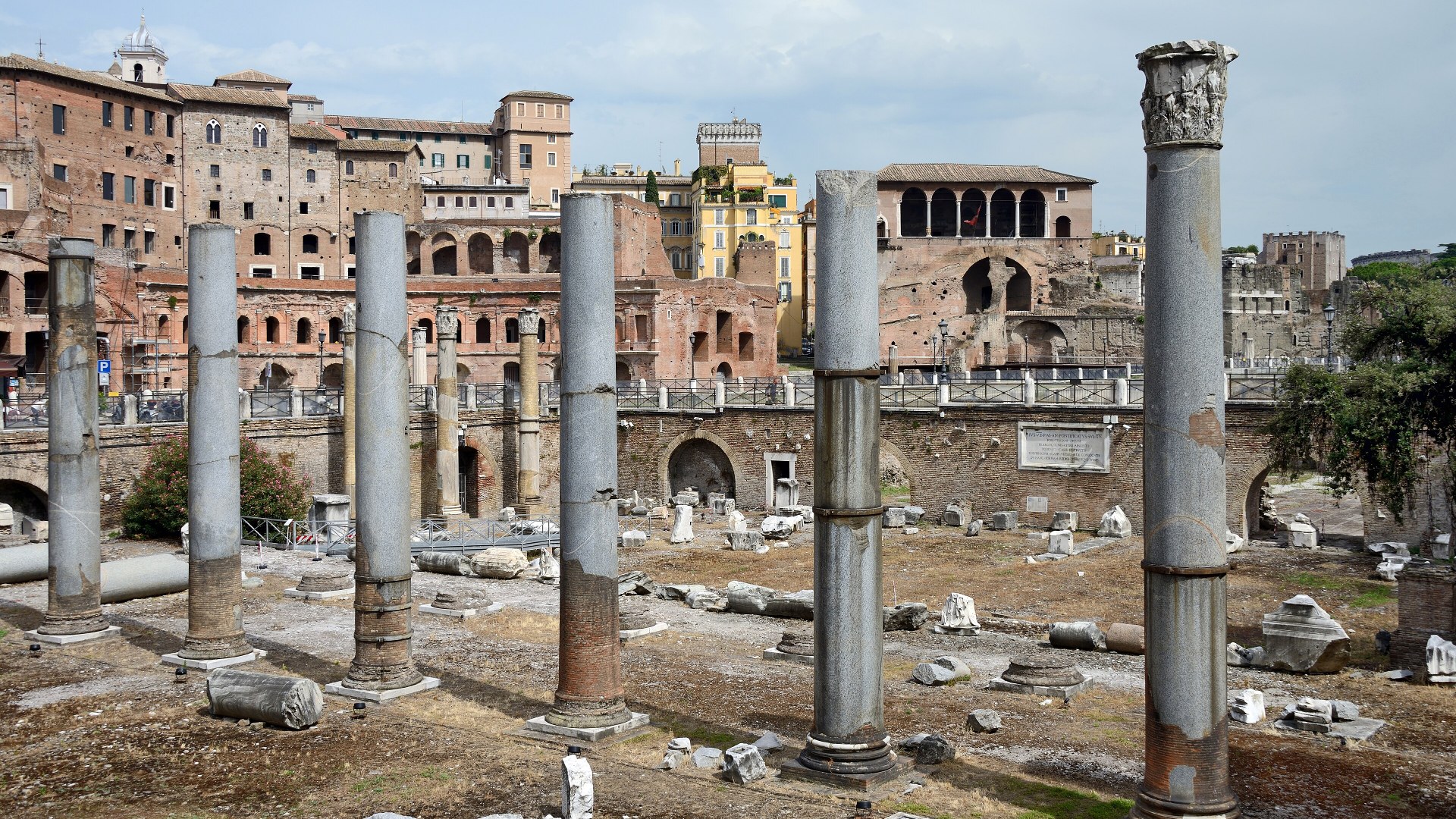
12. Ulpian Library At Trajan's Forum
Dedicated by Emperor Trajan in 112 AD at the heart of Rome, the Bibliotheca Ulpia featured two facing marble halls separated by the courtyard of Trajan's Column. One wing housed Greek literature while the other stored Latin legal decrees and roughly 20,000 scrolls, outlasting every other public library in ancient Rome.
©Wikimedia / Cayambe
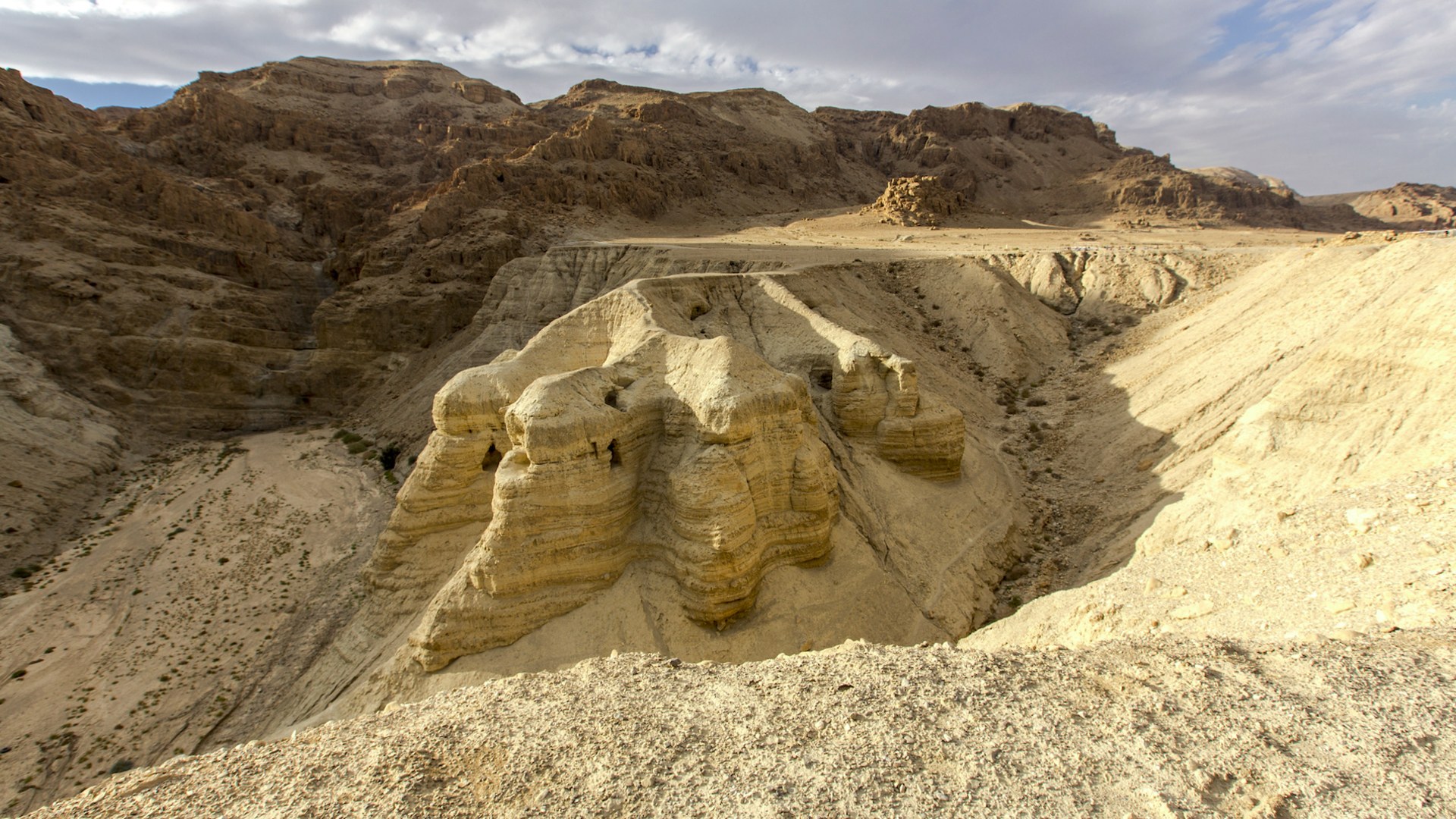
11. Qumran Caves Library
Between the third century BC and 68 AD, Jewish scribes near the Dead Sea sealed hundreds of parchment and papyrus scrolls inside earthen jars across eleven desert caves. Discovered by Bedouin shepherds starting in 1946, the Qumran repository yielded the oldest surviving copies of the Hebrew Bible.
©Wikimedia / Lux Moundi
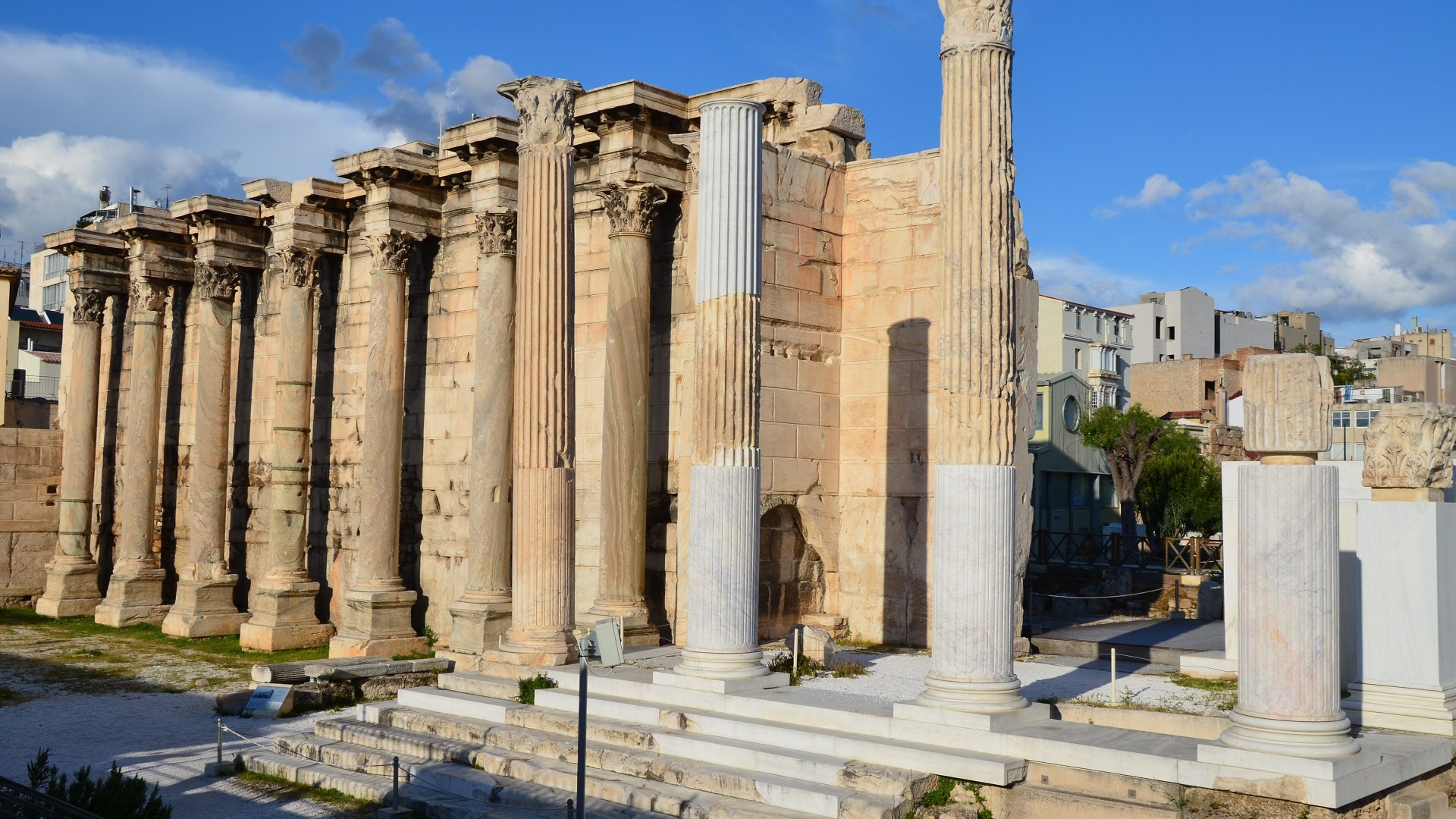
10. Library Of Hadrian
Roman Emperor Hadrian erected this monumental intellectual center north of the Acropolis in Athens in 132 AD. Behind its soaring wall of Karystos marble columns lay a tranquil courtyard pool surrounded by multi-story scroll rooms, reading halls, and corner auditoriums where philosophers lectured to students.
©Wikimedia / Carole Raddato
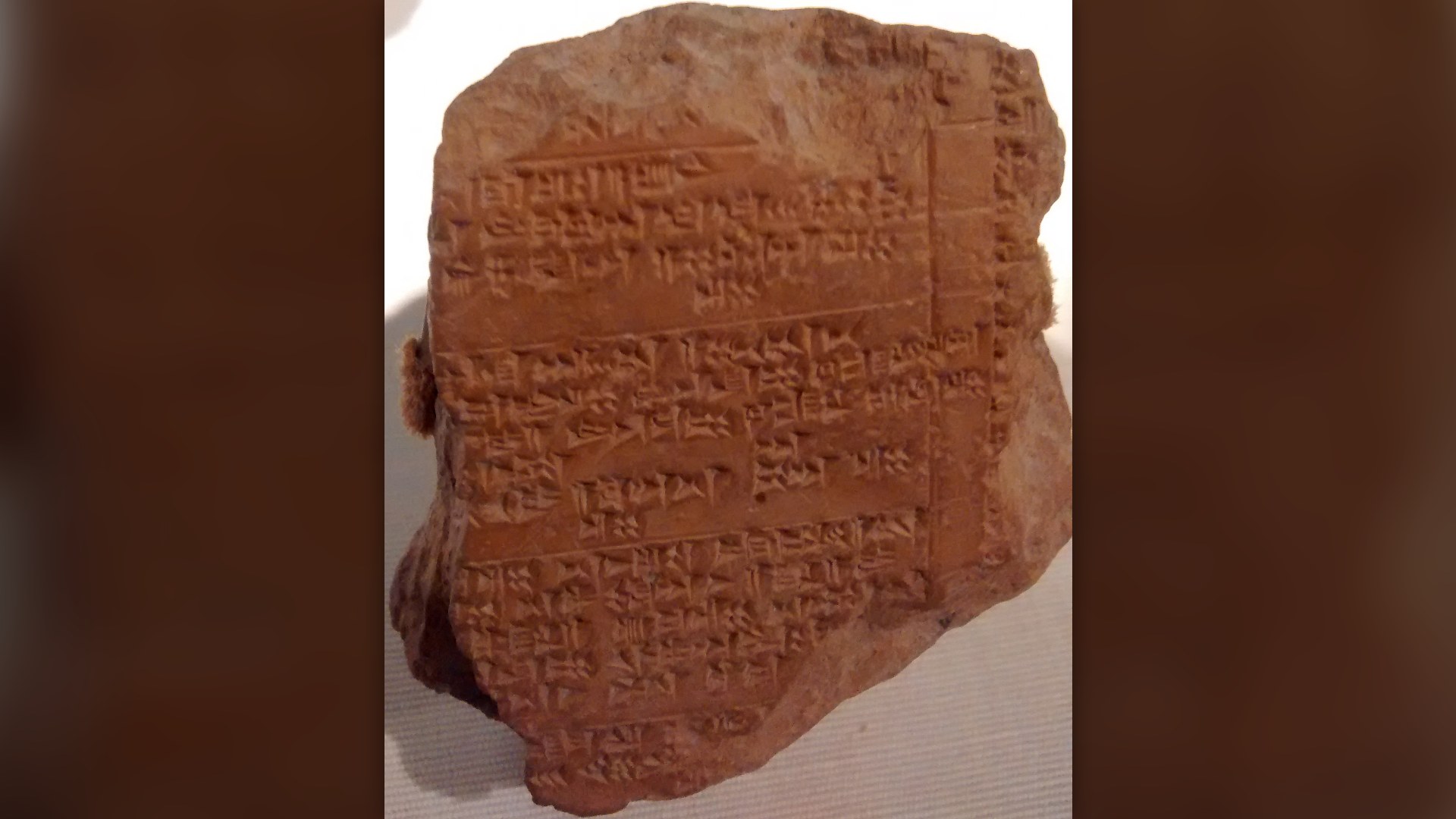
9. Royal Library Of Hattusa
At Bogazkale in modern Turkey, archaeologists uncovered the state archives of the Hittite Empire dating back to the second millennium BC. Stored across temple magazines and palace storerooms, roughly 30,000 cuneiform tablets preserved royal annals, law codes, dictionaries, and the famous peace treaty of Kadesh.
©Wikimedia / Mx. Granger
Advertisement
Swipe or tap ▶ to resume the countdown.
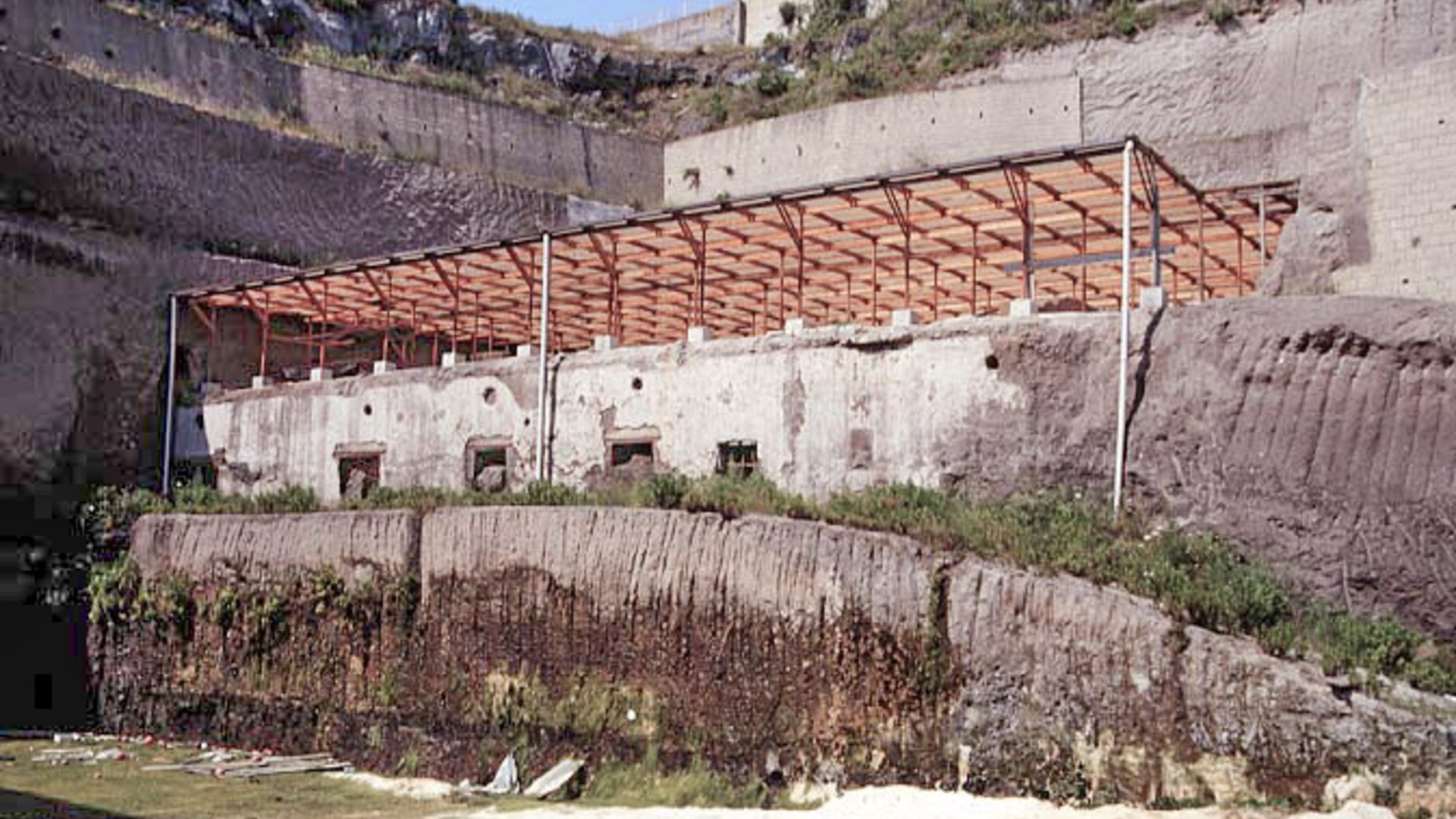
8. Villa Of The Papyri
When Mount Vesuvius buried Herculaneum in 79 AD, volcanic mud carbonized and sealed over 1,800 papyrus scrolls inside a seaside villa owned by Julius Caesar's father-in-law. Today, scientists use X-ray tomography and artificial intelligence to read the charred Greek texts without unrolling them.
©Wikimedia / Public Contributor
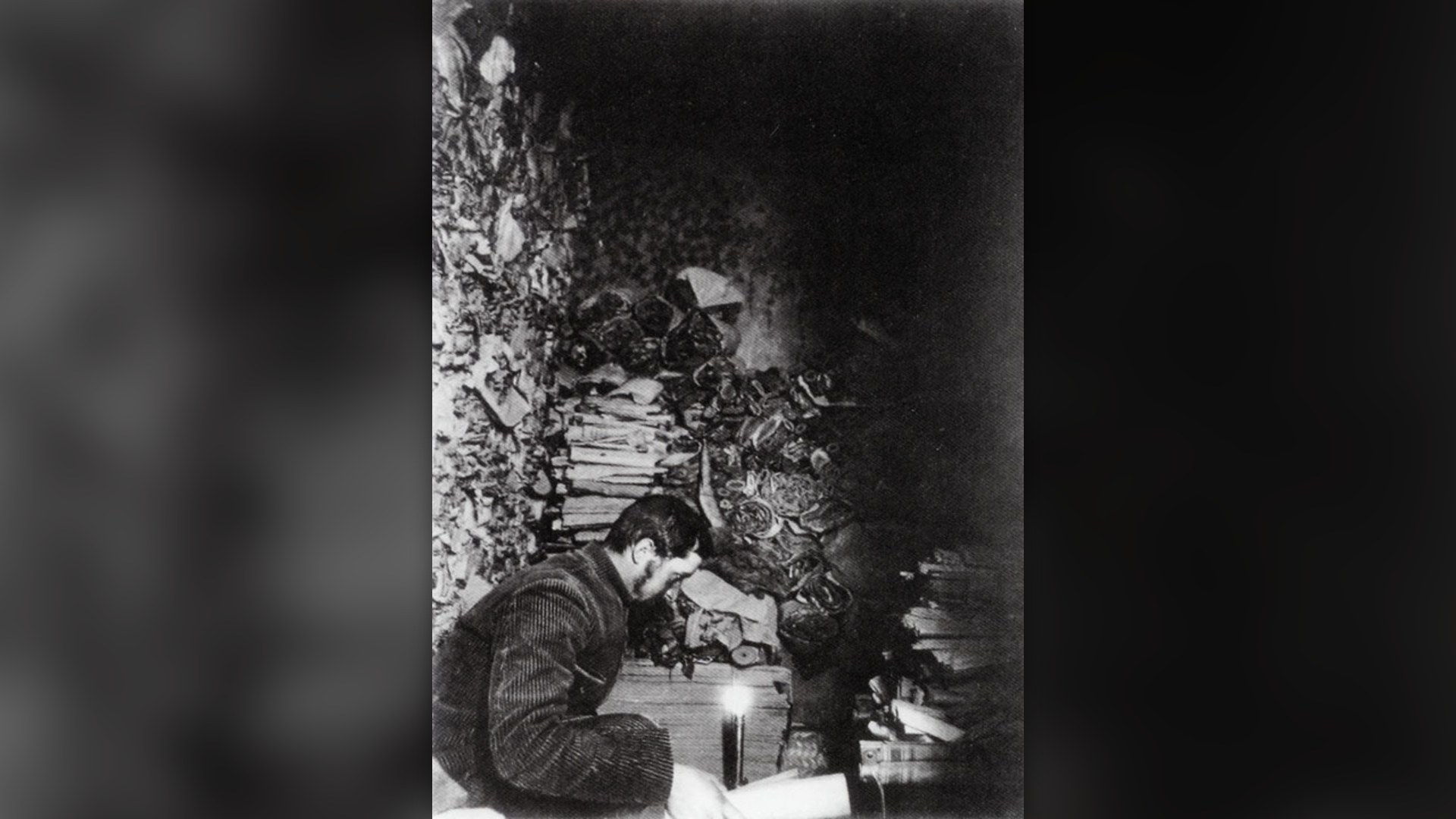
7. Dunhuang Library Cave
Carved into cliffside grottoes near the Gobi Desert in China, Mogao Cave 17 was plastered shut in the early eleventh century to protect tens of thousands of Buddhist, Daoist, and Hebrew scrolls. When reopened in 1900, the chamber held the 868 AD Diamond Sutra, the world's earliest dated complete printed book.
©Wikimedia / Charles Nouette
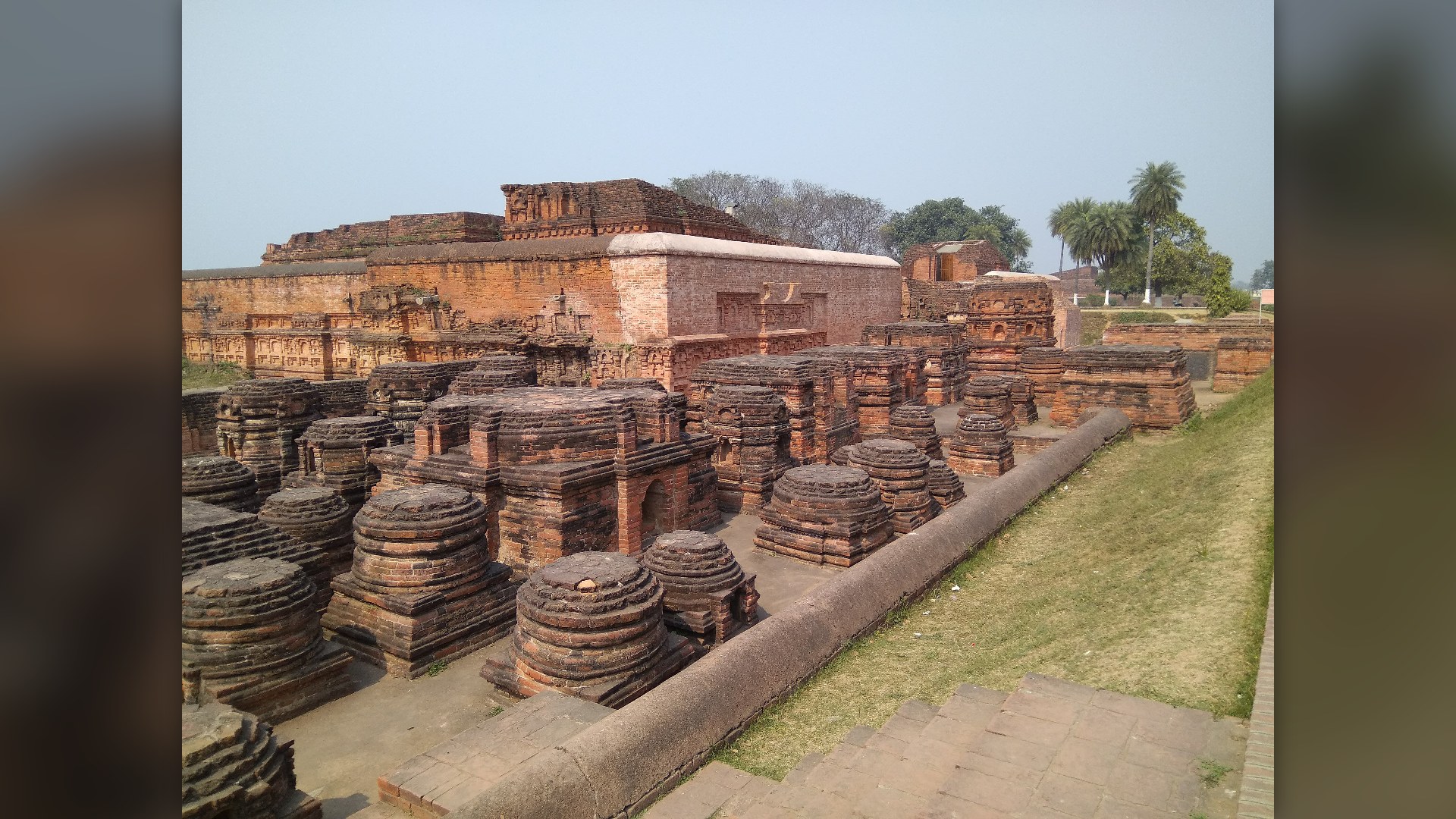
6. Nalanda Mahavihara Library
Flourishing in Bihar, India from the fifth to the twelfth century AD, Nalanda was one of the world's first residential universities. Its library district, Dharmaganja, spanned three monumental buildings including the nine-story Ratnodadhi hall, drawing scholars across Asia to copy Sanskrit texts.
©Wikimedia / Muktinath gupt
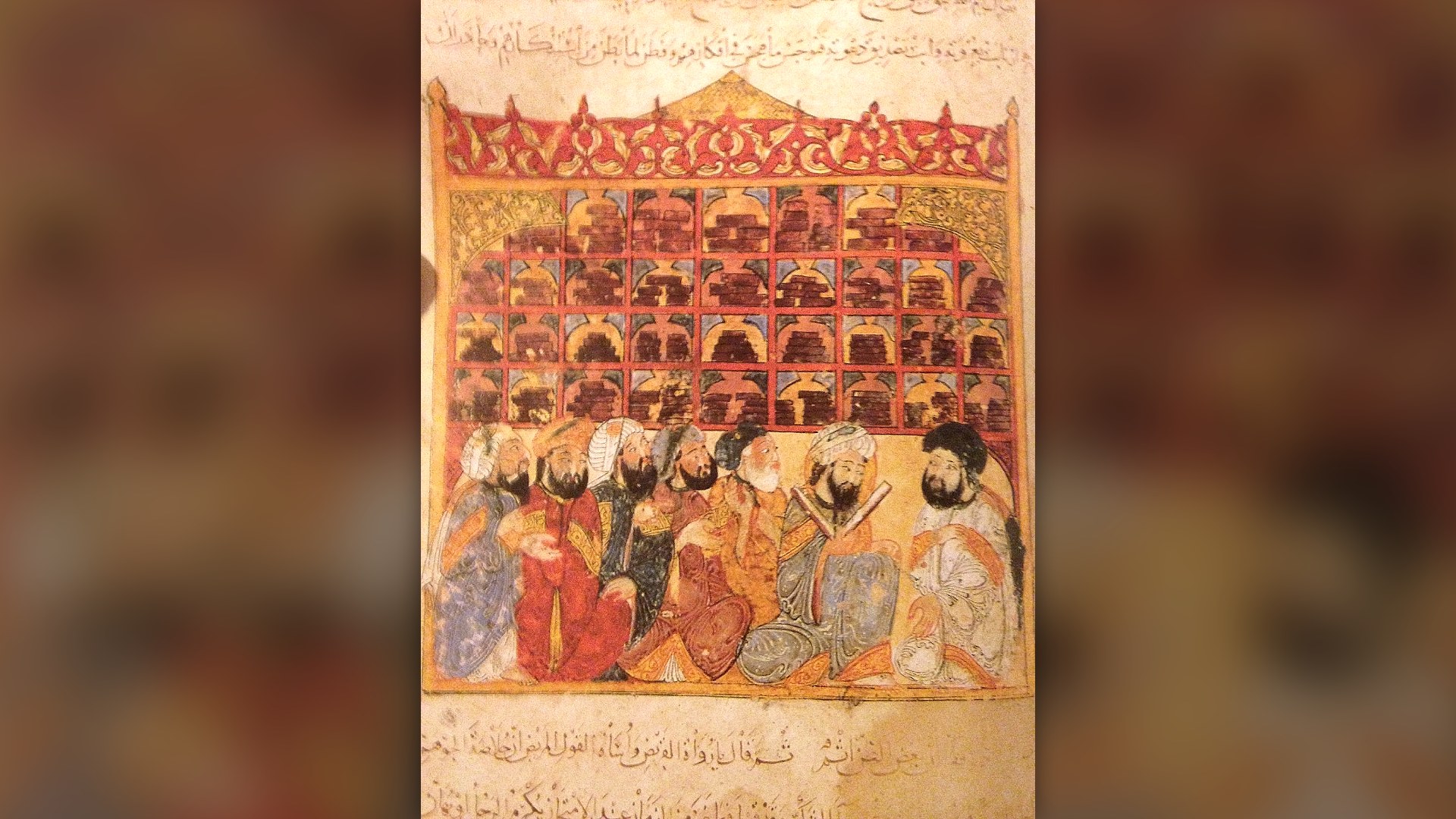
5. House Of Wisdom
Established in Baghdad under Caliph Harun al-Rashid and expanded by al-Ma'mun in the ninth century, Bayt al-Hikma anchored the Islamic Golden Age. Translators, astronomers, and mathematicians like al-Khwarizmi worked among its shelves until the Mongol siege of 1258 destroyed the collection.
©Wikimedia / Yahya ibn Mahmud al-Wasiti
Advertisement
Swipe or tap ▶ to resume the countdown.
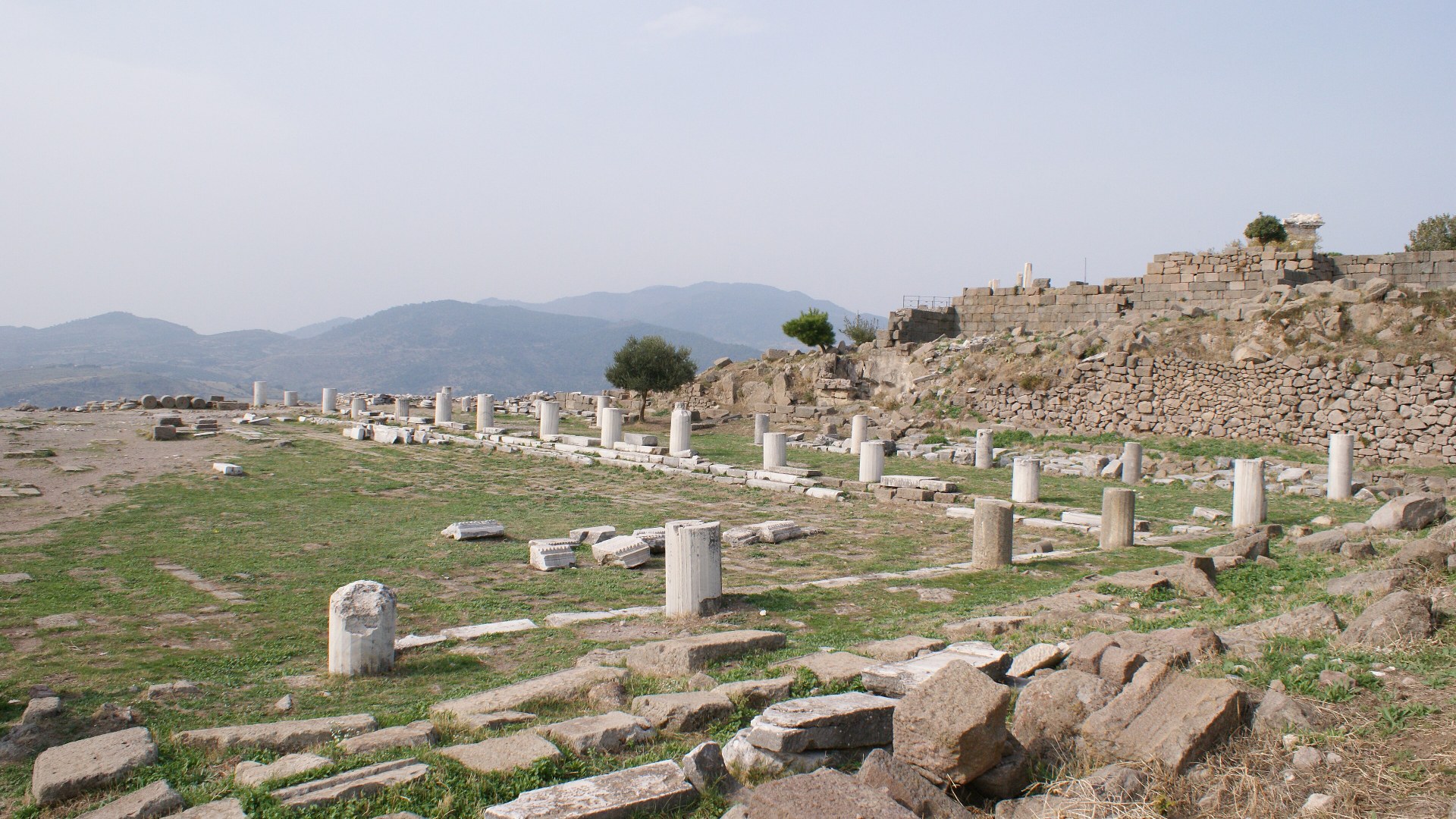
4. Library Of Pergamum
Built by King Eumenes II in the second century BC beside the Sanctuary of Athena in modern Bergama, Turkey, the Library of Pergamum fiercely rivaled Alexandria for scholars and rare manuscripts. When Ptolemaic Egypt halted papyrus exports to slow its growth, Pergamum scaled up animal-skin parchment production.
©Wikimedia / Hugh Llewelyn
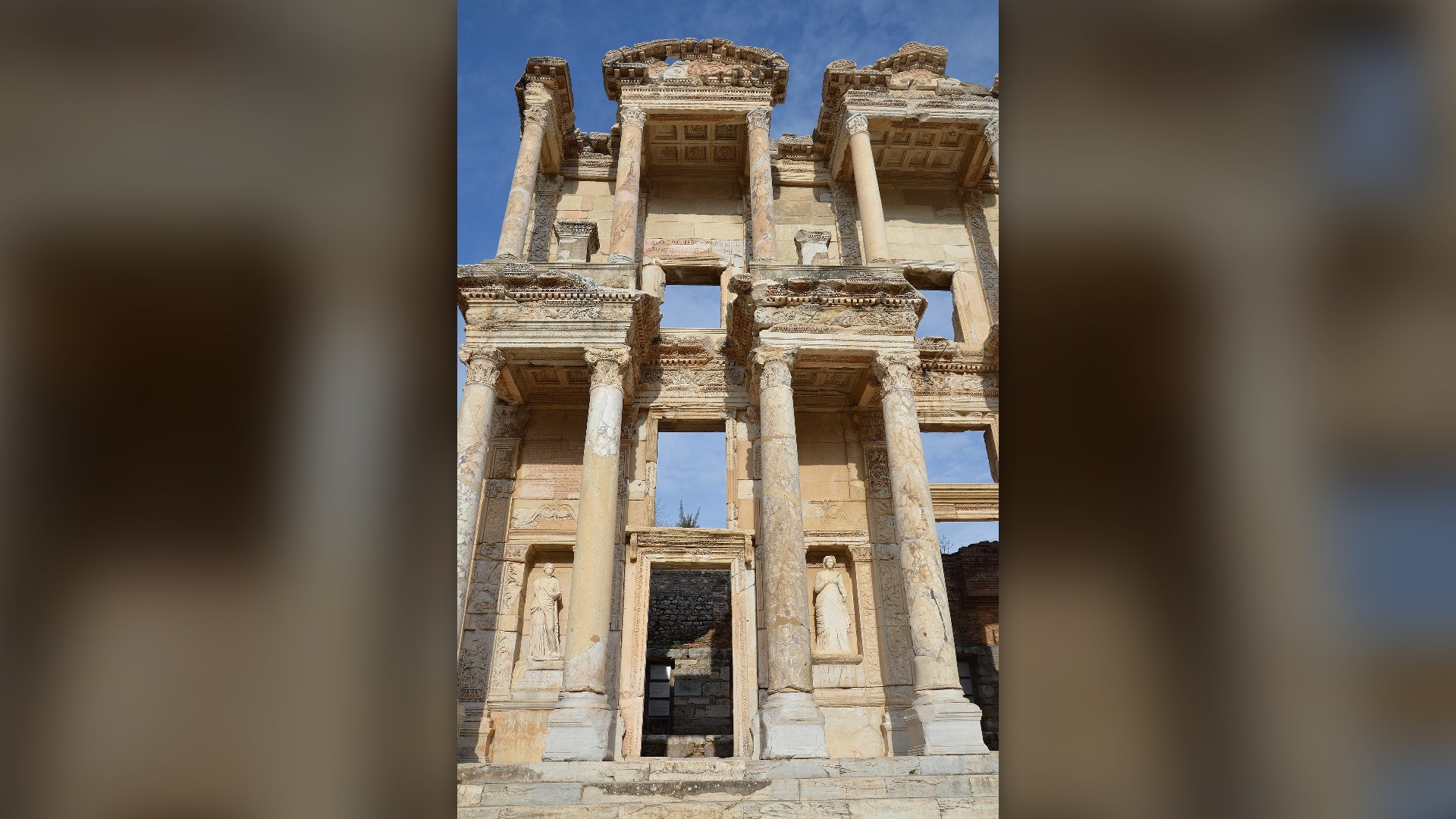
3. Library Of Celsus
Commissioned in Ephesus by Roman consul Gaius Julius Aquila as both a monumental tomb for his father Celsus and a public repository, this library ranked third in the Roman world. Builders engineered an interior air gap around the reading hall to insulate 12,000 delicate papyrus rolls from humidity and coastal heat.
©Wikimedia / Carole Raddato
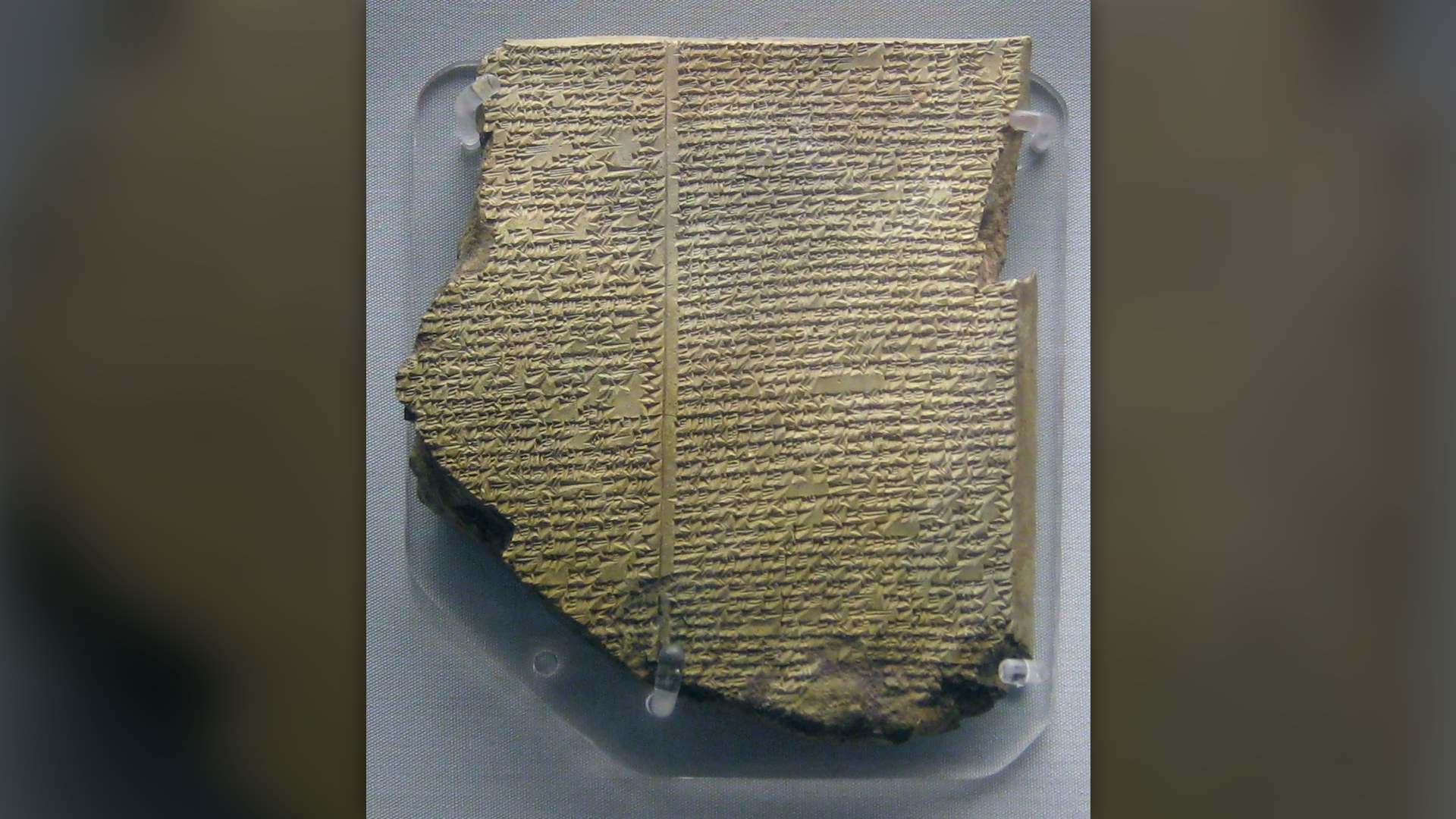
2. Royal Library Of Ashurbanipal
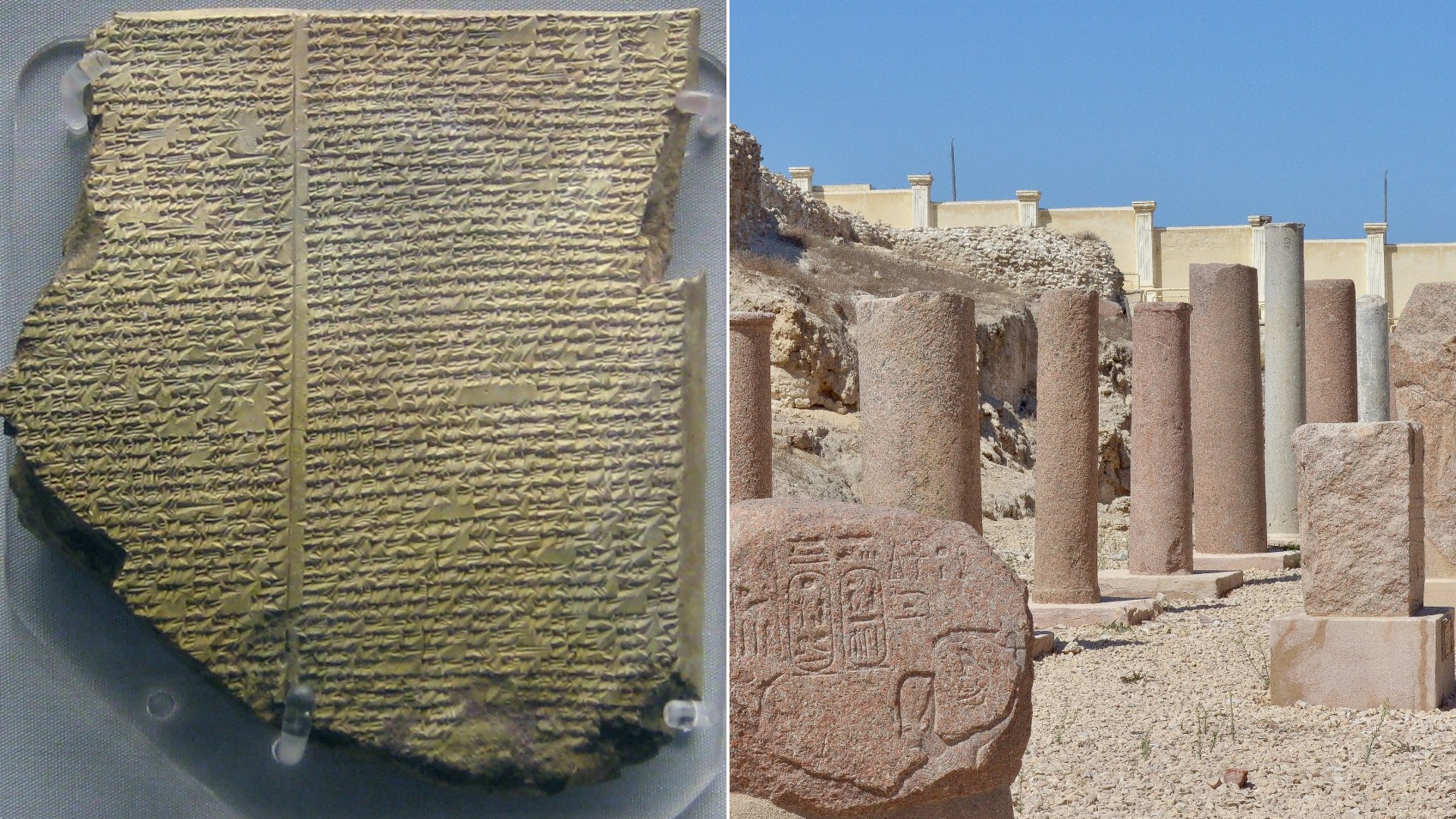
Assyrian King Ashurbanipal was a rare ancient monarch who could read cuneiform in both Akkadian and Sumerian, and he ruthlessly collected every text in Mesopotamia for his palace at Nineveh. When Babylonians burned the palace in 612 BC, the flames baked his 30,000 clay tablets rock-hard, saving the Epic of Gilgamesh.
©Wikimedia / BabelStone
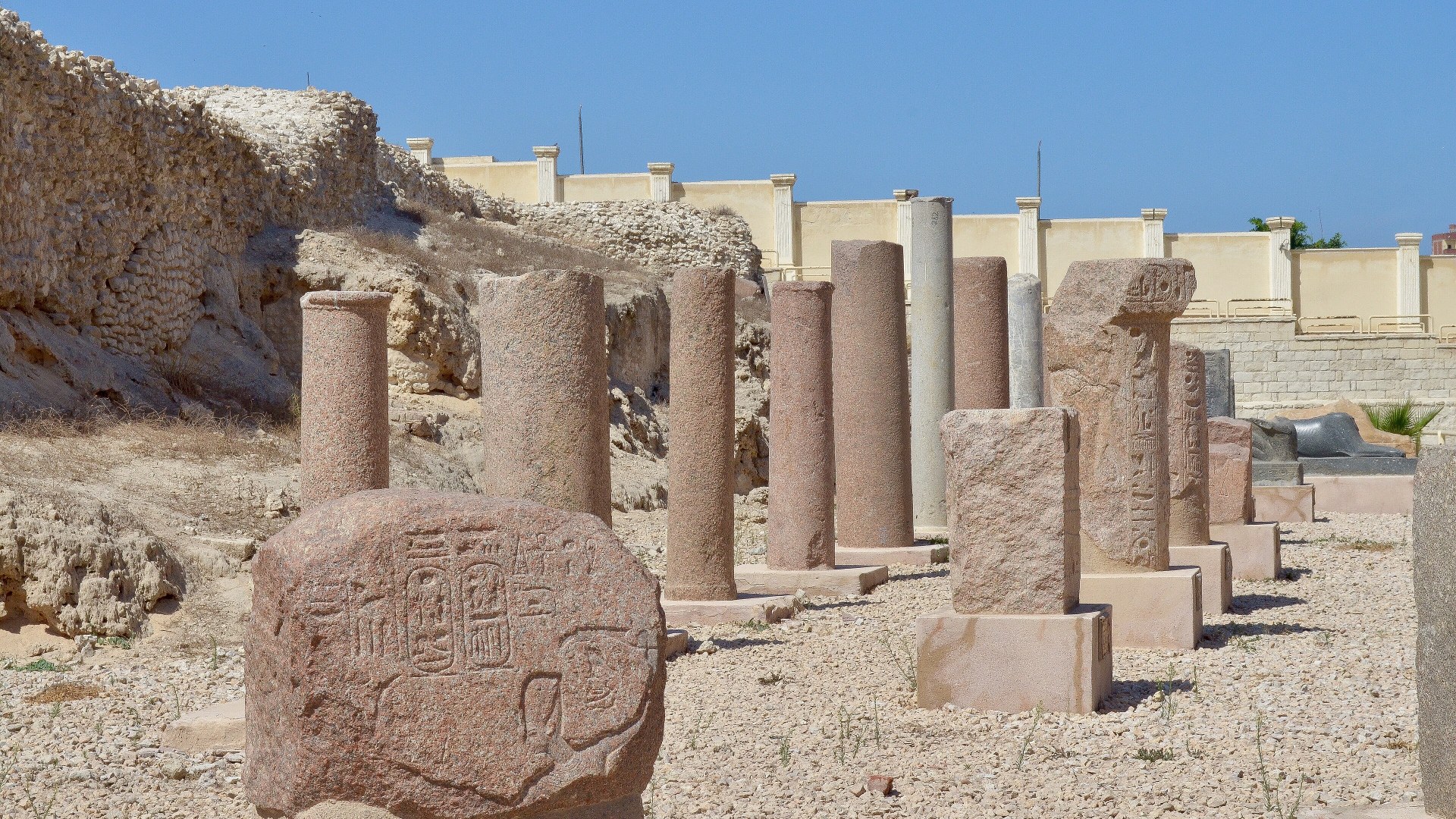
1. Great Library Of Alexandria
Founded in the third century BC under the Ptolemaic dynasty, the Great Library of Alexandria confiscated every scroll entering the harbor to copy for its royal shelves and its daughter branch at the Serapeum. Thinkers like Eratosthenes worked there before fires and upheaval erased its halls.

©Wikimedia / Hatem Moushir
Advertisement
You've reached the end of the story. Thanks for reading!

20 Iconic Historical Photos and the Archive Clues Behind Them
Contact sheets, cracked glass plates, and NASA mission logs preserve the hidden steps behind 20 famous photographs. Drawing on records from the Library of Congress, the National Archives, NASA, and the Smithsonian, this countdown traces how cropping, camera setups, and double exposures shaped each frame.
All 15 Entries in this Story
15. Library Of Timgad
Built in the Roman military colony of Thamugadi in modern-day Algeria, the Library of Timgad is one of the few Roman public libraries whose floor plan survives intact. Senator Julius Quintianus Flavius Rogatianus donated 400,000 sesterces to construct its unique semicircular reading hall and recessed scroll alcoves.

14. Library Of Pantainos
Dedicated to Emperor Trajan around 100 AD, the Library of Pantainos stood at the southeastern corner of the Ancient Agora in Athens. Archaeologists unearthed its original marble lintel carved with strict house rules in Greek, declaring that the doors opened from the first hour to the sixth and no scroll could leave.

13. Royal Archives Of Ugarit
Dating between 1400 and 1180 BC at Ras Shamra in Syria, the royal and temple libraries of Ugarit held diplomatic treaties, myths, and the earliest known musical notation. Scribes here developed a 30-letter cuneiform alphabet, recorded on small clay abecedarium tablets used to train apprentice scholars.

12. Ulpian Library At Trajan's Forum
Dedicated by Emperor Trajan in 112 AD at the heart of Rome, the Bibliotheca Ulpia featured two facing marble halls separated by the courtyard of Trajan's Column. One wing housed Greek literature while the other stored Latin legal decrees and roughly 20,000 scrolls, outlasting every other public library in ancient Rome.

11. Qumran Caves Library
Between the third century BC and 68 AD, Jewish scribes near the Dead Sea sealed hundreds of parchment and papyrus scrolls inside earthen jars across eleven desert caves. Discovered by Bedouin shepherds starting in 1946, the Qumran repository yielded the oldest surviving copies of the Hebrew Bible.

10. Library Of Hadrian
Roman Emperor Hadrian erected this monumental intellectual center north of the Acropolis in Athens in 132 AD. Behind its soaring wall of Karystos marble columns lay a tranquil courtyard pool surrounded by multi-story scroll rooms, reading halls, and corner auditoriums where philosophers lectured to students.

9. Royal Library Of Hattusa
At Bogazkale in modern Turkey, archaeologists uncovered the state archives of the Hittite Empire dating back to the second millennium BC. Stored across temple magazines and palace storerooms, roughly 30,000 cuneiform tablets preserved royal annals, law codes, dictionaries, and the famous peace treaty of Kadesh.

8. Villa Of The Papyri
When Mount Vesuvius buried Herculaneum in 79 AD, volcanic mud carbonized and sealed over 1,800 papyrus scrolls inside a seaside villa owned by Julius Caesar's father-in-law. Today, scientists use X-ray tomography and artificial intelligence to read the charred Greek texts without unrolling them.

7. Dunhuang Library Cave
Carved into cliffside grottoes near the Gobi Desert in China, Mogao Cave 17 was plastered shut in the early eleventh century to protect tens of thousands of Buddhist, Daoist, and Hebrew scrolls. When reopened in 1900, the chamber held the 868 AD Diamond Sutra, the world's earliest dated complete printed book.

6. Nalanda Mahavihara Library
Flourishing in Bihar, India from the fifth to the twelfth century AD, Nalanda was one of the world's first residential universities. Its library district, Dharmaganja, spanned three monumental buildings including the nine-story Ratnodadhi hall, drawing scholars across Asia to copy Sanskrit texts.

5. House Of Wisdom
Established in Baghdad under Caliph Harun al-Rashid and expanded by al-Ma'mun in the ninth century, Bayt al-Hikma anchored the Islamic Golden Age. Translators, astronomers, and mathematicians like al-Khwarizmi worked among its shelves until the Mongol siege of 1258 destroyed the collection.

4. Library Of Pergamum
Built by King Eumenes II in the second century BC beside the Sanctuary of Athena in modern Bergama, Turkey, the Library of Pergamum fiercely rivaled Alexandria for scholars and rare manuscripts. When Ptolemaic Egypt halted papyrus exports to slow its growth, Pergamum scaled up animal-skin parchment production.

3. Library Of Celsus
Commissioned in Ephesus by Roman consul Gaius Julius Aquila as both a monumental tomb for his father Celsus and a public repository, this library ranked third in the Roman world. Builders engineered an interior air gap around the reading hall to insulate 12,000 delicate papyrus rolls from humidity and coastal heat.

2. Royal Library Of Ashurbanipal
Assyrian King Ashurbanipal was a rare ancient monarch who could read cuneiform in both Akkadian and Sumerian, and he ruthlessly collected every text in Mesopotamia for his palace at Nineveh. When Babylonians burned the palace in 612 BC, the flames baked his 30,000 clay tablets rock-hard, saving the Epic of Gilgamesh.

1. Great Library Of Alexandria
Founded in the third century BC under the Ptolemaic dynasty, the Great Library of Alexandria confiscated every scroll entering the harbor to copy for its royal shelves and its daughter branch at the Serapeum. Thinkers like Eratosthenes worked there before fires and upheaval erased its halls.