Slideshow · Viral
15 Most Iconic Cars of the 1990s, Ranked
The 1990s delivered a golden era of analog performance, pairing twin-turbocharged Japanese coupes with 200-mph European V12 exotics before electronic aids took over. Here are the 15 most iconic cars o
By Most Viral Today
27 Oct 2026

From Twin-Turbo Supras To V12 Supercars, 15 Cars That Defined The 1990s 
15. 1994 Audi RS2 Avant 
14. 1992 Ford Escort RS Cosworth 
13. 1991 Bugatti EB110 - AdvertisementSwipe or tap ▶ to continue countdown

12. 1992 Jaguar XJ220 
11. 1997 Honda Integra Type R (DC2) 
10. 1991 Porsche 911 Turbo (964) 
9. 1992 Dodge Viper RT/10 - AdvertisementSwipe or tap ▶ to continue countdown

8. 1998 Subaru Impreza 22B STi 
7. 1992 Mazda RX-7 (FD3S) 
6. 1995 Ferrari F50 
5. 1990 Lamborghini Diablo - AdvertisementSwipe or tap ▶ to continue countdown

4. 1990 Honda NSX (NA1) 
3. 1999 Nissan Skyline GT-R (R34) 
2. 1993 Toyota Supra Turbo (MkIV) 
1. 1992 McLaren F1 - Advertisement🔥 UP NEXT IN THIS SERIES◫ 21 Slides

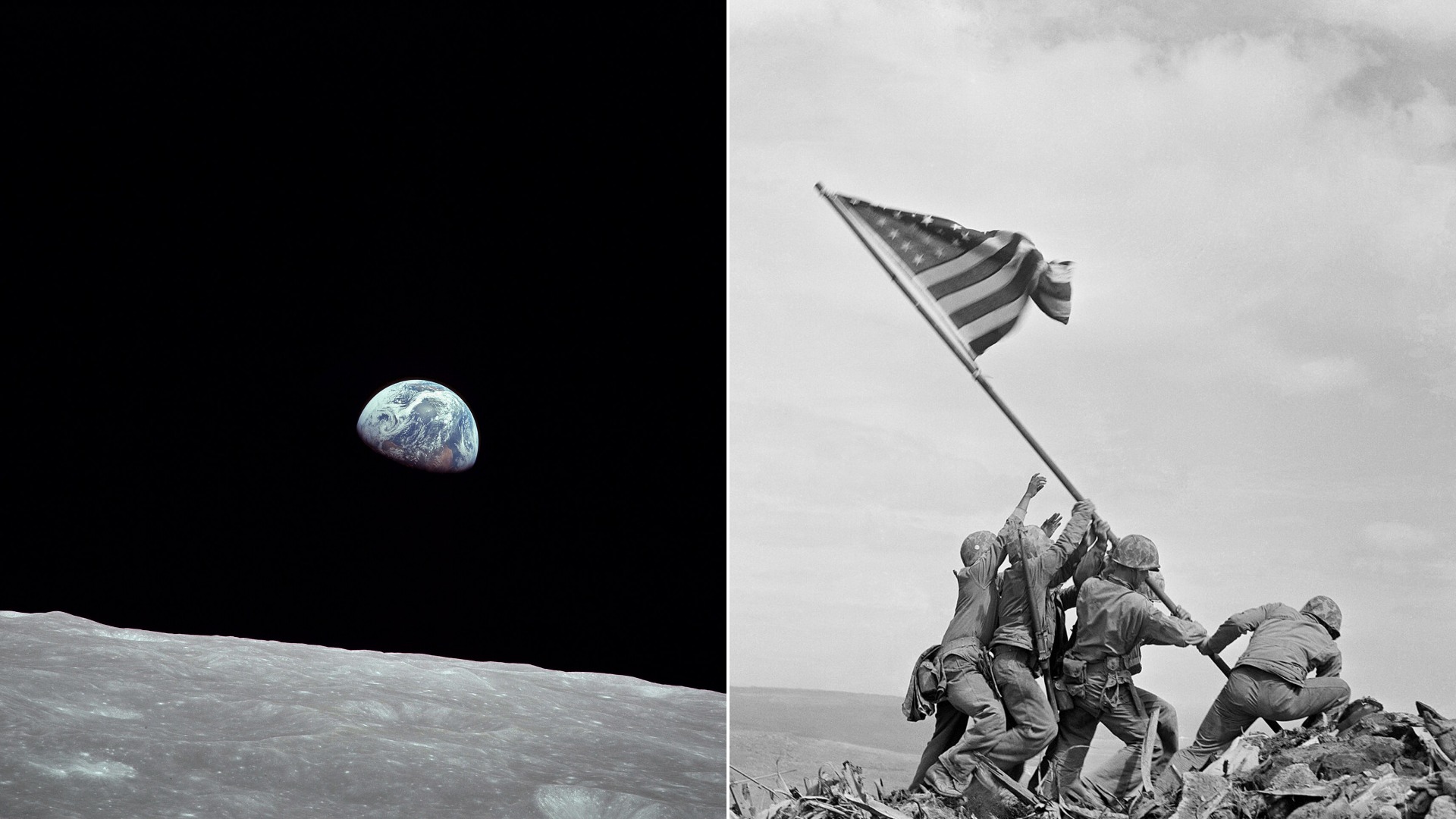
20 Iconic Historical Photos and the Archive Clues Behind Them
Contact sheets, cracked glass plates, and NASA mission logs preserve the hidden steps behind 20 famous photographs. Drawing on records from the Library of Congress, the National Archives, NASA, and the Smithsonian, this countdown traces how cropping, camera setups, and double exposures shaped each frame.
Few decades in automotive history match the mechanical ambition of the 1990s. Automakers in Japan, Europe, and the United States pushed internal combustion and aerodynamics to new heights before stability control and automated transmissions took over. From rally specials to V12 coupes, these 15 cars defined the era.
Swipe or tap ▶ to begin the countdown
©Wikimedia / 先従隗始
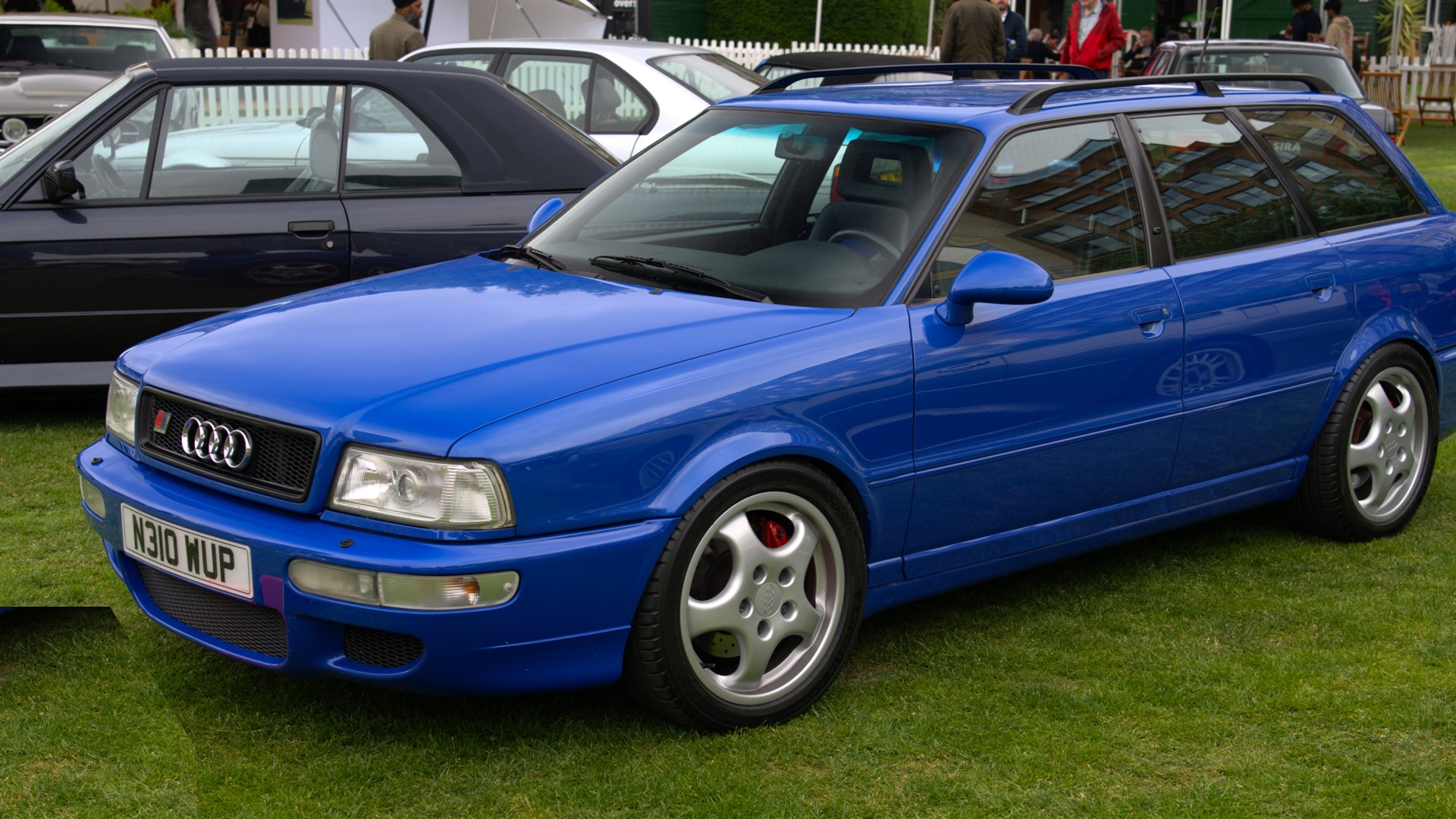
15. 1994 Audi RS2 Avant
Audi partnered directly with Porsche at its Zuffenhausen plant in 1994, fitting an Audi 80 Avant with a boosted 2.2-liter five-cylinder turbo engine, Porsche 968 Club Sport wheels, and red Brembo brakes. With quattro all-wheel drive, the wagon launched from zero to 30 mph faster than a McLaren F1.
©Wikimedia / MrWalkr
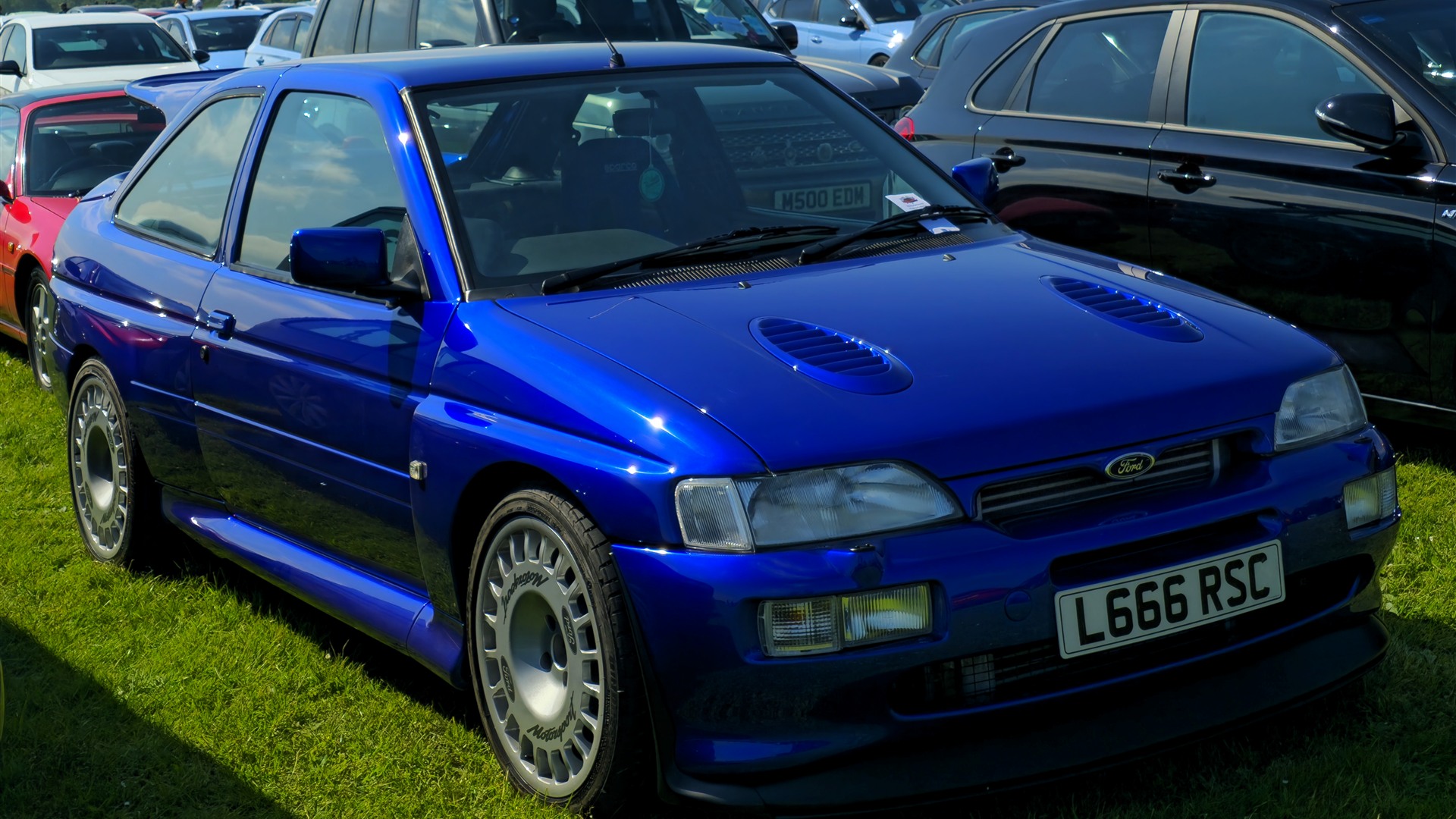
14. 1992 Ford Escort RS Cosworth
To homologate a World Rally Championship contender for Group A competition, Ford shortened a Sierra Cosworth 4x4 floorpan and clothed it in wide-body Escort sheet metal. Designer Frank Stephenson shaped its bi-plane rear wing for real high-speed downforce, backed by a 2.0-liter Cosworth turbo engine.
©Wikimedia / Calreyn88
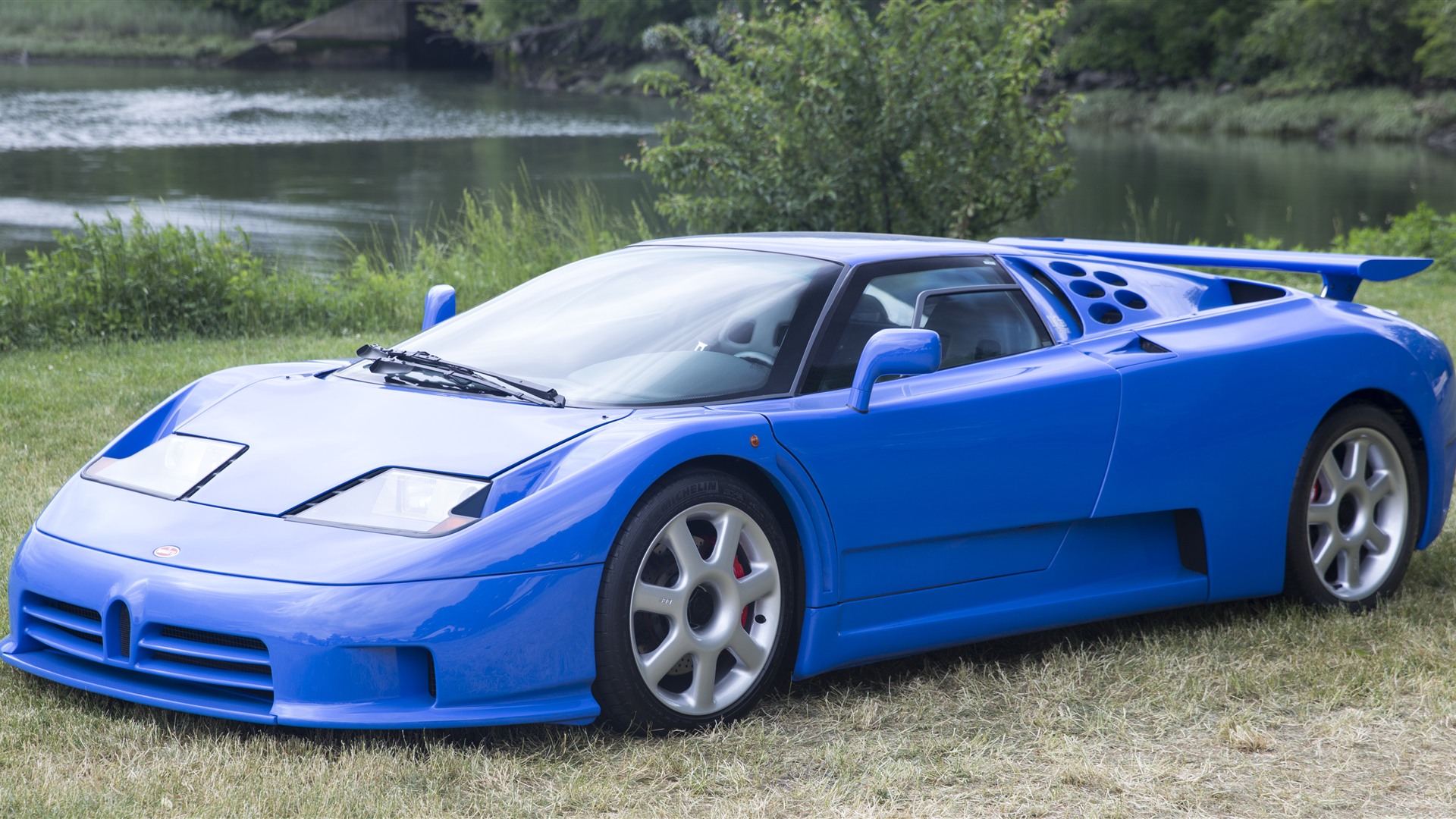
13. 1991 Bugatti EB110
Entrepreneur Romano Artioli revived the Bugatti marque in 1991 with a clean-sheet factory near Modena. The EB110 paired an Aerospatiale carbon-fiber monocoque with a 3.5-liter 60-valve V12 fed by four IHI turbochargers, producing up to 603 horsepower in Super Sport trim and setting the template for modern hypercars.
©Wikimedia / Mr.choppers
Advertisement
Swipe or tap ▶ to resume the countdown.
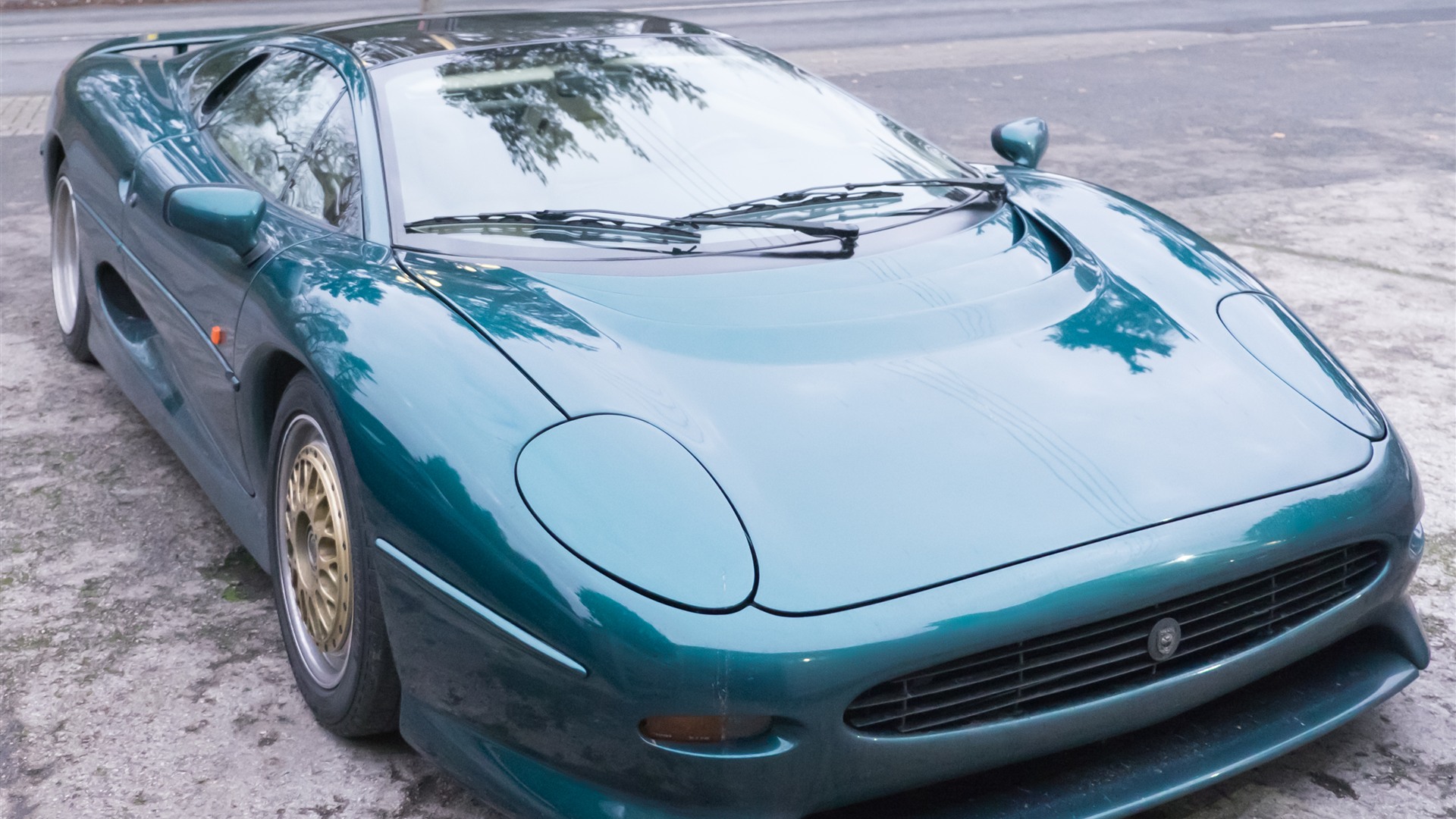
12. 1992 Jaguar XJ220
Born as an after-hours project by Jaguar engineers known as the Saturday Club, the XJ220 evolved into one of the most dramatic supercars of the 1990s. Its race-bred 3.5-liter twin-turbocharged V6 produced 542 horsepower, propelling driver Martin Brundle to 217.1 mph at Italy's Nardo test track in 1992.
©Wikimedia / DeFacto
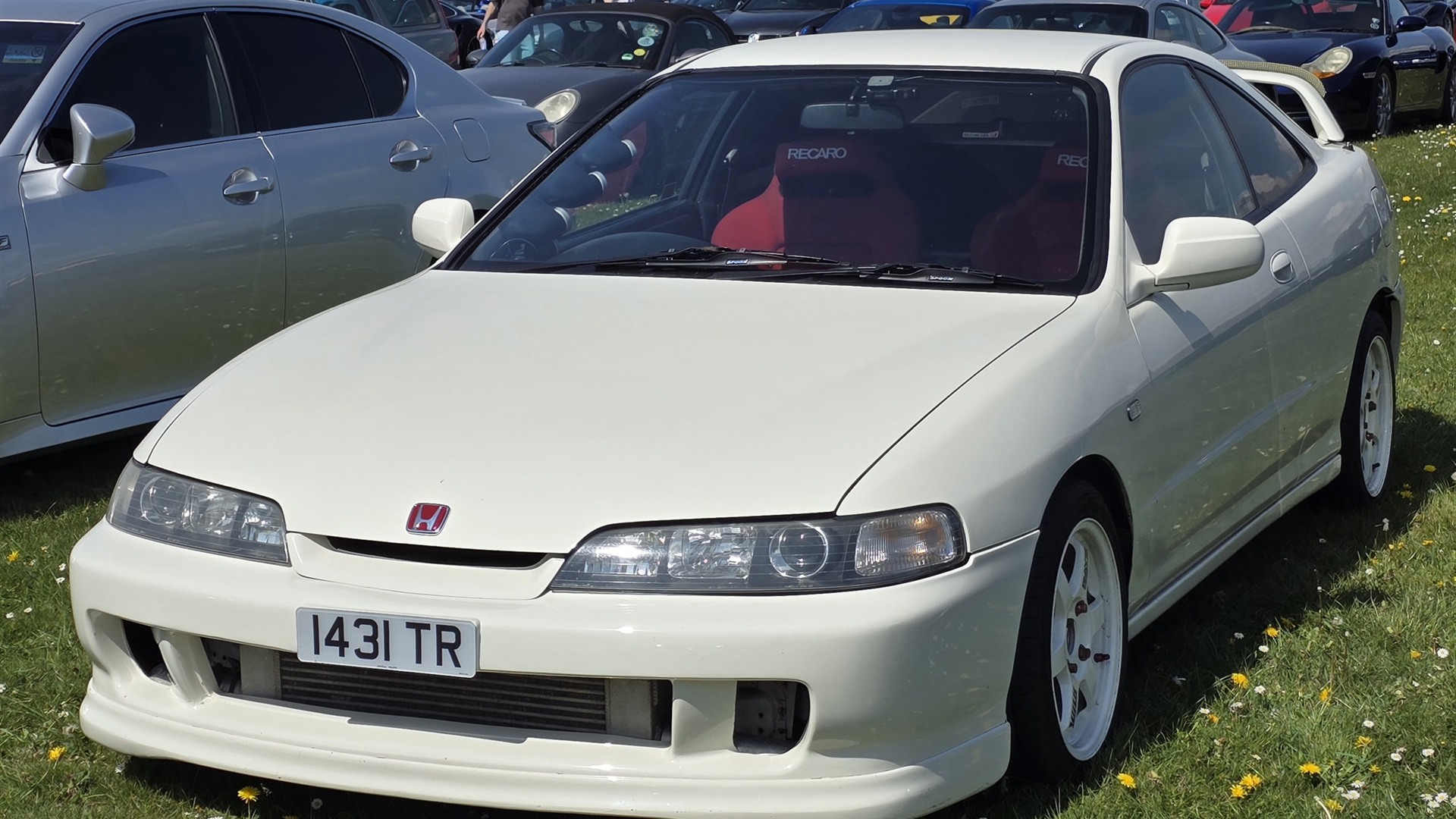
11. 1997 Honda Integra Type R (DC2)
Honda treated the DC2 Integra Type R like a factory race car built for public roads. Technicians hand-polished the ports on its naturally aspirated 1.8-liter B18C5 VTEC engine to extract over 100 horsepower per liter, pairing it with a seam-welded chassis, lighter glass, and a helical limited-slip differential.
©Wikimedia / Calreyn88
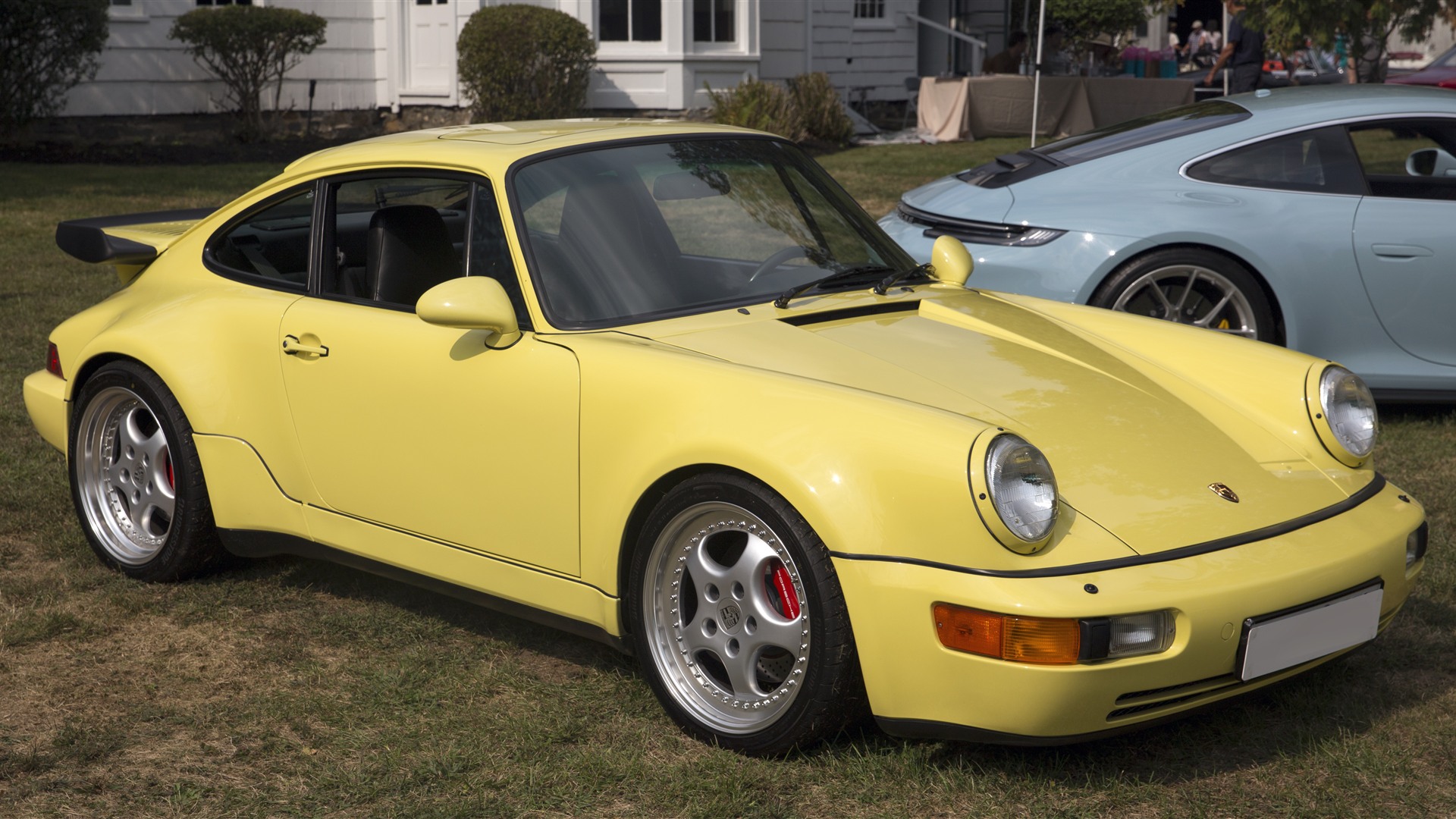
10. 1991 Porsche 911 Turbo (964)
The 964-generation Porsche 911 Turbo paired classic air-cooled character with coil-spring suspension and power steering. Launched in 1991 with a 3.3-liter turbocharged flat-six and later upgraded to a 355-horsepower 3.6-liter unit, its starring role in the 1995 film Bad Boys cemented its place in pop culture.
©Wikimedia / Mr.choppers
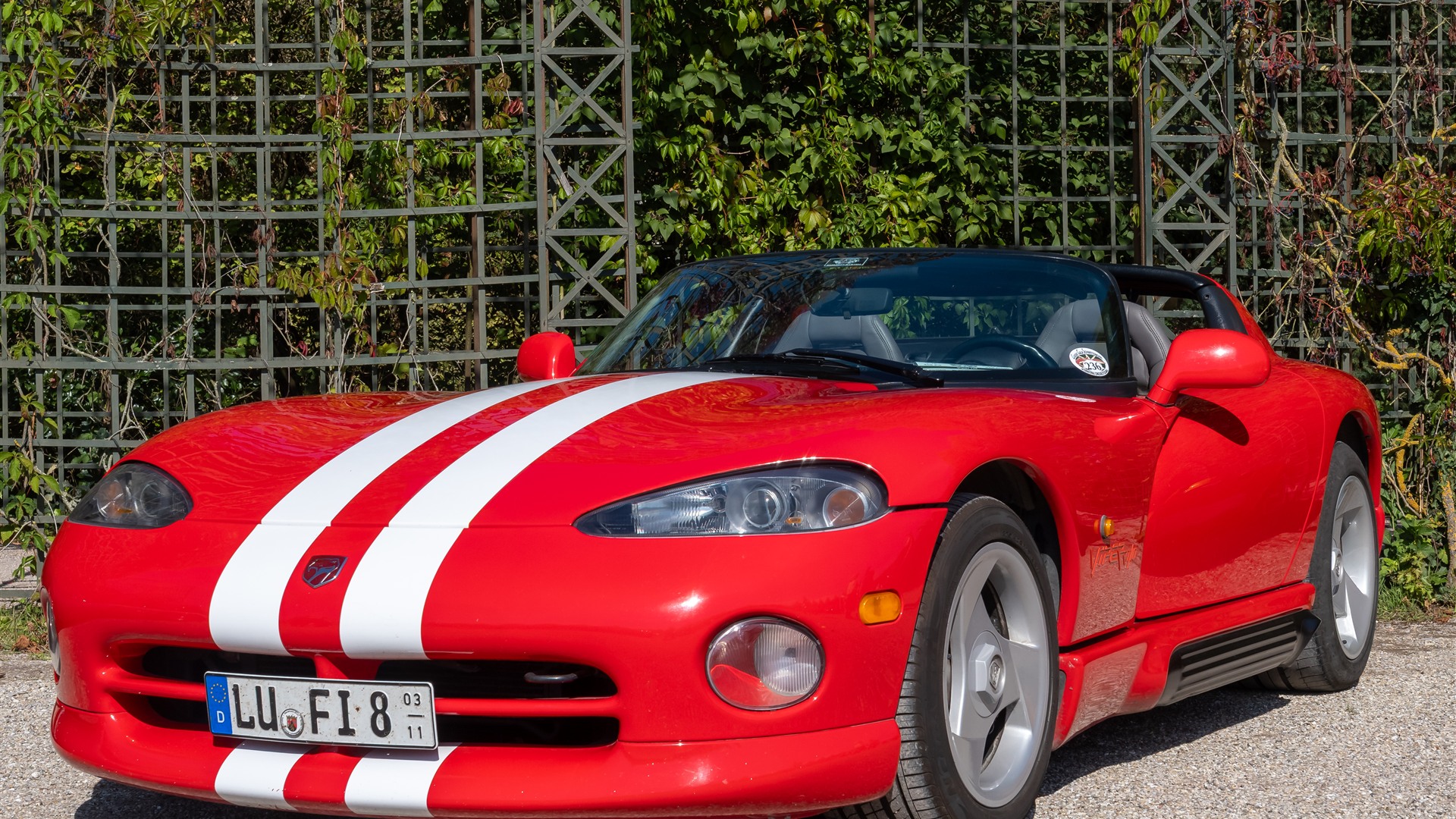
9. 1992 Dodge Viper RT/10
Guided by Bob Lutz, Tom Gale, and Carroll Shelby, Dodge built the 1992 Viper RT/10 as a pure American roadster with zero compromises. Lamborghini helped cast its 400-horsepower 8.0-liter aluminum V10 engine. Early cars had no exterior door handles, no roll-up glass windows, no anti-lock brakes, and no traction control.
©Wikimedia / Matti Blume
Advertisement
Swipe or tap ▶ to resume the countdown.
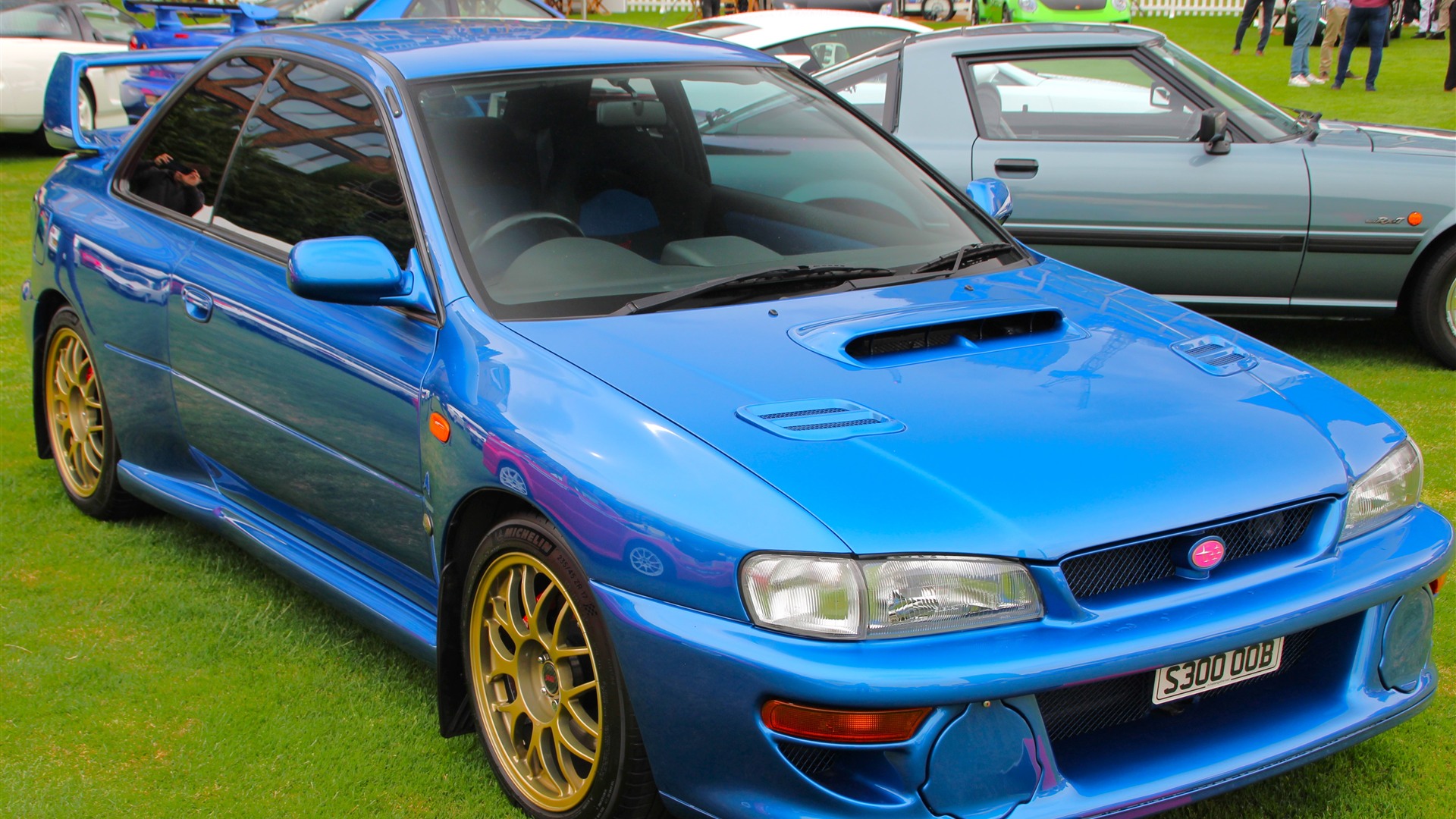
8. 1998 Subaru Impreza 22B STi
To celebrate Subaru's 40th anniversary and three consecutive World Rally constructor titles, Subaru Tecnica International hand-built the 22B STi in 1998. Flared steel fenders widened the coupe by over three inches, while a closed-deck 2.2-liter turbocharged boxer engine delivered ferocious road pace.
©Wikimedia / MrWalkr
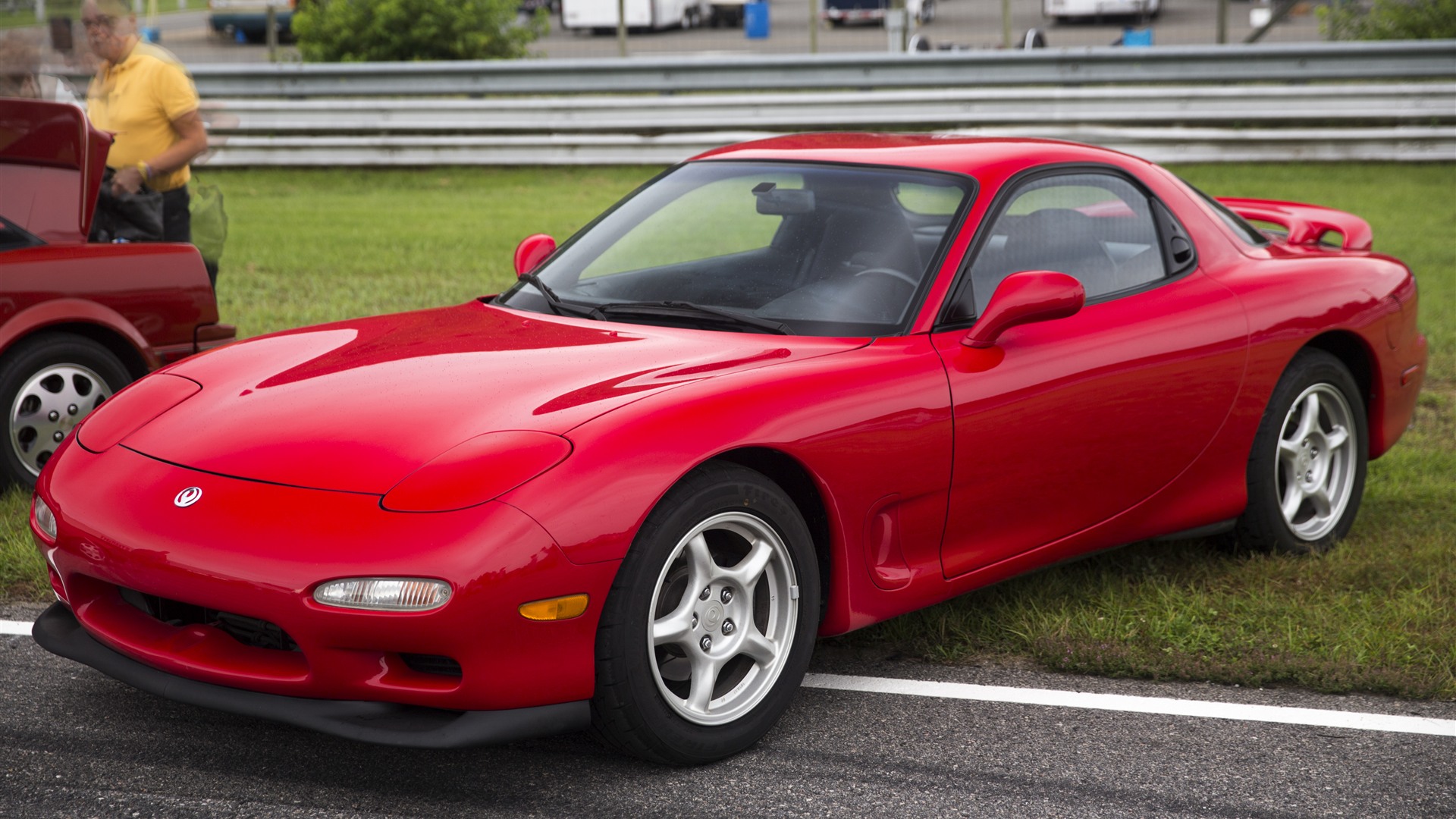
7. 1992 Mazda RX-7 (FD3S)
Chief designer Yoichi Sato and engineer Takaharu Kobayakawa trimmed every excess ounce on the FD3S RX-7, even drilling lightening holes into the aluminum pedals. Its 13B-REW sequential twin-turbo two-rotor Wankel engine spun to 8,000 rpm and gave the 2,800-pound coupe a 50-50 weight balance.
©Wikimedia / Mr.choppers
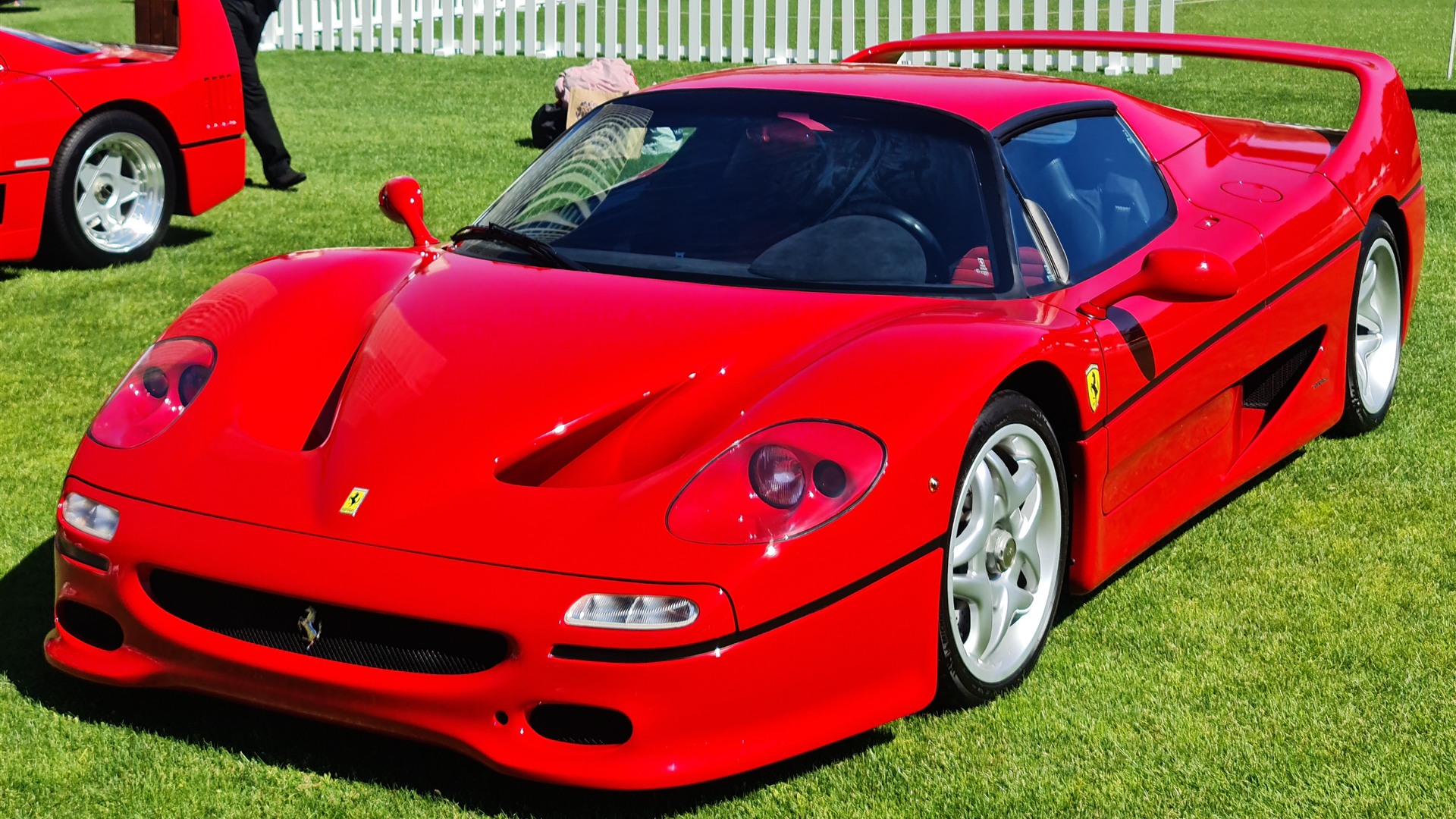
6. 1995 Ferrari F50
Rather than using twin turbochargers like its F40 predecessor, the 1995 Ferrari F50 derived its 4.7-liter 60-valve V12 directly from Scuderia Ferrari's 1990 Formula One car. The 513-horsepower engine bolted straight to the carbon-fiber tub as a stressed member and paired with a six-speed manual gearbox.
©Wikimedia / MrWalkr
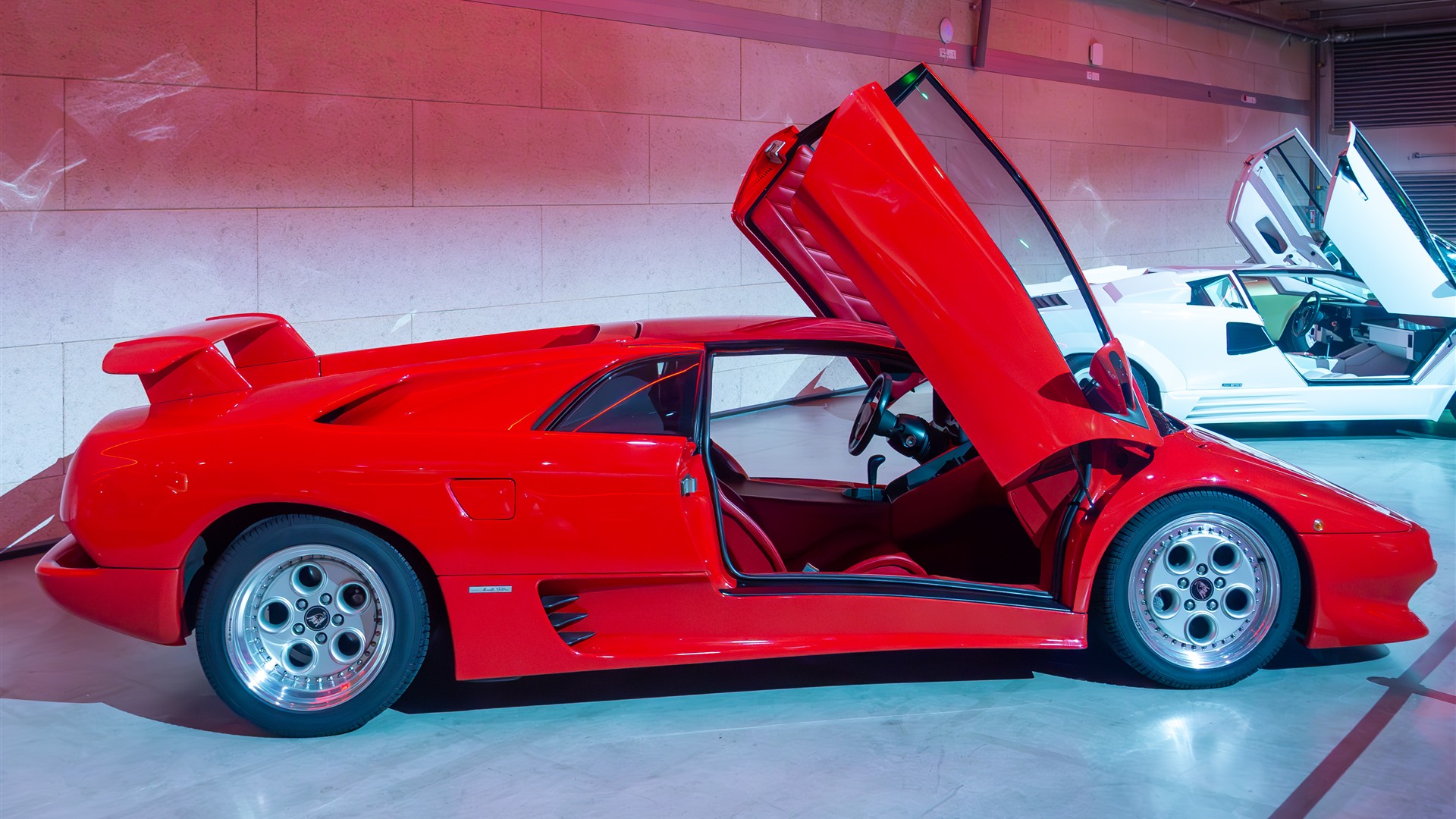
5. 1990 Lamborghini Diablo
Styled initially by Marcello Gandini, the Lamborghini Diablo arrived in 1990 with wide proportions, upward-swinging scissor doors, and a 5.7-liter naturally aspirated V12 producing 485 horsepower. With a top speed of 202 mph, it claimed bedroom poster walls worldwide and later gained all-wheel drive in VT trim.
©Wikimedia / Matti Blume
Advertisement
Swipe or tap ▶ to resume the countdown.
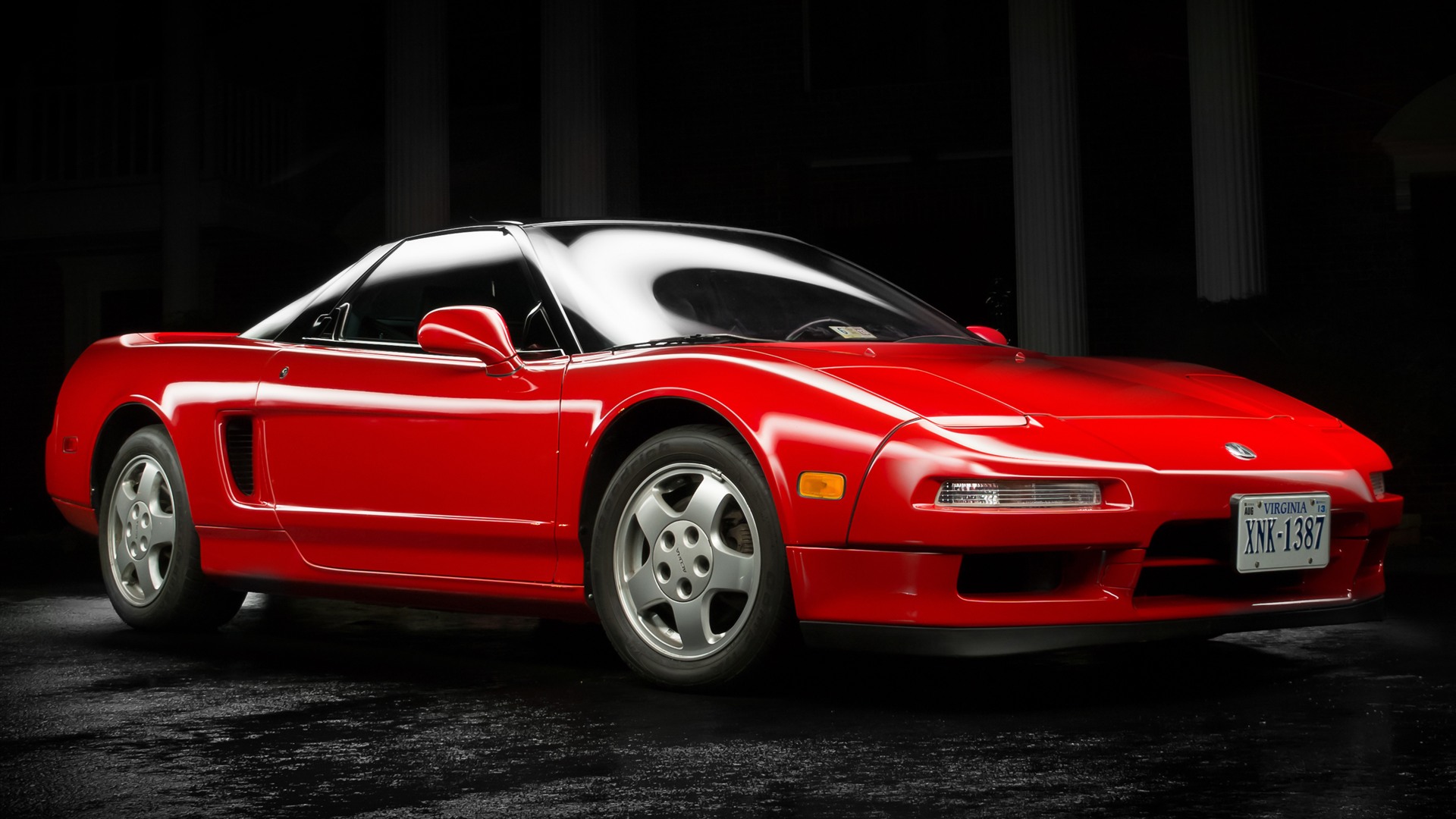
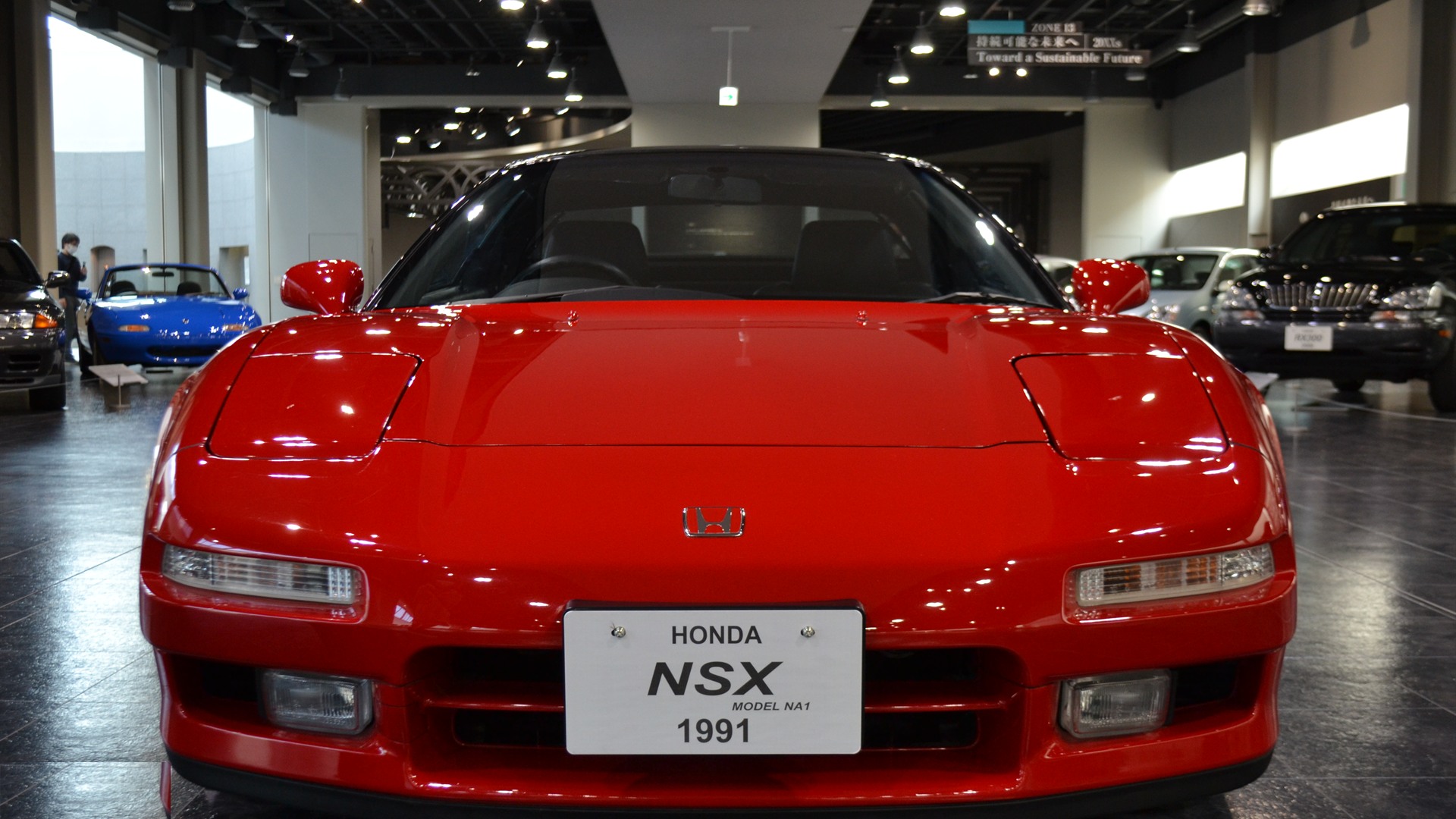
4. 1990 Honda NSX (NA1)
Before the Honda NSX debuted in 1990, mid-engine exotics were notorious for heavy clutches and poor visibility. Honda built the world's first all-aluminum production monocoque, fitted a titanium-rod 3.0-liter VTEC V6, and invited three-time Formula One champion Ayrton Senna to stiffen and tune its chassis.
©Wikimedia / stillwellmike
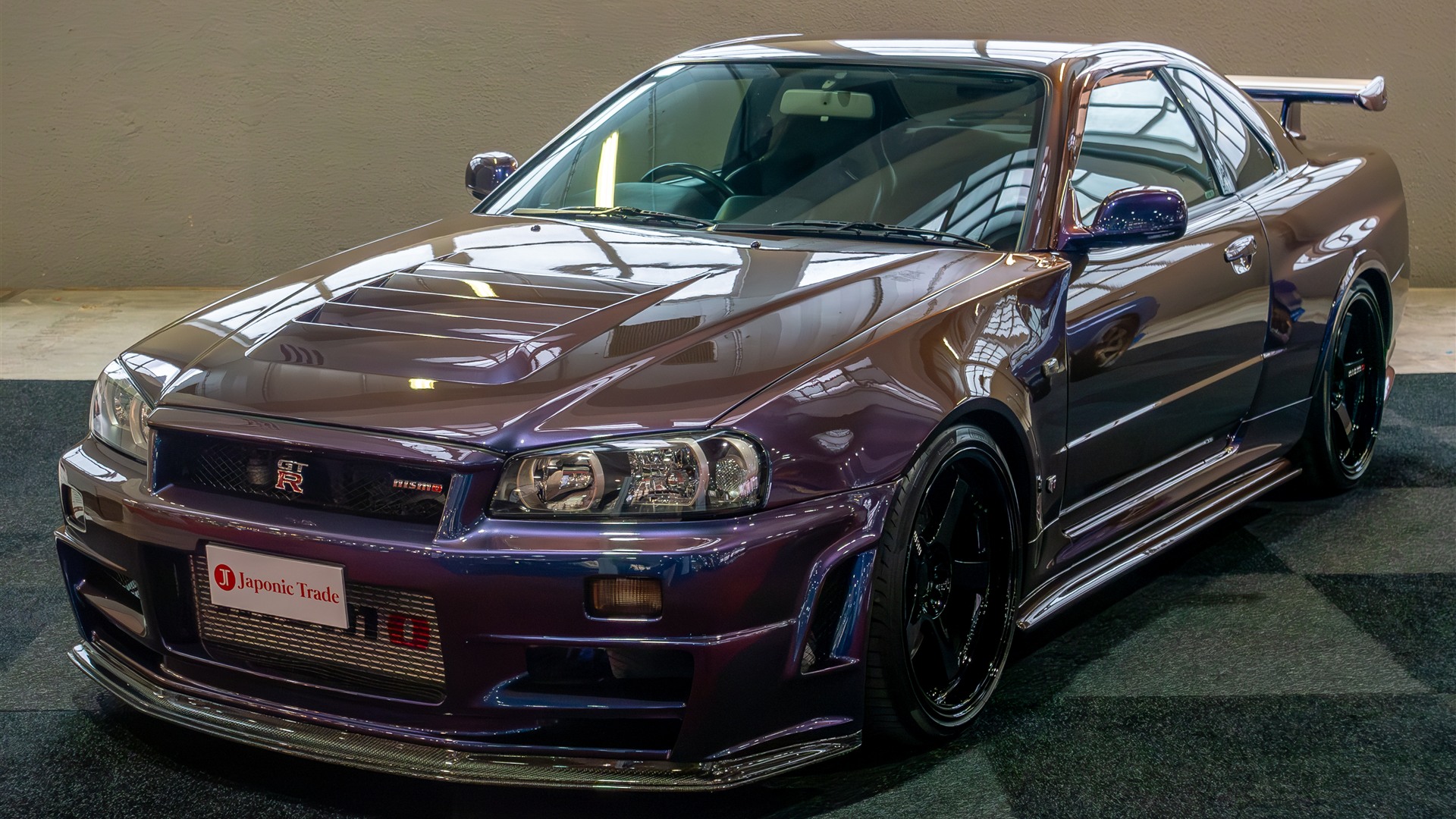
3. 1999 Nissan Skyline GT-R (R34)
The fifth-generation R34 Nissan Skyline GT-R arrived in 1999 as the sharpest evolution of the Godzilla bloodline. Its 2.6-liter RB26DETT twin-turbo straight-six worked alongside ATTESA E-TS Pro all-wheel drive, four-wheel steering, and a dashboard telemetry display co-developed with Polyphony Digital.
©Wikimedia / Matti Blume
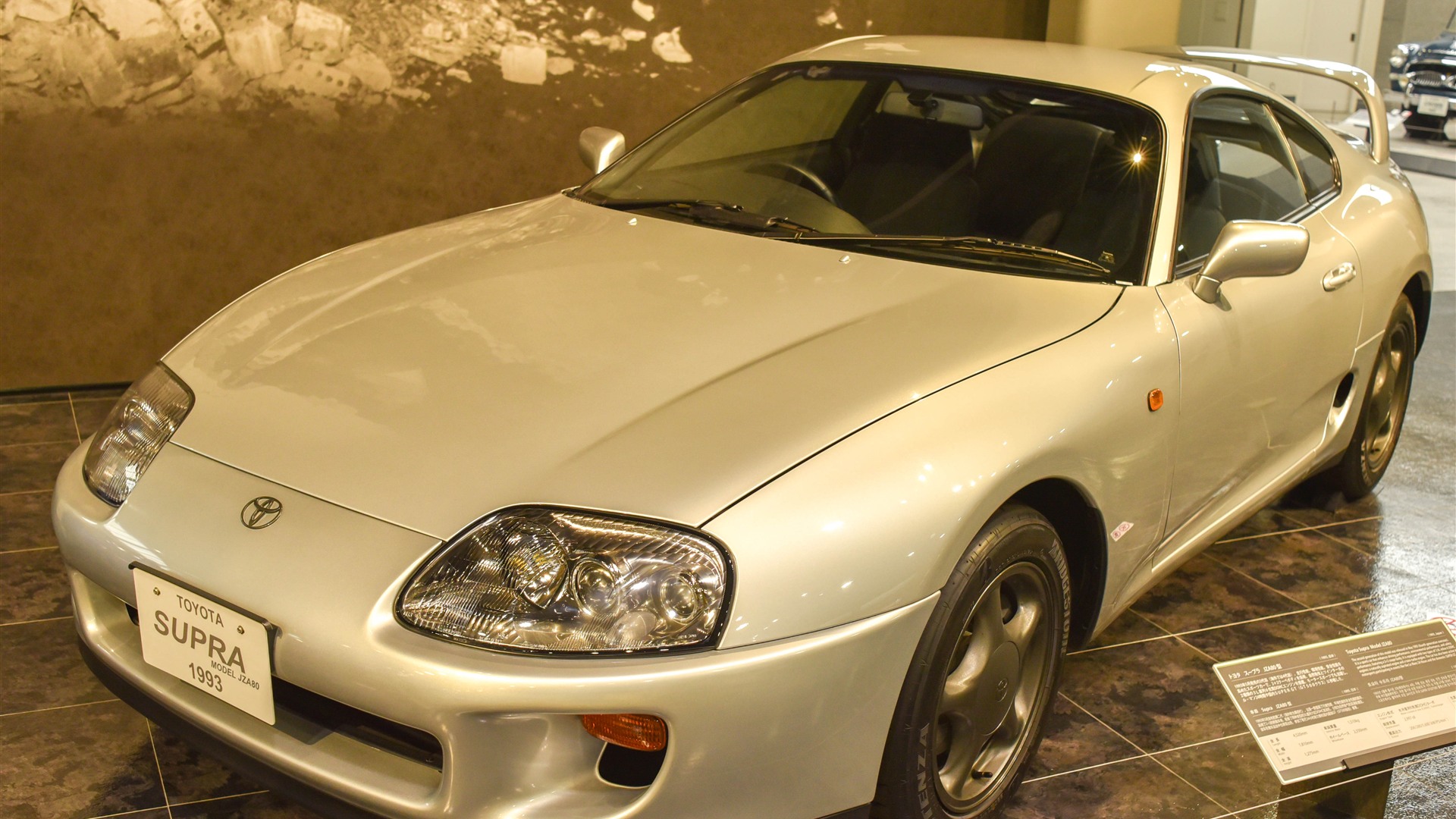
2. 1993 Toyota Supra Turbo (MkIV)
When the A80 Toyota Supra launched in 1993, its 149-foot stopping distance from 70 mph outbraked every supercar on sale. Its lasting fame comes from the cast-iron 3.0-liter 2JZ-GTE sequential twin-turbo inline-six, whose stout internals could handle more than double its factory 320 horsepower unmodified.
©Wikimedia / Coolalabright
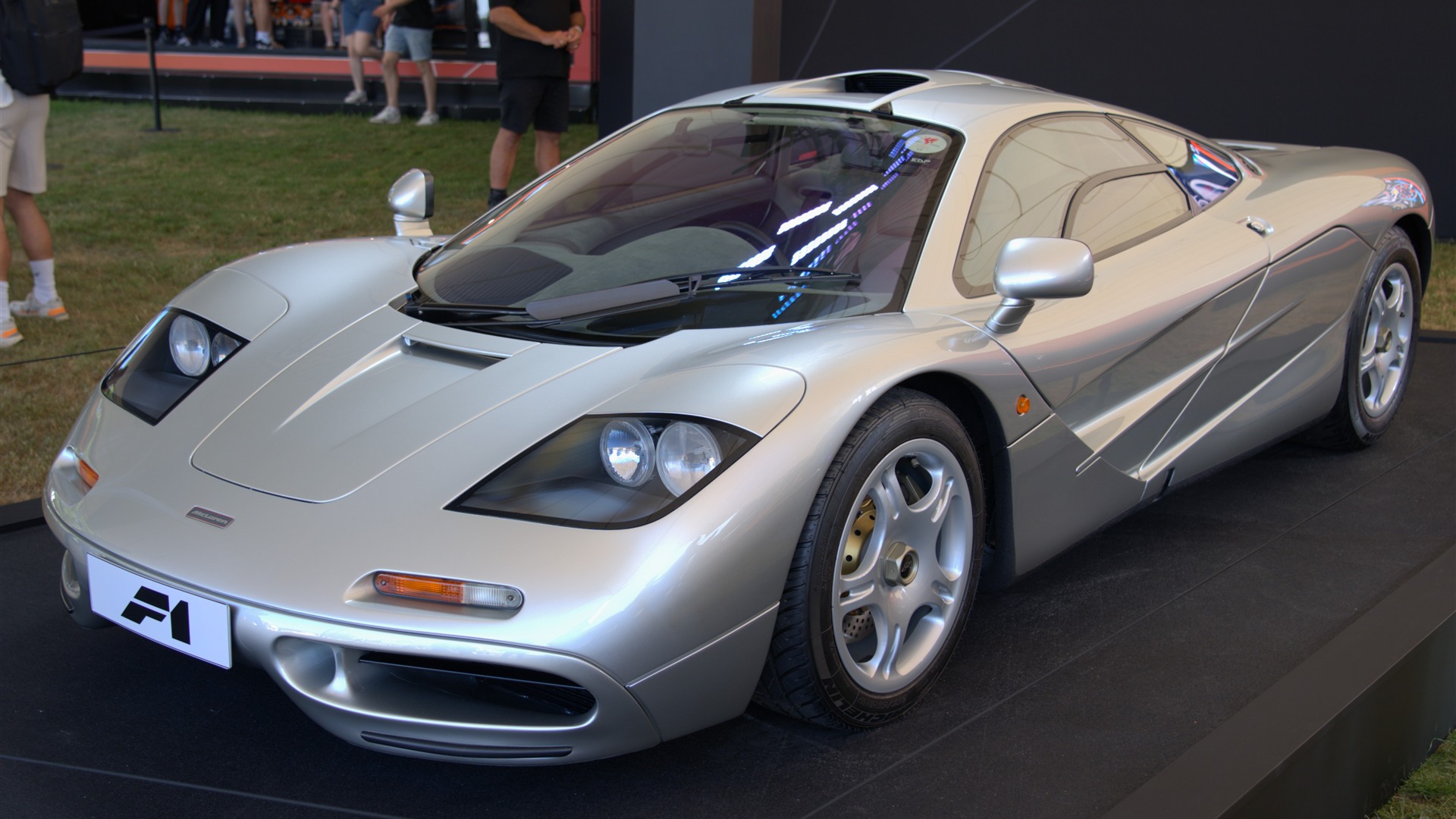
1. 1992 McLaren F1
Designer Gordon Murray built the 1992 McLaren F1 with zero compromises in weight or driver focus. It placed the driver dead center in a carbon-fiber monocoque, lined its engine bay with 24-karat gold foil, and used a 618-horsepower BMW V12. In 1998, Andy Wallace drove XP5 to a record 240.1 mph.

©Wikimedia / MrWalkr
Advertisement
You've reached the end of the story. Thanks for reading!

20 Iconic Historical Photos and the Archive Clues Behind Them
Contact sheets, cracked glass plates, and NASA mission logs preserve the hidden steps behind 20 famous photographs. Drawing on records from the Library of Congress, the National Archives, NASA, and the Smithsonian, this countdown traces how cropping, camera setups, and double exposures shaped each frame.
All 15 Entries in this Story
15. 1994 Audi RS2 Avant
Audi partnered directly with Porsche at its Zuffenhausen plant in 1994, fitting an Audi 80 Avant with a boosted 2.2-liter five-cylinder turbo engine, Porsche 968 Club Sport wheels, and red Brembo brakes. With quattro all-wheel drive, the wagon launched from zero to 30 mph faster than a McLaren F1.

14. 1992 Ford Escort RS Cosworth
To homologate a World Rally Championship contender for Group A competition, Ford shortened a Sierra Cosworth 4x4 floorpan and clothed it in wide-body Escort sheet metal. Designer Frank Stephenson shaped its bi-plane rear wing for real high-speed downforce, backed by a 2.0-liter Cosworth turbo engine.

13. 1991 Bugatti EB110
Entrepreneur Romano Artioli revived the Bugatti marque in 1991 with a clean-sheet factory near Modena. The EB110 paired an Aerospatiale carbon-fiber monocoque with a 3.5-liter 60-valve V12 fed by four IHI turbochargers, producing up to 603 horsepower in Super Sport trim and setting the template for modern hypercars.

12. 1992 Jaguar XJ220
Born as an after-hours project by Jaguar engineers known as the Saturday Club, the XJ220 evolved into one of the most dramatic supercars of the 1990s. Its race-bred 3.5-liter twin-turbocharged V6 produced 542 horsepower, propelling driver Martin Brundle to 217.1 mph at Italy's Nardo test track in 1992.

11. 1997 Honda Integra Type R (DC2)
Honda treated the DC2 Integra Type R like a factory race car built for public roads. Technicians hand-polished the ports on its naturally aspirated 1.8-liter B18C5 VTEC engine to extract over 100 horsepower per liter, pairing it with a seam-welded chassis, lighter glass, and a helical limited-slip differential.

10. 1991 Porsche 911 Turbo (964)
The 964-generation Porsche 911 Turbo paired classic air-cooled character with coil-spring suspension and power steering. Launched in 1991 with a 3.3-liter turbocharged flat-six and later upgraded to a 355-horsepower 3.6-liter unit, its starring role in the 1995 film Bad Boys cemented its place in pop culture.

9. 1992 Dodge Viper RT/10
Guided by Bob Lutz, Tom Gale, and Carroll Shelby, Dodge built the 1992 Viper RT/10 as a pure American roadster with zero compromises. Lamborghini helped cast its 400-horsepower 8.0-liter aluminum V10 engine. Early cars had no exterior door handles, no roll-up glass windows, no anti-lock brakes, and no traction control.

8. 1998 Subaru Impreza 22B STi
To celebrate Subaru's 40th anniversary and three consecutive World Rally constructor titles, Subaru Tecnica International hand-built the 22B STi in 1998. Flared steel fenders widened the coupe by over three inches, while a closed-deck 2.2-liter turbocharged boxer engine delivered ferocious road pace.

7. 1992 Mazda RX-7 (FD3S)
Chief designer Yoichi Sato and engineer Takaharu Kobayakawa trimmed every excess ounce on the FD3S RX-7, even drilling lightening holes into the aluminum pedals. Its 13B-REW sequential twin-turbo two-rotor Wankel engine spun to 8,000 rpm and gave the 2,800-pound coupe a 50-50 weight balance.

6. 1995 Ferrari F50
Rather than using twin turbochargers like its F40 predecessor, the 1995 Ferrari F50 derived its 4.7-liter 60-valve V12 directly from Scuderia Ferrari's 1990 Formula One car. The 513-horsepower engine bolted straight to the carbon-fiber tub as a stressed member and paired with a six-speed manual gearbox.

5. 1990 Lamborghini Diablo
Styled initially by Marcello Gandini, the Lamborghini Diablo arrived in 1990 with wide proportions, upward-swinging scissor doors, and a 5.7-liter naturally aspirated V12 producing 485 horsepower. With a top speed of 202 mph, it claimed bedroom poster walls worldwide and later gained all-wheel drive in VT trim.

4. 1990 Honda NSX (NA1)
Before the Honda NSX debuted in 1990, mid-engine exotics were notorious for heavy clutches and poor visibility. Honda built the world's first all-aluminum production monocoque, fitted a titanium-rod 3.0-liter VTEC V6, and invited three-time Formula One champion Ayrton Senna to stiffen and tune its chassis.

3. 1999 Nissan Skyline GT-R (R34)
The fifth-generation R34 Nissan Skyline GT-R arrived in 1999 as the sharpest evolution of the Godzilla bloodline. Its 2.6-liter RB26DETT twin-turbo straight-six worked alongside ATTESA E-TS Pro all-wheel drive, four-wheel steering, and a dashboard telemetry display co-developed with Polyphony Digital.

2. 1993 Toyota Supra Turbo (MkIV)
When the A80 Toyota Supra launched in 1993, its 149-foot stopping distance from 70 mph outbraked every supercar on sale. Its lasting fame comes from the cast-iron 3.0-liter 2JZ-GTE sequential twin-turbo inline-six, whose stout internals could handle more than double its factory 320 horsepower unmodified.

1. 1992 McLaren F1
Designer Gordon Murray built the 1992 McLaren F1 with zero compromises in weight or driver focus. It placed the driver dead center in a carbon-fiber monocoque, lined its engine bay with 24-karat gold foil, and used a 618-horsepower BMW V12. In 1998, Andy Wallace drove XP5 to a record 240.1 mph.