Slideshow · Viral
15 Most Iconic National Flags and the Stories Behind Them, Ranked
From Denmark's 800-year-old cross and Nepal's twin crimson pennants to the Welsh red dragon, these 15 national flags carry centuries of history and symbolism.
By Most Viral Today
28 Oct 2026

15 Most Iconic National Flags and the Stories Behind Them, Ranked 
15. Seychelles 
14. Jamaica 
13. Greece - AdvertisementSwipe or tap ▶ to continue countdown

12. India 
11. Mexico 
10. South Korea 
9. Brazil - AdvertisementSwipe or tap ▶ to continue countdown

8. France 
7. Canada 
6. South Africa 
5. Japan - AdvertisementSwipe or tap ▶ to continue countdown

4. United States 
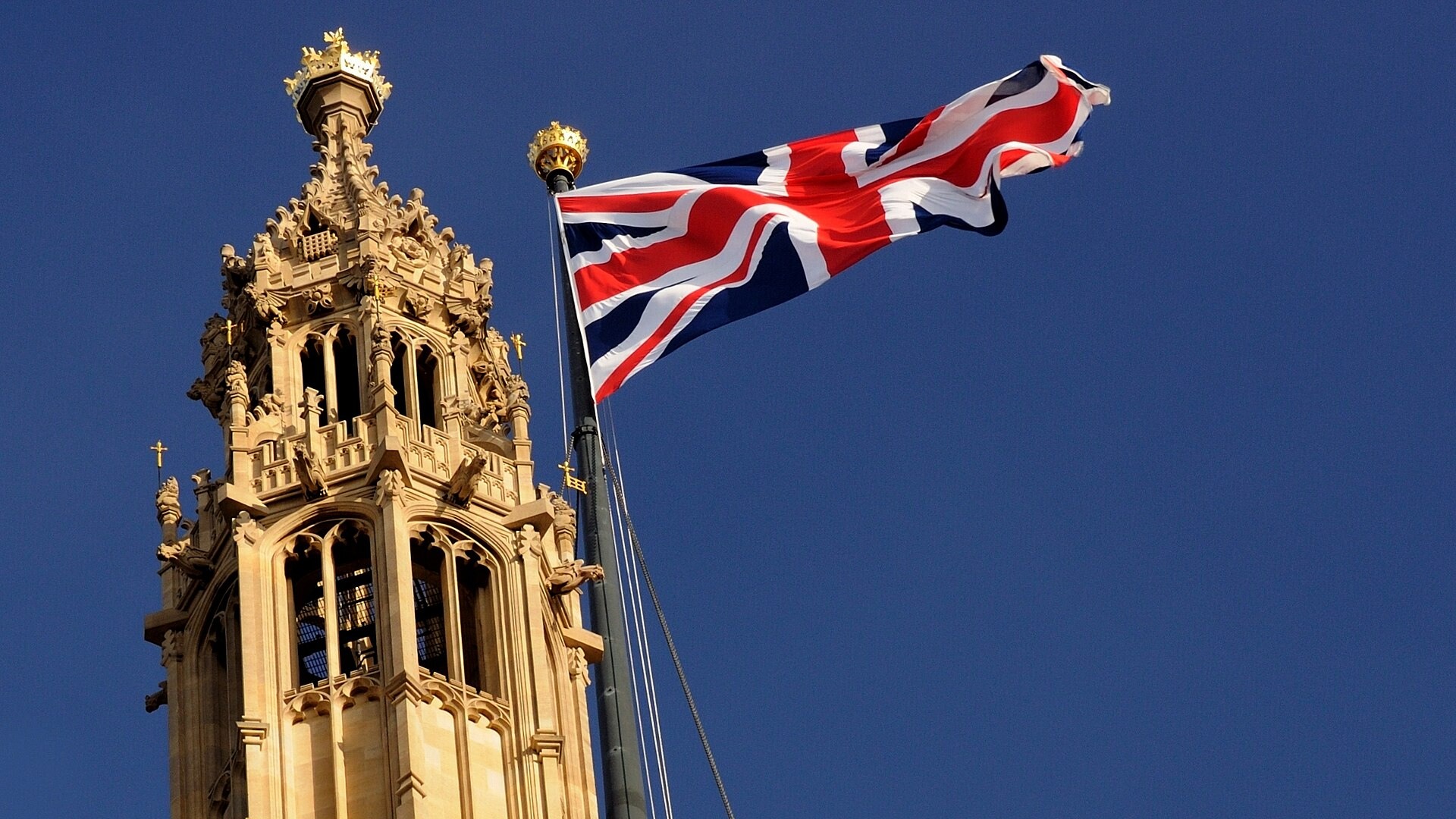
3. United Kingdom 
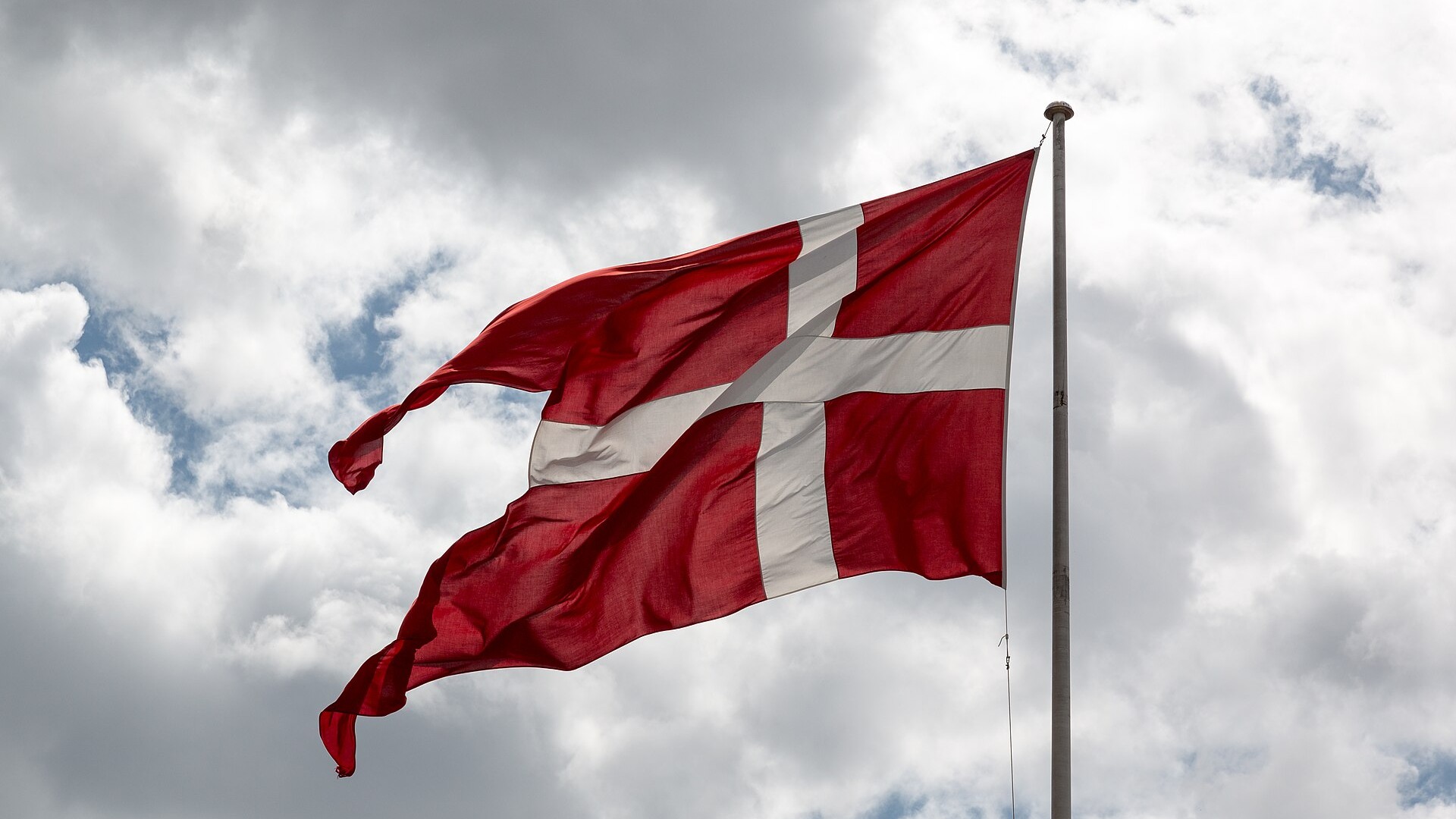
2. Denmark 
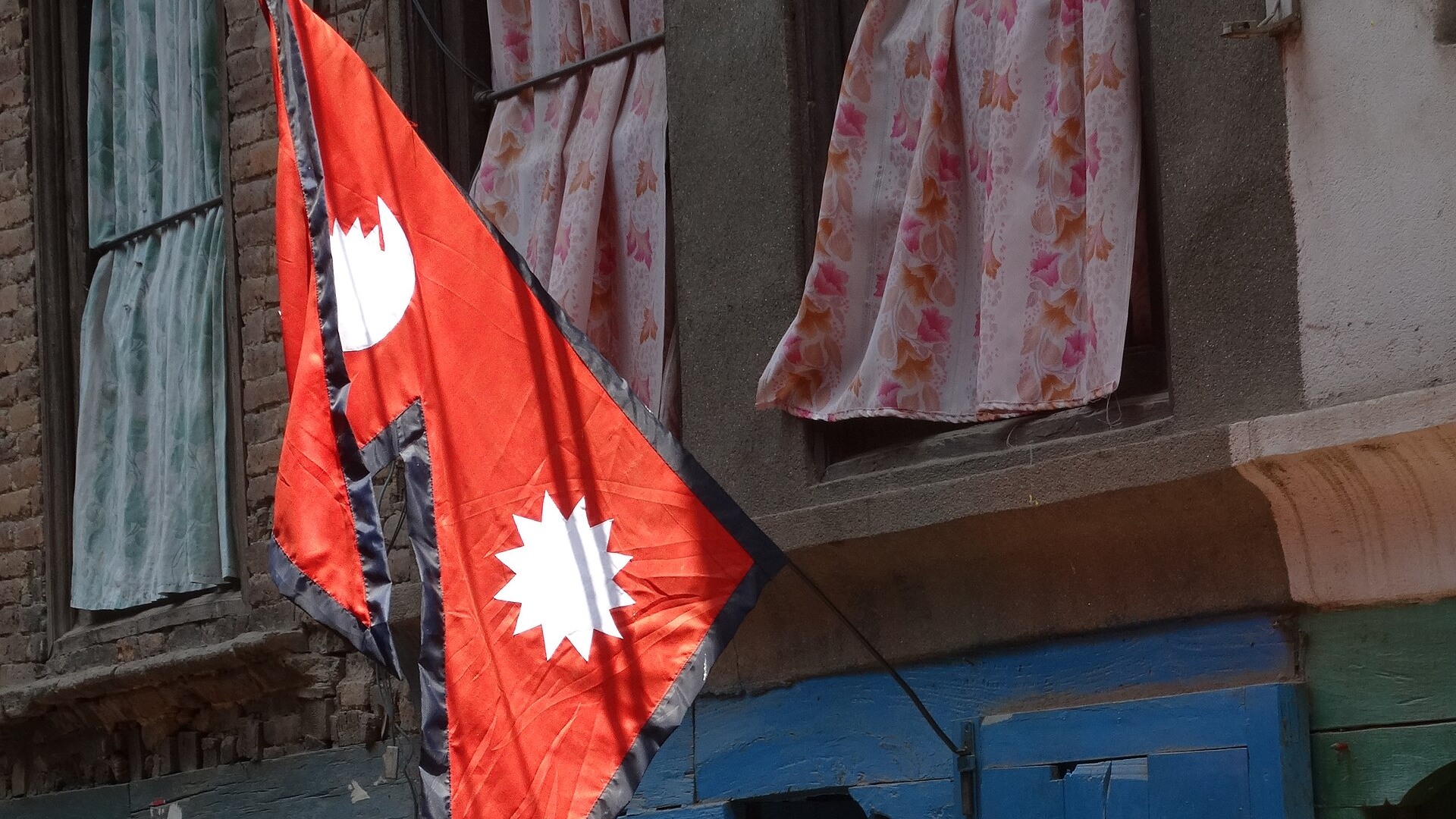
1. Nepal - Advertisement🔥 UP NEXT IN THIS SERIES◫ 21 Slides

20 Iconic Historical Photos and the Archive Clues Behind Them
Contact sheets, cracked glass plates, and NASA mission logs preserve the hidden steps behind 20 famous photographs. Drawing on records from the Library of Congress, the National Archives, NASA, and the Smithsonian, this countdown traces how cropping, camera setups, and double exposures shaped each frame.
Every national flag tells an origin story through color and geometry. From ancient battle banners and revolutionary tricolors to celestial constellations and twin mountain pennants, these 15 iconic flags rank among the most meaningful designs on Earth.
Swipe or tap ▶ to begin the countdown
©Wikimedia / Tom Page
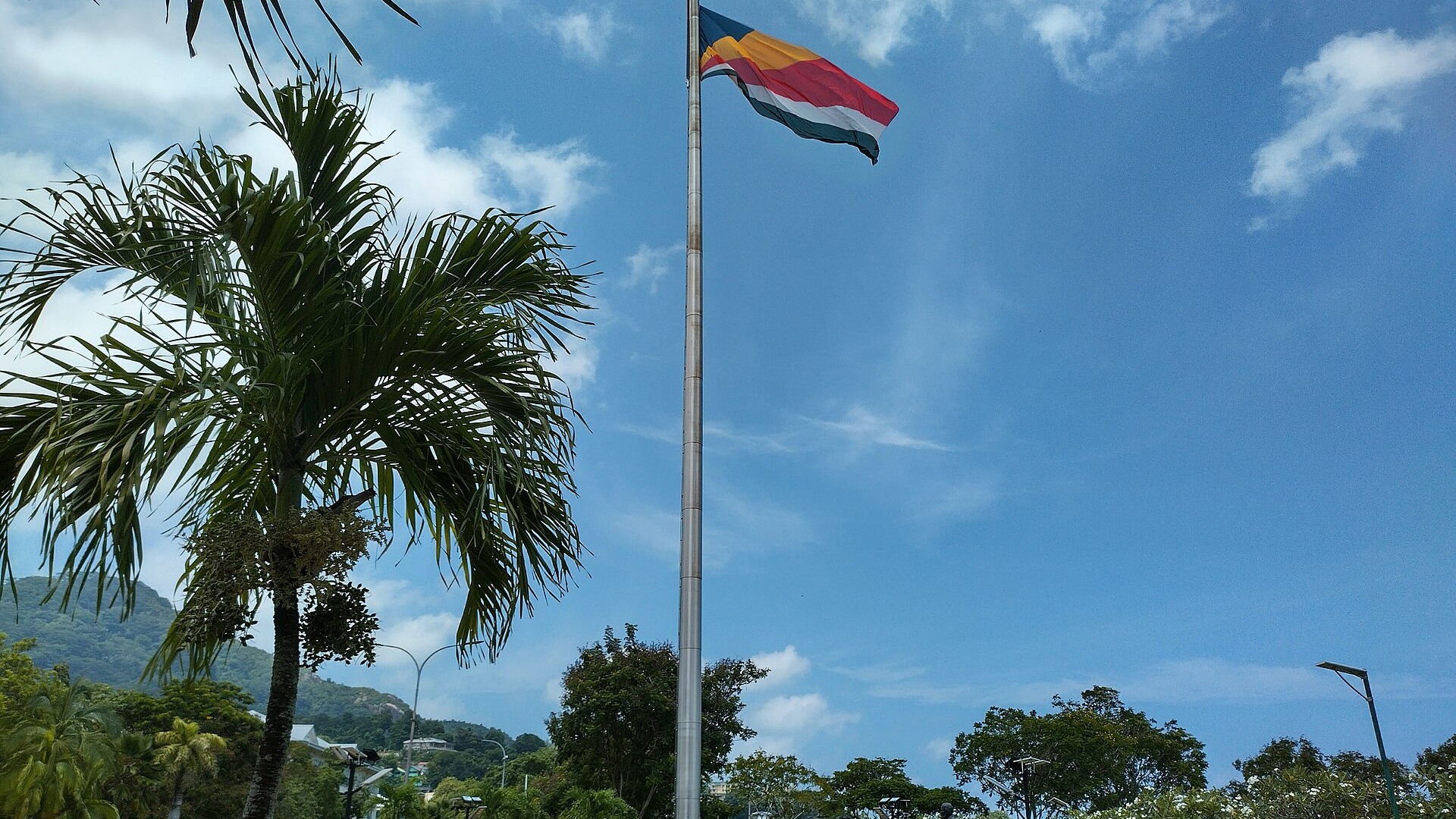
15. Seychelles
Adopted on June 18, 1996, the flag of Seychelles is one of the few national banners to use radiating diagonal rays instead of horizontal or vertical stripes. Blue depicts the Indian Ocean and sky, yellow represents the tropical sun, red stands for unity, white signifies social justice, and green honors the land.
©Wikimedia / Vasilii Martynov
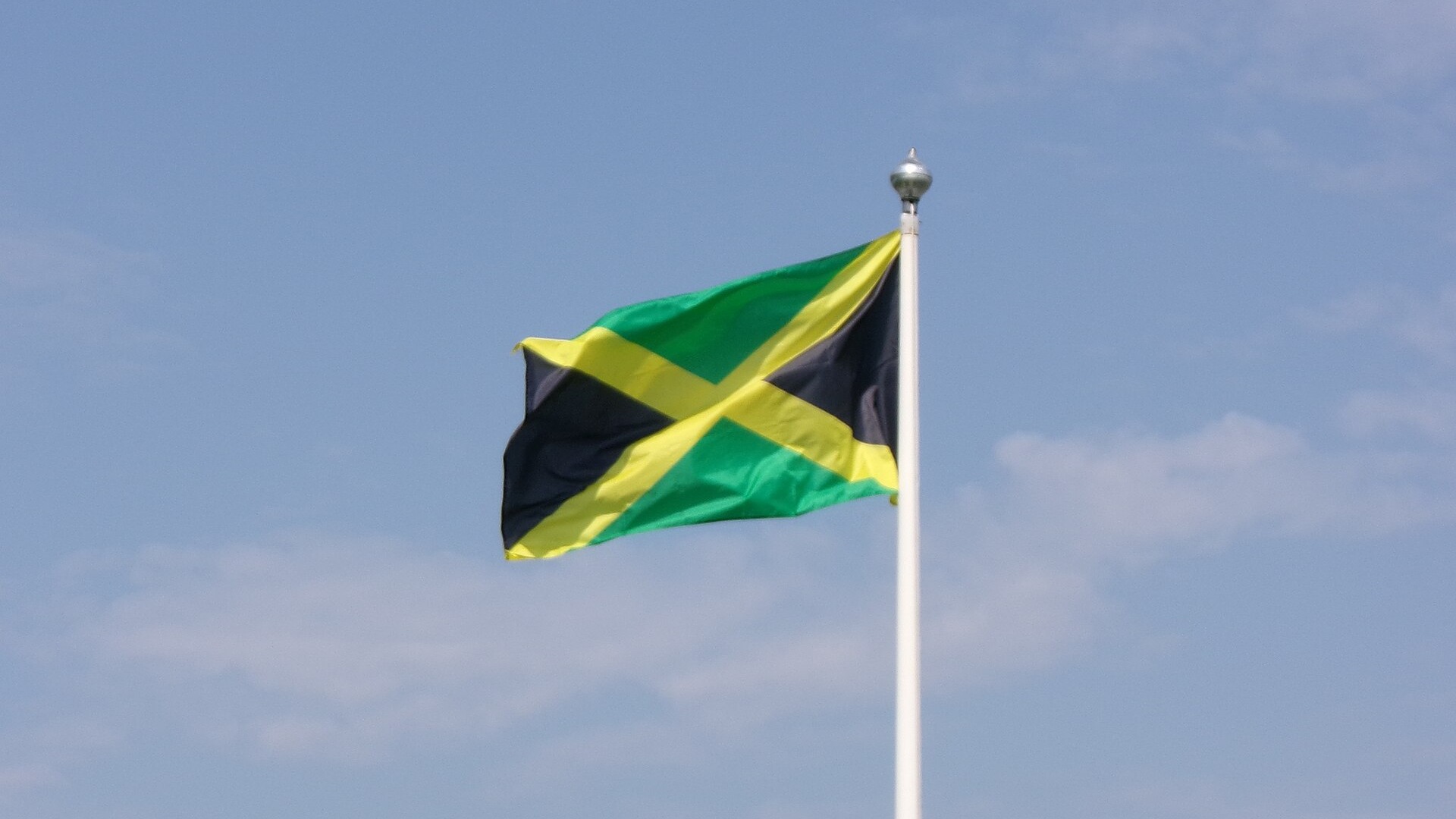
14. Jamaica
Unveiled upon independence on August 6, 1962, Jamaica's gold saltire cross divides two green triangles and two black triangles. Out of nearly two hundred sovereign flags worldwide, it remains the only national flag that contains no shade of red, white, or blue, pairing golden sunshine with lush green land.
©Wikimedia / ITookSomePhotos
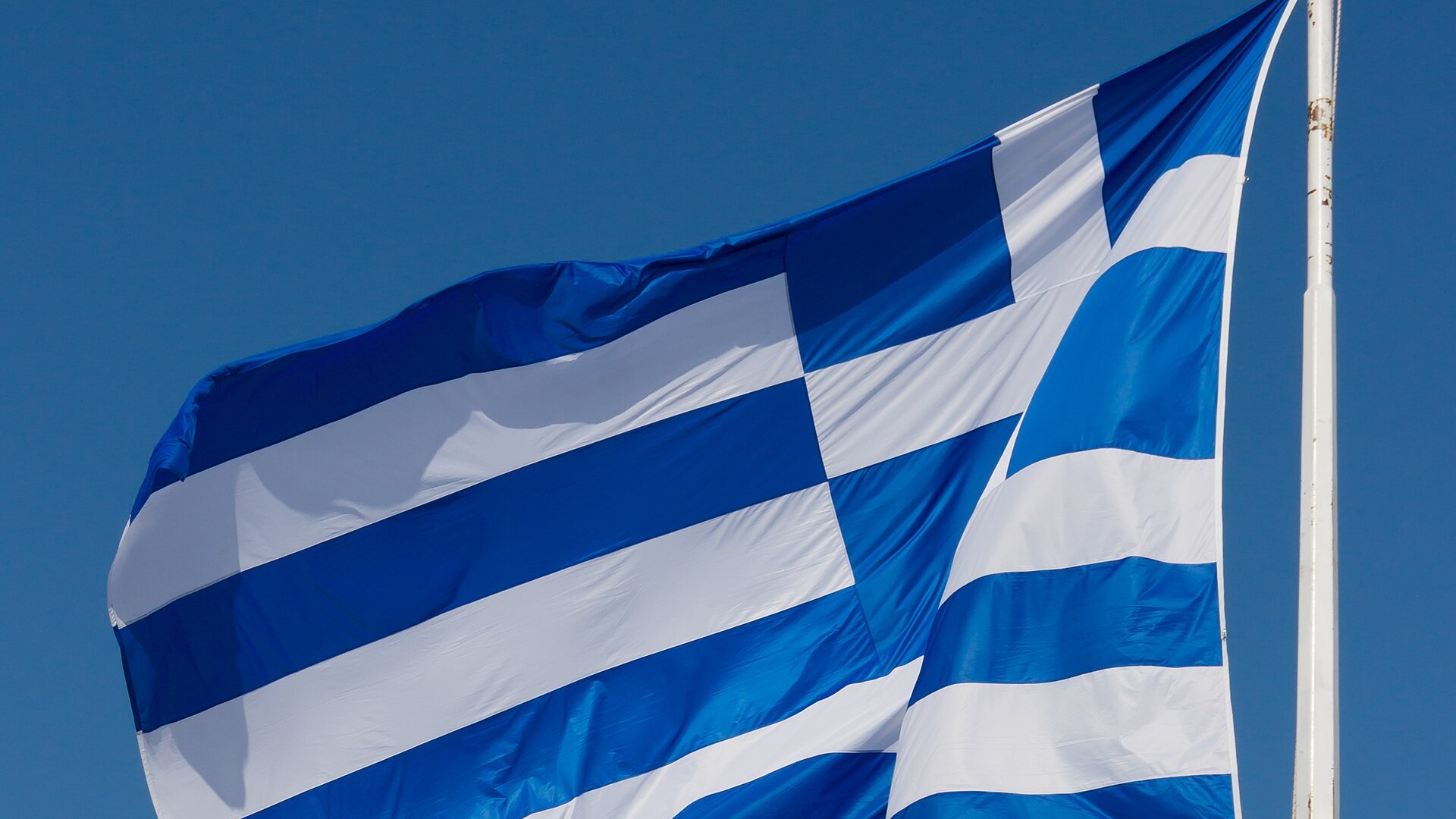
13. Greece
Rooted in the 1821 Greek War of Independence and standardized in 1978, the Greek flag pairs a white cross in the upper canton with nine horizontal stripes of Aegean blue and white. Popular tradition links the nine stripes to the nine syllables of the revolutionary battle cry Eleftheria i Thanatos, Freedom or Death.
©Wikimedia / Jebulon
Advertisement
Swipe or tap ▶ to resume the countdown.
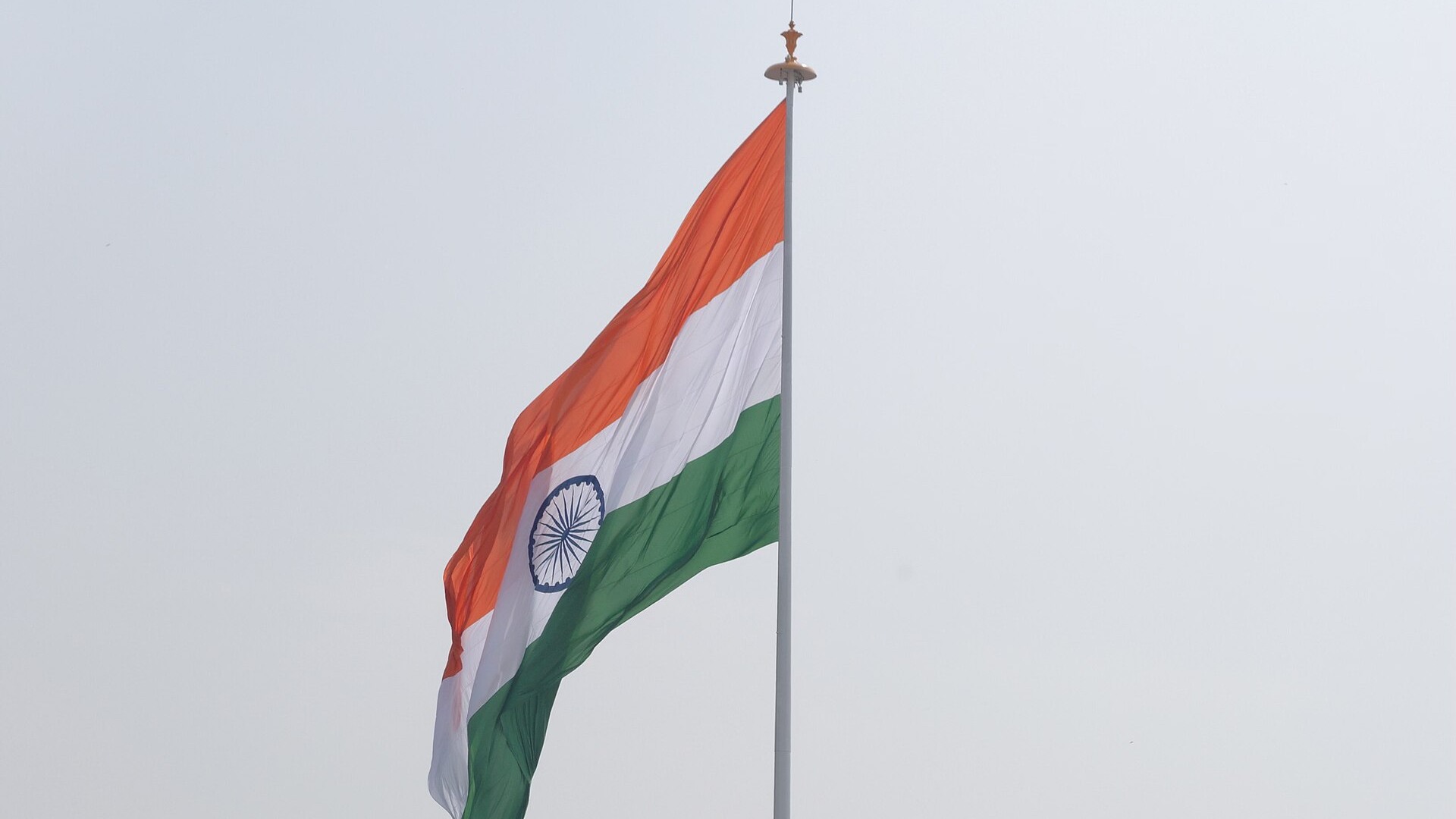
12. India
Known as the Tiranga, India's tricolor was adopted on July 22, 1947, just days before independence. Saffron represents courage and sacrifice, white stands for peace and truth, and green symbolizes faith and chivalry, while the 24-spoke navy blue Ashoka Chakra at the center recalls the Lion Capital of Ashoka at Sarnath.
©Wikimedia / Slyronit
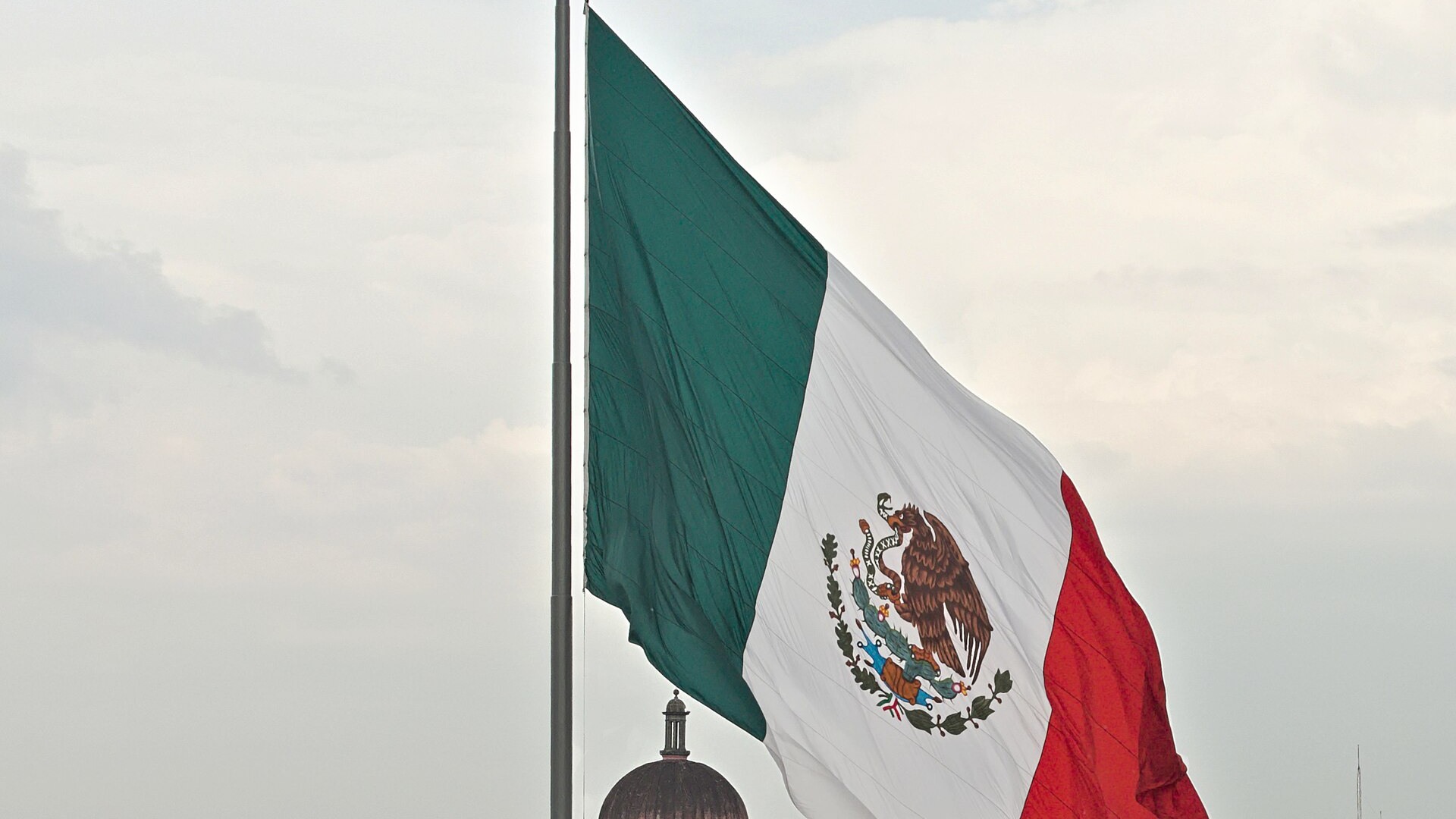
11. Mexico
While the green, white, and red stripes date back to the 1821 Army of the Three Guarantees, the central coat of arms preserves an ancient Mexica prophecy. According to Aztec legend, the wandering Mexica people built their capital of Tenochtitlan on a lake island where an eagle perched on a cactus eating a serpent.
©Wikimedia / Cvmontuy
10. South Korea
First created in 1882 during the Joseon dynasty and standardized by the Republic of Korea in 1948, the Taegeukgi rests on a pure white field symbolizing peace. The central red and blue circle represents cosmic balance, surrounded by four black trigrams that stand for heaven, earth, water, and fire.
©Wikimedia / Stephen Politzer-Ahles
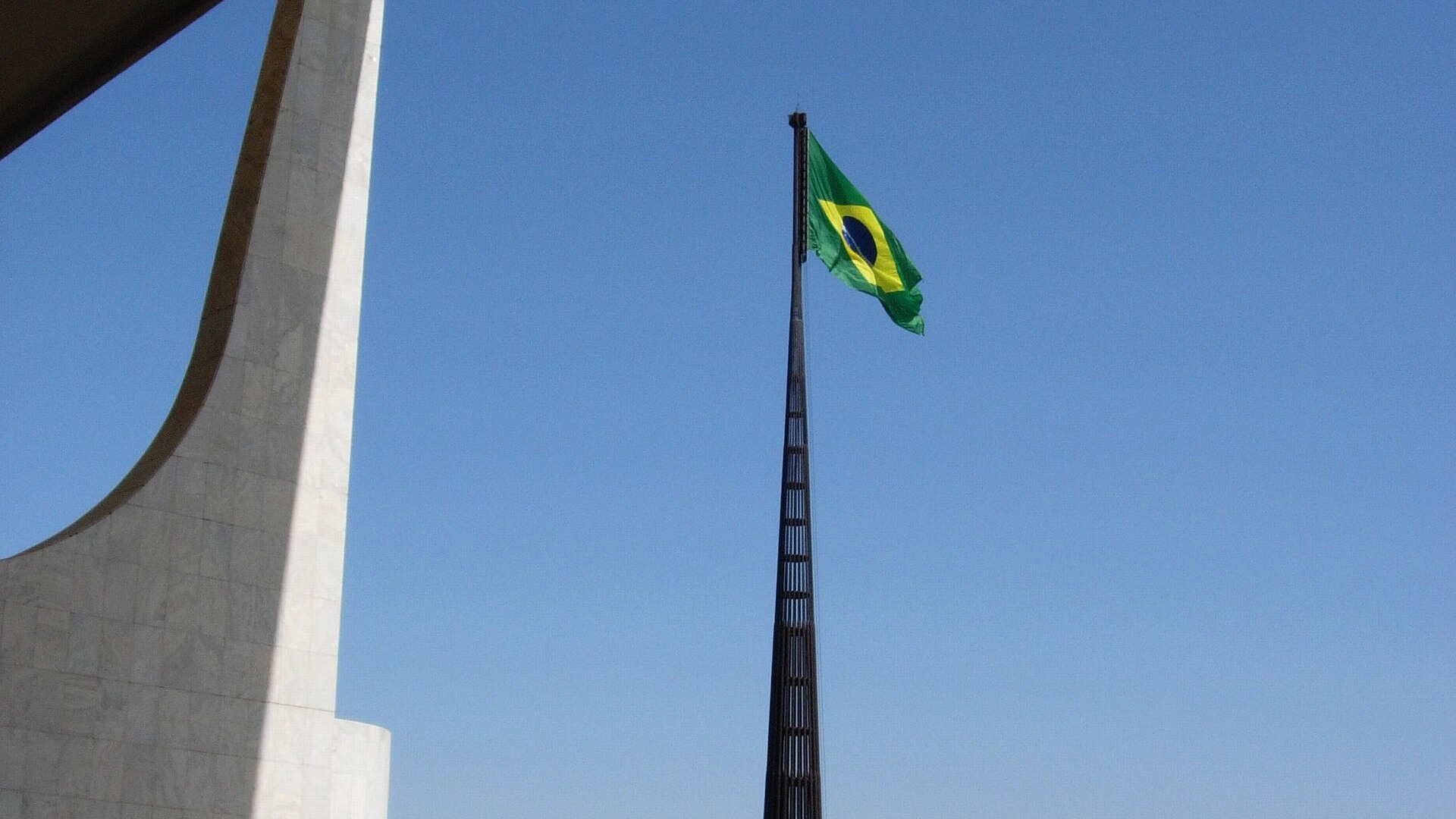
9. Brazil
Adopted four days after the proclamation of the republic on November 19, 1889, the Brazilian flag kept the green and yellow colors of the imperial era while replacing the royal crest with a starry blue globe. Each of the 27 white stars corresponds to a Brazilian state or the Federal District, led by the Southern Cross.
©Wikimedia / Ivano Gutz
Advertisement
Swipe or tap ▶ to resume the countdown.
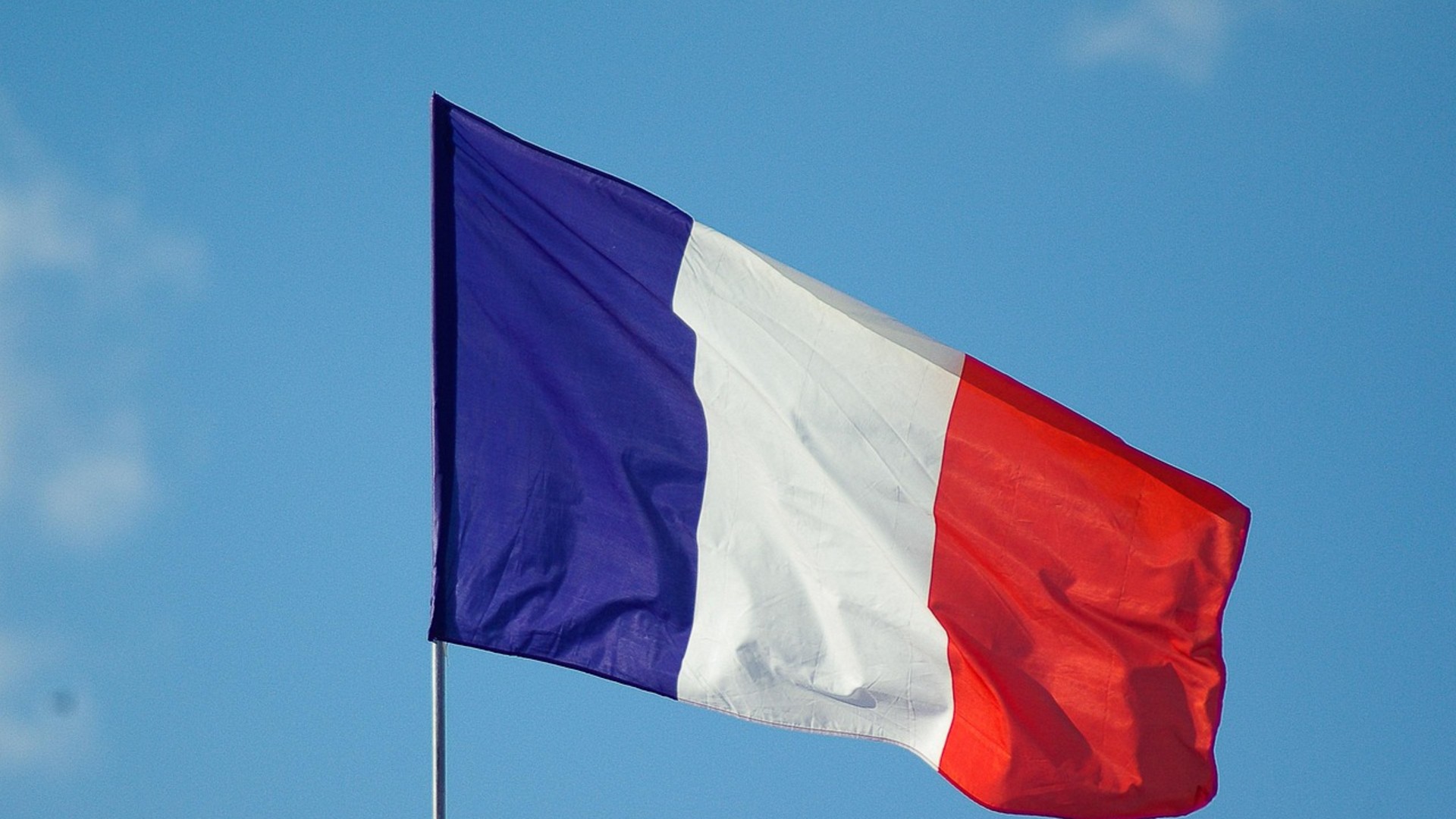
8. France
Few flags reshaped world vexillology like the French Tricolore. Shortly after the storming of the Bastille in July 1789, the Marquis de Lafayette combined the blue and red colors of the city of Paris with the traditional royal white, creating a vertical three-band template later adopted by dozens of republics.
©Pixabay / jackmac34
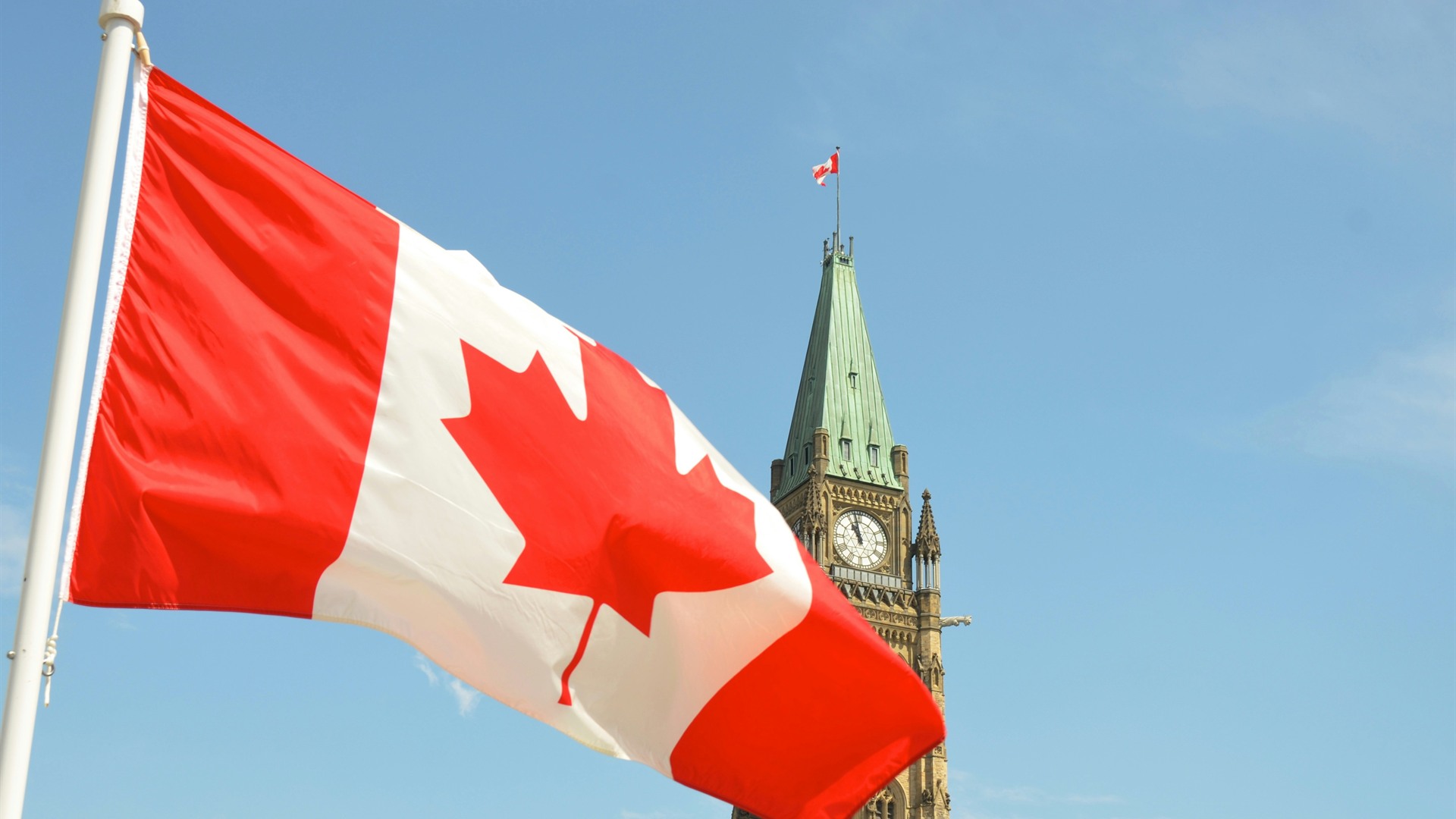
7. Canada
Following months of parliamentary debate and thousands of public submissions in 1964, Canada replaced its old Red Ensign with the single red maple leaf on February 15, 1965. Designed by George Stanley and refined in a wind tunnel so its eleven points stayed sharp in high winds, the Maple Leaf is an instant icon.
©Unsplash / Jason Hafso
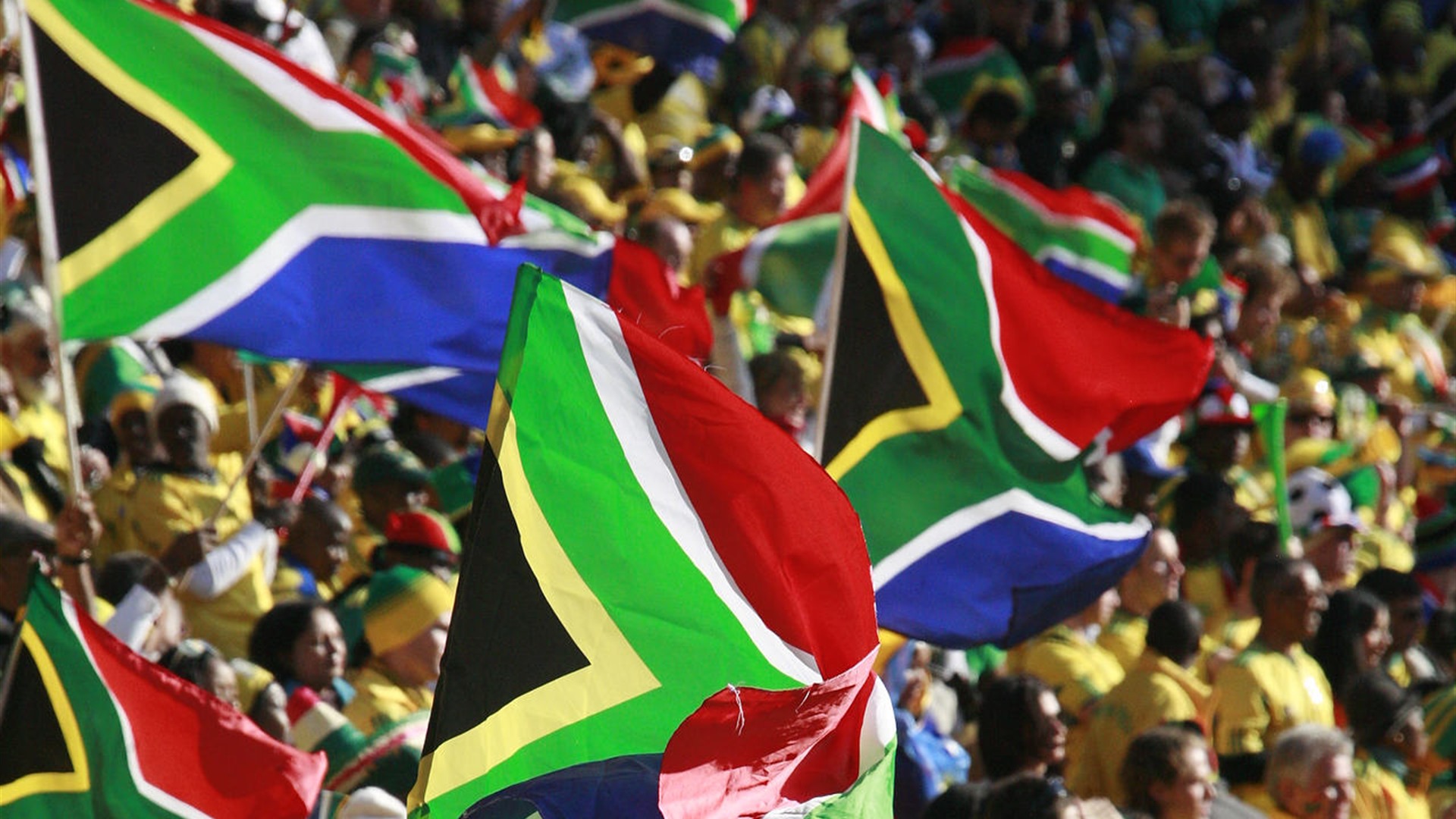
6. South Africa
Hoisted for the first time on April 27, 1994, on the day of South Africa's first fully democratic election and Nelson Mandela's victory, this six-color banner was designed in just days by State Herald Fred Brownell. Its horizontal Y shape symbolizes diverse paths converging into one unified nation moving forward.
©Wikimedia / Steve Evans
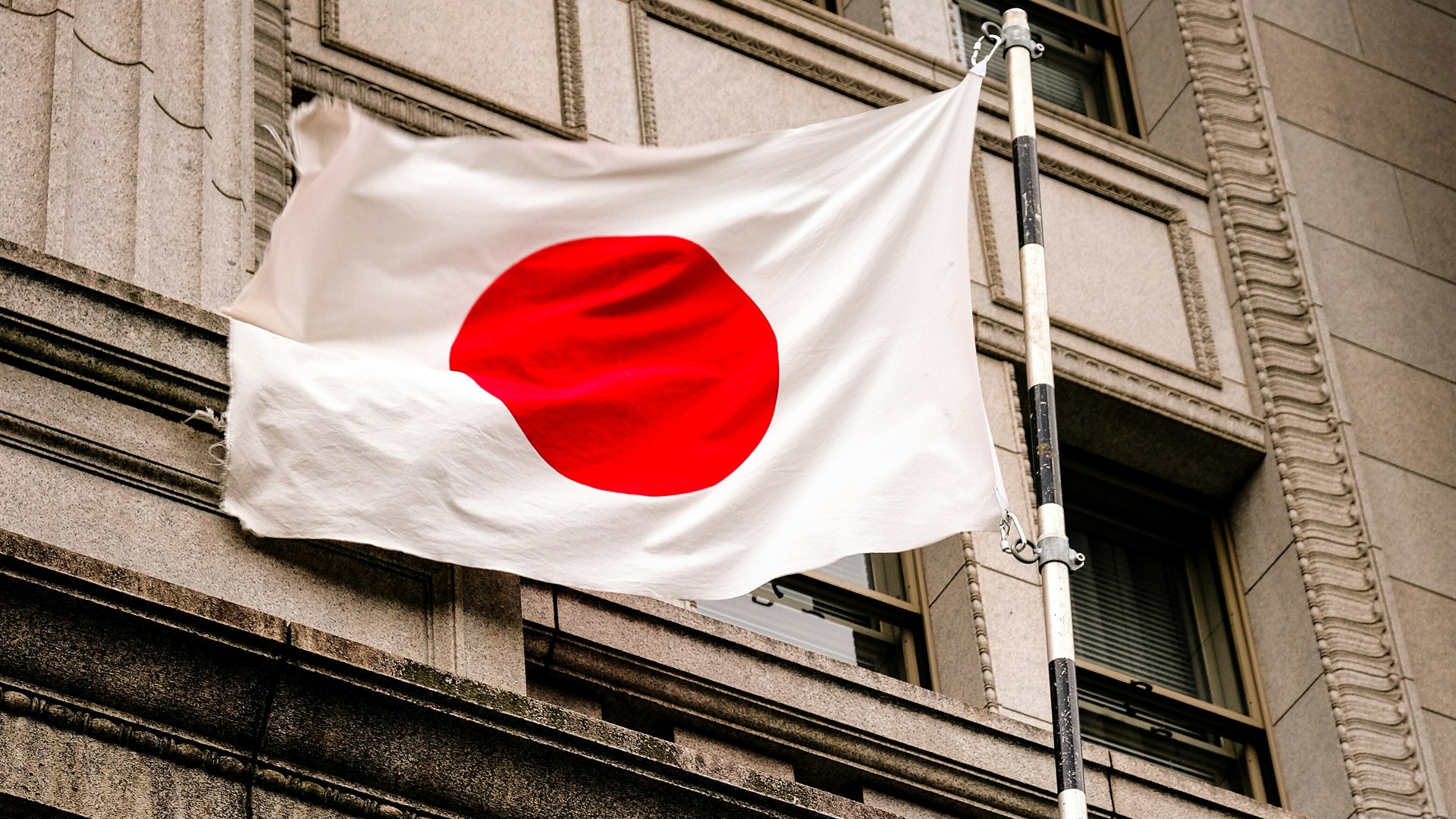
5. Japan
Officially called the Nisshoki and widely known as the Hinomaru, meaning Circle of the Sun, Japan's flag is a masterclass in minimalist geometry. Used by samurai clans and merchant ships by the twelfth century and adopted as the civil ensign in 1870, its crimson disc honors Amaterasu, the Shinto sun goddess.
©Unsplash / Fumiaki Hayashi
Advertisement
Swipe or tap ▶ to resume the countdown.
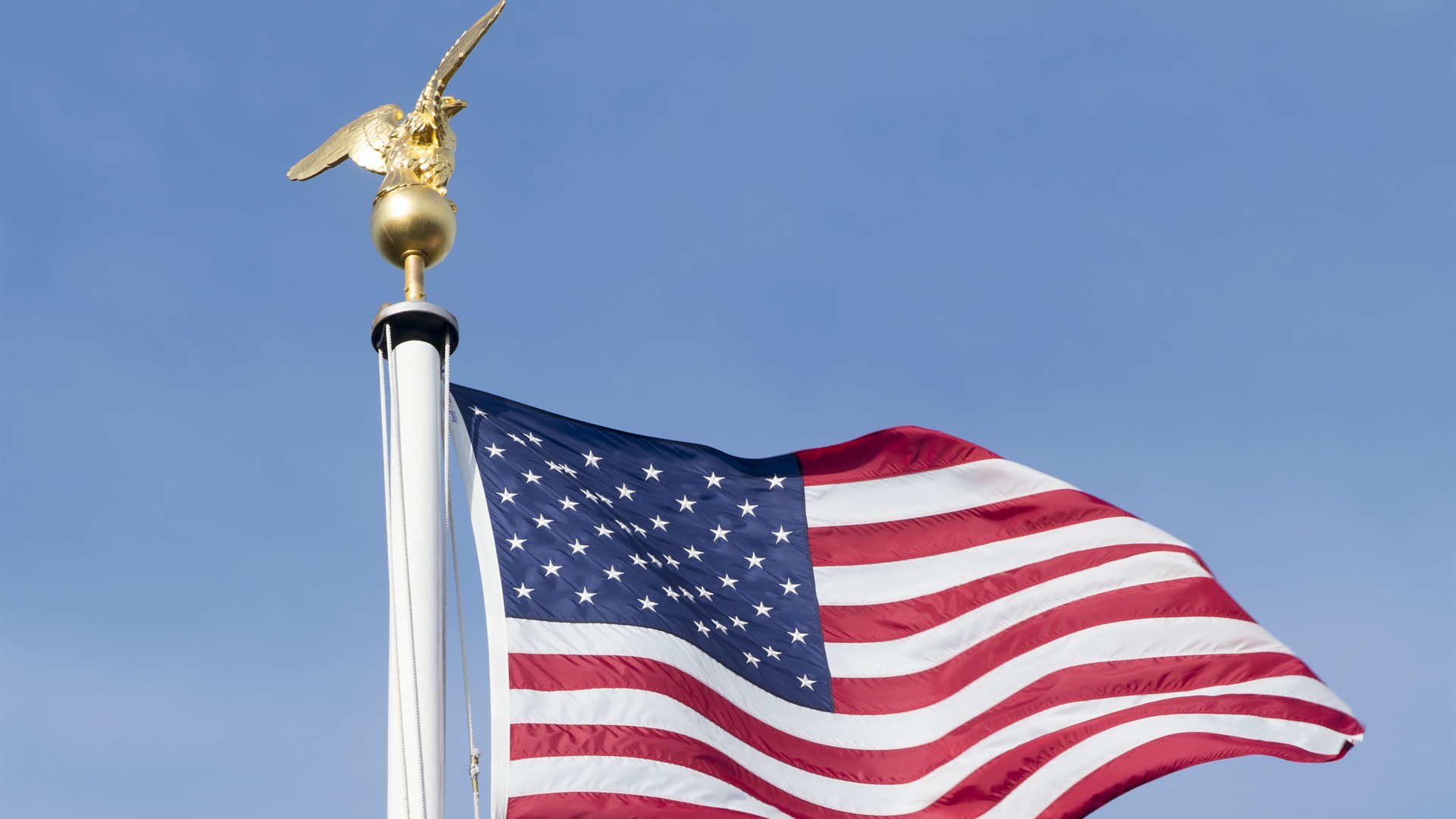
4. United States
Passed by the Second Continental Congress on June 14, 1777, the Stars and Stripes has evolved through twenty-seven official versions as the nation expanded westward. The current 50-star arrangement was designed in 1958 by 17-year-old Ohio high school student Robert G. Heft as a class history project.
©DVIDS / Air Force photo by Jennifer Zima
3. United Kingdom
Rather than a single emblem, the Union Flag is an ingenious heraldic composite created in two stages. In 1606, King James VI and I merged the red cross of St George of England with the white saltire of St Andrew of Scotland, and the 1801 Act of Union added the diagonal red cross of St Patrick for Ireland.
©Wikimedia / Ввласенко
2. Denmark
Known as the Dannebrog, Denmark's red banner with an off-center white Nordic cross holds the world record as the oldest continuously used national flag. According to Danish legend, it fell from the sky during King Valdemar II's Battle of Lyndanisse on June 15, 1219, inspiring every Nordic cross.
©Wikimedia / Dietmar Rabich
1. Nepal
Standing alone among every sovereign banner on the planet, Nepal's national flag refuses the standard four-sided rectangle in favor of two stacked crimson pennants bordered in royal blue. Standardized in 1962, its twin peaks honor the Himalayas while the moon and sun pledge eternal permanence.

©Wikimedia / Adam Jones
Advertisement
You've reached the end of the story. Thanks for reading!

20 Iconic Historical Photos and the Archive Clues Behind Them
Contact sheets, cracked glass plates, and NASA mission logs preserve the hidden steps behind 20 famous photographs. Drawing on records from the Library of Congress, the National Archives, NASA, and the Smithsonian, this countdown traces how cropping, camera setups, and double exposures shaped each frame.
All 15 Entries in this Story
15. Seychelles
Adopted on June 18, 1996, the flag of Seychelles is one of the few national banners to use radiating diagonal rays instead of horizontal or vertical stripes. Blue depicts the Indian Ocean and sky, yellow represents the tropical sun, red stands for unity, white signifies social justice, and green honors the land.

14. Jamaica
Unveiled upon independence on August 6, 1962, Jamaica's gold saltire cross divides two green triangles and two black triangles. Out of nearly two hundred sovereign flags worldwide, it remains the only national flag that contains no shade of red, white, or blue, pairing golden sunshine with lush green land.

13. Greece
Rooted in the 1821 Greek War of Independence and standardized in 1978, the Greek flag pairs a white cross in the upper canton with nine horizontal stripes of Aegean blue and white. Popular tradition links the nine stripes to the nine syllables of the revolutionary battle cry Eleftheria i Thanatos, Freedom or Death.

12. India
Known as the Tiranga, India's tricolor was adopted on July 22, 1947, just days before independence. Saffron represents courage and sacrifice, white stands for peace and truth, and green symbolizes faith and chivalry, while the 24-spoke navy blue Ashoka Chakra at the center recalls the Lion Capital of Ashoka at Sarnath.

11. Mexico
While the green, white, and red stripes date back to the 1821 Army of the Three Guarantees, the central coat of arms preserves an ancient Mexica prophecy. According to Aztec legend, the wandering Mexica people built their capital of Tenochtitlan on a lake island where an eagle perched on a cactus eating a serpent.

10. South Korea
First created in 1882 during the Joseon dynasty and standardized by the Republic of Korea in 1948, the Taegeukgi rests on a pure white field symbolizing peace. The central red and blue circle represents cosmic balance, surrounded by four black trigrams that stand for heaven, earth, water, and fire.

9. Brazil
Adopted four days after the proclamation of the republic on November 19, 1889, the Brazilian flag kept the green and yellow colors of the imperial era while replacing the royal crest with a starry blue globe. Each of the 27 white stars corresponds to a Brazilian state or the Federal District, led by the Southern Cross.

8. France
Few flags reshaped world vexillology like the French Tricolore. Shortly after the storming of the Bastille in July 1789, the Marquis de Lafayette combined the blue and red colors of the city of Paris with the traditional royal white, creating a vertical three-band template later adopted by dozens of republics.

7. Canada
Following months of parliamentary debate and thousands of public submissions in 1964, Canada replaced its old Red Ensign with the single red maple leaf on February 15, 1965. Designed by George Stanley and refined in a wind tunnel so its eleven points stayed sharp in high winds, the Maple Leaf is an instant icon.

6. South Africa
Hoisted for the first time on April 27, 1994, on the day of South Africa's first fully democratic election and Nelson Mandela's victory, this six-color banner was designed in just days by State Herald Fred Brownell. Its horizontal Y shape symbolizes diverse paths converging into one unified nation moving forward.

5. Japan
Officially called the Nisshoki and widely known as the Hinomaru, meaning Circle of the Sun, Japan's flag is a masterclass in minimalist geometry. Used by samurai clans and merchant ships by the twelfth century and adopted as the civil ensign in 1870, its crimson disc honors Amaterasu, the Shinto sun goddess.

4. United States
Passed by the Second Continental Congress on June 14, 1777, the Stars and Stripes has evolved through twenty-seven official versions as the nation expanded westward. The current 50-star arrangement was designed in 1958 by 17-year-old Ohio high school student Robert G. Heft as a class history project.

3. United Kingdom
Rather than a single emblem, the Union Flag is an ingenious heraldic composite created in two stages. In 1606, King James VI and I merged the red cross of St George of England with the white saltire of St Andrew of Scotland, and the 1801 Act of Union added the diagonal red cross of St Patrick for Ireland.

2. Denmark
Known as the Dannebrog, Denmark's red banner with an off-center white Nordic cross holds the world record as the oldest continuously used national flag. According to Danish legend, it fell from the sky during King Valdemar II's Battle of Lyndanisse on June 15, 1219, inspiring every Nordic cross.

1. Nepal
Standing alone among every sovereign banner on the planet, Nepal's national flag refuses the standard four-sided rectangle in favor of two stacked crimson pennants bordered in royal blue. Standardized in 1962, its twin peaks honor the Himalayas while the moon and sun pledge eternal permanence.