Slideshow · Viral
Stories from the history that will completely break your brain.
From Australia losing a war to 20,000 emus to surviving two atomic bombs.
By Most Viral Today
28 Oct 2026

Stories from the history that will completely break your brain. 
15. The Great Emu War (Australia, 1932) 
14. The Dancing Plague Of 1518 (Strasbourg, Alsace) 
13. Tsutomu Yamaguchi Survived Both Atomic Bombs (1945) - AdvertisementSwipe or tap ▶ to continue countdown

12. Wojtek The Bear Soldier (WWII, 1942) 
11. Juliane Koepcke's 10,000-Foot Fall & Jungle Trek (1971) 
10. The Great Molasses Flood (Boston, 1919) 
9. Mike The Headless Chicken (USA, 1945) - AdvertisementSwipe or tap ▶ to continue countdown

8. Ernest Shackleton's Endurance Expedition (1914 To 1916) 
7. Vesna Vulovic's 33,000-Foot Free Fall (1972) 
6. Roy Sullivan The Human Lightning Rod (1942 To 1977) 
5. Phineas Gage's Brain-Rod Survival (USA, 1848) - AdvertisementSwipe or tap ▶ to continue countdown

4. The Ghost Ship Mary Celeste (Atlantic Ocean, 1872) 
3. Franz Reichelt's Doomed Suit-Parachute (Paris, 1912) 
2. King Charles VI And The Glass Delusion (France) 
1. The Flannan Isles Lighthouse Disappearance (1900) - Advertisement🔥 UP NEXT IN THIS SERIES◫ 21 Slides

20 Iconic Historical Photos and the Archive Clues Behind Them
Contact sheets, cracked glass plates, and NASA mission logs preserve the hidden steps behind 20 famous photographs. Drawing on records from the Library of Congress, the National Archives, NASA, and the Smithsonian, this countdown traces how cropping, camera setups, and double exposures shaped each frame.
Truth is often far stranger than fiction. Across the centuries, human history has produced documented military blunders, miraculous survival feats, and baffling mysteries so extraordinary that they read like Hollywood scripts, yet every single one of these 15 events actually happened.
Swipe or tap ▶ to begin the countdown
©Internet Archive / RICHLEV & Wikimedia / Scotch Mist
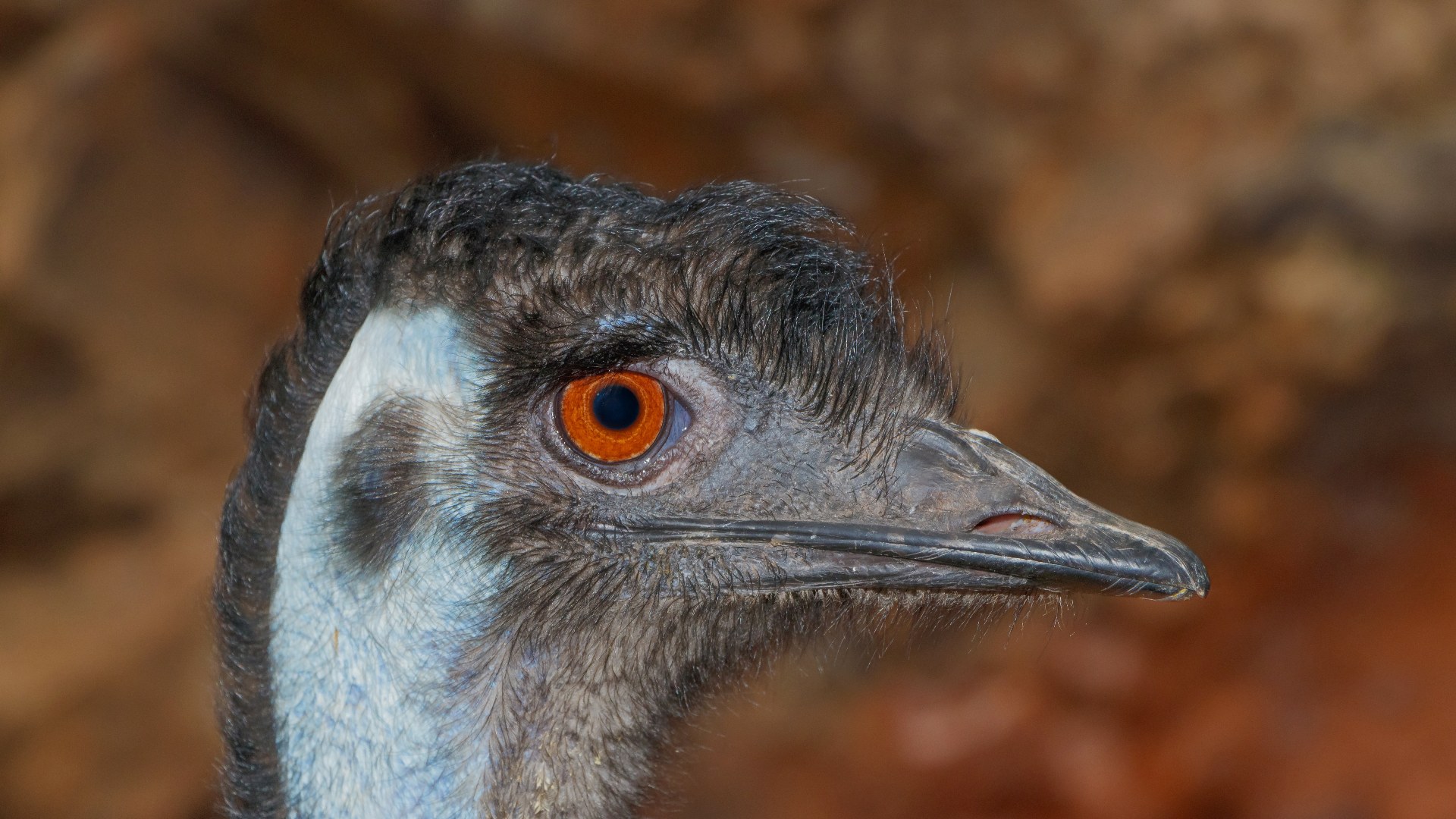
15. The Great Emu War (Australia, 1932)
In 1932, the Australian military deployed Royal Australian Artillery soldiers armed with Lewis machine guns and 10,000 rounds of ammunition to halt 20,000 emus destroying wheat crops in Western Australia. The flightless birds split into small guerrilla units, outran the trucks, and outsmarted the army.
©Wikimedia / H. Zell
14. The Dancing Plague Of 1518 (Strasbourg, Alsace)
In July 1518, a sudden mania gripped Strasbourg after a woman named Frau Troffea began dancing fervently in the street. Within weeks, around 400 residents were consumed by the involuntary compulsion, dancing day and night until many suffered fatal exhaustion, strokes, or heart attacks.
©Wikimedia / Pieter Brueghel the Younger
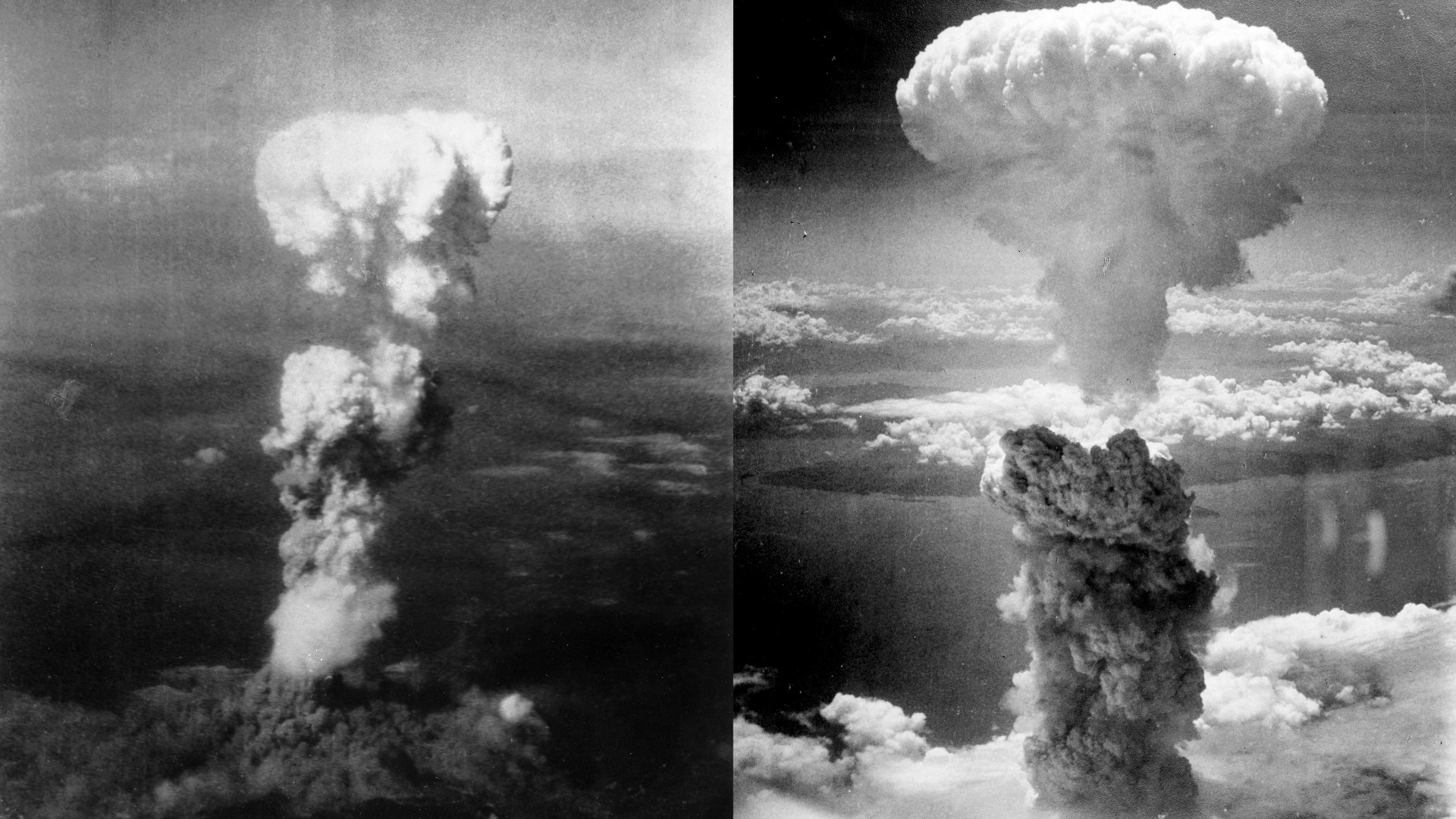
13. Tsutomu Yamaguchi Survived Both Atomic Bombs (1945)
Marine engineer Tsutomu Yamaguchi was in Hiroshima on a business trip on August 6, 1945, when the first atomic bomb detonated less than two miles away. Badly burned, he took a train home to Nagasaki and was reporting the blast to his boss on August 9 when the second atomic bomb exploded overhead.
©Wikimedia / George R. Caron & Charles Levy
Advertisement
Swipe or tap ▶ to resume the countdown.
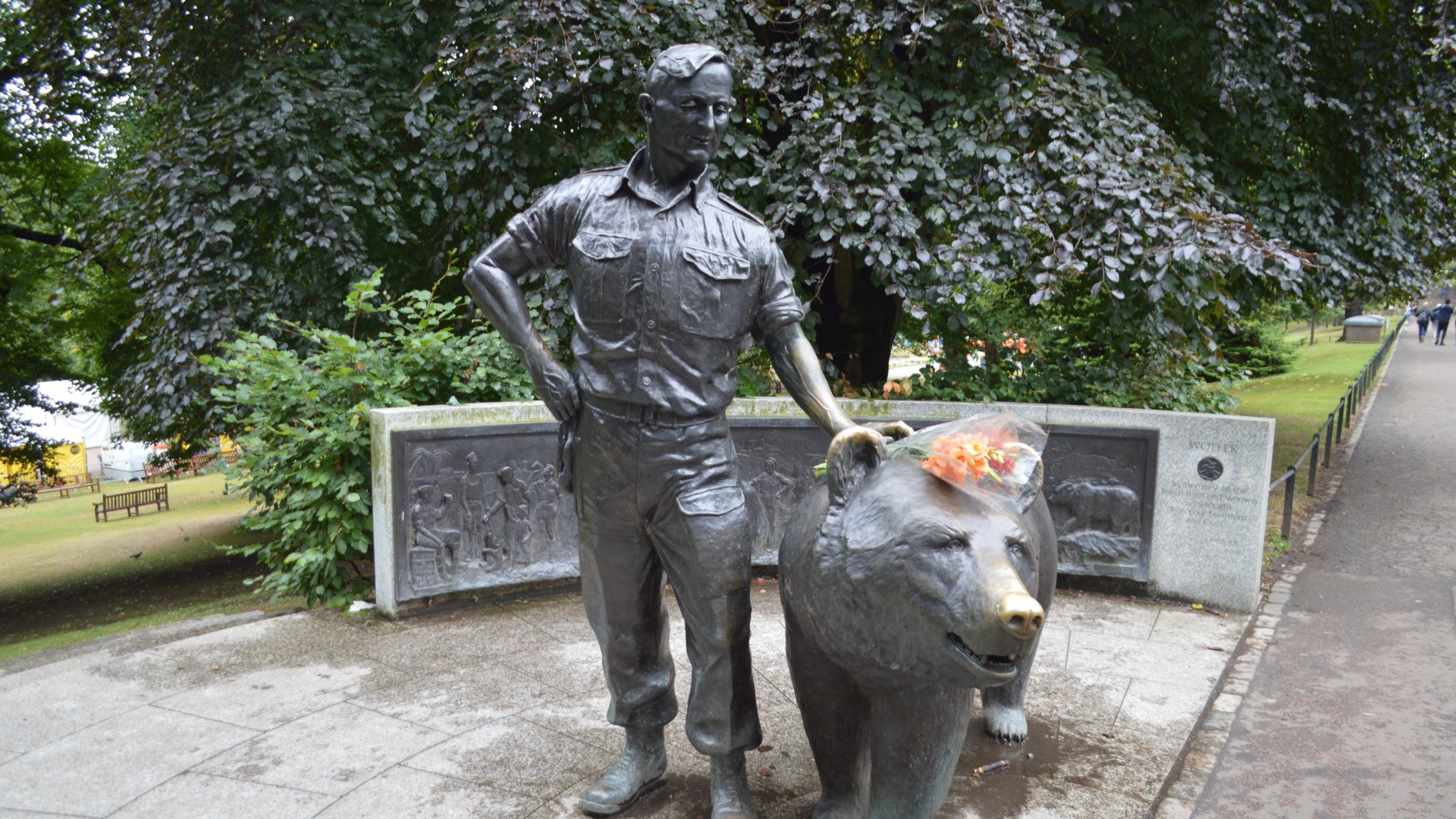
12. Wojtek The Bear Soldier (WWII, 1942)
Polish II Corps soldiers in Iran adopted an orphaned Syrian brown bear cub named Wojtek in 1942. Raised on condensed milk, beer, and wrestling matches, Wojtek was officially enlisted as a Private in the 22nd Artillery Supply Company, carrying 100-pound crates of artillery shells at Monte Cassino.
©Wikimedia / Scotch Mist
11. Juliane Koepcke's 10,000-Foot Fall & Jungle Trek (1971)
On Christmas Eve 1971, LANSA Flight 508 was struck by lightning and disintegrated over Peru, sending 17-year-old Juliane Koepcke plummeting 10,000 feet still strapped to her seat row into the Amazon canopy. Surviving with a broken collarbone, she waded along jungle streams for 11 days to safety.
©Wikimedia / Neil Palmer
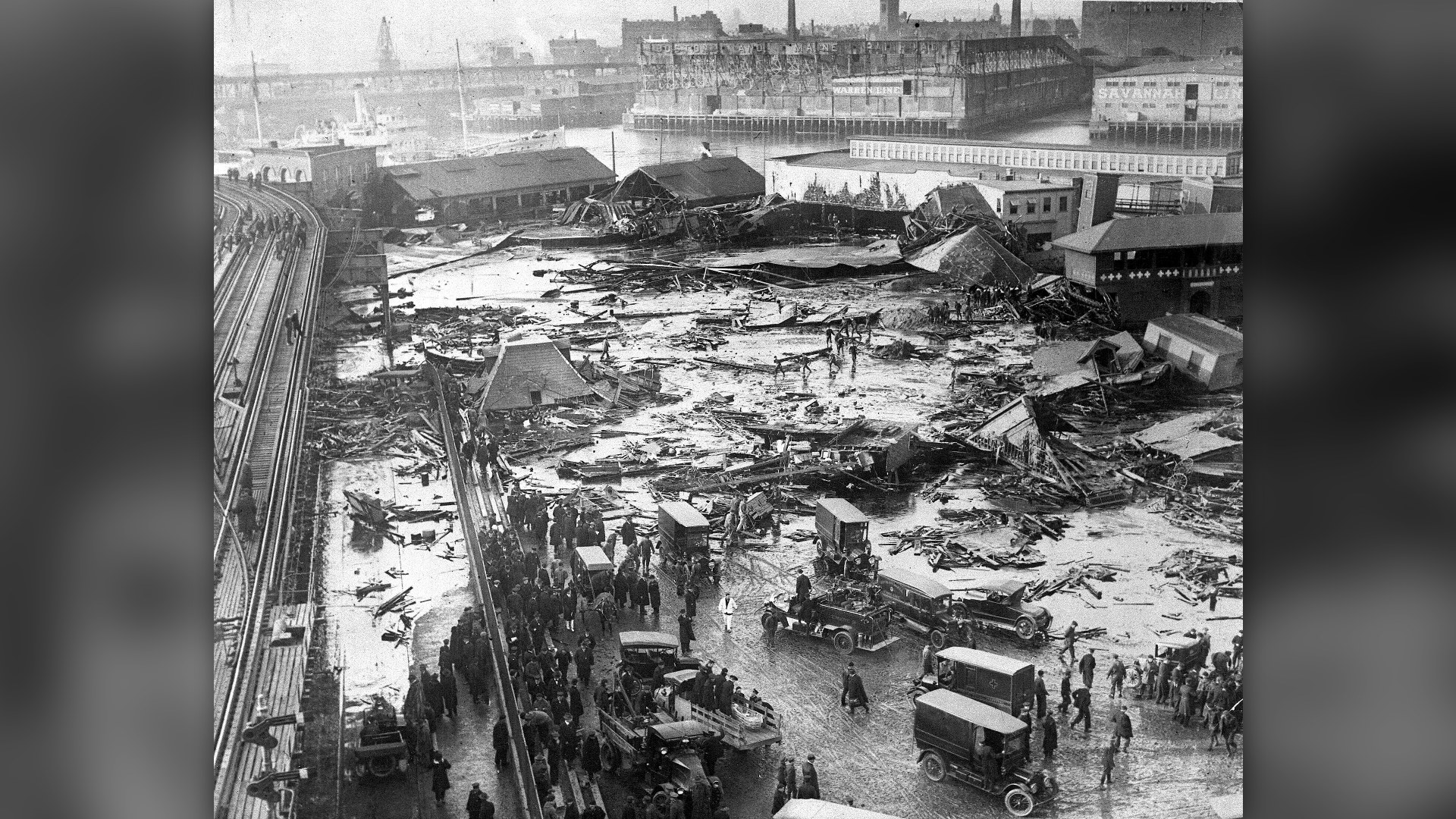
10. The Great Molasses Flood (Boston, 1919)
On January 15, 1919, a massive storage tank ruptured in Boston's North End, unleashing 2.3 million gallons of thick molasses. A 15-to-25-foot-high wave of syrup tore through the neighborhood at 35 mph, snapping elevated train girders, crushing buildings, and leaving a sweet scent for decades.
©Wikimedia / Boston Public Library
9. Mike The Headless Chicken (USA, 1945)
In September 1945, farmer Lloyd Olsen of Fruita, Colorado attempted to behead a Wyandotte rooster named Mike for supper. The axe blade missed the jugular vein and left most of the brain stem intact. Refusing to die, Mike lived for another 18 months while fed liquid grain and water via an eyedropper.
©Wikimedia / Remy Baudouin
Advertisement
Swipe or tap ▶ to resume the countdown.
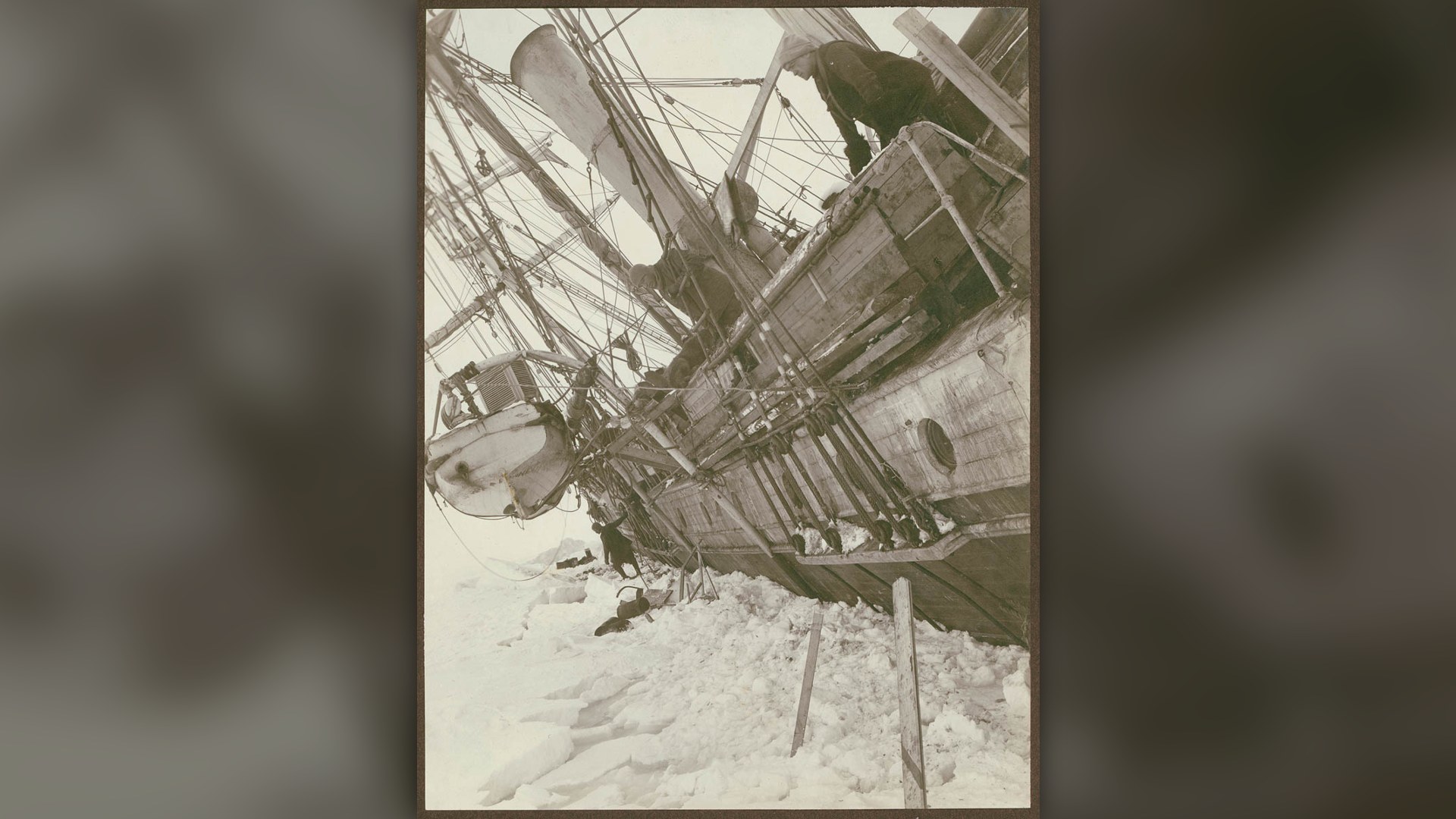
8. Ernest Shackleton's Endurance Expedition (1914 To 1916)
When Antarctic pack ice trapped and crushed the ship Endurance in 1915, Sir Ernest Shackleton and his 27-man crew camped on drifting ice floes for months before rowing to Elephant Island. Shackleton then sailed a 22-foot lifeboat 800 miles across hurricane-force seas to rescue all 27 men.
©Wikimedia / State Library of New South Wales
7. Vesna Vulovic's 33,000-Foot Free Fall (1972)
On January 26, 1972, a suspected briefcase bomb tore apart JAT Flight 367 at 33,330 feet over Czechoslovakia. Serbian flight attendant Vesna Vulovic was pinned inside the falling tail fuselage and crashed into a snow-covered wooded mountainside, waking from a coma to set an unbeaten world record.
©Wikimedia / Pedro Aragao
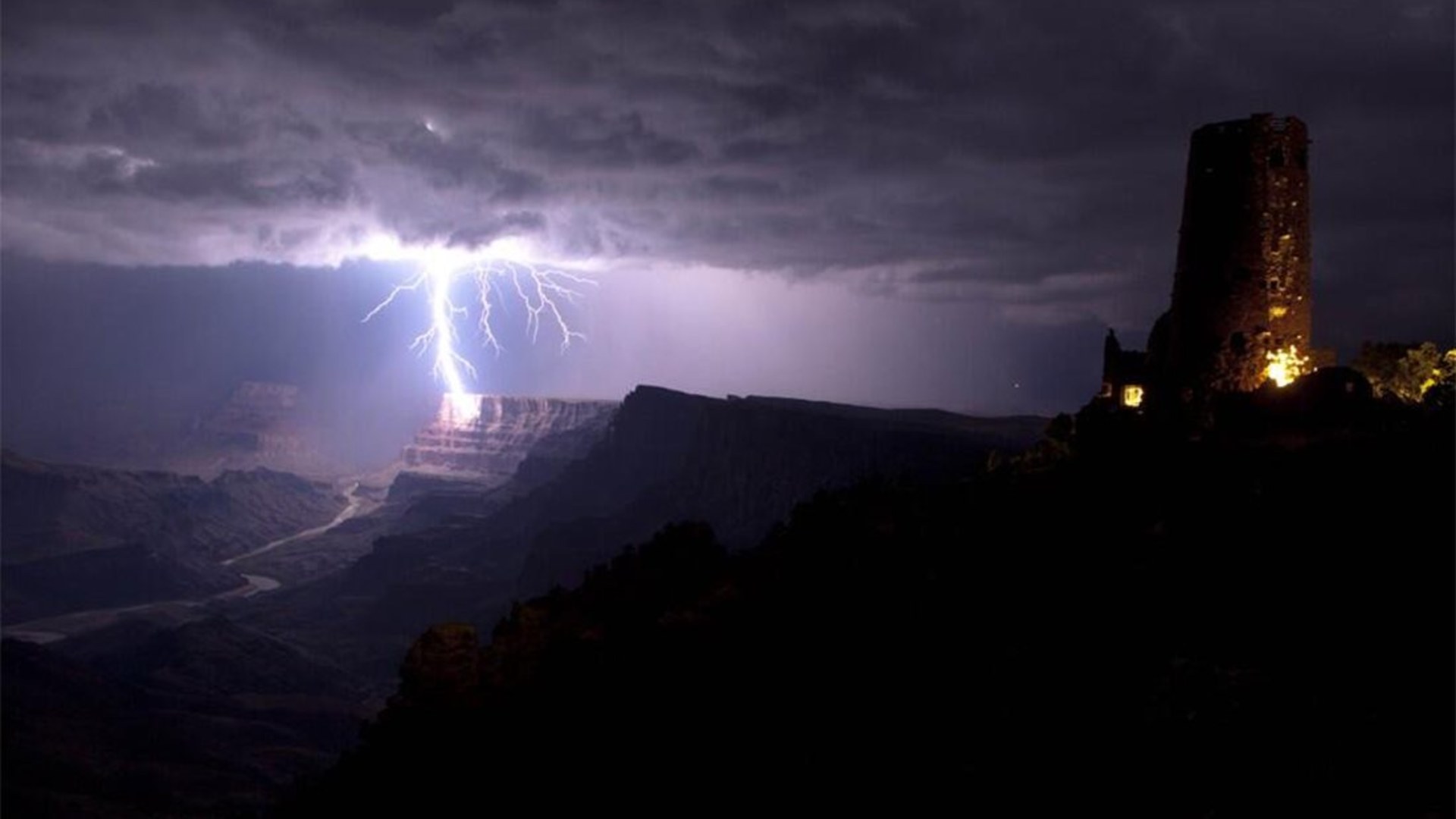
6. Roy Sullivan The Human Lightning Rod (1942 To 1977)
Between 1942 and 1977, U.S. National Park Ranger Roy Sullivan was struck by lightning on seven documented occasions while patrolling Virginia's Shenandoah National Park. Surviving singed eyebrows, burned scalps, and blasted-off boots, he earned a permanent place in the Guinness World Records.
©Wikimedia / National Park Service
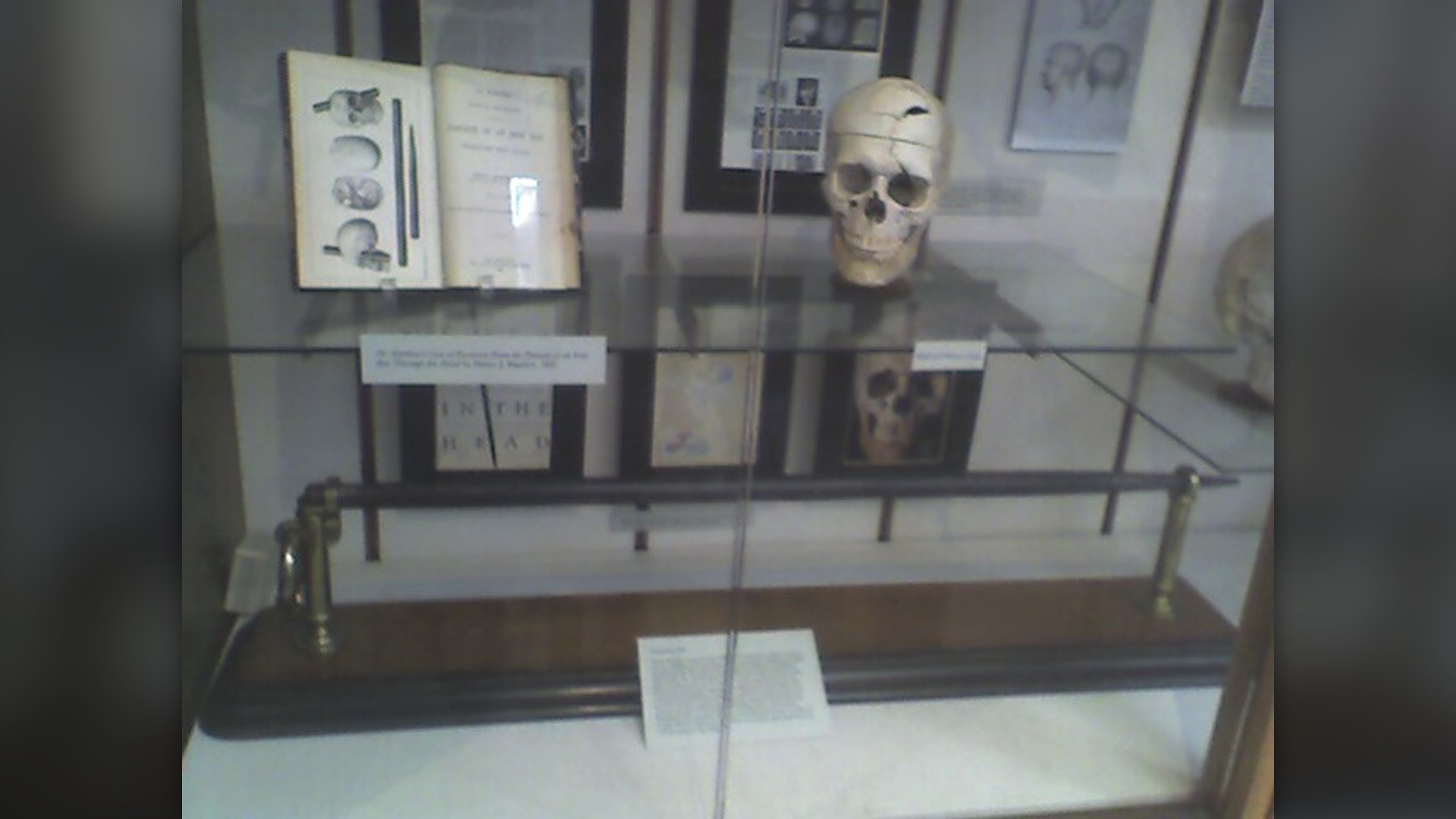
5. Phineas Gage's Brain-Rod Survival (USA, 1848)
While packing blasting powder on a Vermont railroad bed in 1848, 25-year-old foreman Phineas Gage triggered a premature spark that launched a 13-pound, 3-foot-7-inch iron tamping rod straight through his left cheek and out the top of his skull. Conscious minutes later, he lived another 12 years.
©Wikimedia / Jeremy Muhlich
Advertisement
Swipe or tap ▶ to resume the countdown.
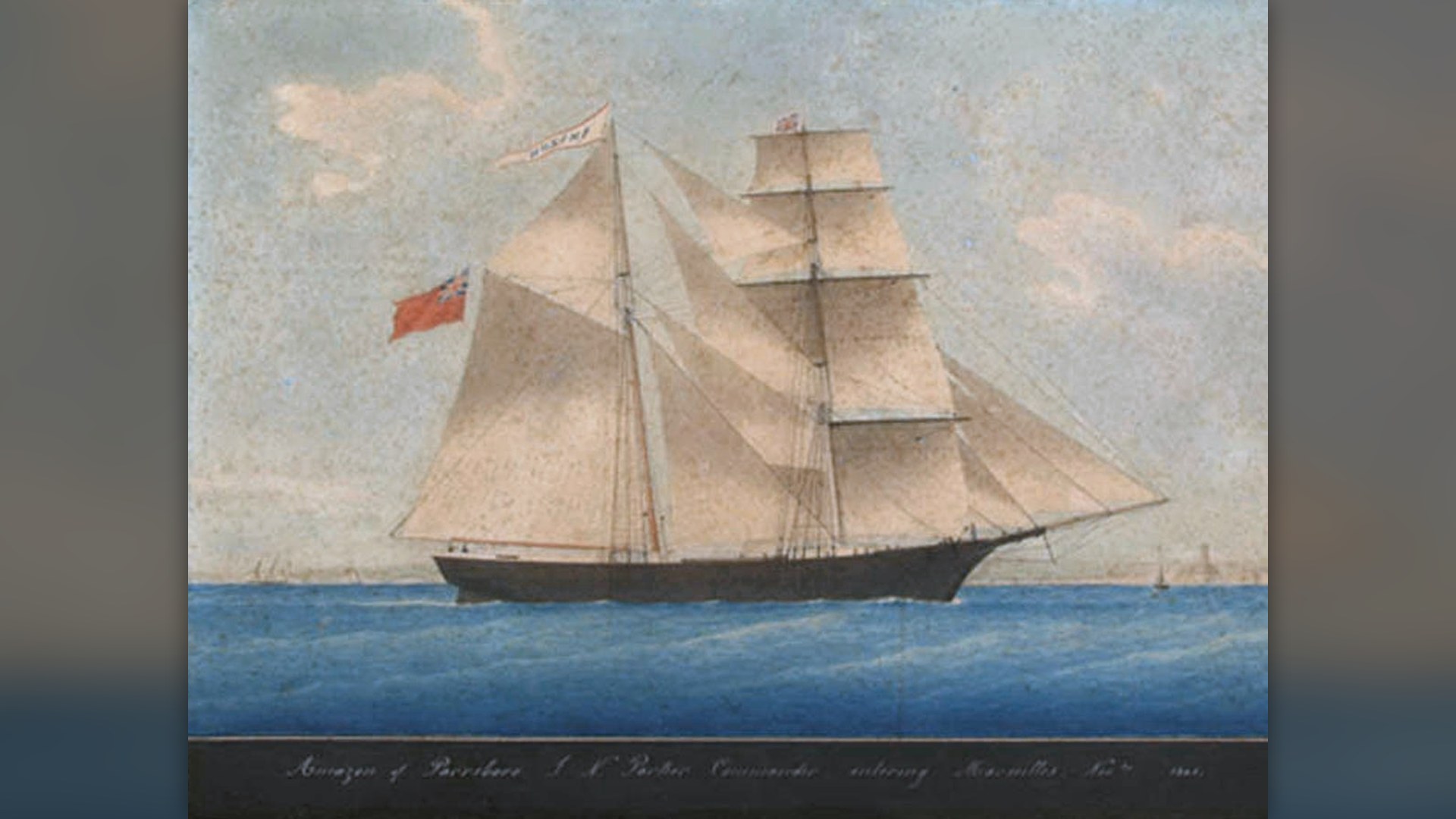
4. The Ghost Ship Mary Celeste (Atlantic Ocean, 1872)
On December 4, 1872, the British brigantine Dei Gratia spotted the American merchant brig Mary Celeste drifting under partial sail near the Azores. Boarding parties found the ship completely seaworthy, six months of food in the pantry, and personal belongings untouched, yet all 10 aboard had vanished.
©Wikimedia / Honore Pellegrin
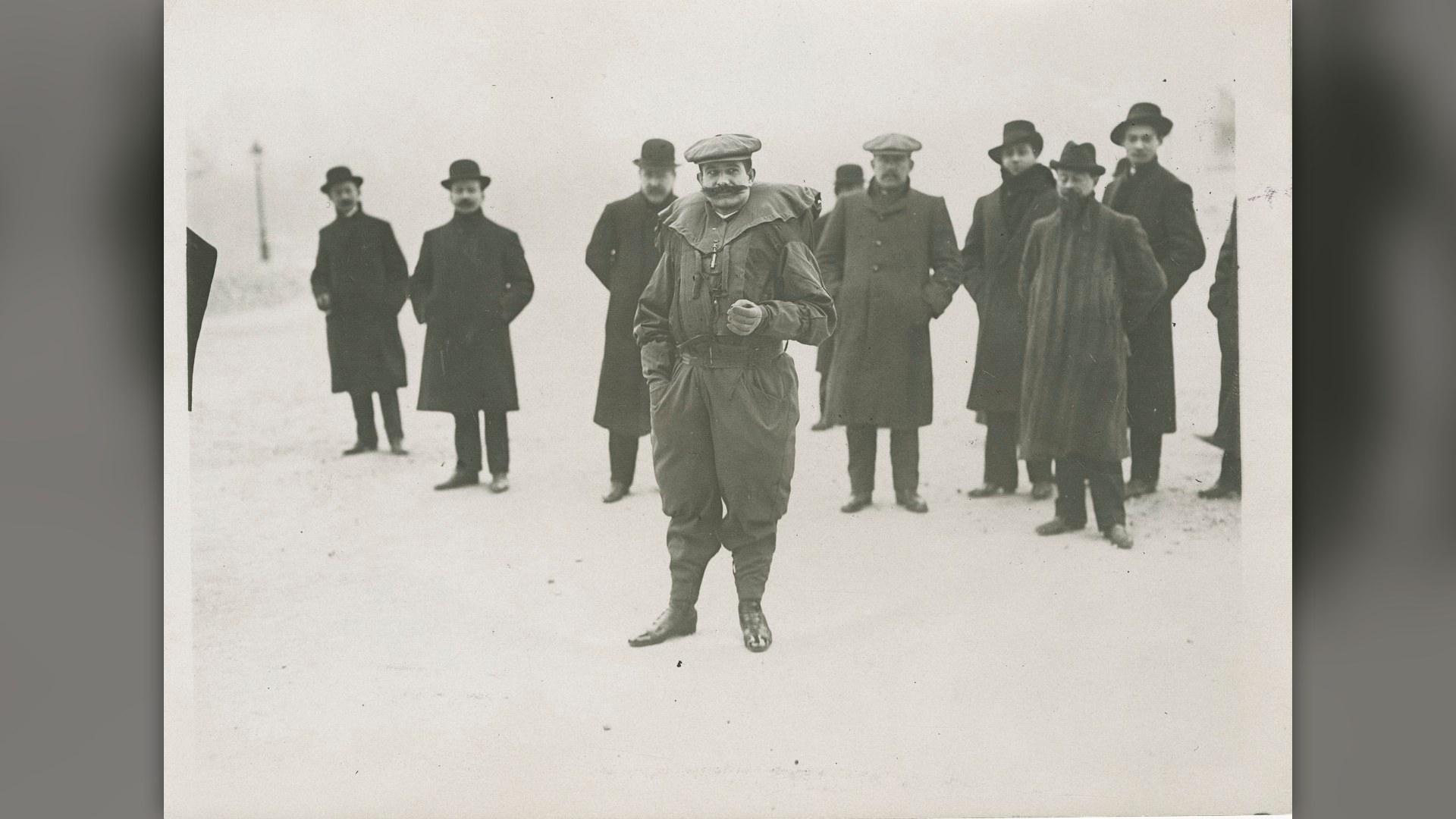
3. Franz Reichelt's Doomed Suit-Parachute (Paris, 1912)
Austrian-born Parisian tailor Franz Reichelt spent years designing a wearable suit-parachute meant to fold around a pilot's coat. On February 4, 1912, rather than dropping a dummy from the first deck of the Eiffel Tower as promised to police, Reichelt leaped himself before newsreel cameras.
©Wikimedia / Touring Club Italiano
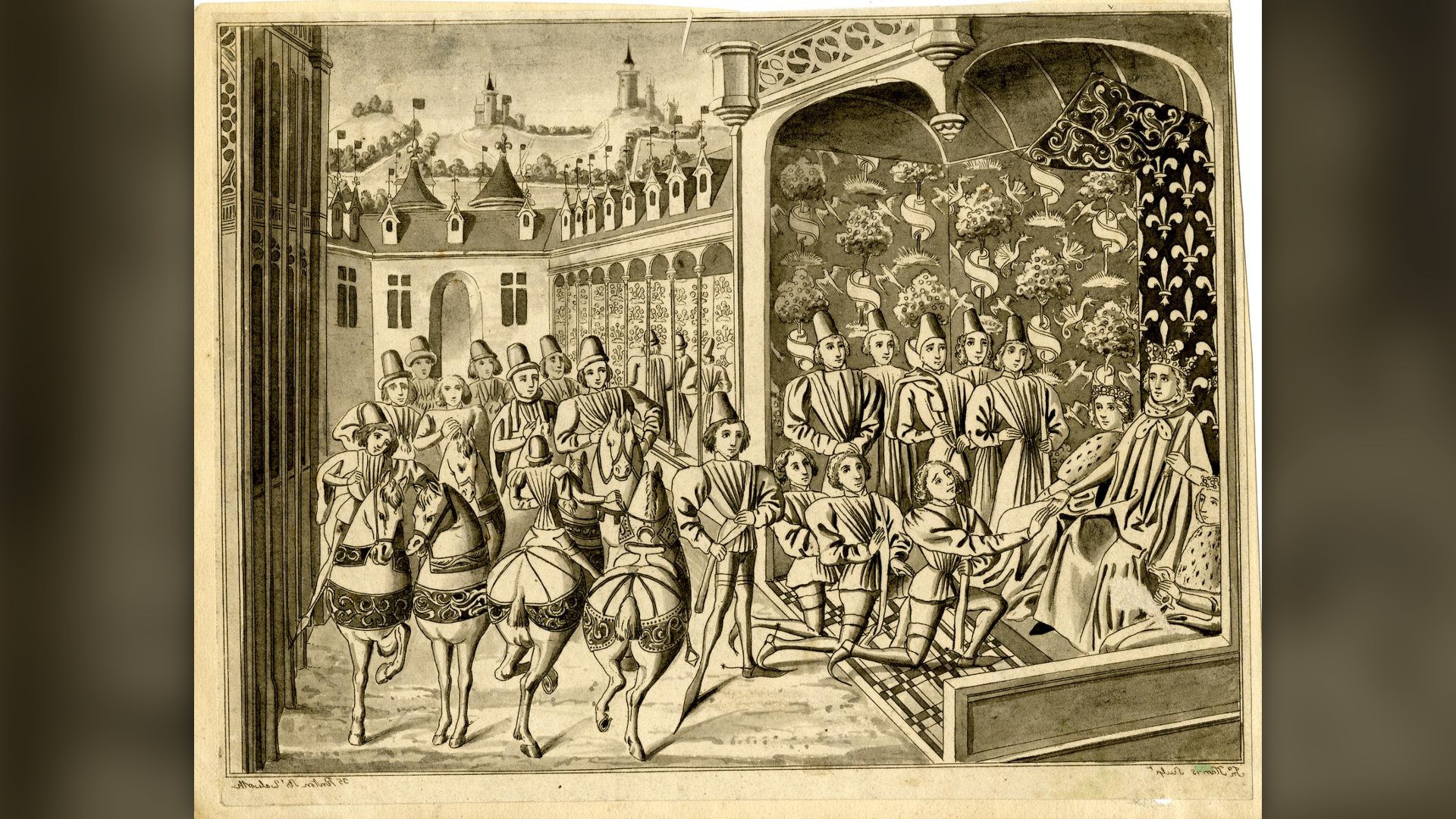
2. King Charles VI And The Glass Delusion (France)
Known as both 'Charles the Beloved' and 'Charles the Mad,' King Charles VI of France suffered bouts of severe psychosis beginning in 1392, including the earliest famous case of the glass delusion. Terrified that his body was made of brittle glass that would shatter, he wore iron-reinforced robes.
©Wikimedia / British Museum
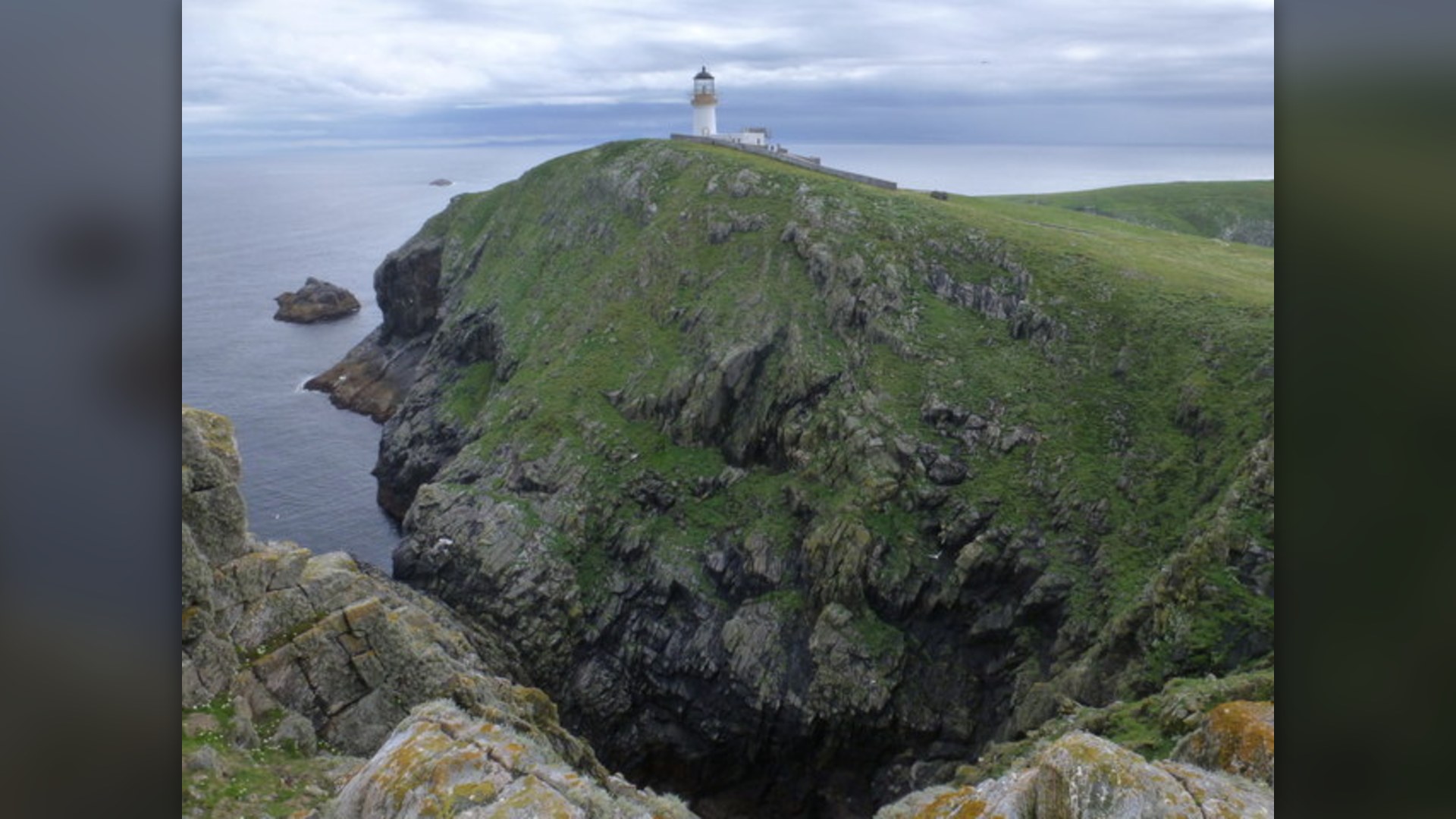
1. The Flannan Isles Lighthouse Disappearance (1900)
In December 1900, a relief vessel arriving at the remote Flannan Isles Lighthouse off northwest Scotland found the lamp dark and all three keepers gone without a trace. The doors were locked from the inside, the clocks had stopped, and logbooks described a fierce storm that never appeared on weather charts.

©Wikimedia / Chris Downer
Advertisement
You've reached the end of the story. Thanks for reading!

20 Iconic Historical Photos and the Archive Clues Behind Them
Contact sheets, cracked glass plates, and NASA mission logs preserve the hidden steps behind 20 famous photographs. Drawing on records from the Library of Congress, the National Archives, NASA, and the Smithsonian, this countdown traces how cropping, camera setups, and double exposures shaped each frame.
All 15 Entries in this Story
#1. The Great Emu War (Australia, 1932)
In 1932, the Australian military deployed Royal Australian Artillery soldiers armed with Lewis machine guns and 10,000 rounds of ammunition to halt 20,000 emus destroying wheat crops in Western Australia. The flightless birds split into small guerrilla units, outran the trucks, and outsmarted the army.

#2. The Dancing Plague Of 1518 (Strasbourg, Alsace)
In July 1518, a sudden mania gripped Strasbourg after a woman named Frau Troffea began dancing fervently in the street. Within weeks, around 400 residents were consumed by the involuntary compulsion, dancing day and night until many suffered fatal exhaustion, strokes, or heart attacks.

#3. Tsutomu Yamaguchi Survived Both Atomic Bombs (1945)
Marine engineer Tsutomu Yamaguchi was in Hiroshima on a business trip on August 6, 1945, when the first atomic bomb detonated less than two miles away. Badly burned, he took a train home to Nagasaki and was reporting the blast to his boss on August 9 when the second atomic bomb exploded overhead.

#4. Wojtek The Bear Soldier (WWII, 1942)
Polish II Corps soldiers in Iran adopted an orphaned Syrian brown bear cub named Wojtek in 1942. Raised on condensed milk, beer, and wrestling matches, Wojtek was officially enlisted as a Private in the 22nd Artillery Supply Company, carrying 100-pound crates of artillery shells at Monte Cassino.

#5. Juliane Koepcke's 10,000-Foot Fall & Jungle Trek (1971)
On Christmas Eve 1971, LANSA Flight 508 was struck by lightning and disintegrated over Peru, sending 17-year-old Juliane Koepcke plummeting 10,000 feet still strapped to her seat row into the Amazon canopy. Surviving with a broken collarbone, she waded along jungle streams for 11 days to safety.

#6. The Great Molasses Flood (Boston, 1919)
On January 15, 1919, a massive storage tank ruptured in Boston's North End, unleashing 2.3 million gallons of thick molasses. A 15-to-25-foot-high wave of syrup tore through the neighborhood at 35 mph, snapping elevated train girders, crushing buildings, and leaving a sweet scent for decades.

#7. Mike The Headless Chicken (USA, 1945)
In September 1945, farmer Lloyd Olsen of Fruita, Colorado attempted to behead a Wyandotte rooster named Mike for supper. The axe blade missed the jugular vein and left most of the brain stem intact. Refusing to die, Mike lived for another 18 months while fed liquid grain and water via an eyedropper.

#8. Ernest Shackleton's Endurance Expedition (1914 To 1916)
When Antarctic pack ice trapped and crushed the ship Endurance in 1915, Sir Ernest Shackleton and his 27-man crew camped on drifting ice floes for months before rowing to Elephant Island. Shackleton then sailed a 22-foot lifeboat 800 miles across hurricane-force seas to rescue all 27 men.

#9. Vesna Vulovic's 33,000-Foot Free Fall (1972)
On January 26, 1972, a suspected briefcase bomb tore apart JAT Flight 367 at 33,330 feet over Czechoslovakia. Serbian flight attendant Vesna Vulovic was pinned inside the falling tail fuselage and crashed into a snow-covered wooded mountainside, waking from a coma to set an unbeaten world record.

#10. Roy Sullivan The Human Lightning Rod (1942 To 1977)
Between 1942 and 1977, U.S. National Park Ranger Roy Sullivan was struck by lightning on seven documented occasions while patrolling Virginia's Shenandoah National Park. Surviving singed eyebrows, burned scalps, and blasted-off boots, he earned a permanent place in the Guinness World Records.

#11. Phineas Gage's Brain-Rod Survival (USA, 1848)
While packing blasting powder on a Vermont railroad bed in 1848, 25-year-old foreman Phineas Gage triggered a premature spark that launched a 13-pound, 3-foot-7-inch iron tamping rod straight through his left cheek and out the top of his skull. Conscious minutes later, he lived another 12 years.

#12. The Ghost Ship Mary Celeste (Atlantic Ocean, 1872)
On December 4, 1872, the British brigantine Dei Gratia spotted the American merchant brig Mary Celeste drifting under partial sail near the Azores. Boarding parties found the ship completely seaworthy, six months of food in the pantry, and personal belongings untouched, yet all 10 aboard had vanished.

#13. Franz Reichelt's Doomed Suit-Parachute (Paris, 1912)
Austrian-born Parisian tailor Franz Reichelt spent years designing a wearable suit-parachute meant to fold around a pilot's coat. On February 4, 1912, rather than dropping a dummy from the first deck of the Eiffel Tower as promised to police, Reichelt leaped himself before newsreel cameras.

#14. King Charles VI And The Glass Delusion (France)
Known as both 'Charles the Beloved' and 'Charles the Mad,' King Charles VI of France suffered bouts of severe psychosis beginning in 1392, including the earliest famous case of the glass delusion. Terrified that his body was made of brittle glass that would shatter, he wore iron-reinforced robes.

#15. The Flannan Isles Lighthouse Disappearance (1900)
In December 1900, a relief vessel arriving at the remote Flannan Isles Lighthouse off northwest Scotland found the lamp dark and all three keepers gone without a trace. The doors were locked from the inside, the clocks had stopped, and logbooks described a fierce storm that never appeared on weather charts.