Slideshow · Animals
World's Most Aggressive Animals and Where to Spot Them
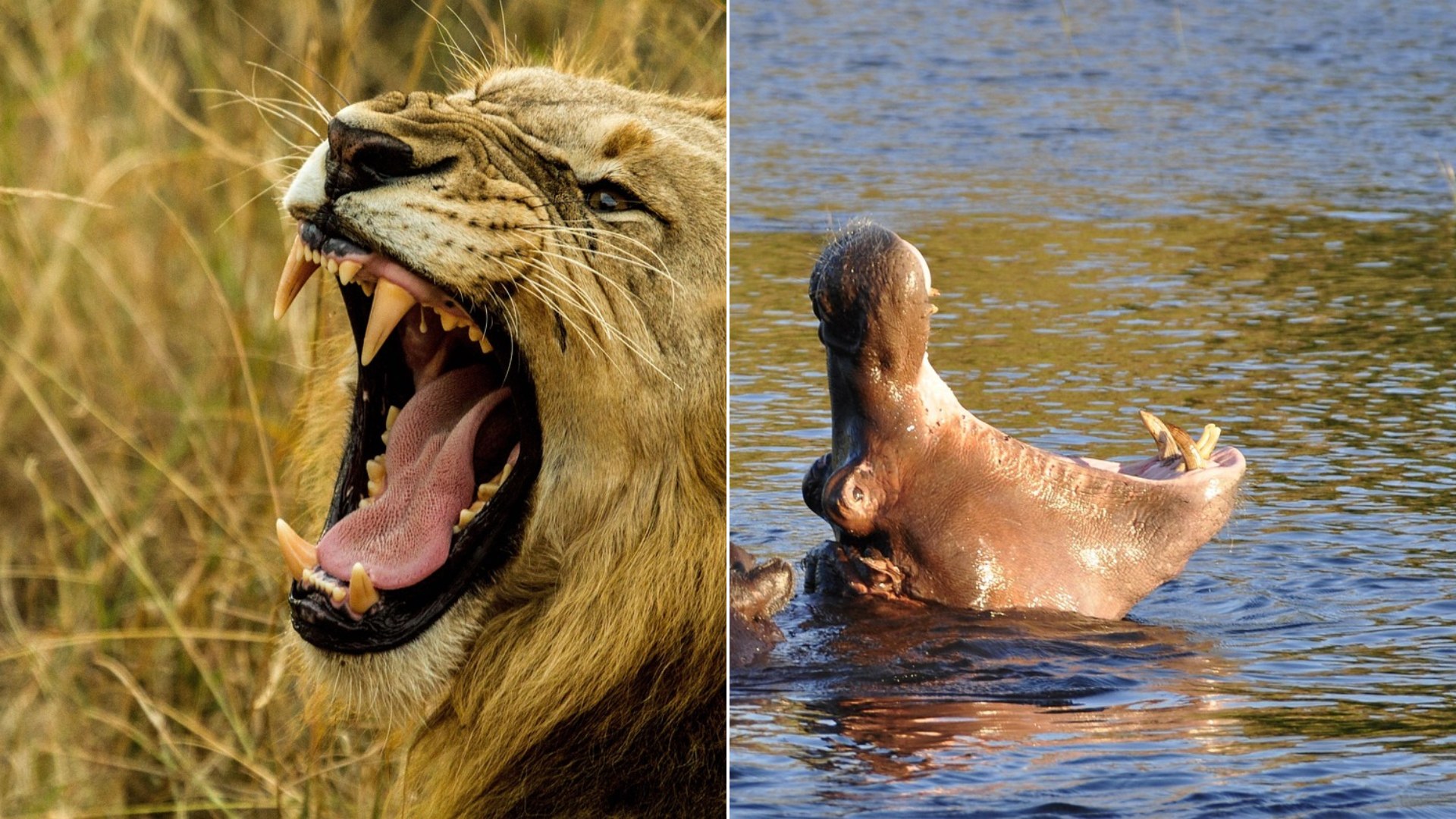
From territorial river giants and apex rainforest birds to relentless Arctic predators, discover the world's most fiercely defensive wildlife—and the safest places on Earth to observe them in the wild
By Most Viral Today
20 Oct 2026

World's Most Aggressive Animals and Where to Spot Them 
15. Tasmanian Devil — Tasmania, Australia 
14. Wild Boar — European & Asian Forests 
13. Komodo Dragon — Komodo National Park, Indonesia - AdvertisementSwipe or tap ▶ to continue countdown

12. Southern Cassowary — Daintree Rainforest, Australia 
11. Bull Shark — Warm Coastal Waters & Rivers 
10. Mamba & Cobra — Sub-Saharan Africa & South Asia 
9. Black Rhinoceros — Etosha National Park, Namibia - AdvertisementSwipe or tap ▶ to continue countdown

8. Polar Bear — Churchill, Canada & Svalbard 
7. Grizzly Bear — Yellowstone & Katmai, Alaska 
6. Bengal & Siberian Tiger — Ranthambore & Sundarbans 
5. African Lion — Serengeti & Maasai Mara - AdvertisementSwipe or tap ▶ to continue countdown

4. Wolverine & Badger — Boreal Forests & Savannas 
3. Cape Buffalo — Kruger National Park & Okavango Delta 
2. Saltwater & Nile Crocodile — Kakadu & Chobe River 
1. Hippopotamus — Chobe, Zambezi & Nile Rivers, Africa - Advertisement🔥 UP NEXT IN THIS SERIES◫ 22 Slides

How Long Do Hippos Live? 20 Other Facts About Hippos
From sixty-year lifespans to whale cousins, discover secrets of river giants
From territorial river giants and apex rainforest birds to relentless Arctic predators, discover the world's most fiercely defensive wildlife—and the safest places on Earth to observe them in the wild
Swipe or tap ▶ to begin the countdown
©Pixabay / AjayLalu & katja
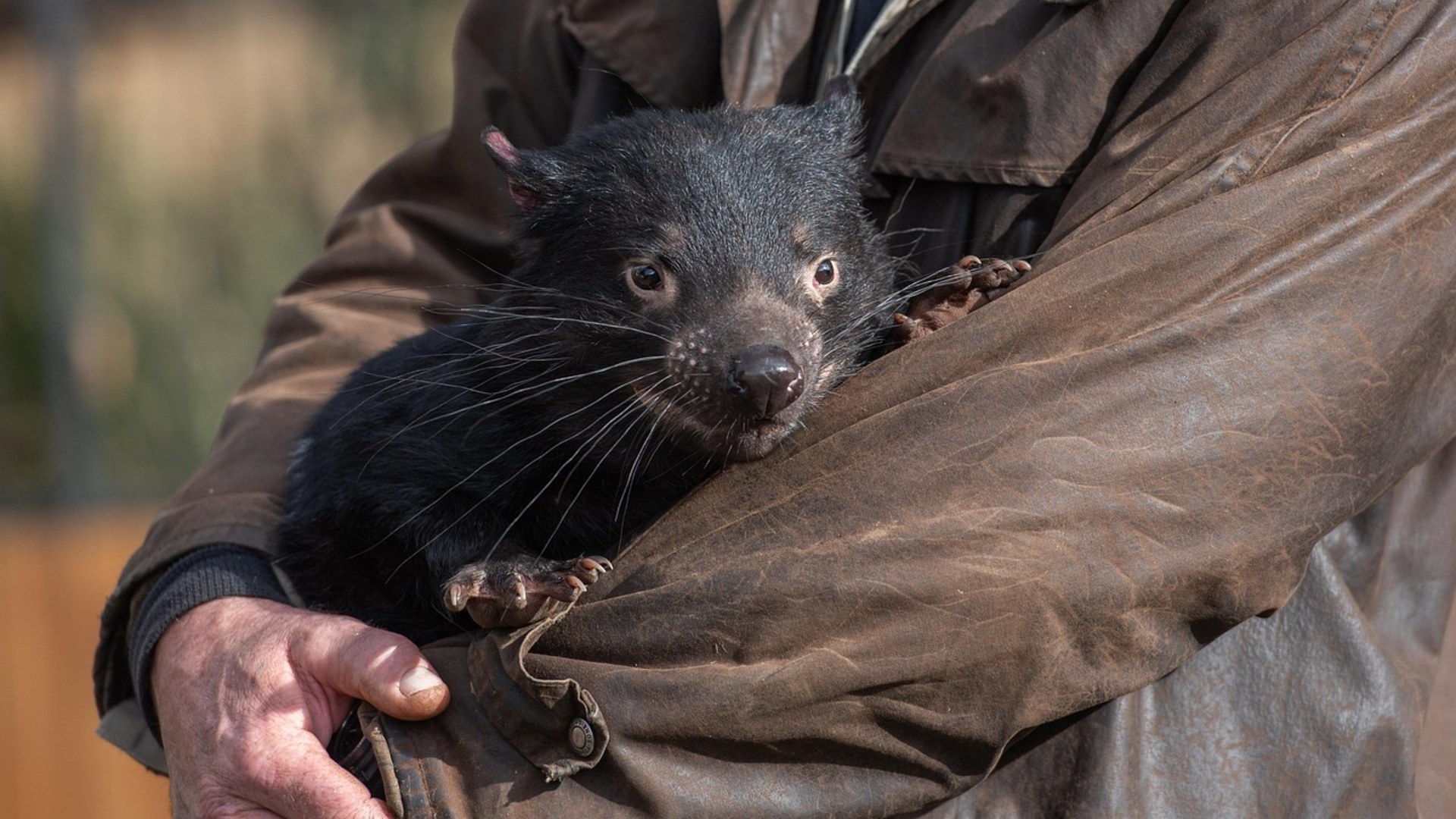
15. Tasmanian Devil — Tasmania, Australia
Famous for its spine-chilling nocturnal screeches and explosive temper over carrion, the Tasmanian devil possesses jaws strong enough to crush thick bone. Where to spot them: Join dusk wildlife tours at Cradle Mountain-Lake St Clair National Park or Maria Island off Tasmania's east coast.
©Pixabay / pen_ash
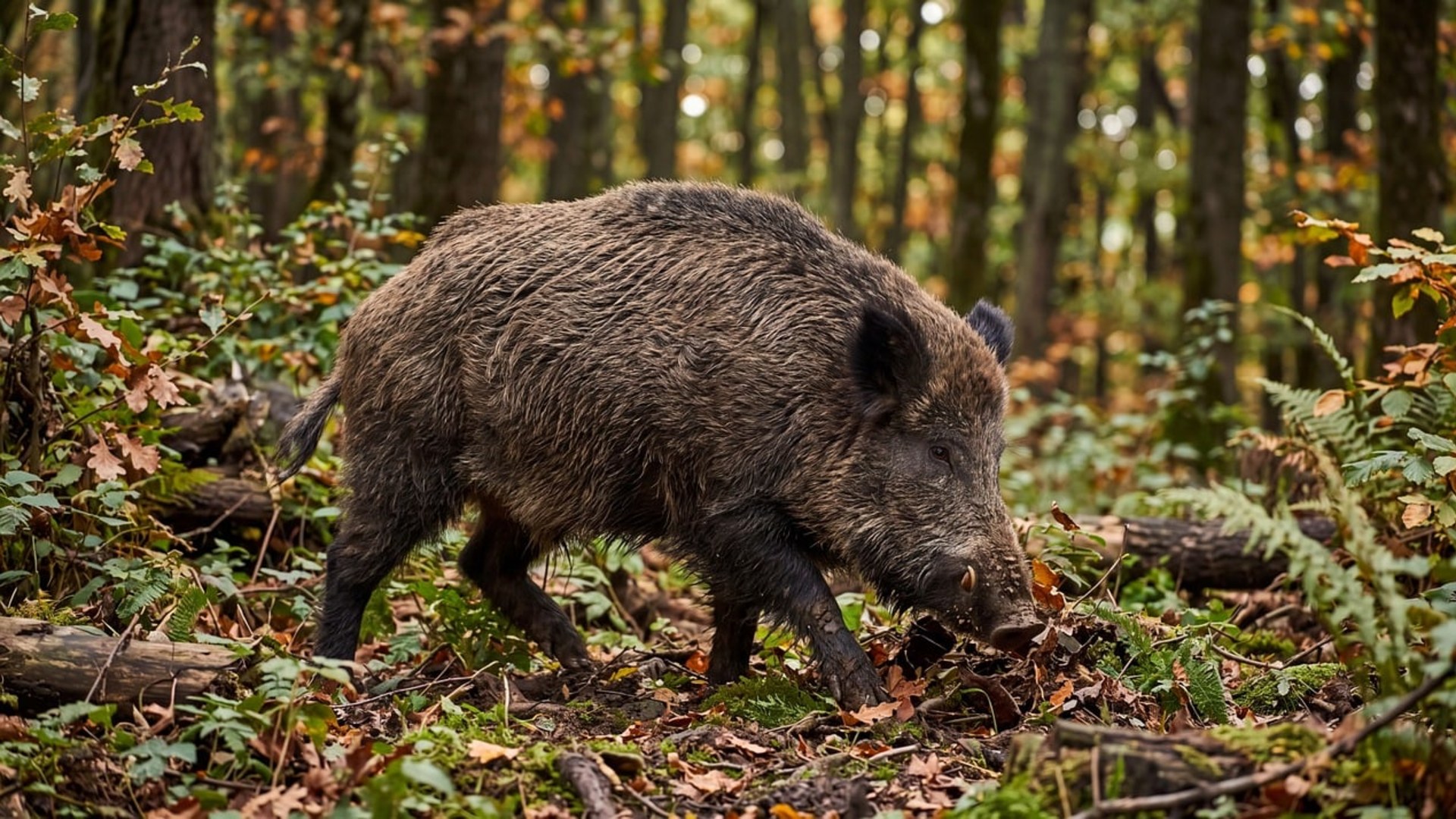
14. Wild Boar — European & Asian Forests
Weighing up to 200 kg with muscular shoulders and curved canine tusks, wild boars—especially sows guarding striped piglets—will charge hikers and dogs without hesitation. Where to spot them: Observe safely from raised woodland hides in the Forest of Dean (UK), Germany's Black Forest, or Poland's Białowieża Forest.
©Pixabay / The-Adventurous-Duo
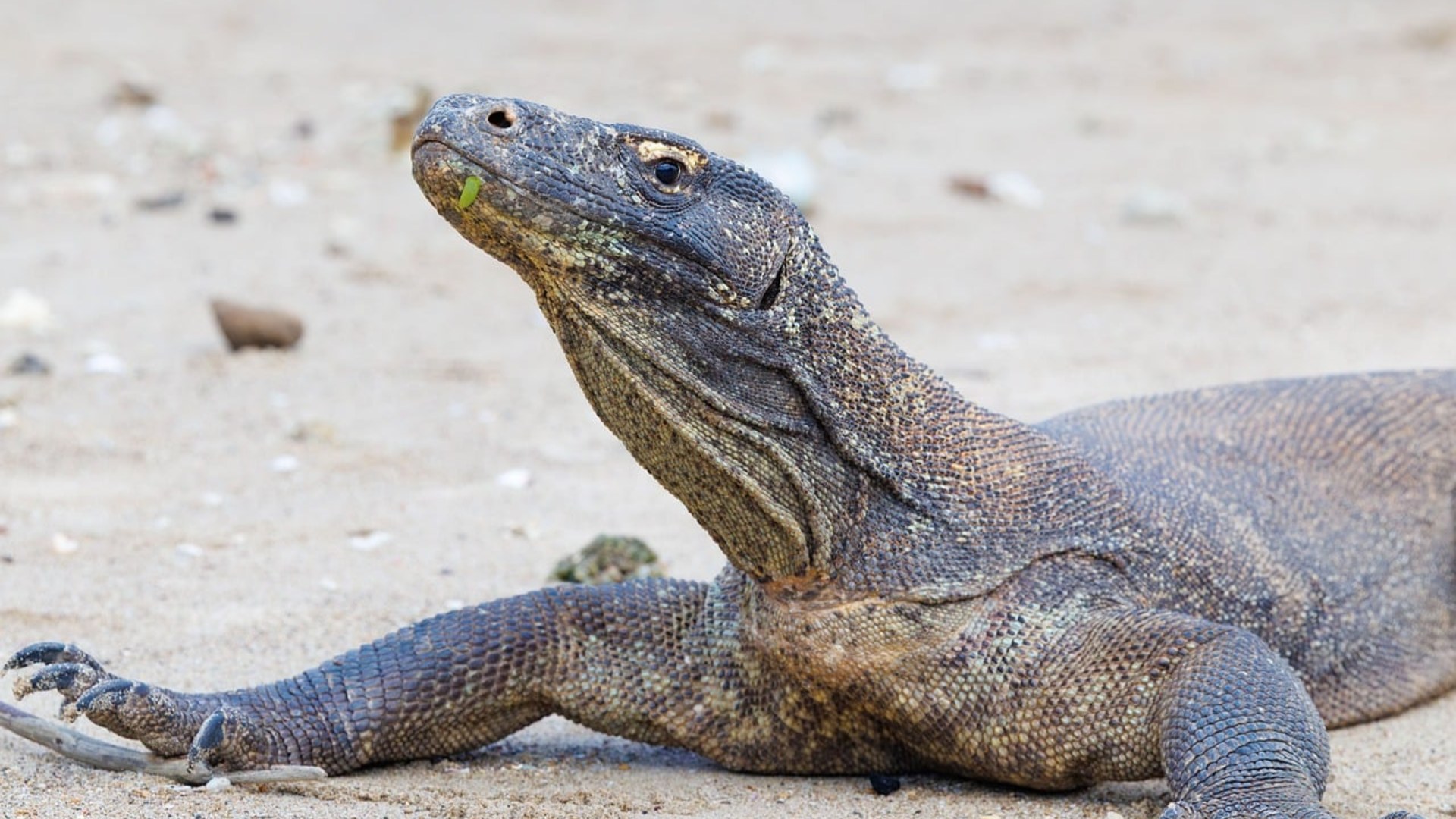
13. Komodo Dragon — Komodo National Park, Indonesia
Growing up to 3 metres long, Komodo dragons can sprint at 20 km/h and take down water buffalo and deer using anticoagulant venom that prevents blood clotting. Where to spot them: Hike only with certified park rangers holding forked wooden sticks on Komodo and Rinca Islands in Indonesia's Lesser Sunda chain.
©Pixabay / Veronika_Andrews
Advertisement
Swipe or tap ▶ to resume the countdown.
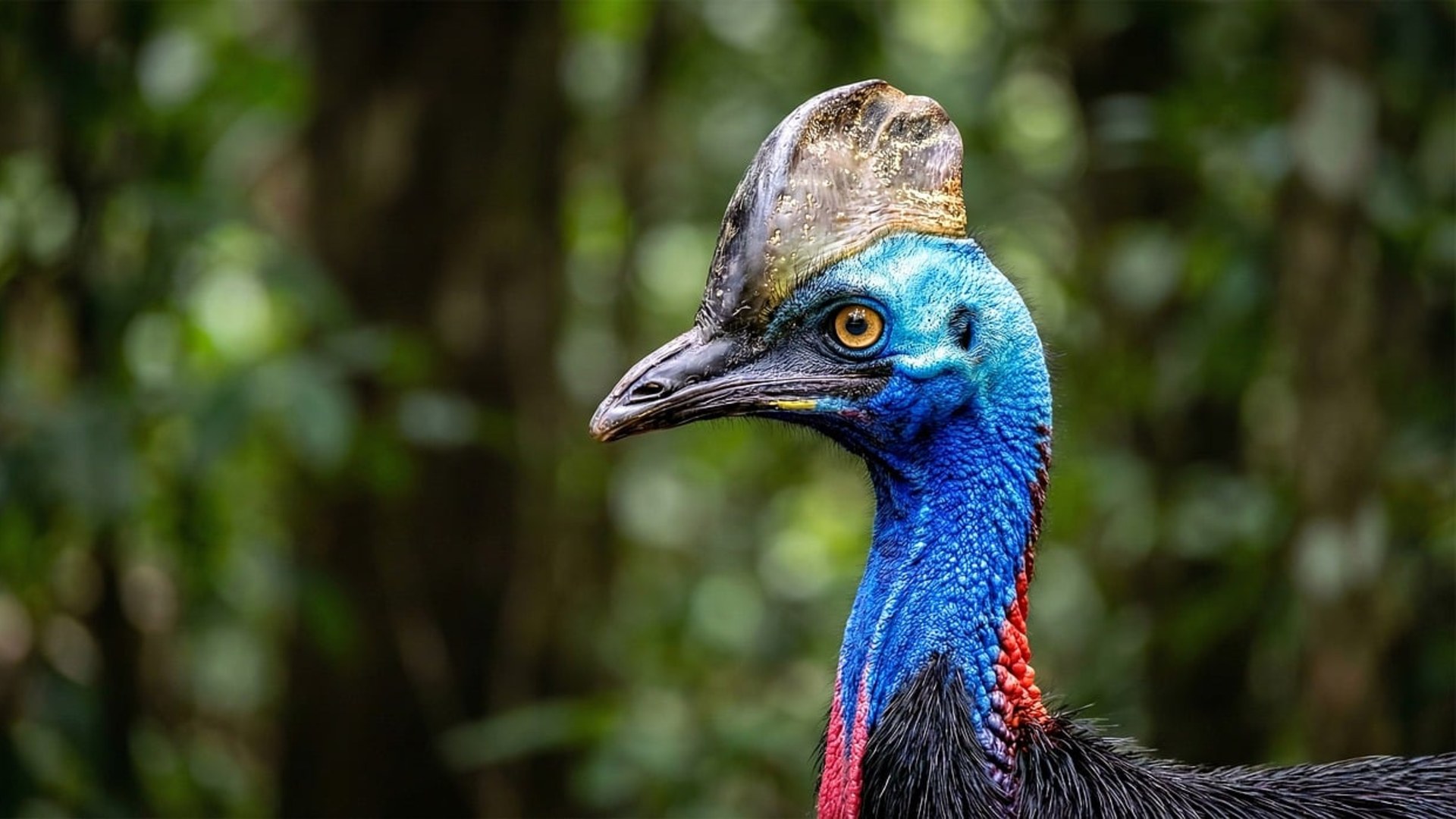
12. Southern Cassowary — Daintree Rainforest, Australia
Standing nearly as tall as an adult human, the flightless Southern cassowary sprints at 50 km/h and delivers devastating forward kicks when its chicks or fruit trees are threatened. Where to spot them: Scan rainforest edges around Cape Tribulation, Daintree National Park, and Mission Beach in Queensland.
©Pixabay / erwinbosman
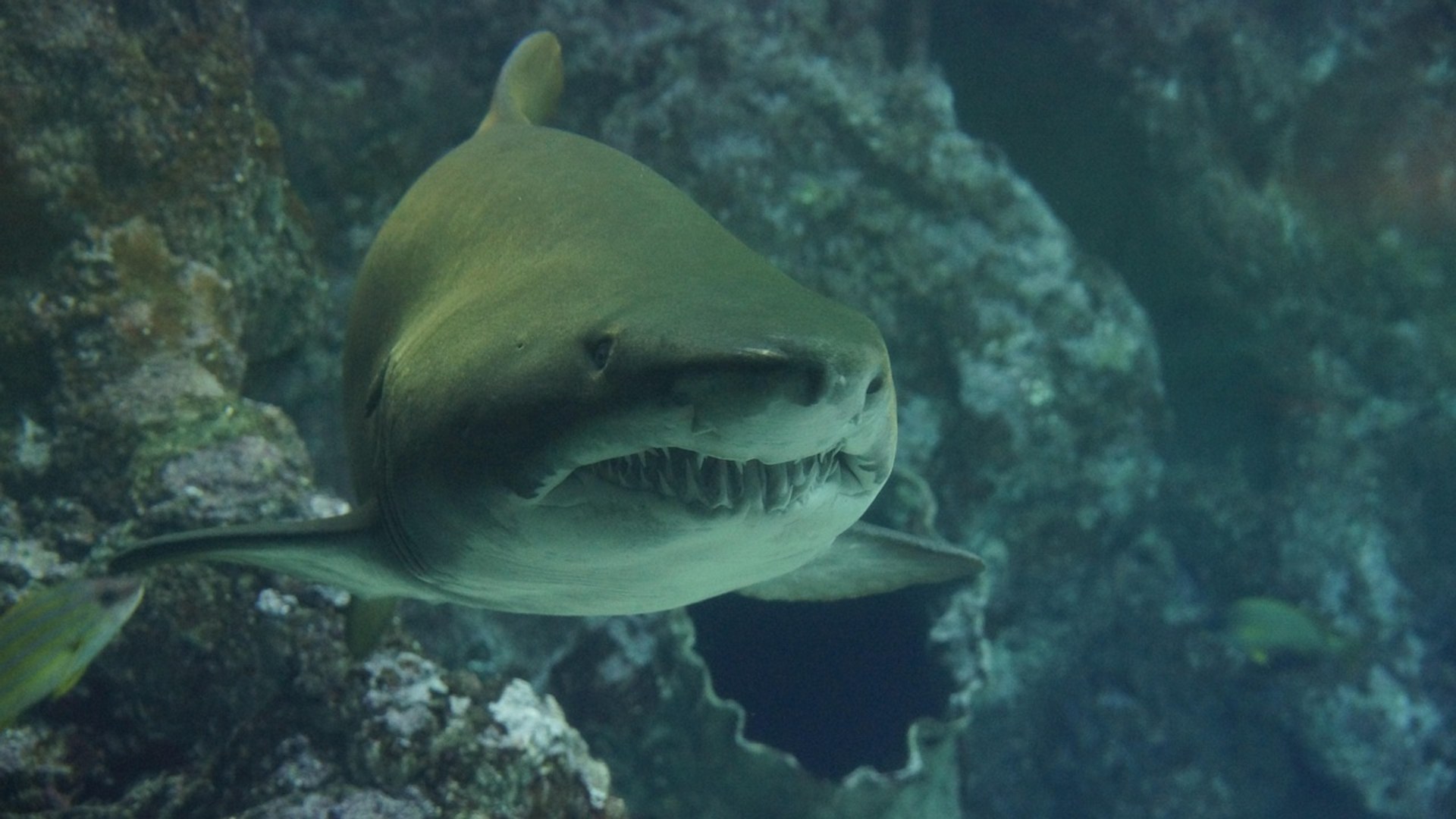
11. Bull Shark — Warm Coastal Waters & Rivers
Unlike most marine sharks, bull sharks osmoregulate to swim hundreds of kilometres up tropical rivers like the Zambezi and Amazon, hunting aggressively in murky shallows. Where to spot them: Experienced divers can observe them safely on professional shark dives in Playa del Carmen (Mexico) or Beqa Lagoon (Fiji).
©Pixabay / Taken
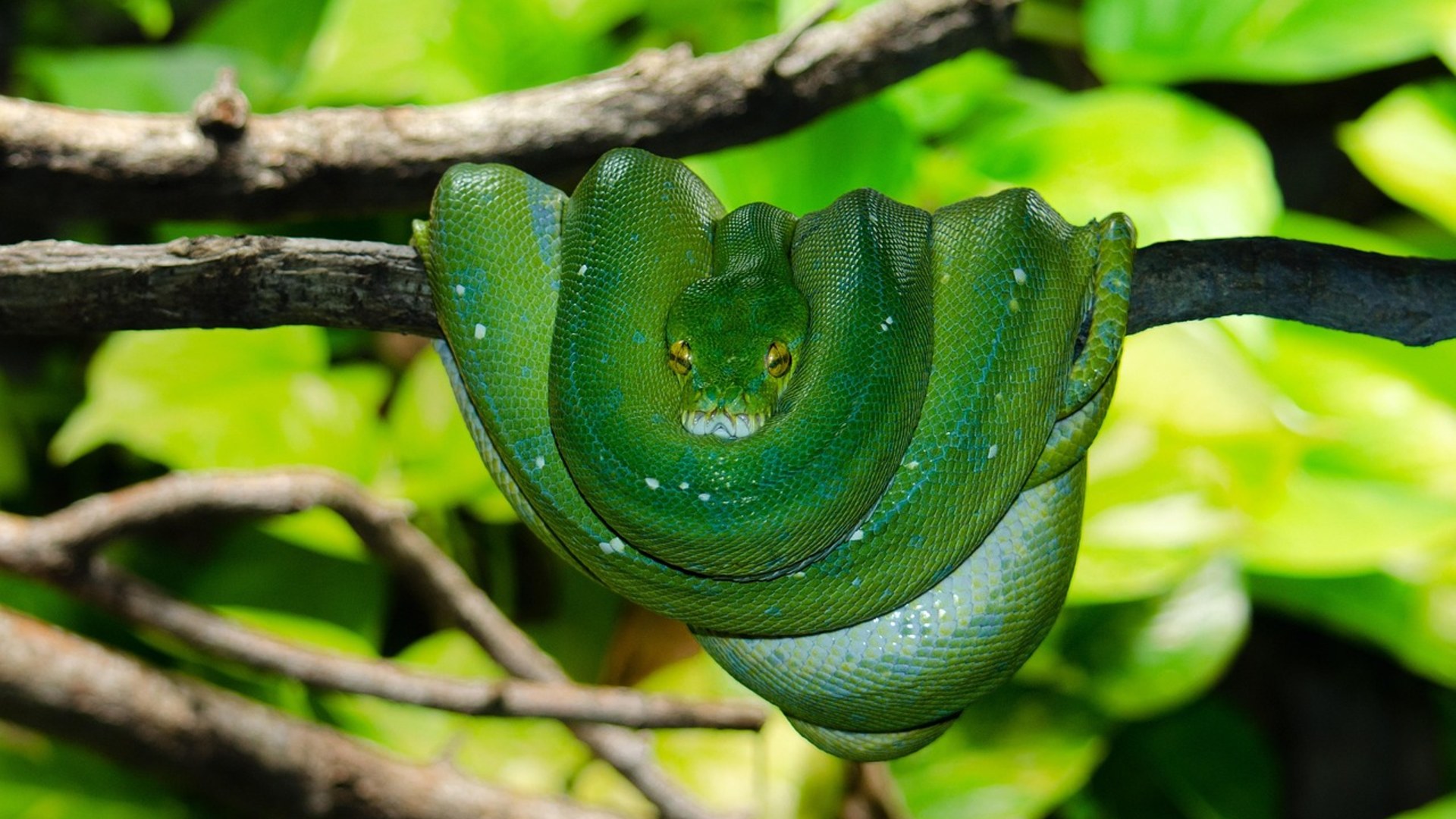
10. Mamba & Cobra — Sub-Saharan Africa & South Asia
While most snakes flee humans, mambas will rear up, spread a narrow neck flap, and strike repeatedly with deadly accuracy at speeds up to 19 km/h if their escape route is blocked. Where to spot them: Join expert herpetological guides across South Africa's KwaZulu-Natal coastal forests and Kruger National Park.
©Pixabay / Wildfaces
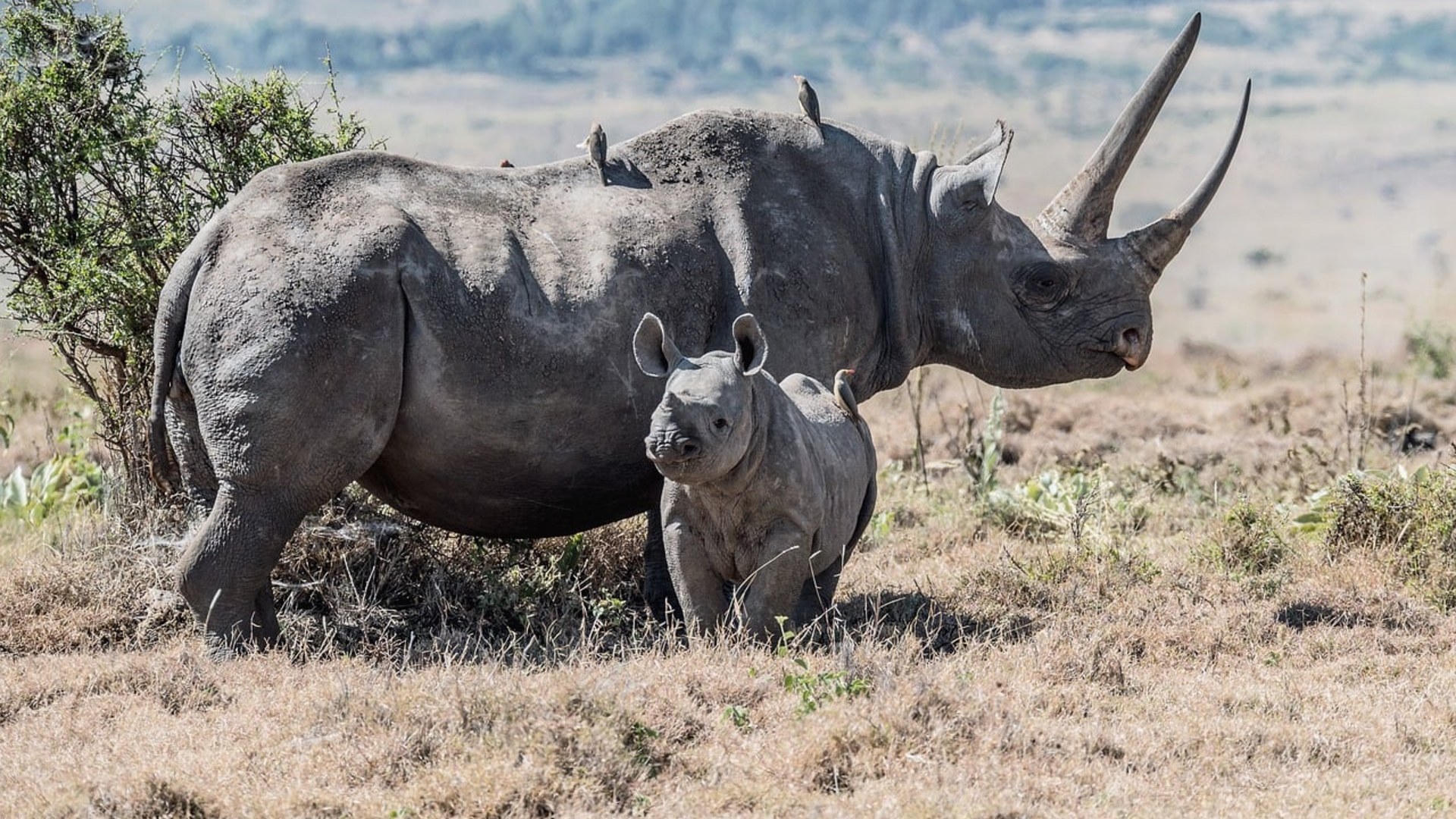
9. Black Rhinoceros — Etosha National Park, Namibia
Significantly more combative than the larger white rhino, the hook-lipped black rhinoceros has the highest rate of intraspecies combat of any mammal and frequently charges safari vehicles. Where to spot them: Watch floodlit desert waterholes after dark at Okaukuejo Camp in Namibia's Etosha National Park.
©Pixabay / DavidClode
Advertisement
Swipe or tap ▶ to resume the countdown.
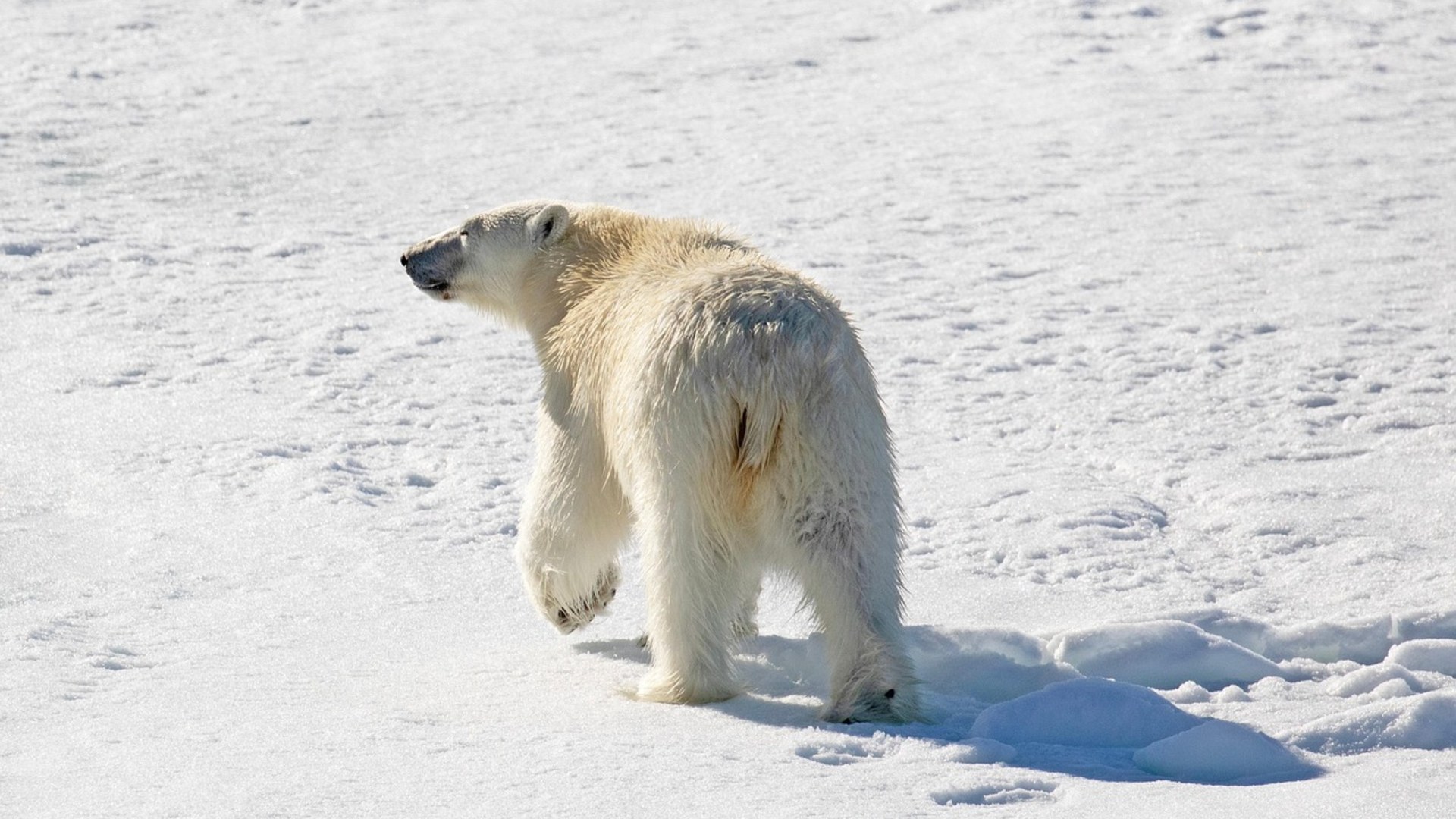
8. Polar Bear — Churchill, Canada & Svalbard
Weighing up to 700 kg and capable of smelling seals through a metre of solid ice from kilometres away, polar bears are one of the few predators that actively stalk humans on sight. Where to spot them: Ride elevated custom Tundra Buggies across the sub-Arctic shores of Churchill, Manitoba, or cruise Svalbard, Norway.
©Pixabay / MonicaMaxWest
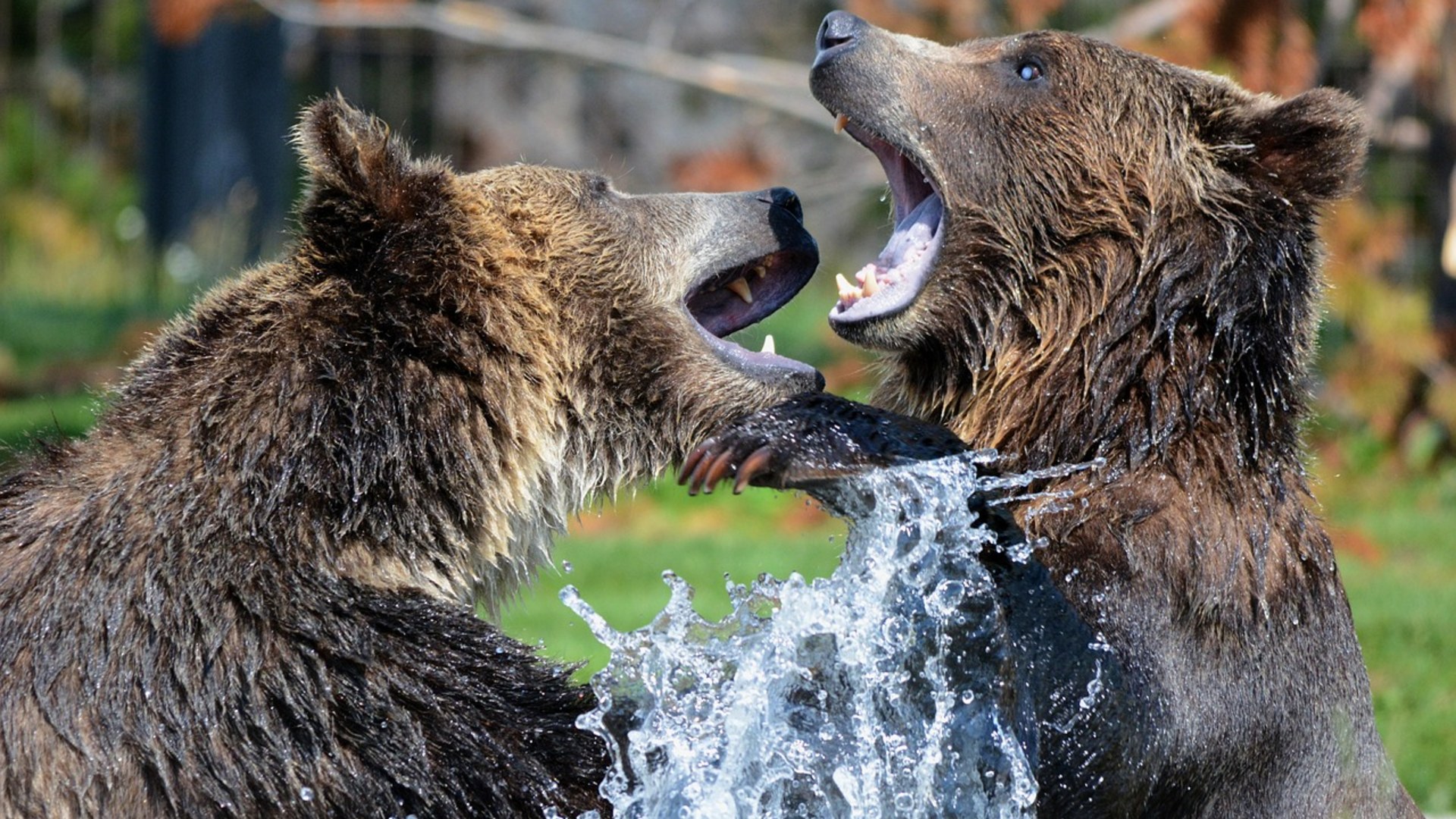
7. Grizzly Bear — Yellowstone & Katmai, Alaska
North America's apex bruin packs a shoulder hump of pure muscle and will aggressively neutralize any perceived threat to its cubs or carcass caches. Where to spot them: Watch coastal brown bears feasting on leaping salmon from elevated wooden platforms at Brooks Falls in Katmai National Park, Alaska, or Yellowstone.
©Pixabay / Steppinstars
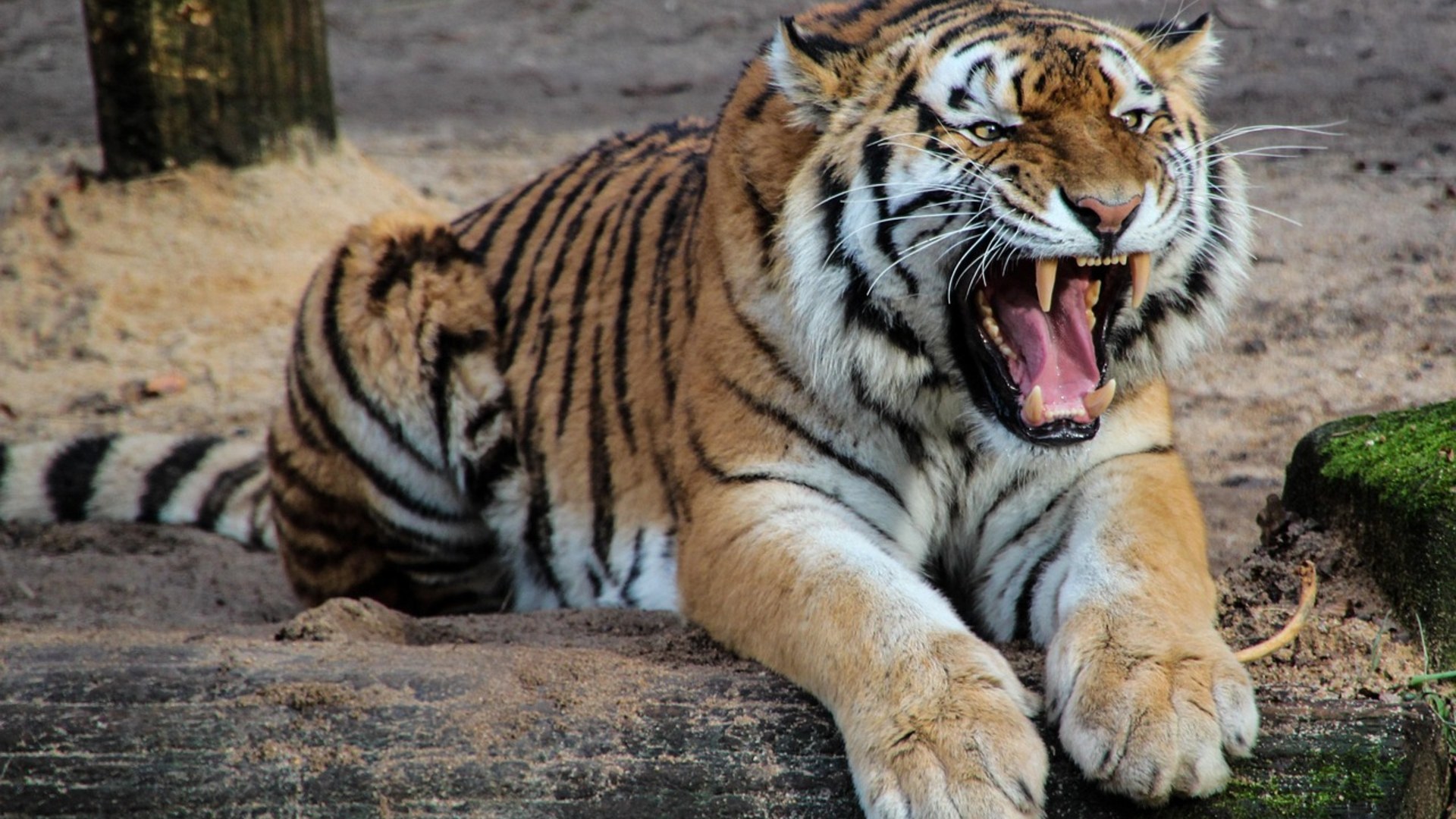
6. Bengal & Siberian Tiger — Ranthambore & Sundarbans
Particularly in the tidal mangrove swamps of the Sundarbans, Bengal tigers are notoriously bold ambush predators capable of swimming between islands and leaping onto boats. Where to spot them: Book open-top jeep safaris with seasoned naturalists in India's Ranthambore, Bandhavgarh, or Kanha National Parks.
©Pixabay / garten-gg
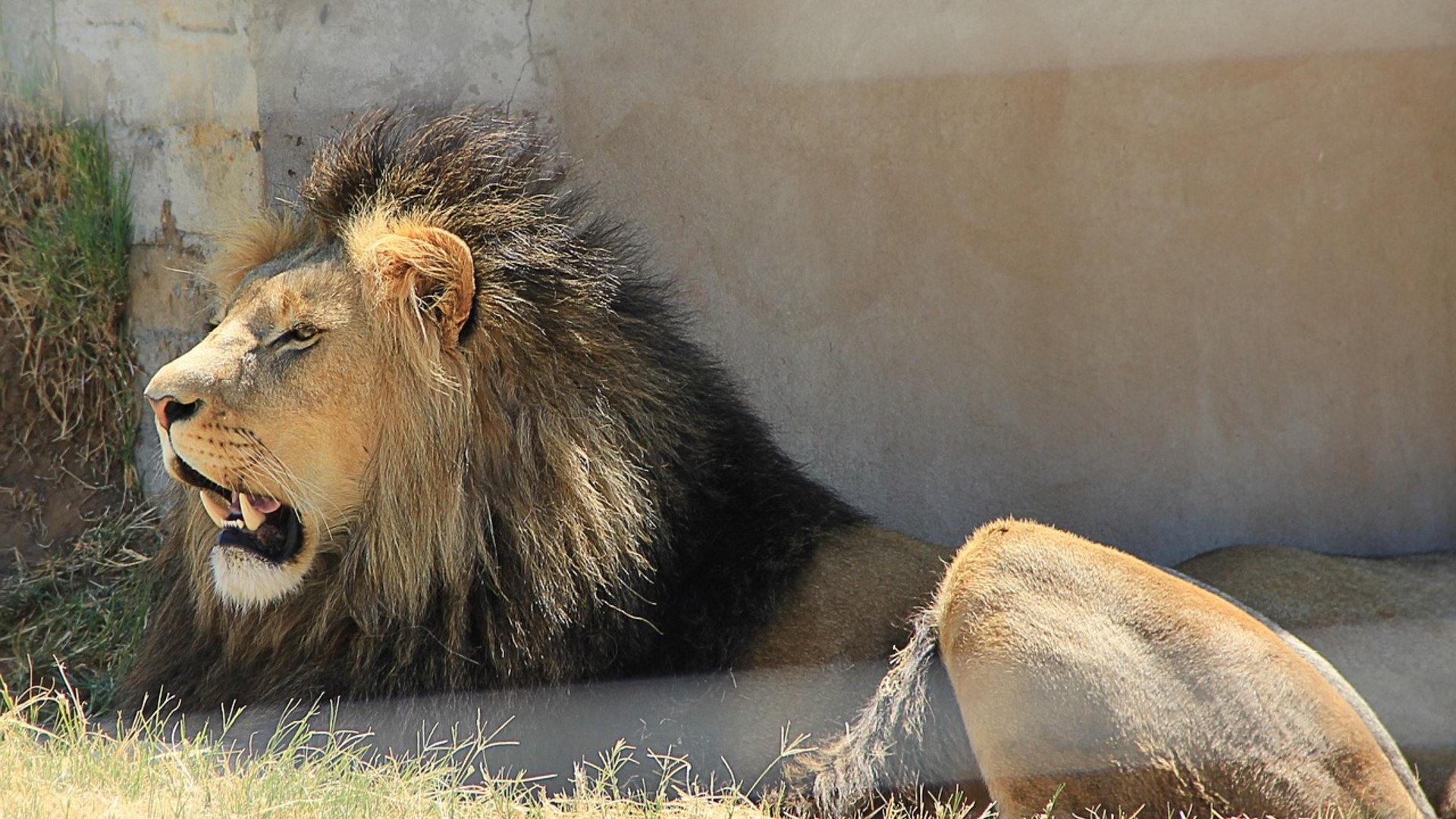
5. African Lion — Serengeti & Maasai Mara
Male lions spend their lives defending pride territories against rival coalitions in ferocious, often fatal clashes, while lionesses execute synchronized night stalks across open plains. Where to spot them: Witness prides from enclosed 4x4 safari vehicles in Tanzania's Serengeti and Kenya's Maasai Mara.
©Pixabay / GregMontani
Advertisement
Swipe or tap ▶ to resume the countdown.
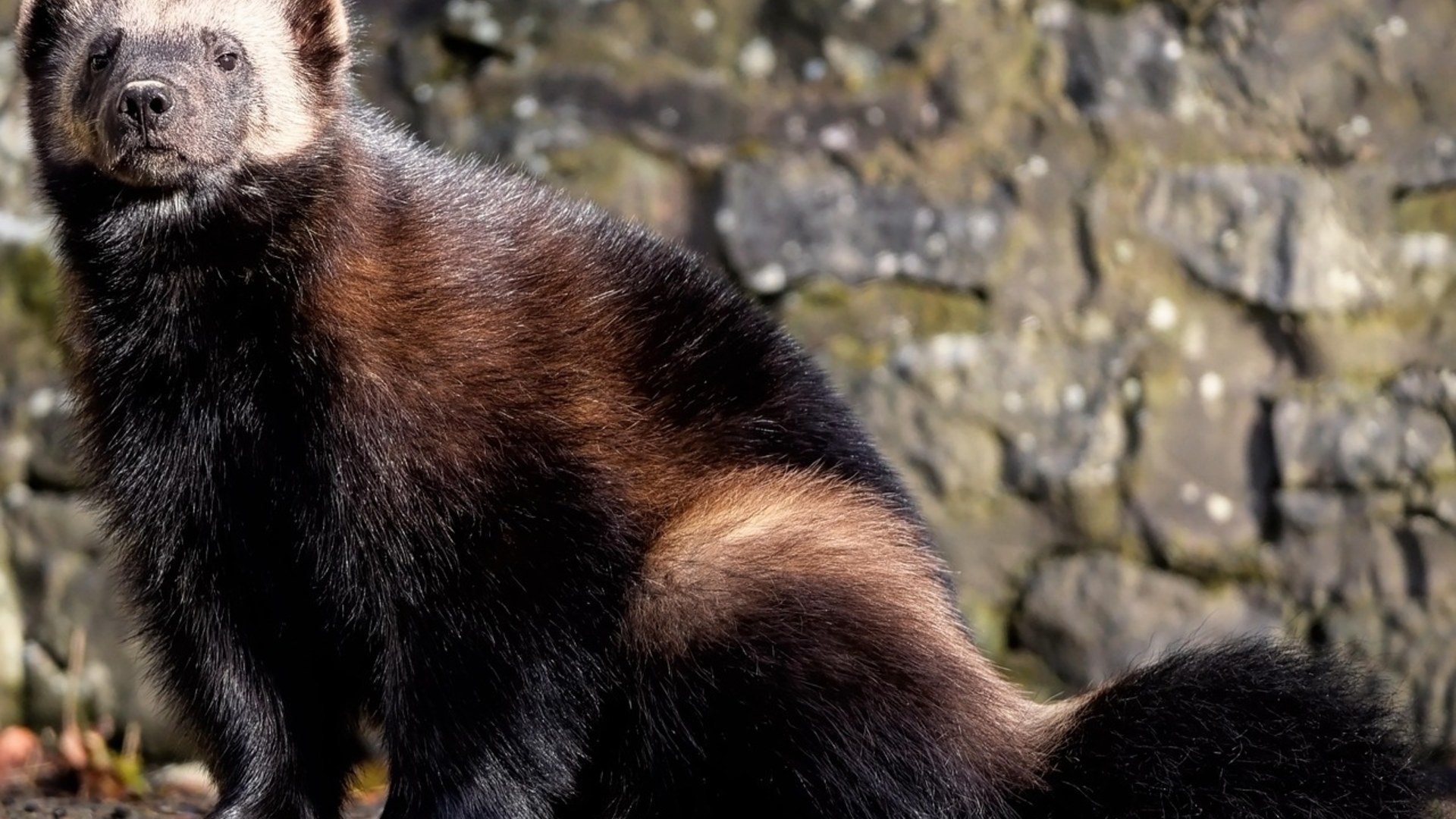
4. Wolverine & Badger — Boreal Forests & Savannas
Built like armour-plated bundles of muscle with loose skin and thick fur, wolverines and honey badgers routinely take on predators ten times their weight. Where to spot them: Book boreal forest hides in eastern Finland (Kuhmo) for wolverines, or Botswana's Kalahari reserves for honey badgers.
©Pixabay / ambquinn
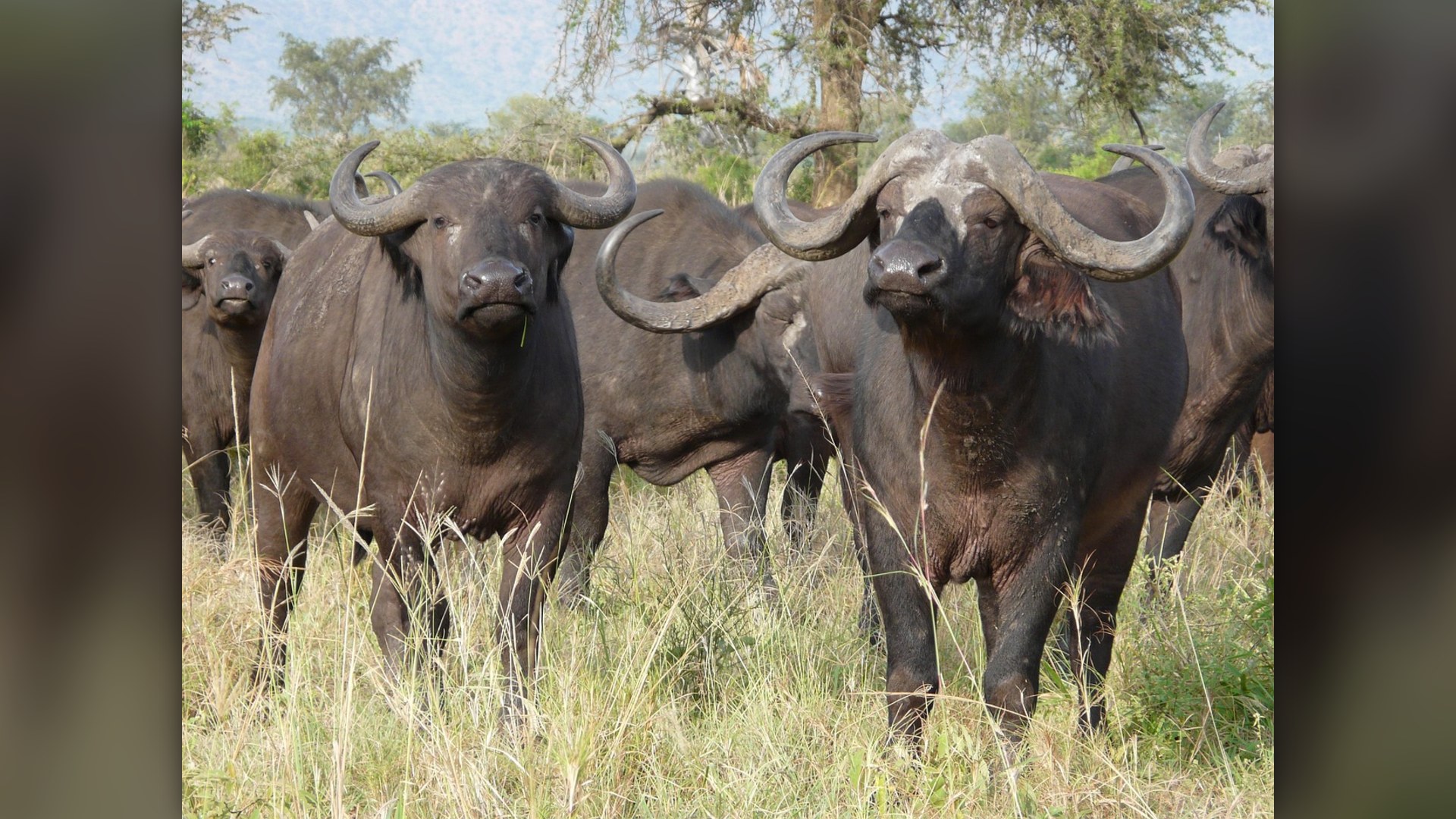
3. Cape Buffalo — Kruger National Park & Okavango Delta
Unlike most herbivores that flee danger, Cape buffalo mobs actively counter-attack lions, circle back to ambush pursuers, and trample threats using their thick horn boss. Where to spot them: Watch massive herds safely from safari vehicles in South Africa's Kruger National Park and Botswana's Chobe Riverfront.
©Pixabay / markjordahl
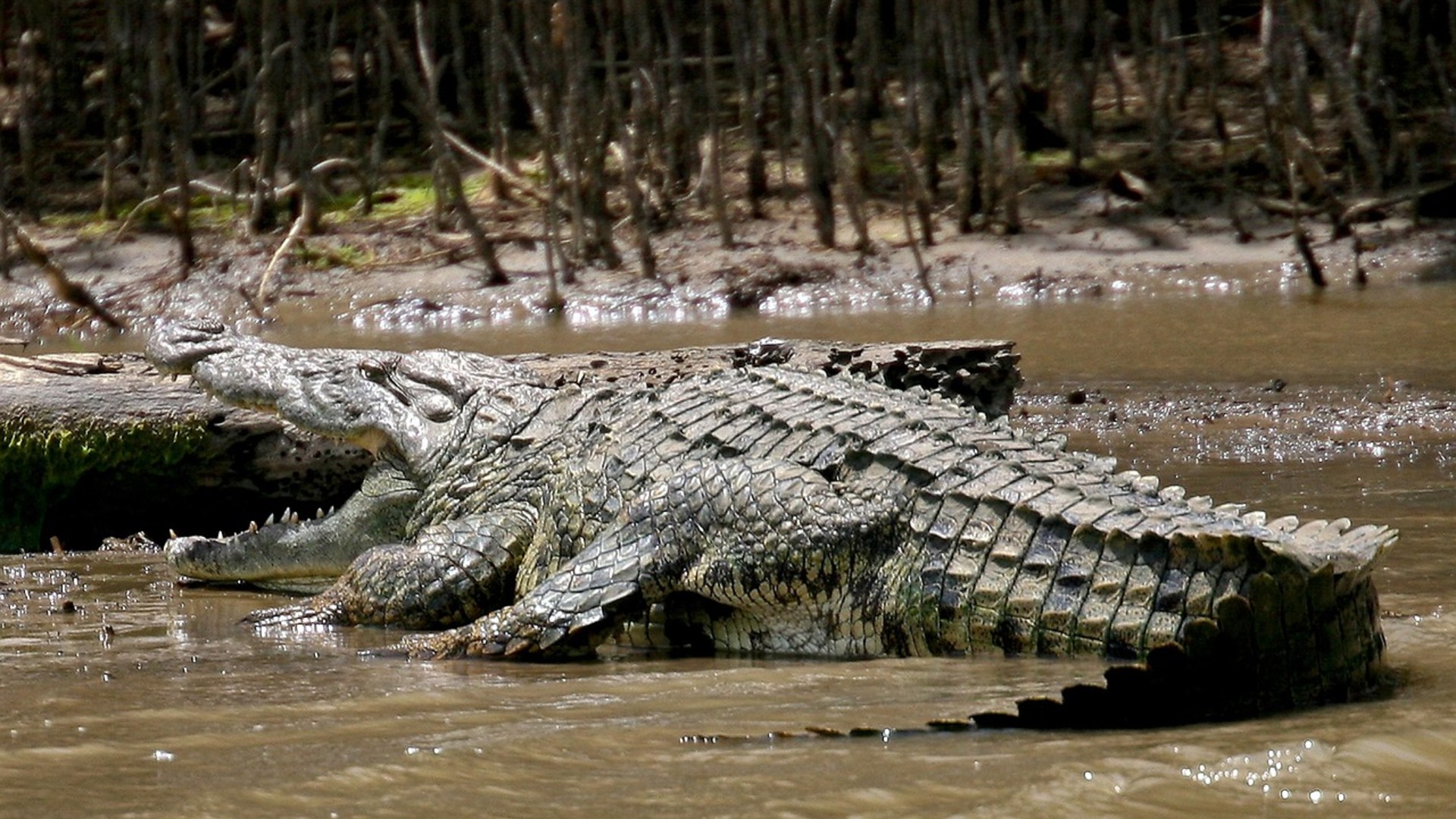
2. Saltwater & Nile Crocodile — Kakadu & Chobe River
Growing past 6 metres and weighing over a tonne, saltwater and Nile crocodiles patrol murky riverbanks and drag prey underwater in a lethal death roll. Where to spot them: Take guided boat cruises on Yellow Water Billabong in Australia's Kakadu National Park or Africa's Chobe and Nile rivers.
©Pixabay / RonPorter
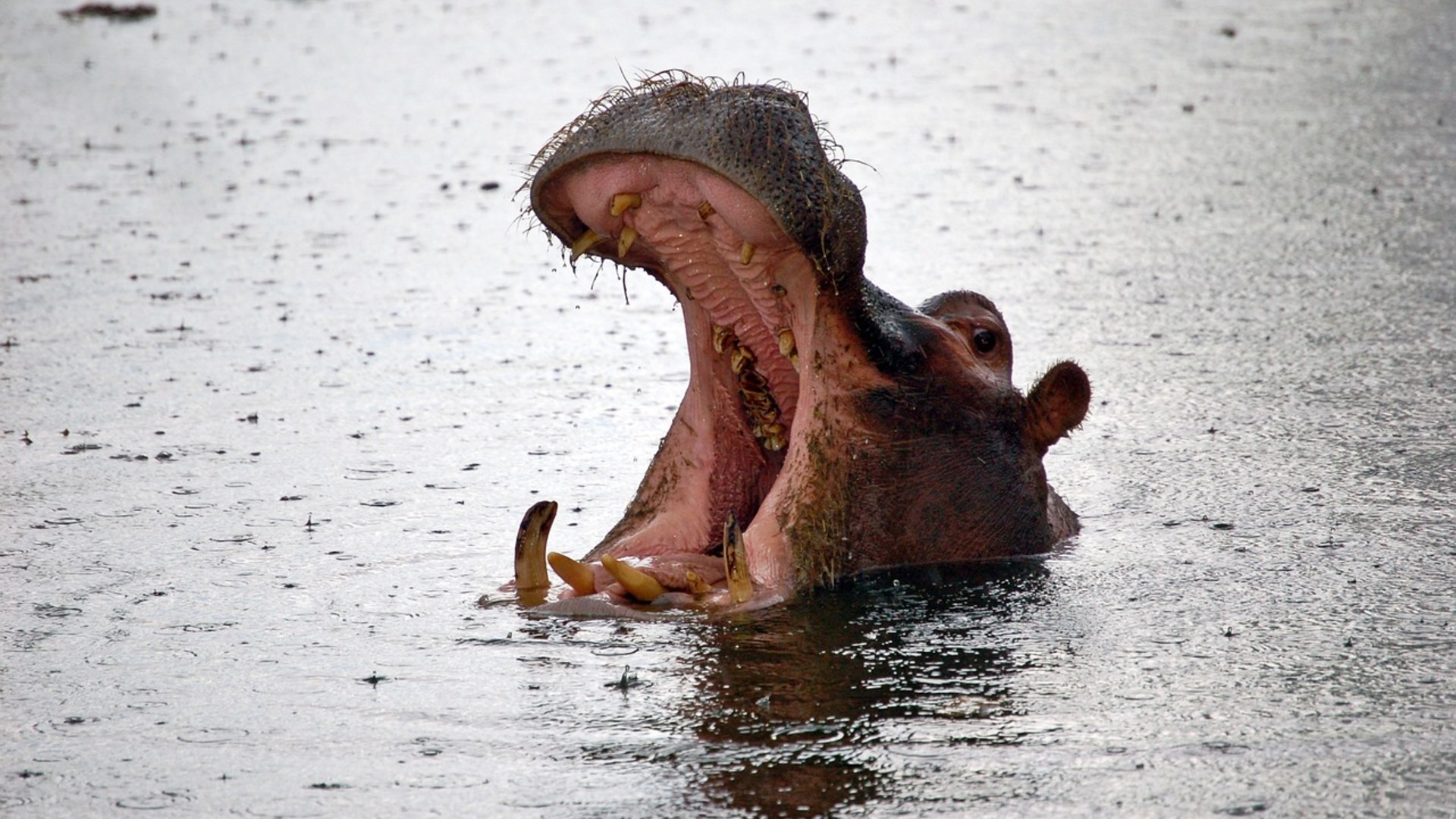
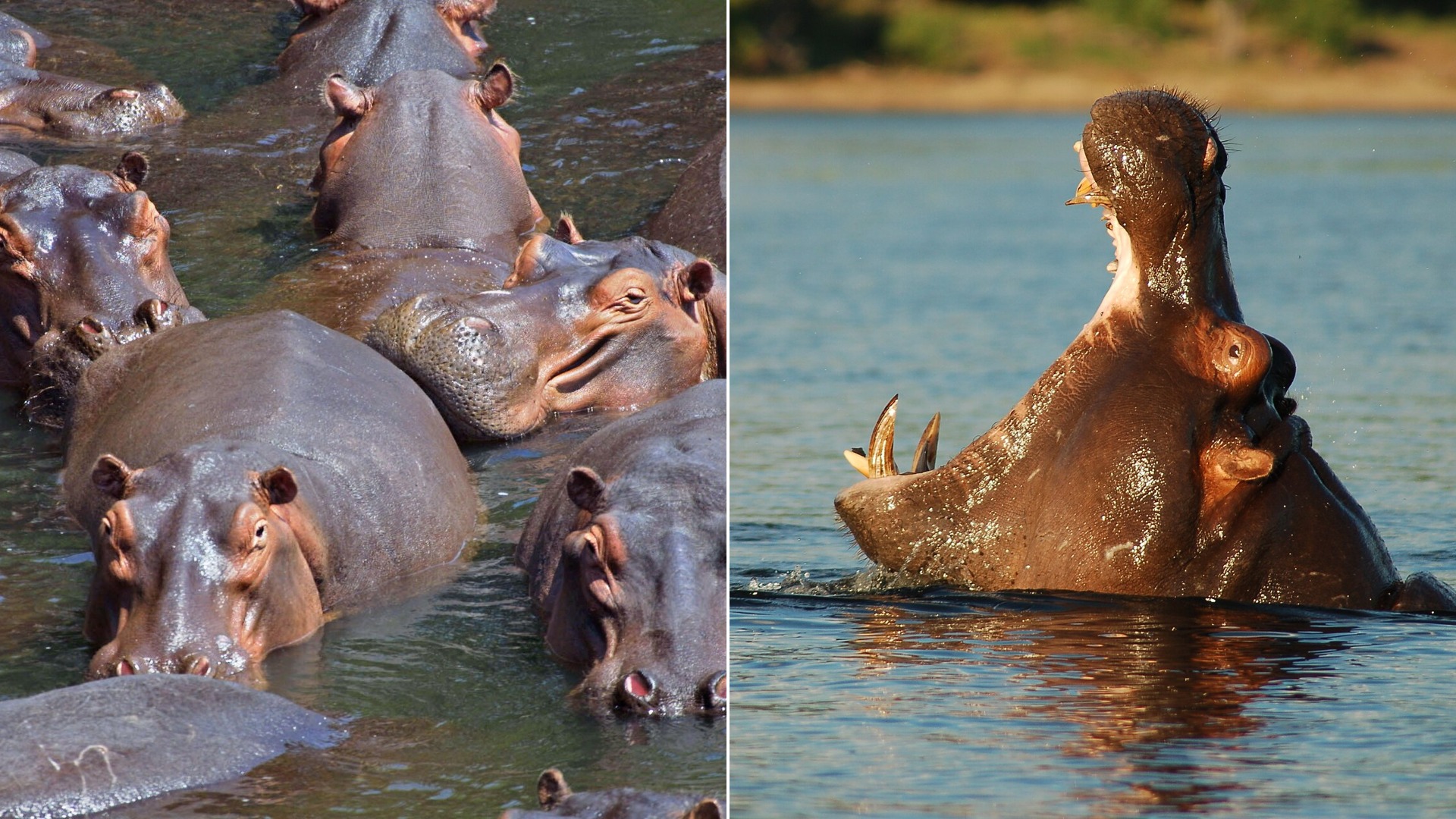
1. Hippopotamus — Chobe, Zambezi & Nile Rivers, Africa
Do not let their rotund silhouettes fool you: hippos can run at 30 km/h on land, snap canoes in half with jaws that open 180 degrees, and charge anything between them and deep water. Where to spot them: View colossal pods from river cruisers along Botswana's Chobe River or Zambia's South Luangwa.

©Pixabay / bernswaelz
Advertisement
You've reached the end of the story. Thanks for reading!

How Long Do Hippos Live? 20 Other Facts About Hippos
From sixty-year lifespans to whale cousins, discover secrets of river giants
All 15 Entries in this Story
15. Tasmanian Devil — Tasmania, Australia
Famous for its spine-chilling nocturnal screeches and explosive temper over carrion, the Tasmanian devil possesses jaws strong enough to crush thick bone. Where to spot them: Join dusk wildlife tours at Cradle Mountain-Lake St Clair National Park or Maria Island off Tasmania's east coast.

14. Wild Boar — European & Asian Forests
Weighing up to 200 kg with muscular shoulders and curved canine tusks, wild boars—especially sows guarding striped piglets—will charge hikers and dogs without hesitation. Where to spot them: Observe safely from raised woodland hides in the Forest of Dean (UK), Germany's Black Forest, or Poland's Białowieża Forest.

13. Komodo Dragon — Komodo National Park, Indonesia
Growing up to 3 metres long, Komodo dragons can sprint at 20 km/h and take down water buffalo and deer using anticoagulant venom that prevents blood clotting. Where to spot them: Hike only with certified park rangers holding forked wooden sticks on Komodo and Rinca Islands in Indonesia's Lesser Sunda chain.

12. Southern Cassowary — Daintree Rainforest, Australia
Standing nearly as tall as an adult human, the flightless Southern cassowary sprints at 50 km/h and delivers devastating forward kicks when its chicks or fruit trees are threatened. Where to spot them: Scan rainforest edges around Cape Tribulation, Daintree National Park, and Mission Beach in Queensland.

11. Bull Shark — Warm Coastal Waters & Rivers
Unlike most marine sharks, bull sharks osmoregulate to swim hundreds of kilometres up tropical rivers like the Zambezi and Amazon, hunting aggressively in murky shallows. Where to spot them: Experienced divers can observe them safely on professional shark dives in Playa del Carmen (Mexico) or Beqa Lagoon (Fiji).

10. Mamba & Cobra — Sub-Saharan Africa & South Asia
While most snakes flee humans, mambas will rear up, spread a narrow neck flap, and strike repeatedly with deadly accuracy at speeds up to 19 km/h if their escape route is blocked. Where to spot them: Join expert herpetological guides across South Africa's KwaZulu-Natal coastal forests and Kruger National Park.

9. Black Rhinoceros — Etosha National Park, Namibia
Significantly more combative than the larger white rhino, the hook-lipped black rhinoceros has the highest rate of intraspecies combat of any mammal and frequently charges safari vehicles. Where to spot them: Watch floodlit desert waterholes after dark at Okaukuejo Camp in Namibia's Etosha National Park.

8. Polar Bear — Churchill, Canada & Svalbard
Weighing up to 700 kg and capable of smelling seals through a metre of solid ice from kilometres away, polar bears are one of the few predators that actively stalk humans on sight. Where to spot them: Ride elevated custom Tundra Buggies across the sub-Arctic shores of Churchill, Manitoba, or cruise Svalbard, Norway.

7. Grizzly Bear — Yellowstone & Katmai, Alaska
North America's apex bruin packs a shoulder hump of pure muscle and will aggressively neutralize any perceived threat to its cubs or carcass caches. Where to spot them: Watch coastal brown bears feasting on leaping salmon from elevated wooden platforms at Brooks Falls in Katmai National Park, Alaska, or Yellowstone.

6. Bengal & Siberian Tiger — Ranthambore & Sundarbans
Particularly in the tidal mangrove swamps of the Sundarbans, Bengal tigers are notoriously bold ambush predators capable of swimming between islands and leaping onto boats. Where to spot them: Book open-top jeep safaris with seasoned naturalists in India's Ranthambore, Bandhavgarh, or Kanha National Parks.

5. African Lion — Serengeti & Maasai Mara
Male lions spend their lives defending pride territories against rival coalitions in ferocious, often fatal clashes, while lionesses execute synchronized night stalks across open plains. Where to spot them: Witness prides from enclosed 4x4 safari vehicles in Tanzania's Serengeti and Kenya's Maasai Mara.

4. Wolverine & Badger — Boreal Forests & Savannas
Built like armour-plated bundles of muscle with loose skin and thick fur, wolverines and honey badgers routinely take on predators ten times their weight. Where to spot them: Book boreal forest hides in eastern Finland (Kuhmo) for wolverines, or Botswana's Kalahari reserves for honey badgers.

3. Cape Buffalo — Kruger National Park & Okavango Delta
Unlike most herbivores that flee danger, Cape buffalo mobs actively counter-attack lions, circle back to ambush pursuers, and trample threats using their thick horn boss. Where to spot them: Watch massive herds safely from safari vehicles in South Africa's Kruger National Park and Botswana's Chobe Riverfront.

2. Saltwater & Nile Crocodile — Kakadu & Chobe River
Growing past 6 metres and weighing over a tonne, saltwater and Nile crocodiles patrol murky riverbanks and drag prey underwater in a lethal death roll. Where to spot them: Take guided boat cruises on Yellow Water Billabong in Australia's Kakadu National Park or Africa's Chobe and Nile rivers.

1. Hippopotamus — Chobe, Zambezi & Nile Rivers, Africa
Do not let their rotund silhouettes fool you: hippos can run at 30 km/h on land, snap canoes in half with jaws that open 180 degrees, and charge anything between them and deep water. Where to spot them: View colossal pods from river cruisers along Botswana's Chobe River or Zambia's South Luangwa.