Slideshow · Viral
15 Oldest Things Ever Found in America
From 4-Billion-Year-Old Bedrock to Ice Age Footprints Across North America
By Most Viral Today
26 Oct 2026

From 4-Billion-Year-Old Bedrock To Ice Age Footprints Across North America 
15. Nuvvuagittuq Greenstone Belt Rocks (3.77 To 4.28 Billion Years) 
14. Acasta Gneiss Complex (4.03 Billion Years Old) 
13. Morton Gneiss Of Minnesota (3.5 To 3.6 Billion Years Old) - AdvertisementSwipe or tap ▶ to continue countdown

12. Gunflint Chert Microfossils (1.88 To 2.0 Billion Years Old) 
11. Cairo Devonian Fossil Forest (385 Million Years Old) 
10. Petrified Forest Triassic Wood (218 To 225 Million Years Old) 
9. Pando Clonal Aspen Colony (14,000 To 80,000+ Years Old) - AdvertisementSwipe or tap ▶ to continue countdown

8. Great Basin Bristlecone Pines (4,800 To 5,000+ Years Old) 
7. White Sands Fossil Human Footprints (21,000 To 23,000 Years Old) 
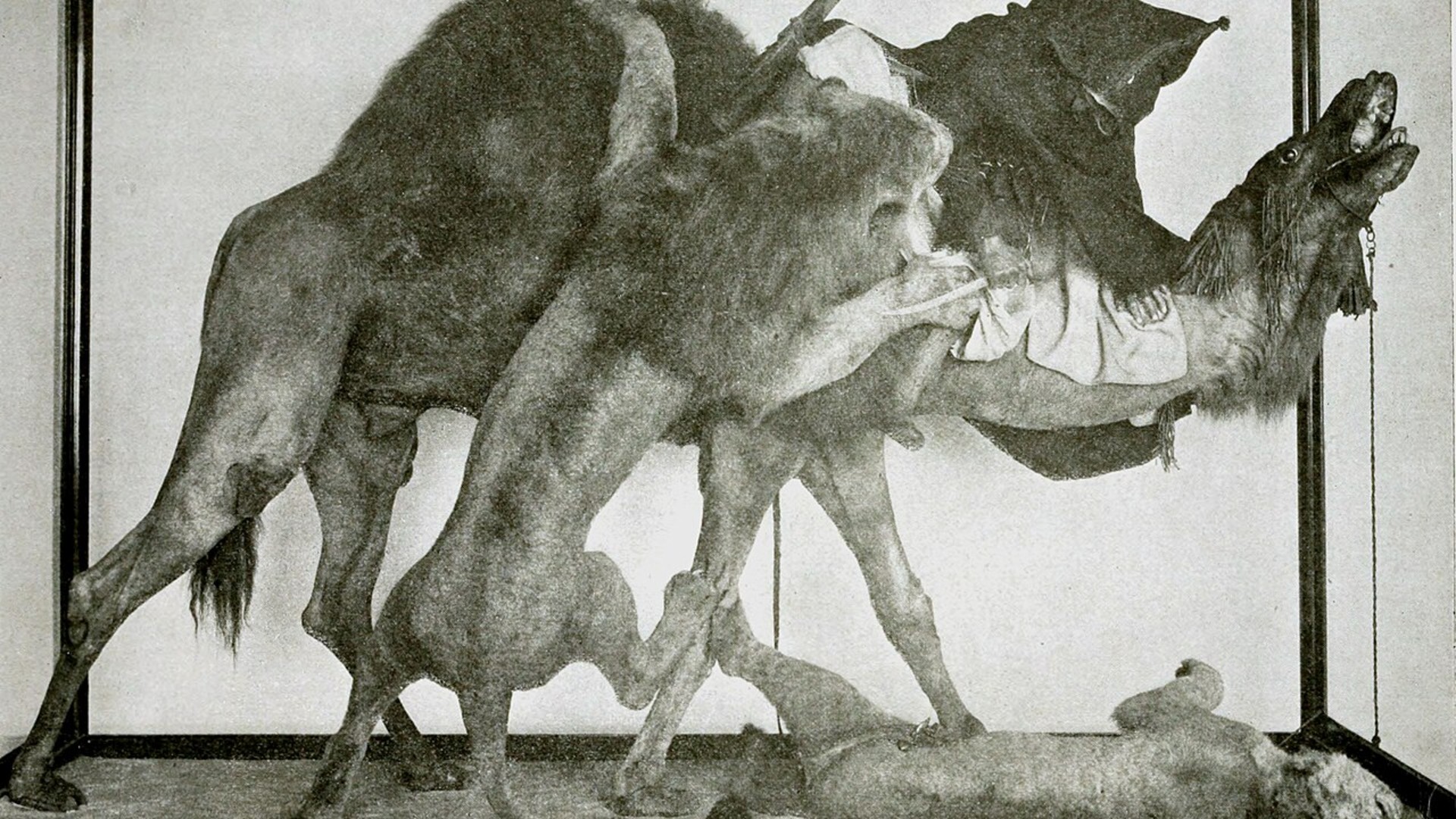
6. Rimrock Draw Tools And Camel Remains (18,000+ Years Old) 
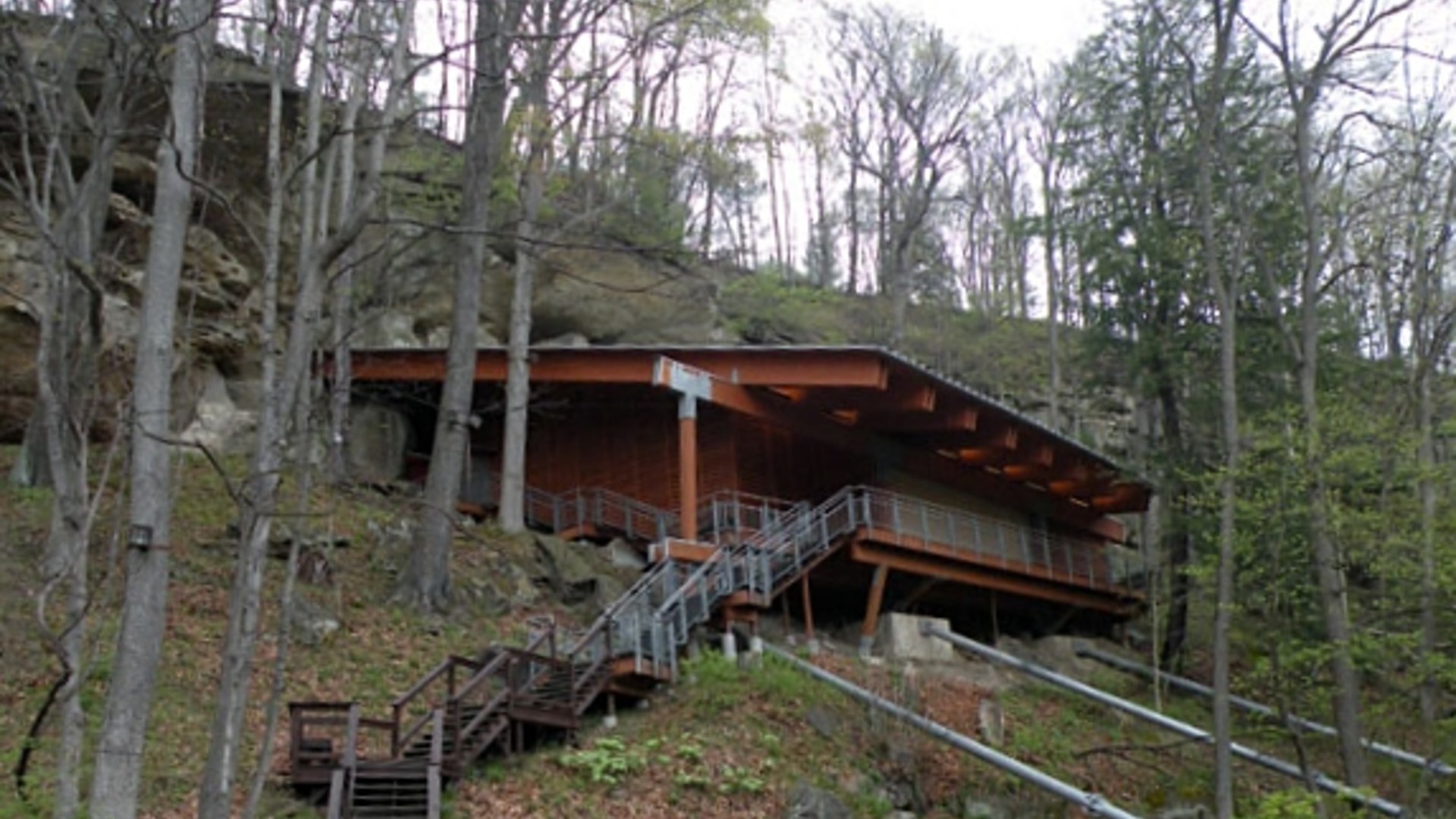
5. Meadowcroft Rockshelter Artifacts (16,000 To 19,000 Years Old) - AdvertisementSwipe or tap ▶ to continue countdown

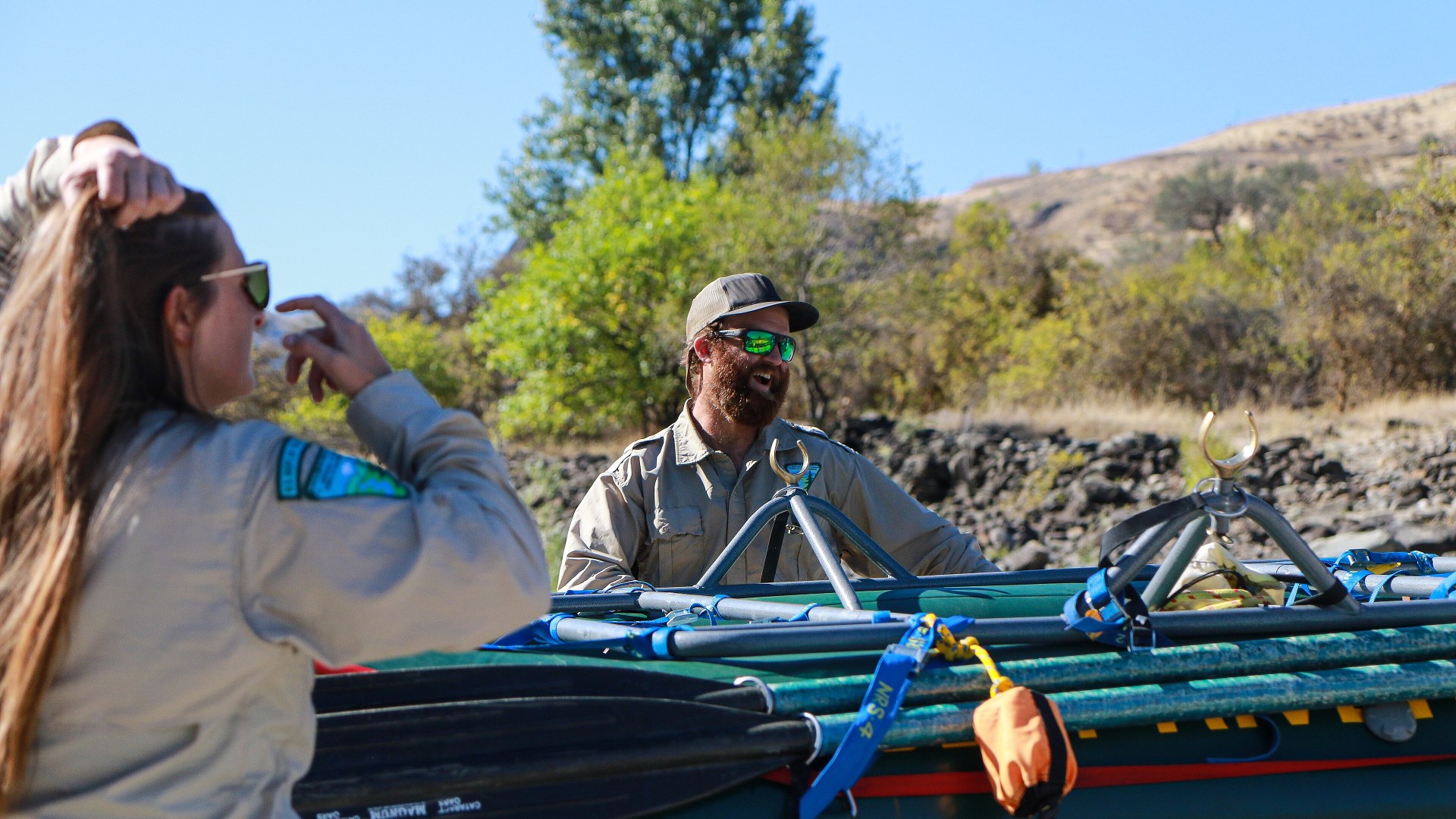
4. Cooper's Ferry Stone Tools In Idaho (16,000 Years Old) 
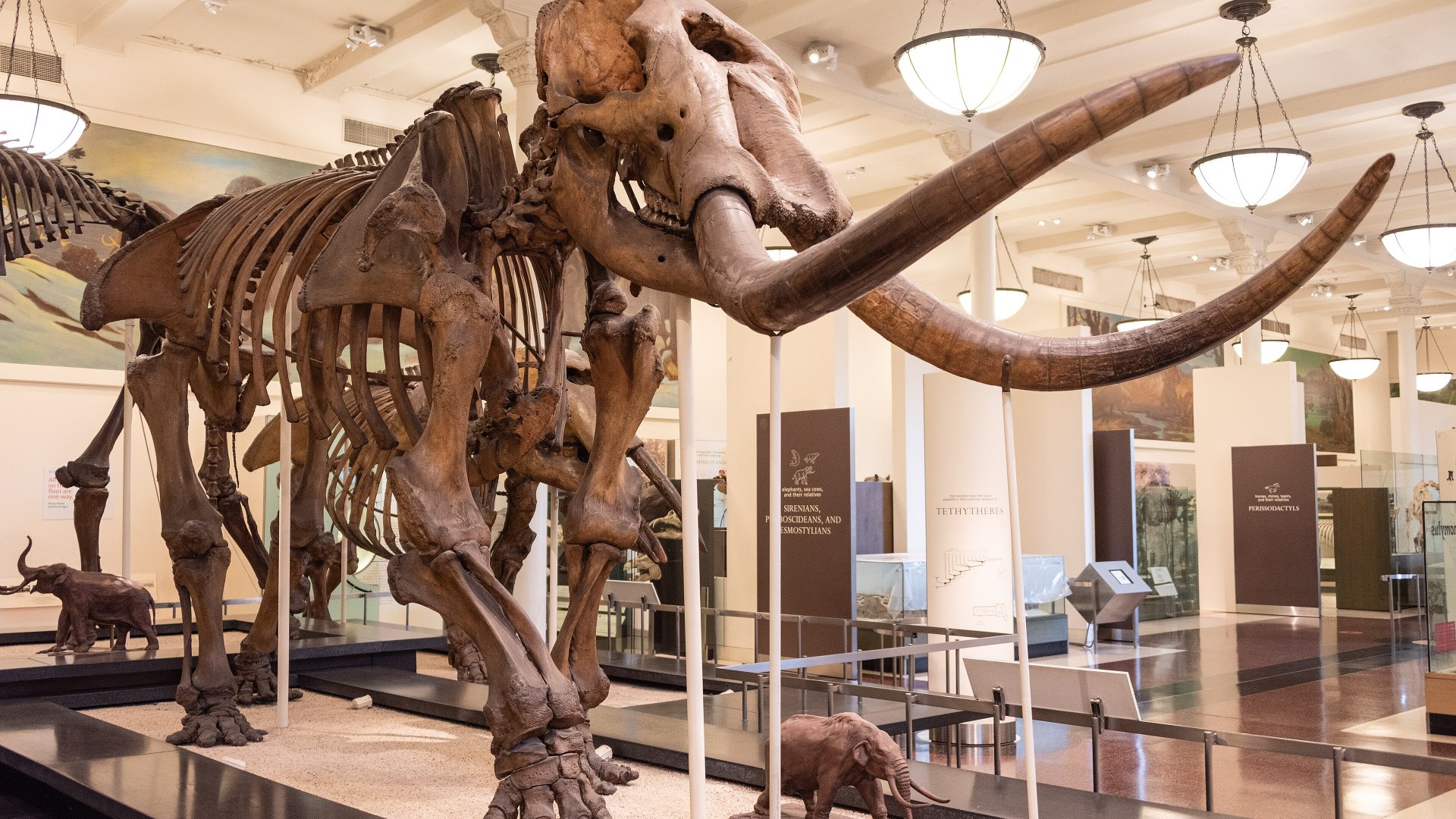
3. Page-Ladson Mastodon Tusk And Tools (14,550 Years Old) 
2. Paisley Caves DNA And Artifacts In Oregon (14,300 Years Old) 
1. Fort Rock Cave Woven Sagebrush Sandals (10,500 Years Old) - Advertisement🔥 UP NEXT IN THIS SERIES◫ 21 Slides

20 Iconic Historical Photos and the Archive Clues Behind Them
Contact sheets, cracked glass plates, and NASA mission logs preserve the hidden steps behind 20 famous photographs. Drawing on records from the Library of Congress, the National Archives, NASA, and the Smithsonian, this countdown traces how cropping, camera setups, and double exposures shaped each frame.
North America preserves a breathtaking record of deep time and early human history. From 4-billion-year-old Hadean bedrock in the Canadian Shield and petrified Triassic forests to 23,000-year-old Ice Age footprints in New Mexico, here are 15 of the oldest discoveries ever found across the continent.
Swipe or tap ▶ to begin the countdown
©Wikimedia / AbstractionBlue & Wikimedia / Ian Poellet
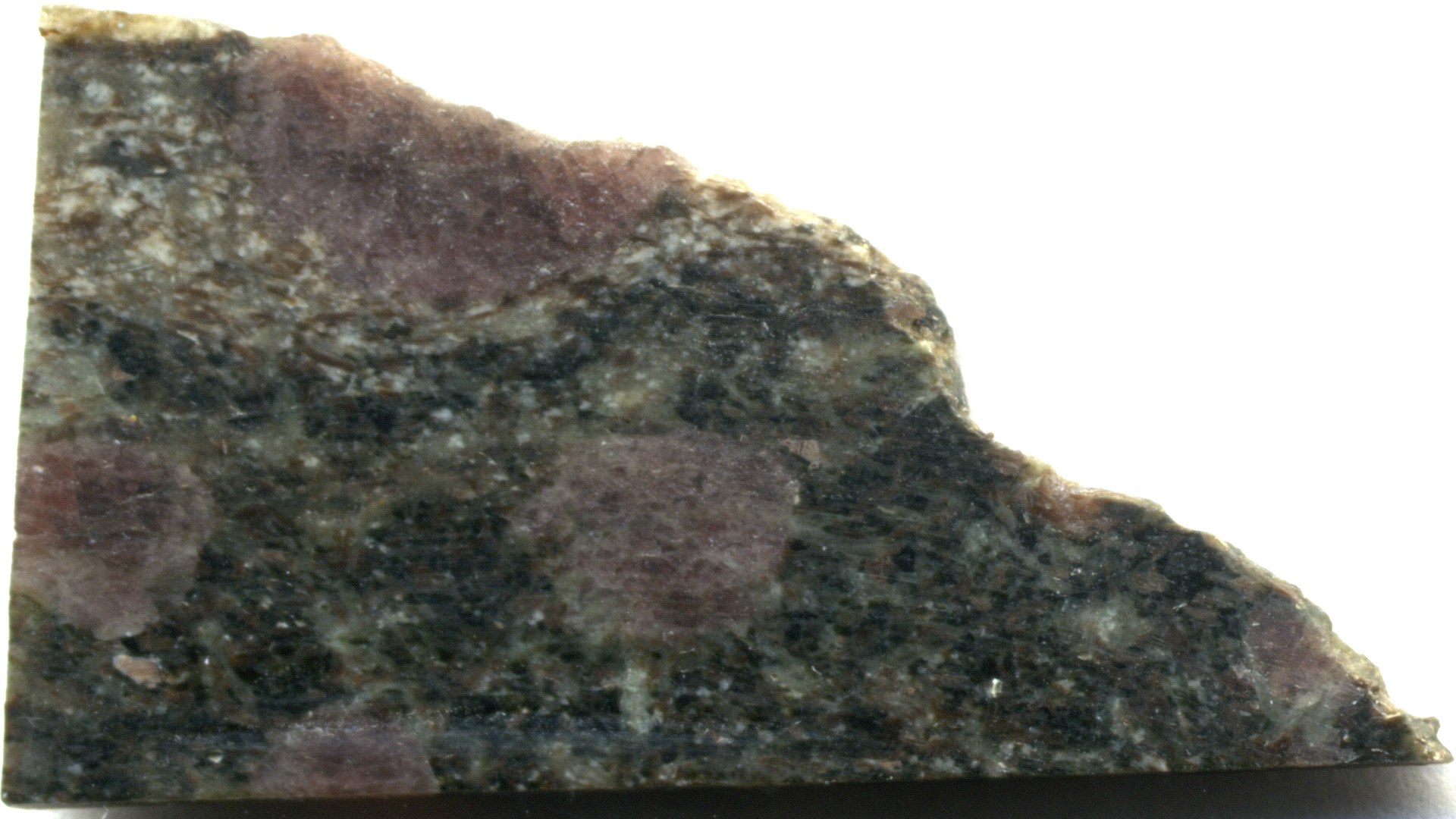
15. Nuvvuagittuq Greenstone Belt Rocks (3.77 To 4.28 Billion Years)
Located on the eastern shore of Hudson Bay in northern Quebec, the Nuvvuagittuq Greenstone Belt is estimated at 3.77 to 4.28 billion years old. Part of the Canadian Shield, these formations preserve some of the oldest bedrock and potential micro-structures on Earth.
©Wikimedia / James St. John
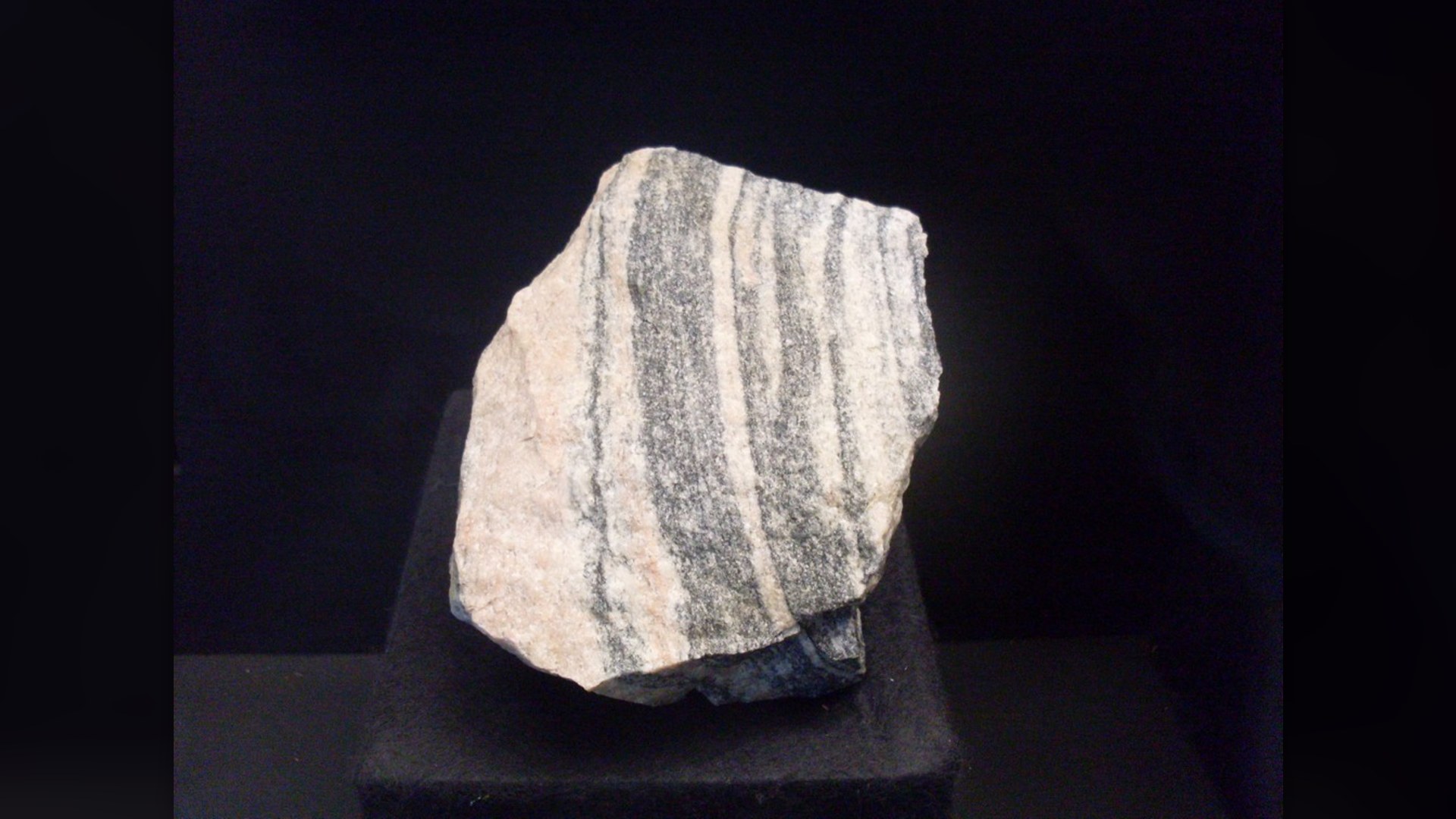
14. Acasta Gneiss Complex (4.03 Billion Years Old)
Dated to roughly 4.03 billion years ago in Canada's Northwest Territories, the Acasta Gneiss is the oldest known intact crustal rock outcrop on Earth. Its metamorphic bands offer direct geological clues to the planet's transition from the Hadean Eon.
©Wikimedia / Pedroalexandrade
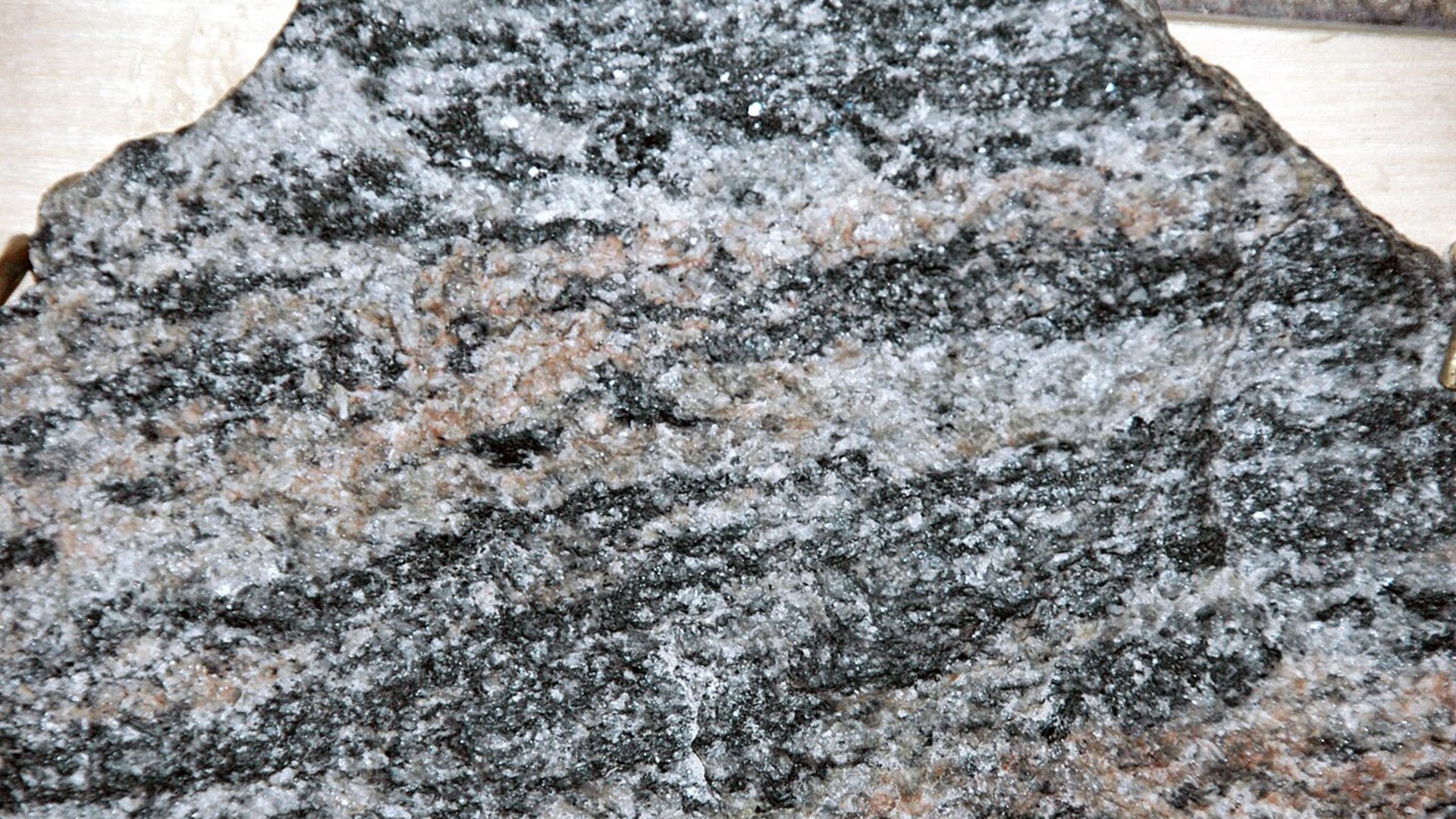
13. Morton Gneiss Of Minnesota (3.5 To 3.6 Billion Years Old)
Formed during the early Archean Eon roughly 3.5 to 3.6 billion years ago, Minnesota's Morton Gneiss is the oldest recognized rock formation in the United States. Its swirling pink and black mineral bands are exposed along the Minnesota River Valley.
©Wikimedia / James St. John
Advertisement
Swipe or tap ▶ to resume the countdown.
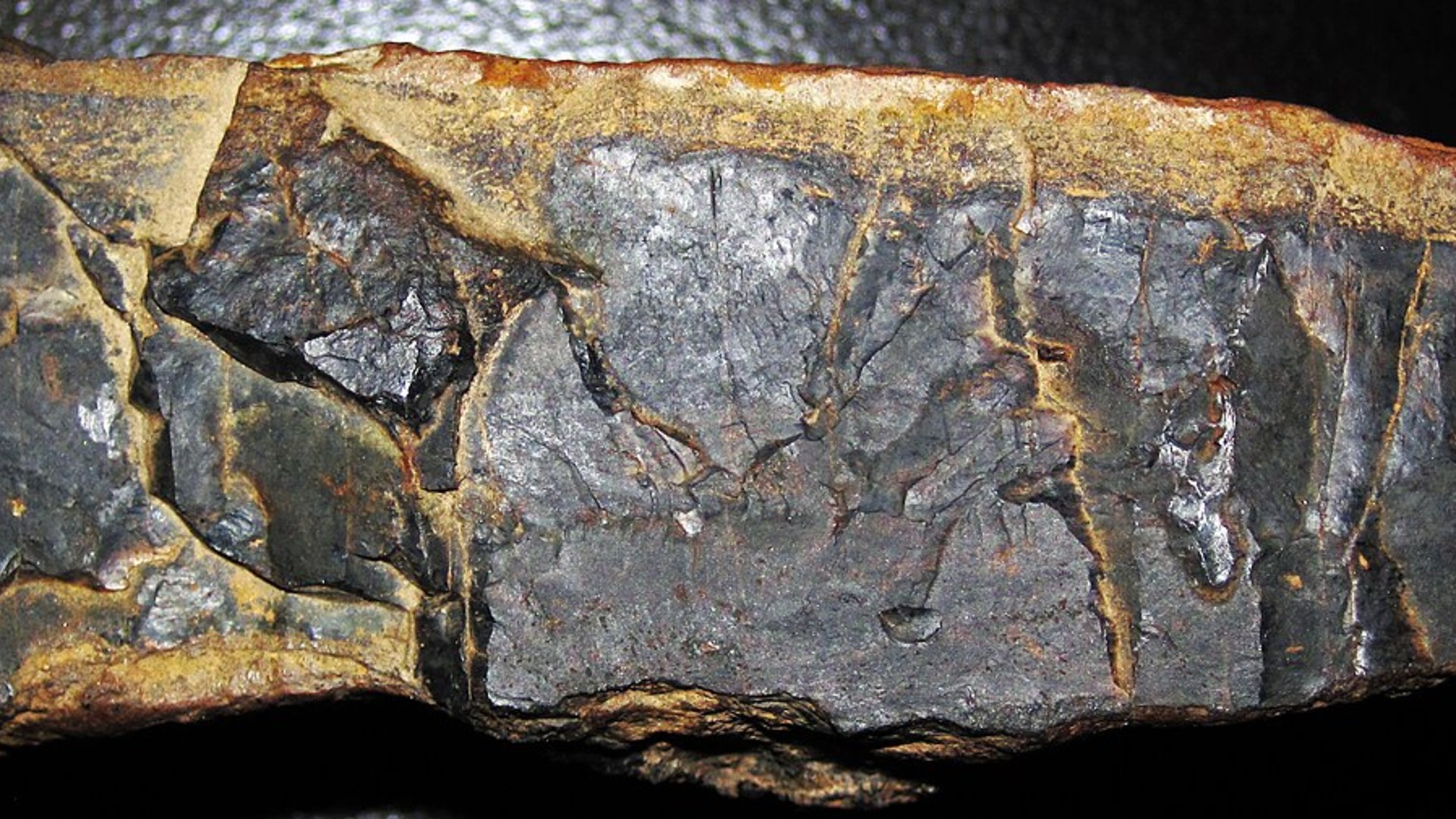
12. Gunflint Chert Microfossils (1.88 To 2.0 Billion Years Old)
Spanning the border region of northwestern Ontario and Minnesota, the Gunflint Chert formation dates back 1.88 to 2.0 billion years. Its preserved Precambrian stromatolites and microfossils provided definitive early proof of ancient microscopic life.
©Wikimedia / James St. John
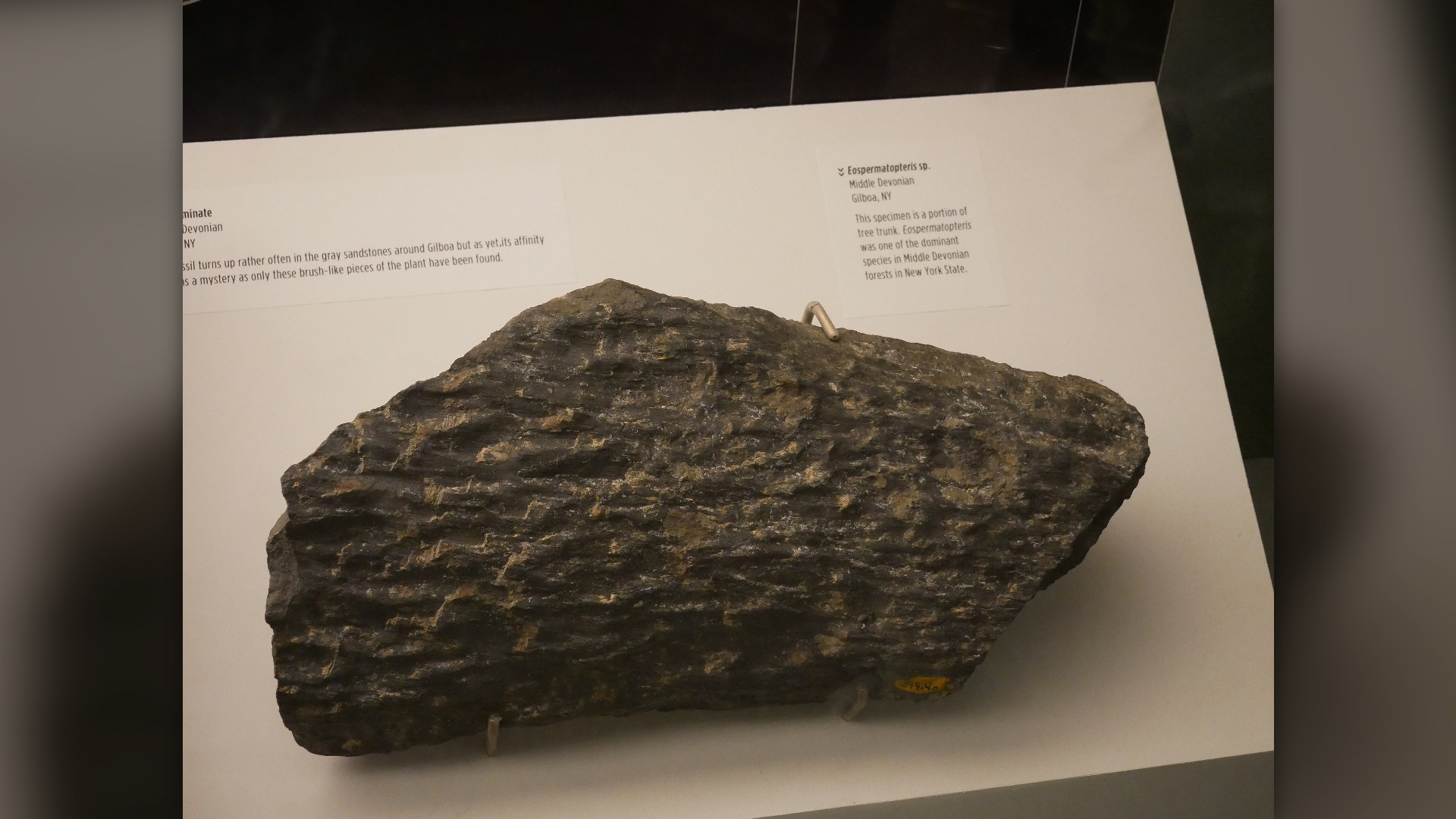
11. Cairo Devonian Fossil Forest (385 Million Years Old)
Discovered in an abandoned quarry in Greene County, New York, the Cairo Fossil Forest dates back 385 million years to the Devonian Period. The site preserves an extensive fossilized root network of primitive wood-bearing trees that reshaped Earth's atmosphere.
©Wikimedia / Skye McDavid
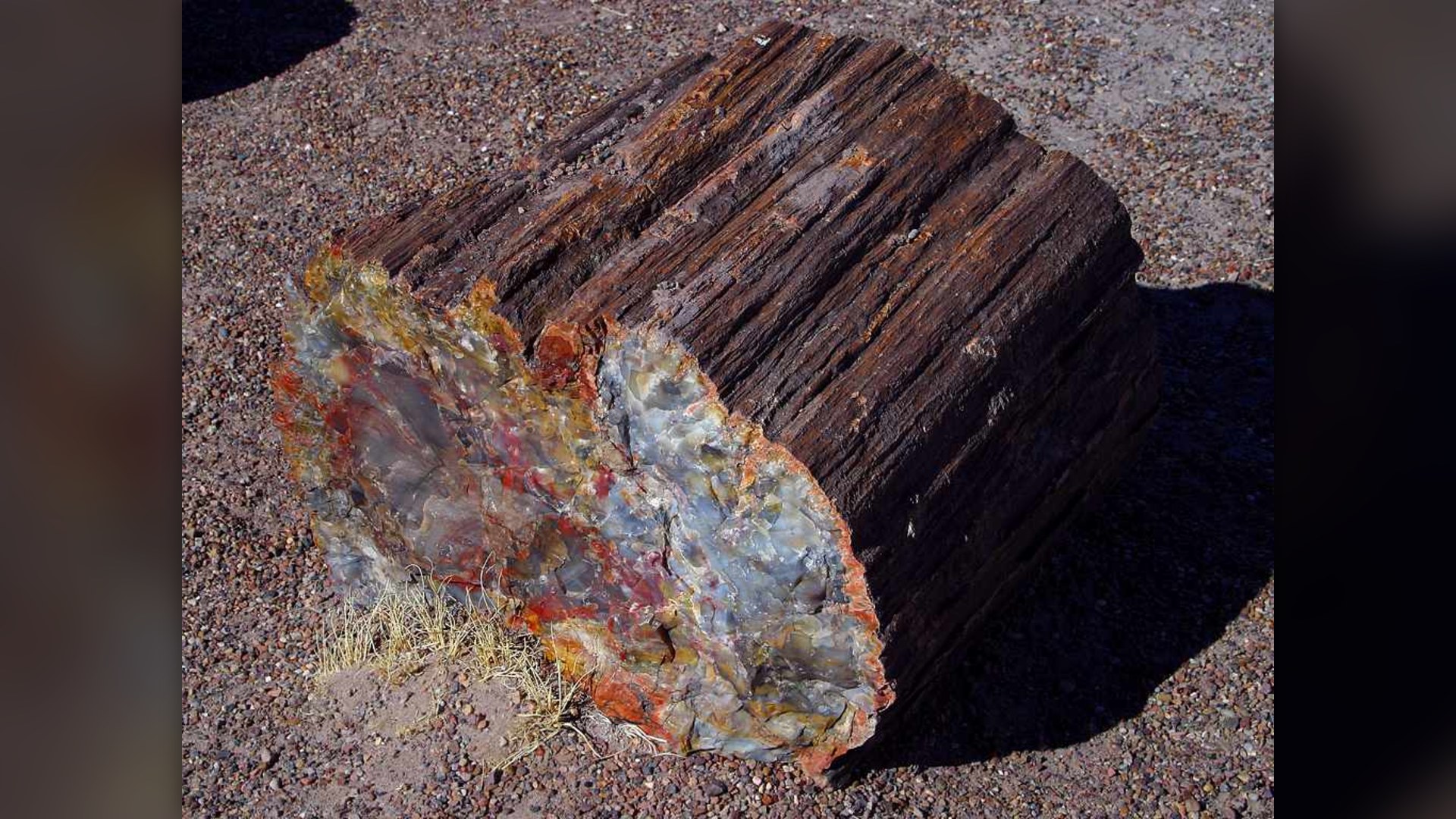
10. Petrified Forest Triassic Wood (218 To 225 Million Years Old)
Inside Arizona's Petrified Forest National Park, vast fields of fallen Late Triassic conifers (Araucarioxylon arizonicum) date back 218 to 225 million years. Buried under volcanic sediment, the ancient tree trunks crystallized into solid quartz.
©Wikimedia / Jon Sullivan
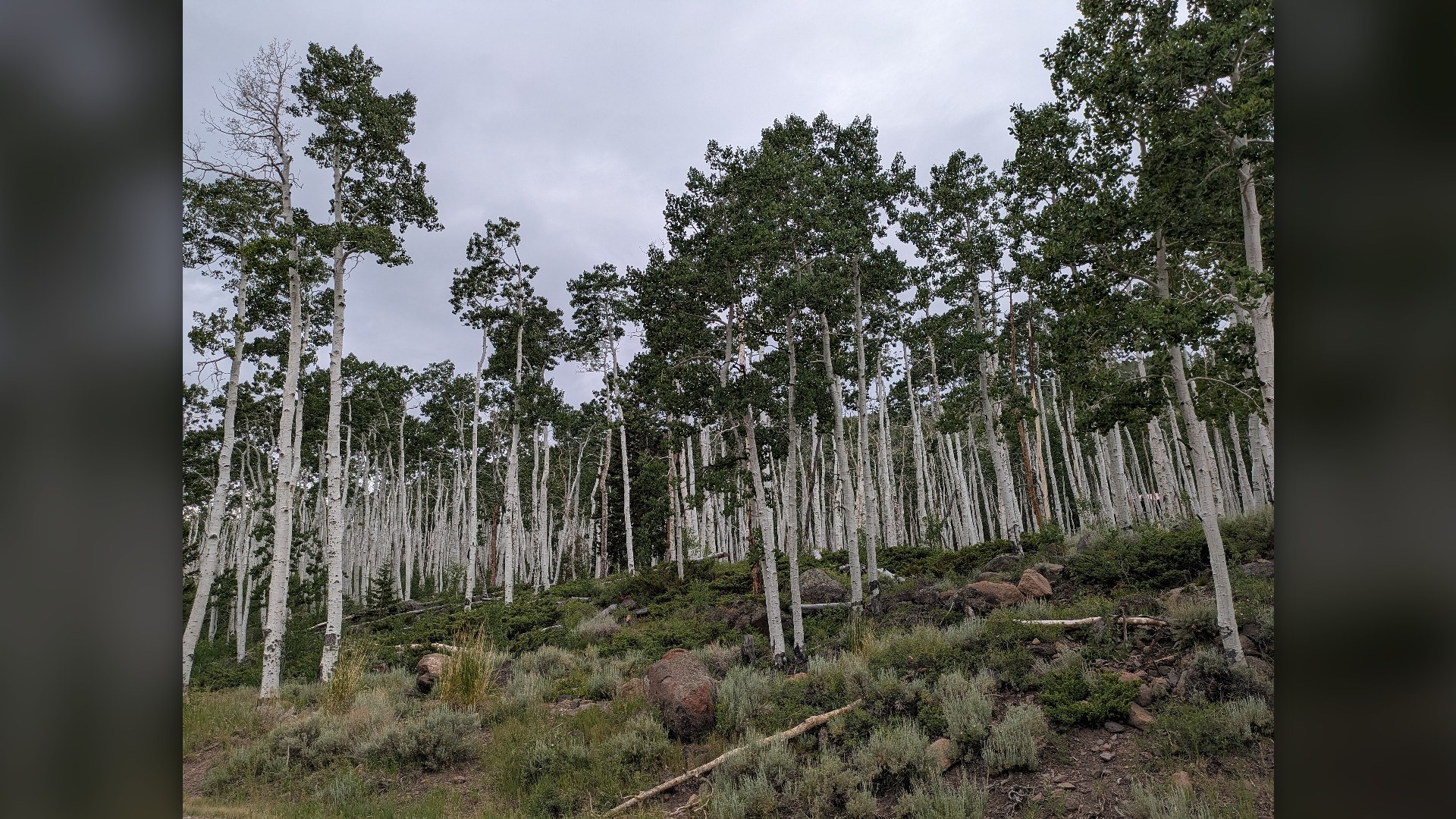
9. Pando Clonal Aspen Colony (14,000 To 80,000+ Years Old)
Spanning 106 acres in Utah's Fishlake National Forest, Pando is a massive clonal colony of a single male quaking aspen (Populus tremuloides) linked by one subterranean root system. Estimated at 14,000 to over 80,000 years old, it is among Earth's oldest organisms.
©Wikimedia / Mx. Granger
Advertisement
Swipe or tap ▶ to resume the countdown.
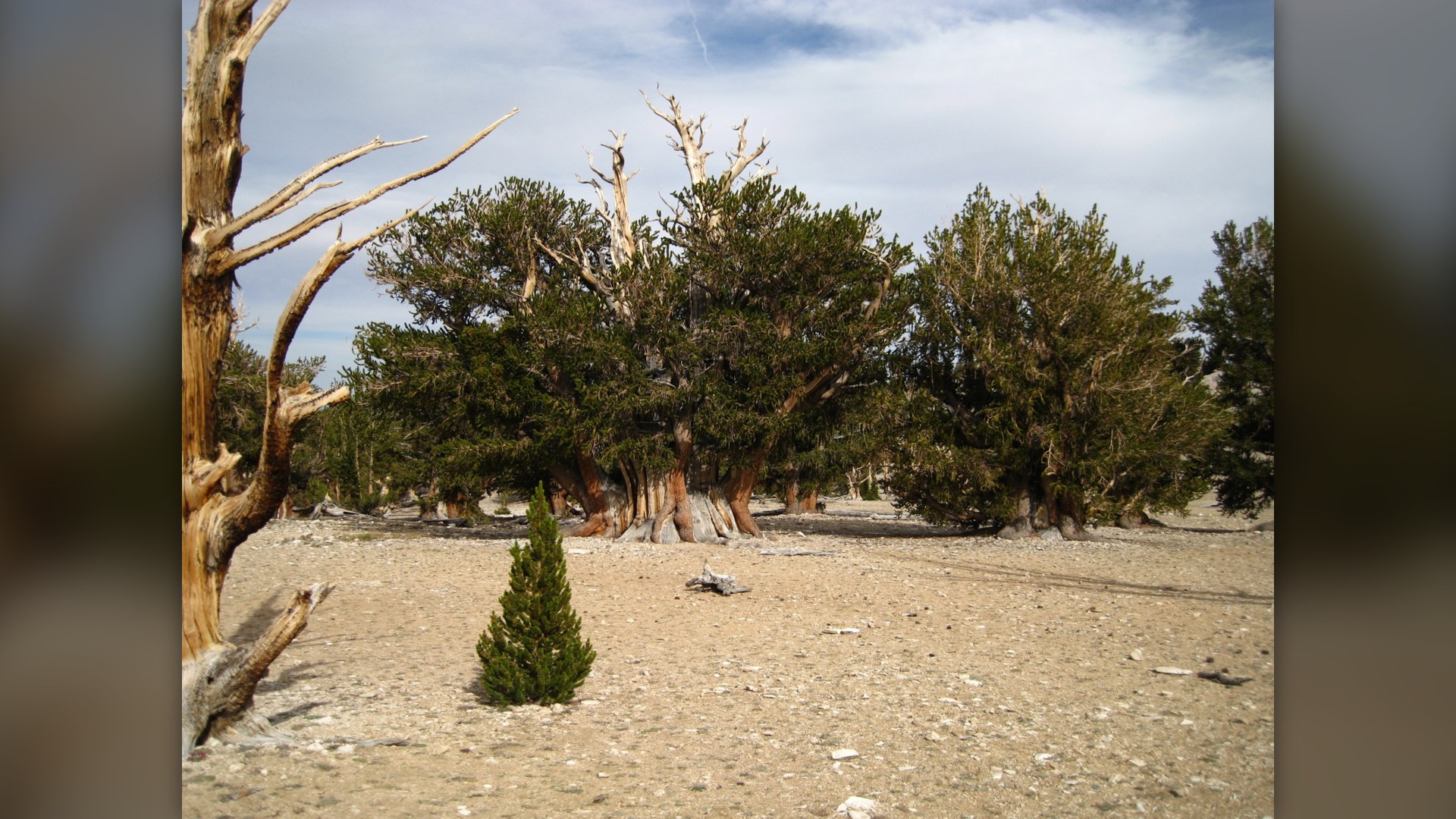
8. Great Basin Bristlecone Pines (4,800 To 5,000+ Years Old)
Clinging to harsh, windswept ridges in the White Mountains of California and the Great Basin of Nevada, Great Basin bristlecone pines (Pinus longaeva) reach ages of 4,800 to over 5,000 years. Trees like Methuselah are the world's oldest non-clonal living organisms.
©Wikimedia / Anauxite
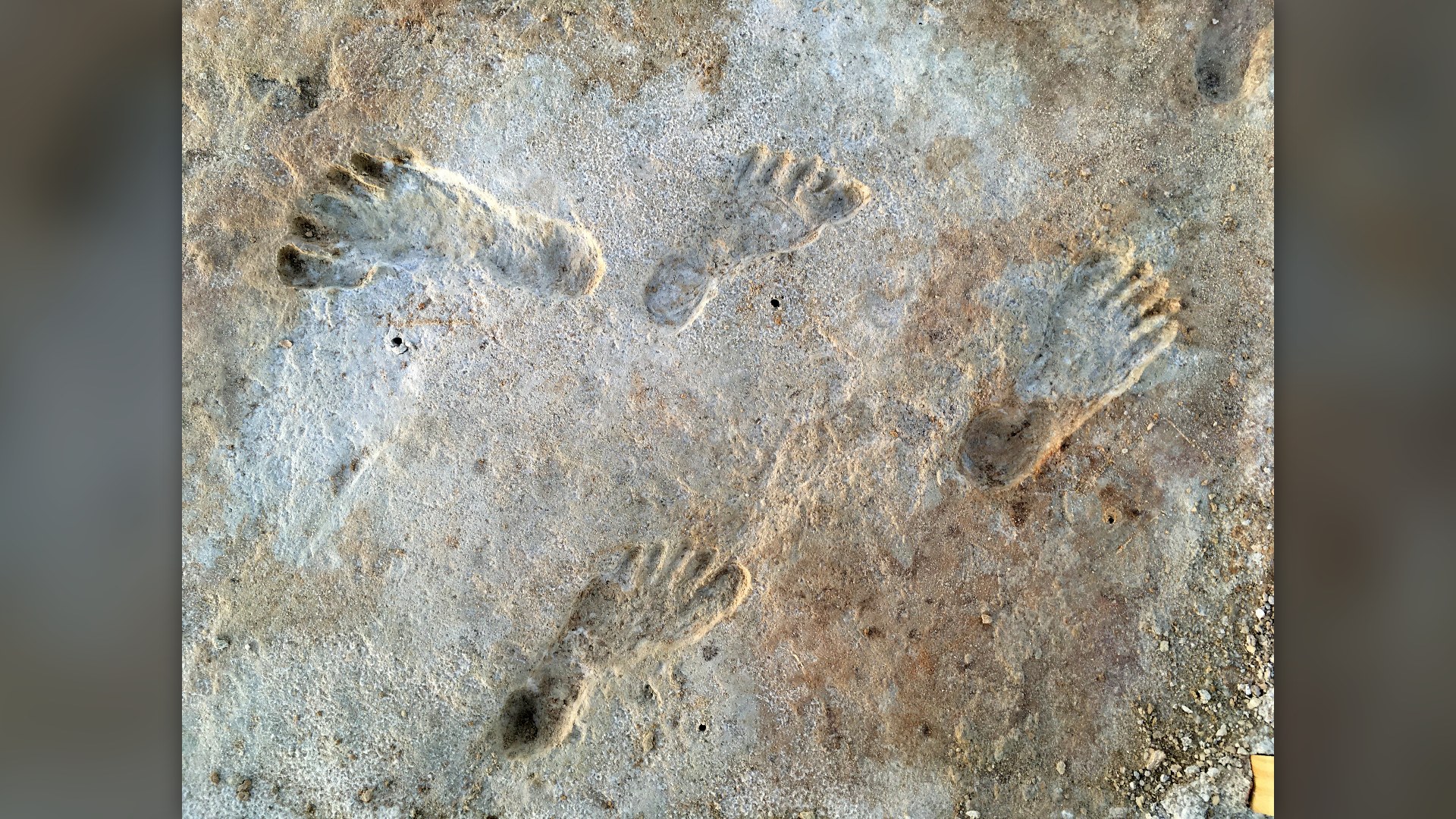
7. White Sands Fossil Human Footprints (21,000 To 23,000 Years Old)
Embedded alongside giant sloth and mammoth tracks in ancient lakebed gypsum at White Sands National Park, New Mexico, these fossilized human footprints date back 21,000 to 23,000 years. Independent radiocarbon and optical dating confirmed them as America's oldest human tracks.
©Wikimedia / US Geological Survey
6. Rimrock Draw Tools And Camel Remains (18,000+ Years Old)
At Rimrock Draw Rockshelter in Harney County, Oregon, archaeologists uncovered finely flaked orange agate stone scrapers sealed beneath Mount St. Helens volcanic ash. Dated to roughly 18,000 to 18,250 years ago alongside Pleistocene camel teeth, they rank among the oldest U.S. tools.
©Wikimedia / Internet Archive Book Images
5. Meadowcroft Rockshelter Artifacts (16,000 To 19,000 Years Old)
Located near Avella in Washington County, Pennsylvania, Meadowcroft Rockshelter preserves deeply stratified cultural layers spanning 16,000 to 19,000 years. Its hearth charcoal, animal bones, and stone tools like the Miller Lanceolate point reshaped views of pre-Clovis life.
©Wikimedia / Lee Paxton
Advertisement
Swipe or tap ▶ to resume the countdown.
4. Cooper's Ferry Stone Tools In Idaho (16,000 Years Old)
Excavations at the Cooper's Ferry site along the Lower Salmon River Canyon in western Idaho revealed stone projectile points, charcoal hearths, and butchered bone fragments dating back 16,000 years, pointing to early Pacific coast migration into North America.
©Wikimedia / Bureau of Land Management
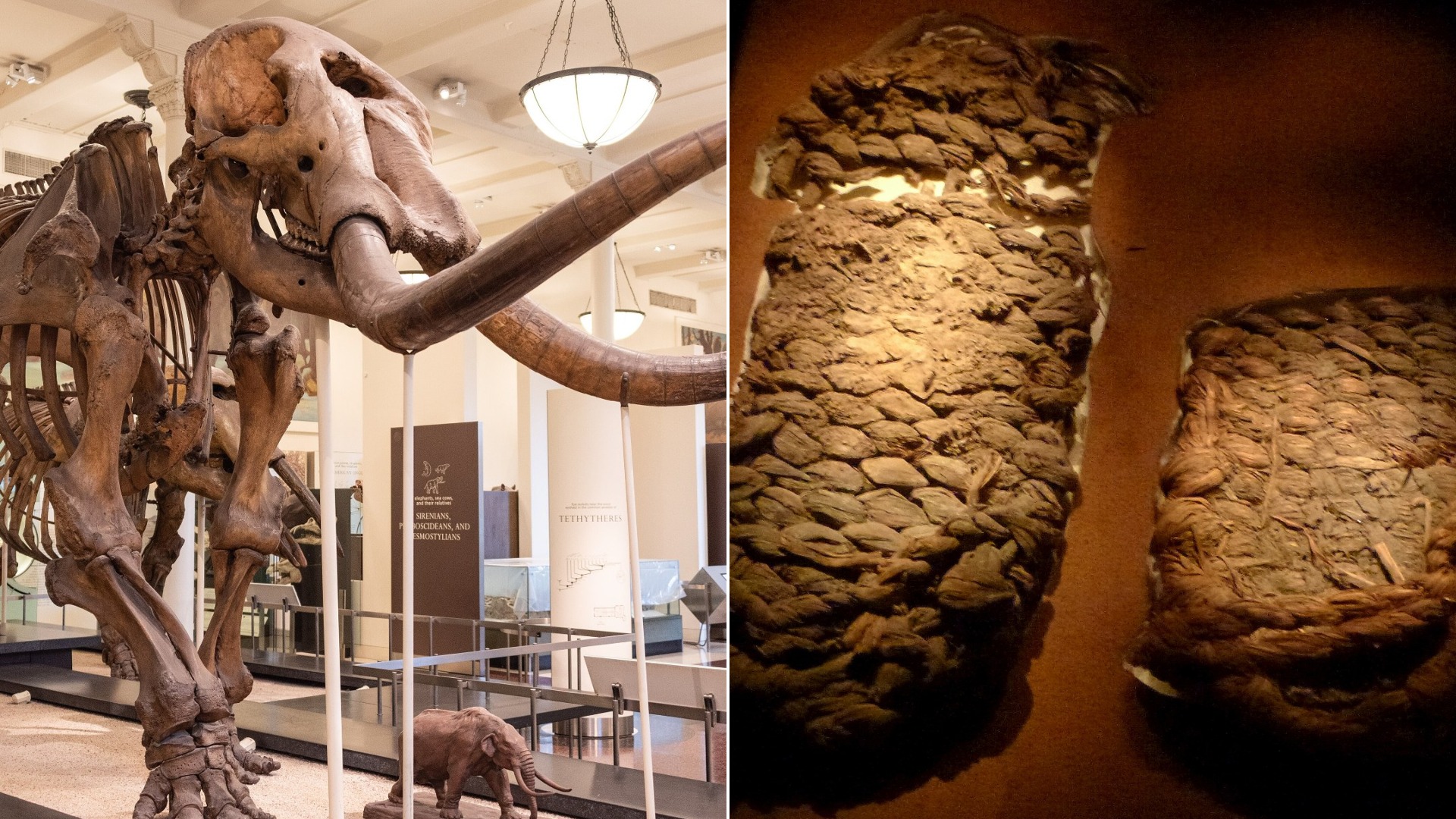
3. Page-Ladson Mastodon Tusk And Tools (14,550 Years Old)
Deep inside a submerged sinkhole in Florida's Aucilla River, divers recovered a stone biface knife and an adult mastodon tusk bearing clear tool cut marks. Radiocarbon dated to 14,550 years ago, the Page-Ladson site confirmed early human presence in the Southeast.
©Wikimedia / AbstractionBlue
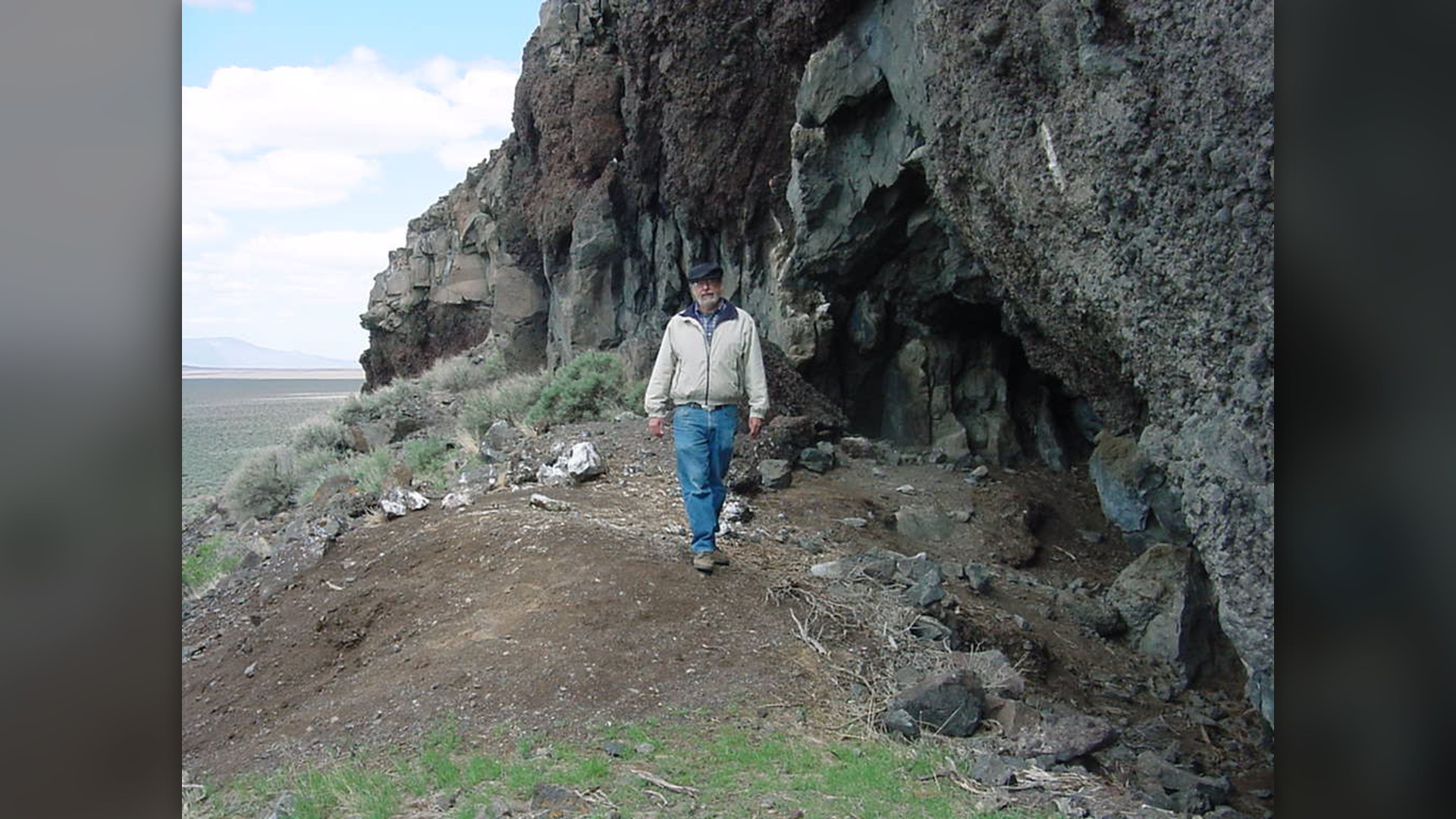
2. Paisley Caves DNA And Artifacts In Oregon (14,300 Years Old)
High above the Summer Lake basin in Lake County, Oregon, the arid Paisley Caves preserved fossilized human coprolites yielding ancient DNA alongside braided sagebrush rope and stone tools dated between 14,000 and 14,300 years ago.
©Wikimedia / Bureau of Land Management
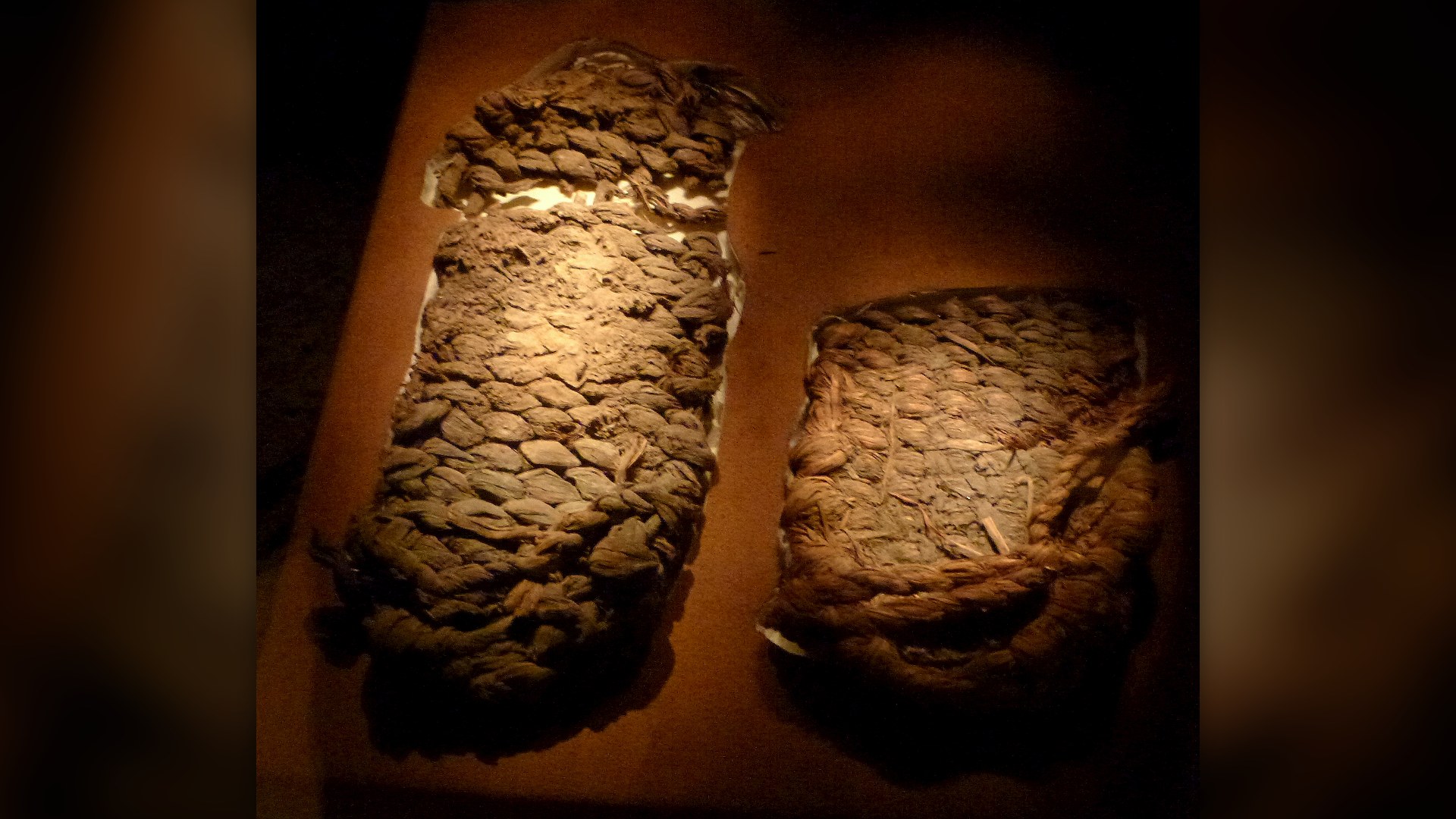
1. Fort Rock Cave Woven Sagebrush Sandals (10,500 Years Old)
Discovered in 1938 beneath a layer of Mount Mazama volcanic ash inside Oregon's Fort Rock Cave, dozens of intricately twined sagebrush-bark sandals were radiocarbon dated between 9,000 and 10,500 years old, making them the world's oldest directly dated shoes.

©Wikimedia / Ian Poellet
Advertisement
You've reached the end of the story. Thanks for reading!

20 Iconic Historical Photos and the Archive Clues Behind Them
Contact sheets, cracked glass plates, and NASA mission logs preserve the hidden steps behind 20 famous photographs. Drawing on records from the Library of Congress, the National Archives, NASA, and the Smithsonian, this countdown traces how cropping, camera setups, and double exposures shaped each frame.
All 15 Entries in this Story
1. Nuvvuagittuq Greenstone Belt Rocks (3.77 To 4.28 Billion Years)
Located on the eastern shore of Hudson Bay in northern Quebec, the Nuvvuagittuq Greenstone Belt is estimated at 3.77 to 4.28 billion years old. Part of the Canadian Shield, these formations preserve some of the oldest bedrock and potential micro-structures on Earth.

2. Acasta Gneiss Complex (4.03 Billion Years Old)
Dated to roughly 4.03 billion years ago in Canada's Northwest Territories, the Acasta Gneiss is the oldest known intact crustal rock outcrop on Earth. Its metamorphic bands offer direct geological clues to the planet's transition from the Hadean Eon.

3. Morton Gneiss Of Minnesota (3.5 To 3.6 Billion Years Old)
Formed during the early Archean Eon roughly 3.5 to 3.6 billion years ago, Minnesota's Morton Gneiss is the oldest recognized rock formation in the United States. Its swirling pink and black mineral bands are exposed along the Minnesota River Valley.

4. Gunflint Chert Microfossils (1.88 To 2.0 Billion Years Old)
Spanning the border region of northwestern Ontario and Minnesota, the Gunflint Chert formation dates back 1.88 to 2.0 billion years. Its preserved Precambrian stromatolites and microfossils provided definitive early proof of ancient microscopic life.

5. Cairo Devonian Fossil Forest (385 Million Years Old)
Discovered in an abandoned quarry in Greene County, New York, the Cairo Fossil Forest dates back 385 million years to the Devonian Period. The site preserves an extensive fossilized root network of primitive wood-bearing trees that reshaped Earth's atmosphere.

6. Petrified Forest Triassic Wood (218 To 225 Million Years Old)
Inside Arizona's Petrified Forest National Park, vast fields of fallen Late Triassic conifers (Araucarioxylon arizonicum) date back 218 to 225 million years. Buried under volcanic sediment, the ancient tree trunks crystallized into solid quartz.

7. Pando Clonal Aspen Colony (14,000 To 80,000+ Years Old)
Spanning 106 acres in Utah's Fishlake National Forest, Pando is a massive clonal colony of a single male quaking aspen (Populus tremuloides) linked by one subterranean root system. Estimated at 14,000 to over 80,000 years old, it is among Earth's oldest organisms.

8. Great Basin Bristlecone Pines (4,800 To 5,000+ Years Old)
Clinging to harsh, windswept ridges in the White Mountains of California and the Great Basin of Nevada, Great Basin bristlecone pines (Pinus longaeva) reach ages of 4,800 to over 5,000 years. Trees like Methuselah are the world's oldest non-clonal living organisms.

9. White Sands Fossil Human Footprints (21,000 To 23,000 Years Old)
Embedded alongside giant sloth and mammoth tracks in ancient lakebed gypsum at White Sands National Park, New Mexico, these fossilized human footprints date back 21,000 to 23,000 years. Independent radiocarbon and optical dating confirmed them as America's oldest human tracks.

10. Rimrock Draw Tools And Camel Remains (18,000+ Years Old)
At Rimrock Draw Rockshelter in Harney County, Oregon, archaeologists uncovered finely flaked orange agate stone scrapers sealed beneath Mount St. Helens volcanic ash. Dated to roughly 18,000 to 18,250 years ago alongside Pleistocene camel teeth, they rank among the oldest U.S. tools.

11. Meadowcroft Rockshelter Artifacts (16,000 To 19,000 Years Old)
Located near Avella in Washington County, Pennsylvania, Meadowcroft Rockshelter preserves deeply stratified cultural layers spanning 16,000 to 19,000 years. Its hearth charcoal, animal bones, and stone tools like the Miller Lanceolate point reshaped views of pre-Clovis life.

12. Cooper's Ferry Stone Tools In Idaho (16,000 Years Old)
Excavations at the Cooper's Ferry site along the Lower Salmon River Canyon in western Idaho revealed stone projectile points, charcoal hearths, and butchered bone fragments dating back 16,000 years, pointing to early Pacific coast migration into North America.

13. Page-Ladson Mastodon Tusk And Tools (14,550 Years Old)
Deep inside a submerged sinkhole in Florida's Aucilla River, divers recovered a stone biface knife and an adult mastodon tusk bearing clear tool cut marks. Radiocarbon dated to 14,550 years ago, the Page-Ladson site confirmed early human presence in the Southeast.

14. Paisley Caves DNA And Artifacts In Oregon (14,300 Years Old)
High above the Summer Lake basin in Lake County, Oregon, the arid Paisley Caves preserved fossilized human coprolites yielding ancient DNA alongside braided sagebrush rope and stone tools dated between 14,000 and 14,300 years ago.

15. Fort Rock Cave Woven Sagebrush Sandals (10,500 Years Old)
Discovered in 1938 beneath a layer of Mount Mazama volcanic ash inside Oregon's Fort Rock Cave, dozens of intricately twined sagebrush-bark sandals were radiocarbon dated between 9,000 and 10,500 years old, making them the world's oldest directly dated shoes.