Slideshow · Viral
15 most amazing animal with superpowers
From bullet-speed punches and biological electricity to creatures that literally reverse aging, these 15 real-life animals possess superpowers that rival science fiction.
By Most Viral Today
23 Oct 2026

15 most amazing animal with superpowers 
15. The Naked Mole Rat: Cancer Resistance & Pain Immunity 
14. The Sea Cucumber: Evisceration & Organ Renewal 
13. The Lyrebird: Nature's Living Audio Recorder - AdvertisementSwipe or tap ▶ to continue countdown

12. The Horned Lizard: Pressurized Blood-Squirting Eyes 
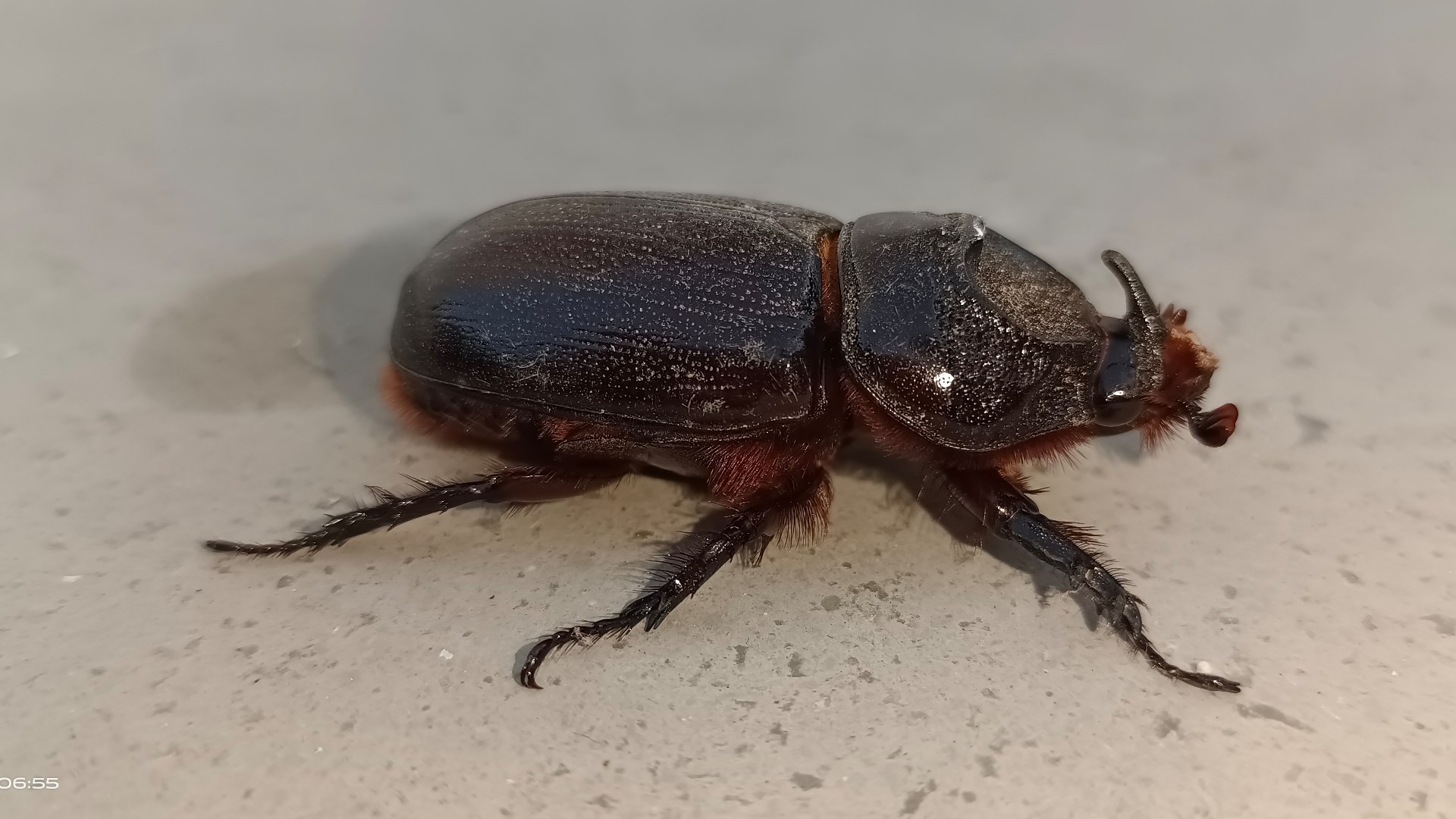
11. The Horned Dung Beetle: Herculean 1,141x Strength 
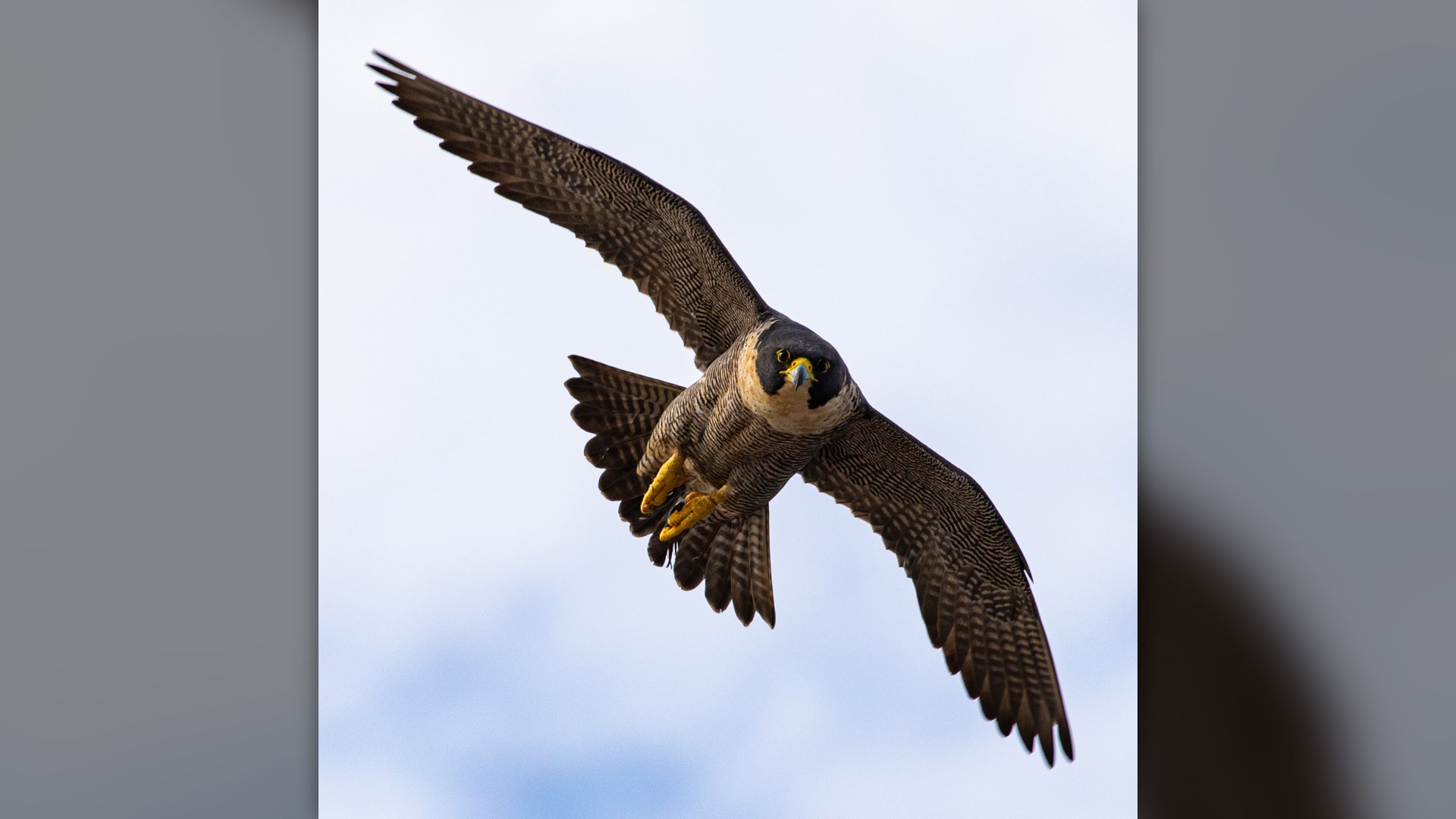
10. The Peregrine Falcon: 200+ MPH Diving Speed 
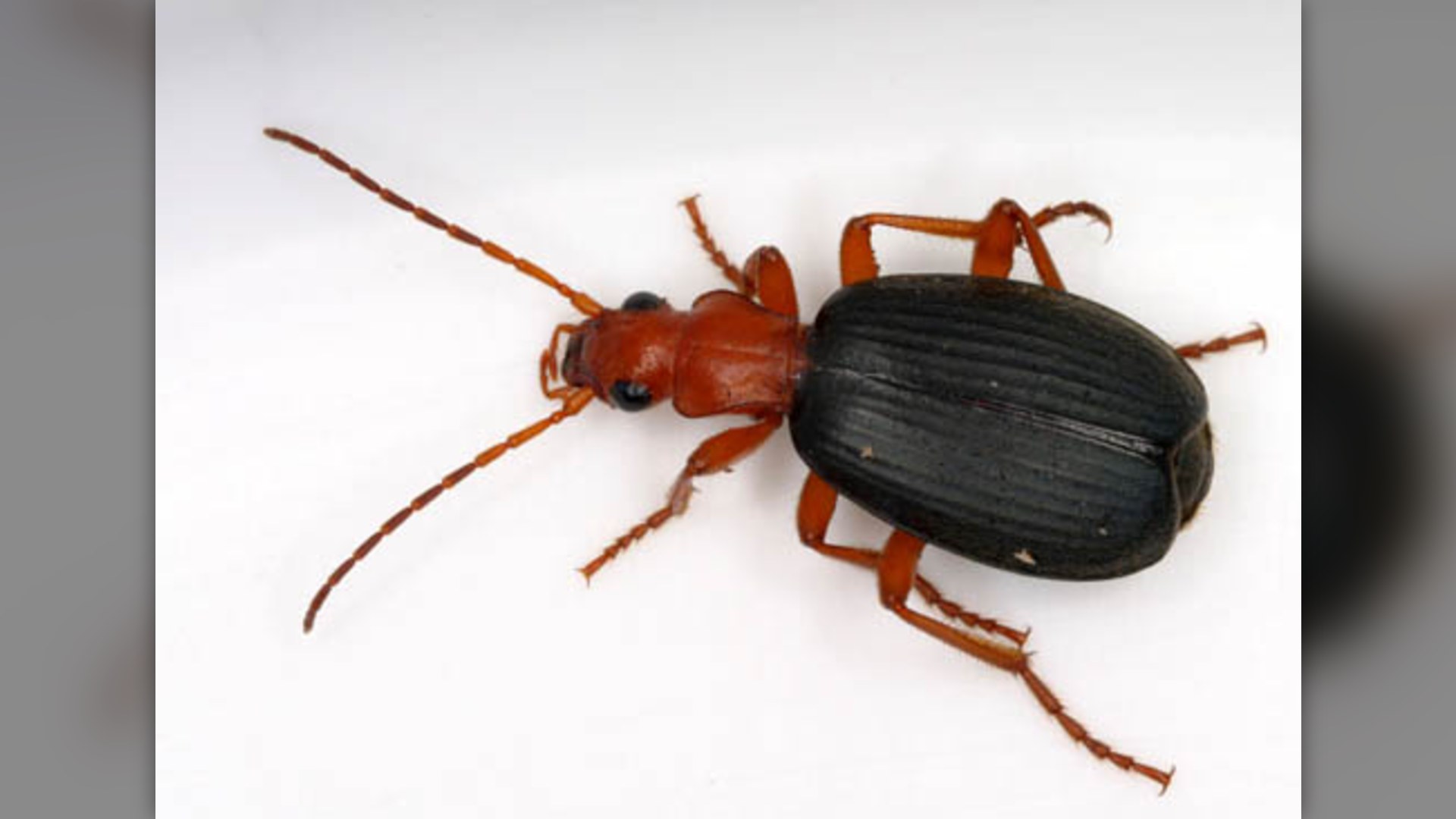
9. The Bombardier Beetle: Boiling Chemical Artillery - AdvertisementSwipe or tap ▶ to continue countdown

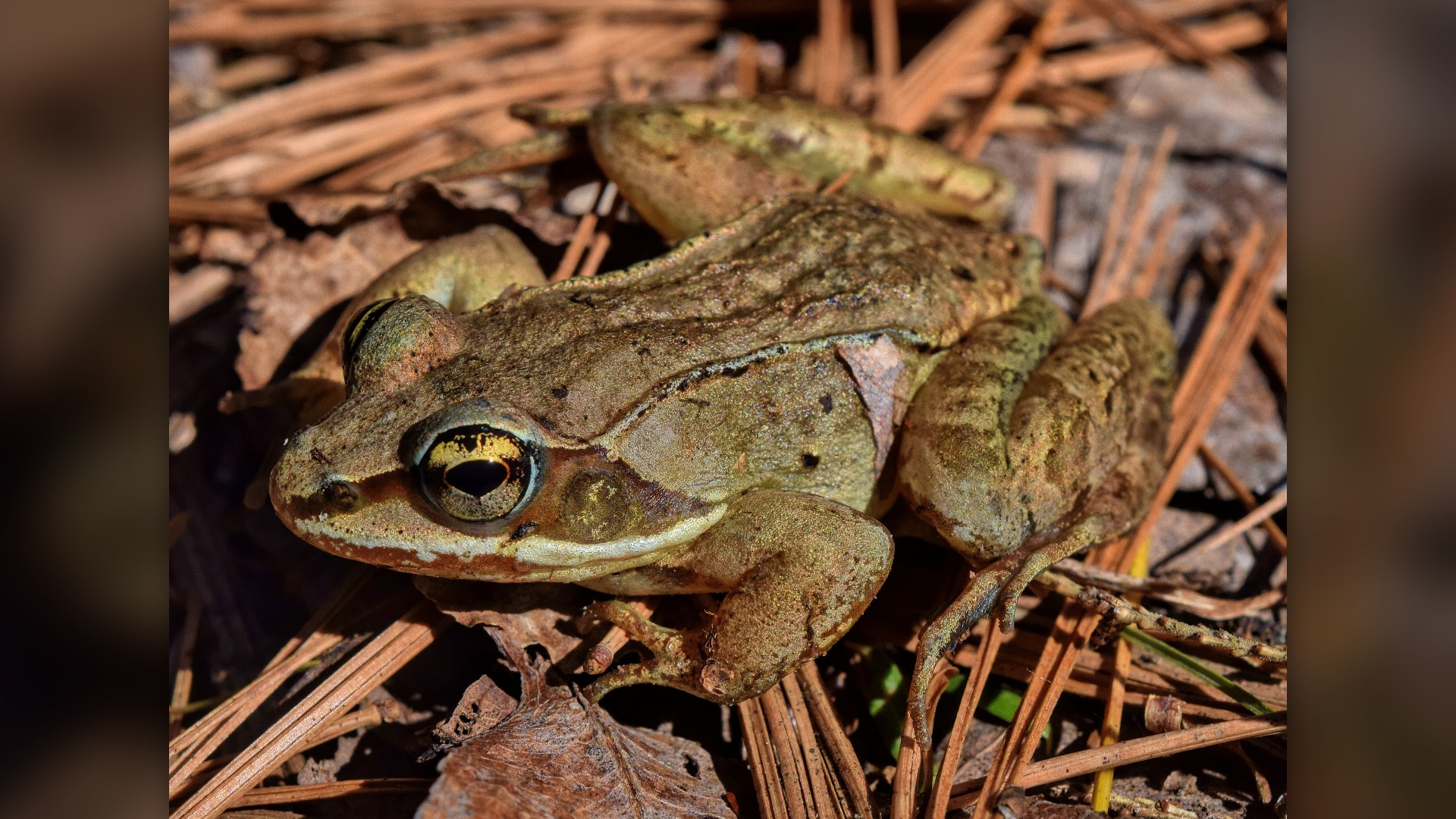
8. The Wood Frog: Frozen Solid All Winter & Reborn In Spring 
7. The Mimic Octopus: Shape-Shifting & Marine Impersonation 
6. The Pistol Shrimp: Sun-Hot Sonic Cavitation Blast 
5. The Electric Eel: 600+ Volts Of Biological Electricity - AdvertisementSwipe or tap ▶ to continue countdown

4. The Mantis Shrimp: Bullet Punch & 16-Cone Vision 
3. The Axolotl: Scar-Free Full Organ & Limb Regeneration 
2. The Tardigrade: Indestructibility In Space & Radiation 
1. The Immortal Jellyfish: Reversing Time To Cheat Death - Advertisement🔥 UP NEXT IN THIS SERIES◫ 21 Slides

20 Iconic Historical Photos and the Archive Clues Behind Them
Contact sheets, cracked glass plates, and NASA mission logs preserve the hidden steps behind 20 famous photographs. Drawing on records from the Library of Congress, the National Archives, NASA, and the Smithsonian, this countdown traces how cropping, camera setups, and double exposures shaped each frame.
From bullet-speed punches and biological electricity to creatures that literally reverse aging, these 15 real-life animals possess abilities that rival science fiction.
Swipe or tap ▶ to begin the countdown
©Wikimedia / Jens Petersen & TMDb / CAPA
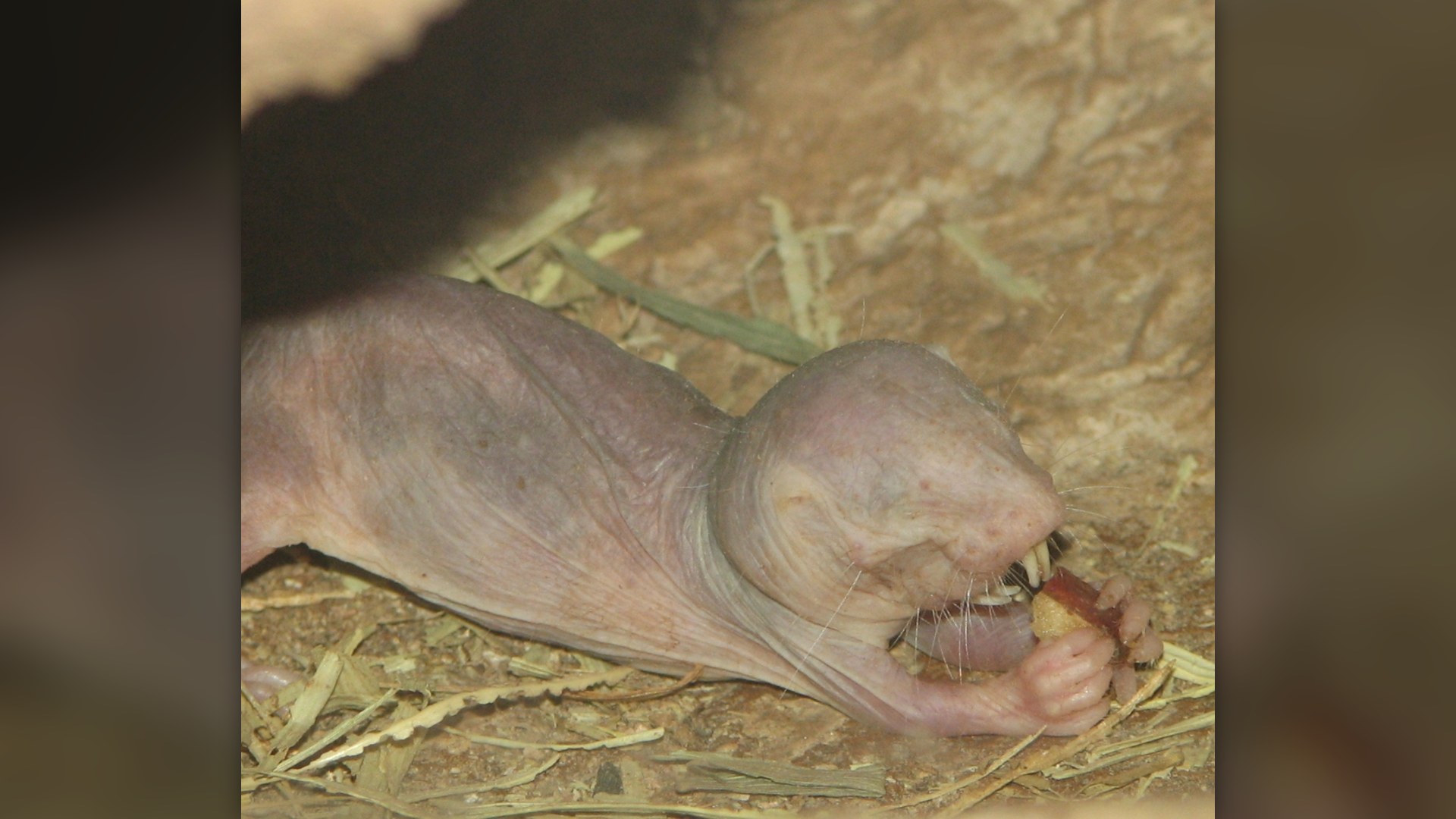
15. The Naked Mole Rat: Cancer Resistance & Pain Immunity
The subterranean naked mole rat (Heterocephalus glaber) exhibits extreme resistance to cancer thanks to high-molecular-mass hyaluronan, ages remarkably slowly for over 30 years, and lacks key pain neurotransmitters—making it immune to acid and capsaicin.
©Wikimedia / Trisha M. Shears
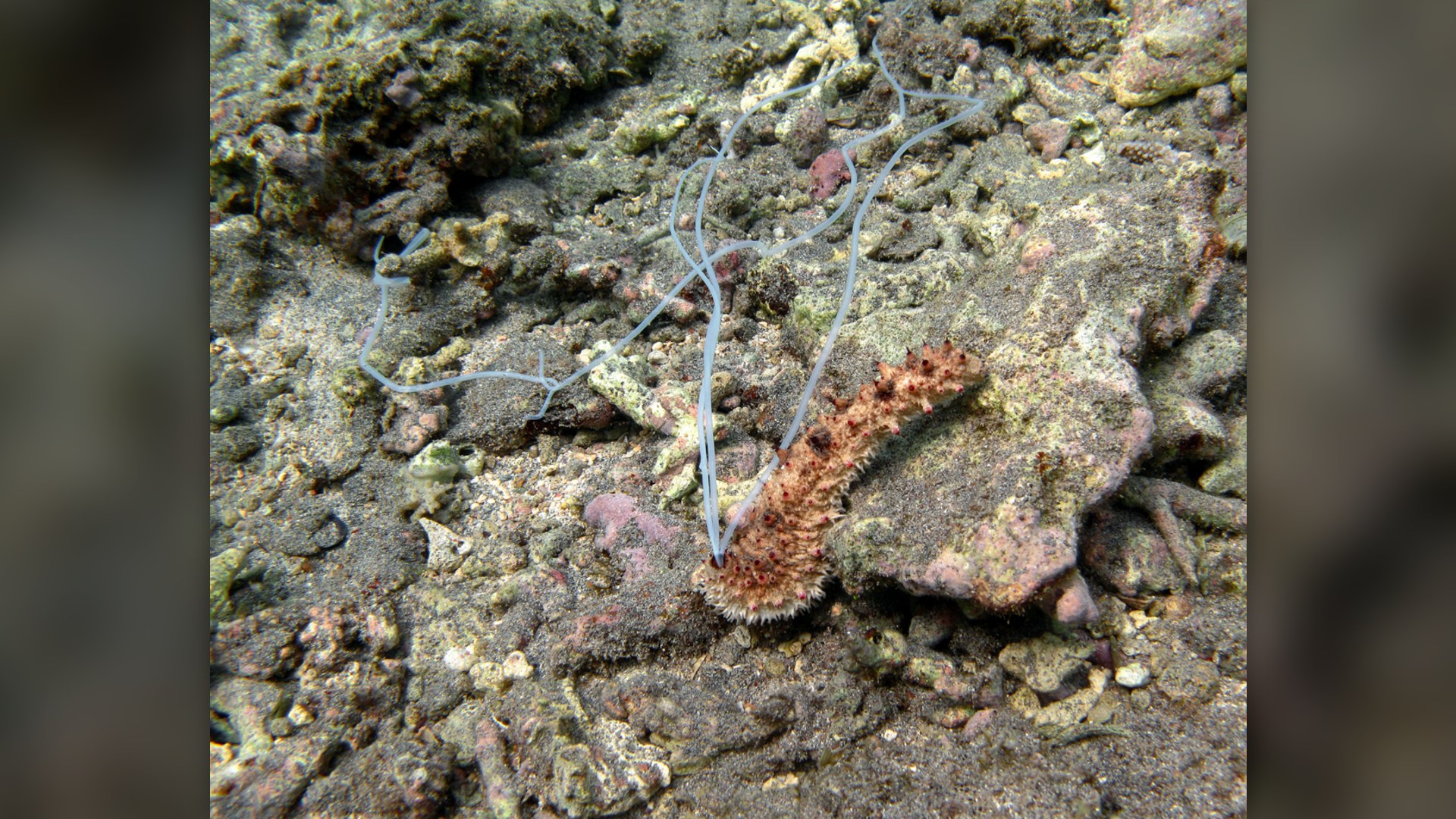
14. The Sea Cucumber: Evisceration & Organ Renewal
When threatened by a predator, the sea cucumber (Holothuroidea) violently contracts its body wall to eject sticky Cuvierian tubules and internal organs to entangle and distract attackers—before regenerating a brand-new set of organs within weeks.
©Wikimedia / Philippe Bourjon
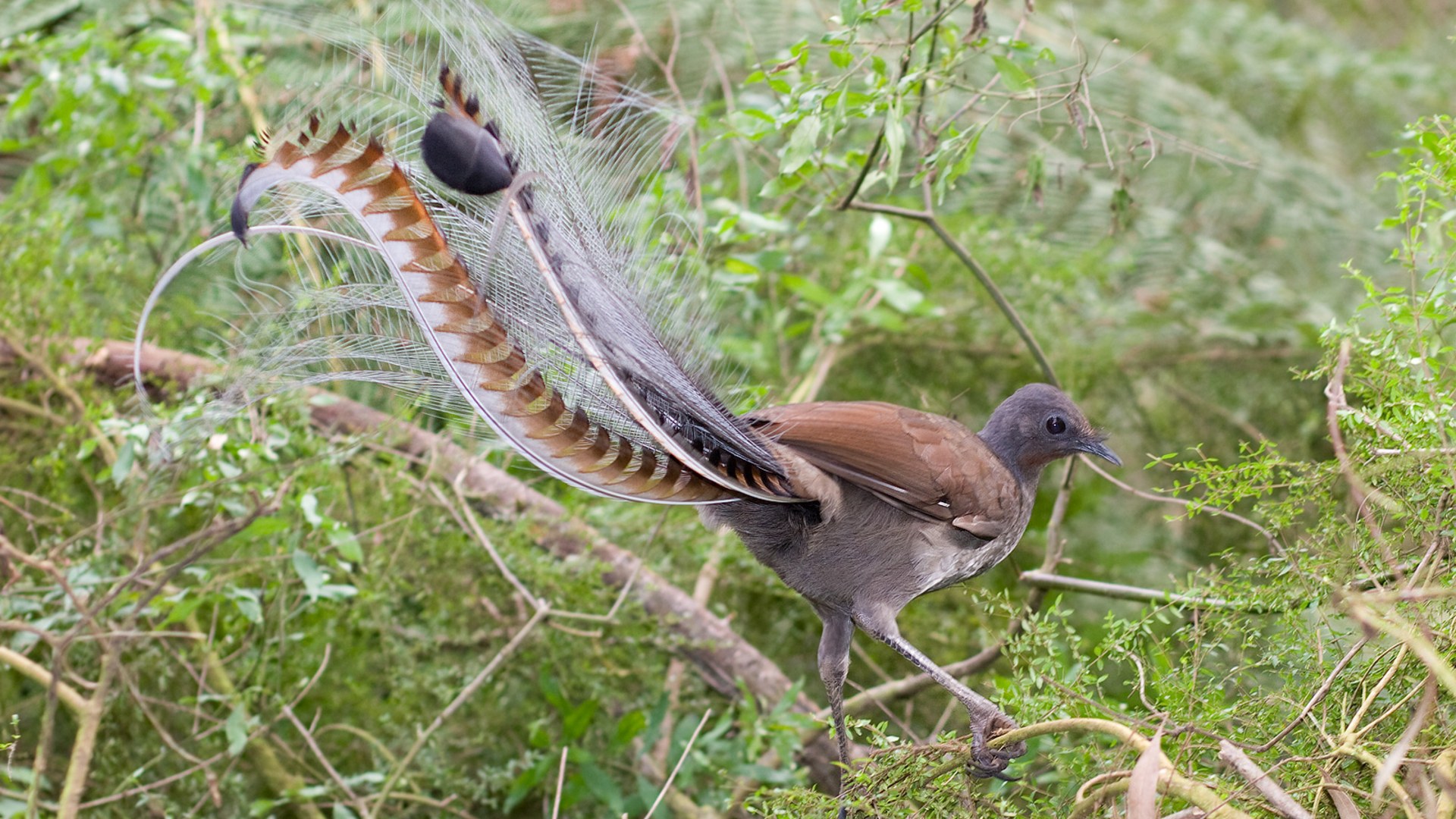
13. The Lyrebird: Nature's Living Audio Recorder
Equipped with the most complex syrinx muscles of any songbird, Australia's superb lyrebird (Menura novaehollandiae) replicates almost any sound in its environment with eerie precision—from camera shutters, chainsaws, and car alarms to rival bird species.
©Wikimedia / Fir0002
Advertisement
Swipe or tap ▶ to resume the countdown.
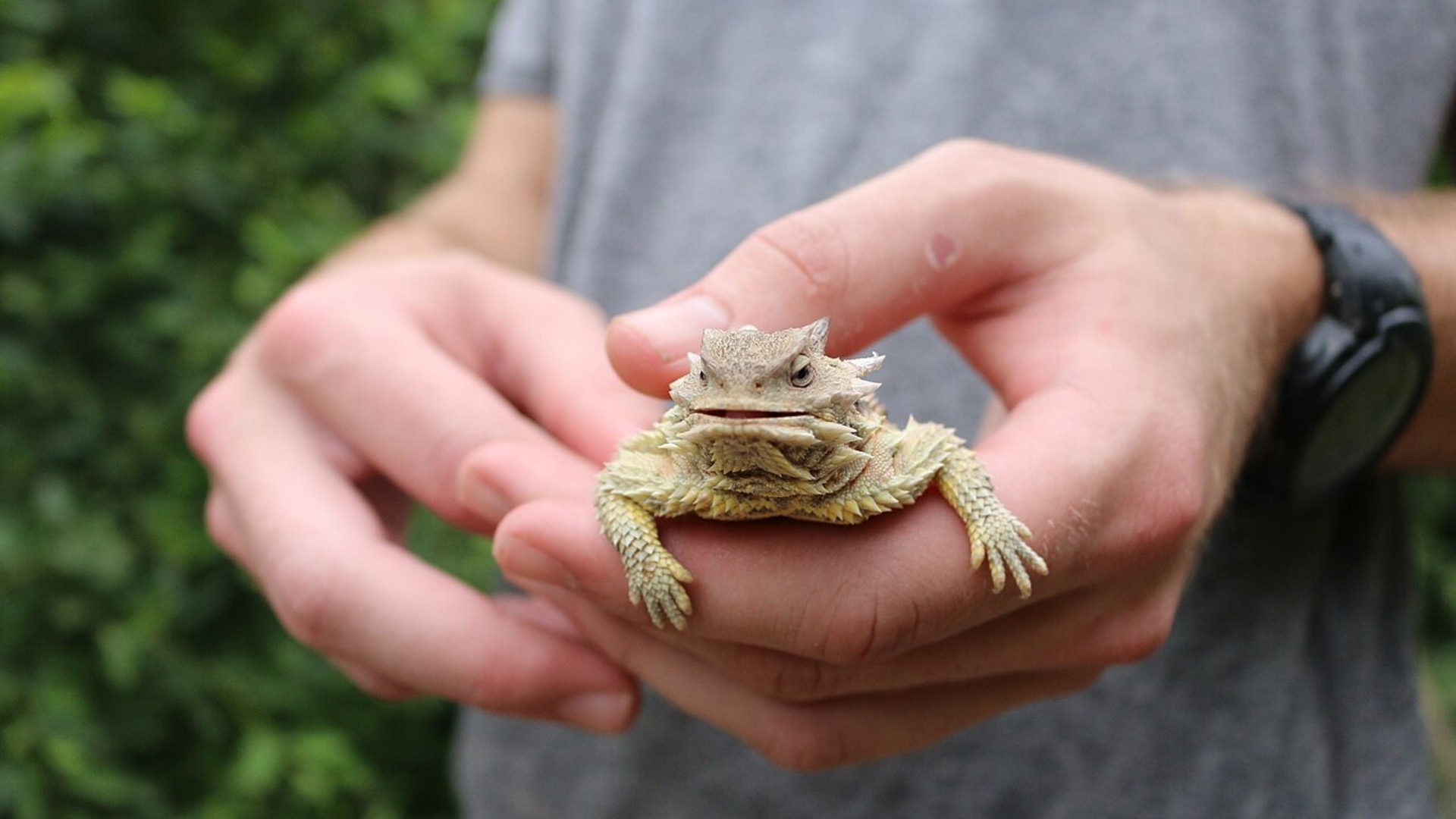
12. The Horned Lizard: Pressurized Blood-Squirting Eyes
When cornered by coyotes, foxes, or bobcats, the horned lizard (Phrynosoma) restricts blood flow leaving its head until tiny sinus membranes inside its eye sockets rupture—shooting a stream of foul-tasting blood up to five feet to blind and confuse predators.
©Wikimedia / USFWS Pacific Southwest Region
11. The Horned Dung Beetle: Herculean 1,141x Strength
Pound for pound, the horned dung beetle (Onthophagus taurus) is the strongest animal on Earth. In laboratory tests, this half-inch insect pulled 1,141 times its own body weight—the human equivalent of lifting six fully loaded double-decker buses.
©Wikimedia / Jayendra Chiplunkar
10. The Peregrine Falcon: 200+ MPH Diving Speed
The fastest animal on the planet, the peregrine falcon (Falco peregrinus) tucks its aerodynamic wings into a teardrop silhouette and plunges from the sky at speeds exceeding 200 mph (320 km/h), using specialized nasal baffles to breathe under extreme pressure.
©Wikimedia / Kytabu
9. The Bombardier Beetle: Boiling Chemical Artillery
Inside its reinforced abdomen, the bombardier beetle (Brachinus) stores hydroquinones and hydrogen peroxide in separate reservoirs. When attacked, it mixes them in a catalytic chamber to fire a pulsing, foul-smelling chemical spray at 100°C (212°F).
©Wikimedia / Patrick Coin
Advertisement
Swipe or tap ▶ to resume the countdown.
8. The Wood Frog: Frozen Solid All Winter & Reborn In Spring
To survive brutal sub-Arctic winters, the wood frog (Lithobates sylvaticus) floods its cells with natural glucose antifreeze while allowing 60–70% of the water in its body to freeze solid. Its heart and breathing stop all winter before thawing alive in spring.
©Wikimedia / The Cosmonaut
7. The Mimic Octopus: Shape-Shifting & Marine Impersonation
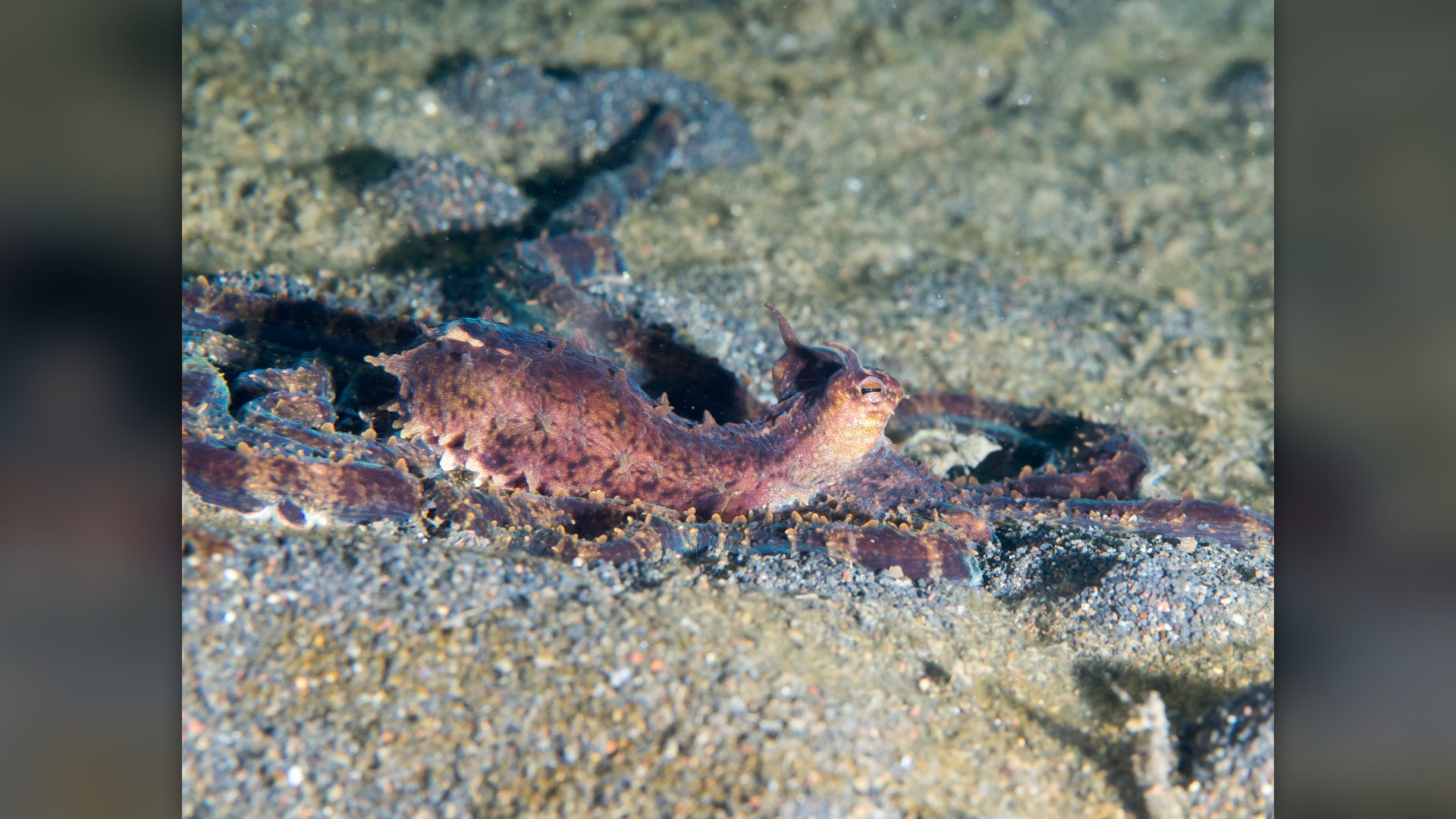
Going far beyond ordinary camouflage, the Indo-Pacific mimic octopus (Thaumoctopus mimicus) instantly alters its skin color, texture, and body shape to impersonate over 15 venomous marine animals—including sea snakes, lionfish, flatfish, and stingrays.
©Wikimedia / Rickard Zerpe
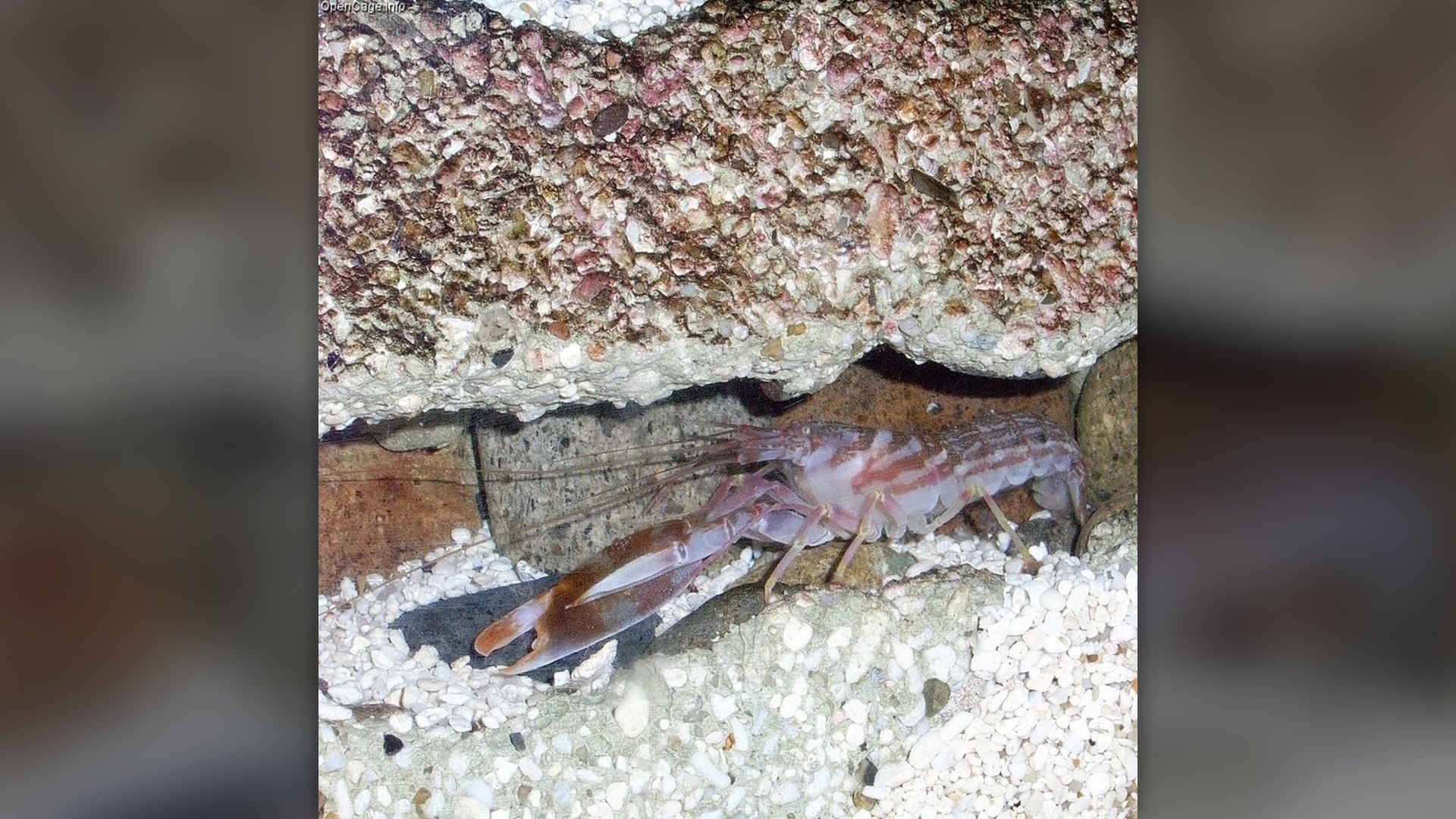
6. The Pistol Shrimp: Sun-Hot Sonic Cavitation Blast
The pistol shrimp (Alpheus) snaps its specialized claw shut so fast that it creates a collapsing cavitation bubble. For a fraction of a second, the implosion reaches temperatures near the surface of the sun (4,700°C) and produces a 218-decibel crack louder than a jet engine.
©Wikimedia / OpenCage
5. The Electric Eel: 600+ Volts Of Biological Electricity
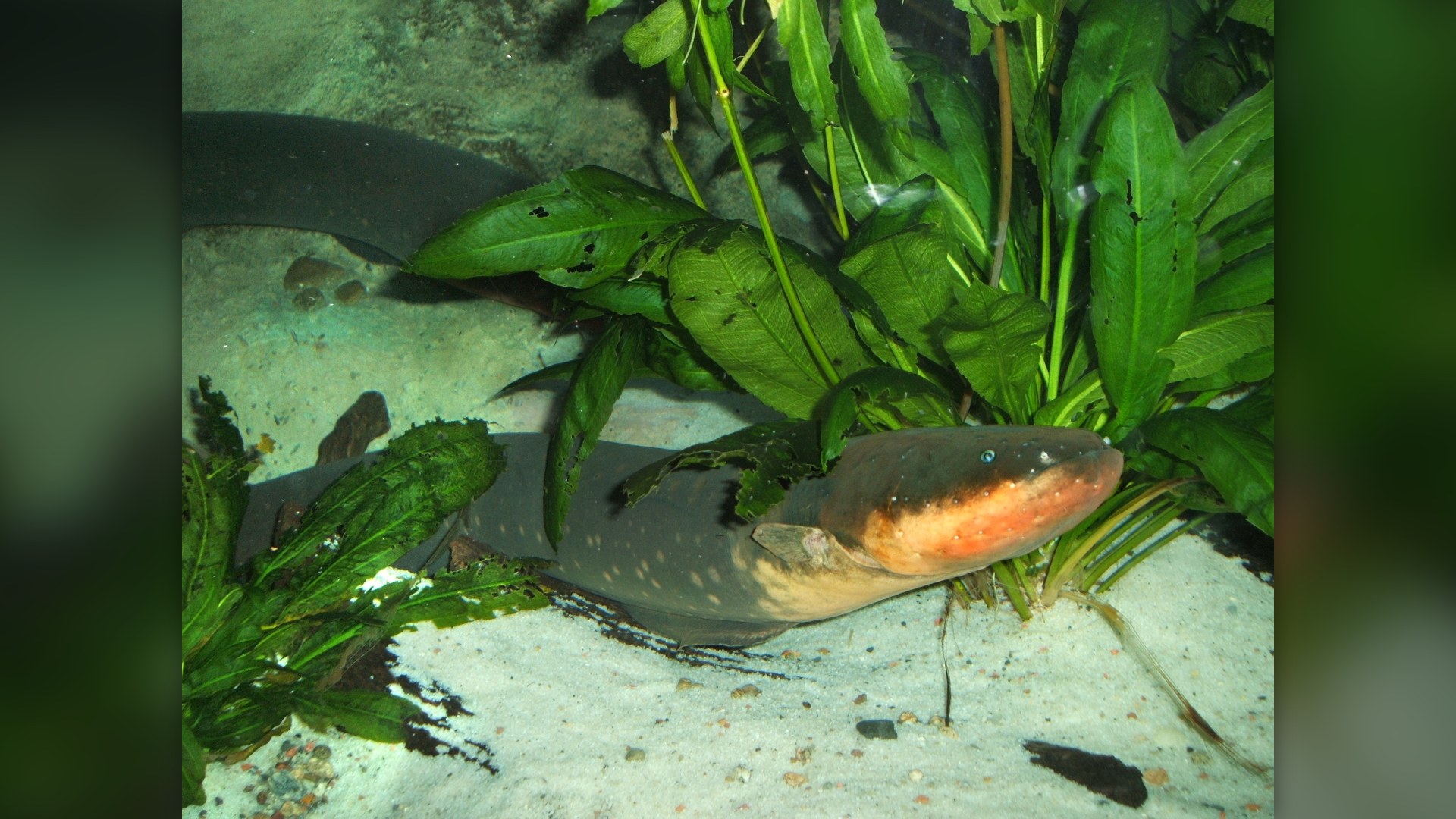
Packed with thousands of specialized disc-shaped electrocytes across three abdominal organs, the electric eel (Electrophorus electricus) uses low-voltage pulses for radar-like navigation in murky Amazon waters and unleashes 600+ volt discharges to paralyze prey.
©Wikimedia / Steven G. Johnson
Advertisement
Swipe or tap ▶ to resume the countdown.
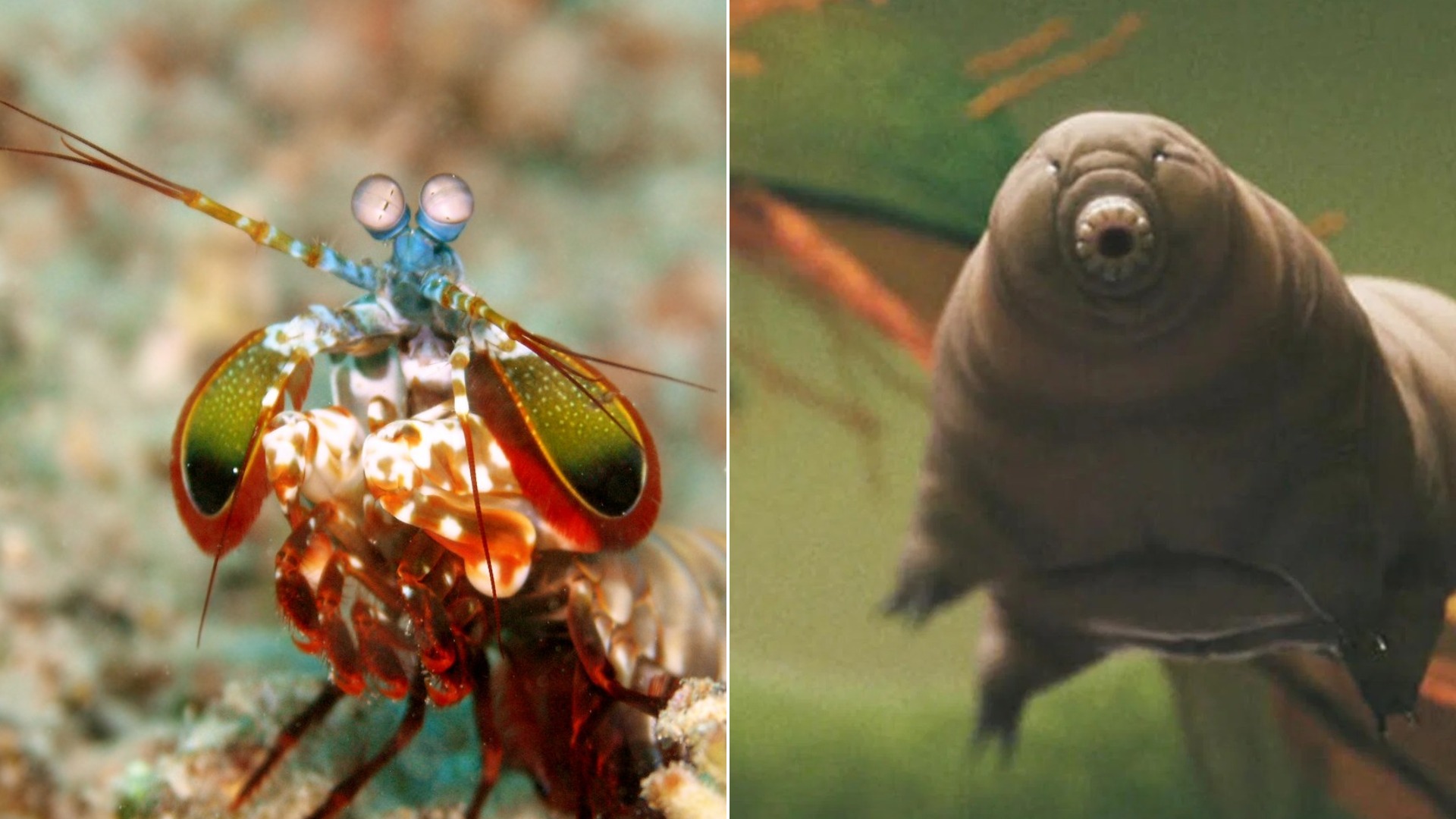
4. The Mantis Shrimp: Bullet Punch & 16-Cone Vision
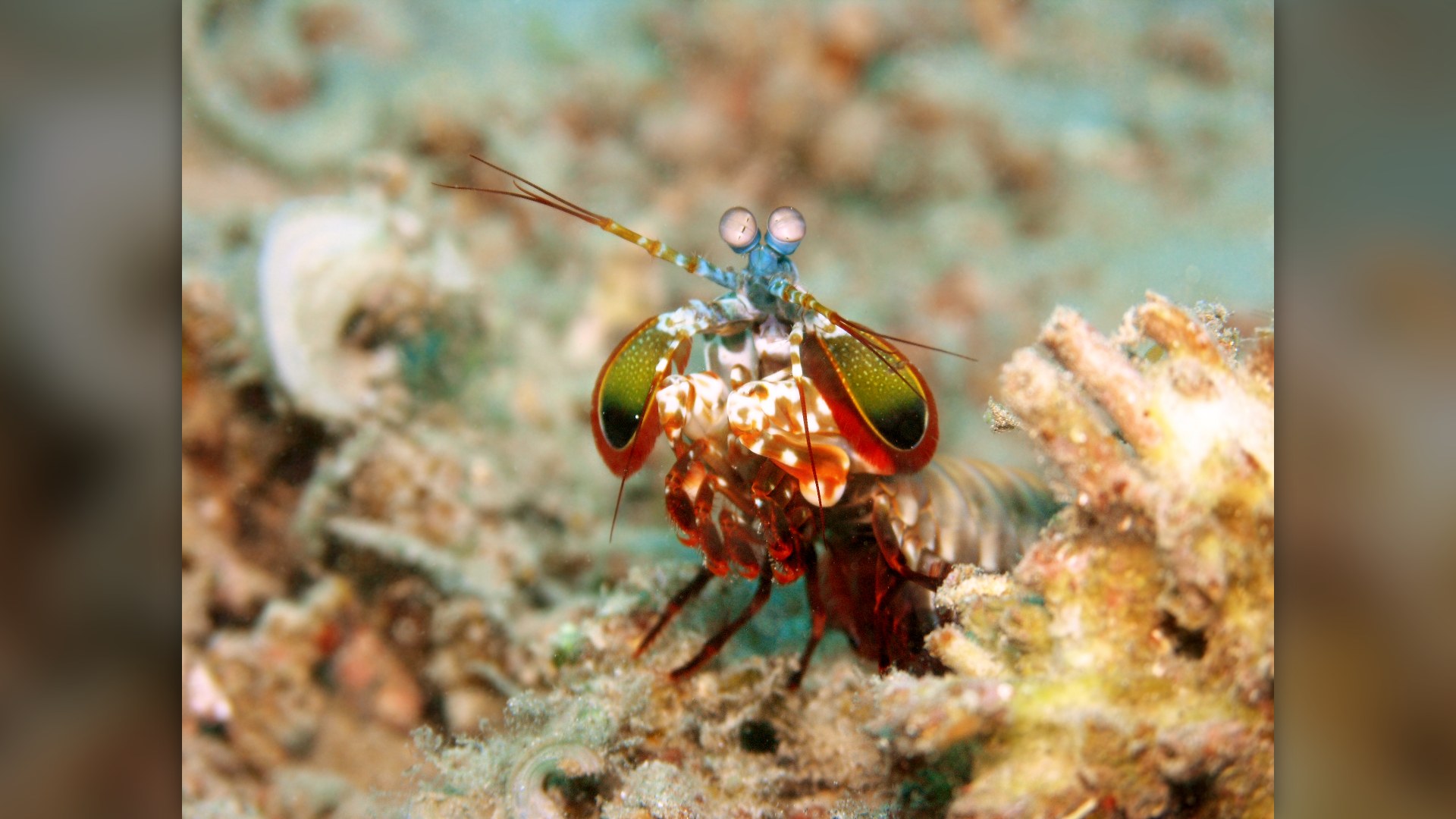
The peacock mantis shrimp (Odontodactylus scyllarus) strikes at the speed of a .22-caliber bullet (80 km/h) to vaporize water and stun prey, while scanning the reef through compound eyes with 16 color-receptive cones—including ultraviolet and polarized light.
©Wikimedia / Jens Petersen
3. The Axolotl: Scar-Free Full Organ & Limb Regeneration
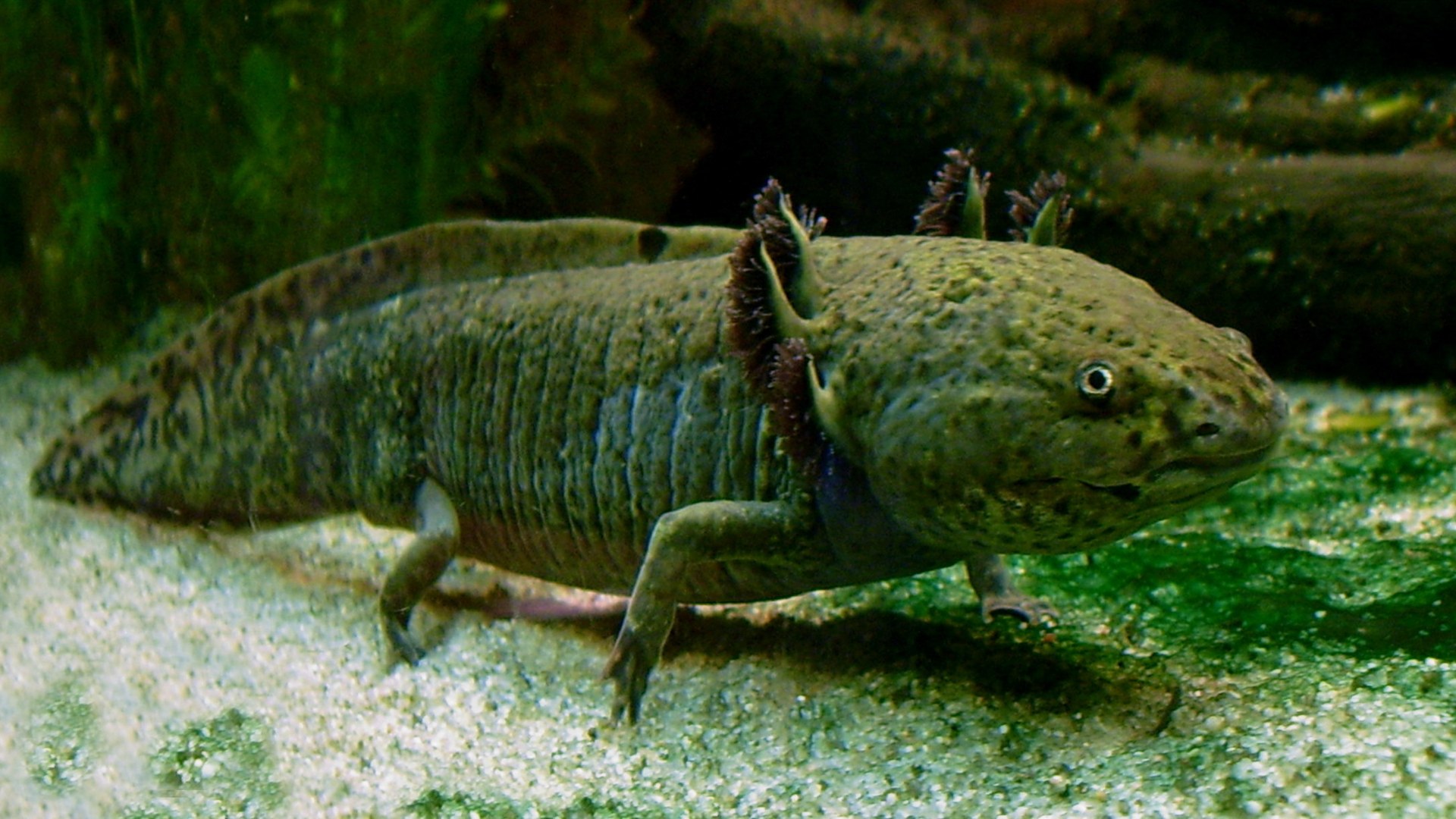
Unlike mammals that heal injuries with scar tissue, the Mexican axolotl (Ambystoma mexicanum) reprograms cells at the wound site into stem-like blastema cells—completely regrowing severed limbs, bones, spine tissue, retinas, organs, and even parts of its brain.
©Wikimedia / LoKiLeCh
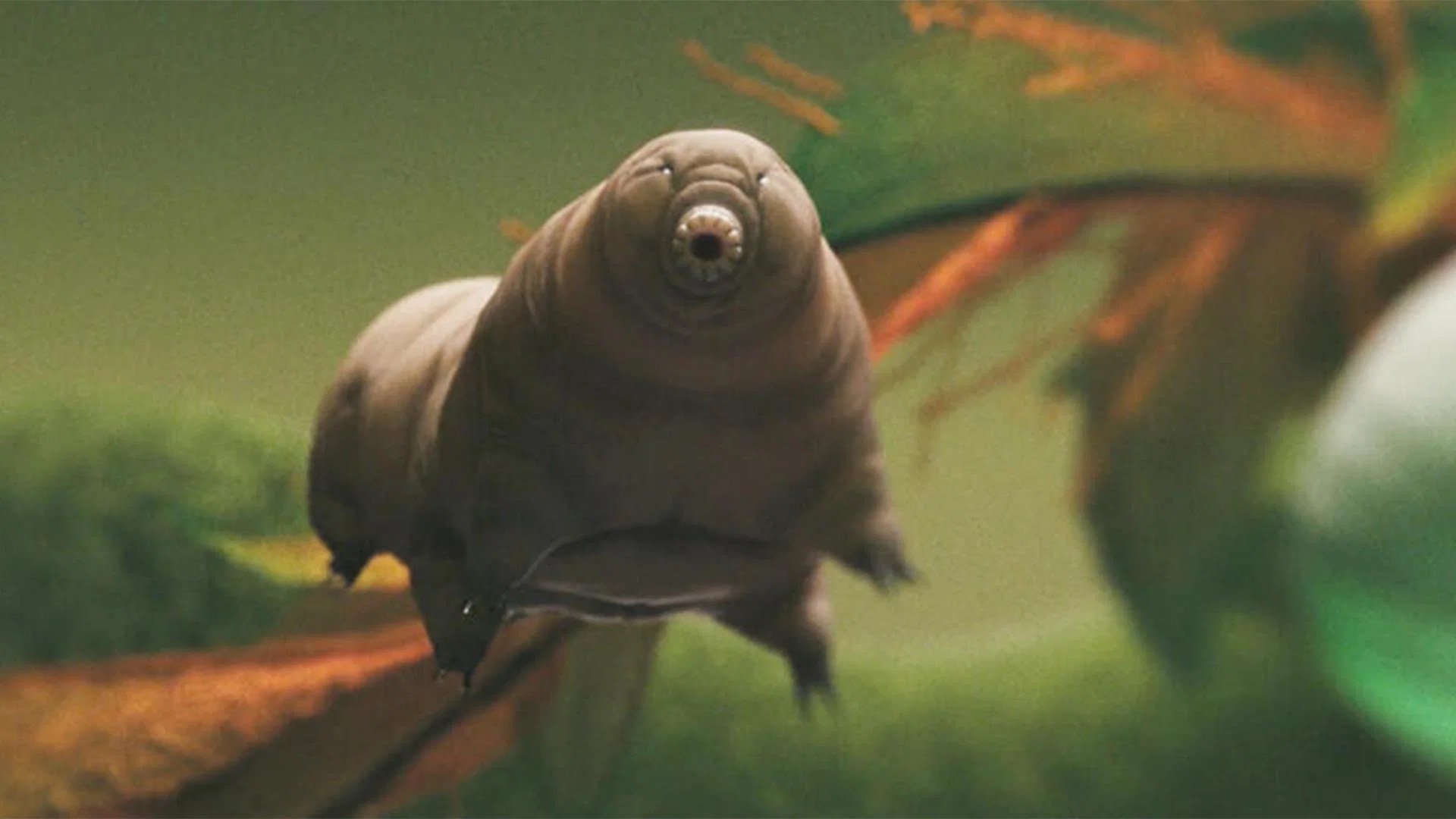
2. The Tardigrade: Indestructibility In Space & Radiation
By entering a dehydrated state called cryptobiosis and vitrifying its cells with protective proteins, the microscopic tardigrade (water bear) survives temperatures from -272°C to 150°C, lethal gamma radiation, and direct exposure to the vacuum of outer space.
©TMDb / CAPA
1. The Immortal Jellyfish: Reversing Time To Cheat Death
When injured, starving, or aging, Turritopsis dohrnii performs cellular transdifferentiation—transforming its adult medusa bell and tentacles back into an immature colonial polyp stage to effectively restart its life cycle indefinitely.

©Wikimedia / Bachware
Advertisement
You've reached the end of the story. Thanks for reading!

20 Iconic Historical Photos and the Archive Clues Behind Them
Contact sheets, cracked glass plates, and NASA mission logs preserve the hidden steps behind 20 famous photographs. Drawing on records from the Library of Congress, the National Archives, NASA, and the Smithsonian, this countdown traces how cropping, camera setups, and double exposures shaped each frame.
All 15 Entries in this Story
15. The Naked Mole Rat: Cancer Resistance & Pain Immunity
The subterranean naked mole rat (Heterocephalus glaber) exhibits extreme resistance to cancer thanks to high-molecular-mass hyaluronan, ages remarkably slowly for over 30 years, and lacks key pain neurotransmitters—making it immune to acid and capsaicin.

14. The Sea Cucumber: Evisceration & Organ Renewal
When threatened by a predator, the sea cucumber (Holothuroidea) violently contracts its body wall to eject sticky Cuvierian tubules and internal organs to entangle and distract attackers—before regenerating a brand-new set of organs within weeks.

13. The Lyrebird: Nature's Living Audio Recorder
Equipped with the most complex syrinx muscles of any songbird, Australia's superb lyrebird (Menura novaehollandiae) replicates almost any sound in its environment with eerie precision—from camera shutters, chainsaws, and car alarms to rival bird species.

12. The Horned Lizard: Pressurized Blood-Squirting Eyes
When cornered by coyotes, foxes, or bobcats, the horned lizard (Phrynosoma) restricts blood flow leaving its head until tiny sinus membranes inside its eye sockets rupture—shooting a stream of foul-tasting blood up to five feet to blind and confuse predators.

11. The Horned Dung Beetle: Herculean 1,141x Strength
Pound for pound, the horned dung beetle (Onthophagus taurus) is the strongest animal on Earth. In laboratory tests, this half-inch insect pulled 1,141 times its own body weight—the human equivalent of lifting six fully loaded double-decker buses.

10. The Peregrine Falcon: 200+ MPH Diving Speed
The fastest animal on the planet, the peregrine falcon (Falco peregrinus) tucks its aerodynamic wings into a teardrop silhouette and plunges from the sky at speeds exceeding 200 mph (320 km/h), using specialized nasal baffles to breathe under extreme pressure.

9. The Bombardier Beetle: Boiling Chemical Artillery
Inside its reinforced abdomen, the bombardier beetle (Brachinus) stores hydroquinones and hydrogen peroxide in separate reservoirs. When attacked, it mixes them in a catalytic chamber to fire a pulsing, foul-smelling chemical spray at 100°C (212°F).

8. The Wood Frog: Frozen Solid All Winter & Reborn In Spring
To survive brutal sub-Arctic winters, the wood frog (Lithobates sylvaticus) floods its cells with natural glucose antifreeze while allowing 60–70% of the water in its body to freeze solid. Its heart and breathing stop all winter before thawing alive in spring.

7. The Mimic Octopus: Shape-Shifting & Marine Impersonation
Going far beyond ordinary camouflage, the Indo-Pacific mimic octopus (Thaumoctopus mimicus) instantly alters its skin color, texture, and body shape to impersonate over 15 venomous marine animals—including sea snakes, lionfish, flatfish, and stingrays.

6. The Pistol Shrimp: Sun-Hot Sonic Cavitation Blast
The pistol shrimp (Alpheus) snaps its specialized claw shut so fast that it creates a collapsing cavitation bubble. For a fraction of a second, the implosion reaches temperatures near the surface of the sun (4,700°C) and produces a 218-decibel crack louder than a jet engine.

5. The Electric Eel: 600+ Volts Of Biological Electricity
Packed with thousands of specialized disc-shaped electrocytes across three abdominal organs, the electric eel (Electrophorus electricus) uses low-voltage pulses for radar-like navigation in murky Amazon waters and unleashes 600+ volt discharges to paralyze prey.

4. The Mantis Shrimp: Bullet Punch & 16-Cone Vision
The peacock mantis shrimp (Odontodactylus scyllarus) strikes at the speed of a .22-caliber bullet (80 km/h) to vaporize water and stun prey, while scanning the reef through compound eyes with 16 color-receptive cones—including ultraviolet and polarized light.

3. The Axolotl: Scar-Free Full Organ & Limb Regeneration
Unlike mammals that heal injuries with scar tissue, the Mexican axolotl (Ambystoma mexicanum) reprograms cells at the wound site into stem-like blastema cells—completely regrowing severed limbs, bones, spine tissue, retinas, organs, and even parts of its brain.

2. The Tardigrade: Indestructibility In Space & Radiation
By entering a dehydrated state called cryptobiosis and vitrifying its cells with protective proteins, the microscopic tardigrade (water bear) survives temperatures from -272°C to 150°C, lethal gamma radiation, and direct exposure to the vacuum of outer space.

1. The Immortal Jellyfish: Reversing Time To Cheat Death
When injured, starving, or aging, Turritopsis dohrnii performs cellular transdifferentiation—transforming its adult medusa bell and tentacles back into an immature colonial polyp stage to effectively restart its life cycle indefinitely.