Slideshow · Viral
15 Strange American Driving Laws That Confuse Foreign Visitors
From mandatory right-lane loops in New Jersey to municipal bans on running out of gas in Ohio, American traffic codes are packed with rules that catch international drivers off guard. Here are 15 stra
By Most Viral Today
30 Oct 2026

15 Strange American Driving Laws That Confuse Foreign Visitors 
15. The Right Turn On Red 
14. The All-Way Stop Sign 
13. Strict Open Container Penalties - AdvertisementSwipe or tap ▶ to continue countdown

12. No Self-Service Fueling (New Jersey And Oregon) 
11. Running Out Of Gas Is A Crime (Youngstown, Ohio) 
10. The New Jersey Jughandle Turn 
9. Right Of-Way For Birds And Camels (Utah And Nevada) - AdvertisementSwipe or tap ▶ to continue countdown

8. No Changing Clothes Inside The Car (Fenwick Island, Delaware) 
7. A Ban On Late-Night Car Snacks (Fenwick Island, Delaware) 
6. No Storing Trash In The Vehicle (Hilton Head, South Carolina) 
5. Silent Sandwich Shops After 9 PM (Little Rock, Arkansas) - AdvertisementSwipe or tap ▶ to continue countdown

4. No Profanity From A Moving Vehicle (Rockville, Maryland) 
3. Screeching Tires Is A Misdemeanor (Derby, Kansas) 
2. Driving While Blindfolded (Alabama) 
1. The No Housecoat Dress Code (California) - Advertisement🔥 UP NEXT IN THIS SERIES◫ 21 Slides

20 Iconic Historical Photos and the Archive Clues Behind Them
Contact sheets, cracked glass plates, and NASA mission logs preserve the hidden steps behind 20 famous photographs. Drawing on records from the Library of Congress, the National Archives, NASA, and the Smithsonian, this countdown traces how cropping, camera setups, and double exposures shaped each frame.
From mandatory right-lane loops in New Jersey to municipal bans on running out of gas in Ohio, American traffic codes are packed with rules that catch international drivers off guard. Here are 15 stra
Swipe or tap ▶ to begin the countdown
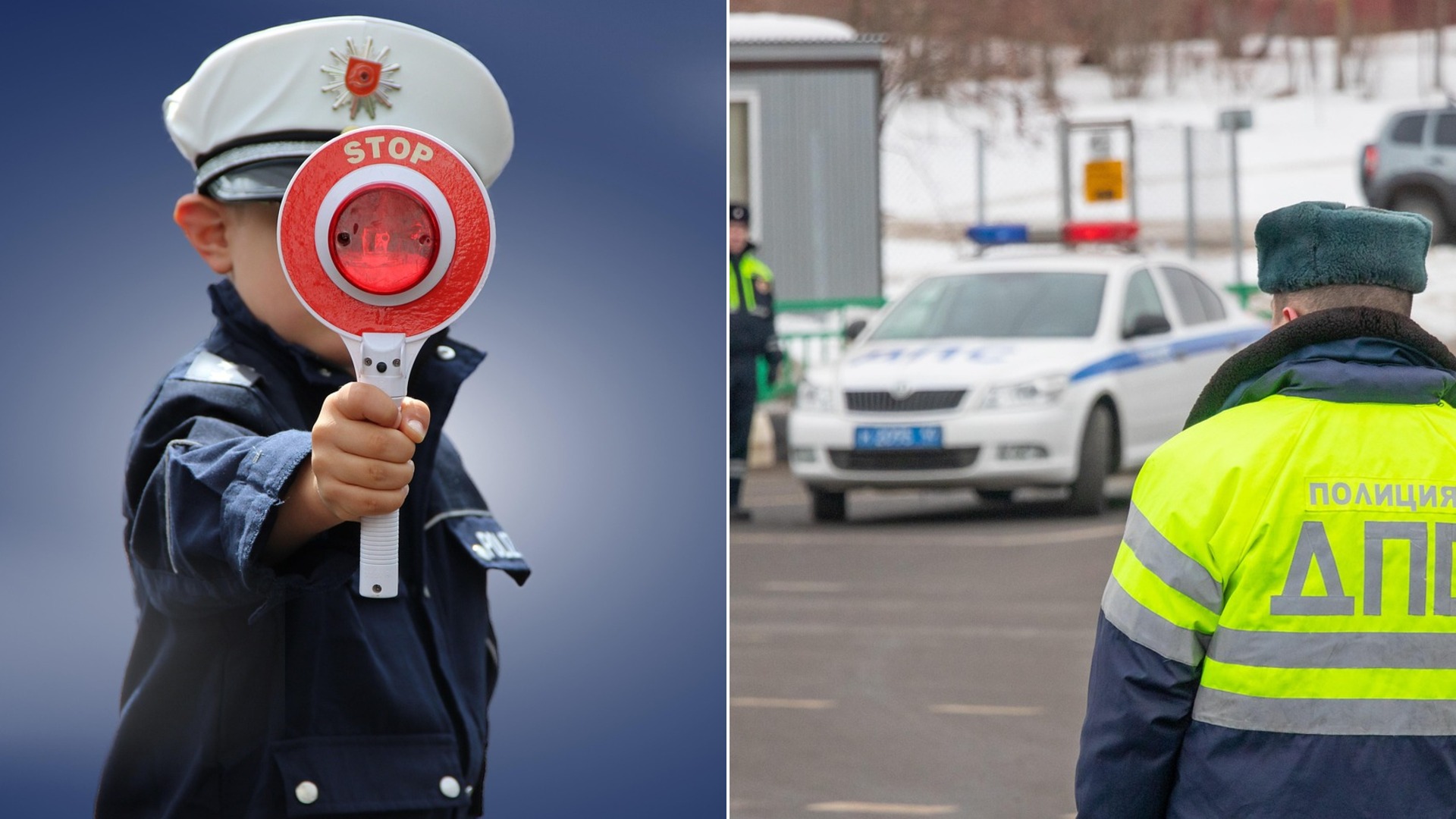
©Pixabay / guvo59 & Pixabay / Chronomarchie
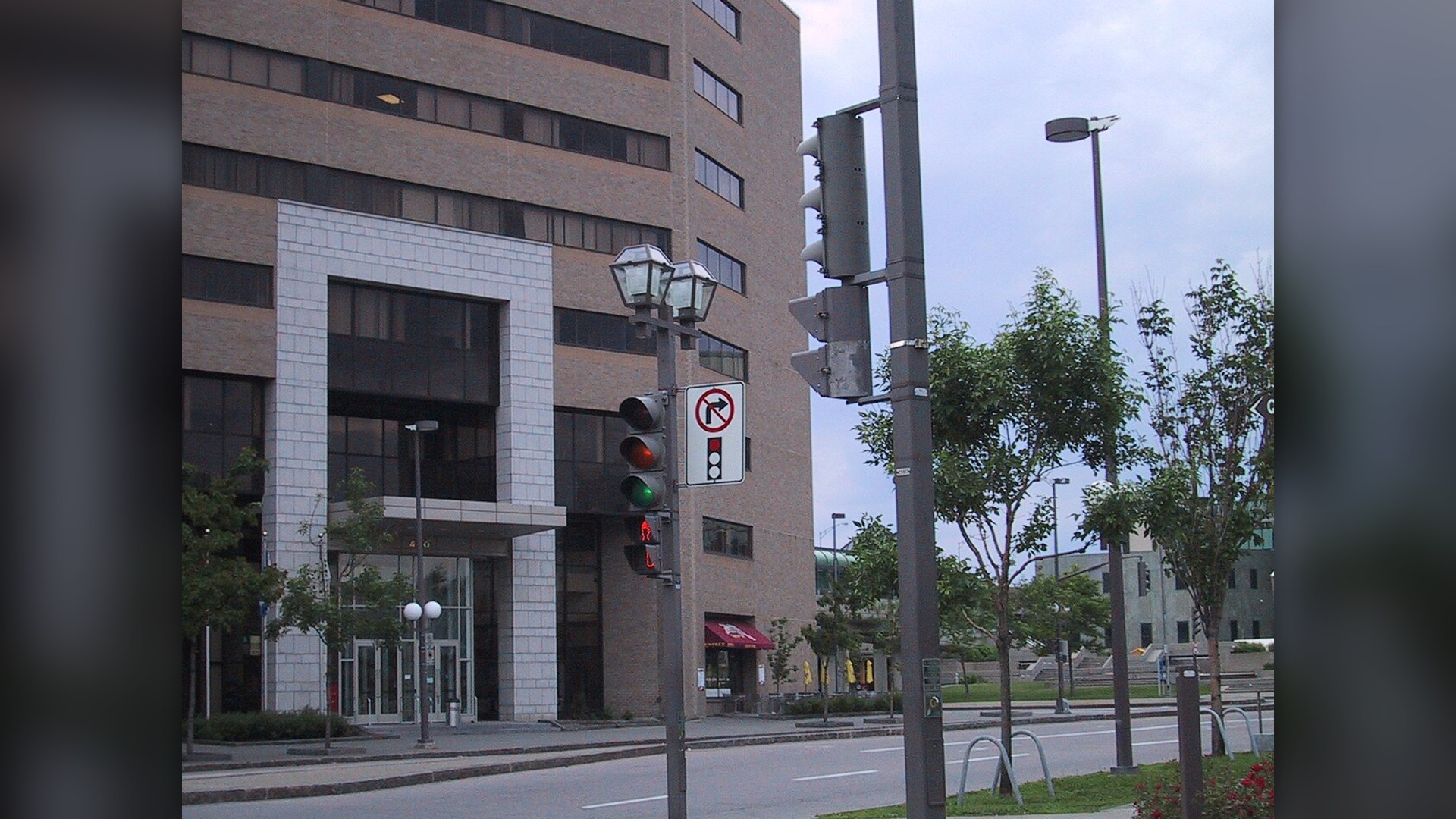
15. The Right Turn On Red
In most of Europe, the UK, and Australia, driving through a red traffic signal is a serious offense. In the United States, federal energy conservation rules introduced in the 1970s allow drivers to turn right at a red light after a complete stop unless a sign or local rule explicitly forbids it.
©Wikimedia / Share Bear
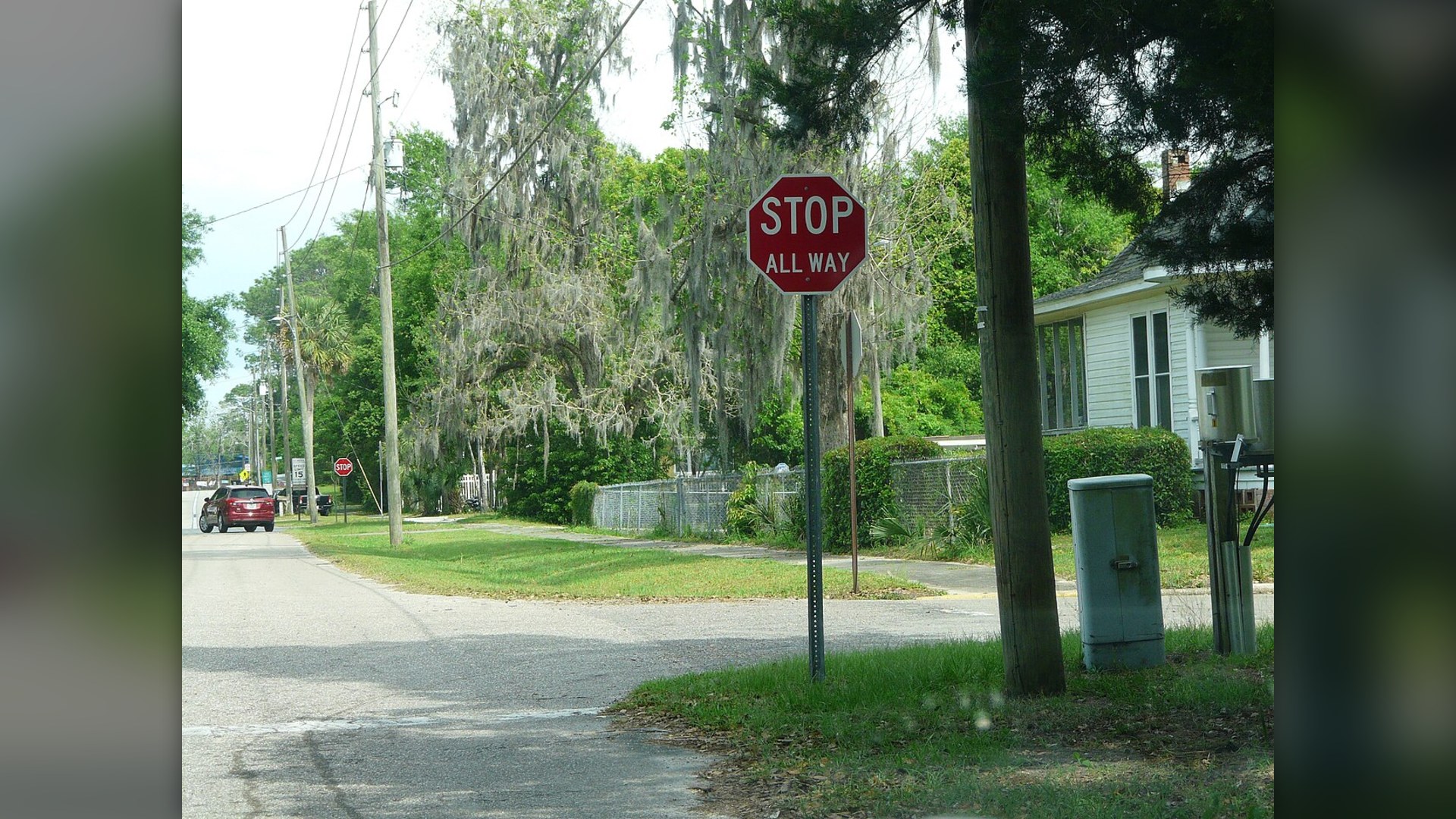
14. The All-Way Stop Sign
Where European road engineers build roundabouts, American suburbs rely heavily on four-way and all-way stop intersections. Every approaching vehicle must come to a complete four-wheel standstill even on empty roads, with right-of-way granted in the order drivers arrive at the line.
©Wikimedia / The Bushranger
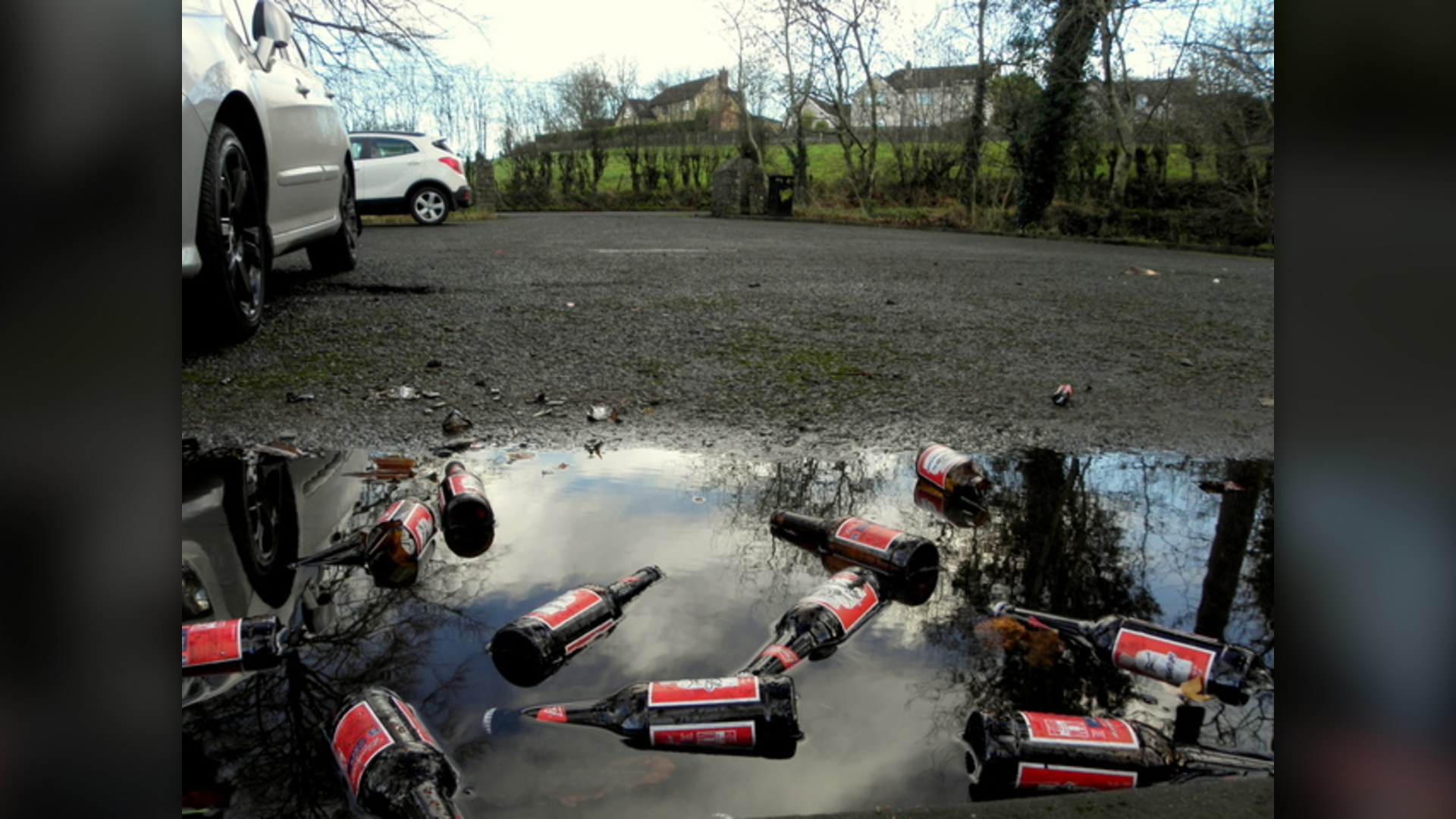
13. Strict Open Container Penalties
Even when the driver is completely sober, laws in the vast majority of US states make it illegal for anyone in the car to possess an open bottle or can of alcohol inside the passenger cabin. Opened bottles must be locked inside the trunk or stored behind the last upright row of seats.
©Wikimedia / Kenneth Allen
Advertisement
Swipe or tap ▶ to resume the countdown.
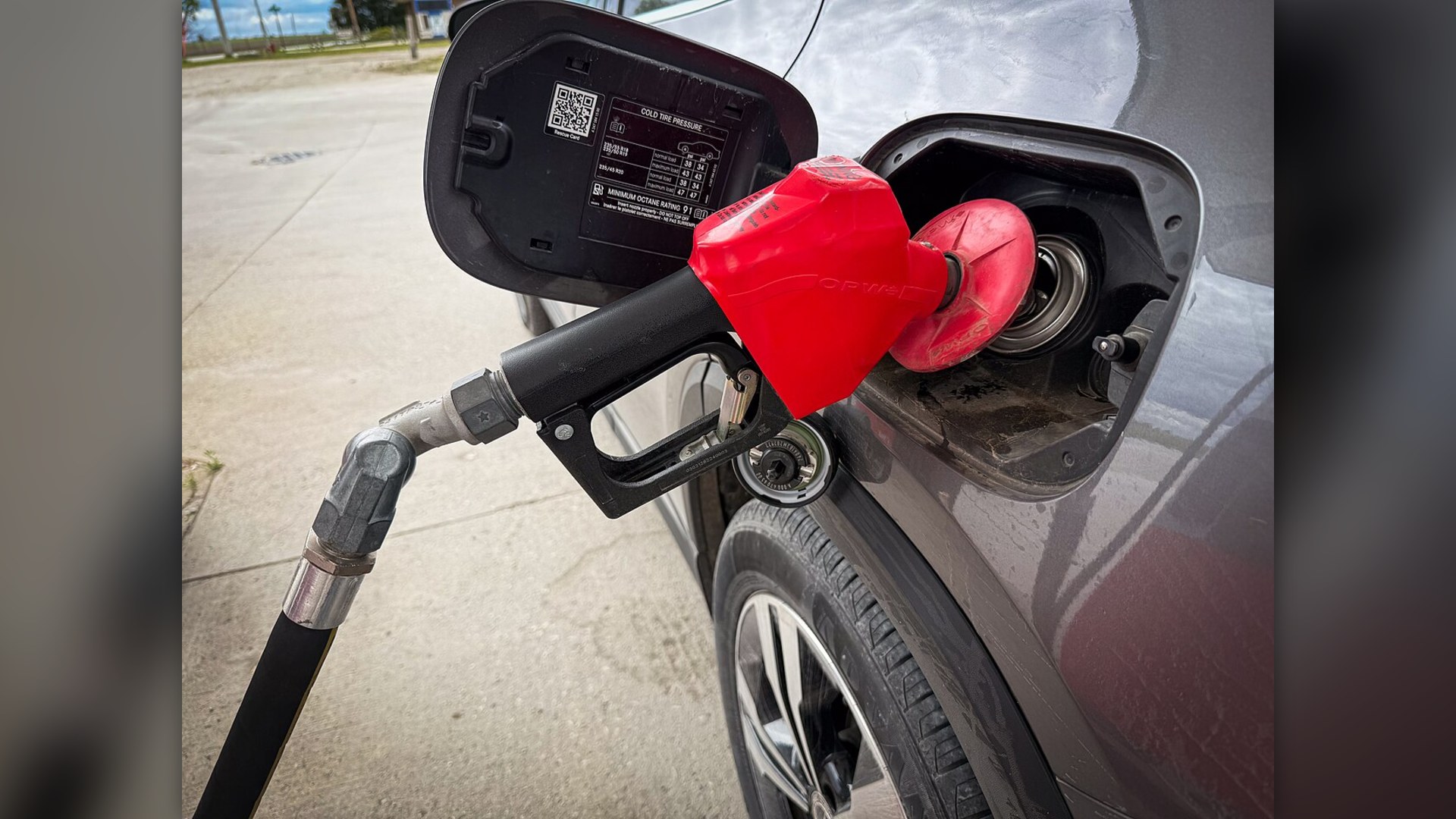
12. No Self-Service Fueling (New Jersey And Oregon)
Since 1949, New Jersey's Retail Gasoline Dispensing Safety Act has banned drivers from pumping their own fuel, requiring an attendant to operate the nozzle. Oregon enforced a similar statewide restriction from 1951 until 2023 and still mandates staffed full-service lanes alongside self-serve pumps.
©Wikimedia / Tony Webster
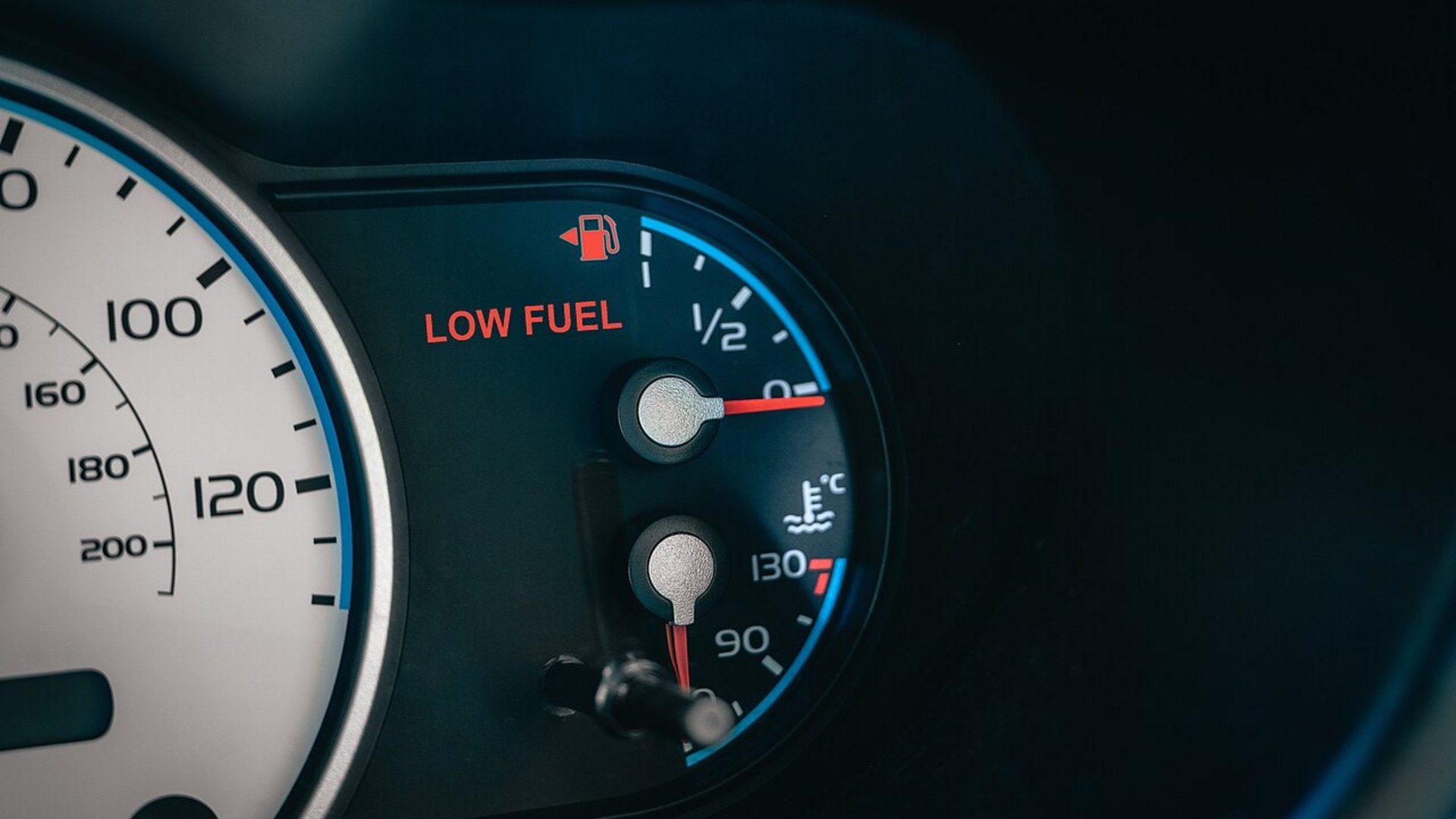
11. Running Out Of Gas Is A Crime (Youngstown, Ohio)
Running out of fuel on a road trip is frustrating anywhere, but in Youngstown, Ohio, municipal code makes it an actual traffic offense to let your car run out of gas inside designated congested downtown zones. The ordinance was enacted to stop stalled vehicles from blocking busy intersections.
©Wikimedia / Icomparioimages
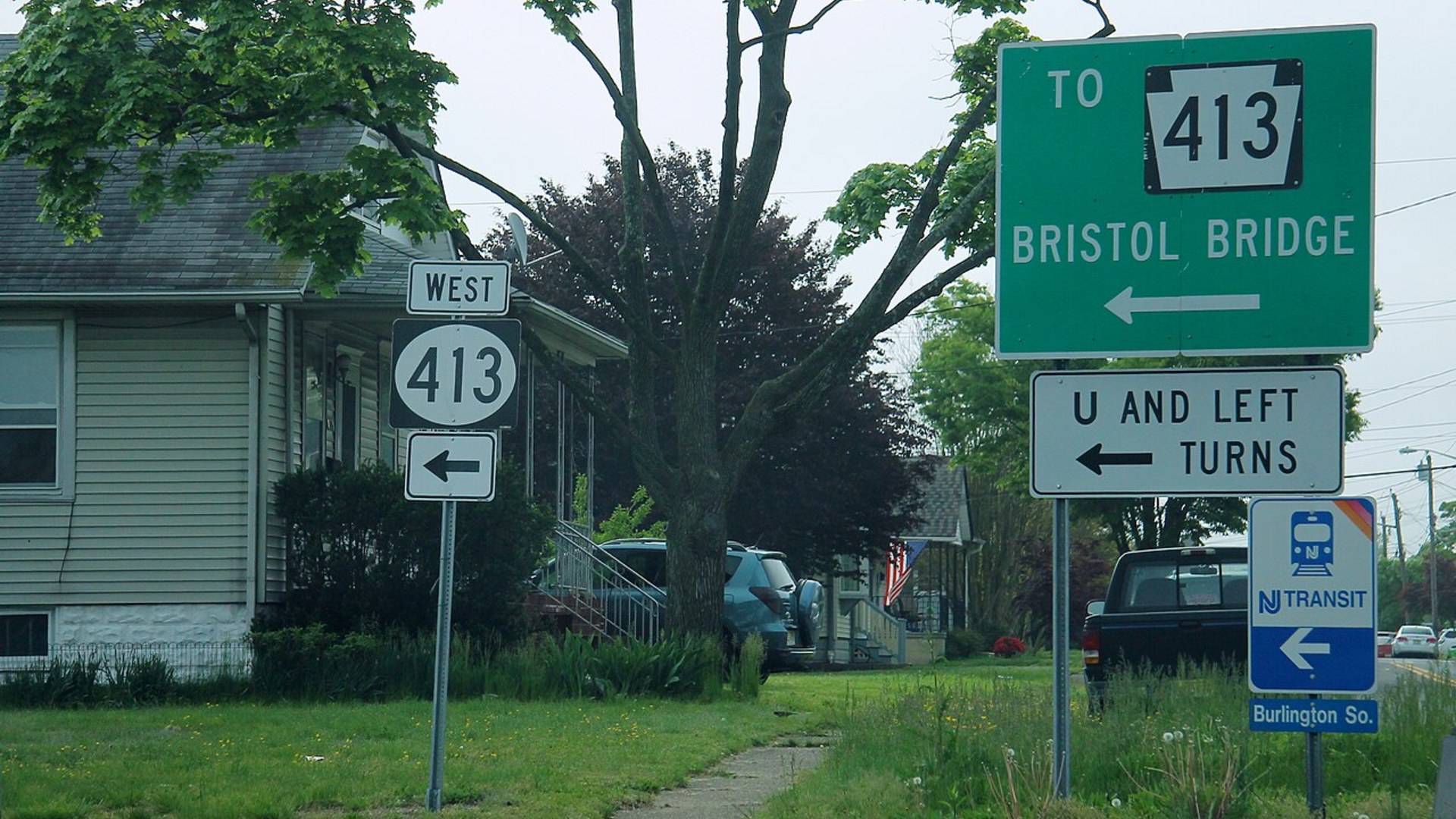
10. The New Jersey Jughandle Turn
At hundreds of intersections on New Jersey state highways, direct left turns and U-turns from the left lane are prohibited. Instead, signs direct drivers into the right lane to exit onto a curved jughandle ramp that loops 90 degrees to cross the highway at a traffic signal.
©Wikimedia / formulanone
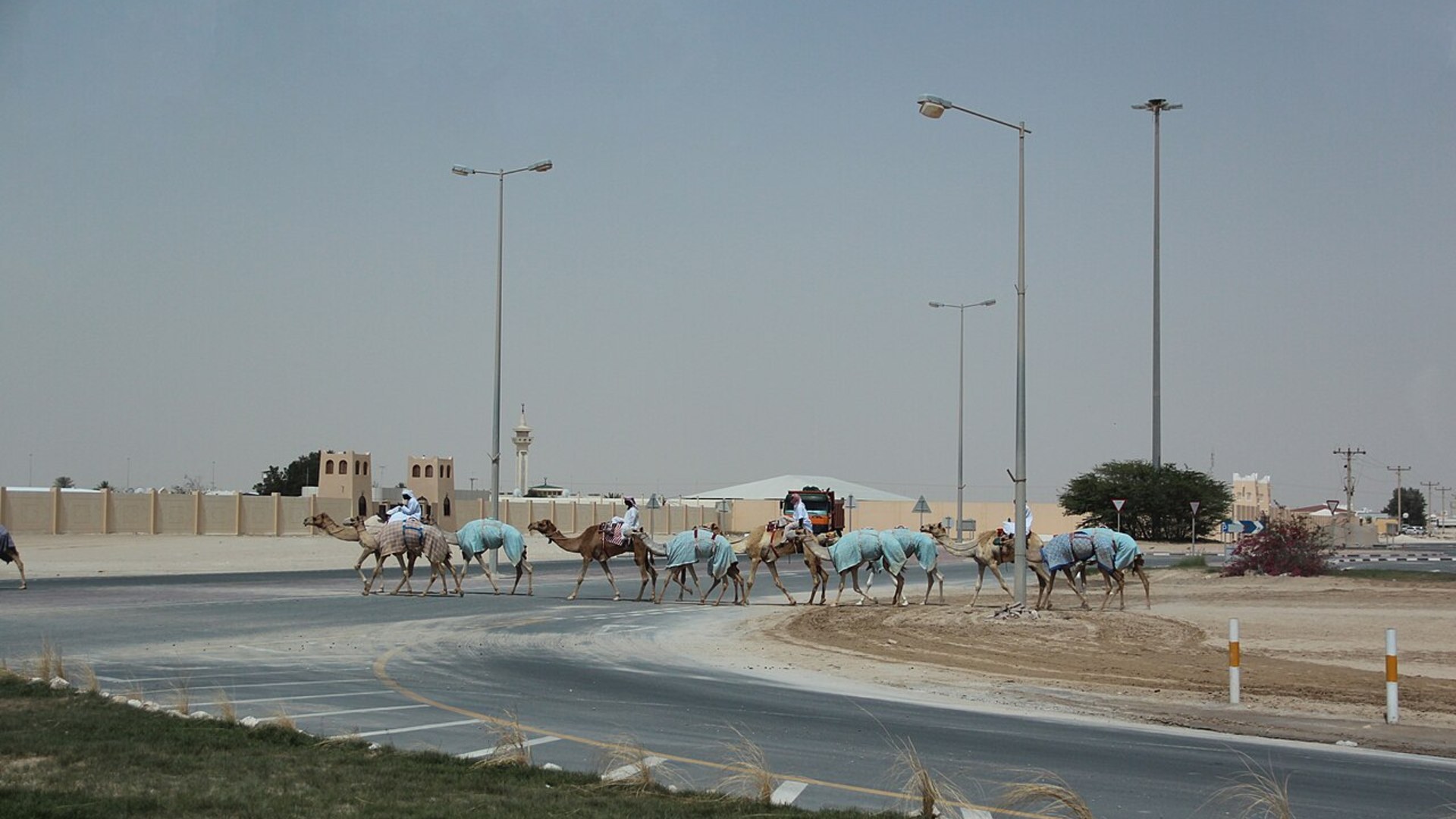
9. Right Of-Way For Birds And Camels (Utah And Nevada)
Several western states carry unusual animal rules in their legal history. Utah traffic lore grants birds the right-of-way on public highways, while Nevada passed a 19th-century statute addressing camels on public highways after US Army Camel Corps animals spooked horses and mules.
©Wikimedia / Lawrence Wang
Advertisement
Swipe or tap ▶ to resume the countdown.
8. No Changing Clothes Inside The Car (Fenwick Island, Delaware)
In the Atlantic beach town of Fenwick Island, Delaware, town code makes it unlawful for visitors to disrobe or change into or out of a bathing suit while inside or standing beside a parked motor vehicle, trailer, or camper on any public street.
©Pixabay / Alexas_Fotos
7. A Ban On Late-Night Car Snacks (Fenwick Island, Delaware)
Fenwick Island, Delaware, enforces an overnight anti-camping ordinance that forbids picnicking, tailgating, or eating prepared meals inside a parked car, van, or recreational vehicle on public streets between midnight and 6:00 a.m.
© Photo by Harry Obahor on Unsplash
6. No Storing Trash In The Vehicle (Hilton Head, South Carolina)
The coastal resort community of Hilton Head Island, South Carolina, is known for strict environmental rules. Under local anti-littering ordinances designed to deter pests and roadside dumping, storing accumulated garbage inside a parked car can trigger a fine.
©Wikimedia / Parking
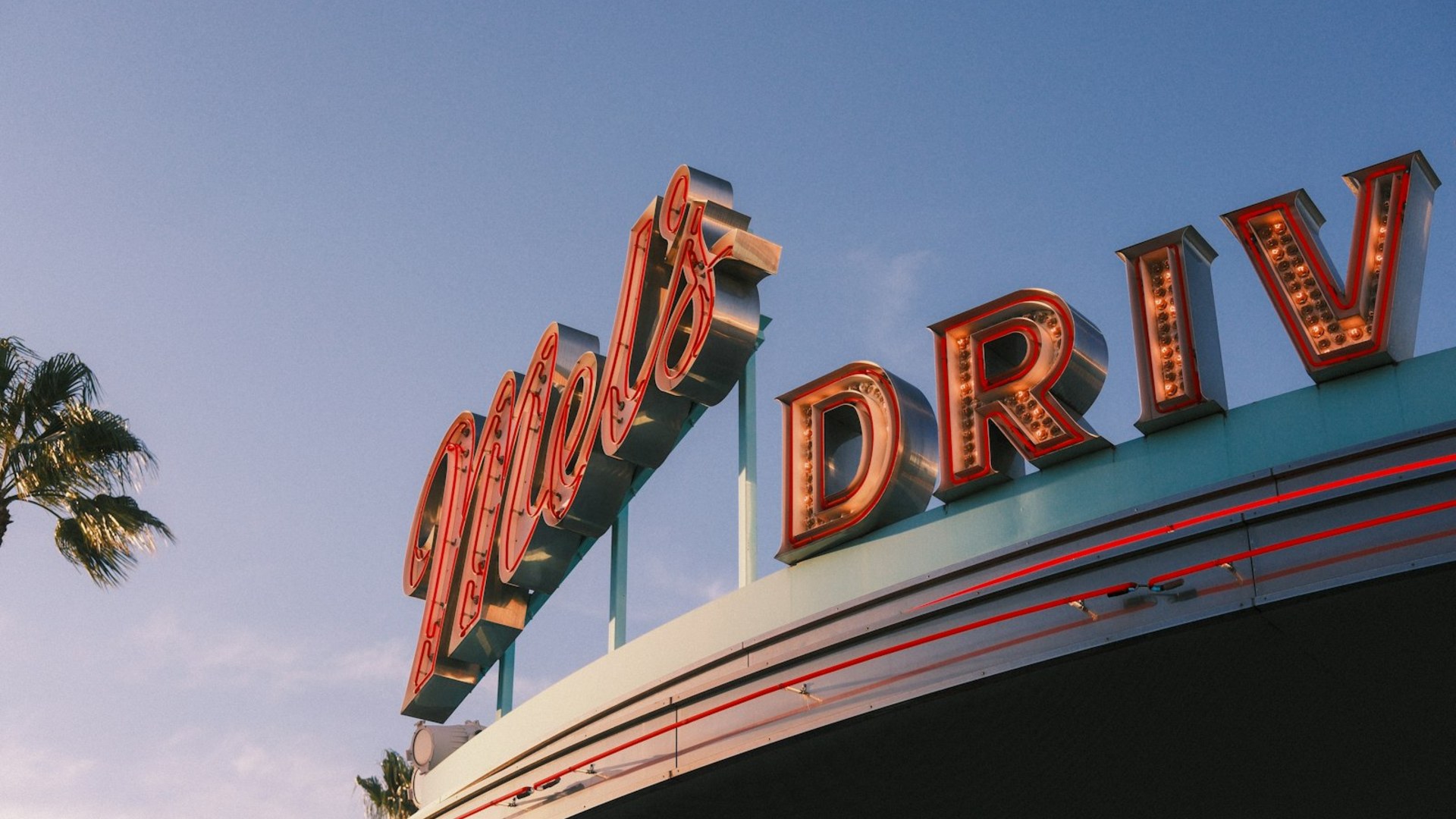
5. Silent Sandwich Shops After 9 PM (Little Rock, Arkansas)
Under Section 18-54 of the Little Rock, Arkansas, Code of Ordinances, it is illegal for any driver to sound a car horn at any establishment where cold drinks or sandwiches are served after 9:00 p.m., a holdover from the era of noisy curb-service drive-ins.
©Wikimedia / Shixart1985
Advertisement
Swipe or tap ▶ to resume the countdown.
4. No Profanity From A Moving Vehicle (Rockville, Maryland)
Municipal ordinances in Rockville, Maryland, classified cursing, swearing, or using obscene language on or near any street, sidewalk, or highway within earshot of passersby as a misdemeanor, meaning road rage shouted out a car window could draw a citation.
©Pixabay / Pixabay Contributor
3. Screeching Tires Is A Misdemeanor (Derby, Kansas)
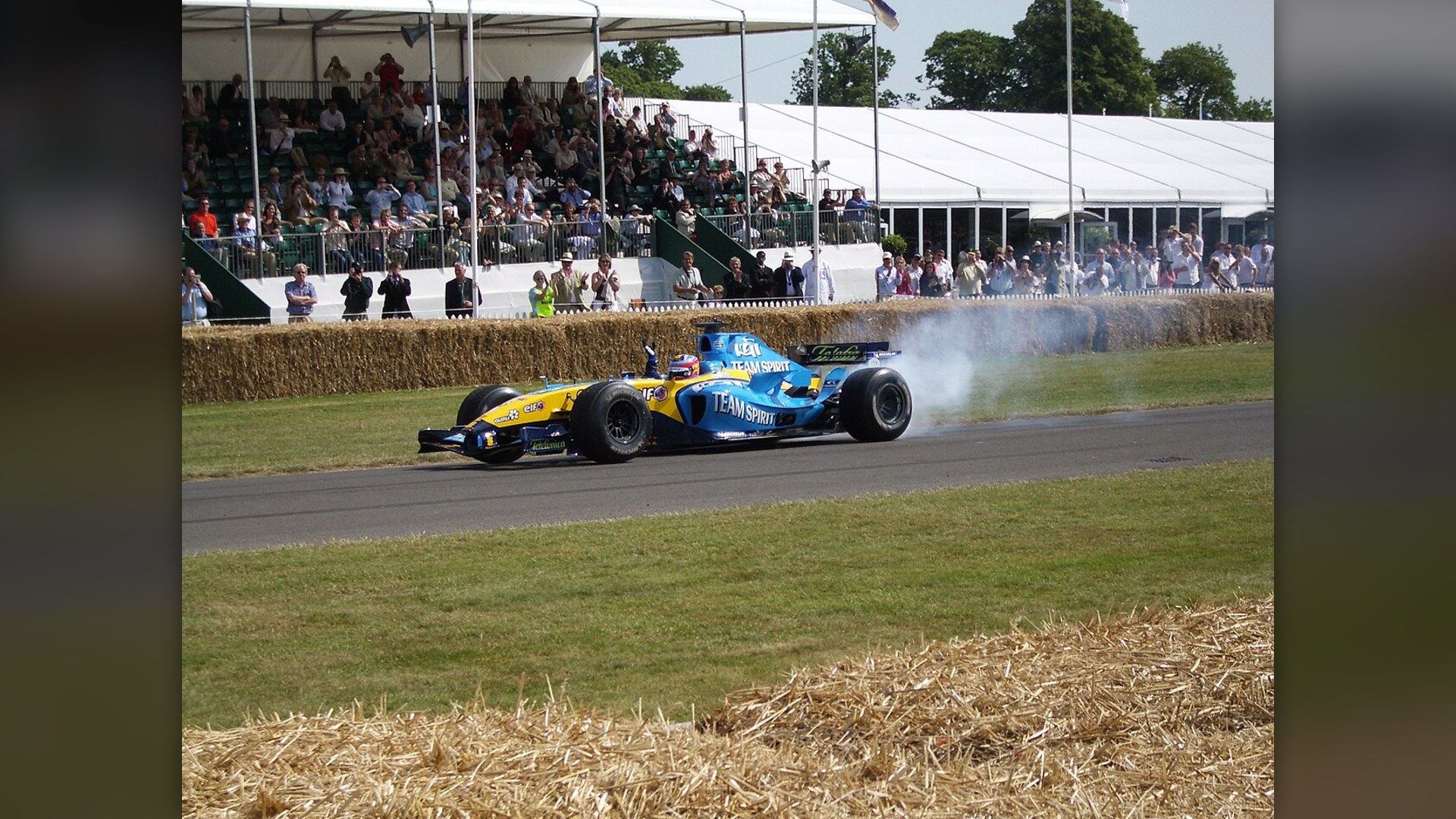
In Derby, Kansas, exhibition of acceleration ordinances penalize drivers who spin their tires, screech rubber on pavement, or fishtail when pulling away from a stop, carrying misdemeanor fines of up to $500 or up to 30 days in jail.
©Wikimedia / Brooksaf
2. Driving While Blindfolded (Alabama)
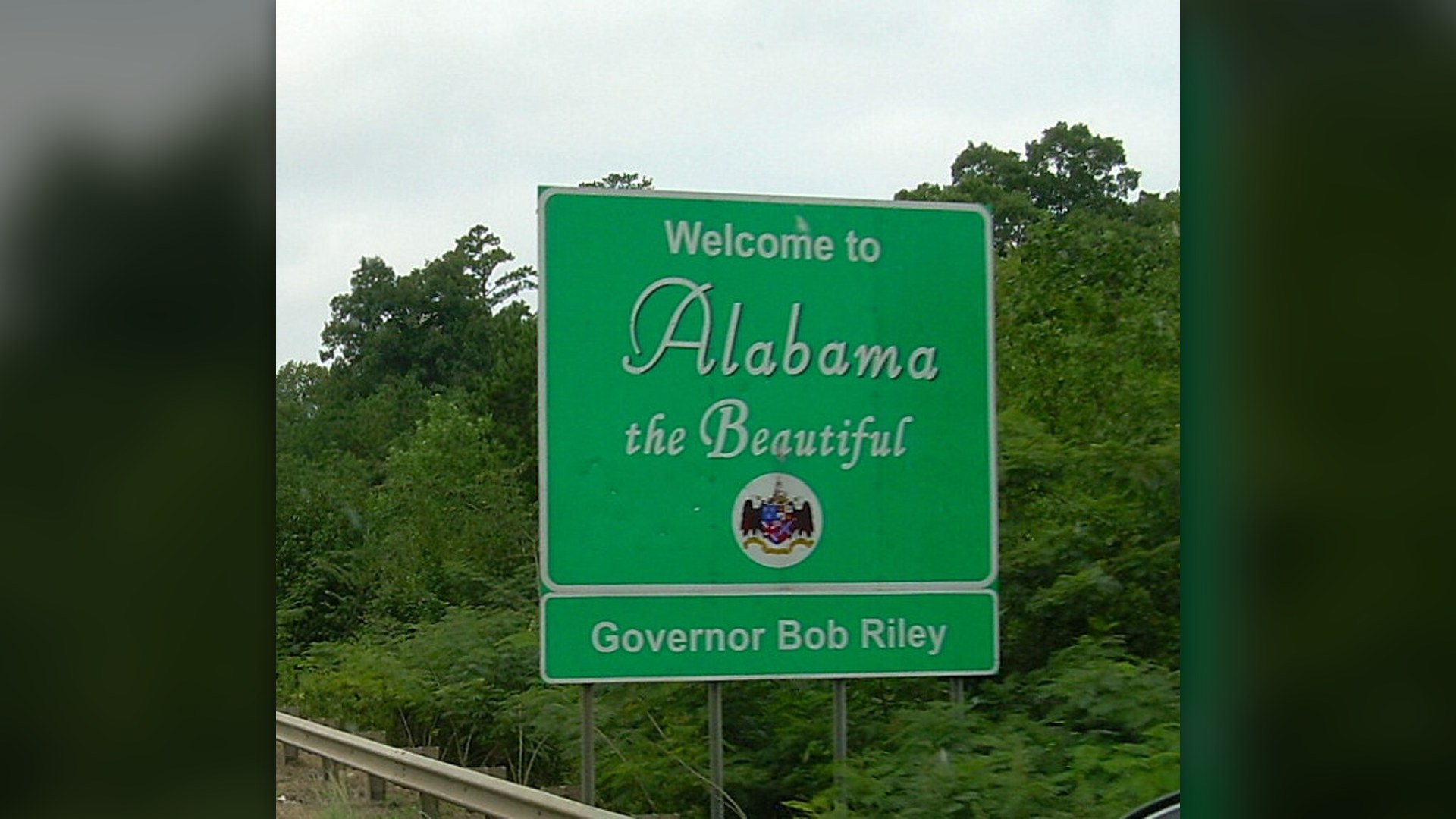
One of the most famous entries in American traffic lore comes from Alabama, where statutory interpretations of obstructed-view and reckless driving explicitly forbid operating a motor vehicle while wearing a blindfold.
©Wikimedia / ErgoSum88
1. The No Housecoat Dress Code (California)
Among the strangest pieces of mid-century American driving lore is an old California rule prohibiting women from operating a motor vehicle while dressed in a housecoat or dressing gown, a remnant of early suburban traffic codes that still surprises visitors.

©Wikimedia / Downtowngal
Advertisement
You've reached the end of the story. Thanks for reading!

20 Iconic Historical Photos and the Archive Clues Behind Them
Contact sheets, cracked glass plates, and NASA mission logs preserve the hidden steps behind 20 famous photographs. Drawing on records from the Library of Congress, the National Archives, NASA, and the Smithsonian, this countdown traces how cropping, camera setups, and double exposures shaped each frame.
All 15 Entries in this Story
15. The Right Turn On Red
In most of Europe, the UK, and Australia, driving through a red traffic signal is a serious offense. In the United States, federal energy conservation rules introduced in the 1970s allow drivers to turn right at a red light after a complete stop unless a sign or local rule explicitly forbids it.

14. The All-Way Stop Sign
Where European road engineers build roundabouts, American suburbs rely heavily on four-way and all-way stop intersections. Every approaching vehicle must come to a complete four-wheel standstill even on empty roads, with right-of-way granted in the order drivers arrive at the line.

13. Strict Open Container Penalties
Even when the driver is completely sober, laws in the vast majority of US states make it illegal for anyone in the car to possess an open bottle or can of alcohol inside the passenger cabin. Opened bottles must be locked inside the trunk or stored behind the last upright row of seats.

12. No Self-Service Fueling (New Jersey And Oregon)
Since 1949, New Jersey's Retail Gasoline Dispensing Safety Act has banned drivers from pumping their own fuel, requiring an attendant to operate the nozzle. Oregon enforced a similar statewide restriction from 1951 until 2023 and still mandates staffed full-service lanes alongside self-serve pumps.

11. Running Out Of Gas Is A Crime (Youngstown, Ohio)
Running out of fuel on a road trip is frustrating anywhere, but in Youngstown, Ohio, municipal code makes it an actual traffic offense to let your car run out of gas inside designated congested downtown zones. The ordinance was enacted to stop stalled vehicles from blocking busy intersections.

10. The New Jersey Jughandle Turn
At hundreds of intersections on New Jersey state highways, direct left turns and U-turns from the left lane are prohibited. Instead, signs direct drivers into the right lane to exit onto a curved jughandle ramp that loops 90 degrees to cross the highway at a traffic signal.

9. Right Of-Way For Birds And Camels (Utah And Nevada)
Several western states carry unusual animal rules in their legal history. Utah traffic lore grants birds the right-of-way on public highways, while Nevada passed a 19th-century statute addressing camels on public highways after US Army Camel Corps animals spooked horses and mules.

8. No Changing Clothes Inside The Car (Fenwick Island, Delaware)
In the Atlantic beach town of Fenwick Island, Delaware, town code makes it unlawful for visitors to disrobe or change into or out of a bathing suit while inside or standing beside a parked motor vehicle, trailer, or camper on any public street.

7. A Ban On Late-Night Car Snacks (Fenwick Island, Delaware)
Fenwick Island, Delaware, enforces an overnight anti-camping ordinance that forbids picnicking, tailgating, or eating prepared meals inside a parked car, van, or recreational vehicle on public streets between midnight and 6:00 a.m.

6. No Storing Trash In The Vehicle (Hilton Head, South Carolina)
The coastal resort community of Hilton Head Island, South Carolina, is known for strict environmental rules. Under local anti-littering ordinances designed to deter pests and roadside dumping, storing accumulated garbage inside a parked car can trigger a fine.

5. Silent Sandwich Shops After 9 PM (Little Rock, Arkansas)
Under Section 18-54 of the Little Rock, Arkansas, Code of Ordinances, it is illegal for any driver to sound a car horn at any establishment where cold drinks or sandwiches are served after 9:00 p.m., a holdover from the era of noisy curb-service drive-ins.

4. No Profanity From A Moving Vehicle (Rockville, Maryland)
Municipal ordinances in Rockville, Maryland, classified cursing, swearing, or using obscene language on or near any street, sidewalk, or highway within earshot of passersby as a misdemeanor, meaning road rage shouted out a car window could draw a citation.

3. Screeching Tires Is A Misdemeanor (Derby, Kansas)
In Derby, Kansas, exhibition of acceleration ordinances penalize drivers who spin their tires, screech rubber on pavement, or fishtail when pulling away from a stop, carrying misdemeanor fines of up to $500 or up to 30 days in jail.

2. Driving While Blindfolded (Alabama)
One of the most famous entries in American traffic lore comes from Alabama, where statutory interpretations of obstructed-view and reckless driving explicitly forbid operating a motor vehicle while wearing a blindfold.

1. The No Housecoat Dress Code (California)
Among the strangest pieces of mid-century American driving lore is an old California rule prohibiting women from operating a motor vehicle while dressed in a housecoat or dressing gown, a remnant of early suburban traffic codes that still surprises visitors.