Slideshow · Viral
15 Surprising Reasons You Keep Waking Up at 3 a.m.
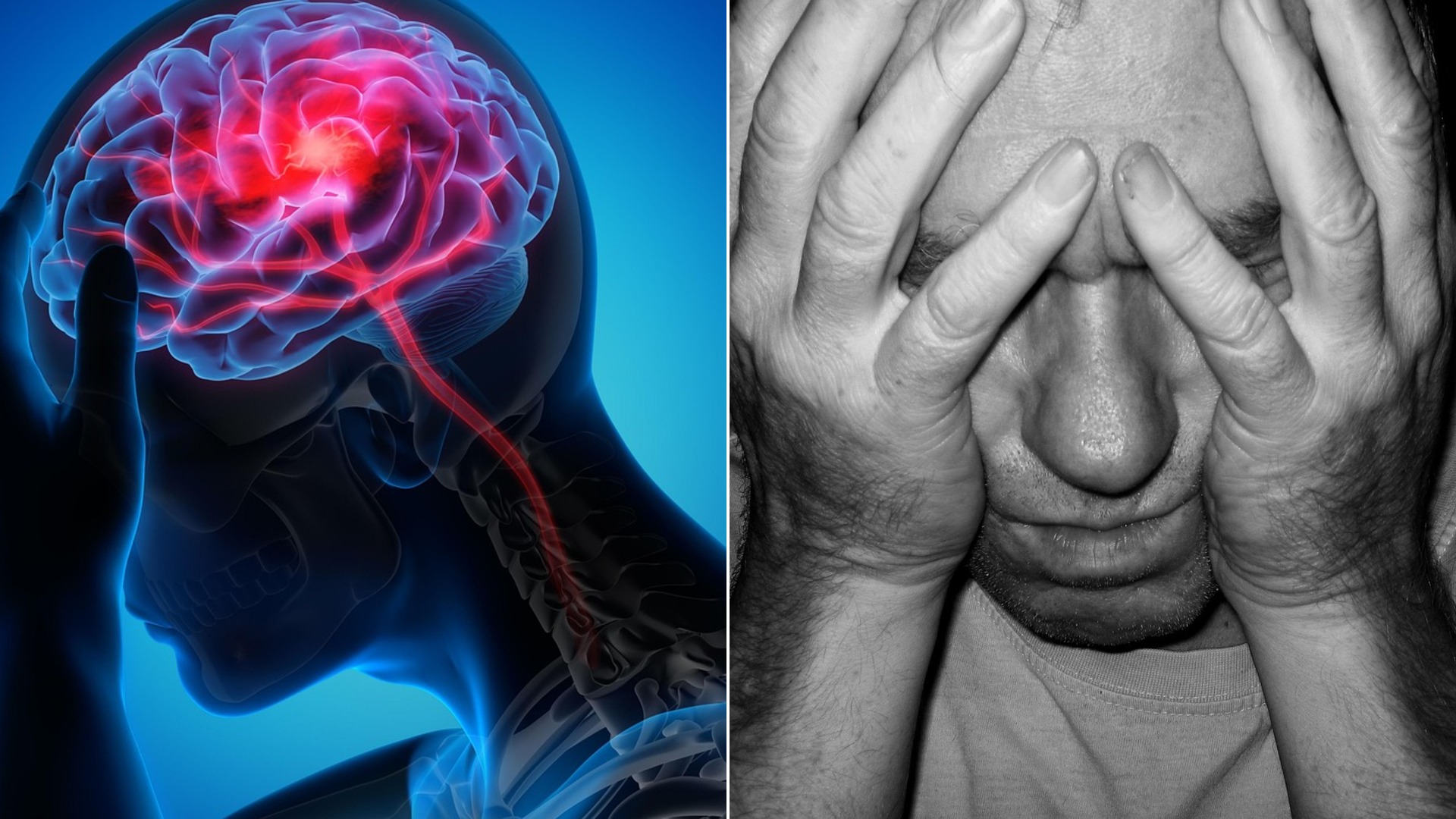
Waking up between 3 and 4 a.m. is not random. As deep sleep fades into light REM cycles, subtle metabolic shifts, hormone spikes, and room conditions jolt your brain into full alertness. Here are the














All 15 Entries in this Story
15. Late-Day Caffeine Half-Life
That 3:00 p.m. afternoon latte feels harmless by bedtime, but half of that caffeine remains in your system six hours later. While you may fall asleep without trouble, lingering caffeine fragments lighter sleep stages and triggers early morning wakefulness.
14. Bedroom Temperature Spikes
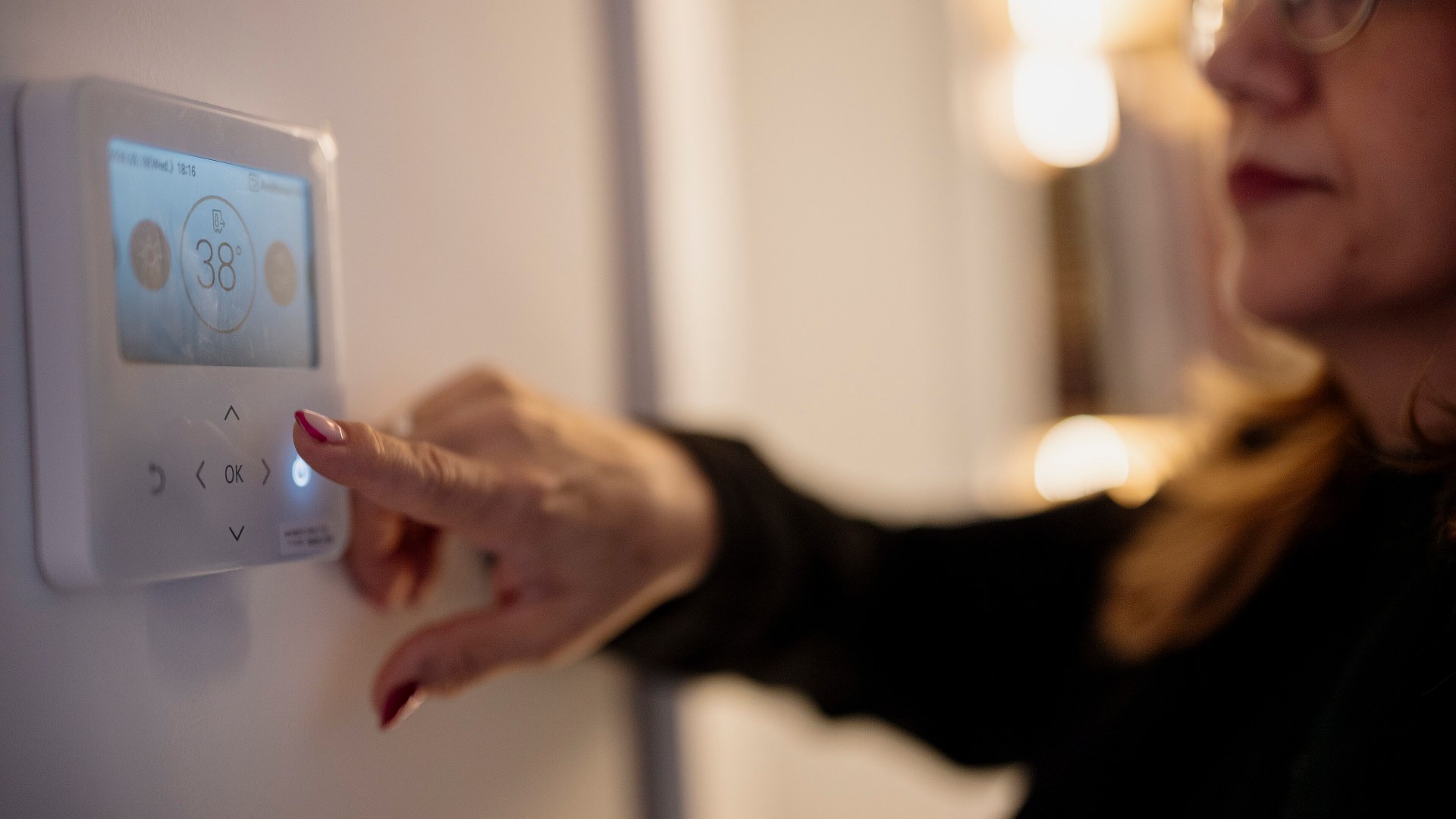
To maintain continuous sleep, human physiology requires a cool environment between 65 and 68 degrees. Heavy duvets or overnight heating cycles trap heat, forcing your nervous system into active wakefulness to vent thermal stress.
13. Nocturnal Dehydration And Dry Air
Indoor heating strips moisture from bedroom air. If you sleep with an open mouth or mild nasal congestion, your airway dries rapidly, prompting an emergency arousal signal from your nervous system to seek water.
12. Low Cellular Magnesium Levels
Magnesium regulates the nervous system and relaxes skeletal muscle tissue. When cellular magnesium levels run low, muscles twitch and the brain struggles to stay asleep as brainwaves transition through early morning cycles.
11. Evening Blue Light Suppression
Staring at phone screens before lights-out delays normal melatonin secretion. Instead of a smooth, sustained release that lasts all night, the delayed hormone curve peaks early and drops off sharply around 3 a.m.
10. Environmental Micro-Disturbances
During the first four hours of sleep, your brain filters out ambient noises. By 3 a.m., your brain shifts to lighter stages where faint sounds, like a furnace kicking on or a distant truck, trigger instant wakefulness.
9. Hormonal Shifts And Night Sweats
During perimenopause and hormonal shifts, dips in estrogen disrupt the brain's internal thermostat in the hypothalamus. Even small temperature changes can trigger sudden adrenaline surges, heart palpitations, and night sweats.
8. Vasopressin Drops And Bladder Signals
Normally, the pituitary gland releases vasopressin to concentrate urine while you sleep. If this circadian signal falters, or if you drank fluids late in the evening, bladder wall tension forces your brain to wake up.
7. Silent Acid Reflux
Silent reflux does not cause classic burning heartburn. Instead, microscopic acid droplets irritate sensitive nerve endings in the throat, sparking subtle muscle spasms and micro-awakenings without obvious gastrointestinal symptoms.
6. Natural Sleep Architecture Shifts
Sleep is not uniform. You spend the early hours in deep stage 3 and 4 sleep. Around 3 a.m., cycles shift heavily toward lighter stage 2 and REM sleep, creating natural biological windows where even tiny stimuli wake you up.
5. Hidden Airway Resistance
Mild upper airway resistance or undiagnosed sleep apnea frequently manifests around 3 a.m. As muscle tone relaxes in REM sleep, the airway narrows, causing blood oxygen dips that force the brain into an alert state to breathe.
4. Early Morning Cortisol Spikes
Under normal conditions, cortisol rises gradually toward dawn to wake you up. If your nervous system is stuck in chronic overdrive, the hypothalamus-pituitary-adrenal axis misfires, dumping stimulating cortisol into your blood hours early.
3. Nocturnal Blood Sugar Crashes
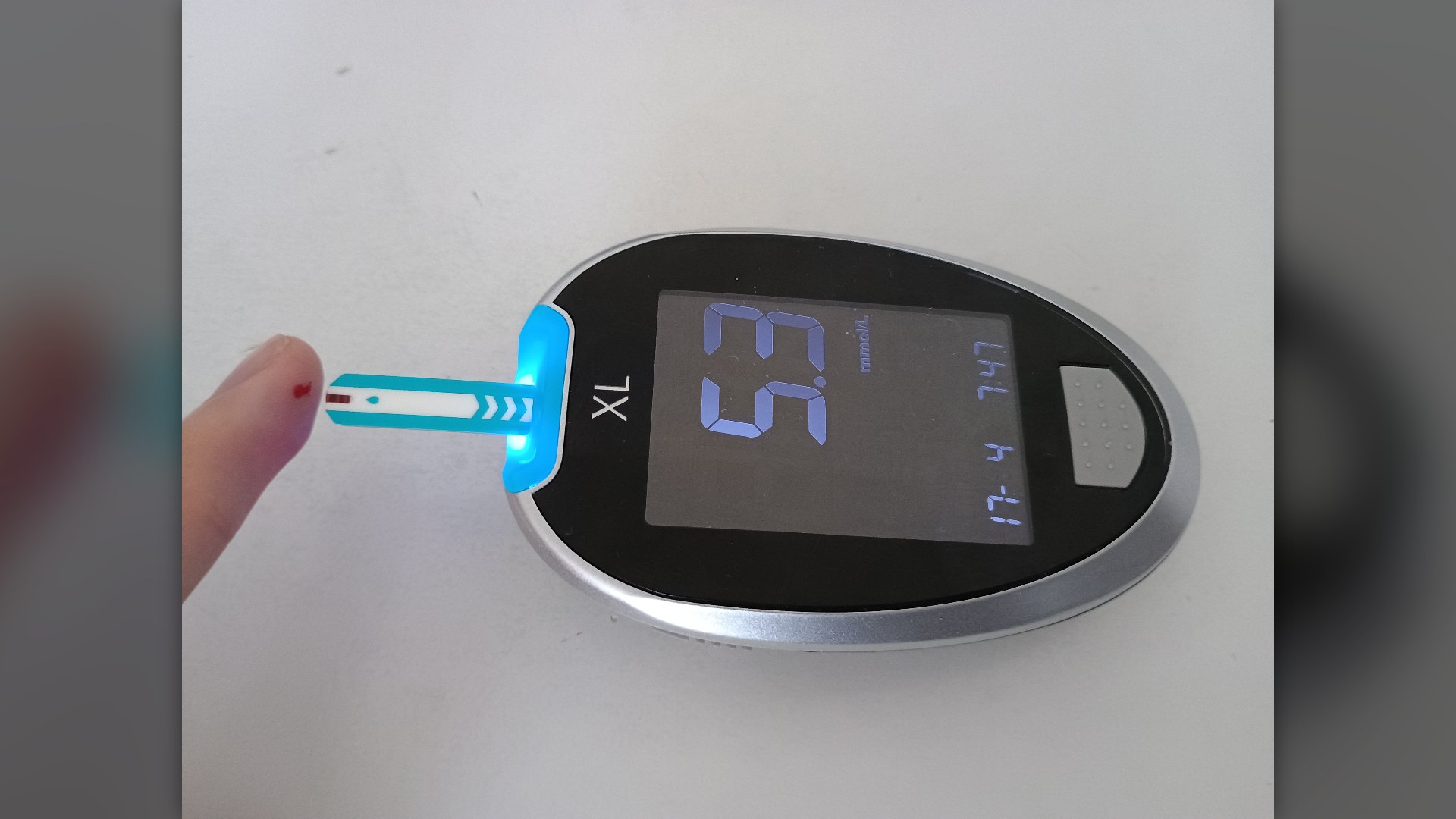
Eating sugary desserts or refined carbohydrates close to bed causes a sharp glucose spike followed by an insulin crash. To prevent hypoglycemia, the brain releases cortisol and adrenaline to liberate stored glucose, jolting you awake.
2. Liver Glycogen Depletion
The liver requires glycogen to fuel metabolic maintenance while you sleep. If reserves deplete around 3 a.m., the body views the lack of fuel as a physiological emergency, triggering an adrenaline surge that pulls you from sleep.
1. The Alcohol Rebound Effect
Alcohol initially enhances calming GABA to help you fall asleep. But within three to five hours, as enzymes clear the alcohol, your brain experiences a sharp glutamatergic withdrawal rebound that abruptly shatters light REM sleep.