Slideshow · Animals
15 Weird Animal Facts That Will Break Your Heart
Nature can be breathtakingly cruel, melancholic, and deeply heartbreaking. Here are 15 weird animal facts that will make you look at the natural world with tender sorrow.
By Most Viral Today
6 Oct 2026

15 Weird Animal Facts That Will Break Your Heart 
15. Sloths Risk Death Just To Poop 
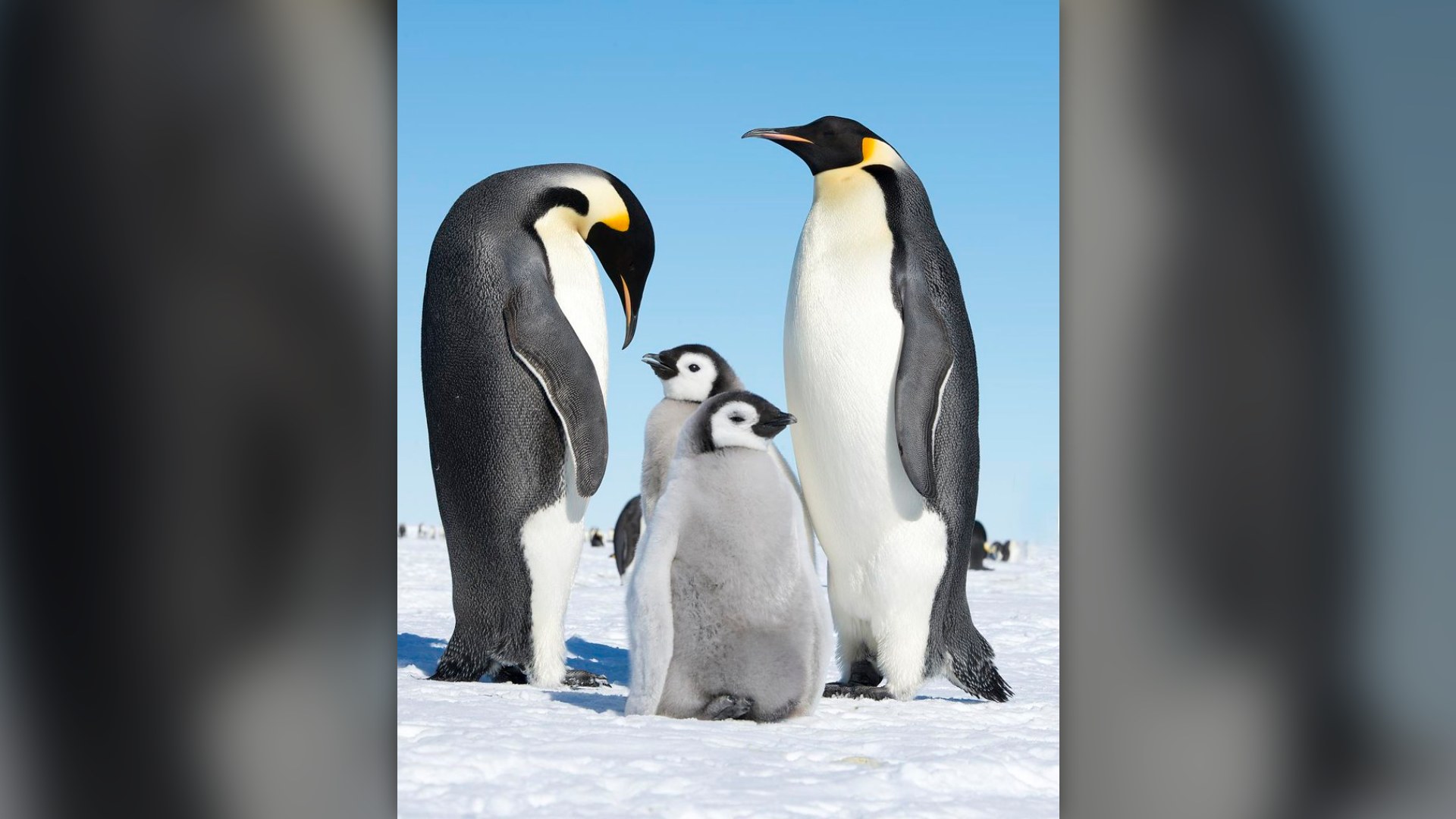
14. Penguins Incubate Stones After Loss 
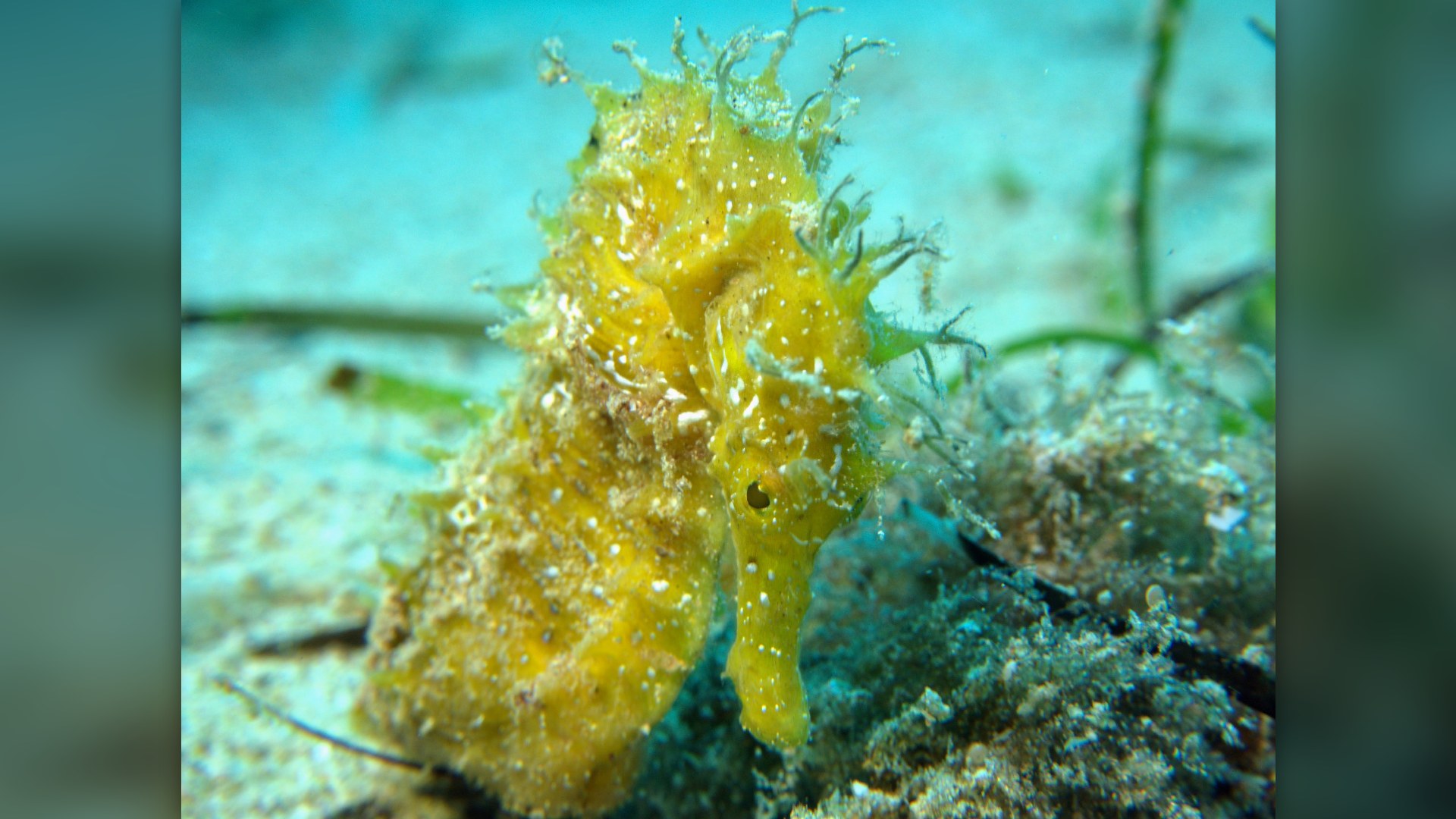
13. Seahorses Can Die Of Broken Hearts - AdvertisementSwipe or tap ▶ to continue countdown

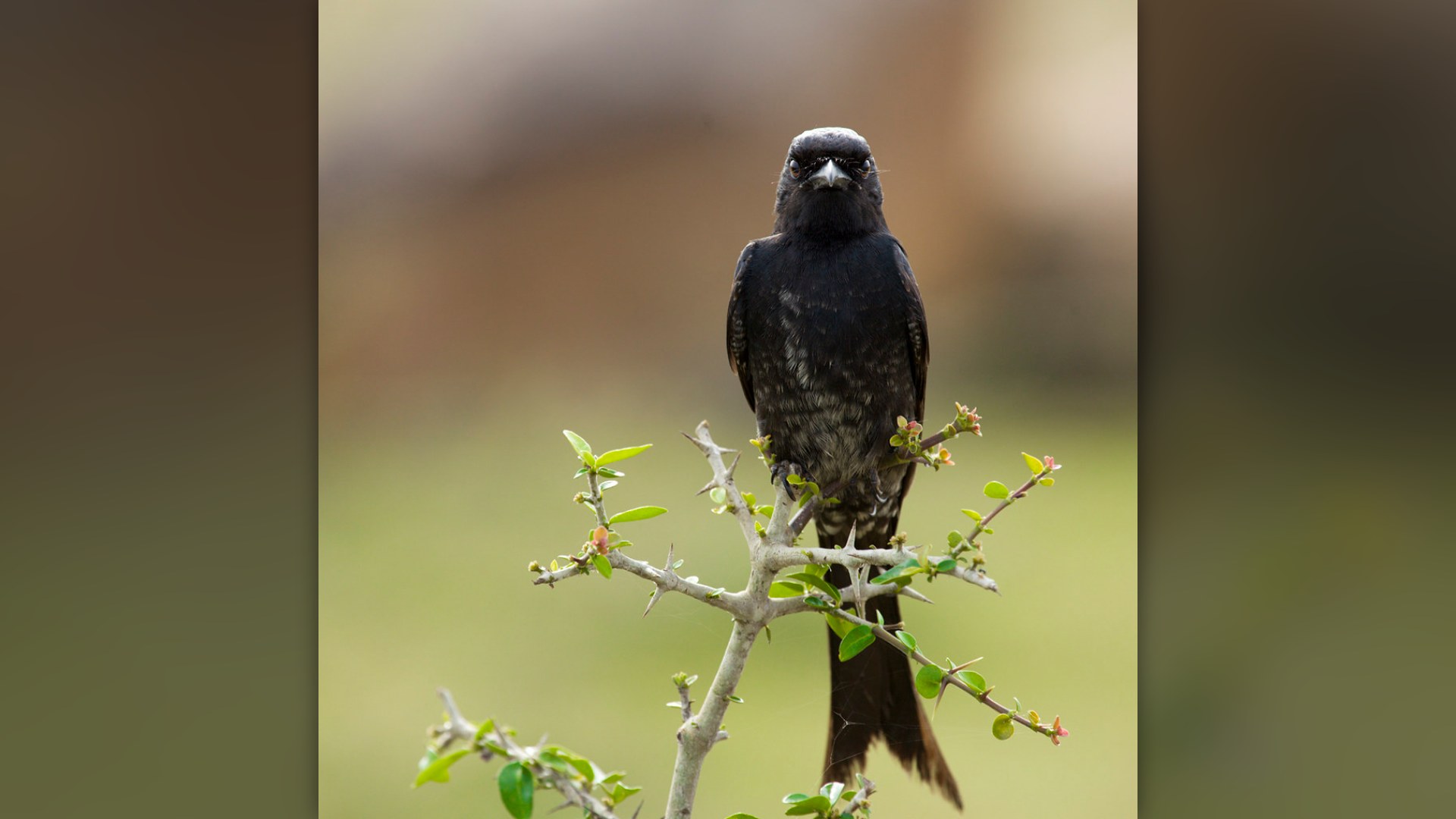
12. Crows Hold Mourning Funerals 
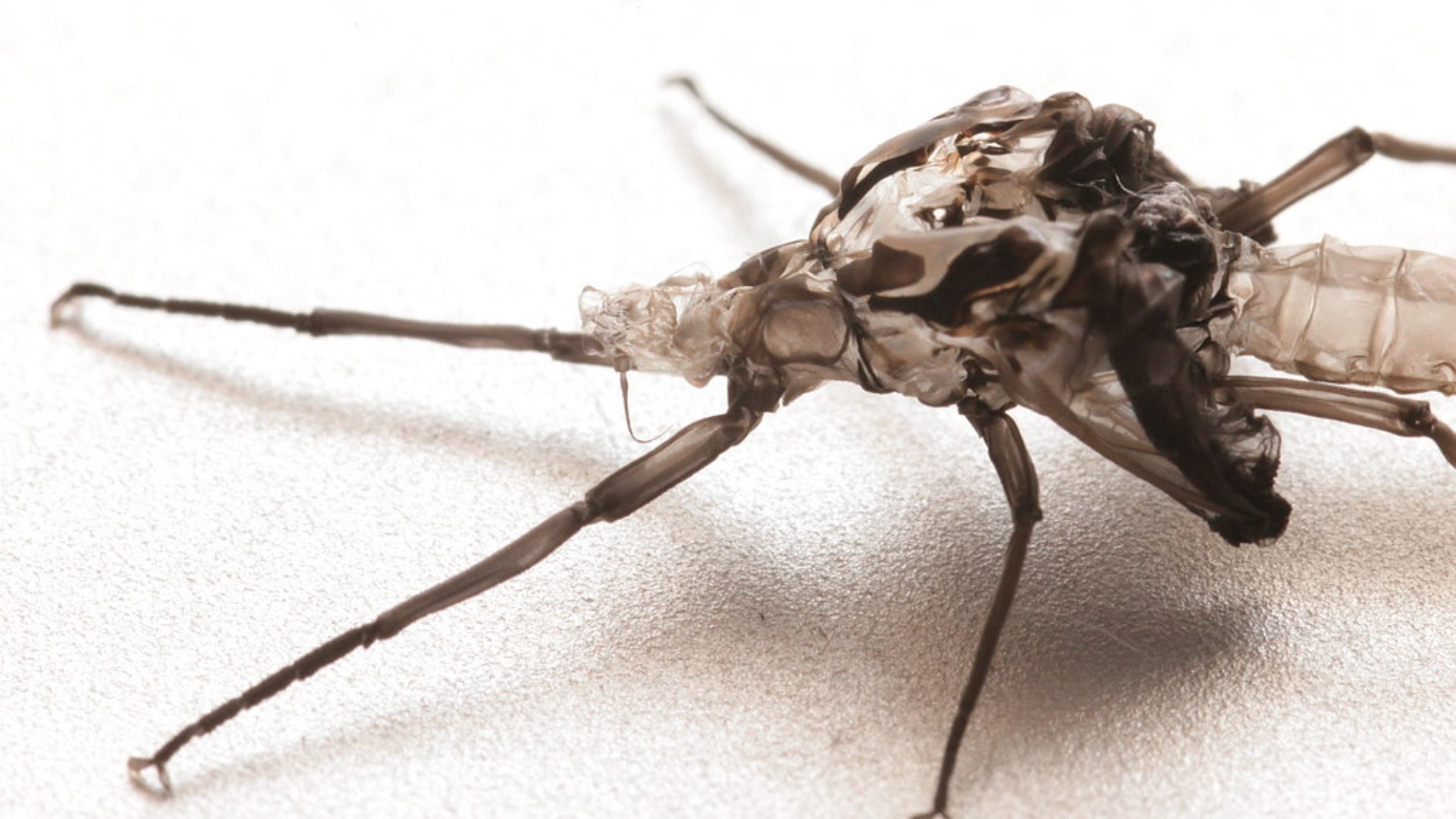
11. Mayflies Starve In Just 24 Hours 
10. Koalas Starve On Toxic Leaves 
9. The Kakapo's Lonely Mating Call - AdvertisementSwipe or tap ▶ to continue countdown

8. Cheetahs Suffer From Severe Anxiety 
7. Chimpanzee Mothers Grieve Lost Infants 
6. The Honeybee's Fatal Defense 
5. Sea Otter Pups Floating In The Cold - AdvertisementSwipe or tap ▶ to continue countdown

4. The Blind Centuries Of The Greenland Shark 
3. The Mother Octopus's 4.5-Year Starvation 
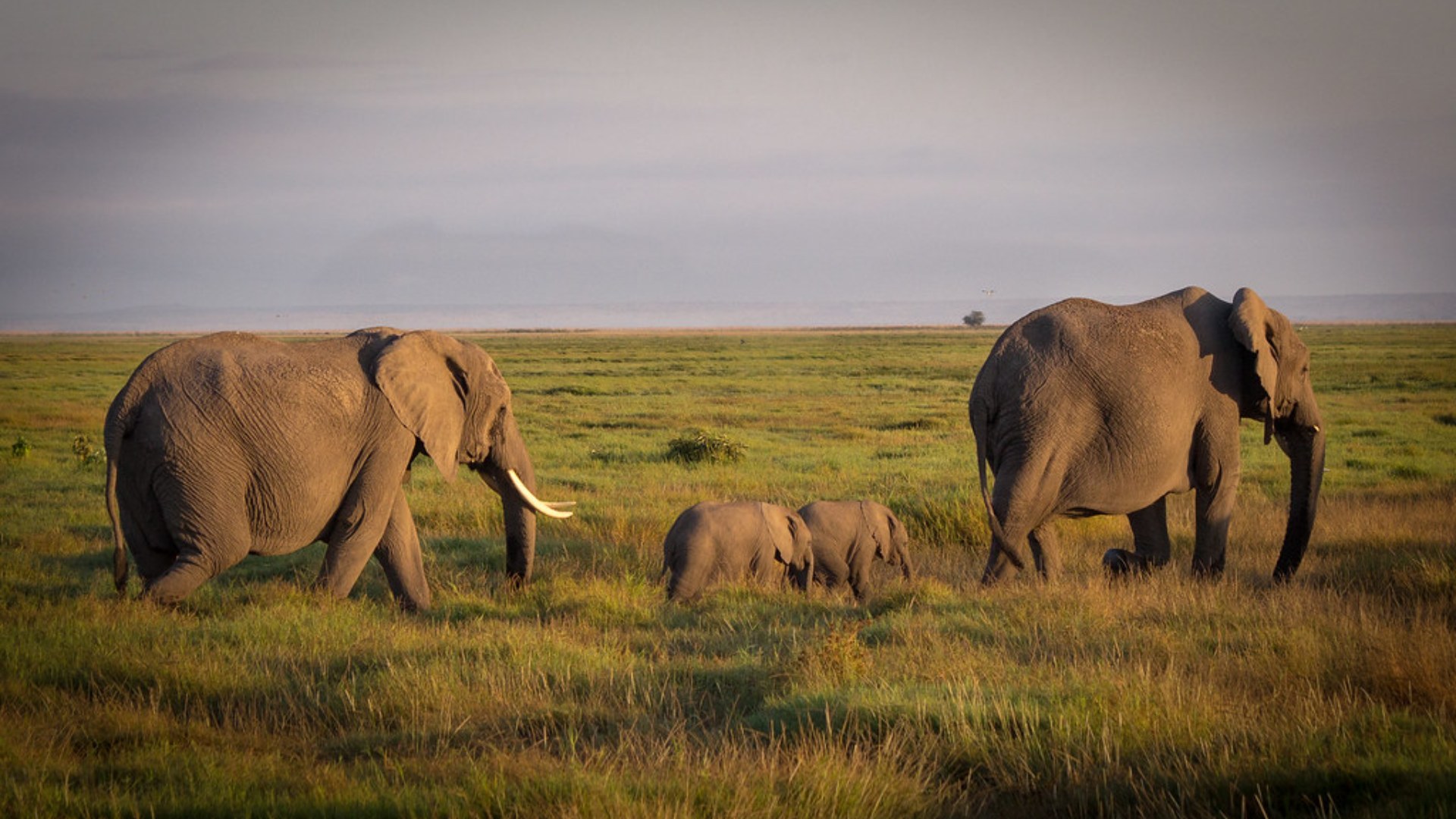
2. Elephants Grieve Their Dead For Years 
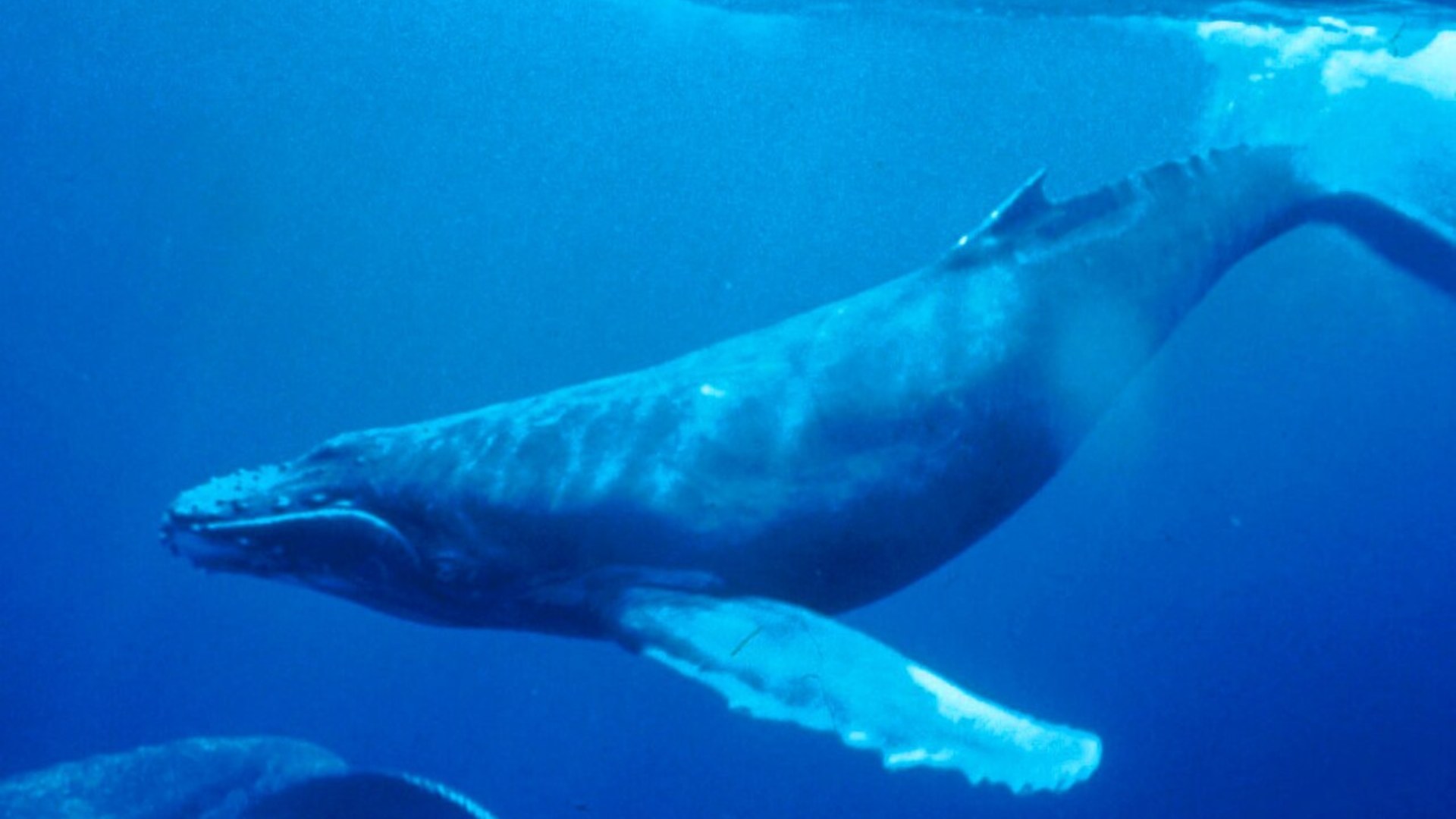
1. The 52-Hertz Whale's Solitary Song - Advertisement🔥 UP NEXT IN THIS SERIES◫ 22 Slides

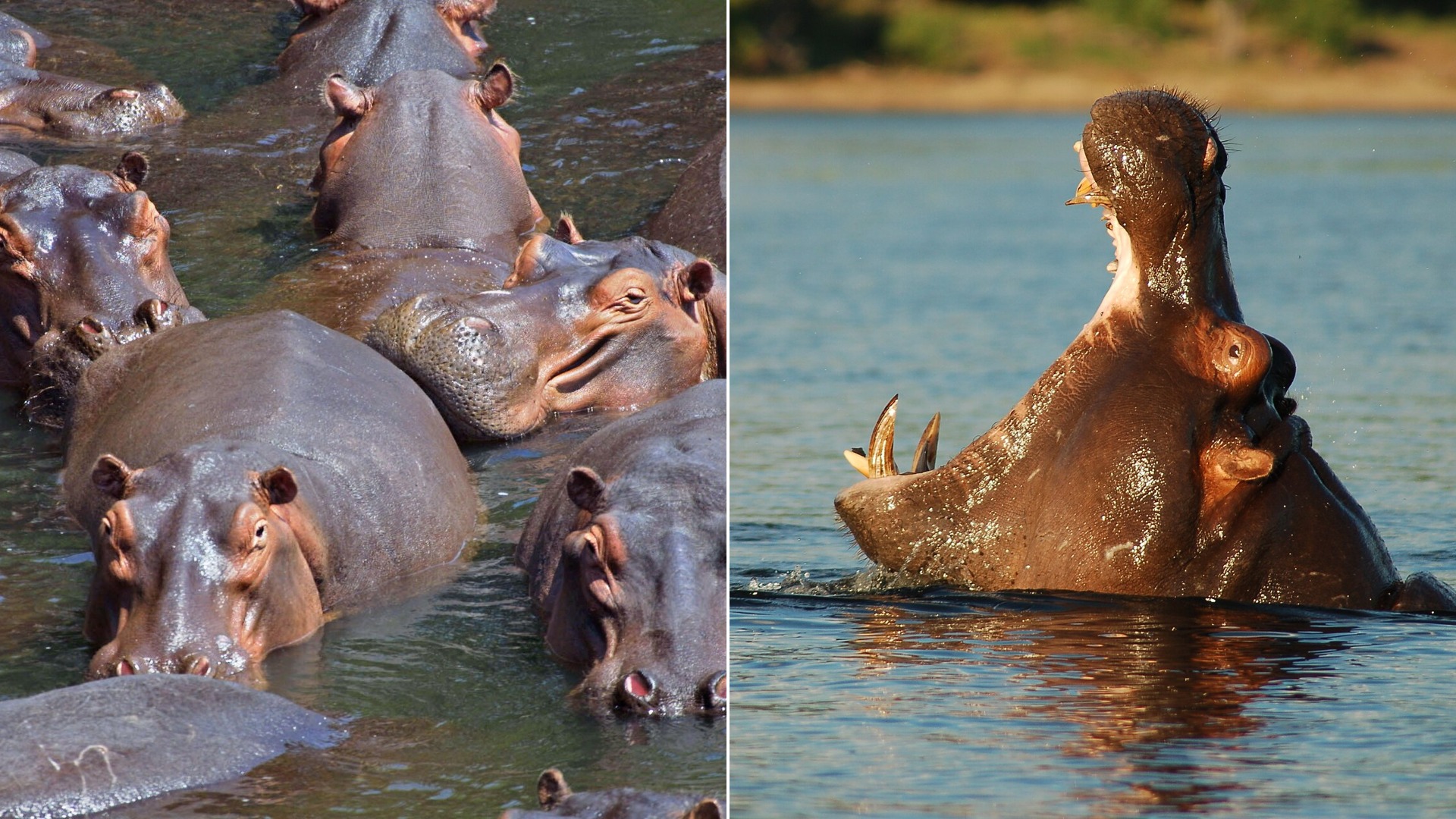
How Long Do Hippos Live? 20 Other Facts About Hippos
From sixty-year lifespans to whale cousins, discover secrets of river giants
Nature can be breathtakingly cruel, melancholic, and deeply heartbreaking. Here are 15 weird animal facts that will make you look at the natural world with tender sorrow.
Swipe or tap ▶ to begin the countdown
©Wikimedia / NOAA Photo Library and Openverse / Ray in Manila
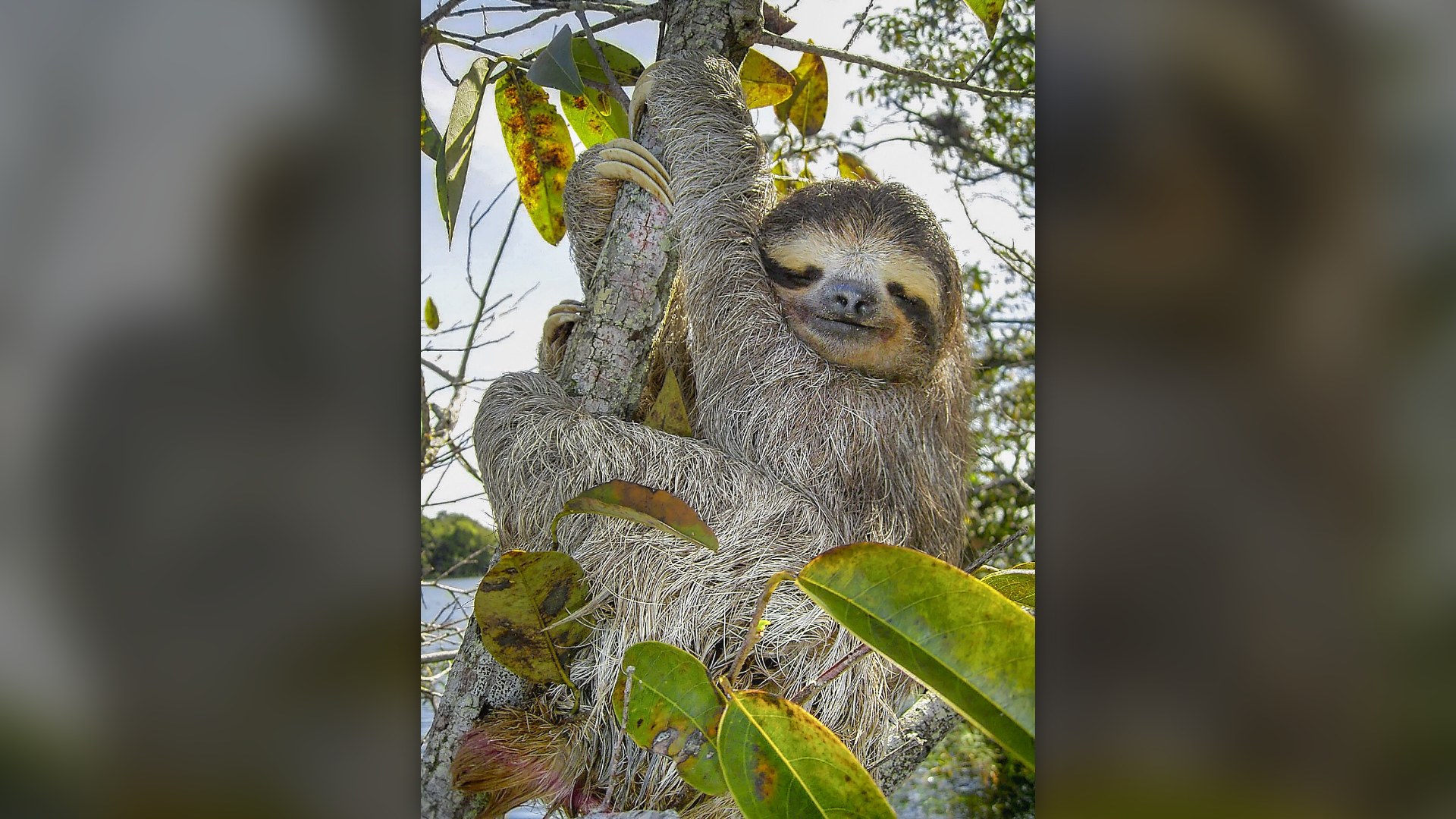
15. Sloths Risk Death Just To Poop
Three-toed sloths leave the safety of the canopy once a week to defecate on the forest floor. Being nearly immobile on land, roughly half of all adult deaths happen during this weekly ritual.
©Wikimedia / Christian Mehlführer
14. Penguins Incubate Stones After Loss
Emperor and Adélie penguins invest immense devotion in their eggs. If an egg freezes, rolls into ice, or breaks, distraught parents will often adopt a round stone, attempting to hatch it for weeks.
©Openverse / Christopher Michel
13. Seahorses Can Die Of Broken Hearts
Many seahorse species form strictly monogamous lifelong pairs. If one mate is lost, the surviving seahorse frequently enters a prolonged state of depression, refuses to breed, and often starves.
©Wikimedia / Victor Micallef
Advertisement
Swipe or tap ▶ to resume the countdown.
12. Crows Hold Mourning Funerals
When a crow finds a dead companion, it emits a unique rallying cry. Dozens of crows converge on nearby branches in solemn vigilance, staying for hours to process the loss.
©Openverse / VinothChandar
11. Mayflies Starve In Just 24 Hours
After living years underwater as nymphs, mayflies undergo metamorphosis into winged adults with no mouthparts or digestive system. They exist only to mate in midair and starve to death within hours.
©Openverse / pasukaru76
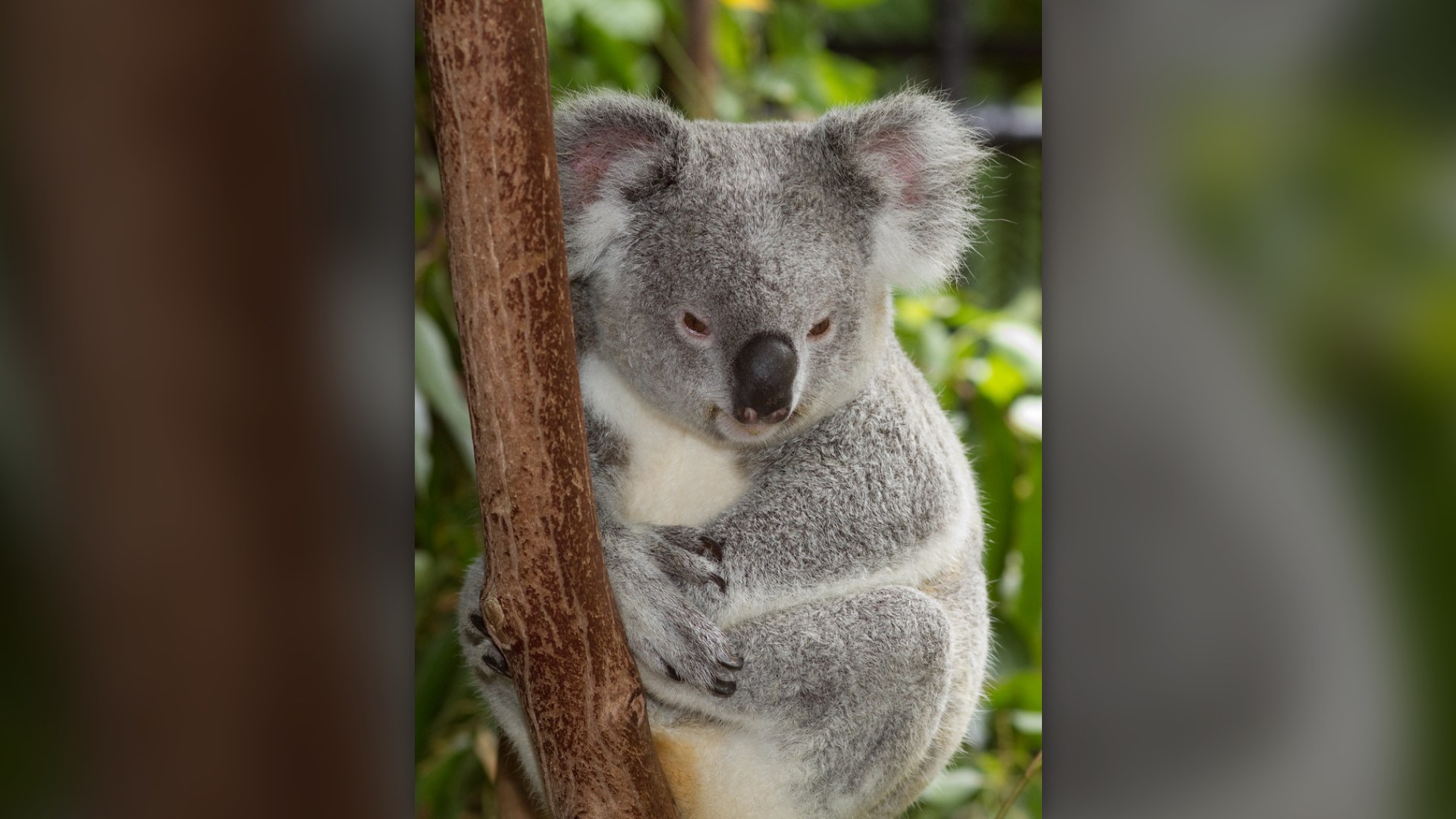
10. Koalas Starve On Toxic Leaves
Koalas eat almost nothing but eucalyptus leaves, which are tough, toxic, and devoid of nutrients. They spend up to 22 hours asleep each day simply because they lack the metabolic energy to stay awake.
©Openverse / brian.gratwicke
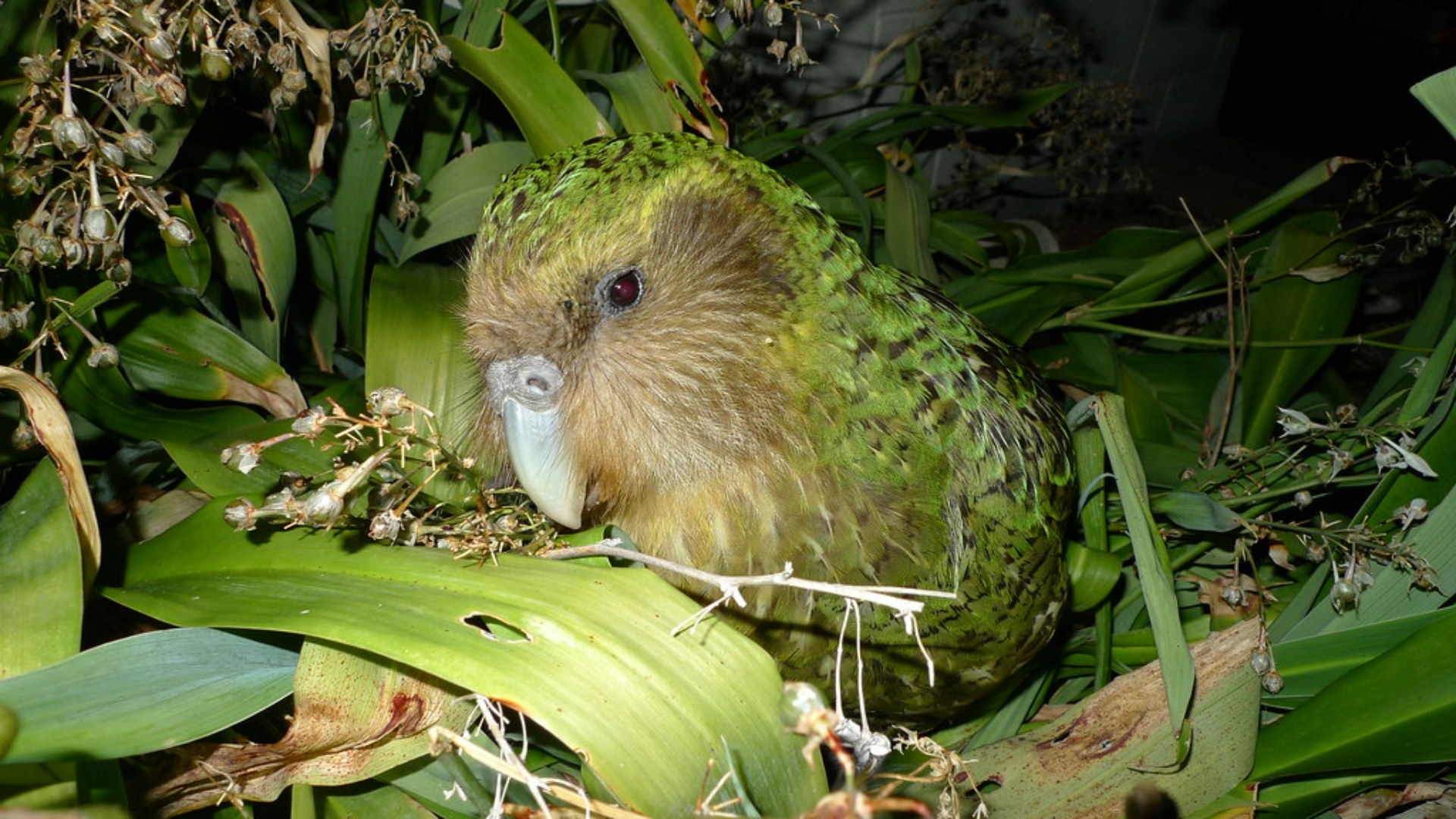
9. The Kakapo's Lonely Mating Call
With only 325 birds surviving as of late 2026, male flightless kakapo dig bowl-shaped pits on mountain ridges and emit deep booming calls for hours across empty valleys hoping a female hears them.
©Openverse / Department of Conservation NZ
Advertisement
Swipe or tap ▶ to resume the countdown.
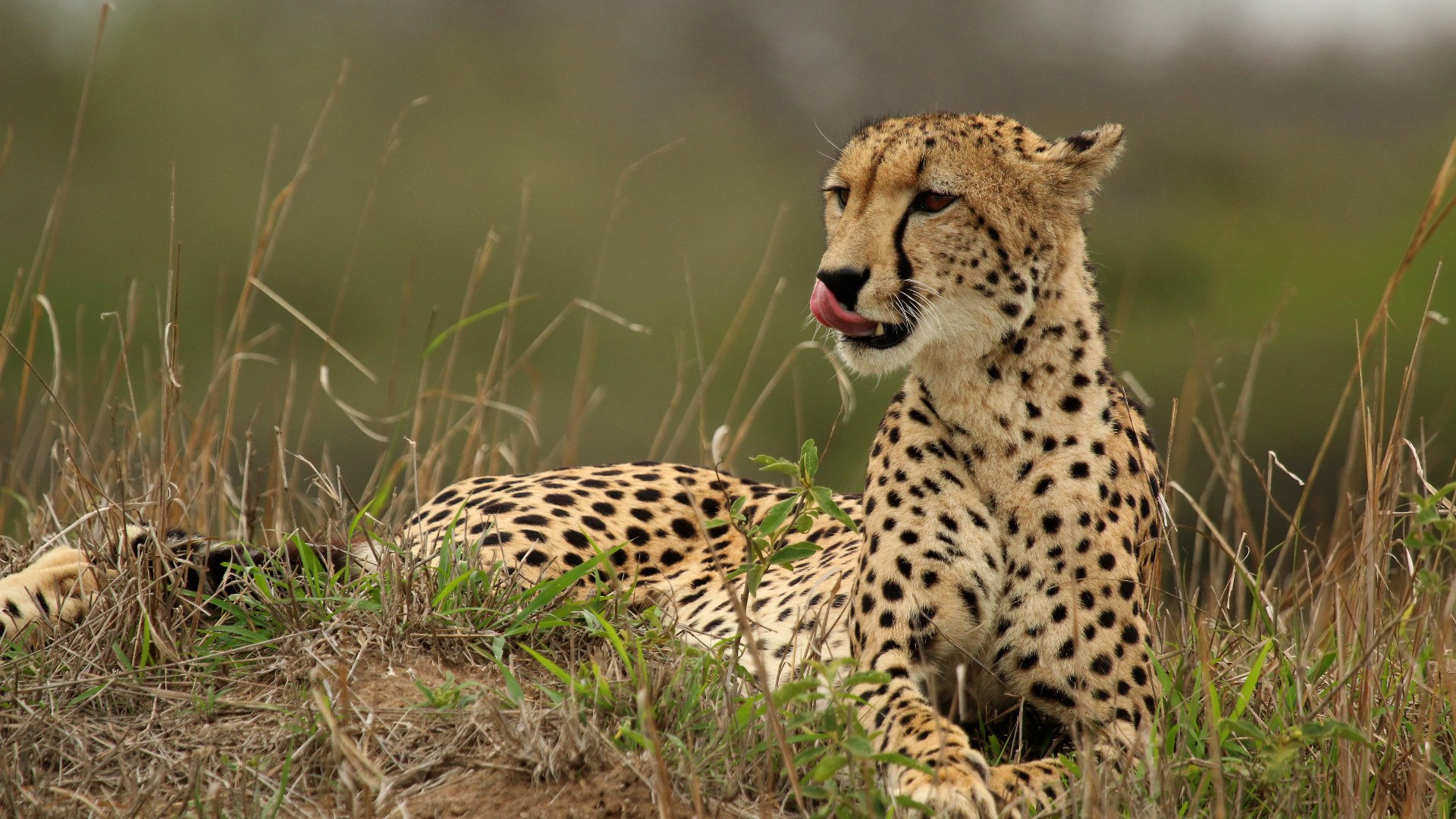
8. Cheetahs Suffer From Severe Anxiety
Biologically wired to flee rather than fight, cheetahs are easily stressed. In modern zoos, anxious cubs are paired with calm Labrador puppies whose relaxed presence acts as a lifelong social anchor.
©Wikimedia / Charles J. Sharp
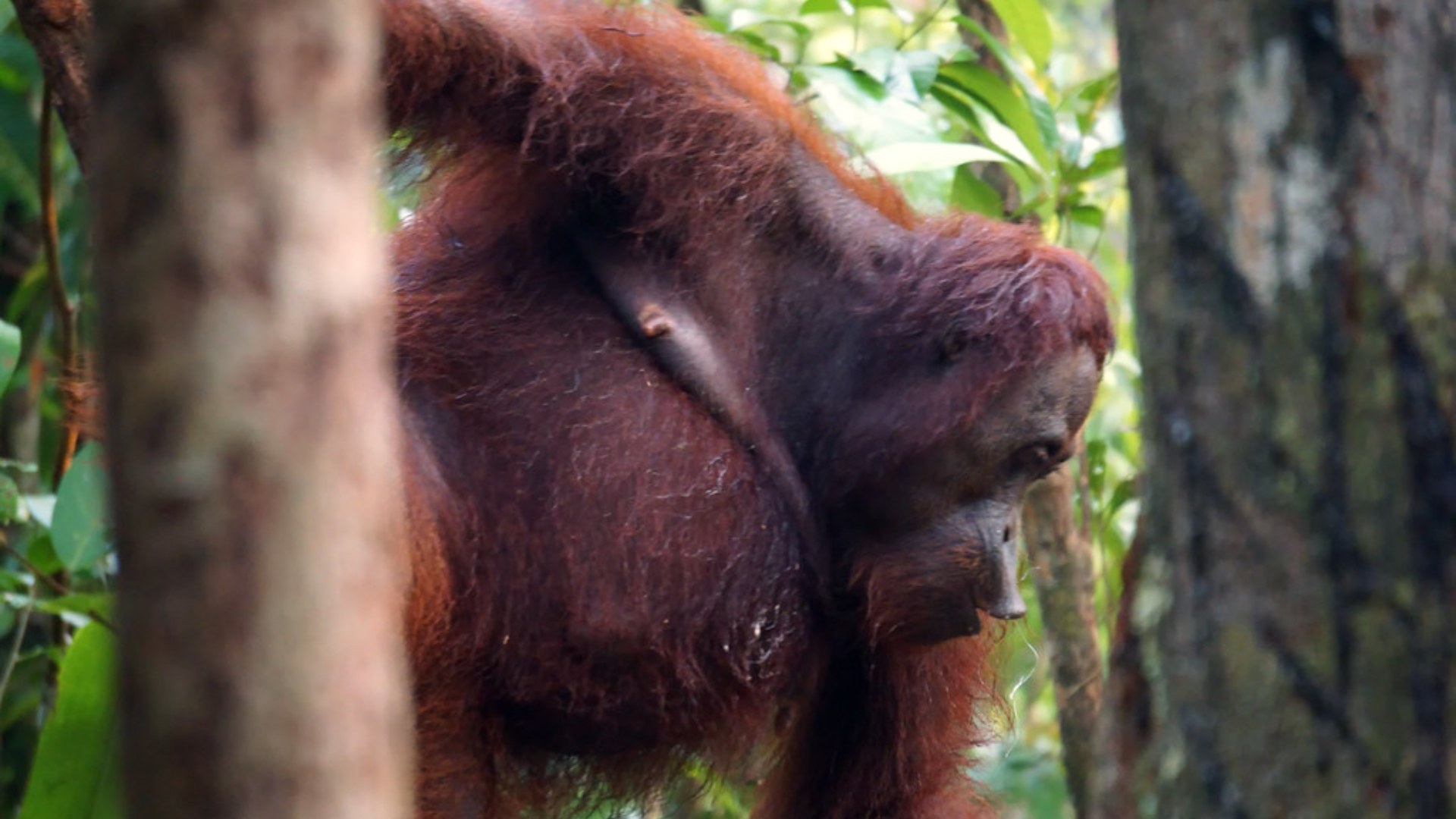
7. Chimpanzee Mothers Grieve Lost Infants
When an infant chimpanzee passes away, the mother will often refuse to let go, carrying the lifeless body on her back across forest canopies and grooming it tenderly for weeks.
©Openverse / bukrie
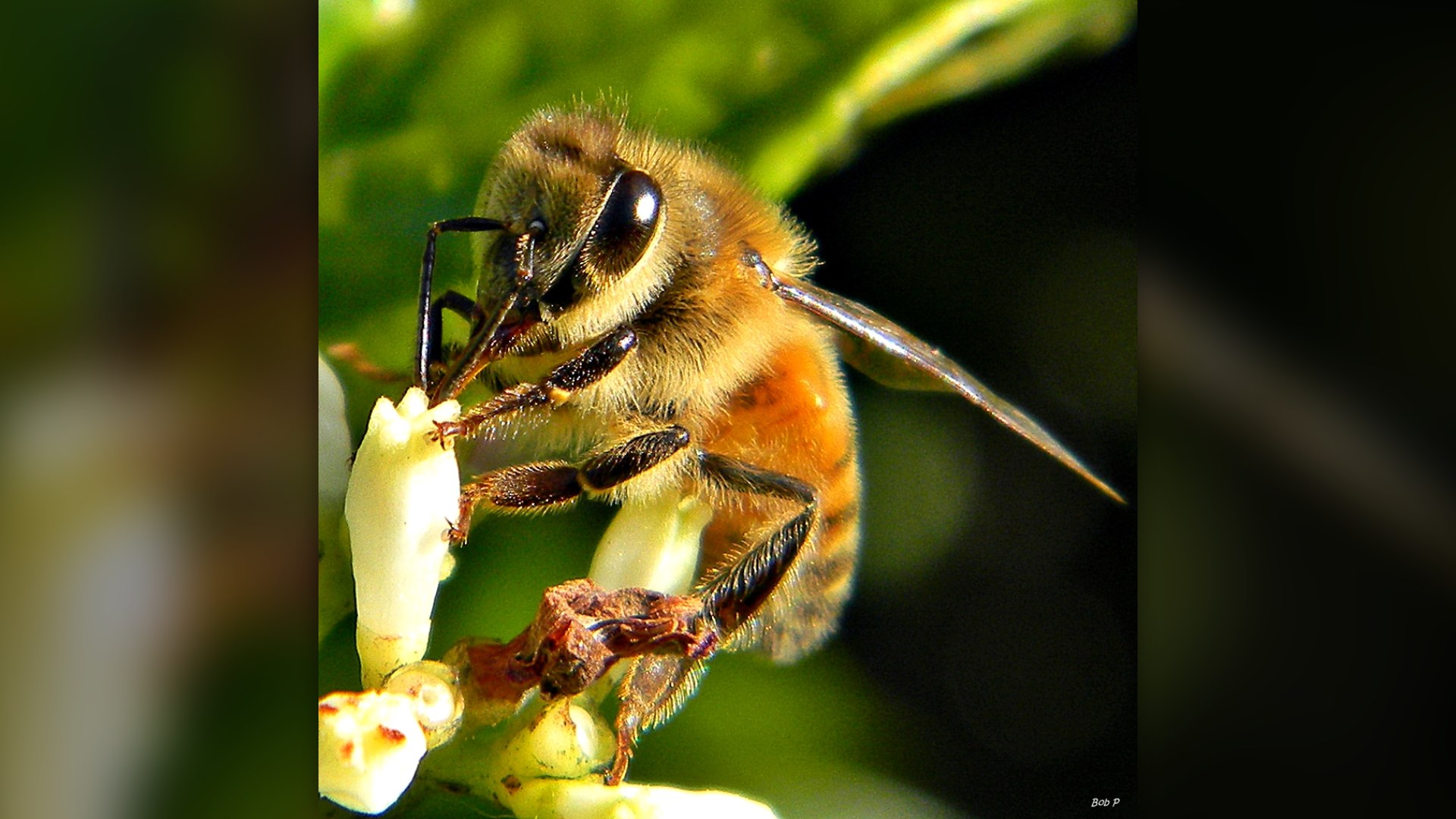
6. The Honeybee's Fatal Defense
Worker bees possess barbed stingers designed for thin insect exoskeletons. When stinging thick mammalian skin to defend the hive, the stinger tears away with vital organs, ending the bee's life.
©Openverse / bob in swamp
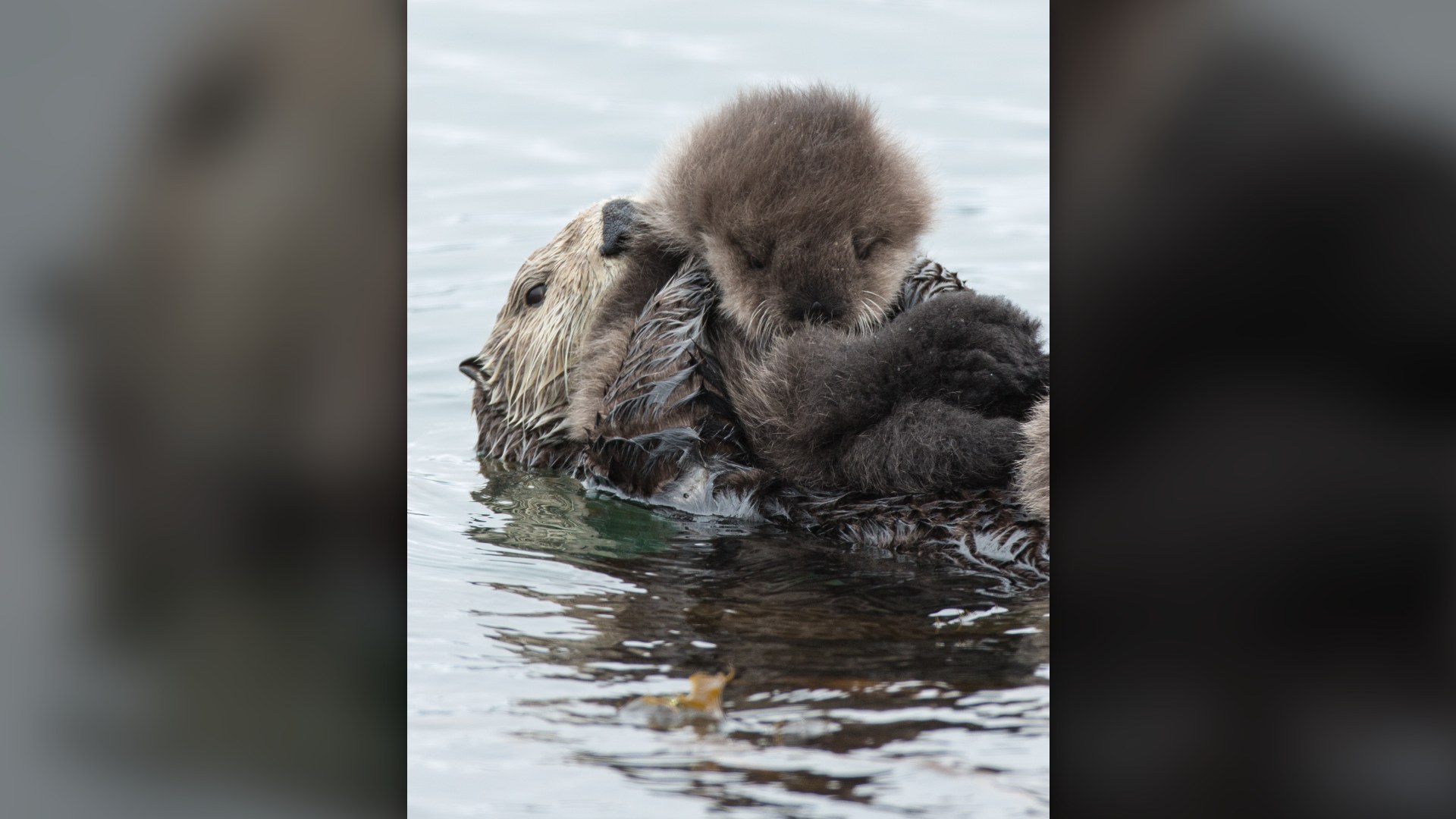
5. Sea Otter Pups Floating In The Cold
Baby sea otters cannot dive or forage. To prevent open-ocean drift while hunting deep on the seafloor, mothers wrap their crying pups in kelp beds at the surface until they return.
©Wikimedia / Mike Baird
Advertisement
Swipe or tap ▶ to resume the countdown.
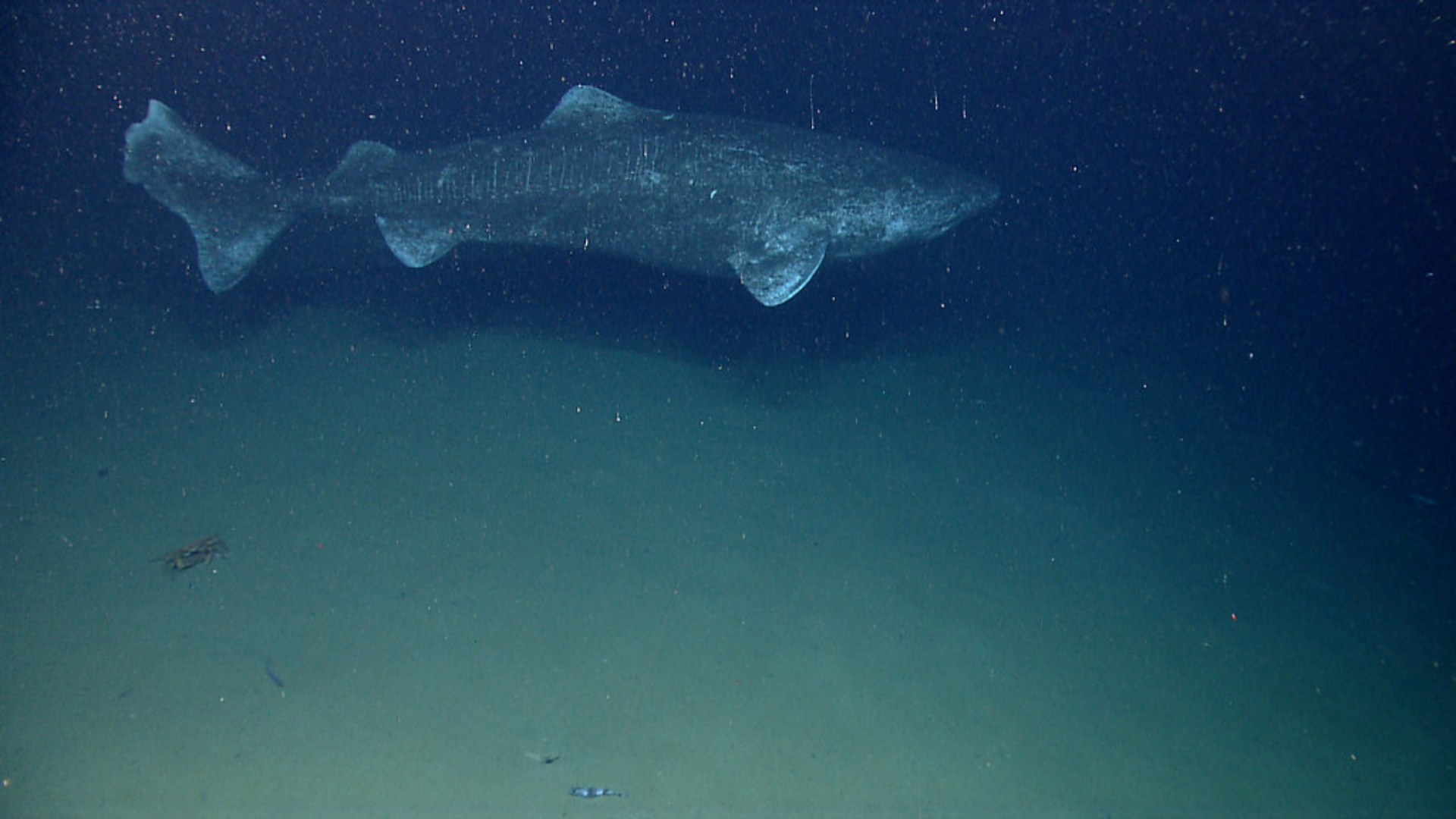
4. The Blind Centuries Of The Greenland Shark
Greenland sharks live up to 400 years in pitch-black Arctic waters and only mature at age 150. Over 90% carry invasive eye parasites (Ommatokoita elongata) that eat their corneas, leaving them blind.
©Openverse / NOAA Photo Library
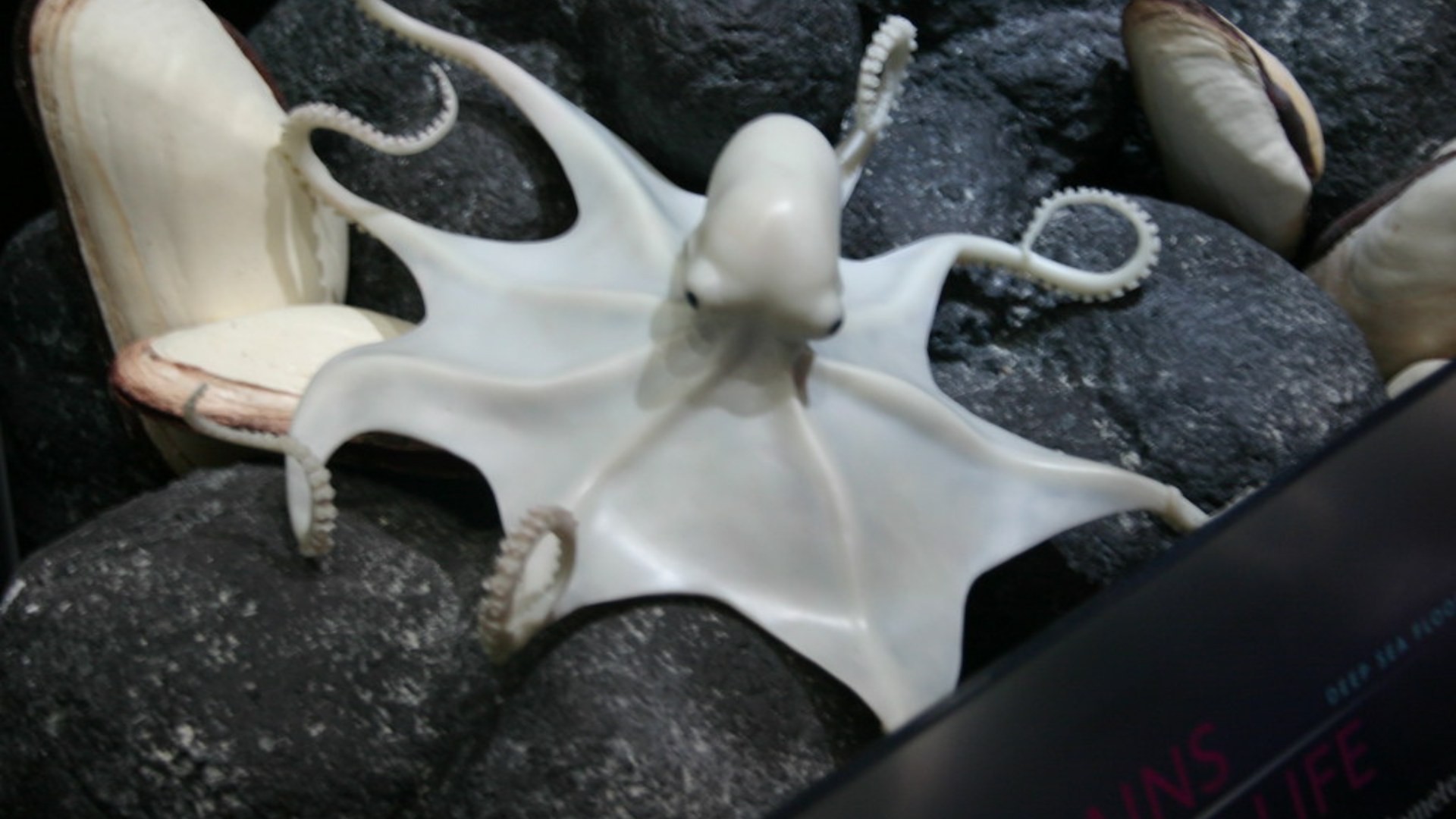
3. The Mother Octopus's 4.5-Year Starvation
A deep-sea Graneledone octopus spent 53 months (4.5 years) continuously aerating and shielding her 160 eggs without eating a single bite of food, sacrificing her body completely as they hatched.
©Openverse / Ryan Somma
2. Elephants Grieve Their Dead For Years
Elephants show intense reverence toward fallen members. Encountering skeletal remains in the savanna, they gently touch skulls and tusks with their trunks, returning to mourning sites for years.
©Openverse / Ray in Manila
1. The 52-Hertz Whale's Solitary Song
Since 1989, researchers have tracked a lone baleen whale calling at 52 Hertz. Because blue and fin whales vocalize between 10-40 Hz, its calls have echoed across the Pacific for decades unanswered.

©Wikimedia / NOAA Photo Library
Advertisement
You've reached the end of the story. Thanks for reading!

How Long Do Hippos Live? 20 Other Facts About Hippos
From sixty-year lifespans to whale cousins, discover secrets of river giants
All 15 Entries in this Story
15. Sloths Risk Death Just To Poop
Three-toed sloths leave the safety of the canopy once a week to defecate on the forest floor. Being nearly immobile on land, roughly half of all adult deaths happen during this weekly ritual.

14. Penguins Incubate Stones After Loss
Emperor and Adélie penguins invest immense devotion in their eggs. If an egg freezes, rolls into ice, or breaks, distraught parents will often adopt a round stone, attempting to hatch it for weeks.

13. Seahorses Can Die Of Broken Hearts
Many seahorse species form strictly monogamous lifelong pairs. If one mate is lost, the surviving seahorse frequently enters a prolonged state of depression, refuses to breed, and often starves.

12. Crows Hold Mourning Funerals
When a crow finds a dead companion, it emits a unique rallying cry. Dozens of crows converge on nearby branches in solemn vigilance, staying for hours to process the loss.

11. Mayflies Starve In Just 24 Hours
After living years underwater as nymphs, mayflies undergo metamorphosis into winged adults with no mouthparts or digestive system. They exist only to mate in midair and starve to death within hours.

10. Koalas Starve On Toxic Leaves
Koalas eat almost nothing but eucalyptus leaves, which are tough, toxic, and devoid of nutrients. They spend up to 22 hours asleep each day simply because they lack the metabolic energy to stay awake.

9. The Kakapo's Lonely Mating Call
With only 325 birds surviving as of late 2026, male flightless kakapo dig bowl-shaped pits on mountain ridges and emit deep booming calls for hours across empty valleys hoping a female hears them.

8. Cheetahs Suffer From Severe Anxiety
Biologically wired to flee rather than fight, cheetahs are easily stressed. In modern zoos, anxious cubs are paired with calm Labrador puppies whose relaxed presence acts as a lifelong social anchor.

7. Chimpanzee Mothers Grieve Lost Infants
When an infant chimpanzee passes away, the mother will often refuse to let go, carrying the lifeless body on her back across forest canopies and grooming it tenderly for weeks.

6. The Honeybee's Fatal Defense
Worker bees possess barbed stingers designed for thin insect exoskeletons. When stinging thick mammalian skin to defend the hive, the stinger tears away with vital organs, ending the bee's life.

5. Sea Otter Pups Floating In The Cold
Baby sea otters cannot dive or forage. To prevent open-ocean drift while hunting deep on the seafloor, mothers wrap their crying pups in kelp beds at the surface until they return.

4. The Blind Centuries Of The Greenland Shark
Greenland sharks live up to 400 years in pitch-black Arctic waters and only mature at age 150. Over 90% carry invasive eye parasites (Ommatokoita elongata) that eat their corneas, leaving them blind.

3. The Mother Octopus's 4.5-Year Starvation
A deep-sea Graneledone octopus spent 53 months (4.5 years) continuously aerating and shielding her 160 eggs without eating a single bite of food, sacrificing her body completely as they hatched.

2. Elephants Grieve Their Dead For Years
Elephants show intense reverence toward fallen members. Encountering skeletal remains in the savanna, they gently touch skulls and tusks with their trunks, returning to mourning sites for years.

1. The 52-Hertz Whale's Solitary Song
Since 1989, researchers have tracked a lone baleen whale calling at 52 Hertz. Because blue and fin whales vocalize between 10-40 Hz, its calls have echoed across the Pacific for decades unanswered.