Slideshow · Science
15 Winter Car Checks Americans Shouldn't Skip, Ranked
Sub-Zero Cold, Road Salt, and Icy Highways Test Every Part Under Your Hood
By Most Viral Today
29 Oct 2026

Sub-Zero Cold, Road Salt, and Icy Highways Test Every Part Under Your Hood 
15. Antifreeze And Coolant Level 
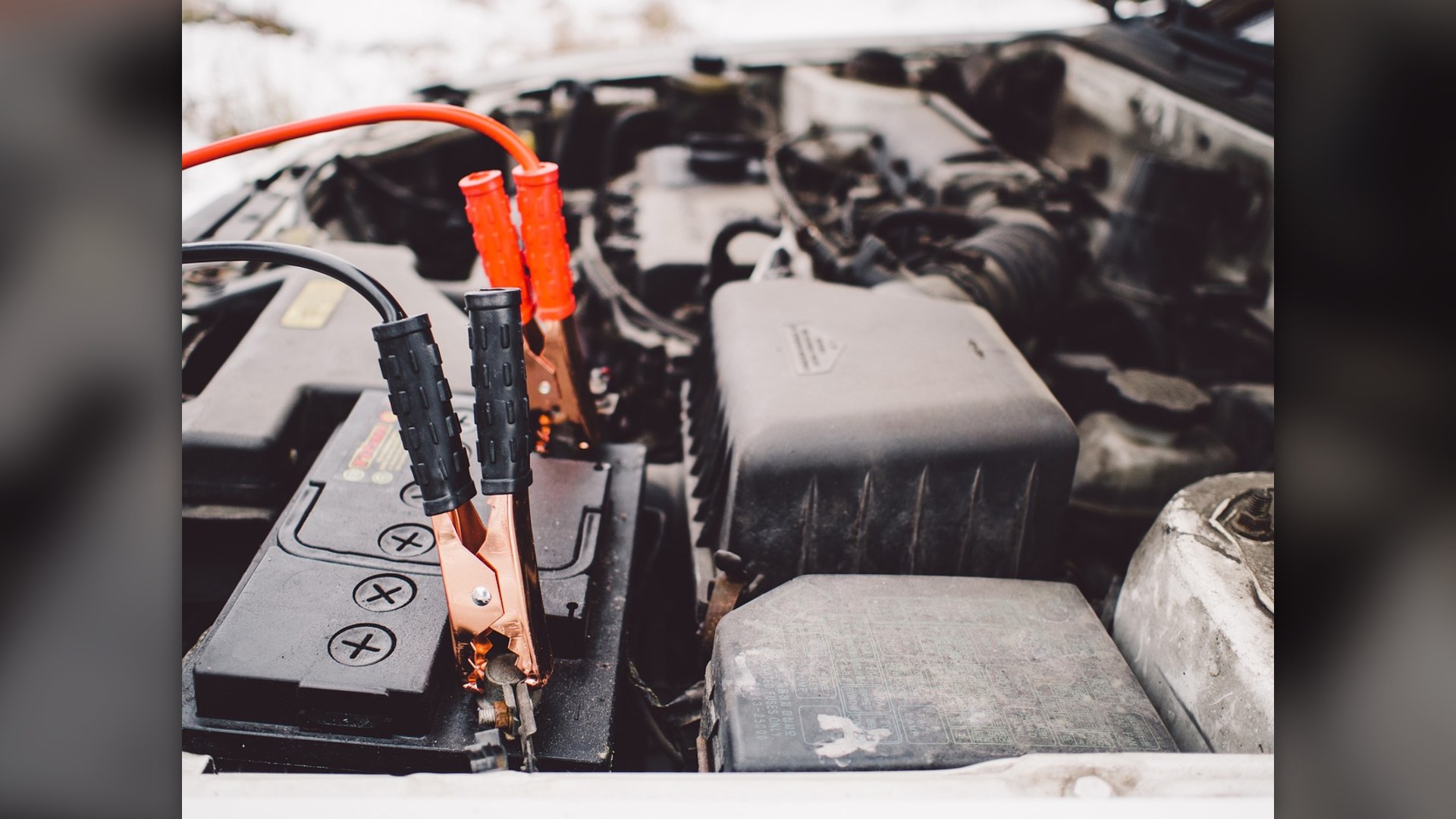
14. Battery Health And Voltage 
13. Tire Tread Depth And Condition - AdvertisementSwipe or tap ▶ to continue countdown

12. Windshield Wiper Blades 
11. Windshield Washer Fluid And Rating 
10. Exterior Headlights And Bulbs 
9. Engine Oil Level And Viscosity - AdvertisementSwipe or tap ▶ to continue countdown

8. Cold Tire Pressure (PSI) 
7. Brakes And Brake Fluid 
6. Windshield Cracks And Chips 
5. Heating And Defroster Systems - AdvertisementSwipe or tap ▶ to continue countdown

4. Door Seals And Locks 
3. Alternator And Serpentine Drive Belt 
2. Underbody And Fuel Lines 
1. Emergency Winter Kit Stock - Advertisement🔥 UP NEXT IN THIS SERIES◫ 23 Slides

22 Most Secret World War II Aircraft Tested Behind Closed Doors
Between 1939 and 1945, Allied and Axis engineers built jets, flying wings and rocket interceptors in deep wartime secrecy. Ranked from 22 to 1 by historical secrecy and technical leap, this countdown draws on archival records from the Smithsonian, U.S. Air Force Museum, RAF Museum and German Federal Archives.
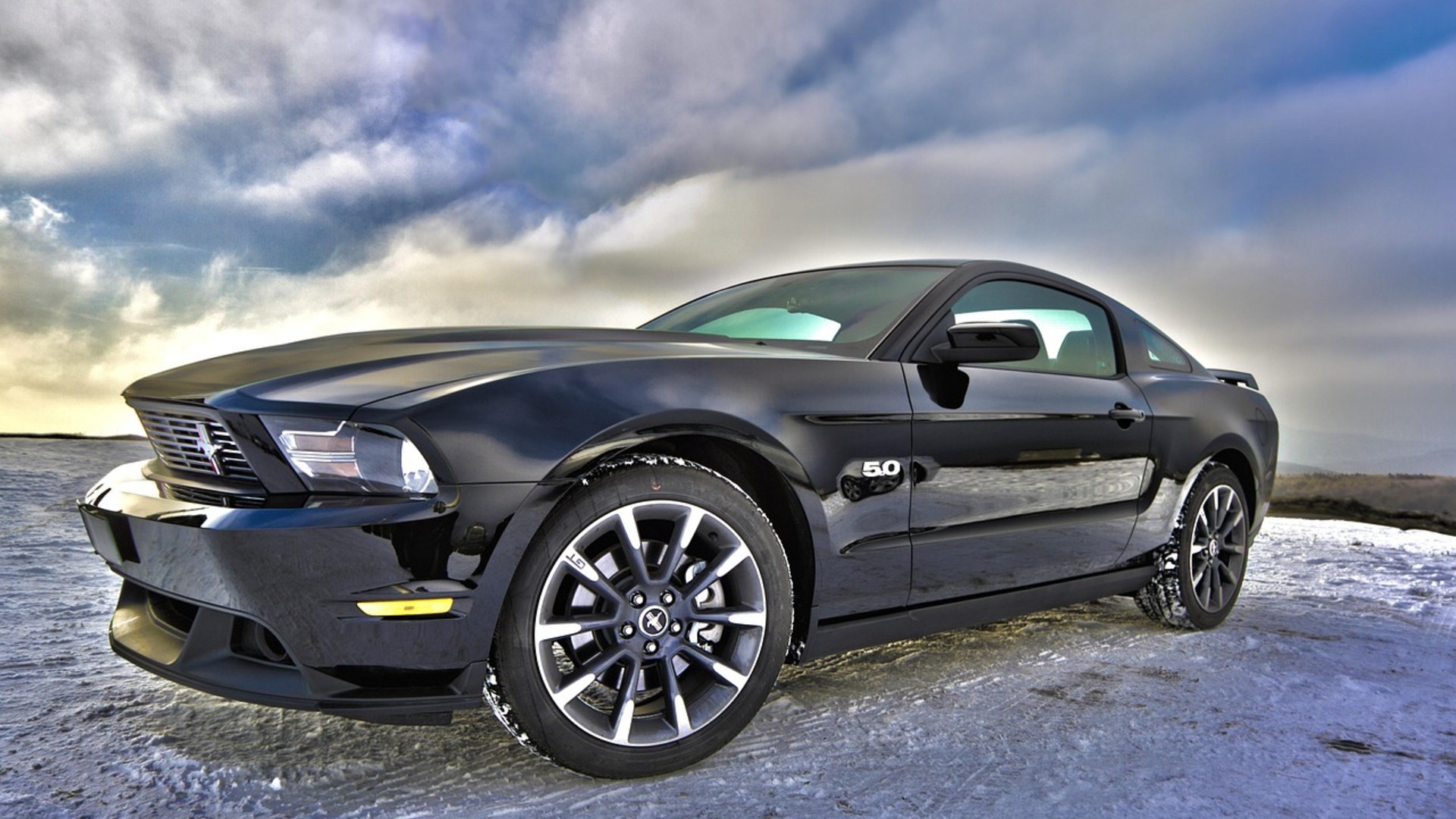
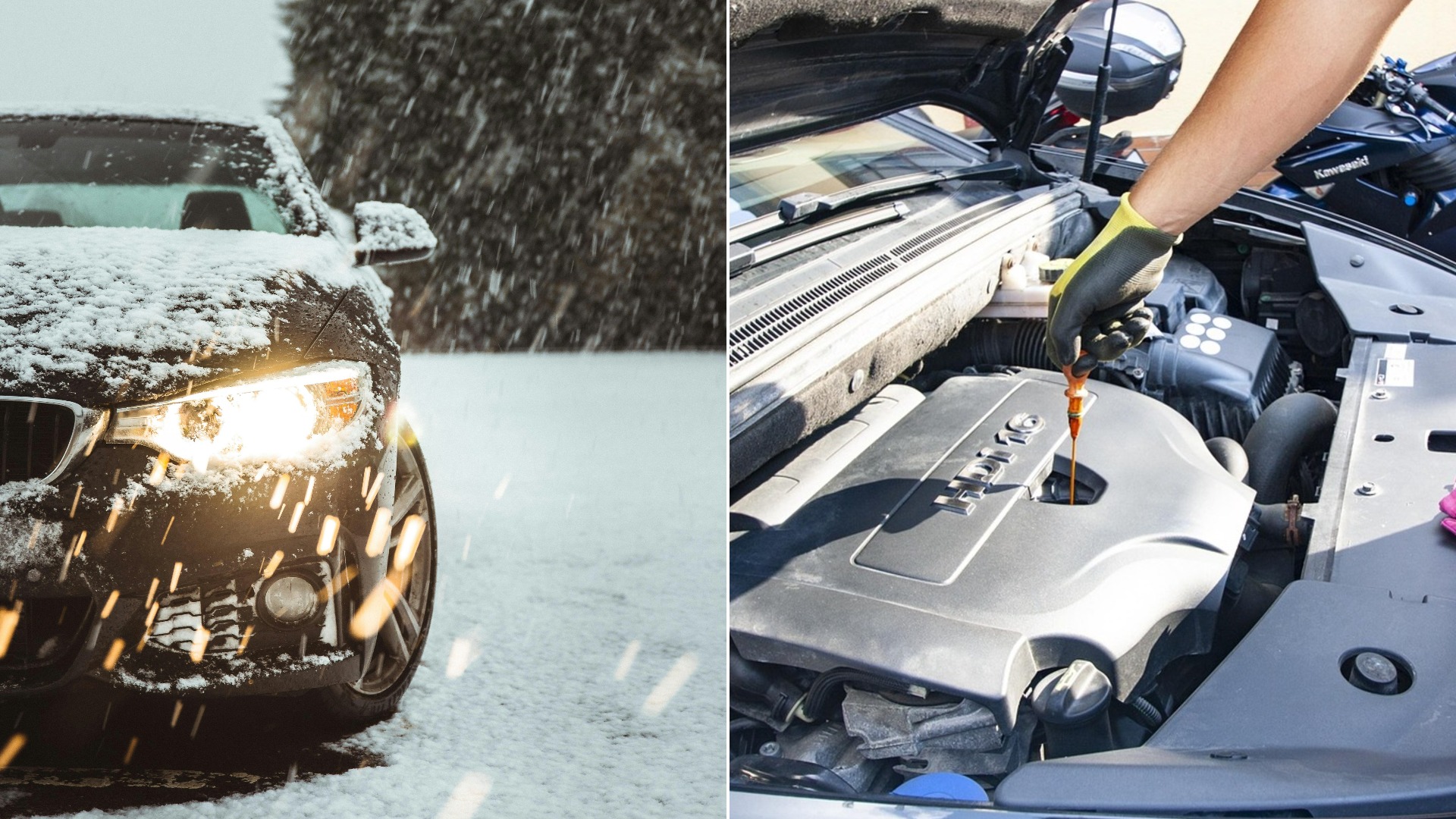
Freezing temperatures, corrosive road salt, and slick highways push your vehicle to its mechanical limits. Before the next deep freeze arrives, work through these 15 essential winter car checks to avoid costly breakdowns and stay safe on icy American roads.
Swipe or tap ▶ to begin the countdown
©Unsplash / Danny Sleeuwenhoek & Pixabay / Skica911
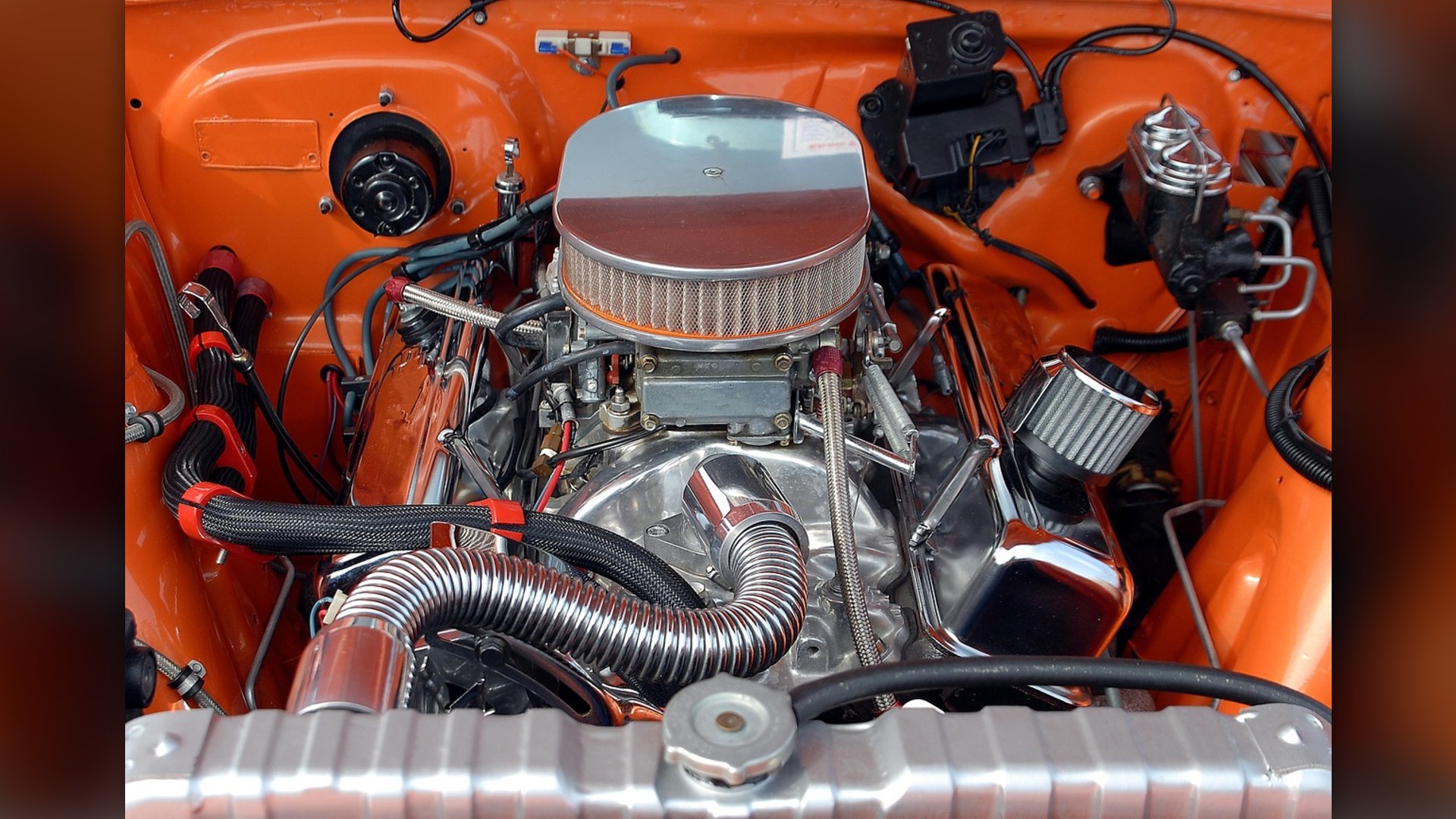
15. Antifreeze And Coolant Level
Antifreeze keeps your engine block from freezing solid and cracking when temperatures plunge below zero. Pop the hood and check that the coolant reservoir reaches the maximum line, maintaining a 50/50 mix of antifreeze and water for full winter protection.
©Pixabay / paulbr75
14. Battery Health And Voltage
Cold weather slows chemical reactions inside your battery while forcing the starter motor to work twice as hard. Test your battery with a voltmeter while the engine is off to confirm it reads at least 12.6 volts, and scrub any white corrosion off the terminals.
©Pixabay / StockSnap
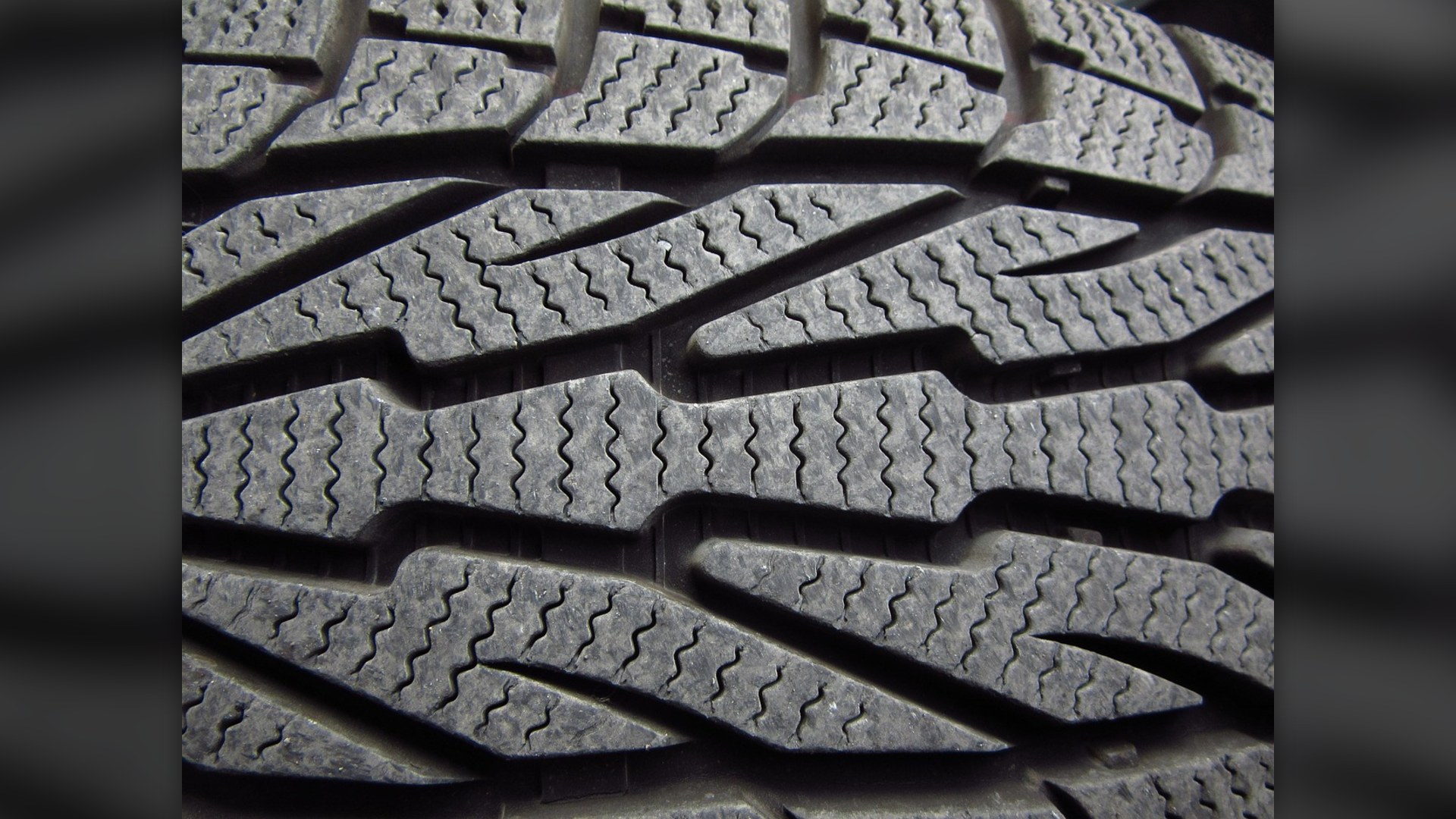
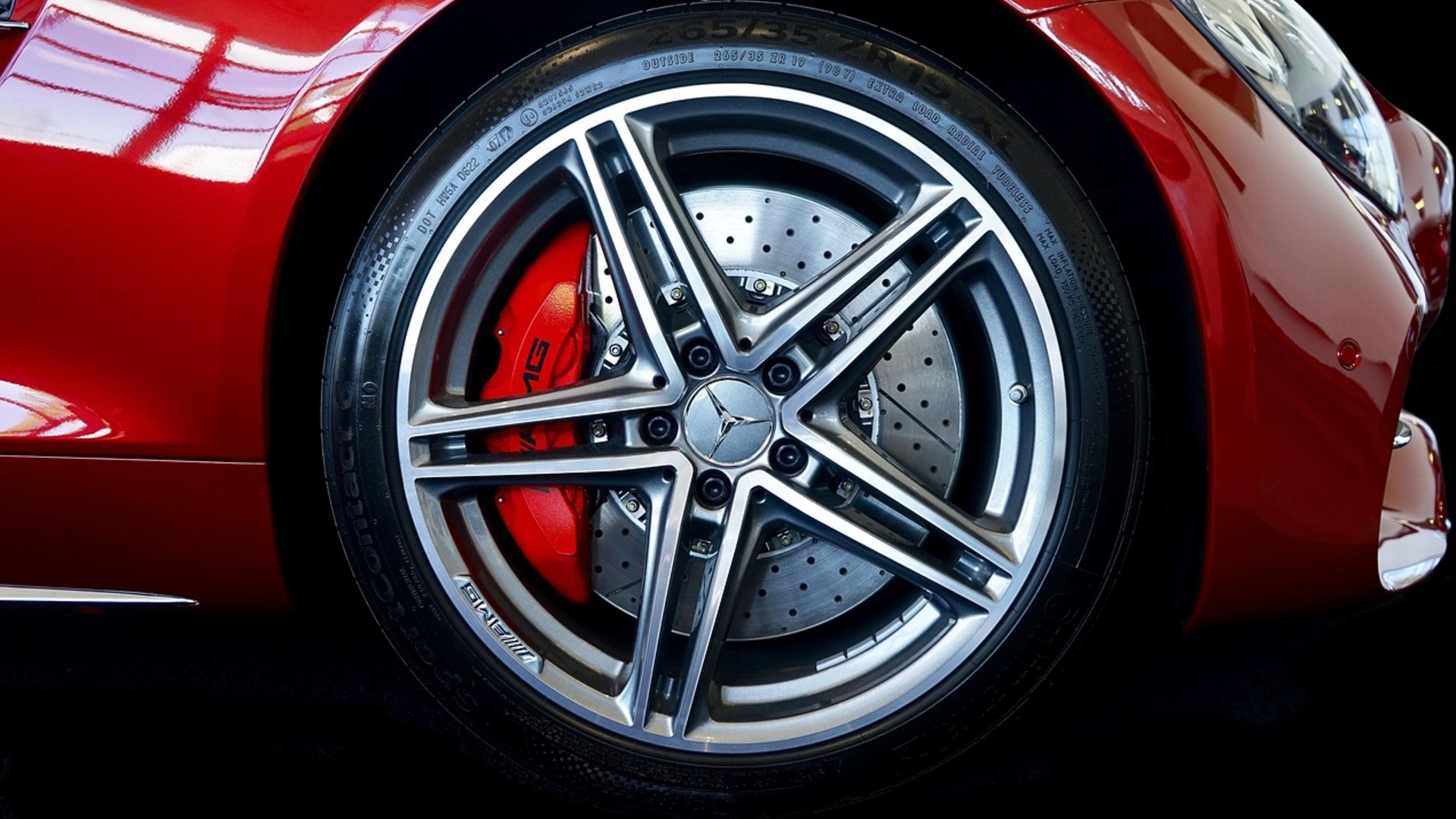
13. Tire Tread Depth And Condition
Your tires are the only point of contact between your vehicle and slick winter pavement, and worn rubber dramatically lengthens stopping distances. Verify that your tread depth stays well above the 2/32-inch legal minimum (ideally 4/32-inch or 3mm for snow) and inspect sidewalls for cracks or bulges.
©Pixabay / rkit
Advertisement
Swipe or tap ▶ to resume the countdown.
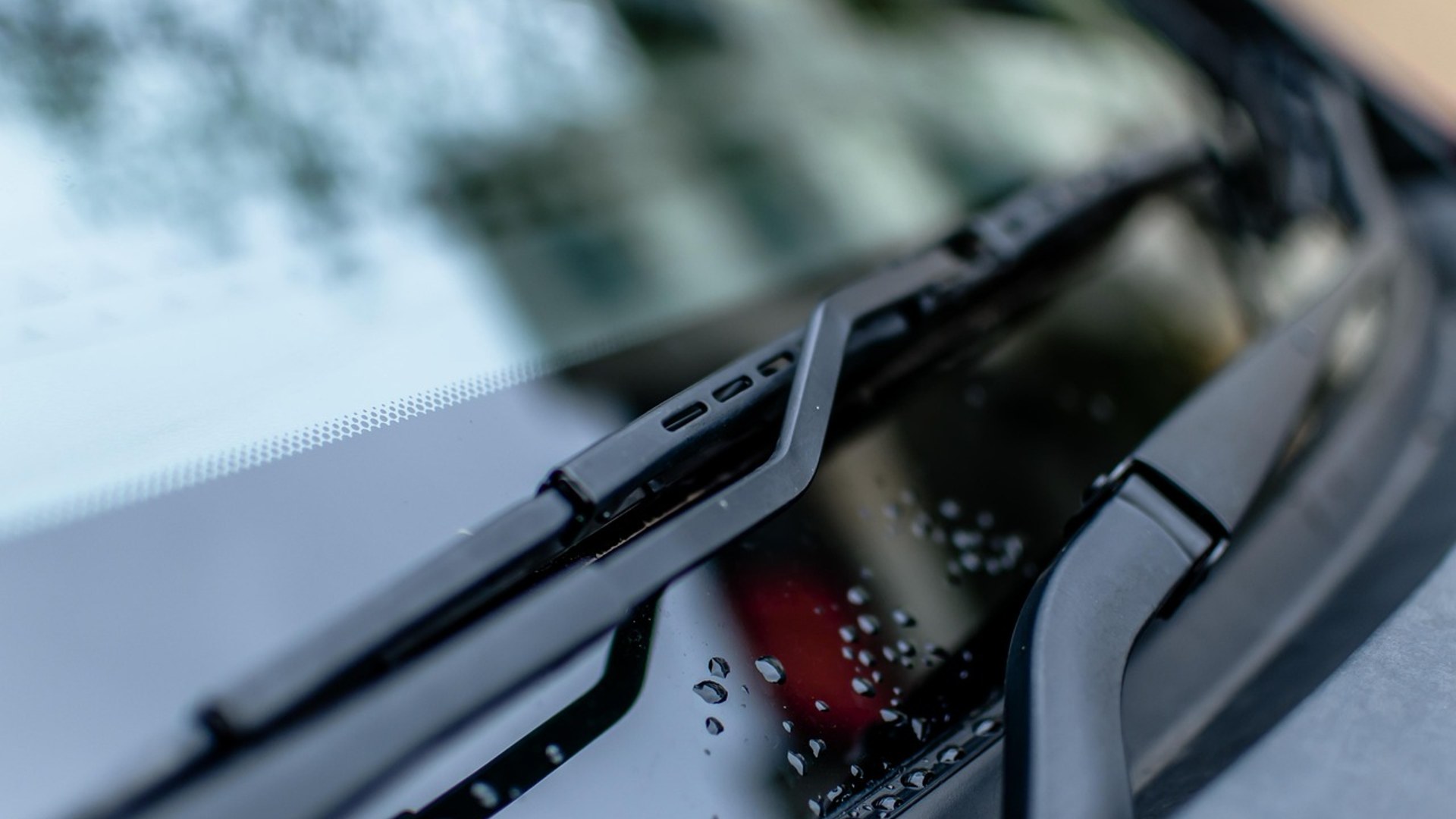
12. Windshield Wiper Blades
Torn or brittle wiper blades leave heavy streaks that can blind you during freezing rain or highway snowstorms. Run a clean finger along the rubber edge to check for splits or stiffness, and install fresh winter blades immediately if they squeak, smear, or chatter.
©Pixabay / Dibjo
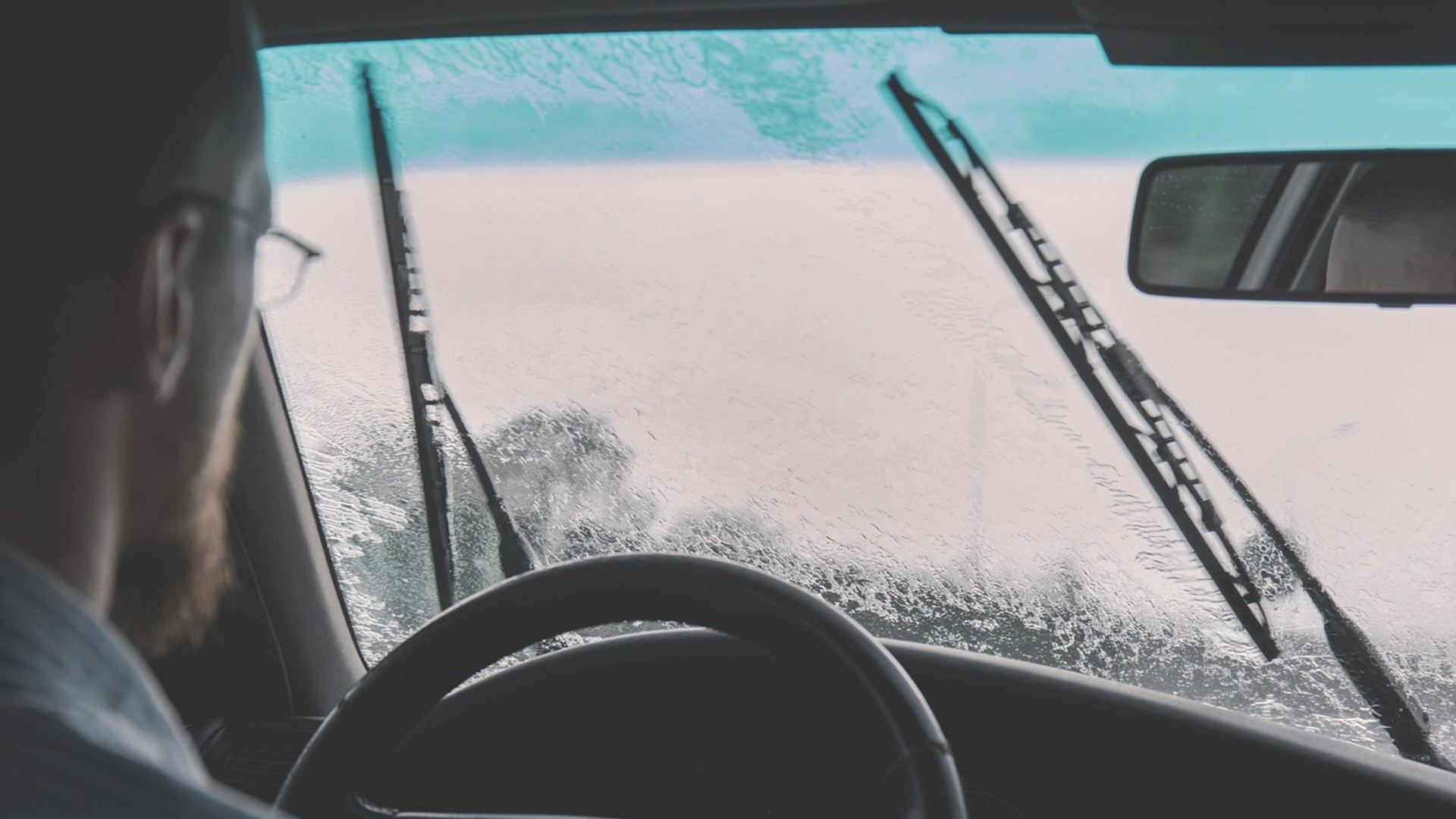
11. Windshield Washer Fluid And Rating
Tires ahead of you kick up road salt and slush that dry into an opaque white film across your windshield. Never use plain water, which freezes inside the tank and lines. Top up the reservoir with winter-grade washer fluid rated to at least 14 degrees Fahrenheit (-10 degrees Celsius) or lower.
©Pixabay / StockSnap
10. Exterior Headlights And Bulbs
Early sunsets, blowing snow, and dense winter fog cut visibility to a fraction of normal range. Walk around your car to verify that low beams, high beams, turn signals, brake lights, and fog lights all work, then wipe crusted road salt off every lens.
©Pixabay / oskaline
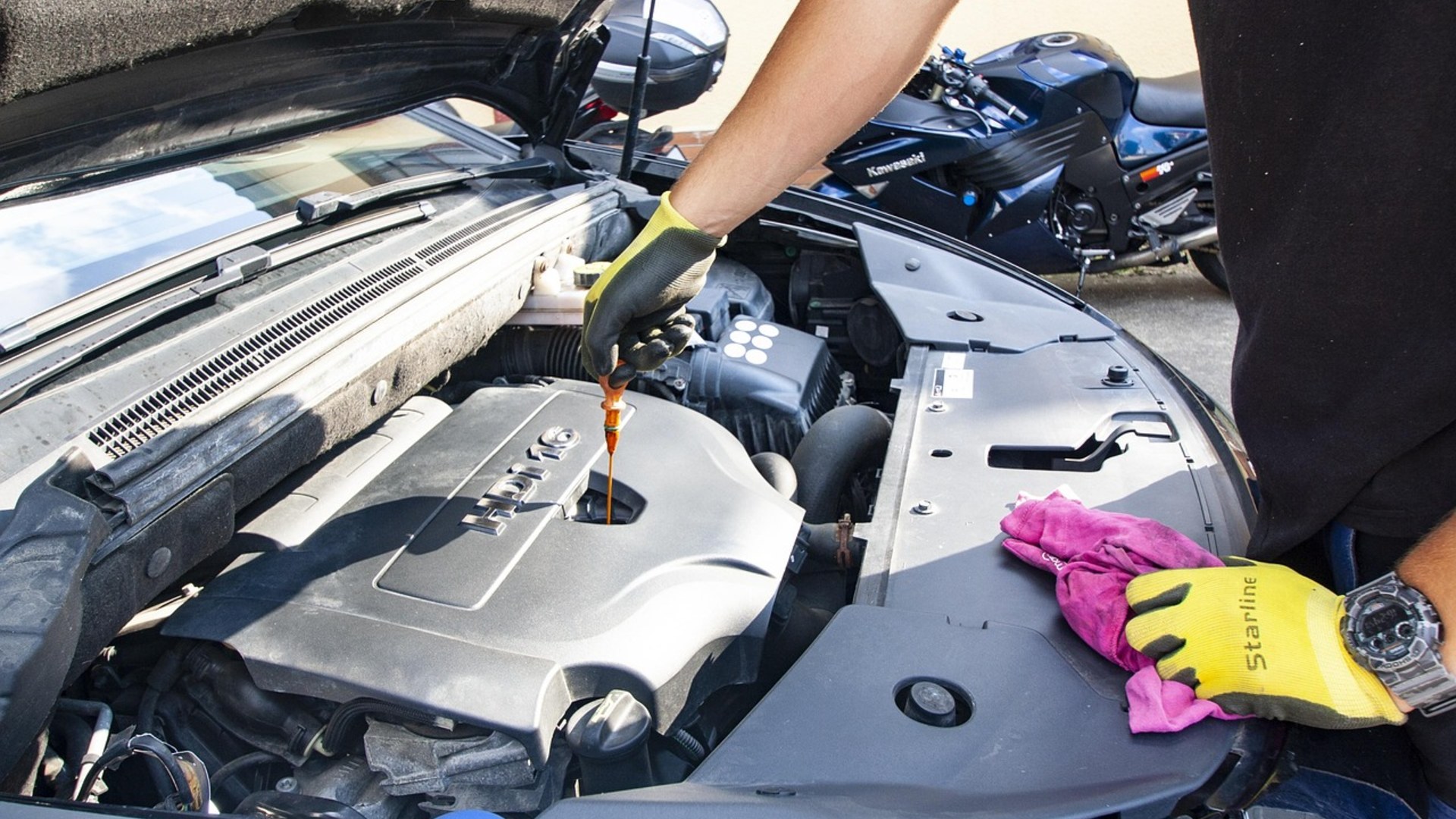
9. Engine Oil Level And Viscosity
Motor oil thickens as temperatures drop, making it harder for the oil pump to circulate lubricant through the engine at startup. Pull the dipstick to verify the oil level, and check your owner's manual to see if a lower-viscosity winter grade like 5W is recommended for sub-zero climates.
©Pixabay / Skica911
Advertisement
Swipe or tap ▶ to resume the countdown.
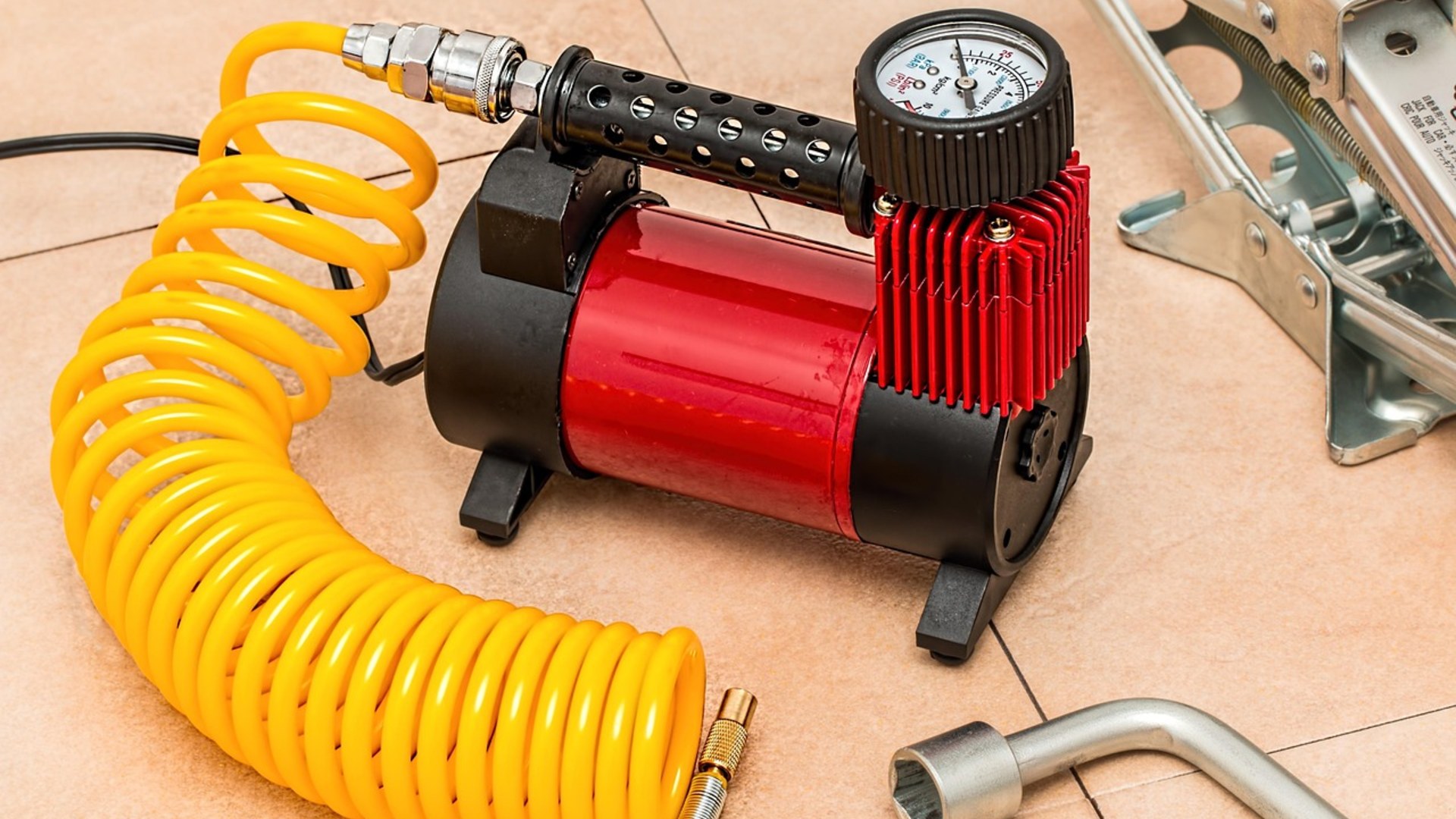
8. Cold Tire Pressure (PSI)
Air contracts in the cold, causing tires to lose roughly 1 to 2 PSI for every 18-degree Fahrenheit (10-degree Celsius) temperature drop. Underinflated tires wear unevenly and lose traction on snow, so check pressures in the morning before driving and inflate to the door-jamb sticker rating.
©Pixabay / stevepb
7. Brakes And Brake Fluid
Stopping on wet or icy pavement requires balanced braking force at all four wheels, as uneven grabbing can trigger a skid. Listen for squealing or grinding pads, and inspect the brake fluid reservoir to make sure the fluid sits at the full line and looks clear rather than dark brown.
©Pixabay / VariousPhotography
6. Windshield Cracks And Chips
Rapid temperature swings put immense thermal stress on automotive glass. Blasting a hot defroster against a frost-covered windshield can cause a tiny rock chip to spider-web across your line of sight in seconds, so have minor chips sealed before the first hard freeze.
© Photo by Jilbert Ebrahimi on Unsplash
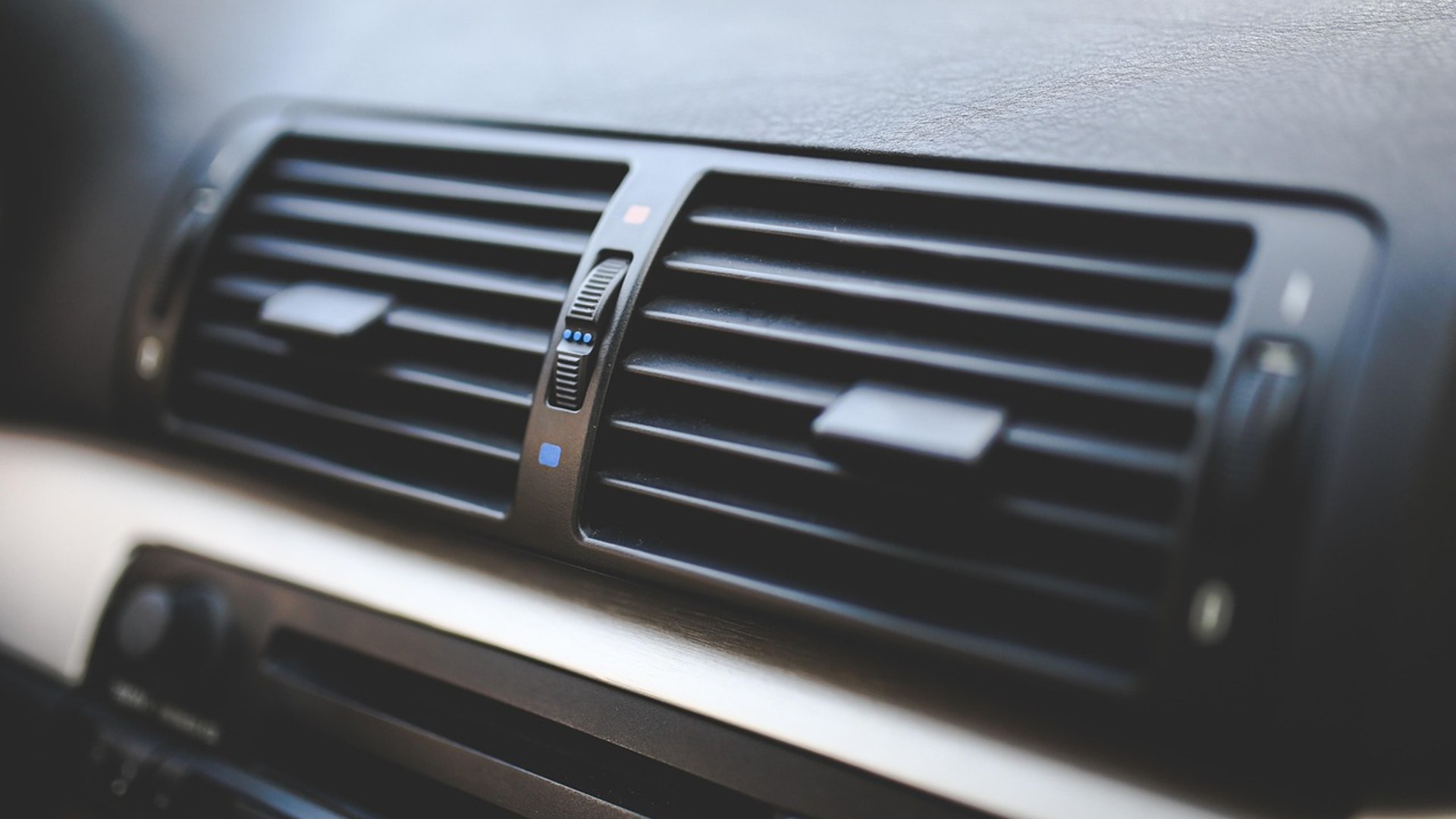
5. Heating And Defroster Systems
If your cabin blower cannot clear interior condensation or melt frost off the glass, you cannot safely pull onto the road. Test both the front windshield defroster vents and the electric rear window heating grid early in the season to confirm they deliver steady heat.
©Pixabay / kaboompics
Advertisement
Swipe or tap ▶ to resume the countdown.
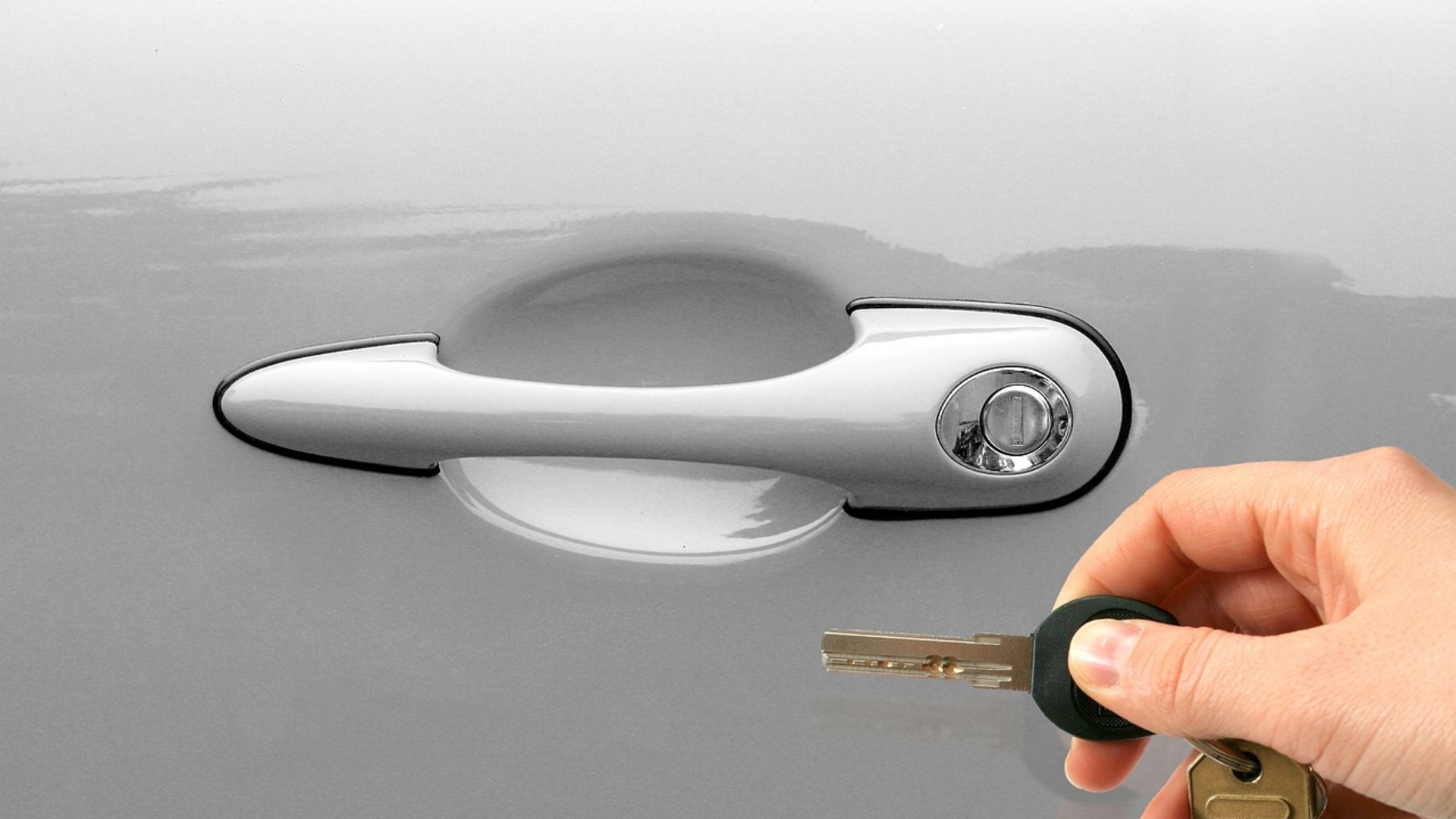
4. Door Seals And Locks
Rain and melted snow often seep into rubber weatherstripping and key cylinders before refreezing overnight, locking you out of your car. Wipe a thin layer of silicone spray onto the rubber door seals so they will not stick, and puff graphite lubricant into mechanical lock cylinders.
©Pixabay / Tumisu
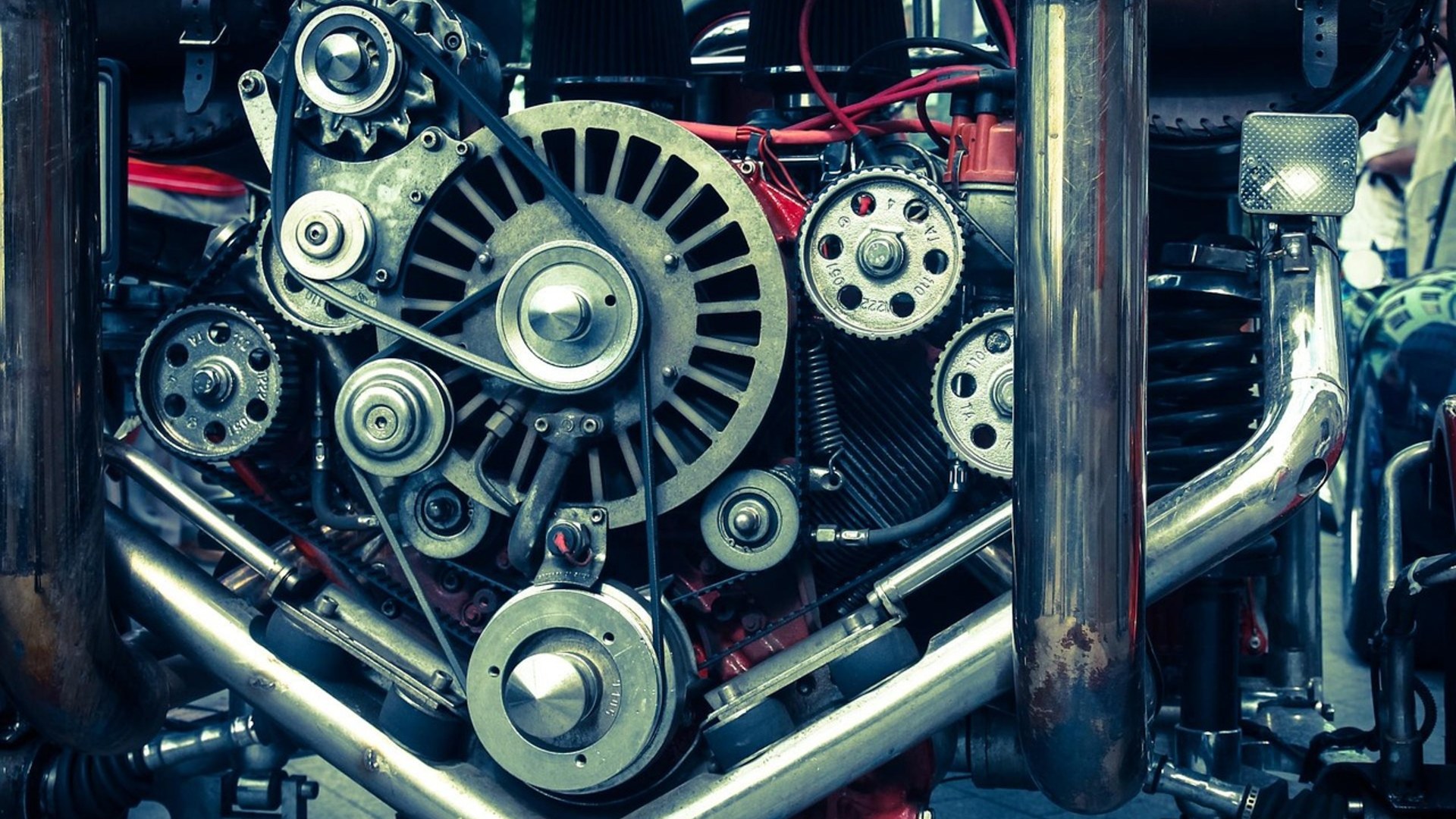
3. Alternator And Serpentine Drive Belt
Your serpentine drive belt spins the alternator that keeps your battery charged while running headlights, wipers, and seat heaters. Sub-zero cold makes aging rubber brittle and prone to snapping, so inspect the belt under the hood for glazing, frayed edges, cracks, or slack.
©Pixabay / phtorxp
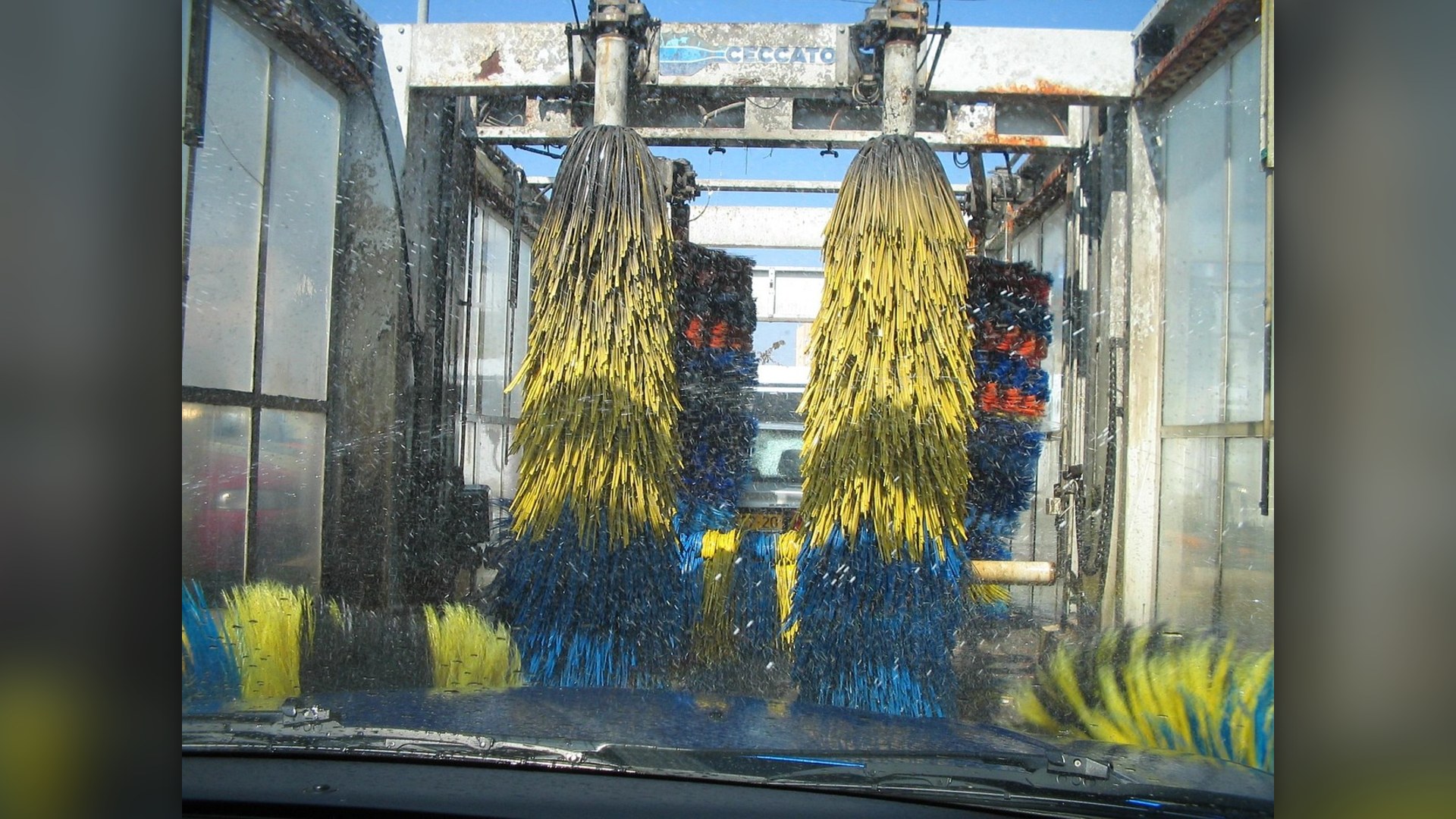
2. Underbody And Fuel Lines
Highway de-icing salt clings to exposed metal beneath your vehicle, accelerating rust along subframes, exhaust pipes, and steel fuel and brake lines. Check the driveway for fluid leaks and run your car through an undercarriage wash regularly all winter to flush away salt buildup.
©Pixabay / Klaise
1. Emergency Winter Kit Stock
If a breakdown or highway pileup strands you during a snowstorm, an unheated cabin turns into an icebox within minutes. Stock your trunk with a sturdy ice scraper, snow brush, de-icer spray, warm blanket, phone charger, flashlight, reflective vest, and non-perishable snacks.
©Pixabay / freestocks-photos
Advertisement
You've reached the end of the story. Thanks for reading!

22 Most Secret World War II Aircraft Tested Behind Closed Doors
Between 1939 and 1945, Allied and Axis engineers built jets, flying wings and rocket interceptors in deep wartime secrecy. Ranked from 22 to 1 by historical secrecy and technical leap, this countdown draws on archival records from the Smithsonian, U.S. Air Force Museum, RAF Museum and German Federal Archives.
All 15 Entries in this Story
1. Antifreeze And Coolant Level
Antifreeze keeps your engine block from freezing solid and cracking when temperatures plunge below zero. Pop the hood and check that the coolant reservoir reaches the maximum line, maintaining a 50/50 mix of antifreeze and water for full winter protection.

2. Battery Health And Voltage
Cold weather slows chemical reactions inside your battery while forcing the starter motor to work twice as hard. Test your battery with a voltmeter while the engine is off to confirm it reads at least 12.6 volts, and scrub any white corrosion off the terminals.

3. Tire Tread Depth And Condition
Your tires are the only point of contact between your vehicle and slick winter pavement, and worn rubber dramatically lengthens stopping distances. Verify that your tread depth stays well above the 2/32-inch legal minimum (ideally 4/32-inch or 3mm for snow) and inspect sidewalls for cracks or bulges.

4. Windshield Wiper Blades
Torn or brittle wiper blades leave heavy streaks that can blind you during freezing rain or highway snowstorms. Run a clean finger along the rubber edge to check for splits or stiffness, and install fresh winter blades immediately if they squeak, smear, or chatter.

5. Windshield Washer Fluid And Rating
Tires ahead of you kick up road salt and slush that dry into an opaque white film across your windshield. Never use plain water, which freezes inside the tank and lines. Top up the reservoir with winter-grade washer fluid rated to at least 14 degrees Fahrenheit (-10 degrees Celsius) or lower.

6. Exterior Headlights And Bulbs
Early sunsets, blowing snow, and dense winter fog cut visibility to a fraction of normal range. Walk around your car to verify that low beams, high beams, turn signals, brake lights, and fog lights all work, then wipe crusted road salt off every lens.

7. Engine Oil Level And Viscosity
Motor oil thickens as temperatures drop, making it harder for the oil pump to circulate lubricant through the engine at startup. Pull the dipstick to verify the oil level, and check your owner's manual to see if a lower-viscosity winter grade like 5W is recommended for sub-zero climates.

8. Cold Tire Pressure (PSI)
Air contracts in the cold, causing tires to lose roughly 1 to 2 PSI for every 18-degree Fahrenheit (10-degree Celsius) temperature drop. Underinflated tires wear unevenly and lose traction on snow, so check pressures in the morning before driving and inflate to the door-jamb sticker rating.

9. Brakes And Brake Fluid
Stopping on wet or icy pavement requires balanced braking force at all four wheels, as uneven grabbing can trigger a skid. Listen for squealing or grinding pads, and inspect the brake fluid reservoir to make sure the fluid sits at the full line and looks clear rather than dark brown.

10. Windshield Cracks And Chips
Rapid temperature swings put immense thermal stress on automotive glass. Blasting a hot defroster against a frost-covered windshield can cause a tiny rock chip to spider-web across your line of sight in seconds, so have minor chips sealed before the first hard freeze.

11. Heating And Defroster Systems
If your cabin blower cannot clear interior condensation or melt frost off the glass, you cannot safely pull onto the road. Test both the front windshield defroster vents and the electric rear window heating grid early in the season to confirm they deliver steady heat.

12. Door Seals And Locks
Rain and melted snow often seep into rubber weatherstripping and key cylinders before refreezing overnight, locking you out of your car. Wipe a thin layer of silicone spray onto the rubber door seals so they will not stick, and puff graphite lubricant into mechanical lock cylinders.

13. Alternator And Serpentine Drive Belt
Your serpentine drive belt spins the alternator that keeps your battery charged while running headlights, wipers, and seat heaters. Sub-zero cold makes aging rubber brittle and prone to snapping, so inspect the belt under the hood for glazing, frayed edges, cracks, or slack.

14. Underbody And Fuel Lines
Highway de-icing salt clings to exposed metal beneath your vehicle, accelerating rust along subframes, exhaust pipes, and steel fuel and brake lines. Check the driveway for fluid leaks and run your car through an undercarriage wash regularly all winter to flush away salt buildup.

15. Emergency Winter Kit Stock
If a breakdown or highway pileup strands you during a snowstorm, an unheated cabin turns into an icebox within minutes. Stock your trunk with a sturdy ice scraper, snow brush, de-icer spray, warm blanket, phone charger, flashlight, reflective vest, and non-perishable snacks.