Slideshow · Viral
20 Ancient Castles Around the World That Look Straight Out of a Fairy Tale
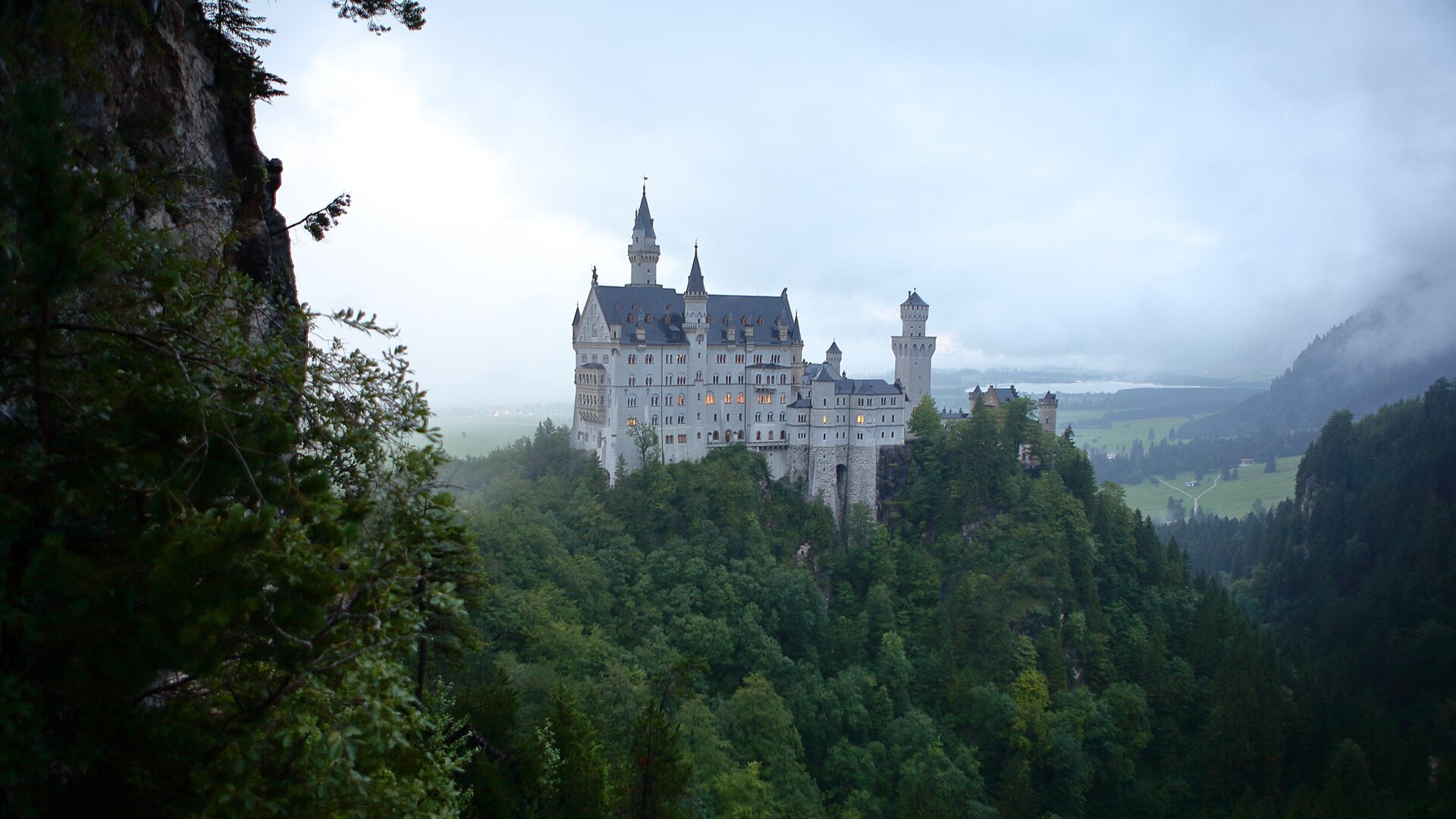
From soaring alpine pinnacles to misty Scottish lochs, the world's most breathtaking castles look as if they were conjured straight from fantasy lore. Spanning medieval keeps, Renaissance chateaux, and romantic retreats, these ancient fortresses showcase extraordinary craftsmanship across twenty storybook sites.
By Most Viral Today
2 hours ago

Enchanting Strongholds That Inspired Centuries of Legend 
20. Malbork Castle, Poland 
19. Chillon Castle, Switzerland 
18. Trakai Island Castle, Lithuania - AdvertisementSwipe or tap ▶ to continue countdown

17. Windsor Castle, England 
16. Edinburgh Castle, Scotland 
15. Matsumoto Castle, Japan 
14. Predjama Castle, Slovenia - AdvertisementSwipe or tap ▶ to continue countdown

13. Chateau De Chenonceau, France 
12. Bojnice Castle, Slovakia 
11. Prague Castle, Czech Republic 
10. Conwy Castle, Wales - AdvertisementSwipe or tap ▶ to continue countdown

9. Pena Palace, Portugal 
8. Hohenzollern Castle, Germany 
7. Chateau De Chambord, France 
6. Eilean Donan Castle, Scotland - AdvertisementSwipe or tap ▶ to continue countdown

5. Bran Castle, Romania 
4. Alcazar Of Segovia, Spain 
3. Himeji Castle, Japan 
2. Mont Saint-Michel, France - AdvertisementSwipe or tap ▶ to continue countdown

1. Neuschwanstein Castle, Germany - Advertisement🔥 UP NEXT IN THIS SERIES◫ 21 Slides

20 Most Powerful Navies in the World, Ranked
Control of the global oceans shapes international trade, security alliances, and military power. From stealth submarines and guided missile destroyers to nuclear powered aircraft carriers, naval capabilities require massive investment. Here are the twenty most formidable navies across the globe, ranked by strength.
From soaring alpine pinnacles to misty Scottish lochs, the world's most breathtaking castles look as if they were conjured straight from fantasy lore. Spanning medieval keeps and romantic retreats, these landmarks showcase global architecture. Based on UNESCO World Heritage, National Trust, and state archive data.
Swipe or tap ▶ to begin the countdown
©Wikimedia / Wilfredor
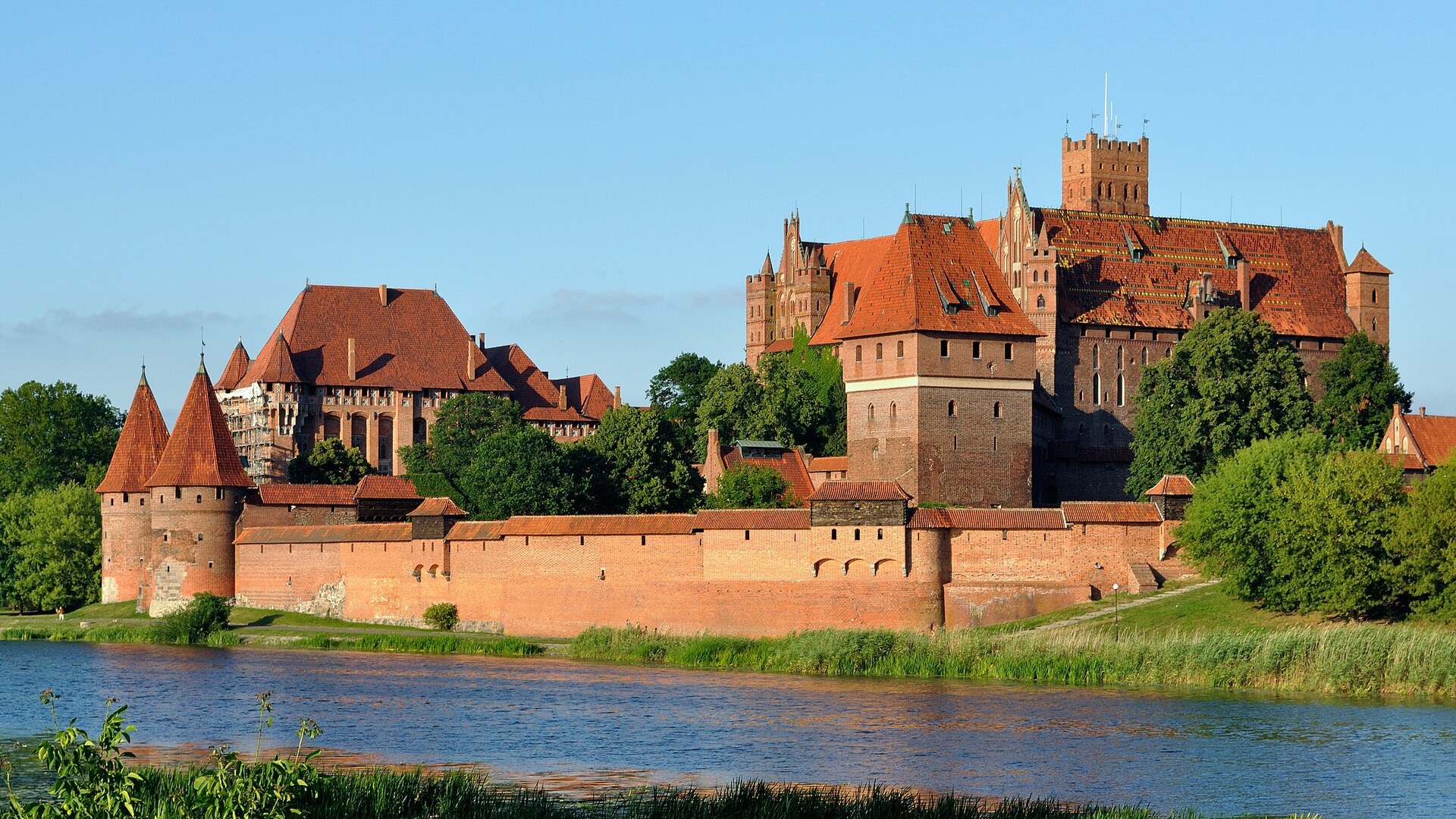
20. Malbork Castle, Poland
Founded in the thirteenth century by the Teutonic Knights, Malbork Castle remains the world's largest castle by surface area. Spanning fifty-two acres along the Nogat River, this UNESCO site features three distinct fortified tiers and sheltered over three thousand knights within its formidable defensive perimeter.
©Wikimedia / DerHexer ; derivate work: Carschten
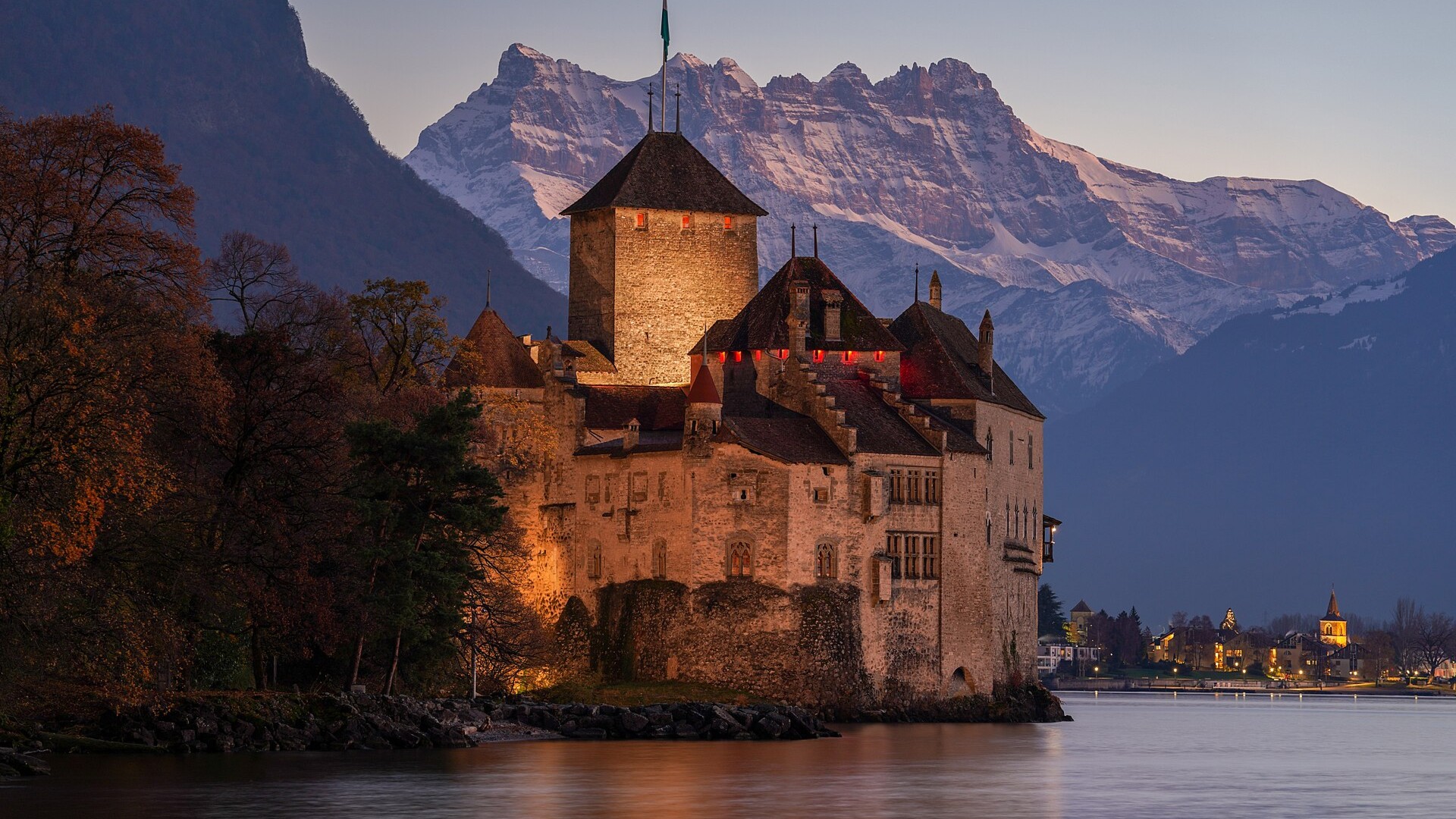
19. Chillon Castle, Switzerland
Resting on a limestone rock island in Lake Geneva, Chillon Castle dates back to the twelfth century under the Counts of Savoy. Guarding the strategic alpine trade route toward Italy, the fortress inspired poets including Lord Byron with its underground vaults, grand courtyards, and sweeping views of snowy peaks.
©Wikimedia / Giles Laurent
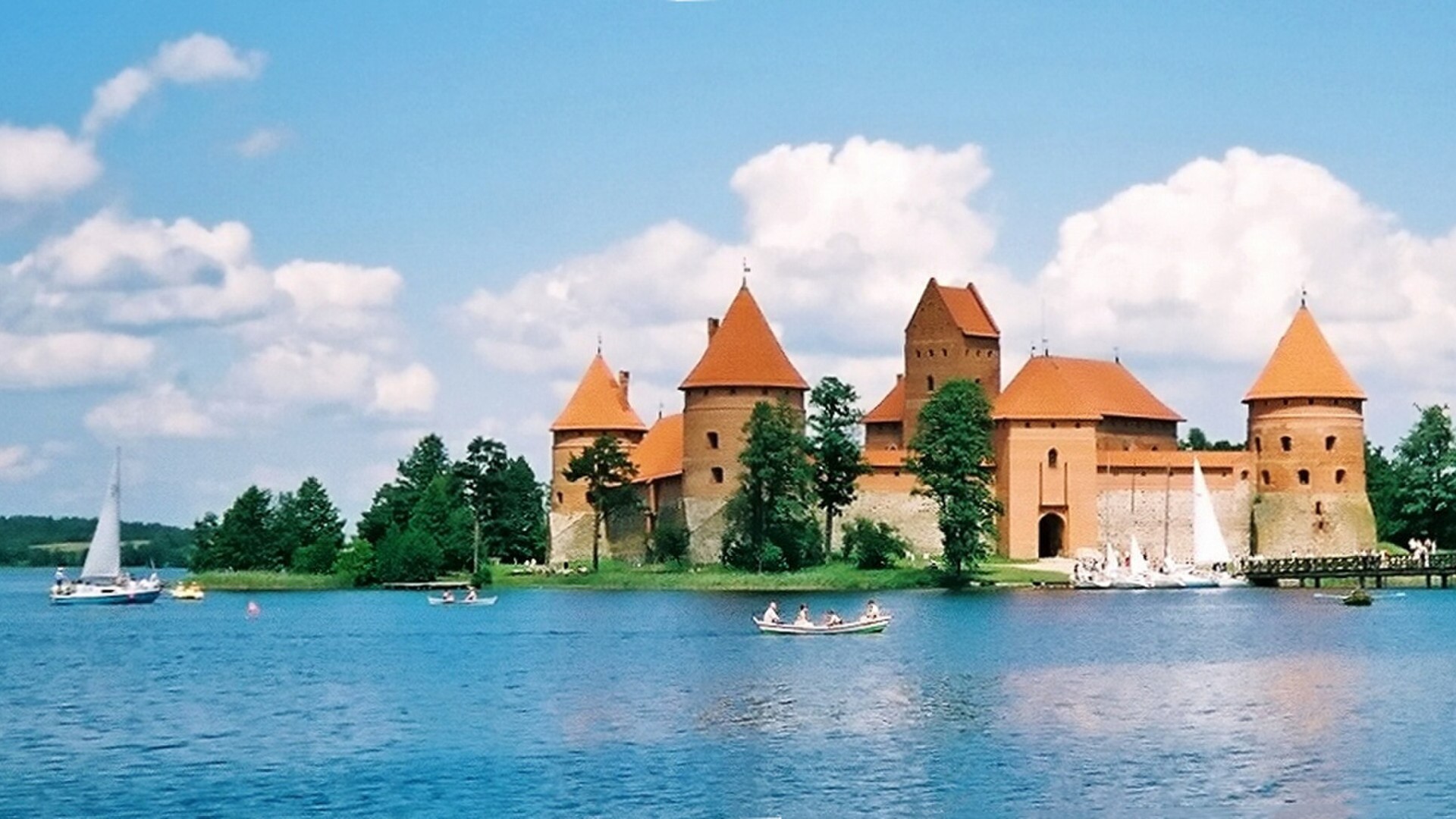
18. Trakai Island Castle, Lithuania
Constructed during the fourteenth century by Lithuanian grand dukes, Trakai sits dramatically on an islet in Lake Galve. Built of red fired brick, the fortress defended against Teutonic crusaders. Today, visitors cross a scenic wooden bridge to tour its restored ducal palace and very picturesque inner courtyards.
©Wikimedia / Julo
Advertisement
Swipe or tap ▶ to resume the countdown.
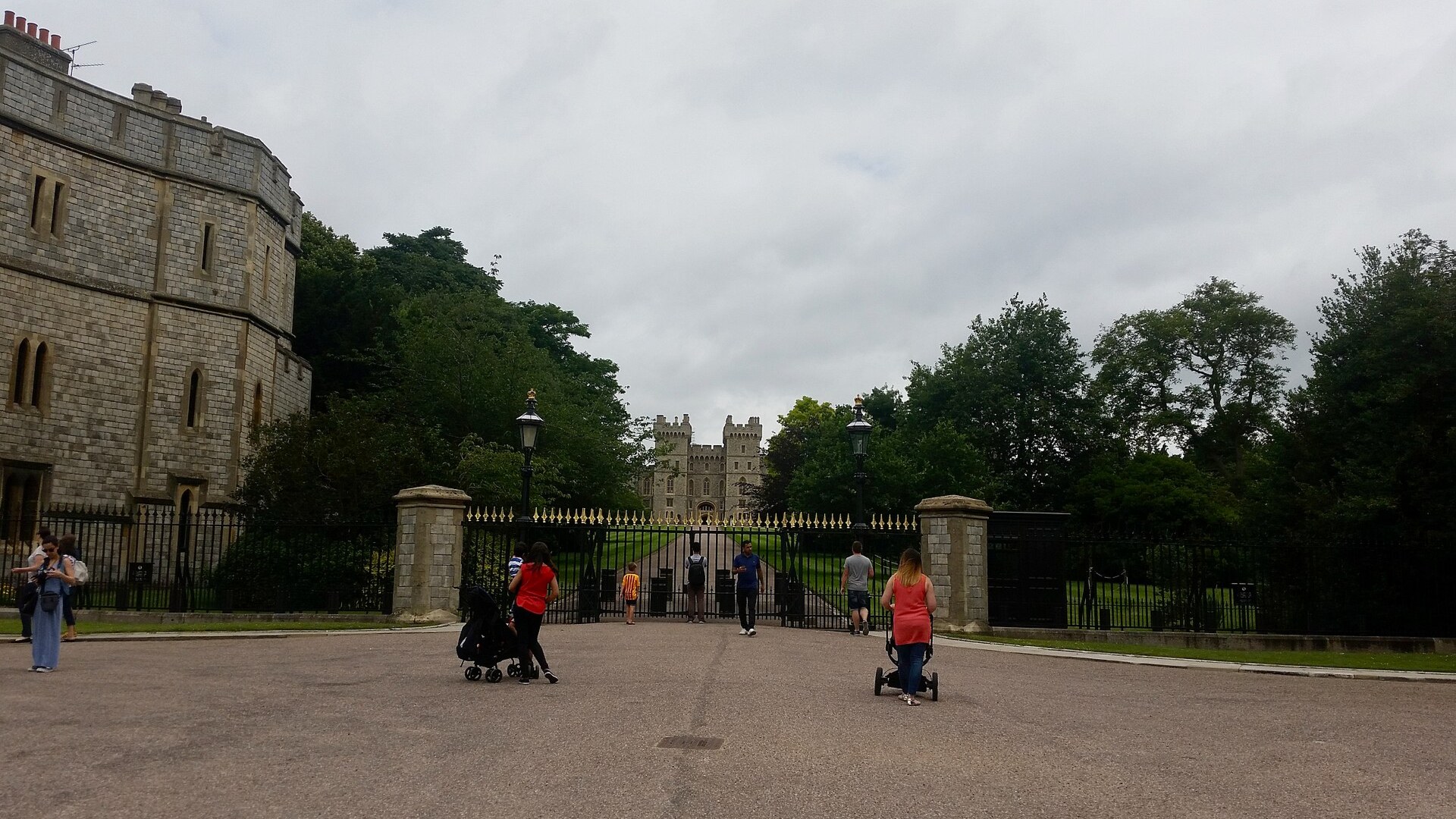
17. Windsor Castle, England
Established by William the Conqueror in the eleventh century, Windsor Castle covers thirteen acres of historic Berkshire grounds. The massive Round Tower and gothic St George's Chapel dominate the royal complex. It has housed forty successive British monarchs, serving as a primary venue for royal ceremonies today.
©Wikimedia / Lauren
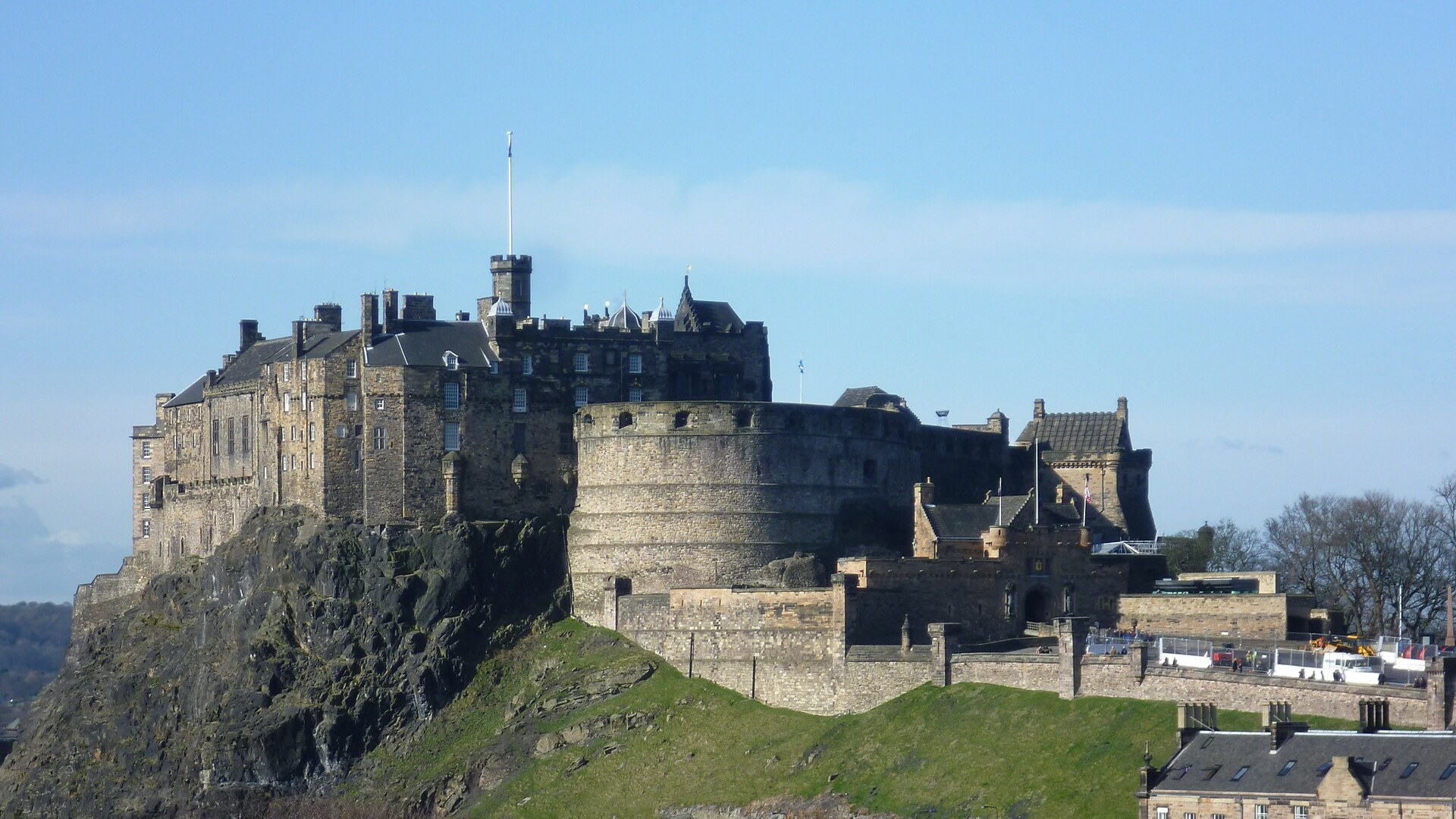
16. Edinburgh Castle, Scotland
Perched atop an extinct volcanic crag overlooking the Royal Mile, Edinburgh Castle contains defenses dating to the twelfth century. It houses the Honours of Scotland, Britain's oldest crown jewels, and Mons Meg, a six-ton medieval siege cannon. The fortress successfully survived over twenty documented army sieges.
©Wikimedia / Kim Traynor
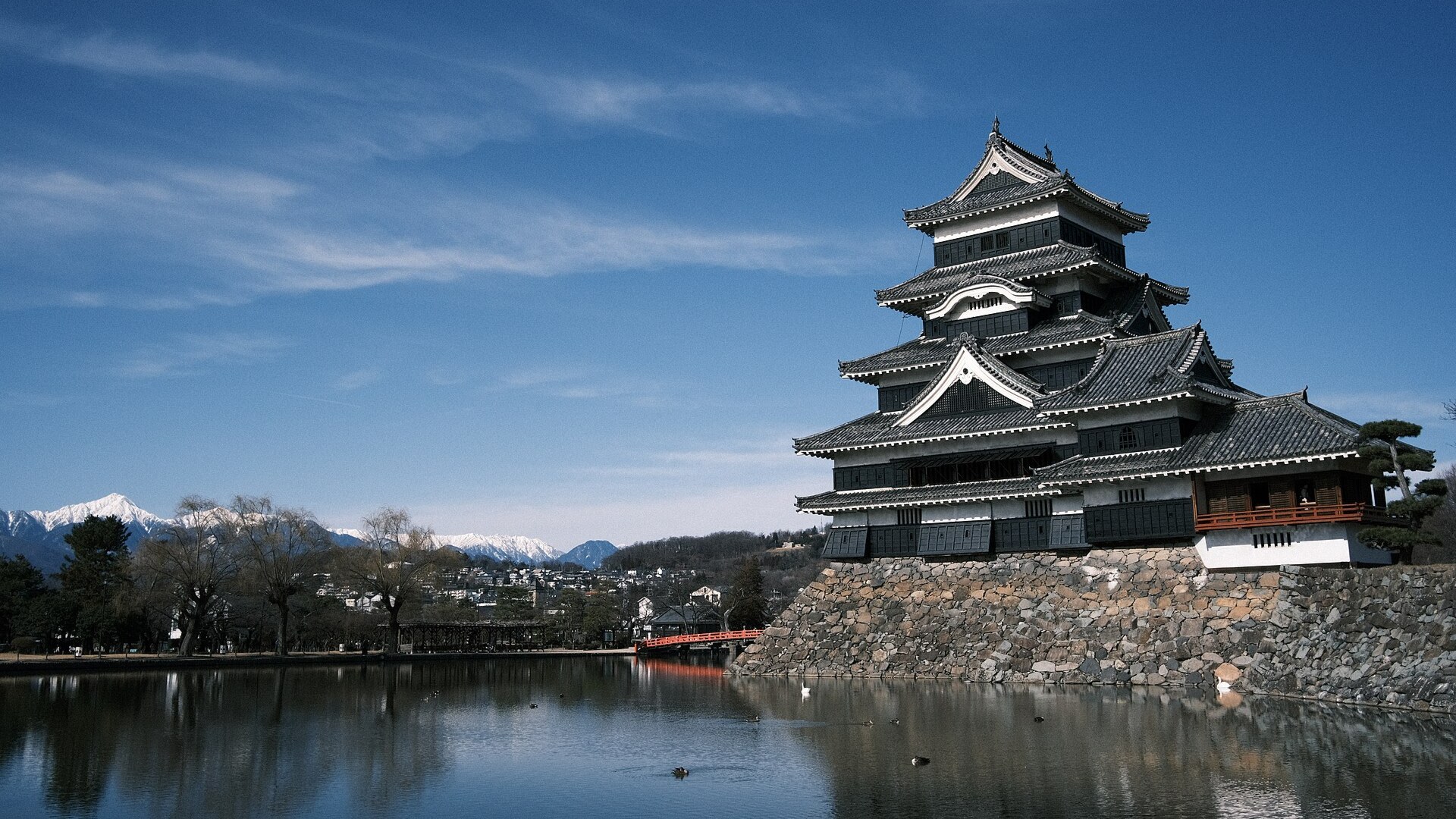
15. Matsumoto Castle, Japan
Constructed in 1592 in Nagano Prefecture, Matsumoto Castle is celebrated as one of Japan's twelve original surviving keeps. Known as the Crow Castle for its striking black wainscoting, the flatland fortress features a five-tier main donjon encircled by wide moats, offering dramatic views of the Japanese Alps.
©Wikimedia / tsuruta yosuke from Nagano, Japan
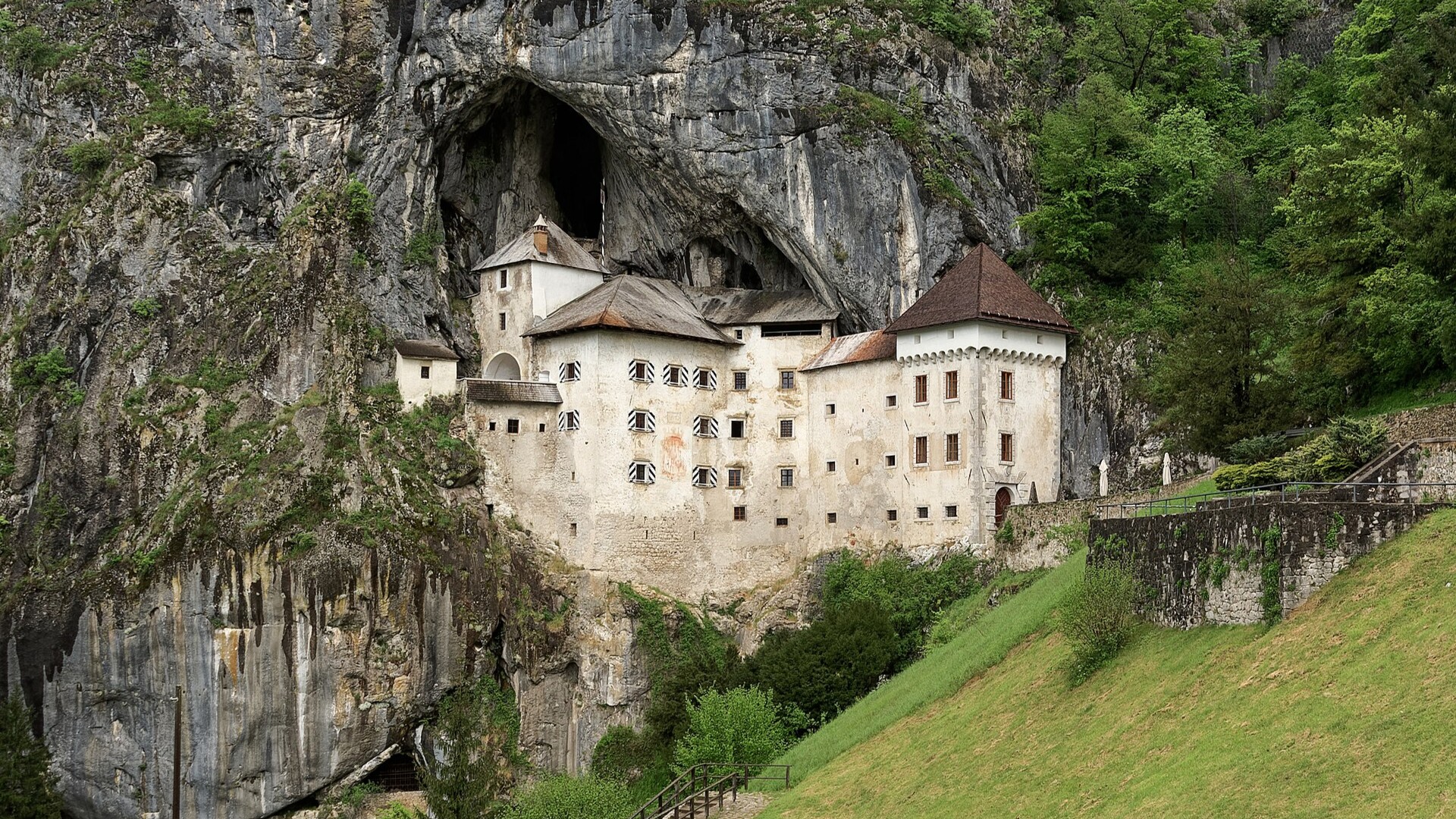
14. Predjama Castle, Slovenia
Built directly inside the arched opening of a 123-meter vertical limestone cliff, Predjama Castle is an engineering marvel from the thirteenth century. The fortress features secret subterranean cave passages used by rebel knight Erazem of Predjama to smuggle fresh food during a legendary year-long army siege.
©Wikimedia / Jakub Hałun
Advertisement
Swipe or tap ▶ to resume the countdown.
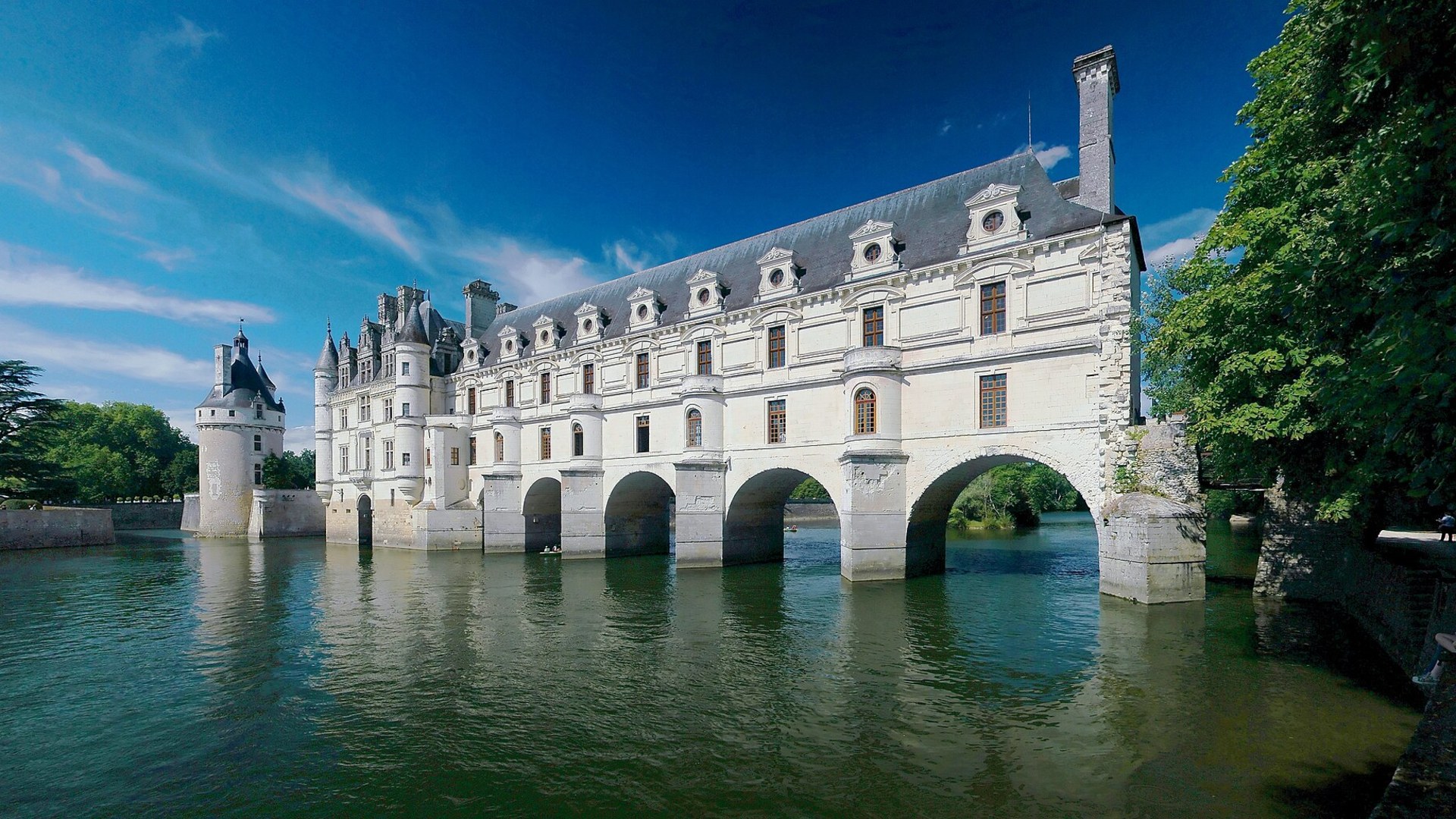
13. Chateau De Chenonceau, France
Constructed between 1514 and 1522 in the Loire Valley, Chateau de Chenonceau is world-famous for its two-story gallery bridge across the River Cher. Guided by historic women including Diane de Poitiers and Catherine de Medici, the palace blends elegant Gothic details with elaborate French Renaissance gardens.
©Wikimedia / It is a derivative work of Ra-smit 's photo
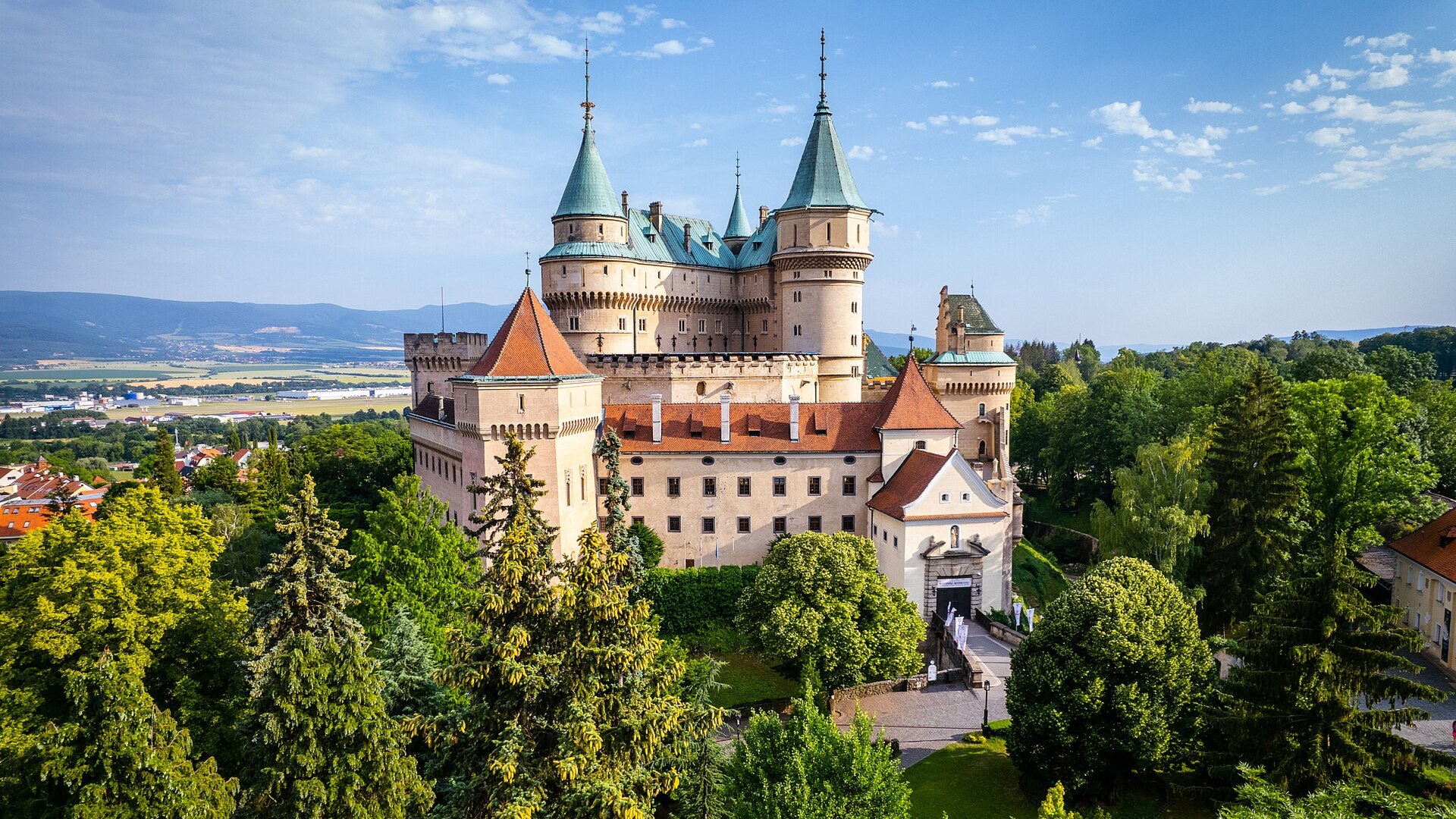
12. Bojnice Castle, Slovakia
First recorded in 1113, Bojnice Castle was rebuilt in the late nineteenth century into a romantic French-inspired fairytale redoubt. With sky-blue turrets and its steep conical roofs, the landmark features an authentic travertine cave underneath and a centuries-old linden tree planted by King Matthias Corvinus.
©Wikimedia / Studiowacho
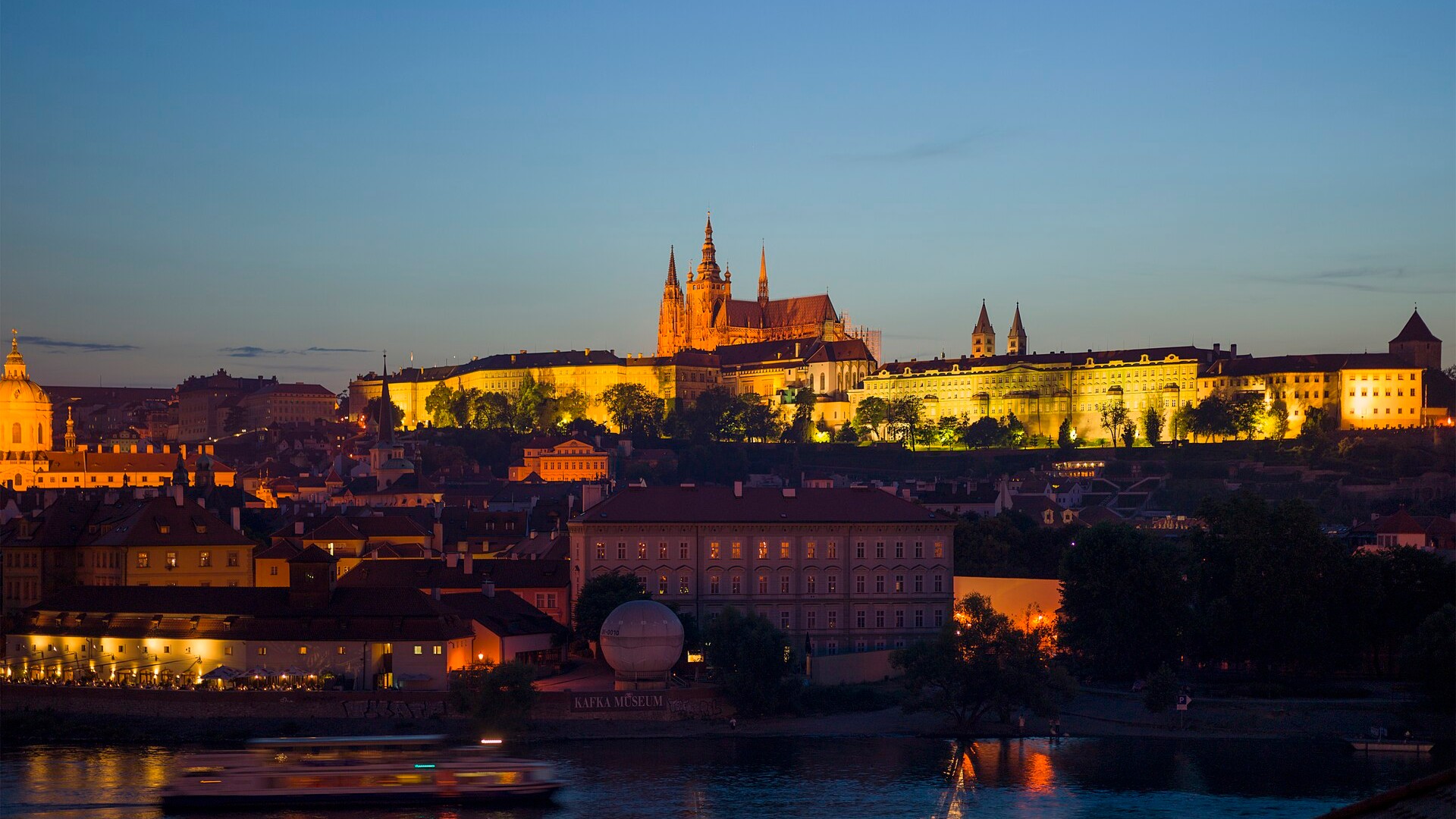
11. Prague Castle, Czech Republic
Founded around 880 by Prince Borivoj, Prague Castle covers over seventy thousand square meters above the Vltava River, making it the world's largest coherent ancient castle complex. The UNESCO site encompasses the gothic St Vitus Cathedral, the Old Royal Palace, and the charming miniature houses of Golden Lane.
©Wikimedia / Godot13
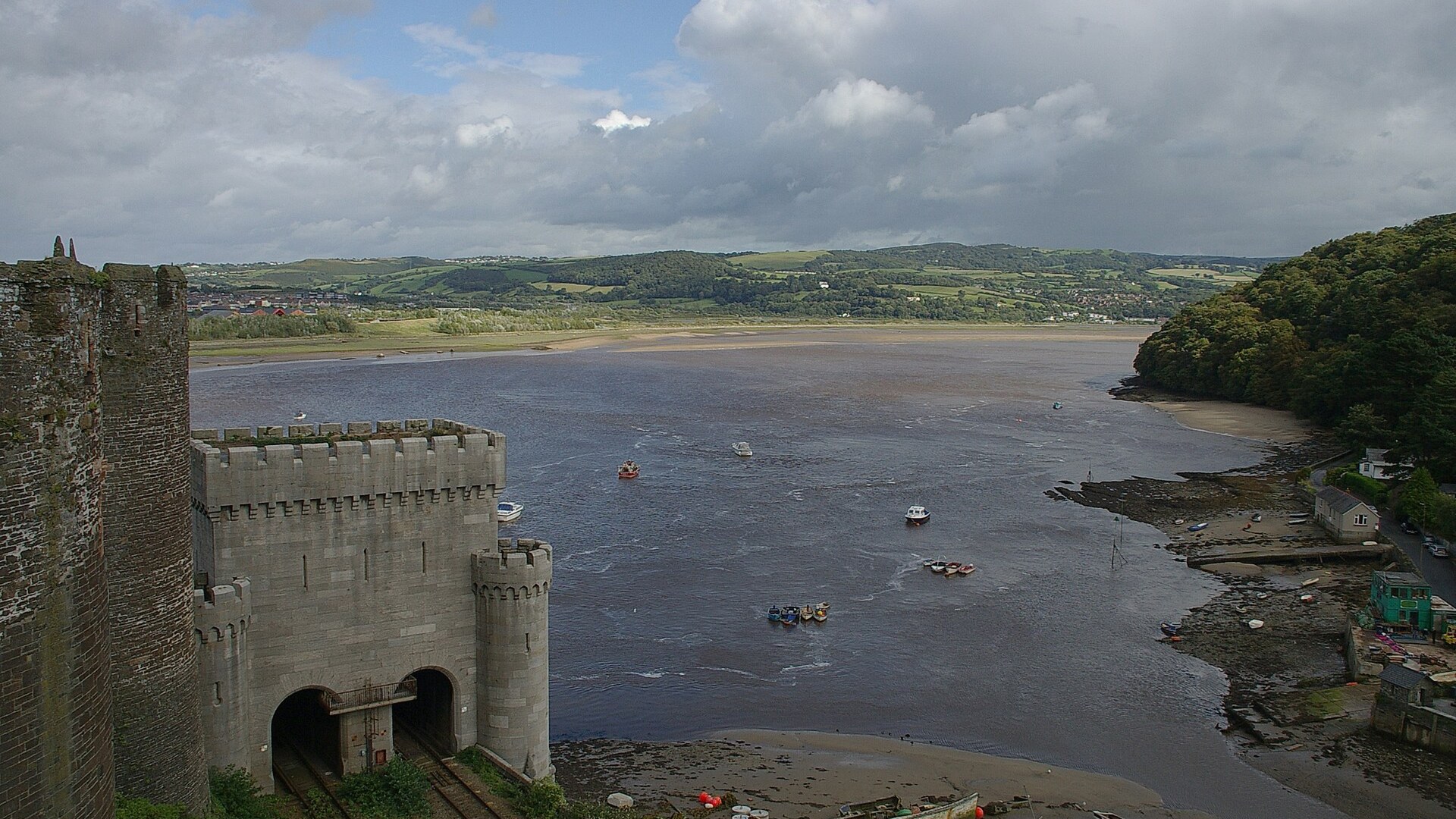
10. Conwy Castle, Wales
Erected by King Edward I between 1283 and 1287, Conwy Castle stands as one of Europe's greatest medieval coastal fortifications. Built upon a dark rocky outcrop, its eight colossal stone towers and fortified town walls protected English control in North Wales, commanding sweeping views over the Conwy estuary.
©Wikimedia / mattbuck ( category )
Advertisement
Swipe or tap ▶ to resume the countdown.
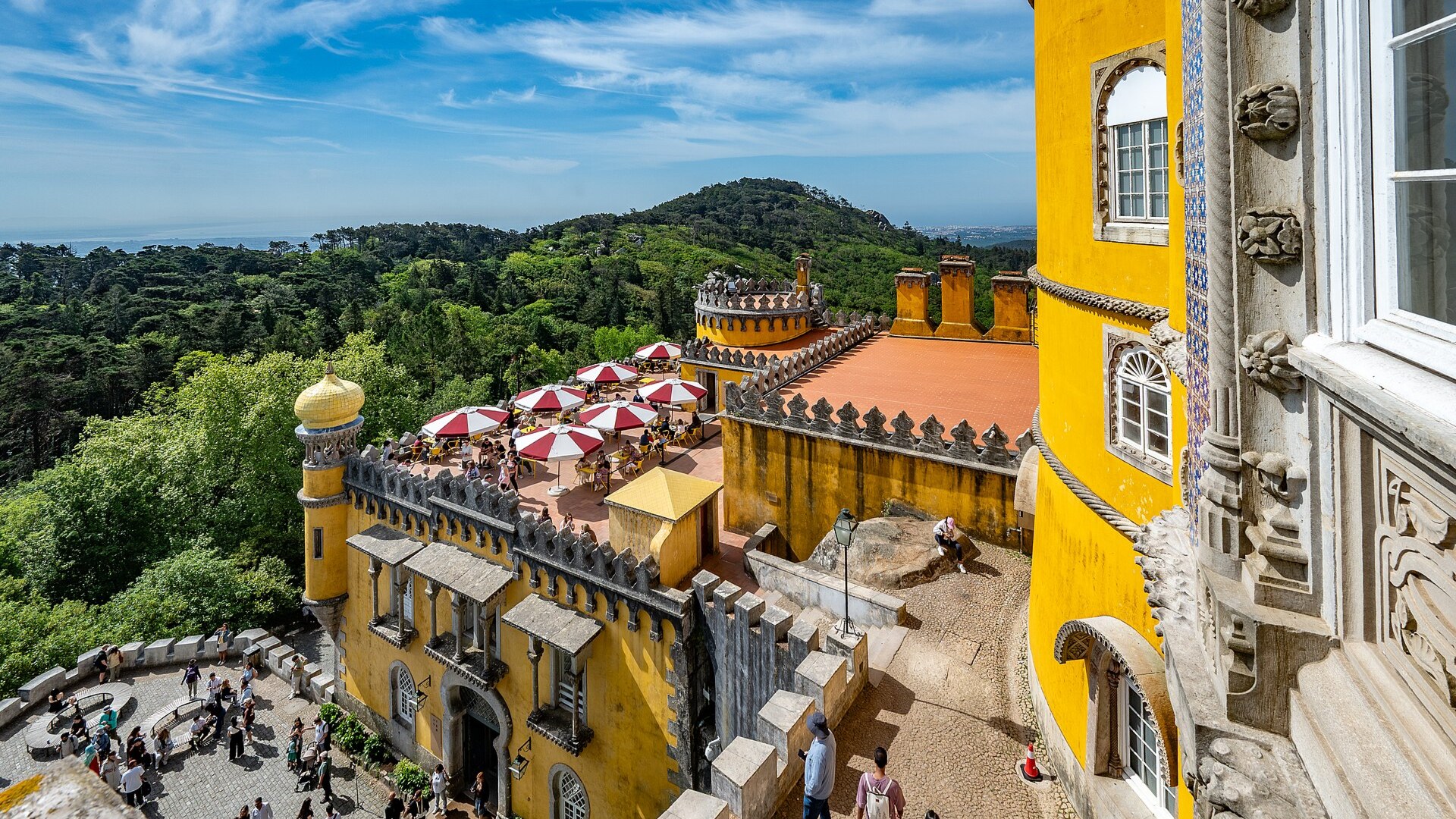
9. Pena Palace, Portugal
Perched atop the Serra de Sintra, Pena Palace was constructed in the 1840s by King Ferdinand II around a sixteenth-century monastery. Combining vivid yellow and red paint with Neo-Gothic, Neo-Manueline, and Moorish styles, the UNESCO site is widely regarded as the crown jewel of European Romantic architecture.
©Wikimedia / Michael Gaylard from Horsham, UK
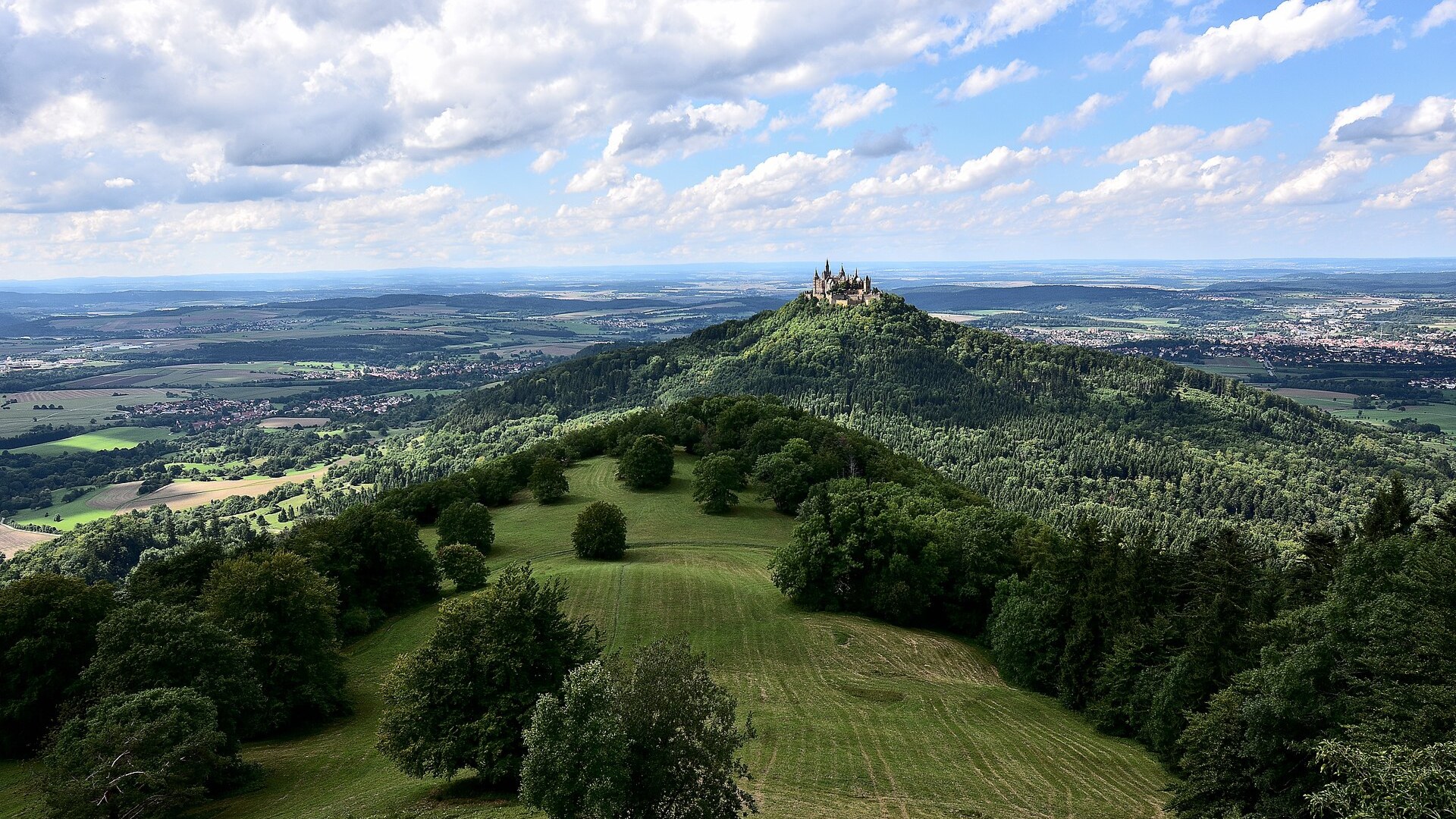
8. Hohenzollern Castle, Germany
Perched atop an 855-meter mountaintop in Baden-Wurttemberg, Hohenzollern Castle serves as the ancestral seat of the Prussian royal house. Reconstructed in the mid-nineteenth century with neo-Gothic towers and defensive ramparts, the breathtaking citadel houses the crown of Wilhelm II and Prussian royal relics.
©Wikimedia / Armin Schimkat
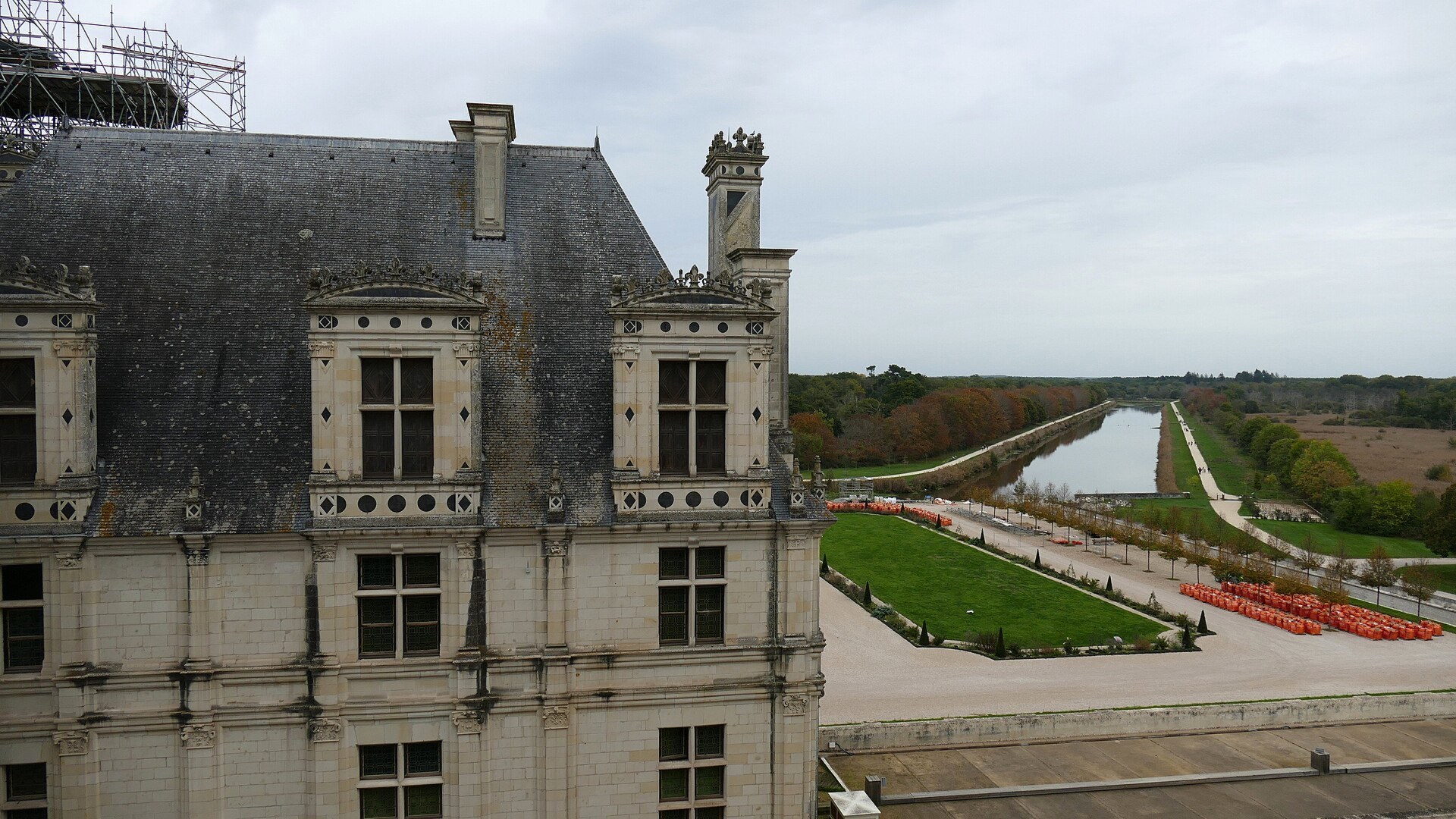
7. Chateau De Chambord, France
Commissioned in 1519 by King Francis I, Chateau de Chambord is the largest residence in the Loire Valley. The estate features 426 rooms, 77 staircases, and 282 fireplaces. Its architectural centerpiece is a grand double-helix open stone staircase often attributed to Leonardo da Vinci, surrounded by rooftop spires.
©Wikimedia / Hermann Luyken
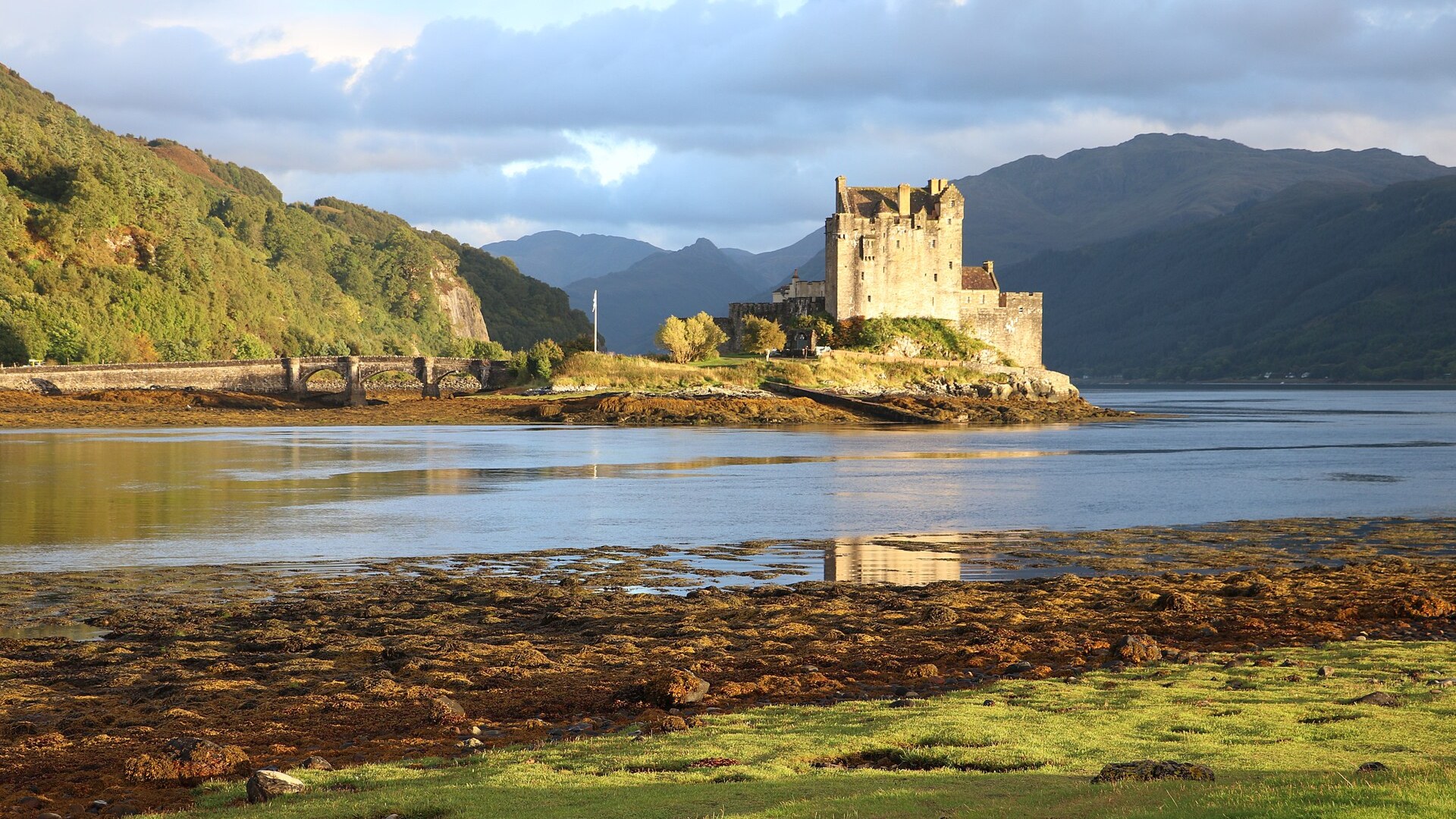
6. Eilean Donan Castle, Scotland
Occupying a small tidal island where three sea lochs converge in the Western Highlands, Eilean Donan was founded in the thirteenth century. After being bombarded during the Jacobite uprising in 1719, the castle was meticulously rebuilt in the early 1900s, becoming one of Scotland's most photographed landmarks.
©Wikimedia / GuidoLesszinsky
Advertisement
Swipe or tap ▶ to resume the countdown.
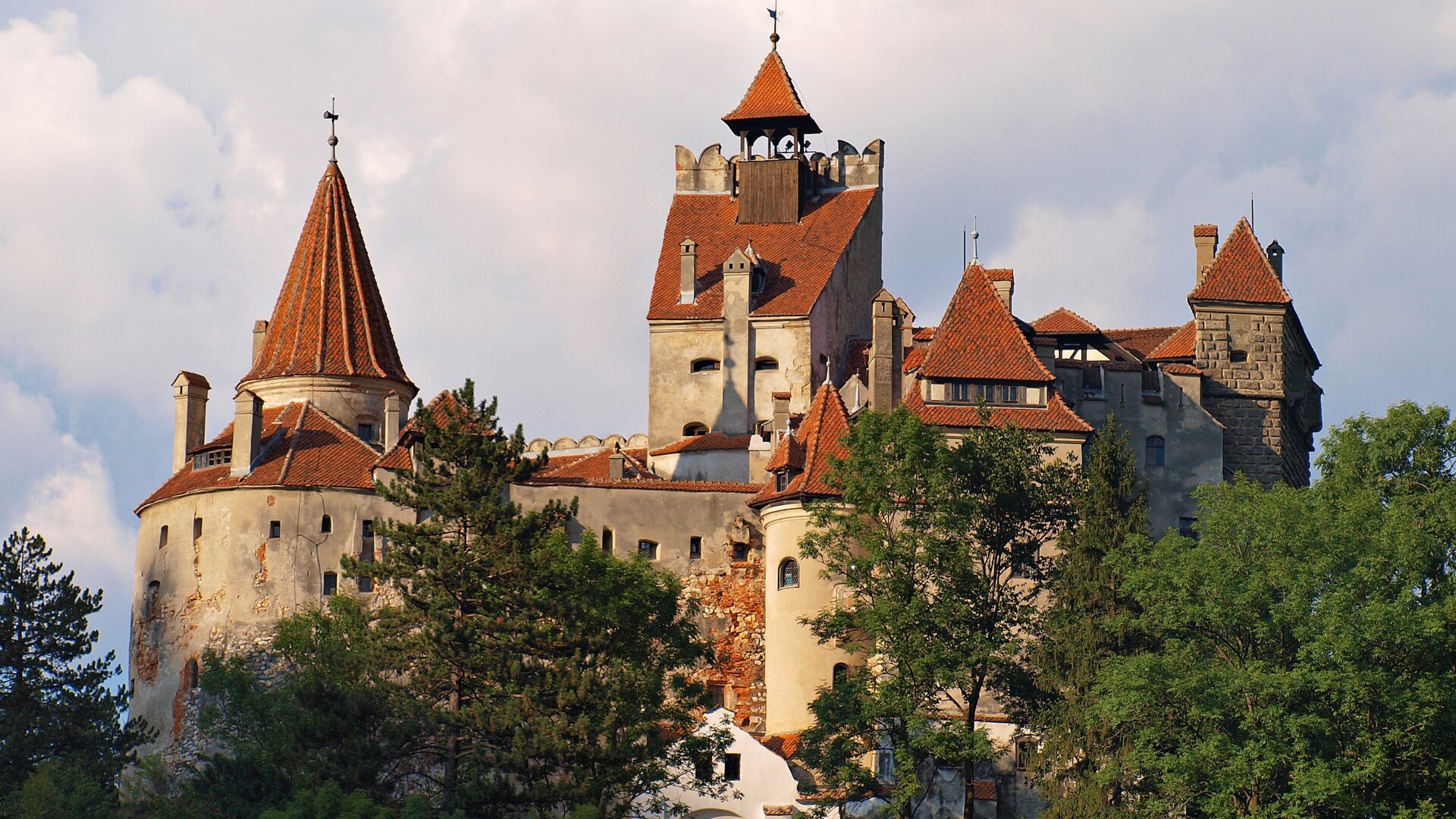
5. Bran Castle, Romania
Dating to 1377 when granted by King Louis I of Hungary, Bran Castle perches atop a rugged forested precipice between Transylvania and Wallachia. Famed for its ties to Bram Stoker's Dracula legend, the fortress served as a customs outpost and later as a cherished royal summer retreat for Romania's Queen Marie.
©Wikimedia / Todor Bozhinov
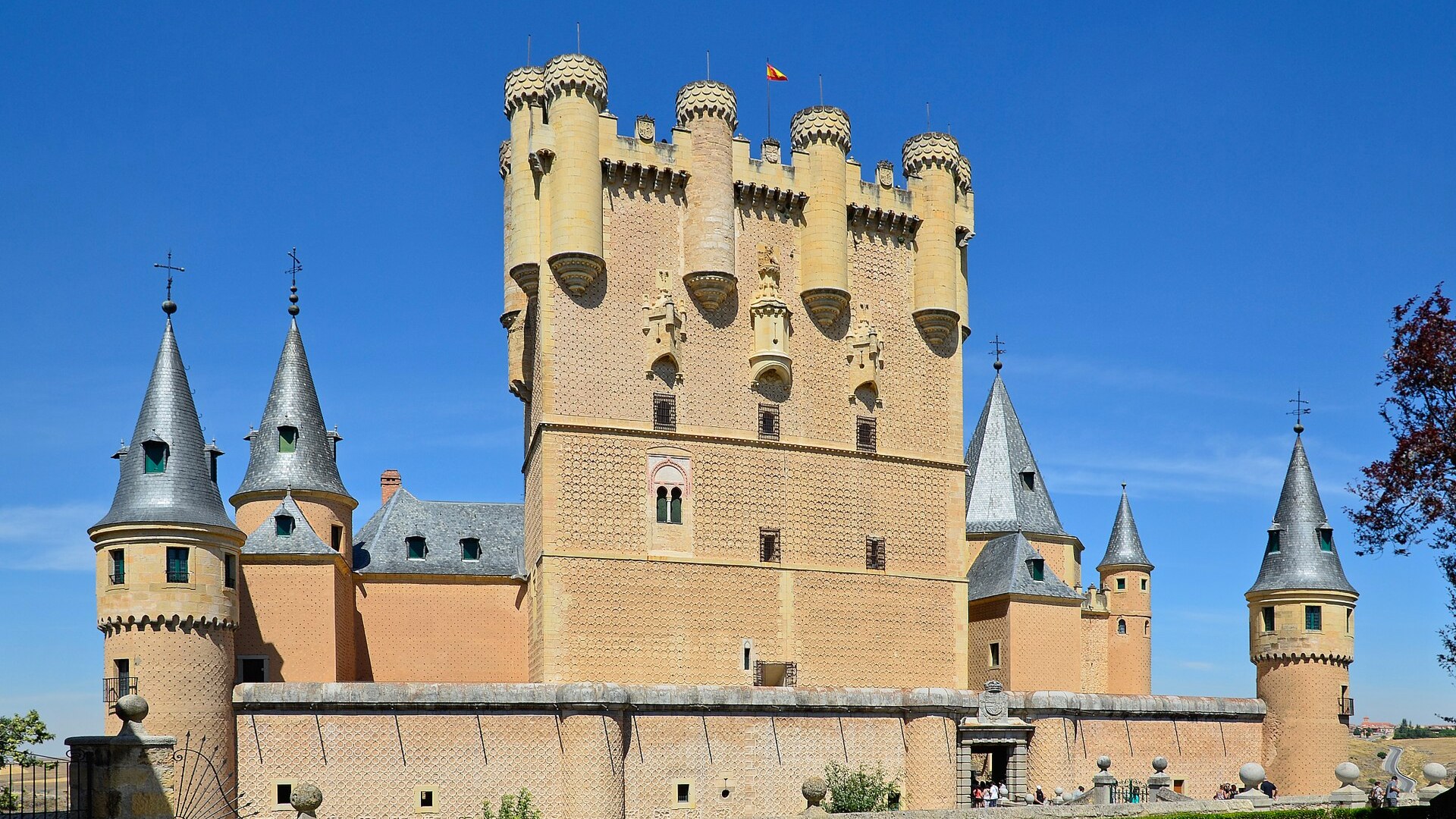
4. Alcazar Of Segovia, Spain
Rising above the rocky confluence of two rivers in Castile, the Alcazar of Segovia was built in the twelfth century. Resembling the bow of a sailing vessel, its slate conical turrets, ornate Moorish plasterwork, and formidable keep served as a royal fortress and prime visual inspiration for Cinderella's castle.
©Wikimedia / Selbymay
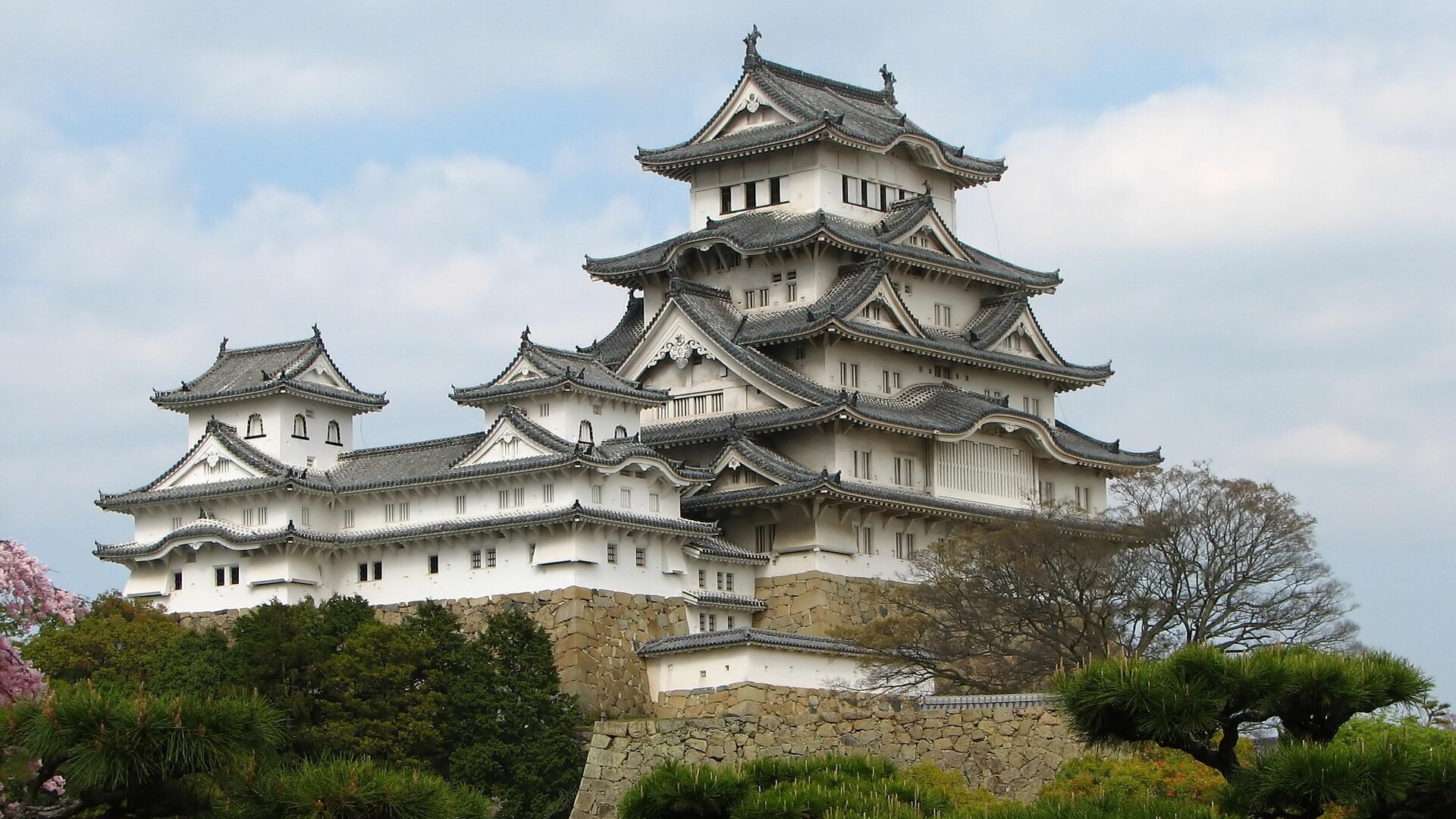
3. Himeji Castle, Japan
Dating from 1333 and expanded in 1609, Himeji Castle is Japan's finest surviving feudal fortress. Nicknamed the White Heron for its brilliant plaster walls and sweeping curved roof gables, the UNESCO treasure survived World War II bombings and major earthquakes, preserving all eighty-three defensive rooms intact.
©Wikimedia / Bernard Gagnon
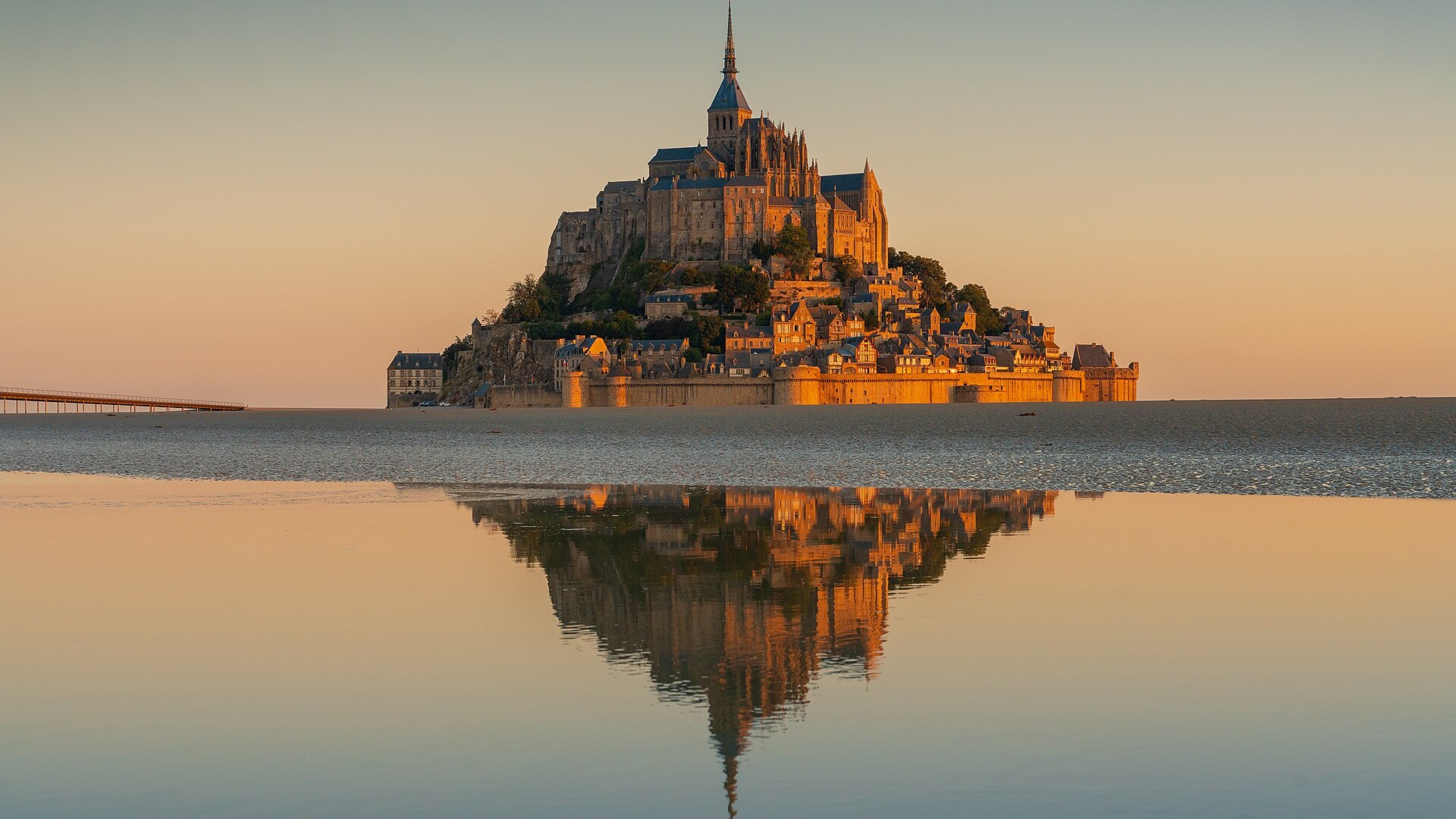
2. Mont Saint-Michel, France
Perched upon a granite tidal island off the Normandy coast, Mont Saint-Michel began as an eighth-century sanctuary dedicated to Archangel Michael. Surrounded by treacherous tidal shifts and quicksand, its towering Gothic abbey and fortified stone village resisted English forces throughout the Hundred Years War.
©Wikimedia / Lynx1211
Advertisement
Swipe or tap ▶ to resume the countdown.
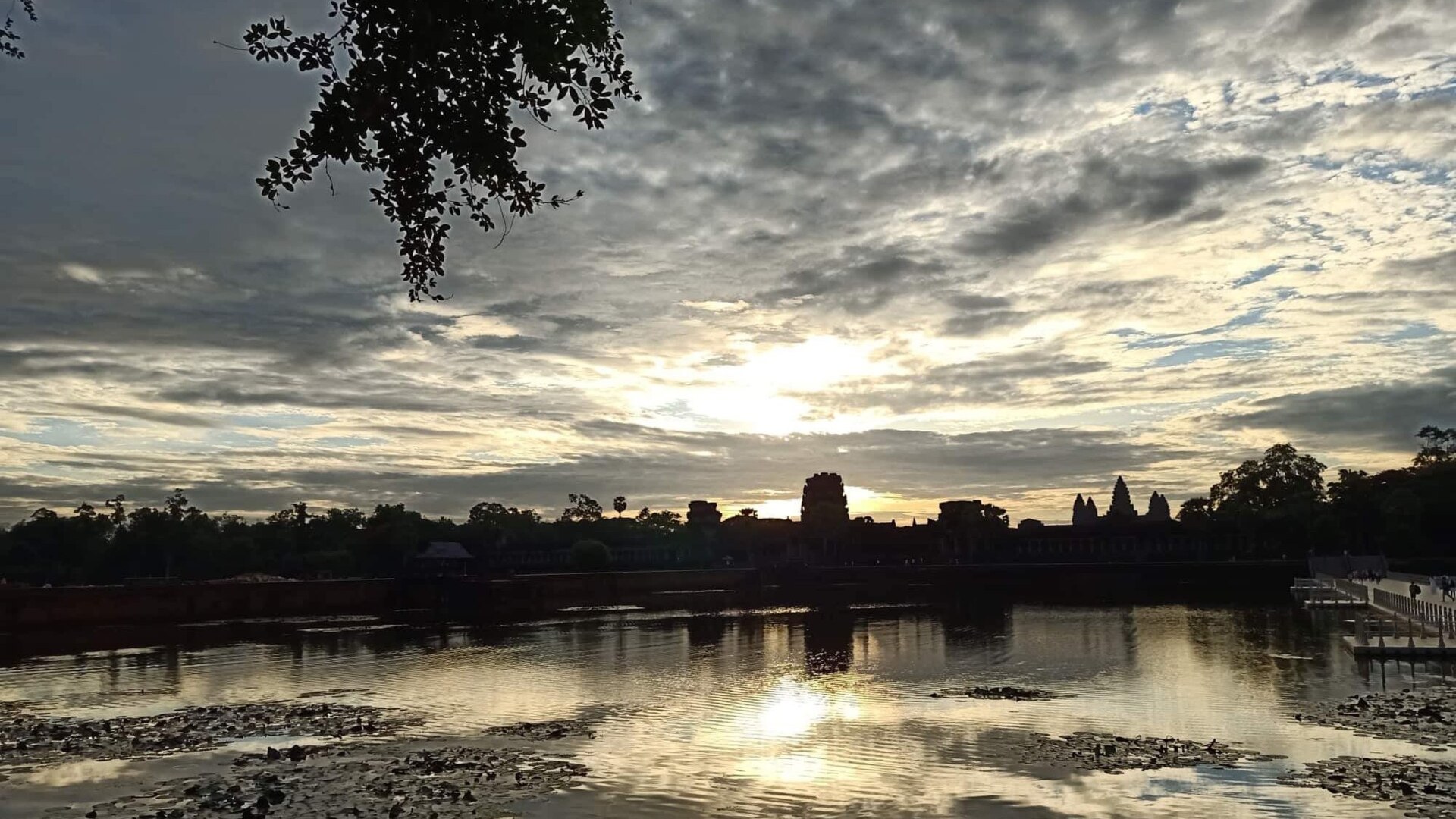
1. Neuschwanstein Castle, Germany
Commissioned in 1869 by King Ludwig II of Bavaria atop a rugged alpine ridge, Neuschwanstein Castle is the quintessential storybook fortress. Featuring slender Romanesque towers, ornate Byzantine-style throne halls, and panoramic mountain balconies, the citadel served as the direct inspiration for Disney's palace.
©Wikimedia / Stefan Wloch
Advertisement
You've reached the end of the story. Thanks for reading!

20 Most Powerful Navies in the World, Ranked
Control of the global oceans shapes international trade, security alliances, and military power. From stealth submarines and guided missile destroyers to nuclear powered aircraft carriers, naval capabilities require massive investment. Here are the twenty most formidable navies across the globe, ranked by strength.
All 20 Entries in this Story
20. Malbork Castle, Poland
Founded in the thirteenth century by the Teutonic Knights, Malbork Castle remains the world's largest castle by surface area. Spanning fifty-two acres along the Nogat River, this UNESCO site features three distinct fortified tiers and sheltered over three thousand knights within its formidable defensive perimeter.

19. Chillon Castle, Switzerland
Resting on a limestone rock island in Lake Geneva, Chillon Castle dates back to the twelfth century under the Counts of Savoy. Guarding the strategic alpine trade route toward Italy, the fortress inspired poets including Lord Byron with its underground vaults, grand courtyards, and sweeping views of snowy peaks.

18. Trakai Island Castle, Lithuania
Constructed during the fourteenth century by Lithuanian grand dukes, Trakai sits dramatically on an islet in Lake Galve. Built of red fired brick, the fortress defended against Teutonic crusaders. Today, visitors cross a scenic wooden bridge to tour its restored ducal palace and very picturesque inner courtyards.

17. Windsor Castle, England
Established by William the Conqueror in the eleventh century, Windsor Castle covers thirteen acres of historic Berkshire grounds. The massive Round Tower and gothic St George's Chapel dominate the royal complex. It has housed forty successive British monarchs, serving as a primary venue for royal ceremonies today.

16. Edinburgh Castle, Scotland
Perched atop an extinct volcanic crag overlooking the Royal Mile, Edinburgh Castle contains defenses dating to the twelfth century. It houses the Honours of Scotland, Britain's oldest crown jewels, and Mons Meg, a six-ton medieval siege cannon. The fortress successfully survived over twenty documented army sieges.

15. Matsumoto Castle, Japan
Constructed in 1592 in Nagano Prefecture, Matsumoto Castle is celebrated as one of Japan's twelve original surviving keeps. Known as the Crow Castle for its striking black wainscoting, the flatland fortress features a five-tier main donjon encircled by wide moats, offering dramatic views of the Japanese Alps.

14. Predjama Castle, Slovenia
Built directly inside the arched opening of a 123-meter vertical limestone cliff, Predjama Castle is an engineering marvel from the thirteenth century. The fortress features secret subterranean cave passages used by rebel knight Erazem of Predjama to smuggle fresh food during a legendary year-long army siege.

13. Chateau De Chenonceau, France
Constructed between 1514 and 1522 in the Loire Valley, Chateau de Chenonceau is world-famous for its two-story gallery bridge across the River Cher. Guided by historic women including Diane de Poitiers and Catherine de Medici, the palace blends elegant Gothic details with elaborate French Renaissance gardens.

12. Bojnice Castle, Slovakia
First recorded in 1113, Bojnice Castle was rebuilt in the late nineteenth century into a romantic French-inspired fairytale redoubt. With sky-blue turrets and its steep conical roofs, the landmark features an authentic travertine cave underneath and a centuries-old linden tree planted by King Matthias Corvinus.

11. Prague Castle, Czech Republic
Founded around 880 by Prince Borivoj, Prague Castle covers over seventy thousand square meters above the Vltava River, making it the world's largest coherent ancient castle complex. The UNESCO site encompasses the gothic St Vitus Cathedral, the Old Royal Palace, and the charming miniature houses of Golden Lane.

10. Conwy Castle, Wales
Erected by King Edward I between 1283 and 1287, Conwy Castle stands as one of Europe's greatest medieval coastal fortifications. Built upon a dark rocky outcrop, its eight colossal stone towers and fortified town walls protected English control in North Wales, commanding sweeping views over the Conwy estuary.

9. Pena Palace, Portugal
Perched atop the Serra de Sintra, Pena Palace was constructed in the 1840s by King Ferdinand II around a sixteenth-century monastery. Combining vivid yellow and red paint with Neo-Gothic, Neo-Manueline, and Moorish styles, the UNESCO site is widely regarded as the crown jewel of European Romantic architecture.

8. Hohenzollern Castle, Germany
Perched atop an 855-meter mountaintop in Baden-Wurttemberg, Hohenzollern Castle serves as the ancestral seat of the Prussian royal house. Reconstructed in the mid-nineteenth century with neo-Gothic towers and defensive ramparts, the breathtaking citadel houses the crown of Wilhelm II and Prussian royal relics.

7. Chateau De Chambord, France
Commissioned in 1519 by King Francis I, Chateau de Chambord is the largest residence in the Loire Valley. The estate features 426 rooms, 77 staircases, and 282 fireplaces. Its architectural centerpiece is a grand double-helix open stone staircase often attributed to Leonardo da Vinci, surrounded by rooftop spires.

6. Eilean Donan Castle, Scotland
Occupying a small tidal island where three sea lochs converge in the Western Highlands, Eilean Donan was founded in the thirteenth century. After being bombarded during the Jacobite uprising in 1719, the castle was meticulously rebuilt in the early 1900s, becoming one of Scotland's most photographed landmarks.

5. Bran Castle, Romania
Dating to 1377 when granted by King Louis I of Hungary, Bran Castle perches atop a rugged forested precipice between Transylvania and Wallachia. Famed for its ties to Bram Stoker's Dracula legend, the fortress served as a customs outpost and later as a cherished royal summer retreat for Romania's Queen Marie.

4. Alcazar Of Segovia, Spain
Rising above the rocky confluence of two rivers in Castile, the Alcazar of Segovia was built in the twelfth century. Resembling the bow of a sailing vessel, its slate conical turrets, ornate Moorish plasterwork, and formidable keep served as a royal fortress and prime visual inspiration for Cinderella's castle.

3. Himeji Castle, Japan
Dating from 1333 and expanded in 1609, Himeji Castle is Japan's finest surviving feudal fortress. Nicknamed the White Heron for its brilliant plaster walls and sweeping curved roof gables, the UNESCO treasure survived World War II bombings and major earthquakes, preserving all eighty-three defensive rooms intact.

2. Mont Saint-Michel, France
Perched upon a granite tidal island off the Normandy coast, Mont Saint-Michel began as an eighth-century sanctuary dedicated to Archangel Michael. Surrounded by treacherous tidal shifts and quicksand, its towering Gothic abbey and fortified stone village resisted English forces throughout the Hundred Years War.

1. Neuschwanstein Castle, Germany
Commissioned in 1869 by King Ludwig II of Bavaria atop a rugged alpine ridge, Neuschwanstein Castle is the quintessential storybook fortress. Featuring slender Romanesque towers, ornate Byzantine-style throne halls, and panoramic mountain balconies, the citadel served as the direct inspiration for Disney's palace.