Slideshow · Viral
20 Ancient Underground Discoveries That Reveal How People Once Lived
From sprawling subterranean cities in Cappadocia to sacred Roman temples hidden beneath basilicas, ancient societies carved entire worlds into bedrock. These 20 subterranean discoveries reveal how our ancestors stored water, sought refuge during wartime, and built thriving communities deep underground.

All 20 Entries in this Story
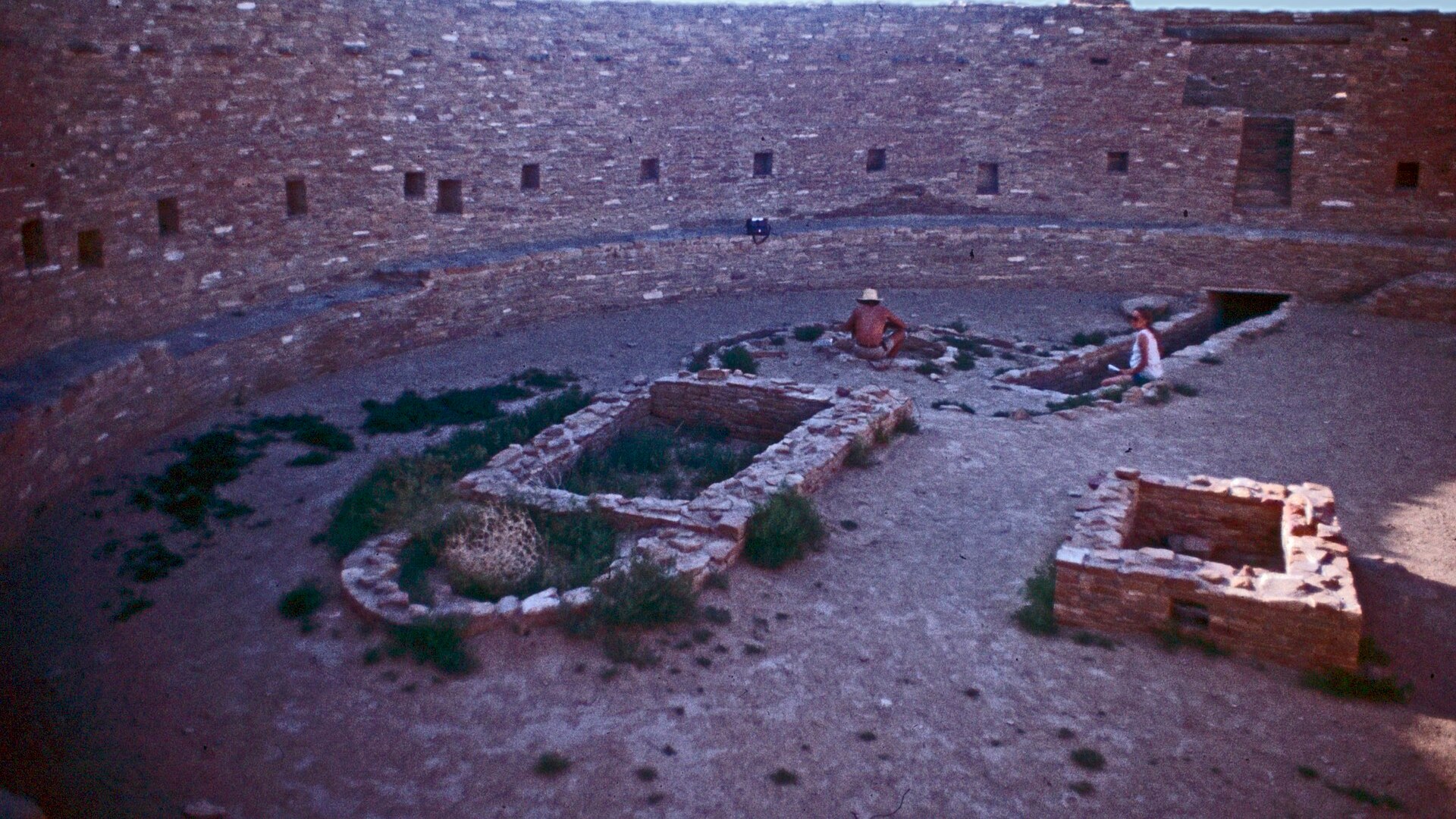
#20 Chaco Canyon Great Kivas
Chaco Canyon houses over a dozen great kivas excavated across northwestern New Mexico. Built between 900 and 1150 CE, Casa Rinconada measures 63 feet in diameter with stone masonry benches and subfloor vaults used for religious rituals.
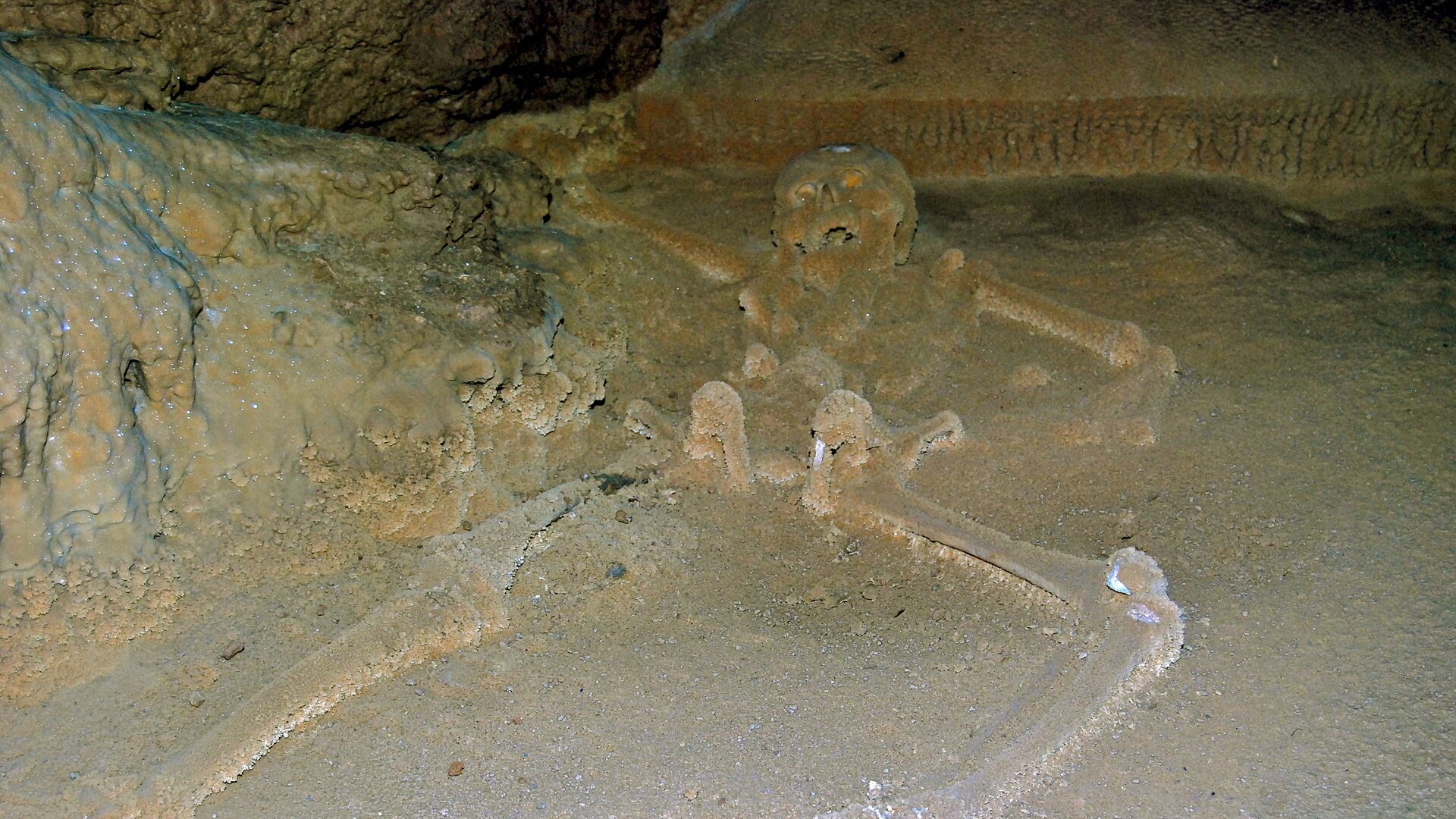
#19 Actun Tunichil Muknal Cave
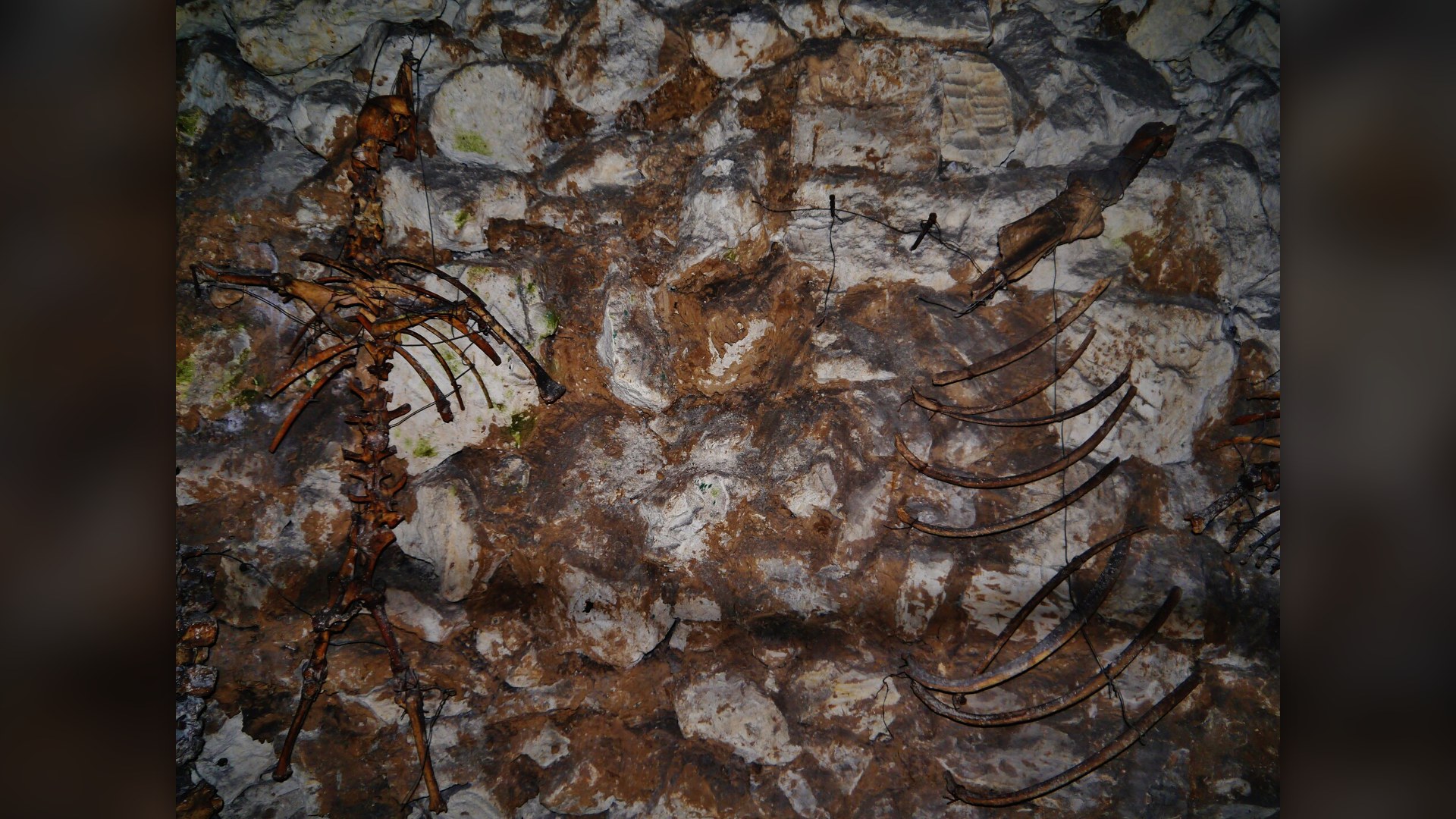
Located in the Tapir Mountain Nature Reserve of Belize, this cave network was used between 300 and 900 CE. Explorers discovered intact ceramic vessels and skeletal remains calcified into limestone floor deposits inside the Main Chamber.
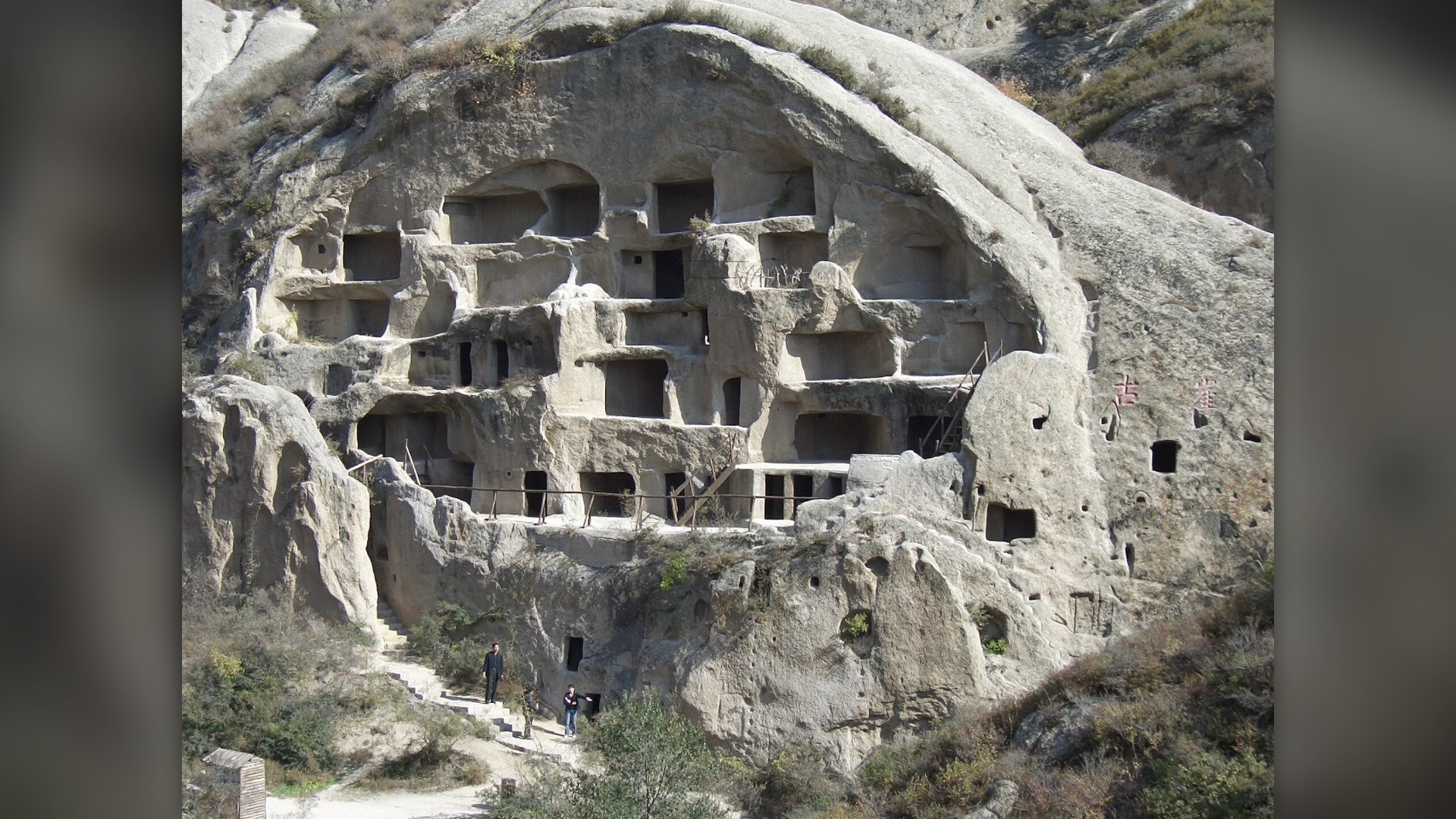
#18 Guyaju Cave Dwellings
Carved into the granite cliffs of Yanqing District during the Tang Dynasty, Guyaju contains over one hundred stone rooms. Residents engineered stone hearths, drainage channels, and stables connected by narrow rock stairways.
#17 Orvieto Underground Caves
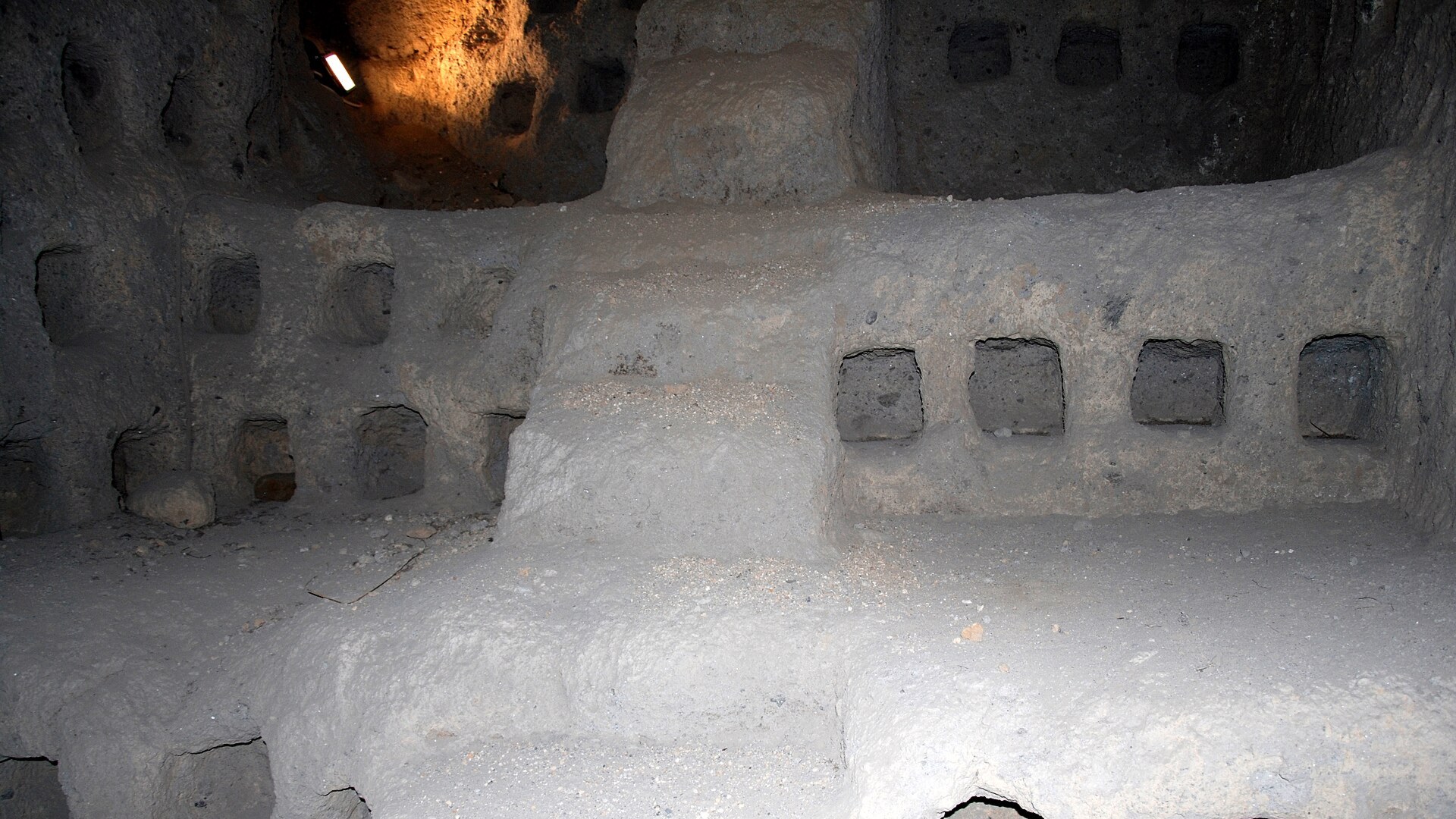
Carved out of volcanic tuff in Umbria, Orvieto conceals more than 1,200 subterranean cellars and tunnels. The earliest galleries date back 2,500 years to Etruscan settlers who carved deep cisterns and pigeon breeding rooms into rock.
#16 San Clemente Subterranean Complex
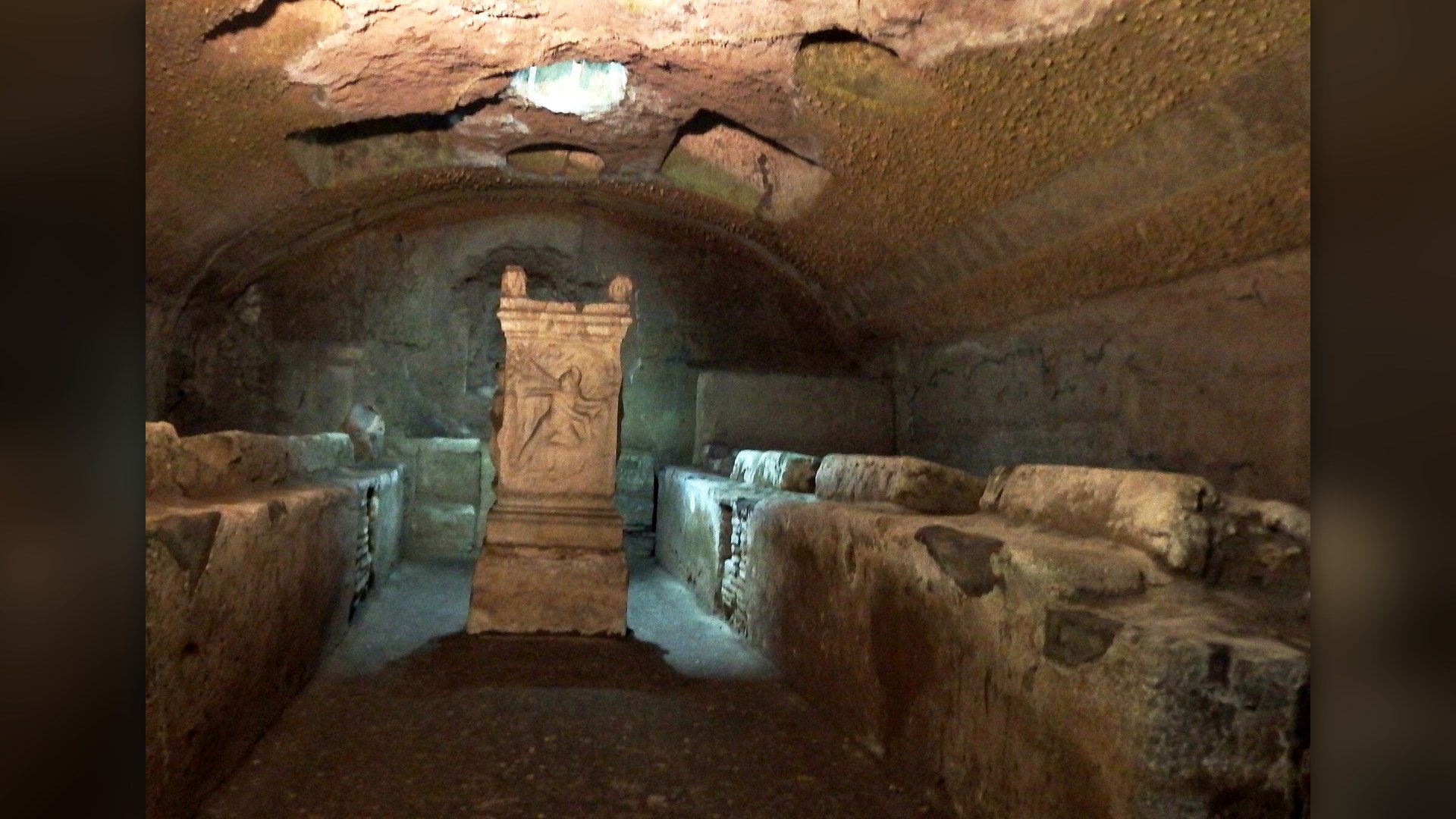
Excavations beneath Rome Basilica of San Clemente revealed a 1st-century Roman apartment block and a 2nd-century Mithraic temple. Archaeologists uncovered intact stone triclinia benches and an ancient Roman mint running beneath street level.
#15 Napoli Sotterranea
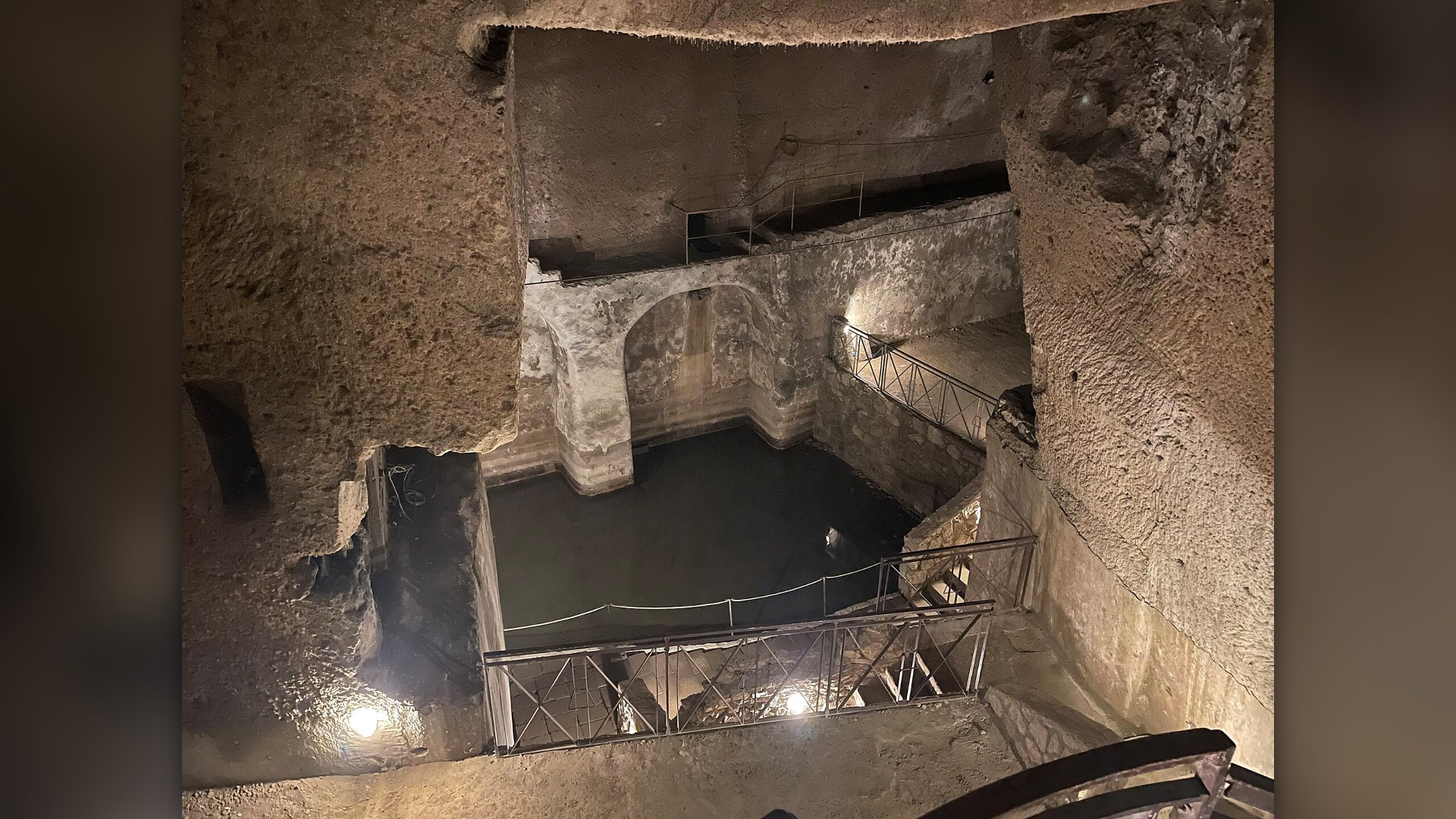
Naples rests on a 450-kilometer subterranean network begun in the 4th century BCE by Greek colonists. Romans expanded the quarries into water cisterns and aqueducts that supplied the city until a cholera outbreak halted usage in 1884.
#14 Underground City Of Naours
Carved 30 meters beneath northern France, Naours originated as a Roman quarry before medieval locals expanded it into 300 rooms. The refuge contained communal chimneys vented through farmhouses, bakeries, and stalls for livestock.
#13 Catacombs Of Kom El Shoqafa
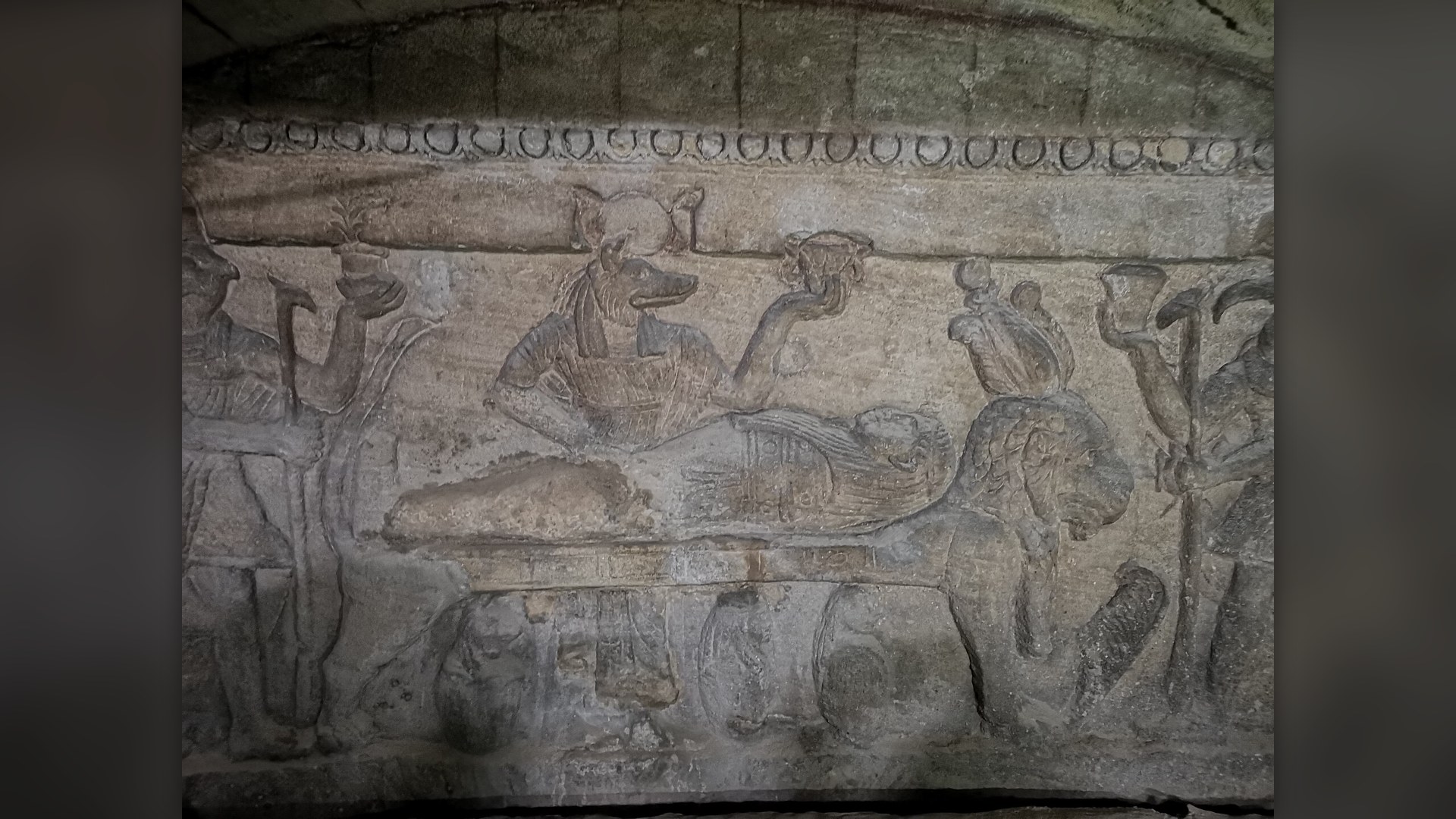
Discovered in Alexandria in 1900, this subterranean necropolis descends 35 meters into bedrock. Dating to the 2nd century CE, it features a circular central staircase leading to a banquet triclinium and burial niches for 300 bodies.
#12 Longyou Grottoes
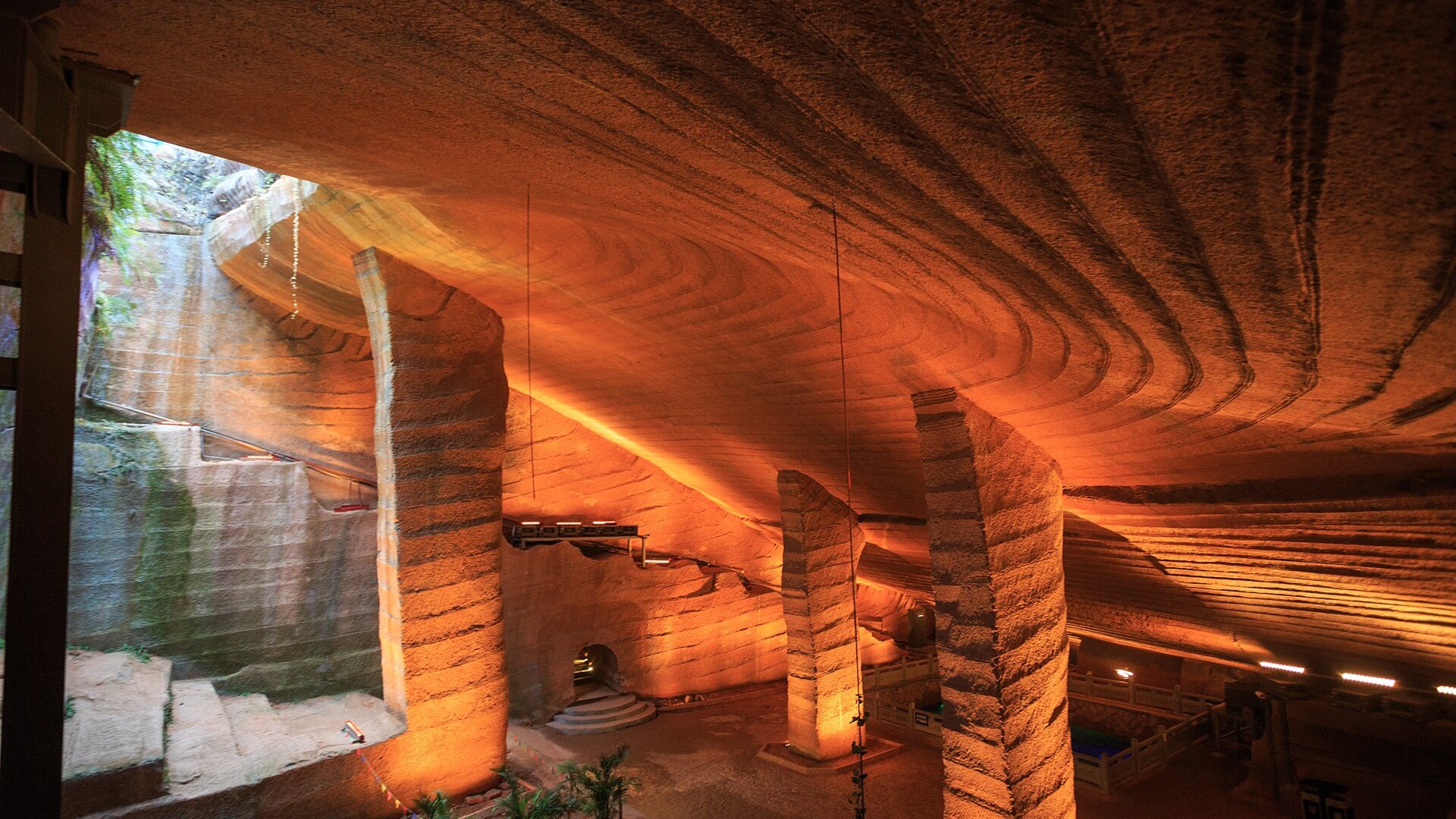
Discovered in Zhejiang Province in 1992, these 24 hand-carved caverns date back over two millennia. Workers removed nearly one million cubic meters of rock to create chambers up to 30 meters high, marked with uniform chisel grooves.
#11 Vardzia Cave Monastery
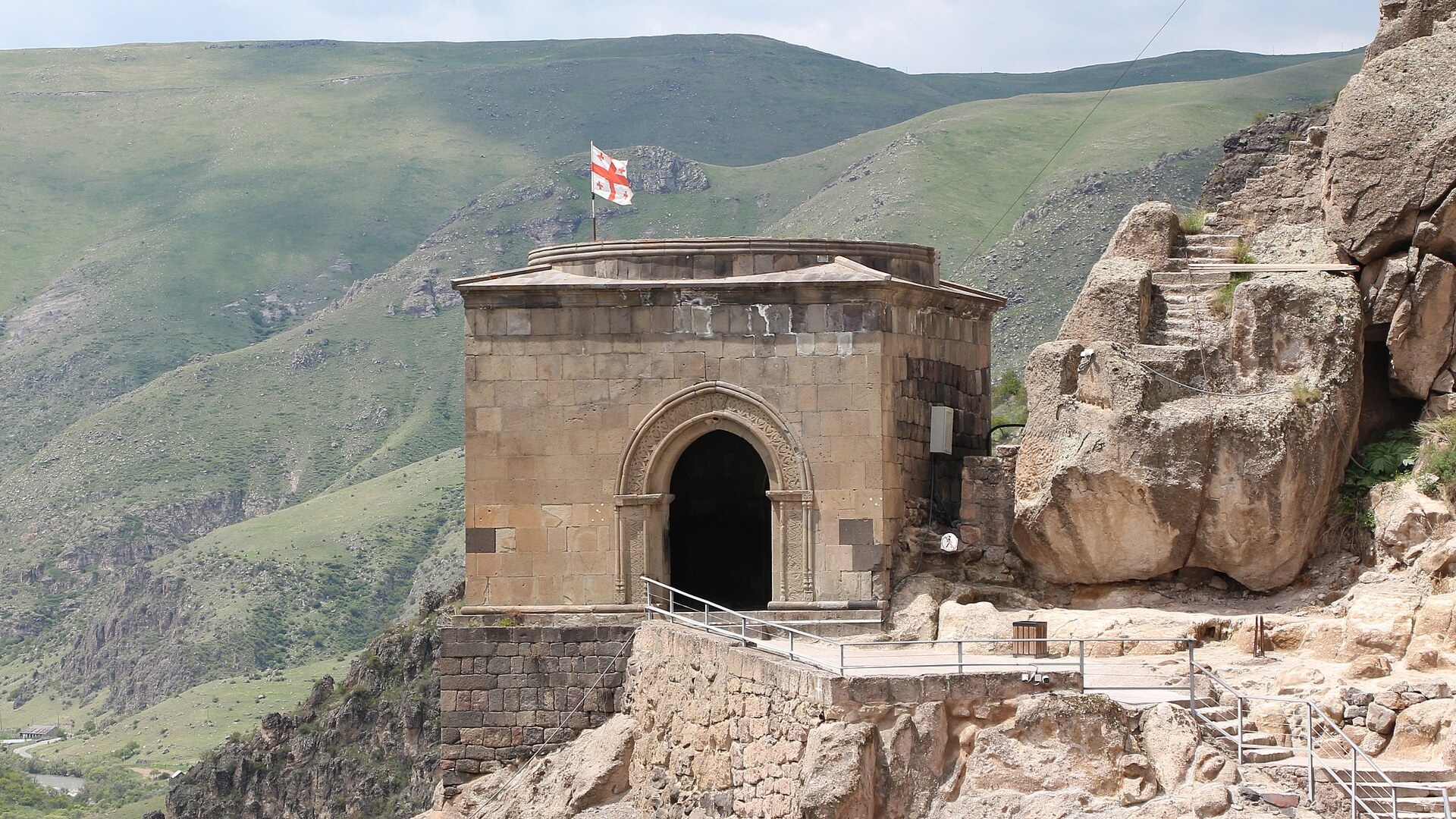
Constructed in the 12th century under King George III and Queen Tamar, Vardzia housed up to 6,000 residents in southern Georgia. The mountain settlement contained 600 rooms, 25 wine cellars, and a complex irrigation aqueduct system.
#10 Subterranean Herculaneum
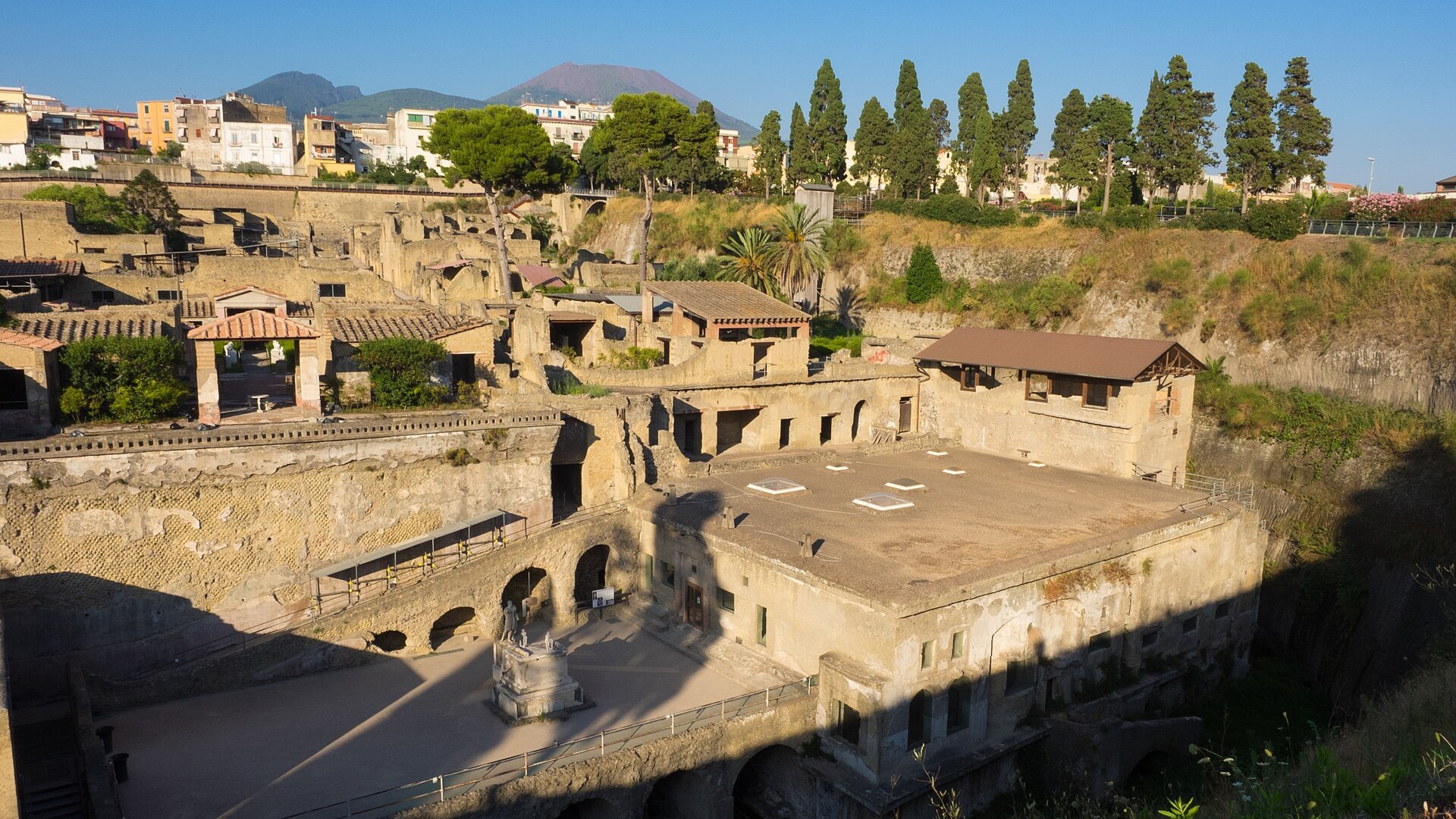
Buried under 20 meters of volcanic tuff during the 79 CE eruption of Mount Vesuvius, Herculaneum preserved carbonized wooden furniture, food stores, and upper floors. Tunnels dug in the 18th century revealed complete seaside villa layouts.
#9 Matera Sassi Troglodyte City
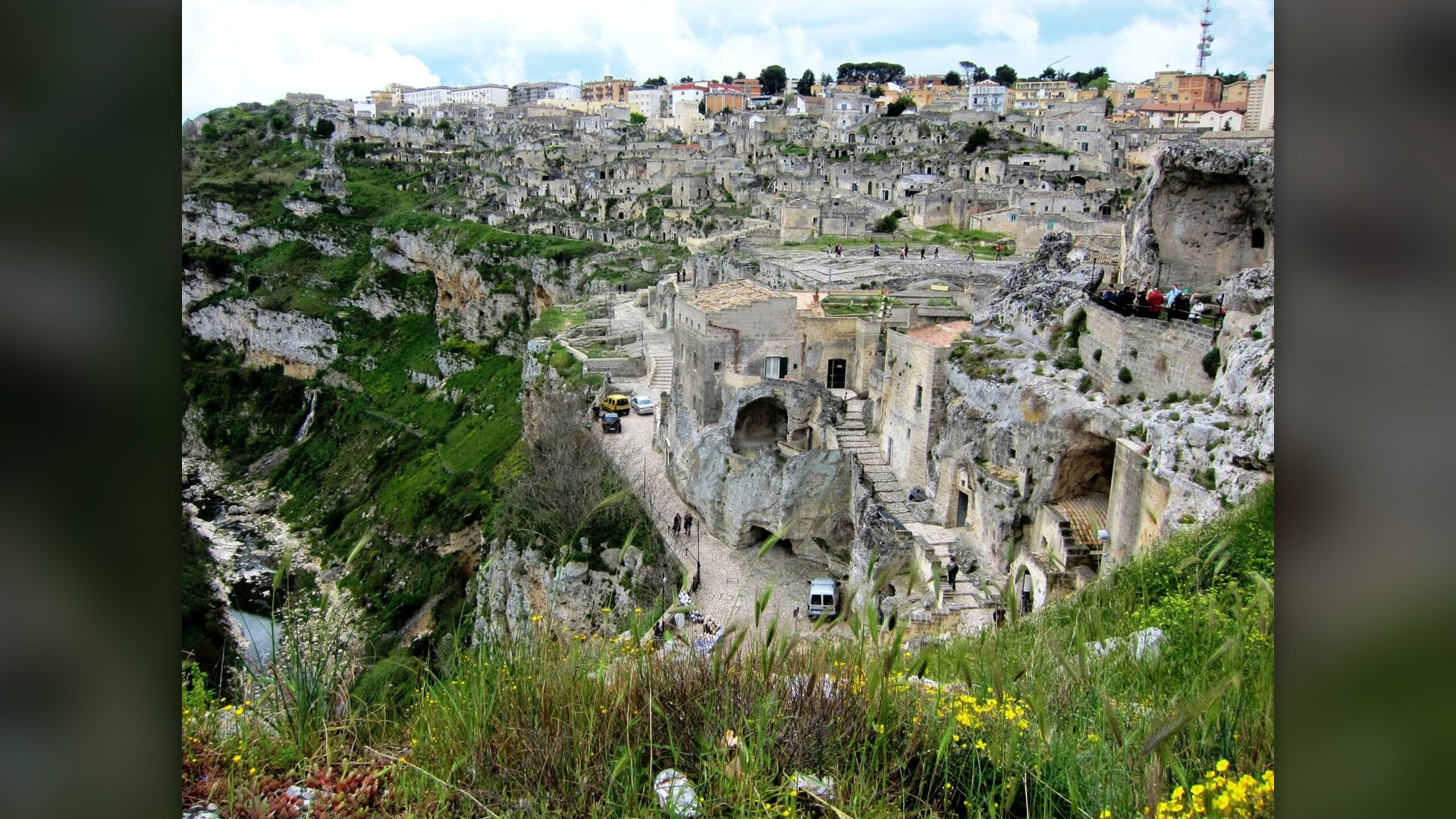
Located in southern Italy, the Sassi districts contain troglodyte homes carved directly into the calcarenite ravine. Communities lived continuously in these tiered cave rooms, relying on shared rainwater cisterns until relocation in 1952.
#8 Kariz Of Kish
Operating for more than 2,500 years, this Iranian qanat system runs 16 meters below Kish Island. It channels water across 10,000 square meters through limestone channels that filtered fresh water for desert trade merchants.
#7 Basilica Cistern
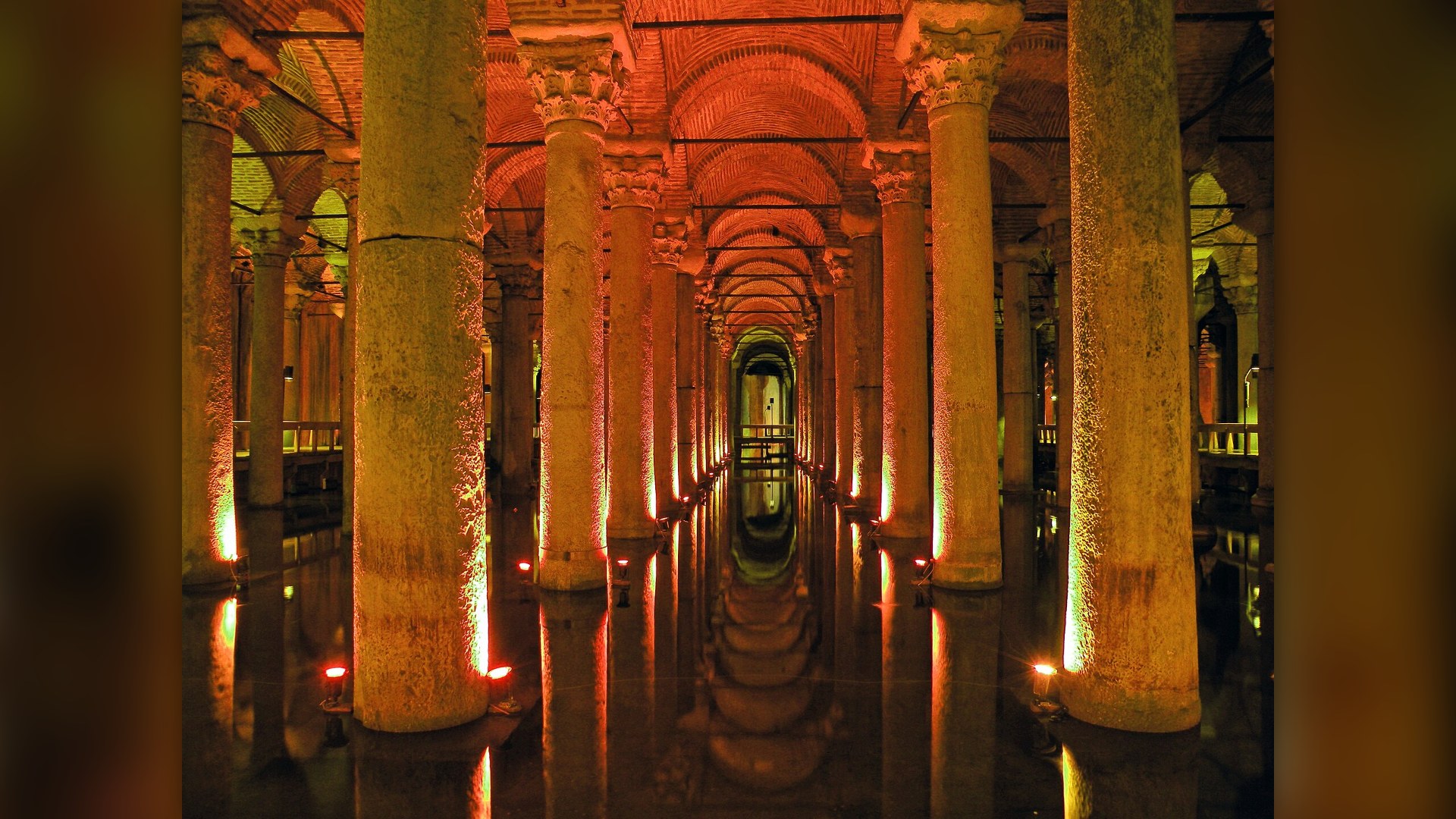
Commissioned in 532 CE by Byzantine Emperor Justinian I, this subterranean chamber beneath Istanbul spans 9,800 square meters. Its brick ceiling rests on 336 marble columns that filtered municipal water from the Belgrade Forest.
#6 Wieliczka Salt Mine
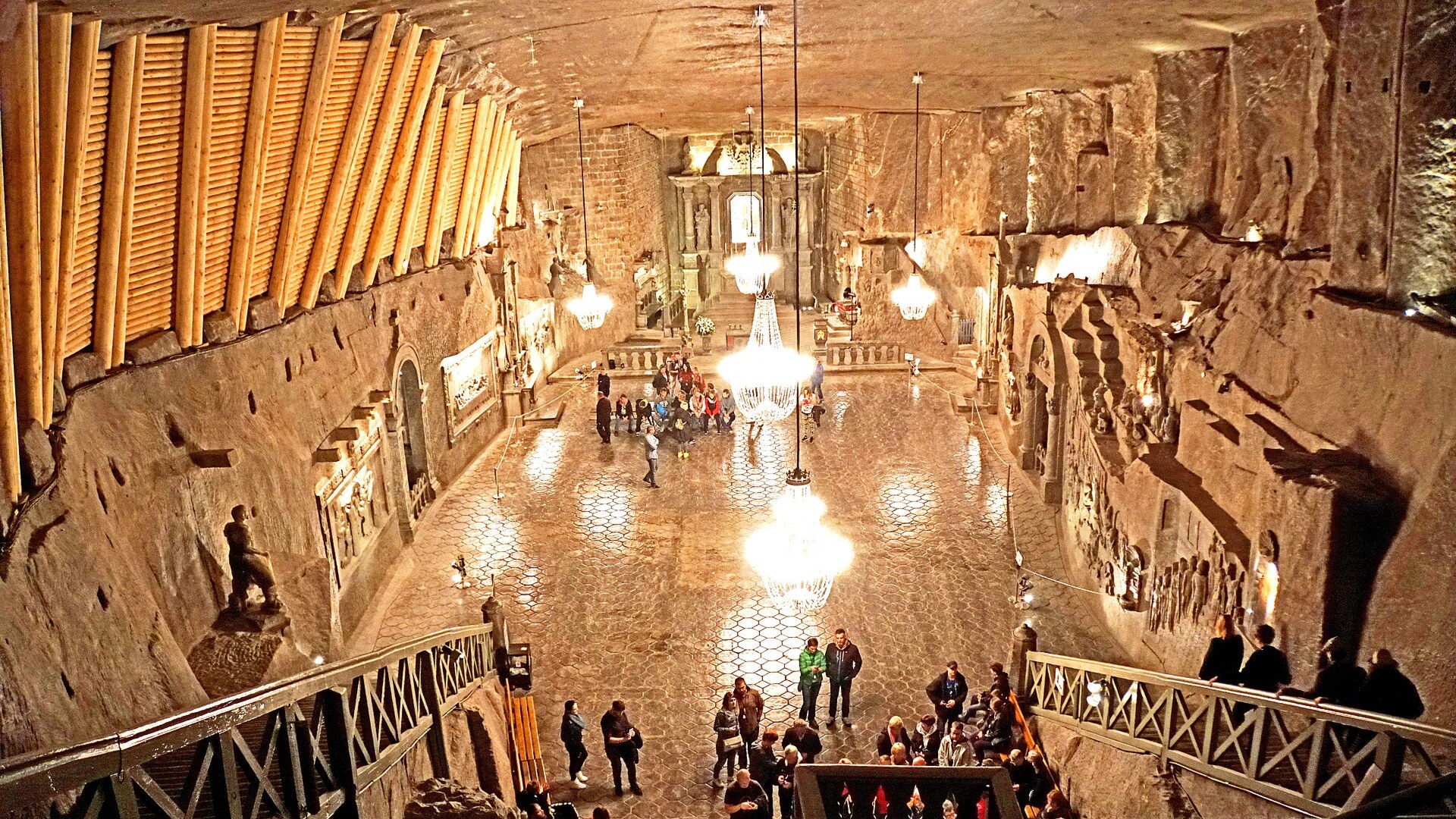
Dating back to the 13th century in Poland, Wieliczka includes 245 kilometers of underground galleries descending 327 meters. Generations of miners carved working stables, living quarters, and four ornate rock salt chapels deep underground.
#5 Ellora Kailasa Cave Complex
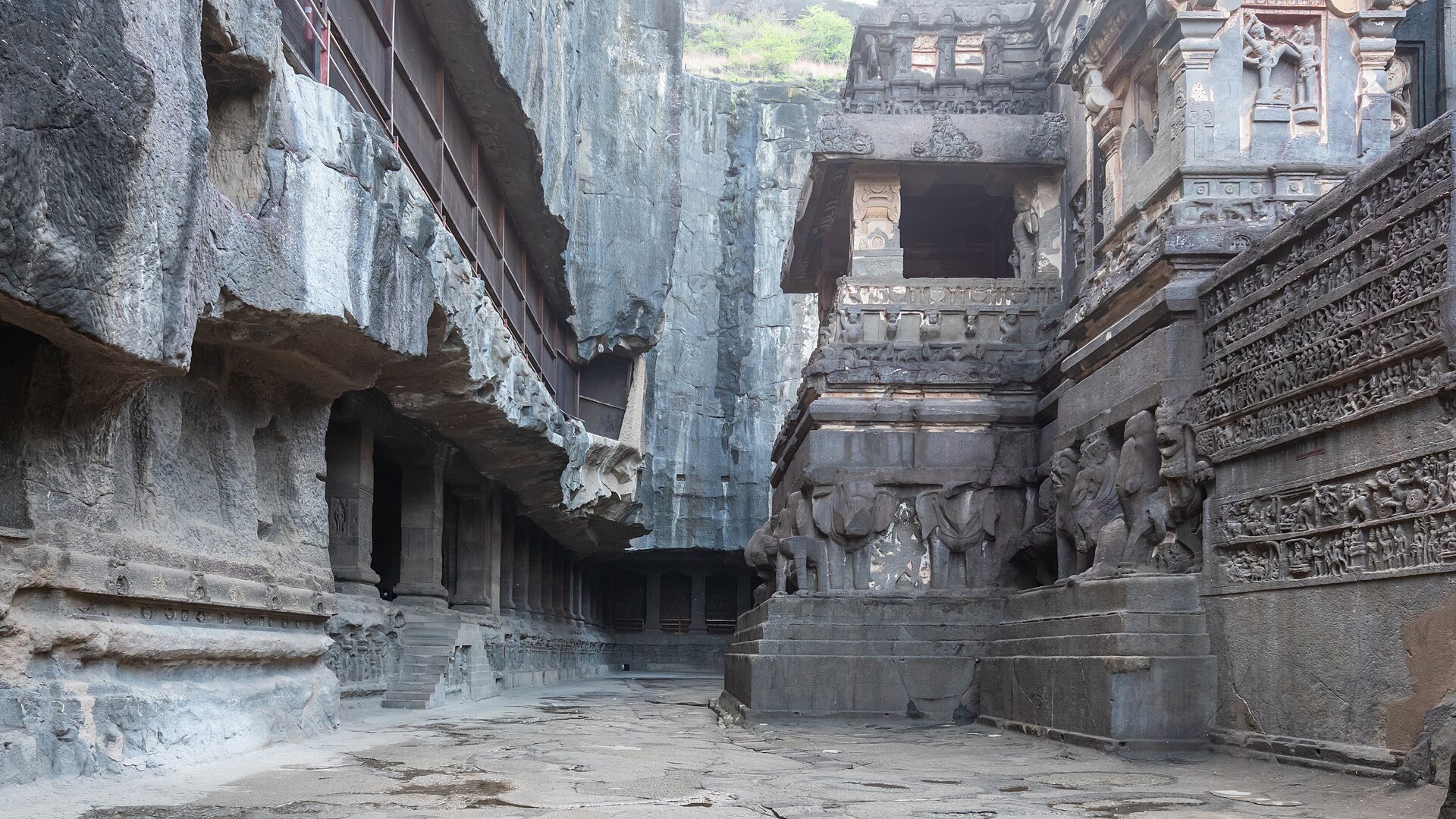
Dating to the 8th century CE in Maharashtra, India, the 34 cave temples at Ellora were carved into the Charanandri hills. Rashtrakuta artisans chiseled over 200,000 tons of rock downward to create monasteries and living dormitories.
#4 Lalibela Rock-Hewn Churches
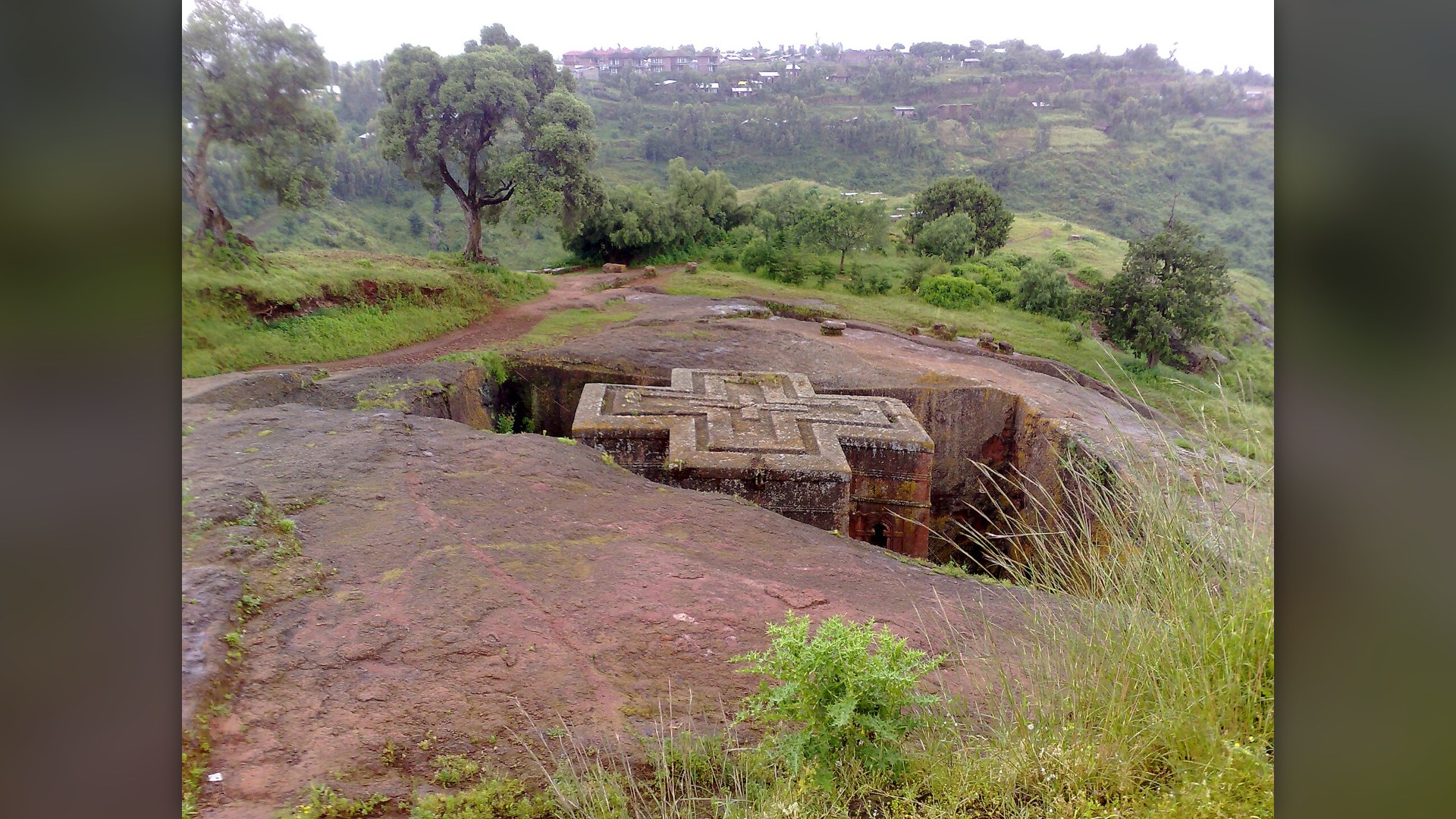
Built during the 12th and 13th centuries in Ethiopia, these 11 churches were excavated straight down into volcanic rock. Underground catacombs and narrow trenches linked the holy buildings, allowing priests and pilgrims to move unseen.
#3 Petra Rock-Cut Cistern Network
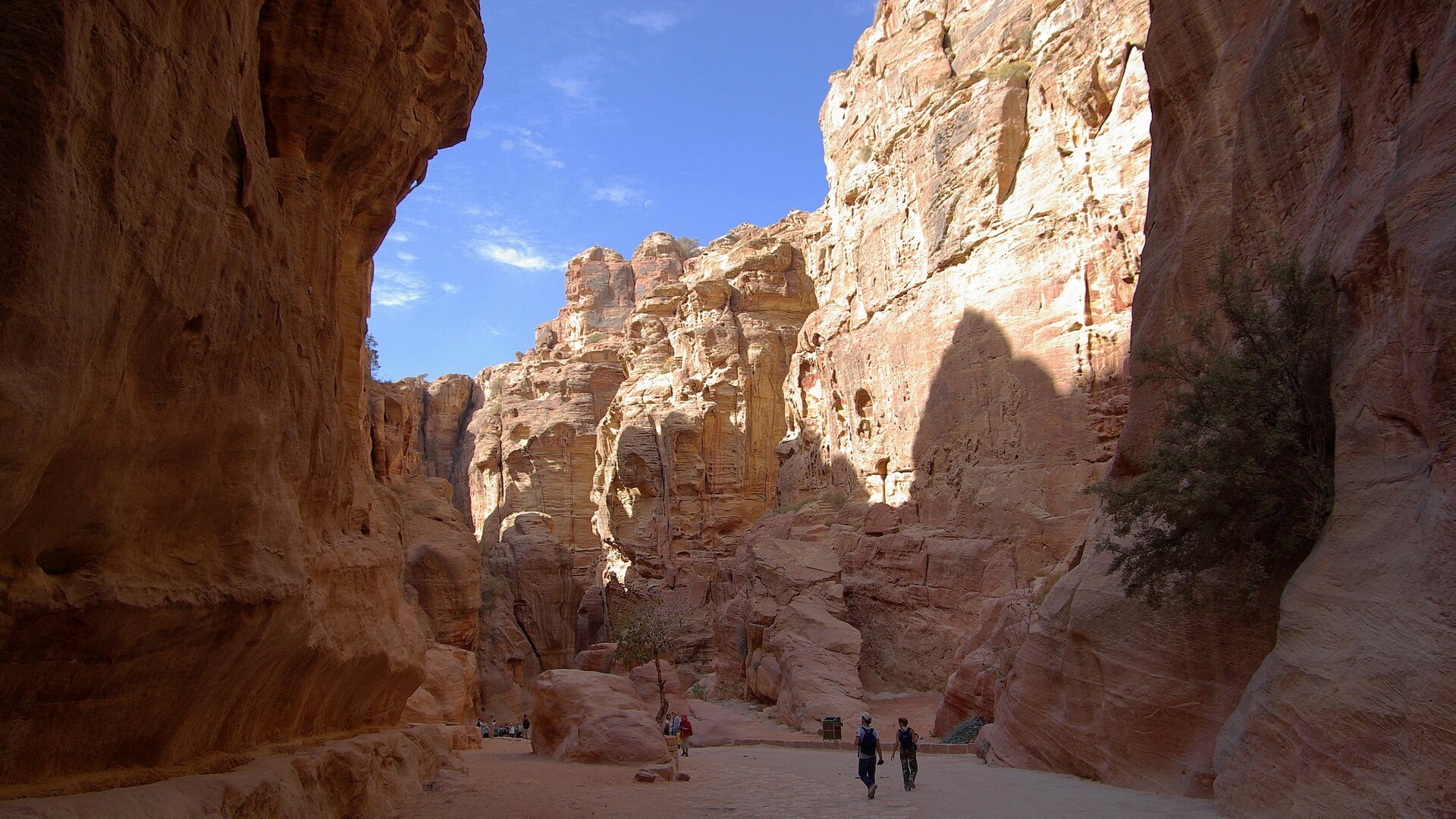
Built by the Nabataeans in southwestern Jordan from the 4th century BCE, Petra relied on underground conduits and hidden cisterns. Engineers carved subterranean channels to capture flash flood runoff, sustaining 30,000 residents in the arid desert.
#2 Hal Saflieni Hypogeum
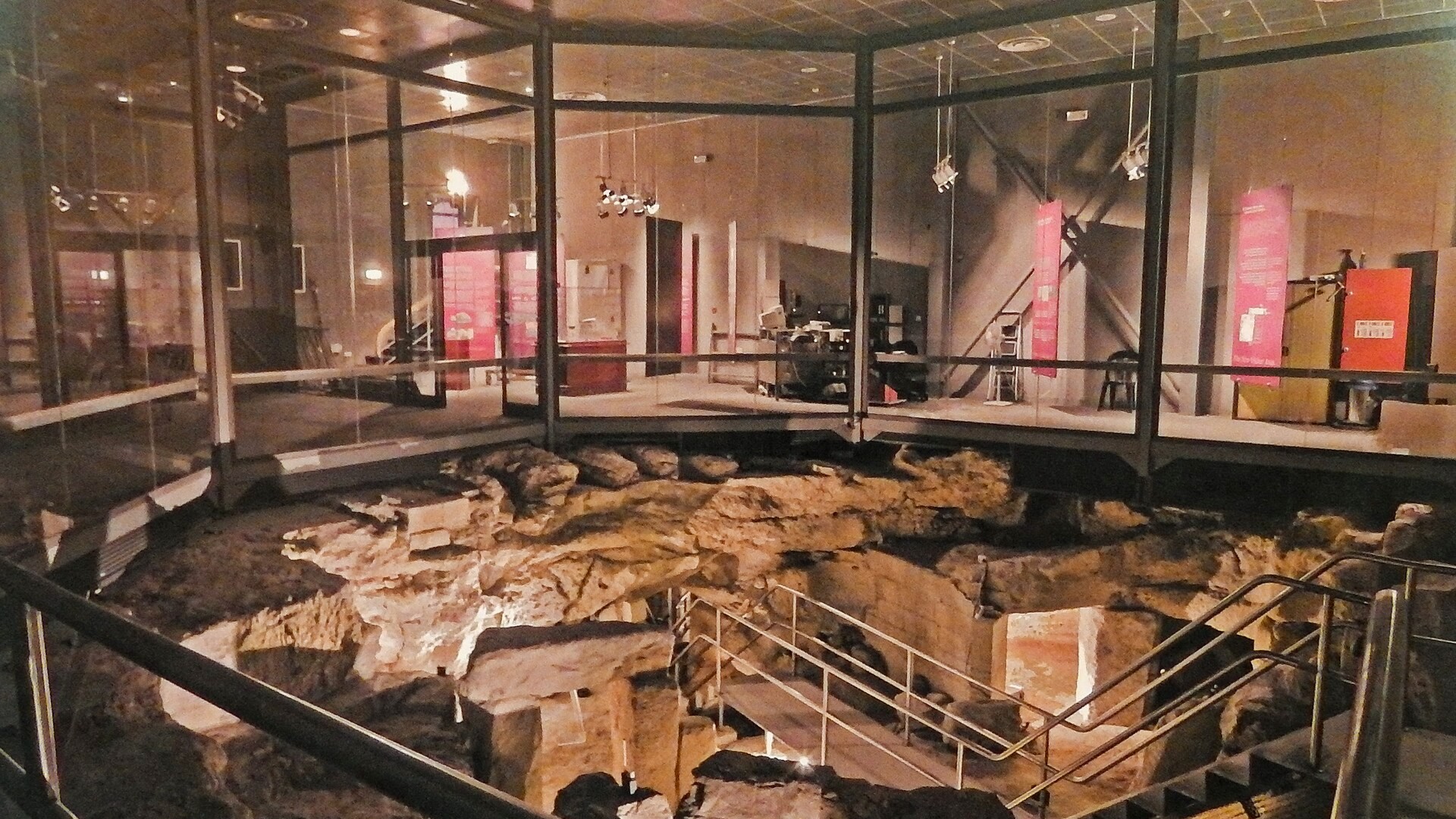
Carved between 4000 and 2500 BCE in Paola, Malta, this three-tiered subterranean labyrinth sheltered religious rituals and 7,000 burials. Neolithic builders used antler and flint tools to mimic above-ground megalithic temple architecture.
#1 Derinkuyu Underground City
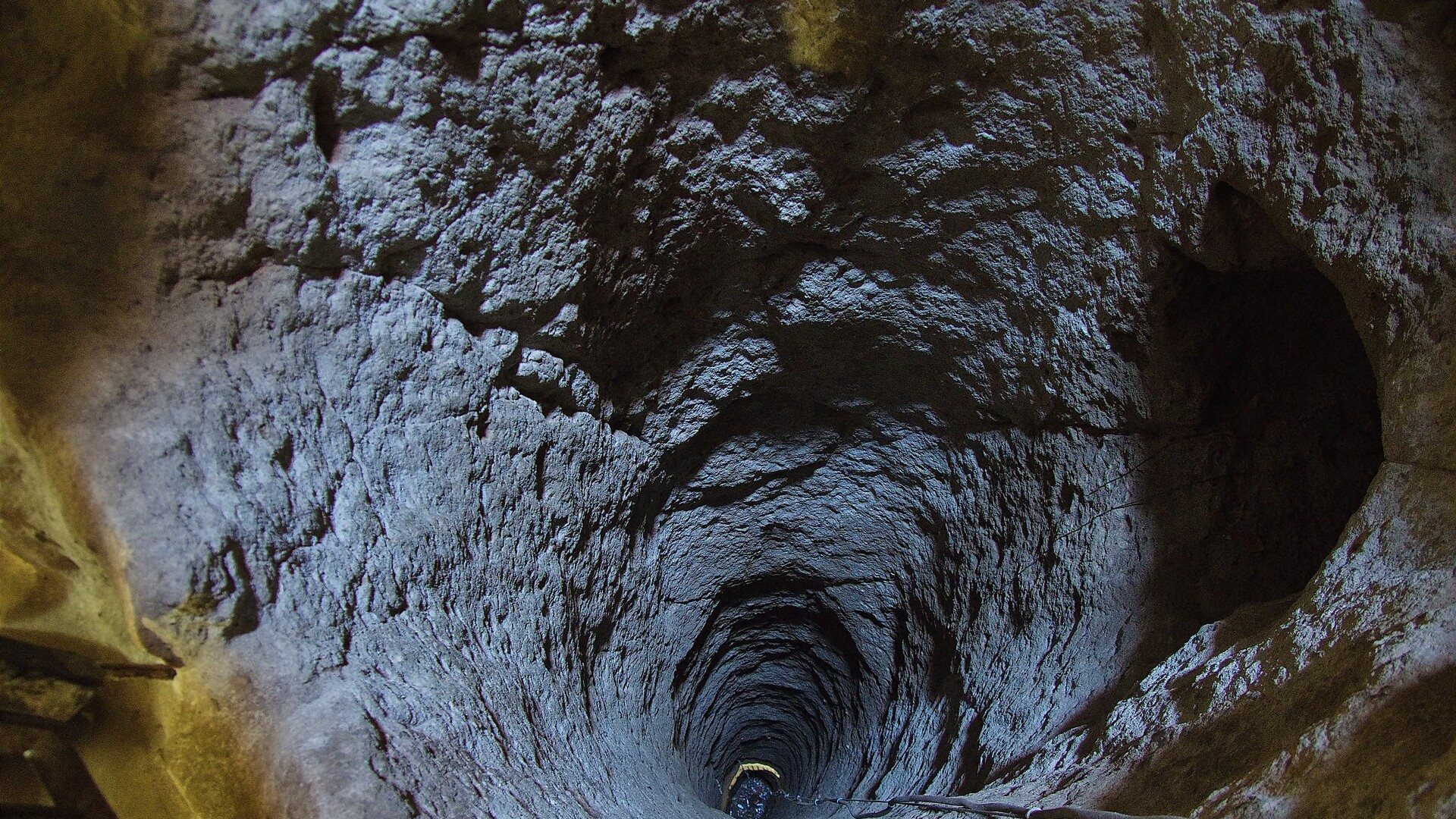
Descending 85 meters into Cappadocian volcanic rock in Turkey, Derinkuyu dates to the Phrygian era and expanded under Byzantine rule. The city featured living quarters, cellars, stables, and ventilation shafts secured by 500-kilo stone doors.