Slideshow · Animals
20 Backyard Features That Secretly Attract Snakes
From fallen birdseed and firewood piles to decorative ponds and thick mulch, discover the common yard elements that wildlife experts warn invite serpents.
By Most Viral Today
30 Oct 2026

20 Backyard Features That Secretly Attract Snakes 
20. Piles Of Firewood And Lumber 
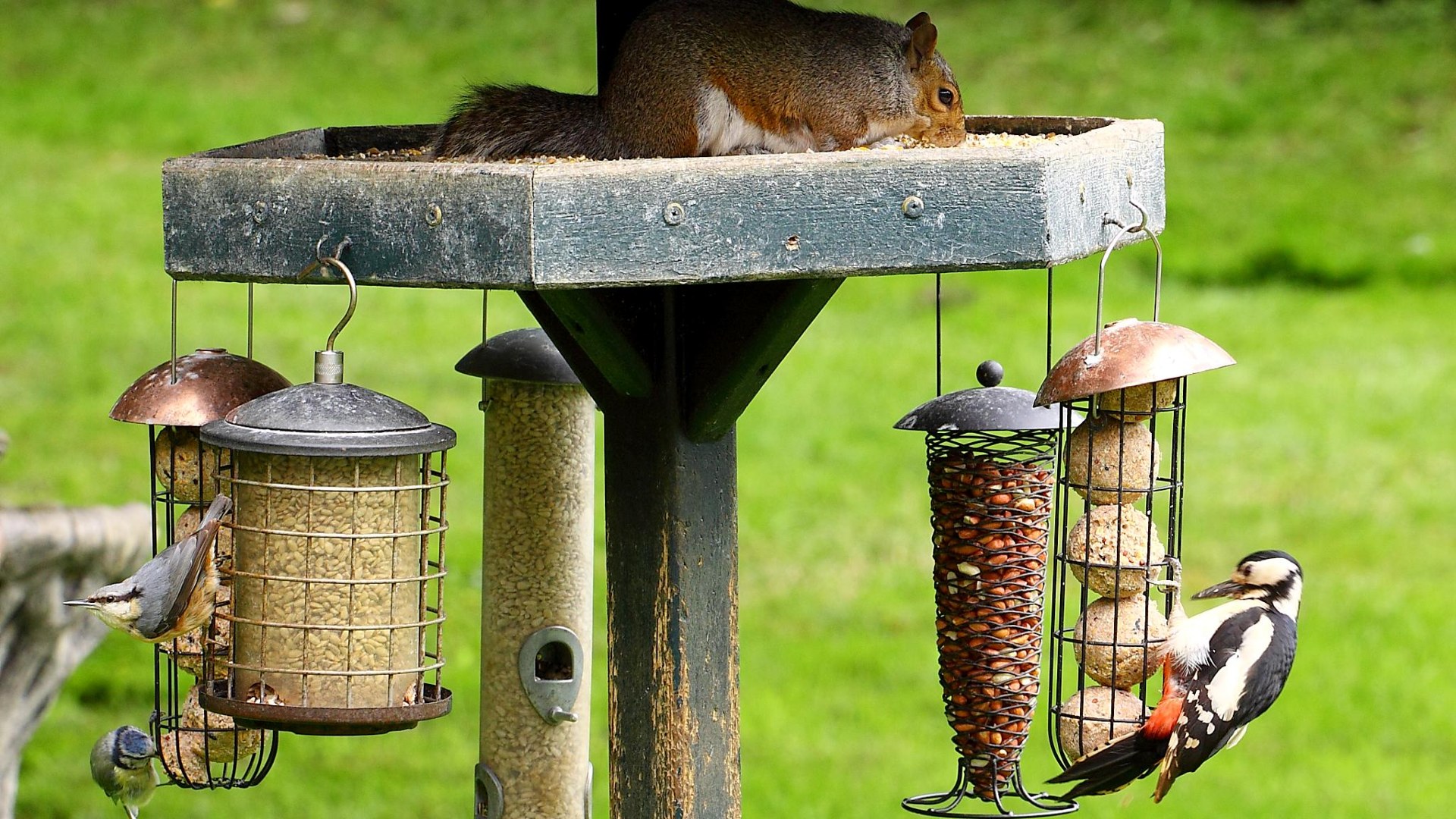
19. Overfilled Bird Feeders 
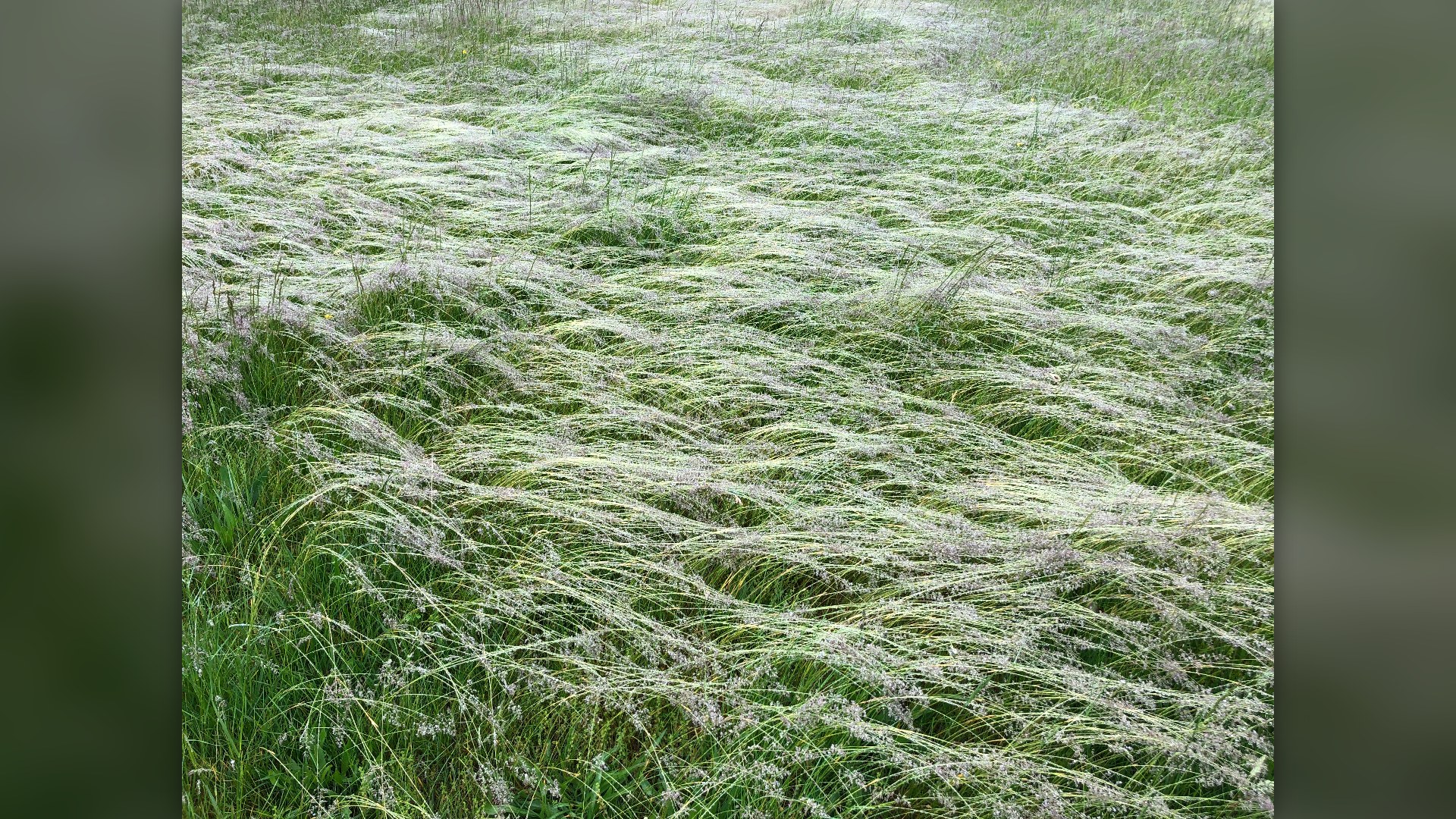
18. Tall Uncut Lawn Grass - AdvertisementSwipe or tap ▶ to continue countdown

17. Dry-Stacked Stone Walls 
16. Backyard Ponds And Water Gardens 
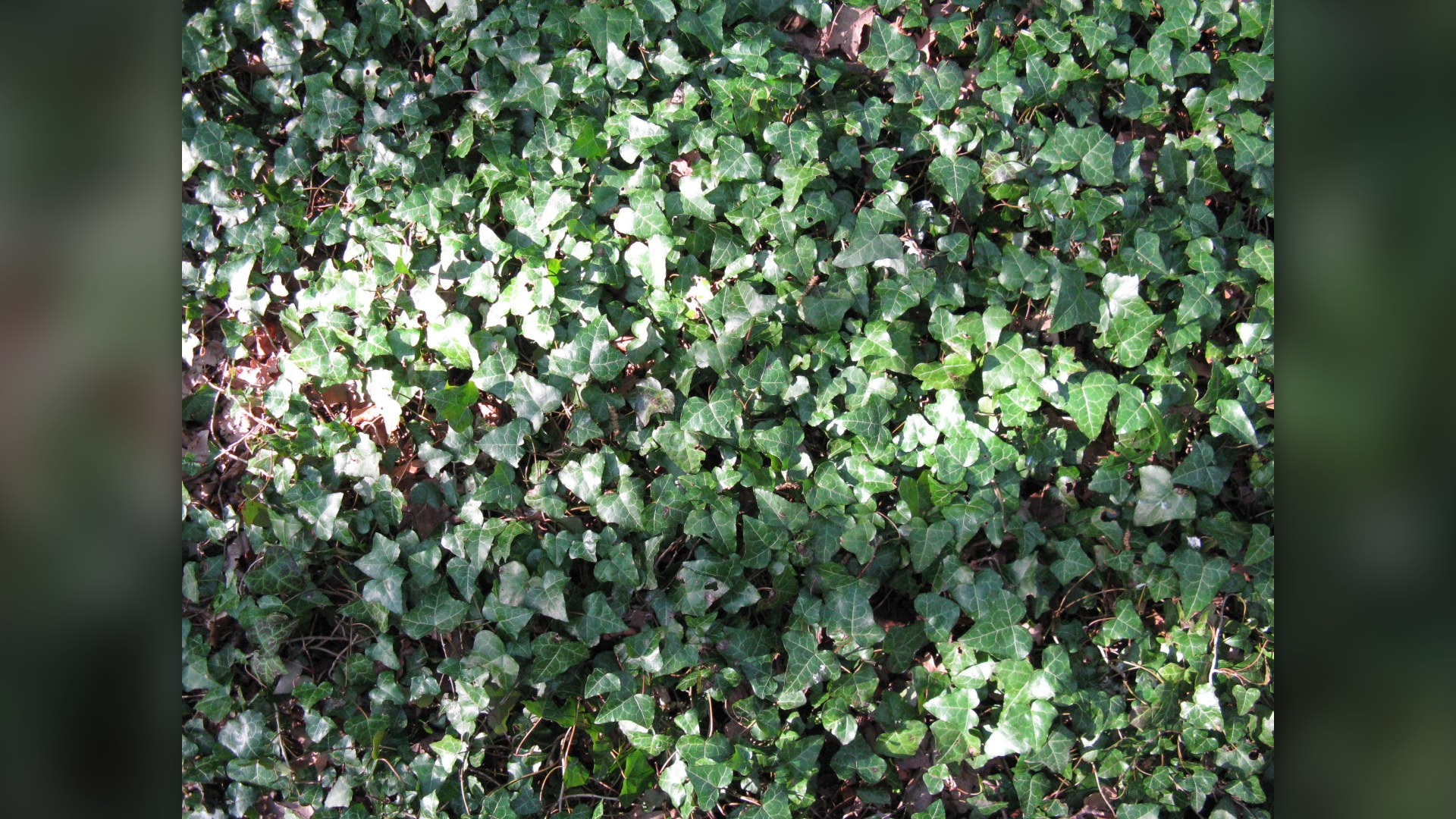
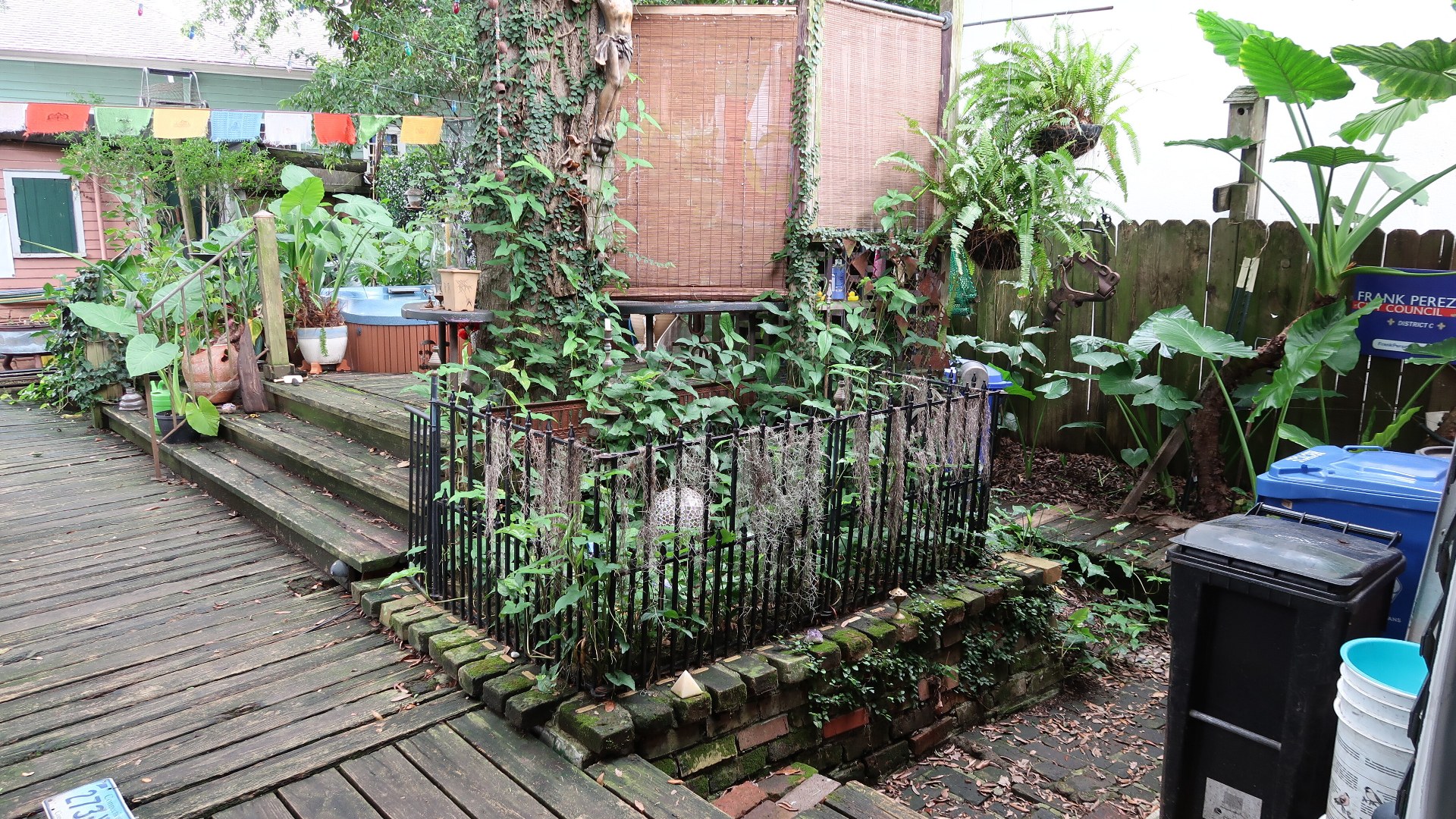
15. Dense Ground Cover And English Ivy 
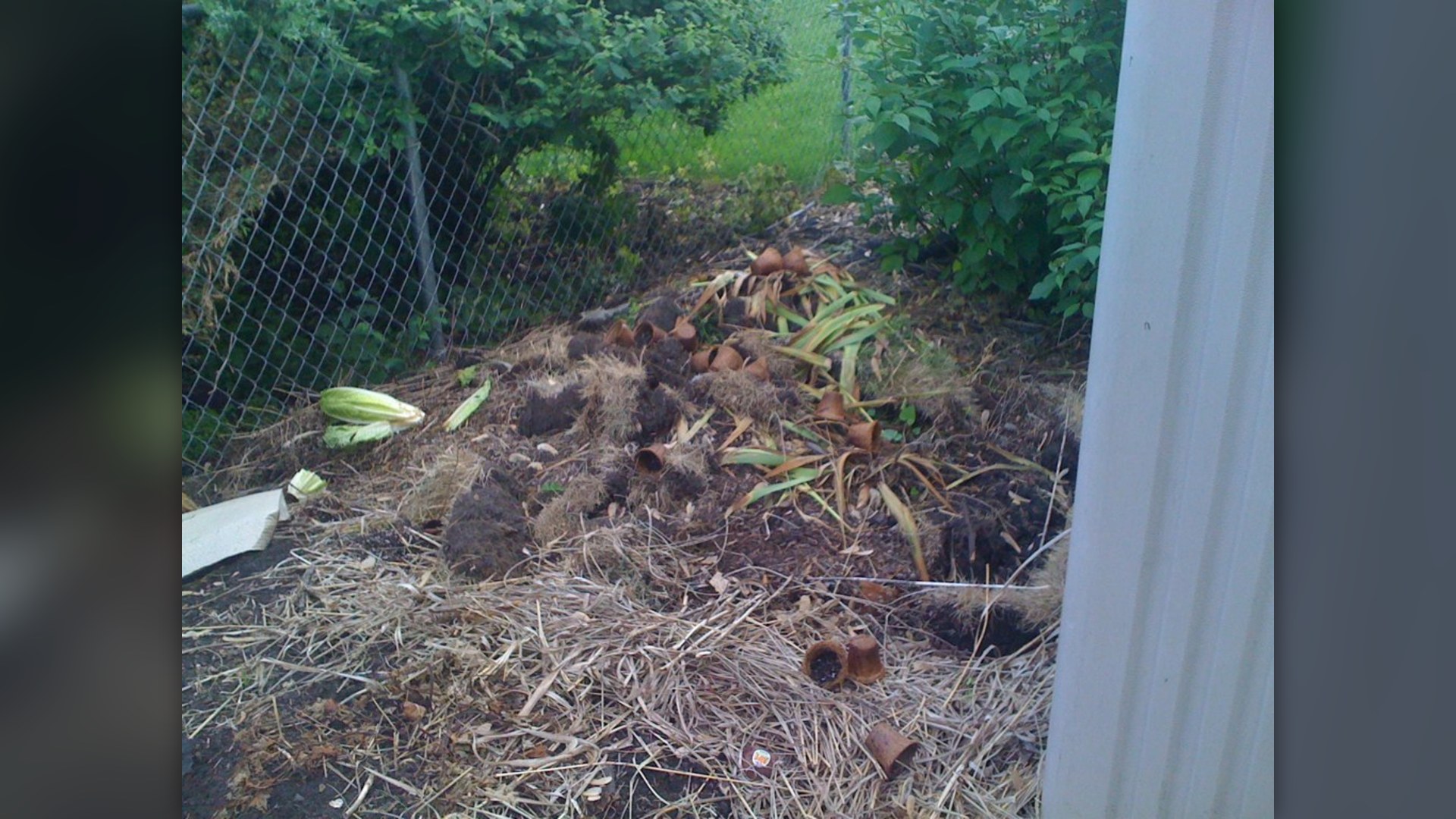
14. Untended Compost Heaps - AdvertisementSwipe or tap ▶ to continue countdown

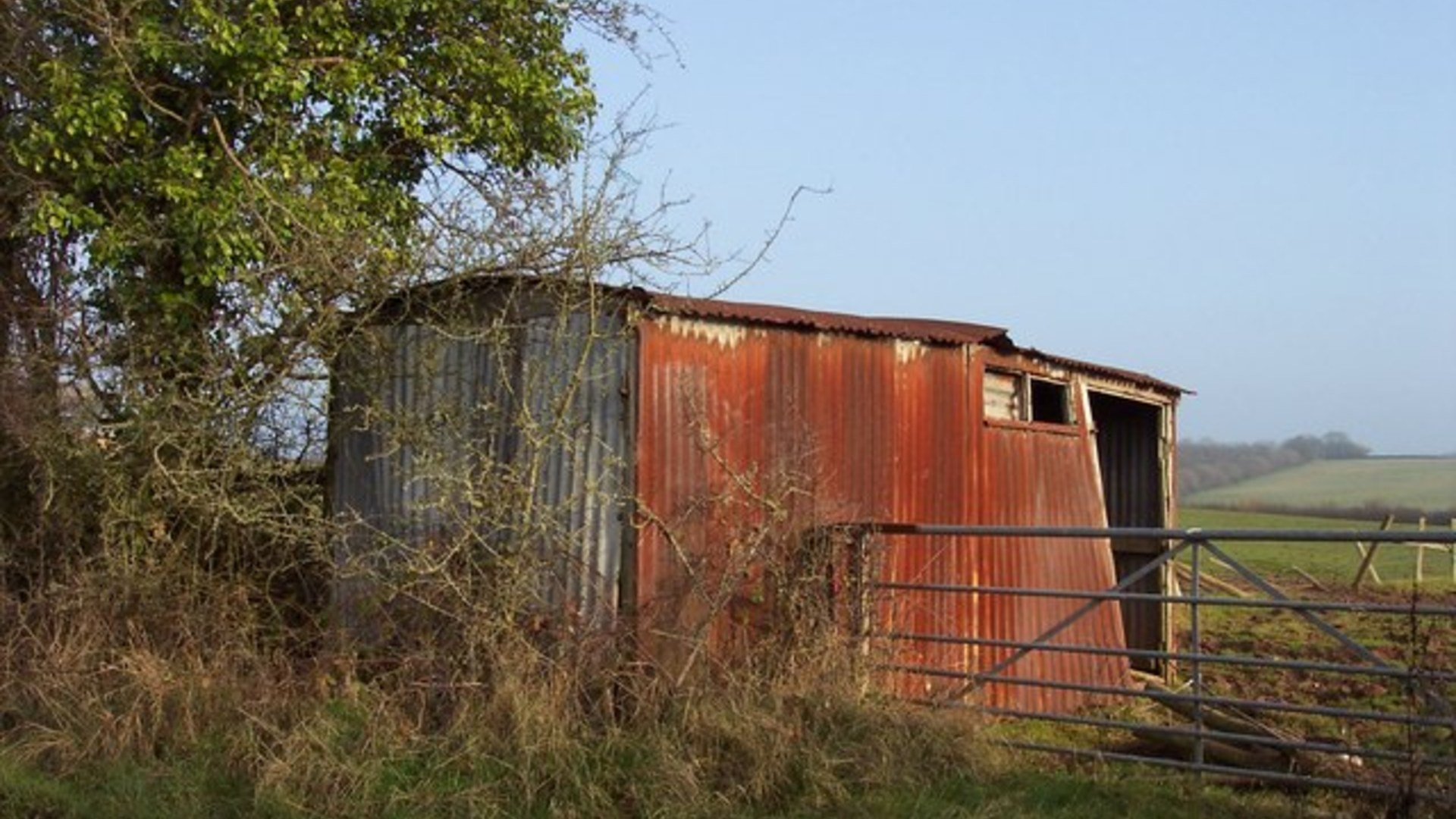
13. Discarded Tarps And Metal Sheets 
12. Low-Hanging Shrubbery And Hedges 
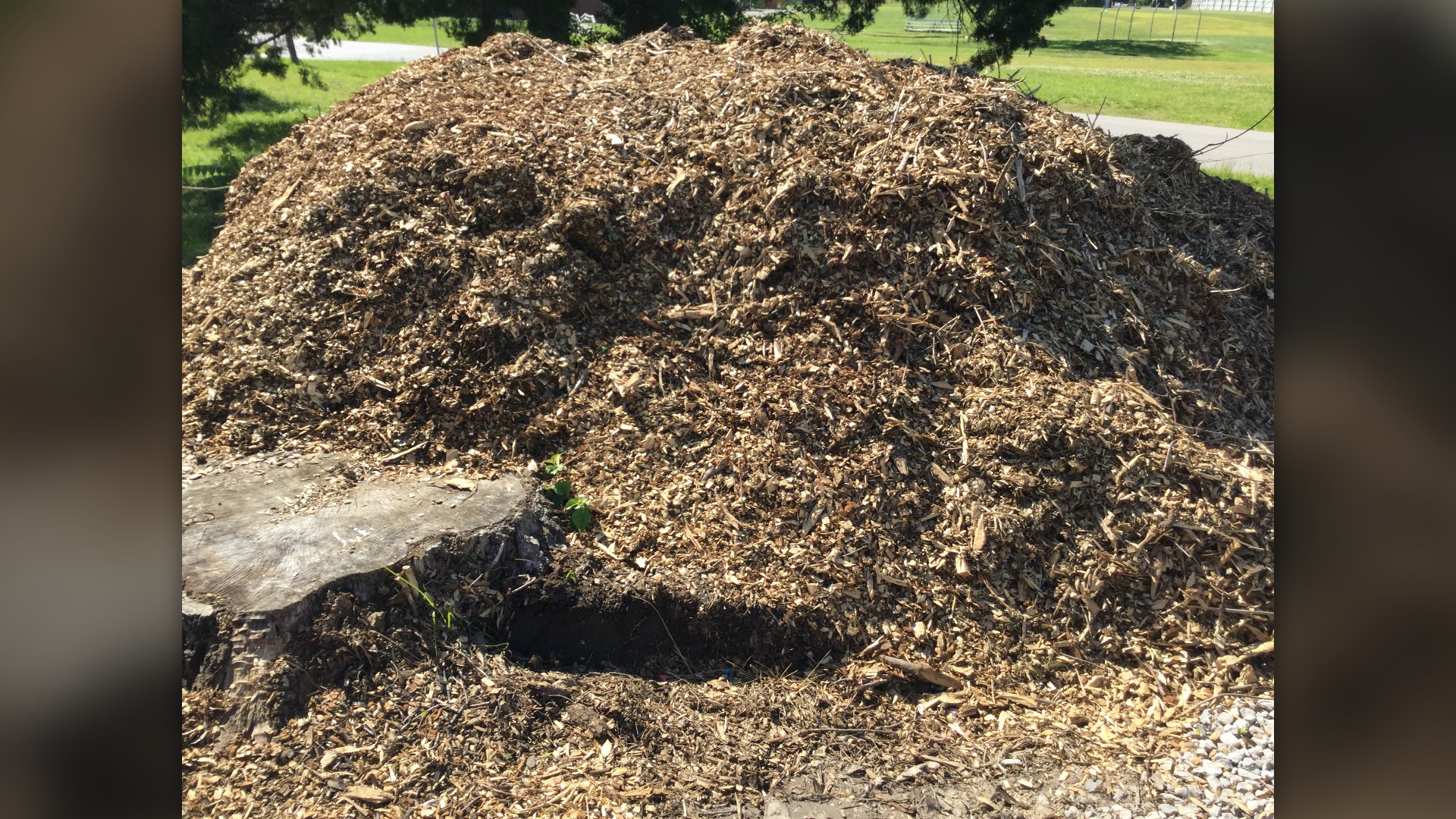
11. Thick Mulch Beds And Wood Chips 
10. Outdoor Pet Food Bowls - AdvertisementSwipe or tap ▶ to continue countdown

9. Unsealed Garden Sheds And Crawl Spaces 
8. Ground-Level Bird Baths And Leaky Hoses 
7. Fallen Tree Fruit And Berry Patches 
6. Discarded Planters And Pot Stacks - AdvertisementSwipe or tap ▶ to continue countdown

5. Open Raised Decks With Unscreened Skirts 
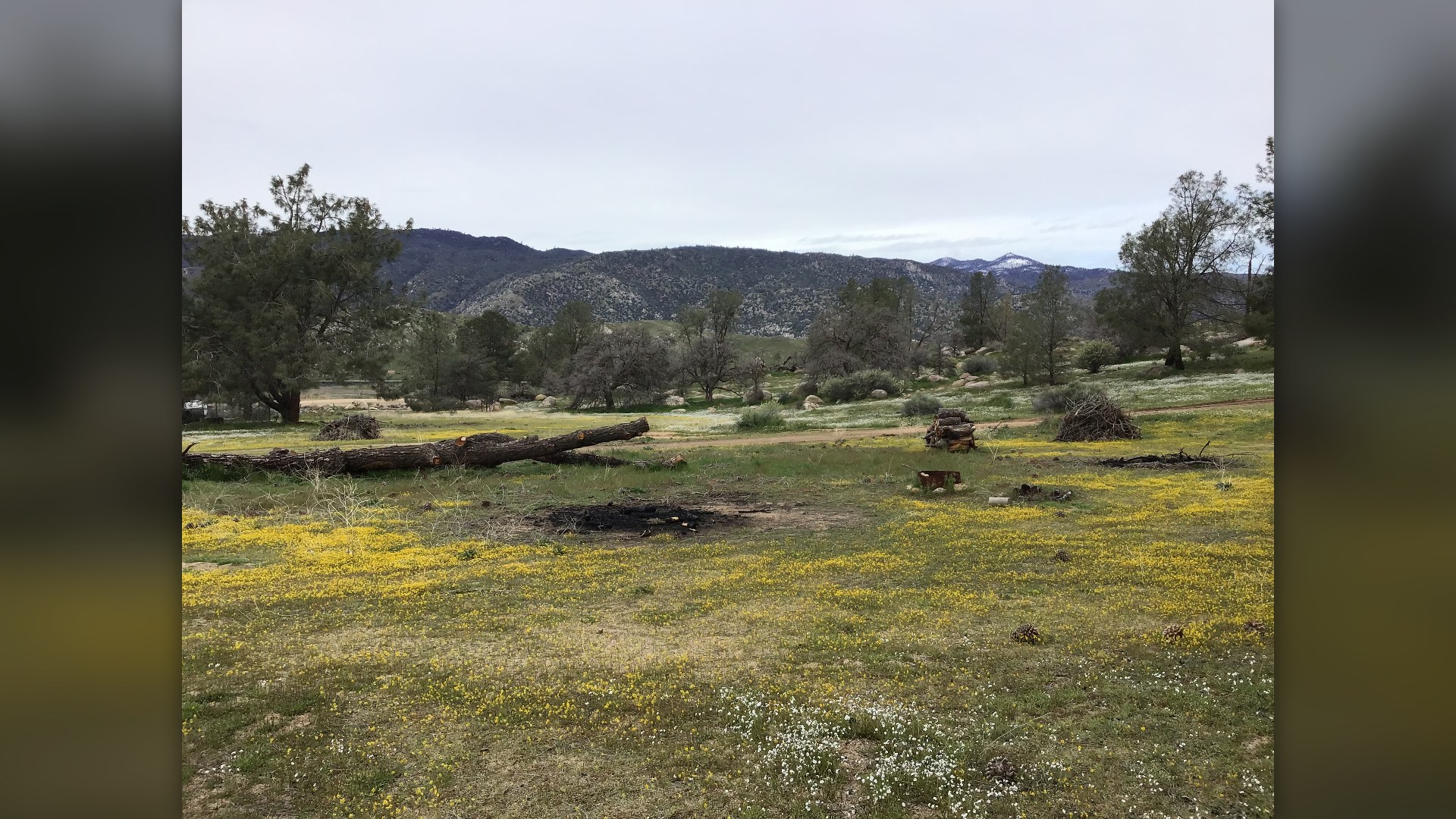
4. Loose Brush And Pruning Piles 
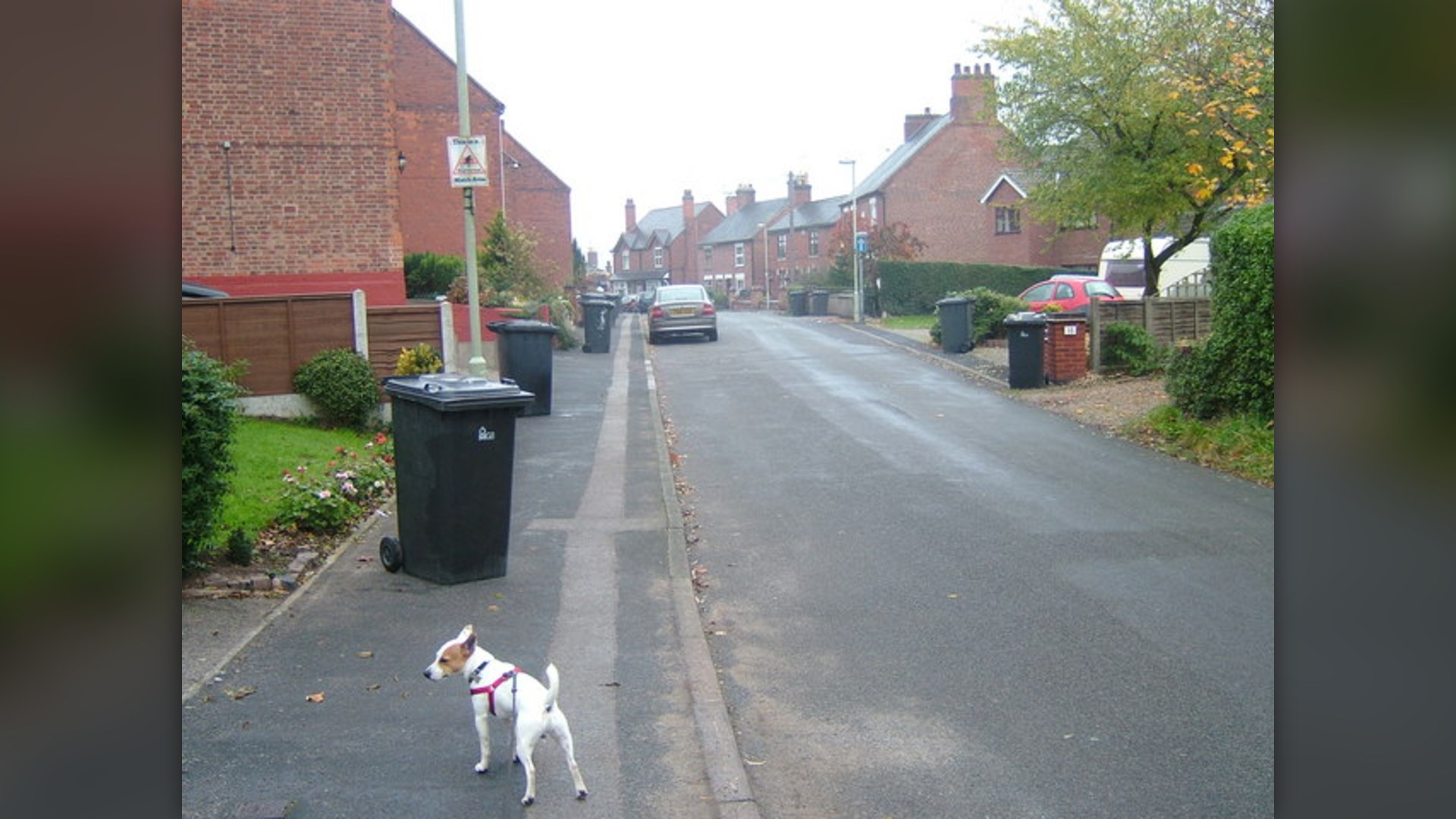
3. Unsecured Garbage And Compost Cans 
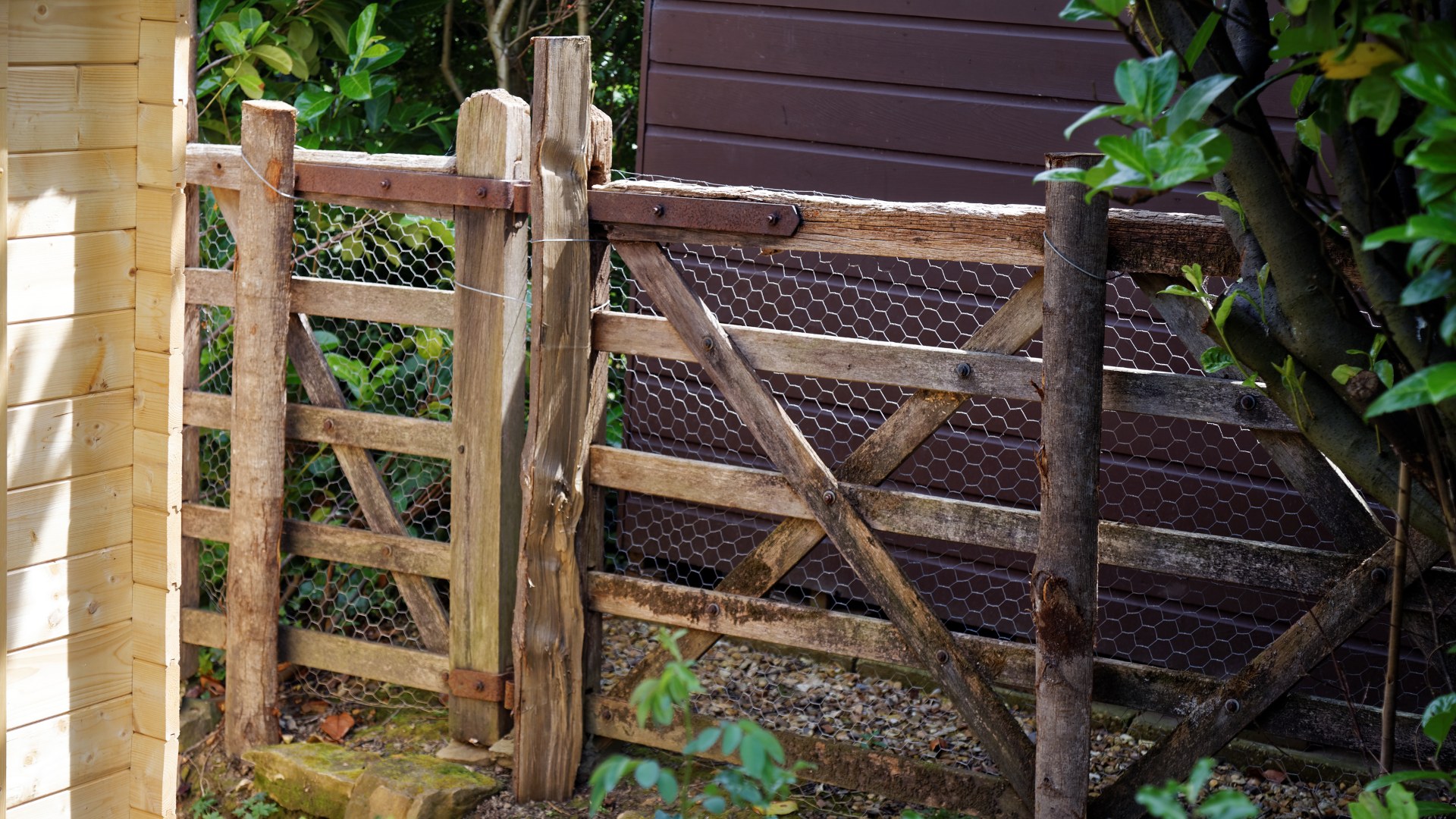
2. Gaps Beneath Wooden Perimeter Fences - AdvertisementSwipe or tap ▶ to continue countdown

1. Hollow Decorative Yard Ornaments - Advertisement🔥 UP NEXT IN THIS SERIES◫ 22 Slides

How Long Do Hippos Live? 20 Other Facts About Hippos
From sixty-year lifespans to whale cousins, discover secrets of river giants
From dense rock piles and untamed woodstacks to quiet garden ponds, herpetologists and wildlife specialists point out the common yard features that inadvertently create irresistible havens for serpents.
Swipe or tap ▶ to begin the countdown
©Wikimedia / buonsulio and Michael Garlick
20. Piles Of Firewood And Lumber
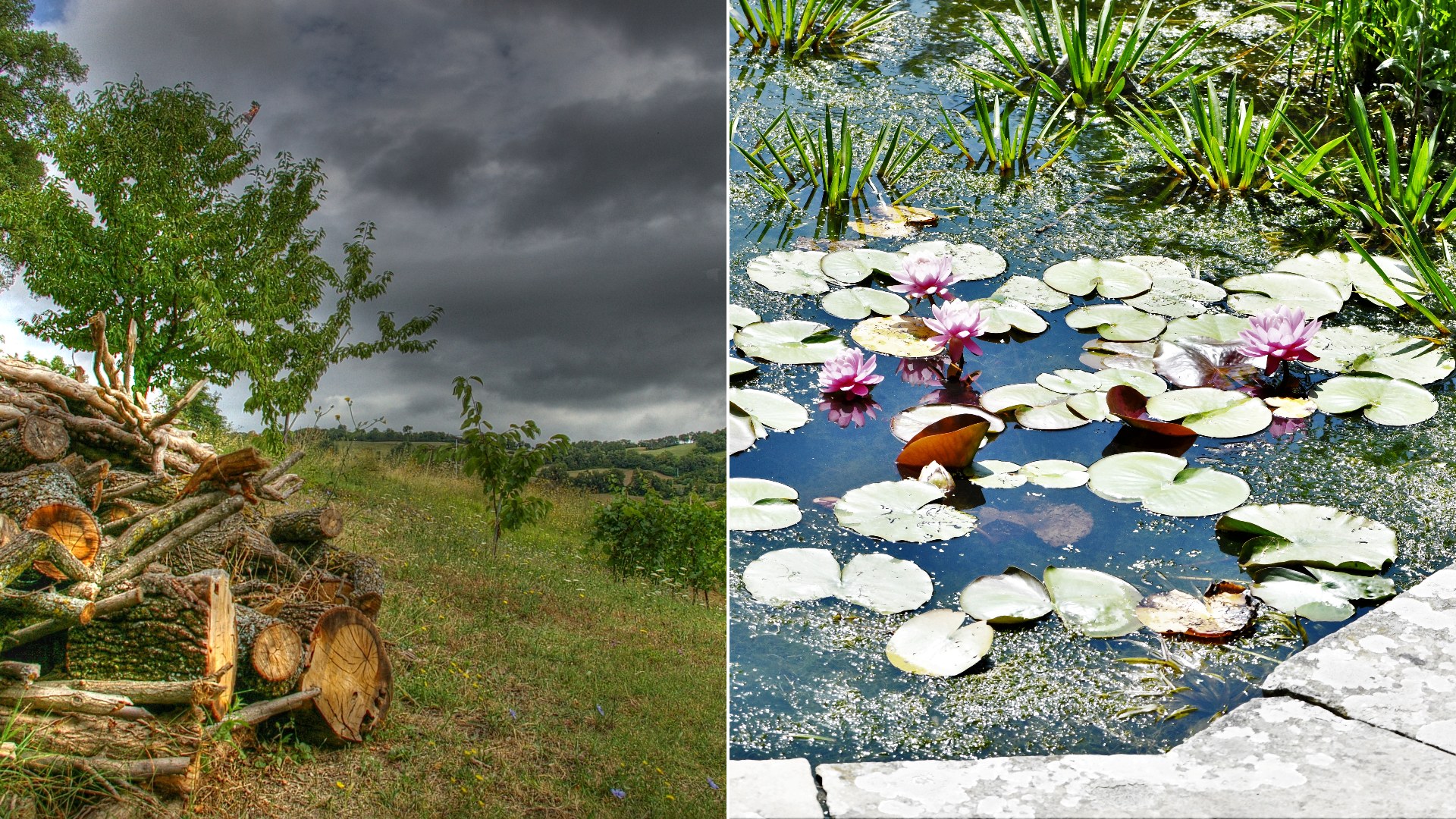
Stacked logs set directly on soil create damp, protected voids where field mice nest. Because rodents represent a staple food source, snakes readily establish home ranges inside these dark woodpiles.
©Wikimedia / buonsulio
19. Overfilled Bird Feeders
Seed hulls and grain dropped beneath feeders provide easy meals for field mice and voles. As rodent numbers expand under feeding stations, rat snakes and garter snakes follow the prey trail directly into garden beds.
©Wikimedia / Tim Felce (Airwolfhound)
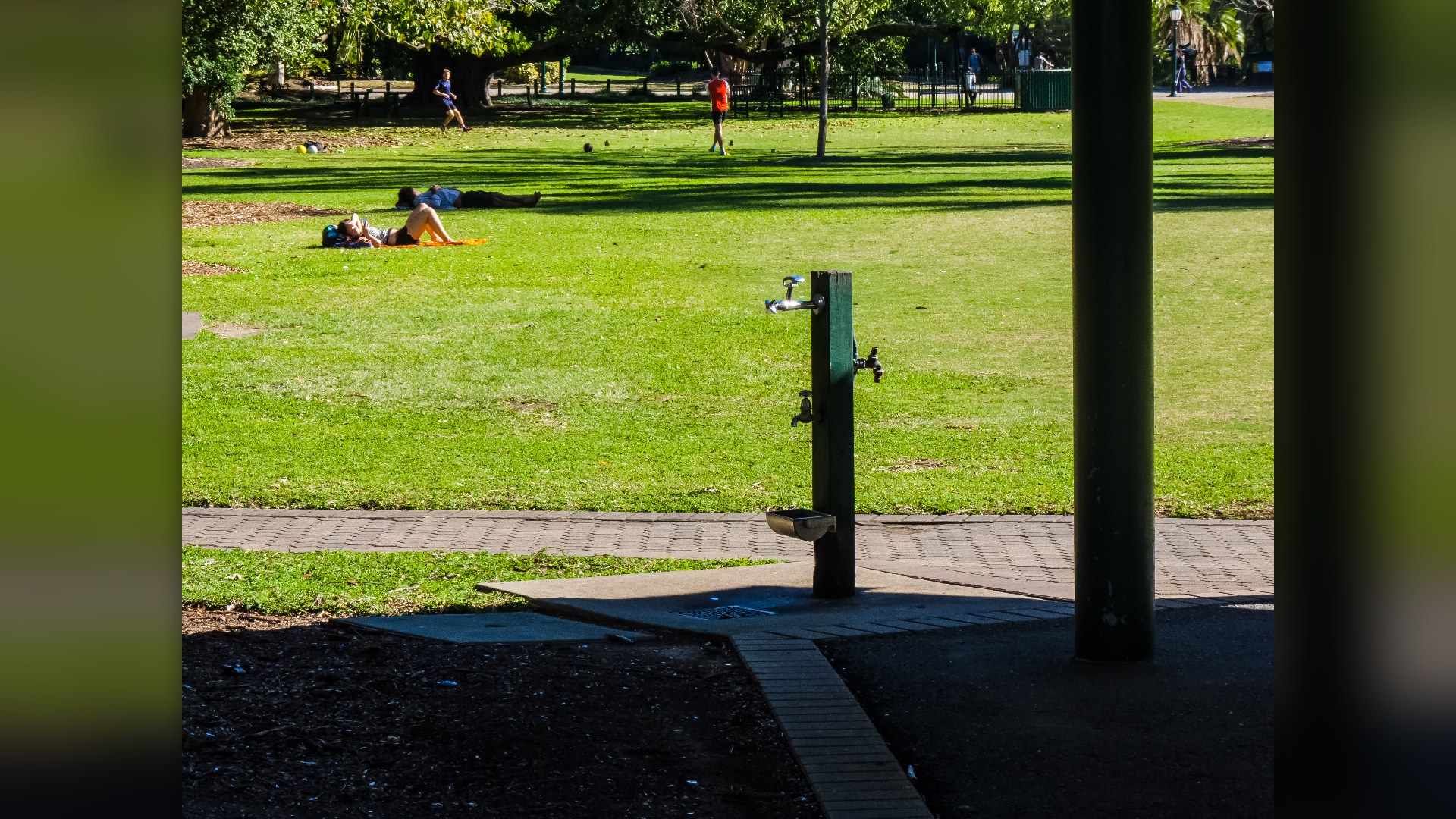
18. Tall Uncut Lawn Grass
Tall turf keeps the ground cool and traps ambient morning dew. Because open lawns leave snakes exposed to hawks and owls, overgrown blades create protective corridors where serpents hunt grasshoppers and mice unbothered.
©Wikimedia / Famartin
Advertisement
Swipe or tap ▶ to resume the countdown.
17. Dry-Stacked Stone Walls
Landscaping rock walls built without mortar contain deep network cavities. In cool morning hours, stone surfaces absorb heat for basking, while hollow voids between rocks give snakes instantaneous escape routes when humans approach.
©Internet Archive / Nika Akin
16. Backyard Ponds And Water Gardens
Decorative ponds with floating lily pads and gentle fountains attract frogs, toads, and salamanders. For garter snakes and northern water snakes, an active garden pond represents a stocked pantry with consistent moisture.
©Wikimedia / Michael Garlick
15. Dense Ground Cover And English Ivy
Sprawling mats of English ivy and pachysandra blanket garden soil, creating humid microclimates where chipmunks dig tunnels. Snakes navigate beneath the interwoven vine canopy without ever being spotted from above.
©Wikimedia / TheLivesAroundUs
14. Untended Compost Heaps
Decomposing leaves, kitchen scraps, and grass clippings generate steady natural warmth as bacteria break down the heap. Snakes seeking incubation temperature for egg clutches frequently burrow into untended compost.
©Wikimedia / Joe Hoover
Advertisement
Swipe or tap ▶ to resume the countdown.
13. Discarded Tarps And Metal Sheets
Discarded sheets of corrugated metal or plastic ground tarps act as heat conductors in open yards. By capturing sunlight while blocking predatory birds, these flat sheets create ideal warm basking shelters underneath.
©Wikimedia / Jonathan Billinger
12. Low-Hanging Shrubbery And Hedges
Bushes and trimmed hedges planted close to foundation walls create shaded corridors. Because these branches touch the ground, snakes use the continuous canopy to travel along home perimeters undetected by human eyes.
©Wikimedia / JERRYE & ROY KLOTZ MD
11. Thick Mulch Beds And Wood Chips
Garden mulch layers exceeding three inches insulate underlying soil and trap valuable moisture during dry spells. Invertebrates and lizards thrive in this damp bedding, turning decorative wood chips into reliable hunting grounds for snakes.
©Wikimedia / Geo Lightspeed7
10. Outdoor Pet Food Bowls
Pet food bowls left overnight on porches or patios provide easy nutrition for mice, rats, and opossums. As rodent activity concentrates around feeding dishes, snakes detect the scent markers and establish hunting stations nearby.
©Wikimedia / John Robert McPherson
Advertisement
Swipe or tap ▶ to resume the countdown.
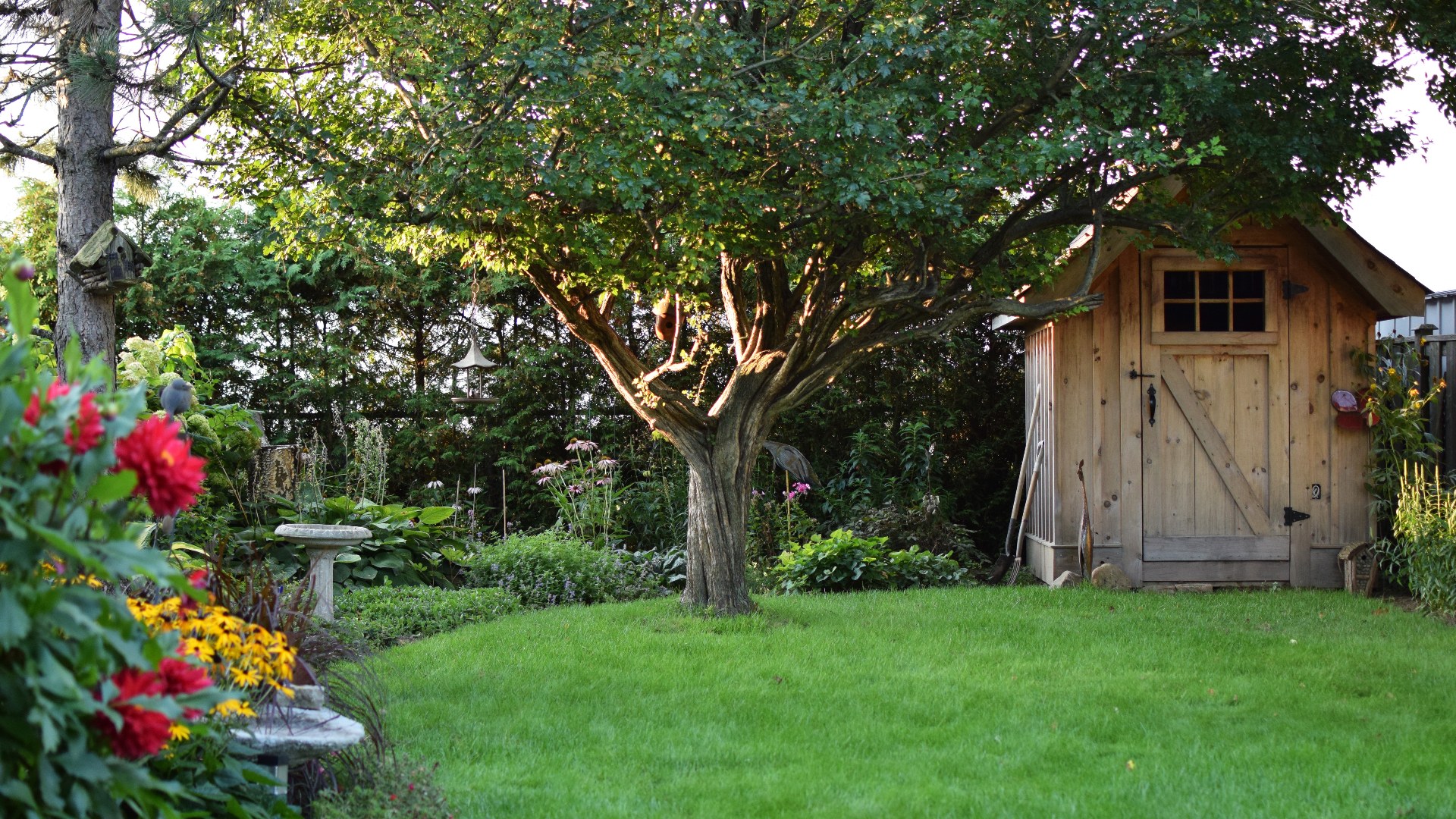
9. Unsealed Garden Sheds And Crawl Spaces
Small gaps beneath garden sheds or detached garages give snakes access to dark, weather-protected subfloors. Free from rain, wind, and foot traffic, these quiet sanctuaries make prime locations for reptiles to brumate through colder months.
©Wikimedia / Mark
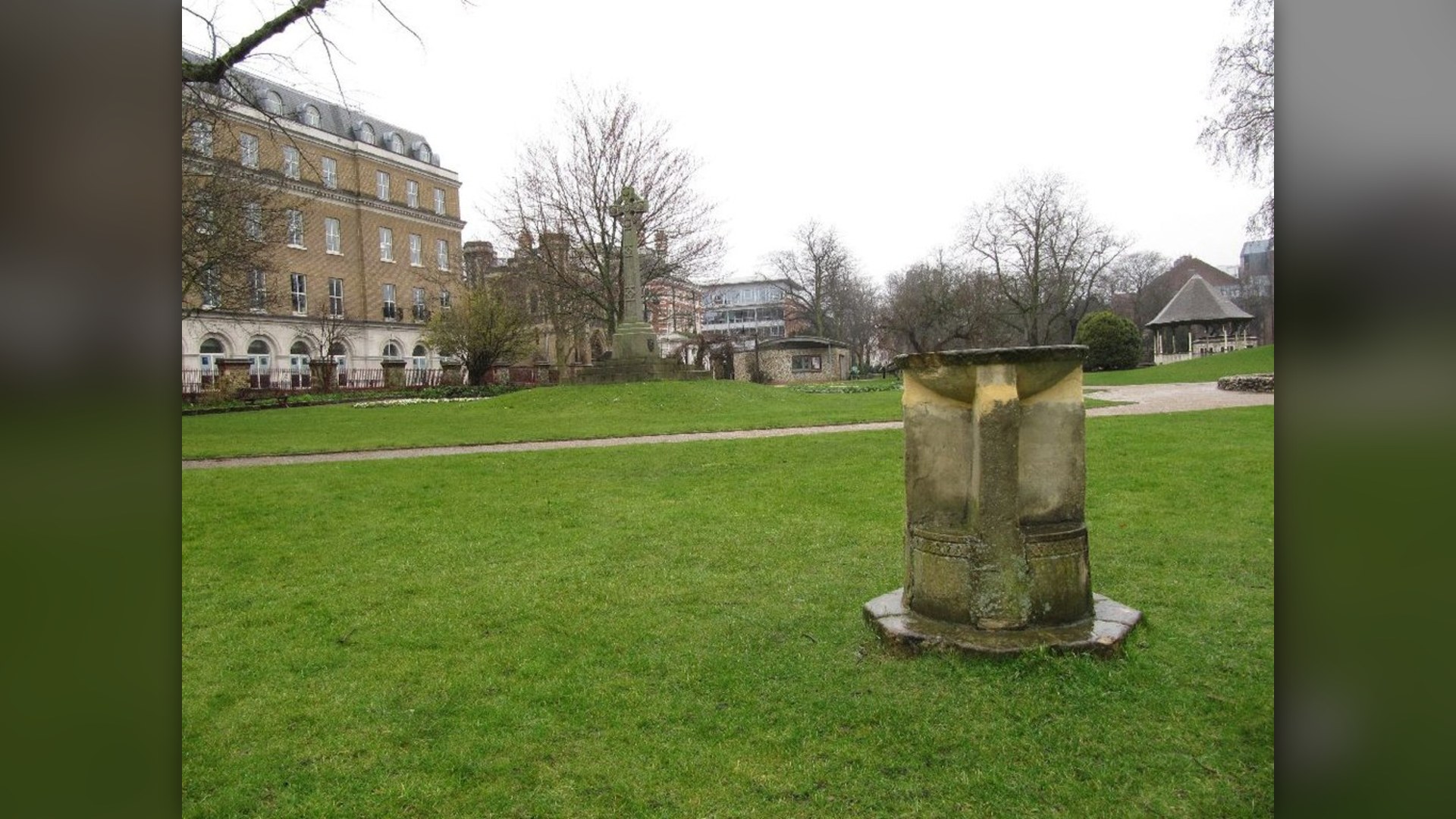
8. Ground-Level Bird Baths And Leaky Hoses
During dry summer heatwaves, snakes actively search for hydration and cool moisture. Bird baths set low to the turf or dripping hose bibbs saturate surrounding dirt, creating vital drinking stations that pull reptiles toward patios.
©Wikimedia / Bill Nicholls
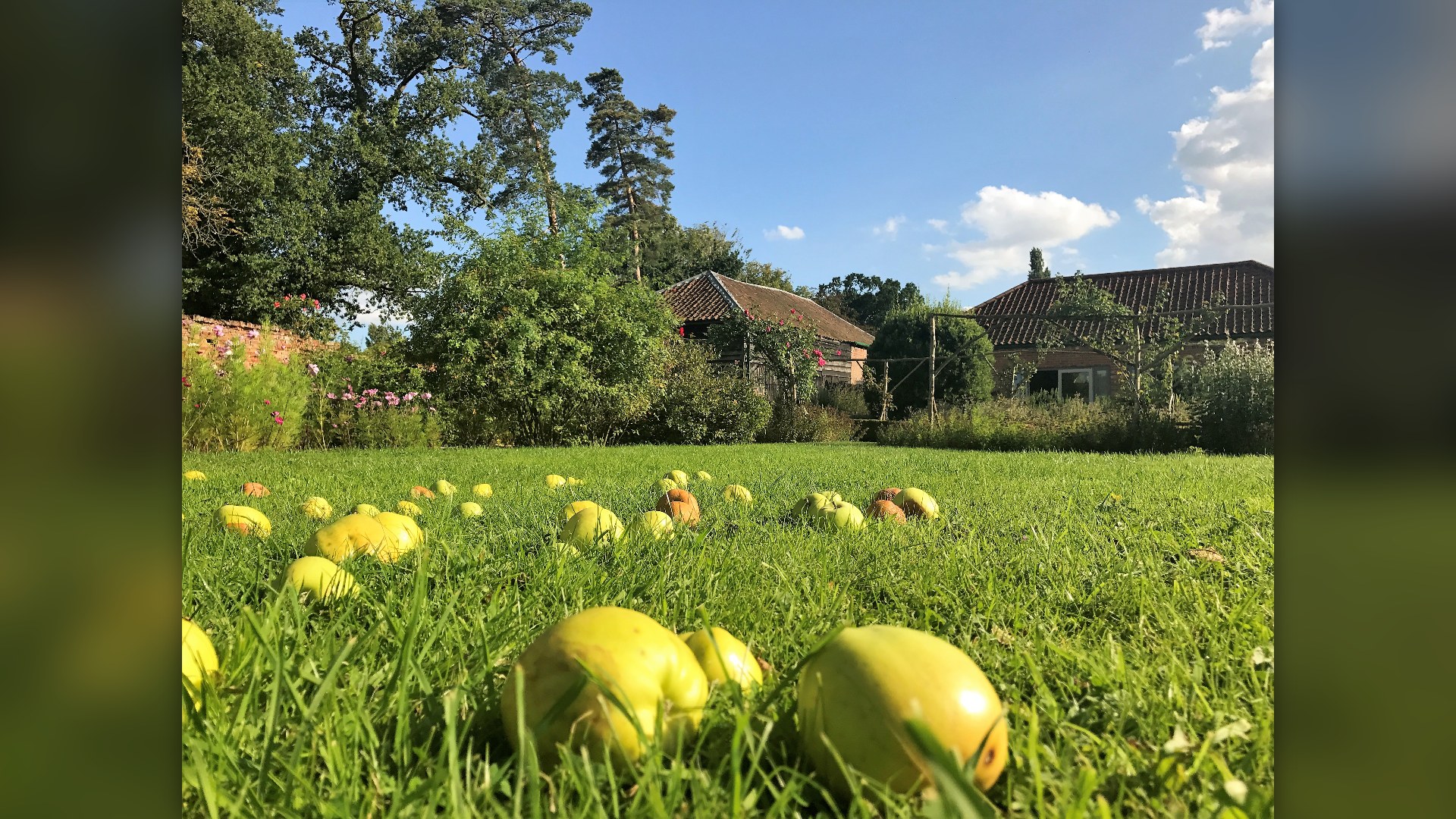
7. Fallen Tree Fruit And Berry Patches
Orchard apples and garden berries that drop to the lawn ferment quickly, attracting swarms of beetles, squirrels, and field mice. This dense concentration of small mammals draws predatory snakes straight into domestic fruit patches.
©Wikimedia / Richard Humphrey
6. Discarded Planters And Pot Stacks
Empty terra cotta pots, plastic nursery trays, and stacked planters absorb solar heat quickly on sunny patios. Snakes slip inside drainage holes and curved rims to rest in snug, dark cavities protected from weather and pets.
©Wikimedia / Annie Spratt
Advertisement
Swipe or tap ▶ to resume the countdown.
5. Open Raised Decks With Unscreened Skirts
Elevated backyard decks provide large shaded clearings free from footfalls, lawnmowers, and aerial predators. Without wire mesh screening along the base perimeter, the dry dirt underneath provides an open gateway for serpents.
©Wikimedia / NCPTT, NPS
4. Loose Brush And Pruning Piles
Discarded hedge trimmings and fallen tree branches create tangled multi-layered thickets. These loose brush piles protect small snakes from predators while harboring beetles, toads, and mice that sustain them.
©Wikimedia / blmcalifornia
3. Unsecured Garbage And Compost Cans
Trash cans with loose-fitting lids permit foraging rodents, squirrels, and insects to access kitchen scraps. As vermin establish regular foraging routines around waste bins, snakes follow these rodent highways straight toward alley gates.
©Wikimedia / cris sloan
2. Gaps Beneath Wooden Perimeter Fences
Erosion trenches and animal burrows under wooden privacy fences allow small creatures to transit easily. Snakes treat these low baseline clearances as private transit tunnels connecting adjacent gardens across property lines.
©Wikimedia / Acabashi
Advertisement
Swipe or tap ▶ to resume the countdown.
1. Hollow Decorative Yard Ornaments
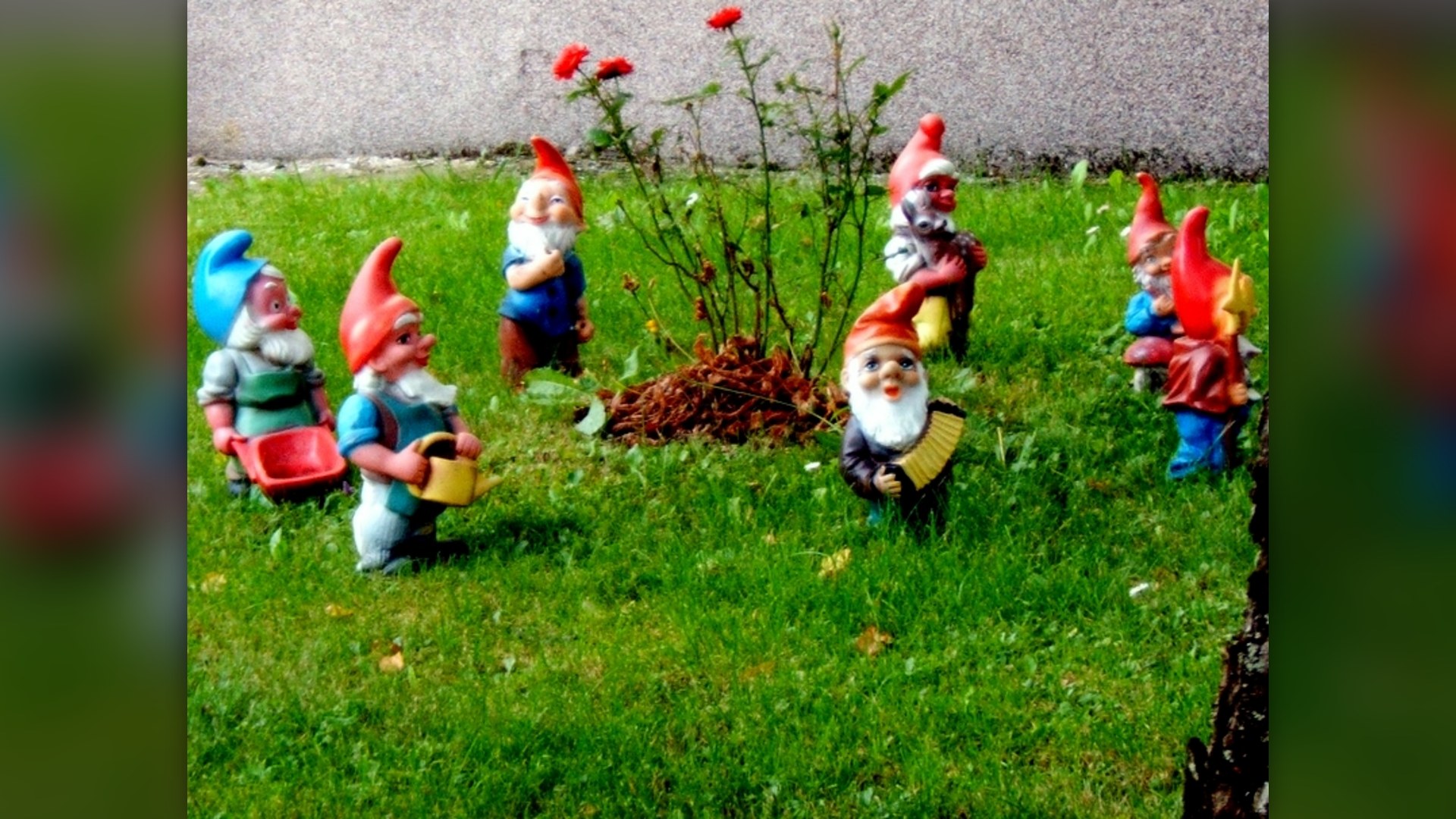
Hollow resin sculptures, decorative lawn gnomes, and overturned ceramic accents offer cool, dark cavities right next to human walkways. Because these decorations sit undisturbed for months, snakes readily adopt them as daytime burrows.

©Wikimedia / Karel Bilek
Advertisement
You've reached the end of the story. Thanks for reading!

How Long Do Hippos Live? 20 Other Facts About Hippos
From sixty-year lifespans to whale cousins, discover secrets of river giants
All 20 Entries in this Story
1. Piles Of Firewood And Lumber
Stacked logs set directly on soil create damp, protected voids where field mice nest. Because rodents represent a staple food source, snakes readily establish home ranges inside these dark woodpiles.

2. Overfilled Bird Feeders
Seed hulls and grain dropped beneath feeders provide easy meals for field mice and voles. As rodent numbers expand under feeding stations, rat snakes and garter snakes follow the prey trail directly into garden beds.

3. Tall Uncut Lawn Grass
Tall turf keeps the ground cool and traps ambient morning dew. Because open lawns leave snakes exposed to hawks and owls, overgrown blades create protective corridors where serpents hunt grasshoppers and mice unbothered.

4. Dry-Stacked Stone Walls
Landscaping rock walls built without mortar contain deep network cavities. In cool morning hours, stone surfaces absorb heat for basking, while hollow voids between rocks give snakes instantaneous escape routes when humans approach.

5. Backyard Ponds And Water Gardens
Decorative ponds with floating lily pads and gentle fountains attract frogs, toads, and salamanders. For garter snakes and northern water snakes, an active garden pond represents a stocked pantry with consistent moisture.

6. Dense Ground Cover And English Ivy
Sprawling mats of English ivy and pachysandra blanket garden soil, creating humid microclimates where chipmunks dig tunnels. Snakes navigate beneath the interwoven vine canopy without ever being spotted from above.

7. Untended Compost Heaps
Decomposing leaves, kitchen scraps, and grass clippings generate steady natural warmth as bacteria break down the heap. Snakes seeking incubation temperature for egg clutches frequently burrow into untended compost.

8. Discarded Tarps And Metal Sheets
Discarded sheets of corrugated metal or plastic ground tarps act as heat conductors in open yards. By capturing sunlight while blocking predatory birds, these flat sheets create ideal warm basking shelters underneath.

9. Low-Hanging Shrubbery And Hedges
Bushes and trimmed hedges planted close to foundation walls create shaded corridors. Because these branches touch the ground, snakes use the continuous canopy to travel along home perimeters undetected by human eyes.

10. Thick Mulch Beds And Wood Chips
Garden mulch layers exceeding three inches insulate underlying soil and trap valuable moisture during dry spells. Invertebrates and lizards thrive in this damp bedding, turning decorative wood chips into reliable hunting grounds for snakes.

11. Outdoor Pet Food Bowls
Pet food bowls left overnight on porches or patios provide easy nutrition for mice, rats, and opossums. As rodent activity concentrates around feeding dishes, snakes detect the scent markers and establish hunting stations nearby.

12. Unsealed Garden Sheds And Crawl Spaces
Small gaps beneath garden sheds or detached garages give snakes access to dark, weather-protected subfloors. Free from rain, wind, and foot traffic, these quiet sanctuaries make prime locations for reptiles to brumate through colder months.

13. Ground-Level Bird Baths And Leaky Hoses
During dry summer heatwaves, snakes actively search for hydration and cool moisture. Bird baths set low to the turf or dripping hose bibbs saturate surrounding dirt, creating vital drinking stations that pull reptiles toward patios.

14. Fallen Tree Fruit And Berry Patches
Orchard apples and garden berries that drop to the lawn ferment quickly, attracting swarms of beetles, squirrels, and field mice. This dense concentration of small mammals draws predatory snakes straight into domestic fruit patches.

15. Discarded Planters And Pot Stacks
Empty terra cotta pots, plastic nursery trays, and stacked planters absorb solar heat quickly on sunny patios. Snakes slip inside drainage holes and curved rims to rest in snug, dark cavities protected from weather and pets.

16. Open Raised Decks With Unscreened Skirts
Elevated backyard decks provide large shaded clearings free from footfalls, lawnmowers, and aerial predators. Without wire mesh screening along the base perimeter, the dry dirt underneath provides an open gateway for serpents.

17. Loose Brush And Pruning Piles
Discarded hedge trimmings and fallen tree branches create tangled multi-layered thickets. These loose brush piles protect small snakes from predators while harboring beetles, toads, and mice that sustain them.

18. Unsecured Garbage And Compost Cans
Trash cans with loose-fitting lids permit foraging rodents, squirrels, and insects to access kitchen scraps. As vermin establish regular foraging routines around waste bins, snakes follow these rodent highways straight toward alley gates.

19. Gaps Beneath Wooden Perimeter Fences
Erosion trenches and animal burrows under wooden privacy fences allow small creatures to transit easily. Snakes treat these low baseline clearances as private transit tunnels connecting adjacent gardens across property lines.

20. Hollow Decorative Yard Ornaments
Hollow resin sculptures, decorative lawn gnomes, and overturned ceramic accents offer cool, dark cavities right next to human walkways. Because these decorations sit undisturbed for months, snakes readily adopt them as daytime burrows.