Slideshow · Viral
20 Bizarre Beliefs People Accepted As Normal In The 1960s
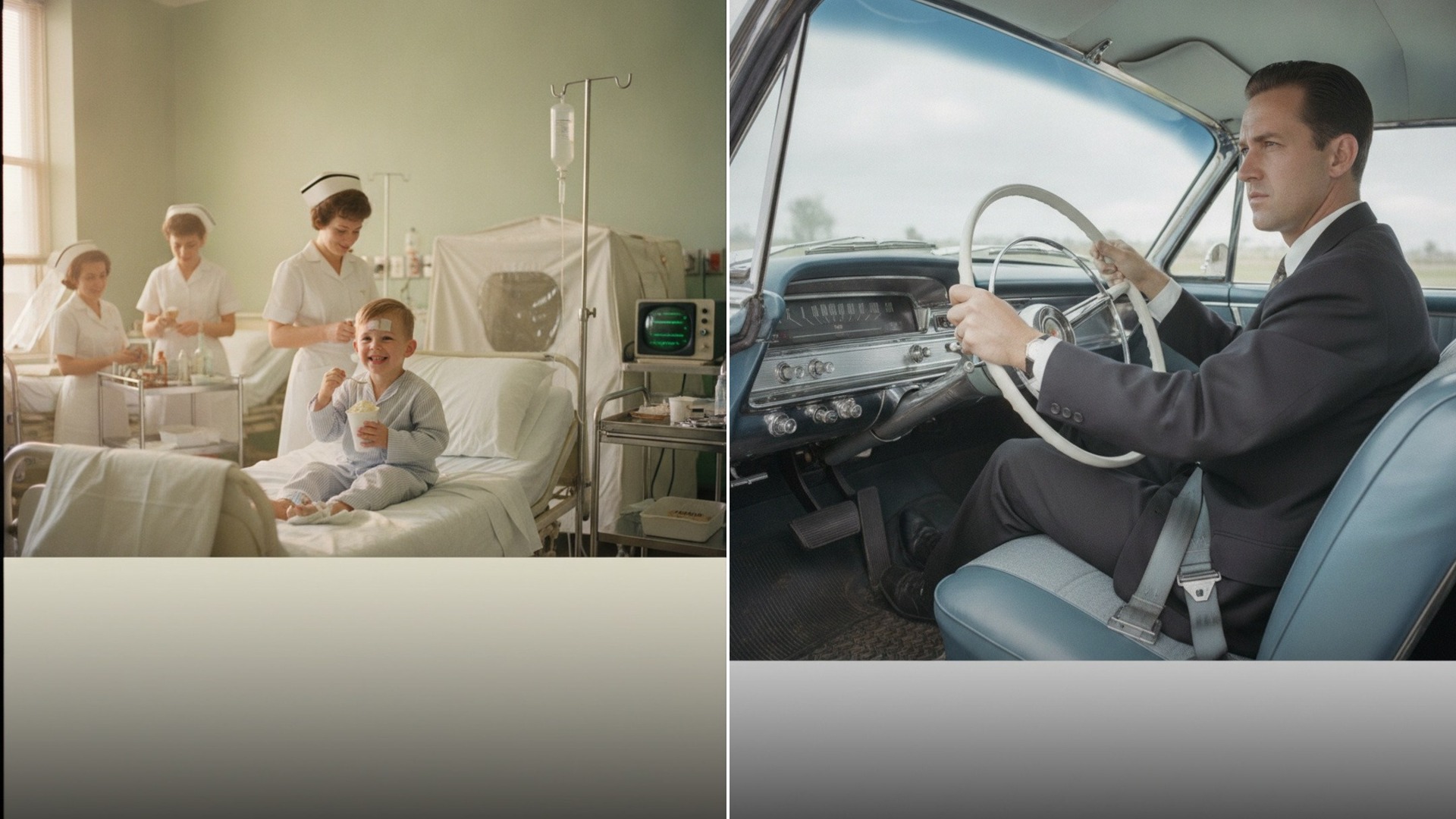
Sixty years ago in the mid-1960s, mainstream medicine, consumer advertising, and daily household life operated under assumptions that seem unbelievable today. Here are twenty things ordinary families
By Most Viral Today
27 Oct 2026

The Most Bizarre Everyday Beliefs People Accepted 60 Years Ago 
20. Tonsillectomies For Every Healthy Child 
19. Seatbelts Were Dangerous In A Car Crash 
18. Lysol As A Personal Hygiene Wash - AdvertisementSwipe or tap ▶ to continue countdown

17. Color Televisions Emitted Dangerous Radiation 
16. Animal Lard And Heavy Cream Kept You Thin 
15. Running Marathons Damaged Female Organs 
14. Whole Milk Was Mandatory At Every Meal - AdvertisementSwipe or tap ▶ to continue countdown

13. Ulcers Came Only From Stress And Spices 
12. Microwave Ovens Leaked Deadly Radar Waves 
11. Computers Would Always Require Cold Halls 
10. Asbestos Was The Ultimate Home Shield - AdvertisementSwipe or tap ▶ to continue countdown

9. Plastic Homes Would Replace Wood And Brick 
8. Moon Dust Carried Deadly Alien Germs 
7. Animals Felt No Real Mental Emotions 
6. Leaded Gasoline Posed Zero Health Threat - AdvertisementSwipe or tap ▶ to continue countdown

5. Nuclear Bombs Would Dig Harbors And Canals 
4. DDT Spray Trucks Were Safe For Children 
3. Newborn Babies Felt No Surgical Pain 
2. Filter Cigarettes Were Healthy For Adults - AdvertisementSwipe or tap ▶ to continue countdown

1. Smoking Kept Babies Small For Easier Birth - Advertisement🔥 UP NEXT IN THIS SERIES◫ 21 Slides

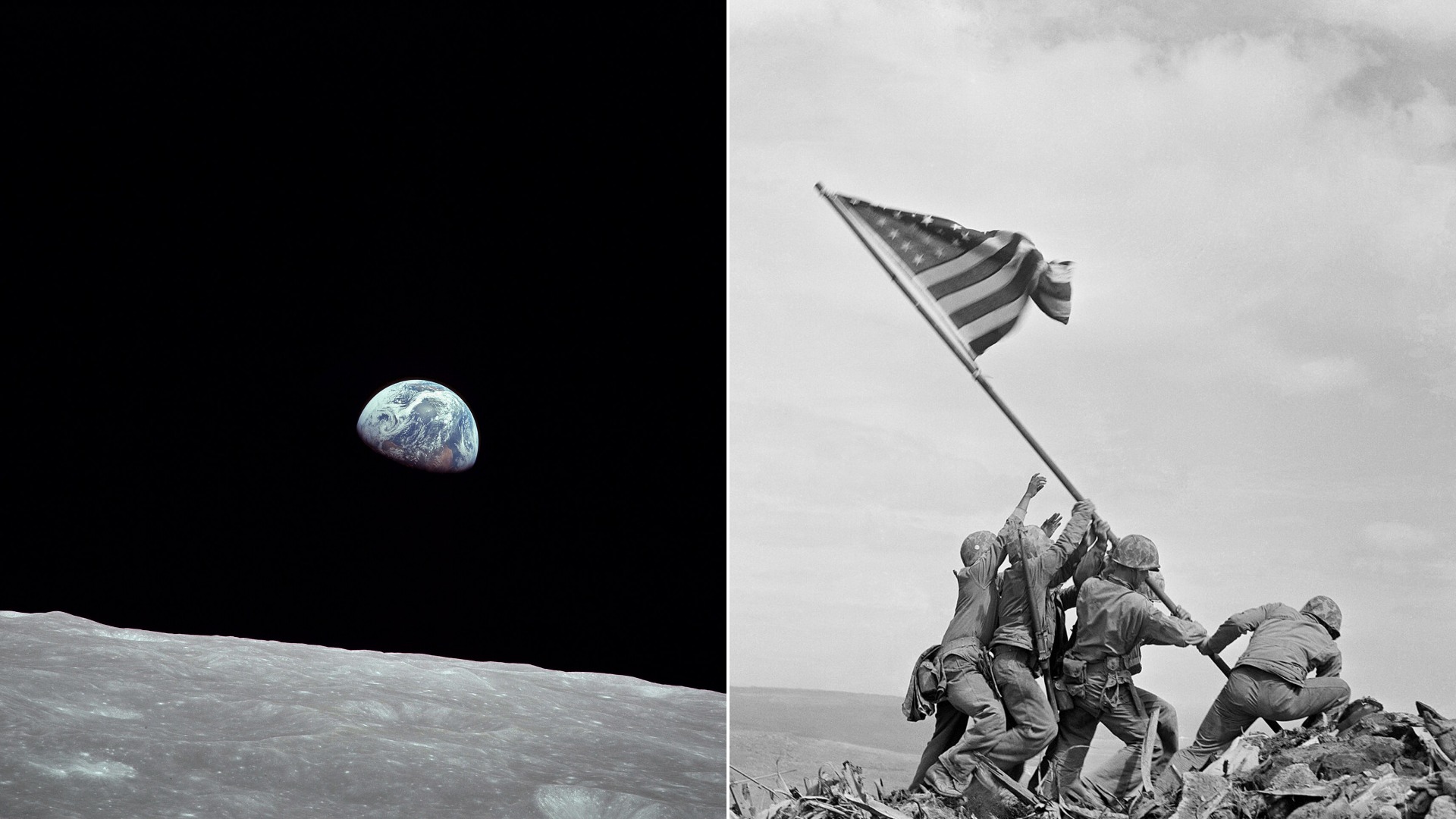
20 Iconic Historical Photos and the Archive Clues Behind Them
Contact sheets, cracked glass plates, and NASA mission logs preserve the hidden steps behind 20 famous photographs. Drawing on records from the Library of Congress, the National Archives, NASA, and the Smithsonian, this countdown traces how cropping, camera setups, and double exposures shaped each frame.
Sixty years ago in the mid-1960s, mainstream science, popular medicine, and daily household life operated under assumptions that seem unbelievable today. Here are twenty things ordinary families believed to be proven facts. Disclaimer: All images in this slideshow are AI-generated for illustrative purposes.
Swipe or tap ▶ to begin the countdown
©Illustration: MVT / AI · Some images in this slideshow may have been enhanced or generated using AI.
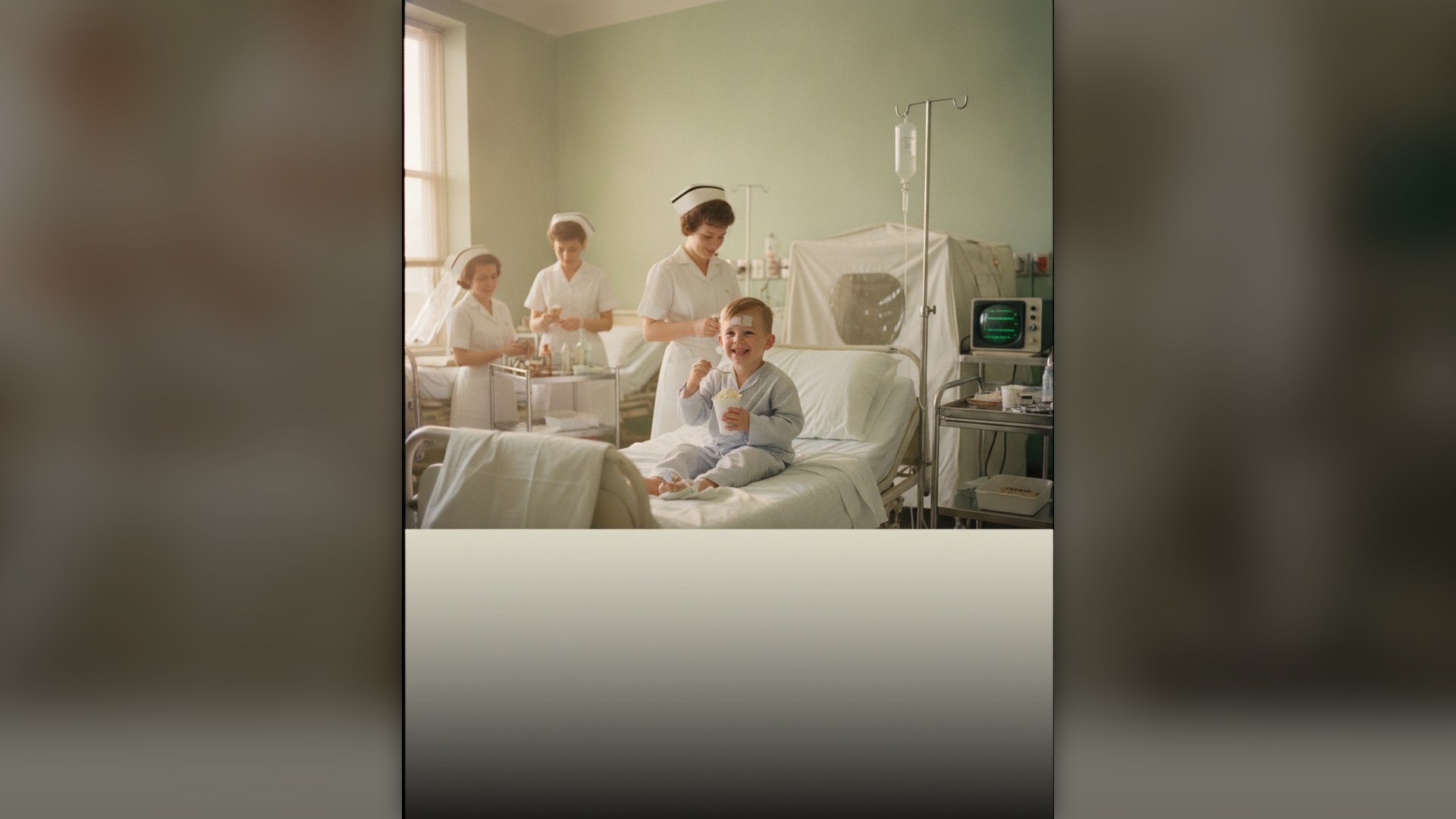
20. Tonsillectomies For Every Healthy Child
During the mid-1960s, doctors viewed tonsils as useless breeding grounds for throat infections. Over one million American children underwent preventive tonsillectomies each year, with hospitals offering ice cream tubs to young patients recovering in shared wards.
©Illustration: MVT / AI · Some images in this slideshow may have been enhanced or generated using AI.
19. Seatbelts Were Dangerous In A Car Crash
When Congress mandated lap belts in 1966, public opposition surged across the nation. Motorists argued that being thrown clear through the windshield gave passengers a better survival chance than staying strapped to a crushed chassis.
©Illustration: MVT / AI · Some images in this slideshow may have been enhanced or generated using AI.
18. Lysol As A Personal Hygiene Wash
Throughout the early 1960s, chemical manufacturer Lehn and Fink marketed diluted Lysol disinfectant bottles for intimate feminine care. Many women suffered severe chemical inflammation before consumer protection agencies intervened to stop the campaign.
©Illustration: MVT / AI · Some images in this slideshow may have been enhanced or generated using AI.
Advertisement
Swipe or tap ▶ to resume the countdown.
17. Color Televisions Emitted Dangerous Radiation
In 1967, General Electric recalled 112,000 color television sets that leaked soft X-rays through the bottom casing. The health scare led federal health officials to warn viewers against sitting closer than six feet from glowing screens.
©Illustration: MVT / AI · Some images in this slideshow may have been enhanced or generated using AI.
16. Animal Lard And Heavy Cream Kept You Thin
Before cardiovascular studies targeted saturated fats in the late 1960s, popular diet books advised dieters to eat animal fats and heavy cream. Sugar trade groups funded research that downplayed dietary fat risks, encouraging families to skip complex carbohydrates.
©Illustration: MVT / AI · Some images in this slideshow may have been enhanced or generated using AI.
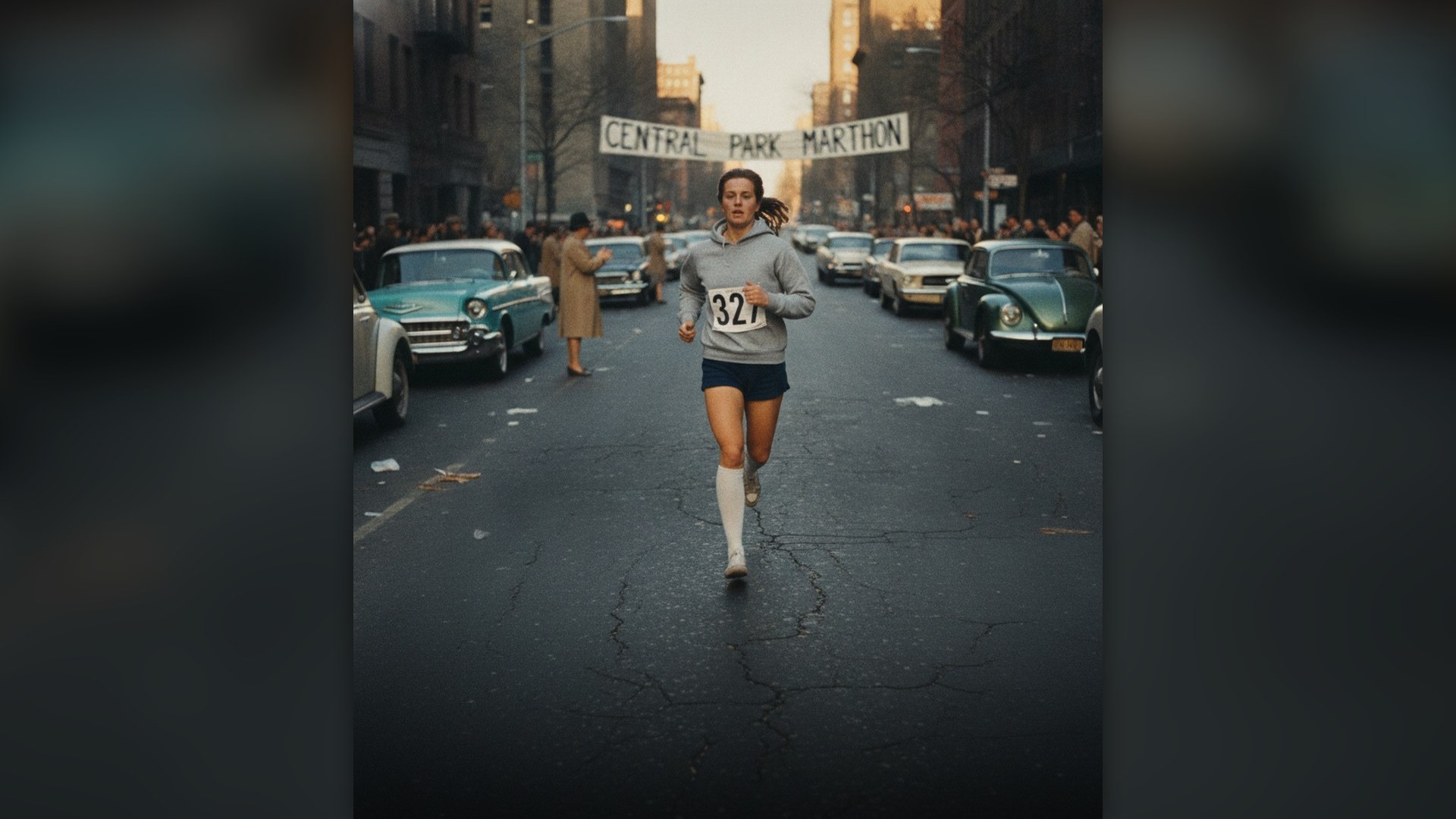
15. Running Marathons Damaged Female Organs
The Amateur Athletic Union barred women from sanctioned marathons in the 1960s, claiming strenuous running enlarged the heart and caused uterine displacement. Kathrine Switzer shattered the myth in 1967 by officially registering and finishing the Boston Marathon.
©Illustration: MVT / AI · Some images in this slideshow may have been enhanced or generated using AI.
14. Whole Milk Was Mandatory At Every Meal
Federal guidelines in 1965 required public schools to distribute whole cow milk with every student lunch tray. Health manuals warned parents that skipping dairy for a single day caused calcium deficiencies and childhood bone weakness.
©Illustration: MVT / AI · Some images in this slideshow may have been enhanced or generated using AI.
Advertisement
Swipe or tap ▶ to resume the countdown.
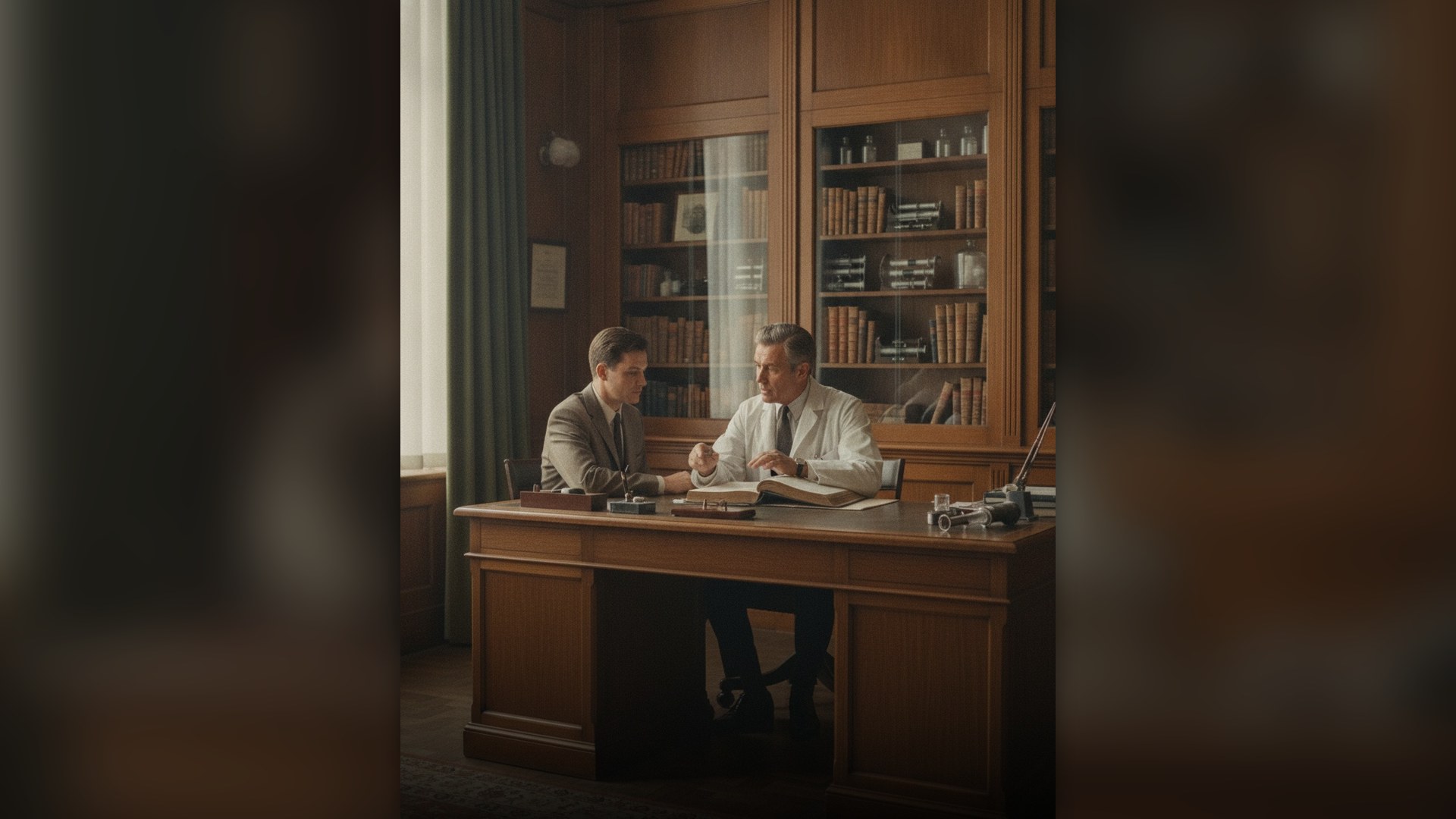
13. Ulcers Came Only From Stress And Spices
Medical textbooks in the 1960s insisted that emotional anxiety and spicy foods caused stomach lining ulcers. Doctors ordered patients to drink whole milk every two hours, unaware that the bacterium Helicobacter pylori was the true biological culprit.
©Illustration: MVT / AI · Some images in this slideshow may have been enhanced or generated using AI.
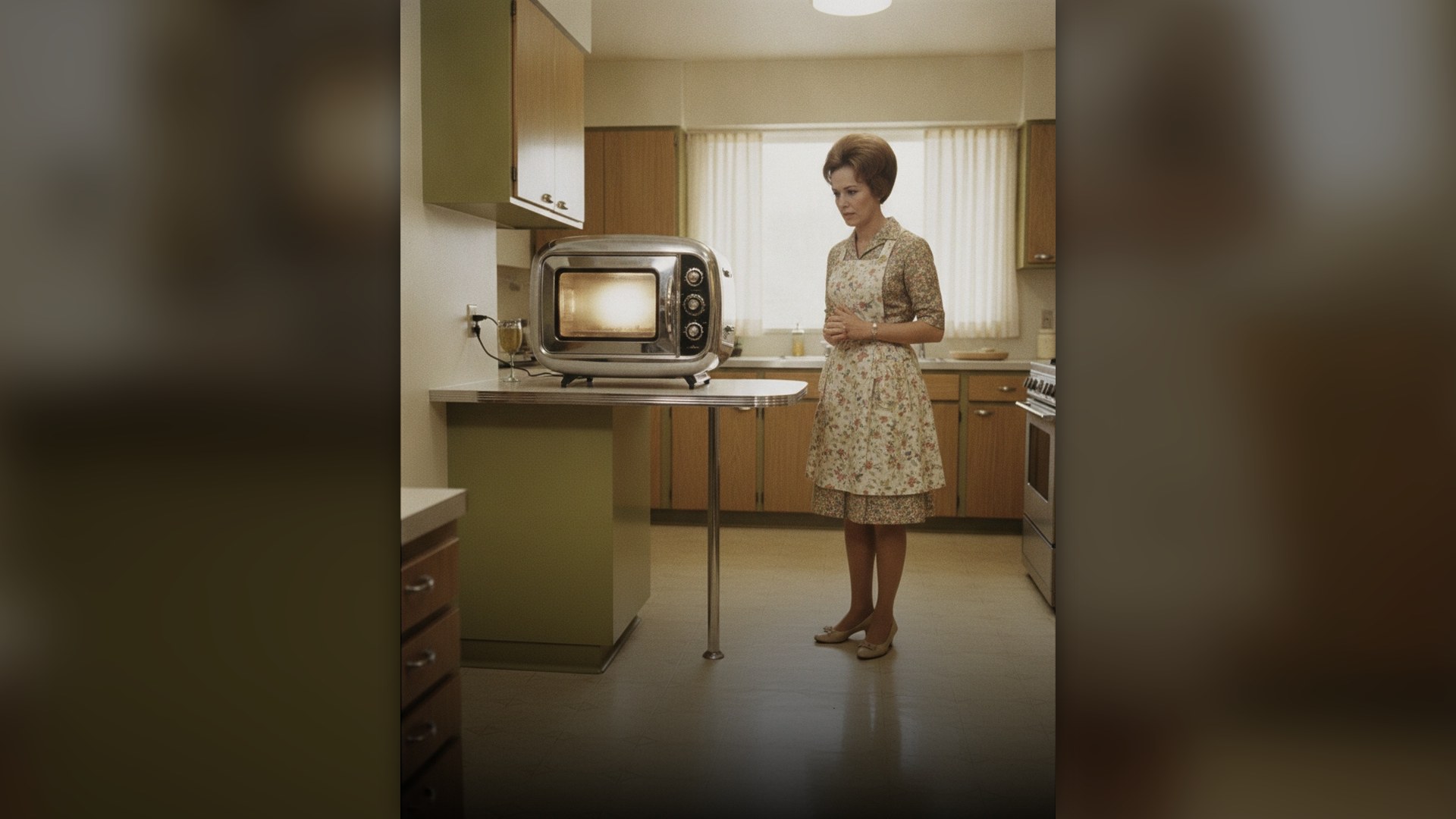
12. Microwave Ovens Leaked Deadly Radar Waves
When Amana launched the countertop Radarange for home kitchens in 1967, newspapers ran warnings about stray microwave radiation. Shoppers worried the device emitted military radar waves that blinded onlookers or triggered immediate heart stoppage.
©Illustration: MVT / AI · Some images in this slideshow may have been enhanced or generated using AI.
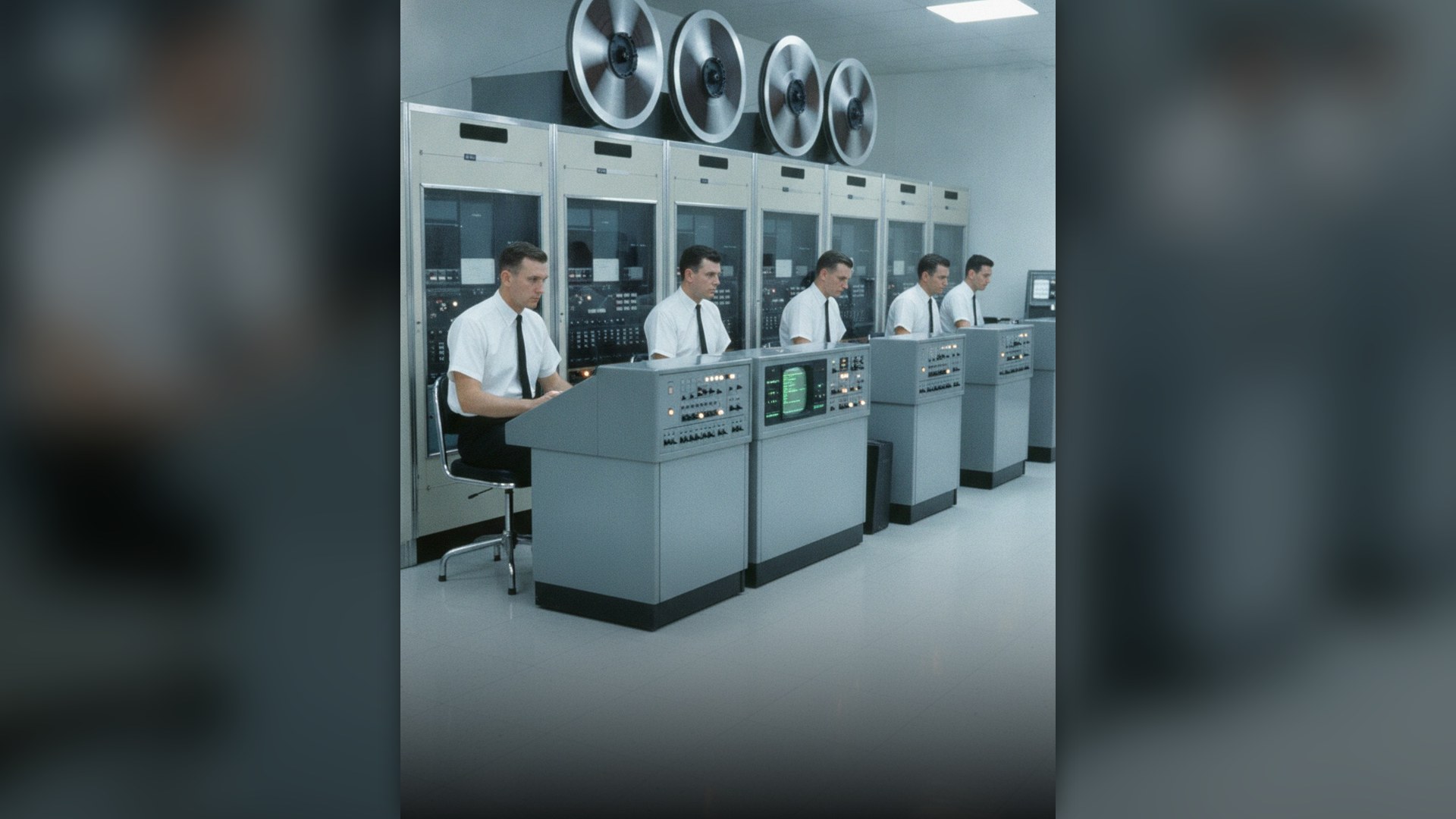
11. Computers Would Always Require Cold Halls
Mainframe computers like the IBM System 360 dominated corporate data processing in 1964. Top computer scientists believed processors would always require air-conditioned raised-floor rooms, viewing personal desktop machines as an engineering impossibility.
©Illustration: MVT / AI · Some images in this slideshow may have been enhanced or generated using AI.
10. Asbestos Was The Ultimate Home Shield
Builders in the 1960s packed attic insulation, vinyl floor tiles, and ironing boards with raw asbestos fibers. Advertising praised the mineral as a miracle material, keeping homes fireproof decades before health agencies linked the dust to lung cancer.
©Illustration: MVT / AI · Some images in this slideshow may have been enhanced or generated using AI.
Advertisement
Swipe or tap ▶ to resume the countdown.
9. Plastic Homes Would Replace Wood And Brick
Disneyland operated the Monsanto House of the Future from 1957 until 1967, showcasing an all-plastic modular home. Visitors left convinced that natural timber and bricks would vanish from suburbia in favor of molded polyester living pods.
©Illustration: MVT / AI · Some images in this slideshow may have been enhanced or generated using AI.
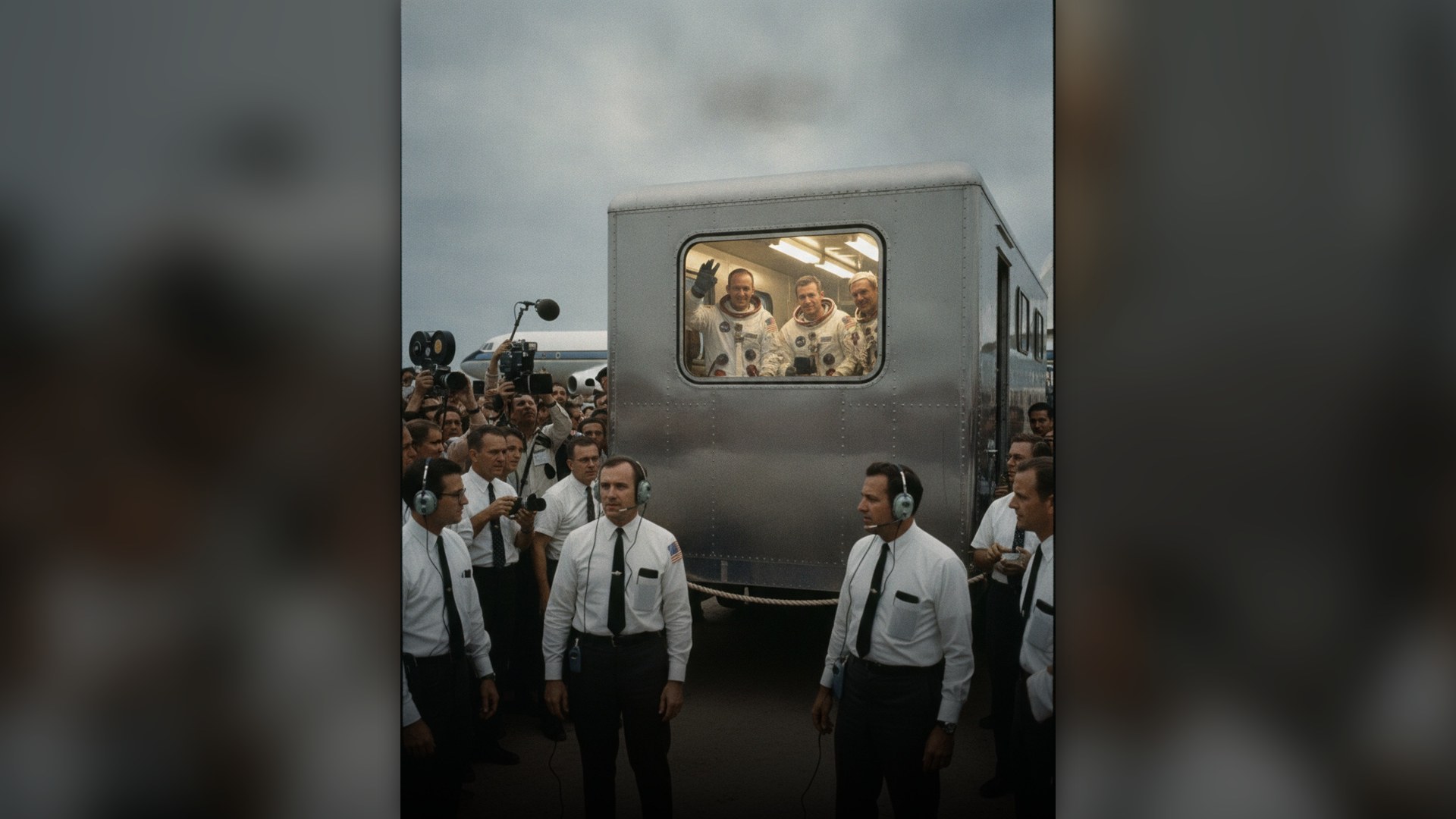
8. Moon Dust Carried Deadly Alien Germs
Scientists in the late 1960s feared the lunar surface harbored microscopic organisms dangerous to earthly life. NASA built a multi-million-dollar Lunar Receiving Laboratory and sealed returning Apollo 11 astronauts inside an airtight trailer for twenty-one days.
©Illustration: MVT / AI · Some images in this slideshow may have been enhanced or generated using AI.
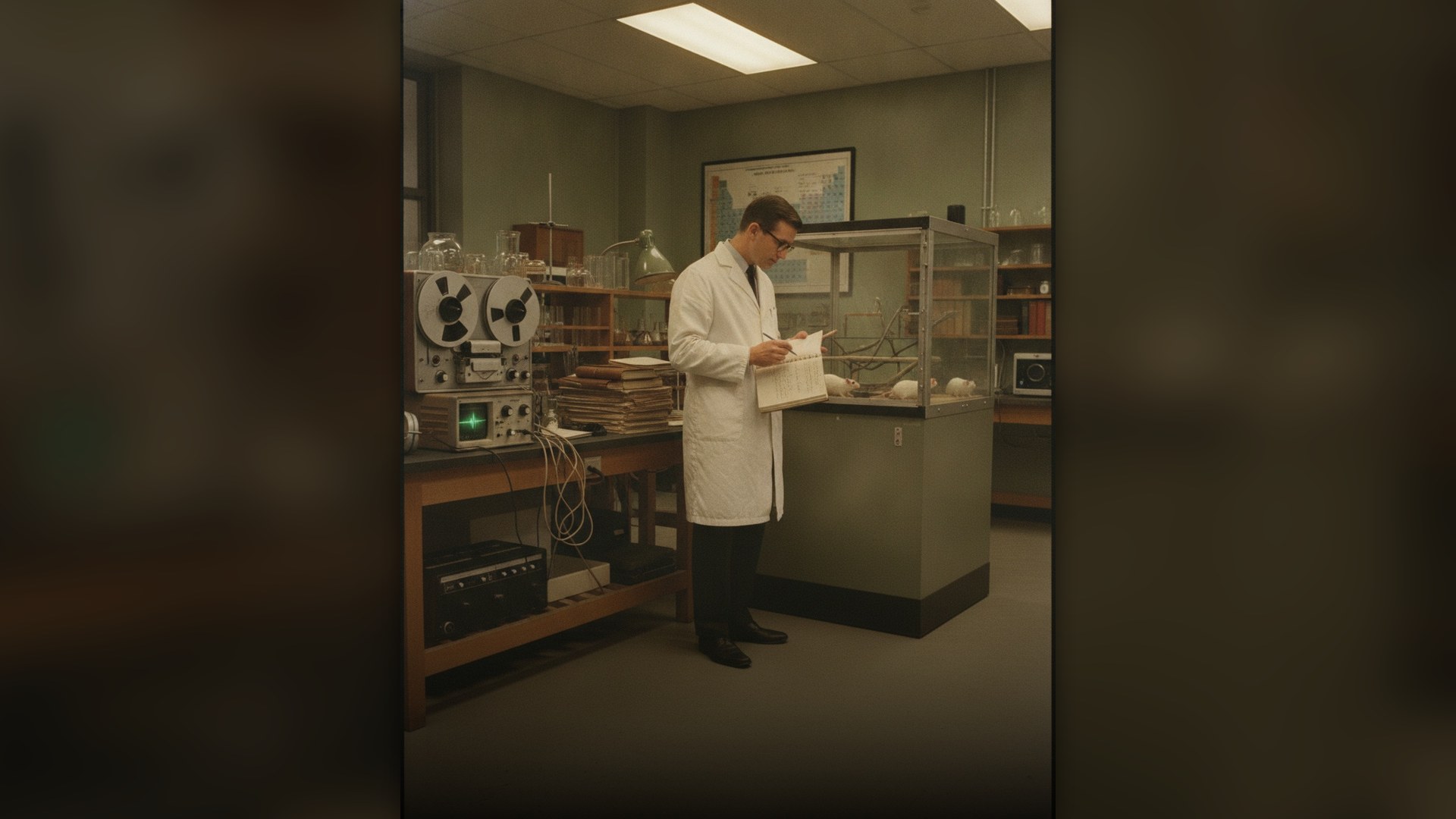
7. Animals Felt No Real Mental Emotions
Mainstream university psychology departments in the 1960s treated animals purely as stimulus-and-response machines. Researchers dismissed pet affection as basic feeding reflexes until primatologist Jane Goodall proved chimpanzees possessed distinct personalities and emotional bonds.
©Illustration: MVT / AI · Some images in this slideshow may have been enhanced or generated using AI.
6. Leaded Gasoline Posed Zero Health Threat
Throughout the 1960s, American gas stations pumped tetraethyl lead into automobile fuel tanks across all fifty states. Chemical companies claimed low-level airborne lead was harmless until geochemist Clair Patterson proved urban air carried toxic lead concentrations.
©Illustration: MVT / AI · Some images in this slideshow may have been enhanced or generated using AI.
Advertisement
Swipe or tap ▶ to resume the countdown.
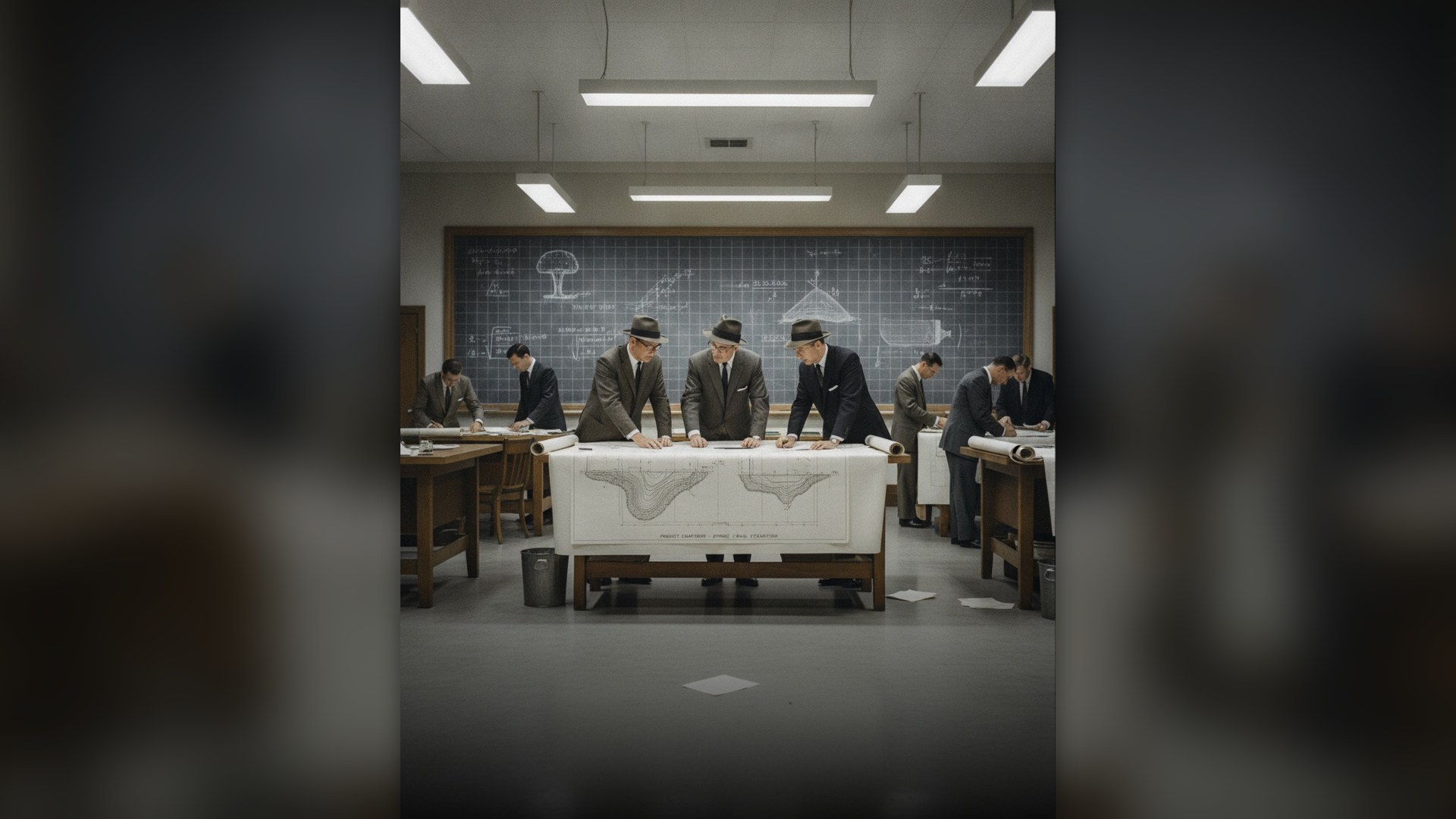
5. Nuclear Bombs Would Dig Harbors And Canals
The United States Atomic Energy Commission ran Operation Plowshare throughout the 1960s to use thermonuclear explosions for civilian construction. Planners drafted blueprints to excavate a second Panama Canal and blast deep-water harbors into the Alaskan coast.
©Illustration: MVT / AI · Some images in this slideshow may have been enhanced or generated using AI.
4. DDT Spray Trucks Were Safe For Children
During the 1960s, city trucks rolled through suburban streets spraying dense fogs of DDT to control mosquito populations. Parents let children run through the chemical mist, believing the government pesticide was as safe as household talcum powder.
©Illustration: MVT / AI · Some images in this slideshow may have been enhanced or generated using AI.
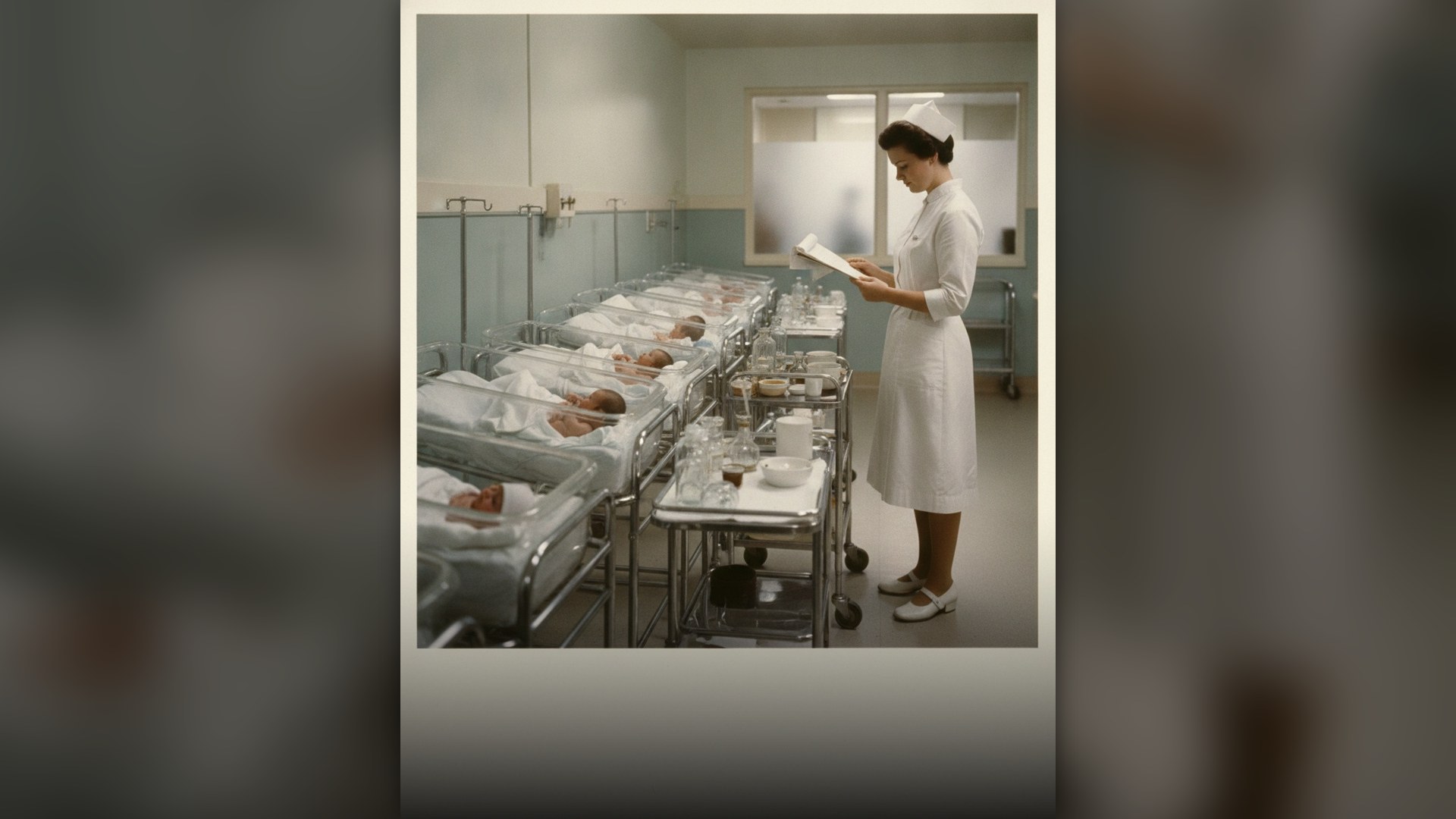
3. Newborn Babies Felt No Surgical Pain
Medical textbooks in the 1960s stated infant nervous systems were too primitive to register physical pain. Pediatric surgeons routinely performed open-heart and abdominal surgeries on babies using curare to prevent movement, withholding anesthesia until the late 1980s.
©Illustration: MVT / AI · Some images in this slideshow may have been enhanced or generated using AI.
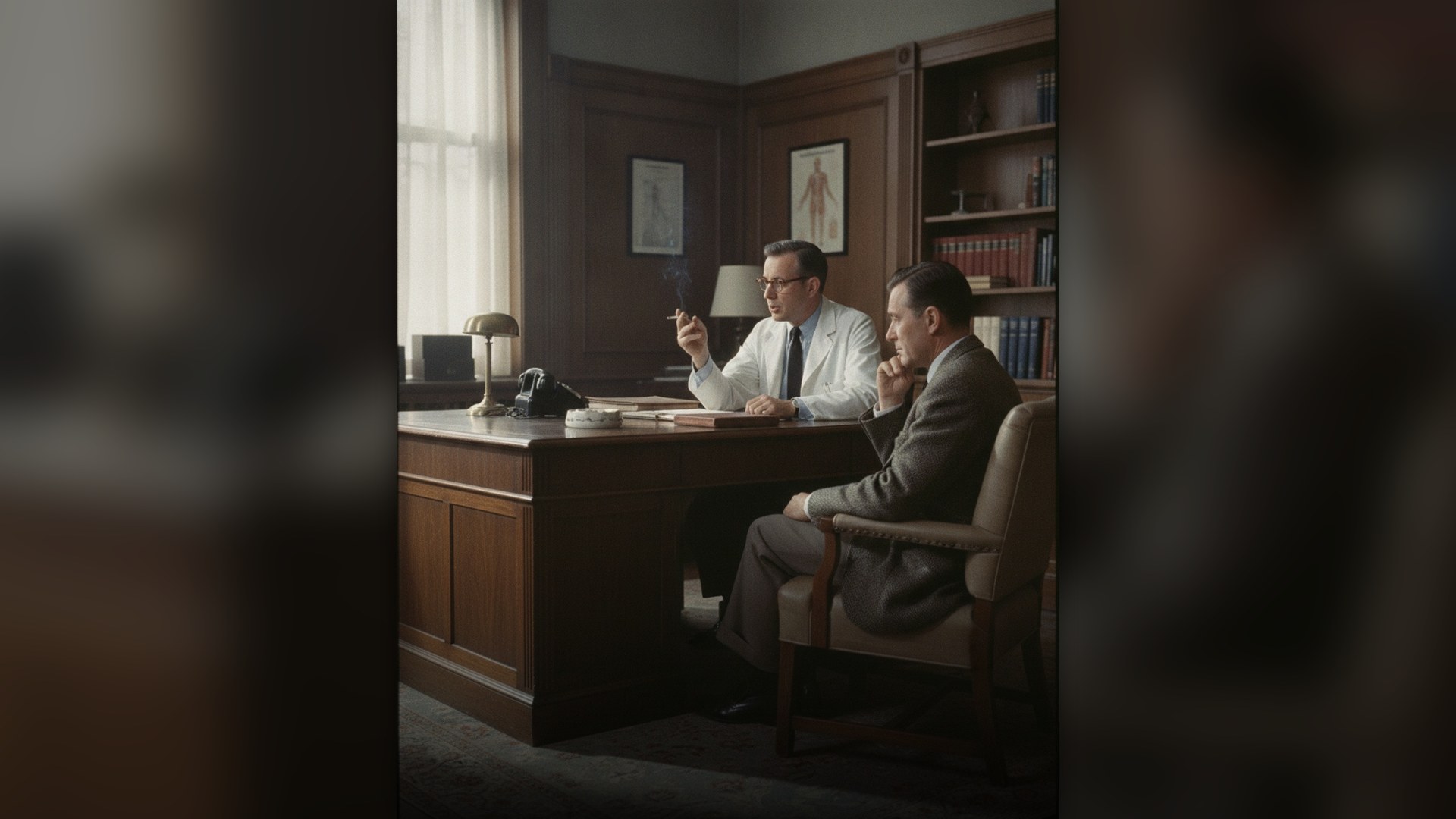
2. Filter Cigarettes Were Healthy For Adults
Despite the 1964 Surgeon General report on lung cancer, millions of adults believed filter cigarettes eliminated health hazards. Doctors smoked during patient consultations, and cigarette packs sat on dinner tables at family birthday parties.
©Illustration: MVT / AI · Some images in this slideshow may have been enhanced or generated using AI.
Advertisement
Swipe or tap ▶ to resume the countdown.
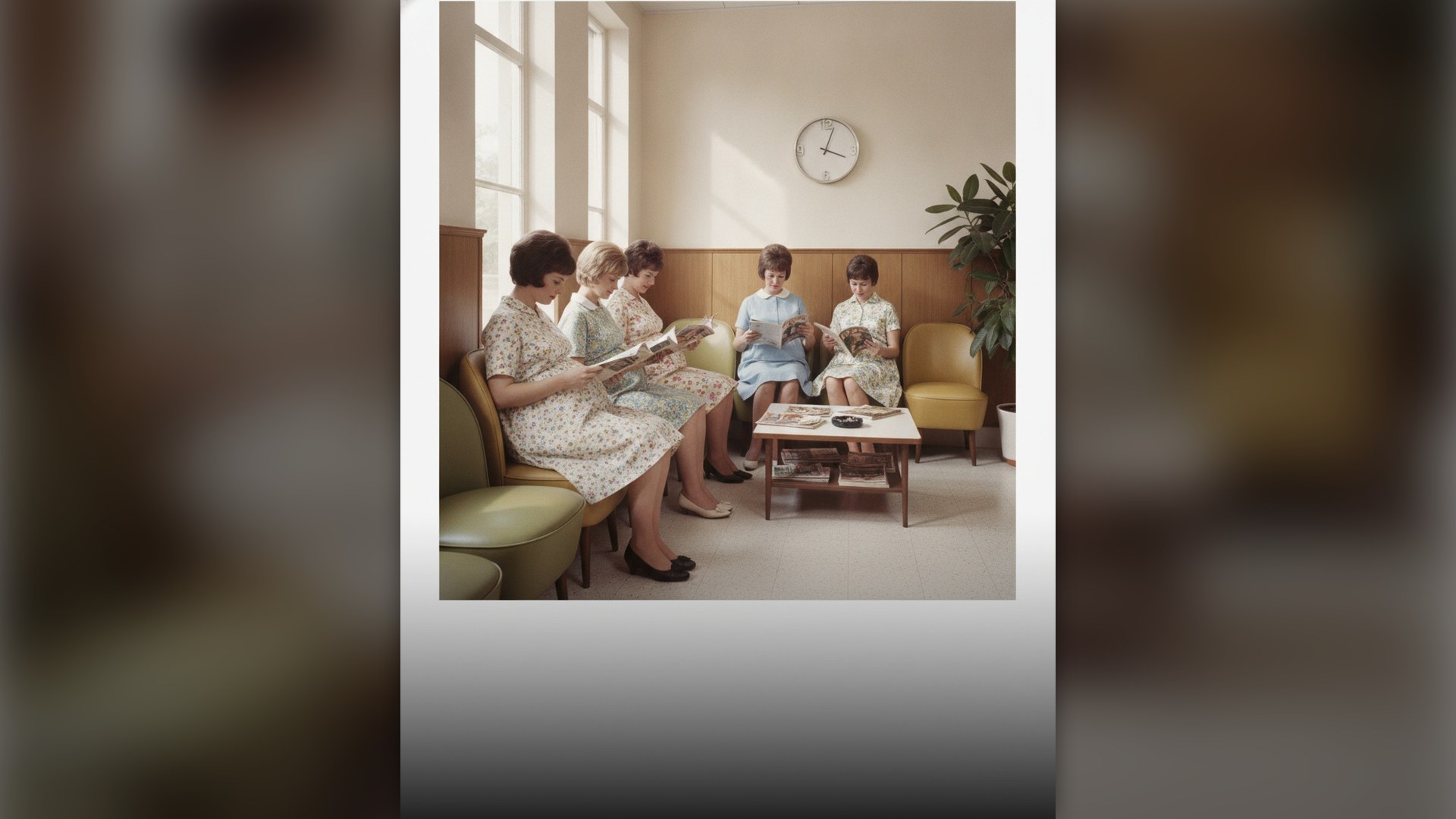
1. Smoking Kept Babies Small For Easier Birth
In the mid-1960s, some obstetricians suggested pregnant women take up light smoking to control weight gain and produce smaller newborns. Women believed a five-pound baby ensured an easier delivery, unaware of severe fetal development risks.

©Illustration: MVT / AI · Some images in this slideshow may have been enhanced or generated using AI.
Advertisement
You've reached the end of the story. Thanks for reading!

20 Iconic Historical Photos and the Archive Clues Behind Them
Contact sheets, cracked glass plates, and NASA mission logs preserve the hidden steps behind 20 famous photographs. Drawing on records from the Library of Congress, the National Archives, NASA, and the Smithsonian, this countdown traces how cropping, camera setups, and double exposures shaped each frame.
All 20 Entries in this Story
20. Tonsillectomies For Every Healthy Child
During the mid-1960s, doctors viewed tonsils as useless breeding grounds for throat infections. Over one million American children underwent preventive tonsillectomies each year, with hospitals offering ice cream tubs to young patients recovering in shared wards.

19. Seatbelts Were Dangerous In A Car Crash
When Congress mandated lap belts in 1966, public opposition surged across the nation. Motorists argued that being thrown clear through the windshield gave passengers a better survival chance than staying strapped to a crushed chassis.

18. Lysol As A Personal Hygiene Wash
Throughout the early 1960s, chemical manufacturer Lehn and Fink marketed diluted Lysol disinfectant bottles for intimate feminine care. Many women suffered severe chemical inflammation before consumer protection agencies intervened to stop the campaign.

17. Color Televisions Emitted Dangerous Radiation
In 1967, General Electric recalled 112,000 color television sets that leaked soft X-rays through the bottom casing. The health scare led federal health officials to warn viewers against sitting closer than six feet from glowing screens.

16. Animal Lard And Heavy Cream Kept You Thin
Before cardiovascular studies targeted saturated fats in the late 1960s, popular diet books advised dieters to eat animal fats and heavy cream. Sugar trade groups funded research that downplayed dietary fat risks, encouraging families to skip complex carbohydrates.

15. Running Marathons Damaged Female Organs
The Amateur Athletic Union barred women from sanctioned marathons in the 1960s, claiming strenuous running enlarged the heart and caused uterine displacement. Kathrine Switzer shattered the myth in 1967 by officially registering and finishing the Boston Marathon.

14. Whole Milk Was Mandatory At Every Meal
Federal guidelines in 1965 required public schools to distribute whole cow milk with every student lunch tray. Health manuals warned parents that skipping dairy for a single day caused calcium deficiencies and childhood bone weakness.

13. Ulcers Came Only From Stress And Spices
Medical textbooks in the 1960s insisted that emotional anxiety and spicy foods caused stomach lining ulcers. Doctors ordered patients to drink whole milk every two hours, unaware that the bacterium Helicobacter pylori was the true biological culprit.

12. Microwave Ovens Leaked Deadly Radar Waves
When Amana launched the countertop Radarange for home kitchens in 1967, newspapers ran warnings about stray microwave radiation. Shoppers worried the device emitted military radar waves that blinded onlookers or triggered immediate heart stoppage.

11. Computers Would Always Require Cold Halls
Mainframe computers like the IBM System 360 dominated corporate data processing in 1964. Top computer scientists believed processors would always require air-conditioned raised-floor rooms, viewing personal desktop machines as an engineering impossibility.

10. Asbestos Was The Ultimate Home Shield
Builders in the 1960s packed attic insulation, vinyl floor tiles, and ironing boards with raw asbestos fibers. Advertising praised the mineral as a miracle material, keeping homes fireproof decades before health agencies linked the dust to lung cancer.

9. Plastic Homes Would Replace Wood And Brick
Disneyland operated the Monsanto House of the Future from 1957 until 1967, showcasing an all-plastic modular home. Visitors left convinced that natural timber and bricks would vanish from suburbia in favor of molded polyester living pods.

8. Moon Dust Carried Deadly Alien Germs
Scientists in the late 1960s feared the lunar surface harbored microscopic organisms dangerous to earthly life. NASA built a multi-million-dollar Lunar Receiving Laboratory and sealed returning Apollo 11 astronauts inside an airtight trailer for twenty-one days.

7. Animals Felt No Real Mental Emotions
Mainstream university psychology departments in the 1960s treated animals purely as stimulus-and-response machines. Researchers dismissed pet affection as basic feeding reflexes until primatologist Jane Goodall proved chimpanzees possessed distinct personalities and emotional bonds.

6. Leaded Gasoline Posed Zero Health Threat
Throughout the 1960s, American gas stations pumped tetraethyl lead into automobile fuel tanks across all fifty states. Chemical companies claimed low-level airborne lead was harmless until geochemist Clair Patterson proved urban air carried toxic lead concentrations.

5. Nuclear Bombs Would Dig Harbors And Canals
The United States Atomic Energy Commission ran Operation Plowshare throughout the 1960s to use thermonuclear explosions for civilian construction. Planners drafted blueprints to excavate a second Panama Canal and blast deep-water harbors into the Alaskan coast.

4. DDT Spray Trucks Were Safe For Children
During the 1960s, city trucks rolled through suburban streets spraying dense fogs of DDT to control mosquito populations. Parents let children run through the chemical mist, believing the government pesticide was as safe as household talcum powder.

3. Newborn Babies Felt No Surgical Pain
Medical textbooks in the 1960s stated infant nervous systems were too primitive to register physical pain. Pediatric surgeons routinely performed open-heart and abdominal surgeries on babies using curare to prevent movement, withholding anesthesia until the late 1980s.

2. Filter Cigarettes Were Healthy For Adults
Despite the 1964 Surgeon General report on lung cancer, millions of adults believed filter cigarettes eliminated health hazards. Doctors smoked during patient consultations, and cigarette packs sat on dinner tables at family birthday parties.

1. Smoking Kept Babies Small For Easier Birth
In the mid-1960s, some obstetricians suggested pregnant women take up light smoking to control weight gain and produce smaller newborns. Women believed a five-pound baby ensured an easier delivery, unaware of severe fetal development risks.