Slideshow · Viral
20 Coldest Places on Earth, Ranked
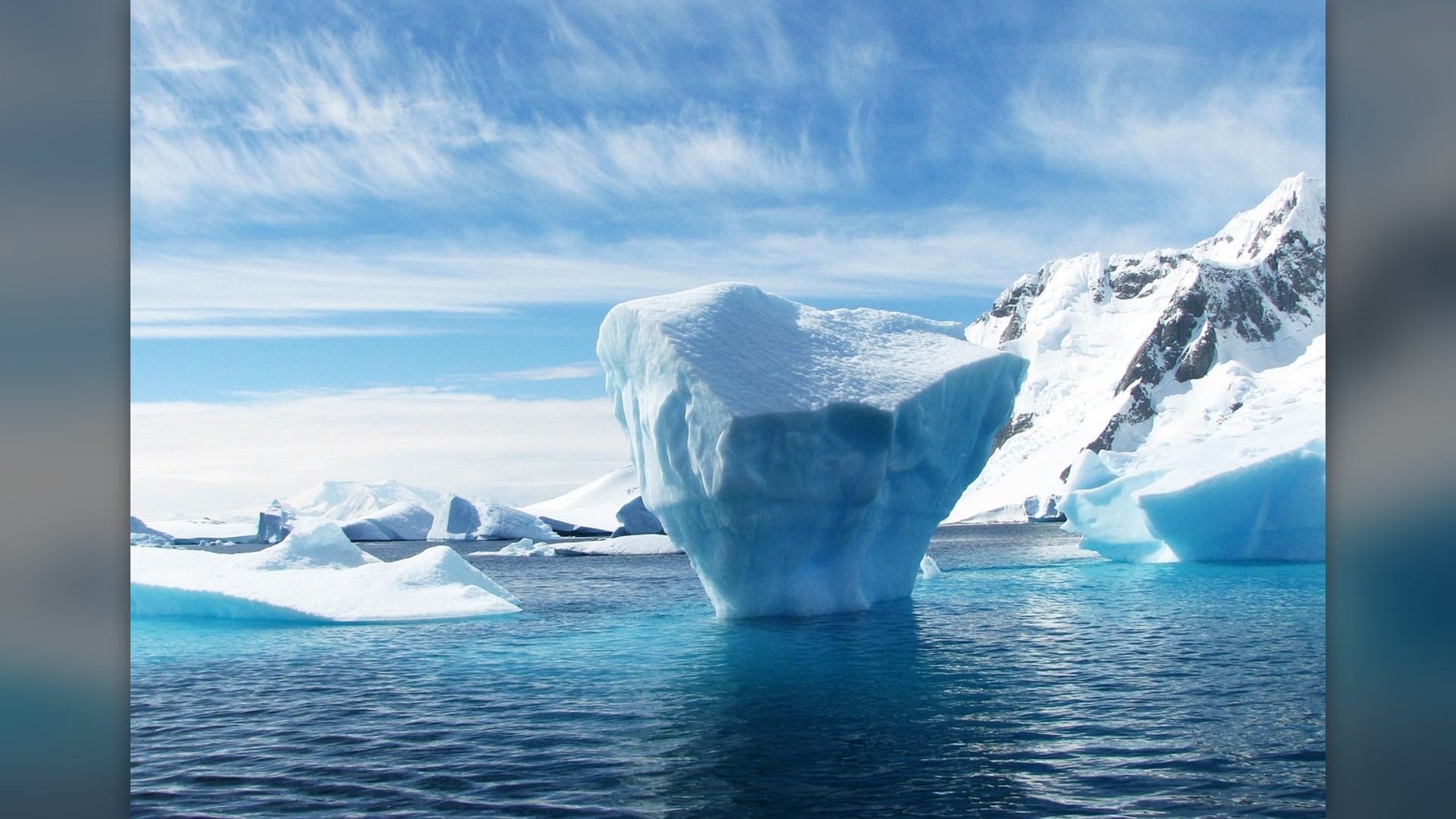
From subarctic frontier towns in Siberia and the Yukon to high-altitude Antarctic ice domes where temperatures plunge below -93°C (-135°F), here are the 20 coldest places ever recorded on Earth, ranke
By Most Viral Today
23 Oct 2026

Beyond Freezing: 20 Places On Earth Where Even Boiling Water Turns To Snow 
20. Yellowknife, Northwest Territories, Canada (-51.2°C / -60.2°F) 
19. Vuoggatjalme, Swedish Lapland, Sweden (-52.6°C / -62.7°F) 
18. Mohe, Heilongjiang Province, China (-53.0°C / -63.4°F) - AdvertisementSwipe or tap ▶ to continue countdown

17. Zuungovi & Ulaanbaatar Basin, Mongolia (-55.3°C / -67.5°F) 
16. Rogers Pass, Montana, United States (-56.7°C / -70.0°F) 
15. Fort Selkirk, Yukon Territory, Canada (-58.9°C / -74.0°F) 
14. Prospect Creek, Brooks Range, Alaska (-62.2°C / -80.0°F) - AdvertisementSwipe or tap ▶ to continue countdown

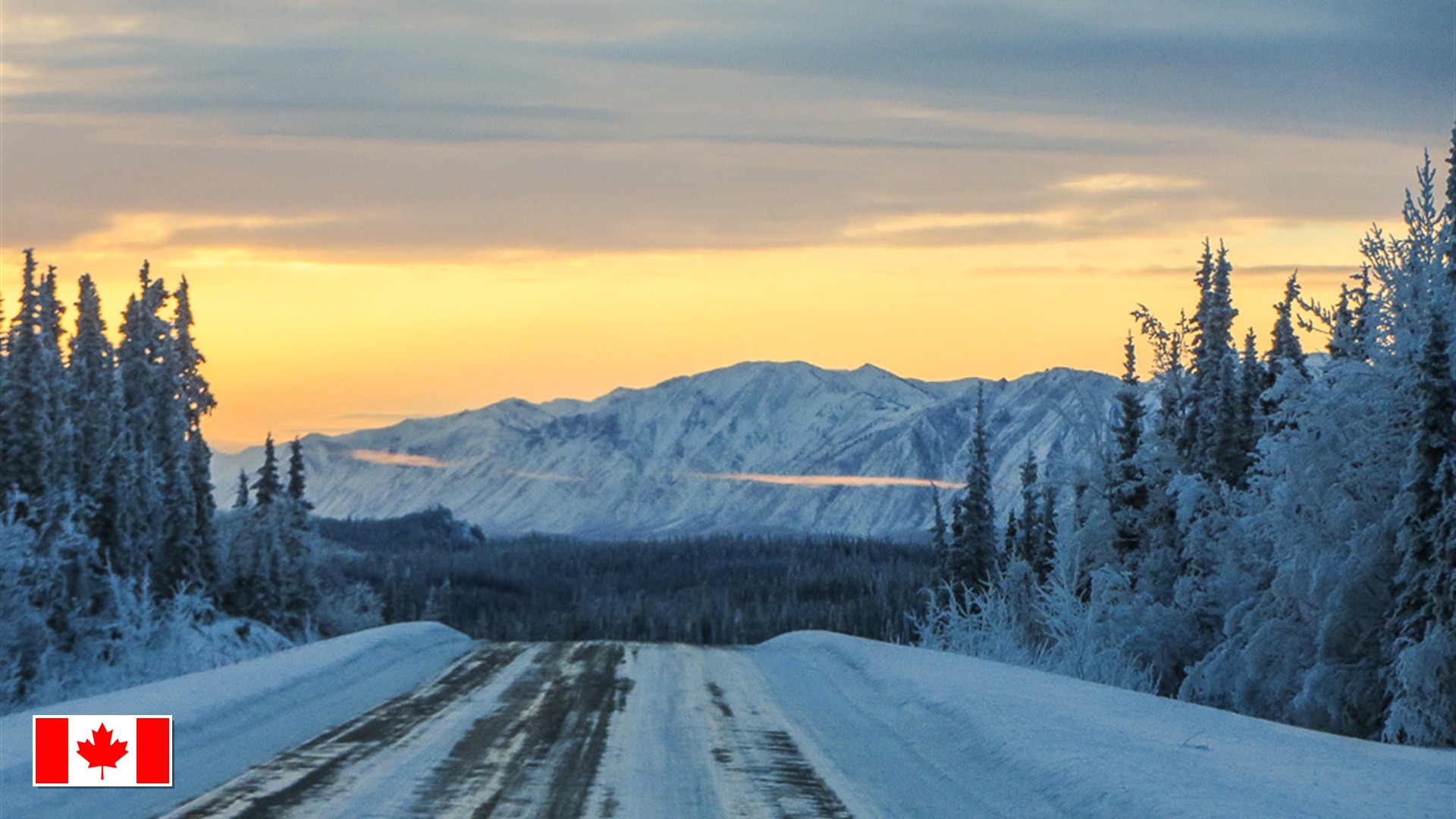
13. Snag, Yukon Territory, Canada (-63.0°C / -81.4°F) 
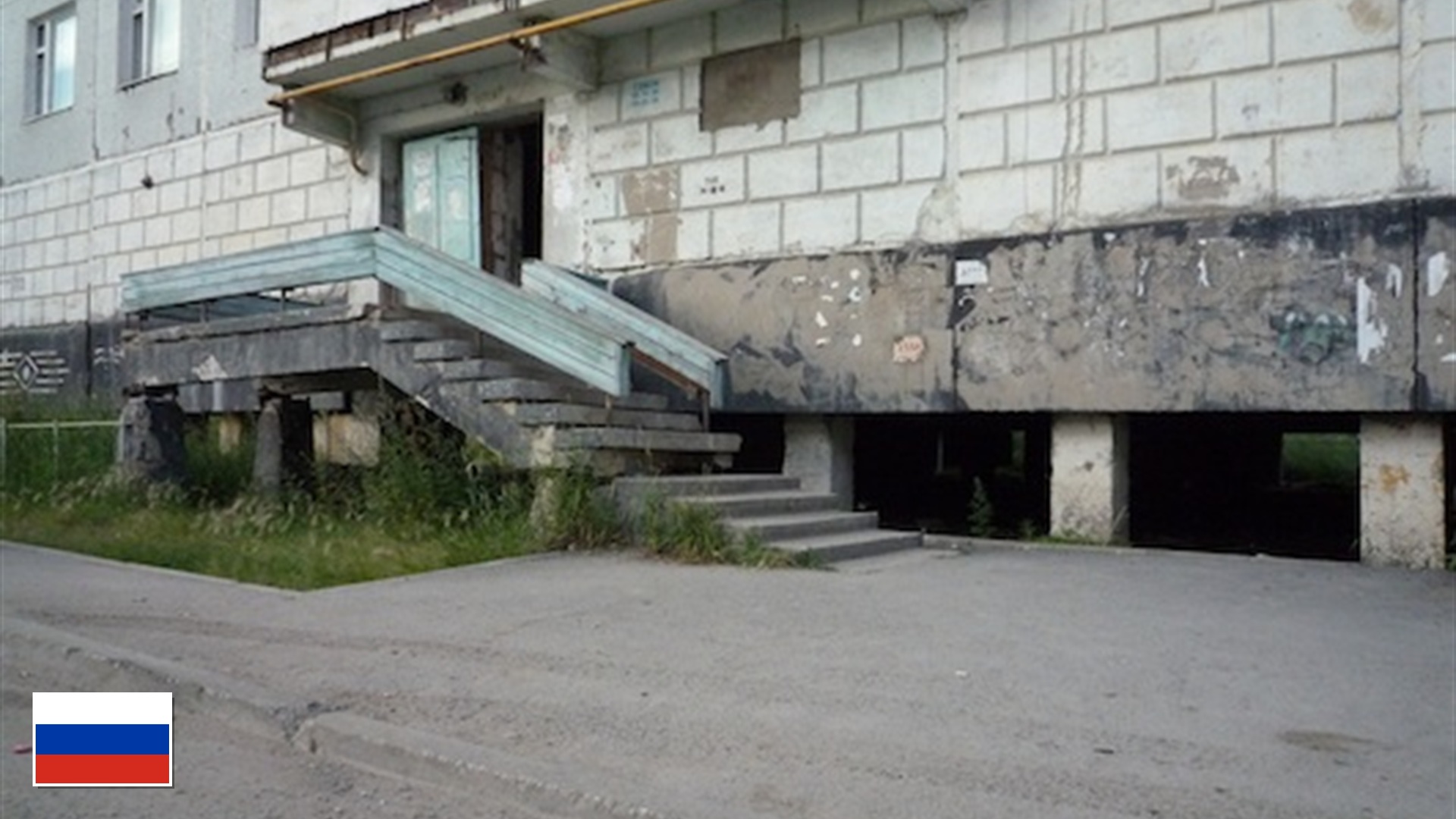
12. Yakutsk, Sakha Republic, Russia (-64.4°C / -83.9°F) 
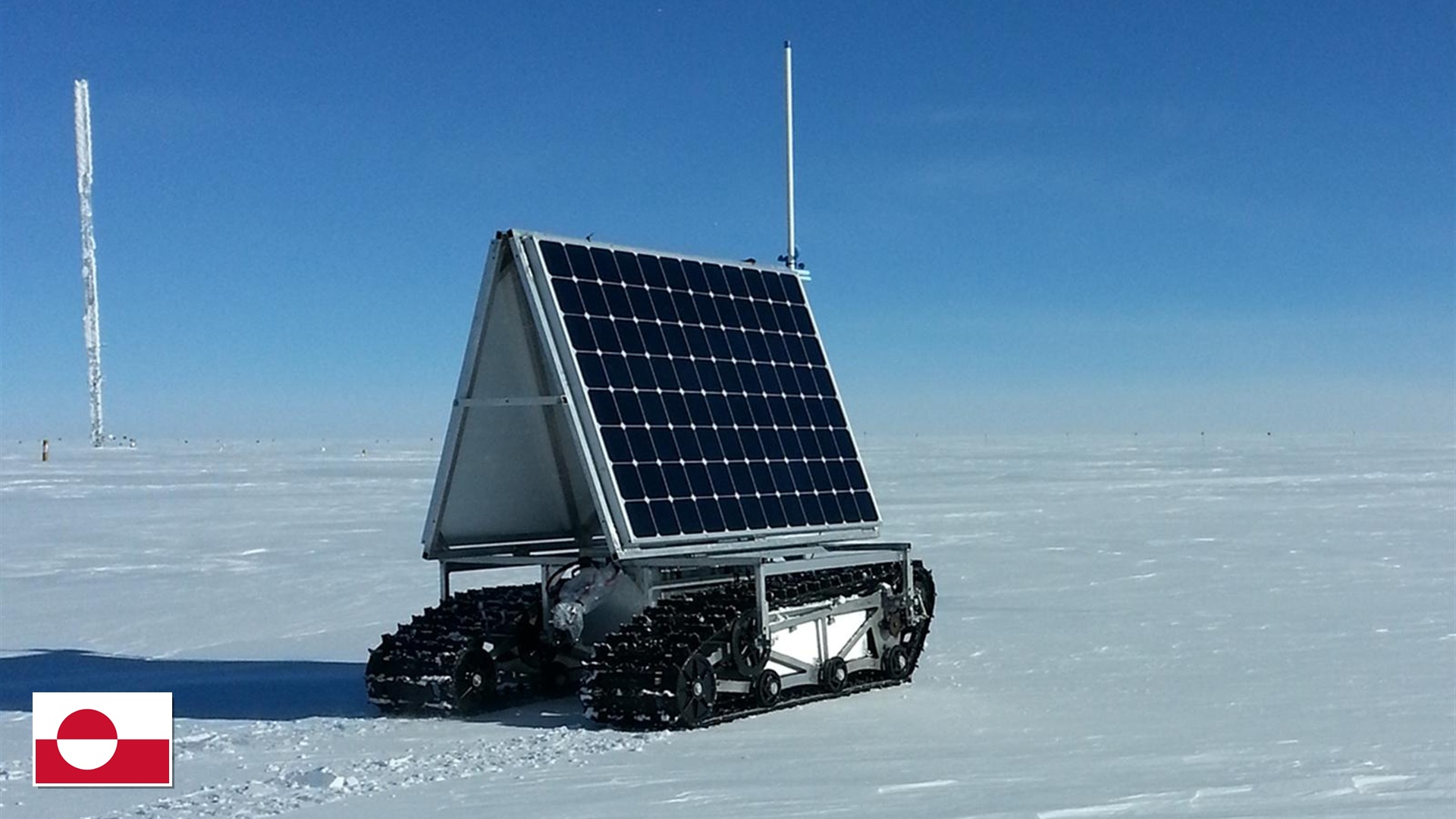
11. North Ice Station, Greenland Ice Sheet (-66.1°C / -87.0°F) 
10. Verkhoyansk, Sakha Republic, Russia (-67.8°C / -90.0°F) - AdvertisementSwipe or tap ▶ to continue countdown

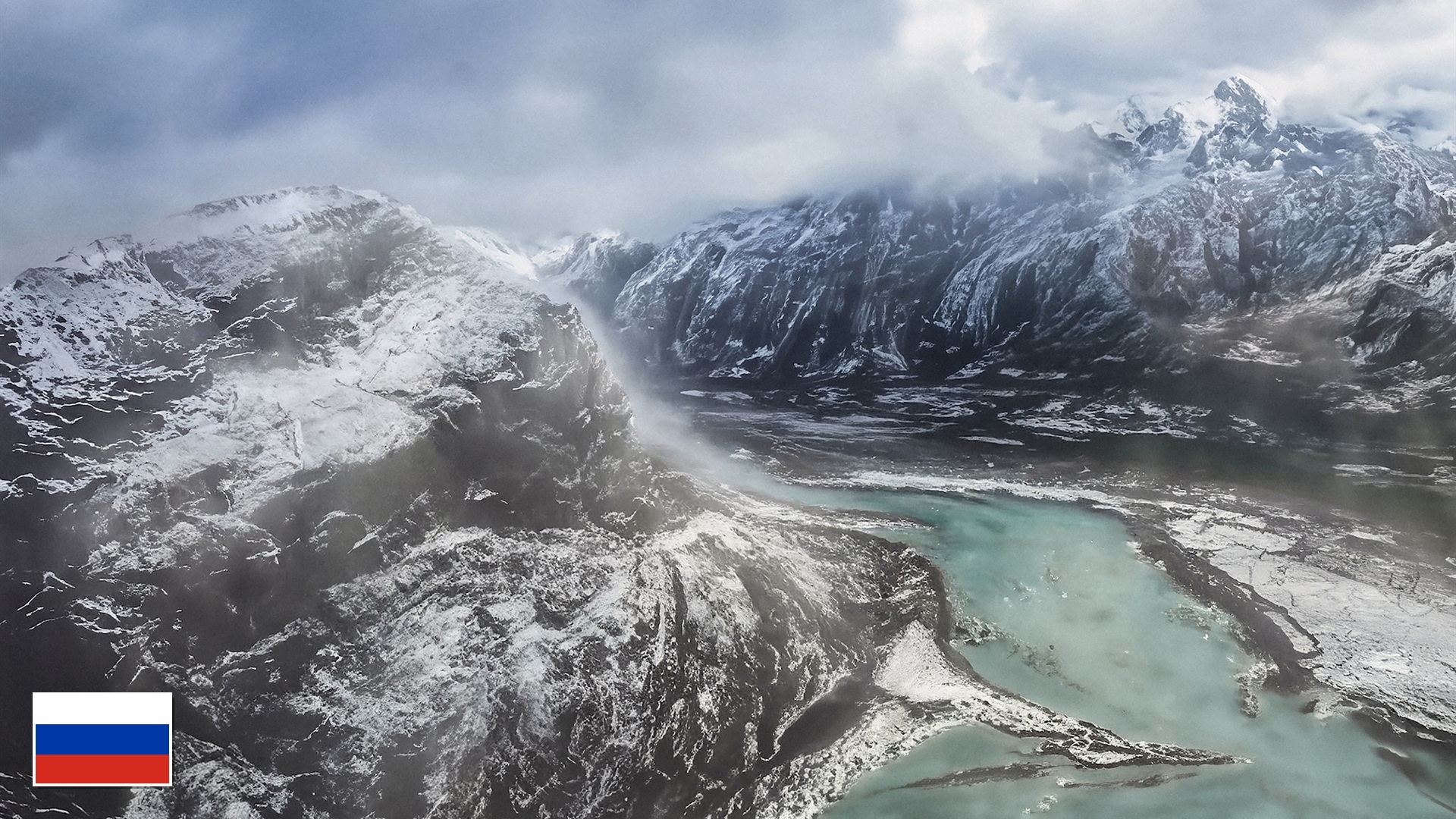
9. Oymyakon, Sakha Republic, Russia (-67.8°C / -90.0°F) 
8. Klinck Station, Greenland Ice Sheet (-69.6°C / -93.3°F) 
7. Denali (Mount McKinley), Alaska, USA (-73.8°C / -100.8°F) 
6. Mount Logan, Yukon Territory, Canada (-77.5°C / -107.5°F) - AdvertisementSwipe or tap ▶ to continue countdown

5. Amundsen-Scott South Pole Station, Antarctica (-82.8°C / -117.0°F) 
4. Concordia Station (Dome C), Antarctica (-84.6°C / -120.3°F) 
3. Plateau Station, Queen Maud Land, Antarctica (-86.2°C / -123.2°F) 
2. Vostok Station, East Antarctica (-89.2°C / -128.6°F) - AdvertisementSwipe or tap ▶ to continue countdown

1. Dome Fuji & Dome Argus Ridge, Antarctica (-93.2°C / -135.8°F) - Advertisement🔥 UP NEXT IN THIS SERIES◫ 21 Slides

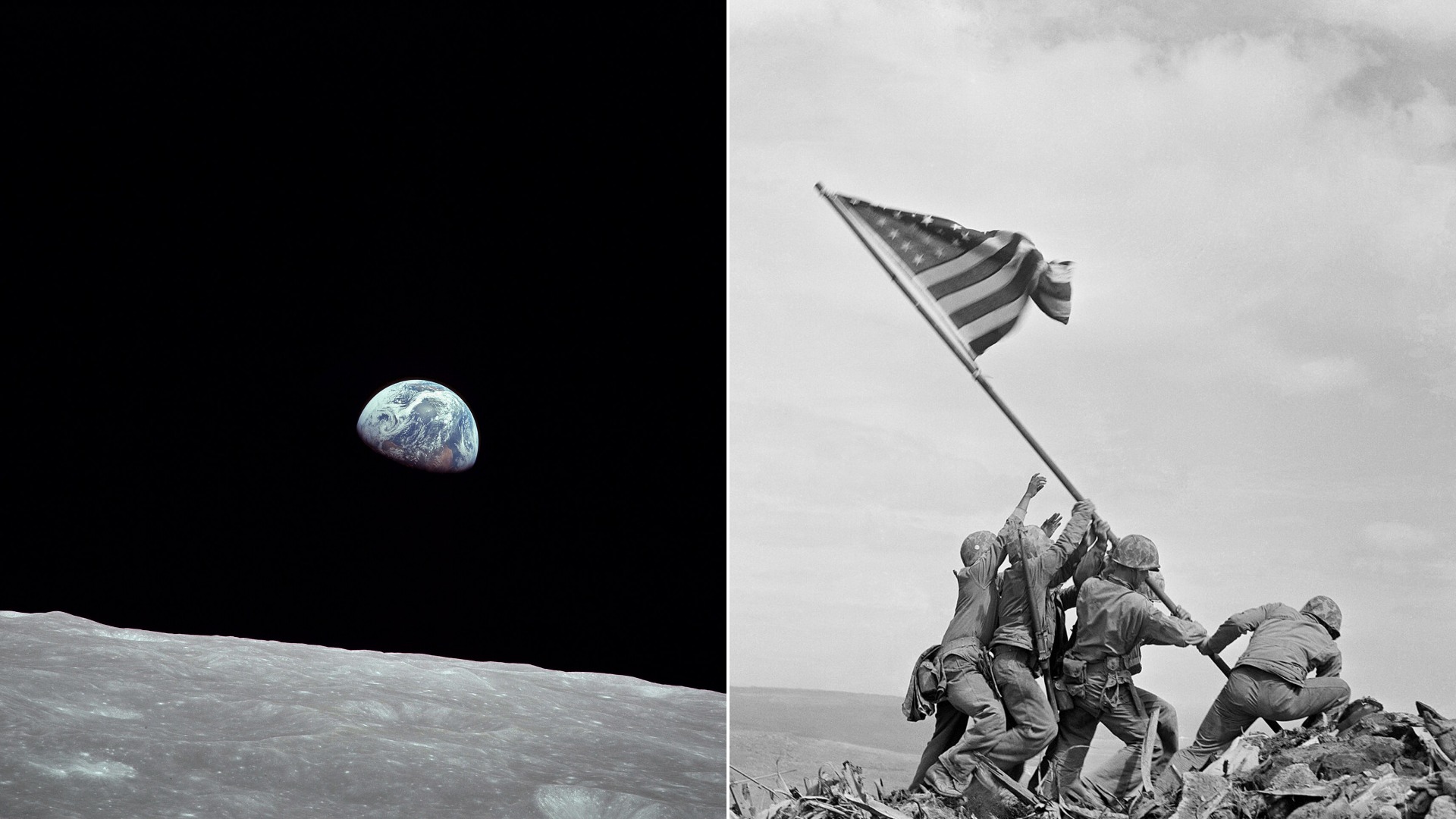
20 Iconic Historical Photos and the Archive Clues Behind Them
Contact sheets, cracked glass plates, and NASA mission logs preserve the hidden steps behind 20 famous photographs. Drawing on records from the Library of Congress, the National Archives, NASA, and the Smithsonian, this countdown traces how cropping, camera setups, and double exposures shaped each frame.
From remote gold-mining camps in the Yukon and permafrost cities in Siberia to high-altitude domes in East Antarctica, discover the 20 coldest places ever recorded on Earth.
Swipe or tap ▶ to begin the countdown
©Wikimedia / National Science Foundation
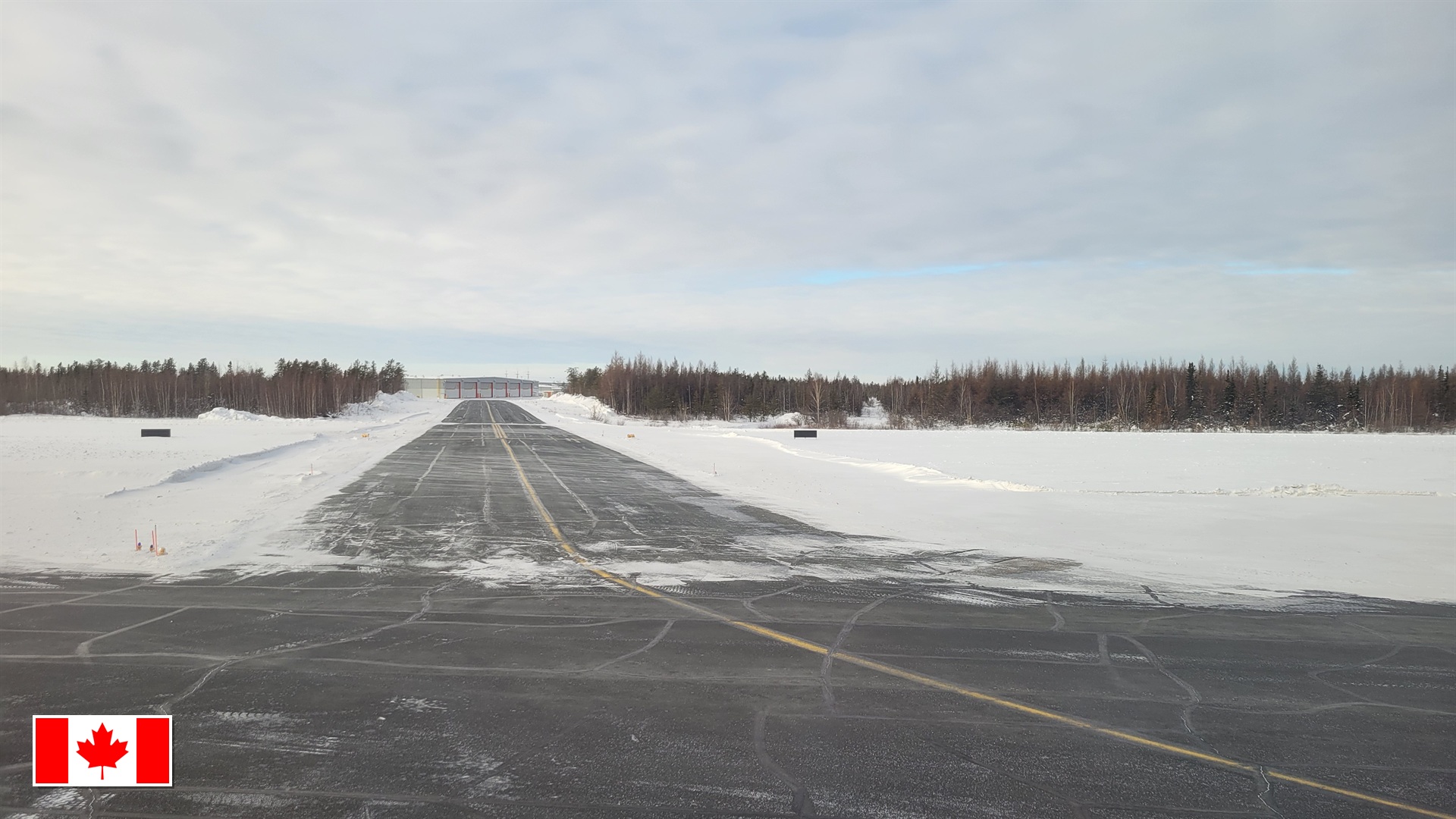
20. Yellowknife, Northwest Territories, Canada (-51.2°C / -60.2°F)
Perched on the northern shore of Great Slave Lake just 400 km south of the Arctic Circle, Yellowknife is the coldest major city in Canada. On January 31, 1947, Arctic air masses drove temperatures down to -51.2°C (-60.2°F), freezing exposed skin in under two minutes.
©Wikimedia / OhanaUnited
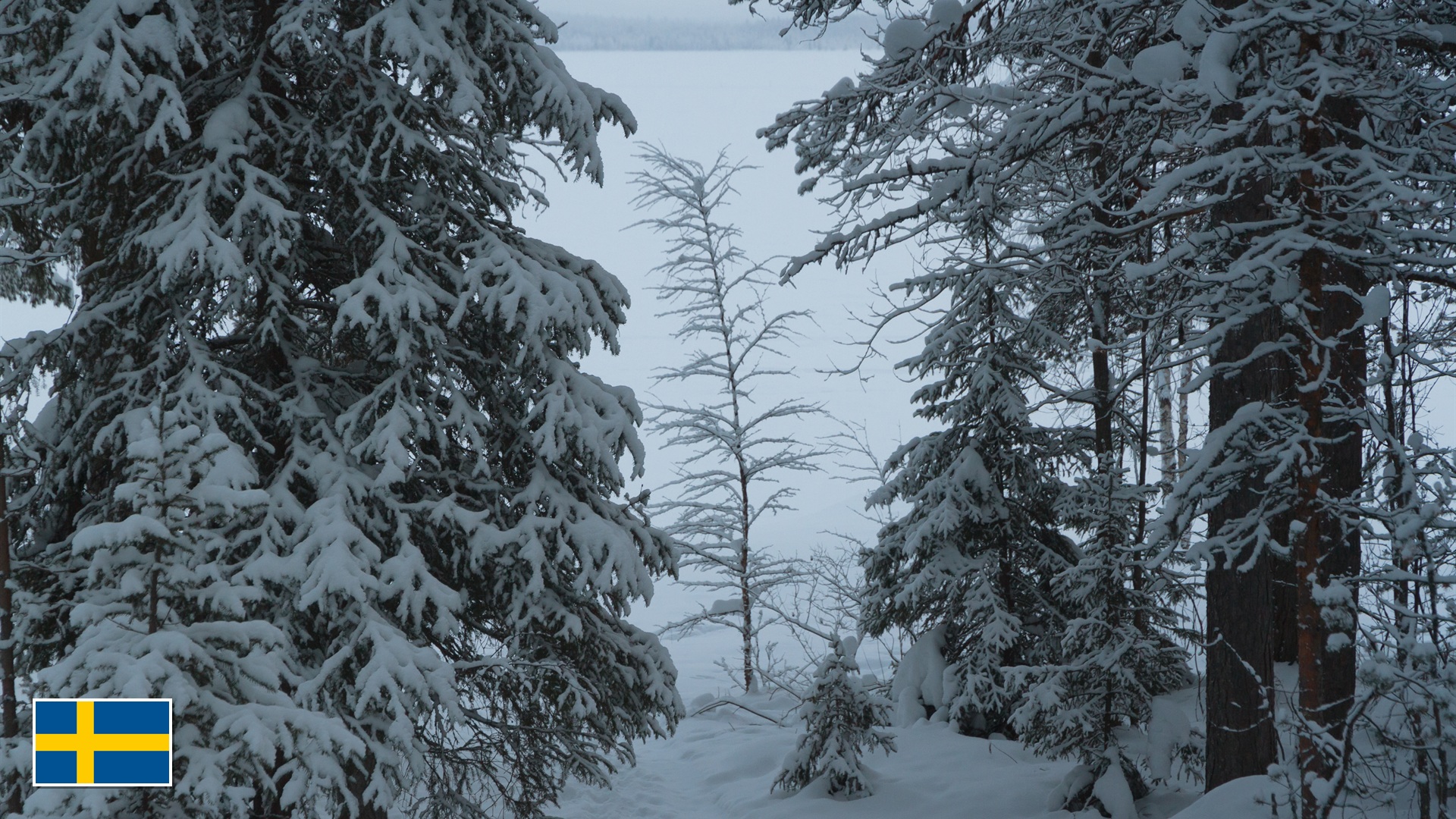
19. Vuoggatjalme, Swedish Lapland, Sweden (-52.6°C / -62.7°F)
Located in Arjeplog Municipality near the Norwegian border in Swedish Lapland, Vuoggatjalme holds the official record for the coldest temperature ever measured in Sweden and Nordic Europe: a staggering -52.6°C (-62.7°F) recorded during the deep polar night on February 2, 1966.
©Wikimedia / Simo Rasanen
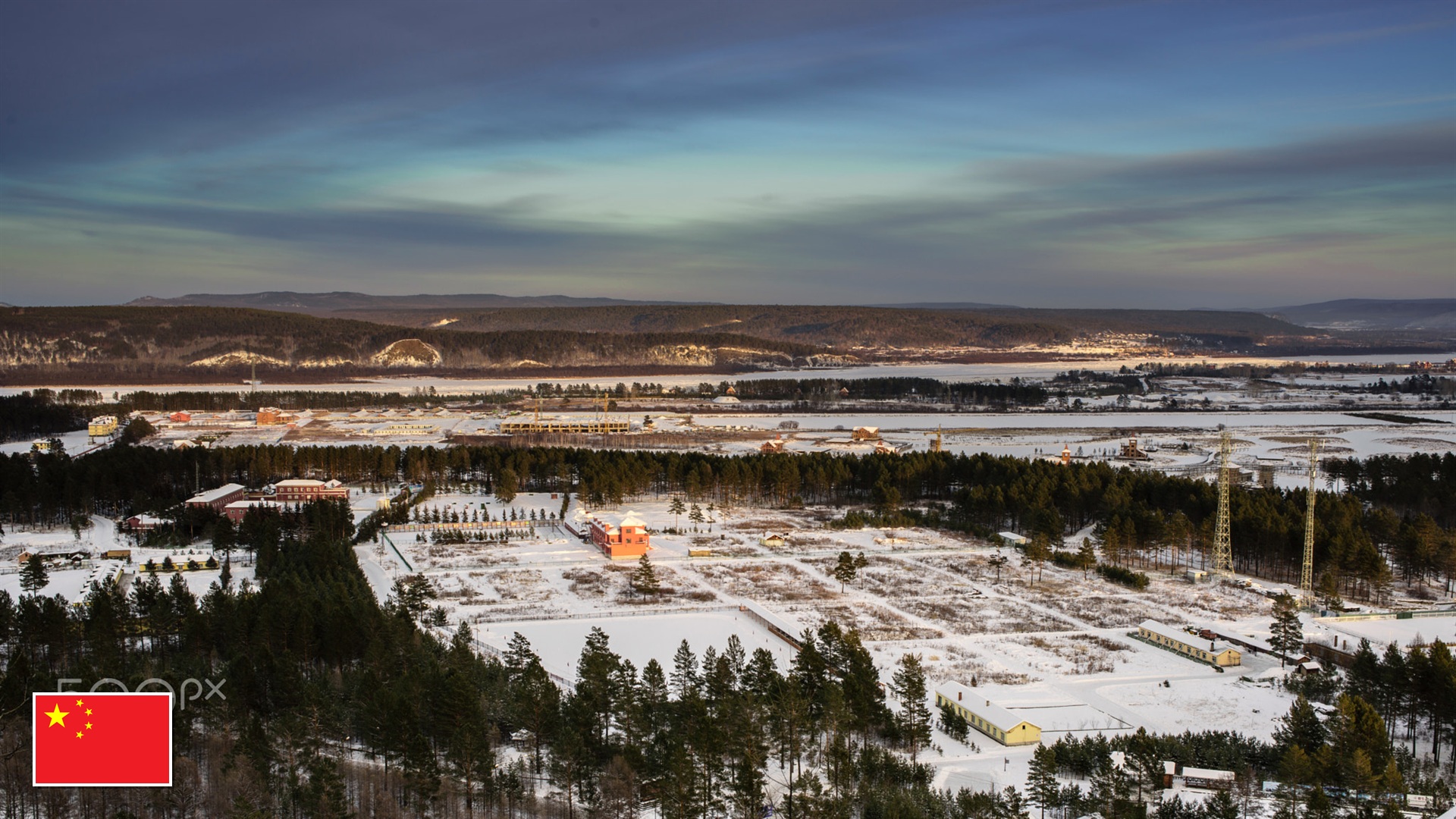
18. Mohe, Heilongjiang Province, China (-53.0°C / -63.4°F)
Situated at China's northernmost tip along the Amur River across from Russia, Mohe in Heilongjiang Province endures subzero winters lasting nearly eight months. On January 22, 2023, its Jingtao meteorological station recorded -53.0°C (-63.4°F), the lowest temperature in Chinese history.
©Wikimedia / M Kwow
Advertisement
Swipe or tap ▶ to resume the countdown.
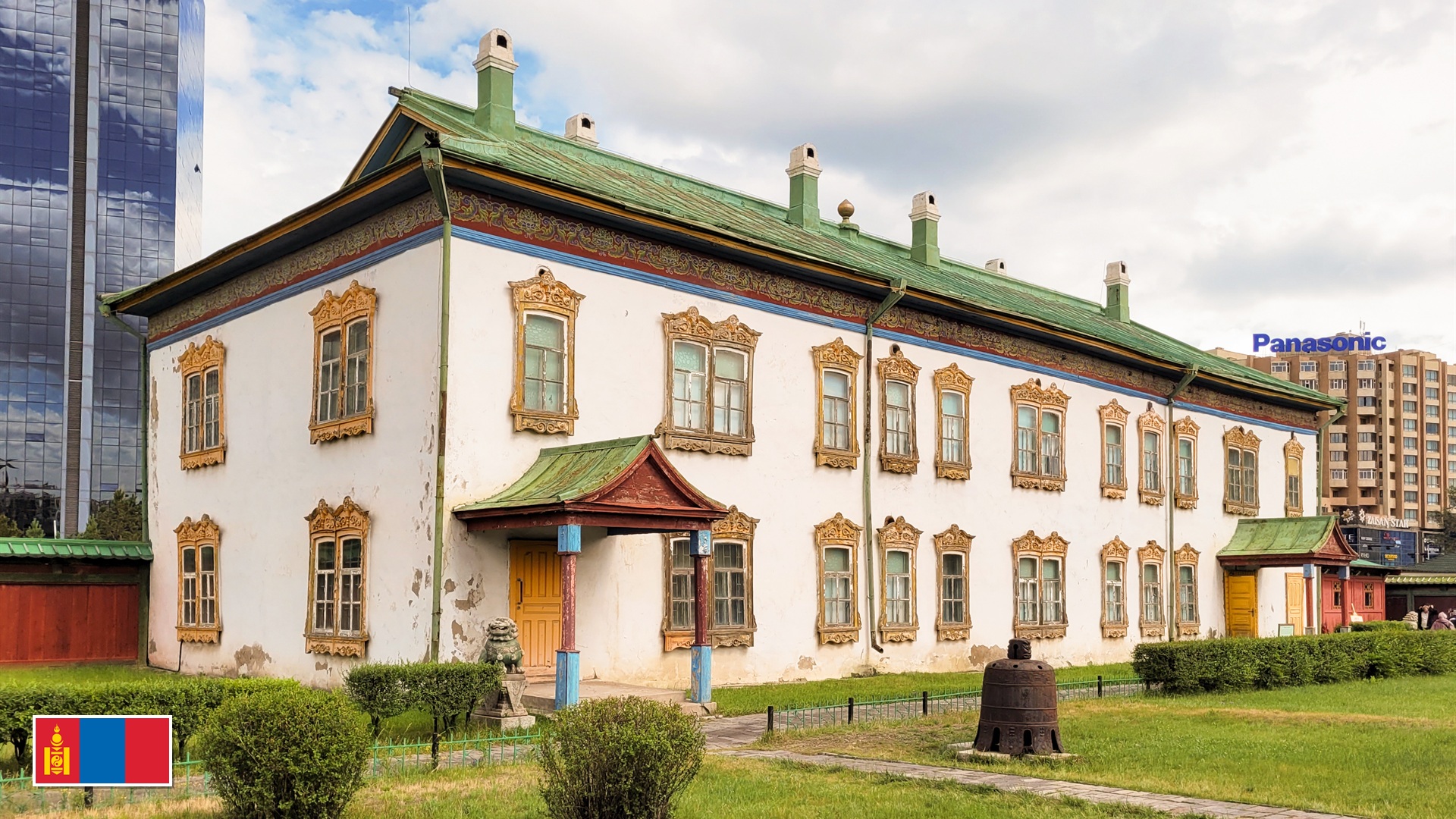
17. Zuungovi & Ulaanbaatar Basin, Mongolia (-55.3°C / -67.5°F)
While Ulaanbaatar is the coldest national capital on Earth with winter lows near -42°C, northwestern Mongolia's Uvs Lake basin is even more extreme. In December 1976, the settlement of Zuungovi dropped to -55.3°C (-67.5°F) under a stagnant Siberian anticyclone.
©Wikimedia / Bernard Gagnon
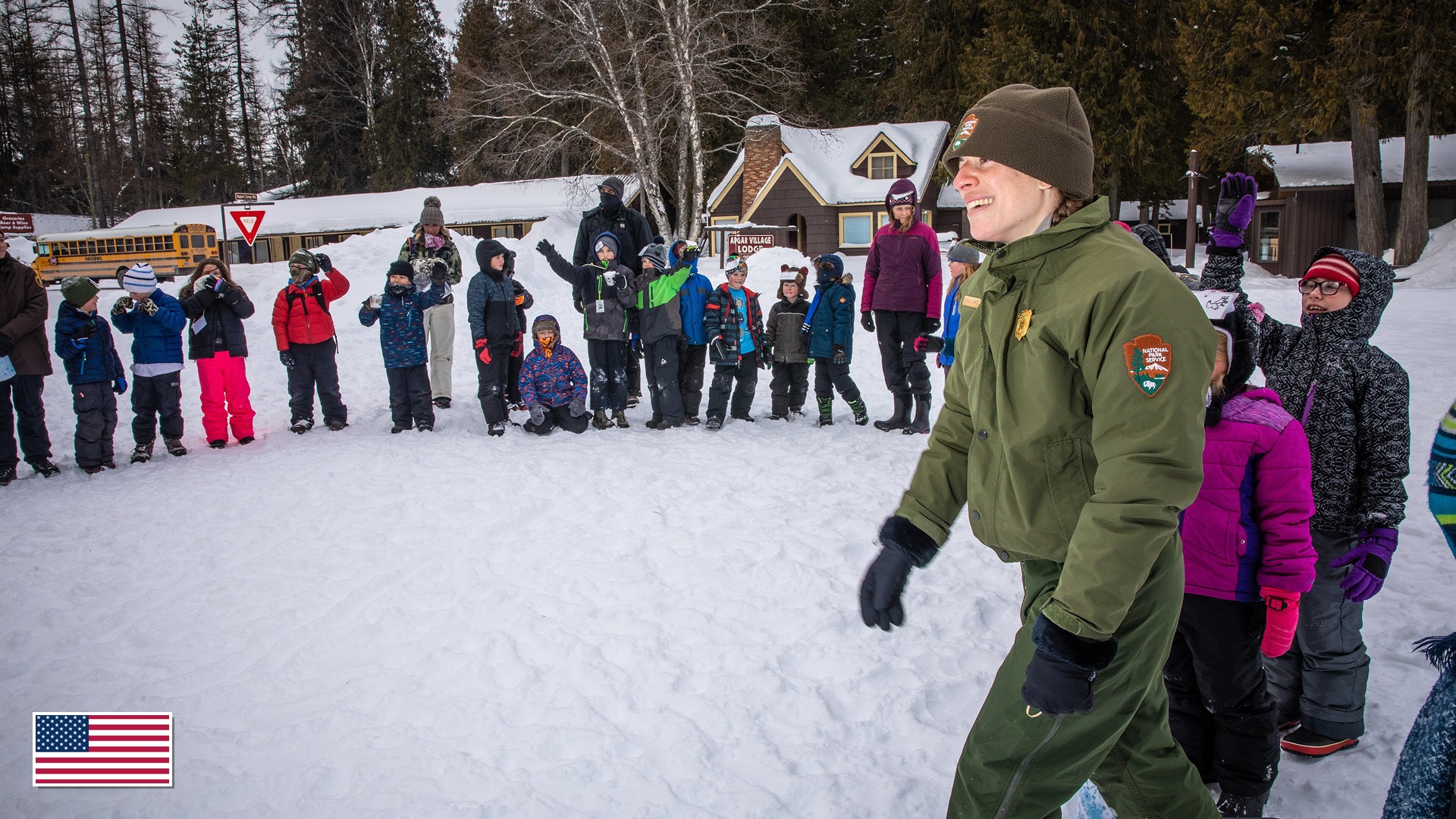
16. Rogers Pass, Montana, United States (-56.7°C / -70.0°F)
Carved into the Rocky Mountains along the Continental Divide in Lewis and Clark County, Montana, Rogers Pass sits at 5,610 feet (1,710 m) elevation. On the crystal-clear morning of January 20, 1954, dense Arctic air pooled in the pass and drove thermometers to -56.7°C (-70.0°F) - the coldest ever in the Lower 48.
©Wikimedia / National Park Service
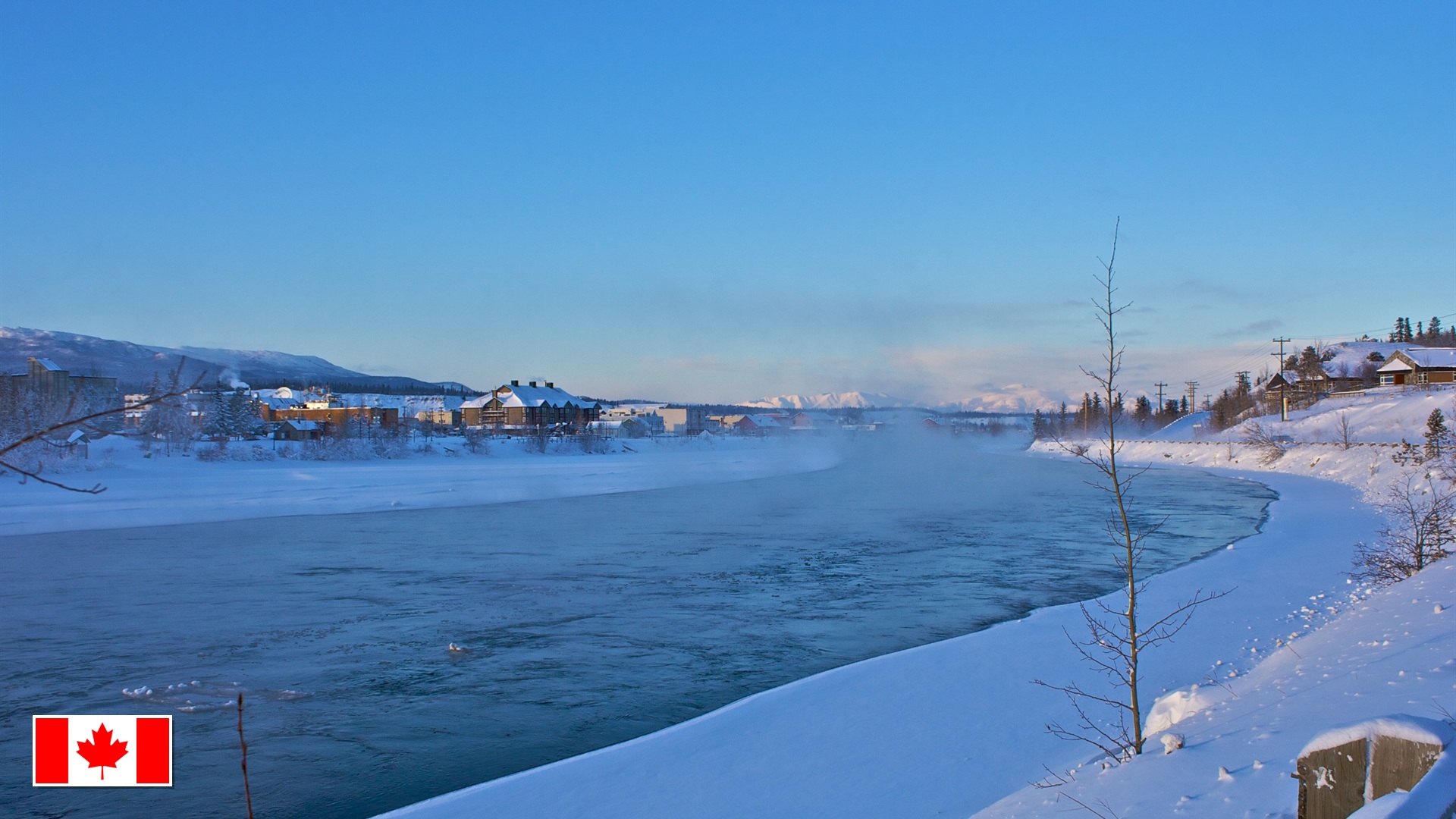
15. Fort Selkirk, Yukon Territory, Canada (-58.9°C / -74.0°F)
Accessible only by boat in summer or ice plane in winter, Fort Selkirk sits in a deep river valley in central Yukon where frigid air becomes trapped for weeks. In January 1952, thermometers at the former Hudson's Bay Company post plunged to -58.9°C (-74.0°F).
©Wikimedia / Gareth Sloan
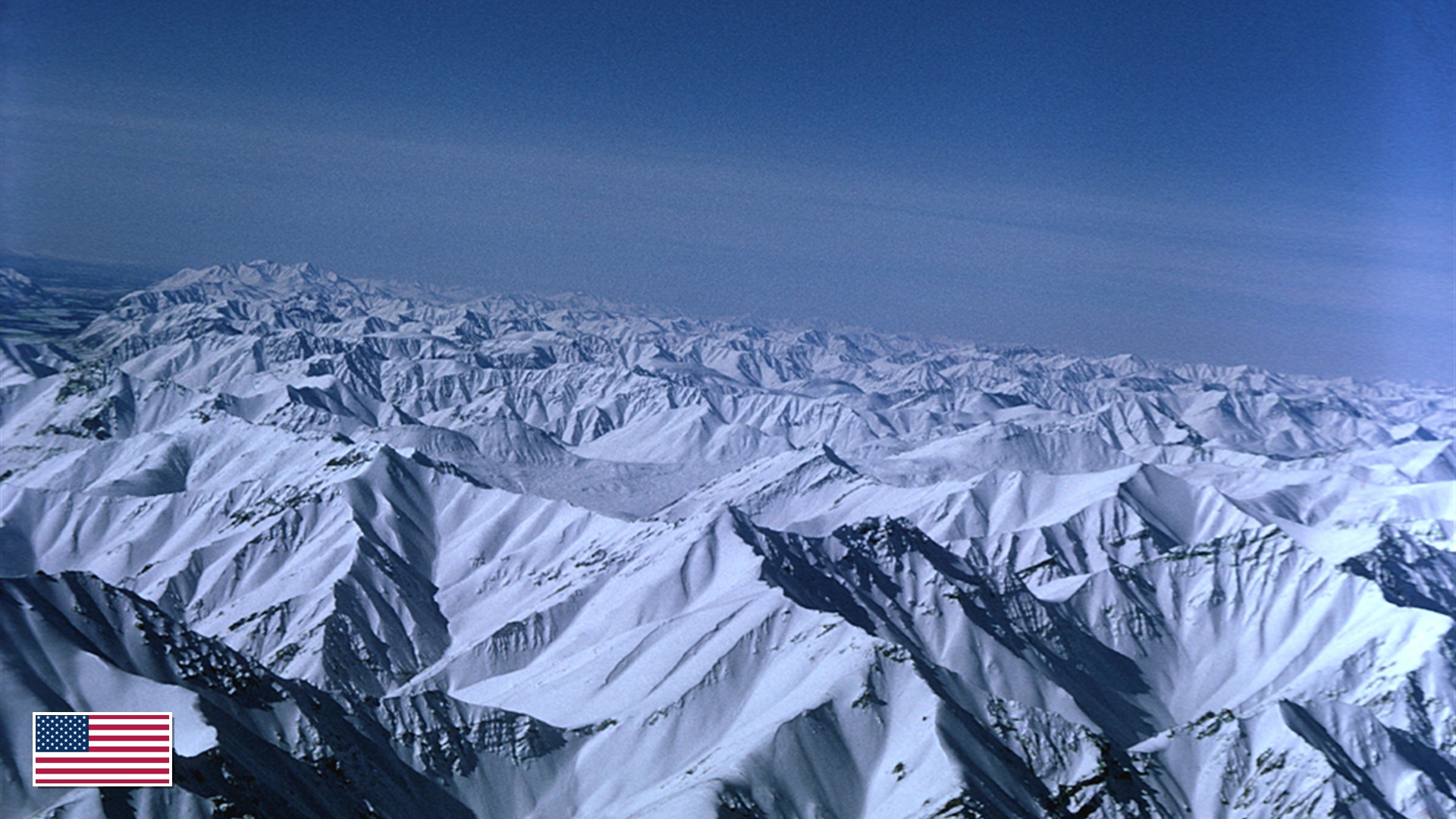
14. Prospect Creek, Brooks Range, Alaska (-62.2°C / -80.0°F)
Situated 40 km north of the Arctic Circle along the Dalton Highway in the southern foothills of Alaska's Brooks Range, Prospect Creek Camp housed 2,000 workers building the Trans-Alaska Pipeline. On January 23, 1971, the camp weather station recorded -62.2°C (-80.0°F), the lowest temperature ever observed in th...
©Wikimedia / U.S. Fish and Wildlife Service
Advertisement
Swipe or tap ▶ to resume the countdown.
13. Snag, Yukon Territory, Canada (-63.0°C / -81.4°F)
On February 3, 1947, meteorologists at the emergency airstrip in Snag, Yukon had to file a notch inside their alcohol thermometer casing because the column dropped below the lowest printed mark. At -63.0°C (-81.4°F), Snag remains the coldest low-altitude town ever recorded in continental North America.
©Wikimedia / Susan Drury
12. Yakutsk, Sakha Republic, Russia (-64.4°C / -83.9°F)
Built entirely on concrete pilings driven deep into frozen permafrost along the Lena River, Yakutsk is the capital of Russia's Sakha Republic. In February 1891, temperatures plunged to -64.4°C (-83.9°F); in winter, residents leave car engines running all day so fuel lines and batteries do not freeze solid.
©Wikimedia / Zwiet150
11. North Ice Station, Greenland Ice Sheet (-66.1°C / -87.0°F)
Constructed by the British North Greenland Expedition in 1952 high on the central Greenland Ice Sheet, North Ice Station recorded a brutal -66.1°C (-87.0°F) on January 9, 1954. For nearly four decades, it stood as the coldest officially recognized measurement in the Western Hemisphere.
©Wikimedia / Lora Koenig / NASA Goddard
10. Verkhoyansk, Sakha Republic, Russia (-67.8°C / -90.0°F)
Located on the Yana River in northern Yakutia, Verkhoyansk recorded -67.8°C (-90.0°F) in February 1892, tying for the coldest temperature ever measured in a permanently inhabited settlement. Remarkably, it also hit +38.0°C (+100.4°F) in June 2020 - an astounding 105.8°C seasonal range.
©Wikimedia / Svetlana Sibiryakova
Advertisement
Swipe or tap ▶ to resume the countdown.
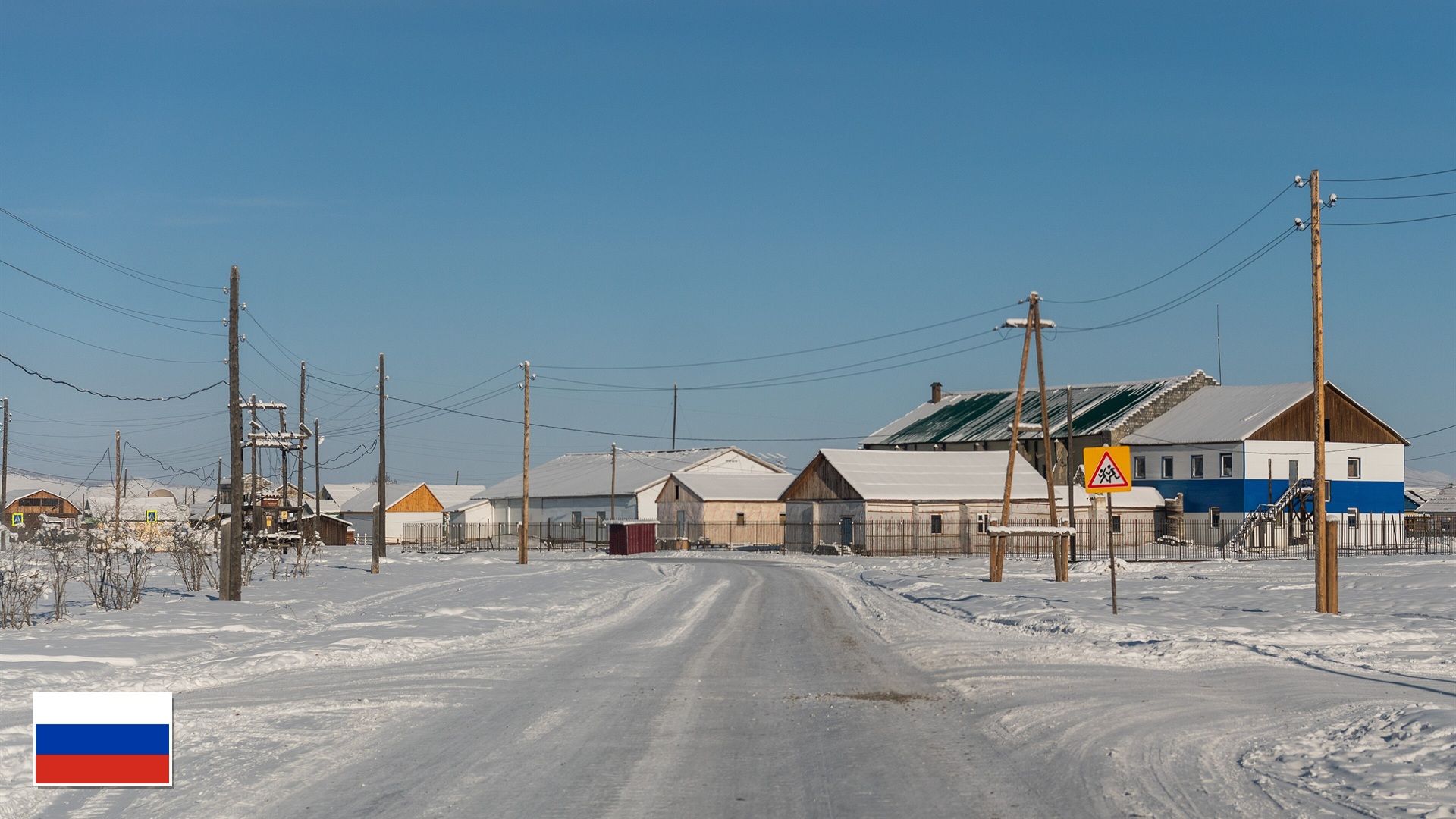
9. Oymyakon, Sakha Republic, Russia (-67.8°C / -90.0°F)
Home to roughly 500 hardy residents in a mountain-ringed valley in eastern Siberia, Oymyakon registered an official -67.8°C (-90.0°F) on February 6, 1933 (and an unofficial -71.2°C / -96.2°F in 1924). Eyeglasses freeze to skin outdoors, and schools only close when temperatures fall below -55°C.
©Wikimedia / Ilya Varlamov
8. Klinck Station, Greenland Ice Sheet (-69.6°C / -93.3°F)
Verified by the World Meteorological Organization (WMO) after climate historians analyzed automated weather station archives, Klinck Station near Summit Camp on the Greenland Ice Sheet dropped to -69.6°C (-93.3°F) on December 22, 1991 - the coldest temperature ever recorded in the Northern Hemisphere.
©Wikimedia / Peter West, NSF
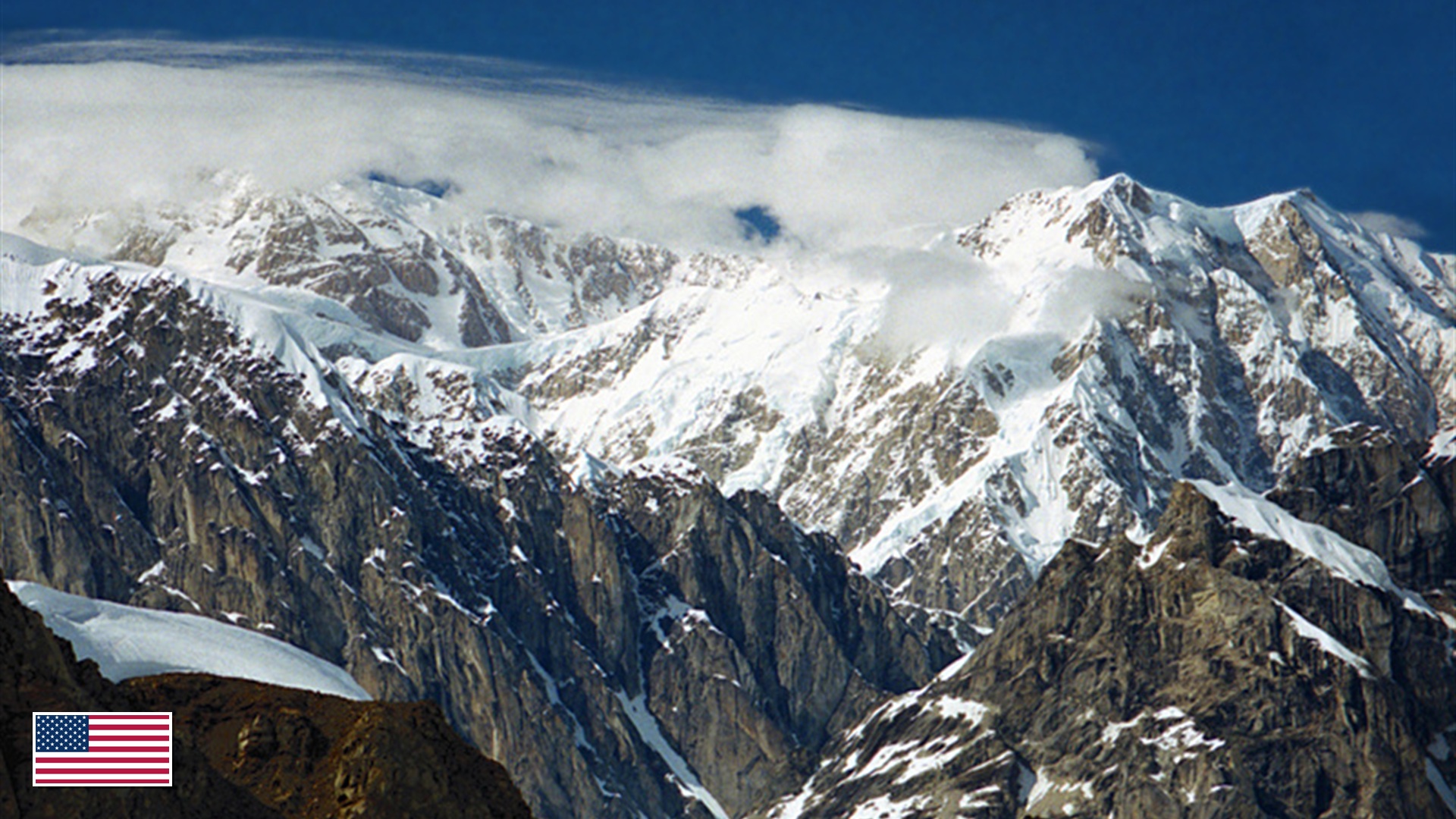
7. Denali (Mount McKinley), Alaska, USA (-73.8°C / -100.8°F)
Because Denali rises 6,190 meters (20,310 feet) at 63 degrees north latitude, its upper slopes pierce the thin polar troposphere. A weather thermometer left at 4,570 meters recorded a minimum of -73.8°C (-100.8°F), while automated sensors at 5,800 meters have logged wind chills below -83°C (-118°F).
©Wikimedia / Brian W. Schaller
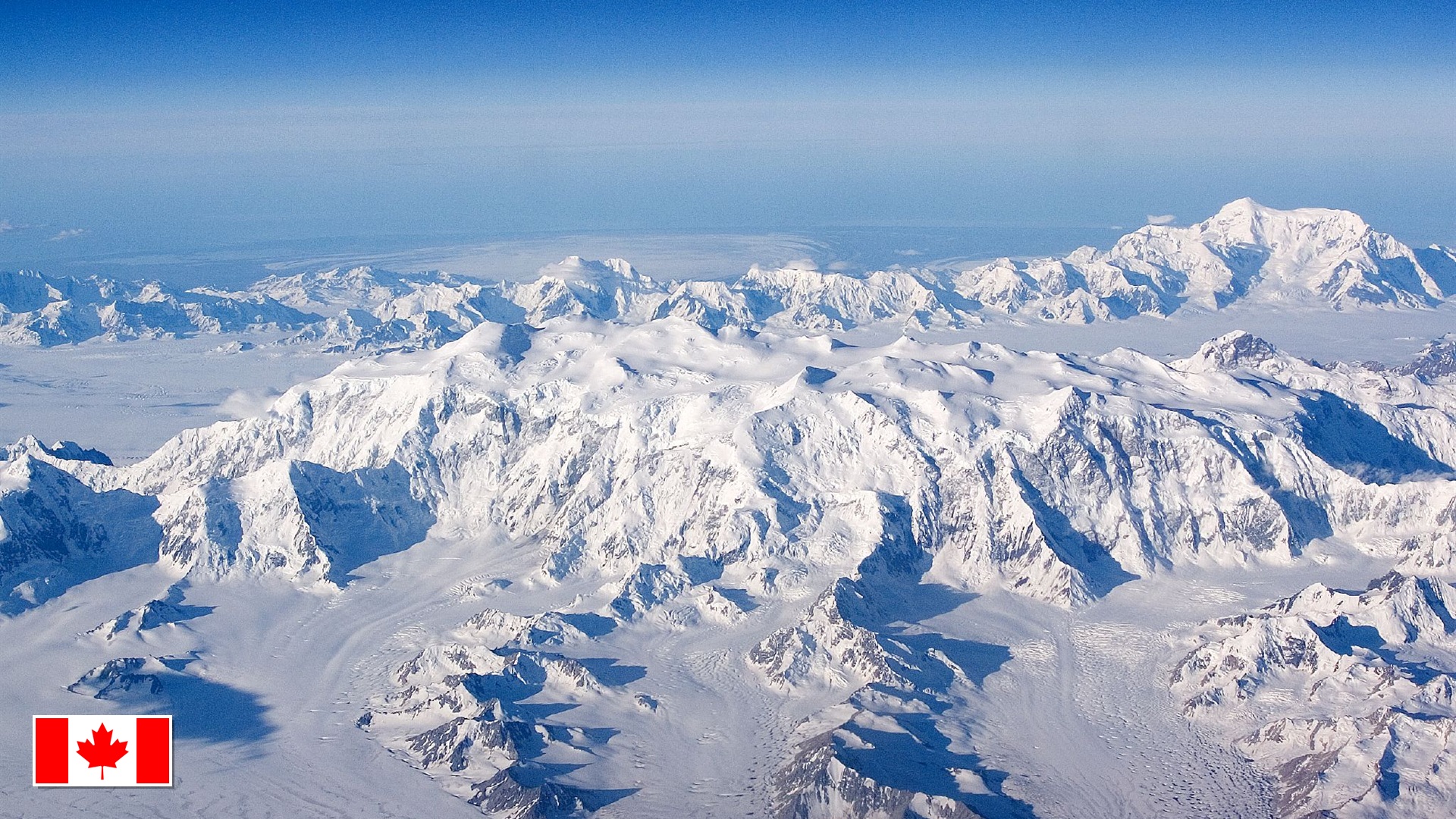
6. Mount Logan, Yukon Territory, Canada (-77.5°C / -107.5°F)
Spanning the largest non-volcanic mountain base circumference on Earth inside Yukon's Kluane National Park, Mount Logan's vast 5,000-meter summit plateau traps dense, supercooled air. On May 26, 1991, an ice-core expedition's high-altitude instrument recorded -77.5°C (-107.5°F) - the coldest measurement ever ou...
©Wikimedia / Jack French
Advertisement
Swipe or tap ▶ to resume the countdown.
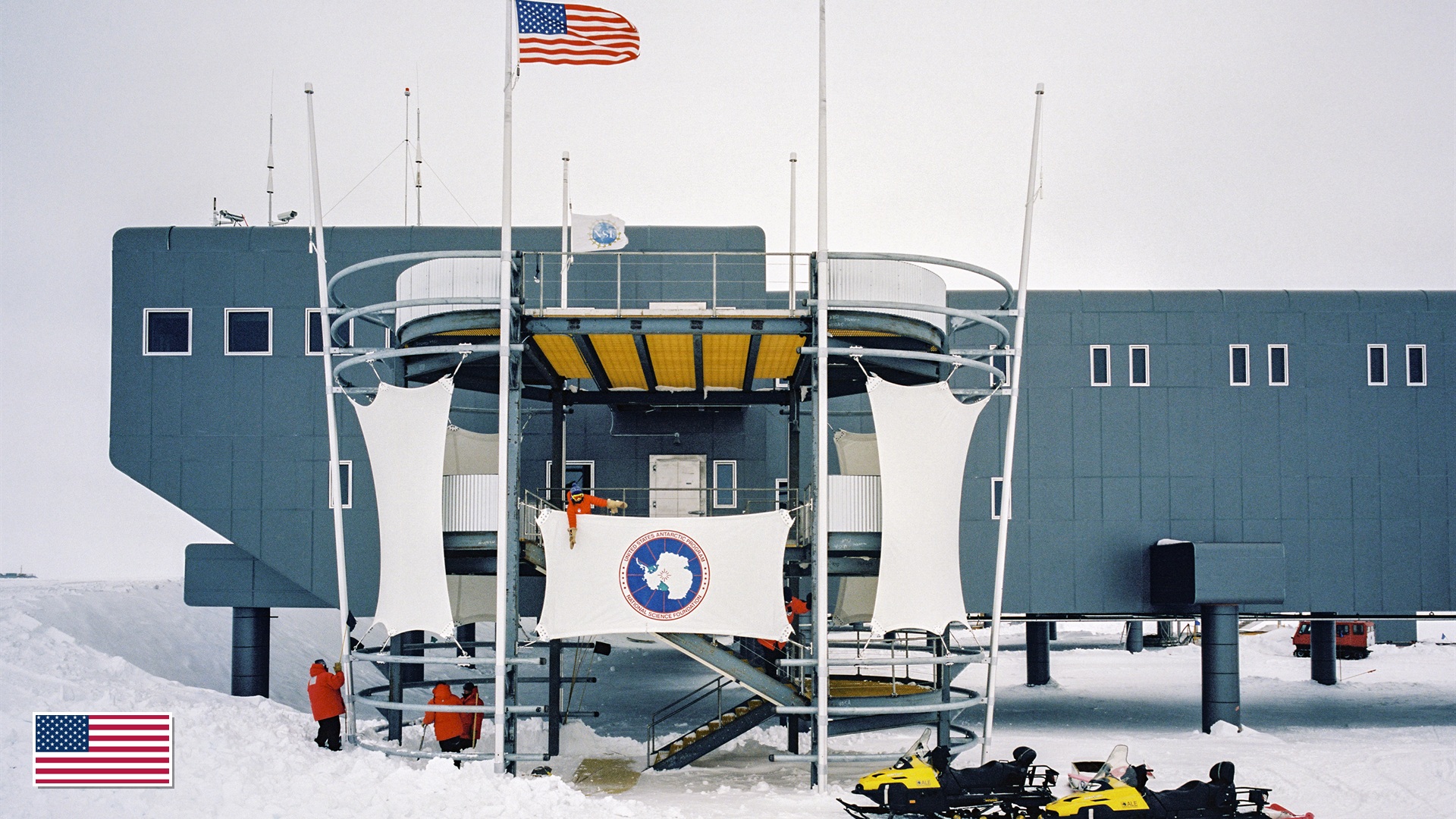
5. Amundsen-Scott South Pole Station, Antarctica (-82.8°C / -117.0°F)
Operated year-round by the United States Antarctic Program at 90 degrees South, the Amundsen-Scott Station experiences only one sunrise and one sunset per year. During the pitch-black austral winter on June 23, 1982, surface air temperatures at the pole dropped to -82.8°C (-117.0°F).
©Wikimedia / Christopher Michel
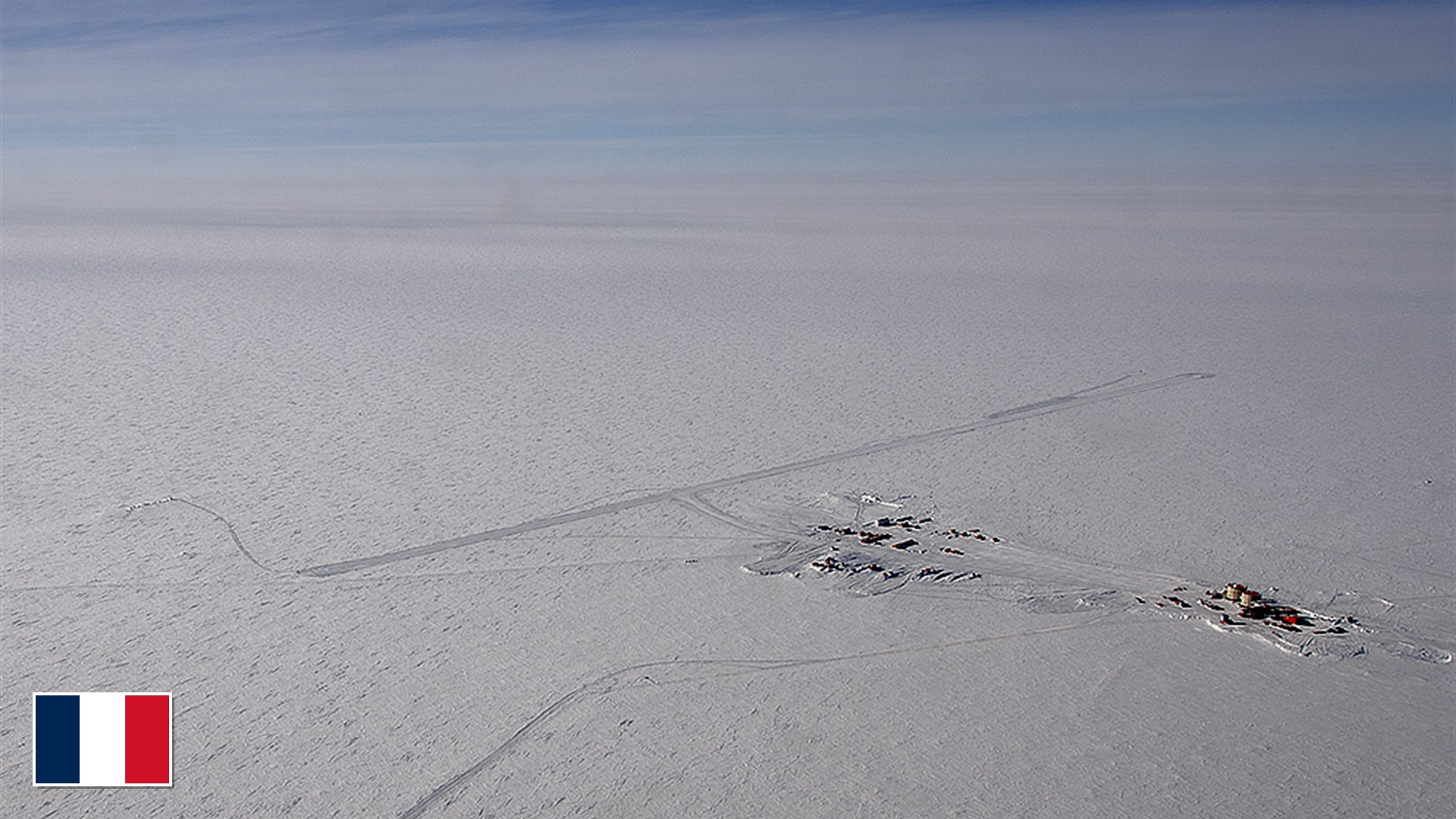
4. Concordia Station (Dome C), Antarctica (-84.6°C / -120.3°F)
Built at 3,233 meters elevation on the Antarctic Plateau by France and Italy, Concordia Station is further from human civilization than the International Space Station. In August 2010, winter-over crews recorded -84.6°C (-120.3°F) - cold enough to freeze diesel fuel into jelly.
©Wikimedia / Michael Studinger
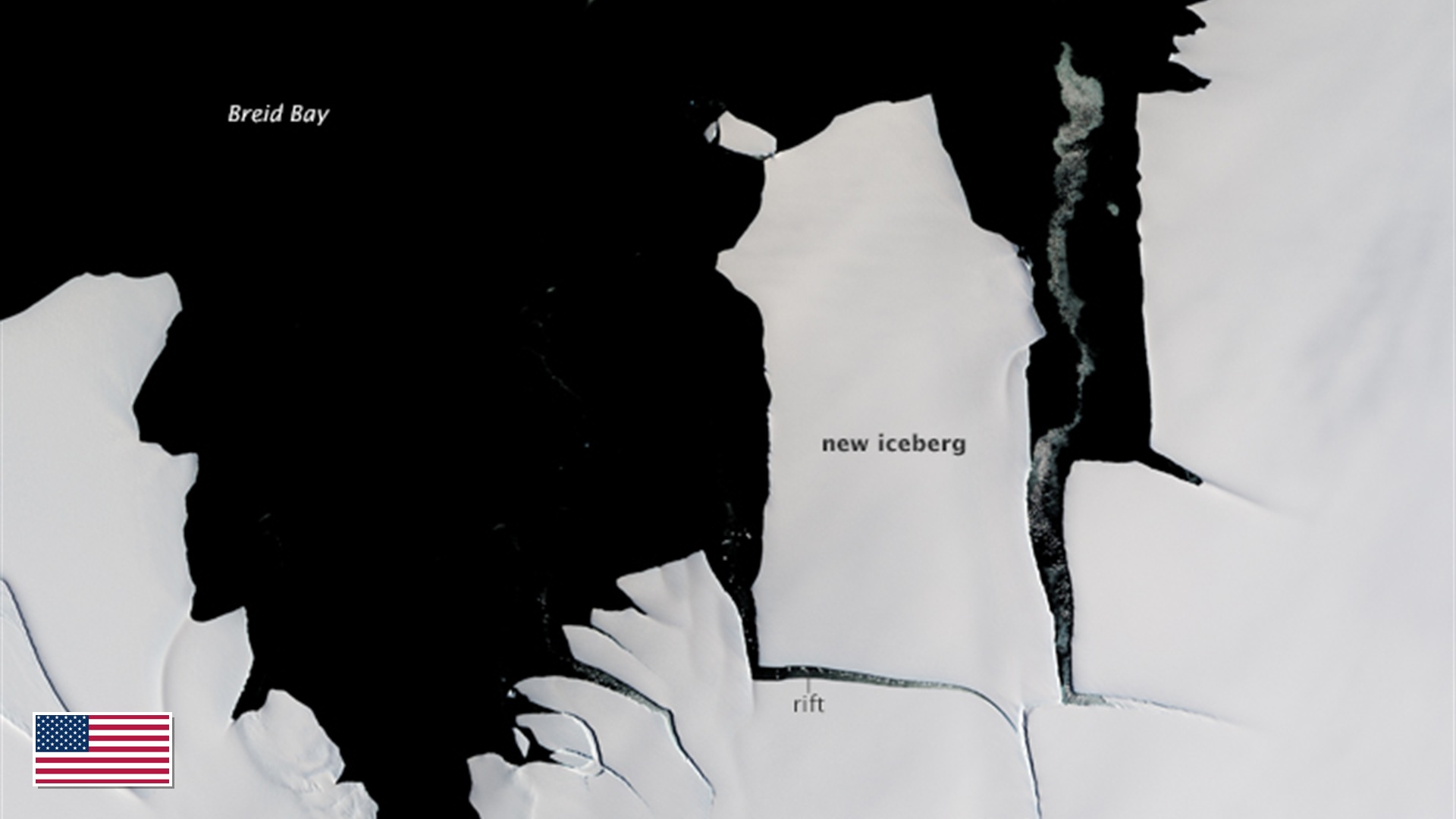
3. Plateau Station, Queen Maud Land, Antarctica (-86.2°C / -123.2°F)
Operated by the U.S. Navy and National Science Foundation in central Queen Maud Land between 1965 and 1969, Plateau Station sat at 3,624 meters (11,890 feet) elevation. On July 20, 1968, instruments measured -86.2°C (-123.2°F), while holding the lowest average July monthly temperature ever logged.
©Wikimedia / NASA Earth Observatory
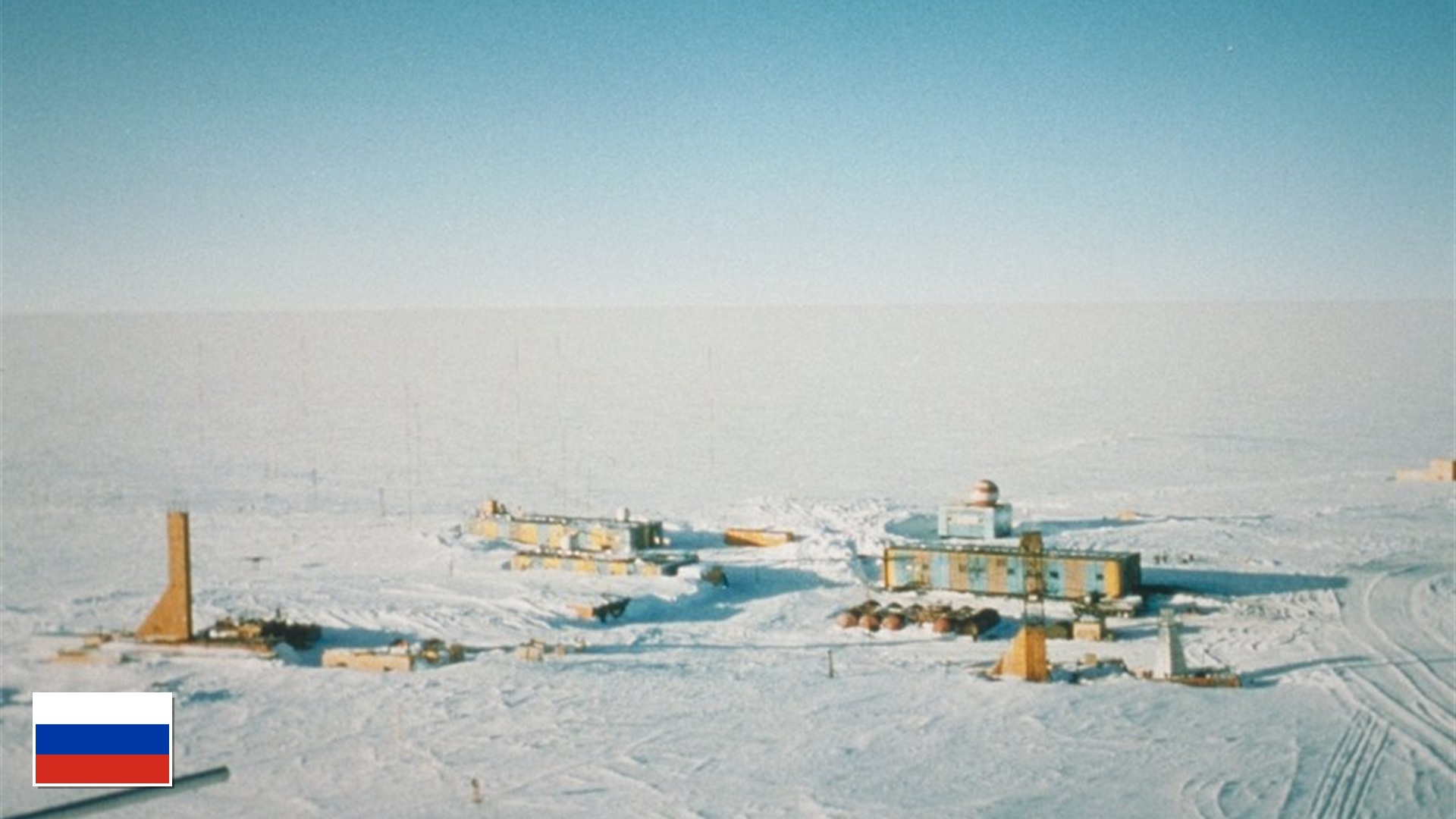
2. Vostok Station, East Antarctica (-89.2°C / -128.6°F)
Located at 3,488 meters elevation directly above subglacial Lake Vostok near the Southern Pole of Inaccessibility, Russia's Vostok Station recorded -89.2°C (-128.6°F) on July 21, 1983. It remains the lowest direct ground-level thermometer measurement ever verified on Earth.
©Wikimedia / Todd Sowers, LDEO / NOAA
Advertisement
Swipe or tap ▶ to resume the countdown.
1. Dome Fuji & Dome Argus Ridge, Antarctica (-93.2°C / -135.8°F)
Using Landsat 8 and MODIS thermal infrared satellites, NASA and NSIDC scientists discovered ice pockets along the 3,900-meter East Antarctic ridge between Dome Argus and Dome Fuji where clear winter skies drop air temperatures to -93.2°C (-135.8°F) - making it the coldest place on Earth.

©Pixabay / 358611
Advertisement
You've reached the end of the story. Thanks for reading!

20 Iconic Historical Photos and the Archive Clues Behind Them
Contact sheets, cracked glass plates, and NASA mission logs preserve the hidden steps behind 20 famous photographs. Drawing on records from the Library of Congress, the National Archives, NASA, and the Smithsonian, this countdown traces how cropping, camera setups, and double exposures shaped each frame.
All 20 Entries in this Story
20. Yellowknife, Northwest Territories, Canada (-51.2°C / -60.2°F)
Perched on the northern shore of Great Slave Lake just 400 km south of the Arctic Circle, Yellowknife is the coldest major city in Canada. On January 31, 1947, Arctic air masses drove temperatures down to -51.2°C (-60.2°F), freezing exposed skin in under two minutes.

19. Vuoggatjalme, Swedish Lapland, Sweden (-52.6°C / -62.7°F)
Located in Arjeplog Municipality near the Norwegian border in Swedish Lapland, Vuoggatjalme holds the official record for the coldest temperature ever measured in Sweden and Nordic Europe: a staggering -52.6°C (-62.7°F) recorded during the deep polar night on February 2, 1966.

18. Mohe, Heilongjiang Province, China (-53.0°C / -63.4°F)
Situated at China's northernmost tip along the Amur River across from Russia, Mohe in Heilongjiang Province endures subzero winters lasting nearly eight months. On January 22, 2023, its Jingtao meteorological station recorded -53.0°C (-63.4°F), the lowest temperature in Chinese history.

17. Zuungovi & Ulaanbaatar Basin, Mongolia (-55.3°C / -67.5°F)
While Ulaanbaatar is the coldest national capital on Earth with winter lows near -42°C, northwestern Mongolia's Uvs Lake basin is even more extreme. In December 1976, the settlement of Zuungovi dropped to -55.3°C (-67.5°F) under a stagnant Siberian anticyclone.

16. Rogers Pass, Montana, United States (-56.7°C / -70.0°F)
Carved into the Rocky Mountains along the Continental Divide in Lewis and Clark County, Montana, Rogers Pass sits at 5,610 feet (1,710 m) elevation. On the crystal-clear morning of January 20, 1954, dense Arctic air pooled in the pass and drove thermometers to -56.7°C (-70.0°F) - the coldest ever in the Lower 48.

15. Fort Selkirk, Yukon Territory, Canada (-58.9°C / -74.0°F)
Accessible only by boat in summer or ice plane in winter, Fort Selkirk sits in a deep river valley in central Yukon where frigid air becomes trapped for weeks. In January 1952, thermometers at the former Hudson's Bay Company post plunged to -58.9°C (-74.0°F).

14. Prospect Creek, Brooks Range, Alaska (-62.2°C / -80.0°F)
Situated 40 km north of the Arctic Circle along the Dalton Highway in the southern foothills of Alaska's Brooks Range, Prospect Creek Camp housed 2,000 workers building the Trans-Alaska Pipeline. On January 23, 1971, the camp weather station recorded -62.2°C (-80.0°F), the lowest temperature ever observed in th...

13. Snag, Yukon Territory, Canada (-63.0°C / -81.4°F)
On February 3, 1947, meteorologists at the emergency airstrip in Snag, Yukon had to file a notch inside their alcohol thermometer casing because the column dropped below the lowest printed mark. At -63.0°C (-81.4°F), Snag remains the coldest low-altitude town ever recorded in continental North America.

12. Yakutsk, Sakha Republic, Russia (-64.4°C / -83.9°F)
Built entirely on concrete pilings driven deep into frozen permafrost along the Lena River, Yakutsk is the capital of Russia's Sakha Republic. In February 1891, temperatures plunged to -64.4°C (-83.9°F); in winter, residents leave car engines running all day so fuel lines and batteries do not freeze solid.

11. North Ice Station, Greenland Ice Sheet (-66.1°C / -87.0°F)
Constructed by the British North Greenland Expedition in 1952 high on the central Greenland Ice Sheet, North Ice Station recorded a brutal -66.1°C (-87.0°F) on January 9, 1954. For nearly four decades, it stood as the coldest officially recognized measurement in the Western Hemisphere.

10. Verkhoyansk, Sakha Republic, Russia (-67.8°C / -90.0°F)
Located on the Yana River in northern Yakutia, Verkhoyansk recorded -67.8°C (-90.0°F) in February 1892, tying for the coldest temperature ever measured in a permanently inhabited settlement. Remarkably, it also hit +38.0°C (+100.4°F) in June 2020 - an astounding 105.8°C seasonal range.

9. Oymyakon, Sakha Republic, Russia (-67.8°C / -90.0°F)
Home to roughly 500 hardy residents in a mountain-ringed valley in eastern Siberia, Oymyakon registered an official -67.8°C (-90.0°F) on February 6, 1933 (and an unofficial -71.2°C / -96.2°F in 1924). Eyeglasses freeze to skin outdoors, and schools only close when temperatures fall below -55°C.

8. Klinck Station, Greenland Ice Sheet (-69.6°C / -93.3°F)
Verified by the World Meteorological Organization (WMO) after climate historians analyzed automated weather station archives, Klinck Station near Summit Camp on the Greenland Ice Sheet dropped to -69.6°C (-93.3°F) on December 22, 1991 - the coldest temperature ever recorded in the Northern Hemisphere.

7. Denali (Mount McKinley), Alaska, USA (-73.8°C / -100.8°F)
Because Denali rises 6,190 meters (20,310 feet) at 63 degrees north latitude, its upper slopes pierce the thin polar troposphere. A weather thermometer left at 4,570 meters recorded a minimum of -73.8°C (-100.8°F), while automated sensors at 5,800 meters have logged wind chills below -83°C (-118°F).

6. Mount Logan, Yukon Territory, Canada (-77.5°C / -107.5°F)
Spanning the largest non-volcanic mountain base circumference on Earth inside Yukon's Kluane National Park, Mount Logan's vast 5,000-meter summit plateau traps dense, supercooled air. On May 26, 1991, an ice-core expedition's high-altitude instrument recorded -77.5°C (-107.5°F) - the coldest measurement ever ou...

5. Amundsen-Scott South Pole Station, Antarctica (-82.8°C / -117.0°F)
Operated year-round by the United States Antarctic Program at 90 degrees South, the Amundsen-Scott Station experiences only one sunrise and one sunset per year. During the pitch-black austral winter on June 23, 1982, surface air temperatures at the pole dropped to -82.8°C (-117.0°F).

4. Concordia Station (Dome C), Antarctica (-84.6°C / -120.3°F)
Built at 3,233 meters elevation on the Antarctic Plateau by France and Italy, Concordia Station is further from human civilization than the International Space Station. In August 2010, winter-over crews recorded -84.6°C (-120.3°F) - cold enough to freeze diesel fuel into jelly.

3. Plateau Station, Queen Maud Land, Antarctica (-86.2°C / -123.2°F)
Operated by the U.S. Navy and National Science Foundation in central Queen Maud Land between 1965 and 1969, Plateau Station sat at 3,624 meters (11,890 feet) elevation. On July 20, 1968, instruments measured -86.2°C (-123.2°F), while holding the lowest average July monthly temperature ever logged.

2. Vostok Station, East Antarctica (-89.2°C / -128.6°F)
Located at 3,488 meters elevation directly above subglacial Lake Vostok near the Southern Pole of Inaccessibility, Russia's Vostok Station recorded -89.2°C (-128.6°F) on July 21, 1983. It remains the lowest direct ground-level thermometer measurement ever verified on Earth.

1. Dome Fuji & Dome Argus Ridge, Antarctica (-93.2°C / -135.8°F)
Using Landsat 8 and MODIS thermal infrared satellites, NASA and NSIDC scientists discovered ice pockets along the 3,900-meter East Antarctic ridge between Dome Argus and Dome Fuji where clear winter skies drop air temperatures to -93.2°C (-135.8°F) - making it the coldest place on Earth.