Slideshow · Animals
20 Cute Animals That Are Secretly Deadly
From venomous elbow-licking primates to heart-stopping translucent sea bells, these twenty adorable creatures conceal nature's most lethal biological weapons.
By Most Viral Today
25 Oct 2026

20 Cute Animals That Are Secretly Deadly 
20. Slow Loris 
19. Platypus 
18. Blue-Ringed Octopus - AdvertisementSwipe or tap ▶ to continue countdown

17. Golden Poison Frog 
16. Geography Cone Snail 
15. Pufferfish 
14. Giant Panda - AdvertisementSwipe or tap ▶ to continue countdown

13. Koala 
12. North American Beaver 
11. Tasmanian Devil 
10. Hooded Pitohui - AdvertisementSwipe or tap ▶ to continue countdown

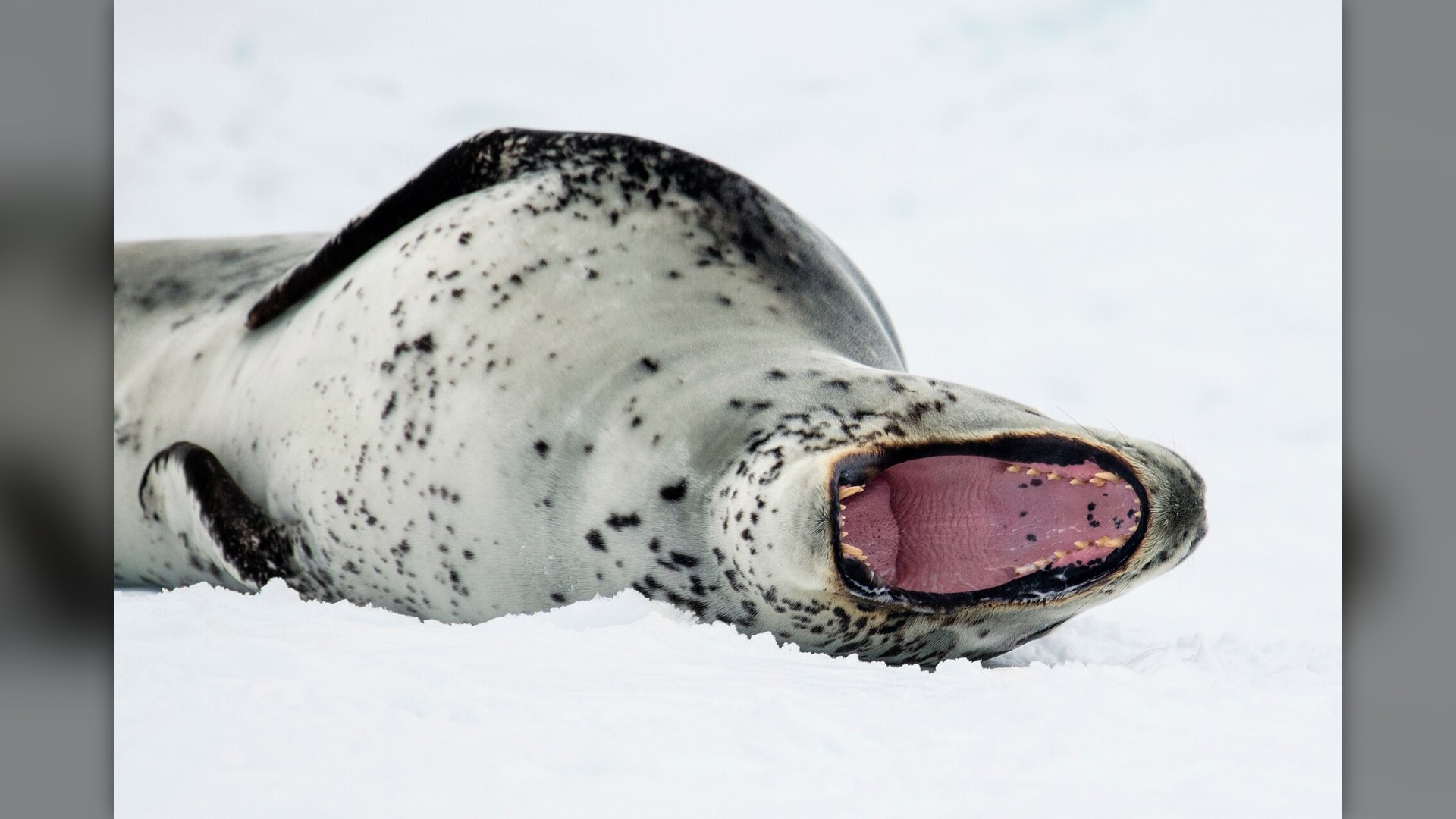
9. Leopard Seal 
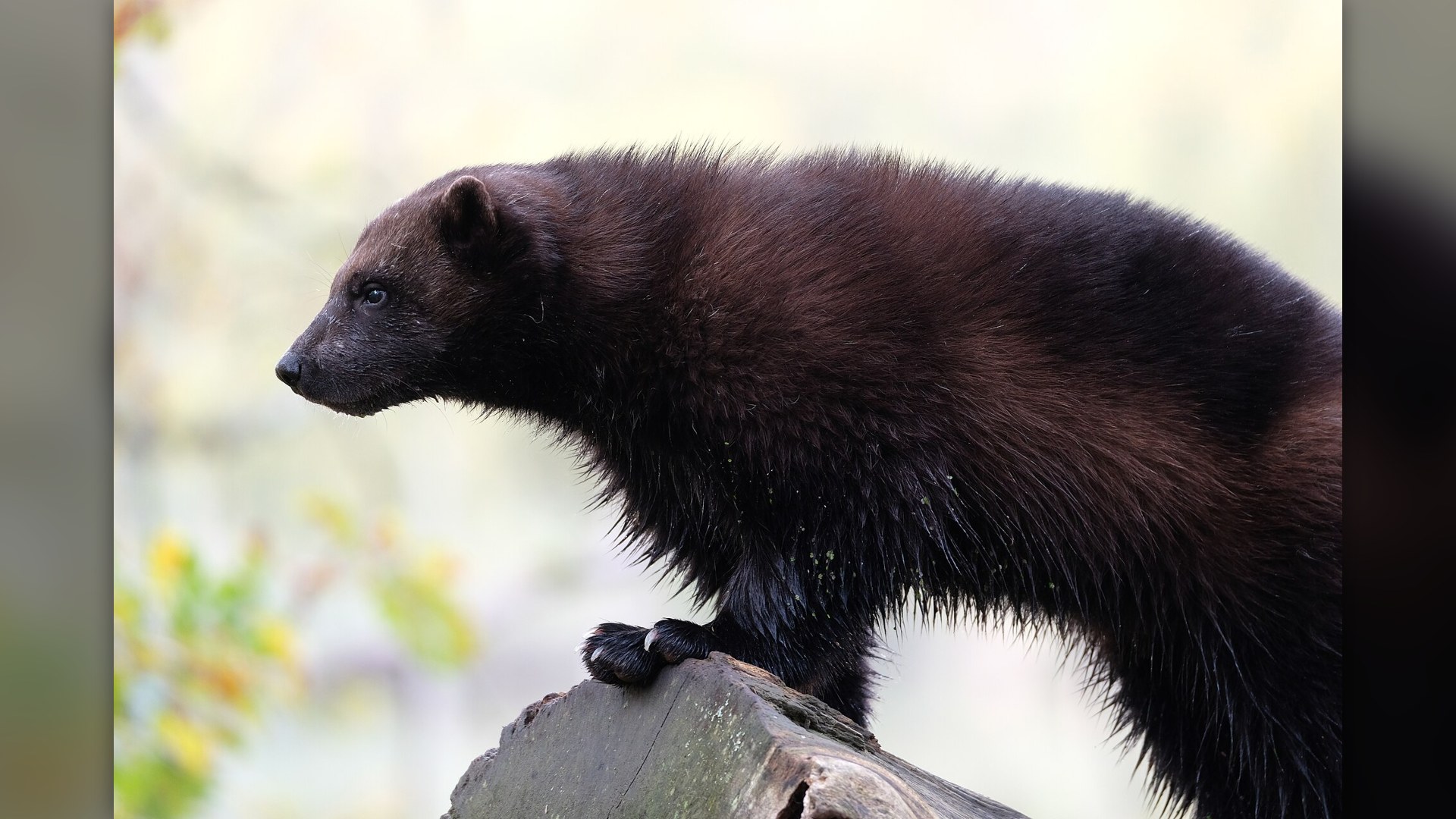
8. Wolverine 
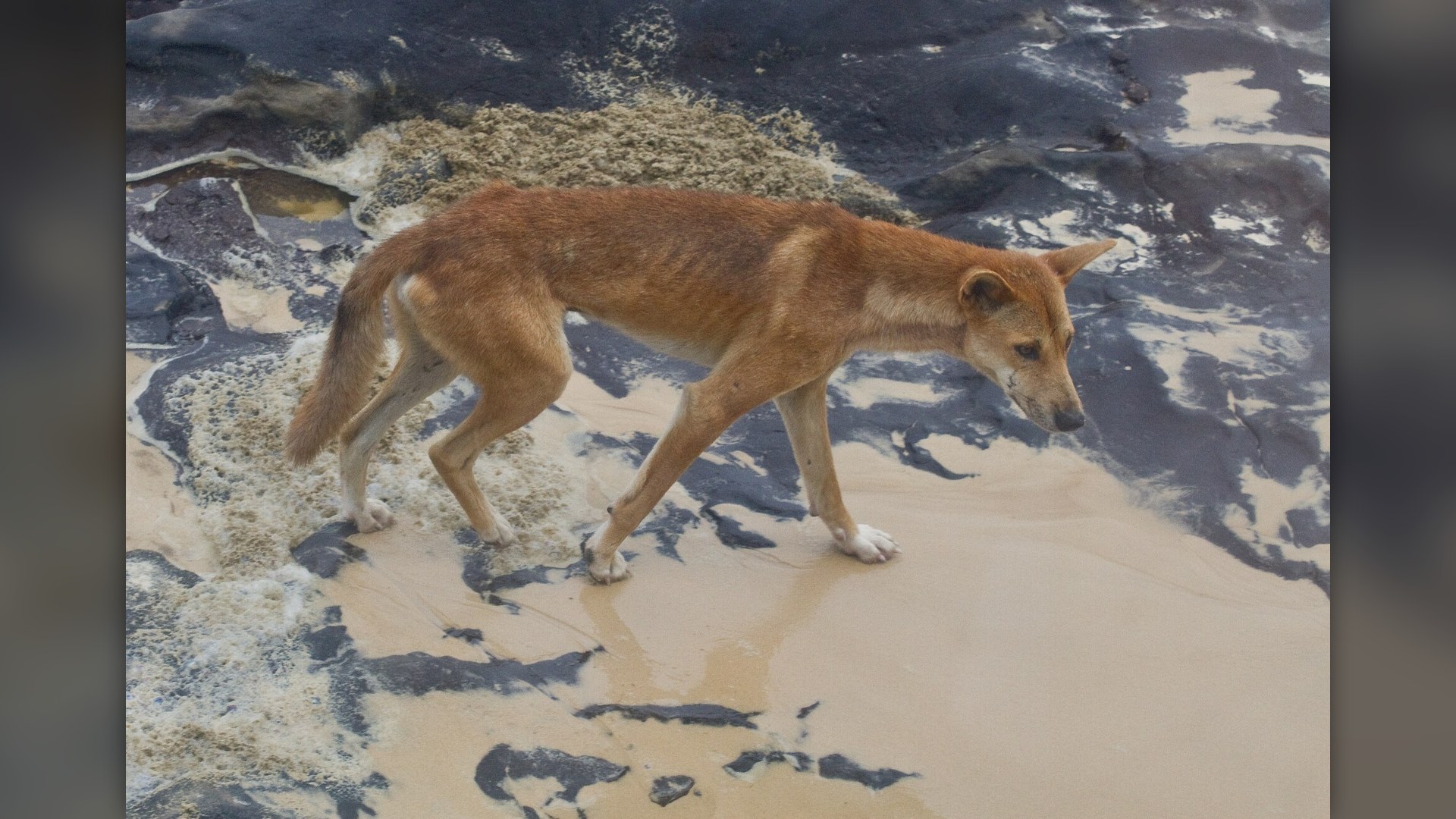
7. Dingo 
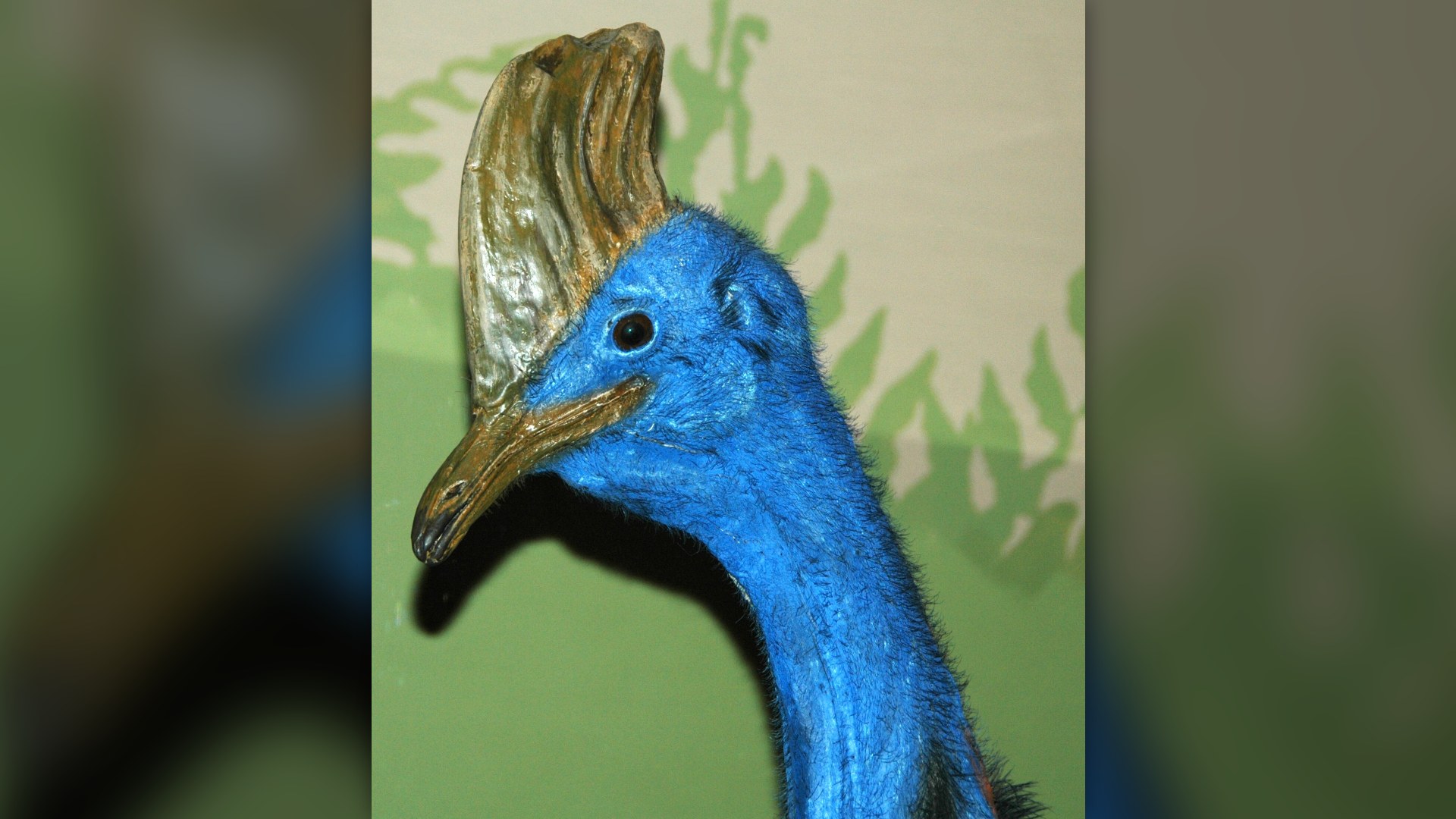
6. Southern Cassowary - AdvertisementSwipe or tap ▶ to continue countdown

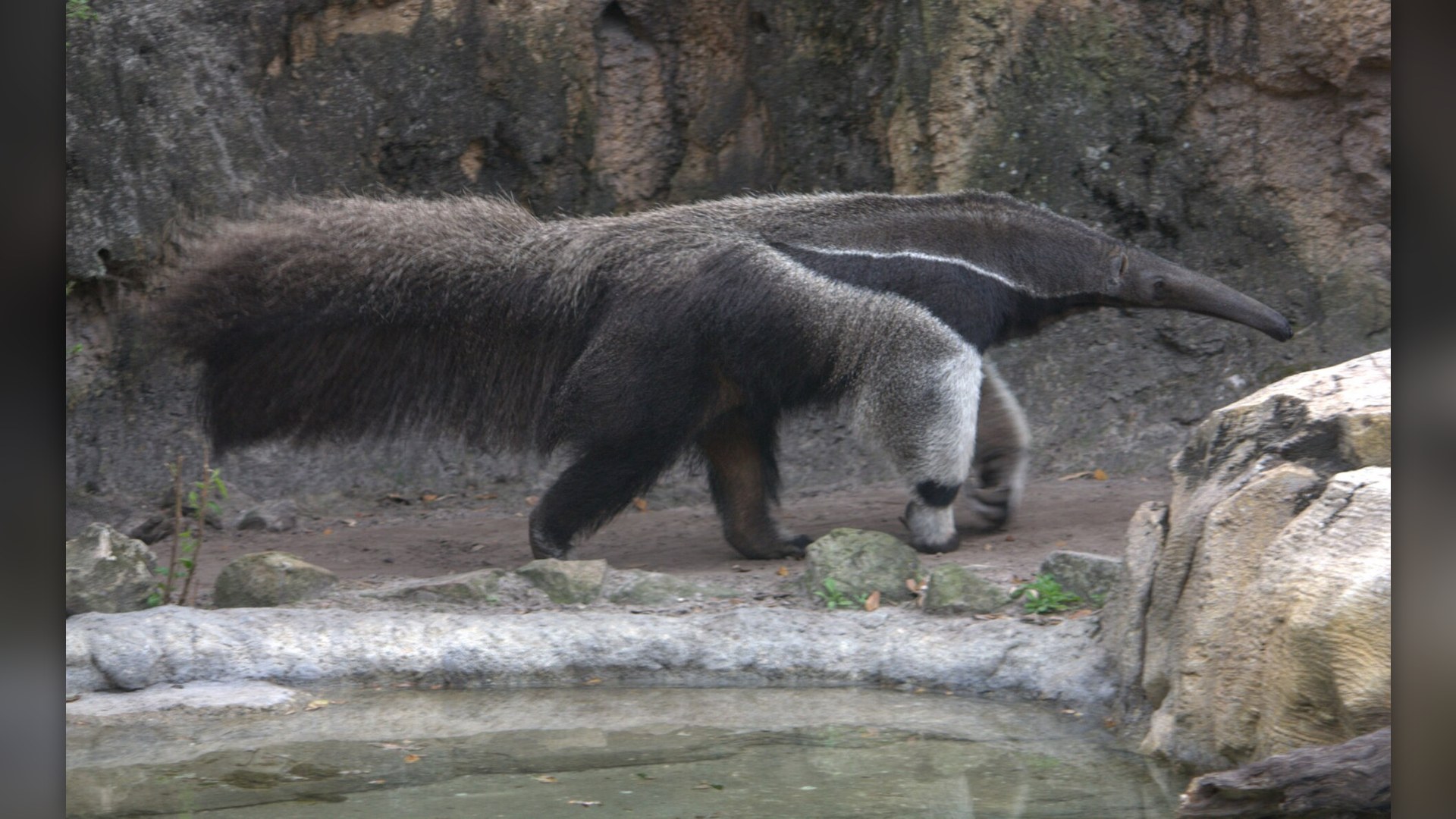
5. Giant Anteater 
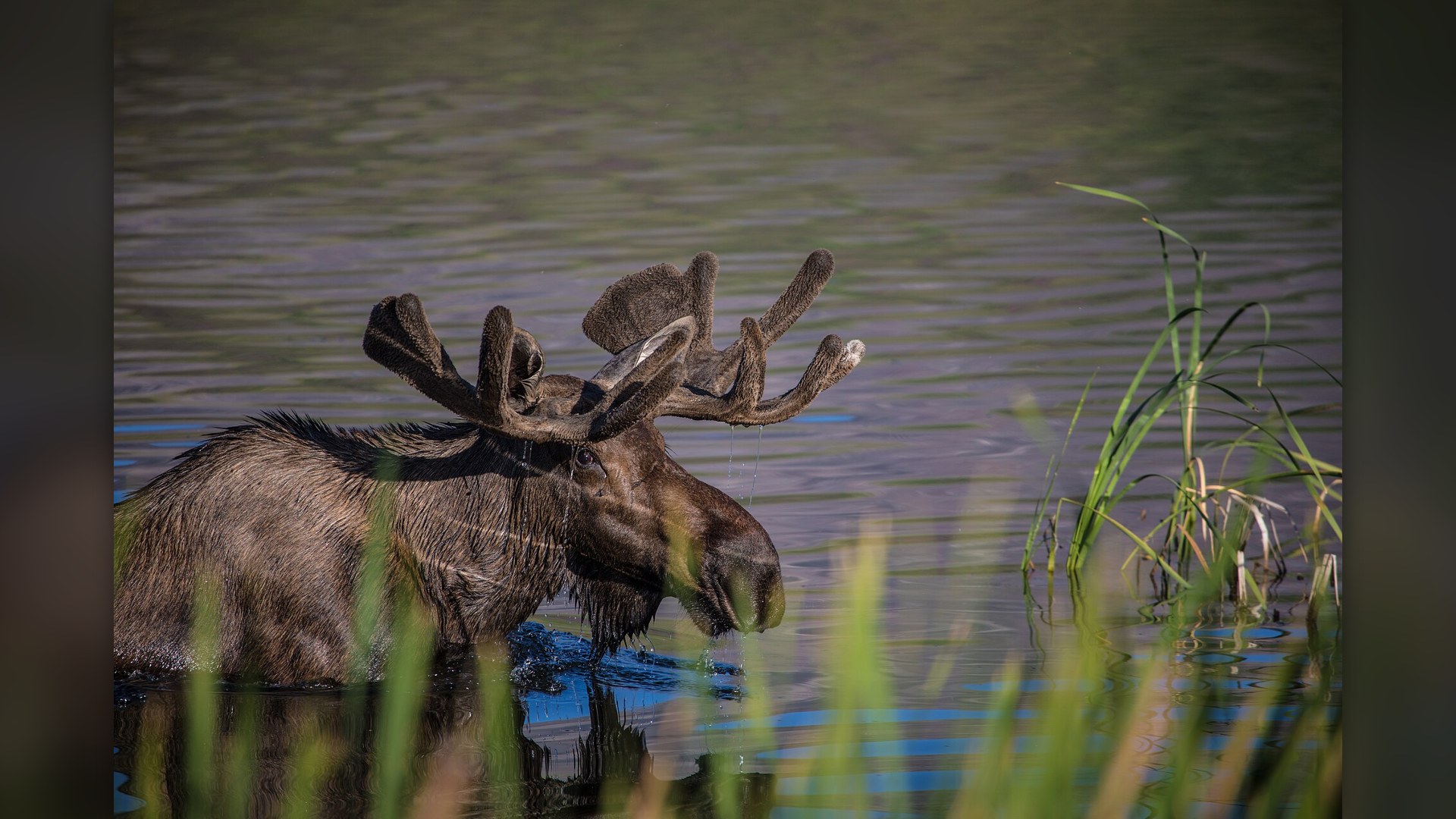
4. Moose 
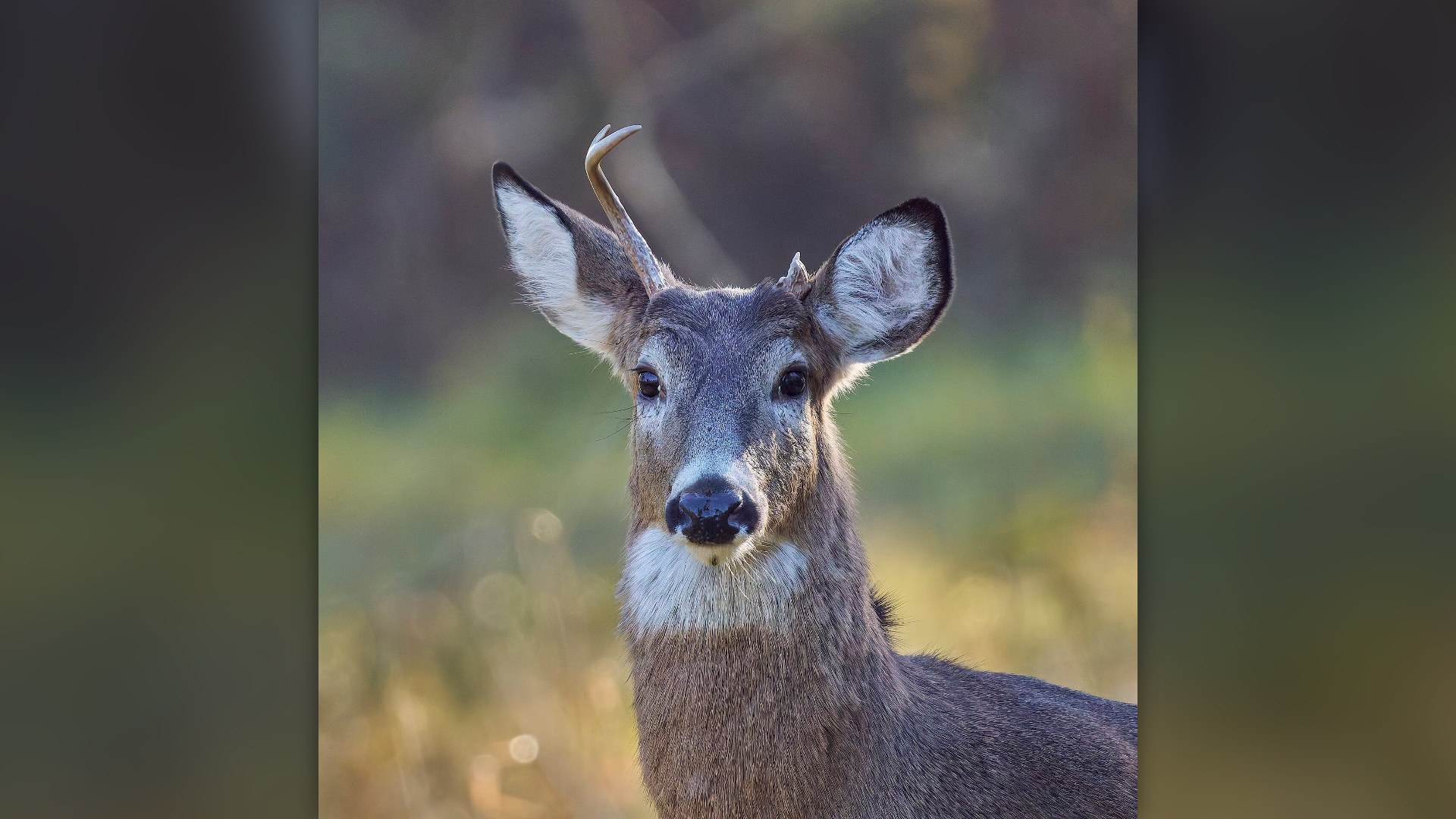
3. White-Tailed Deer 
2. Mute Swan - AdvertisementSwipe or tap ▶ to continue countdown

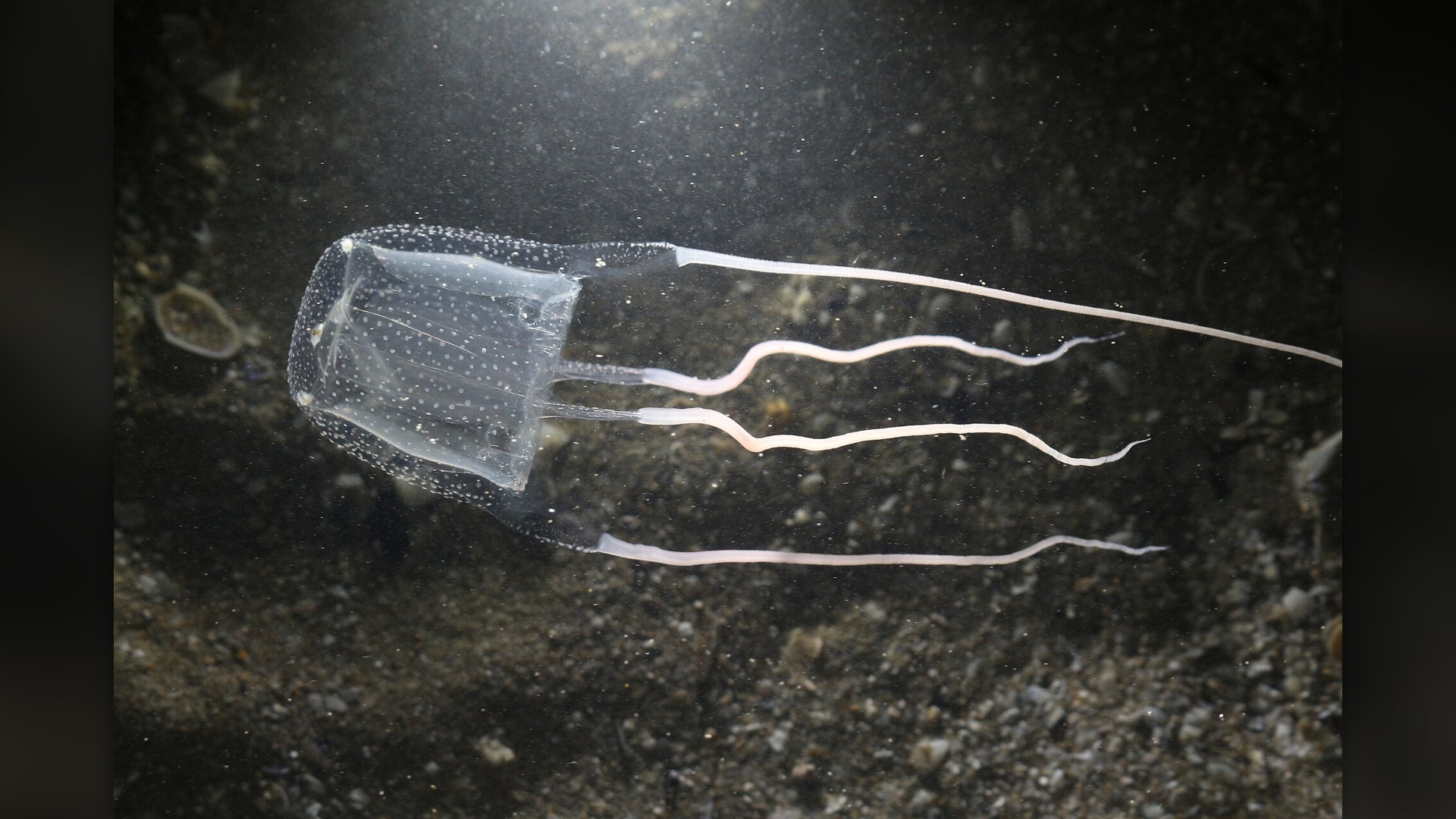
1. Box Jellyfish - Advertisement🔥 UP NEXT IN THIS SERIES◫ 22 Slides

How Long Do Hippos Live? 20 Other Facts About Hippos
From sixty-year lifespans to whale cousins, discover secrets of river giants
From venomous elbow-licking primates to heart-stopping translucent sea bells, these twenty adorable creatures conceal nature's most lethal biological weapons.
Swipe or tap ▶ to begin the countdown
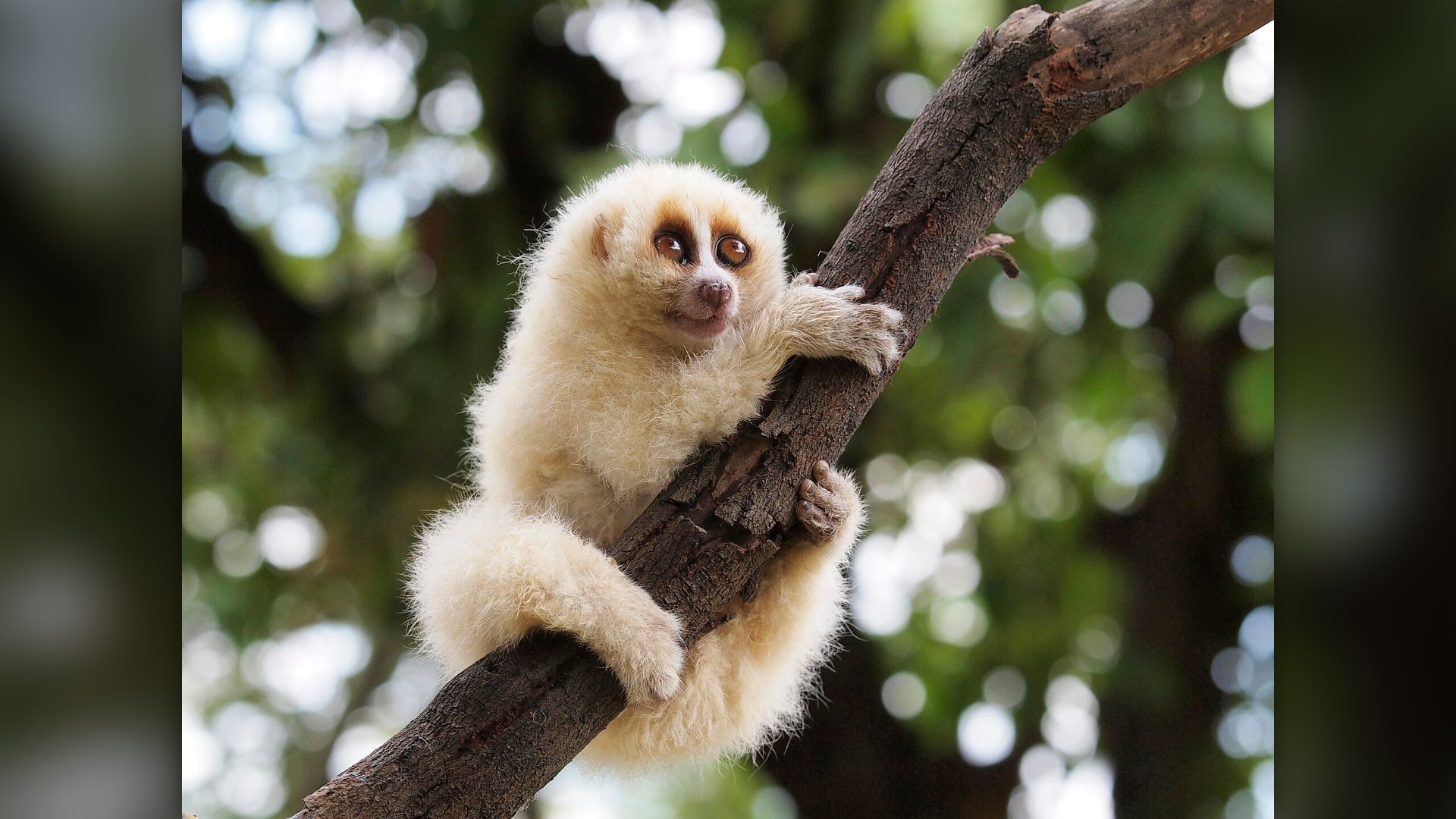
©Wikimedia / Greg Baker & Sylke Rohrlach
20. Slow Loris
With immense saucer eyes and plush fur, the slow loris resembles a living stuffed toy. Beneath its elbow lies a brachial gland producing a toxic secretion. When threatened, the loris licks the gland to coat its needle teeth in necrotic venom, delivering agonizing, flesh-rotting bites that can induce fatal shock.
©Wikimedia / David Haring / Duke Lemur Center (CC BY-SA 4.0)
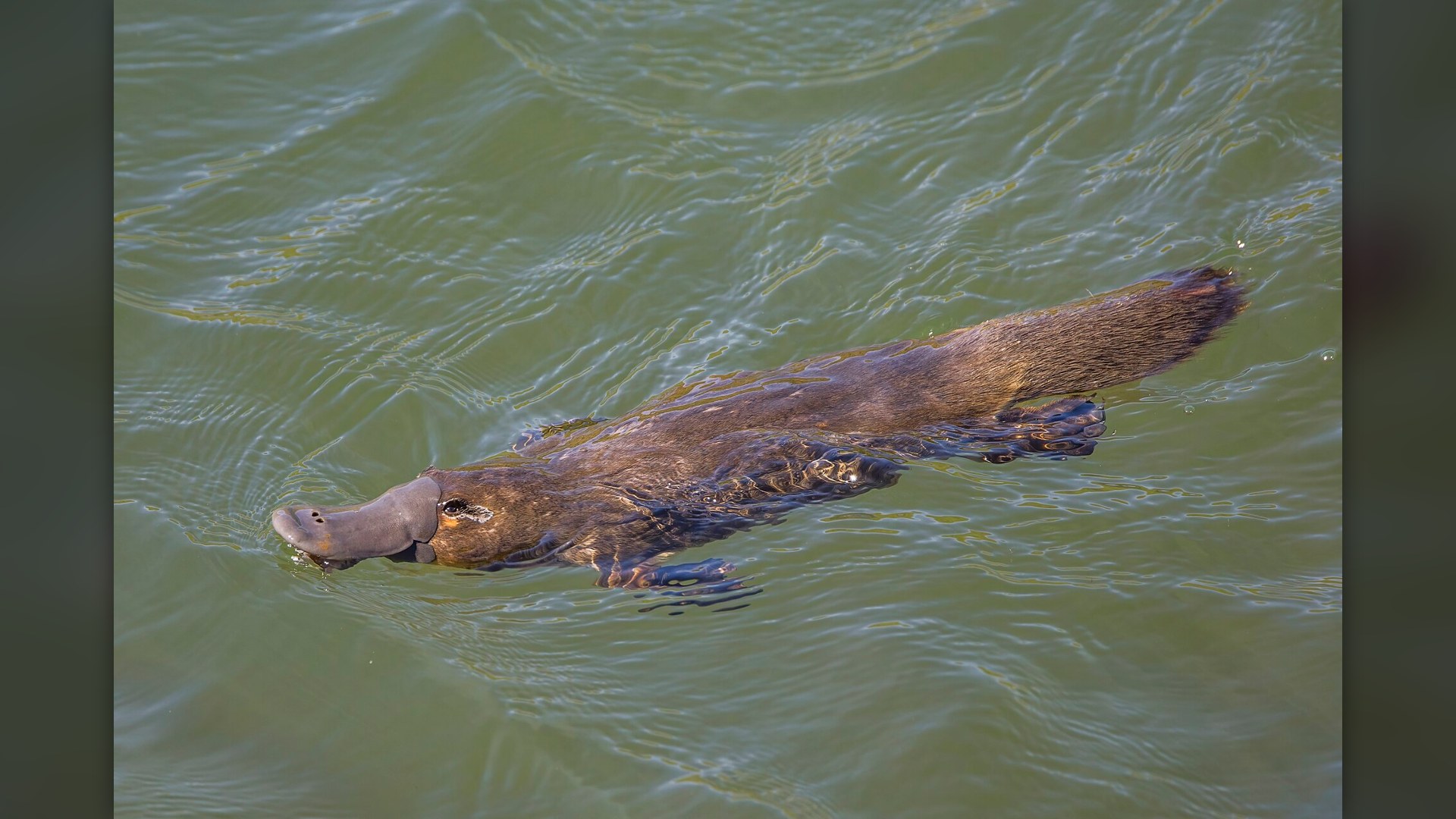
19. Platypus
This duck-billed, paddle-tailed oddity appears entirely whimsical, yet adult males possess sharp keratin spurs on their hind ankles. Connected to venom glands that swell during breeding season, a defensive strike causes immediate, incapacitating agony resistant to morphine, leaving months of hypersensitivity.
©Wikimedia / JJ Harrison (CC BY-SA 4.0)
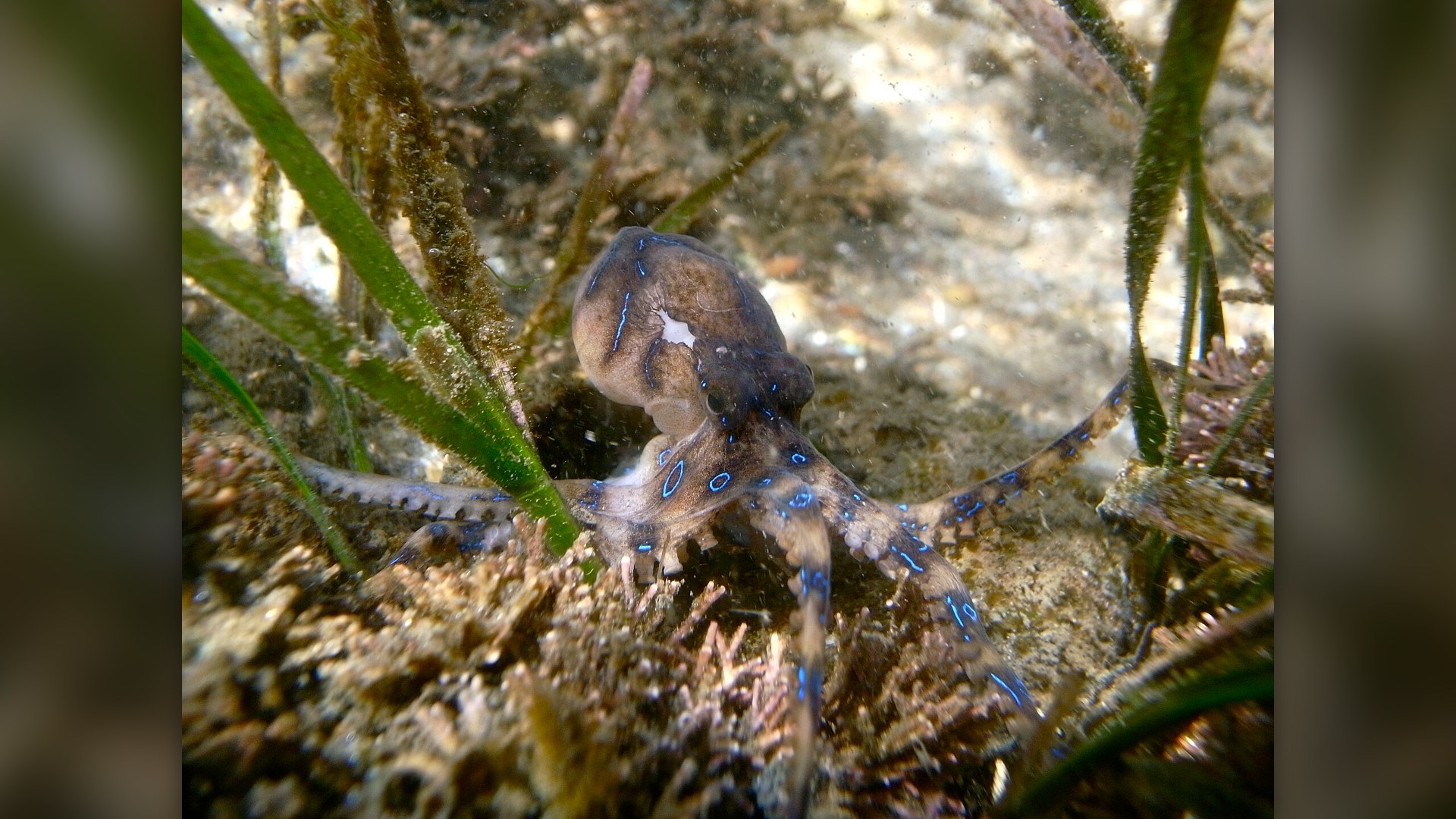
18. Blue-Ringed Octopus
Measuring barely five inches with stunning psychedelic blue circles, this miniature tide-pool cephalopod looks harmless. Its salivary glands harbor symbiotic bacteria producing tetrodotoxin, over 1,000 times deadlier than cyanide. A painless bite causes total respiratory paralysis while the victim remains conscious.
©Wikimedia / Sylke Rohrlach (CC BY-SA 3.0)
Advertisement
Swipe or tap ▶ to resume the countdown.
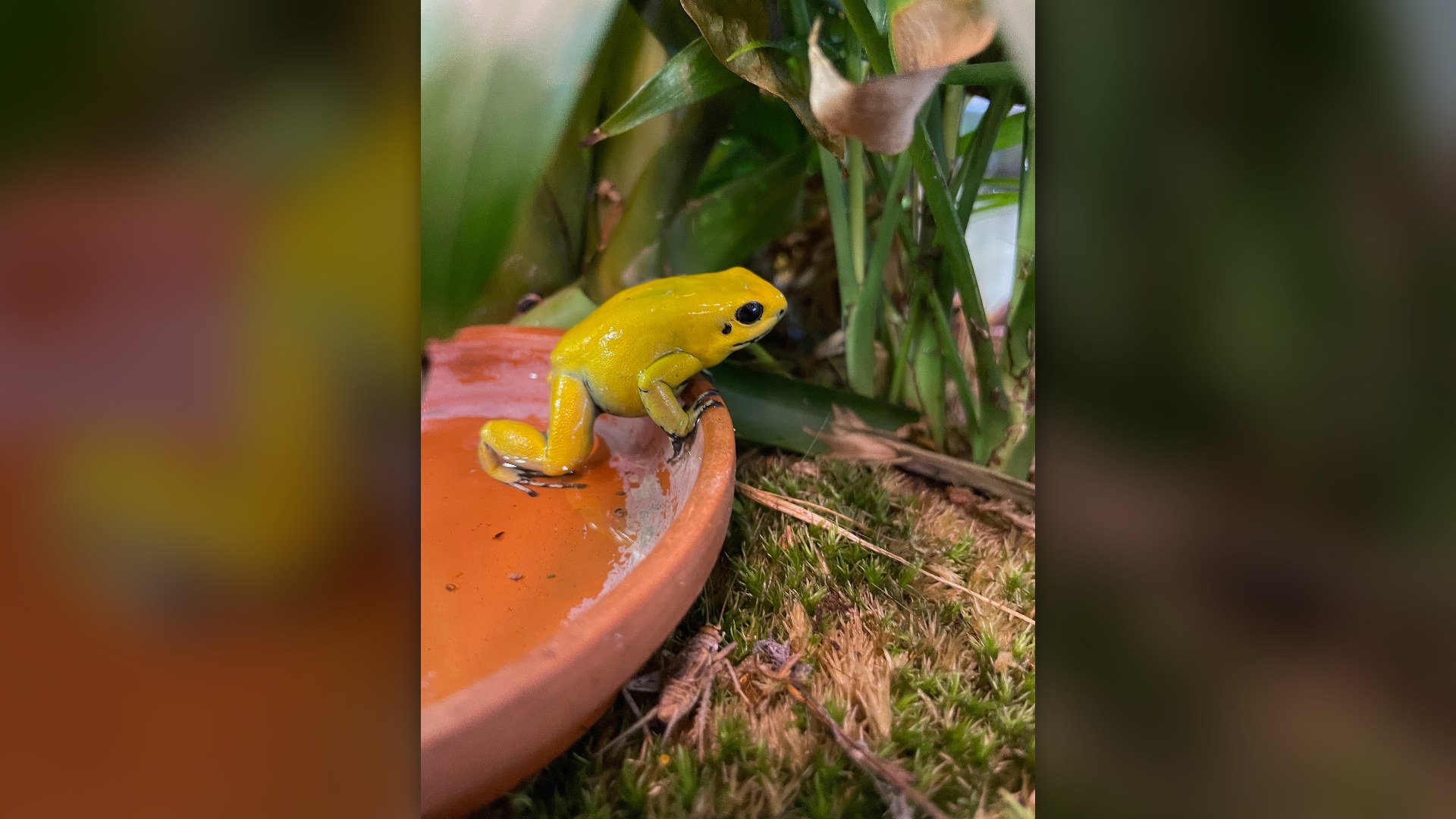
17. Golden Poison Frog
Endemic to Colombia's rainforests, this tiny amphibian looks like a harmless bright jewel. However, its skin secretions contain potent batrachotoxin, which permanently locks nerve channels open, causing muscle contractions, convulsions, and cardiac arrest. Simply brushing against its skin can prove fatal.
©Wikimedia / Ryan Hodnett (CC BY-SA 4.0)
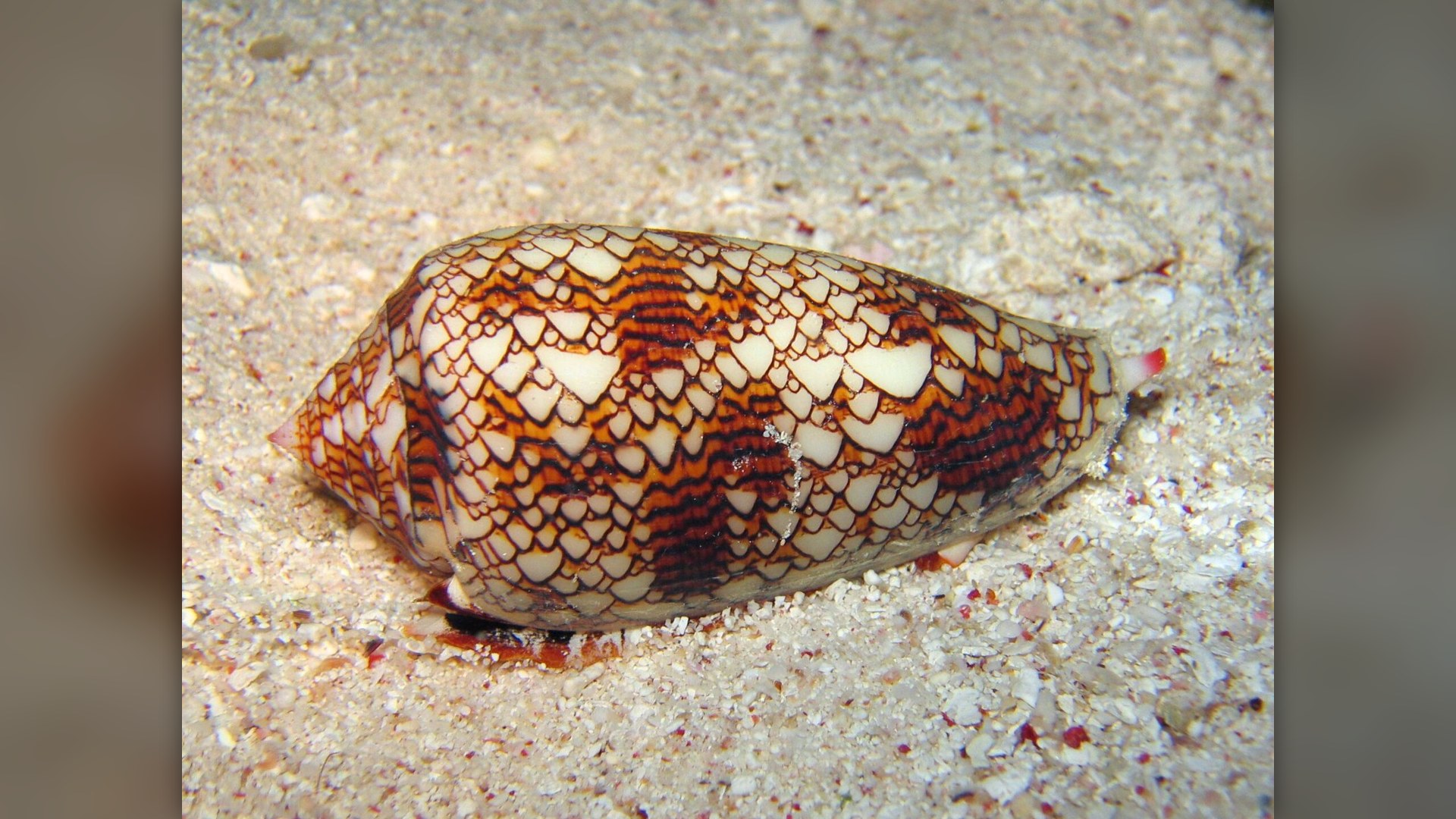
16. Geography Cone Snail
Often collected by shell enthusiasts for its intricate geometric patterns, this slow-moving gastropod is quietly deadly. It senses prey with a fleshy siphon before firing a barbed radular tooth laced with neurotoxic peptides. A single puncture can trigger rapid respiratory collapse and fatal cardiac failure.
©Wikimedia / Richard Ling (CC BY-SA 3.0)
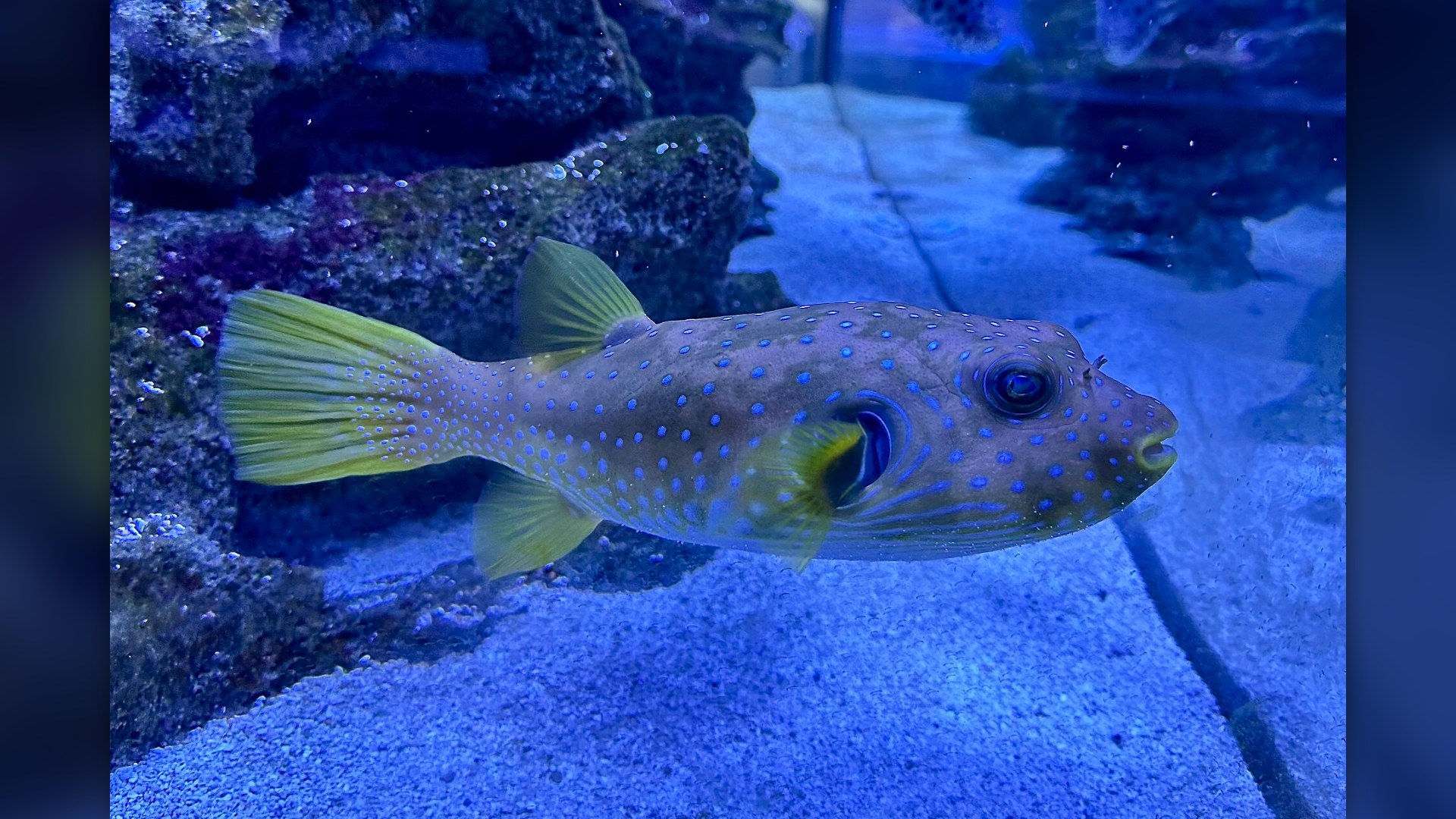
15. Pufferfish
Pufferfish appear delightfully goofy bobbing along coral reefs. But their internal organs-especially the liver, ovaries, and skin-contain lethal concentrations of tetrodotoxin. Ingesting improperly prepared meat paralyzes the voluntary muscles, leaving the victim suffocating while completely conscious.
©Wikimedia / John E. Randall (CC0)
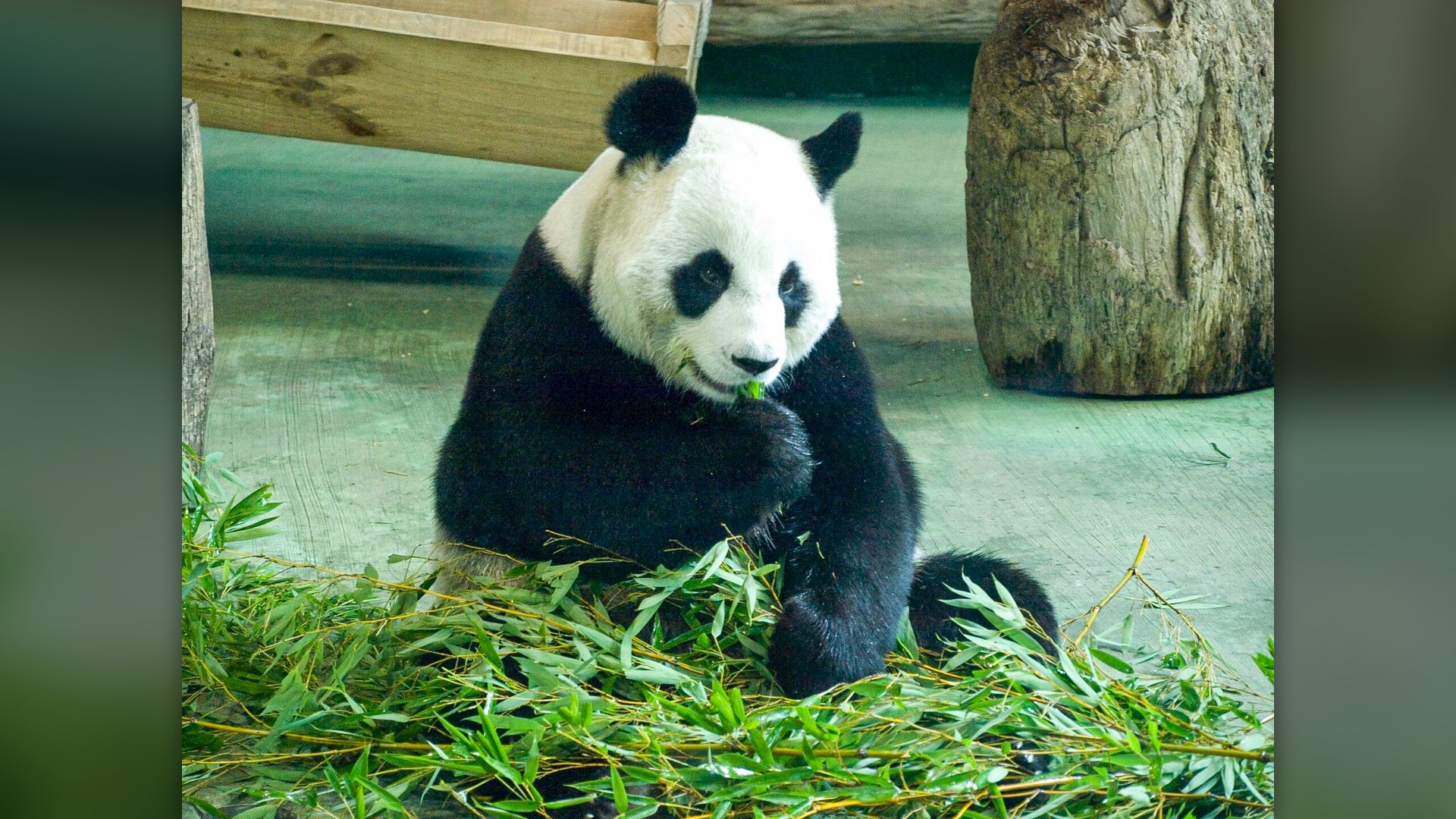
14. Giant Panda
Universally cherished as docile, bumbling bamboo-munchers, giant pandas remain muscular ursids with crushing physical strength. Evolution gave them oversized cranial ridges to anchor heavy jaw muscles capable of snapping iron-hard bamboo shoots-a bite force that has severely mauled trespassers entering zoo enclosures.
©Wikimedia / Greg Baker (CC BY-SA 2.0)
Advertisement
Swipe or tap ▶ to resume the countdown.
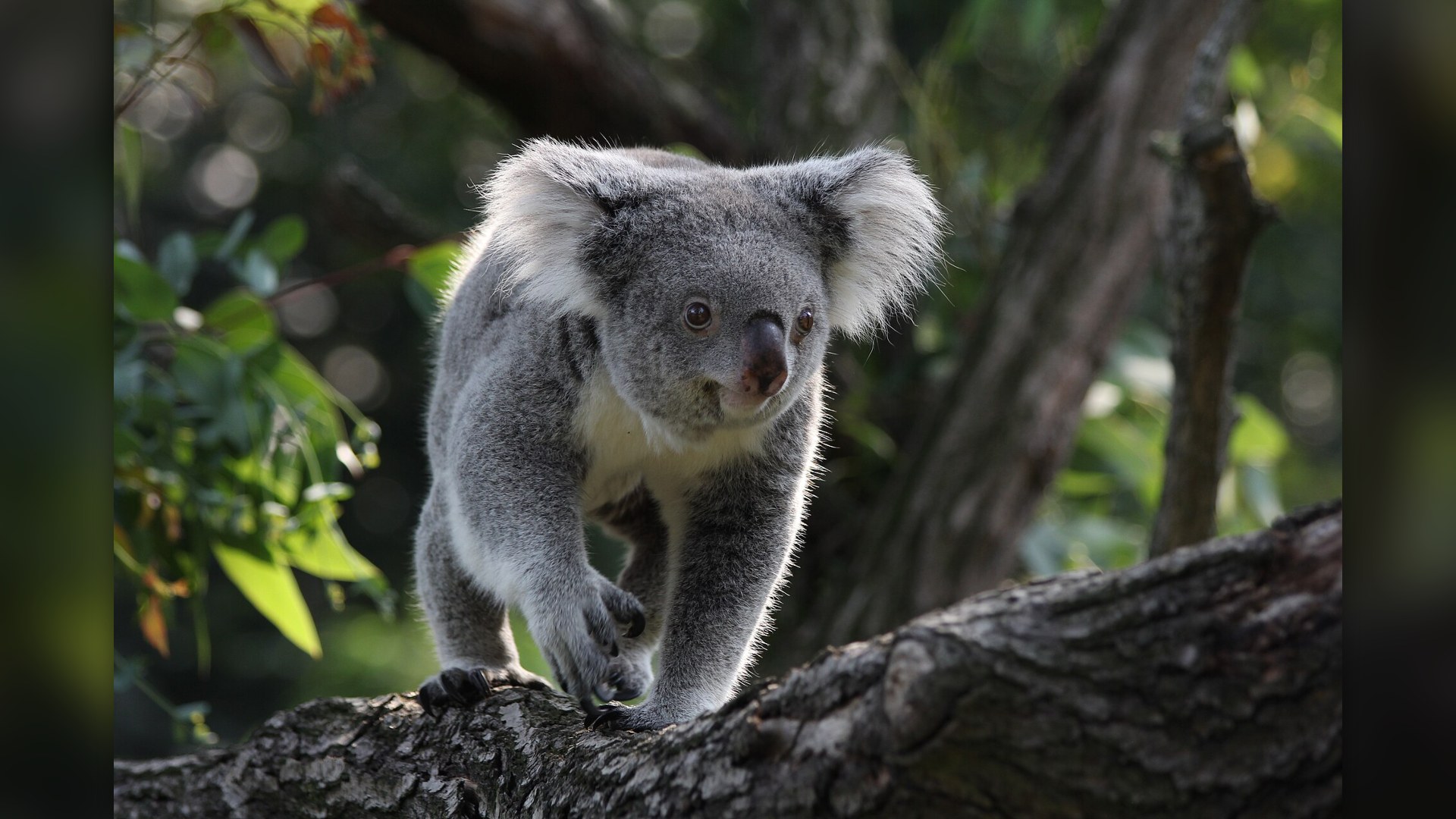
13. Koala
Spending upwards of 20 hours asleep per day, koalas seem harmless. Yet scaling smooth gum tree trunks requires formidable forearm strength, two opposable digits per paw, and hooked, knife-like talons. When agitated or cornered on the ground, territorial males can inflict severe lacerations and deep gouges in seconds.
©Wikimedia / Raimond Spekking (CC BY-SA 4.0)
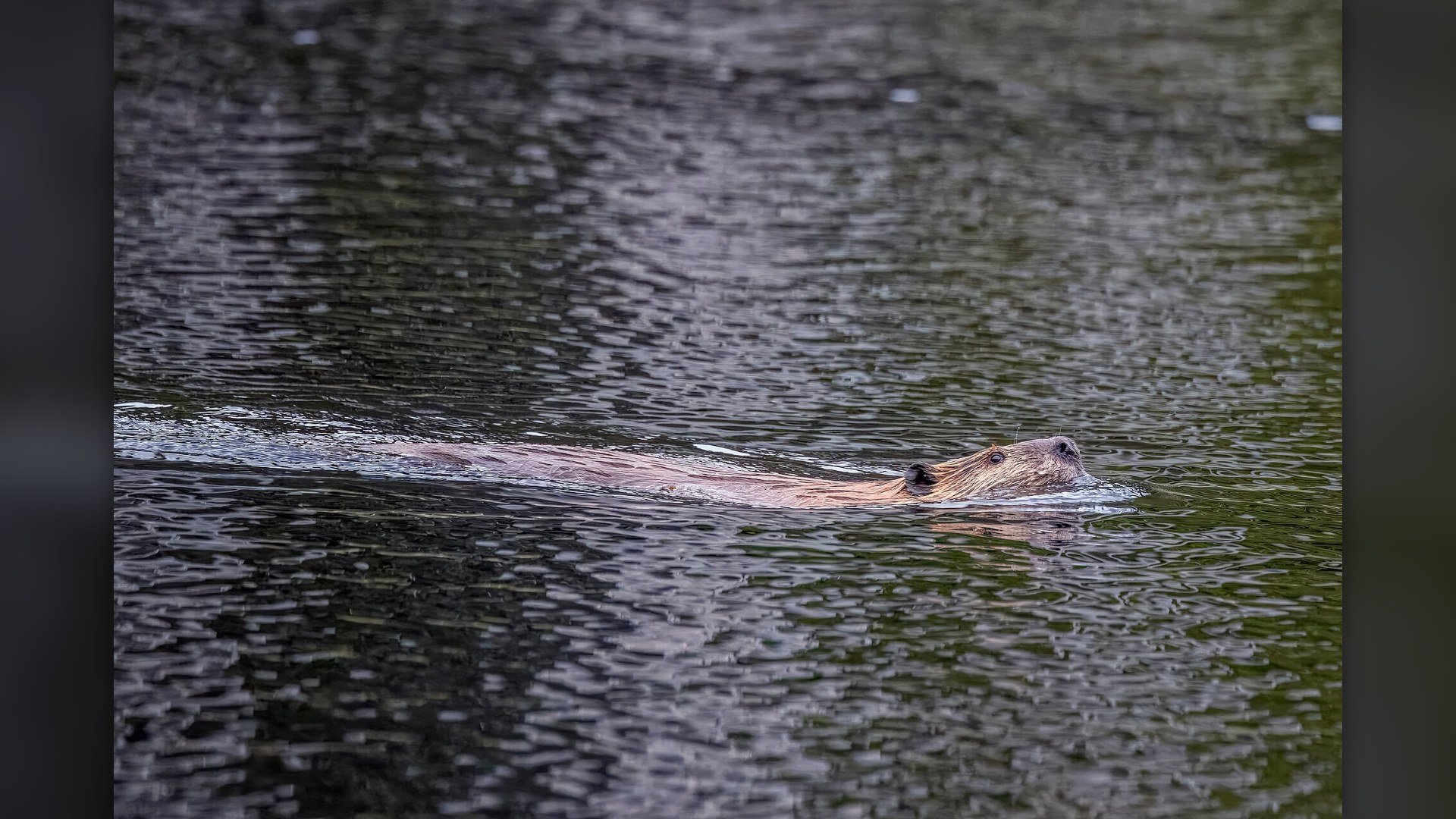
12. North American Beaver
With flat tails and chubby silhouettes, beavers seem entirely peaceful. Yet their distinctive orange incisors are reinforced with real iron, self-sharpening into lethal wood chisels. Extremely territorial around their lodges, beavers have attacked swimmers and fishermen, inflicting fatal arterial lacerations.
©Wikimedia / Charles J. Sharp (CC BY-SA 4.0)
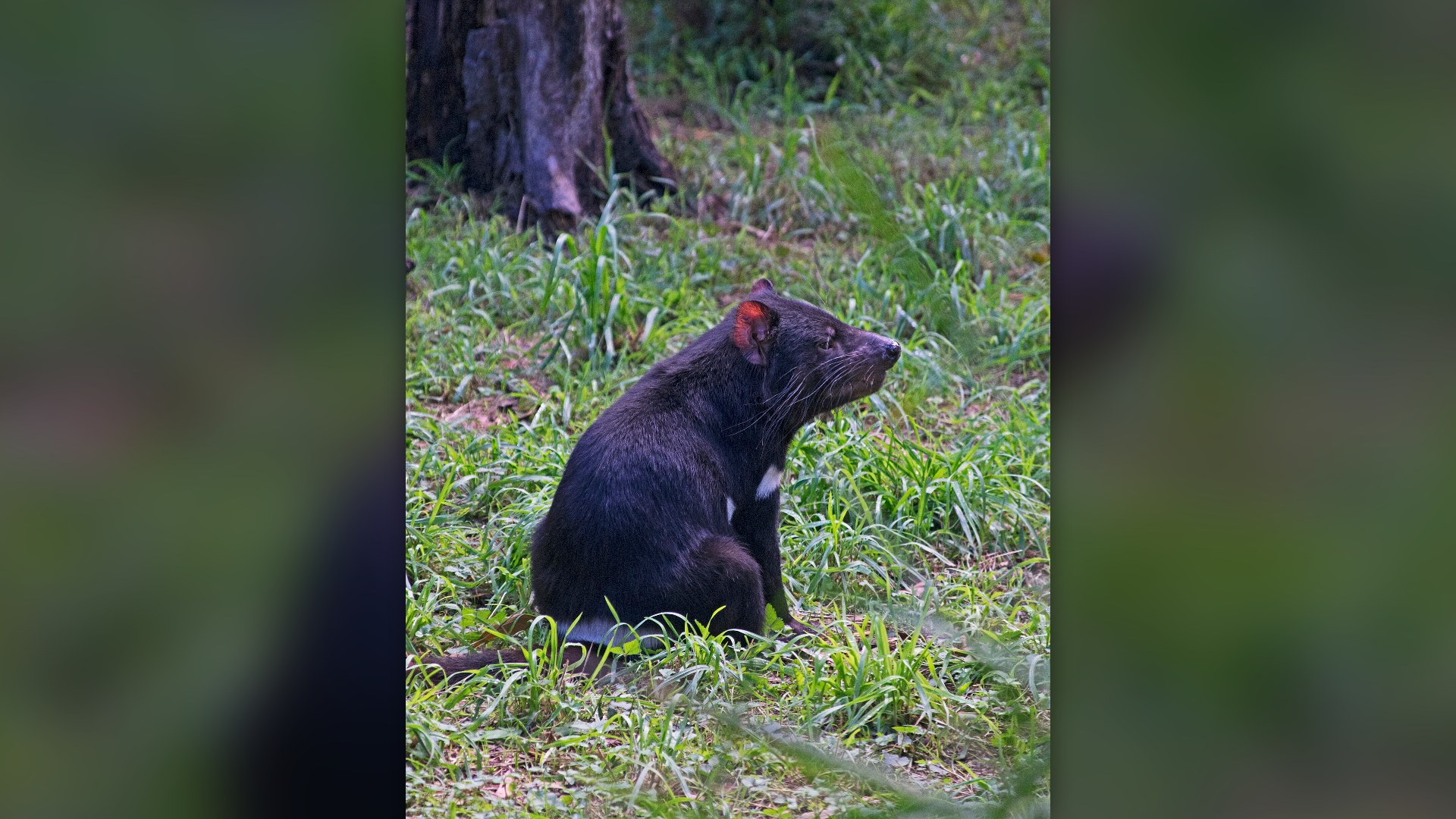
11. Tasmanian Devil
Sporting round ears and a button nose, the Tasmanian devil looks like an oversized rodent. However, relative to its size, it possesses a bite force surpassing a lion. Specialized molars generate 553 newtons of pressure, allowing it to shatter thick cattle bones, heavy turtle shells, and wire fences.
©Wikimedia / Joydeep (CC BY-SA 3.0)
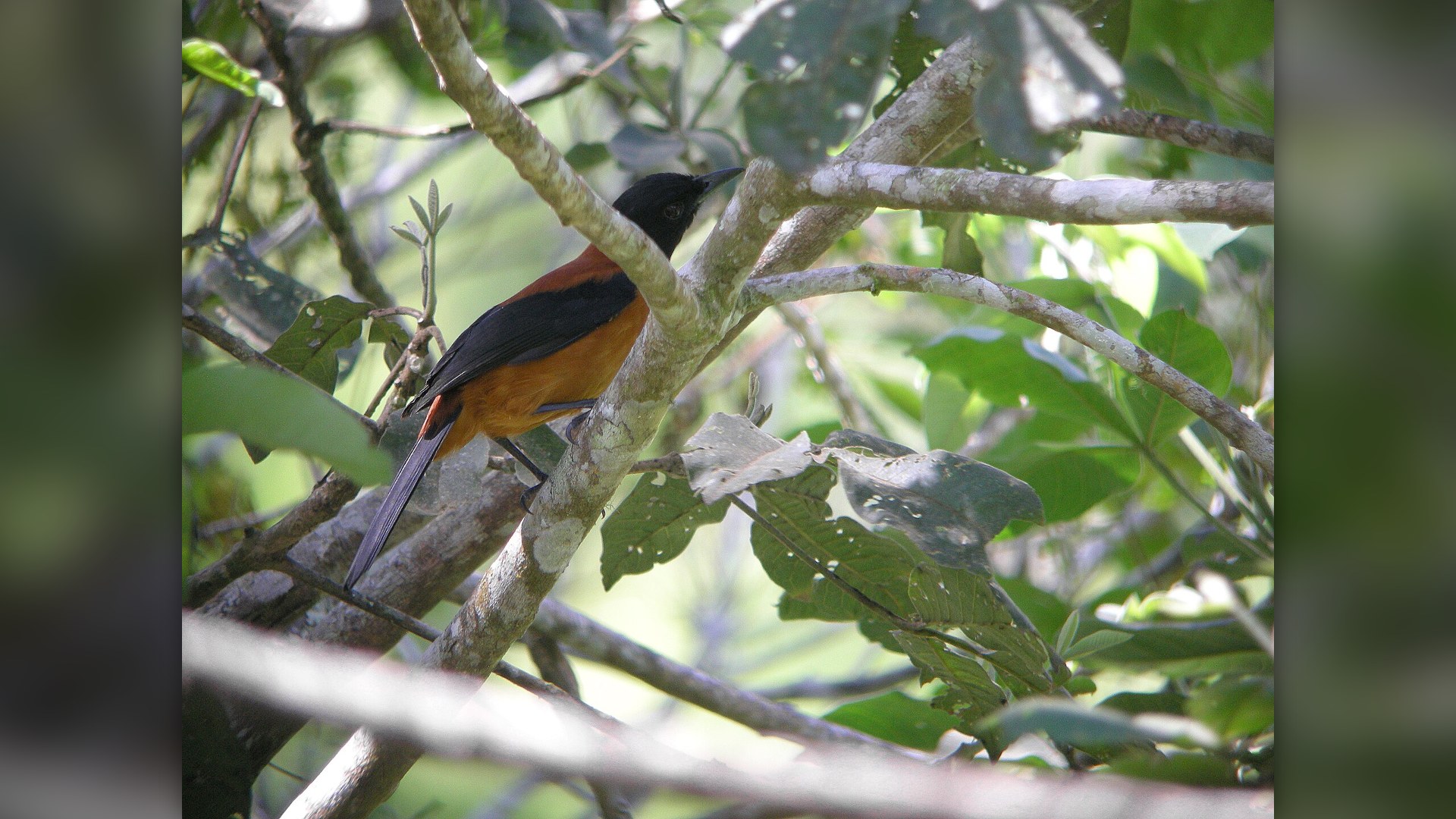
10. Hooded Pitohui
Dressed in bright rufous-and-black plumage with a melodic song, the hooded pitohui seems like a delightful garden bird. Discovered in 1989, it absorbs batrachotoxin from Choresine beetles. Touching its plumage causes immediate numbness and burning, while ingesting feathers triggers convulsions and cardiac arrest.
©Wikimedia / Markus Lilje (CC BY-SA 2.0)
Advertisement
Swipe or tap ▶ to resume the countdown.
9. Leopard Seal
With doe eyes and smooth spotted fur, leopard seals can appear charming. In reality, they are Antarctica's apex marine carnivore alongside orcas. Reaching 11 feet and 1,300 pounds with massive jaws and curved canines, they violently thrash penguins and have dragged human divers into deep water.
©Wikimedia / Godot13 (CC BY-SA 4.0)
8. Wolverine
With thick shaggy coats and teddy bear ears, wolverines look deceptively huggable. Dollar-for-dollar, they are the boreal forest's fiercest predator. Equipped with hydrophobic fur, crampon claws, and jaws capable of eating frozen bone, a 30-pound wolverine routinely repels wolves and kills adult caribou.
©Wikimedia / Vassil (CC0)
7. Dingo
With alert golden faces and bushy tails, dingoes could pass for domestic Shiba Inus. In reality, they are formidable wild canids honed by thousands of years in the harsh Australian Outback. Highly intelligent pack hunters, habituated dingoes show zero fear of humans and have launched fatal predatory attacks on hikers.
©Wikimedia / Tourism NT (CC BY 2.0)
6. Southern Cassowary
Sporting brilliant turquoise skin, dangling red wattles, and expressive eyes, cassowaries look like prehistoric fairy-tale birds. However, the Guinness Book lists them as Earth's most dangerous bird. Delivering jump-kicks at 30 mph, their inner toe carries a 5-inch razor talon that can slice human torsos open.
©Wikimedia / Mike Prince (CC BY 2.0)
Advertisement
Swipe or tap ▶ to resume the countdown.
5. Giant Anteater
Toothless and shaggy with a comical elongated snout, giant anteaters appear docile and sluggish. Yet to tear into rock-hard concrete termite mounds, their forearms pack massive muscular strength armed with 4-inch curved claws. When reared back in a 'bear hug,' an anteater can disembowel jaguars and hunters.
©Wikimedia / Fernando Flores (CC BY-SA 2.0)
4. Moose
With awkward bulbous muzzles and knobby knees, moose resemble gentle forest cartoons. Weighing over 1,500 pounds and standing seven feet at the shoulder, they are notoriously unpredictable and aggressive. When startled or protecting calves, a charging moose tramples victims with sharp, bone-crushing front hooves.
©Wikimedia / Dan Dzurisin (CC BY 2.0)
3. White-Tailed Deer
Beloved as graceful, gentle woodland creatures, deer cause more human deaths in North America than all predators combined. Aside from triggering over 1.5 million vehicular crashes each year, protective bucks during autumn rut use razor-sharp brow tines and flailing forehooves to gore unsuspecting humans.
©Wikimedia / Phil Dickinson (CC BY-SA 4.0)
2. Mute Swan
Gliding peacefully across ornamental ponds, mute swans epitomize serenity. But male cobs fiercely defend nests with terrifying territorial ferocity. Flaring eight-foot wings backed by dense flight muscle, a charging swan can break human arms, knock adults out of watercraft, and hold victims submerged until drowned.
©Wikimedia / Tony Hisgett from Birmingham, UK (CC BY 2.0)
Advertisement
Swipe or tap ▶ to resume the countdown.
1. Box Jellyfish
Drifting invisibly through turquoise tropical shallows, this pale translucent bell looks like a fragile phantom. Trailing 15 ten-foot tentacles armed with over three billion microscopic nematocysts, its venom punches holes in heart muscle cells, causing excruciating cardiac arrest and death within 120 seconds.

©Wikimedia / Holger Krisp (CC BY 4.0)
Advertisement
You've reached the end of the story. Thanks for reading!

How Long Do Hippos Live? 20 Other Facts About Hippos
From sixty-year lifespans to whale cousins, discover secrets of river giants
All 20 Entries in this Story
20. Slow Loris
With immense saucer eyes and plush fur, the slow loris resembles a living stuffed toy. Beneath its elbow lies a brachial gland producing a toxic secretion. When threatened, the loris licks the gland to coat its needle teeth in necrotic venom, delivering agonizing, flesh-rotting bites that can induce fatal shock.

19. Platypus
This duck-billed, paddle-tailed oddity appears entirely whimsical, yet adult males possess sharp keratin spurs on their hind ankles. Connected to venom glands that swell during breeding season, a defensive strike causes immediate, incapacitating agony resistant to morphine, leaving months of hypersensitivity.

18. Blue-Ringed Octopus
Measuring barely five inches with stunning psychedelic blue circles, this miniature tide-pool cephalopod looks harmless. Its salivary glands harbor symbiotic bacteria producing tetrodotoxin, over 1,000 times deadlier than cyanide. A painless bite causes total respiratory paralysis while the victim remains conscious.

17. Golden Poison Frog
Endemic to Colombia's rainforests, this tiny amphibian looks like a harmless bright jewel. However, its skin secretions contain potent batrachotoxin, which permanently locks nerve channels open, causing muscle contractions, convulsions, and cardiac arrest. Simply brushing against its skin can prove fatal.

16. Geography Cone Snail
Often collected by shell enthusiasts for its intricate geometric patterns, this slow-moving gastropod is quietly deadly. It senses prey with a fleshy siphon before firing a barbed radular tooth laced with neurotoxic peptides. A single puncture can trigger rapid respiratory collapse and fatal cardiac failure.

15. Pufferfish
Pufferfish appear delightfully goofy bobbing along coral reefs. But their internal organs-especially the liver, ovaries, and skin-contain lethal concentrations of tetrodotoxin. Ingesting improperly prepared meat paralyzes the voluntary muscles, leaving the victim suffocating while completely conscious.

14. Giant Panda
Universally cherished as docile, bumbling bamboo-munchers, giant pandas remain muscular ursids with crushing physical strength. Evolution gave them oversized cranial ridges to anchor heavy jaw muscles capable of snapping iron-hard bamboo shoots-a bite force that has severely mauled trespassers entering zoo enclosures.

13. Koala
Spending upwards of 20 hours asleep per day, koalas seem harmless. Yet scaling smooth gum tree trunks requires formidable forearm strength, two opposable digits per paw, and hooked, knife-like talons. When agitated or cornered on the ground, territorial males can inflict severe lacerations and deep gouges in seconds.

12. North American Beaver
With flat tails and chubby silhouettes, beavers seem entirely peaceful. Yet their distinctive orange incisors are reinforced with real iron, self-sharpening into lethal wood chisels. Extremely territorial around their lodges, beavers have attacked swimmers and fishermen, inflicting fatal arterial lacerations.

11. Tasmanian Devil
Sporting round ears and a button nose, the Tasmanian devil looks like an oversized rodent. However, relative to its size, it possesses a bite force surpassing a lion. Specialized molars generate 553 newtons of pressure, allowing it to shatter thick cattle bones, heavy turtle shells, and wire fences.

10. Hooded Pitohui
Dressed in bright rufous-and-black plumage with a melodic song, the hooded pitohui seems like a delightful garden bird. Discovered in 1989, it absorbs batrachotoxin from Choresine beetles. Touching its plumage causes immediate numbness and burning, while ingesting feathers triggers convulsions and cardiac arrest.

9. Leopard Seal
With doe eyes and smooth spotted fur, leopard seals can appear charming. In reality, they are Antarctica's apex marine carnivore alongside orcas. Reaching 11 feet and 1,300 pounds with massive jaws and curved canines, they violently thrash penguins and have dragged human divers into deep water.

8. Wolverine
With thick shaggy coats and teddy bear ears, wolverines look deceptively huggable. Dollar-for-dollar, they are the boreal forest's fiercest predator. Equipped with hydrophobic fur, crampon claws, and jaws capable of eating frozen bone, a 30-pound wolverine routinely repels wolves and kills adult caribou.

7. Dingo
With alert golden faces and bushy tails, dingoes could pass for domestic Shiba Inus. In reality, they are formidable wild canids honed by thousands of years in the harsh Australian Outback. Highly intelligent pack hunters, habituated dingoes show zero fear of humans and have launched fatal predatory attacks on hikers.

6. Southern Cassowary
Sporting brilliant turquoise skin, dangling red wattles, and expressive eyes, cassowaries look like prehistoric fairy-tale birds. However, the Guinness Book lists them as Earth's most dangerous bird. Delivering jump-kicks at 30 mph, their inner toe carries a 5-inch razor talon that can slice human torsos open.

5. Giant Anteater
Toothless and shaggy with a comical elongated snout, giant anteaters appear docile and sluggish. Yet to tear into rock-hard concrete termite mounds, their forearms pack massive muscular strength armed with 4-inch curved claws. When reared back in a 'bear hug,' an anteater can disembowel jaguars and hunters.

4. Moose
With awkward bulbous muzzles and knobby knees, moose resemble gentle forest cartoons. Weighing over 1,500 pounds and standing seven feet at the shoulder, they are notoriously unpredictable and aggressive. When startled or protecting calves, a charging moose tramples victims with sharp, bone-crushing front hooves.

3. White-Tailed Deer
Beloved as graceful, gentle woodland creatures, deer cause more human deaths in North America than all predators combined. Aside from triggering over 1.5 million vehicular crashes each year, protective bucks during autumn rut use razor-sharp brow tines and flailing forehooves to gore unsuspecting humans.

2. Mute Swan
Gliding peacefully across ornamental ponds, mute swans epitomize serenity. But male cobs fiercely defend nests with terrifying territorial ferocity. Flaring eight-foot wings backed by dense flight muscle, a charging swan can break human arms, knock adults out of watercraft, and hold victims submerged until drowned.

1. Box Jellyfish
Drifting invisibly through turquoise tropical shallows, this pale translucent bell looks like a fragile phantom. Trailing 15 ten-foot tentacles armed with over three billion microscopic nematocysts, its venom punches holes in heart muscle cells, causing excruciating cardiac arrest and death within 120 seconds.